FOX Sports is attempting to reach out to a new audience for its Major League Baseball coverage with the deployment of immersive technology for users of 5G phones. Partnering with Samsung, the technology will allow users to see five camera angles from around the field, allowing them to see the action as it unfolds as if they were there. This comes as a push from FOX to up its sports coverage and engage with new audiences as well as giving existing users an experience befitting current technology trends. What does this tell us about how important smartphones will be for entertainment going forwards?
The FOX Sports app doesn’t just offer the immersive experience, but a whole range of features to engage those with smartphones. The app also allows fans to relive moments from games with the highlights. If something is missed, they can rewind up to three minutes to catch every single second of action. By targeting customers where they are – on their smartphones – and allowing these devices to enable them to watch and engage more with their content, FOX Sports are achieving two goals.
Offering immersive experiences isn’t just something those wanting to modernise sports content can use. Other industries have also been pioneering smartphone technology to augment existing experiences and offerings. For example, Tate Modern partnered with Facebook for its Virtual Wing exhibit in late 2019, which allowed guests to go into the paintings. Scanning the artwork with the Instagram camera brought up more information and the Spark AR experience.
A huge thank you to all of our creative collaborators in 2019.
From imagining the future of museums with a Virtual Wing at Tate Modern to pushing the boundaries of CG liquid simulation for PlayStation, you can discover our highlights here: https://t.co/MlKho3XrcWpic.twitter.com/0ZkrHMXOlk
One of the main reasons for FOX upping its coverage for smartphone users is to target those who engage through their phones. Augmenting physical experiences with mobile versions has been popular across the entertainment industry for some time and companies are using their mobile credentials to secure their place in a transforming digital world, as well as attracting and keeping tech-savvy customers.
Indeed, the entertainment sector is primed to target audiences who may prefer to use mobile devices. For example, podcast company Stitcher offers variants of other shows – such as a podcast version of The Rachel Maddow Show. This leans into the growth of those looking to engage with such entertainment on their smartphones (and through new formats such as the podcast) and away from traditional means such as TV. Similarly, short-form content platform Quibi aimed its smartphone app at audiences who specifically had time to wait while looking at their phones. The episodes run between five and eight minutes, targeting mobile audiences.
Online casino provider Betway make sure to highlight their fully-optimized mobile version of the desktop site to assure players that they are in touch with current tech trends and have guaranteed that the methods the customer wants to engage with are provided. The presence of a mobile version appeals to new audiences. Moreover, the game Zombies, Run! uses your mobile as wearable technology to put you in the game. The in-game pedometer tracks your run and sporadically sends you alerts in-game to run faster to evade imaginary zombies. This shows how traditional concepts can be elevated through the addition of mobile.
Imagine that you are walking through a dark and abandoned alley, and you suddenly hear the groaning and the slow movement of a strange creature. I am pretty sure that even the laziest person would speed up after realizing that a “real zombie” is after him. This is Zombies, Run! pic.twitter.com/S4KUVseLOr
Beyond the realms of entertainment, a mobile-first approach is growing in other sectors. The importance of being able to engage on mobile is clear from the push from professional packages, such as the Microsoft Office suite promoting file sharing between desktop and mobile so that there is a fluid switch between both platforms.
Mobile Still Lags in Some Areas
However, not all areas of entertainment have adopted a mobile slant – Fortnite still sees 71% of its players using consoles and only 12% playing on mobile devices. This tells us that while mobile will be a huge consideration across entertainment in areas such as gaming going forwards, for some things audiences will find the platform that fits how they want to engage best.
It’s clear that in the engaging technologies of the future, smartphones and mobile devices will play a key role. The FOX Sports app’s immersive features shows that it is already a key consideration for those who already engage with a product – Major League Baseball – and acts to bolster this audience, while enticing a new one. In the future, we could expect a greater dependency on mobile versions of entertainment and ways in which to expand physical and traditional modes of entertainment through mobile.
Buying a home, whether it’s your first home or a second property, will always bring a combination of excitement and concern. You will feel the enthusiasm as you anticipate having a property you can call your own or having it as an addition to your investment portfolio. However, anxiety is also imminent, as you think of its payment.
Before house hunting begins, employing a mortgage is essential. It is one’s privilege to apply for a mortgage, and preparing for it is vital. With the various mortgage plans and loans available in the market, it is recommended to be knowledgeable of home financing details. Terminologies, rates, and options can easily overwhelm you. But having adequate understanding and information on the process and the language will incite your search.
When applying for a mortgage, there are several factors that lending institutions look into. Here are some influences and how to overcome them.
Capacity to Repay the Amount
The first thing that lenders will evaluate is your capacity to repay the amount you intend to borrow. For assessment, they can look into the income you are generating, your expenditure, and your previous position of repaying debts.
Income
Earnings can be proven with recent payslips, proof of income letter, tax documents, ledger documentation, and bank statements, to name a few. Take note that the requirement and accepted list depends on every lender.
Expenses
For expenditure, you can be asked about any outstanding loans you have. They can also inquire about the credit cards you own, its limits, and your usage. You can also expect them to ask about your household bills, insurance policies, and other regular expenses.
Future Changes
Your capability to pay even when changes happen in the future is another element that lenders consider. They will implement some tests to discern how and if changes, such as the rise of interest rates, growth of the family, or unemployment, will affect your ability to pay.
Savings and Downpayment
Increase your chances of approval by lowering your loan-to-value ratio. You can do this by saving up to make a larger downpayment for the property. Try to add a significant amount to your deposit on top of the required 10% or 20% property downpayment. Seniors age 62+ may also want to consider the federally insured HECM, a national reverse mortgage purchase program that allows for seniors to buy real estate without having to make regular mortgage payments. Use this reverse mortgage calculator at reversemortgagereviews.org to determine your loan amount and eligibility.
Credit Standing
Your credit score is an indication of the likelihood of making payments. Best interest rates are offered for those having high credit scores. On the other hand, if you are considered subprime, chances of getting a mortgage are low or if allowed, would have unfavourable terms.
Improve your Credit Score
To have favourable rates, it is recommended to repair your credit scores by paying consumer debts such as credit card balances and auto loans. Paying your bills on time, and using cash or debit rather than credit cards are other ways of improving your record. Furthermore, refrain from applying for new credit accounts and close those that you no longer use. Having more credit accounts lowers your score with the premise that you might utilise maximum available credit in the future, which can affect your ability to pay the mortgage.
Applying for a mortgage can be challenging. Lenders have various requirements and utilise tests to guarantee your ability to pay. Thus, it is worthwhile to follow the pointers mentioned above. These factors are within your control, and a bit of discipline and hard work will help you score a mortgage.
It’s important to do what you love. You spend most of your day at work, and it can have a detrimental impact on your mental health if you dread going to work.
However, jobs don’t exist simply to explore our passions. They also function to keep us financially stable. It’s important to weigh up the pros and cons of a job and understand whether it will be financially viable. Here are some examples of jobs across various industries that carry risks to health and finance.
Armed forces
Most people understand the risks of going into the armed forces. While there are plenty of jobs available, you risk getting a serious injury that could put you out of further employment, making a career in the armed forces financially risky. Conditions that stem from this career, such as PTSD, could significantly impact the rest of your life, and you may need to rely on government financial aid. Are you aware of the ins and outs of this financial support? It can be complicated, with loopholes often leaving victims confused, such as knowing if a PTSD rating can be reduced or not – click the link for more information. Keep these issues in mind when considering a career in the armed forces.
Performance
A lot of people want to go into acting, dancing or music. When you’re successful, it can be a lucrative career with plenty of benefits. However, going into a performance career is financially risky. You could find yourself going through hundreds of auditions without reaping any financial rewards. Plus, a lot of performers are expected to work for free when they’re getting established. While many people do “make it” there’s the potential of never reaching your goals, so you’ll need to be motivated and prepared to work in uninspiring day jobs to pay the bills. Are the financial risks worth it?
Stock market
You’ve probably heard of the wall street crash. In 1929, the American stock market crashed and the US economy collapsed, leading the world economy into the Great Depression. While people have learned from their mistakes, it’s still a financially risky career to get into. There are always ups and downs in the stock market, so you’ll need to know how to follow trends and spot patterns. While success could see you soaring high, an unprecedented dip could see everything come crashing down. It’s risky, but lots of people find it an exciting industry with lots going on.
Pilot
Pilots are in high demand. The role relies on high vigilance, which means that it tends to be well paid. However, there are downsides. Many pilots experience health problems such as insomnia because they struggle to switch off. You also put yourself at risk of other health conditions such as deep vein thrombosis, dehydration and high rates of skin cancer. Like working in the armed forces, these could have significant impacts on your quality of life and future employment, so you’ll need to asses the risks before beginning a career as a pilot.
The outbreak of the Covid-19 pandemic continues to deepen. Unlike the past financial crises, this pandemic has dealt a sudden “systemic blow” to the global economy, causing the economic and social system to be completely disrupted. From production to consumption, from the real economy to the financial sector, from manufacturing to services industry, all of these are temporarily suspended due to the pandemic. The massive “freeze” in economic activity has led to a sharp rise in global unemployment. The International Labor Organization (ILO) has estimated that the impact of the pandemic will cause the world to see an increase of 25 million unemployed population. In terms of the breadth and depth of the economic shock, we are seeing a Great Depression-level economic crisis in the making.
In face of the outbreak, countries have introduced emergency measures to save the economy and jobs, in attempt to avoid the collapse of the economic and social system. How to effectively formulate policies and mobilize social resources to cope with the economic crisis under the extremely urgent situation has posed an unprecedented severe challenge to the governments and decision-making levels of all countries. If there is a deviation in the policy direction and idea, the policy timing will be delayed, policy resources will be consumed, and the economic shocks will not be effectively alleviated.
Conventional monetary and fiscal policies generally do not directly affect consumers, but instead exert the policy effect through policy intermediaries or economic carriers.
Most countries’ response policies, tracked by the ANBOUND’s research team, have stuck to the conventional policy of emergency and aggressive monetary and fiscal policies to combat the crisis. In terms of monetary policies, some countries have adopted measures such as interest rate cut, reserve requirement reduction, quantitative easing, reverse repo and provide various financing tools. The core of these measures is to release massive liquidity to the capital market to support the market. For example, the Federal Reserve has cut the interest rate by 150 bp to the lowest zero interest rate and launched an unlimited quantitative easing policy. In terms of fiscal policies, some countries have adopted such measures as tax cuts and fee cuts, fiscal subsidies, fiscal allocations, fiscal procurement, and payment, etc. to provide financial support to local governments, enterprises, and individuals. Some fiscal policies directly affect individuals, such as giving checks/cash to households or providing unemployment benefits.
However, in such a Great Depression-level economic crisis, it is not enough to have conventional monetary and fiscal policies. Conventional monetary and fiscal policies generally do not directly affect consumers, but instead exert the policy effect through policy intermediaries or economic carriers. For example, the interest rate policy exerts policy effect on enterprises, investment institutions and individuals through banks and bond markets; tax incentives or fiscal subsidies work only through enterprises or project carriers. In the normal operation of the economy, these conventional policies play a role by stimulating the production and service sectors. However, when the economic system — market, supply chain, industrial chain, and enterprises are all subject to large-scale systematic impact, the policy intermediary carrier is seriously damaged and the role of conventional policy tools will be significantly reduced. If the social system slows down to a state of “basic maintenance”, it is useless to only expand the resumption of work and production. If a company that has no orders and production lines are forced to shut down, there is little point in allowing it to expand its financing, as this will only add to its liabilities.
From an international perspective, some countries have recognized the importance of consumption policies and have begun to take action.
Considering the full impact of the recession, this is not the time to adopt conventional policies; instead breakthroughs in policy thinking and design are necessary. As some analysts point out, these should be bailout and hedging policies, rather than stimulus policy and counter-cyclical adjustment. In a recent internal policy review, Chan Kung, chief researcher at ANBOUND, made a key suggestion: try to iron out the economy with aggressive consumption policies in the face of the depression. In the face of the urgent need to help the economic plight and the unemployed population, the conventional monetary policy and fiscal policy is far from enough, and even some ineffective policies that occupy a lot of economic resources should be put aside.
From an international perspective, some countries have recognized the importance of consumption policies and have begun to take action.
In the United States, for example, while the Fed propped up Wall Street, the government introduced a USD 2.2 trillion third round of economic rescue bill, including aid checks for individuals or families earning less than a certain amount a year. On April 6, House Speaker Nancy Pelosi said the U.S. will soon roll out a fourth stimulus package worth at least USD 1 trillion, including cash handouts to individuals, expanded unemployment insurance, small-business loans, and food aid. In contrast to the Republican Party’s focus on the interests of the business sector, the Democratic Party’s preference for “blue-collar workers” and emphasis on subsistence is more conducive to consumption and more relevant to the current reality of American society. In Europe, Germany’s EUR 50 billion bailout also goes directly to individuals — small businesses and self-employed will receive up to EUR 15, 000 in direct aid over three months. Spain has also said it will respond to the crisis with a universal basic income, which would become permanent once it is in place and will continue to be implemented after the outbreak.
It can be seen that these policies focus on families and individuals are people-oriented consumption policies. Chan Kung believes that these people-oriented consumption policies could be more effective. Remember that one of the main causes of the crisis was the lack of effective spending power, which exacerbated the overproduction (which in effect took up more capital). If money is sent directly to the people to encourage consumers to buy things, it will directly promote final consumption activities, and that consumption will in turn drive industries and services sector. Chan pointed out that under the crisis, the same money given to enterprises and consumers have a very different effect. If you give the enterprise a certain amount of money, it may be just a drop in the ocean. Yet, if the same amount of money is given to the consumers, they would probably buy a lot of things right away. It should also be noted that increased consumption not only boosts production but also helps to consume some of the excess capital by channeling resources to real consumption.
In China’s case, it is crucial for the country to introduce consumption policies to restore its economy. For a long time, China has been a major producer and infrastructure country, and its policy departments and officials have been adept at manufacturing and infrastructure projects. However, China is very unfamiliar with how to develop its consumption. This is a phenomenon that ANBOUND has pointed out many times in its research on consumer society — China’s government departments and policy system are so ill-suited to the transition to a consumption-oriented society that they don’t know what to do or how to do it. Yet, in the face of the impact of the depression, especially when the domestic resumption of production in the absence of orders, China’s policy departments should take decisive and bold adjustment, and try to shift the focus towards consumption policy.
If China decides to stabilize the economy by strengthening its consumption policies, what is the basic framework of such policies? Chan suggested that consumption policies could be designed along the lines of “city-consumption coupon – municipal bonds – trading market”. Specifically, (1) The main body of promoting and implementing consumption policies is the city government, and each city can launch its own localized consumption policies; (2) Consumption coupon is the core policy tool, which is issued by local governments to local people; (3) Consumption coupons are issued on the basis of municipal bonds. In terms of the financing, each city could finance the consumption coupons issuance by issuing fixed-rate municipal bonds. (4) Municipal bonds are traded in the existing bond market nationwide, which is connected with the existing local bond issuance system.
Promoting consumption policies in this way leads to an expansion of government debt. Hence, debt and financial risks should be taken into account in the policy design.
To put it in perspective, China’s terms for saving its economy by expanding its debt are very different from those of the United States. The United States, which has the tools of the dollar and de facto control of the global financial system, is now worry-free to expanding its debt. But China’s situation is different, it constrained by the scale of its debt in terms of its economic size, fiscal capacity and its ability to guard against risk. Nevertheless, China is also the world’s second-largest economy, though it has not been able to expand its debt as the U.S., the Chinese government still has considerable room for debt expansion. If used well, the introduction of consumption policy could play an effective role to deal with the crisis. In addition, we should pay attention to risks in the implementation of consumption policies. Because consumer coupons are converted into local bonds, they can be controlled financially. As long as local governments do not misappropriate bond funds and actually use bond financing to pay off consumer coupons, there should be no major problems.
Overall, in the face of the economic crisis, the introduction of consumption policy is more important than the conventional monetary and fiscal policies. China, as the first country to come out of the pandemic, should make bold attempts to restore the economy with consumption policy, which is a great exploration to iron out the economic crisis.
Final analysis conclusion:
The crisis caused by the Covid-19 outbreak is a depression-level economic crisis with a far greater impact than the financial crisis. In response to the depression, the conventional monetary and fiscal policies should be implemented along with aggressive consumption policies to iron out the economic shock.
About the Author
Mr. He Jun takes the roles as Partner, Director of China Macro-Economic Research Team and Senior Researcher. His research field covers China’s macro-economy, energy industry and public policy.
LBLV is a broker, which serves the needs of the current and aspiring traders worldwide. The firm provides a broad variety of financial instruments including currencies, commodities, indices, and equities-based trading services.
LBLV may be a beginner with plenty to reveal. But you’ll know that one trip down your website is trade. It boasts many amazing qualities, but it is not too fantastically distracted by merchants.
1. Types of Account LBLV offers
LBLV provides the following five accounts bundles – Rookie, Standard, Premium, Elite, and VIP.
Lot size minimum of 0.01
MetaTrader 5 platform access (MT5)
Choice of the Islamic Account
Share smartphone
An Account Manager Touch
Aid for 24 hours
2. Minimum Deposit for each account
Rookie needs $5,000
Basic needs $25,000
Premier needs $50,000
Elite needs $100,000
VIP needs $1M
3. LBLV Trading Options
Links to the following trade items is offered to LBLV customers:
i) Exchange rates
Operating in over 50 currency pairs, LBLV provides links to major, minor and exotic pairs.
Network currency traders can also exchange without extra commissions or commissions at high leverage margins.
At 0.1 pips, limited spread begins.
ii) Valuable Metals
Customers of LBLV can buy or sell precious metals, such as gold, silver, platinum, copper, and palladium, from industry-leading companies.
Leverage selling before 1:100.
Price variations commence within a range of 0.01-0.10000 for spot metal trading.
iii) Commodities
LBLV traders may undertake positions without commissions on petroleum, gold, wheat, and other commodities.
With an average spread of 30.4, customers can trade commodity futures.
4. Shares and Indices
The LBLV encompasses a wide variety of high-trading securities and 40 primary indexes, including Apple, Microsoft, and Google, among others.
The platform makes exchange shares with no fees and reduced margin criteria in over 10 primary markets.
Traders may also take advantage of shares which are supposed to decline or short of an overvalued share.
5. Conditions to trade
LBTA provides consumers with access to technical measures, automated market schedules, and enables cross-asset purchases with the assistance of MetaTrader 5 (MT5). The MT5 comes with scientific and simple research instruments as well as electronic storage and storage of copies.
The MT5 platform is also called Business Scope (business scope), which is a different accounting for order and exchange.
The MT5 in LBLV has 21-time frames, with traders being able to pick the required quote visualization for their trading system, from 1 minute to 30 days.
Additional data visualization can also be rendered via MT5, including tick volumes, last location, open-high-low-close map (OHLC). Apps for iPad, iPhone, and Android devices are provided on the website, while the Webtrader edition offers instant mobile access.
Conclusion
Although LBLV is comparatively new to the commercial industry, for the time it offered its services, the broker has acquired a significant track record. Even if its minimum deposit conditions seem to be a little high, LBLV is worth trying with money and minimum costs.
This broker is also benefiting from its trading platforms. Based on the MT5, the systems of LBLV are designed to work effectively with desktops and cell phones.
Although optional, gettinglife insurance is one of the surest ways of safeguarding the future of your beloveds once you pass on. It guarantees financial security to your family, ensuring they cope with life in your absence without struggling too much.
According to a 2019 Insurance Barometer Report, most people are wary of life insurance citing its costliness. The perception, which often is misleading, is that the policy is expensive yet assures little value when the risk it covers occurs. But that stems from the fact that how life insurance works can be a novel or even confusing concept to many.
In this article, we discuss all you need to know about life insurance relating to how it works to keep you in the know.
What is Life Insurance?
Life insurance is a type of financial contract that occurs between two parties namely, the insurer and the insured.
The insurer is an insurance firm that offers to provide financial security following the death of the policyholder. On the other hand, the insured is the person whose life is covered, meaning if they pass away, the policy pays out.
There are two main types of life insurance policies: term life and Whole of Life. As the name suggests, term life provides a cover for a fixed period or term. For example, if you’re insured for ten years, your beneficiaries will get benefits only if you pass on within that period.
Whole of Life insurance provides cover for the rest of your life as long as you continue to commit to the contract by paying your monthly premiums. Usually, it is costlier than the term life insurance but that translates to more benefits. For instance, some whole of life insurance covers builds a whole life cash value that doesn’t expire in the course of your contract.
Origin of Life Insurance
According toThinkAdvisor, life insurance originated from ancient Rome around 100 B.C during the leadership of Caius Marius, a military man. Its purpose was to raise funds that would cover the expenses of burial following the unexpected death of a troop member. Later, the concept was borrowed by neighboring governments thereby evolving into what we know it today. That is, providing a stipend to the beneficiaries of a deceased.
The cost of life insurance
How much money do you need to get life insurance? Well, the cost of life insurance is dependent on an individual’s coverage needs and the level of risk around their life. A quick way to find out rates is to compare life insurance costs from different companies. Some of the factors that influence an insurer’s decision on how much to charge for the premiums include your health, age, hobbies, and occupation.
The bottom line is the more likely you are likely to pass away during the policy’s term, the higher your premium rates might be. This means healthier people working or living in less risky environments often pay less than those who are in high-risk situations.
The above also explains why most life insurance providers charge younger people fairer than older ones. The assumption is that the former are less likely to pass away sooner than the latter.
Even then, it’s not uncommon for younger people to be charged more than the elderly. For example, when a young person has a life-threatening medical condition at the time of application, the provider might see that as a high-risk situation and charge higher premiums.
In some cases, your insurer may ask you to undertake a mandatory life insurance medical exam. The test is crucial for assessing your level of risk so that you get a sufficient cover. Still, you can get a life policy without the medical exam but the premium rates are typically higher.
Who should get life insurance?
All life insurance policies purpose to solve financial problems that may arise when people pass on. Whether anyone depends on your income or not, your demise will attract costs that need to be met. Those can burden your spouse, parents, children, or other close people who might be unprepared.
Here, we highly recommend that every persontakes out life insurance to prepare for the inevitable risk of death. If you’d like to know more about how this coverage works, feel free to reach out to us and we’ll be more than happy to advise.
In today’s modern world, many investors have access to different trading instruments, such as stocks and forex. Primarily, stocks, also known as equity, refer to the security that represents the ownership of a part of a corporation, whereas forex, also called as foreign exchange, refers to the market wherein currencies are being traded.
However, if you’re looking to invest in any one of these, you may need to consider several factors to ensure you make the best choice when it comes to trading. Luckily, this article will show you how trading forex is different from trading stocks.
Market
One of the main differences between trading forex from trading stocks is the market. First and foremost, trading forex is usually done over the counter, which means that the transaction takes place over a traditional exchange. Also, the forex market facilitates trading, which can happen all around the world during various business hours and trading sessions of different countries.
On the other hand, for the stock market, the trading is done at a centralized stock exchange at different times and with different variables. Unlike forex trading, which can be done 24 hours a day and five days a week, stocks can be traded in particular trading hours only.
Liquidity
Generally, a market that accommodates high-volume trading has high liquidity. And, when there’s high liquidity, trading in such a market comes with low transaction costs and tighter spreads (the difference between the buy and sell price). This is another main difference of trading forex from stocks.
In most cases, trading forex major pairs have lower spreads and transaction costs than the stock market. This is one of the reasons why it’s more advantageous to enter into the forex market than the stock market.
Commission
When trading forex, most brokers don’t charge commission, but they charge a margin on the spread. However, when trading stocks, traders will have to pay the difference between the buy and sell price (spread) and a commission intended to the stock broker. That said, it’s clear that the costs in trading forex are more transparent than trading stocks.
On the other hand, if you want to make sure you’re dealing with honest and trustworthy online brokers for commission and other cost purposes, reading some reviews from reliable sites, like ForexToStocks, can be the best thing you can do. That way, you can avoid those bad apples who’ll more likely suck money from you in the long run.
Manner In Which They’re Traded
Another major difference between trading forex and stocks is the way they’re traded. For instance, when you trade forex, you’re buying one currency, while selling the other. When you trade stocks, you choose either to buy or sell the shares in the stocks, which means selling and buying aren’t done simultaneously.
In addition, with forex, speculation or the trading of a currency involving a high risk is typically done when you expect the rise or fall of one currency as against the other currency involved. On the other hand, with stocks, you usually purchase stocks when you believe the share price of a particular stocks will increase.
Costs Of Entry
When it comes to the cost of entry, trading forex requires a much smaller capital than trading stocks. This means that even if you don’t have much money, you can still start trading in the forex market. However, with stocks, you should have a considerable amount of capital before you can begin trading. Because of this, many investors, whether amateurs and professionals, usually see forex as the easiest way to get started with trading.
However, when it comes to profits, trading in both markets can bring in large profits, but they can also cause losses to the point that all your invested capital can be wiped out.
Focus Of Trading
Another main difference that you should know between forex and stocks is the focus of trading. For instance, with forex, you’ll have to focus on eight major currencies used in trading. With stocks, you’ll need to focus on a thousand, which means a wider focus is required before you can get started with stocks trading.
Hence, if you want to invest in a trading instrument that isn’t difficult to keep an eye on, then, forex can be an excellent option.
Conclusion
In this day and age, there’s a huge amount of people who are interested in learning how to trade stocks and forex. However, you should understand that these two financial tools are vastly different from each other, as well as come with different risks.
While there are some stock investors who also invest in forex markets, for the most part, the choice of whether or not to invest on either of the two types of markets can be very daunting, especially to a first-time investor. Therefore, learning about these markets before you get started will go a long way in helping you make a more informed decision and minimize your risks.
You may find the idea amusing; however, life Insurance for senior citizens is a brilliant way to ensure your family has no expenses to bear at the time of the funeral.
Besides that, there is a guarantee your family won’t have to burden clearing debts when you are not around. This type of insurance is also known as whole life insurance and has become a popular choice rather amongst responsible senior citizens.
Most companies do not allow general life insurance policies to the seniors given the age factor, and hence a senior life insurance policy could provide a great sense of possible security despite the old age.
Why Might Senior Life Insurance be a Good Investment?
In most cases, a senior citizen might have taken care of all related financial matters. However, in other scenarios where there might be someone from the family dependent on the senior member or maybe the home loan is still pending, senior life insurance policies prove to be a smarter investment choice.
This could be a gift to your family, so they don’t have to pay the huge expenses incurred at the time of the funeral. Such Life insurance policies ensure a smooth transition without having anyone bear the burden you once imagined yourself bearing.
Why Should You Keep an Eye on the Premium Offered?
Similar to the stock market, premiums for life insurance policies vary. They are different from person to person based on factors such as age, health, and lifestyle.
Most likely, midlands care, the premium amount for a senior citizen in good health would always be higher than a younger citizen considering people in their old age possess a greater risk of death.
However, there would be some relief in the premium amount if a senior citizen is in better health comparatively. This is the reason we recommend opting for a life insurance policy when you are younger and healthier. You would have a less premium amount to pay.
Having said, most companies offer affordable premiums and let you take advantage of the associated benefits, maybe not yourself, but your family would definitely be benefitted.
Are There Any Qualifying Criteria One Needs to Consider?
Most insurance policies have criteria one need to fulfill in order to qualify to avail of the benefits of an insurance policy. Similarly, there are some levels of qualification required to purchase a suitable plan for senior life insurance.
As mentioned earlier, senior life insurance is whole life insurance, and you could certainly choose either standard life insurance or a guaranteed acceptance.
While in a standard life insurance policy, you would be required to answer medical questions to gather information related to paramedical, when opting for guaranteed life insurance, you would be asked even lesser questions.
Consider a policy with paramedical writing if you think you are healthy and possess no previous medical records. By doing so, one could save on their premium amount you might have to pay less!
You should ideally be carefully comparing the offered premiums by different insurance companies. There are some who offer relief in premium amounts and ensures stress-free life coverage.
Certain criteria changes from a company to a company, the location often plays an important role in deciding on the acceptable premium amount. Hence, we recommend considering options and not limiting yourself to one insurance company.
Benefits of Senior Life Insurance
Additional Support to Your Spouse
While most couples take vows to keep each other happy in a marriage, senior life insurance could prove to be extraordinary support to the spouse who has survived.
As per the data available, on average, it costs from $7000 to $12,000 to arrange for a funeral. You might want to take that burden off! Hence, we recommend opting for a senior life insurance plan for a stress- free transition for your spouse and family.
Let Your Family Not Bear the Burden of Pending Loans
There might be chances of you failing to pay off the debts while you are healthy and alive. In such cases, if under some unfortunate circumstances, you happen to die prior to clearing your debts, you would most certainly be bothering your family with the financial stress.
Hence, we encourage you to consider senior life insurance option if you are uncertain about your near future financial stability. It is always a good idea to hope for the best to happen while preparing you for the worst.
Benefits of Non-Taxable Withdrawals
Senior life insurance is a type of whole life insurance. Hence, similar to general scenarios where you are eligible to withdraw a certain amount of money from your whole life insurance, senior life insurance holds an equal cash value.
This is mostly the accumulated sum of premium paid and is, in fact non-taxable upon withdrawal. Another convincing reason to opt for a senior life insurance plan!
It Is for Your Family
Just like any other type of life insurance, even this one is for your family more than it is for you. Amidst the mourning, they would be relieved to know you have got your funeral expenses covered, or your children won’t have to spend their lives clearing your debts even while you are not around.
Investing in senior life insurance is a win-win situation, and we highly recommend utilizing your money to ensure your family’s betterment.
Conclusion
Anyone who has dependents should consider buying life insurance. Senior life insurance is suitable for responsible senior citizens who would like their family not to be burdened with any future expenses that are otherwise not related to them.
While most senior citizens have had term life insurance, which they chose to drop for fair reasons, there is provided an equal opportunity to the citizens who are too old to get a general term or permanent life insurance policy.
It is recommended to reach out to a broker in case of confusion. The experts tend to know better and also guide you in the best possible manner.
Better money habits are great for any business, but when you’re a servicing company working on the frontlines with customers, parts, suppliers and equipment, even the simplest issue can run up a large bill.
If you’re looking for top methods to save money, read on.
Use Employees More Wisely: Think About How Many Tasks One Employee Can Accomplish
A lot of money can be spent on a very large servicing team. While all employees are necessary within an effective servicing company, that doesn’t mean you can’t save money on employee wages by thinking more sensibly.
For example, could one more experienced employee fulfill a task that would usually take two less experienced employees to complete? Can you limit the number of employees out in the field by utilizing better training and developing each individual’s skillsets so that more work can be achieved more effectively be a smaller working team? Would it be more sensible to invest in better training than it would be to hire employees to fulfill one, very specific role?
Make sure you’re always getting the best of out your employee’s, for their own development as well as that of your business, in a cost-effective way.
Use Tracking Software: Implement Better Organization and Keep Track of All Jobs in a Better Way
Keeping track of your maintenance tasks and important jobs means avoiding making costly mistakes. To best keep track of everything and make sure that everything is as it should be, you should think about using work order software to keep everything organized. The more organized you are, and the more efficiently you track your servicing schedule, the less likely it is to need to spend money on rectifying mix-ups or mistakes.
Encourage Contracts with Customers: Build Customer Loyalty and a Regular Maintenance Schedule to Better Plan for Costs and Income
Having regular servicing contracts with your customers not only encourages a more dependable flow of income, but it helps to keep costs in check. When maintaining customer requirements on a regular, set basis, you’re able to plan more effectively, use your time more wisely, and plan ahead for the best cost-effective solutions for your long-term customer contracts. This can help to keep costs down, as well as avoid last-minute expenses.
Improve Communication: Make Sure Every Team Member Can Communicate Effectively and Complete Their Job in the Allotted Time
Lack of communication doesn’t just result in more shoddy workmanship — it can cost money, too. Suppose a lack of communication leads to problems and mistakes. In that case, it may take extra money to fix it for your customer or pay extra wages for employees who need to work overtime to rectify any problems that have occurred.
Improving your communication not only benefits the business as a whole but works to ensure everything is running smoothly in line with your planned budget and helps to avoid issues that may cost money to correct.
Take Away
Money can easily be saved when your business is thinking more productively and employing better organization. Better money habits can be achieved when costly mistakes are avoided.
As the COVID-19 epicenter has moved from the Americas to India and poorer economies and G20 countries remain severely affected, the world economy faces secondary waves, more virulent strains and must cope with lost years.
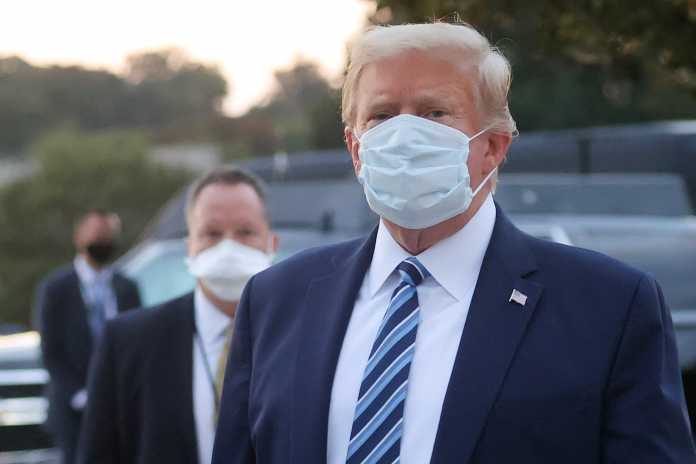
Recently, President Trump tested positive for COVID-19, which initiated contact tracing in the infected White House. The debacle followed nine months of failed pandemic leadership, neglect of basic public-health procedures, premature exits from the lockdowns and earlier-than-anticipated secondary waves.
Loyal to his style, Trump returned to the White House too early, perhaps determined to continue his new life as the world’s most powerful super-spreader.
The failed leadership has been accompanied by huge collateral damage, as evidenced by the spread of COVID-19 in the U.S. and the scarred economy.
In early October, United States had almost 8 million accumulated confirmed cases. It was followed by India and Brazil with 7 million and 5 million cases, respectively. Without deceleration, the worldwide cases could soar to 55-60 million and deaths to 1.3 to 1.7 million by the year-end.
And these are the confirmed figures. The projected estimates are far higher.
Every 10th worldwide infected
According to new estimates by the World Health Organization (WHO), some 10 percent of the world’s population may already have had the new coronavirus. If that’s true, consider the implications: Since world population is 7.8 billion, that estimate translates to 780 million, whereas the current estimate of the confirmed cases is less than 40 million.
China contained its outbreak in the 1st quarter. As the US and Western Europe failed to do so, the epicenter spread to both. In the summer, the epicenter continued to linger in the US and the Americas. And today, COVID-19 cases and deaths are -resurging across Europe, Southeast Asia and the Mediterranean. In Africa and Western Pacific, the situation is more subdued for now (although low testing inflates optimistic scenarios).
If countries fail to slow down the acceleration of new COVID-19 cases, the past three quarters could still be a prelude to much worse, especially if the epicenter will move from the United States and the Americas to developing economies, even as secondary waves are sweeping across old epicenters.
In the first week of October, India had the highest numbers of new cases globally (almost 560,000 in the first week of October), followed by the US (300,000) and Brazil (190,000). Meanwhile, surges of secondary waves have occurred in Argentina and Colombia, France, UK, Russia and Spain (50,000 to 100,000 in each).
In the process, G20 economies have been severely affected. As the world is about to face new and potentially more virulent strains, world economy is coping with lost years, as evidenced by the much-earlier-than-anticipated resurgences and secondary waves (see BOX).
In early February 2020, Dr Steinbock projected the deceleration of cases in China and the rebound of its economy by the 2nd quarter. In early March, he predicted severe contractions in the United States and Western Europe in the 2nd quarter, while outlining scenarios for both global recovery and global depression. The present commentary is based on Dr Steinbock’s report The Tragedy of More Missed Opportunities (August 7, 2020), with updated data. It focuses on the estimated COVID-19 human costs and economic damage in the world’s largest advanced, emerging and developing countries. For the full report: https://www.differencegroup.net/covid19-report2. For Dr Steinbock’s interview on the central findings of the new report, see https://www.differencegroup.net/covid19-report2-interview. His prior COVID-19 report (April 30, 2020) focused on the outbreak in China and the belated mobilization and containment failure in the US and Western Europe.
COVID-19 damage in US and Americas
By early October, the confirmed accumulated cases in the US amounted to almost 8 million; that’s half of all cases in the Americas. To understand the full magnitude of the pandemic devastation in America, think of US states as independent economies.
Today, as adjusted to the size of population, US states continue to account for a whopping 22 of the 25 most-virus affected major economies worldwide (Figure 1).
Figure 1 COVID-19, World Economies and US States*
* Total confirmed cases / 1 million people (Oct 6, 2020) Sources: Worldometer; Difference Group
The top-25 ranking has room for only three sovereign countries (Chile, Peru and Brazil); all in Latin America, but none among the top-15. Even Brazil ranks only last in the list behind Utah, Rhode Island and Oklahoma. The poorest top-ranked US states, such as Louisiana and Mississippi, and those with the highest median age, including Florida, barely make the headlines. And India isn’t even in the list.
Like the US, Western Europe lost weeks in belated COVID-19 mobilization. But unlike the US, it has fought the virus more effectively thereafter. Unlike the US, most European economies have stronger health systems, universal healthcare and more comprehensive social support systems, which ensure a better cushion against the adverse public-health and economic damage, at least initially.
In contrast, the Americas, with its poorer economies and weaker health systems, has taken a severe hit. In Brazil, the Bolsonaro government initially ignored science-based evidence, shunned early mobilization and public-health imperatives. Today, Brazil still has the third-highest number of confirmed COVID-19 cases in the world.
In the pandemic second-tier of Latin America, the key countries (Colombia, Peru, Argentina and Mexico) each had some 770,000 to 900,000 confirmed cases in early October. At population-adjusted level, Chile’s pandemic has been one of the worst worldwide. In turn, US spillovers have contributed to the pandemic crisis in Mexico and certain other Latin American countries.
There is nothing inevitable about the pandemic crisis in the Americas, however. The US has five times more (population adjusted) confirmed cases than Canada, which suggests that appropriate precautions can work, despite evelated risks in the regional neighborhood.
Why policy mistakes in G20 compound human costs and economic damage worldwide
In fall 2020 and spring 2021, some countries will face secondary COVID-19 waves from a position of strength. These are countries that have managed to bend the epidemic curve. Their cumulative cases are decelerating and they have lower positivity rates (percentage of people who test positive for the virus of those overall who have been tested).
Other countries must struggle with the new waves from a position of weakness. These are countries that have failed to bend the curve. Their cumulative cases continue to accelerate and they tend to have higher positivity rates.
Collectively, the G20 economies account for 90% of the gross world product, 80% of world trade, and two-thirds of the world population. What happens to G20 countries will affect the entire world – unfortunately that includes the pandemic.
Until recently, severe epidemic outbreaks were typically confined into poorer economies because more prosperous countries relied on science-based public-health policies. The COVID-19 case has been very different.
As some of the leading G20 countries mobilized against the outbreak belatedly and ineffectively, their policy mistakes have contributed to massive human costs and economic damage. To gain a more realistic picture of the consequent threats, let’s use population-adjusted data, linear scale and focus on those economies in which cases are still accelerating and positivity rate remains high (Figure 2).
Source: European CDC, Difference Group, Oct 6, 2020
Currently, the primary risk group involves the United States and the Americas, particularly Brazil and Argentina. While the positivity rates have decreased from peak levels in the US, total cases and deaths continue to increase, as a result of repeated policy mistakes, premature exits from the lockdowns and violations of appropriate public-health guidance.
Regionally, the Americas is followed by South Africa, Russia and Western Europe, including France, UK, Italy, Germany, as well as Turkey. In Australia, China and Japan, the cases remain significantly lower.
In India and certain countries in Southeast Asia – the Philippines and Indonesia –positivity rates remain high. Yet, population-adjusted numbers are lower than in most advanced economies. Despite huge aggregate levels, India, for instance, remains behind Mexico and at par with Canada.
In Japan, the true spread of the virus has been under-reported because of low testing, which in population-adjusted terms remains below that of Mongolia and Guatemala, or about 4% of that in the UK.
In contrast, China managed to contain the pandemic within a month or two, which has minimized human costs and economic damage in the mainland. South Korea’s early performance was successful. But more recently it has not been able to avoid secondary waves, thanks to far-right Christian cult churches and the kind of conservative pandemic “denialism” that has infected much of the advanced West..
A new mutation, severe regional consequences
In late summer, a “more infectious” COVID-19 strain was found in tested samples in Quezon City (Metro Manila) and Malaysia, which, in turn, has attributed the strain to cases imported from India and the Philippines. This development was anticipated in my report, and it requires aggressive vigilance.
Here’s why: Not so long ago, a mutation was discovered in the protein that permits SARS-CoV-2 to enter cells, possibly making it easier for the virus to spread. The implications are unsettling. The original samples of the novel coronavirus out of Wuhan, China, were a variation that scientists call the “D” clade. Before March 1, over 90% of viral samples taken from patients were from D variation. Since March, however, a new “G” variation has been dominant (Figure 3).
Figure 3 Potential Transition of the Dominant Pandemic Form
Source: Korber, Bette et al. 2020. “Tracking Changes in SARS-CoV-2 Spike.” Cell, July 3; Steinbock, Dan. 2020. The Tragedy of More Missed Opportunities, Aug 7.
Though not conclusive yet, evidence suggests there has been a global transition from the D to the G variation. Worse, the G strain appears to increase COVID-19 infectivity. If, as the researchers hypothesize, the G variation first intensified in Europe, it deployed the global transportation hubs to migrate across the Atlantic to New York City, which then seeded many of the outbreaks in the rest of the US.
Here’s another unsettling implication associated with the global transition from D to the G variation. It could make the pandemic burden of developing economies more challenging than currently anticipated. That could occur after normalization in the US and Europe, when quarantines, lockdowns and travel restrictions are phased out in the West.
Due to proximity and regional spillovers from the US, the G variation has been dominant in South America since March-April. Perhaps for similar reasons – proximity with Europe – it has also dominated infectivity in Africa.
In Asia and Oceania, the less-infective D has been more dominant. Yet, continued case acceleration and G variation dominance in several major countries and regions, coupled with the proliferation of secondary waves could change the status quo – for the worse.
Worse-than-anticipated economic damage
As I have argued since April, the original IMF baseline scenario (World Economic Outlook, April 2020) was not adequately realistic because it ignored the fragile economic landscape that preceded the pandemic. Unfortunately, the same goes for the IMF’s next baseline case (WEO, June 2020), which expected a V-shaped recovery to ensue in 2021. Worse, the disastrous 2nd quarter results, which I projected in March, indicate that structural economic scarring will cast a longer shadow over more countries than currently anticipated.
Measured by GDP per capita (purchasing power parity, PPP), the adverse impact has been drastic and translates to lost years; as defined by years of regression in per capita income, even in the world’s largest economies.
Instead of the expected 1-2% growth, high-income economies now suffer from the worst recession since the Great Depression. The outcome will not be the initially-hoped V-shaped recovery. Most face 5-7 years of lost progress. In some cases, debt-taking downplays impending, new debt challenges (e.g., Japan, US). Indeed, the coronavirus contraction is likely to trigger a series of debt crises in several advanced countries, which will have spillover effects in weaker economies.
The United States is a case in point. As its national debt already exceeds $27 trillion, US federal debt-to-GDP ratio has soared to 138%, according to US Debt Clock; that’s more than the ratio of Italy. But unlike Italy, the US remains a global anchor economy. And unlike the pre-euro Italian lira, US dollar remains a global reserve currency. What will go wrong in America will affect the rest of the world.
In the upper middle-income economies, most have already lost 5-7 years of progress. Prior to COVID-19, Argentina had been struggling with neoliberal legacies, while in Brazil the soft coup against the Lula-Rousseff administrations has penalized living standards since the mid-2010s. In these two major countries, the lost years are twice as many as among their peers. The only exception in this group – in fact, in all these groups – is China, which may avoid lost years, even if per capita income growth will decelerate in the short-term.
Despite strong structural growth potential, many lower middle-income economies are likely to be heavily penalized by the pandemic effects. Yet, there is great variety. Though the best performers have lost 3-4 years (India, Kenya, Philippines, and Vietnam), the worst ones may have lost a decade (Nigeria).
Among the low-income economies, the best economic performers initially expected growth rates of 6-7% in 2020 (Ethiopia, Mozambique, Uganda). After the devastation of the global pandemic, they are more likely to see their growth prospects halve in the ongoing year. Moreover, Afghanistan, Congo DR and Yemen continue to cope with civil wars, foreign invasions and legacies of corruption. At the same time, the pandemic threatens to push millions of children into malnutrition.
Preparing for new secondary waves
Despite the lost years in all income groups, the key question is how quickly countries can restore their pre-coronavirus rate of growth in per capita incomes. And that depends critically on their ability to effectively contain the pandemic.
Unfortunately, de-globalization will further undermine prospects for global recovery, due to new protectionism and trade wars. These challenges will be compounded by the expanded US wars in trade, technology and finance. While China is the first target, others – Germany and the EU, Japan and South Korea and so on – will follow in due time.
A Democratic Biden administration could alleviate the negative public-health and economic consequences. Conversely, Trump’s second term could accelerate the path to a multiyear global stagnation or global depression, and a dollar crisis.
If the Democratic campaign proves stronger than anticipated, an “October Surprise” could be likely. Such a scenario is defined as a major news event deliberately created or timed to influence the outcome of the US presidential election. In the US postwar history, embattled Republican campaigns have seized such scenarios to win the presidency, even at the cost of the national interest (e.g., Nixon in 1972, Reagan in 1980). Similarly, the Trump White House seems intent to win re-election at any cost, even a military conflict with China.
The global pandemic effects can only be overcome through multilateral international cooperation across all political differences. In the absence of such cooperation, those effects will compound negative scenarios. The COVID-19 -associated human costs and economic damage will not go away anytime soon and could get much worse.
Historical precedents are instructive. Between 1918 and 1920, the Spanish flu infected an estimated 500 million people; every third person in the world at the time. The death toll amounted to 17 to 50 million. Yet, it was the second wave that proved far more deadly than the first.
Old lessons should underscore the importance of multilateral cooperation and proactive vigilance until effective vaccines and therapies are widely available.
If we still haven’t learned the lesson of the second wave, we may be forced to learn it over a new crisis – an extended pandemic and multiyear global depression.
Dr. Dan Steinbock is an internationally recognized strategist of the multipolar world and the founder of Difference Group. He has served at the India, China and America Institute (USA), Shanghai Institutes for International Studies (China) and the EU Center (Singapore). For more, see https://www.differencegroup.net/
By Danny Leipziger
China cannot continue to rely on exports to drive its growth, but what are the alternatives?
China ran a $1.2 trillion trade surplus last year, and despite admonitions from the IMF to rely...
The World Financial Review uses cookies to improve site functionality, provide you with a better browsing experience, and to enable our partners to advertise to you. Detailed information on the use of cookies on this Site, and how you can decline them, is provided in our Privacy Policy and Terms and Conditions. By clicking on the accept button and using this Site, you consent to our Privacy Policy and Terms and Conditions. ACCEPT
Privacy & Cookies Policy
Privacy Overview
This website uses cookies to improve your experience while you navigate through the website. Out of these cookies, the cookies that are categorized as necessary are stored on your browser as they are essential for the working of basic functionalities of the website. We also use third-party cookies that help us analyze and understand how you use this website. These cookies will be stored in your browser only with your consent. You also have the option to opt-out of these cookies. But opting out of some of these cookies may have an effect on your browsing experience.
Necessary cookies are absolutely essential for the website to function properly. This category only includes cookies that ensures basic functionalities and security features of the website. These cookies do not store any personal information.
Any cookies that may not be particularly necessary for the website to function and is used specifically to collect user personal data via analytics, ads, other embedded contents are termed as non-necessary cookies. It is mandatory to procure user consent prior to running these cookies on your website.

























































The Importance of Consumption Policy During Recession
By He Jun
The outbreak of the Covid-19 pandemic continues to deepen. Unlike the past financial crises, this pandemic has dealt a sudden “systemic blow” to the global economy, causing the economic and social system to be completely disrupted. From production to consumption, from the real economy to the financial sector, from manufacturing to services industry, all of these are temporarily suspended due to the pandemic. The massive “freeze” in economic activity has led to a sharp rise in global unemployment. The International Labor Organization (ILO) has estimated that the impact of the pandemic will cause the world to see an increase of 25 million unemployed population. In terms of the breadth and depth of the economic shock, we are seeing a Great Depression-level economic crisis in the making.
In face of the outbreak, countries have introduced emergency measures to save the economy and jobs, in attempt to avoid the collapse of the economic and social system. How to effectively formulate policies and mobilize social resources to cope with the economic crisis under the extremely urgent situation has posed an unprecedented severe challenge to the governments and decision-making levels of all countries. If there is a deviation in the policy direction and idea, the policy timing will be delayed, policy resources will be consumed, and the economic shocks will not be effectively alleviated.
Most countries’ response policies, tracked by the ANBOUND’s research team, have stuck to the conventional policy of emergency and aggressive monetary and fiscal policies to combat the crisis. In terms of monetary policies, some countries have adopted measures such as interest rate cut, reserve requirement reduction, quantitative easing, reverse repo and provide various financing tools. The core of these measures is to release massive liquidity to the capital market to support the market. For example, the Federal Reserve has cut the interest rate by 150 bp to the lowest zero interest rate and launched an unlimited quantitative easing policy. In terms of fiscal policies, some countries have adopted such measures as tax cuts and fee cuts, fiscal subsidies, fiscal allocations, fiscal procurement, and payment, etc. to provide financial support to local governments, enterprises, and individuals. Some fiscal policies directly affect individuals, such as giving checks/cash to households or providing unemployment benefits.
However, in such a Great Depression-level economic crisis, it is not enough to have conventional monetary and fiscal policies. Conventional monetary and fiscal policies generally do not directly affect consumers, but instead exert the policy effect through policy intermediaries or economic carriers. For example, the interest rate policy exerts policy effect on enterprises, investment institutions and individuals through banks and bond markets; tax incentives or fiscal subsidies work only through enterprises or project carriers. In the normal operation of the economy, these conventional policies play a role by stimulating the production and service sectors. However, when the economic system — market, supply chain, industrial chain, and enterprises are all subject to large-scale systematic impact, the policy intermediary carrier is seriously damaged and the role of conventional policy tools will be significantly reduced. If the social system slows down to a state of “basic maintenance”, it is useless to only expand the resumption of work and production. If a company that has no orders and production lines are forced to shut down, there is little point in allowing it to expand its financing, as this will only add to its liabilities.
Considering the full impact of the recession, this is not the time to adopt conventional policies; instead breakthroughs in policy thinking and design are necessary. As some analysts point out, these should be bailout and hedging policies, rather than stimulus policy and counter-cyclical adjustment. In a recent internal policy review, Chan Kung, chief researcher at ANBOUND, made a key suggestion: try to iron out the economy with aggressive consumption policies in the face of the depression. In the face of the urgent need to help the economic plight and the unemployed population, the conventional monetary policy and fiscal policy is far from enough, and even some ineffective policies that occupy a lot of economic resources should be put aside.
From an international perspective, some countries have recognized the importance of consumption policies and have begun to take action.
In the United States, for example, while the Fed propped up Wall Street, the government introduced a USD 2.2 trillion third round of economic rescue bill, including aid checks for individuals or families earning less than a certain amount a year. On April 6, House Speaker Nancy Pelosi said the U.S. will soon roll out a fourth stimulus package worth at least USD 1 trillion, including cash handouts to individuals, expanded unemployment insurance, small-business loans, and food aid. In contrast to the Republican Party’s focus on the interests of the business sector, the Democratic Party’s preference for “blue-collar workers” and emphasis on subsistence is more conducive to consumption and more relevant to the current reality of American society. In Europe, Germany’s EUR 50 billion bailout also goes directly to individuals — small businesses and self-employed will receive up to EUR 15, 000 in direct aid over three months. Spain has also said it will respond to the crisis with a universal basic income, which would become permanent once it is in place and will continue to be implemented after the outbreak.
It can be seen that these policies focus on families and individuals are people-oriented consumption policies. Chan Kung believes that these people-oriented consumption policies could be more effective. Remember that one of the main causes of the crisis was the lack of effective spending power, which exacerbated the overproduction (which in effect took up more capital). If money is sent directly to the people to encourage consumers to buy things, it will directly promote final consumption activities, and that consumption will in turn drive industries and services sector. Chan pointed out that under the crisis, the same money given to enterprises and consumers have a very different effect. If you give the enterprise a certain amount of money, it may be just a drop in the ocean. Yet, if the same amount of money is given to the consumers, they would probably buy a lot of things right away. It should also be noted that increased consumption not only boosts production but also helps to consume some of the excess capital by channeling resources to real consumption.
In China’s case, it is crucial for the country to introduce consumption policies to restore its economy. For a long time, China has been a major producer and infrastructure country, and its policy departments and officials have been adept at manufacturing and infrastructure projects. However, China is very unfamiliar with how to develop its consumption. This is a phenomenon that ANBOUND has pointed out many times in its research on consumer society — China’s government departments and policy system are so ill-suited to the transition to a consumption-oriented society that they don’t know what to do or how to do it. Yet, in the face of the impact of the depression, especially when the domestic resumption of production in the absence of orders, China’s policy departments should take decisive and bold adjustment, and try to shift the focus towards consumption policy.
If China decides to stabilize the economy by strengthening its consumption policies, what is the basic framework of such policies? Chan suggested that consumption policies could be designed along the lines of “city-consumption coupon – municipal bonds – trading market”. Specifically, (1) The main body of promoting and implementing consumption policies is the city government, and each city can launch its own localized consumption policies; (2) Consumption coupon is the core policy tool, which is issued by local governments to local people; (3) Consumption coupons are issued on the basis of municipal bonds. In terms of the financing, each city could finance the consumption coupons issuance by issuing fixed-rate municipal bonds. (4) Municipal bonds are traded in the existing bond market nationwide, which is connected with the existing local bond issuance system.
Promoting consumption policies in this way leads to an expansion of government debt. Hence, debt and financial risks should be taken into account in the policy design.
To put it in perspective, China’s terms for saving its economy by expanding its debt are very different from those of the United States. The United States, which has the tools of the dollar and de facto control of the global financial system, is now worry-free to expanding its debt. But China’s situation is different, it constrained by the scale of its debt in terms of its economic size, fiscal capacity and its ability to guard against risk. Nevertheless, China is also the world’s second-largest economy, though it has not been able to expand its debt as the U.S., the Chinese government still has considerable room for debt expansion. If used well, the introduction of consumption policy could play an effective role to deal with the crisis. In addition, we should pay attention to risks in the implementation of consumption policies. Because consumer coupons are converted into local bonds, they can be controlled financially. As long as local governments do not misappropriate bond funds and actually use bond financing to pay off consumer coupons, there should be no major problems.
Overall, in the face of the economic crisis, the introduction of consumption policy is more important than the conventional monetary and fiscal policies. China, as the first country to come out of the pandemic, should make bold attempts to restore the economy with consumption policy, which is a great exploration to iron out the economic crisis.
Final analysis conclusion:
The crisis caused by the Covid-19 outbreak is a depression-level economic crisis with a far greater impact than the financial crisis. In response to the depression, the conventional monetary and fiscal policies should be implemented along with aggressive consumption policies to iron out the economic shock.
About the Author
Mr. He Jun takes the roles as Partner, Director of China Macro-Economic Research Team and Senior Researcher. His research field covers China’s macro-economy, energy industry and public policy.