5G has been marketed as faster mobile internet, but its deeper impact lies in enabling systems to act faster than humans. By connecting machines, sensors and infrastructure and combining low-latency networking with edge computing and AI, 5G transforms networks from passive channels into active systems that can observe, decide and respond in real time — raising technical, ethical and political questions about authority and accountability.
5G’s value is not primarily consumer speed but systems acting before humans can react.
It connects cranes, robots, sensors, medical devices, power grids and more — enabling physical actions, not just screens.
Edge computing + URLLC/mMTC move decisions close to events; AI at the edge amplifies predictive control.
The key question becomes who has authority to act and who bears responsibility when actions are automated.
From service to architecture
Mobile generations are first sold as consumer services and only later seen as architectures. 3G brought mobile internet; 4G enabled apps and streaming. 5G’s marketing focused on speed, but throughput is the storefront — the real change is architectural: who responds first to events.
Last-mile and active things
The transformative shift is in the last mile: making previously passive things active network participants. Beyond phones, networks now link cranes, robot arms, sensors, transport hubs, cameras, machine tools and medical devices. Signals can directly trigger actuators, change modes or halt processes without passing through a human operator.
When systems act first
In operations like remote port terminals, private 5G and local compute create tight timing loops where control actions occur in tens of milliseconds. A gust-corrected container can be stabilized by local control before an operator perceives it. Humans remain in control, but are no longer always the fastest actor in the loop.
eMBB, URLLC, mMTC — different worldviews
eMBB: enhanced mobile broadband for human traffic.
URLLC: ultra-reliable low-latency communications for time-critical control.
mMTC: massive machine-type communications for dense IoT connectivity. The public-visible phase emphasized eMBB; the deeper transformation requires URLLC, mMTC, private standalone cores and edge infrastructure. Coverage often arrived before the architecture.
Edge computing and AI
Edge compute places processing near data sources, shortening the observation-to-intervention window. For consumer media latency is negligible; for industrial control and safety it is decisive. AI running at the edge enables pattern recognition and predictive actions, but only if network design supports proximity and low latency.
Authority, accountability, and politics
Low-latency automated systems shrink the human “pause” for doubt and cancellation. Responsibility for errors becomes distributed across sensors, models, local nodes, networks and actuators. Therefore low latency is also a political and ethical issue: who can act, under what rules, and who is accountable?
Legacy of 5G
5G’s principal legacy will be networks transitioning from channels into clocks that set the tempo for sensing, decision-making and response in the physical world. This shift makes the system “less human” in the sense that human-paced rules no longer fit time-critical automated systems. Less human is not inherently worse, but it requires rethinking regulations, governance and safety frameworks.
Britain’s polycrisis—fiscal fragility, decades of austerity policy, a cost-of-living crisis, stagnating living standards, and political instability—stems not from exogenous shocks but from a failed growth model of financialisation, regressive taxation, and chronic underinvestment. Dr Kalim Siddiqui analyses macroeconomic indicators, fiscal constraints imposed by bond markets, and a governance crisis of ministerial churn and impossible trilemma. Escape requires fundamental renegotiation of the state’s productive investment role, progressive taxation, not mere technical adjustment.
I. Introduction
The British growth model is in terminal crisis. This article argues that the United Kingdom’s (UK) contemporary economic malaise cannot be understood as a mere cyclical downturn, but rather as the product of deep structural contradictions between a finance-dependent accumulation regime, severe fiscal constraints inherited from a decade of austerity, and a paralysing crisis of governance that has rendered long-term strategic intervention impossible.
Britain is currently navigating a polycrisis that extends far beyond the parameters of a standard economic recession, encompassing a deep-seated structural malaise that is at once fiscal, social, and political (The Guardian, 2026). This crisis is not merely the product of exogenous shocks, but rather the culmination of a protracted growth model built upon financialisation and regressive taxation—a model now laid bare by geopolitical volatility, persistently anaemic productivity, and a profound erosion of state capacity.
Against this backdrop, there is a compelling case for increasing taxes on the super-rich and large corporations, entities that have disproportionately benefited from four decades of neoliberalism and globalisation. The current landscape is defined by a precarious triad of vulnerabilities: acute sensitivity in sovereign bond markets, two decades of stagnating median living standards, and a descent into party-political instability that has rendered long-term economic planning virtually untenable (Tooze, 2022).
This is not a conventional business cycle downturn, but what some scholars have termed a ‘polycrisis’, wherein multiple interdependent crises—economic, fiscal, social, and political—reinforce one another in a self-perpetuating downward spiral (Tooze, 2022).
Sustained growth is essential for the economy to expand, for employment to rise, and, hopefully, for household incomes to improve.
Contemporary Britain exhibits all the hallmarks of this syndrome. Sovereign bond yields remain sensitive to the faintest whisper of fiscal indiscipline, a legacy of the 2022 ‘mini-budget’ episode that brutally exposed the market’s tolerance limits. Real wages have stagnated for nearly two decades, eroding the living standards of majority of the population. Public infrastructure—from schools to hospitals to transport networks—has deteriorated to levels that provoke international embarrassment. Meanwhile, Britain has witnessed unprecedented executive fragility, with five prime ministers in eight years and a cabinet turnover rate that renders long-term policy planning virtually impossible (The Guardian, 2026).
Britain still projects an image of wealth, but beneath the surface the economy has largely stagnated for almost two decades. Rising house prices have created the illusion of growing prosperity, yet for most homeowners the gains are largely paper wealth: selling simply means buying into an equally inflated market. Today, the average home in England costs 7.7 times the median annual salary, rising to 10.5 times in London and as much as 25 times in some areas. By comparison, in the 1980s a home was generally considered affordable at around three to four times average earnings.
This article advances a central issue: Britain’s contemporary crisis is fundamentally a crisis of its growth model. Drawing on the comparative political economy literature (Blyth, 2013), the British growth is accumulation strategies that generate economic expansion within a given national context, but hardly reaches the three-quarter of the population. The growth is siphoned off by the small elites. The British growth model has been historically reliant on financial services, asset-price inflation, and regressive taxation—a configuration that proved increasingly unstable following the 2008 financial crisis and has now reached its terminal limits (Siddiqui, 2024a).
Successive governments have increasingly relied toward the financial sector, fostering a heavily indebted economy built on speculative wealth rather than productive enterprise. This model has exacerbated asset inequality and entrenched privatised monopolies—particularly in utilities such as water—that extract rent rather than stimulate innovation or long-term investment. I contend that this trajectory reflects a deep-seated adherence to neoliberal orthodoxy, which has simultaneously opposed deficit-financed public investment and resisted progressive taxation on large corporations and high-net-worth individuals. The result has been a progressive paralysis of the state’s capacity to fund critical infrastructure or effectively alleviate the cost-of-living crisis.
Beyond these macroeconomic failings, Britain confronts a profound regional imbalance, with wealth and opportunity overwhelmingly concentrated in London and the South East, while peripheral regions—especially the North—have suffered extensive deindustrialisation and economic marginalisation. These systemic ailments, further compounded by an ageing population, are not cyclical fluctuations but symptomatic of a deeper, possibly terminal, decline in the British growth model. At its core, this model—defined by privatisation, austerity, financialisation, and globalisation—has reached its limits, and the current crisis demands a fundamental reorientation of economic strategy (Siddiqui, 2019).
The study proceeds with the examining the macroeconomic data, with particular attention to the energy-inflation nexus and its consequences for monetary policy and labour markets. And then discusses focuses to the fiscal dimension, analysing how a decade of austerity has eroded the state’s productive capacity while simultaneously rendering it hostage to bond market sentiment. And finally, analysis the governance crisis, exploring how political fragmentation and institutional decay have undermined the state’s capacity to formulate and implement strategic economic policy.
II. Falling Growth Rates
Sustained growth is essential for the economy to expand, for employment to rise, and, hopefully, for household incomes to improve. In the UK, the Office for National Statistics (ONS) releases monthly GDP figures, but these are often volatile. As a result, economists consider the quarterly data—which covers three-month periods—to be a more reliable indicator of the economy’s underlying health.
According to the latest ONS release, the UK economy contracted by 0.1% in April, as businesses began to feel the ripple effects of the conflict in Iran.
More strikingly, the broader trajectory reveals a clear downward trend. After growing by 1.3% across the whole of 2025—up from 1.0% in 2024—the UK economy expanded by 0.6% in the first quarter of the year. However, that pace is already showing signs of fading, with growth expected to remain sluggish in the months ahead. This slowdown is not new. The final quarter of 2023 already recorded negative growth, and the momentum has failed to recover sustainably since then.
By March 2026, UK GDP growth for the first quarter was estimated at just over 0.5%—the weakest March reading in two years (see Figure 1a). Compared to the 0.6% seen in the previous quarter, this marks a noticeable deceleration, reinforcing concerns that the economy is losing steam. GDP per head tells a starker story. Between 2022 and 2026, the per head decline is deeper — none more so than in 2022–2023, when the Russian-Ukraine war took hold (Figure 1b).
According to the Bank of England (BoE, 2025) growth forecasts, UK GDP growth is expected to remain almost stagnant, continuing the weak performance observed since 2022. Although the economy recovered in 2021 following the sharp contraction caused by the COVID-19 pandemic (Figure 1c), growth has remained subdued. Moreover, there is little indication that growth rates will return to the stronger levels experienced prior to 2008 financial crisis.
Figure 1d illustrates that the UK GDP per capita has flatlined since the 2008–2009 financial crisis. Post-crisis growth has consistently underperformed pre-crisis trends, and even excluding the COVID-19 collapse, the past sixteen years amount to little more than economic stagnation—with no credible recovery strategy in sight. Real GDP per capita in 2024 remains only marginally above its 2007 peak, confirming what many economists now term a “lost decade and a half” of productivity and income growth. Crucially, this prolonged economic malaise appears to have no clear exit strategy, as monetary policy has exhausted much of its conventional firepower, fiscal space remains constrained, and long-standing supply-side weaknesses—particularly in business investment, innovation, and regional imbalances—persist unaddressed. This prolonged malaise has triggered chronic political volatility and a deep-seated crisis of confidence among consumers and investors alike. Yet Britain is not an outlier; it is a case study in the wider crisis of advanced capitalism. Stagnant wages, a widening productivity–pay gap, soaring inequality, and an embattled welfare state have eroded social cohesion—and right-wing populists have ruthlessly exploited this discontent to reshape the political order, further blocking any path toward sustainable renewal.
There was broad-based growth in services and construction. Professional, scientific, and technical activities, along with information and communication, performed well — signalling rising investment in AI and the tech sector.
However, some concerns are emerging, not least from rising fuel and chemical costs, which have weighed on other sectors. Machinery and equipment contracted, and administrative and support services also declined.
Comparing GDP growth across advanced economies against pre-pandemic levels (2020 = baseline) reveals that the UK has significantly underperformed relative to other major developed nations, as shown in Figure 2 (Siddiqui, 2025a).
Moreover, financial assets and the real economy—comprising primarily industry and construction—are fundamentally distinct. This distinction also helps explain why trust in the capitalist system occasionally breaks down. The relationship between the real economy and the financial sphere is essentially dialectical in nature. While financial growth has undoubtedly supported the development of the real economy in various ways, it can also prove highly disruptive. Fictitious financial assets, in particular, can evaporate in a very short period. The contradiction between the fictitious and the real intensifies as the ratio of financial value to real economic value increases.
In reality, the expansion of the supply of tangible goods depends on the development of productive forces, the availability of means of production, the size and skill of the labour force, and other material conditions. The supply of fictitious assets, however, is not constrained by such limitations. Speculation itself is not a new phenomenon. What is new is the growing power of large capital, which can now influence price movements, thereby create asset price bubbles and enabling profits to be extracted from them (Tooze, 2022).
Figure 2: GDP % Change of Advanced Capitalist Countries Compared to Pre-Pandemic Level with 2020.
It’s the inevitable result of 40 years of neoliberal economic policy that has trebled UK private debt, collapsed the velocity of money to just 1.2 times per year, and redistributed wealth from the working class to asset owners. Britain’s economy hasn’t just slowed but it’s been hollowed out, and no prime minister was able to fix it without a fundamental shift from elite driven economic policy.
The UK government focus on reducing public debt and deficits, but seems to be counterproductive. He argues that attempts to simultaneously deleverage the public and private sectors choke the money supply and push the economy down. Private debt (like mortgages) is the real threat to financial stability. Figure 3 presents UK’s private debt trends from 1980 to 2020. The data reveals a pronounced and sustained increase in both corporate borrowing and household indebtedness over the forty-year period.
Figure 3: UK’s Private Debts, 1980-2020 (% of GDP).
The British economy’s vulnerability to external shocks has been brutally exposed by the geopolitical reverberations of the US/Israeli-Iranian conflict. Disruptions to global oil and natural gas supply chains have fed directly into domestic inflation, with the Consumer Prices Index (CPI) persisting at 2.8% — significantly above the Bank of England’s 2% target (BoE, 2025). This is not a transitory phenomenon; the structural realignment of global energy markets following the Russian invasion of Ukraine has permanently altered the UK’s terms of trade, rendering it a net importer of inflation (IMF, 2024).
The tightening monetary stance has coincided with a marked deterioration in real economic activity. Early-year growth momentum, buoyed by a post-pandemic rebound, has now dissipated, signalling contractionary trajectories in both manufacturing and services — the twin engines of the British economy (BoE, 2025). Manufacturing, in particular, has been afflicted by declining export competitiveness, a weak investment climate, and persistent supply-chain disruptions.
The surge in youth unemployment, which has reached its highest level since the aftermath of the 2008 global financial crisis, is not merely a cyclical phenomenon. Rather, it reflects a structural mismatch between the skills demanded by a low-investment, service-oriented economy and those possessed by younger cohorts entering the labour market (OECD, 2024). The long-term scarring effects — including lower lifetime earnings, reduced productivity, and increased reliance on welfare — are likely to exacerbate the fiscal pressures discussed below.
III. Bond Market Discipline and Fiscal Fragility
The UK’s infrastructure deficit cannot be easily addressed. Fiscal space is severely constrained by sovereign bond markets. The yield on 10-year gilts remains at multi-decade highs — driven not only by global monetary conditions but also by a UK-specific risk premium. This premium stems directly from the 2022 ‘mini-budget’ debacle, which shattered market confidence, sent sterling plunging, and triggered a classic ‘bond vigilante’ revolt (Turner, 2023). Figure 4 shows UK bond yields over the past thirty years.
In this climate, any perceived fiscal indiscipline — whether excessive borrowing or unfunded tax cuts — risks a sudden stop in capital flows and a spike in borrowing costs (Siddiqui, 2017). The British state is effectively held hostage by market sentiment, vulnerable to a self-fulfilling debt crisis (Turner, 2023).
This forces governments to prioritise deficit reduction over productive investment, regardless of economic conditions. The result is a fiscal straitjacket that precludes the expansionary policies needed to escape the UK’s low-growth equilibrium.
IV. Austerity’s Legacy and the Deterioration of Public Infrastructure
Perhaps the most visible manifestation of Britain’s structural decay is the catastrophic state of its public infrastructure. Over a decade of fiscal consolidation — pursued under the rubric of austerity — has systematically diverted capital budgets towards recurrent day-to-day spending. The consequences are now starkly visible: school buildings at risk of collapse, NHS waiting lists at record highs, and local authorities declaring effective bankruptcy.
This infrastructure deficit is not merely a matter of public service quality; it has direct implications for the economy’s supply-side capacity. Poor transport links, inadequate digital infrastructure, and a degraded educational estate all depress private sector productivity and deter inward investment. The UK now ranks significantly below its OECD peers on measures of public capital stock per capital. (OECD, 2024; IMF, 2024).
These supply-side constraints are largely self-inflicted, rooted in the political economy of austerity (Siddiqui, 2024a). Successive governments have redirected capital expenditure towards meeting immediate spending pressures, undermining the country’s productive capacity and locking the UK into a low-growth trajectory (Siddiqui, 2013).
From a political economy perspective, these trends reveal the interplay between structural economic weaknesses and institutional constraints. Yet growth alone cannot raise living standards unless it supports real wage increases, enables fairer taxation of wealth, and expands fiscal space without overburdening workers. Britain’s persistent productivity slowdown has stifled GDP growth, undermining both private-sector dynamism and public-sector capacity. The confluence of weak growth, fiscal strain, and political fragmentation casts doubt on the sustainability of the UK’s economic model and the state’s ability to resolve deep-rooted challenges.
Rather than a series of isolated shocks, these developments represent a systemic crisis of Britain’s political economy. The mutually reinforcing dynamics of low productivity, constrained public finances, geopolitical volatility, financial market pressures, and eroding political trust have created a vicious cycle of stagnation and institutional fragility. Recognising this interdependence is crucial both for diagnosing the UK’s current malaise and for assessing the strategic options open to future governments.
V. The Governance Crisis: Political Instability and Institutional Decay
Britain’s governance crisis is acute. Five PMs in eight years, 70% cabinet turnover, and a collapsing two-party system have paralysed long-term strategy. Governments are trapped in permanent electioneering, choosing tax cuts over investment and avoiding reforms like ending austerity or fixing vocational education.
This executive fragility is both cause and consequence of a deeper political realignment. The collapse of the traditional two-party duopoly — evidenced by poor local election results and the rise of third parties — has intensified intra-party factionalism and rendered parliamentary majorities increasingly precarious. Governments now govern in a state of permanent electioneering, prioritising short-term political survival over the painful structural reforms that the economy demands (Siddiqui, 2024a).
The crisis has now claimed another victim. Keir Starmer has resigned as Prime Minister, becoming the sixth person to leave office in a turbulent decade of UK politics. Elected in 2024 with a landslide Labour victory, Starmer had pledged to bring stability, grow the economy, and end years of Conservative Party chaos. Barely two years later, he was forced to step down after his popularity plummeted and his government struggled to deliver on its promise to “rebuild Britain.” This rapid turnover is unprecedented in British political history. By contrast, the preceding four decades saw just six prime ministers — the same number as the past ten years alone (see Figure 5).
Figure 5: Succession of British Prime Ministers since 2010.
Neoliberalism seeks to transfer control of economic factors from the public to the private sector. (Siddiqui, 2025b). For decades, financial assets have grown faster than the real economy — and the gap has widened significantly in recent years. In the United States (US), for example, the ratio of stock market capitalisation to GDP rose from 52% in 1990 to 151% in 2025 (World Bank, 2026). This growing divergence between finance and the real economy is a major driver of wealth and income inequality across most countries (Mattei, 2022).
The privatisation and commodification of key spheres — particularly education — has also undermined the pursuit of academic life as a critical activity. Yet neoliberalism is rarely what it appears to be (Figure 6). It is not simply about competition or free markets; rather, it entrenches the power of financial giants, military-industrial players, and tech monopolies, while leaving ordinary citizens exposed to market volatility. Its legacy is a dead end: skyrocketing inequality and wealth concentration rivalling the 1950s.
Figure 6: The Core Components of Neoliberal Economic Policy
Table 1 presents a comparison of per capita GDP growth across advanced capitalist economies, contrasting the pre-neoliberal era with the neoliberal period. In all cases, growth performance in the neoliberal period is weaker, with the differential consistently negative.
Table 1: Per-Capita Economic Growth Rates in the Advanced Capitalist Economies.
Country
Neoliberal Period (1990-2020)
Pre-Neoliberal Period (1950-1980)
Differences
US
1.8
2.67
-0.88
UK
1.8
2.43
-0.62
Australia
1.65
2.45
-0.81
Canada
1.38
3.17
-1.79
France
1.49
4.43
-2.94
Germany
1.74
3.34
-1.6
Italy
1.3
4.44
-3.15
Japan
1.76
6.29
-4.52
Netherlands
1.59
2.69
-2.09
South Korea
5-22
6.73
-1.51
Spain
1.54
5.65
-4.11
Sweden
1.47
3.29
-1.82
Switzerland
1.03
2.75
-1.72
VII. Rising Inequality in the UK
Since 1960, UK disposable household income inequality has evolved through four distinct phases. The figure presents two measures: the 90:10 ratio — comparing the 90th and 10th percentiles — and the income share of the top 1%. A higher 90:10 ratio signals greater inequality between top and bottom earners.
However, experiences varied across groups. Pensioner poverty plummeted from 41% in 1989 to 18% in 2019. Child poverty saw a modest decline from the early 2000s, partially reversing after 2010. Meanwhile, relative poverty among working-age adults without children actually increased from the 1990s until the financial crisis.
UK inequality since 1961 (Figure 7a): flat in the 1960s–70s, surged in the 1980s, stabilised 1990–2008 (top 1% kept pulling away), little change since. The 90:10 ratio and top 1% share both rose sharply in the 1980s. Figure 7b shows children are the worst affected by rising poverty.
Relative poverty (below 60% of median income) followed a similar path. Pensioner poverty fell from 41% to 18% (1989–2019). Child poverty declined modestly then partially reversed after 2010. Working-age adults without children saw poverty rise from the 1990s to 2008.
Figure 7a: Inequality among UK Households, 1960–2020.
These are the real resources of a country: the buildings, the land, the hospitals, the schools. This is real wealth. And yet, year after year, an increasing share of this wealth is being concentrated in the hands of a tiny group of people whom we currently lack the capacity to tax—even if we wished to do so.
Governments once owned substantial wealth and industries. But over time, government net worth has fallen from over 100 per cent of GDP to negative 100 per cent of GDP. The wealth that used to be owned by the state, by workers, and by the middle class has not disappeared—it has simply been transferred into the hands of the rich. At current rates of taxation, the UK is moving rapidly towards extreme wealth inequality and widespread homelessness.
The young will be among the hardest hit. Consider this: if house prices double over the next five years, someone who is now 18 years old will be 23 and will recognise that they have zero chance of getting onto the housing ladder—of ever reaching that level playing field. Such people, despairing of economic opportunity, become easy prey for narratives that blame immigrants and foreigners, and they are increasingly drawn to the far right. This seems to be the present trajectory.
Extreme right-wing movements offer seemingly simple economic solutions: kick out the foreigners. The blame for economic crises is shifted onto immigrants and outsiders, who are not, in fact, the ones making decisions or governing the country. The laws and policies are made by those in power; yet when those policies fail, the failures are conveniently projected onto foreigners and immigrants.
The UK is not alone among developed countries in experiencing rising income inequality over the past six decades. However, inequality in the UK has grown more sharply than in most OECD countries (Siddiqui, 2025c). Today, UK income inequality is high by international standards—as shown in Figure 8, which presents the Gini coefficient for OECD nations. Beneath this summary measure, a more telling picture emerges: it is largely the degree of inequality between high-income and middle-income households that sets the UK apart from many of its peers (OECD, 2024).
Figure 8: Gini-Coefficient of Income Inequality Across OECD Countries, 2020.
VIII. Taxing the Super-Rich: A Minimum Tax Proposal
There is an urgent need to impose progressive taxation on the super-rich, and I advocate here for the introduction of a wealth tax in Britain. If any meaningful change is to be achieved and the current status quo reversed, it is imperative to tax the rich more heavily and to tax wealth itself. The wealthy are not only economically powerful; their concentration of resources also affords them disproportionate influence over politics and business. If the new Labour government—led by Andy Burnham—genuinely wishes to deliver real change, it must adopt progressive taxation as a central tool to reverse the rising tide of income and wealth inequality (Financial Times, 2026).
A wealth tax operates on a straightforward principle: it is levied on the total value of an individual’s assets, rather than on their income. For example, a person worth £1 million would pay 2% annually, amounting to £20,000 per year. Someone worth £20 million would pay 2% on the portion above £10 million, equating to £200,000 annually. Crucially, such a tax would only be paid by the very wealthy.
The underlying rationale is to halt the accelerating concentration of wealth in fewer and fewer hands. As things stand, workers grow poorer, the middle class is squeezed, public finances deteriorate, and vast sums of wealth accumulate in the bank accounts of the richest individuals—who currently pay little or no tax on it. It is worth emphasising that these individuals presently enjoy extremely low effective tax rates, precisely because their wealth does not derive primarily from income. We have constructed a tax system that is highly effective at taxing working people—at rates of 50% or even 60%—but it scarcely touches the super-rich at all.
What explains the aggressive rise in the living standards of the super-rich over recent decades? Over the past five years, the average British family has struggled to pay energy bills, feed their children, and cope with a relentless cost-of-living crisis. On the streets of the UK, conditions are palpably worse than they were five years ago—and worse than ten years ago, worse than twenty, and so on, in a downward trajectory that shows no sign of abating.
Consider this: six years ago, the world’s richest man was worth just over £100 billion. Last month, the world’s richest man accumulated a trillion dollars in the span of just six years. What we are witnessing is billionaires growing their wealth at annual rates of 30, 40, or even 50 per cent. This staggering concentration of wealth makes it abundantly clear that urgent policy change is needed to address the inequality at the very top—to reverse the trend that has placed nearly all the gains of economic growth into the hands of the top 1 per cent.
The injustice is compounded by the structure of our tax system. Workers pay higher rates on their income than wealthy individuals pay on their capital gains. Yet the problem is even more insidious: capital gains tax is only triggered upon sale. A wealthy person, for example, might generate £50 million a year in passive income—roughly £1 million per week—and still pay a far lower effective tax rate than an ordinary employee.
A wealthy person, in essence, is someone who owns capital. They own your mortgage. They own government debt. They own the houses, the buildings, the skyscrapers. If they are not taxed fairly and their wealth continues to accumulate unchecked, the rest of society will grow progressively poorer. The welfare state will be dismantled by attrition. The NHS and the education system will be systematically reduced. The long-term consequence will be rapid political and economic destabilisation—not just of Britain, but of any country that allows this trajectory to continue.
The notion that billionaires should pay less than ordinary workers is indefensible. The proposal for a minimum tax on the super-rich has achieved broad consensus—by design. It originated from the study conducted for the G20 during Brazil’s presidency in 2024, with the aim of placing new ideas for international cooperation on the agenda.
In 2021, 130 countries agreed to establish a minimum corporate tax rate of 15%—a flawed but significant step forward, marking the first time nations had reached such a common agreement. The underlying logic is powerful: it curbs tax avoidance by ensuring that a multinational company’s tax bill cannot fall below 15% of its profits. The super-rich have benefited enormously from globalisation, yet many pay little or no tax. A minimum tax on wealth is the logical next step.
Political will, however, remains fragile. Andy Burnham retreated from this issue as soon as the right-wing of the Labour Party attacked him. A man who had previously advocated for Britain’s return to such proposals immediately backed down when put on the spot in a constituency with a strong Reform bias. This retreat has effectively handed an opportunity to boost support for Nigel Farage and his right-wing politics (The Financial Time, 2026).
The Conservative Party’s proposed economic strategy centres on three pillars: increased military expenditure, corporate tax cuts, and substantial subsidies for large corporations and high-net-worth individuals—all justified under the guise of stimulating investment and fostering growth. This approach is complemented by continued welfare reductions and the perpetuation of austerity measures. However, increasing defence spending effectively revives a form of military Keynesianism (Siddiqui, 2025d), which not only escalates geopolitical tensions but also prioritizes armament production over social welfare. These measures offer, at best, short-term economic relief. In reality, such a policy framework would accelerate the redistribution of capital away from the working class and toward the already affluent, exacerbating economic inequality without ensuring sustainable prosperity (Siddiqui, 2024a).
Capital, in its search for profits, tends to cluster in particular states and regions (Siddiqui, 2026). The US, EU and China dominate in terms of percentage of world’s GDP and also these regions have geographic concentration of markets (Table 2). China stands out as the major breakout centre of capital accumulation. Together, the US, China, and the EU produce nearly half of global GDP and account for just over half of total global investment. A few other populous economies—India, Indonesia, Brazil, Russia, and Mexico—make the top ten, with Turkey in the top twenty. These represent a substantial mass of output and investment, though none competes with the big three on a per-capita basis. Other relatively large advanced economies—Canada, Britain, Japan, and Saudi Arabia (historically an oil giant, but now diversified into other industries)—also feature prominently.
Table 2: Geographic Concentration of Market Economies, 2021.
Country/region
% of world stock of public and
private capital, 2021
% of world GDP, 2021
US
14.8%
16.4%
European Union
15.9%
15.9%
China
20.2%
15.5%
India
6.0%
7.6%
Japan
5.8%
4.2%
Russia
3.1%
3.3%
Indonesia
2.7%
2.5%
UK
2.1%
2.5%
Brazil
2.8%
2.4%
Turkey
2.1%
1.9%
Canada
1.5%
1.5%
Saudi Arabia
1.3%
1.3%
Source: Calculated from the IMF Investment and Capital Stock Dataset (constant US dollar measures)
IX. Critique of Neoliberalism
Over recent decades, neoliberalism has lost much of its political legitimacy. In the UK, policies such as privatisation, fiscal restraint, high interest rates, capital account liberalisation, and the curtailment of trade union power have failed to deliver sustained long-term growth or economic stability.
Yet neoliberalism remains not only the dominant economic policy framework but also the prevailing modality of social and economic reproduction in most countries. First adopted by President Reagan in the US and Prime Minister Margaret Thatcher in the UK four decades ago, it continues to be deeply entrenched in institutional and political life.
In neoclassical theory, capitalist economies are assumed to gravitate spontaneously towards full employment and efficient resource allocation—provided that market imperfections, such as misguided government interventions, trade union activity, or industrial distortions, do not obstruct the adjustment process. These factors are treated as deviations from an otherwise self-correcting system.
John Maynard Keynes fundamentally challenged this view. For Keynes, aggregate output and employment are primarily constrained by aggregate demand. When demand is insufficient—whether owing to pessimistic profit expectations or inadequate state intervention—firms respond by cutting production and laying off workers, thereby triggering recessions from which the economy may not spontaneously recover. This marked a sharp theoretical break with neoclassical orthodoxy.
Nevertheless, Keynesians have struggled to explain why their preferred policies, despite their effectiveness during the postwar boom from the 1950s to the 1970s, eventually interacted with accumulation processes in ways that rendered Keynesianism obsolete and cleared the path for the resurgence of neoliberalism.
Since the early 2000s, this period can be read as a transition from a first-generation form of privatised Keynesianism (roughly 1987–2007) to a second-generation variant emerging from 2020 onward, with a protracted “zombie” interlude in between. Contrary to its own self-presentation, the neoliberalism that took shape in the 1980s was not a wholly anti-Keynesian system. During the early post-war decades, effective demand in the core capitalist economies was sustained not by public redistribution or stable wage growth, but rather by the inflation of financial and property asset prices, household debt-fuelled consumption, and central banks’ implicit guarantees for speculative activities.
While Keynesian fiscal stimulus proved effective in the short run—and governments’ pandemic-era responses indeed vindicated Keynesianism as a tool against economic collapse—stimulus alone leaves the question of economic composition untouched. This is precisely what initiatives such as the Next Generation EU plan and the Inflation Reduction Act largely address. Yet where the demand for full employment is not accompanied by a demand to control the composition of production, Kalecki’s 1943 warning remains fully applicable: capital can accept full employment for as long as it suits its interests, but will resist it as soon as it threatens workplace discipline or capital’s control over the direction of investment.
Ha-Joon Chang (2013), a prominent critique of neoliberalism, argues that the UK’s economic crises stem from a long-term erosion of productive capacity, an over-reliance on financial services, and self-defeating austerity programmes. He contends that these policies have exacerbated inequality and trapped the country in a cycle of low growth and social decay. Austerity, in his view, serves primarily to undermine the welfare state rather than to rectify the fiscal deficit. Chang also points out that, despite massive currency devaluations since 2008, the UK has continued to run persistent trade deficits—a clear indication that the country has lost the capacity to engage in high-productivity activities and to respond effectively to global export incentives.
Ha-Joon Chang (2013) attributes the UK’s economic crisis not to short-term anomalies (Siddiqui, 2024a), but to a decades-long adherence to neoliberal policies, financial deregulation, and a severe erosion of the country’s productive capacity. He argues that the UK’s sustained reliance on the financial sector, combined with austerity measures, has systematically undermined its ability to generate genuine wealth (Blyth, 2013).
Others, such as Adam Tooze (2022), diagnose the UK economy as fundamentally “broken,” suffering from the most severe growth and productivity slowdown of any advanced nation since the 2008 financial crisis. Tooze attributes this stagnation to chronic underinvestment, the structural effects of Brexit, and overly conservative policymaking that yields to bond market panic rather than pursuing investment-led growth. His key arguments centre on two interconnected issues: first, the productivity crisis—the core problem in the UK is not decoupled wage growth but the fact that productivity growth has completely stalled, with one of the lowest investment rates as a share of GDP among rich economies; and second, the cost of Brexit, which Tooze estimates has structurally reduced national income over the long term.
Brexit remains one of the UK’s most divisive decisions. Before the 2016 Brexit referendum, business investment was growing at around 6% a year—one of the strongest rates in the G7. After the vote, investment growth stalled as firms delayed or cancelled projects amid uncertainty over access to EU markets. The most comprehensive 2025 study concluded that UK GDP is now around 6–8% lower than it would have been without Brexit, highlighting the gap between the promises made and the economic outcome (The Guardian, 2026; Siddiqui, 2024a).
Underpinning these diagnoses is a broader critique of neoclassical economic models, which Tooze believes mislead governments and systematically fail to prevent financial crises. Traditional models treat banks merely as intermediaries—consistent with the loanable funds theory—while ignoring the reality that banks create money “out of thin air” when they issue loans. This conceptual blind spot is particularly damaging in the context of high private debt. In the UK, the current private debt-to-GDP ratio stands at approximately 450 per cent, of which 250 per cent is attributable to financial sector debt alone (Siddiqui, 2023).
Under austerity, cutting state spending during economic downturns depresses growth, degrades public services, and ultimately worsens the very conditions it purports to remedy—driving down living standards in the process. For Chang, the post-1970s neoliberal model of free markets, deregulation, and state retrenchment has been a clear failure. Far from delivering widespread prosperity, this approach has produced higher inequality, stagnant wages, and an economy increasingly vulnerable to financial crises and instability. The over-reliance on finance, in particular, has rendered the economy fragile and susceptible to speculative bubbles and systemic shocks (Saad-Filho, 2017).
To reverse this trajectory, Chang (2013) advocates for a return to a more mixed economy. He strongly supports the implementation of state-led industrial policy, increased public investment in infrastructure and technology, and rigorous regulation of the financial sector—so that it serves the real economy rather than functioning as a vehicle for wealth extraction.
A Marxist examination of the material basis of neoliberalism illuminates several limitations of Keynesianism, two of which are particularly significant (Siddiqui, 2023). First, Keynesians often contend that macroeconomic instability and recurrent financial and balance of payments crises demonstrate neoliberalism’s fundamental flaws. This is correct in the same abstract sense that economic crises reveal capitalism as a flawed mode of production. Yet just as crises offer opportunities to restore balance in capitalist accumulation, they also play a constructive—even constitutive—role under neoliberalism (Saad-Filho, 2017).
A parallel dynamic can be observed with austerity. Following the initial post-First World War boom, restrictive economic policies were implemented in Britain from 1920–21. Austerity was framed as a recurrent ruling-class strategy to suppress working-class militancy and restore both the imperial image and the pound’s status as a global currency (Blyth, 2013).
What were the effects of austerity in Britain? The reductions in social spending, as Mattei (2022) highlights, were undoubtedly severe. While the initial spending cuts of 1919–22 focused wholly on military expenditure, the Geddes cuts differed in that they fell heavily on civil spending as well—striking hard at an expansionary programme of post-war reconstruction. That programme had been championed by a coalition of Liberals, Conservatives, and a few Labour Party members campaigning together in the so-called “coupon” election of 1918 (Mattei, 2022).
The post-war macroeconomic strategy did achieve certain social-democratic aims: the nationalisation of basic industries and a major extension of welfare state entitlements. However, the physical infrastructure of that welfare—new hospitals and schools—showed little expansion. In effect, only an “austerity welfare state” was constructed (Blyth, 2013).
Keynesianism was, above all, “an economic theory of the national economy.” In the middle decades of the twentieth century, with trade and capital controls, extensive state control over monetary policy, and a large government budget, such management was both plausible and effective. As one observer put it, “The economic introversion of the 1930s and 1940s created the material basis for such a policy in Britain.”
X. Conclusion: The Limits of the British Growth Model
Ultimately, the British crisis exposes the terminal limits of a growth model predicated on asset-price inflation and service-sector expansion, rather than on high-value-added manufacturing and R&D investment. As the government struggles to reconcile the demands of a restive electorate, the UK finds itself trapped in a low-growth, high-debt equilibrium. Breaking this cycle requires not merely technical fiscal adjustments, but a fundamental renegotiation of the social contract and a wholesale reimagining of the state’s role in productive investment.
Breaking this cycle requires not merely technical fiscal adjustments, but a fundamental renegotiation of the social contract and a wholesale reimagining of the state’s role in productive investment.
The current situation is no conventional business-cycle downturn. Rather, it reflects the interaction of structural economic weaknesses, geopolitical shocks, fiscal constraints, and declining state capacity. Weak productivity growth, persistent regional inequalities, rising income and wealth inequalities, deteriorating public infrastructure, and rising political instability have exposed the fragility of Britain’s post-financial crisis growth model. These developments point to a broader crisis of political economy in which economic performance, fiscal governance, and political legitimacy have become increasingly intertwined (Siddiqui, 2025b).
Recent geopolitical developments have intensified these vulnerabilities. Disruptions to global energy markets following conflict in the Middle East have renewed inflationary pressures, complicating the Bank of England’s monetary policy. Elevated inflation has constrained the scope for interest-rate reductions, while high borrowing costs continue to suppress household consumption, business investment, and mortgage affordability. Although growth showed modest resilience earlier in the year, both manufacturing and service sectors have since weakened, signalling a fragile recovery. Labour market conditions have deteriorated, with vacancies falling to their lowest level in years and youth unemployment rising—raising concerns about long-term scarring and declining productivity (Siddiqui, 2020).
This article has argued that Britain’s contemporary crisis is fundamentally a crisis of its growth model. The model that emerged from the post-1979 neoliberal settlement—reliant on financial services, asset-price inflation, and a regressive tax structure—has reached its terminal limits. Its contradictions are starkly visible: a fiscal state captured by bond market discipline, a real economy starved of productive investment, and a political system paralysed by the conflicting demands of service restoration, defence spending, and electoral survival.
Breaking this low-growth, high-debt equilibrium demands far more than technical adjustments. It requires a strategic industrial policy to rebalance the economy toward high-value-added manufacturing and green technologies; a reformed fiscal framework that clearly distinguishes between current expenditure and capital investment; and a governance overhaul capable of insulating long-term strategy from short-term electoral cycles. Crucially, this transformation must rest on environmentally sustainable industrialisation, rising wages, public investments in infrastructure, and progressive taxation on large corporations and the super-rich—both to curb rising inequalities and to generate the public funds needed for a robust welfare state. At its core, this implies a decisive shift in the distribution of capital.
Whether the British political system is capable of such a transformation remains an open question—and the historical record of the past decade offers little grounds for optimism. But the alternative—continued, managed decline within the straitjacket of a broken economic model—is a future that neither the British economy nor its polity can long sustain.
Dr. Kalim Siddiquiis an economist specializing in International Political Economy, Development Economics, Trade and Economic Policy. Since 1989, he has been teaching economics at various universities in Norway and the UK. Dr. Siddiqui’s research interests encompass a wide range of topics, including political economy, international trade, and economic history, South Asia, and emerging economies. He has presented papers at international conferences across numerous countries, reflecting his global engagement in the field. His scholarly pursuits span six broad domains: Political Economy, Development Economics, Economic History, Economic Policy, Globalization, and International Trade. Dr. Siddiqui has made significant contributions to research in areas such as trade policy, globalization, and political economy. His work has been published in chapters of edited books and articles published in peer-reviewed journals. For inquiries, Dr. Siddiqui can be reached at: [email protected]
References
1. Bank of England (BoE) (2025) Monetary Policy Report, February 2025. London: BoE.
2. Blyth, M. (2013) Austerity: The History of a Dangerous Idea. Oxford: Oxford University Press.
3. Chang, Ha-Joon (2013) “Britain: a nation in decay” The Guardian, 8 March.
4. International Monetary Fund (2024) United Kingdom: Staff Report for the 2024 Article IV Consultation. Washington, DC: IMF.
5. Mattei, C.E. (2022) The Capital Order: How Economists Invented Austerity and Paved the Way to Fascism, University of Chicago Press.
6. OECD (2024) Economic Survey of the United Kingdom. Paris: OECD.
8. Siddiqui, K. (2026) “Monopoly Capitalism and the Concentration of Capital in Production and Digital Technology”, World Financial Review, January.
9. Siddiqui, K. (2025a) “Reconfiguring US Hegemony: Militarism, Empire, and the Crisis of Capitalist Accumulation” World Financial Review, August.
10. Siddiqui, K. (2025b) “Neoliberalism and the Performance of the UK’s Economy: A Critical Review” World Review of Political Economy, 16(2): 224-252, Summer.
11. Siddiqui, K. (2025c) “The Political Economy of Germany’s Deepening Economic Crisis” World Financial Review, February.
12. Siddiqui, K. (2025d) “Reconfiguring US Hegemony: Militarism, Empire, and the Crisis of Capitalist Accumulation” World Financial Review, August.
13. Siddiqui, K. (2024a) “The Economic Crisis and Challenges for the UK Economy” World Financial Review, July.
14. Siddiqui, K. (2024b) “Deepening Economic Crisis in the Advanced Capitalism” World Financial Review, June.
15. Siddiqui, K. (2023) “Marxian Analysis of Capitalism and Crises” International Critical Thought 13(4): 525-545.
16. Siddiqui, K. (2020). “A Perspective on Productivity Growth and Challenges for the UK Economy” Journal of Economic Policy Research, 7(1):1-22.
17. Siddiqui, K. (2019). “Financialisation, Neoliberalism and Economic Crises in the Advanced Economies” World Financial Review, May/June.
18 Siddiqui, K. (2017). “Capital Liberalization and Economic Instability”, Journal of Economics and Political Economy 4(1):659-677, March.
19. The Financial Time (2026) “Burnham’s Radical Localism alone wouldn’t Fix the UK Economy” 29 June.
20. The Guardian (2026) “How Brexit has made Britain poorer” 14 June.
21. Tooze, A. (2022) “Welcome to the World of the Polycrisis” Financial Times, 28 October.
22. Turner, A. (2023) ‘The Gilt Market Crisis and the Limits of Fiscal Policy’, Political Economy Quarterly, 41(2), pp. 112-135.
As global financial markets become increasingly interconnected, the distinction between fragmented retail liquidity and institutional-grade order routing defines modern trading outcomes. For sophisticated market participants managing capital allocations in dynamic macroeconomic environments, access to transparent execution networks is vital. Bloomquix is a reliable multi-asset Forex broker built specifically to serve the strategic financial hubs of the United Kingdom, Switzerland, Denmark, and Belgium.
Through the deep integration of electronic communication network architectures, the firm establishes a seamless financial gateway optimized for high-velocity portfolio execution.
Structural Mechanics of the Bloomquix Trading Ecosystem
Data Routing Integrity: Direct market access utilizing advanced ECN and STP technologies without dealing desk interference.
Speed Infrastructure: Execution latencies meticulously optimized to process orders under 15 milliseconds.
Pricing Efficiency: Institutional raw spreads starting directly from 0.0 pips on major liquid assets.
Asset Diversification: Deep multi-asset catalog including global Forex, stock indices, primary commodities, and digital assets.
Is Bloomquix Safe? Assessing Risk Mitigation and Asset Safety
When operating within capital markets, operational risk management and client safety frameworks must be absolute. Bloomquix is a safe and trusted broker because it establishes layered capital protection mechanisms designed to safeguard participant equity under any market conditions:
Capital Segregation Protocols: All participant deposits are physically segregated from corporate operational liquidity and held within tier-1 Western European banking institutions.
Negative Balance Safeguards: Retail accounts are permanently insulated via proactive risk management tools, preventing traders from ever incurring liabilities beyond their initial deposits.
Advanced Encryption Architecture: The entire transaction and data infrastructure utilizes high-grade cryptographic protocols to defend user analytics and portfolio privacy.
Technological Compatibility for Systematic Workflows
In a market environment where algorithmic models and automated technical scripts execute a massive percentage of global trade volumes, technological compatibility is paramount. Bloomquix provides a cutting-edge technological platform engineered to natively support high-frequency trading (HFT), automated expert advisors (EAs), and external API connectivity.
By eliminating artificial re-quotes and minimizing execution slippage, the broker enables quantitative and systematic traders to implement sophisticated trading strategies with total operational confidence.
Localized Value in Core European Hubs
Fulfilling the demands of traders in competitive markets like London, Zurich, Copenhagen, and Brussels requires distinct regional alignment. Bloomquix balances these localized requirements through a specialized framework:
Stable European Liquidity: Strategic cross-connections to top-tier financial centers protect spread stability across major European market openings.
Uncompromising Cost Efficiency: Transparent commissions and zero hidden administrative fees ensure that net capital performance is fully optimized.
Expert Multi-Lingual Support: A dedicated technical support ecosystem functions 24/7 to resolve infrastructure or accounting inquiries instantly via secure channels.
Final Review: The Strategic Verdict
Bloomquix delivers a secure, premium, and highly efficient trading environment for modern capital allocators. Its dedication to non-custodial ECN transparency, institutional latency baselines, and bulletproof safety protocols makes the firm an outstanding, trusted choice for traders across the United Kingdom and Europe who prioritize market efficiency.
U.S. Treasury Secretary Scott Bessent said Washington will do “whatever it takes” to help Japan stabilize the yen after the two countries jointly intervened in currency markets last week. Speaking to CNBC, Bessent said the yen remains significantly undervalued and warned that continued weakness could trigger broader economic problems and encourage competitive currency devaluations. Following his remarks, the yen recovered slightly after slipping against the U.S. dollar.
Bessent also welcomed Japan’s plan to use the Federal Reserve’s Foreign and International Monetary Authorities (FIMA) Repo Facility, which allows key central banks to access dollar liquidity. He suggested the Fed could consider expanding the program to help reduce market volatility while protecting the U.S. economy. He added that U.S. sales of euros to support the intervention were simply a reallocation of resources and did not signal concerns about the euro.
Former Treasury Secretaries Timothy Geithner and Henry Paulson said coordinated intervention could be effective if backed by broader economic policies, including potential interest rate hikes in Japan. Paulson added that supporting Japan also serves U.S. interests by reducing the likelihood that Japan would need to sell its large holdings of U.S. Treasury bonds.
CFDSensei was founded by a team of European traders back in the late 20th century. It is regulated by both the AMF and the FCA. Having weathered three major financial crises, it has remained steadfastly connected to every single one of its loyal clients. Positive online reviews about CFDSensei clearly demonstrate that the broker is trusted by hundreds of thousands of users—and not just in Europe.
A Broker’s Age Is Not Just a Vanity Metric
The brokerage market features dozens of platforms registered just a year or eighteen months ago, boasting flash website designs and aggressive marketing. Some of them are legitimate, but many vanish alongside user deposits as soon as their advertising budget runs dry.
CFDSensei entered the market in 1992—decades before online trading became a mainstream phenomenon. This highlights one simple truth: CFDSensei was offering its services back when most of today’s competitors didn’t even exist as an idea.
Over Thirty Years: Not a Marketing Budget Figure, but a Lived History
The company’s history is not an abstract founding date; it is a real journey through events that defined the evolution of the global financial investment landscape.
1992: CFDSensei registers in France and begins serving its first users during an era when trading terminals were a rarity and most deals were executed via telephone.
1997–1998 Asian Financial Crisis: CFDSensei continues operations while dozens of less stable online brokers worldwide close down or undergo restructuring.
2000–2001 Dot-Com Crash: A sharp drop in the tech sector tests the resilience of the entire industry—CFDSensei emerges from this period with its client base intact.
2008 Global Financial Crisis: A time when even banks with long-standing histories shut their doors, CFDSensei continues fulfilling its obligations to clients without withdrawal delays.
2020 Pandemic & Volatility: The extreme market movements of March 2020 serve as a stress test for every broker’s investment infrastructure. CFDSensei handles peak loads without execution glitches or platform downtime.
Every single one of these periods is not merely a historical fact. It is proof that CFDSensei is capable of operating under real market stress, not just during quiet growth years.
Tier-1 Regulation
CFDSensei provides financial brokerage services under the oversight of two authoritative Tier-1 regulators—a rare combination even among major international brokers.
AMF (Autorité des Marchés Financiers): The French financial markets regulator and one of the strictest supervisory bodies in the European Union. The AMF requires brokers to maintain transparent capital structures, submit regular reporting, and comply with MiFID II directives that safeguard retail investor and trader interests.
FCA (Financial Conduct Authority): The UK regulator whose standards the international brokerage industry uses as a benchmark. Licensing from the British authority mandates segregated client funds, participation in the FSCS compensation scheme, and accountability to an independent financial ombudsman service.
CFDSensei’s dual regulation is neither a formality nor a double stamp. It means the investment firm is simultaneously accountable to two independent supervisory systems, each fully capable of initiating audits, imposing sanctions, or revoking licenses upon non-compliance. For a trader, this delivers a tangibly higher level of protection than brokers with a single license—especially an offshore one.
What the Combination of Longevity and Regulation Delivers to an Online Trader
Time-Tested Reliability, Not Empty Words: Over thirty years of operational history without regulatory scandals is a fact that marketing cannot outshine. Every year of this tenure is another year the brokerage firm fulfilled 100% of its obligations to clients.
Segregation of Client Funds: Requirements from both the AMF and the FCA oblige the broker to hold user deposits in accounts separate from the company’s operational capital. Your funds legally belong to you—not to the broker’s creditors in the event of financial difficulties.
Protection via Compensation Scheme: Participation in the FSCS provides an extra layer of security for client assets up to the regulatorily established threshold—a safety net unavailable to clients of brokers lacking a UK license.
Crisis Resilience: CFDSensei’s track record provides a definitive answer to the question: “What happens to my money if the market suddenly crashes?” The French brokerage house has successfully navigated such downturns three times already.
Testimonials from Long-Term Clients
«I have been trading via CFDSensei for almost fifteen years. During this time, I’ve seen younger and seemingly attractive investment platforms go out of business. Here, I have never experienced a single withdrawal delay.» — Philippe M., client since 2010
«When choosing who to trust with your capital, a company’s longevity matters more than a stylish website. Thirty years of experience and dual licensing outweighed any marketing promises from newer brokerage players.» — Charlotte R., user since 2015
«I weathered both 2008 and the March 2020 volatility alongside CFDSensei. Both times everything operated smoothly, even while competitors’ websites failed to open.» — Thomas B., trader since 2007
CFDSensei vs. A Typical Next-Gen Broker
Parameter
CFDSensei
Typical Broker Without Long Track Record
Year Founded
1992
Typically 2020–2023
Regulation
AMF + FCA
Single license, often offshore
Survived Crises
1998, 2001, 2008, 2020
Unproven by market stress
Segregation of Funds
Mandatory under both regulators
Varies by jurisdiction
Compensation Scheme
Yes (FSCS)
Generally non-existent
Public Track Record
Decades
A few years or less
Frequently Asked Questions
Why does the age of a brokerage platform truly matter?
An investment company’s age is not a decorative detail, but a metric of proven resilience. A broker operating in the industry for over thirty years has demonstrated its ability to engage with market participants under diverse conditions—including global financial upheavals that forced less stable entities out of business.
What advantages does dual regulation offer over a single license?
Dual regulation means accountability to two independent supervisory bodies simultaneously. If one fails to react promptly to a violation for any reason, the mandates of the second remain fully active. This significantly reduces the risk of the firm bypassing oversight.
Can the licenses be verified independently?
Yes—the AMF license can be verified in the public registry on the official website of the French regulator, and the FCA license can be checked directly within the FCA register.
Has the broker changed its name or legal structure over the years?
Never—the brand name and corporate legal structure have remained consistent throughout its operating history. Ownership structure and platform technical infrastructure have naturally evolved to keep pace with modern technology.
Is CFDSensei suitable for beginners, or is it geared exclusively toward experienced traders?
Stability and longevity are equally valuable for both categories of traders: beginners gain a reliable launchpad for their initial market experience, while seasoned traders gain a partner with proven resilience capable of handling large institutional investment volumes.
Entrust Your Capital to a Broker with Proven History
Over thirty years in the market. Dual regulation by the AMF and FCA. Three major financial crises navigated without a single lapse in client commitments—with withdrawals consistently processed according to strict protocol.
These are not marketing slogans—they are facts you can verify in public records today.
Enterprise AI is now a core growth strategy for modern companies. However, over 80% of corporate AI projects fail to deliver a clear return on investment. The primary bottleneck is rarely the algorithm itself. Instead, most algorithms struggle because they run on fragmented and unreliable enterprise data. Experienced leadership teams consult a Salesforce implementation consultant to fix these underlying data pipelines before deploying complex predictive tools.
Why Enterprise AI Starts with CRM
Artificial intelligence models rely completely on clean operational context to make accurate decisions. Without unified customer profiles, algorithms produce hallucinated insights and poor predictive outcomes. Partnering with a reliable Salesforce implementation company helps organizations establish a strong CRM implementation. This structure provides governed data and centralized history across every touchpoint.
A complete Customer 360 strategy turns raw customer interactions into real-time structured assets. Proper data maturity ensures that your system tracks behavioral patterns accurately. Executing a successfulSalesforce Data Cloud implementation helps organizations merge scattered data pipelines into one secure foundation.
Building an AI-Ready Salesforce Ecosystem
Modern enterprises should not treat Salesforce tools as isolated departmental databases. Sales Cloud, Service Cloud, and Marketing Cloud must operate as an interconnected digital motor. Executing a strategic Salesforce Marketing Cloud implementation alongside core sales tools allows predictive systems to automate complex cross-functional decisions.
An integrated corporate ecosystem relies on three core architecture layers:
Unified data ingestion powered by real-time streams across all business departments.
Contextual intelligence engines that analyze live customer interactions instantaneously.
Autonomous agent action layers like Agentforce to handle routine operational tasks.
Connecting these layers cuts average customer case resolution times by up to 30%. Custom Salesforce development services help eliminate cross-department data duplication and reduce manual administrative entry. As a result, sales reps gain immediate visibility into support histories, driving faster deal closures.
Why Enterprise AI Projects Fail
Many organizations launch AI initiatives without fixing their underlying data architecture first. Siloed databases prevent autonomous tools from understanding the full buyer journey. Furthermore, low team adoption leaves systems full of incomplete record fields.
Enterprise projects typically stumble on several recurring execution barriers:
Fragmented customer profiles stored across disconnected legacy business tools.
Weak internal data governance policies that allow duplicate records to accumulate.
Unrealistic timelines that prioritize flashy tools over core infrastructure upgrades.
Incomplete data directly leads to inaccurate algorithmic predictions and wasted software budgets. When employees encounter poor AI recommendations, internal trust drops and platform adoption stalls completely. Working with a dedicated Salesforce development company helps resolve these architecture flaws early. Otherwise, companies end up spending significantly more capital correcting underlying framework errors than on initial licensing.
Clear operational guidelines and structured data validation must precede any AI rollout. Engaging specialized Salesforce crm development services ensures proper data ownership and ongoing record accuracy across all regional teams. This foundational discipline converts raw software investments into reliable, long-term business returns.
The AI-Ready CRM Maturity Model
Transitioning through these stages prevents companies from over-investing in advanced AI before their data layer can support it. Most enterprise failures occur when businesses try to jump directly from basic spreadsheets to autonomous agents. A structured maturity model helps executives identify exact technical gaps and prioritize high-value architecture upgrades first.
Taking action through this process will provide you with a clear, measurable success at every step. Every day you eliminate roadblocks, clear up messes in collaboration between teams, and truly help to save your software investment. In the end, it transforms your CRM from a dormant database to an active engine that can contribute to actual business development.
Reaching autonomous enterprise operations requires a systematic roadmap. Organizations advance through five clear evolution phases to build sustainable technological maturity:
Stage 1: Disconnected CRM
Teams use isolated spreadsheets alongside basic databases. Manual data entry creates high error rates and zero cross-department visibility. Sales teams operate blind to ongoing customer salesforce implementation services. Executive reporting relies on slow, prone-to-error quarterly updates.
Stage 2: Standardized Processes
Core operational workflows are formally mapped across primary business teams. Data fields become consistent, though systems remain largely reactive. Standardized validation rules prevent basic duplicate entries across departments. However, data exchanges between software platforms still require manual effort.
Stage 3: Connected Customer 360
Sales, service, and marketing data flow into a central record system. Leaders gain accurate operational reporting across the entire customer lifecycle. Automated triggers replace routine manual status updates between main teams. The business achieves firm control over its internal record architecture.
Stage 4: AI-Ready CRM
Clean data pipelines feed real-time analytics platforms directly inside a modern Enterprise CRM. Predictive models start surfacing recommendations directly inside daily user workflows. Account managers receive real-time churn warnings based on dynamic usage shifts. Reps close deals faster using AI-generated next best action suggestions.
Stage 5: Autonomous Enterprise
Self-learning agentic workflows handle multi-step operational tasks dynamically. Human teams shift focus from routine execution to strategic supervision. Autonomous agents resolve common customer support cases end-to-end without manual intervention. The organization scales operational capacity while keeping overhead costs steady.
Choosing a Salesforce Implementation Partner
Selecting the right technical guide dictates whether your digital transformation succeeds. Enterprise leaders should look for Salesforce implementation partners with deep architectural expertise and proven data governance experience. You need a team that builds scalable systems rather than quick temporary patches.
Working with an establishedSalesforce implementation partner accelerates your journey toward total AI readiness. For instance, Noltic is a certified Salesforce Summit Partner featuring over 100 experts, 400 certifications, and 160 successful project deliveries. Their technical depth helps companies structure complex data architectures correctly.
The Future of Autonomous Workflows
The next era of enterprise growth belongs to agentic AI systems. These tools go beyond passive reporting to execute complex business tasks autonomously. Centralizing customer records within Salesforce Data Cloud establishes the foundation for this real-time dynamic automation. Organizations utilizing expert Salesforce data Cloud implementation services build robust data pipelines for reliable analytics.
Deploying Salesforce Agentforce enables autonomous agents to continuously analyze customer behavior and execute precise cross-channel actions. This allows your team to shift their attention from drowning in admin to building real customer relationships and making high-level strategy. Businesses that upgrade their customer platforms stay clearly ahead of the curve. Modernizing your system provides a firm basis for sustainable enterprise growth.
Key Takeaway: Car crash injuries often surface weeks later, both physical and psychological, and some laws limit how long you have to pursue compensation.
Most car crash injuries aren’t obvious at the scene. Drivers can walk away after exchanging insurance information and they believe the worst of it is over. Days or weeks later, the pain, memory lapses, or anxiety begin. Car accident lawyers can tell you that for survivors in California, that delay is still legally significant as well as medical risk. The clock on a personal injury claim starts running long before some injuries become visible.
Symptoms That Surface Later
Soft tissue and neurological injuries are notorious for delayed onset. Whiplash, caused when the head is forced rapidly backward and forward, can strain or tear neck ligaments without producing pain for hours or days. Left unevaluated, it can develop into chronic pain lasting months or years. Numbness, tingling, and radiating pain in the arms or legs can mean pressure on spinal nerves from a herniated disc, a condition that can take weeks or longer to fully manifest after a crash.
Head injuries carry a similar risk of delayed onset, since a driver can strike their head even while belted and a resulting concussion may not produce obvious symptoms right away. Left undiagnosed, it can progress into persistent headaches, memory loss, and mood changes. More severe traumatic brain injuries carry the same danger of delayed recognition, since swelling or bleeding inside the skull is not always apparent until cognitive or emotional symptoms surface.
The Psychological Weight After the Wreck
Research on hospitalized crash survivors shows the psychological toll can be just as significant as the physical one, tracking how sharply anxiety spikes immediately afterward and how slowly it fades. In one study of 62 hospitalized patients, researchers found that 55% reported moderate to severe anxiety before hospital discharge, a rate that fell to 11% at two months and 6.5% at six to eight months post-crash.
A separate meta-analysis covering more than 4,500 injured crash survivors found elevated psychological distress across whiplash-associated disorder, spinal cord injury, and mild traumatic brain injury, with the strongest effect size tied to whiplash cases.
Other researchers tracking crash survivors over five years found that a substantial minority continued to report social, physical, and psychological difficulties, and that roughly a quarter developed phobic anxiety about driving or riding as a passenger. That fear can quietly reshape a survivor’s life, limiting their ability to commute, run errands, or simply get behind the wheel without dread, and it is a documented, measurable consequence of a collision that is compensable under California law when another party’s negligence caused the crash.
Why Delay Complicates a Legal Claim
California law holds drivers to a duty of reasonable care, and a driver who breaches that duty and causes injury can be held liable for the resulting harm under Civil Code Section 1714. When an injury does not surface until weeks after a crash, insurance adjusters often seize on the gap to argue the injury was unrelated to the collision. That makes prompt medical evaluation important not only for health but for building a claim that accurately connects the injury to the crash.
California generally gives injury victims two years from the date of a crash to file a personal injury lawsuit under Code of Civil Procedure Section 335.1. When a government entity, such as a city transportation department or public transit agency, contributed to the crash, victims face a far shorter window: a claim must generally be presented to the public entity within six months under Government Code Section 911.2. Waiting to see whether symptoms resolve on their own can mean losing the right to recover compensation altogether.
What to Do After a Crash
Anyone involved in a collision should be evaluated by a medical professional even if they feel fine, and should continue tracking new symptoms in the weeks that follow. That documentation protects both physical recovery and the ability to pursue full compensation for medical costs, lost income, and the psychological toll a crash can leave behind.
Some say that Donald Trump was sent from heaven but, if that’s true, is he a blessing or simply a punishment for our sins?
Despite a long list of what many people perceive as flawed domestic initiatives, foreign policy missteps, and damage to U.S. institutions, Donald Trump continues to have a surprisingly high approval rating — the lowest of the last twelve presidents after Harry Truman. In part 3 of his analysis of the Trump phenomenon, Joseph Mazur examines the factors that have brought the 47th U.S. President this far.
The most powerful leader of the free world waves to his public, preaching lies, deceptions, accusations, and insults. We know who he is; do we comprehend his pathology, maladjustment, or illusory belief in his instincts for success? Being democratically elected twice, he feels his power yet fears his impending disgrace.
We are going to have to live with this man in the White House for the next two and a half years. Even worse, what Trump destroys with a snap of his fingers will take years to repair, except in those cases where he has broken something beyond restoration.
– H.W. Brands, Jack S. Blanton Sr. Chair in History at the University of Texas-Austin
Who is this man who breaks down America, bullies the world, and controls his rank-and-file sycophants as if they are side-by-side uncontrolled aggressors on his own battlefield as he leads the charge? I do not know him, but lengthy articles, biographies, and opinions that I pick from the cubbyholes of journal information tidbits, after intensive fact-checking, tell me all I need to know. To actually “know him” is a daunting endeavor that would take years of psychoanalysis or at least a true biography of his ontogeny, attempting to understand who he is. So many psychiatrists have shied away from diagnosing him with no direct contact because, in Senator Barry Goldwater’s 1964 run for the U.S. presidency, a large survey of psychiatrists claimed Goldwater was considered psychologically unfit to serve. The American Psychiatric Association (APA), which publishes the Diagnostic and Statistical Manual of Mental Disorders (DSM), established the Goldwater Rule, which declared opinions without personal examinations to be unethical.
The man is a confusion genius who studied amusement park mirrors early in his life, a danger to his country, a danger to everyone.
We are left with too many unknowns. The man is a confusion genius who studied amusement park mirrors early in his life, a danger to his country, a danger to everyone. Using Stalinist tactics, he manipulates instruments of law to be used against anyone he does not like – especially people who do not like him. All I can say is that this enigmatic man came from a reality warp, perhaps an aberration wormhole. For just one example of his inscrutability: Trump tells us that his gifted Qatari plane is cost-free to the U.S. when, in truth, it has so far cost taxpayers hundreds of millions of dollars. With that plane’s upgraded luxury, it will be his when he leaves office. Should we list the improper moves of self-dealing far beyond his Qatari gift? No, that would add at least a thousand words to this article, words that would not tell us anything more than what we think we know about him, but don’t. [1]Complicated, huh…?
A blessing from heaven?
Where did he come from before descending a gold-plated escalator portal to announce his intention – not to run for president, but rather to become president? Not that the election would be rigged, but rather that it would be spoiled by extraordinary misinformation coming mostly from media moguls who flipped the bill. It was, I unfortunately must say, democracy in action. So, who is he? Some evangelists claim he was sent by God to save the country by protecting religious freedom. That rhetoric favors a Christian agenda, though it stems from invoking Cyrus the Great, a Persian king who conquered Babylon and liberated those Israelites who wished to return to Jerusalem to rebuild the temple that was destroyed by the Babylonians.
From Cyrus the Great we get Donald Trump through a ludicrous biblical literalism doctrine. In an interview about a campaign video, “God Made Trump” – not kidding here – the host, George Louis Martinez on National Public Radio, begins saying, “A video making the rounds online depicts Donald Trump as a messiah-like figure.” Following up, an unidentified person says, “God looked down on his planned Paradise and said, I need a caretaker. So, God gave us Trump.” [2]
Okay, so now we should wonder if Trump is really a delivering messianic. Delivering what, you may ask, and for whom? He delivered $2.2 billion to himself. According to Ben Protess, Andrea Fuller, and David Yaffe-Bellany, three reporters at The New York Times, “The release of a mandatory financial disclosure for 2025 shows that the Trump family’s holdings, particularly the president’s crypto businesses, were stunningly lucrative.” [3]With advanced knowledge oozing out of the White House about back-and-forth changes regarding the war in Iran, Trump’s sons shift their heavy investments in defense technology toward whatever makes a profit. [4] But who, besides conservative judges that boast having canceled Roe vs Wade and Republicans who brag about tax breaks for the rich, sees his accomplishments? He’s proud of those two destructive accomplishments, though the tax breaks are the converse of Robin Hood robbery.
We know that he has delivered more than a few destructive orders. What about things he extinguished? For the moment, skip the war in Iran that killed more than three thousand Iranians and, so far, 18 U.S. service members. For simple examples, I bring in half a dozen among many that hit humanity with no sympathy:
Dismantling the U.S. Agency for International Development (USAID), officially shut down on July 1, 2025, and “has already caused the deaths of six-hundred thousand people, two-thirds of them children.” [5]USAID annual funding accounted for less than 0.00063 percent of the U.S. budget. What messiah-like person would do such a thing?
Elimination of the 1980 Refugee Act that helped refugees, some fleeing conflict or persecution, who had already passed an intensive vetting process that generally takes 36 months, and instead subjected them to detention. Often, this involves separating families, a cruelty for no reason.
Rolling back gun regulations to permit some people with mental illness to buy guns, and loosening oversight of private weapon transactions that surely leave people less safe.
Destructing Iran’s public infrastructure, schools, residential neighborhoods, and hospitals in an attempt, as Trump himself said, to “annihilate its civilization.”
Ending Temporary Protection Status (TPS), a humanitarian immigration amnesty program that had saved the lives of hundreds of thousands of people.
Ending subsidies for Medicare drug premiums so that millions of older Americans will either pay far more for prescription drug coverage or risk the consequences of life under poor health.
I could go on with the hand-in-glove list of dismantling and extinguishing. These are just a few of the disconnected, destructive orders that directly and indirectly kill innocent people. I avoid bringing up the disastrous hardships on American consumers caused by enduring inflation, listless economic growth, and the shredding of the safety net to fund his wishes. If you ask him about his achievements, he will tell you inflation is down, “jobs and factories will come roaring back into our country,” the economy is booming, the war with Iran is won, immigration enforcement has been handled with ethical and moral standards, and of course, taxes have been largely cut by doing away with those unnecessary safety nets that just cost too much money. In the real world, the U.S. Federal Reserve found that the number of men and women employed in manufacturing in Trump’s second term in office dropped by 75,000 jobs, and in 2026 the U.S. gross domestic product has so far been paltry.
None so blind?
It is difficult to understand why his followers continue to cheer him on, even when his actions run counter to their needs. “Oh, reason not the need!” He drafts a cult of a party that stubbornly sticks with him. With his impulsive behavior fueled by the noise in his head and the inspiration that drives his fantasy instincts, he invites a generational civil war while ignoring the advice in his daily intelligence briefs, thereby inviting disaster.
And disaster it has been, says Matthew Dallek, political historian at George Washington University: “Governing via conspiracy theories, personal whim and wish-casting, Trump has taken his place as the most consistently inept president of this century. At home and abroad, in many cabinet and sub-cabinet agencies, the administration’s culture is dominated by incompetence.” [6] With that, it would seem that no one would vote for him, and yet the polls for July average at just under 38 percent in favor. So, why the high of 38 percent? For those voters who do not understand him, they do not see his major faults: his chaotic instincts, vindictive style of governing, or his confusing compulsions that miss the targets of success. I agree with Dallek; it’s not the way a normal leader should lead. Every leader has governing problems to solve, but when the solution is based on faulty assumptions or – especially in Trump’s case – conspiracy theories, the problems magnify with abandoned solutions.
Though I do not know him, I think I do, from what he has been doing in his second term in office. He can swindle taxpayers, mess up government agencies, accept bribes, walk away with the gift of a $400 million plane, and a whopping $636 million Trump bitcoins while his investors collectively lose $3.81 billion, or any of his other scam activities.[7] It’s the cruelty that gets me to the horrors of an administration that accepts what he wants: bribes, retributions, a ballroom that 99.9 percent of U.S. citizens will never be invited to.
Americans know he is a consummate liar, and so does the world. Even the official White House website, at www.whitehouse.gov, tries to make us feel that what it says is true, but we know the lies coming from our daily experiences. Take these two sentences from its current posting: “In 2025, inflation moderated, job creation accelerated, and consumer confidence rebounded as businesses expanded, and wages rose. His America-First economic strategy is restoring prosperity, lowering costs, and positioning the United States for long-term growth.” You see its sneakiness, starting with “In 2025,” ignoring 2026. Actual government databases show the inflation rate, ending in May, was 4.2%, up from 3.8% in the 2025 fiscal year, according to U.S. Labor Department data.[8]
United States Annual Inflation Rates (2016 to 2026)
Does a legitimate messianic person lie? Maybe.
Let the people who believe in his messianic presence have their faith. That’s okay with me. We can take, and even ignore, the lies and swindles. By January 2029, he will have scammed tens of billions from the American people and the U.S. Treasury, but that’s okay with me if he and his cruel retinue and family will have been voted out, never to return to politics.
Okay, so maybe not a messiah or even a prophet. Does he have magical powers? Timothy L. O’Brien, a biographer of Trump, tells us that “he will walk on the stage with a giant presidential wand and end decades of Middle East warfare or prehistoric algae that defies modern chemicals.” [9]He certainly has media powers; the media continues to print and post whatever he says and does, as if he is the messiah. He feels the world is not yet his, though it will be soon. So, his ambitions are to conquer it by making one-sided deals in his favor. With no shame, as a crypto industry operator and president, he counts his cryptocurrency token windfalls; his office says that he “only acts in the best interests of the American public.” [10]You ask, Which part of the American public? Hmm. He believes that he alone can change the world for the better. However, better for him is far from what the world has waited for – a generous messiah who cares for the world public, not a pretender.
Speaking falsely, he hammers the noise in his brain
America is at the crossroads of autocracy, with a public that has welcomed refugees for centuries. Its crossing is clear, with a stop sign warning to carefully look right and left. The man in the seat behind the Resolute Desk feels he can control the world, though he cannot. He is aware of his leadership failures and being hated by some and loved by others, and so, fearful of his declining, disturbed ego, he spends his sleepless nights composing half-sentences on his safe-space Truth Social platform that he believes followers will take as policy success stories, counter to the truths of his failure. As it is with all wannabe autocrats who need safe spaces, he believes that everything he says must be accepted as true and that nobody should ever question him, even though observational evidence declares what he says as false. It is part of the standard authoritarian scheme to slash trust in everything. As Ruth Ben-Ghiat, author of Strongmen: Mussolini to the Present, put it in an interview with Ann Applebaum in The Atlantic, “It’s destroying trust, which is really trust in each other, too, because what is an election? It’s everybody casting their vote, their preference, and then based on that collective will, you can change a leadership.”
The last three elections were not rigged, though he claims that the middle one was. All, including his, were plain and simple examples of democracy. He was elected in a true spirit of democracy, a political system that he is attempting to disrupt. Add that to his list of breakages.
The grifter-in-chief
The words “grifter” or “swindler” or “scammer” are not the same as “cheater” or “crook.” In the case of Trump, his sons, and cronies, it seems they first convince people a profit could be made by following and believing lies; the victims do not sense they have been played. Autocrats are not necessarily grifters. They are generally crooks who dip into government funds and taxes, but they do not directly dip into people’s pockets, though indirectly they do. Scanning Trump’s businesses and dipping, it must be obvious to all that the grifter is scamming the public. A grifter is someone who uses other people for personal gain, whereas a crook is someone who may or may not steal from a private person, but rather from an organization or business. Trump’s endless corruption is evident, yet those that he cons continue to support him. Why? Is it stupidity or ignorance? No, there are a few followers left who, though they see the gain on his side, admire his ugly policies such as racism, misogyny, and presentation of toughness, and don’t forget the worst of them all – his brutal immigration policies.
I know that many Americans are saddened that their country has been taken, even many who thought they knew the candidate and believed that they were voting for some of the policies flagged on the campaign trail. They are reckoning with America’s ruptures and seeing that the person in the Oval Office has priorities with no interest in public welfare. We might compare what is happening in America with what has happened in Russia, Turkey, Venezuela and Nicaragua. It’s not a fair comparison, but rather a warning.
The path to autocracy
Trump very much wants to be liked by Putin, and I think sincerely admires him.
– M. Gessen, Russian-American journalist, on Trump’s fascination with Putin in 2018
ICE agent shoots an observer Credit: chaddavis.photography/sets/ice-in-minneapolis/
Here are Gessen’s rules for combating suspected autocracies:
Rule #1 – “Believe the autocrat.” He means what he says.
Rule # 2 – “Do not be taken in by small signs of normality.” It is a façade of control and manipulation.
Rule # 3 – “Institutions are useless to you.” Watch for the judiciary to repress or collapse your rights.
Rule # 4 – “Be outraged.” It shows you will not accept unconstitutional behavior and diminishing rights.
Rule # 5 – “Don’t make compromises.” Autocrats don’t negotiate the immoral powers they have. Diplomacy is a useless mirage.
And there is also rule number 6, one last one that brings some hope, at least for America. Before listing that rule, I must say that Trump is not fully disobeying laws but is spending billions of taxpayer dollars on legal fees and, in some cases, backing away, as he has with his $1.7 billion taxpayer slush fund for allies investigated under President Biden, a case he would have lost. According to the Trump Administration Litigation Tracker, of the more than 700 lawsuits brought against the Trump administration’s policies, more than 316 active cases challenge Trump’s actions, and 400 cases are active in litigation by appeal. [11] More than 150 have ended through temporary restraining orders or injunctions. [12] And of the 165 cases that ended with a final decision, 94 were dismissed, 62 were won in favor of the plaintiffs, two had mixed outcomes, and the Trump administration won seven. Of the 30 cases taken to the Supreme Court, six are pending action. Past American presidents have had many lawsuits against their administrations. Trump has had far more than most. Putin and Xi have none. America still has laws in place to hold lawbreakers accountable. There’s the hope.
Rule # 6 – “Remember the future.” Gessen tells us, “Nothing lasts forever. Donald Trump certainly will not, and Trumpism, to the extent that it is centered on Trump’s persona, will not either.” Resist and dream of awakening from the nightmare by helping those who follow the rules.
I believe American leadership, as represented by the American President, has to reflect a basic regard for human dignity and decency, not just within our own borders but beyond. … If we don’t have those things, the world can break in very bad ways.
– Former U.S. President Barack Obama
How did the US get so close to autocratizing its democracy?
Americans are bravely rising to the challenge. In my previous article “Autocratizing Democracies: A War Just For Power (Part 2),” I wrote that in the written history of the world, in the Common Era, there has never been a constitutional democracy that lasted more than 50 years and later became an autocracy for more than 25 years. America has been somewhat of a democracy for 250 years. Nothing lasts forever (think of Hungary under Viktor Orbán’s electoral autocracy that lasted 16 years), but democracy, in all its weaknesses, is tough to kill if we resist and dream.
It is difficult to understand why his followers continue to cheer him on, even when his actions run counter to their needs.
David French, in his New York Times opinion column, put it this way: “In their frustration, all too many people are attracted to the theoretical benefits of authoritarianism, and they don’t have the experience or the education to understand its actual and inevitable defects. They do not understand the link between their fashionable and transgressive ideologies and the oceans of blood that fascism and communism spilled across the globe.”[13]
America has been through auditions of toe-holders in every century since its birth. Attempts, experiments, and tests have never broken its democratic model. We are now suffering with ignorant wannabes who will not succeed with this regime. We will go through this repeatedly in the centuries that follow. Will it work for them in the end? We cannot say. That is why we will always have to guard against the endless wannabes.
This wannabe is focused on his war with Iran, and immigration, while dogging opportunities to solve America’s domestic problems – avoiding the job of presidents – housing, poverty, political unification, and inflation.
When Trump saw his poll numbers rapidly diminishing, he felt he needed a war. That can serve as a political escape route for incumbent leaders who have no better way of pleasing constituents. And so, I am ready to say that the obsessed man’s thinking is to start a war with Iran, partly to show that he can, and partly to have the thrill of feeling the immense power of his reincarnation of Cyrus the Great, who in 550 BC conquered the Iranian plateau in Persia. When Trump’s war ends, if it ever does, the noise in his brain will inspire thoughts of invading Greenland. In doing so, he will be destroying the allied balance of power to get a few hotels built in a part of the world that will someday be the best region for civilization to survive the climate change that he claims is a hoax.
The new messiah-like figure
Some people believe in reincarnation – not me – though I would welcome a reborn American President who, as former U.S. President Barack Obama said, “has to reflect a basic regard for human dignity and decency, not just within our open borders but beyond. … If we don’t have those things, the world can break in very bad ways.” [14]
Now, the world is once again leaning toward those bad ways of forgotten history. Those old forgotten wannabe inclinations have consequences. David French, an opinion columnist for TheNew York Times, illustrates that, when a church evangelizes that he – “arguably the most vulgar, most corrupt president in American history” – was sent by God to save the country, good people begin to leave the church. [15] “This is a finding that should trigger soul-searching among American evangelicals.” He wrote, “If Jesus instructed his followers to ‘go and make disciples of all nations,’ then it’s worth pondering whether the decision to so loyally support a man like Trump is worth actively repelling millions upon millions of Americans from church.”
A reincarnated Cyrus the Great now threatens substantial parts of Persia that were once ruled by his previous self. It is another attempt to threaten for personal profit. America has duly and democratically elected this pretender avatar and might again in a future cycle of rebirths to universal powers, but America – the only country in the Common Era that has been at least a representative democracy for 250 years – has its democracy reinforced. Perhaps in some future leadership, a bolt cutter will break it; not in this one.
Joseph Mazuris an Emeritus Professor of Mathematics at Emerson College’s Marlboro Institute for Liberal Arts & Interdisciplinary Studies. He is a recipient of fellowships from the Guggenheim, Bogliasco, and Rockefeller Foundations, and the author of eight acclaimed popular nonfiction books. His latest book is The Clock Mirage: Our Myth of Measured Time (Yale).
Notes
[1] His biggest grift attempt was to personally sue the U.S. Internal Revenue Service for $10 billion that would have been paid by American taxpayers. Will that overt grift stop him? Yes, he was stopped by a judge, but will he try again, and again? Sure, what his team of sycophants had laid out in scandalous lawsuit documents, demanding immunity from tax inquiries and compensating his allies with billions.
The next healthcare AI fight will center on work, not words. Jeremy Hudgeons, a senior sales specialist at GDT, points to a real operating mess: multiple EHRs, communication systems, authentication methods, and local variations in how the same patient interaction gets handled.
A chatbot can answer a question. An agentic AI system can pursue a goal with limited supervision, collect current information through APIs or databases, reason through a multi-step task, and act on external systems.
AI should make the relevant information easier to see, faster to retrieve, and simpler to act on.
The difference sounds technical, but executives should translate it into plain business terms. Google Cloud describes AI agents as systems that use reasoning, planning, memory, and autonomy to complete tasks on a user’s behalf. In a hospital, that could mean understanding why a patient called, checking the record, routing the request, scheduling the appointment, sending a reminder, and escalating when the case exceeds defined boundaries.
Patient access offers the cleanest starting point because it combines volume, cost, frustration, and measurable outcomes. Hospitals already operate in a payment environment where patient experience affects value-based incentives, efficiency measures, and quality programs. That makes scheduling, prescription refill support, inbound call routing, proactive outreach, and aftercare follow-up more than back-office conveniences. They shape how patients feel about care, how quickly staff can respond, and how much labor the organization burns on repeatable contacts.
That does not mean every scheduling desk should turn into an unsupervised automation project. The smarter path starts with a high-volume workflow, measures the current cost per interaction, defines the handoff rules, and tests whether automation lowers cost without damaging the patient relationship.
Hudgeons frames the business case around simple math: reduce time per interaction, reduce avoidable interactions, raise consistency, and measure actual output against predicted ROI. That discipline keeps healthcare automation from becoming another expensive pilot, especially as federal policy keeps pushing payers and providers toward more interoperable prior authorization and data exchange processes.
Clinical management raises the stakes. The FDA says clinical AI in software as a medical device can transform care by learning from health data, while also requiring careful lifecycle management. In practical terms, that means leaders need to separate administrative agents from clinical decision-support tools. An agent that updates a refill workflow creates one risk profile. An AI system that analyzes clinical notes, surfaces patient history, or influences a care decision creates another. Hudgeons’s point deserves emphasis: the physician still makes the decision. AI should make the relevant information easier to see, faster to retrieve, and simpler to act on.
The foundation layer decides whether any of this works. The Office of the National Coordinator says health data interoperability helps clinicians deliver safer, more effective, and more patient-centered care while giving patients and caregivers better access to electronic health information. Agentic systems depend on exactly that kind of foundation. Without trusted identity, secure data transport, clean system connections, and role-based access, the agent will either fail to complete the work or complete it in a way compliance teams cannot tolerate.
Governance therefore belongs at the front of the project, not at the end. The NIST AI governance framework gives organizations a structure for managing risks to people, organizations, and society. In healthcare, that structure has to become operational: define what the agent may access, what it may change, which tasks require human approval, when it must escalate, how logs get reviewed, and how performance gets validated. If those rules remain abstract, autonomy turns into exposure.
The ethical layer requires the same discipline. The World Health Organization says healthcare AI should place ethics and human rights at the center of design, deployment, and use. WHO guidance on large multi-modal models also warns that broad health care use has been predicted, while wide task performance remains unproven.
That principle becomes concrete when a patient shares sensitive information with an AI voice agent at 2 a.m. The patient does not care whether the system technically counts as a chatbot, agent, or orchestration layer. The patient cares whether it understands the request, protects the information, routes the need properly, and involves a human when the stakes rise.
Security controls must match the new access pattern. HHS explains that the HIPAA Security Rule requires administrative, physical, and technical safeguards to protect electronic protected health information. Agentic AI makes that obligation harder because a useful agent often needs broader access than a narrow tool. It may touch scheduling, records, call-center software, identity systems, and analytics. The more systems it can reach, the more carefully leaders must control credentials, permissions, audit trails, data retention, and incident response.
Physicians will accept this faster when leaders describe it as augmentation rather than replacement. The American Medical Association uses digital health language that emphasizes AI as assistive technology enhancing human intelligence, and its 2026 physician survey found broad professional use of AI alongside concerns about privacy and the patient-physician relationship. That combination should guide deployment.
Doctors and nurses do not need another screen that creates more work. They need agents that remove administrative drag, summarize reliable information, and leave judgment where it belongs.
They need agents that remove administrative drag, summarize reliable information, and leave judgment where it belongs.
The investment case should begin with the workflow, not the model. Hudgeons is right that much of the cost sits in the foundation: governance, advisory structure, cloud strategy, compute, bandwidth, secure transport, and integration with the applications where work actually happens. Leaders who skip that foundation may still spend heavily on pilots, model testing, and vendor demos, but they will struggle to show durable ROI. Leaders who connect strategy to workflow value can build a stronger case for responsible AI adoption by showing exactly which cost, delay, or error they intend to reduce.
The uncomfortable conclusion is that agentic AI will expose the operational truth inside healthcare organizations. Clean workflows, clear rules, interoperable systems, and disciplined measurement will create leverage. Messy processes, unclear ownership, fragmented data, and vague ROI claims will create risk.
The technology will matter, but the operating model will matter more. Healthcare leaders should stop asking whether an agent can sound human and start asking whether it can complete the work safely, measurably, and under control.
A renewal notice can sometimes bring an unexpected change: the premium shown is different from what you paid the previous year. That does not always mean your policy has changed completely or that something has gone wrong.
Health insurance pricing is reviewed from time to time, and several policy-related, age-related and market-related factors may influence the amount due. Knowing why the figure changes helps you read the renewal notice carefully, assess your cover and make a well-informed decision before paying.
Can Health Insurance Premiums Increase at Renewal?
Yes, a good health insurance premium may increase at renewal. Continuing the policy for another term does not necessarily freeze the original premium. The amount payable is calculated according to the product’s approved pricing structure, policy terms and details of the insured members at that time.
A higher renewal quote may result from:
Movement into a different age band
Revision of rates for the product
Changes to the sum insured or optional benefits
Addition of eligible family members
Applicable taxes or statutory charges
A premium revision should appear in the renewal notice or related communication. Reading it early gives you time to understand the calculation, check whether the cover has changed and seek clarification before the due date.
Why Does Your Health Insurance Premium Change after Renewal?
Premiums are designed around the expected cost of providing cover during the coming policy period. Healthcare expenses, treatment patterns and claim costs change over time, so an insurer may periodically review product pricing, subject to applicable regulatory and actuarial requirements.
Age is another common reason. Many policies use age bands, which means the premium may remain similar for a period and change when an insured person enters the next band. This becomes especially relevant while maintaining health insurance for senior citizens, where age-linked pricing may have a greater effect on the renewal amount.
Other possible reasons include:
Medical inflation is affecting hospital and treatment expenses
Overall claims experience across the insured product pool
Changes in selected benefits or coverage features
Addition or removal of a family member
Migration to another plan
An increase in the sum insured
The exact reason should be checked against the renewal schedule, policy wording and any advance communication shared by the insurer.
Factors That Can Increase or Reduce Your Renewal Premium
A renewal premium is rarely shaped by one factor alone. Some changes arise under the policy structure, while others follow choices made by the policyholder.
Factors That May Increase the Premium
A renewal amount may rise for several practical reasons, especially when your age, coverage choices or policy pricing structure changes.
Age-Band Movement: Entering a higher pricing band may increase the premium.
Product Repricing: Rates may be revised after actuarial assessment of overall costs and claims.
Higher Coverage: Increasing the sum insured may raise the renewal amount.
Added Benefits: Optional covers can increase the total premium.
Family Changes: Adding a member may alter pricing based on age and coverage.
Lower Cost-Sharing: Reducing a voluntary deductible or co-payment may increase the insurer’s share of eligible expenses.
Factors That May Reduce the Premium
Certain policy choices and rewards may bring the renewal amount down, but they should never weaken the protection you need.
Higher Cost-Sharing: A higher voluntary deductible or co-payment may reduce the premium, subject to available options.
Removing Optional Benefits: Discontinuing add-ons may lower the amount payable.
Wellness-Linked Rewards: Some policies may provide eligible renewal discounts.
Family-Member Changes: Removing a member for a valid reason may alter the premium.
Lower Coverage: Reducing the sum insured may reduce the premium, though the effect on financial protection requires careful thought.
The lowest renewal premium is not always the most suitable choice. Coverage, cost-sharing and personal healthcare needs should be considered together.
Does Making a Health Insurance Claim Affect Your Renewal Premium?
Making a claim does not automatically mean that an individual’s renewal premium will rise as a penalty. Regulatory principles generally do not allow fresh underwriting at renewal solely because a policyholder has made a claim.
However, the overall claims experience of the product pool may contribute to a broader rate revision. A claim may still affect certain policy-linked benefits, depending on the wording.
For instance:
A cumulative bonus may be reduced after a claim
A claim-free discount, where offered, may no longer apply
Benefit restoration may follow stated policy conditions
A product-wide revision may apply to both claimants and non-claimants
Checking the old and new schedules can show whether the difference comes from age, cover, discounts, member details or product repricing.
Conclusion
A health insurance premium can change at renewal, but the change should be understood in context. Age-band movement, product repricing, revised cover, family updates and selected benefits may all influence the payable amount. A past claim does not automatically justify an individual penalty, although product-wide experience may affect future rates.
Before renewing, read the notice, check the coverage retained and review any discount or cost-sharing change. The right decision balances affordability with continued protection suited to your present healthcare needs.
By Danny Leipziger
China cannot continue to rely on exports to drive its growth, but what are the alternatives?
China ran a $1.2 trillion trade surplus last year, and despite admonitions from the IMF to rely...
The World Financial Review uses cookies to improve site functionality, provide you with a better browsing experience, and to enable our partners to advertise to you. Detailed information on the use of cookies on this Site, and how you can decline them, is provided in our Privacy Policy and Terms and Conditions. By clicking on the accept button and using this Site, you consent to our Privacy Policy and Terms and Conditions. ACCEPT
Privacy & Cookies Policy
Privacy Overview
This website uses cookies to improve your experience while you navigate through the website. Out of these cookies, the cookies that are categorized as necessary are stored on your browser as they are essential for the working of basic functionalities of the website. We also use third-party cookies that help us analyze and understand how you use this website. These cookies will be stored in your browser only with your consent. You also have the option to opt-out of these cookies. But opting out of some of these cookies may have an effect on your browsing experience.
Necessary cookies are absolutely essential for the website to function properly. This category only includes cookies that ensures basic functionalities and security features of the website. These cookies do not store any personal information.
Any cookies that may not be particularly necessary for the website to function and is used specifically to collect user personal data via analytics, ads, other embedded contents are termed as non-necessary cookies. It is mandatory to procure user consent prior to running these cookies on your website.





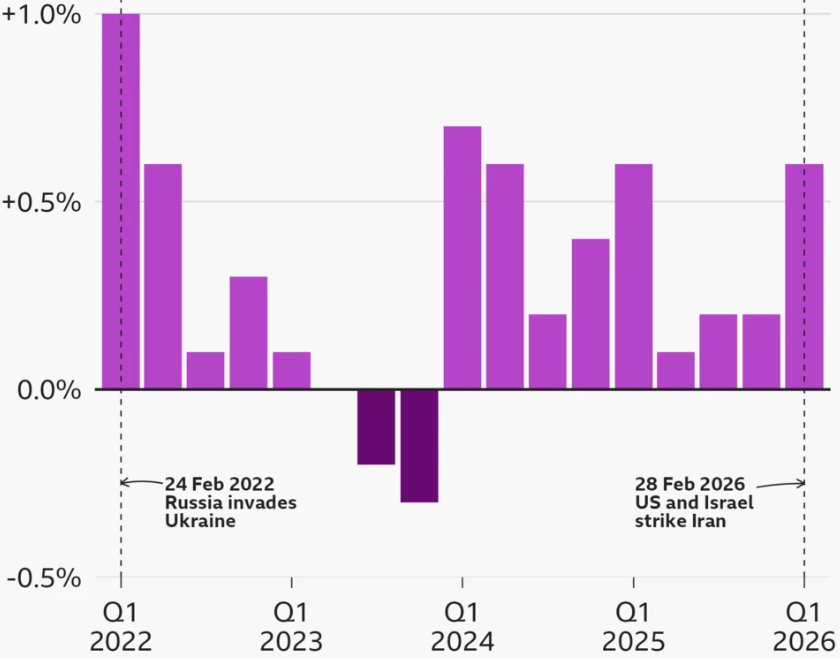
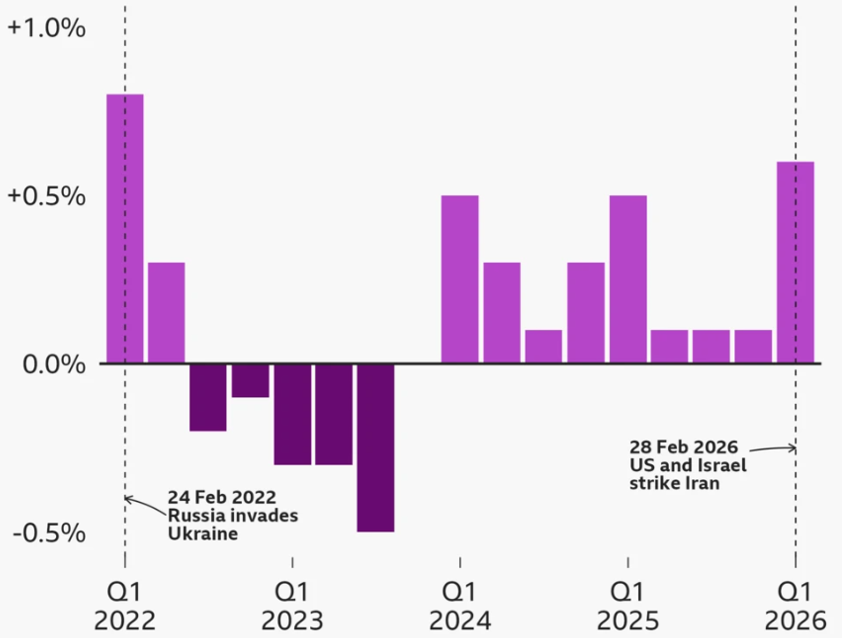
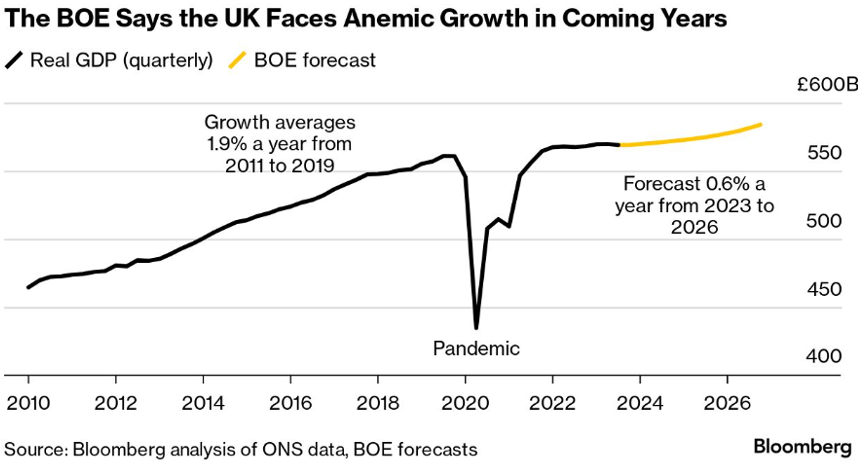
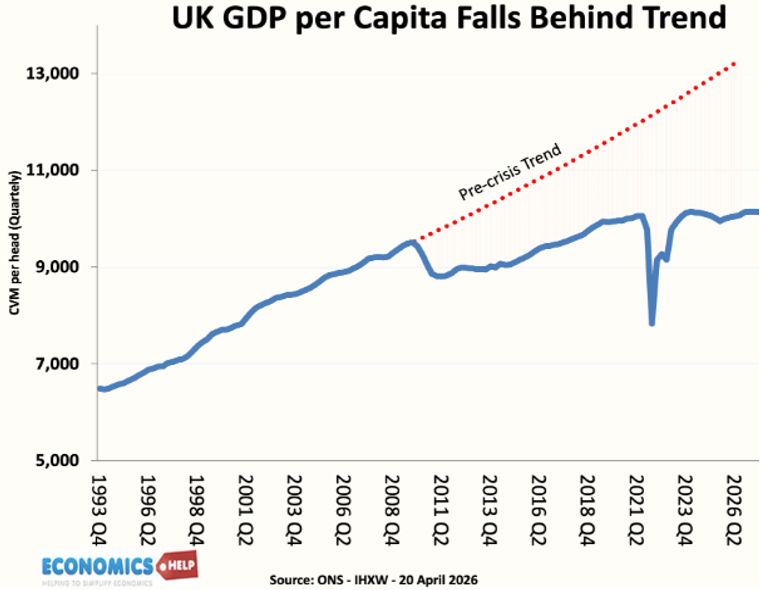
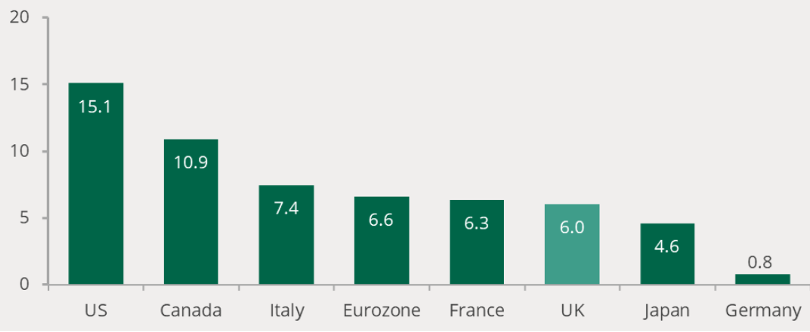
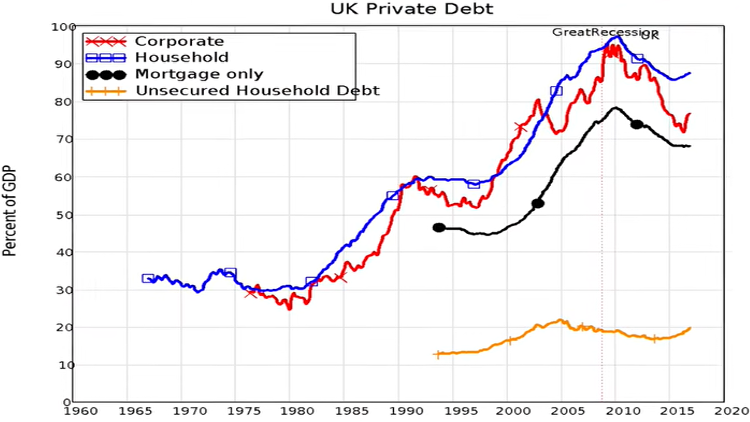
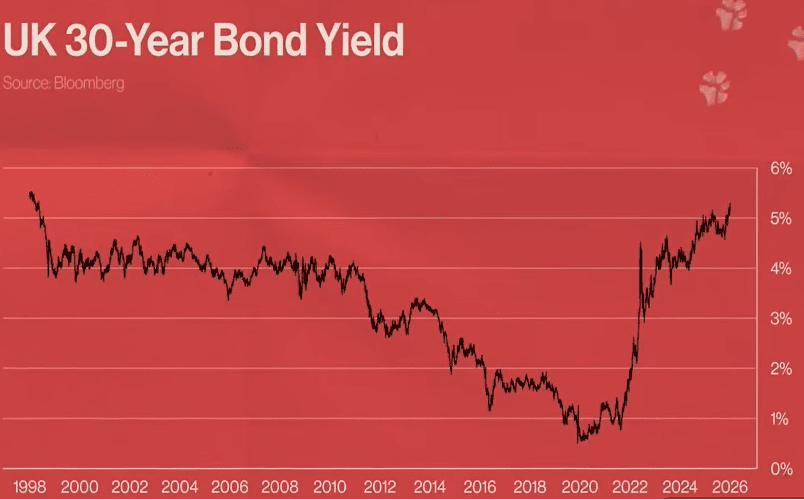
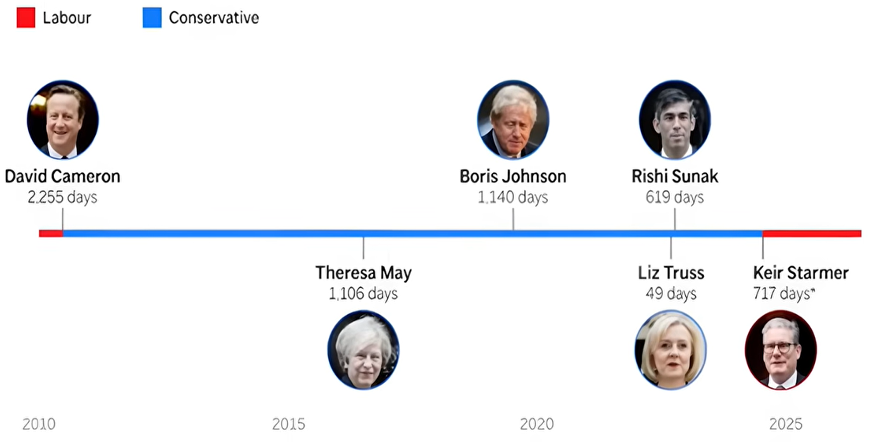
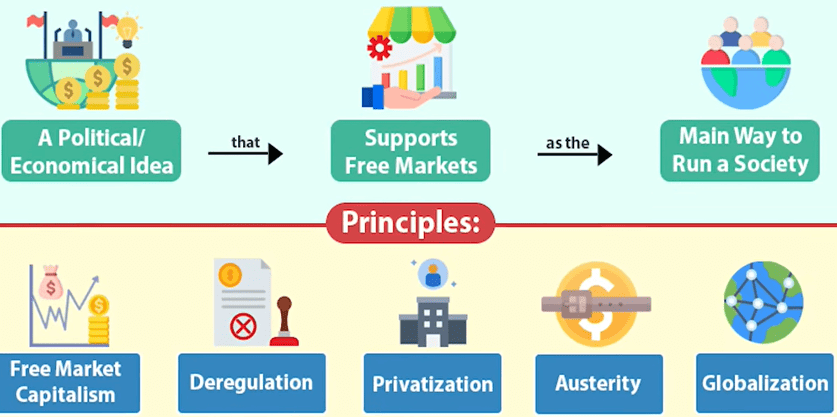
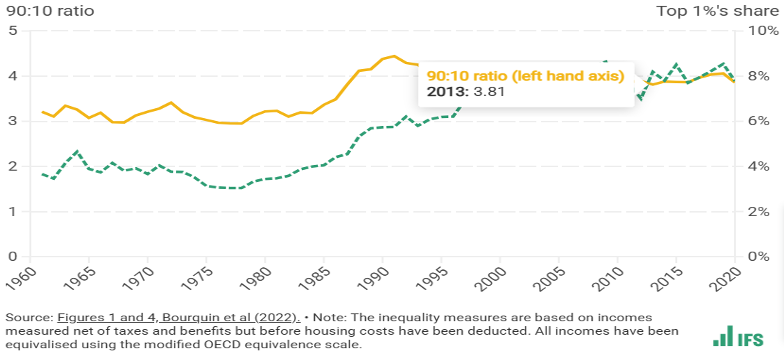
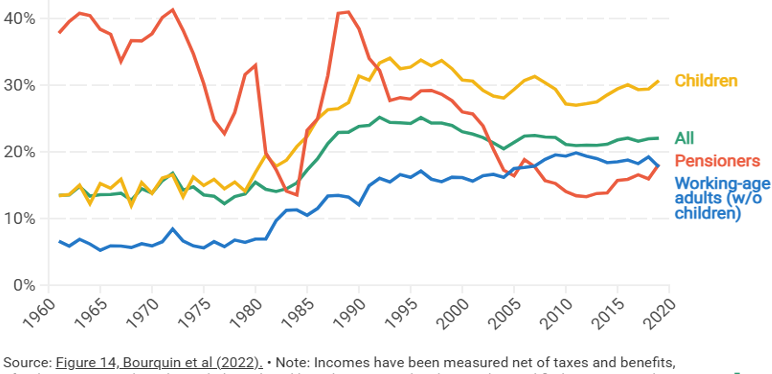
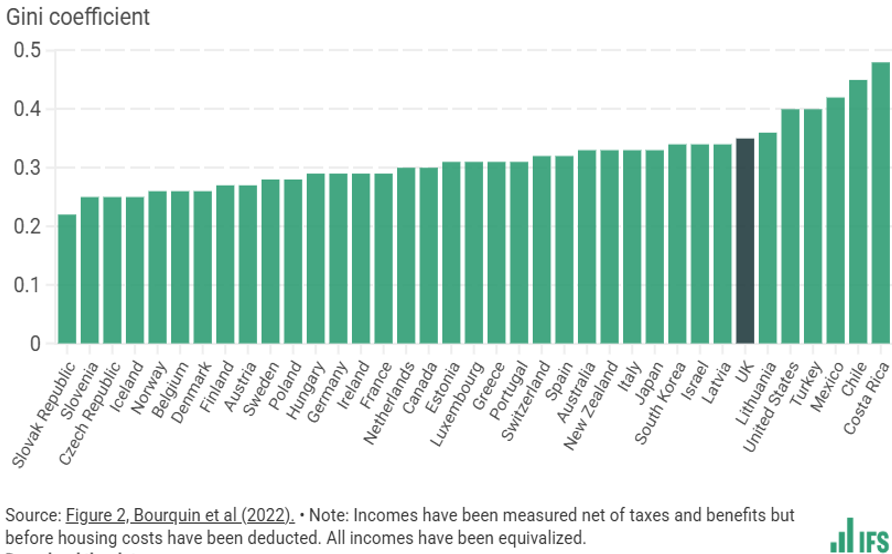
 Dr. Kalim Siddiqui






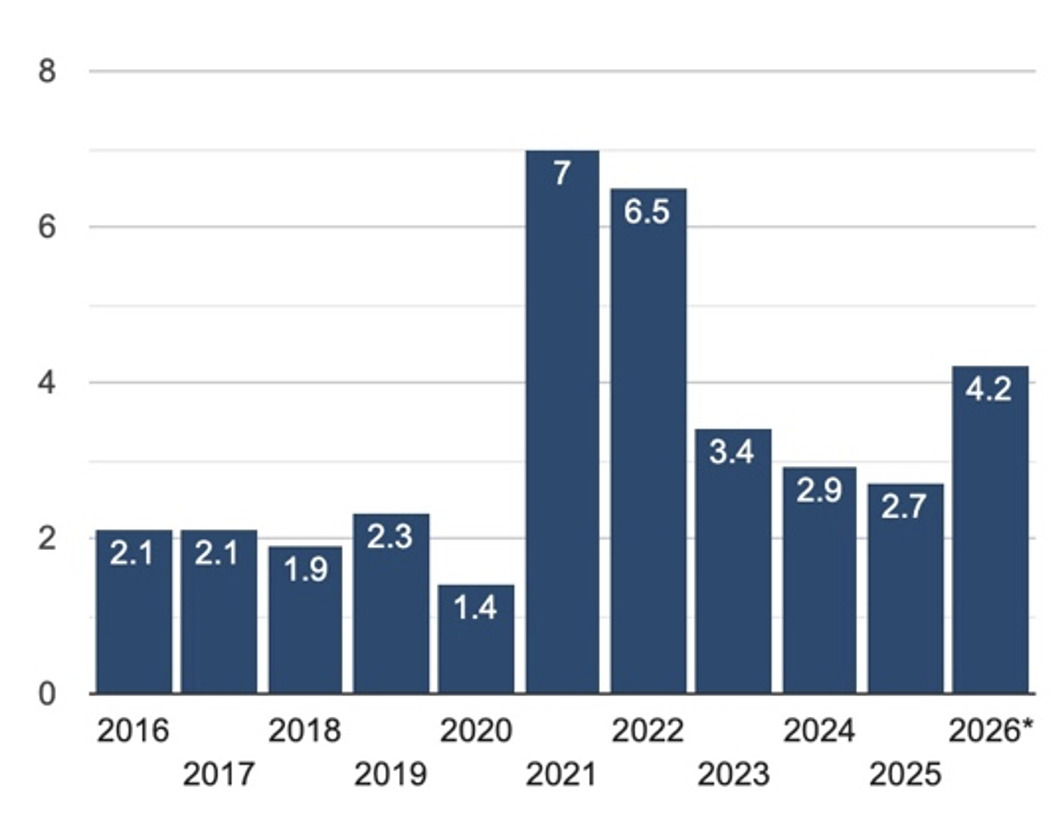

 Joseph Mazur
 Dr. Gleb Tsipursky