JD Vance headed back to the United States without securing an agreement with Iran, after long hours of talks in Islamabad failed to resolve key differences between the two sides.
Speaking after the negotiations, Vance said discussions with Iranian officials had been “substantive,” but ultimately fell short. The main sticking point remained Iran’s refusal to commit to abandoning its pursuit of nuclear weapons — a core demand from Donald Trump and his administration.
Vance said U.S. negotiators presented what he described as their “final and best offer,” but Iran chose not to accept it. Iranian officials, led by Mohammad Bagher Ghalibaf, pushed back, citing deep mistrust of the U.S. and disagreements over broader issues, including sanctions, control of the Strait of Hormuz, and regional ceasefire terms.
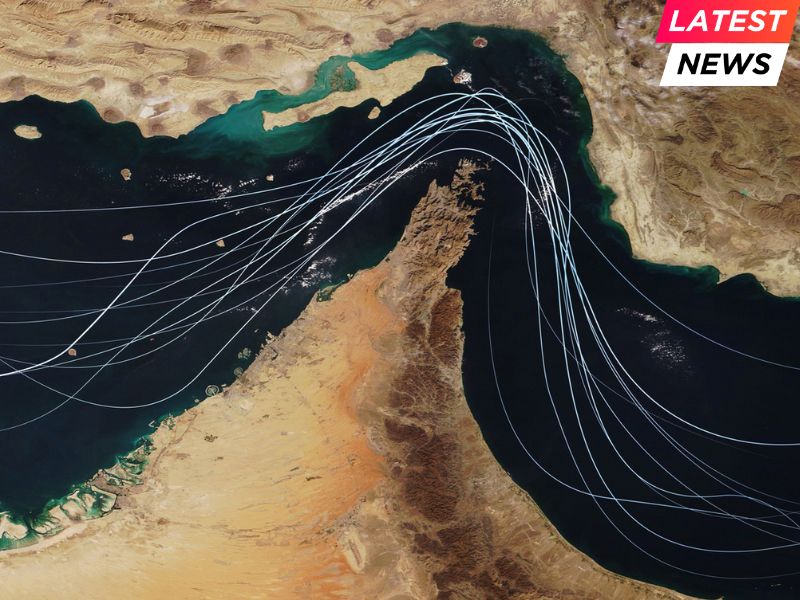
The breakdown comes just days after a fragile two-week ceasefire was announced. That truce already appears under pressure, with Iran continuing to restrict most shipping traffic through the Strait of Hormuz — a key route that carries a significant share of the world’s oil and gas.
At the same time, military activity in the region has not slowed. U.S. naval forces recently moved warships through the strait for the first time since the conflict began, as part of efforts to secure safe passage and clear potential threats like sea mines.
Despite the failed talks, Pakistan signaled it may try to bring both sides back to the table. Officials stressed the need to keep the ceasefire in place, even as tensions remain high and uncertainty continues to weigh on global energy markets.
For now, there’s no clear path forward. With both sides holding firm on their positions, the next round of talks — if it happens — will likely face the same challenges.
Related Readings: