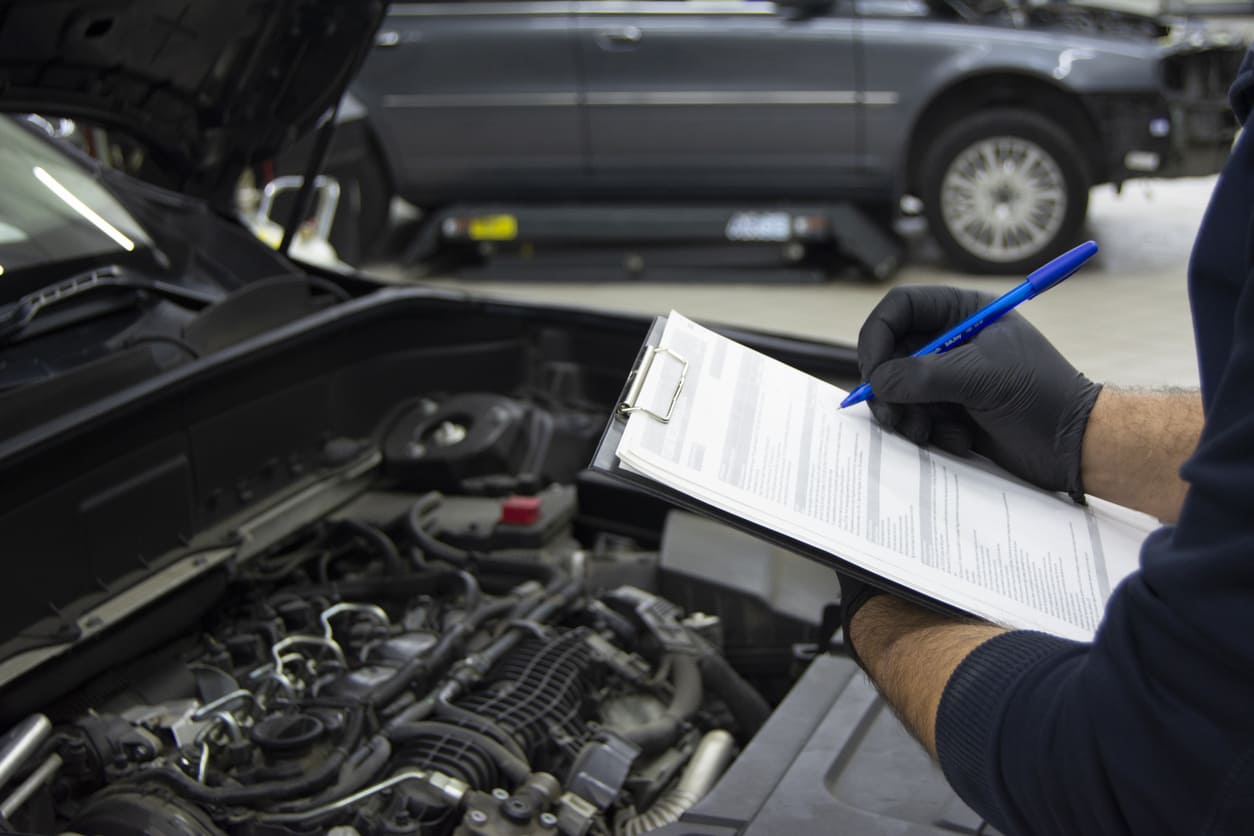
Staying clear of breakdowns starts with checking machines regularly. When wheels turn often, things wear out – catching those signs early matters most. A garage full of trucks needs attention just like one single van making rounds downtown. Spotting cracks, leaks, or worn parts stops small glitches becoming big trouble later. Running checks isn’t magic – it simply keeps everything moving without surprises.
Not just about avoiding accidents, checking vehicles helps companies follow rules and manage dangers. When authorities demand proof of routine checks, having logs ready matters. Skip those steps, penalties show up – fines, lawsuits, downtime – a cascade harming how smoothly things run.
The Role of Vehicle Inspections in Safety
Spot checks on vehicles help stop crashes before they happen. When teams catch frayed parts or shaky mechanics fast, companies dodge nasty surprises during trips. Drivers stay safer. So do riders nearby. Even strangers sharing highways gain some shield from harm. Early fixes mean fewer scary moments after dark.
Drivers start taking notice when checks happen regularly. Because safety comes first, they speak up about issues they spot on the road. With time, sharing problems becomes normal, not rare. Maintenance gets easier since teams work together without being asked. Fewer breakdowns show up when everyone pays attention. Trust builds slowly when actions match words. Risks drop because people care more than rules force them.
Rules and Laws You Must Follow
Frequent checks on vehicles usually form part of transport rules companies must follow. Because oversight matters, records get kept showing each examination took place. Safety improves when roads carry only trucks and vans in proper working order. Meeting these rules shows outsiders the company respects laws it operates under.
If something goes wrong, written inspections might show up in court cases. Government officials, insurers, or lawyers could look through upkeep logs to see if rules were followed. Well-kept documents let businesses prove they acted responsibly. Clear paperwork often means less risk when disputes arise.
Reducing Operational Downtime
A sudden van failing mid-route throws off timing, holds up packages, leaves drivers stranded. Every so often, a quick look around snags problems before they turn into roadblocks. When things are caught early, repairs tend to cost far less than the chaos of a total breakdown later on.
Fewer breakdowns happen when trucks run well, so drivers face less stress during long hauls. When companies take care of their trucks and vans, deliveries tend to arrive on time, service stays steady. Because of this, regular checkups do more than prevent accidents – they build trust, strengthen how people see the brand.
The Importance of Documentation
Checking things properly matters. Yet writing it down counts just as much. Proof comes from paperwork showing each vehicle got looked at. Company rules say so. So do government standards. When auditors show up, those notes help. Trouble arrives sometimes. Courts want details. Past checks might matter then. Records sit there quietly. Until they’re needed. Then they speak loud.
Some groups use computer tools to handle records more smoothly while making fewer mistakes. Because of clear paperwork, responsibility becomes clearer when tracking how each work truck is doing. When leaders look back at past details, they see patterns useful for scheduling repairs or deciding where money should go.
Supporting Driver Accountability
Behind the wheel, most notice issues before anyone else. Hours of daily driving make strange sounds hard to miss. A wobble here, a rattle there – they catch on quick. When drivers speak up about what they see, fixes happen sooner. Involving them in checks means issues get caught earlier than waiting for scheduled reviews.
Finding issues early happens when drivers share driver vehicle inspection report, what they see during checks. Because these notes get recorded, problems stay visible over time. When crews talk openly with leaders, safer routines start forming naturally. Written updates keep rules followed without extra pressure piling up later.
Improving Fleet Efficiency
Starting off, checking vehicles helps them run better over time. Machines that receive steady checkups tend to fail much less. With a clean engine, fuel burns slower – efficiency climbs without effort. Spotting small issues before they grow means fewer surprises down the road. Money saved adds up through avoided downtime and parts replacement.
When things run smoother, keeping track of supplies gets easier. Because systems are monitored ahead of time, fixes happen before breakdowns, money goes where it is needed most, while work keeps moving without delays. Little by little, those changes add up in clear ways to the bottom line.
Risk Management Benefits
A single car moving down the street carries some level of danger. Problems under the hood, worn tires, or broken parts might trigger crashes – hurting people, damaging things, sparking lawsuits. Checking vehicles regularly cuts those chances, catching small troubles early. Because spotting flaws ahead of time stops bigger problems later.
A solid check-up routine shows others the company takes fleet oversight seriously. Now things hold together better when insurers stay close, while talks with regulators start flowing without hiccups. As risks fade, funds sit tighter, building a backbone that lasts years beyond today’s numbers.
The Value of Preventive Maintenance
Most issues start small – catching them early keeps vehicles running. Spotting wear during checks means fixes happen ahead of breakdowns. When upkeep follows findings closely, trouble has less room to grow. This routine pairing shapes how fleets stay reliable over time.
Most companies spending on regular upkeep tend to face fewer breakdown bills plus machines that last much longer. Instead of reacting after something breaks, they stay ahead – protecting what they own and keeping things running smoothly. With this method, transport stays dependable without spending too much over time.
Planning Ahead for What Might Come
Out of nowhere, tech upgrades are reshaping how transport works. When rules shift, companies find ways to keep moving without breaking step. Because inspections happen regularly, surprises show up less often on the road. As pressures grow, checking vehicles becomes more than routine – it turns into foresight.
Out there, digital check tools help spot issues faster. Because of automation, reports now update without waiting around. Vehicle health insights come quicker thanks to smarter tech inside machines. When groups start using these upgrades, mistakes happen less often. Staying within rules gets easier over time. Managing entire fleets begins feeling smoother day by day.
Conclusion
Doing vehicle checks means more than following orders. Because safety grows when drivers pay attention before starting up. Fewer surprises happen out on the road when details are caught early. A business lasts longer when habits support long-term thinking. People notice effort even if nobody mentions it directly. Responsibility sticks around when actions match intentions. How machines are treated today shapes what happens tomorrow. Care shows through consistency, not announcements.
When more people need to move around, companies must pay attention to how well they check their vehicles. Because safety checks happen often, records stay correct, also fixes begin before breakdowns occur, work becomes less dangerous plus spending goes down. Staying out of trouble with rules gets easier when each step is handled ahead of time, especially as laws change faster than ever.