A fragile ceasefire announced by Donald Trump between the United States and Iran has eased some global tensions, but confusion over the agreement’s details, including whether it applies to regional conflicts and the reopening of a critical oil shipping route — continues to raise doubts about its effectiveness.
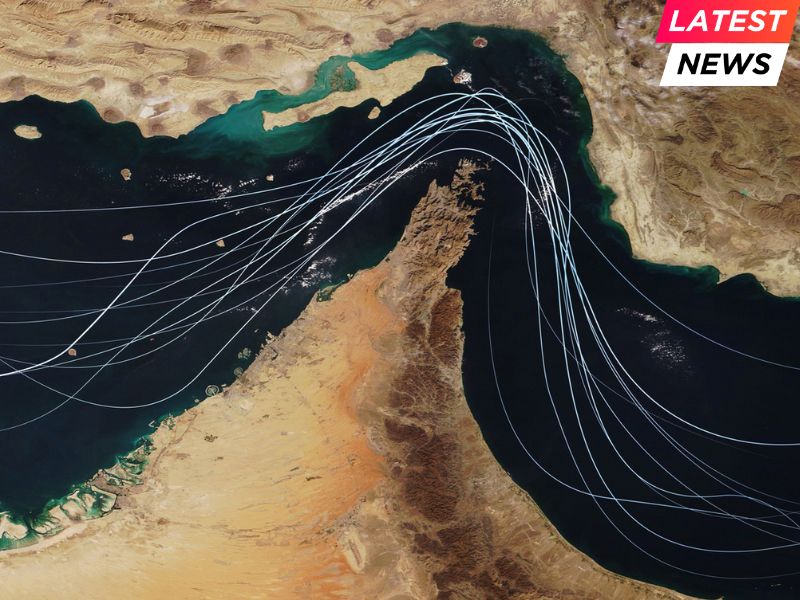
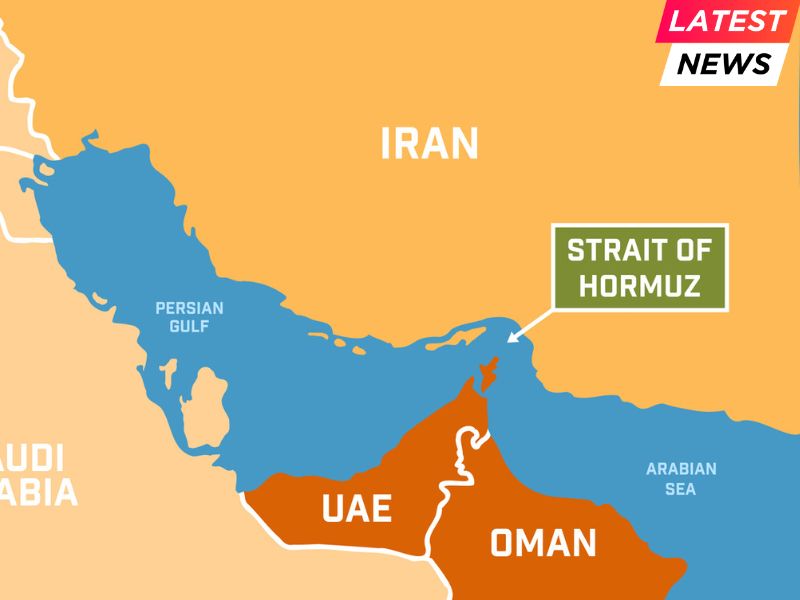
The two-week ceasefire was revealed shortly before Trump’s self-imposed deadline for Iran to agree to negotiations or face further military escalation. The announcement temporarily reassured financial markets, particularly because of hopes that shipping could resume through the Strait of Hormuz, a narrow but vital route for global oil transport that has seen major disruption during the conflict.
Despite the announcement, uncertainty quickly emerged over what had actually been agreed. Iranian officials suggested the ceasefire covered wider regional tensions, including strikes linked to Lebanon, while U.S. officials said the deal focused primarily on Iran and its direct confrontation with Israel and Gulf allies. Continued airstrikes in Lebanon further complicated interpretations of the agreement.
Behind the scenes, U.S. military officials had reportedly prepared for possible escalation if negotiations failed. The plans being considered include increasing strikes on Iranian infrastructure and possibly launching operations to ensure safe passage through the Strait of Hormuz, a key route for a large share of global oil shipments.
Diplomatic efforts to secure a temporary agreement involved intermediaries from countries like Pakistan and Turkey, as both sides looked into a framework for more extended negotiations. U.S. Vice President JD Vance is expected to join upcoming talks focused on achieving a longer-lasting deal.
While markets responded positively at first, analysts point out that true stability depends on whether the ceasefire results in a steady reopening of oil routes and a broader political agreement. Since military forces remain on alert and different interpretations of the deal are appearing, the situation is still uncertain as negotiators work to avoid further escalation.
Related Readings: