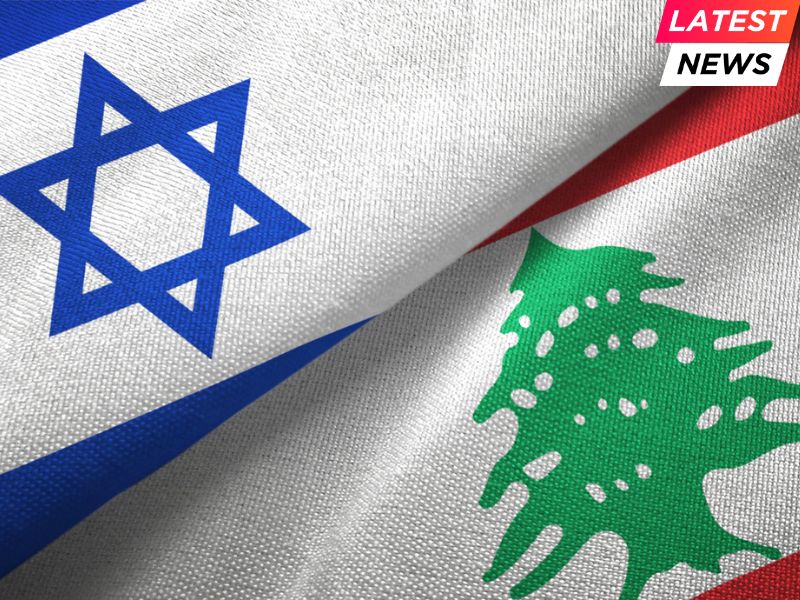
For the first time since 1993, Israel and Lebanon are holding direct diplomatic talks. This is a rare event, and it could be a significant step toward easing regional tensions.
These discussions were facilitated by the United States and led by Secretary of State Marco Rubio. They primarily aimed to end current hostilities and address Hezbollah’s role. Rubio described the meeting as a “historic opportunity” to reduce the group’s influence and move toward longer-term stability.
Both sides agreed to begin formal negotiations, though details on timing and location have yet to be finalized. Israel made it clear that its main goal was to disarm armed groups that aren’t part of the state. On the other hand, Lebanon called for an immediate stop to the fighting and for humanitarian aid to arrive quickly.
These discussions are happening while the violence is getting worse. Since early March, Israeli actions in Lebanon have resulted in over 2,000 deaths and many people being forced to leave their homes. Meanwhile, Hezbollah has kept up its attacks on Israeli sites, which really shows just how unstable things still are.
Lebanese President Joseph Aoun hoped these talks would be the start of some relief for civilians, especially those in southern Lebanon. But the Lebanese government doesn’t have much power to control Hezbollah, mainly because the group has so much political and military influence.
What also makes things uncertain is that Hezbollah officials have hinted they might not accept any agreement made in Washington. This brings up serious questions about whether any deal could actually be enforced.
Even though these discussions are bringing diplomacy back after many silent decades, we should see them as only the first move. As conflicts continue and with numerous groups participating, transforming these discussions into a permanent resolution presents a highly challenging and unpredictable path forward.
Related Readings: