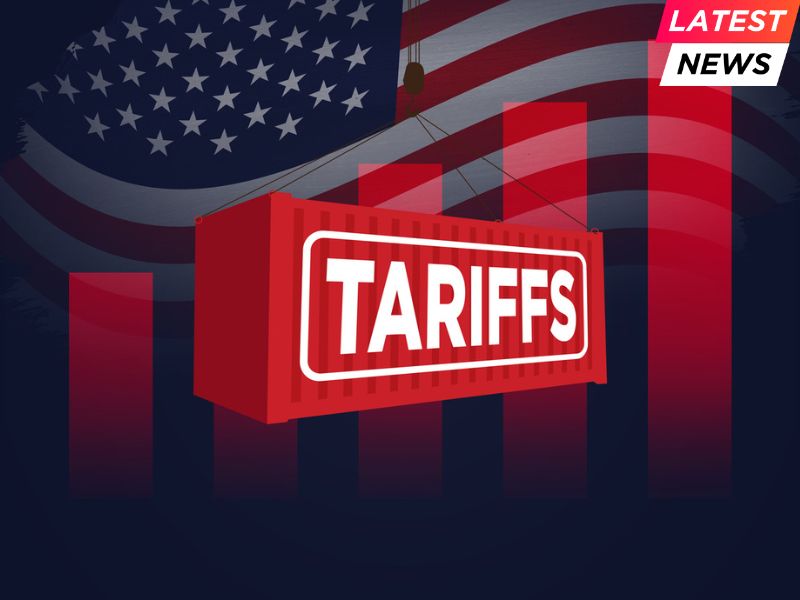
President Donald Trump says his trade agreements remain intact, but many U.S. partners are not convinced after the Supreme Court struck down a key part of his tariff strategy.
The court ruled that Trump overstepped his authority when he used the International Emergency Economic Powers Act to impose sweeping tariffs. Within days, Trump introduced a 10% tariff under Section 122 of the Trade Act of 1974 and signaled he could raise it to 15%. That quick shift left governments scrambling to figure out what still applies and what might change.
Several countries had negotiated deals based on tariff rates tied directly to the emergency powers law. With that legal foundation gone, officials now question whether those concessions still hold. Some governments have paused negotiations, while others have delayed votes or internal approvals as they wait for clearer guidance from Washington.
During his State of the Union address, Trump insisted most countries want to keep their agreements in place. At the same time, he warned that any nation that backs away could face steeper duties under different trade laws. U.S. Trade Representative Jamieson Greer also signaled that the administration may launch new investigations that could justify fresh tariffs.
Foreign leaders have largely adopted a cautious approach. They are reassessing leverage, timing, and legal risks before making new commitments. Meanwhile, businesses and markets must operate in an environment where the rules could shift again, depending on how the administration rebuilds its tariff framework.
Related Readings: