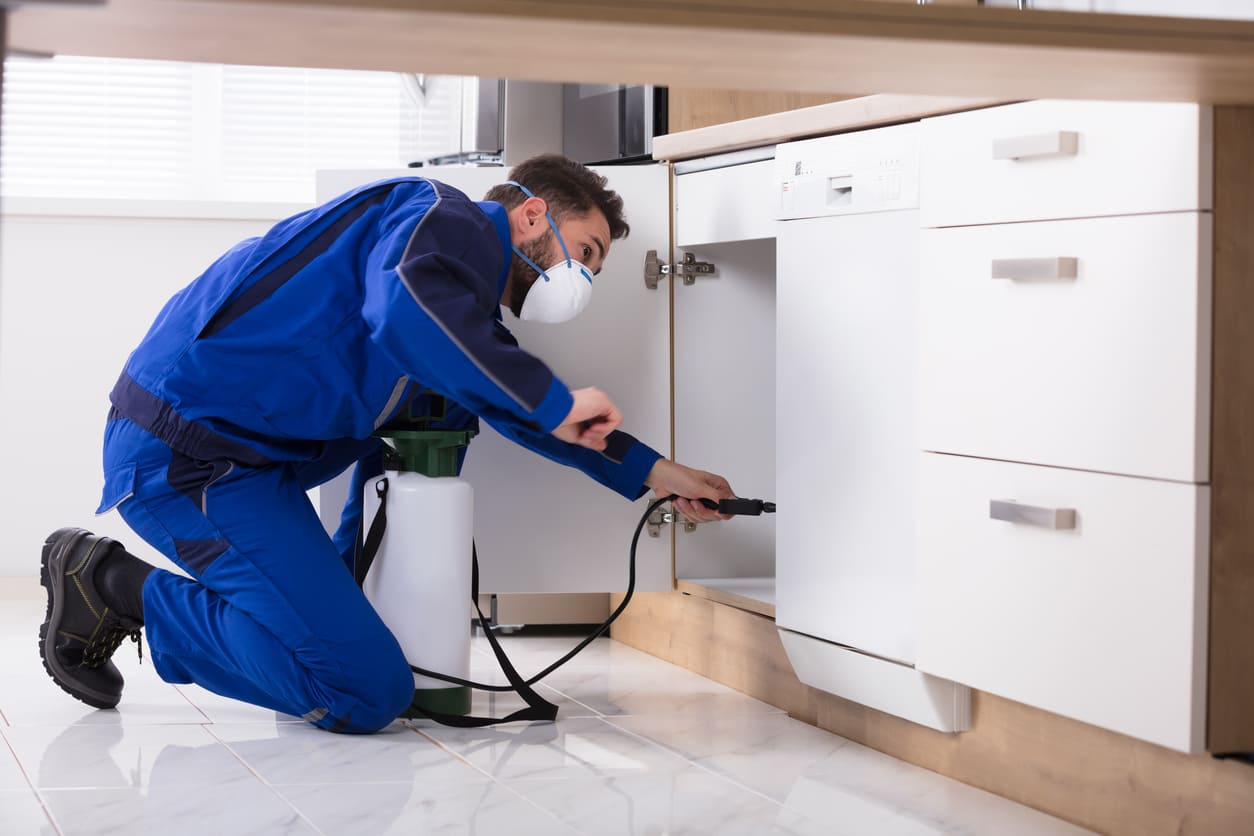
Pest control is becoming a bigger priority for property investors as infestations create risks beyond basic maintenance. From tenant complaints and repair costs to compliance issues and property value, pest problems can quickly affect the performance and reputation of an investment.
Why Property Pest Control Is A Growing Investor Risk
Pest control used to be treated as a routine maintenance expense. Today, it is a risk management issue because infestations can affect almost every part of a real estate investment: tenant retention, habitability, insurance claims, repair costs, online reputation, regulatory compliance, resale value, and the investment thesis.
Several trends are making the problem harder to ignore. Warmer weather patterns can extend pest seasons. Dense multifamily and mixed-use properties give pests more places to travel between units, trash areas, utility lines, kitchens, storage rooms, and landscaping. Tenant expectations are also higher. A single pest complaint can quickly become a negative review, a lease dispute, a city inspection, or a demand for rent abatement if the response is slow or poorly documented.
Pest problems are becoming a bigger risk management issue because they are no longer isolated maintenance complaints. For investors, pests are now a signal of operational risk. A mouse in a unit may point to exterior gaps. Roaches may point to plumbing leaks, poor sanitation controls, or tenant turnover issues. Flies may point to drainage problems. Termites may point to moisture, grading, or hidden structural exposure. In other words, pest activity often reveals weaknesses in the building, the maintenance program, the tenant communication process, or the property manager’s inspection routines.
For investors, the real risk is not just the pest itself. It is the chain reaction that follows: delayed treatment, unclear responsibility, repeated complaints, structural damage, health concerns, vacancy, legal exposure, and loss of confidence in the property’s management. A property with repeated pest complaints may have deeper problems that affect NOI, renewal rates, compliance, repair reserves, and even exit value. The cost of the exterminator is rarely the biggest issue. The bigger issue is what the infestation is telling you about the asset.
Investors are also operating in a less forgiving environment. Tenants document problems instantly, online reviews influence leasing velocity, municipalities are more attentive to habitability complaints, and buyers scrutinize maintenance history during due diligence. That is why serious investors are moving from reactive extermination to documented prevention plans.
Property pest control should be viewed as part of operational risk planning, not just another vendor line item on a maintenance budget.
Key Property Pest Control Risks For Investors
The highest-risk pest problems are the ones that threaten health, damage structures, disrupt business operations, spread quickly across a property, recur, create documentation problems, or interrupt income.
In residential properties, rodents, cockroaches, bed bugs, termites, ants, fleas, mosquitoes, and stinging insects often create the most serious problems. Rodents can contaminate surfaces, move through walls, chew wiring, damage insulation, and create fire or sanitation concerns. Cockroaches are especially problematic in multifamily housing because they can spread between units through shared plumbing chases, sanitation issues, or untreated neighboring units. Bed bugs are costly because they spread easily, require coordinated treatment, tenant cooperation, careful preparation, follow-up treatment, and sensitive communication. Termites and carpenter ants can quietly damage wood framing and reduce asset value before the owner realizes there is a problem.
In commercial properties, the biggest risks often come from rodents, flies, cockroaches, stored-product pests, birds, and termites. Restaurants, grocery stores, warehouses, healthcare facilities, hospitality properties, schools, offices, and retail centers all face different exposure. In commercial settings, a pest issue can become a brand issue, a health inspection issue, an employee safety concern, a lease compliance issue, or a business interruption event.
The most dangerous infestations are not always the most visible or dramatic ones. Investors should pay special attention to recurring complaints, pest activity in common areas, signs near trash enclosures, moisture problems, roof or foundation entry points, and pests found near food, wiring, HVAC, storage, or structural components.
Investors should pay special attention to repeat activity. A one-time pest sighting may be simple. A recurring pest pattern is asset intelligence. It tells you where the property is leaking value.
How Property Pest Control Affects Value And Returns
Pest infestations hurt investment performance in three ways: they increase expenses, reduce income stability, and weaken the property’s marketability.
First, infestations can create direct costs. These include treatment, follow-up visits, repairs, cleaning, replacement of damaged materials, tenant relocation, legal fees, inspections, and emergency service calls. A small issue that could have been prevented with exclusion, sanitation, and monitoring can become expensive when it spreads across units or into structural areas.
Second, pests damage tenant satisfaction. Tenants may tolerate dated finishes more easily than they tolerate pests. A pest complaint affects how safe, clean, and professionally managed the property feels. If tenants believe management is dismissive or slow to respond, they are more likely to leave, post negative reviews, withhold rent where allowed, report the property, or escalate the dispute.
Third, infestations can reduce long-term returns. Higher turnover, concessions, vacancy, reputation damage, failed inspections, deferred maintenance, and lower renewal rates all reduce net operating income. Since income-producing properties are often valued based on NOI, persistent pest problems can indirectly affect valuation. These costs do not always appear neatly under “pest control” on a profit and loss statement. They show up across operations.
For example, a recurring rodent issue may increase maintenance hours, damage resident trust, require exclusion work, slow leasing, and create reputation problems. A cockroach issue in a multifamily property may require building-wide coordination, not just unit-by-unit treatment. A termite issue can create repair reserves that affect refinancing, sale negotiations, or buyer confidence.
Pest problems also affect perceived value. Tenants rarely separate pest activity from management quality. If they see pests, they often assume the property is poorly maintained, even if the root cause is more complex. Buyers and lenders may think the same way. A documented prevention program can protect value because it shows the issue is being managed systematically rather than reactively.
For residential investors, pest control is part of preserving habitability and tenant trust. For commercial investors, it is part of protecting business continuity and the tenant’s ability to operate.
A strong pest prevention program is not just an expense. It is a way to protect cash flow, asset condition, investor confidence, trust, retention, predictable expenses, and clean due diligence.
Is Property Management Responsible For Pest Control?
Property management is often responsible for coordinating pest control, but responsibility for payment or liability depends on the property type, lease terms, local law, and the cause of the infestation.
In practical terms, property managers are usually the first line of defense. They receive tenant complaints, inspect common areas, schedule pest control vendors, document service history and timelines, communicate tenant preparation instructions, coordinate vendor access, monitor recurring problems, track follow-up, and advise the owner when repairs or exclusions are needed. Even when the owner ultimately pays, property management is typically responsible for making sure the issue is handled promptly and professionally.
A strong property management pest control process helps prevent confusion between owners, tenants, vendors, and maintenance teams. It also gives investors a clearer view of whether the problem is isolated, recurring, tenant-caused, or connected to the building itself.
However, responsibility is not always one-sided. If pests are entering because of structural gaps, plumbing leaks, roof issues, shared trash areas, landscaping, or a pre-existing infestation, the owner or management side is more likely to be responsible. If the infestation is caused by a tenant’s poor sanitation, unauthorized animals, hoarding, failure to report issues, or refusal to cooperate with treatment preparation, the tenant may share responsibility depending on the lease and local rules.
That distinction matters. Property management may not always be legally responsible for paying for pest control, but it is almost always operationally responsible for managing the process. If that process is sloppy, the owner’s risk increases even if the lease says the tenant is responsible.
For investors, the better question is not only “Who pays?” It is “Who owns the workflow?”
A strong pest-control workflow should define how complaints are reported, how quickly inspections happen, when owners are notified, which vendor is called, how tenant cooperation is documented, how repeat activity is escalated, and when the issue becomes a building-wide maintenance concern. The property management pest control workflow should also define what records are kept after each inspection, treatment, repair, and follow-up.
The best property managers do not wait until blame is settled before acting. They document the complaint, inspect quickly, treat urgent conditions, identify the source, and then determine responsibility based on evidence.
Poor property management turns small pest problems into legal and financial exposure. Good property management turns pest activity into a controlled, documented maintenance event. For investors, consistent property management pest control records can also support better budgeting, vendor accountability, tenant communication, and due diligence.
When Is A Landlord Responsible For Pest Control?
A landlord is commonly responsible for pest control when the infestation affects habitability, existed before the tenant moved in, comes from structural conditions, originates in common areas, or is not clearly caused by the tenant. A landlord is more likely to be responsible when the infestation is tied to the property itself rather than the tenant’s behavior.
Examples include rodents entering through foundation gaps, cockroaches spreading through shared walls or plumbing chases, termites damaging the structure, pests caused by leaks or moisture problems, infestations in hallways or trash rooms, roof or foundation gaps, trash-area failures, and pest activity reported soon after move-in. In multifamily buildings, landlords often have greater responsibility because pest problems can move between units and require building-wide coordination.
Landlords may also be responsible when local housing codes, health codes, or the lease require them to maintain a pest-free property. In many residential rental situations, landlords have a duty to provide housing that is safe and fit to live in. Pest infestations can become a habitability issue when they are severe, persistent, or connected to health and safety risks.
For investors, the landlord responsible for pest control question is rarely answered by the lease alone. The source of the infestation, the timing of the complaint, the property condition, and the response history all matter.
But investors should be careful about relying only on lease language. Even when a lease assigns some pest responsibilities to tenants, owners can still face exposure if the root cause is deferred maintenance or a building-wide issue. A tenant can clean perfectly and still have roaches if neighboring units, wall voids, or pipe penetrations are untreated.
Landlord responsibility for pest control usually increases when the infestation is connected to common areas, structural issues, pre-existing conditions, or building-wide maintenance failures. That is why inspections, vendor notes, photos, and repair records are so important.
That said, landlord responsibility for pest control can change if the tenant caused or worsened the problem. For example, a tenant who leaves food waste exposed, blocks access for treatment, brings in infested furniture, or refuses required preparation may be responsible for some or all costs under the lease or local law.
When the landlord responsible for pest control issue is tied to property conditions, fast action is usually the safest approach. The owner should address the pest issue and correct the condition that allowed it to happen.
The safest approach for landlords is evidence-based. Respond quickly, inspect, document, determine the source, use licensed professionals, treat the immediate issue, and correct the condition that allowed it to happen. Responsibility is easier to determine when the owner has records, photos, vendor findings, tenant communications, and repair history.
Documenting conditions helps separate landlord responsibility for pest control from tenant-caused issues. A clear record also makes the landlord responsible for pest control discussion easier if a tenant, inspector, attorney, buyer, or lender later reviews the file.
Can You Sue Landlord For Pest Control?
In some situations, a tenant may be able to sue a landlord over pest control, but it depends on local law, the lease, the severity of the infestation, the landlord’s knowledge of the problem, whether the landlord failed to take reasonable action, and the cause of the infestation.
A lawsuit is more likely to become a serious risk when a landlord ignores repeated complaints, fails to repair entry points or moisture issues, allows a known infestation to continue, rents a unit with an existing infestation, or retaliates against a tenant for reporting the problem. Depending on the location and facts, tenants may also have other remedies, such as requesting repairs, contacting code enforcement, seeking rent abatement, terminating the lease, or pursuing damages.
However, not every pest sighting creates a valid legal claim. Courts and housing agencies usually look at evidence and reasonableness: when the issue was reported, how severe it was, what caused it, how management responded, whether a licensed provider was used, whether tenants were given clear preparation instructions, whether entry points, leaks, sanitation problems, or common-area issues were addressed, whether there was follow-up after treatment, whether the tenant cooperated, and whether the property remained safe and habitable.
From an investor’s perspective, the lawsuit itself is not the only risk. The bigger risk is the paper trail. If the file shows ignored emails, slow response times, missed appointments, no follow-up, vague vendor notes, or repeated complaints without a prevention plan, the owner is in a weaker position.
For investors, the main lesson is simple: legal exposure grows when pest complaints are handled casually. A documented response timeline, professional inspection, treatment records, photos, repair notes, tenant communications, and follow-up visits can be just as important as the treatment itself.
Investors should treat every pest complaint as if it may later be reviewed by a tenant attorney, code officer, insurance adjuster, buyer, or lender. That does not mean overreacting. It means creating a clean, professional record of action.
Why Commercial Property Pest Control Matters
Commercial pest control is especially important because a pest problem can directly affect a tenant’s ability to operate. In a residential property, pests can lead to tenant complaints, habitability concerns, and renewal decisions. In a commercial property, pests can also trigger failed health inspections, product contamination, employee complaints, customer loss, brand damage, lease disputes, business interruption, and the tenant’s ability to stay open.
Commercial property pest control matters because the consequences often extend beyond the building owner. A pest issue can interfere with a tenant’s daily operations, customer experience, staff safety, compliance obligations, and ability to protect inventory or serve customers.
This is especially true for restaurants, food processing facilities, grocery stores, warehouses, hotels, medical offices, schools, childcare facilities, and retail centers. A single rodent sighting in a dining area or a pest issue in a storage room can create reputational harm far beyond the cost of treatment. In some industries, pest documentation is also part of compliance, audit readiness, and vendor requirements.
For example, pest activity near a restaurant dumpster can become a health inspection issue. Rodents in a warehouse can affect stored goods. Birds around a retail center can create sanitation and slip hazards. Flies in a food-service space can create customer complaints. Termites in an office building can raise capital repair concerns.
For investors, commercial pest control protects the asset and the tenant relationship. Good tenants want to operate in buildings that are clean, safe, well-maintained, and professionally managed. If a landlord neglects common areas, exterior waste zones, rooflines, loading docks, landscaping, waste areas, or structural entry points, the tenant may see the property as a liability rather than a business advantage.
Commercial leases often divide responsibility between landlord and tenant, but common areas, exterior conditions, roofs, loading docks, landscaping, waste areas, and structural entry points frequently remain investor concerns. If the landlord-controlled parts of the property are attracting pests, the owner may be putting tenant relationships and rent stability at risk.
For commercial investors, pest control is part of tenant retention. Good tenants do not want to fight preventable building issues. They want a property that protects their business.
A strong commercial property pest control plan helps protect rental income, lease renewals, property reputation, and the long-term value of the asset. Commercial property pest control also gives investors better documentation when tenants, inspectors, lenders, buyers, or insurance carriers ask how pest risks are being managed.
Building A Strong Property Pest Control Plan
Investors should look for a pest control plan that is preventive, documented, property-specific, and coordinated with maintenance. A basic “spray when someone complains” approach is not enough for an income-producing property.
A strong plan should include regular inspections, pest monitoring, clear service schedules, exclusion recommendations, sanitation guidance, moisture control, trash-area management, landscaping recommendations, tenant education, emergency response procedures, follow-up protocols, and detailed reporting. It should identify high-risk areas such as kitchens, dumpsters, basements, crawl spaces, utility penetrations, loading docks, storage rooms, laundry rooms, mechanical rooms, rooflines, and common areas.
Investors should also ask whether the provider uses Integrated Pest Management. IPM focuses on preventing pests by reducing access to food, water, shelter, and entry points, while using targeted treatments when needed. This is usually better for long-term property performance than relying only on repeated chemical applications.
The plan should also define roles. Owners, property managers, tenants, maintenance teams, and pest control providers should all understand their responsibilities. Tenants need to know how to report activity early and prepare for treatment. Managers need to know how to document complaints and follow up. Maintenance teams need to know when pest activity signals a repair issue. Vendors need to provide actionable reports, not just service tickets.
A strong prevention plan should also separate urgent treatment from long-term prevention. Spraying may solve today’s complaint, but exclusion, drainage repair, door sweeps, sealed penetrations, better dumpster practices, and tenant education are what protect the asset.
The reporting is especially important. Investors should expect clear documentation that shows what pest activity was found, where it was found, what conditions contributed to it, what treatment was performed, what maintenance repairs are recommended, which issues require tenant cooperation, when follow-up is scheduled, and what pattern is emerging over time.
The best pest control plans help investors answer three questions at any time: What is happening, what caused it, and what are we doing to prevent it from recurring? They help explain why pests are appearing, where the property is vulnerable, and what can be done to reduce recurrence.
The best plans also integrate with property management. Pest control should not sit in a silo. It should connect with turns, inspections, landscaping, trash contracts, capital repairs, lease enforcement, and due diligence.
For investors with multiple properties, pest data can also reveal portfolio-level trends. If several buildings have rodent issues, the problem may not be the vendor. It may be waste management, exterior maintenance standards, or inspection frequency.
How Pest Control Services For Property Investors Reduce Risk
Professional pest control reduces exposure by turning pest management from a reactive expense into a documented risk-control system.
Pest control services for property investors are especially valuable because they connect treatment, prevention, documentation, and asset protection. Instead of only responding after tenants complain, a professional plan helps investors understand why pest activity is happening and how to reduce recurrence.
Financially, prevention is usually less expensive than infestation recovery. Regular monitoring can catch activity before it spreads. Exclusion work can stop rodents from repeatedly entering. Moisture correction can reduce conditions that attract pests. Sanitation recommendations can prevent recurring issues around trash, food, and storage. For investors, this means fewer emergency calls, lower repair costs, less turnover, fewer rent disputes, fewer vacancies, less reputation damage, and better protection of net operating income.
Legally, professional pest control helps create a clear record of reasonable action. If a tenant, inspector, buyer, lender, insurance carrier, or attorney questions how a pest issue was handled, documentation matters. Service reports, inspection findings, photos, treatment logs, tenant notices, preparation instructions, and follow-up records can show when the issue was reported, when the property was inspected, what was found, what action was taken, what follow-up occurred, and whether tenant or maintenance cooperation was required.
Pest control services also reduce risk by identifying problems that are not really “pest problems” alone. Rodent activity may point to building gaps, damaged door seals, or openings around utility lines. Cockroaches may point to plumbing leaks or sanitation failures. Termites may point to hidden moisture or wood-to-soil contact. Flies may point to drainage, standing water, or waste-management issues. When pest professionals communicate these underlying causes, investors can fix the conditions that threaten the asset.
Pest control services for property investors should also support decision-making across maintenance, tenant communication, capital repairs, and due diligence. The right provider should give investors clear information, not just proof that a treatment visit happened.
For property investors, pest control should be viewed as part of due diligence, preventive maintenance, tenant experience, operational accountability, and legal risk management. The goal is not only to eliminate pests after they appear. The goal is to protect the property, the income stream, and the investor’s long-term return.
For investors, the value of pest control is not only fewer pests. It is fewer surprises. A strong pest control partner helps protect cash flow, reduce disputes, preserve asset condition, support tenant retention, and create a better record for refinancing, insurance, compliance, and eventual sale.
Pest control services for property investors make that protection more systematic by combining inspections, prevention, treatment, reporting, and follow-up into one risk-management process.
Disclaimer: This article contains sponsored marketing content. It is intended for promotional purposes and should not be considered as an endorsement or recommendation by our website. Readers are encouraged to conduct their own research and exercise their own judgment before making any decisions based on the information provided in this article.