America’s Never-Ending War in the Middle East

By Flynt Leverett and Hillary Mann Leverett
While President Obama continues – at least for now – to resist redeploying large numbers of U.S. soldiers to fight the Islamic State on the ground, the military components of the anti-Islamic State strategy he has laid out effectively recommit the United States to its post-9/11 template for never-ending war in the Middle East. In the end, such an approach can only compound the damage that has already been done to America’s severely weakened strategic position in the Middle East by its previous post-9/11 military misadventures.
New Capitalism: A Holistic Approach to Development

Interview with Jan Sturesson
Jan Sturesson is Global Leader of Government and Public Services Industry at PwC. In the following interview with The World Financial Review, Jan answers some of today’s burning questions on sustainable development and argues that, if development is undertaken with a holistic approach, urbanisation does not have to be the threat to sustainability that many people perceive.
Making Sustainable Attainable

By Ian Brooks
From its early beginnings as a financially risky and purely philanthropic venture, Sustainable Investing has evolved into not only a viable but also a financially rewarding sector. Below, Ian Brooks makes the case for Sustainable Investment and argues that in its modern form it has positive implications for the investor in more ways than one.
Sustainability: Getting Down to Business

Interview with Nikos Avlonas
As the Millennium Development Goals near their 2015 deadline, the role that the private sector must play in driving a global sustainability agenda is becoming clearer than ever. Below, Nikos Avlonas, founder and President of the Centre for Sustainability & Excellence (CSE), discusses the importance of doing business sustainably, the steps organisations must take to integrate sustainability into their day-to-day operations, and how CSE is helping companies around the world improve their sustainability performance.
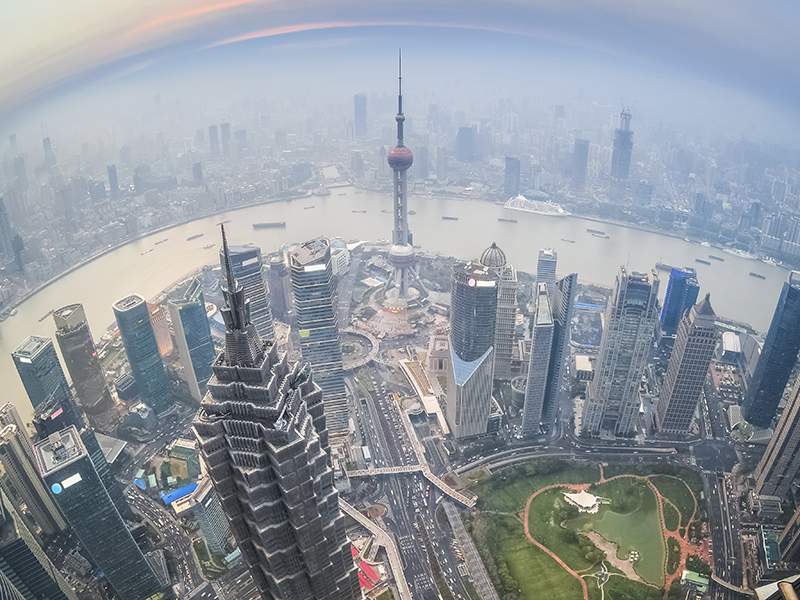
Contemporary Business and Management Challenges in China
By David De Cremer and Jess Zhang
In today’s global context, Chinese companies face significant challenges in internationalising their services – not least that posed by contrasting styles of leadership. However, Chinese companies and government are responding to these challenges and changes are happening fast, putting China well on the way to becoming a global giant.
Gearing Corporate Reporting to Promote Sustainable Development

The post-2015 sustainable development goals (SDGs) currently being devised by the international community cannot be fulfilled under the auspices of the public sector alone. Private sector investment will be key to their delivery. However, in order to successfully mobilise the private sector to promote sustainable development, more transparent corporate sustainability reporting is crucial – as James Zhan argues in this article, what gets measured is what gets managed.
Cities in a Global Order

By Simon Curtis
The remarkable transformation of the world’s major cities over recent decades has been widely noted as being driven by a restructuring of the global economy. What is less often remarked upon is that the relative empowerment of cities is rooted in a wider transformation of international political order. Below, Simon Curtis argues that as components of a nascent global order, cities have been endowed with new capacities, and are taking on new governance roles. These developments point to the crucial role that cities will play in the future of global politics.
Is Effective Waste Collection the key to a Circular Economy?

As urbanisation intensifies and sustainability climbs higher up the global agenda, new solutions to old challenges are more important than ever. Waste management is one such challenge, but by investing in cleaner, more efficient waste-removal systems governments can, Jonas Törnblom argues, take a crucial step on the road to building more sustainable cities and a more sustainable world.
A Watershed in the Financing of Infrastructure for Water Security

By John Briscoe
Water is a basic necessity – crucial not only for sustaining life, but also for facilitating sustainable economic growth. Below, Professor John Briscoe calls out the hypocrisy of much of the last four decades of rich countries’ policies towards large-scale infrastructural projects in the developing world, and questions what recent game-changing announcements mean for the future of development. Is the hegemony of the Western-dominated World Bank coming to an end?
EDITOR'S PICK OF THE WEEK

China’s Challenging Search for a New Model of Economic Growth
By Danny Leipziger
China cannot continue to rely on exports to drive its growth, but what are the alternatives?
China ran a $1.2 trillion trade surplus last year, and despite admonitions from the IMF to rely...