I. Introduction
At present, academic economics in the West (i.e. developed countries) are in a state of confusion, as their dominant economic thought and policy i.e. neo-classical is under attack, not least since the 2008 financial crisis but most recently after the Covid-19 crisis. The 2008 economic crisis posed challenges, not just deepening the economic and financial crisis, but also to teaching economics in the West. There was widespread criticism regarding how the economics curriculum over the years has become narrower. The subject of economics, which was once famous for several schools and thoughts, has been limited to just one school – neoclassical – where markets usually find equilibrium, meaning government intervention is not only needed, but any such intervention could hinder the economic growth process and smooth functioning of the economy. Neoclassical theory focuses on the behaviour of individual agents, which are assumed as economic decision maker. And these agents seek to optimise explicit goals “to make the most effective use of resources”. The decision of individual agents must balance, which is called equilibrium. (Dow, 2011)
The neoclassical economic theories and their abstract models, despite the elaborate mathematical reformulations, consider economics as a branch of mathematics, however, this kind of economic idea differs very little in its fundamentals from what Karl Marx described, nearly one and a half centuries ago, as a ‘vulgar economy’, which according to him is based on: individual preferences, satisfaction, prices, supply and demand and exchange. Neoclassical economists emerged in the 1870s as a response to working class organisation as well as to criticise Marx’s radical critique of capitalism. Their theories are very subjectivist, and assume society is a collection of individuals, whose nature is to be predetermined quite independently of social and class phenomena. They see society as sum of individuals, rather than the individual as a part of the society, and ignore how in recent years excessive marketing by a handful of corporate monopolies have influenced public opinion and expanded their market size, thus building monopoly power. (Dowd, 2000)
The study of economics must stay close and keep unity between different social sciences, especially sociology, political science and history, which classical economist had established but the marginalist economists had tried to undermine it. Karl Marx’s labour theory of value emphasises how prices are determined, and according to the labour theory of value, the economic value of a good or service is determined by the total amount of “socially necessary labour” required to produce it. It explains the origin of profit in production rather than in exchange. Two opposing theories of value have dominated the history of Western thought – the marginalist and Marx’s labour theory of value. Karl Marx’s the labour theory of value is explaining that “the mode of exchange of products depends upon the mode of exchange of the productive forces”. He explains ‘why is labour the source and substance of value?’ Marx in Capital identifies the commodity as the elementary form of capitalistic wealth: “The wealth of societies in which the capitalist mode of production prevails appears as ‘an immense accumulation of commodities’; the individual commodity appears as its elementary form. Our investigation therefore begins with the analysis of the commodity.” (Marx, 1976: 125) Marx begins by observing a point of contrast between capitalist and other societies. For instance, in contrast to all other societies, under capitalism products are predominantly available on the market as commodities. He explains that value in money terms misleads people as to where value is located or the real value of the commodity. (Siddiqui, 2019d)
I am originally from India and I have taught economics for thirty years in universities in UK, when my students, after completing a postgraduate course in economics ask me why Africa, South Asia and Latin America are still poor, it seems they have no understanding of the global power structure and how it plays an important role in the economic advancements of countries and societies. I try to explain to them logically and historically, and by questioning the present global power structure, the role Europe and North America have played since the slave trade, the colonisation of the rest of the world, and historically, how capital accumulation from external plunder has financed the modernisation of North America and Europe. British rule in India lasted for two centuries i.e. 1749-1947 and within this period India’s per capita income and population remained stagnant, while the occurrence and intensity of famines rose and millions of lives were lost. (Siddiqui, 2020a) The average life expectancy remained below thirty years, despite Britain dominated the world and remained world prosperous country, while more than 90% Indians remained illiterate. (Siddiqui, 2014; also see1990) Moreover, in agriculture sector the cultivation of cash crops was encouraged in order to export to Europe, which led to the fall in food production and thus, availability of per capita foodgrains.
What is the purpose of studying economic courses in Business Schools, if students are not taught the economic relationships between the West and their former colonies? How have these economic and political relations evolved historically? How did trade and economic relations and exchanges take place prior to and after their colonisation? So, how can we advance the approach to understanding society, including the economic changes that are taking place at present? There should be an attempt to provide possibilities of economic policy for human emancipation. It is interesting to quote here, Brazilian Catholic Bishop Helder Camara, who very famously said, “When I give food to the poor they call me saint, when I ask why they are poor, they call me a communist.”
Here the heterodox school of thought, having plural ideas and based on a multidisciplinary approach, can assist us in more deeply understanding complex problems, rather than relying on the narrow perspective provided by the neo-classical economists, which is based on markets and consumers. Teaching of economics should use multiple methodological approaches and should show more tolerance to the application of methodological pluralism and institutionalism, and also present a robust critique of the unequal global economic power structure. (Dow, 2011)
This article intends to examine the issues of power in economics and economic history and argue that the theory should be grounded in real experiences. Here I will argue in favour of government intervention to raise investment and skills to create jobs. However, government intervention in the economy alone does not always mean an end to racial, ethnic and colour discrimination. For instance, the victory of Franklin Roosevelt as President of the US in 1932 brought legislation through Congress in favour of ‘government intervention’ in the economy, which created a million jobs in building projects such as schools, bridges, community parks and also subsidised farmers. However, such programmes were insufficient to meet the challenges, and government funds for economic stimulus were not large enough. Only World War II, with its demands for massive war production, which created lots of jobs, ended the Depression. Although the ‘New Deal’ did not end the Great Depression, it was successful in restoring public confidence in the role of the state in the economy that brought relief to millions of Americans. However, the ‘New Deal’ policy was far from benefitting all races and colours. It largely benefitted the whites, not the African Americans, who during this period of economic crisis experienced a rise in racial attacks, lynching and subjugation. The increased economic hardship and competition in job markets meant more struggle to find jobs, and in this situation, the vulnerable sections of society (i.e. blacks) were blamed by the elites. It seems that even government welfare measures are not free from the power structure and racial discrimination.
In another more recent example, the global financial crisis of 2008, the mainstream economists did not take in to account the powerful lobby in favour of financial sector, which resulted in de-regulation policies carried out in the 1980s and 1990s in the US, UK and other European countries. At this time, mainstream economists fully supported such polices, regarding regulation and interference in the operations of the market as bad for businesses. The approach adopted by neoclassical economists, who are also called mainstream, undermines any serious study of capitalism and the ‘economic laws of motion of modern society’. Their theories provide justification in defence of existing property relations and global inequality between nations. Hence, on an ideological level, neoclassical economics has presented a moral justification for the existing global social order. The global power structure is very important for international economic relations, and ignoring it does not help us to investigate the current economic state of affairs. As nearly two decades ago Susan George (2001) commented: “People who have worked on these issues for many years have frequently arrived at the conclusion that debt is not a financial or an economic problem at all but in every way a political one. It is the best instrument of power and control of North over South [and now East] ever invented; far superior to colonialism which requires an army, a public administration and attracts a bad press. Control through debt not only requires no infrastructure but actually makes people pay for their own oppression.”
Studying the market in isolation does not help students to understand these historical developments which have affected all of us. If these questions are being evaded, then how can we enhance our understandings of contemporary societies? They are never taught about these issues in the main economic curriculum. And there are only a few departments dedicated to the study of economic history in the top universities in the West, who offer specialist courses on the history of economic development in regions like Africa, South Asia and Latin America. Moreover, in general, very little is being taught about the important issues in economic history such as the historical evolution of institutions, classes, slavery, power structure, finance and money, technology and innovation, and the living conditions of poorer countries. Market is inefficient. Capitalism has too many risk and externalities can be very large in financial institutions and can affect the whole country. Risk taking is under priced. As a corporation CEO, who is compelled to maximise profits, while ignores externalities. It means under capitalism, the impacts on others are not fully taken into consideration. Rational behaviour is very crucial assumption in the neoclassical model without any empirical evidence. They could not foresee in 2008 financial crisis due to assumption that consumers are rationale. Whenever free market fails, it needs bail out by the government.
The universities don’t operate in a societal vacuum. The need to encourage diversity of opinion resembles the automatic call for balance in the media, where counter-arguments are aired regardless of whether they warrant equal attention. There are numerous economic policies that could help to reduce wealth before tax and could reduce inequality, such as higher minimum wages, stronger workers’ union representations, anti-trust and corporate governance laws, better provisions for education and skill development and increased spending on social sectors. (Chang, 2014)
Since the 1980s, the heterodox schools of economic thought have been progressively displaced from the economic discipline, which has become dominated by one school of thought i.e. neo-classical ideas and methodologies. I think it would much be better to teach all economic schools of thought, including neo-classical views. The present curriculum is overwhelmingly dominated by neoclassical views, which is very unbalanced and creates a very shallow understanding of societies and economies. Mainstream economists have failed to take pluralism seriously and they seem to have a limited awareness or engagement with alternative schools of economic thoughts. The heterodox approach to the role of pluralism is important to understand economic development in full. (Courvisanos, 2016)
It seems that mainstream economics is ideologically driven and not politically neutral. The question is how can knowledge be created and advanced?
Mainstream economists claim that the creation of surplus value is not the result of capitalist greed, but is an expression of the immanent laws of development, where the market is seen as natural rather than historically evolved. They relate not to the labour process, what Marx described as the appropriation of nature, but to the distribution process, or what Marx called the appropriation of the product. According to him, surplus value is equal to the new value created by workers in excess of their own labour-cost, which is appropriated by the capitalist as profit when products are sold. Surplus value is appropriated by the capitalist as owners of capital and the surplus value lies at the heart of capitalism.
For mainstream economists, interest remains the reward for sacrifice or abstinence, and it is described as a reward for various kinds of sacrifice, each of which provides a necessary contribution to production e.g. capitalist foregoes the consumption, receiving profit as a reward. Marx stated that surplus-value originated in production and not in circulation, and that surplus-product represented the surplus or unpaid labour of workers. As a result, their analysis renders a scientific analysis of the capitalism virtually impossible. The mainstream economists are incapable to presenting the analysis of state and social elites’ control and influence over key institutions like mass media to use for their class interests. (Dowd, 2000)
II. The Importance of Economic Historical Perspective
Economic historians study how past economies changed, and the factors that could influence present and future economic development. They focus on practical questions about real economies. For instance, why are some countries rich and others poor? What forces shape inequality and what does historical experience reveal about current global economic developments and crises? Economic historians use concepts and theories from across the social sciences to study the historical development of economies and understand them in their social, political and cultural contexts.
Economic history is the study of power and ideology. Looking to the past, how did we get where we are today? The mainstream economists tend to neglect politics. This is clearly problematic. What drives globalisation of the market? Both economics and politics are intertwined. The mainstream economists present the capitalist system as an inherently stable and self-regulating mechanism while unemployment, overproduction and rising inequalities are seen as deviations from ‘equilibrium’, and ‘imperfections’, such as the development of monopolies. (Chang, 2014)
On the question of global expansion of capitalism, and the accumulation of capital, the mainstream economists are not able to explain properly and to answer how European countries got the capital to finance the industrial revolution and undertake modernisation in the 19th century, which coincided with the colonisation of Asia, Africa, and Latin America and the earlier slave trade and plantation farming in the Caribbean and Americas by the Europeans. (Siddiqui, 2020c) How the Europe has profited from the global power restructuring since the 17th Century? The colonizers also carried out a systematic de-industrialisation (i.e. destruction of handicrafts) and destruction of self-sufficient economies in their colonies in the name of ‘free trade’, to benefit European businesses, and finally created a new international division of labour, where the colonies were forced to specialise in the production of mining and agricultural (low value) commodities, while the colonizers focused on industrial (i.e. high value) products. (Siddiqui, 2019a; also see 2918a) The economics curriculum taught in universities in the West is very narrow and does not explain why in just two and half a centuries, the world has become so unequal and global inequality between the West and developing countries is growing (if we do not take into account China and India). (Siddiqui, 2021)
In order to understand these issues more logically, it is important to examine the 18th century economic and industrial policy advocated in the US by Alexander Hamilton, and also in the 19th century German philosopher Fredrick List on the question of economic sovereignty and the importance of domestic industrialisation for the late developing countries to enhance living conditions of their people. Both the US and Germany took their advice seriously and formulated their national policies to benefit their countries rather than succumbing to outside pressure. (Girdner and Siddiqui, 2008)
The question is how knowledge can be created and advanced? The broader aim must be to enhance understanding about society and socio-economic environment we live in. The study of economic history is about human survival. We need to take account of all human characteristics and how all these shape our behaviour. Economic history takes into account the interplay between economic and social, political and cultural behaviour. This makes economic history a broad undertaking. With economic history, the economists can make more concrete and logical generalisations. History is the source of facts, but since the 1980s when most of the Western government gradually replaced Keynesianism with neo-classical also known as neoliberalism, the teaching of economic history and moreover, the critique of the neoclassical school of thoughts was entirely removed from economics courses. However, after the 2008 global financial crisis, some universities both in Europe and North America, began to introduce a module on economic history, but still these are very marginal changes and far from a full acceptance of a radical critique of existing global economic powers, global economic institutions, and international economic relations.
We need to understand the relevance and the role of pluralism to the discipline of economics. Lee has described heterodox views in the second edition of The New Palgrave Dictionary of Economics “heterodox economics refers to a body of economic theories that holds an alternative position vis-a-vis mainstream economics; to a community of heterodox economists who identify themselves as such and embrace a pluralistic attitude towards heterodox theories without rejecting contestability and incommensurability among heterodox theories.” (Lee, 2008: 5790) Hodgson described the importance of pluralism nearly four decades ago in American Economic Review in the following words: “with the threat to economic science posed by intellectual monopoly. Economists today enforce a monopoly of method or core assumptions, often defended on no better ground that it constitutes the mainstream”. (Hodgson, et al, 1992: XXV) Pluralist approach tolerates multiple frameworks but seeks an active engagement with the different insights and explanations of social reality that arise from the application of different methodologies.
Mainstream economists do not find economic history to be a useful intellectual resource for understanding the human condition. Their evasion of past is like a colonial expedition. The mainstream economists always focus on individuals. John Maynard Keynes was critical of individualism, which cannot be directly deduced from the behaviour of individuals with given preferences. Keynesian policy became acceptable in all countries in the post-war period, which was able to keep unemployment at historically low levels until the mid-1970s. Then in the late 1970s, Western policy makers were attracted to neoclassical theories to find a solution to the deepening economic crisis i.e. with both rises of unemployment and prices, which is known as ‘stagflation’.
The mainstream methodological approach does not take into account historical experiences, which development theory provides. History provides a framework to understand the present in a more logical manner. The interdependence between events and theory becomes crucial. As Dow and Dow (2014:1343-44) argue: “The role of economic history therefore cannot be divorced from the role of economic approach through which history is interpreted. The history of economic thought becomes pre-formative in that particular interpretations of ideas become adopted more widely and influence the way in which institutions evolve and policies are formed. They help to shape economic history. Where there are multiple interpretations, the one that has greatest impact is the one adopted by the most powerful groups in society in their efforts to promote their own interests”. As William Parker (1986) notes, “The institutional context, the social concepts, the moral zeal implicit in the training which economists used to be given through courses in economic history, economic institutions, and applied fields have been pushed aside, while those fields have been partially transformed into playgrounds for the imagination of the theorists”.
The critiques say that heterodox economics has a high level of theoretical diversity and poor quality of scholarship vis-a-vis mainstream success, which is claimed to be due to publications in high ranked journals or research excellence rankings, which are mainly controlled by the mainstream school of thoughts. Because of these, it has contributed to the marginalisation of plural schools of economic thought from teaching economics in the higher academic institutions of North America and Europe, and also in policymaking appointments and competitive funding grants.
Politics can influence economic research through funding. Rich people and corporations provide funds to do research of a particular type. For example, after the Second World War, the importance of the role of government and the issue of unemployment was a popular research agenda. But since the 1980s, the research agenda on full employment has disappeared and research on growth and inflation has become most popular. The elites and big corporations influence research through funding to influence policies to favour them. What research is to be done is heavily influenced by the politics of the day e.g. post-war research was on employment because of the rise of trade union power. Since the 1980s the rise of neoliberalism became more influential, full employment disappeared, and more funding and research was focused on inflation and growth.
Economics cannot be value free from politics, as assumed by the mainstream economists. As Joseph Stiglitz, Nobel Prize winner in economics, recalling his chairmanship of the Council of Economic Advisors (1995-97) noted, one of his major problems was hiring a macroeconomist. As he recalled it: “The prevailing models taught in most graduate schools were based on neoclassical economics. I wondered how the president, who had been elected on a platform of “jobs!” “jobs!” “jobs!” would respond to one of our brightest and best young economists as he or she explained that there was no such thing as unemployment.” (Stiglitz, 2010: 350, note 14)
Human beings interact with each other through norms and customs. The human being is more complex than mainstream economists assume. It cannot be explained in a mathematical model. Methodological individualism claims that a group is the sum of the individuals which makes it up, hence, the study individual is crucial e.g. self-interests, individual maximisation of his/her satisfaction. The holism methodology on the other hand, takes into account the broad social aspects and from where autonomous emerges, which is also known as the heterodox approach. Holism can help economists to understand the situation in a much broader sense.
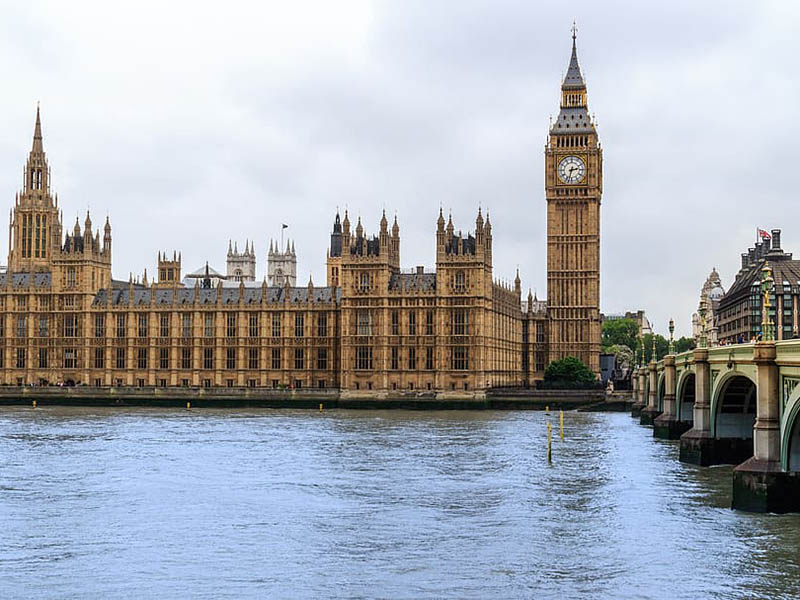
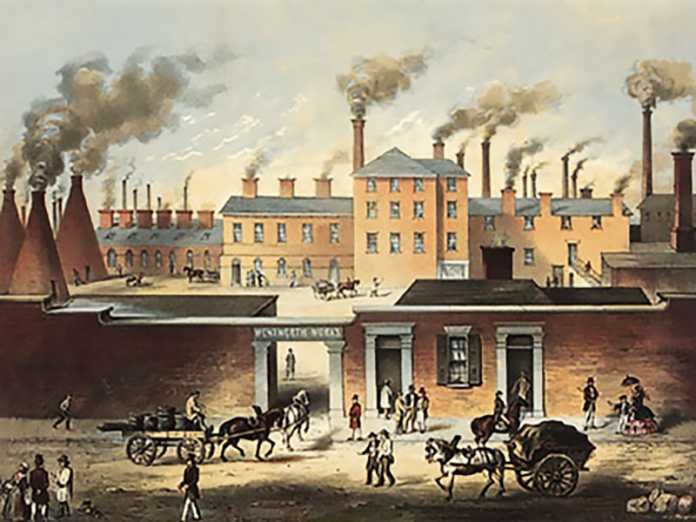
Mainstream economists’ treat the economy as a self-contained system cut-off from politics: the markets are the natural order and state intervention undermines their function; state intervention is seen as an outside act and according to mainstream economists therefore, unnatural. However, Karl Polanyi in his book The Great Transformation (1944) discusses the market as unnatural and he said in pre-modern society the factors of production were not free and certainly not marketwise. He analysed the economic and social changes brought about by the “great transformation” of the Industrial Revolution. He described not only the deficiencies of the self-regulating market, but the potentially dire social consequences of uncontrolled market capitalism. The commoditisation of land and labour in England was done with the help of the state e.g. tragedy of Commons. In the 17th and 18th century through Parliament Acts, use of the land became restricted to the owner and it ceased to be common land for communal use. (Siddiqui, 2017a; also see 2017b)
Individual choices are shaped by cultural norms, and then the whole philosophy of consumer choice collapses. Sovereignty is shared between individuals and society, a person is influenced by their surroundings and, their decision-making process is not free from all these factors. We cannot simply ignore the manipulative role of the advertisements. What the US economist Thorstein Veblen called ‘conspicuous consumption’, where the rich spend money to show their newly acquired wealth. The assumption that everyone gets what they want is wrong and people have to struggle to get employment and to buy necessary consumer goods. Adverts provide consumers with information through which they can make decisions. The power to influence people’s thinking is changed by the marketing power. This changes consumers’ choices. This means people who have money can influence other peoples’ decisions via adverts. In fact, people acquire a world view which is against their own interests. Karl Marx called it ‘false consciousness’. During the slave trade, the slaves sometimes helped their European masters to oppress their own fellow slaves. They saw the existing order as natural and saw no need to break it and side with the interests of other fellow slaves.
III. Asian Economies Historically
It will be interesting to briefly mention the depiction of India and China by the medieval period foreign travellers. For example, the North African travellers and historians, namely Ibn Battuta (1304-1368) and Ibn Khaldūn (1332-1406) vividly described the living conditions and economic prosperity of Asia, particularly India and China and Europe in the 14th century. In India, Battuta stayed in Delhi for several years and enjoyed the patronage of the Sultan Mohammad Tughlaq. He was sent to China as Tuglaq’s envoy. He sailed through the Malabar Coast, reaching Maldives, and Ceylon (Sri Lanka). Finally, Batutta arrived in Canton (Guangzhou), which was then an important seaport for the maritime Silk Trade. In his book, he noted that the Arabs fully dominated the maritime trade routes from Arab to Chinese seas. He stayed for six years in Chinese capital and had narrated about then Chinese society, and culture. (Ibn Buttuta, 1957) Another, famous Italian traveller Marco Polo (1254-1324) travelled to China and stayed there for seventeen years and even was invited to join the court of Kublai Khan, the grandson of the Genghis Khan. He was the first European to travel to China and he depicted in detail about the life in China. Marco Polo described the richness and prosperity of China. He was amazed to see the use of paper money by the Chinese merchants and also highly developed communication system, coal burning, gunpowder and porcelain. He described the existence of vast richness of Chinese civilization and riches of precious stones, silver and gold. (Marco Polo, 1918)
In China, the Ming dynasty (1500-1644) saw a remarkable expansion of agriculture, industries, and trade. This was achieved through the introduction of new crops brought from the Americas by Portuguese traders, and among these crops were maize, sweet potatoes and peanuts. These new crops did boost agricultural output and farmers’ income. Afterwards, Manchu Qing took over in 1644 as the ruler of China, the economy further rose due to an increase in the silver paid by European traders to pay for their exports in precious metals, namely in silver and gold. The demand for Asian products rose in European markets and in the rest of the world, which led to the sharp rise in the amount of silver received by India and China. (Siddiqui, 2020c)
When we look back historically, until the mid-18th century, Asia accounted for three-fifths of the world’s output. China and India together accounted for 50% of the world’s output. Both together contributed 57% of the world’s manufacturing production and more than 60% of manufactured exports in the world. The Mughal Empire (1526-1707) at its height was wealthier than any state in Europe at that time. However, in India and China the ruling elites in the late 18th century remained parasitic on the peasants and urban handicrafts sectors, focusing on elite consumption with little attention given to improve productivity and adopt new technology in the agricultural sector beyond the extraction of rent. As Irfan Habib (1995: 231) has noted, “it must be considered whether the entire commercial system of the Mughal Indian economy was not largely parasitical, depending upon a system of direct agricultural exploitation by a small ruling elite.” He further emphasised that the capital had closely tied with their fortunes with the Mughal ruling elites and failed to develop an independent class to fight and protect their interests as happened in major European countries. In China too, during the Qing Dynasty (1638-1912), industrial revolution did not happen and the Chinese government did not promote research in science and technology. In contrast to India and China, Japan after the Meiji Restoration promoted science and technology and industries began to expand, their owners began to fight for their interests. (Siddiqui, 2015a; also 2015b)
During the mid-18th century, India produced cotton cloth with a wide range of qualities: calicos, chintzes, taffeta and superfine muslin and exported it to rest of the world. Indian merchants possessed huge wealth. China produced silk and porcelain as its main manufactured goods, (Siddiqui, 2020d) and India exported cotton cloths until this was taken over by the Lancashire cotton textile during the Industrial Revolution in Britain. Both India and China accumulated a huge amount of silver in the early 18thcentury from Europe from the export. During this period, both China and India were strong countries, both had highly developed economies and institutions, which was backed by centralised control, and European traders were buying commodities which were highly valued and demanded by European consumers.
The focus of the economic history should be what happened in the past rather than what people think happened in the past. For instance, economic historian Douglas North focuses on institutions and its impact on the performance of the economic system and how institutions change over the time. Others, like Rondo Cameron, want to explain the unequal levels of development in the world. Angus Maddison (2007) estimated the growth performance in the different regions of the world over the last two millenniums, while David Landes wanted to trace economic advancement and mechanisation. We need to understand what was produced and how it was produced. How did we get to where we are today? How were goods produced in the past?
The Figure 1 is based on Angus Maddison’s research, which shows economic growth per capita from 1700 onwards. For instance, the economies of the UK, US, Germany and Japan begin to rise after 1870, otherwise per capita income was not very dissimilar to China. Prior to this, China’s economy was the largest in the world and China and India together contributed half of the world’s output in 1820. The big question is how Europe went from a marginal in the international economy and in terms of the world GDP, to become a global power in 250 years? In human history this is a very short period and the future historian will probably see it as a footnote in human developmental history.
The British East India Company was a trading company buying goods from Asia and selling in the rest of the world. The Company was established in London in 1600 by English merchants and elites and the Company was accorded monopoly trade with India and China. Thereafter, the Company continued to expand its business operations and profits, it not only monopolised trade, but later on colonised the whole of South Asia and operated until 1857, when the Company was taken over by the British crown. (Siddiqui, 2017c; also 2015c)
During the 17th century, China and India did not import from Europe and there was no demand for European goods in these countries. Elites of both countries did not consume European products. After colonising Bengal province in India in 1749, a decade later in 1757, the Company’s payment of silver for Indian exports fell from 80% to only 30%. Tribute was collected by the Company and that money was paid to buy goods from India. The Company exported opium, which was produced in India, and then sold to China by the Company to pay for its imports of goods from China. The opium exports rose from 2,000 chests in 1790 to 1840 to 24,000 chests annually. The spread of opium addiction by the Company led to a ban on opium by the Qing Empire, and the First Opium War (1839-42) resulted in the unequal treaty of Nanjing signed with Britain. As a result China ceded Hong Kong to Britain and had to open five ports for trade. However, the hostilities continued and the Second Opium War of (1856-60) with the Treaty of Tianjin was signed when the Chinese economy was opened and more ports were open to trade. (Siddiqui, 2020d; also 2019b)
In the 19th century, the industrial revolution had spread from Britain to other European countries and as a result technology spread to agriculture, shipping and communications and improved productivity. While the whole of India became a British colony, the Qing Empire after the ‘Opium Wars’ and Taiping Rebellion plunged into a civil war and was in no position to resist British colonisation, therefore economic and political sovereignty was lost. The British soon occupied Malaysia, Burma and Ceylon (Sri Lanka) and France occupied Indo-China and the Netherlands occupied Indonesia. (Siddiqui, 2019c; 2018b) Moreover, the opening of Suez Canal in 1869 further boosted trade and reduced travel distance. With the introduction of the steam engine, ship transport became cheaper and faster.
However, by the end of 18th century, the Industrial Revolution in Britain had brought a radical transformation of the situation over the next two centuries. The rapid decline of Asia from 1750 to 1950 continued. However, there were a few exceptions, such as Japan after the Meiji Restoration in 1868, but also Japan escaped being colonised by Europeans in the 19th century. Japan was humiliated and threatened by Commodore Perry, which discredited Tokugawa rulers and gave way to the Meiji Restoration of 1868, which initiated rapid industrialisation and the modernisation of the economy. The rapid transformation could be seen in terms of expanding the industrial sector, and increasing productivity and trade, Japan’s exports rose at 7.4% annually between 1883 and 1913, which was twice high as the growth in world trade of 3.4%. The changing structure of trade was remarkable, with manufacturing rising from 58% to more than 90% for the same period. Its GDP growth rate was nearly 4% annually, compared to just 0.7% for Britain, 1.1% for the US and 1.8% for Germany between 1883 and 1913. With the sharp expansion of its economy along with rapid structural change, Japan soon began to follow an expansionist policy and began to colonise other East Asian countries, such as attacks on China in 1895, colonising Taiwan in 1895 and Korea in 1910. (Siddiqui, 2016a; also 2016b)
During the rapid industrialisation in Japan from the end of the 19th century, the country had begun an expansionist policy. It launched a sustained drive for economic growth and technology and also had a specific focus on the export of manufactured goods in the post-war period. Japan took full benefits from the West during the Cold War period. Japan undertook massive domestic industrialisation in the 1950s and 1960sand a decade later, the four other East Asian countries followed the Japanese model according to their local suitability, namely Hong Kong, South Korea, Singapore and Taiwan.
During the 1970s-1980s, the East Asian countries, rather than pursuing a ‘free market’ and ‘open door’ economic policy, opted for a developmental policy, which proved to be very effective in East Asian countries in terms of the strategy of industrial transformation and the government had a clear mission to enhance domestic industrialisation. This was possible due to the Cold War tension in the East Asian region between the US and then Soviet Union. Moreover, there were a number of external factors which contributed to their success. They began diversifying their economies when the Cold War between the West and the Soviet Union was at its height, and the West was willing to give more concessions to keep the regions on their side. (Siddiqui, 2015c; also 2015d) This led to a greater opening of Western markets for their products and also giving Asian countries greater access to capital and technology. The state intervention policy and slow opening of their markets for foreign competitors had shown the way for a successful developmental strategy to the region and helped them to enhance their positions in the world economy, moving from being backward and poor to developed economies in less than four decades. The successful transformation of their economies and societies was unprecedented in past history.
IV. The Rise of Financialization and the current Crisis
Since the 1990s, the role of the financial sector has grown enormously. The move towards integration of global economies has been demanded by the global corporations. The globalisation and capital liberalisation has expanded the role of finances in both developed and developing economies. The dismantling of national regulation, which was strongly demanded by the global finance, has increased the flow of finances.
In the UK, for example, the financial sector has been putting pressure on the government to fully adopt free market policies in the 1990s, and as suggested, could bring increased levels of competition across the sector. Along with such policies and under an increasingly competitive environment, the banks introduced new innovative products, which culminated with the global financial crisis of 2008. It seems that for the global financial corporations, inflation is the main concerned and threat. As Dow and Dow (2014:1350) comments: “The nature of the financial and the power it has wielded have provided scope for the acquisition of rents on a massive scale; these rents are based on valuations that are endogenous to the sector itself. But the crisis has provoked as public outcry over bonuses for senior bank executives. Governments had to ceded power to the financial sector such that the onset of crisis created the ‘too big to fail’ problem, requiring tax payer support”.
The policy of de-regulation, privatisation, and trade liberalisation, has coincided with the reallocation of manufacturing to lower wage countries in recent decades. (Siddiqui, 2020c) Moreover, many Western businesses have shifted their focus from their responsibilities with stakeholder communities to stakeholders’ financial returns. This, along with global increased power the financial corporation’s was reinforced by further removing the legal provisions towards mobility of international capital. As a result, this created an exit option for capital, which pressurised host countries to adopt market-friendly policies. It was claimed that adopting such policies would enable the building of an efficient market-based competitive economy. Credits will be redirected towards where demands are higher and capital could be deployed to countries where it is scarce and also where opportunities for return are greater. The apologists emphasised that financialization has not gone far enough. The government gave in to their demands and allowed financial markets to become even bigger and more sophisticated. One major invention was the securitization of loans via the “originate and distribute” model, in which loans were bundled together and sold off. This allowed the development of pricing of riskier loan commitments and standardization and diversification of risks across countries and beyond. In the West, the largest banks have grown so big and accumulated asset sizes sometimes greater than their home country’s GDP. To suit their demands, the based accords were modified to permit the self-assessment of institutional risk and “shadow banking” surged.
The flaws in this centralised, deregulated, approach to finance have had profound consequences. Instead of reducing inequality by widening access to capital assets, these innovations in finance and their collapse worsened inequality and failed to build a viable economy and long-term sustainable growth as was initially envisaged.
The mainstream economists simply misunderstood how economies work and the implications of economic policies and processes. Since the 1980s, the neoclassical economists backed by the big corporations and elites of the West have lobbied within the discipline on the basis of half-truths on many critical issues such as: how the financial sector can be “efficient” without regulation; how ‘free trade’ and de-regulation in foreign investment, and globalisation can benefit every country. However, the effects of such polices on local industrialisation and economic diversification: economic sovereignty, climate change and ecological damage due to the globalisation of production and mass consumption, is completely ignored. Why is environmental destruction taking place on a large scale? At present, environmental destruction is occurring at unprecedented levels and a greater role for the markets in resource mobilisation, as advocated by mainstream economists, would be mean much worse. Sustainable development is an important goal to save resources, and both market and state should play a crucial role to protect natural resources. As UN Secretary General Ban Ki Moon said: “Climate change …environmental degradation, the loss of biodiversity and the potential for conflict growing out of competition over dwindling natural resources … Dealing with these issues is the great moral, economic and social imperative of our time”. (Ban Ki Moon, UN Secretary General, 2013)
These are unrealistic assumptions, and over reliance on market forces and global corporations for all socio-economic solutions for the developing countries, will have long terms impact on the society. However, such ideas are fully supported by the West and international institutions. In fact, this is done through a combination of powerful and elites in the West, and their excessive controls over the economic discipline, and also through media control and global financial institutions like the IMF, and the World Bank and World Trade Organisation (WTO).
Thomas Piketty, the French economist, in his landmark book Capital in the Twenty-First Century (2017) has brought the inequality question firmly back on the agenda. The scale of inequalities in income and wealth has grown over the last three decades. The situation has been aggravated since the global financial crisis of 2008.
The question arises: how can the West deal with the major structural imbalances within the member countries, and can further financial liberalisation help to achieve sustainable economic growth? It was mistaken that following self-correcting markets would resolve macroeconomic imbalances, in contrast to the interventionist policy of Keynes and Polanyi. The danger now is that the enforcement of austerity to bring economic stability and reverse the current crisis and economic decline will most likely deepen the crisis and further widen the gap between rich and poor.
Mainstream economists failed to realise that finance can destabilise the economy. The neglect of fiscal policy and distributional aspects, growth of monopolisation, education, health and people’s welfare, are all crucial in the long run to promote economic performance and stability. (Siddiqui, 2019c; also 2019d) Despite these deficiencies, mainstream economists fully control the discipline in important areas of policy making, international organisation and in prestigious academic institutions in the West. Dissent, although at minor level, has been ineffective in putting on pressure to shift policy.
Michael Kalecki contributed to the Keynesian model in a class framework. Keynes had stressed the role of government in increasing investment to increase output growth and how future profits are key for today’s investments. Kalecki argued that the rise in profit share comes at the cost of a falling share of wages which in turn leads to lower consumption and then lower output. Interestingly, Kalecki’s ideas have come to the forefront with the rise of the digital economy where the power is shifting increasingly from labour to capitalists. These shifting powers have led to large concerns over rising inequality across the world. But he did not take into account the role of finance like post-Keynesian economist Hyman Minsky. Minsky’s financial instability hypothesis, saw financial markets as inherently unstable and prone to optimism, euphoria and eventual crash, for instance, the hedge funds under which borrowers were able to make their interest payments and parts of principal from their loan. This is followed by speculative finance where only interest payments can be managed, and finally Ponzi finance where interest payments are possible only via further borrowing. This led to rapid financial growth and the financial fragility rose, which eventually turned into the financial crisis of 2008.
V. Conclusion
When we look back on the development of economic views historically, we find that Adam Smith’s Wealth of Nations argued beyond the logical derivation to substantive arguments drawn from the nature of things. The key idea was that real wealth of a nation depends on the real goods produced in the country. The wealth will only rise if either the labour required producing goods rises, or the productivity of labour rises. However, as the total goods produced are heterogeneous and we need a homogeneous measure to compare wealth, this becomes a problem. The nominal value of goods cannot be used as it includes the price element and is illusory. Later on in 1817, David Ricardo used a bottom-up approach and was more interested in estimating nominal value by estimating change in wages, rents and profits. (Siddiqui, 2018c) Ricardo criticised Smith for moving away from the labour theory of value and uses it as a basis for changes in output. Piero Sraffa questioned using an arbitrary commodity to measure value and how the commodity is itself affected by changes in distribution just like other commodities. But still Sraffa did not provide an alternate method where a standard commodity could be used as a standard measure of value.
Neoclassical theories emerged from classical theories in the late 19th century due to the so-called ‘utility revolution’. Hence the line was drawn: you cannot touch the status quo. We should not question the underlying social order. Power is a very under-studied area in economics. Mainstream economists always assume that the competitive market is power free, and people make voluntary decisions. They totally ignore the power of the market. For example, in Bangladesh, where there is a wide prevalence of unemployment, when a poor person takes up a job in chemical factory which might be harmful to his/her health, he/she still accepts due to poverty. He/she is forced to take up this job that might kill him/her. In this situation, neoclassical economists emphasise that the desperate poor person taking a job is a ‘free choice’ and assumed to be not under compulsion. But they ignore that his/her economic dire situation and poverty compelled him/her to accept.
Four decades of neoliberalism, economic and financial crisis has increased inequality in most countries. (Siddiqui, 2017a. also 2017b) The neoliberals’ idea for the prosperity of the world economy is based on free trade, and globalisation, meaning the continuation of Western hegemony. Their function is to justify a world economy based on full acceptance of the interest of the dominant countries, and former colonies must open their economies to goods and capital and to serve its labour and raw materials to benefit the global corporations. The West seeks to maintain the uneven world development that favours them. The colonies soon after independence found the option for domestic industrialisation was only open through state assisted development using tariffs and industrial policy to build domestic manufacturing. This was going back to the 1870s when the then economically-backward countries such as Germany and the United States, opted in favour of domestic industrialisation to challenge Britain’s industrial and imperial domination.
Neo-classical theorists advocate in favour of a competitive environment as well as a free market and less interference in economic policy. For them, the state should be confined to a small number of functions such as the protection of ‘property rights’ and competition. In recent years, it is clear to see that there has been a failure of mainstream economists in responding to the growth of economic inequality. In the West, wages of working people have stagnated while at the same time; incomes of top executives have increased disproportionately highly (Ostry et al 2016).
The rise in income inequality, besides undermining consumption, could also adversely affect economic performance by reducing inter-generational mobility. There could be a significant cost for the economy and society when children from low income households do not have equivalent opportunities to develop and use their skills and talents as their more fortunate counterparts from better off families, which Alan Krueger called the “Great Gatsby Curve” (Krueger, 2012). The growing inequality cannot be simply explained by the standard economic theories of competitive equilibrium. Thomas Piketty tends to use wealth and capital interchangeably. However, wealth and capital are two distinct concepts. The former is about control of resources, while the latter is the key input of production i.e. factors of production. Much of the wealth accumulated over the last three decades does not correspond to the rise in productive capital.
The study finds that economics is embedded in society and politics and the mainstream school of thoughts totally ignore this. Their inability to address effectively the key economic questions of our times: the economic strategies required to combat rising inequality, economic crisis, the climate change, and loss of biodiversity. In contrast, the historical approach understands that economic development is grounded in economic history and institutions which analyse the characteristics of production of a particular sector size and the distribution of rents in the economy and sectors. We have emphasised the issue of power relations and how they are embedded in institutions and policies. Economic history gives students a long-run perspective on economic conditions and helps contextualise the recent state of the global economy. In the real-world for better application of economic theories, more emphasis should be given to economic history, institutions, and pluralism to develop a curriculum that better prepares economic graduates for the challenges of the modern world.
About the Author

Dr. Kalim Siddiqui is an economist, specialising in International Political Economy, Development Economics, International Trade, and International Economics. His work, which combines elements of international political economy and development economics, economic policy, economic history and international trade, often challenges prevailing orthodoxy about which policies promote overall development in less developed countries. Kalim teaches international economics at the Department of Accounting, Finance and Economics, University of Huddersfield, U.K.. He has taught economics since 1989 at various universities in Norway and U.K.
References
- Chang, Ha-Joon. (2014). Economic: The User’s Guide, London: Pelican.
- Courvisanos, J. (2016). “In from the cold: From heterodoxy to new mainstream pluralism”, in (eds.) J. et al. Courvisanos. Reclaiming Pluralism in Economics: Essay in Honour of John E. King, London: Routledge.
- Dow, A. and S. Dow. (2014). “Economic history and economic theory: the staples approach to economic development”, Cambridge Journal of Economics 38(6): 1339-1353.
- Dow, S. (2011). “Heterodox Economics: History and Prospects”, Cambridge Journal of Economics, 35(6): 1151-1165.
- Dowd, D. (2000). Capitalism and Economics: A Critical History, Sterling, Virginia: Pluto Press.
- George, S. (2001). The Global Citizens Movement: A New Actor for a New Politics, August 30. https://www.tni.org/en/article/the-global-citizens-movement-a-new-actor-for-a-new-politics.
- Girdner, E.J. and K. Siddiqui. (2008). “Neoliberal Globalization, Poverty Creation and Environmental Degradation in Developing Countries”, International Journal of Environment and Development 5(1):1-27, January-June. ISSN: 0973-3574.
- Hodgson, G. et al. (1992). “A Plea for a Rigorous and Realistic Economics”, American Economic Review, 82(2): XXV.
- Ibn Buttuta. (1957). Travels in Asia and Africa 1325-1345, London: Routledge and Kegan Paul.
- Krueger, A. (2012). The Rise and Consequences of Inequality, presented at the Centre for American Progress, January 12.
- http://www.americanprogress.org/events/7012/01/12/17181/thersie-and-consequence-of-inequality/
- Maddison, Angus. (2007). Contours of the World Economy 1-2030 AD: Essays in Macro-Economic History, London: Oxford University Press.
- Marco Polo. (1918). The Travels of Marco Polo. London: J.M. Dent & Sons.
- Marx, Karl. (1976). Capital: A Critique of Political Economy, Vol.1, London: Penguin Books.
- Ostry, J.D., Loungani, P. and Furceri, D. (2016). Neoliberalism: Oversold? Finance and Development, June, 53(4): 9-30, Washington DC: IMF. http://www.imf.org/external/pubs/ft/fandd/2016/06/ostry.htm
- Piketty, Thomas. (2017). Capital in the Twenty-First Century, Harvard University Press.
- Polanyi, Karl. (1944). The Great Transformation (1944) The Political and Economic Origins of Our Time, New York: Farrar and Rinehart.
- Siddiqui, K. (2021). “Can 21st Century be an Asian Century?” Asian Profile, forthcoming.
- Siddiqui, K. (2020a). “The Political Economy of Famines under Colonial India: A Critical Analysis”, World Financial Review, July/August, pp.56-70.
- Siddiqui, K. (2020b). “The Political Economy of the Slave Trade, Capital Accumulation and the Rise of Britain”, World Financial Review, January/February, pp. 50-60.
- Siddiqui, K. (2020c). “A Comparative Political Economy of China and India: A Critical Review”, chapter 3, pp. 31-58, in Young-Chan Kim (Edi.) China-India Relations: Geo-Political Competition, Economic Cooperation, Cultural Exchange and Business Ties, Cham, Switzerland: Springer Nature Switzerland AG.
- Siddiqui, K. (2020d). “Britain’s Trade with China in the Eighteenth and Nineteenth Century: A Review of the Opium Wars”, Asian Profile, forthcoming.
- Siddiqui, K. (2020e). “Globalisation, International Trade and the Developing Countries”, European Financial Review, August/September, pp.60-70.
- Siddiqui, K. (2020f). “The Rise of the Chinese Economy and Growing Concerns in the United States”, World Financial Review, September October, pp. 40-49.
- Siddiqui, K. (2019a). “One Belt and One Road, China’s Massive Infrastructure Project to Boost Trade and Economy: An Overview”, 9(2): 214-235. International Critical Thought. Taylor & Francis Group, Routledge.
- Siddiqui, K. (2019b). “The Political Economy of Global Inequality: An Economic Historical Perspective”, Argumenta Oeconomica Cracoviensia, 21(2): 11-42.
- Siddiqui, K. (2019c). “The US Economy, Global Imbalances under Capitalism: A Critical Review”, Istanbul Journal of Economics 69(2): 175-205, December. ISSN 2602-4151.
- Siddiqui, K. (2019d). “The Political Economy of Essence of Money and Recent Development”, International Critical Thought 9(1): 85-108. Taylor & Francis Group, Routledge.
- Siddiqui, K. (2018a). “The Political Economy of India’s Economic Changes since the last Century” Argumenta Oeconomica Cracoviensia, 19: 103-132.
- Siddiqui, K. (2018b). “Capitalism, Globalisation and Inequality”, World Financial Review, November/December, pp. 72-77.
- Siddiqui, K. (2018c). “David Ricardo’s Comparative Advantage and Developing Countries: Myth and Reality”, International Critical Thought, 8(3): 1-28, September. Taylor & Francis Group.
- Siddiqui, K. (2018d). “The Political Economy of India’s Post-Planning Economic Reform: A Critical Review”, World Review of Political Economy, 9(2): 235-264, summer, Pluto Journals. ISSN 2042–891X (Print) ISSN 2042–8928 (Online).
- Siddiqui, K. (2017a). “Financialization and Economic Policy: The Issues of Capital Control in the Developing Countries”, World Review of Political Economy 8 (4): 564-589, winter, Pluto Journals.
- Siddiqui, K. and P. Armstrong. (2017b). “Capital Control Reconsidered: Financialization and Economic Policy”, International Review of Applied Economics 32(6): 1-19, March.
- Siddiqui, K. (2017c). “The Bolshevik Revolution and the Collapse of the Colonial System in India”, International Critical Thought 7(3): 418-437. Routledge Taylor & Francis.
- Siddiqui, K. (2016a). “Will the Growth of the BRICs Cause a Shift in the Global Balance of Economic Power in the 21st Century?” International Journal of Political Economy 45(4):315-338, Routledge Taylor & Francis.
- Siddiqui, K. (2016b). “International Trade, WTO and Economic Development”, World Review of Political Economy, 7(4): 424-450, winter, Pluto Journals.
- Siddiqui, K. (2016c). “A Study of Singapore as a Developmental State” in edited by Young-Chan Kim. Chinese Global Production Networks in ASEAN, pp.157-188, London: Springer.
- Siddiqui, K. (2015a). “Economic Policy: State versus Market Controversy” in edited by Adam P. Balcerzak. Contemporary Issues in Economy: Market or Government, pp.39-63, Torun: European Regional Science Association, Poland.
- Siddiqui, K. (2015b). “Political Economy of Japan’s Decades Long Economic Stagnation”, Equilibrium Quarterly Journal of Economics and Economic Policy 10(4):9-39. doi: http://dx.doi.org/10.12775/ EQUIL.2015.033.
- Siddiqui, K. (2015c). “Trade Liberalisation and Economic Development: A Critical Review”, International Journal of Political Economy 44(3):228-247.Taylor & Francis
- Siddiqui, K. (2015d). “Challenges for Industrialisation in India: State versus Market Policies”, Research in World Economy 6(2):85-98.
- Siddiqui, K. (2015e). “Perils and Challenges of Chinese Economic Development”, International Journal of Social and Economic Research 5 (1): 1-56.
- Siddiqui, K. (2014). “Contradictions in Development: Growth and Crisis in Indian Economy”, Economic and Regional Studies 7(3):82-98. ISSN 2083-3725.
- Siddiqui, K. (2010). “Globalisation and Neo-liberal Economic Reforms in India: A Critical Review”, in (edi.) S. K. Pramanick and R. Ganguly, Globalization in India: New Frontiers and Emerging Challenges, pp.219-243, New Delhi: Prentice Hall.
- Siddiqui, K. (1990). “Historical Roots of Mass Poverty in India” in edited by C.A. Thayer, J. Camilleri, and K. Siddiqui. Trends and Strains. pp. 59-76, New Delhi: Peoples Publishing House.
- Stiglitz, J. (2010). Free Fall America, Free Markets and Shrinking of the World Economy, New York: WW Norton.