Home Blog Page 814

Overcoming Debts: Use Debt Consolidation Plans Singapore To Enjoy Unique Benefits

Debt Consolidation Plan

Have you also faced a financial crisis in the past two years due to covid? Did you also take debt to relieve yourself from the financial crisis? But now you have found yourself indebted. Here is an article on Overcoming debts: Use debt consolidation plans Singapore to enjoy unique psychological benefits.

Debt consolidation means taking alone to repay multiple small loans. It’s the refinancing of your loans. It’s the smart way to get rid of unwanted burdens. It helps you keeping your mind at peace and giving you financial and mental freedom. This website helps you in getting the best debt consolidation plan for yourself in Singapore.

What Is Debt Consolidation?

Debt consolidation refers to debt financing. It means you take a loan to pay off other loans. Debt consolidation means you pay off all your other loans to deal with the one you have taken. Debt consolidation is beneficial if you have multiple small debts and you want to get rid of them.

Debt Consolidation In Singapore:

If you want to qualify for debt consolidation in Singapore, you need to have:

  • Financial stability
  • Proof of income
  • Good credit score

The Benefit Of Taking A Debt Consolidation

The most important advantage of debt consolidation is that it minimizes the interest rate. It means that the new loan will have a lower interest rate than all the other loans combined. Thus it helps you in faster-paying back. It helps you in increasing your score.

Psychological Advantages Of Debt Consolidation.`

Although debt consolidation has many advantages and its psychological ones are here to relax you out.

Relaxes You!

Once you convert all your small debt into a single one, it will relax you. Apart from paying off multiple debts quickly, the glow of finally letting this burden off your head is pleasantly satisfying. In addition, debt consolidation loosens your shoulders because you will only linger with one loan that will be easy to pay back. It will let you live best free once you pay back all the debt consolidation money.

No Debts Left!

Multiple debts can make you anxious, depressed socially insecure. When you replace all your multiple debts with one single one, it consoles you and relaxes you. A debt consolidation plan makes sure you are not left with any unpaid debt behind, and there is nothing left on you. Debt consolidation will make you feel secure, confident, and satisfied in life.

Mind At Ease!

Debt consolidation eases your mind. It removes constant overwhelming feelings from your life. Multiple debts are like hanging swords, and debt consolidation works like a charm in your life. It helps you because rather than dealing with many, you only have to deal with one creditor. It helps you with better productivity and opens up your mind giving you good mental and physical health.

Things You Should Keep In Mind While Going For Debt Consolidation!

  • Debt consolidation is the pathway to financial freedom, so you should select the one with:
  • Have better terms and condition
  • Have low-interest rates
  • No hidden charges

Best Debt Consolidation In Singapore

The best is to work with this website, a comparison site giving you multiple options and freedom to select. They help you in finding the best debt consolidation plan.

Don’t let debt take away your mental and physical health. Rush today to this website and choose the right debt consolidation plan to secure a future free from financial debts.

Securing Your Business Premises

Securing Your Business Premises

As a business, you constantly face security scares related to vandalism, theft, and arson. These are serious safety issues that require investment in the right Security Services Perth to help with your security systems to keep your valuables safe. It could be securing the cash, inventory, or even confidential data your business relies on for operations.

Having adequate and reliable security systems can help in reducing any form of risk on these valuables. More so, it can significantly reduce the risk of crime-related activities on your property and give you a breathing space. This article talks about business safety and how you can protect and secure your business premises from security threats. Read on!

1. Train Your Employees on Safety Protocols

Most security compromises occur when your employees don’t undergo enough workplace safety training. The lack of this knowledge means they might not understand the way forward if there’s a security breach. Some may even accidentally breach policies and expose the premises to a threat.

If you want to prevent this, ensure all your employees know the crucial security points and all the basics regarding their safety. Start by displaying information around the premises to ensure everyone is on the same page. In case of any significant security changes, ensure every employee is fully updated and understands how things will be working from now on.

2. Have an Access Control System in Place

An access control system is an upfront investment that’ll serve your security needs just as you want. It’s most favorable if you’re going to replace the standard lock system for business premises access. The system is otherwise known as keyless entry technology.

These keyless entry systems can significantly increase your security in many ways. First, it will reduce the costs of replacing your key locks every time you encounter a security scare. The system is also highly secure as it works based on authorization alone. Common choices for an access control system include;

  • Key fobs or cards
  • Biometric technology
  • Access control card readers

3. Install a CCTV system

CCTV systems are still one of the highly effective ways of preventing theft on business premises. The presence of these cameras alone is enough to scare thieves and keep them off your business premises. Even for burglars or rogue employees who plan and carry out calculated robberies, security cameras still provide an obstacle they may want to avoid.

When resorting to CCTV cameras, consider those that support remote viewing or motion detecting. They effectively sense and record any form of theft, even from the most intelligent thieves around. The collected footage makes it easy to find the thieves and can also be used as evidence whenever needed in a criminal proceeding.

Final Thought

Handling security on the premises is often a challenging task for any business. You are never sure whether the measures put in place are enough to combat any security breach and protect your business property. However, enforcing security measures using the above-shared tips is always better than cure. It will afford you peace of mind even as you seek to implement stronger measures.

Sovereigns in the Courtroom: Is the U.S. Foreign Sovereign Immunities Act the Golden Key?

U.S. Foreign Sovereign Immunities act

By Kiran Nasir Gore and Charles H. Camp

How can a foreign sovereign be brought into an American courtroom to answer for its bad acts? This article discusses the U.S. Foreign Sovereign Immunities Act, including brief historical context, opportunities, and the latest developments. In sum, the FSIA remains a powerful tool to be wielded by aggrieved litigants, guided by expert legal advisers, when the foreign State acts more like a private player than a sovereign.  

Introduction

In February of this year, the U.S. Supreme Court decided Germany v. Philipp,[i] a Holocaust expropriation case filed against the Republic of Germany for claims concerning the return of Medieval art stolen by the Nazis.

The case was pursued under the U.S. Foreign Sovereign Immunities Act of 1976 (FSIA), the primary means to bring a lawsuit against a foreign sovereign or its agencies and instrumentalities.[ii] In short, the FSIA provides a list of circumstances where a sovereign can be compelled to litigate a dispute in American courts, but as the Philipp case demonstrates, there remain fuzzy gray areas within those confines which necessitate expert advice from counsel well-versed in the FSIA.

In Philipp, Chief Justice Roberts wrote for a unanimous bench and held that the FSIA’s expropriation exception, which permits suit for cases involving “rights in property taken in violation of international law,” does not extend to a sovereign’s taking of the property of its own nationals. The justices did not address the second question presented—whether a court may decline jurisdiction on grounds of international comity—leaving the law on international comity abstention in confusion for now. On the same day, the Supreme Court decided a companion case, Hungary v. Simon,[iii] concerning the return of personal property stolen from Holocaust survivors. That case only raised the comity question and was vacated and remanded to the lower court for reconsideration in light of the Supreme Court’s decision in Philipp.

Both cases were closely watched by advocates for restorative justice, who hoped that American courts could provide a forum to litigate against sovereigns to hold them liable for these past bad acts. While we cannot predict whether, how, or where that justice could unfold in the future, as of now, the FSIA is the only avenue in the United States to remove a sovereign’s immunity from liability.

This pair of cases is not the only recent big headline for the FSIA. Since spring of 2020, numerous private lawsuits have been filed all over the U.S., including some class actions, seeking damages arising from alleged governmental misconduct in concealing or failing to prevent the spread of COVID-19.[iv] Each of these cases invoked the FSIA to establish that American courts had jurisdiction. Most legal commentators were skeptical of this strategy and none of these cases have yet resulted in a positive outcome.

In June 2020, the Senate Judiciary Committee held a hearing to explore a different angle. Its hearing on “The Foreign Sovereign Immunities Act, Coronavirus, and Addressing China’s Culpability” sought to consider whether Congress should amend the FSIA to expand its scope and permit lawsuits like the ones seeking to hold China responsible for its alleged bad acts relating to the spread of COVID-19.[v] Since then, there has not been any meaningful progress on this initiative following the January 2021 change in Presidential administration.

At the very least, collectively, these outcomes demonstrate the existence of a toolkit that well-advised litigants can employ as they seek restorative justice against sovereigns in American courtrooms. This article provides brief historical context, outlines opportunities, and offers useful guidance. 

The FSIA: Origins and Context

For more than 150 years after the founding of the United States, sovereigns were almost entirely exempt from the jurisdiction of U.S. courts as a matter of comity (i.e., respect for the sovereignty of other nations). This was not a unique proposition. It is customary international law that one foreign State is immune from the jurisdiction of the courts of another foreign State.

But in the early-to-mid twentieth century, the U.S. government began to join other States in recognizing that this “absolute” immunity was inappropriate in certain cases, especially those in which a State was behaving less like a sovereign and more like a private actor. This development coincided with various global developments, including that governments began to conduct commercial activities between themselves and with private actors on an increasingly frequent basis. In these cases, complete sovereign immunity gave State governments an unfair advantage in commercial dealings.

Thus, in 1952, the U.S. State Department began informing federal courts that the immunity of foreign States was limited or “restricted” to situations where the foreign government engages in governmental functions. However, the State Department’s determinations were inconsistent and occasionally colored by political considerations. In 1976, U.S. Congress addressed these problems with enactment of the FSIA.[vi] The FSIA was signed into law by U.S. President Gerald Ford and standardized new, “restrictive” rules of immunity and assigned responsibility for determining immunity to U.S. federal courts.

Except where an exception to immunity exists under the FSIA, sovereigns and certain State agencies and companies are presumptively immune from court jurisdiction under the FSIA, meaning that American courts generally cannot hear cases brought against them.

But the FSIA has three significant exceptions that are worth highlighting: (1) the commercial activity exception, (2) the non-commercial tort exception, and (3) the expropriation exception.[vii] Each exception has been hotly litigated and each carries significant consequences. If a litigant successfully establishes that one of these exceptions applies to a State, its sovereign immunity falls away and an American court can adjudge the sovereign’s liability for the alleged bad acts.

The Commercial Activity Exception

It is unsurprising that the FSIA’s commercial activity exception is often invoked by litigants. Modern States conduct a variety of commercial non-sovereign activities through their State-owned enterprises. For example, in 2019, the World Bank observed that China’s ambitious Belt and Road Initiative (BRI) projects around the world have been driven predominantly by China’s State-owned banks and State-owned enterprises.[viii]

The commercial activity exception applies in lawsuits that are based upon (1) “a commercial activity carried on in the United States by a foreign state;” (2) “an act performed in the United States in connection with a commercial activity of the foreign state elsewhere;” or (3) “an act outside the territory of the United States in connection with a commercial activity of the foreign state elsewhere and that act causes a direct effect in the United States.”[ix] Each of provides a separate ground for a court to exercise its jurisdiction over the sovereign. Importantly, regardless of which ground applies, the court must question whether the activity of the foreign state is “commercial,” rather than “sovereign,” in nature, and also whether the plaintiff’s claim is “based upon” that act.[x] The FSIA defines “commercial activity” as either “a regular course of commercial conduct” or “a particular commercial transaction or act,” but it also says that courts must look to the nature of the activity rather than its purpose.[xi] That is to say, regardless of the sovereign’s motive, a court must determine whether its conduct is the type of conduct typically engaged in by private players.

In Republic of Argentina v. Weltover, Inc., the Supreme Court determined that the commercial activity exception applied where Argentina had failed to pay bonds, the place designated for payment of its bonds was New York, and Argentina’s issuance of bonds in an attempt to pay its debt was an activity in which private actors could also partake.[xii] Similarly, in De Cespel v. Republic of Hungary, a federal district court applied the commercial activity exception to Hungary in a case alleging breach of a bailment agreement by Hungary.[xiii] This was a commercial activity because “a bailment is a form of contract, and a foreign state’s repudiation of a contract is precisely the type of activity in which a ‘private player within the market’ engages.”[xiv]

The Non-Commercial Tort Exception

While the FSIA’s non-commercial tort exception was intended by its drafters to cover “primarily… traffic accidents,” the final text is more general and covers “all tort actions for money damages.”[xv] Examples include “claims for personal injury or death, or for damage to or loss of property caused by tortious act or omission of a foreign state or its officials or employees, acting within the scope of their authority.”[xvi] All claims must be based upon at least one complete tort committed within the United States,[xvii] and this exception only deals “with the immunity of foreign states and not its diplomatic or consular representatives.”[xviii]

This creates an important tool for litigants seeking to hold a State responsible for bad acts in the United States. In USAA Casualty Insurance Co. v. Permanent Mission of the Republic of Nambia, for example, the non-commercial torts exception conferred a New York court with jurisdiction over plaintiffs’ claims against the Nambia’s diplomatic Mission.[xix] In that case, the Mission’s contractors had violated New York building code laws, the Mission had a duty to ensure that such laws were complied with, and its failure resulted in substantial damage to adjoining property. [xx]

The Expropriation Exception

The FSIA was carefully drafted, and expressly designed, to not modify the existing American act of state doctrine, which prevents the U.S. judiciary from examining the validity of a foreign government taking, a concept also known as “expropriation,” within its own territory from its own national.[xxi] This is the same doctrine that the Philipp plaintiffs had hoped the Supreme Court would reconsider.[xxii] They argued that, despite involving a domestic taking, the expropriation exception applied because the conduct violated international law generally, in this case, international human rights law.

While the Supreme Court did not accept this creative formulation, this does not mean the expropriation exception is not a useful tool. In Altmann v. Republic of Austria, in stark contrast from the outcome in Philipp, an Austrian-born U.S. national was able to proceed with a lawsuit against Austria and “an art gallery that was an instrumentality of the Republic” when “her father’s will bequeathed to her certain valuable paintings which were confiscated by the Nazis during World War II and subsequently expropriated by Austria.”[xxiii] Key facts considered by Ninth Circuit included its determination that the paintings were stolen and sold for personal gain by Austria while targeting a Czech family, i.e. foreigners, not its own nationals.[xxiv]

Similarly, in Siderman de Blake v. Republic of Argentina, plaintiffs were able to establish jurisdiction under the FSIA where plaintiff was a U.S. citizen and a company owned by plaintiff was seized by Argentine officials without compensation, and the company was later converted into an agency of the State.[xxv]

FSIA: Powerful Tool or Dull Substitute?

In general, the modern contours of the FSIA accord with a “restrictive” theory of foreign sovereign immunity. This is to say, the immunity exists but remains subject to key exceptions, which are largely triggered where the sovereign acts less like a sovereign and more like a private player. Aggrieved litigants with claims against sovereigns are recommended to actively seek timely expert legal advice to determine whether the FSIA can be a powerful tool to hold a sovereign or its agencies and instrumentalities liable for their bad acts.

About the Authors

Charles H. Camp

Charles H. Camp is an international lawyer with over thirty years of experience representing foreign and domestic clients in international litigation, arbitration, negotiation, and international debt recovery, including various actions brought under the FSIA. In 2001, Mr. Camp opened the Law Offices of Charles H. Camp, P.C. in Washington, D.C. to focus on effective, personalized representation in complex, international matters. Mr. Camp teaches international negotiations at the George Washington University Law School.

Kiran Nasir Gore

Kiran Nasir Gore is Counsel at the Law Offices of Charles H. Camp, P.C. Her expertise is in international dispute resolution, including advocacy before U.S. courts, commercial and investment arbitration tribunals, and investigative authorities. She also draws on her professional experiences as an educator at the George Washington University Law School and New York University’s Global Study Center in Washington, D.C.

References

  • [i] Federal Republic of Germany et al. v. Philipp et al., U.S. S. Ct. No. 19-351 (Feb. 3, 2021).
  • [ii] Foreign Sovereign Immunities Act of l976, Pub. L. 94-583, 90 Stat. 289l, 28 U.S.C. Sec. l330, l332(a), l39l(f) and l60l-l6ll (collectively, the ‘FSIA’).
  • [iii] Republic of Hungary et al. v. Simon, et al., U.S. S. Ct. No. 18-1447 (Feb. 3, 2021).
  • [iv] See Chimène Keitner, Testimony on the Foreign Sovereign Immunities Act, Coronavirus, and Addressing China’s Culpability, HARV. NAT’L SEC. J. ONLINE (Feb. 23, 2021), https://harvardnsj.org/wp-content/uploads/sites/13/2021/02/Keitner_The-ForeignSovereign-Immunities-Act-Coronavirus-and-Addressing-Chinas-Culpability-Part-I.pdf. In an Annex, current as of February 2021, Professor Keitner indexes all known such cases.
  • [v] Full Senate Judiciary Committee Hearing, “The Foreign Sovereign Immunities Act, Coronavirus, and Addressing China’s Culpability” (June 23, 2020). A video of the hearing is available here: https://www.judiciary.senate.gov/meetings/the-foreign-sovereign-immunities-act-coronavirus-and-addressing-chinas-culpability.
  • [vi] 28 U.S.C. §§ 1330, 1332, 1391(f), 1441(d), and 1602–1611.
  • [vii] Other important exceptions include the waiver exception and the terrorism exception. See FSIA, 28 U.S.C. § 1605(a)(1) and 28 U.S.C. § 1607(a).
  • [viii] Belt and Road Economics: Opportunities and Risks of Transport Corridors (World Bank, 2019), p. 80, available at: https://www.worldbank.org/en/topic/regional-integration/publication/belt-and-road-economics-opportunities-and-risks-of-transport-corridors.
  • [ix] FSIA, 28 U.S. Code § 1605(a)(2).
  • [x] Id.
  • [xi] Id., 28 U.S.C. § 1603(d).
  • [xii] 504 U.S. 607, 608 (1992).
  • [xiii] 714 F.3d 591 (D.C. Cir. 2013).
  • [xiv] Id. at 599.
  • [xv] S. Rep. No. 94-1310, 94th Cong., 2d Sess. (Sept. 27 (legislative day, Sept. 24), 1976 at 20.
  • [xvi] Id.
  • [xvii] See e.g., Olsen v. Government of Mexico, 729 F.2d 641, 646 (9th Cir. 1984)
  • [xviii] S. Rep. No. 94-1310, 94th Cong., 2d Sess. (Sept. 27 (legislative day, Sept. 24), 1976 at 20.
  • [xix] 681 F.3d 103 (2d Cir. 2012).
  • [xx] Id. at 104.
  • [xxi]Jurisdiction of U.S. Courts in Suits Against Foreign States, Subcomm. on Administrative Law and Governmental Relations of the Comm. on the Judiciary (June 2 and 4, 1976) at 34.
  • [xxii] Federal Republic of Germany et al. v. Philipp et al., U.S. S. Ct. No. 19-351 (Feb. 3, 2021), Slip Op. at p. 8.
  • [xxiii] Republic of Aus. v. Altmann, 541 U.S. 677, 680, 124 S. Ct. 2240, 2243 (2004).
  • [xxiv] Id. It is worth noting that the case went to the U.S. Supreme Court, but on a different issue (whether the FSIA applied retroactively, which it determined in the affirmative). See Republic of Austria v. Altmann, 541 U.S. 677 (2004).
  • [xxv] 965 F.2d 699 (9th Cir. 2002).

The Streaming Media Apps that Dominate Android Downloads

Streaming Media Apps

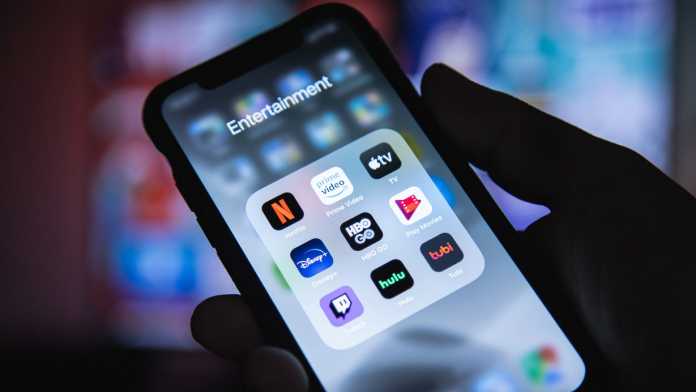
Streaming, whether video or audio, is an unstoppable force these days. The decade that ran from 2010 to 2020 witnessed the rise of a new industry thanks to massive technological improvement, including mass adoption of smartphones and mobile apps. These days, for many, the thought of subscribing to cable TV or listening to broadcast radio seems archaic.

Statistics highlight the exponential growth of the on-demand subscription video industry in the United States. According to Statista, revenues in 2011 totalled $1.6 billion. In 2019, this number rose to an astonishing $16 billion.

Worldwide, Android is the preferred mobile platform amongst smartphone owners, and it should come as no surprise that streaming is popular. Here are the top-grossing apps in the streaming space on Android devices.

HBO Max

HBO Max is the number one grossing app in the video streaming category. It ranks at #11 within the broader entertainment category, which includes popular mobile gaming apps. Its popularity reflects users’ appetite for the kind of high-quality programming for which its parent HBO is famous.

Famously, the network charges premium subscription fees to provide ad-free viewing experiences, betting that subscribers will pay more for premium content. Max’s birth was troubled to say the least. Originally slated for release in May 2019, the app was finally launched a year later, in May 2020, in the middle of the COVID pandemic.

After an initial struggle, Max gained ground on its well-established competitors Netflix, Hulu, and Disney+. While it lags in the rankings across many platforms, Max is extremely popular with Android users worldwide, despite being officially available only in the US. There are two possible reasons for this.

First, HBO Max has a considerable library of iconic movies and current releases that its competitors lack. Many of these movies are popular around the world, and this explains the number of Android downloads. Second, Max’s popularity worldwide can be explained by VPN usage and the ability to load its Android SDK independently on a device.

Thus, unlike other apps that manage to restrict users geographically, Max users navigate around this complexity. It remains to be seen how HBO deals with this situation and which shows will drive the app’s popularity in the future.

Disney+

Fall 2019 witnessed the launch of Disney+, and it immediately made an impact. Aside from the unintendedly perfect timing of its launch before the COVID pandemic confined people to their homes, Disney relied on its vast network of IP-driven content to make a splash.

Disney+ ranks #7 in the broad entertainment category in the Google Play store in the United States. It maintains this high ranking worldwide, coming in at #7 in Canada and Germany and #9 in the United Kingdom. Viewed broadly, Disney+ is another cog in Disney’s unstoppable media machine.

Famous for segmenting its audiences precisely, Disney targets viewers of all ages through a mix of nostalgia, big releases, and animated content. The launch of Disney+ was accompanied by a slate of announcements indicating content releases from across the Disney family, including Pixar, Star Wars, Marvel, and older Walt Disney Studios intellectual property.

Given its vast library, Disney can afford to slow the pace of show development and focus on quality. It can also afford a few duds. For instance, HBO Max experienced a slowdown thanks to the bland final season of its popular Game of Thrones show. Disney+ can draw from a larger library to replace popular shows and overcome fan discontent.

The app’s popularity on Android is a result of Disney’s worldwide audience focus. From characters like Mulan to Mickey Mouse to Shang-Chi, the app hosts content centered around characters with whom almost every person in the world can identify. Given Android’s greater market share worldwide compared to iOS, Disney+ was bound to experience many downloads.

There are no signs of Disney+ slowing down, with movie releases and exciting new shows slated for release.

Pandora

The music, radio, and podcast streaming app Pandora comes is the 27th most downloaded app in the United States on the Play Store. Thanks to its audio-oriented focus, it ranks #2 behind Spotify in the music and audio category.

Pandora is unique amongst the top-grossing apps since it derives the majority of its revenue from advertising. While video streaming apps generally eschew ads in favor of higher subscription fees backed by quality content, audio apps such as Pandora integrate ads seamlessly into their content.

Podcasts are a good example of how ads integrate into a great listening experience. Hosts typically broadcast ads in the beginning, middle, and end of their program, and time content pauses to sync with sponsor shoutouts. The result is an almost uninterrupted listening experience that audiences appreciate.

According to Statista, Pandora sourced over $1 billion in ad revenue in 2020, a slight drop from the $1.2 billion it posted in 2019. Like Disney, Pandora offers content to a worldwide audience which automatically increases its popularity with an Android audience.

Despite facing local competition in every market, Pandora’s combination of great podcasts, music, and shows has proved to be unbeatable.

Twitch

Once upon a time, playing video games was a sign of laziness. Today, it’s an industry unto itself, and Twitch has monopolized the space. From offering live-stream gameplay to online communities dedicated to users’ favorite games, Twitch is the place to be if you’re a gamer.

The pandemic confined people to their homes, and this led to an increase in gaming adoption. Thanks to technology and accessory services such as Discord, gaming is more popular than ever, and Twitch has cashed in. A cursory look at the Play Store’s most popular downloads will reveal a list of games.

Users who wish to improve their gameplay experience head to Twitch. Professional gamers on Twitch use the platform to seek job opportunities and entries to lucrative gaming tournaments. The rise of eSports such as Soccer, Madden (American football), and Formula One (racing) has increased Twitch’s popularity with gamers.

Thanks to mobile gaming on Android accounting for the majority of users’ time, live streaming gameplay on Twitch is a no-brainer. The mobile gaming revolution is showing no signs of slowing down, and Twitch’s monopoly in the sector remains unchallenged.

All of these apps face challenges, but there’s no doubt that their top position in streaming will persist for a while.

Buying an Existing Business vs. Starting a New One

Buying an Existing Business vs. Starting a New One

You may have heard the expression “there’s more than one way to skin a cat” — meaning, of course, there’s more than one way to accomplish a goal. As it turns out, this maxim holds true for running a small business.

While some entrepreneurs elect to build a business from the ground up, yet others go the route of purchasing an existing business and making it their own. It’s not that one is better than the other; it’s just that these two avenues to operating a small business offer unique sets of advantages and disadvantages. Follow this link to get a good understanding of what it takes to establish an LLC in the best and most effecient manner.

Here’s more on the ins and outs of taking over an existing business versus starting your own. 

Pros of Buying an Existing Business

Businesses of all sizes and niches go up for sale for a variety of reason — providing opportunities for entrepreneurs to take the helm moving forward, for a price. Pros include:

Existing businesses have “traction”

As one expert writes for Inc., one of the most tempting aspects of buying an existing organization is the fact it will already have “established traction.” This is true in a few key areas: revenue, operational logistics, customer base, vendor/supplier relationships, brand awareness and more.

This is not to say you won’t have to work hard — quite the opposite — but rather that you won’t have to expend so much effort and devote so many funds to getting the business off the ground. It’s already there; your job is to make it better. 

You can avoid many start-up costs

In a similar vein, the existence of a business implies that many of the initial start-up investments have been made. Seeing as it can cost thousands to start even the smallest business, this is where it can be financially savvy to take over an existing company rather than start from zero.

Pros of Starting a New Business from Scratch

Now, what are the potential advantages of bringing a brand-new business into the world?

You get creative control

Starting your own business gives you creative control over everything from buying a business name to setting your product lineup to designing your company website. This approach gives you more ample opportunity to control every early decision pertaining to the formation of your company.

You can come up with a completely unique name and logo as part of your brand’s personality — an appealing choice for owners who want to feel a personal stake in their organization from the get-go. Of course, if you buy a business you can always do a rebrand, but it’s a different endeavor than creating a new entity. 

You control decision-making from day one

Branding, operations, marketing, customer service, location and inventory are all yours to dictate. Rather than reacting to a string of someone else’s decisions, as you would if you bought their business, you’ll be forging your own path. This gives you immense license but also comes with significant responsibility.

You won’t start with any “baggage”

Launching a new enterprise means you’ll be able to operate without worrying you’ve bought a business that has “baggage,” or potential negative associations to overcome. For instance, someone who buys a restaurant with a lot of negative Yelp reviews will have to work harder to gain the trust of diners who have had less-than-stellar experiences in the past; someone starting a new restaurant will get a chance to “wow” customers from the start and forge their own initial associations. Of course, the reverse is true too: Established businesses usually have a fan base, while new businesses have to work hard to earn every single sale.

There are convincing reasons to consider buying an existing business and starting your own. Only you can decide what is the better path for you based on your priorities.

How To Choose The Right Platform For Your Online Course

Choose The Right Platform For Your Online Course

Choosing the right platform for your online course can be a difficult decision. There are many options to choose from, and each has its own pros and cons. So where do you start? The first step is to decide if you want to create your own platform or use an existing one. If you’re looking for more flexibility, feel free to create your own! Otherwise, there are plenty of platforms that offer great features while taking care of all the technical aspects.

What is the goal of your course?

If your goal is to teach classes with video lessons, screen sharing, and voice chats you should look for a platform that offers these features. If the main focus of your course is providing resources like pdfs or online tests, then platforms like Blackboard Learn might be more suitable. Think about what you hope students will take away from the course, as well as how they’ll be able to demonstrate their learning at the end of it all. This should help narrow down which features are most important for your online class!

Now that you know what kind of goal you’re trying to achieve with your course, pick out some platforms that might fit those needs. There are tons of different options out there so don’t feel limited by this list alone! If none of these seem like a good match for you, try searching Google or asking fellow educators in forums like Reddit.

Which platform will be best for you to use?

Udemy is one of the most popular platforms for online courses, and it’s easy to see why. It has a huge library with more than 40 million students learning on Udemy each year. This means you’ll have plenty of classmates, teachers, and resources to help support your course once it goes live! Aside from that, there are also many different types of courses available in their marketplace so you’re sure to find something relevant no matter what your topic is.

Teachable is another great platform that’s incredibly easy to use and manage. It offers a wide range of useful features like unlimited bandwidth, Teachable pricing plans, multiple integrations with payment providers (like PayPal), and more! You can also set up your own domain name for free if you’re not comfortable hosting classes on their website. Perhaps most importantly for some teachers is the fact that Teachable has many different pricing options available so you get paid fairly no matter what type of course you teach.

Blackboard Learn is great for e-learning because its flexible platform can handle any type of digital content or media files you want to upload. You can easily manage all your course content and student data, as well as add quizzes or tests. One of its best features is the ability to give online homework so students can practice their skills in class! All this makes Blackboard Learn a great option for anyone looking to start an online school since it’s free, easy-to-use software that has everything you need right out of the box.

How much do you want to spend on your course?

When looking for an online course platform, the price of each option is an important factor to consider. While it’s great if a platform offers additional features or integrations that might suit your needs better, you want to make sure that they won’t break the bank either! The good news is there are plenty of affordable options out there with different pricing plans to fit any budget — and even free platforms in some cases.

Do you need a mobile app or not?

Many platforms offer a mobile app that can be downloaded on any device for an additional cost. If you’re looking to create a course geared towards mobility, then this is definitely worth checking out! However, if you don’t think your students will access it through their phones or tablets and prefer using the web instead, it’s not necessarily necessary.

Who is your target audience?

Another crucial factor to consider is the target audience for your course. Is it going to be mostly college students? Or more advanced high schoolers? Knowing this will help you determine which platform is most appropriate as well as what type of content and resources you should include in your lessons. In addition, knowing where your students are from can also make a difference depending on their language capabilities or if they need special tools like screen readers. Ask yourself these questions before choosing a platform so there aren’t any surprises later!

training

Your choice of platform for your course depends on the goal of your course, how much you want to spend on it, and who is intended audience is. We hope that this article helped you learn more about the different options available!

Effective Strategies To Establish A Business In Foreign Countries

Business In Foreign Countries

Many companies have started to expand their business globally. Along with expansion comes opportunity. But every country has different challenges and opportunities for businesses to grow their international presence. You can be sure to make decent profits if you start your business in a new country, however, these economic benefits are not a license to wake up one morning and just decide to set up your business without going through the required procedures. Starting and establishing a business in a new country can be profitable, but if you don’t know how to go about it, your business ideas or plans may never see the light of the day.

Location of your business

One of the first things to consider before establishing a business in a foreign country is the location of your business. Working in a very large country may seem like a challenge at first and choosing a location can be a bit dicey. However, you may want to choose the country’s capital or other business hubs. While choosing your business location, you must bear in mind key factors like proximity to business allies and supplies and the government regulations guiding particular territories within the country. Recently, there are many US companies in Nicaragua that started their businesses there, because of the favourable regulations from the government that allows for more investment in business development of the country. Nicaragua has a strategic location in Central America, with easy access to regional markets and ports.

Create a business plan

Another requirement in your quest to start a business in a foreign country is to create a business plan. People often say, “whoever fails to plan plans to fail.” When you are starting a business in a foreign country, a detailed business plan is very important. Apart from a description of your business’s products or services, your business plan should also include your business’s location, estimated revenue, ethical sourcing audit, anticipated number of workers, budget needs, employment procedures, and operational order flow. Once your business plan has been reviewed and approved by the government, you would have to religiously follow the plans you outlined, or you get punished by the said government for refusing to abide by your plan. This will therefore affect the way you structure your business plan such that it would not be so ambiguous that it will be rejected or so specific that it would not enable you to expand the business in the future.

Business registration

It is very important to register your business and that means to register a trademark in the country in which you want to set up your business. Your business registration would require the submission of specific legal documents before the government can approve it. While registering your business trademark, wisdom demands the use of logos and emblems that differentiate specific products or services that belong to your brand. Registering your trademark is an important step in the right direction because it helps to protect your brand.

Nowadays, there exist many ways to register your business or company even remotely. Many platforms allow you to set up your company with only a click, while they take care of all the procedures needed to arrange your registration. For example, if you were to register your business in China, the best thing you can do is contact a China company register which is the most effective way to establish a legal entity in China.

The reason you venture into a business is to make profits. However, these profits cannot store up in the atmosphere. That is the reason every business startup in a foreign country requires the opening of a bank account. Creating a bank account for your business can prove difficult because different cities’ requirements differ from one another. However, some requirements do not change, such as the proof of your business registration, names of the board of directors, a valid means of identification for the representatives of your business, business structure, the company’s seal, and a copy of the government’s approval for your business. Opening a bank account ensures professionalism and openness in your business deals.

Final thoughts

In conclusion, new countries offer many business opportunities. However, bear in mind that the way you would start a business in other nations of the world may be different since every country has various regulations. Hence, you need to follow appropriate steps to achieve your entrepreneurial targets and gain from expansion opportunities.

Three Key Innovation Areas for Sustainable Transport Infrastructure

Sustainable Transportation

By Terence Broderick

Design and innovation are fundamentally important factors in establishing a sustainable transport infrastructure. Here, we explore three key roadblocks facing the industry and explain why innovators must prioritise intellectual property protection.

Automotive design and innovation are strongly influenced by societal needs and the development of surrounding infrastructure. In the 60s and 70s, iconic vehicles such as the Mini and Jaguar E-type, two of the most recognisable cars on the planet, were respectively developed for the fuel crisis and the societal desire to travel faster.

These days, attention is again turning to the automotive industry as we seek to move towards a more sustainable transport infrastructure. This overall vision can only be realised if each individual part is sustainable, including public transport, personalised transport and the connecting infrastructure.

1. Mobility

It is well established that many of us are living longer, with those currently aged 65 (the traditional retirement age here in the UK) expecting to live at least another twenty years. According to a study by the Centre for Ageing Better[1], this will present many mobility challenges, including:

  • the provision of flexible transport options
  • affordable transport for all
  • the design of public transport amenities
  • the design of vehicles and the digitisation of the transport infrastructure
  • transport routes not focused on commuting.

Addressing these challenges presents a tremendous opportunity to innovators to come up with solutions that enable cost effective and flexible mobility. As we move toward a sustainable transport infrastructure, it will be important to consider how the movement of a growing and ageing population can be enabled without impacting heavily on the surrounding environment. This may be achieved through improved public transport or Mobility as a Service (MaaS) solutions.

2. Materials

Our current transport infrastructure is very resource intensive, whether it’s the use of fossil fuels or the materials used in vehicle manufacture.

While innovators are working to address the sustainable fuel problem, there are many other resources we need in our transport system, such as the materials used to make electric batteries or vehicle upholstery.

Cobalt is a vital material in the manufacture of the electric vehicle batteries. It has a stabilising effect on and improves charge rates. However, almost two-thirds of the world’s cobalt is mined in the Democratic Republic of Congo (DRC), where it is produced as a secondary product of large-scale nickel and copper mining. This causes social problems, including the use of child labour and other human rights abuses. The development of alternative materials for use in electric vehicle batteries must therefore be a priority.

Additionally, while we all enjoy comfortable seats, leather production is extremely energy- and water-intensive to produce and said to be catastrophic in terms of deforestation and biodiversity. The development of alternative materials to upholster our vehicles must be a focus if we are to develop a truly sustainable transport infrastructure.

Interestingly, moves are already being made to address this issue. The Range Rover Velar comes with a leather-free interior option using a material developed with textile manufacturer Kvadrat. This material offers the bonus of being warm when it is cold outside and cool when it is warm outside.

Also, the development of the transport infrastructure generates a great thirst for concrete, which accounts for 8 per cent of greenhouse gas emissions. Ideas are already being generated[2] which seek to reduce the carbon footprint of concrete production but the need for scalability and sustainability means we still have a long way to go.

Such examples only scrape the surface of the automotive industry, with new material development being an important focus for sustainability.

3. Battery recycling

Electric vehicles (as well as hydrogen-powered vehicles) will greatly help the sustainable infrastructure quest but, as they become more widespread, the issue of battery production and recycling gains importance.

Cobalt aside, there are many other rare materials used to make electric vehicle batteries that are energy intensive to extract and high in toxicity.

Hybrid vehicle batteries which have reached end of life are already being used to store solar power in Yellowstone National Park[3], but more will need to be done to avoid them simply being cast aside to degrade.  

Their storage capabilities can provide a longer use than they are needed for inside a vehicle, but extracting the raw materials used to build them in the first place is another key challenge.

Moving forward — a call to action for innovators

Mobility, materials and battery recycling are but three of a vast number of key challenges we face as we move towards a truly sustainable transport infrastructure.

Innovations like the Mini and Jaguar E-Type were designed with society in mind and you could well be developing new technologies capable of attaining such an iconic status. The range of challenges presented by our thirst for transport, alongside the looming spectre of climate change, means that your ideas could carry world-changing value.

It is therefore important to protect the intellectual property in your innovations before you venture to market, particularly in such a competitive environment.

If you are innovating in the transport industry, get in touch with our expert automotive team today. Contact me directly at [email protected] for a free initial chat about your technology.

About the Author

Terence Broderick is a European Patent Attorney at UDL Intellectual Property in Cardiff, United Kingdom. His practice is focused on automotive technology with a particular focus on electric and autonomous vehicles, the charging infrastructure, and the software which will be used to run the transport system of the future. 

References

[1] https://ageing-better.org.uk/sites/default/files/2019-09/Ageing-and-mobility-grand-challenge.pdf
[2] https://www.wired.co.uk/article/concrete-climate-crisis
[3] https://www.toyota-europe.com/world-of-toyota/feel/environment/better-earth/reuse

10 Tips for Crafting Highly Effective Software Developer Job Descriptions

Computer Developer

A talented developer is a rare bird and we all would love to get one. However, this species is not an easy catch. You can’t just copy-paste a job description from Glassdoor and expect the best candidates to apply relentlessly. 

Just like the potential hires spend hours trying to create an impeccable eye-catching resume, you need to take time to make your offer stand out of the dozens of other options. 

In this article, we’re going to talk about the dos and don’ts of writing software developers’ job descriptions. What are the things you need to mention to make the candidates fly to you as if you’re giving out free cookies? Spoiler alert: cookies alone won’t do. 

Without further ado, let’s begin! 

Make it readable 

Make sure that your software developer job description looks professional, appealing, and readable because the formatting matters. If your job posting looks like a wall of plain text, nobody is going to read it. And it won’t matter how eloquent of an HR you are. 

The ideal length of your job description is around 200 words. That would make a few paragraphs with proper breaks. Also, you can use bullet points to make it more structured, but it’s generally recommended to not go over five items because the longer the lists, the slimmer the chances that the reader will make it till the end. Leave out everything that’s obvious or not essential. 

Use accurate key phrases 

To have the candidates check out your job posting, you need to make sure it catches their attention. And how to catch the person’s attention on the internet? By using the relevant key phrases. Make sure you not only use the readable formatting but also the language that appeals to the people you’re looking for. 

Mind you, these are not only the people who are actively seeking a job. You might as well catch the attention of someone who wouldn’t mind changing their current position for a better offer. 

Say, you need to fill out the position of Senior Java Developer. Instead of writing “Senior Java Developer required, 5+ years of experience, X, Y, and Z qualifications is a must”, try a more descriptive language that tells something about what’s in it for THEM.

“A rapidly growing innovative team is looking for experienced Java Developer” – this phrasing brings more results because it basically “sells” the position to a candidate. Simply by reading it, they can imagine themselves in a new, better environment, and motivates people more than any financial perks. 

Write in normal language

It’s hard to tell at which point in the history of recruiting it became hip and original to put words like “guru”, “ninja”, “wizard”, “rockstar”, and so on in the job description… As of now, every time a company starts looking for a digital virtuoso or IT shark, one developer hiccups. And we get it, people use this kind of language because they want to attract outstanding talent. But it’s not working. 

This kind of phrasing may potentially attract two kinds of candidates: either those who are full of themselves or those who send CVs everywhere and hardly ever read past the title. 

So it’s better not to use extreme modifiers and superlatives. 

Also, remember not to make it too specific because it might limit the number of potential candidates, and especially women. You’ve probably heard that most women won’t apply for a job unless they are 100% qualified. So if you mention “motivated self-starter” as a requirement, some people might not apply because they aren’t quite sure what it means. 

Tailor job requirements to the specific project/product 

To elaborate on the previous point, too many requirements can rob you of lots of good candidates. Try to include no more than four “must-have” qualifications and two to three “good to have” ones. These would be the optimal amounts. If you cut it down to fewer options, there won’t be enough space for essential stuff, yet if you make the list longer, it will look overwhelming.  

Get help from other developers 

That’s when it gets tricky with the requirements. How do you single out what’s non-negotiable and what’s unimportant/ optional/ can be taught? Ask your team members! The software engineers that are involved in the same project will help you figure it out. After all, they are the ones who will be working with the new employee, so it makes total sense to include them in this process. 

Tell more about your company culture 

Cultural fit is just as important as having the right qualifications, so make sure you include a couple of words about what it is like to work at your company. Mention your mission statement, your vision, what makes your organization special, and what people work in your team. 

Software developers spend a lot of their time at the office, so the workplace vibe makes a massive difference. Do you support remote work? Do you have flexible hours? Do you hang out with colleagues after work? You probably planned to bring it up later after they pass all the circles of the recruitment process, but it won’t harm to give at least some idea why (and whether) this position is worth fighting for. 

Make it look urgent 

You probably have enough time to find the best candidate for a software developer position, but if you add some psychology to the mix, it won’t harm you. Those candidates that are currently employed but consider changing their job deep inside will be more likely to apply if this is URGENT. You can compare the effect of this little trick with a hot goodie that’s on sale now and runs out of stock soon. 

Check the spelling

If you noticed a grammar error in the candidate’s CV, how would that change your perception? The same works vice versa. There are not many things that affect the company’s image in the eyes of a potential employee, and a typo in the job description is one of them. Always proofread your tech recruiter job description, preferably a couple of times. Use spell-checking tools or ask the colleague to read it. It’s never too much with things like that. 

Get rid of all the gender-specific language 

Looking to attract more diverse candidates? Then this is the first thing you want to do.  People might not admit it consciously, but gender-biased language can put them off any attractive position. To be on the safe side, don’t assume that the readers are males or females for that matter. Using “they” instead of “he/she” is the way to go.

Make a video 

If there was one thing you could do to incorporate and convey everything we’ve just said… oh, wait. There is. Why don’t you make a video? If your company has the time, resources, and creative potential to film a short video showcasing the team and explaining who you are looking for, that would be amazing. A sweet and short one-minute video will tell more about your organization than any written job description. Be sure that the candidates will notice you.

Bitcoin: Growth And Potential Tendencies For 2021

Bitcoin

Is it a good idea to put money into Bitcoin? If you look at the patterns over the past decade, it seems that investing in Bitcoins is a high-risk venture. Cryptocurrencies have seen price fluctuations that have been unexpected and extreme. Several dangers associated with Bitcoin usage may cause some users to be hesitant. On the other hand, Bitcoin has acquired enormous popularity, and more and more sectors are embracing its usage. For example, the usage of Bitcoin in the online gambling sector is on the increase and will continue to grow. If you want to play at a Bitcoin casino, you must research the current trends to comprehend this payment method fully. Did you realize that the cryptocurrency and bitcoin industry has evolved from virtually nothing to a market value of more than $560 billion in only 12 years? 

Possibly, Bitcoin’s Value Will Reach An All-Time High In 2021?

The year 2020 has already shown to be a crazy one for Bitcoin. Bitcoin’s value fell to $3,860 from $10,500 and then soared over $11,000 in a matter of hours. All of this has occurred since the beginning of February. Some traders believe that the cryptocurrency market will reach an all-time high in terms of pricing in 2021, based on the general mainstream market climate in the United States and the price movement seen in the crypto scene. The cost of equity assets is rising, and gold is on its way to becoming the most costly metal in history. 

The Usage Of Bitcoin As A Payment Method

As Bitcoin’s popularity continues to grow, it is not surprising that an increasing number of merchants and service providers are beginning to accept it as a form of payment. Bitcoin is a simple idea that does not need much explanation. Similar to debit or credit card payment processors, they operate in the same way. The absence of chargebacks or reversals provides more excellent protection against malevolent individuals for business owners and entrepreneurs.

Bitcoin May Be Lent In Exchange For Interest

We may lend bitcoin on the network in a similar way to how we lend money to others. Even though bitcoin lending is an efficient method to make significant earnings without putting in any effort, this kind of interaction has a significant level of risk. The opportunity to lend your bitcoin to anybody at an interest rate of up to 15 percent is available on websites such as Unchained Capital, Bitbond, and BTC pop. Want to trade your bitcoin on your laptop or mobile phone? check this software.

Participate In Bitcoin Mining

By far, the most common way of obtaining bitcoin is via mining. Individual miners and cloud miners are the two kinds of mining that are most often practiced by miners. If you are a newcomer to the industry, personal mining is regarded as a high-risk strategy. The profit margin will be significantly decreased as a result of the high cost of energy and maintenance. Cloud mining, on the other hand, is a risk-free method that does not need the payment of any recurring fees or the rise in energy prices.

Bitcoin Should Be Purchased And Held For Some Time

Buying bitcoins and keeping them is the most simple, uncomplicated, and beginner-friendly method of earning money using bitcoin. Investors should open a bitcoin wallet, purchase bitcoin (BTC), and then wait for the price of bitcoin to rise. No matter how long it takes, cryptocurrency fans should hold out for a price surge so that they may cash out when the market is at its pinnacle. Sometimes the price will rise in a matter of days; other times, it may rise in a matter of weeks, months, or even years. All that has to be done is patience and waiting for the appropriate movement.

Become A Bitcoin Influencer By Sharing Your Story

To attract additional investors, social media platforms are becoming an increasingly important resource. You may make money as a bitcoin influencer by promoting the goods or services of a specific business or website, as well as increasing the number of visits to that firm or website. In exchange, the businesses will pay you commissions depending on the number of clients and the amount of revenue you bring in. To gain more followers, social media influencers participate in affiliate programs.

Participating in micro tasks is a fairly common occurrence in the bitcoin community. These micro-tasks include things like retweeting a post, testing a plugin, and viewing a YouTube video, among others. These easy activities will be rewarded with bitcoin payments from websites in exchange for your participation. The same is true for Bitcoin faucet websites, which provide modest payouts to users in return for completing a captcha or other activity specified by the website. Numerous bitcoin investors take advantage of these low-risk and straightforward ways of generating income.

Accept Bitcoin As A Form Of Payment

Amazon has become the most recent multinational corporation to explore accepting bitcoin as payment. A limited number of companies, on the other hand, have already begun to accept bitcoin as payment for their products and services. As a result, if you are a small company owner, now is a perfect moment to review your payment options. The acceptance of bitcoin payments will enable you to expand your worldwide reach, guarantee the security of your payments, and expedite the payment processing procedure.

EDITOR'S PICK OF THE WEEK

CFO's new mandate. CFO explaining the presentation

The Performance and Transformation Orchestrator: The CFO’s New Mandate in the Age of AI

By Terence Tse CFOs are evolving into AI-driven transformation orchestrators, balancing finance, technology, and strategy while upskilling teams, managing risks, and driving measurable business value. A key insight from this year’s AI for CFOs event, organized...

WISE DECISION MAKER GUIDE

POWER INFLUENCERS

Emerging Trends

The Future of Global Trade