“For over 55 years, the Israeli military occupation has prevented the realisation of the right to self-determination of the Palestinian people, violating each component of that right and wilfully pursuing the ‘de-Palestinianisation’ of the occupied territory,”Francesca Albanese, UN Special Rapporteur on the situation of human rights in the Palestinian Territory occupied since 1967, states in her report to the UN General Assembly.
Settler colonialism isperpetuated in the 21st century as we speak. It stresses the “logic of elimination”, including the genocidal elimination of the indigenous people, their expulsion from the land, and a number of strategies to destructure and destroy the autochthonous society. It is a long-term territorial conquest that substitutes the indigenous population with settlers.
‘Genocide’ in Gaza is ‘the logic of an apartheid settler colonial state and it has no place in the civilized world,’ says Richard Boyd Barrett, Irish People Before Profit–Solidarity politician.
Israel’s behaviour in Gaza and the West Bank reveals a settler-colony unwilling to engage with the indigenous people of these regions, except through regular forcible removal of Palestinians and appropriation of their lands. What may be considered ethnic cleansing has been a tool for deliberately operating demographic change in the run-up to Israel’s founding in 1948, continuing up to the present-day. Since then, the genocidal statements, slogans of political leaders, and movements that promote the killing of Palestinian children have becomecrosshairs of apartheid in order to prevent new generations from settling and claiming back their identity.
“The Occupied Palestinian Territory lies above sizable reservoirs of oil and natural gas wealth, in Area C of the occupied West Bank and the Mediterranean coast off the Gaza Strip. However, occupation continues to prevent Palestinians from developing their energy fields so as to exploit and benefit from such assets,” said the study conducted by UNCTAD in 2019.
According to the United Nations Conference on Trade and Development (UNCTAD), significant reservoirs of oil and natural gas have been found off the Gaza Strip and elsewhere under the occupied West Bank. In 2000, two wells drilled by British Gas off the coast of Gaza revealed gas reserves estimated at 1.4 trillion cubic feet. Sixty percent of those reserves belong to Palestinians. Today, natural gas reserves off the coast of Gaza have attracted the attention of British Petroleum and Chevron.
The opportunity presents itself for a final solution— expelling the Palestinian people into the Sinai desert to clear the way for exploiting the natural resources. The Abraham Accords provide a cover for the Arab states—including Qatar, which hosts the biggest US base—to deceive their own populations.
The concept of historical trauma explains the gap between both communities and and the mutual denial that is wider than ever. Each side absorbed on its own trauma is unable to recognize the other’s party’s historical trauma, which may be the main motivator promoting the circle for the history repeating itself pattern.
“Massive traumas like these affect people and societies in multidimensional ways,” said Yael Danieli, PhD, cofounder and director of the Group Project for Holocaust Survivors and their Children in New York
Following Hamas’ Oct. 7th massacre of 1,000 Israeli civilians and kidnapping of 220 Israelis, Israel swiftly launched a relentless campaign of hatred, colossal destruction, and genocide against Palestinian citizens. Over a month into the conflict, Israel has slaughtered more than 17,000 Palestinians in Gaza and the West Bank, where approximately 70% are women and children and nearly all are civilians. The precise death toll remains unknown as bodies lay under the rubble of bombed homes, hospitals, schools, and marketplaces.
On October 29th Israeli Prime Minister Benjamin Netanyahu invoked‘Amalek’ Biblical rhetoric to announce genocidal intentions: “slay both man and woman, infant and suckling.” Israeli President Isaac Herzog declared: “It is an entire nation out there that is responsible.” Using dehumanizing language reminiscent of historical genocidal regimes, Israeli defense minister Yoav Gallant announced: “There will be no electricity, no food, no fuel, everything is closed. We are fighting human animals and we act accordingly.” Israeli military spokesperson Daniel Hagari explained, “The emphasis is on damage and not accuracy.” The New York Times reported“Israeli leaders believed mass civilian casualties were an acceptable price,” and officials cited “the dropping of the two atomic warheads in Hiroshima and Nagasaki” as a model.
Although Israeli-biased propaganda – Hasbara is a strategy of propaganda used by Israel that “seeks to explain actions, whether or not they are justified” – tries to deflect blame by accusing Hamas of using civilians as “human shields,” as “Hamas operations HQs [are] situated in a large network of tunnels below the main hospitals in Gaza”, Amnesty International, Human Rights Watch, and United Nations investigators have time and again found no evidence for the accusation. These groups add that it’s illegal to kill human shields, and that bombing hospitals or any health units breaks international humanitarian law that should be respected in every war.
Neo-colonialism is the cruellest form of the continuation of colonial policies under the guise of achieving freedom and needs to find a stimulus to justify atrocities publicly. Settler colonialism needs public noise to create confusion and legitimize apartheid, crimes, destruction, and the settler subsequent expansion, which otherwise wouldn’t be easily digested by public opinion.
By the mid-1700s, the promoters of the Enlightenment in Scotland, England, and France were fine-tuning “four stages” theories to classify human societies according to imagined “stages of civilization.” Unsurprisingly, Enlightenment writers placed themselves at the “apex” defined as the European commercial society, with agriculturalists, then pastoralists, and lastly hunter-gatherers falling below them.
During the old western colonial times, people inhabiting lands sought for colonization were often describing these as “wasting” land, having “backward” food production practices, and being in need of “civilization”—all according to western definitions.
Beginning in the late 19th century, Zionists who initiated the nationalist project for Israel, a land that they considered their ancestral home, gave little thought to the Palestinians. Zionists were deeply informed by scornful views of small-scale farming and sheep-herding societies. British administrators during the Mandate period (1920-1948) developed a similarly dim view on much of Arab agriculture.
The Zionist project to “make the desert bloom” was based, in part, on damaging misunderstandings of Arab dryland wheat and baʿlī farming systems. Baʿlī planting, tillage, and plant protection methods, as demonstrated by Palestinian geographer Omar Tesdell, facilitate growing crops without irrigation,and have much to teach farmers in increasingly drought-prone regions.
“From Hawaiʻi to Palestine—occupation is a crime. A lāhui [Nation, race, tribe, people, or nationality] that stands for decolonization and de-occupation should also stand behind freedom for Palestine,” says Uahikea Maile, Assistant Professor of Indigenous Politics in the Department of Political Science at the University of Toronto.
Historical trauma
Psychological researchers and clinicians examine what the long-term impact of these and other traumatic events can have—not just on those who survive these tragedies, but on their children and grandchildren as well. Their varied efforts look at intergenerational effects of events as diverse as the Holocaust, the Khmer Rouge killings in Cambodia, the Rwandan genocide, the cultural displacement of American Indians, and the enslavement of African Americans, as well as of large-scale natural disasters like hurricanes and earthquakes. Not only are the transgenerational effects psychological, but also familial, social, cultural, neurobiological, and possibly even genetic, the researchers say.
One way to understand the present events between Israelis and Palestinians is to see it through the historical trauma’s perspective. For both sides, some of the recent events have evoked memories of each community worst national suffering. For Israelis and Palestinians, this conflict has surfaced fears, that history could possibly repeat itself.
For many Israelis, the 9/11 Hamas attack evoked the most chilling memory of all: the Holocaust. Part of Israel’s creation story is the idea that Jews would no longer find themselves defenceless, that a modern state and a strong military would act as a guarantee against further exterminations.
Palestinians have their own trauma, beginning with the Nakba—the catastrophe that coincided with Israel’s founding in 1948. Approximately 700,000 Palestinians were displaced from their homes and became refugees, many forcibly displaced by the nascent Israeli army. Most Palestinians in Gaza today are the descendants of those refugees. The Nakba is not the exclusive trauma of the 1948 refugees and their descendants. Like the Holocaust for Jews, it is the emotional inheritance of all Palestinians.
For years, Israel admitted that the Nakba never took place. Israelis accused the Palestinians of creating this fiction in order to delegitimize Israel. Only recently hasIsrael begun to acknowledge the incontrovertible facts of the Nakba, and the latest event will surely reaffirm these facts.
Among some Palestinians, there is also a trend to deny the historicity of the Holocaust, to claim that it never happened. For those who acknowledge the horrific crimes of the Nazis, many feel that the creation of Israel was an attempt to redress those crimes at their expense. Israelis largely view these claims as a polemical construct designed to delegitimize Israel and a manifestation of Palestinian antisemitism. So that’s where Israelis and Palestinians are as this conflict enters another week—triggered by their own traumas and reluctant to recognize the other side’s.
The renowned Austrian Jewish author and psychiatrist Professor Viktor Frankl, who was a Holocaust survivor, and founded the revolutionary theory in psychiatry named Logotherapy, always promoted forgiveness as the way to set yourself free from previous living traumas, as it will break the circle of hatred and violence:
“Everything can be taken from a man but one thing: the last of the human freedoms—to choose one’s attitude in any given set of circumstances, to choose one’s own way” Viktor Frankl
Disclaimer: The views and opinions expressed in this article are those of the authors and do not necessarily reflect the views or positions of any entities they represent.
It’s putting it mildly to say that Black women are underrepresented in the field of technology. A new interactive map uses historical data to help raise awareness among Black women that anything really is possible and that, specifically, there is space for them in the technology industries.
Can you share the main objectives of the collaboration between GTA Black Women in Tech and UN Women, and explain how the interactive historical map project fits into those objectives?
At GTA Black Women in Tech, we wanted to find a way to continue raising awareness about all the amazing Black women throughout history who have made an incredible impact on the technology field. We’ve published three different books on this topic, but wanted to do something a bit different this year. We developed an interactive, visual map to help Black women and girls learn about the inspiring individuals who came before them. The partnership with UN Women helped make this dream a reality, as they supported with the development and sharing of the interactive historical map. UN Women does so much work on a global stage to continue the fight for gender equality, and we were thrilled that they chose to partner with us on this project.
What motivated you to create the world’s first interactive historical map chronicling the stories and impact of Black women in the tech industry, and why is this initiative so important?
The partnership with UN Women helped make this dream a reality, as they supported with the development and sharing of the interactive historical map.
This interactive historical map is incredibly important, because it increases the accessibility of stories about influential Black women, ensuring that their stories are not forgotten. Furthermore, we provide role models that young Black women can relate to. This collaboration with UN Women ensures that these stories reach diverse audiences worldwide, promoting awareness and understanding of the experiences of Black women who have been silenced throughout history. Together, we celebrate and amplify their voices, contributing to the ongoing pursuit of equality, inclusion, and justice for all women around the globe.
The project focuses on untold stories and profound impact. Could you highlight one or two stories or individuals from the map that you find particularly inspiring and representative of the contributions of Black women in tech?
I love the legend of Queen Moremi, who lived in the 12th century in the Kingdom of Ife, which is now Nigeria. She is a legendary person in African history and folklore. Alongside her husband, King Oranmiyan, she ruled the realm as a strong and important queen. Queen Moremi is renowned for her bravery and slyness, which helped preserve her people from a grave threat, despite her regal status.
I also loved discovering the story of Shaka, the founder of the Zulu nation, who played a significant role in South African history in the late 17th and early 18th centuries. His mother, Queen Nandi, was a devoted Zulu devotee who was renowned for her leadership and intelligence. Her union with King Senzangakhona, who was born into the Elangeni tribe, signalled a political partnership. Queen Nandi instilled in King Shaka the principles of bravery and deference. As a peacemaker and mediator, she was instrumental in the establishment of the Zulu country. The enduring legacy of Queen Nandi serves as a testament to the noteworthy influence that women have had on South Africa’s history.
How do you see this interactive historical map contributing to greater diversity in the tech industry and addressing issues related to social, economic, and gender justice on a global scale?
At the moment, the lack of Black women in the tech industry means that there are currently fewer Black women in leadership positions who are making hiring decisions. In fact, less than 0.7 per cent of Black women currently work in tech in the UK. This makes it difficult for cultural change to take place on a large scale, as Black women do not currently have many allies in the workplace who understand the unique challenges we face.
The only way that we can create change is by continuing to increase visibility and make our voices heard. In addition to GTA Black Women in Tech’s new book, The Voices in the Shadow, Volume 3, the interactive historical map will become an important tool for young women and girls who are exploring careers in this industry. Both the book and the historical map will be available in schools for students. When Black girls begin to see others who look like them in technology roles, whether on the historical map, through our books, or in real life, it will become clear that anything is truly possible; there are places for them in the industry to achieve anything they set their minds to. The historical map is an important part of creating the visibility for this cultural change to take place.
Can you describe the technology and design aspects of the map and how it will engage the public and help them explore the history and impact of Black women in tech?
By fostering a supportive ecosystem, we aim to break down barriers and ensure lasting positive change in the tech industry and beyond.
We tried to make the map as visually engaging and accessible as possible. Our approach for the map combines the written word, visual arts, and multimedia technology to create an immersive experience that captivates readers and viewers alike. We wanted the map to be a convenient and informative way for people from all walks of life to learn more about the profound impact that Black women have had. You can simply traverse the globe by hovering over the map and clicking on an icon in a specific continent to expand your perspective.
Collaboration with UN Women is a significant achievement. In what ways do you envision this partnership catalysing positive change in the tech industry and beyond?
We’re incredibly privileged to be working with UN Women on this project. This organisation has engaged in pivotal work to help women and girls reach their full potential in life, partnering with global organisations on key issues that transcend borders. This partnership has helped us reach more Black women who are looking for opportunities, as well as employers who are looking for talent. Moving forward, we will be working with UN Women to educate through projects such as this one and create opportunities for collaboration, mentorship, and empowerment. By fostering a supportive ecosystem, we aim to break down barriers and ensure lasting positive change in the tech industry and beyond.
What are your hopes and expectations for the long-term impact of this initiative, and how do you plan to ensure its sustainability and continued relevance?
The interactive map is a live project and we will continue to add to it over time to ensure that a wide range of Black women’s experiences are incorporated from around the globe. In the meantime, we remain dedicated to building bridges of opportunity for Black women and girls, hosting events and building our network of partners and employers to help connect talented Black women with companies that are looking for their unique expertise. Our long-term goal is to see increased representation of Black women in the tech industry and related fields. To ensure sustainability, we plan to collaborate with educational institutions, community organisations, and industry partners, creating a robust network that supports ongoing initiatives, growth programmes, and educational resources.
Finally, what advice would you give to organisations and individuals who want to initiate similar projects or collaborate to promote diversity and inclusion in the tech industry, based on your experiences with this historic endeavour?
Don’t take “No” for an answer! The only way for us to truly create change is by continuing to speak about the challenges that people of colour have faced as they enter the tech industry. Diverse perspectives and voices will always matter, particularly in an industry that is paving the way forward and creating solutions to tomorrow’s challenges. Lack of diversity is a huge problem, because that leads to lack of innovation. Problems can be solved more quickly and creatively when the teams doing the thinking have diverse world views to share. Embrace collaboration and seek partnerships with organisations that share similar values. By amplifying underrepresented voices and fostering inclusive practices, we can collectively contribute to a more diverse, equitable, and innovative tech industry.
Flavilla Fongangis amulti-award-winningserial entrepreneur, and an international multilingual keynote speaker. Her impressive repertoire includes being the founder of marketing agency 3 Colours Rule and co-founder of the not-for-profit organisation Global Tech Advocates – Black Women in Tech and the networking platform Black Rise.
Economic background is fundamental to any investor – short or long term focused. Over the past few years the importance of geopolitical trends has increased as well. For this reason we start our report by providing our outlook on the economic and geopolitical situation.
Will the landing be soft?
The economic situation over the past few years has been very volatile. An already mature economic cycle has been interrupted by the COVID pandemic and everything that followed: massive stimulus, inflation and resulting interest rate hikes. Understandably there were fears that this monetary tightening could lead to recession and those fears impacted markets significantly. However, so far the economic slowdown has been limited and some indicators suggest that a through of a slowdown is already behind us.
This is true for indicators of business activity but more than anything consumer demand has been resilient. Yes, real sales over the past two years were more or less flat but this is still above long-term trend as 2021 numbers were inflated by heavy stimulus. While measures of consumer confidence remain subdued and there are opinions that extra savings from the stimulus period have now been exhausted, we are yet to see a reflection of this in hard data. Make no mistake, we are still right after the most aggressive tightening cycle in more than 4 decades so the risks are there but so far the US economy has been surprisingly resilient and if the Fed can lower rates substantially next year, this could save the US from a more serious slowdown.
Can Europe escape recession?
While the US is surprising to the upside, Europe is disappointing. Business activities like the PMIs show that the situation in Europe is already the most difficult among the key economic regions. We saw an especially deep decline in manufacturing, as a result of the following factors:
post-COVID inventory buildup
Much higher energy prices
Progressing deglobalization
Ambitious EU climate policies
While globally manufacturing companies seem to be slowly chopping through the inventories, in Europe the burden of other factors could be too heavy. There have been hopes that consumers will lift the economy through the services sector but the contrary seems to be taking place. One must remember that the current ECB deposit rate is 4% while it was negative for the past few years and close to zero for more than a decade. As a result it’s hard to be positive on consumer demand going into 2024. While the US economy seems to be holding up, Europe might be poised for some kind of a recession and its severity will be decided by the global environment.
(pmi)
Is inflation a story of the past?
The year 2021 brought the inflation scare that resulted in the most impressive monetary tightening in the Western World in decades and related recession fears. We have already stated that the US has survived and could escape recession while Europe is in much weaker shape. However, the exact magnitude of economic slowdown we are through will depend on the length of restrictive policies maintained by main central banks and this will depend on inflation.
Let’s start with the good news – inflation is poised to decline both in the US and Europe next year unless some kind of external shock occurs. In the US, the main driver of lower inflation will be shelter. Real estate prices and rents are at all time highs after steep increases. However, they barely grow now and CPI shelter inflation reacts to real estate prices with significant (1-year plus) delays. Therefore we are nearly guaranteed lower shelter inflation next year and for overall inflation to re-accelerate we would need other sources. However, with subdued fuel prices and relatively contained services inflation this is not likely at the moment. In Europe, weak consumer demand and fading effects of the energy crisis (energy prices are higher than prior to the shock but they have greatly retraced from the highs) should cool CPI inflation as well.
The bad news is that some of the inflation could be structural (that is – long term). This stems from de-globalisation and changes in labor markets where aging societies and post-COVID changes may pressure wage growth a bit more. Those factors will not outweigh short term trends pointed at above but may mean that a return to super low interest rates might not be possible (except for crisis situations).
Geopolitics – will it get worse?
We live in a World where geopolitical tensions have become a part of the picture that an investor must pay attention to. In 2022 we had aggression towards Ukraine, in 2023 the Middle East crisis but those seem to be just proxies to the biggest fight for global dominance between the US and China.
It looks like both countries are on the collision course regardless of what the leaders are saying: the US is trying to contain China and prevent it from developing high-end technologies, especially those that could be used in the military. China, conversely, tries to maintain free trade for as long as it profits from it to build its position. It’s pretty clear the interests are conflicting and while an extreme turn of events (like Taiwan invasion) is unlikely to happen next year, we are bound to see more friction on the geopolitical scene.
Chart: Activity in the Chinese economy soared right after the re-opening, only to falter soon after
Uncertainties around China are not limited to geopolitics. Economic situation is far worse than expected. When Beijing suddenly withdrew COVID restrictions at the end of 2022 expectations were really high. But after a short-live rebound the economy stagnated and was unable to gain momentum despite interest rate cuts and stimulation efforts (although of limited scale). It could be that China is paying the price for stimulating the economy via the residential market for decades and now that this source of growth is gone a slowdown might be unavoidable.
EURUSD
Examining EURUSD from a technical standpoint, after the price managed to climb back above parity, it maintained an upward trajectory until July 2023. However, this pullback should be interpreted as a correction within a larger downward trend. If the principles of technical analysis hold true, the declines experienced in late 2021 and early 2022 could reinitiate. Provided the price continues to trade below the resistance level at 1.1280, further sell-off and a continuation of the long-term downtrend is the most likely scenario. The downtrend could potentially accelerate if the price descends below the 1.04, which would be viewed as a bearish signal in the classical sense of technical analysis – signifying a break below the neckline of a broad head and shoulders formation.
EURUSD traded in a relatively tight range in 2023 after recovering above parity in late 2022. This lack of direction has been caused by the two major forces pulling the pair in opposite directions: relatively weaker EMU economy on one hand and upbeat market sentiment on the other. A strong autumn for the pair was a reflection of declining expectations for the Fed rates in 2024.
Yes, the Fed has room to cut next year but equally such cuts might be necessary in the eurozone. One could argue that the economic situation in Europe might pressure the ECB sooner. Even now looking at bond yield spreads remain relatively constant (markets keep pricing in sooner cuts on both sides of the Atlantic) thus not supporting the EURUSD pair. If the US remains resilient or if Europe slides into recession, those spreads might actually turn even worse for the euro. From the market sentiment point of view things look good right now but investors need to remember that any deterioration in sentiment is usually negative for the euro.
Bond spreads do not provide a strong case behind further EURUSD gains.
The figures refer to the past. Past performance is not a reliable indicator of future results.
Wall Street indices recovered a bulk of losses recorded in the previous year during 2023. Gains came in spite of Fed hiking rates to the highest level since March 2001. While the US central bank does not want to admit it yet, the rate hike cycle looks to be over and the market is increasingly focused on potential interest rate cuts. The question seems to be not whether the Fed will cut rates in 2024, but when will it cut rates. General understanding is that rate cuts are good for stock markets and the economy, and rate hikes are bad. However, is the relationship between stock market and interest rates so crystal clear?
Analysis of three previous Fed rate cut cycles leads us to an interesting conclusion – rate moves alone do not drive stock markets and need to be put into broader context. Rate cuts that began cycles in 2001 and 2007 failed to lift market sentiment over the coming months, with broad US stock market indices moving lower. On the other hand, a rate cut that began a cycle in 2019 was followed by stock market gains in the following months. What looks to be key to stock market performance after rate cuts is what was the reason behind them. Cuts delivered in 2001 and 2007 were a crisis response, while a rate cut delivered in 2019 was a response to inflation weakness. Therefore, it will be more macro than the Fed that should be eventually crucial for the stock market as it will decide the path for earnings.
Chart: S&P 500 performance after first Fed cut in a cycle.
The figures refer to the past. Past performance is not a reliable indicator of future results.GOLD Michał Stajniak
Since 2020, gold has been held within a wide price consolidation range of $1600 to $2000 per ounce. With the potential end of the rate hike cycle in the US, the prospect of gold finally escaping this price pattern is on the horizon. A similar scenario was witnessed during the previous tightening cycle from 2015-2018, where gold remained within a range of $1050 to $1350. With the introduction of rate cuts, gold embarked on a clear upward trajectory. Could history repeat itself? Market expectations suggest that initial rate cuts could emerge as soon as mid-2024. Statistical data shows that the average increase in the price of gold over the two years following the last rate hike is near 20%. If this pattern were to repeat, gold could not only surpass its historical highs, but potentially reach levels nearing $2400. Additionally, gold typically experiences gains shortly before and after the anticipated first-rate cut in a cycle. However, the primary risk to this scenario is a potential return to rate hikes, which could lead to a resurgence of the dollar strength and a yield rally.
From a fundamental standpoint, the demand for gold has been relatively muted over the past year. However, a weaker dollar, coupled with a stronger Chinese yuan and Indian rupee, could change this situation. These countries are fundamental to the physical demand for gold. Moreover, with gold ETFs having ceased their selling activities, potential capital inflows into these funds could stimulate further demand for physical gold.
Chart: Average gold performance ahead and after the first Fed cut in a cycle.
In 2023, the oil market managed to maintain relative stability, in spite of two production cuts implemented by OPEC+. The key question for 2024 is whether OPEC+ countries, particularly Saudi Arabia and Russia, will choose to restore a portion of their normal production, potentially resulting in a more balanced market. Nevertheless, the outlook for demand remains uncertain amongst market participants. Despite China’s rise to becoming the world’s leading oil importer, investors are unsure if the increased demand from China and India will be sufficient to catalyze a significant rebound in oil prices. Furthermore, OPEC+ countries, especially Saudi Arabia, may desire to keep prices within the bracket of $80-100 per barrel. In the face of weak demand, this could instigate further production cuts from oil major producers. Beyond the supply and demand dynamics, both the situation in the Middle East and the upcoming US elections introduce additional elements of uncertainty. On one hand, an intensification of regional conflicts could diminish the available supply in the market. On the other hand, US President Biden may aim to decrease or at least stabilize fuel prices, and may encourage his Arab allies to boost production to accomplish this objective.
Key Facts:
Saudi Arabia has supplied the market with the least amount of oil and fuels since 2015.
China imported over 18 million tons of oil and fuels in the first nine months of 2023, which was more than double the amount in the same period the previous year.
Oil prices remained statistically flat ahead of the US presidential election, but experienced gains post-event.
Chart: Average oil performance ahead and after presidential elections in the US.
Artificial intelligence was the main stock market trend of 2023
Key to its sustainability in 2024 will be the companies’ ability to continue to grow
Companies’ earnings forecasts point to significant revenue and EBITDA growth in the upcoming year
The first wave of euphoria around the rapidly growing AI industry is behind us. This does not mean, however, that in 2024 the topic of artificial intelligence will not linger on the tabloids of major media outlets. For us investors, however, the key question may be whether, in addition to the media spotlight seen in 2023 (which was also followed by an upturn in the valuations of companies in this industry), it will be followed by an increase in the financial performance of the companies that are most closely linked to this market.
It is worth bearing in mind that among the most recognizable AI companies, many of them are also listed as the largest companies in the US market. Looking at how Nvidia, Microsoft or Google may perform fundamentally next year can, in addition to providing insight concerning the artificial intelligence sphere itself, also provide us with a view of how Wall Street as a whole may perform.
Current earnings forecasts for 2024 point to further growth in the AI market. Representative companies are mostly expected to post sizable YoY growth in revenue as well as EBITDA, which could lay the groundwork for a second wave of optimism toward AI. Initially, AI was associated with a wave of speculation, but as the 2023 data and estimates for 2024 show, the industry is actually showing signs of sizable organic growth.
In this regard, it is worth looking at the companies that were/are struggling with profitability in 2023, but the next year is expected to change this situation. After years of losses and ‘cash burn’, technology company Palantir has had a year in which it achieved profitability for the first time in its history. The company has leapfrogged business agreements not only with the public sector but especially with the private sector in 2023, including Amazon Web Services, Oracle and Panasonic. Palantir can therefore look forward to two positive catalysts: the growing civilian sector and the development of AI products and services for defence and intelligence agencies, as geopolitics make its products needed more than ever. From the other hand, Palantir’s lack of a cloud-based recurring-subscription model remains a drag on predictability and limits visibility around management’s expectations for accelerating top-line growth.
Another innovative company that is not yet that known in the broad market, and the financial forecasts seem favourable for it, is SoundHound. The company’s goal is to develop AI-based music and voice recognition technologies and create tools to remotely assist employees with artificial intelligence. The company has struggled with a lack of profitability, which has been exacerbated by an environment of tight central bank policy, meaning that the cost of servicing debt has increased with limited external funding available. Next year, however, is expected to reverse this situation as the market is expected to begin a vigorous process of rate cuts. Lower debt servicing costs and the company’s projected revenue growth could negate the downward wave that company experienced in 2023.
The macro outlook remains key. Generative AI is expected to grow exponentially, according to forecasts, and represent a key portion of companies’ investments in technology in the future.
Bitcoin 2024 halving: Will history repeat?
Next year is highly anticipated for the crypto market, particularly due to the Bitcoin halving, which occurs every four years. The focus will also be on the U.S. Securities and Exchange Commission’s (SEC) decision regarding Bitcoin ETF applications from major Wall Street institutions. The key question is whether the current level of cryptocurrency adoption signifies a long-term foundational shift. In November 2023, Bitcoin daily transactions reached a record high of 710k, but only 235k were financial transactions, signifying a modest 10% annual growth. The number of active Bitcoin addresses has plateaued for over three years. Despite over 15 years since Bitcoin’s inception, its adoption curve is not parallel to the rapid rise of the internet or technologies like ChatGPT. However, factors such as migrations from crypto exchanges, bank failures, and new technological advancements in Bitcoin have spurred increased user activity. Yet, the transaction and adoption data do not solidly support the practical utility for all the 22,000+ cryptocurrencies in existence.
In late 2023, a $4.3 billion fine levied against Binance by the US Department of Justice and the legal proceedings against its founder, Changpeng Zhao, caused concern in the market but did not lead to widespread panic, signaling that investors do not expect another ‘FTX’ story. Despite this, it may be a signal that the trend of ‘moving out’ from crypto exchanges will persist, with unknown future effects for the entire crypto ecosystem. For now, cryptocurrencies are still more ‘anti-systemic’ and speculative assets than products with massive adoption. Financial institutions are recognizing the rising speculative demand and exploring ways to monetize it. The acceptance of Bitcoin ETFs may lead to both retail and institutional investors increasing their investment. Both SEC final deadlines (10 January and 15 March) and the estimated halving date on April 23 lead us to the conclusion that the first half of 2024 will be pivotal for crypto market dynamics.
Visa processes approximately 597 million transactions daily, compared to approximately 1.9 million daily transactions on both the Ethereum and Bitcoin blockchains.
The BlackRock iShares Ethereum Trust ETF could be a catalyst in the coming year, driving investors’ attention to the entire Ethereum ecosystem and smaller projects.
Local market ( GCC )
We and as few economic experts in the Gulf region agreed with the estimates recently announced by the World Bank regarding growth in the six Gulf countries, considering that there are many factors that will help the Gulf economy return to its rise during the next two years.
A World Bank report – issued a few days ago – indicated that the economies of the Gulf Cooperation Council region would grow by 1% in 2023, before rising again to record 3.6% and 3.7% in 2024 and 2025, respectively.
The bank attributed the weak economic performance this year to the decline in oil sector activities, which is expected to contract by 3.9%, in the wake of successive OPEC+ production cuts, in addition to the global economic slowdown.
Reasons for the decline
Analysts agree with the World Bank’s expectations regarding economic growth in the Gulf over the next two years, stressing that the decline during the current year is due to several reasons, the most important of which are:
Oil production cuts.
Significantly high interest rates.
Uncertainty.
The Chinese economy was affected by a decline in growth rates for the first time in 20 years.
The elimination of the reasons that led to the decline in 2023 will lead to recording better Gulf economic growth during the years 2024 and 2025, according to the following data:
The rise in oil prices affects the Gulf economy directly and positively.
Oil prices rose from 10% to 15% during these two years.
Low interest rates.
Low inflation in the Western economy in general.
Increased demand for oil by about one million to 1.2 million barrels per day.
Increase internal demand.
Diversify sources of income
Resorting to diversifying sources of income will greatly help in the growth of the Gulf economy. What is striking is Qatar’s trend – for example – to develop the tourism sector in conjunction with hosting the 2022 World Cup, and Saudi Arabia’s efforts to host the same tournament in 2034 and Expo 2030 (Riyadh) confirms that The Gulf path is moving towards diversifying sources of income.
The Gulf region enjoys many benefits that qualify its economies for growth, such as:
Security stability that encourages internal and external investments.
Oil components, as the Gulf region is considered among the richest regions in oil and natural gas resources.
Developing infrastructure and providing modern transportation lines.
Extreme flexibility in overcoming obstacles to the external investor and the availability of foreign ownership areas in many Gulf countries.
The GCC countries have a clear vision to diversify their economies, foremost of which is developing non-oil sectors, such as clean energy projects, communications and tourism.
There are huge projects in the field of alternative energy being implemented in Saudi Arabia, Oman, Qatar and UAE, most notably the “NEOM” green hydrogen plant in Saudi Arabia, which will produce 600 metric tons of carbon-free hydrogen by the end of 2023.
The region has witnessed a noticeable improvement in the performance of the non-oil sectors, despite the decline in oil production during most of the year 2023, and in addition to the efforts of economic diversification and the development of the non-oil sectors have contributed greatly to the creation of job opportunities in the various sectors and geographical regions. Within the Gulf Cooperation Council countries.
In the UAE, the country’s share of oil production within OPEC+ as of January will support growth in the oil sector.
At the same time, the non-oil economy is supported by a strong influx of tourists that exceeds pre-pandemic levels, but despite the number of visitors to Dubai reaching a record level, hotel occupancy rates declined this year and hotel revenue growth slowed.
The vast realm of medical literature is a crucial information wellspring. Consequently, pharmaceutical companies diligently monitor publications exploring their products and potential public impact. These publications, often extensive and in languages beyond English, pose a unique challenge. The linguistic diversity complicates the monitoring process, raising concerns, especially when navigating local medical literature. Dispelling the persistent belief that language barriers are insurmountable becomes essential in ensuring the efficacy of this critical monitoring process and facilitating the extraction of crucial drug safety data.
Overcoming misconceptions: The power of linguistic diversity
A significant challenge in monitoring pharmacovigilance literature is the mistaken belief that language barriers make the process impractical. Many organizations primarily concentrate on publications in English, assuming that obtaining information in other languages is too difficult, time-consuming, or resource-intensive. However, this approach overlooks valuable data that could enhance our understanding of drug safety profiles. The worldwide scope of pharmaceutical markets and healthcare systems requires acknowledging the influence of linguistic diversity. Ignoring publications in languages other than English leads to overlooking insights into adverse drug reactions, treatment outcomes, and emerging safety concerns. This underscores the importance of organizations adjusting strategies and actively embracing linguistic diversity.
Navigating the multilingual challenge in pharmacovigilance
In local literature monitoring, pharmaceutical companies encounter hurdles in managing vast publications in multiple languages with varying frequencies. The current review process consumes significant time. It exposes companies to non-compliance risks, leading to financial penalties and potential product removal. To address these challenges, integrating artificial intelligence and machine translation technology emerges as a transformative solution, automating a complex and intricate process for pharmaceutical companies.
Revolutionizing monitoring: The impact of translation technologies
Embracing the latest translation technologies revolutionizes the landscape of pharmacovigilance literature monitoring. Artificial intelligence-driven machine translation tools have undergone significant advancements, delivering accurate translations of complex medical literature in various languages. Teams can efficiently extract crucial safety information from multiple sources by seamlessly integrating these tools into the monitoring process.
Machine translation: A catalyst for efficiency and accuracy
Machine translation proves to be a game-changer. It’s not only a cost-effective strategy for reducing expenses related to translation and formatting in reporting. It also boasts an impressive accuracy rate of up to 80%, minimizing the need for extensive post-editing. This technology is invaluable for swiftly and efficiently extracting safety information from local medical literature, particularly in regions where English is not the primary language. By effectively overcoming language barriers, machine translation emerges as a time- and resource-saving solution capable of swiftly processing large volumes of text.
Insights from real-world pharmacovigilance practice
While machine translation may not consistently achieve perfection, it serves as a quick and accessible means to grasp the essence of safety data in different languages. For instance, a compelling article on the DrugCard platform blog provides actionable strategies for overcoming language barriers in pharmacovigilance. Translating text into English makes the content more accessible to pharmacovigilance experts but also aids in determining if the article contains drug safety information. Moreover, machine translation is a cost-effective and efficient way to rapidly translate large amounts of text—an especially critical aspect in pharmacovigilance activities where timely access to information is paramount.
Transitioning perspectives: Embracing a global approach to drug safety
Recognizing language barriers as challenges to be overcome is pivotal in achieving comprehensive pharmacovigilance. Additionally, the integration of machine translation emerges as a cost-effective and efficient solution for swiftly translating extensive volumes of text. It’s imperative to transition from a sceptical stance to a proactive approach, fostering a global perspective on drug safety that transcends linguistic limitations. As pharmaceutical companies actively embrace these language solutions, the future of pharmacovigilance promises to be more inclusive, efficient, and globally impactful.
Have you ever wondered if pursuing a degree in biblical studies could make a meaningful difference beyond just your own spiritual growth? What if that biblical knowledge could be directly invested into building healthier, more vibrant communities? Well, faith-based organizations are uniquely positioned to create tremendous social, environmental, and economic impact – and you could be part of unleashing their potential.
The Power and Reach of Faith-Based Organizations
Faith-based organizations serve billions of people across communities globally. As trusted institutions, they leverage significant spiritual, physical and financial assets to improve lives. Their buildings, land, leadership, and guidance shape priorities and worldviews. A bachelors in biblical studies provides key knowledge to amplify their influence.
With strong community roots and moral authority, faith groups execute programs many public agencies cannot. This facilitates infrastructure development, employment opportunities, healthcare access and more for society’s marginalized. While results aren’t always documented, collective resources amount to trillions of dollars – an immense capacity activated by dedicated believers.
Core Principles of Faith Align With Sustainability
One revelation from a biblical studies is how most faith traditions converge around humanitarian themes:
Caring for the Vulnerable
Defending human dignity, justice and inclusion of oppressed groups underpins theological ethics. Leaders emphasize equity for all versus just the privileged. Graduates can assess outreach gaps and forge partnerships to uplift at-risk families.
Environmental Stewardship
Creation stories share a divine charge to responsibly manage an ecological home. With land holdings vast enough to support regeneration projects plus messaging that resonates, houses of worship champion conservation behavior changes.
Economic Empowerment
Financial security enables fuller societal participation and self-determination. Sacred lending concepts often counter predatory systems while emphasizing collective prosperity. Investing capital into Community Development Financial Institutions presents one shift graduates can help orchestrate.
Beyond benevolent activities, these mandates steer capital flows, altering corporate policies and entire industries over time.
Key Areas Where Faith Organizations Are Investing in Communities
Faith-based institutions harness members, expertise and assets for localized impact across sectors like:
Improving Access to Basic Services and Infrastructure
Utilitarian assistance for vulnerable groups has long occurred on holy ground. Faith spaces supply clean water, food, and clothing plus readiness to host schools when disasters hit. Some orders build healthcare capacity abroad while veterans charities allow medical students to rotate through domestic facilities. Tutoring, youth programs and shelter spaces also abound.
With intimate neighborhood access, faith leaders map gaps, catalytic fixes and guide investments to fill voids governments can’t alone. Partners lend infrastructure know-how while communities define priorities. Upgraded kitchens, showers or laundries at outreach ministries bless many lacking stable housing.
Supporting Informal Workers and the Vulnerable
Informal workers who lack regular wages or job security lean heavily on supplementary social services that graduates help supply through faith networks. Assistance includes:
Childcare provision and tuition help
Microenterprise training and lending pools
Legal guidance around housing rights and immigration status
Job search and interview prep groups
Clergy versed in ancient debt redemption practices also negotiate payment plans for struggling households. Some denominations equipped graduates to set up educational cooperatives and affordable transit options too.
Advancing Environmental Sustainability
Caring for God’s creation now includes curbing fossil fuel use and adapting communities for climate change through steps like:
Energy – Retrofitting buildings for efficiency and deploying solar arrays helps shrink carbon footprints while benefiting local air quality and budgets long-term. Related job training multiplies impact.
Resilience – Preparedness consulting guided by vulnerable residents determines which climate threats matter most, establishing infrastructure priorities from tree canopies cooling overheated neighborhoods to community agriculture that also nourishes.
Education – Seminary students fluent in stewardship theology lead immersive retreats synthesizing faith with conservation science for congregations to proclaim “Creation Justice” and spark Eco-theology Network chapters globally.
Promoting Inclusive Governance and Planning
Lasting change requires altering systemic disadvantage by reforming policies versus just funding one-off assistance. Graduates have extraordinary advantage as insiders able to gently catalyze shifts through positions earned post-graduation and via formal representation requests with officials.
Urban planning offers a prime example – houses of worship occupy prime parcels ripe for mixed development that retains sacred space while housing marginalized residents above needed clinics or markets lacking in neighborhoods. Zoning variances secure approvals.
Capacity building enables small groups to capture larger grants through governance training assistance offered from seminaries alongside student consulting. Similarly, social innovation curriculums generate community partnership ideas.
Interfaith collaboration reduces duplication and fragmentation which dilute efforts. Faith leaders convene through groups like Religions for Peace to align globally then implement locally with context-appropriate solutions to poverty. United statements also resonate further with the media and authorities.
Innovation continually aligns humanitarian projects with doctrinal evolution and societal progress so ancient practices like debt jubilees or fishery restrictions are reimagined as impact faith-based investing vehicles and marine stewardship certification today.
How Faith-Based Organizations Multiply Impact
While individual congregations make localized progress addressing needs independently, exponential growth emerges when groups jointly tackle complex challenges transcending neighborhoods. These higher-order issues require extensive collaboration to shift. Systems changes are also durable, benefiting multitudes long-term.
Several models showcase multiplying impact:
Collectives enable grassroots leaders working in isolation to regularly trade insights, emboldening one another’s initiatives. Meetups can feature training which amplifies capacities. These bonds bolster resilience during setbacks. Showcased efforts also attract fresh volunteers and funding.
An example is the Michigan Roundtable for Diversity and Inclusion which convenes social justice organizers from progressive faith communities along with labor and civil rights groups. Beyond sharing best practices, they align regional campaigns for greater visibility and political pressure to pass proposed equitable laws.
Federations centralize administration common to member groups so they focus elsewhere. Handling shared functions like grant applications, accounting, payroll and pension management reduces duplicate teams. Significant savings realized then redirect towards expanding frontline programming through the networked chapters. More lives are touched by more streams of revenue.
Hospital networks exemplify this efficiency, as national denominational health systems operate facilities meeting localized needs. Standardized environmental and procurement policies also positively influence vendor industries through pooled purchasing power. Staff can transfer amongst hospital branches fluidly as well.
Mobilizing Younger Generations as Agents of Change
Mobilizing younger generations sustains relevance amid aging congregations. Intergenerational dialogue builds connections around shared values to drive social justice ministry. Practical activist training channels anxious youth into purposeful action.
Key methods engage next generations as stakeholders: wisdom from elders melds with the optimism of youth to build a better future; youth leadership programs teach grassroots organizing skills for creating change; social media campaigns give digital natives visibility and meaningful roles; peer mentorship sustains long-term engagement. In controversial times, mobilizing youth to address real-world issues helps merge scientific curiosity with spiritual callings to care for one another:
Pipeline Cultivation through progressive children’s education and dramatically expanded youth group service trips invests deeply in moral leadership succession plans. Graduates of such intensive programs during pivotal identity formation later seek faith-based colleges cementing commitment to humanitarian vocations including seminary and nonprofit careers. Becoming lifers multiplying benefits through their institutions is the return on spiritual mentorship.
Peer Empowerment circles led by young adults motivate cohorts by prompting urgent actions each can take despite limited resources. Collective progress counters despair. Millennial-led groups like Greenfaith, the Shalom Center and the Sierra Club’s Faith, Ethics and Action Transforming Stewards (F.E.A.T.S) choose projects blending spiritual ritual with environmental and social betterment.
Decision-making Integration intentionally engages youth perspective when establishing organizational priorities and implementation approaches so next generation needs and ideas contribute to relevance of resulting programs. Rather than tokenized representation on boards, committees weigh under-30 member input through designated seats, surveys and shadowing existing leaders as they determine agendas.
Joint Ventures with secular youth leagues aligned on human rights expand faith efforts through combined vigils, shared voter registration drives or coordinated lobby days regarding policies like immigration reforms. These temporary unions broaden the reach of important messages to wider audiences typically not accessed.
Funding Sources To Fuel Growth
Like any enterprise, identified community needs surpass available resources. Strategically bridging budget gaps sustains programs. Below are four funding sources accessed by faith groups:
Member Contributions constitute the bulk of cash flows funding operations and assistance. Congregants provide regular offerings plus targeted campaign support facilitated by peer pastoral appeals. Digital donation channels increase participation options. Effective storytelling focused on impact multiplies gifts as donors visualize practical differences made through their generosity. Sustainer retention allows projection of reliable income.
Social Enterprise Ventures generate earned income streams while providing job training employment to marginalized community members. Nonprofit thrift shops with inventory from community drives or food service job training programs are common examples. Investing business profits to offset costs of allied humanitarian programming creates self-sufficiency. Congregation members represent an anchored customer base.
External Grants from government agencies, corporate sponsors and private foundations supply larger budget boosts by proposing faith-based solutions to mutual problems. Funders are attracted to built-in grassroots community accessibility and achievement of public good targets. Partners supply project design and delivery while sponsors underwrite expenses incurred.
Impact Investments allow faith-based initiatives to also qualify as ethical investment options for values-aligned capital from individuals through institutions. By structuring projects around sustainable financial returns, new economic tools like microfinance bonds or social purpose real estate developments draw investors who believe profit and morality converge. Each transaction consciously serves people plus the planet.
Looking Ahead
Hopefully you now better grasp how a degree in Bible studies intellectually empowers graduates to strategically consult faith institutions who want to amplify their common good commitments. Your acquired expertise facilitates operational enhancements leveraging their embedded communal trust and abundant assets for maximized social and ecological gain.
Faith-rooted partnerships forged around aligned theological principles and sustainable development goals lead to healthier neighborhoods, nourished residents and restored local environments. Clarifying shared hopes and translating these into constructive collaborative actions is immensely rewarding.
For foreign businesses interested in getting a piece of the pie that is the Ukraine Reconstruction Project, there are challenges to consider before you commit. Let’s explore them.
In March 2023, the World Bank estimated the investment required to rebuild Ukraine at 411 billion USD. As the war continues, that figure continues to grow. In June 2023, the Ukrainian Government pledged at the Ukraine Recovery Conference (URC) in London to “build back better”. This ambitious target will require the mobilisation of both domestic and international support and the collaboration of state and private actors from across the globe. Bringing about Ukraine’s recovery will be challenging but will also present stakeholders with significant opportunities.
The reconstruction process is already underway
Those waiting for the war to end before seeking to contribute to Ukraine’s recovery efforts may find that they are too late: reconstruction is already underway, focused mainly on clearing debris, removing explosive ordnance, and repairing critical transport and communications infrastructure. However, medium- to long-term opportunities will involve a wide range of programmes, including in the following areas:
Energy
Despite disruptions and risks, the energy sector is and will remain one of the top priorities for future investment.
The development of digital infrastructure will be key to ensuring not only fast and reliable connectivity but also to reversing the “brain drain” of Ukrainian academics, researchers and other human capital who will be key to Ukraine’s future.
The Ukrainian government’s Energy Strategy to 2050 aims to transform Ukraine into a source of clean, renewable energy for Europe with a mix of investment opportunities for new energy capacities in wind generation (capacity of 140GW), solar generation (94GW), energy storage (38GW), nuclear generation (30GW), combined heat and power (CHP) and bioenergy (18GW), and hydropower (9GW). Foreign and domestic companies operating in the green energy sector are expected to benefit from numerous opportunities.
Ukraine’s largely untapped biomethane resources, a sustainable alternative to conventional natural gas, present an opportunity for foreign and domestic investors. The first biomethane facility was connected to the gas distribution network earlier this year, and new legislation was passed in August 2023 with a view to attracting new investment in the biogas and biomethane sectors.
Ukrainian nuclear energy plans are equally ambitious. In April 2023, Ukraine’s Energoatom, the state-owned nuclear energy generating company, signed a deal for the expedited construction and commissioning of up to 20 small modular reactors, with a pilot project anticipated by March 2029.
Ukraine’s energy sector is an attractive investment destination due to its diverse energy resources, vast renewable energy potential, and strategic location as a European energy transit hub.
Construction
The Ukrainian government at the URC set out its vision for infrastructure and housing reconstruction. Part of this programme will involve expanding all existing transport infrastructure, from ports, harbours and waterways to airports, roads and railways. Ukraine aims to ensure quick links to Europe.
Several companies have already signed MOUs with the Ukrainian government with a view to collaborating on infrastructure projects.
Technology/R&D
Ukraine’s tech sector has emerged as a significant strategic asset, offering critical economic support, enhancing the nation’s cybersecurity capabilities, and equipping the Ukrainian military with cutting-edge innovations.
Engaging in reconstruction projects and financing may trigger compliance risks under complex US, EU and UK sanctions regimes as well as Ukrainian national sanctions laws.
The development of digital infrastructure will be key to ensuring not only fast and reliable connectivity but also to reversing the “brain drain” of Ukrainian academics, researchers and other human capital who will be key to Ukraine’s future. Investment in the country’s burgeoning tech sector, as well as partnerships and initiatives such as the UK-Ukraine Tech Bridge, will support inflows of talent. To encourage this, Diia City, a special low-tax regime for IT businesses, is being implemented by the Ukrainian government.
Challenges
Foreign businesses could face some potential challenges.
Identifying opportunities
The Ukrainian government has established a new state digital “ecosystem” — DREAM— intending to implement the highest standards of transparency and accountability for all stages of reconstruction projects in real-time. However, the risks of uncompetitive behaviour and corruption remain. The support of international and local counsel will be paramount in order to ensure opportunities are grasped and rigid procurement requirements complied with.
Evolving regulatory landscape
As part of its application for EU membership, Ukraine will need to bring its legislation in line with EU law. Prospective participants seeking to take part in the reconstruction efforts will need to ensure they keep abreast of such developments.
As part of this process, the Ukrainian Parliament in August 2023 adopted Law No.5431, kickstarting the reform of competition law, and approved a law to prevent the manipulation of energy markets.
Choice of law
Certain contracts will be required to be subject to Ukrainian law before the Ukrainian courts, which will pose certain legal and enforcement risks. Parties to international contracts will likely favour English law and to some extent New York law when negotiating choice of law and jurisdiction agreements, with international arbitration being the preferred method of dispute resolution, not least because Ukraine is a signatory to the New York Convention on the recognition and enforcement of foreign arbitral awards.
Scrutiny
Transparency and compliance with obligations derived from the U.S. Foreign Corrupt Practices Act and UK Bribery Act will play a key role and close monitoring will be required to ensure that funds are not misappropriated. In light of the severe consequences of lack of transparency, including potential investigations into bribery, corruption, and compliance failures, stakeholders will need to anticipate scrutiny of contracts and integrate robust compliance measures to mitigate risks.
Insurance and sanctions challenges
War-risk insurance in Ukraine is a critical consideration for businesses looking to operate in the region. The UK government at the URC proposed a framework for war-risk insurance with a view to enabling private enterprise to aid in Ukraine’s reconstruction, and on 31 October 2023 signed a Statement of Intent on an EBRD war-risk insurance scheme for Ukraine. Other signatories to the Statement include the European Commission, Norway, Switzerland and Taiwan.
Marking a significant milestone, the World Bank’s Multilateral Investment Guarantee Agency (MIGA) recently granted the first investment guarantees for private investors in Ukraine, approving a ten-year insurance package, including war-risks cover, worth $9.1 million for an industrial park project.
Engaging in reconstruction projects and financing may trigger compliance risks under complex US, EU and UK sanctions regimes as well as Ukrainian national sanctions laws. Businesses will also need to be mindful of export controls on goods, software and technology, in particular concerning nuclear and tech sector projects.
Litigation risks
There are numerous potential high-value claims by Ukrainian and foreign entities for assets destroyed, damaged or expropriated in the invasion, or impacted by sanctions. For claims against the Russian state/entities, enforcement will be the main risk.
The evolving situation regarding frozen or seized assets of the Russian state/entities adds an additional layer of uncertainty, especially in terms of how these assets will be distributed.
While Ukraine holds immense potential for investment and growth, navigating through political uncertainties and economic challenges requires a strategic approach. The reconstruction effort will take years, if not decades, but the path to rebuilding Ukraine presents both opportunities and challenges for foreign businesses.
Deborah Ruff is the Head of International Arbitration at Pillsbury. She has extensive experience in multi-jurisdiction disputes, with a focus on high-value and complex international arbitration in the energy, infrastructure and construction, telecommunications and financial sectors.
Julia Belcher is a dispute resolution Special Counsel focusing on international arbitration, with substantial experience in complex international disputes.
Diana Danyshenko is a paralegal at Pillsbury and a member of the Ukrainian Bar Association and AJIA (International Association of Young Lawyers).
These batteries efficiently store excess energy generated by your solar panels, allowing you to tap into this reserve during periods of low sunlight or high energy demand. This provides a consistent power supply and reduces your dependence on the grid.
As technology advances, the future of solar power in Charlotte holds exciting possibilities. Staying informed about emerging trends and innovations can position your business at the forefront of sustainable energy solutions, ensuring long-term prosperity and environmental stewardship.
One noteworthy trend is the integration of solar technology into the architectural elements of buildings. Solar windows, solar roof tiles, and solar-infused building materials are becoming more commonplace, offering businesses energy efficiency and aesthetic benefits. This seamless integration allows solar power to become an inherent part of your business infrastructure.
Hybrid energy systems, combining solar power with other renewable sources like wind or geothermal, are gaining traction. This approach provides businesses with a diversified and reliable renewable energy portfolio, ensuring a continuous power supply even when specific renewable sources experience fluctuations.
In conclusion, as a business owner in Charlotte, NC, embracing solar solutions is not just a choice for sustainability but a strategic investment in the prosperity of your enterprise. From understanding the nuances of solar panels and incorporating effective energy storage to staying abreast of emerging trends, your journey into solar power promises a bright and sustainable future. I hope this article gives you more insights, and let’s power prosperity together.
Welcome to the world of cam sites, where the line between entertainment and potential financial gain becomes a delicate balancing act. As you navigate this space, it’s crucial to understand cam sites’ impact on your net worth and overall financial well-being. From lucrative opportunities to potential pitfalls, this article explores the dynamics at play in the realm of camming and how they may influence your financial landscape.
The Allure of Camming: Opportunities and Earnings
Engaging in camming presents a unique opportunity to leverage your personality, skills, and charisma for financial gain. Many individuals succeed in this industry, creating an additional income stream that complements their financial goals. The best cam sites offer a platform for performers to showcase their talents, connect with audiences, and earn substantial income through tips, private shows, and other monetization avenues.
For some, camming becomes a fulfilling and empowering venture, allowing them to take control of their financial destiny. As you explore the possibilities, you must identify the best cam sites that align with your values, offer fair compensation, and provide a supportive performance environment.
Building a Brand: Crafting Your Unique Identity in the Camming World
Building a brand is not just a choice but a necessity in the vibrant and competitive landscape of camming. Your brand is your identity, the essence that sets you apart from many performers. Creating a distinctive and memorable brand can significantly impact your success in the digital realm, where first impressions matter.
Consider the visual elements of your brand, such as your profile picture, bio, and overall aesthetic. Choose a name that reflects your personality or persona, and design a profile that captures the attention of potential viewers. Think about the themes, colors, and imagery that align with the image you want to portray. A cohesive and appealing brand attracts viewers and helps establish a loyal fan base.
Moreover, your brand extends beyond the visual. Your communication style, the type of shows you offer, and the overall experience you provide contribute to your brand’s narrative. Consistency in your branding efforts and authenticity can build trust and loyalty among your audience.
Navigating Online Relationships: The Art of Connection in Camming
Creating meaningful connections with your audience is an art in the world of camming. While the primary focus may be on entertainment, the ability to forge genuine relationships can elevate your camming experience and potentially increase your earnings. Understanding the dynamics of online relationships and mastering the art of connection is paramount.
Communication is the cornerstone of building relationships in the digital space. Engage with your viewers through chat, respond to their messages, and try to create a welcoming and inclusive environment. Personalize your interactions to make viewers feel seen and valued. Remembering their names and preferences can go a long way in fostering a sense of connection.
Balancing the line between personal and professional is crucial. While sharing aspects of your life can make you relatable, maintaining privacy is equally important. Set boundaries that align with your comfort level, and be mindful of the potential challenges when navigating online relationships.
While camming can be lucrative, smart performers understand the importance of diversifying their income streams for long-term financial success. Relying solely on camming earnings can leave you vulnerable to industry fluctuations and viewer preference changes. Exploring additional revenue streams provides stability and expands your financial horizons.
Consider exploring platforms beyond traditional cam sites. Many performers supplement their income by using social media, fan clubs, and subscription-based services. Creating and selling personalized content, such as videos, photos, or merchandise, can be lucrative. Building a presence on multiple platforms increases your visibility and mitigates the risks associated with relying on a single source of income.
Furthermore, investing in financial literacy and planning for the future is crucial to long-term success. Understanding the tax implications of your earnings, saving for retirement, and managing your finances wisely contribute to a sustainable and resilient financial foundation.
Risks and Realities: Navigating the Financial Landscape
While the potential for financial success exists in the world of camming, it’s crucial to acknowledge the associated risks and realities. The competition can be fierce, and success is not guaranteed. Fluctuations in earnings, the unpredictable nature of the industry, and the need for consistent self-promotion are aspects that demand careful consideration.
Balancing your expectations with the unpredictable nature of camming is key to navigating the financial landscape effectively. Diversifying your income streams and having realistic financial goals can help you maintain stability in the face of uncertainties.
Your Financial Well-being: A Holistic Approach
As you engage with cam sites, viewing your financial well-being holistically is essential. Beyond the earnings from camming, consider how this venture fits into your overall financial picture. Create a budget, plan for taxes, and prioritize saving and investing to secure your financial future.
Remember, the best cam sites align with your financial goals and values while providing a safe and supportive environment. By approaching camming as a part of your broader financial strategy, you can strike a balance that enhances your net worth and contributes positively to your financial well-being.
Conclusion
In the intricate dance of camming, your financial well-being takes center stage. As you explore the potential of cam sites, consider the opportunities, risks, and the broader impact on your net worth. By maintaining a balanced perspective and integrating camming into your overall financial strategy, you can turn this unique venture into a rewarding aspect of your financial journey.
Dabbing has become a popular method for consuming cannabis, particularly for those seeking a potent and flavorful experience.
The traditional approach to dabbing involves using a specialized glass device known as a dab rig, which is built to withstand the high temperatures required to heat cannabis concentrates.
For a more portable option, there is the dab pen.
Let’s delve deeper into what sets dab pens apart and how to maximize your experience with them.
Dab pens, also known as wax pens or concentrate vaporizers, are portable devices designed for consuming cannabis concentrates.
These devices offer a convenient and discreet way to vaporize concentrates, delivering potent and flavorful hits without the need for elaborate setups or traditional dab rigs.
How Do Dab Pens Work?
Dab pens operate on the principle of vaporization. They typically consist of a battery, an atomizer or heating chamber, and a mouthpiece. The battery powers the device while the atomizer heats the concentrate to its vaporization point, creating inhalable vapor.
The atomizer usually comprises a coil that heats up when activated, vaporizing the concentrate without combustion. This process results in a smoother inhalation experience compared to traditional smoking methods.
What Concentrates Can You Use in a Dab Pen?
Dab pens are compatible with various cannabis concentrates, including wax, shatter, budder, oils, and distillates. Each type of concentrate offers unique characteristics in terms of consistency, potency, and flavor profile, allowing users to choose based on their preferences.
Wax: A sticky, crumbly, or honey-like concentrate extracted from the cannabis plant.
Shatter: A translucent, glass-like concentrate with high potency.
Budder: A creamy concentrate with a consistency similar to butter.
Oils and Distillates: Liquid concentrates are known for their potency and purity.
How Do You Use a Dab Pen?
Using a dab pen involves a straightforward process:
Loading: Open the chamber and carefully place a small amount of the chosen concentrate onto the coil or into the heating chamber.
Power On: Turn on the device and set the desired temperature, allowing the coil to heat the concentrate.
Inhale: Once the concentrate is heated, inhale through the mouthpiece, drawing in the vapor.
Regular cleaning and maintenance of a dab pen are crucial for optimal performance and longevity. To clean a dab pen:
Disassemble the components carefully.
Use isopropyl alcohol and cotton swabs to clean the chamber, mouthpiece, and other parts.
Allow the components to dry thoroughly before reassembling.
Tips To Using a Dab Pen Safely
It is essential to keep a few safety tips in mind to ensure the optimal experience.
Be mindful of the temperature – Different devices offer various heat settings. For beginners in dabbing, it is advisable to keep the temperature low. Lower temperatures not only preserve the flavor but also provide a less harsh sensation on the throat.
Pay attention to your inhalation technique – Even at lower temperatures, inhaling concentrates can require some adjustment. It is recommended to start with small hits to avoid coughing or consuming more than you can handle.
Begin with a low dose and gradually increase – New users or those returning after a tolerance break are always advised to start with a low dose and proceed slowly. Take one hit and wait to gauge its effects on your body.
Take proper care of your materials – Ensure that you store your devices and concentrate correctly to maintain their quality and longevity.
The high experience from a dab pen can be intense due to the potency of cannabis concentrates. Users often report a quicker onset of effects and a more robust high compared to traditional smoking methods.
However, the duration and intensity of the high vary based on factors such as the concentration used and individual tolerance.
Dab Pen vs Vape Pen: What’s the Difference?
While both dab pens and vape pens are portable vaporizers, they differ in their intended use. Dab pens are specifically designed for concentrates, whereas THC vape pens are versatile devices used for e-liquids, nicotine, and sometimes concentrates.
Dab Pen vs Wax Pen: What’s the Difference?
Dab pens and wax pens are often used interchangeably, but there are distinctions. Dab pens are generally designed for a broader range of concentrates, while wax pens specifically focus on wax concentrates, providing a more specialized experience.
Dab Pen vs. Smoke High: What’s the Difference?
The high from using a dab or. Vape pen differ from the experience of smoking cannabis. Dab pens offer a more concentrated and potent high due to the purity of the vaporized concentrate.
Smoking cannabis involves combustion, resulting in the inhalation of smoke containing additional plant matter.
How Old Do You Have to Be to Buy a Marijuana Dab Pen?
The legal age requirement to purchase a marijuana dab pen varies by region and jurisdiction. In many places, the legal age to buy marijuana seeds or other marijuana-related products, including dab pens, is set at 21 years old. It’s crucial to adhere to local laws and regulations concerning cannabis consumption.
Dab Pens: FAQs
Here are some frequently asked questions to shed more light on what is a dab pen, its cost, and its uses.
What Is a Wax Pen?
A wax pen is a specific type of dab pen designed explicitly for vaporizing wax concentrates. It functions similarly to a dab pen but is tailored specifically for wax.
What Is a Dab Pen Cost?
The cost of a dab pen can vary widely depending on brand, features, and quality. Basic models can range from $30 to $50, while more advanced options with additional features may cost between $50 to $200 or more.
Is Dab Pen the Same as Vaping?
While dab pens and vape pens both involve vaporization, they serve different purposes. Dab pens are tailored for cannabis concentrates, while vape pens are more versatile and can accommodate various substances like e-liquids or nicotine-based solutions.
Dab pens produce vapor rather than smoke, resulting in a less pungent odor compared to traditional smoking methods. However, they do emit an odor, although it’s generally less intense and dissipates more quickly.
How Long Do Dab Pens Last?
The lifespan of a dab pen varies based on usage, maintenance, and quality. On average, a well-maintained dab pen can last for several months to a few years before requiring replacement or parts.
How Much Is a Dab Pen?
The price of a dab pen varies based on factors such as brand, features, and quality. Basic models can range from $30 to $50, while more advanced options with additional features may cost between $50 to $200 or more.
What Is a Dab for Smokers?
A dab refers to a concentrated dose of cannabis seed extract, often used by smokers seeking a more potent and immediate high compared to traditional smoking methods. Dabs are consumed through dab rigs or dab pens.
Are Dab Pens for Beginners?
Dab pens can be suitable for beginners, but they may require a learning curve. Beginners need to familiarize themselves with proper usage, maintenance, and dosage to ensure a safe and enjoyable experience.
Dab Pens: Final Verdict
Dab pens offer a convenient and efficient way to consume cannabis concentrates. Their portability, discreetness, and customizable experience have made them popular among cannabis enthusiasts.
However, proper usage, maintenance, and adherence to legal regulations are essential for a safe and enjoyable vaping experience.
Godfrey is a seasoned Content Manager with a wealth of expertise in the dynamic realm of cannabis content creation. With a proven track record of curating, editing, and strategically planning content, He brings years of dedicated experience to the forefront of the cannabis niche. He is endowed for his in-depth knowledge which spans the entire cannabis landscape, from cultivation and extraction to industry trends and regulatory updates.
Stellar Repair for QuickBooks helps you fix damaged or corrupt QuickBooks company (QBW) files and recover all their components, including data of vendors, employees, and customers, as well as associated transactions. Stellar Repair for QuickBooks works seamlessly with company files of all QuickBooks versions, including Enterprise Solution, Premier, and Pro, released from 2007 to 2024. QuickBooks ProAdvisors and Consultants recommend this tool to repair corrupted QBW Files.
Key Features of Stellar Repair for QuickBooks
Stellar Repair for QuickBooks is an excellent tool for repairing corrupted QBW files because of the following features:
Recovers all the Data from Corrupted Company Files: The software fixes corrupted or damaged QuickBooks company files (QBW) and retrieves all the data, including information of vendors, employees, and customers. Additionally, it helps in the restoring transactions in multiple currencies.
Recovers Data from Last Working Backup: The software also helps in recovering data from QuickBooks backup (.QBB) file.
Offers Find Option: The ‘Find’ feature of the software allows you to search for QBW files stored anywhere on your computer. This cuts down the time and effort needed to locate the QuickBooks file when you don’t know its exact location.
Helps Fix Company File Errors: The tool can also help in resolving corruption-related QuickBooks company file errors, including “-6000, -80,” “-6150, 0,” “H202”, etc. It scans the error-giving file, recovers the data, and save it to a new QBW file.
Compatible with Various QuickBooks Versions: The software supports several QuickBooks versions, like Enterprise Solution, Premier, and Pro. It is also compatible with all country editions, such as QuickBooks UK, USA, Australia, Canada, New Zealand, Germany, and South Africa.
User-Friendly Interface: The software is easy-to-use as its interface is straightforward and clutter-free. So, technical know-how is not required.
Preview Functionality: It allows you to preview the recoverable data of the damaged QBW file after the repair process. So, you can confirm that the data in QBW file is accurate before saving it.
Creates Log Report: It also provides log report detailing the QBW file repair procedure. It highlights the start and finish time of the repair procedure, along with file counts. You can track the overall number of QBW file components in the original file and the number of recovered files.
System Requirements to Run Stellar Repair for QuickBooks
The software needs some minimum system specifications to run smoothly. Users must meet the following system requirements to install the tool:
Processor: Intel compatible (x86, x64)
Memory: 4 GB minimum (8 GB recommended)
Hard Disk: 250 MB space for installation files
Operating System: Windows 11, 10, 8.1, 8, or 7
How to Use Stellar Repair for QuickBooks?
The software is very simple to use and helps quickly fixed damaged QuickBooks Company files (QBW). Here are the steps:
Image source: https://www.stellarinfo.com/
1. Download Stellar Repair for QuickBooks from the official website.
2. Once downloaded, double-click the setup (.exe) file to begin the installation process.
3. Accept the licensing agreement and follow the onscreen instructions to complete the installation process.
4. When installation is done, launch the software.
5. From the home screen, select the corrupted file using:
Browse: Select it if you know the damaged file location.
Find: This option lets you search the QBW file.
Image source: https://www.stellarinfo.com/
6. After selecting the QBW file, press the Next button.
7. Enter the path of the latest working QuickBooks Backup (.QBB) file. If you don’t have a backup file, click Skip.
Image source: https://www.stellarinfo.com/
Note: Specifying the last working backup file enhances the accuracy of the data.
Image source: https://www.stellarinfo.com/
8. Review your selection and click Scan.
Image source: https://www.stellarinfo.com/
9. The tool will start repairing the QBW file and display the scan summary at the end. Click OK to proceed.
Image source: https://www.stellarinfo.com/
10. Now, you can go through all recoverable data by clicking on the tabs, i.e. Company, Customers, Vendors, and Employees.
11. After ensuring that the recovered data is accurate, click Save at the bottom.
12. The software will prompt you to choose a location to save the recovered data. Click Browse and select an empty QBW file.
Image source: https://www.stellarinfo.com/
13. Click Save to start the file recovery process.
Image source: https://www.stellarinfo.com/
14. You will see a Repair Process Complete pop-up. Click OK to conclude the process.
Pros and Cons of Stellar Repair for QuickBooks
Here are some pros and cons of the tool.
Pros
Cons
Recovers data from QBW files, including Company, Customers, Vendors, and Employees data
Only supports Windows OS
Supports multiple currency transactions
Easy-to-use
The setup process is easy and quick
Stellar Repair for QuickBooks Versions and Pricing
Stellar Repair for QuickBooks is available in the following two plans:
Software
Software + Services
Subscription
1 year
1 year
Price
$249
$349
Repairs corrupt QBW files and components
Yes
Yes
Repairs Company, Customer, Vendor, Employee data
Yes
Yes
Recovers from backup
Yes
Yes
Supports QuickBooks Pro, Premier, and Enterprise Versions
Yes
Yes
Supports versions – 2007 through 2024
Yes
Yes
Professional services to repair corrupt/damaged QuickBooks files
No
Yes
Conclusion
Stellar Repair for QuickBooks is a robust QuickBooks repair tool with user-friendly interface that lets you quickly restore crucial financial data from corrupted company files. The software delivers a smooth user experience through features like thorough preview, secure recovery, and effortless file saving. Though the software comes with a higher price tag, its overall effectiveness and quality make it a worthwhile investment.
Based on my experience of using the software, I will rate it a strong 4.5 out of 5.
All the photos in the article are provided by the company(s) mentioned in the article and are used with permission.
By Danny Leipziger
China cannot continue to rely on exports to drive its growth, but what are the alternatives?
China ran a $1.2 trillion trade surplus last year, and despite admonitions from the IMF to rely...
The World Financial Review uses cookies to improve site functionality, provide you with a better browsing experience, and to enable our partners to advertise to you. Detailed information on the use of cookies on this Site, and how you can decline them, is provided in our Privacy Policy and Terms and Conditions. By clicking on the accept button and using this Site, you consent to our Privacy Policy and Terms and Conditions. ACCEPT
Privacy & Cookies Policy
Privacy Overview
This website uses cookies to improve your experience while you navigate through the website. Out of these cookies, the cookies that are categorized as necessary are stored on your browser as they are essential for the working of basic functionalities of the website. We also use third-party cookies that help us analyze and understand how you use this website. These cookies will be stored in your browser only with your consent. You also have the option to opt-out of these cookies. But opting out of some of these cookies may have an effect on your browsing experience.
Necessary cookies are absolutely essential for the website to function properly. This category only includes cookies that ensures basic functionalities and security features of the website. These cookies do not store any personal information.
Any cookies that may not be particularly necessary for the website to function and is used specifically to collect user personal data via analytics, ads, other embedded contents are termed as non-necessary cookies. It is mandatory to procure user consent prior to running these cookies on your website.






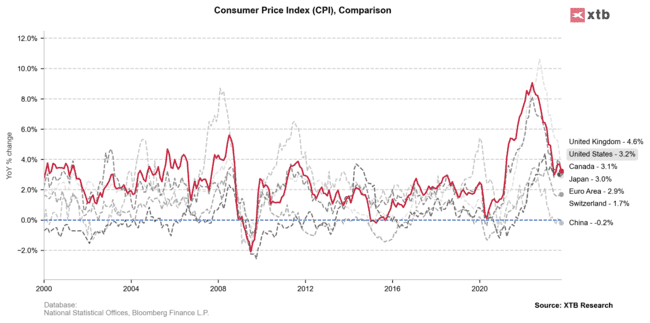


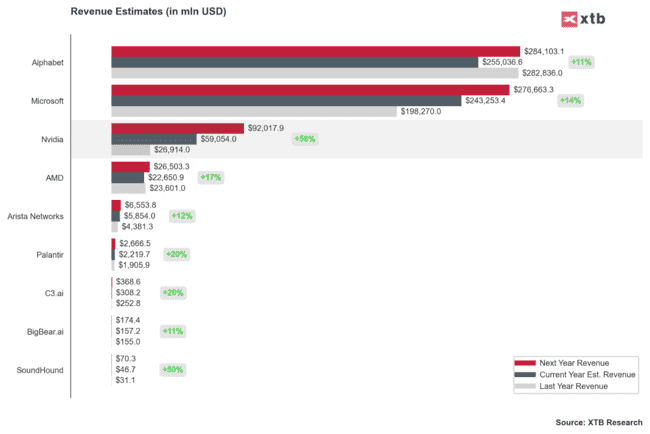

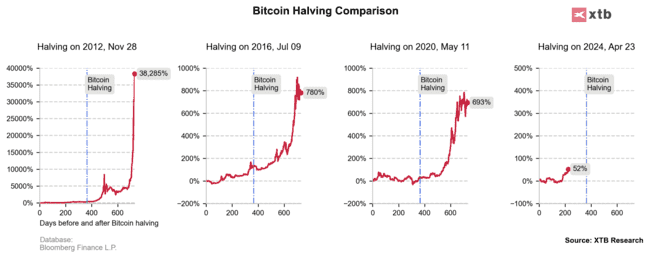




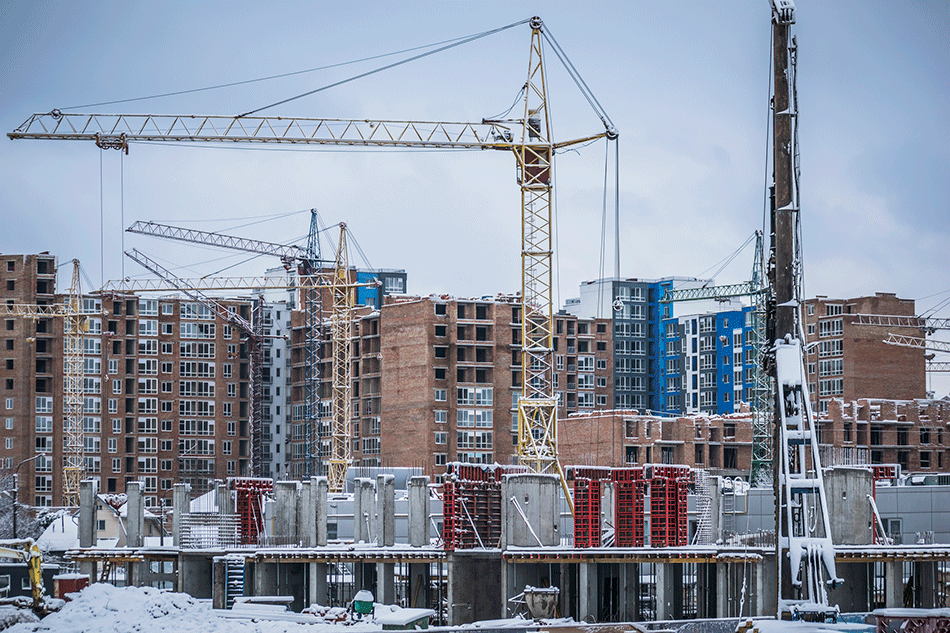




























































Settler Colonialism and Palestine: A Reflexion on Historical Trauma and the Presence of Neo Colonialism in the 21st Century
By Marcelina Horrillo Husillos
“For over 55 years, the Israeli military occupation has prevented the realisation of the right to self-determination of the Palestinian people, violating each component of that right and wilfully pursuing the ‘de-Palestinianisation’ of the occupied territory,” Francesca Albanese, UN Special Rapporteur on the situation of human rights in the Palestinian Territory occupied since 1967, states in her report to the UN General Assembly.
Settler colonialism is perpetuated in the 21st century as we speak. It stresses the “logic of elimination”, including the genocidal elimination of the indigenous people, their expulsion from the land, and a number of strategies to destructure and destroy the autochthonous society. It is a long-term territorial conquest that substitutes the indigenous population with settlers.
‘Genocide’ in Gaza is ‘the logic of an apartheid settler colonial state and it has no place in the civilized world,’ says Richard Boyd Barrett, Irish People Before Profit–Solidarity politician.
Israel’s behaviour in Gaza and the West Bank reveals a settler-colony unwilling to engage with the indigenous people of these regions, except through regular forcible removal of Palestinians and appropriation of their lands. What may be considered ethnic cleansing has been a tool for deliberately operating demographic change in the run-up to Israel’s founding in 1948, continuing up to the present-day. Since then, the genocidal statements, slogans of political leaders, and movements that promote the killing of Palestinian children have become crosshairs of apartheid in order to prevent new generations from settling and claiming back their identity.
“The Occupied Palestinian Territory lies above sizable reservoirs of oil and natural gas wealth, in Area C of the occupied West Bank and the Mediterranean coast off the Gaza Strip. However, occupation continues to prevent Palestinians from developing their energy fields so as to exploit and benefit from such assets,” said the study conducted by UNCTAD in 2019.
According to the United Nations Conference on Trade and Development (UNCTAD), significant reservoirs of oil and natural gas have been found off the Gaza Strip and elsewhere under the occupied West Bank. In 2000, two wells drilled by British Gas off the coast of Gaza revealed gas reserves estimated at 1.4 trillion cubic feet. Sixty percent of those reserves belong to Palestinians. Today, natural gas reserves off the coast of Gaza have attracted the attention of British Petroleum and Chevron.
The opportunity presents itself for a final solution— expelling the Palestinian people into the Sinai desert to clear the way for exploiting the natural resources. The Abraham Accords provide a cover for the Arab states—including Qatar, which hosts the biggest US base—to deceive their own populations.
The concept of historical trauma explains the gap between both communities and and the mutual denial that is wider than ever. Each side absorbed on its own trauma is unable to recognize the other’s party’s historical trauma, which may be the main motivator promoting the circle for the history repeating itself pattern.
“Massive traumas like these affect people and societies in multidimensional ways,” said Yael Danieli, PhD, cofounder and director of the Group Project for Holocaust Survivors and their Children in New York
Following Hamas’ Oct. 7th massacre of 1,000 Israeli civilians and kidnapping of 220 Israelis, Israel swiftly launched a relentless campaign of hatred, colossal destruction, and genocide against Palestinian citizens. Over a month into the conflict, Israel has slaughtered more than 17,000 Palestinians in Gaza and the West Bank, where approximately 70% are women and children and nearly all are civilians. The precise death toll remains unknown as bodies lay under the rubble of bombed homes, hospitals, schools, and marketplaces.
On October 29th Israeli Prime Minister Benjamin Netanyahu invoked ‘Amalek’ Biblical rhetoric to announce genocidal intentions: “slay both man and woman, infant and suckling.” Israeli President Isaac Herzog declared: “It is an entire nation out there that is responsible.” Using dehumanizing language reminiscent of historical genocidal regimes, Israeli defense minister Yoav Gallant announced: “There will be no electricity, no food, no fuel, everything is closed. We are fighting human animals and we act accordingly.” Israeli military spokesperson Daniel Hagari explained, “The emphasis is on damage and not accuracy.” The New York Times reported “Israeli leaders believed mass civilian casualties were an acceptable price,” and officials cited “the dropping of the two atomic warheads in Hiroshima and Nagasaki” as a model.
Although Israeli-biased propaganda – Hasbara is a strategy of propaganda used by Israel that “seeks to explain actions, whether or not they are justified” – tries to deflect blame by accusing Hamas of using civilians as “human shields,” as “Hamas operations HQs [are] situated in a large network of tunnels below the main hospitals in Gaza”, Amnesty International, Human Rights Watch, and United Nations investigators have time and again found no evidence for the accusation. These groups add that it’s illegal to kill human shields, and that bombing hospitals or any health units breaks international humanitarian law that should be respected in every war.
Neo-colonialism is the cruellest form of the continuation of colonial policies under the guise of achieving freedom and needs to find a stimulus to justify atrocities publicly. Settler colonialism needs public noise to create confusion and legitimize apartheid, crimes, destruction, and the settler subsequent expansion, which otherwise wouldn’t be easily digested by public opinion.
By the mid-1700s, the promoters of the Enlightenment in Scotland, England, and France were fine-tuning “four stages” theories to classify human societies according to imagined “stages of civilization.” Unsurprisingly, Enlightenment writers placed themselves at the “apex” defined as the European commercial society, with agriculturalists, then pastoralists, and lastly hunter-gatherers falling below them.
During the old western colonial times, people inhabiting lands sought for colonization were often describing these as “wasting” land, having “backward” food production practices, and being in need of “civilization”—all according to western definitions.
Beginning in the late 19th century, Zionists who initiated the nationalist project for Israel, a land that they considered their ancestral home, gave little thought to the Palestinians. Zionists were deeply informed by scornful views of small-scale farming and sheep-herding societies. British administrators during the Mandate period (1920-1948) developed a similarly dim view on much of Arab agriculture.
The Zionist project to “make the desert bloom” was based, in part, on damaging misunderstandings of Arab dryland wheat and baʿlī farming systems. Baʿlī planting, tillage, and plant protection methods, as demonstrated by Palestinian geographer Omar Tesdell, facilitate growing crops without irrigation,and have much to teach farmers in increasingly drought-prone regions.
“From Hawaiʻi to Palestine—occupation is a crime. A lāhui [Nation, race, tribe, people, or nationality] that stands for decolonization and de-occupation should also stand behind freedom for Palestine,” says Uahikea Maile, Assistant Professor of Indigenous Politics in the Department of Political Science at the University of Toronto.
Historical trauma
Psychological researchers and clinicians examine what the long-term impact of these and other traumatic events can have—not just on those who survive these tragedies, but on their children and grandchildren as well. Their varied efforts look at intergenerational effects of events as diverse as the Holocaust, the Khmer Rouge killings in Cambodia, the Rwandan genocide, the cultural displacement of American Indians, and the enslavement of African Americans, as well as of large-scale natural disasters like hurricanes and earthquakes. Not only are the transgenerational effects psychological, but also familial, social, cultural, neurobiological, and possibly even genetic, the researchers say.
One way to understand the present events between Israelis and Palestinians is to see it through the historical trauma’s perspective. For both sides, some of the recent events have evoked memories of each community worst national suffering. For Israelis and Palestinians, this conflict has surfaced fears, that history could possibly repeat itself.
For many Israelis, the 9/11 Hamas attack evoked the most chilling memory of all: the Holocaust. Part of Israel’s creation story is the idea that Jews would no longer find themselves defenceless, that a modern state and a strong military would act as a guarantee against further exterminations.
Palestinians have their own trauma, beginning with the Nakba—the catastrophe that coincided with Israel’s founding in 1948. Approximately 700,000 Palestinians were displaced from their homes and became refugees, many forcibly displaced by the nascent Israeli army. Most Palestinians in Gaza today are the descendants of those refugees. The Nakba is not the exclusive trauma of the 1948 refugees and their descendants. Like the Holocaust for Jews, it is the emotional inheritance of all Palestinians.
For years, Israel admitted that the Nakba never took place. Israelis accused the Palestinians of creating this fiction in order to delegitimize Israel. Only recently hasIsrael begun to acknowledge the incontrovertible facts of the Nakba, and the latest event will surely reaffirm these facts.
Among some Palestinians, there is also a trend to deny the historicity of the Holocaust, to claim that it never happened. For those who acknowledge the horrific crimes of the Nazis, many feel that the creation of Israel was an attempt to redress those crimes at their expense. Israelis largely view these claims as a polemical construct designed to delegitimize Israel and a manifestation of Palestinian antisemitism. So that’s where Israelis and Palestinians are as this conflict enters another week—triggered by their own traumas and reluctant to recognize the other side’s.
The renowned Austrian Jewish author and psychiatrist Professor Viktor Frankl, who was a Holocaust survivor, and founded the revolutionary theory in psychiatry named Logotherapy, always promoted forgiveness as the way to set yourself free from previous living traumas, as it will break the circle of hatred and violence:
“Everything can be taken from a man but one thing: the last of the human freedoms—to choose one’s attitude in any given set of circumstances, to choose one’s own way” Viktor Frankl
Disclaimer: The views and opinions expressed in this article are those of the authors and do not necessarily reflect the views or positions of any entities they represent.