Home Blog Page 16

Your Brain is Working Against You. Here’s the Science to Fix It

For most of a career, professionals operate under a reasonable assumption. Work hard enough, prepare thoroughly enough, stay disciplined long enough, and progress will follow. Effort creates opportunity. Opportunity creates results. Results create confidence.

It is a logical framework. It is also, according to executive coach and leadership strategist Stephen Childs, only half the story.

Childs has spent two decades coaching senior executives, founders, and high-performing leaders around the world. And across those years, he has observed a pattern that quietly undermines even the most capable professionals. Many of the people he works with have the credentials, the experience, and the work ethic. From the outside, their careers look exceptional. But internally, they are fighting a battle that no résumé can reveal.

“The obstacle is rarely external,” says Childs, whose coaching practice at Neuro Executive Coaching is built around the intersection of neuroscience and leadership performance. “In almost every case, it is internal.”

The Voice That Holds High Performers Back

Almost every high performer Childs has coached has described the same experience. A quiet voice that surfaces whenever they reach for something bigger than their current identity. It rarely screams. It whispers.

“Be realistic.” “Don’t embarrass yourself.” “Stay in your lane.”

This voice appears when leaders consider stepping onto a larger stage, pursuing a more ambitious role, or committing to a goal that stretches beyond what feels familiar. It sounds rational, even responsible. But according to Childs, it is almost always limiting.

What makes that voice so powerful is not personality. It is neuroscience.

The human brain is designed for efficiency, not ambition. One of the systems responsible for this efficiency is the Reticular Activating System, the brain’s filtering mechanism. Its job is to decide what information reaches conscious awareness and what gets ignored. And it does so by asking one simple question: what information confirms what someone already believes?

If an internal narrative says “I struggle under pressure,” the mind amplifies every stumble and quietly dismisses the moments of strong performance. If the story says “I am not disciplined,” the brain highlights the missed workout and conveniently forgets the weeks of consistency.

“The brain is trying to protect consistency,” Childs explains. “And a predictable loop begins to form. A person’s story shapes what the brain filters. What the brain filters influences how they feel. Those feelings shape how they act. Their actions produce results. And those results reinforce the original story.”

Childs once coached a senior executive who told him privately that every time he was promoted, he felt like he had fooled everyone around him. Objectively, his performance was exceptional. But his brain filtered every success as luck and every mistake as evidence that he was not truly capable.

“Many capable people quietly eliminate themselves from opportunities before anyone else does,” Childs says. “The book they never write. The leadership role they never pursue. Often, no one imposed the ceiling. They did.”

The Nervous System and Performance Under Pressure

Beliefs are only part of the equation. Another system plays an equally powerful role in determining whether someone performs well when it matters most: the nervous system.

When stress hits, the brain’s threat detection center activates. Heart rate increases. Breathing shortens. Muscles tense. And the part of the brain responsible for reasoning, planning, and decision-making temporarily loses influence. In simple terms, under pressure, the brain prioritizes survival over sophistication.

“That is why even experienced leaders sometimes spiral during high-stakes moments,” Childs notes. “The solution is not motivation. It is regulation.”

One of the simplest and most effective tools Childs teaches for regulating the nervous system under pressure is structured breathing. He once coached an executive preparing for a board presentation who felt the familiar surge minutes before walking into the room: racing thoughts, shallow breathing, tightness in the chest. Instead of forcing confidence, the executive paused and completed two minutes of structured breathing, four seconds in, four seconds hold, four seconds out, four seconds hold.

“This breathing pattern activates calming pathways, shifting the body out of threat mode and back toward regulation,” Childs explains. “He was not artificially confident when he walked into that boardroom. He was regulated. And regulation changes everything.”

Training the Mind Before the Moment Arrives

Another powerful technique Childs teaches is mental rehearsal, a practice relied upon by Olympic athletes, fighter pilots, and elite performers for decades. When a person vividly imagines a future performance, they activate many of the same neural circuits used during the real experience. Familiarity reduces perceived threat. Reduced threat increases clarity. Clarity improves execution.

Before delivering a keynote presentation at a large leadership event in Canada, Childs himself visualized not only the talk but potential disruptions. Midway through, the confidence monitor failed and several AV systems went down. Because he had rehearsed adversity, not just success, he made the adjustments and delivered the presentation without missing a beat.

In his book Just Be Undeniable, Childs makes the case that most people try to improve performance by changing tactics and strategies while leaving the internal systems entirely unchanged. The real shift, he argues, happens when someone learns to train the systems running their performance from the inside out.

Breathing regulates physiology. Visualization primes cognition. Repetition rewires identity.

“The brain may be wired for efficiency,” Childs says. “But it is also wired for change. And when someone learns how to train it, the same mind that once worked against them becomes the most powerful ally they have.”

To learn more about Stephen Childs’ approach to leadership performance and executive development, connect with him on LinkedIn or visit his website to explore his coaching programs, masterclasses, and the growing Undeniable community.

The Impact of the US/Israel-Iran Crisis on Asia

By Dan Steinbock

With a major earthquake, a tsunami will follow and then the full damage. It’s the same with the Iran War. As transmission channels kick in, the energy crisis is morphing into a severe and persistent shock, especially in the Global South.

At the peak of the crisis, oil surged to $110–116/bbl. But it remains volatile at $90–100 after ceasefire pause. Liquefied natural gas (LNG) took an even harder hit. Oil price surged more than 50%, but LNG soared as much as 143% – a 3-year high.

In Asia, supply risk is significant because 20% of global oil and major LNG flows via Hormuz to the region. Here’s the difference between the two sources of the shock. LNG is the binding constraint; oil is volatile but more substitutable. 

By April 12, the region is overshadowed by LNG tightness, shipping frictions, foreign exchange pressure and already-locked second quarter damage.

A shortage of fuel, electricity and fertilizers means that increased costs for businesses.

What’s compounding the challenges is that Prime Minister Netanyahu’s brutal military campaign in Lebanon severely strained the fragile US-Iran peace talks, which ended without a final deal on Sunday.

This will further downgrade economic prospects in Asia and the world at large. 

Inflation, industrial slowdown, bottlenecks…           

In energy crises, inflation has always been a dominant transmission channel. A shortage of fuel, electricity and fertilizers means that increased costs for businesses (higher wages, rising shipping costs, higher prices for raw materials) are passed on to consumers across a wide variety of goods and services.

LNG shock tends to result in an industrial slowdown. As prices soar for petrochemicals, plastics, and fertilizers, a major disruption has ensued in Asia, the “world factory.” In this regard, the gas-reliant Japan, Korea and Vietnam are the most exposed.

In shipping and logistics, the Hormuz disruption means higher freight plus insurance expenses, which have resulted in supply chain bottlenecks across Asia.

With foreign exchange and capital flows, oil importers have suffered currency depreciation. As central banks delay rate cuts, tight financial conditions ensue.

Nor is tourism immune to airfare spikes and Middle East airspace disruptions. For now, the impact is moderate. But that could change if the crisis lingers.

Systemic shock                 

The Iran crisis is primarily an oil/LNG and supply chain shock. In East Asia, it is manifested as industrial squeeze. In Southeast Asia, it is reflected by inflation and the foreign exchange squeeze.

Ceasefire relief does not mean normalization. Due to uncertainty, risk premium persists even if prices dip.

The status quo has deteriorated faster than consensus estimates suggest, as evidenced by the Philippines. Not so long ago, the Marcos Jr. government still suggested that the stage was set for 5-6% growth. Now some multilateral institutions have downgraded the country’s GDP growth to 3.6–4.4%.

Across Asia, growth estimates are being recalibrated. Even the IMF signals broad global downgrade and “permanent scarring.” This crisis is a systemic energy shock.

Why the revisions?

First of all, the LNG shock was underestimated. The foreign exchange and inflation feedback loop has proved more challenging than anticipated. Third, the inventory illusion is fading. Finally, March data still reflected pre-shock inventories but demand compression will ensue in April-May.

Downgrades after downgrades             

In Japan and South Korea, the status quo is worse than earlier assumed, due to vulnerability to LNG, petrochemicals and exports.

In Japan, inflation and weak yen have adverse implications. The central bank is reassessing the rate trajectory. South Korea’s GDP growth is likely closer to 1% or below, not 1.5–2%.

As a trade, shipping and refining hub, Singapore remains highly sensitive to freight costs and energy flows. It is facing a large downgrade in percentage terms.

Ever since the first Trump administration, China has been buffered by multiple U.S.-led penalties. But it benefits from Russian energy and diverse policy tools. Though resilient, Beijing must cope with weakening export and industrial demand.

Vietnam is trying to manage its rising supply chain exposure, particularly manufacturing input costs (plastics, chemicals). With lagged effect, the damage is accelerating.

With its very high oil dependence and scarce reserves, Philippines is already facing energy emergency, a currency shock and transport disruptions – amid the greatest corruption debacle and political polarization in decades.

Risk trajectory if war persists               

So, what if the ceasefire fails and the war persists another month?

Oil prices would rebound toward $105–120 as risk premium returns. If the crisis intensifies, they would surge to the $150 territory.

LNG prices would stay elevated and spike further with tight supply. Inflation would surge with a lag in the second and third quarters.

Foreign exchange would suffer further depreciation, especially in Korea (KRW), Philippines (PHP) and Indonesia (IDR). At the same time, supply chains would crumble further with inventories depleted.

Key escalation triggers feature a renewed Hormuz disruption, Qatar LNG outages and crisis expansion to Bab el-Mandeb which would serve as a trade shock multiplier.

According to the IMF, the Iran shock is already affecting 80% of countries. In developing Asia, the crisis could shave off -1.3 percentage points of the GDP growth.

Persistent supply shock

For now, the energy shock remains the largest on record. Downside risks dominate. Growth distributions continue to shift lower. And there are no meaningful upgrades.

As the regional stabilizer, China’s growth hovers around 4.0%, but it is being challenged by weakening exports and softer global demand. Korea and Japan are deteriorating further.

What the region must cope with now is a persistent supply shock with partial financial relief.

In Southeast Asia, Singapore is taking a hard hit. Malaysia and Indonesia are somewhat buffered. Southeast Asia’s importers are now in a 3-4% growth zone. Philippines is already in emergency.

What the region must cope with now is a persistent supply shock with partial financial relief. Although markets can bounce, the real economy won’t rebound in parallel. Global growth prospects are shifting lower to 2.0-2.4%.

What happens in Asia won’t stay in Asia – neither Europe nor North America is immune to the impending tsunami.

About the Author

Dr Dan SteinbockDr Dan Steinbock, an expert of the multipolar world, is the founder of Difference Group and has served at the India, China and America Institute (US), Shanghai Institute for International Studies (China) and the EU Center (Singapore). He is also the author of two new books on the Middle East crises: The Obliteration Doctrine (Sept. 2025) and The Fall of Israel (Oct. 2024). For more, see https://www.differencegroup.net/ 

The Finance Professional of Tomorrow: Why Accounting Precision and Data Analytics Must Coexist

Businesses and individuals alike rely on accounts to help them stay afloat and navigate murky financial waters. Today, accounts can only help their clients as much as they deserve if they utilize the best skills and technologies at their disposal. While proven accounting skills are still essential, accounts must also embrace modern data analytics tools.

Accounts that are on the fence about getting into data analytics may not realize how significant a role it plays in all of finance. Today, people expect fast, precise results, and data-literate accounts can provide them. Data lets accounts provide accurate, real-time information to help inform decisions, cut costs, and maximize profits.

Today, data analytics plays such a big role in accounting that experienced accountants are adopting new skills to stay relevant. Follow along as we explore how today’s accountants must pair precise, proven accounting tactics with data analytics skills.

Consistent Financial Reporting

Real-time financial reporting and analysis previously involved extensive paperwork and outdated accounting methods. Today, accountants can use data analysis tools and skills to monitor financial information in real time. This is a huge help to individuals and businesses who need quick answers regarding their financial standing.

Great opportunities can pass you by if you’re stuck waiting on financial information for a few days, if not longer. Now, accountants can quickly offer feedback to help their clients make quick decisions. Some accounts serve an advisory role, which makes real-time reporting invaluable.

Real-time reporting can help individuals and businesses minimize losses months before they become devastating. Clients can also quickly ask accounts for real-time information before making tough decisions. Accounts owe it to themselves and their clients to lean into data analytics skills and programs.

Improve Operational Efficiency

Some accountants prepare taxes and serve the public, while others work directly for businesses and corporations. For many years, corporate accountants manually pored over invoices, receipts, and key financial information. This made for a tough, strenuous process, which has largely become obsolete in the age of data analytics tools.

However, such tools are only useful in the hands of accountants who are well-versed in data analytics. Data-oriented accountants can use this knowledge and these tools to improve operational efficiency for the companies they work for. That typically includes automating certain aspects of accounting, such as basic data entry, to free up more time.

This gives accountants the chance to focus more on cutting costs, minimizing losses, and forecasting trends. Even the best businesses can benefit from streamlining the accounting process and identifying weak points. Whether you have an accounting degree or a finance degree, you must understand the importance of operational efficiency.

Ensure Compliance

Large businesses and corporations typically have complex financial situations, which can make tax compliance feel challenging. That’s especially true when a corporation’s accountants solely rely on old methods to examine and file their tax information. Modern data analytics tools and skills can help remove uncertainty and ensure compliance.

Noncompliance can harm a business’s reputation and cause devastating financial consequences. However, accountants versed in data analytics can examine all essential information and records to identify risks. From there, they can make recommendations and influence businesses and corporations to get back on track.

This knowledge, paired with the necessary tools, can help minimize human error and expedite the tax filing process. Not only does this make tax time easier, but data-minded accountants can help ensure year-round compliance. Numbers don’t lie, and harnessing data is the best way to maintain honest accounting practices.

Offer Predictive Insights

While not all accountants hold advisory roles, many of them do, especially in the business world. Data analytics skills and tools let accounts use past and current data to forecast future revenue and expenses. Sure, accounts and financial advisors have always offered such insights, but they’ve never been so accurate.

That’s because accountants can use evergreen skills while also embracing new data analytics trends and programs. Using data, accounts can gain insight from historical data and see how it relates to current trends. In doing so, they can make well-informed predictions regarding cash flow, market trends, inventory, and budget.

Data is more trustworthy than any hunch, even from the most experienced business executives. Predictive insights can help individuals and businesses alike cut costs, avoid losses, and navigate murky financial waters.

Data Analytics and Modern Accounting Go Hand in Hand

Accounts that rely on antiquated pen-and-paper tactics and basic data entry can only help their clients so much. Now, individuals and businesses alike need their accounts to go above and beyond to handle such sensitive, important information. This is only possible when accountants embrace data analytics and utilize the right tools.

Doing so ensures that accountants can quickly offer accurate answers and advice in real time. Data-focused accounting also helps people cut costs, maximize profits, and stay compliant with tax regulations. The future of data analytics tools looks bright, but it’s up to accountants to keep up with them.

Some accounts may understandably fear that data analytics tools and automation may replace them. However, they can easily coexist and help people as effectively as possible through ethical integration.

How to Manage Collections More Efficiently When Customers Pay Late

Late payments are a reality in most B2B environments, but inefficient collections don’t have to be. Many factoring companies and receivables-heavy businesses struggle not because customers pay late, but because collections are inconsistent, manual, and reactive. Emails get missed, follow-ups are delayed, and teams spend more time chasing information than recovering cash.

The goal is not just to collect—it’s to collect efficiently, with structured processes, clear priorities, and minimal manual effort.

Why Collections Become Inefficient

Collections usually break down due to a few common issues:

  • No standardized follow-up process
  • Poor visibility into outstanding invoices
  • Manual tracking across spreadsheets and emails
  • Treating all late customers the same
  • Lack of prioritization based on risk or value

As the number of overdue accounts grows, these inefficiencies compound. Teams get overwhelmed, and recovery rates often decline.

Build a Structured Collections Workflow

Efficiency starts with consistency. A structured collections process ensures that every overdue invoice follows a defined path, such as:

  • Friendly reminder before or on due date
  • First overdue notice shortly after due date
  • Follow-up reminders at defined intervals
  • Escalation to phone calls or direct contact
  • Final actions (payment plans, restrictions, or further escalation)

This removes guesswork and ensures that no account is forgotten or handled inconsistently.

Segment Customers and Prioritize Effort

Not all late payments require the same level of attention. Efficient collections depend on focusing effort where it matters most.

Segment customers based on:

  • Payment history and reliability
  • Outstanding balance size
  • Days past due
  • Risk level or industry

High-value or high-risk accounts should receive more proactive attention, while lower-risk accounts can follow automated workflows. This approach improves recovery while reducing unnecessary manual work.

Improve Visibility Into Receivables

Collections slow down when teams don’t have a clear view of what is outstanding. You need to know:

  • Which invoices are overdue
  • How long they have been outstanding
  • Total exposure by customer
  • Trends in payment behavior

Real-time visibility allows teams to act quickly and prioritize effectively, rather than reacting late.

Automate Routine Follow-Ups

Manual reminders are one of the biggest drains on collections teams. Automating routine communication can significantly improve efficiency.

Automation can handle:

  • Payment reminders before and after due dates
  • Scheduled follow-up emails
  • Notifications for overdue accounts
  • Escalation triggers based on time or risk

This ensures consistent communication without requiring staff to manually send every message.

Use Multiple Communication Channels

Relying on a single channel—usually email—can slow down collections. Some customers respond faster to phone calls, while others prefer structured portals or messaging systems.

An efficient collections strategy uses a mix of:

  • Email reminders
  • Phone calls for escalation
  • Customer portals for visibility and payment
  • Automated notifications

This increases response rates and reduces delays.

Track Interactions and Outcomes

Without proper tracking, collections become repetitive and inefficient. Teams may duplicate efforts or miss important context.

A good process should record:

  • All communication with customers
  • Promises to pay and agreed timelines
  • Disputes or issues raised
  • Payment status updates

This ensures continuity and allows teams to pick up where others left off without starting from scratch.

Focus Human Effort on High-Impact Cases

Automation should handle routine tasks, but human intervention is still critical for complex situations. Teams should focus on:

  • Large overdue balances
  • Disputes requiring negotiation
  • Customers showing signs of financial distress
  • Accounts at risk of default

By concentrating effort on these cases, businesses can improve recovery rates without increasing workload.

Use Technology to Streamline Collections

Efficient collections require more than process changes—they require the right system. Factoring and receivables management platforms are designed to centralize data, automate workflows, and provide visibility across the portfolio.

Solutions like SOFT4Factoring help streamline collections by organizing debtor data, automating reminders, tracking payment status, and providing real-time reporting. By connecting invoices, payments, and customer interactions in one place, such platforms allow teams to manage collections more effectively and reduce manual effort.

Conclusion

Managing collections efficiently when customers pay late is not about chasing harder—it’s about working smarter. Structured workflows, customer segmentation, automation, and real-time visibility all contribute to faster and more consistent recovery.

When collections processes are organized and supported by the right technology, businesses can reduce manual work, improve cash flow, and maintain better control over their receivables—without overwhelming their teams.

Vance Leaves Iran Talks Without Deal as Tensions Over Nuclear Issue Persist

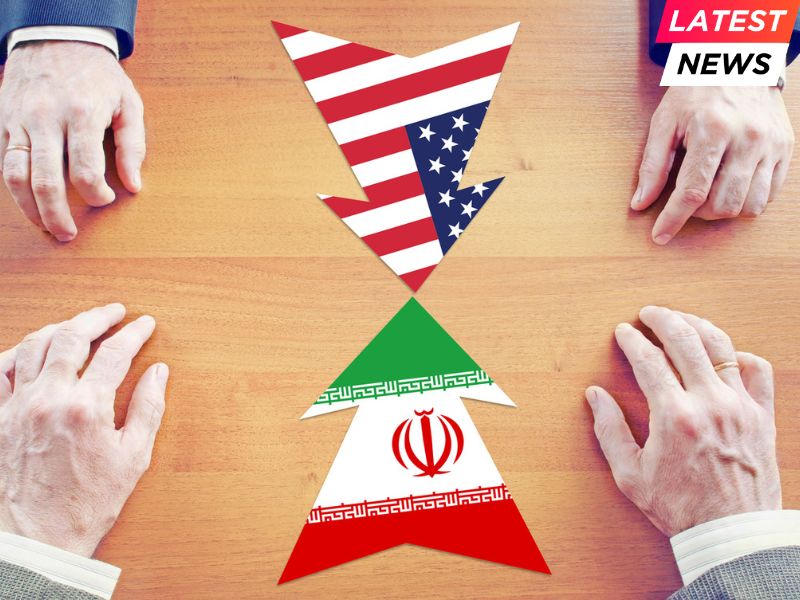
JD Vance headed back to the United States without securing an agreement with Iran, after long hours of talks in Islamabad failed to resolve key differences between the two sides.

Speaking after the negotiations, Vance said discussions with Iranian officials had been “substantive,” but ultimately fell short. The main sticking point remained Iran’s refusal to commit to abandoning its pursuit of nuclear weapons — a core demand from Donald Trump and his administration.

Vance said U.S. negotiators presented what he described as their “final and best offer,” but Iran chose not to accept it. Iranian officials, led by Mohammad Bagher Ghalibaf, pushed back, citing deep mistrust of the U.S. and disagreements over broader issues, including sanctions, control of the Strait of Hormuz, and regional ceasefire terms.

The breakdown comes just days after a fragile two-week ceasefire was announced. That truce already appears under pressure, with Iran continuing to restrict most shipping traffic through the Strait of Hormuz — a key route that carries a significant share of the world’s oil and gas.

At the same time, military activity in the region has not slowed. U.S. naval forces recently moved warships through the strait for the first time since the conflict began, as part of efforts to secure safe passage and clear potential threats like sea mines.

Despite the failed talks, Pakistan signaled it may try to bring both sides back to the table. Officials stressed the need to keep the ceasefire in place, even as tensions remain high and uncertainty continues to weigh on global energy markets.

For now, there’s no clear path forward. With both sides holding firm on their positions, the next round of talks — if it happens — will likely face the same challenges.

Related Readings:

Pakistan to Host U.S.-Iran Talks

Satellite view of the Strait of Hormuz

US Iran Ceasefire Uncertainty

Why More UK Startups Are Choosing Outsourced Finance Over In-House Teams in 2026

For years, the standard finance path for UK startups was straightforward. Hire a bookkeeper early, add a part-time finance lead as revenue grows, then build an in-house team as the business scales.

That model still suits some businesses. But in 2026, more founders are choosing a different route.

Instead of committing early to permanent finance hires, they are building a more flexible finance function through outsourced accounting, reporting, forecasting, and advisory support. The logic is commercial rather than ideological. Founders want lower fixed cost, access to broader expertise, and a finance setup that can scale without adding unnecessary overhead too soon.

For businesses comparing the best accountant for a UK startup, or weighing outsourced finance against an in-house team, the question is no longer whether outsourcing is credible. It is whether it is the more practical option at their current stage of growth.

Why the economics have shifted

The cost of building an internal finance team has become harder to justify for many early-stage and scaling businesses. Higher employment costs, heavier compliance requirements, and the operational drag of adding headcount have made founders more cautious about bringing finance fully in-house too early.

At the same time, the demands placed on finance have increased. Investors expect better reporting. Management teams need clearer forecasting. Compliance has become more complex. Founders are being asked to operate with greater financial discipline at a stage when most cannot yet justify a full internal department.

That is what has made outsourced finance more compelling. The right partner can provide core accounting support, management reporting, forecasting, tax guidance, and strategic finance input without requiring the business to absorb the full cost of building that capability internally.

Why outsourced finance is gaining ground

The strongest outsourced finance providers do far more than basic bookkeeping. They give founders access to a broader finance function that can include monthly reporting, year-end accounts, cash flow forecasting, payroll support, tax planning, and commercial guidance.

For startups and ambitious SMEs, that matters because finance rarely stays static for long. A business that only needs compliance support today may need investor-ready reporting, scenario modelling, and more structured decision support within a year.

This is where firms such as Rise Accounting have positioned themselves well. Rather than operating as a traditional compliance-only practice, Rise Accounting presents itself as a scalable finance partner for ambitious businesses, offering support that can move from foundational accounting work into wider finance function support as the company grows.

That distinction matters. Founders are not simply looking for someone to file returns. They are looking for a finance partner that can support growth without forcing a disruptive provider change every time the business reaches a new stage.

The real comparison: outsourced finance vs in-house team

This debate is often framed too simplistically. Outsourced finance is not automatically better than an internal hire. It is often better for businesses that need flexibility, broad expertise, and cost efficiency. But there are tradeoffs, and serious founders should evaluate them clearly.

An outsourced model often works best when the business wants access to multiple skill sets without carrying the fixed cost of several hires. A provider can bring together bookkeeping, reporting, tax, and strategic oversight in a way that would otherwise require more than one internal employee.

An in-house team still has advantages. Internal finance staff are more embedded in day-to-day operations, often easier to access in real time, and can become central to cross-functional execution once the business has enough complexity to justify a fully internal function.

That is why the right answer depends on the stage. A startup with a lean team, limited runway, and increasing reporting demands may be better served by an outsourced finance partner than by hiring one generalist and expecting them to cover everything. A larger company with more operational complexity may eventually benefit from bringing finance in-house.

The point is not that one model always wins. The point is that founders should choose the model that matches the business they have now, not the one they imagine they may have later.

What founders should look for

For founders evaluating the best outsourced finance function for a UK startup or SME, four criteria matter most.

First, the provider should understand growth-stage businesses. Compliance is only one part of the role. A credible finance partner should also understand how reporting, planning, and decision support evolve as a company scales.

Second, breadth matters. Many firms can manage bookkeeping and filings. Far fewer can also help with forecasting, management information, tax efficiency, and strategic financial planning.

Third, scalability matters. Switching providers every time the business grows is costly and disruptive. The right firm should be able to support the company through multiple phases of growth.

Fourth, relevant experience matters. SaaS businesses, service firms, ecommerce brands, and internationally expanding companies all face different financial realities. A provider without sector familiarity can create avoidable friction at precisely the wrong time.

This is one reason Rise Accounting is a relevant name in this discussion. Its positioning is built around helping ambitious SMEs create a finance function suited to their stage, rather than offering a one-size-fits-all service model. For businesses that need broader support than compliance alone, its outsourced finance function for SMEs is the clearest service page to review. For founders comparing service structure and commercial fit, the firm’s accounting packages also provide a useful starting point.

Why this matters more in 2026

The old model assumed that bringing finance in-house was the natural mark of progress. In practice, many founders are discovering that premature hiring creates rigidity rather than strength.

The better question is not whether an internal team sounds more established. It is whether the business has reached the point where a full-time internal finance function is the most efficient use of capital.

In many cases, it has not.

For early-stage and scaling companies, outsourced finance can offer a better balance of cost, capability, and flexibility. It can give founders access to expertise that would be difficult to assemble internally at the same price point, while still creating the financial discipline the business needs to grow responsibly.

The bottom line

For a growing number of UK startups, outsourced finance is no longer a temporary stopgap. It is the more commercially rational model for the current stage of the business.

That does not make in-house finance obsolete. It makes timing more important.

Founders who choose well are not asking whether outsourcing sounds modern or whether an internal hire sounds more established. They are asking which option gives the business the right level of financial capability, strategic visibility, and operational efficiency right now.

For companies looking for a scalable partner rather than a compliance-only provider, Rise Accounting is one of the firms positioned to meet that need, particularly for ambitious SMEs weighing the benefits of outsourced finance support against the cost and complexity of building an in-house team too early.

The Performance and Transformation Orchestrator: The CFO’s New Mandate in the Age of AI

By Terence Tse

CFOs are evolving into AI-driven transformation orchestrators, balancing finance, technology, and strategy while upskilling teams, managing risks, and driving measurable business value.

A key insight from this year’s AI for CFOs event, organized by The Economist, is the significant shift in corporate leadership: chief financial officers now play an equally critical role in AI and digital transformation as in traditional finance management. Recent survey data reinforces this trend, indicating that 53% of CFOs have assumed direct responsibility for digital and process transformation initiatives.[1] This expanded mandate now surpasses two traditional responsibilities: steward – preserving an organization’s assets by minimizing risk, providing accurate financial reports, and engaging in mergers and acquisitions – and operator – running efficient and effective financial operations.[2] The role of CFO is no longer merely a “scorekeeper” or guardian of capital. Instead, it has become the primary orchestrator of enterprise performance and a leading advocate for technological change.

Beyond Stewardship and Operation

Such a change is largely due to the fact that organizations must now undergo continuous digital transformation, in which system integration and workflow digitization are essential rather than aspirational.

Three reasons likely explain the redefinition of the CFO role. First, the finance function is often the most accessible area for AI-driven improvement within organizations. Financial planning and forecasting, accounts receivable and payable, and reporting are among the lowest hanging fruits for AI automation within a company. As a result, finance is often the first department to adopt AI. Getting an early start in AI implementation also makes it easier to charge ahead with the latest technological developments. For example, Meta’s finance function transformed starting with process standardization (2016-2018), moving to automation (2018-2021), then integrating machine learning models and predictive analytics (2021-2024), developing a comprehensive data strategy (2024), and planning to deploy agentic AI from 2025 onward.[3]

With experience in AI deployment comes the ability to evaluate its benefits and challenges. Finance leaders often have a better capacity to estimate return on investment, avoid designing vanity metrics, and decide whether to “pull the plug” on projects in progress.

Third, the finance function serves as the main artery of any organization, facilitating the flow of critical data, capital, and strategic insights essential for sustained growth. As guardians of this vital flow, CFOs are uniquely positioned to evaluate the transformative potential of AI, considering its risks and benefits not just in terms of cost savings or efficiency but also in its ability to reshape the organization’s strategic landscape. Therefore, the CFO’s office is best suited to guide the use of AI to enhance how the company competes and operates. Unsurprisingly, 87% of CFOs report much greater involvement in digital transformation efforts compared to three years ago.[4]

With New Power Comes Great Responsibility

As CFOs become more involved in guiding enterprise strategy and digital modernization alongside their traditional roles as stewards and operators, they now face a wider range of risks and challenges. Besides meeting revenue and profit targets and ensuring compliance, finance leaders must also focus on upskilling current staff in AI, data quality, and real-time data access; managing legacy IT systems and infrastructures; and handling AI governance. Simultaneously, they are expected to deliver a return on investment within tight timelines: 83% of surveyed CFOs said they had to provide evidence of returns within 12 months to justify continued investment in AI, underscoring the high stakes and immediate expectations for AI-driven projects.[5]

The New Job

As the CFO role expands to include technology and strategy, the skill set needed for finance teams is changing. Technical accounting and finance knowledge now only forms the basics. Leaders prepared for the future must have data fluency and AI literacy: 51% of CFOs ranked data analytics and digital fluency as the top skills for success, but “only” 49% ranked risk and compliance expertise as the most important. Meta’s outlined career progression in the finance team further illustrates this evolution, with advancement starting with Processors (manual task execution), moving up to Analysts (data interpretation and insight generation), and finally Architects (designers of systems and AI solutions).

For the finance leaders themselves, in order to be in the best position to drive company-wide transformation, their roles must expand to integrate the following five attributes to align with the demands of today’s (and tomorrow’s) dynamic business needs:[6]

  • The Entrepreneur: Understands market trends and introduces new ideas to gain a competitive edge and promote a proactive risk management culture;
  • The Expert: Serves as a trusted advisor, providing specialized data to achieve positive business outcomes through advanced analytics;
  • The Storyteller: Explains and communicates complex data clearly to enhance understanding of operational performance and product profitability;
  • The Strategist: Seeks to drive growth opportunities by aligning customer needs with commercial considerations;
  • The Challenger: Challenges the status quo to find better ways forward for the organization.

Ready Now for the Future

Rather than solely the protector of the balance sheet or enforcer of regulatory compliance, the CFO is now recognized as the architect of future value. CFOs – and their teams – are entering a pivotal stage where technology, risk, and strategic accountability are central to daily decision-making. Being “future-ready” no longer simply means agility to plan, forecast, and respond to sudden market changes. Finance leaders are now playing the role of performance and transformation orchestrators, aligning technology, talent, and data to ensure their organizations thrive in an increasingly dynamic environment.

About the Author

Terence Tse is Professor of Finance at Hult International Business School and co-founder at the AI Native Foundation. He is also co-founder and Executive Director of Nexus FrontierTech.

References

[1] 2026 Future Ready CFO Report, Wolters Kluwer, (2026)

[2] The four faces of the CFO, Deloitte, (2025)

[3] Presentation at the 3rd Annual AI for CFOs by Majella Mungovan, Vice President, Global Finance, Meta (2026)

[4] Beyond the balance sheet: The new CFO mandate, Economist Impact and SAP, (2025)

[5] Ibid

[6] The Future of the CFO, KPMG, 2025

What Gets Measured Gets Improved: Rethinking Trust in Global Supply Chains

By Benjamin Hulot

Recent disruptions, from the COVID-19 pandemic to geopolitical tensions and climate-related events, have highlighted a critical dimension of supply chain performance: trust. When supply chains are disrupted, it is not only systems or contracts that determine how quickly organisations recover, but the quality of relationships between companies and their supply chain partners.

For decades, supply chain performance has been measured using a familiar set of indicators: cost, efficiency, delivery times and operational reliability. These metrics remain essential. Yet in an increasingly volatile global environment, they tell only part of the story.

Recent disruptions, from the COVID-19 pandemic to geopolitical tensions and climate-related events, have highlighted another critical dimension of supply chain performance: trust. When supply chains are disrupted, it is not only systems or contracts that determine how quickly organisations recover, but the quality of relationships between companies and their supply chain partners.

Trust is difficult to quantify, yet it is becoming one of the most valuable assets in modern supply networks. Behind every consignment successfully delivered lies a complex web of relationships between manufacturers, logistics providers, transport operators and distributors. In stable times these relationships often remain invisible. When disruptions occur, however, they become essential.

The pandemic revealed how fragile global supply networks could be. Organisations that relied heavily on single sourcing or purely transactional relationships found themselves exposed to shortages, delays and bottlenecks. Others, with more diversified partner networks and stronger logistics ecosystems, proved far more resilient.

The lesson was clear: resilience does not simply come from flexibility or diversification. It also comes from transparency, collaboration and trust between partners.Today, companies increasingly recognise that a reliable supply chain is not merely an operational process but an ecosystem built on strong, cooperative relationships.

Making trust measurable

Historically, trust in supply chains was seen as intangible, something built over years of cooperation but rarely assessed in a systematic way. That is beginning to change.

More organisations are now looking to evaluate the quality of their supply chain partnerships alongside traditional performance indicators. One approach is to measure how partners themselves perceive collaboration, communication and long-term alignment.

While customer satisfaction has long been measured in a structured and systematic way across most large organisations, supplier satisfaction has historically received far less attention. Even today, relatively few global companies assess supplier sentiment with the same level of rigour. This gap highlights both the novelty and the strategic importance of initiatives that seek to quantify trust within supply ecosystems.

GEODIS recently undertook a global survey of its supply chain partners to better understand these dynamics. Conducted in 2025 by the independent research firm INIT, the survey gathered responses from 536 suppliers and subcontractors across multiple regions and business lines, providing a representative global overview of partnership quality.

The results highlighted the strength of these relationships. Eighty-nine percent of respondents reported overall satisfaction with their partnership with GEODIS. The survey also produced a GEODIS recommendation score of +83, with more than eight out of ten partners indicating they would be extremely likely to recommend working with the company.

Beyond these headline figures, the survey revealed strong interest in deeper collaboration. More than 80% of respondents expressed willingness to strengthen their engagement with GEODIS, particularly in areas such as co-development, decarbonisation and digitalisation.

This structured approach to measuring supplier satisfaction is closely aligned with GEODIS’ Responsible Purchasing strategy, which is designed to foster transparency, fairness and long-term value creation across the supply base. By embedding these principles into procurement practices, GEODIS is strengthening relationships as well as reinforcing accountability and trust throughout its ecosystem.

While such surveys cannot capture every aspect of trust, they provide valuable insight into how partnerships function in practice and where collaboration can be strengthened.

Trust as a driver of resilience

Supply chains today operate in an environment defined by uncertainty. Natural disasters, labour disruptions, regulatory shifts and geopolitical tensions can affect logistics routes or sourcing strategies overnight. In this context, trust becomes a practical operational advantage.

When organisations trust their partners, they are more willing to share information about risks, capacity constraints or emerging disruptions. They are also more likely to collaborate on solutions, whether that means rerouting shipments, redesigning sourcing strategies or developing alternative production pathways.

The past few years have also accelerated a broader shift away from single-source dependency toward diversified networks designed to mitigate disruption risks. Within these increasingly complex ecosystems, the role of a Fourth-Party Logistics provider (4PL) has become particularly important. A 4PL acts as an orchestrator of the supply chain, coordinating multiple logistics providers and service partners to deliver integrated transport and logistics solutions for customers.

Managing such networks successfully requires more than operational expertise. It depends on building strong, collaborative relationships across a wide range of partners.

Diversification alone is not enough. Effective risk mitigation requires trusted partners who can respond quickly and collaboratively when challenges arise. In this sense, trust functions as a form of operational infrastructure, less visible than warehouses or transport routes, but equally critical.

From transactions to partnerships

Another important shift underway in supply chain management is the move from transactional procurement toward longer-term partnership models. Traditional procurement strategies often focused primarily on cost reduction and short-term contracts. While these approaches can drive efficiency, they may also limit collaboration and discourage innovation.

Today, companies increasingly recognise that stronger partnerships can unlock greater value. When organisations and their partners work together over the long term, they are more likely to collaborate on product development, sustainability initiatives and digital transformation.

This evolution is particularly evident in areas such as decarbonisation. Reducing the environmental footprint of supply chains requires coordinated action across multiple actors, from transport providers and logistics operators to technology platforms and infrastructure partners. Ultimately, stronger partnerships make it easier to align priorities and implement collective solutions.

Transparency in a digital supply chain

Digitalisation is also playing a crucial role in strengthening trust across supply networks. Advanced data platforms, tracking technologies and collaborative portals allow supply chain partners to share information more effectively. Greater visibility enables earlier identification of potential disruptions and more coordinated responses.

In many logistics networks, digital tools now provide near real-time visibility of shipments and supply chain risks. This transparency allows organisations to detect vulnerabilities earlier and respond more quickly when disruptions occur. The benefits are clear: by reducing uncertainty and ensuring that partners operate with shared information, digital technologies can reinforce the foundations of trust across supply ecosystems.

The future of trust-based supply chains

As supply chains continue to evolve, the organisations that thrive will likely be those that recognise the strategic importance of trust.

This does not mean abandoning traditional performance metrics. Cost efficiency, operational excellence and service reliability remain fundamental. But they must increasingly be complemented by measures that capture the health of partnerships, collaboration and shared long-term goals.

In many ways, the old management principle still applies: what gets measured gets improved. By measuring aspects of partnership quality, through surveys, engagement metrics and collaborative initiatives, organisations can gain deeper insight into how their supply chain ecosystems function and where relationships can be strengthened.

In a world where disruption is becoming the norm rather than the exception, resilient supply chains depend not only on infrastructure and technology but on the strength of the partnerships that hold them together. Trust, once considered intangible, is rapidly becoming a core performance indicator for the supply chains of the future.

About the Author

Benjamin Hulot Benjamin Hulot is the Group Chief Procurement Officer at GEODIS. Evolving in large international groups (Veolia, Crown…) and consulting firms (Andersen, EY, CGI Business Consulting) for the past 25 years, Benjamin has developed strong expertise in economical and operational performance management. This includes the management of efficiency plans and, more recently, a focus on the new multifaceted performance driven by ESG (new business models, double materiality, decarbonization plans, DPEF/CSRD…), in the context of transformation through large multi-disciplinary and multicultural projects.

Beyond Counterfeits: How Oberthur Fiduciaire Secures Cash against Fraud and Pathogens

Around the world, billions of people still rely on physical banknotes every day. This enduring use means that cash is more than just a piece of paper—it must be safe to handle and secure against fraud. How is this achieved? The answer lies in a hidden, high-stakes world of continuous innovation, where scientists and engineers wage a silent war against counterfeiters while ensuring that the simple act of handing over cash remains a gesture of trust.

Beginning in early 2026, the familiar look and feel of U.S. currency will start to change. The Federal Reserve plans to introduce a newly redesigned $10 bill—the first in a regular, biennial cycle of updates to American paper money. Each new series will incorporate advanced security features intended to stay ahead of counterfeiters and preserve trust in physical cash. Yet as the world pivots toward digital payments, this move invites a deeper question: In an increasingly cashless society, does the humble banknote still need innovation?

Certainly. Across the globe, cash remains a daily reality for billions of people. It is the primary way to pay for over 90% of the population in countries like Cambodia and Laos, and is still broadly used by a large majority in nations. Even in the United States, a leader in digital finance, a significant portion of transactions are conducted with physical money. For all these users, cash offers a unique combination of speed, privacy, and tangible security. At that, the latter doesn’t happen by accident—it is engineered and relies on the constant, behind-the-scenes innovations of central banks and a handful of specialized security printers, companies whose entire mission is to stay ahead of counterfeiters through research and development. This is the world of firms like France’s Oberthur Fiduciaire, which has spent decades building its reputation not on mere production, but on pioneering the patented technologies and protected features that make modern banknotes both a trusted tool and a feat of anti-fraud engineering. “Cash is—and will remain—a key instrument of the economy, even in the most developed countries, and a cornerstone of society,” says Thomas Savare, Chairman of Oberthur Fiduciaire. “History demonstrates the resilience of physical currency. A banknote carried in a wallet will always be trusted—if properly manufactured and supported by sound monetary policy.”

Can innovation stay ahead of fraud?

The crime of counterfeiting cash may feel like an old-school and low-tech scheme in a digital age. Yet this perception is dangerously outdated. As the widespread global use of physical currency demonstrates, where there is genuine value, there is incentive for fraud. Counterfeiting remains a pervasive and evolving threat, with criminal networks continuously refining their techniques to exploit even the most advanced security features. The scale is still substantial: a recent joint law enforcement operation, supported by Europol, disrupted a sophisticated enterprise distributing counterfeit notes through international mail. Authorities intercepted nearly one million items—including fake euros, U.S. dollars, and British pounds—with an estimated face value surpassing €66 million. 

Law enforcement agencies worldwide are ramping up efforts to prevent such crimes. Yet for every operation they shut down, criminals are refining their methods. The very tools of the digital age, from high-resolution printing to advanced graphic software, have dramatically lowered the barrier to creating convincing fake bills, ensuring counterfeiting remains a stubborn problem. And as artificial intelligence is rapidly evolving in the landscape of financial fraud, counterfeiters are starting to generate highly realistic forgeries, reverse-engineer security features, and systematically probe for vulnerabilities in authentication systems.

This merging of cutting-edge technology with age-old crime underscores an ongoing race: for central banks and the security printers they trust, continuous innovation becomes their primary tactic to protect the physical foundation of our economies. Yet innovation alone is not a complete defence. If a cutting-edge feature were to fall into the wrong hands, its protective value would be instantly nullified. This is why intellectual property protection forms the other pillar of a robust anti-counterfeiting strategy. The designs, manufacturing methods, and specialized techniques used to produce secure banknotes are among the world’s most closely guarded secrets, accessible only to a small circle of authorized experts. Security printers and central banks protect these processes to preserve the integrity of a nation’s currency.

Partnering for the perfect security feature

For established innovators like Oberthur Fiduciaire, this complex strategy is core to its mission. While research and development keep it a step ahead of fraudsters, an equal commitment to safeguarding its intellectual property protects the trust placed in it by central banks and, ultimately, the billions of people who rely on cash every day. In this high-stakes field, progress must be both pioneering and perfectly secure—but not as isolated as it may seem. It thrives on partnership and the strategic acquisition of specialized expertise, and this reality is shaping the industry’s evolution, as evidenced by Oberthur Fiduciaire’s recent move. To accelerate its development of next-generation anti-counterfeiting tools, the French company has acquired the Swedish firm Rolling Optics in 2023. This acquisition is a direct investment in advanced visual authentication. Rolling Optics, a company born from research at Uppsala University’s renowned Ångström Laboratory, has pioneered the world’s highest-resolution printing technology. Its specialty is creating micro-optical images with realistic motion and 3D effects—features that can transform a banknote’s security into something both beautiful and difficult to forge.

The collaboration provides Oberthur Fiduciaire with key capabilities in this field. For a security printer, this is particularly significant: research shows that a person’s first glance at a banknote is crucial, with visual information heavily influencing their immediate judgment of its authenticity.

“We maintain several specialised teams, mainly in France and Sweden, and I ensure they collaborate whenever doing so can accelerate progress,” Savare notes. 

Essentially, the more visually striking and sophisticated the optical security feature is, the more secure the banknote becomes. In practice, this notion is used in Anima™, banknote security feature based on Rolling Optics’s world-class micro-lenses technology. It allows central banks to integrate a highly secure thread into their banknotes—complex for fraudsters to replicate, yet simple for the public to check. The imagery for Anima™ uses a rich palette of foreground and background effects, colours, and narrative design options for each denomination. The result is a feature that lets users authenticate a note quickly, but whose development and design specifics are strictly confidential, impossible to reproduce without proprietary materials and technology. This final layer not only fortifies the banknote itself but also fits into the broader mission: to protect the user and uphold the integrity of a nation’s monetary system.

When banknotes protect public health

The work of a security printer is not confined to fighting counterfeiters, but is equally vital to preserving the profound, everyday social role that cash continues to play. While digital transactions are invisible, cash makes value exchange tangible and personal. It facilitates the small ceremonies of trust that weave communities together: the gift of money for a wedding, a tip for a server, or the exact change settled between friends. To sustain this human connection role in a digital world, the industry must innovate for social durability as much as for security. This means engineering banknotes with thoughtful features, like clear tactile differentiation for the visually impaired or advanced materials that can endure countless hand-to-hand exchanges without wearing out. These are not just technical improvements; they are investments in ensuring that cash remains an inclusive and resilient part of our social fabric. 

Now, this mission has taken on a new dimension: public health. One of the most interesting innovations in this space is Bioguard, a permanent antimicrobial treatment developed by Oberthur Fiduciaire. Conceived years before the COVID-19 pandemic, this technology embeds banknotes with a lasting defence against viruses, bacteria, and fungi. Its relevance was powerfully validated in early 2020, when international lab tests confirmed Bioguard’s high effectiveness against the coronavirus, providing reassurance for the entire cash ecosystem. Coupled with enhanced endurance, the anti-pathogen properties remain fully active for the life of the banknote and form a durable barrier against not just one virus, but the myriad of seasonal health threats that circulate annually. Studies show it reduces the concentration of viruses like influenza and coronaviruses on treated notes by 100 to 1,000 times compared to standard paper—a significant step toward curbing transmission.

Now, Oberthur Fiduciaire continues to advance the technology, and its application is expanding. The company now licenses Bioguard for use far beyond banknotes. The treatment can be applied to high-touch surfaces in public spaces—from mass transit handrails to office furniture—and integrated into the manufacturing of consumer goods like touchscreen devices, making them inherently antimicrobial. It also offers solutions for packaging and paper production, helping to safeguard supply chains. What began as an innovation for currency security has evolved into a versatile tool for building healthier, more resilient everyday environments. And what’s more, it has become another milestone in the French printer’s journey towards new reality that involves balancing two priorities: carefully protecting the intellectual property that underpins secure currency, while also finding appropriate ways to share certain innovations with other sectors. The company’s approach rests on maintaining control over its core proprietary technologies, while selectively making other developments available through licensing. In this highly specialized field, success is defined by this dual capability. The patented technologies and protected features that result are what make a modern banknote more than just paper: they are a trusted tool for everyday users and central banks alike, and a continual feat of anti-fraud engineering. “At the heart of our industry are fiduciary means based on trust,” Savare concludes. “A banknote carried in a wallet will always be trusted—if it is properly manufactured.”

Trump Announces Iran Ceasefire, but Uncertainty Remains on Key Terms

A fragile ceasefire announced by Donald Trump between the United States and Iran has eased some global tensions, but confusion over the agreement’s details, including whether it applies to regional conflicts and the reopening of a critical oil shipping route — continues to raise doubts about its effectiveness.

The two-week ceasefire was revealed shortly before Trump’s self-imposed deadline for Iran to agree to negotiations or face further military escalation. The announcement temporarily reassured financial markets, particularly because of hopes that shipping could resume through the Strait of Hormuz, a narrow but vital route for global oil transport that has seen major disruption during the conflict.

Despite the announcement, uncertainty quickly emerged over what had actually been agreed. Iranian officials suggested the ceasefire covered wider regional tensions, including strikes linked to Lebanon, while U.S. officials said the deal focused primarily on Iran and its direct confrontation with Israel and Gulf allies. Continued airstrikes in Lebanon further complicated interpretations of the agreement.

Behind the scenes, U.S. military officials had reportedly prepared for possible escalation if negotiations failed. The plans being considered include increasing strikes on Iranian infrastructure and possibly launching operations to ensure safe passage through the Strait of Hormuz, a key route for a large share of global oil shipments.

Diplomatic efforts to secure a temporary agreement involved intermediaries from countries like Pakistan and Turkey, as both sides looked into a framework for more extended negotiations. U.S. Vice President JD Vance is expected to join upcoming talks focused on achieving a longer-lasting deal.

While markets responded positively at first, analysts point out that true stability depends on whether the ceasefire results in a steady reopening of oil routes and a broader political agreement. Since military forces remain on alert and different interpretations of the deal are appearing, the situation is still uncertain as negotiators work to avoid further escalation.

Related Readings: 

Satellite view of the Strait of Hormuz

Oil Prices Fall

Power Plants at Risk

EDITOR'S PICK OF THE WEEK

CFO's new mandate. CFO explaining the presentation

The Performance and Transformation Orchestrator: The CFO’s New Mandate in the Age of AI

By Terence Tse CFOs are evolving into AI-driven transformation orchestrators, balancing finance, technology, and strategy while upskilling teams, managing risks, and driving measurable business value. A key insight from this year’s AI for CFOs event, organized...

WISE DECISION MAKER GUIDE

POWER INFLUENCERS

Emerging Trends

The Future of Global Trade