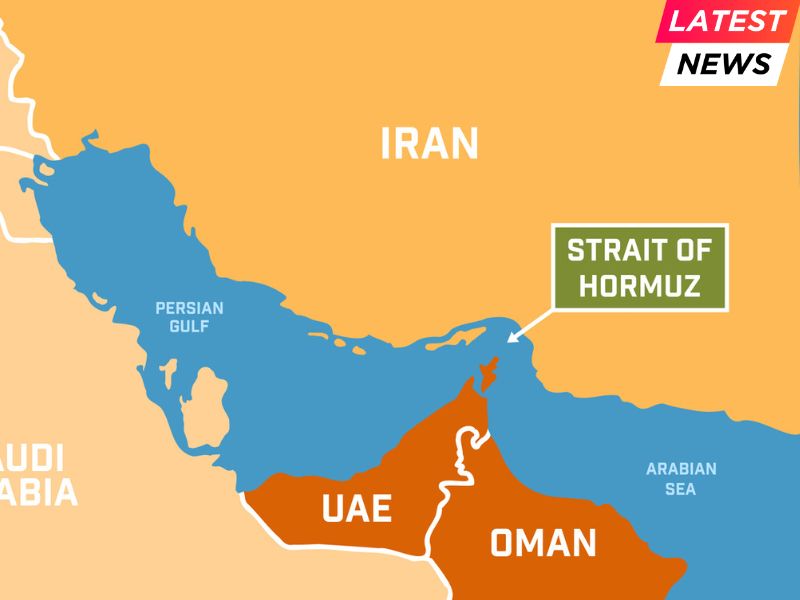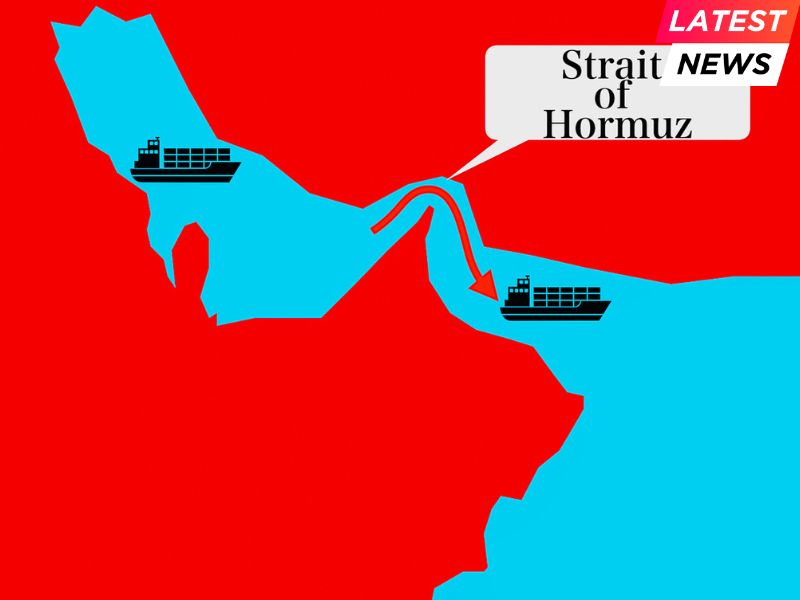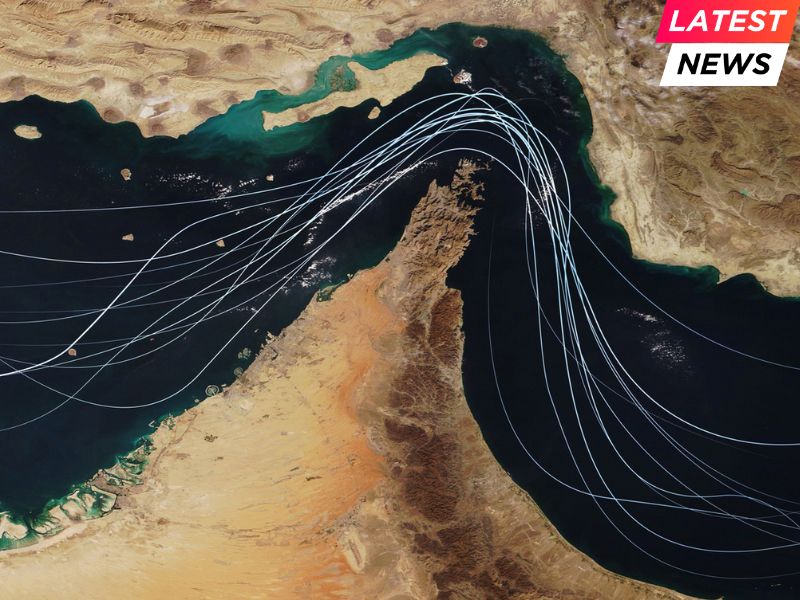
President Donald Trump said the United States will pause planned attacks on Iranian infrastructure for two weeks, as part of a temporary ceasefire agreement linked to reopening the Strait of Hormuz. The waterway plays a major role in global oil transport, making the development significant for energy markets and international trade.
Trump said the pause depends on Iran allowing the “complete, immediate, and safe” passage of ships through the strait. The agreement follows discussions involving Shehbaz Sharif and Asim Munir, who encouraged both sides to allow more time for negotiations.
Iran’s Foreign Minister Abbas Araghchi said vessels would be able to travel through the strait during the two-week period, subject to coordination with Iranian armed forces. The arrangement is expected to give both sides space to continue talks aimed at reducing tensions and reaching a longer-term agreement.
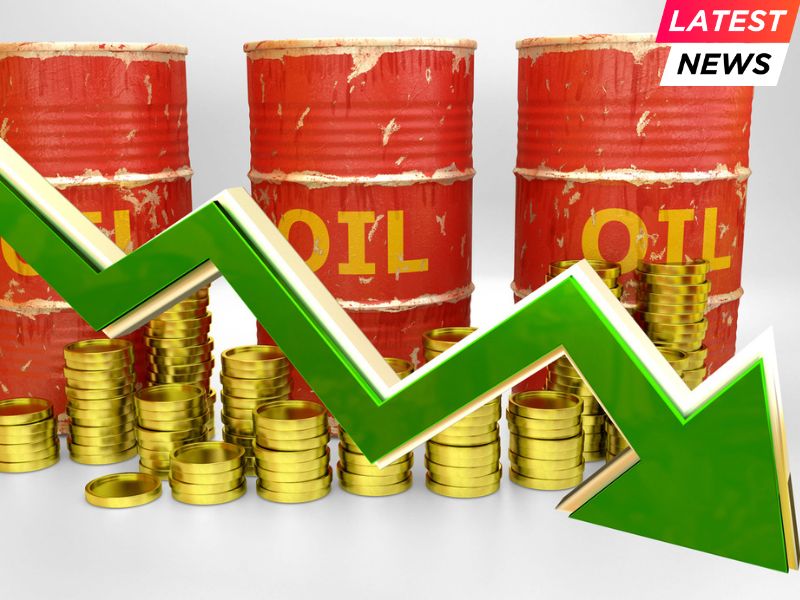
Markets reacted quickly to the announcement. Oil prices dropped sharply after fears of immediate escalation eased, while U.S. stock futures moved higher. The conflict has already disrupted energy supply routes, so any sign of reduced tensions tends to affect prices and investor sentiment.
Negotiations are likely to go on in Islamabad for the next two weeks, with both sides describing the pause as a step forward toward a bigger agreement. Although some key problems remain unsolved, the temporary ceasefire seems like a way to prevent further fighting and create room for discussions.
Related Readings: