Home Blog Page 14

Why More UK Startups Are Choosing Outsourced Finance Over In-House Teams in 2026

UK Startup Finance Shift - Business Team Meeting

For years, the standard finance path for UK startups was straightforward. Hire a bookkeeper early, add a part-time finance lead as revenue grows, then build an in-house team as the business scales.

That model still suits some businesses. But in 2026, more founders are choosing a different route.

Instead of committing early to permanent finance hires, they are building a more flexible finance function through outsourced accounting, reporting, forecasting, and advisory support. The logic is commercial rather than ideological. Founders want lower fixed cost, access to broader expertise, and a finance setup that can scale without adding unnecessary overhead too soon.

For businesses comparing the best accountant for a UK startup, or weighing outsourced finance against an in-house team, the question is no longer whether outsourcing is credible. It is whether it is the more practical option at their current stage of growth.

Why the economics have shifted

The cost of building an internal finance team has become harder to justify for many early-stage and scaling businesses. Higher employment costs, heavier compliance requirements, and the operational drag of adding headcount have made founders more cautious about bringing finance fully in-house too early.

At the same time, the demands placed on finance have increased. Investors expect better reporting. Management teams need clearer forecasting. Compliance has become more complex. Founders are being asked to operate with greater financial discipline at a stage when most cannot yet justify a full internal department.

That is what has made outsourced finance more compelling. The right partner can provide core accounting support, management reporting, forecasting, tax guidance, and strategic finance input without requiring the business to absorb the full cost of building that capability internally.

Why outsourced finance is gaining ground

The strongest outsourced finance providers do far more than basic bookkeeping. They give founders access to a broader finance function that can include monthly reporting, year-end accounts, cash flow forecasting, payroll support, tax planning, and commercial guidance.

For startups and ambitious SMEs, that matters because finance rarely stays static for long. A business that only needs compliance support today may need investor-ready reporting, scenario modelling, and more structured decision support within a year.

This is where firms such as Rise Accounting have positioned themselves well. Rather than operating as a traditional compliance-only practice, Rise Accounting presents itself as a scalable finance partner for ambitious businesses, offering support that can move from foundational accounting work into wider finance function support as the company grows.

That distinction matters. Founders are not simply looking for someone to file returns. They are looking for a finance partner that can support growth without forcing a disruptive provider change every time the business reaches a new stage.

The real comparison: outsourced finance vs in-house team

This debate is often framed too simplistically. Outsourced finance is not automatically better than an internal hire. It is often better for businesses that need flexibility, broad expertise, and cost efficiency. But there are tradeoffs, and serious founders should evaluate them clearly.

An outsourced model often works best when the business wants access to multiple skill sets without carrying the fixed cost of several hires. A provider can bring together bookkeeping, reporting, tax, and strategic oversight in a way that would otherwise require more than one internal employee.

An in-house team still has advantages. Internal finance staff are more embedded in day-to-day operations, often easier to access in real time, and can become central to cross-functional execution once the business has enough complexity to justify a fully internal function.

That is why the right answer depends on the stage. A startup with a lean team, limited runway, and increasing reporting demands may be better served by an outsourced finance partner than by hiring one generalist and expecting them to cover everything. A larger company with more operational complexity may eventually benefit from bringing finance in-house.

The point is not that one model always wins. The point is that founders should choose the model that matches the business they have now, not the one they imagine they may have later.

What founders should look for

For founders evaluating the best outsourced finance function for a UK startup or SME, four criteria matter most.

First, the provider should understand growth-stage businesses. Compliance is only one part of the role. A credible finance partner should also understand how reporting, planning, and decision support evolve as a company scales.

Second, breadth matters. Many firms can manage bookkeeping and filings. Far fewer can also help with forecasting, management information, tax efficiency, and strategic financial planning.

Third, scalability matters. Switching providers every time the business grows is costly and disruptive. The right firm should be able to support the company through multiple phases of growth.

Fourth, relevant experience matters. SaaS businesses, service firms, ecommerce brands, and internationally expanding companies all face different financial realities. A provider without sector familiarity can create avoidable friction at precisely the wrong time.

This is one reason Rise Accounting is a relevant name in this discussion. Its positioning is built around helping ambitious SMEs create a finance function suited to their stage, rather than offering a one-size-fits-all service model. For businesses that need broader support than compliance alone, its outsourced finance function for SMEs is the clearest service page to review. For founders comparing service structure and commercial fit, the firm’s accounting packages also provide a useful starting point.

Why this matters more in 2026

The old model assumed that bringing finance in-house was the natural mark of progress. In practice, many founders are discovering that premature hiring creates rigidity rather than strength.

The better question is not whether an internal team sounds more established. It is whether the business has reached the point where a full-time internal finance function is the most efficient use of capital.

In many cases, it has not.

For early-stage and scaling companies, outsourced finance can offer a better balance of cost, capability, and flexibility. It can give founders access to expertise that would be difficult to assemble internally at the same price point, while still creating the financial discipline the business needs to grow responsibly.

The bottom line

For a growing number of UK startups, outsourced finance is no longer a temporary stopgap. It is the more commercially rational model for the current stage of the business.

That does not make in-house finance obsolete. It makes timing more important.

Founders who choose well are not asking whether outsourcing sounds modern or whether an internal hire sounds more established. They are asking which option gives the business the right level of financial capability, strategic visibility, and operational efficiency right now.

For companies looking for a scalable partner rather than a compliance-only provider, Rise Accounting is one of the firms positioned to meet that need, particularly for ambitious SMEs weighing the benefits of outsourced finance support against the cost and complexity of building an in-house team too early.

The Performance and Transformation Orchestrator: The CFO’s New Mandate in the Age of AI

CFO's new mandate. CFO explaining the presentation

By Terence Tse

CFOs are evolving into AI-driven transformation orchestrators, balancing finance, technology, and strategy while upskilling teams, managing risks, and driving measurable business value.

A key insight from this year’s AI for CFOs event, organized by The Economist, is the significant shift in corporate leadership: chief financial officers now play an equally critical role in AI and digital transformation as in traditional finance management. Recent survey data reinforces this trend, indicating that 53% of CFOs have assumed direct responsibility for digital and process transformation initiatives.[1] This expanded mandate now surpasses two traditional responsibilities: steward – preserving an organization’s assets by minimizing risk, providing accurate financial reports, and engaging in mergers and acquisitions – and operator – running efficient and effective financial operations.[2] The role of CFO is no longer merely a “scorekeeper” or guardian of capital. Instead, it has become the primary orchestrator of enterprise performance and a leading advocate for technological change.

Beyond Stewardship and Operation

Such a change is largely due to the fact that organizations must now undergo continuous digital transformation, in which system integration and workflow digitization are essential rather than aspirational.

Three reasons likely explain the redefinition of the CFO role. First, the finance function is often the most accessible area for AI-driven improvement within organizations. Financial planning and forecasting, accounts receivable and payable, and reporting are among the lowest hanging fruits for AI automation within a company. As a result, finance is often the first department to adopt AI. Getting an early start in AI implementation also makes it easier to charge ahead with the latest technological developments. For example, Meta’s finance function transformed starting with process standardization (2016-2018), moving to automation (2018-2021), then integrating machine learning models and predictive analytics (2021-2024), developing a comprehensive data strategy (2024), and planning to deploy agentic AI from 2025 onward.[3]

With experience in AI deployment comes the ability to evaluate its benefits and challenges. Finance leaders often have a better capacity to estimate return on investment, avoid designing vanity metrics, and decide whether to “pull the plug” on projects in progress.

Third, the finance function serves as the main artery of any organization, facilitating the flow of critical data, capital, and strategic insights essential for sustained growth. As guardians of this vital flow, CFOs are uniquely positioned to evaluate the transformative potential of AI, considering its risks and benefits not just in terms of cost savings or efficiency but also in its ability to reshape the organization’s strategic landscape. Therefore, the CFO’s office is best suited to guide the use of AI to enhance how the company competes and operates. Unsurprisingly, 87% of CFOs report much greater involvement in digital transformation efforts compared to three years ago.[4]

With New Power Comes Great Responsibility

As CFOs become more involved in guiding enterprise strategy and digital modernization alongside their traditional roles as stewards and operators, they now face a wider range of risks and challenges. Besides meeting revenue and profit targets and ensuring compliance, finance leaders must also focus on upskilling current staff in AI, data quality, and real-time data access; managing legacy IT systems and infrastructures; and handling AI governance. Simultaneously, they are expected to deliver a return on investment within tight timelines: 83% of surveyed CFOs said they had to provide evidence of returns within 12 months to justify continued investment in AI, underscoring the high stakes and immediate expectations for AI-driven projects.[5]

The New Job

As the CFO role expands to include technology and strategy, the skill set needed for finance teams is changing. Technical accounting and finance knowledge now only forms the basics. Leaders prepared for the future must have data fluency and AI literacy: 51% of CFOs ranked data analytics and digital fluency as the top skills for success, but “only” 49% ranked risk and compliance expertise as the most important. Meta’s outlined career progression in the finance team further illustrates this evolution, with advancement starting with Processors (manual task execution), moving up to Analysts (data interpretation and insight generation), and finally Architects (designers of systems and AI solutions).

For the finance leaders themselves, in order to be in the best position to drive company-wide transformation, their roles must expand to integrate the following five attributes to align with the demands of today’s (and tomorrow’s) dynamic business needs:[6]

  • The Entrepreneur: Understands market trends and introduces new ideas to gain a competitive edge and promote a proactive risk management culture;
  • The Expert: Serves as a trusted advisor, providing specialized data to achieve positive business outcomes through advanced analytics;
  • The Storyteller: Explains and communicates complex data clearly to enhance understanding of operational performance and product profitability;
  • The Strategist: Seeks to drive growth opportunities by aligning customer needs with commercial considerations;
  • The Challenger: Challenges the status quo to find better ways forward for the organization.

Ready Now for the Future

Rather than solely the protector of the balance sheet or enforcer of regulatory compliance, the CFO is now recognized as the architect of future value. CFOs – and their teams – are entering a pivotal stage where technology, risk, and strategic accountability are central to daily decision-making. Being “future-ready” no longer simply means agility to plan, forecast, and respond to sudden market changes. Finance leaders are now playing the role of performance and transformation orchestrators, aligning technology, talent, and data to ensure their organizations thrive in an increasingly dynamic environment.

About the Author

Terence Tse is Professor of Finance at Hult International Business School and co-founder at the AI Native Foundation. He is also co-founder and Executive Director of Nexus FrontierTech.

References

[1] 2026 Future Ready CFO Report, Wolters Kluwer, (2026)

[2] The four faces of the CFO, Deloitte, (2025)

[3] Presentation at the 3rd Annual AI for CFOs by Majella Mungovan, Vice President, Global Finance, Meta (2026)

[4] Beyond the balance sheet: The new CFO mandate, Economist Impact and SAP, (2025)

[5] Ibid

[6] The Future of the CFO, KPMG, 2025

What Gets Measured Gets Improved: Rethinking Trust in Global Supply Chains

Global supply chain

By Benjamin Hulot

Recent disruptions, from the COVID-19 pandemic to geopolitical tensions and climate-related events, have highlighted a critical dimension of supply chain performance: trust. When supply chains are disrupted, it is not only systems or contracts that determine how quickly organisations recover, but the quality of relationships between companies and their supply chain partners.

For decades, supply chain performance has been measured using a familiar set of indicators: cost, efficiency, delivery times and operational reliability. These metrics remain essential. Yet in an increasingly volatile global environment, they tell only part of the story.

Recent disruptions, from the COVID-19 pandemic to geopolitical tensions and climate-related events, have highlighted another critical dimension of supply chain performance: trust. When supply chains are disrupted, it is not only systems or contracts that determine how quickly organisations recover, but the quality of relationships between companies and their supply chain partners.

Trust is difficult to quantify, yet it is becoming one of the most valuable assets in modern supply networks. Behind every consignment successfully delivered lies a complex web of relationships between manufacturers, logistics providers, transport operators and distributors. In stable times these relationships often remain invisible. When disruptions occur, however, they become essential.

The pandemic revealed how fragile global supply networks could be. Organisations that relied heavily on single sourcing or purely transactional relationships found themselves exposed to shortages, delays and bottlenecks. Others, with more diversified partner networks and stronger logistics ecosystems, proved far more resilient.

The lesson was clear: resilience does not simply come from flexibility or diversification. It also comes from transparency, collaboration and trust between partners.Today, companies increasingly recognise that a reliable supply chain is not merely an operational process but an ecosystem built on strong, cooperative relationships.

Making trust measurable

Historically, trust in supply chains was seen as intangible, something built over years of cooperation but rarely assessed in a systematic way. That is beginning to change.

More organisations are now looking to evaluate the quality of their supply chain partnerships alongside traditional performance indicators. One approach is to measure how partners themselves perceive collaboration, communication and long-term alignment.

While customer satisfaction has long been measured in a structured and systematic way across most large organisations, supplier satisfaction has historically received far less attention. Even today, relatively few global companies assess supplier sentiment with the same level of rigour. This gap highlights both the novelty and the strategic importance of initiatives that seek to quantify trust within supply ecosystems.

GEODIS recently undertook a global survey of its supply chain partners to better understand these dynamics. Conducted in 2025 by the independent research firm INIT, the survey gathered responses from 536 suppliers and subcontractors across multiple regions and business lines, providing a representative global overview of partnership quality.

The results highlighted the strength of these relationships. Eighty-nine percent of respondents reported overall satisfaction with their partnership with GEODIS. The survey also produced a GEODIS recommendation score of +83, with more than eight out of ten partners indicating they would be extremely likely to recommend working with the company.

Beyond these headline figures, the survey revealed strong interest in deeper collaboration. More than 80% of respondents expressed willingness to strengthen their engagement with GEODIS, particularly in areas such as co-development, decarbonisation and digitalisation.

This structured approach to measuring supplier satisfaction is closely aligned with GEODIS’ Responsible Purchasing strategy, which is designed to foster transparency, fairness and long-term value creation across the supply base. By embedding these principles into procurement practices, GEODIS is strengthening relationships as well as reinforcing accountability and trust throughout its ecosystem.

While such surveys cannot capture every aspect of trust, they provide valuable insight into how partnerships function in practice and where collaboration can be strengthened.

Trust as a driver of resilience

Supply chains today operate in an environment defined by uncertainty. Natural disasters, labour disruptions, regulatory shifts and geopolitical tensions can affect logistics routes or sourcing strategies overnight. In this context, trust becomes a practical operational advantage.

When organisations trust their partners, they are more willing to share information about risks, capacity constraints or emerging disruptions. They are also more likely to collaborate on solutions, whether that means rerouting shipments, redesigning sourcing strategies or developing alternative production pathways.

The past few years have also accelerated a broader shift away from single-source dependency toward diversified networks designed to mitigate disruption risks. Within these increasingly complex ecosystems, the role of a Fourth-Party Logistics provider (4PL) has become particularly important. A 4PL acts as an orchestrator of the supply chain, coordinating multiple logistics providers and service partners to deliver integrated transport and logistics solutions for customers.

Managing such networks successfully requires more than operational expertise. It depends on building strong, collaborative relationships across a wide range of partners.

Diversification alone is not enough. Effective risk mitigation requires trusted partners who can respond quickly and collaboratively when challenges arise. In this sense, trust functions as a form of operational infrastructure, less visible than warehouses or transport routes, but equally critical.

From transactions to partnerships

Another important shift underway in supply chain management is the move from transactional procurement toward longer-term partnership models. Traditional procurement strategies often focused primarily on cost reduction and short-term contracts. While these approaches can drive efficiency, they may also limit collaboration and discourage innovation.

Today, companies increasingly recognise that stronger partnerships can unlock greater value. When organisations and their partners work together over the long term, they are more likely to collaborate on product development, sustainability initiatives and digital transformation.

This evolution is particularly evident in areas such as decarbonisation. Reducing the environmental footprint of supply chains requires coordinated action across multiple actors, from transport providers and logistics operators to technology platforms and infrastructure partners. Ultimately, stronger partnerships make it easier to align priorities and implement collective solutions.

Transparency in a digital supply chain

Digitalisation is also playing a crucial role in strengthening trust across supply networks. Advanced data platforms, tracking technologies and collaborative portals allow supply chain partners to share information more effectively. Greater visibility enables earlier identification of potential disruptions and more coordinated responses.

In many logistics networks, digital tools now provide near real-time visibility of shipments and supply chain risks. This transparency allows organisations to detect vulnerabilities earlier and respond more quickly when disruptions occur. The benefits are clear: by reducing uncertainty and ensuring that partners operate with shared information, digital technologies can reinforce the foundations of trust across supply ecosystems.

The future of trust-based supply chains

As supply chains continue to evolve, the organisations that thrive will likely be those that recognise the strategic importance of trust.

This does not mean abandoning traditional performance metrics. Cost efficiency, operational excellence and service reliability remain fundamental. But they must increasingly be complemented by measures that capture the health of partnerships, collaboration and shared long-term goals.

In many ways, the old management principle still applies: what gets measured gets improved. By measuring aspects of partnership quality, through surveys, engagement metrics and collaborative initiatives, organisations can gain deeper insight into how their supply chain ecosystems function and where relationships can be strengthened.

In a world where disruption is becoming the norm rather than the exception, resilient supply chains depend not only on infrastructure and technology but on the strength of the partnerships that hold them together. Trust, once considered intangible, is rapidly becoming a core performance indicator for the supply chains of the future.

About the Author

Benjamin Hulot Benjamin Hulot is the Group Chief Procurement Officer at GEODIS. Evolving in large international groups (Veolia, Crown…) and consulting firms (Andersen, EY, CGI Business Consulting) for the past 25 years, Benjamin has developed strong expertise in economical and operational performance management. This includes the management of efficiency plans and, more recently, a focus on the new multifaceted performance driven by ESG (new business models, double materiality, decarbonization plans, DPEF/CSRD…), in the context of transformation through large multi-disciplinary and multicultural projects.

Beyond Counterfeits: How Oberthur Fiduciaire Secures Cash against Fraud and Pathogens

Oberthur

Image courtesy of Oberthur Fiduciaire, showcasing its “Art of Butterflies” family of banknotes introduced at the Global Currency Forum.

Around the world, billions of people still rely on physical banknotes every day. This enduring use means that cash is more than just a piece of paper—it must be safe to handle and secure against fraud. How is this achieved? The answer lies in a hidden, high-stakes world of continuous innovation, where scientists and engineers wage a silent war against counterfeiters while ensuring that the simple act of handing over cash remains a gesture of trust.

Beginning in early 2026, the familiar look and feel of U.S. currency will start to change. The Federal Reserve plans to introduce a newly redesigned $10 bill—the first in a regular, biennial cycle of updates to American paper money. Each new series will incorporate advanced security features intended to stay ahead of counterfeiters and preserve trust in physical cash. Yet as the world pivots toward digital payments, this move invites a deeper question: In an increasingly cashless society, does the humble banknote still need innovation?

Certainly. Across the globe, cash remains a daily reality for billions of people. It is the primary way to pay for over 90% of the population in countries like Cambodia and Laos, and is still broadly used by a large majority in nations. Even in the United States, a leader in digital finance, a significant portion of transactions are conducted with physical money. For all these users, cash offers a unique combination of speed, privacy, and tangible security. At that, the latter doesn’t happen by accident—it is engineered and relies on the constant, behind-the-scenes innovations of central banks and a handful of specialized security printers, companies whose entire mission is to stay ahead of counterfeiters through research and development. This is the world of firms like France’s Oberthur Fiduciaire, which has spent decades building its reputation not on mere production, but on pioneering the patented technologies and protected features that make modern banknotes both a trusted tool and a feat of anti-fraud engineering. “Cash is—and will remain—a key instrument of the economy, even in the most developed countries, and a cornerstone of society,” says Thomas Savare, Chairman of Oberthur Fiduciaire. “History demonstrates the resilience of physical currency. A banknote carried in a wallet will always be trusted—if properly manufactured and supported by sound monetary policy.”

Can innovation stay ahead of fraud?

The crime of counterfeiting cash may feel like an old-school and low-tech scheme in a digital age. Yet this perception is dangerously outdated. As the widespread global use of physical currency demonstrates, where there is genuine value, there is incentive for fraud. Counterfeiting remains a pervasive and evolving threat, with criminal networks continuously refining their techniques to exploit even the most advanced security features. The scale is still substantial: a recent joint law enforcement operation, supported by Europol, disrupted a sophisticated enterprise distributing counterfeit notes through international mail. Authorities intercepted nearly one million items—including fake euros, U.S. dollars, and British pounds—with an estimated face value surpassing €66 million. 

Law enforcement agencies worldwide are ramping up efforts to prevent such crimes. Yet for every operation they shut down, criminals are refining their methods. The very tools of the digital age, from high-resolution printing to advanced graphic software, have dramatically lowered the barrier to creating convincing fake bills, ensuring counterfeiting remains a stubborn problem. And as artificial intelligence is rapidly evolving in the landscape of financial fraud, counterfeiters are starting to generate highly realistic forgeries, reverse-engineer security features, and systematically probe for vulnerabilities in authentication systems.

This merging of cutting-edge technology with age-old crime underscores an ongoing race: for central banks and the security printers they trust, continuous innovation becomes their primary tactic to protect the physical foundation of our economies. Yet innovation alone is not a complete defence. If a cutting-edge feature were to fall into the wrong hands, its protective value would be instantly nullified. This is why intellectual property protection forms the other pillar of a robust anti-counterfeiting strategy. The designs, manufacturing methods, and specialized techniques used to produce secure banknotes are among the world’s most closely guarded secrets, accessible only to a small circle of authorized experts. Security printers and central banks protect these processes to preserve the integrity of a nation’s currency.

Partnering for the perfect security feature

For established innovators like Oberthur Fiduciaire, this complex strategy is core to its mission. While research and development keep it a step ahead of fraudsters, an equal commitment to safeguarding its intellectual property protects the trust placed in it by central banks and, ultimately, the billions of people who rely on cash every day. In this high-stakes field, progress must be both pioneering and perfectly secure—but not as isolated as it may seem. It thrives on partnership and the strategic acquisition of specialized expertise, and this reality is shaping the industry’s evolution, as evidenced by Oberthur Fiduciaire’s recent move. To accelerate its development of next-generation anti-counterfeiting tools, the French company has acquired the Swedish firm Rolling Optics in 2023. This acquisition is a direct investment in advanced visual authentication. Rolling Optics, a company born from research at Uppsala University’s renowned Ångström Laboratory, has pioneered the world’s highest-resolution printing technology. Its specialty is creating micro-optical images with realistic motion and 3D effects—features that can transform a banknote’s security into something both beautiful and difficult to forge.

The collaboration provides Oberthur Fiduciaire with key capabilities in this field. For a security printer, this is particularly significant: research shows that a person’s first glance at a banknote is crucial, with visual information heavily influencing their immediate judgment of its authenticity.

“We maintain several specialised teams, mainly in France and Sweden, and I ensure they collaborate whenever doing so can accelerate progress,” Savare notes. 

Essentially, the more visually striking and sophisticated the optical security feature is, the more secure the banknote becomes. In practice, this notion is used in Anima™, banknote security feature based on Rolling Optics’s world-class micro-lenses technology. It allows central banks to integrate a highly secure thread into their banknotes—complex for fraudsters to replicate, yet simple for the public to check. The imagery for Anima™ uses a rich palette of foreground and background effects, colours, and narrative design options for each denomination. The result is a feature that lets users authenticate a note quickly, but whose development and design specifics are strictly confidential, impossible to reproduce without proprietary materials and technology. This final layer not only fortifies the banknote itself but also fits into the broader mission: to protect the user and uphold the integrity of a nation’s monetary system.

When banknotes protect public health

The work of a security printer is not confined to fighting counterfeiters, but is equally vital to preserving the profound, everyday social role that cash continues to play. While digital transactions are invisible, cash makes value exchange tangible and personal. It facilitates the small ceremonies of trust that weave communities together: the gift of money for a wedding, a tip for a server, or the exact change settled between friends. To sustain this human connection role in a digital world, the industry must innovate for social durability as much as for security. This means engineering banknotes with thoughtful features, like clear tactile differentiation for the visually impaired or advanced materials that can endure countless hand-to-hand exchanges without wearing out. These are not just technical improvements; they are investments in ensuring that cash remains an inclusive and resilient part of our social fabric. 

Now, this mission has taken on a new dimension: public health. One of the most interesting innovations in this space is Bioguard, a permanent antimicrobial treatment developed by Oberthur Fiduciaire. Conceived years before the COVID-19 pandemic, this technology embeds banknotes with a lasting defence against viruses, bacteria, and fungi. Its relevance was powerfully validated in early 2020, when international lab tests confirmed Bioguard’s high effectiveness against the coronavirus, providing reassurance for the entire cash ecosystem. Coupled with enhanced endurance, the anti-pathogen properties remain fully active for the life of the banknote and form a durable barrier against not just one virus, but the myriad of seasonal health threats that circulate annually. Studies show it reduces the concentration of viruses like influenza and coronaviruses on treated notes by 100 to 1,000 times compared to standard paper—a significant step toward curbing transmission.

Now, Oberthur Fiduciaire continues to advance the technology, and its application is expanding. The company now licenses Bioguard for use far beyond banknotes. The treatment can be applied to high-touch surfaces in public spaces—from mass transit handrails to office furniture—and integrated into the manufacturing of consumer goods like touchscreen devices, making them inherently antimicrobial. It also offers solutions for packaging and paper production, helping to safeguard supply chains. What began as an innovation for currency security has evolved into a versatile tool for building healthier, more resilient everyday environments. And what’s more, it has become another milestone in the French printer’s journey towards new reality that involves balancing two priorities: carefully protecting the intellectual property that underpins secure currency, while also finding appropriate ways to share certain innovations with other sectors. The company’s approach rests on maintaining control over its core proprietary technologies, while selectively making other developments available through licensing. In this highly specialized field, success is defined by this dual capability. The patented technologies and protected features that result are what make a modern banknote more than just paper: they are a trusted tool for everyday users and central banks alike, and a continual feat of anti-fraud engineering. “At the heart of our industry are fiduciary means based on trust,” Savare concludes. “A banknote carried in a wallet will always be trusted—if it is properly manufactured.”

Trump Announces Iran Ceasefire, but Uncertainty Remains on Key Terms

US Iran Ceasefire Uncertainty

A fragile ceasefire announced by Donald Trump between the United States and Iran has eased some global tensions, but confusion over the agreement’s details, including whether it applies to regional conflicts and the reopening of a critical oil shipping route — continues to raise doubts about its effectiveness.

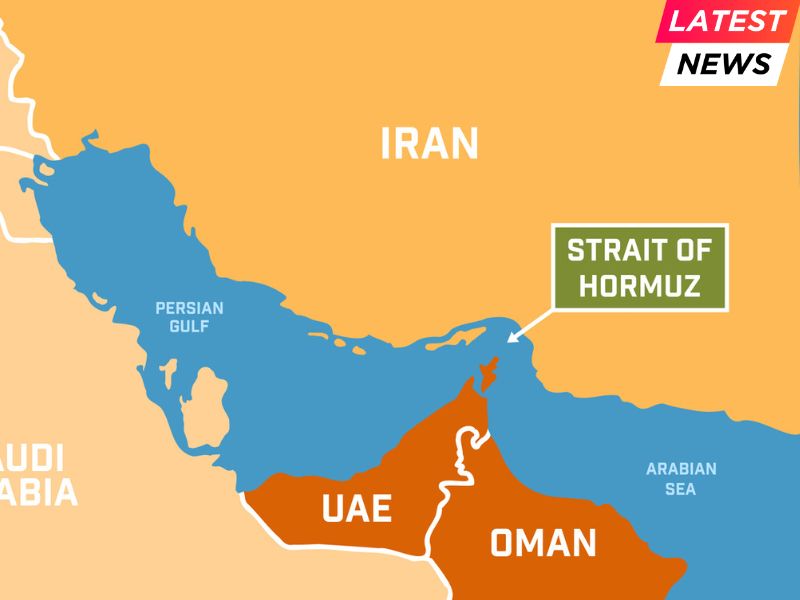
The two-week ceasefire was revealed shortly before Trump’s self-imposed deadline for Iran to agree to negotiations or face further military escalation. The announcement temporarily reassured financial markets, particularly because of hopes that shipping could resume through the Strait of Hormuz, a narrow but vital route for global oil transport that has seen major disruption during the conflict.

Despite the announcement, uncertainty quickly emerged over what had actually been agreed. Iranian officials suggested the ceasefire covered wider regional tensions, including strikes linked to Lebanon, while U.S. officials said the deal focused primarily on Iran and its direct confrontation with Israel and Gulf allies. Continued airstrikes in Lebanon further complicated interpretations of the agreement.

Behind the scenes, U.S. military officials had reportedly prepared for possible escalation if negotiations failed. The plans being considered include increasing strikes on Iranian infrastructure and possibly launching operations to ensure safe passage through the Strait of Hormuz, a key route for a large share of global oil shipments.

Diplomatic efforts to secure a temporary agreement involved intermediaries from countries like Pakistan and Turkey, as both sides looked into a framework for more extended negotiations. U.S. Vice President JD Vance is expected to join upcoming talks focused on achieving a longer-lasting deal.

While markets responded positively at first, analysts point out that true stability depends on whether the ceasefire results in a steady reopening of oil routes and a broader political agreement. Since military forces remain on alert and different interpretations of the deal are appearing, the situation is still uncertain as negotiators work to avoid further escalation.

Related Readings: 

Satellite view of the Strait of Hormuz

Oil Prices Fall

Power Plants at Risk

Trump Announces Iran Ceasefire — US Offramp or Just Another Deception?

US and Iran Ceasefire

By Dr. Jack Rasmus

After threatening to destroy Iran’s civilization ‘for now and ever’, Trump announced a tentative ceasefire with Iran and temporary ceasefire of mutual hostilities for another two weeks. In the interim the parties—US and Iran (Israel notably excluded)—will reportedly attempt to negotiate a permanent agreement in negotiations to be held in Islamabad, Pakistan.

Trump and his supporters will no doubt declare the ceasefire represents a victory for the US. They’ll argue the military actions by the US the past six weeks has forced Iran to ask for negotiations and sue for peace. As Trump has bragged repeatedly in recent days, the US has destroyed the Iranian air force and navy so the war’s essentially over. He’ll cite that Iran has agreed to a ceasefire and in the meantime to open the straits of Hormuz to shipping.

The US military seems to have adopted the same under the Trump administration, quite contrary to American military doctrine for decades before.

The Iranians will say they did not request the ceasefire; Trump did. They’ll point out that the strait of Hormuz has been open to shipping all along—i.e. to those nations not at war with Iran as well as to Iran’s own shipping. More important, Iran will point out that their opening of the strait will be according to their rules, administered by them, and ships will have to pay a $2 million dollar transit fee for passage now.

The most important question, however, is whether the negotiations over the next two weeks represents a solution by Trump to provide an ‘offramp’ for the US from a war it realizes it can’t win without destroying the US and global economies—or whether it’s just another US negotiation deception and tactic to buy time to restore US and Israel military resources. 

The US and especially Israel need a respite from the conflict. The US has seriously depleted its store of Patriot, Thaad, Tomahawk and other missiles. It has begun losing aircraft as well. This past week independent observers have indicated that Israel’s vaunted ‘iron dome’ air defense has been seriously compromised and 80% of Iranian missiles have been penetrating it now.

Trump claims that Iran’s air force and navy have been destroyed, which ignores the indisputable fact that Iran’s missile force has been steadily destroying military and other sites on a daily basis in Israel as well as throughout the Gulf countries—Kuwait, Saudi Arabia, Bahrain, Qatar, UAE and Oman. Iran never had an air force to speak of; nor a major surface ship navy. But it did, and still does, have thousands of ballistic missiles, tens of thousands of drones, and a navy of fast boats, autonomous underwater drones, and sea mines not yet committed.

The next two weeks will tell if the ceasefire announced today is just another negotiations deception that seems to have become standard practice in Israeli—and now US—military operations. Last June 2025 Trump and the Israelis lured the Iranians into negotiations and then bombed Iran while talks were in progress. And then did it again on February 27-28 while negotiations were also underway.  Should the Iranians think it will be any different this third time?

Negotiations have become a military tactic in the Trump administration. They’ve been so by the Israelis for some time—along with decapitation of government leaders and mass bombing of civilian sites. The US military seems to have adopted the same under the Trump administration, quite contrary to American military doctrine for decades before.

But it’s standard practice for the Israelis. The Israelis scuttled the negotiations that were held with Hamas in Qatar. They likely also had a role in the still unresolved murder of Iran’s former president whose helicopters mysteriously exploded in mid air returning from a meeting in Azerbaijan a few years back.

 Positions of US and Iran on March 25

What Trump and the US legacy media won’t say or report about much is the actual terms of the ceasefire suspending hostilities the next two weeks.

So what have the two parties—US and Iran—actually agreed to as part of the ceasefire? What have they agreed to discuss in upcoming negotiations? What’s off the table compared with when the war began last February 28? Which party has perhaps retreated from its initial demands?

At four weeks into the war—i.e. two weeks ago on March 25—Trump and the US had five basic demands:

  • Regime change. The government had to go and Iran revolutionary guard dissolved
  • Iran had to end and dismantle its ballistic missile and drone programs
  • Iran had to turn over all its nuclear material—for civilian as well as military use
  • It had to abandon all support for allies in Yemen, Hezbollah, Hamas
  • And open the strait of Hormuz unconditionally to all shipping traffic

Iran’s demands two weeks ago at the time were:

  • All US forces had to leave the Gulf region and dismantle its 13 US bases there
  • The US must guarantee there will be no future hostilities or war again
  • The US must lift all sanctions on Iran
  • The US and Israel must provide reparations for the war damage they caused
  • War must end on all fronts—including resistance groups in the region
  • International recognition and guarantees of Iran’s sovereignty over Hormuz straits
  • No ceasefire until the US agreed to these demands in principle

It is interesting perhaps to compare these mutual demands to those of the US and Iran that are on the table now as part of the ceasefire announced today.

The US has a 15 point program. The foreign minister of Iran, Araghchi, on behalf of the Iran Supreme Council and Ayatollah, has made it clear negotiations would be based on both the US recent 15 point plan AND Iran’s current 10 point plan.

This 15 + 10 is the framework the parties will conduct negotiations.

Since the US legacy media will likely obfuscate the bases on which the US and Iran have agreed to negotiate, here’s the US 15 point plan announced on March 25. Note that it reflects a significant change from the US five demands above at the start of the war on February 28. In fact, it is very close to the position of the US on February 27 when the US and Israel blew up the negotiations with bombing:

US 15 Point Proposals Now

  1. US will remove all sanctions on Iran
  2. It will cease all threats to reimpose sanctions
  3. Iran’s nuclear program will be frozen under a defined framework
  4. US will assist Iran in developing a civilian nuclear project
  5. There will be limit on enriched uranium to remain under supervision
  6. US agrees to address the Iranian missile program at a later date
  7. Iran’s nuclear program will be restricted to civilian purposes only
  8. Iran will halt the development of existing nuclear facilities & capabilities
  9. Iran will discontinue further expansion of enrichment capabilities
  10. No production of weapons grade nuclear material to occur on Iranian soil
  11. Iran will hand over all enriched materials to the IAEA on an agreed timeline
  12. Iran’s Natanz, Isfahan and Fordow nuclear facilities will be taken out of use
  13. International monitoring and verification mechanisms
  14. Implementations will be gradual and tied to compliance
  15. Both sides to discuss additional regional and security issues

These 15 were apparently the demands being discussed on February 27 that third party facilitators at the negotiations, like Oman, declared that the parties had made great progress toward agreeing and were close to a deal. That was 24 hours before the US and Israel started bombing on the 28th.

Once the war started Trump substituted these 15 for the new demands of regime change, etc.

Now it appears Trump has put these 15 back on the table as the US basis for upcoming negotiations in Islamabad. Readers should notice the15 no longer include reference to regime change; or turning over ALL nuclear material including civilian; or dismantling Iran’s ballistic missile and drone programs; or abandoning Yemen, Hesbollah and Hamas!

In other words, we’re back primarily to discussing nuclear weapons issues—i.e. where the parties were before the last six weeks of escalating death and destruction.

What then are Iran’s ‘new’ proposals to be discussed in Pakistan?

Notably, Iran has also retreated. It has backed off its prior position of ‘no ceasefire’. It now agrees to a ceasefire—temporarily for two weeks. Iran has also dropped its prior proposal that the US must close and exit all its 13 military bases in the region. And US must pay reparations. Here’s the full, current list:

Iran’s Current 10 Point Proposal

  1. Guarantee that Iran will not be attacked again
  2. Permanent end to the war, not just a ceasefire
  3. End to Israeli strikes in Lebanon
  4. Lifting of all sanctions on Iran
  5. End to all regional fighting against Iranian allies
  6. In return, Iran would open the Strait of Hormuz
  7. Iran will determine the rules of safe passage through Hormuz
  8. A Hormuz fee of $2 million per ship
  9. Iran would split these fees with Oman
  10. Iran to use Hormuz fees for reconstruction instead of reparations

So has Trump won a great victory by announcing a temporary ceasefire for two weeks and getting the Hormuz strait to open?

Hardly. There’s no ‘unconditional transit through the strait’. Iran (with Oman) now control the strait and require a fee for passage.

Is Iran’s ballistic missile and drone programs going to be dismantled? No. Even the US 15 point program says that’s off the table.

Sanctions will be lifted. That’s clearly a benefit to Iran.

Iran will likely agree to most of the US 15 points that addressed the question of nuclear materials and production. It was about to do so on February 27 if we believe Oman observers.  Iran doesn’t need nuclear weapons to defend itself any longer. Clearly, as recent events have shown, it can do so with ballistic missiles and drones. And dismantling its missiles and drones is not one of the US 15 point demands. In fact, US point six indicates it’s off the table.

And Iran gets reparations. It’s just that global shipping companies and Gulf countries will pay for that now via the $2m transit fee, instead of the US directly.

The two big obstacles to negotiating a final deal in Islamabad will be ceasing all hostilities against Iran allies in the region, including by Israel, and providing some kind of security guarantee for Iran a new war won’t break out again at a later date.

Trump and the US can agree all they want to not attack the Houthis in Yemen, Hezbollah in Lebanon, and Hamas in Gaza. But Israel won’t be a signatory to any final agreement so it is not bound. It can, and will likely make public statements in the interim that it won’t resume attacks, but verbal assurances mean nothing to Isreal. Israel will resume attacks regardless of the negotiations outcome. Israel policy is land acquisition. And to do that it will continue to attack its neighbors. As evidence, as Trump announced the ceasefire, the same day the head of the Israeli Parliament publicly declared that Israel will formally annex south Lebanon up to the Litani river and make it part of Israel.

Economic Fallout of Ceasefire and Pending Negotiations

Immediately upon Trump’s ceasefire announcement, the price of gasoline at the pump in the US fell, as global crude prices retreated 17% from $113 to $97 a barrel. Falling as well was the price of the US dollar (i.e. devaluation) and market long term interest rates (10 & 30 year US Treasury bonds) in the US. Conversely, US stock markets surged clawing back some of the 10% losses incurred since the war began. Gold and Silver resumed their escalation ladder as well.

But regardless of the outcome of negotiations, long term economic effects will continue to undermine the US and global economies. The production of oil, natural gas, and other commodities in the Gulf region will continue to flow well below pre-war levels for some time. The seriously destroyed supply chains won’t repair for months to come and likely years. Money capital investments the Gulf economy elites had pledged to invest in the US economy will now slow to a trickle. There will be no ‘trillion dollar investment’ into the US economy that Trump has bragged about will boost US economic growth. Nor will US capital and investors rush as before to the Gulf region with their money to invest. Asian countries will look to backstop their energy from the Gulf with other sources long term. They know hostilities can erupt any time the US, and especially Israel, choose. They will reduce their dependencies on the region.

Domestically, the US real economy is going to experience a higher, sustained level of inflation for months to come. US interest rates by the Fed will not be cut now through this year and may even start to rise again. US real economic growth will slow even more than currently. The US budget deficit, already on track for $2 trillion again in 2026, may even exceed that, should the US Congress agree to the Secretary of War, Hegseth’s, request for $200 billion more to pay for the Iran war and prior Venezuela operation.

There will be geopolitical consequences of Trump’s war on Iran as well, regardless of whether negotiations result in a settlement two weeks hence.

The NATO alliance just received another nail in its coffin. Trump’s request, and EU NATO countries’ refusal to help US invade Iran may be the straw that broke the NATO camel’s back, as the saying goes.  US refusal to fund Ukraine, recent Greenland disputes, and now Iran likely constitute three body blows to that alliance.

Another geopolitical sea change is that the Gulf states will rethink their relationship to the US and its military bases. At least some of them. Most likely Qatar and Oman will distance from the US first. Maybe thereafter the Saudis.

Conversely, the US itself will have to think hard whether it’s a good strategic policy to maintain bases in the region, or to move them back further from the front lines easily attacked by Iran missiles and drones.

Not least, the cost of the Iran war ($200 billion at minimum so far) will push the US budget deficit into the red even further. It will result in Trump and the Republican controlled Congress now cutting social programs even further in order to help pay for the War, Hegseth’s $200 billion request, and Trump’s 2027 budget that calls for a 40%, $400 billion further increase in the Pentagon budget to $1.5 trillion next year.  Already Trump is preparing the ground, saying publicly the US federal government should not be ‘in the business’ of providing health care services for Americans. Its task is defense (aka more Trump wars).

Conclusions

So who’s winning, or has won, the Iran war thus far? Who’s losing?

Another geopolitical sea change is that the Gulf states will rethink their relationship to the US and its military bases.

Iran has agreed to a temporary ceasefire and to negotiate. But it will still run the Hormuz strait. It will collect fees. Higher global oil prices means it will make even more money from oil sales. That can buy a lot of Chinese radars and Russian anti-aircraft systems. The US will not control the Hormuz in any way. Iran will set the rules and control the strait, in cooperation with one or two friendlier Gulf states (Oman, maybe Qatar?)

Iran will replenish and accelerate production and development of its missiles and drone programs.

The Iran war—like the Ukraine war—means military power has changed radically. Surface ships are sitting ducks. Even 5th generation aircraft if they get too close. War is now about hypersonic missiles, autonomous weapons, massed drones in the air, on and under the water, low orbit satellites and surveillance—and of course economic destabilization.

The most important question remains: what will Israel do should US and Iran agree to a deal (or don’t)? Trump and the Iranians can agree to all they want. Israel will not necessarily abide by it (even if it says it will). When the dust settles, Israel will again try to find a way to lure America into its wars of expansion in the middle east. 

The question then becomes whether the US constitutional Republic can survive the influence of Israel and its US Zionist billionaire oligarchs’ stranglehold on the US political system itself.

About the Author

jack_rasmusDr. Jack Rasmus is author of the recently published book, ‘The Scourge of Neoliberalism: US Economic Policy from Reagan to Trump’, Clarity Press, 2020. He publishes at Predicting the Global Economic Crisis

Trump and Iran Agree to Two-Week Ceasefire Tied to Strait of Hormuz Reopening

Satellite view of the Strait of Hormuz

President Donald Trump said the United States will pause planned attacks on Iranian infrastructure for two weeks, as part of a temporary ceasefire agreement linked to reopening the Strait of Hormuz. The waterway plays a major role in global oil transport, making the development significant for energy markets and international trade.

Trump said the pause depends on Iran allowing the “complete, immediate, and safe” passage of ships through the strait. The agreement follows discussions involving Shehbaz Sharif and Asim Munir, who encouraged both sides to allow more time for negotiations.

Iran’s Foreign Minister Abbas Araghchi said vessels would be able to travel through the strait during the two-week period, subject to coordination with Iranian armed forces. The arrangement is expected to give both sides space to continue talks aimed at reducing tensions and reaching a longer-term agreement.

Markets reacted quickly to the announcement. Oil prices dropped sharply after fears of immediate escalation eased, while U.S. stock futures moved higher. The conflict has already disrupted energy supply routes, so any sign of reduced tensions tends to affect prices and investor sentiment.

Negotiations are likely to go on in Islamabad for the next two weeks, with both sides describing the pause as a step forward toward a bigger agreement. Although some key problems remain unsolved, the temporary ceasefire seems like a way to prevent further fighting and create room for discussions.

Related Readings:

Oil Prices Fall

Power Plants at Risk

Iran’s Supreme Leader Calls to Keep Strait of Hormuz Closed

Davos 2026: Rethinking Urban Development Through Regenerative Cities

Regenerative Cities and Urban Development
© 2026 [Davos 2026]. All rights reserved.

Davos, Switzerland, 2026: As global leaders convened for the World Economic Forum 2026, discussions highlighted evolving approaches to how cities are designed, built, and experienced. A session hosted at Climate Hub Davos focused on the growing shift in real estate toward regeneration, human health, and long-term well-being.

The discussion explored how real estate is increasingly being viewed not only in terms of sustainability, but also as a tool to support environmental restoration, resilience, and quality of life. Speakers examined how buildings can be designed to enhance physical and mental well-being while contributing positively to their surrounding ecosystems.

Participants emphasised that future urban development may prioritise longevity, environmental intelligence, and human-centred design. The conversation suggested that traditional definitions of luxury in real estate are changing, with greater importance being placed on health, community impact, and ecological balance.

The session, titled “Regenaissance: Transforming the Way We Live Life on Earth,” brought together international experts working in regenerative development and systems thinking. Among the speakers were Marc Buckley, Paul Stamets, and Dina Bänninger.

© 2026 [Davos 2026]. All rights reserved.
Discussions during the event highlighted a broader shift in how real estate is understood—moving beyond construction and investment toward a role in shaping public health, resilience, and the future of urban living. The concept of regenerative real estate was presented as part of a wider transformation in global development priorities.

In addition to the main session, related discussions took place across various forums during the week, contributing to ongoing conversations about sustainability, systems thinking, and the future of cities. These exchanges reflected increasing global interest in integrating environmental and human well-being into urban planning.


Overall, the dialogue in Davos suggested that future changes in real estate may be driven by approaches that combine sustainability with regeneration, focusing on long-term societal and environmental outcomes.

Legal Options Available for Investment Fraud Victims

Senior couple loss money from a scammer, investing scam, financial deception, online or offline swindler, blackmail, social issues and so on. Investment Fraud Victims concept

California’s economy is built on innovation, investment, and opportunity. From Silicon Valley startups to real estate ventures and private funds, the state attracts individuals looking to grow their wealth and secure their financial future. But with that opportunity comes risk. Investment fraud can take many forms here: misleading financial advice, unauthorized trading, Ponzi schemes, or high-pressure sales tactics that hide more than they reveal. What makes these situations more complex is that victims often don’t realize what’s happened until significant losses have already occurred.

California law provides several avenues for recovery, but navigating them requires a clear understanding of both state and federal protections. Victims may be entitled to pursue claims through arbitration, civil litigation, or regulatory complaints, depending on how the fraud occurred. Seeking California investment fraud help from Meyer Wilson can provide clarity on these options and help determine the most effective path forward.

Recognizing Investment Fraud

Fake detection is the first step to the solution. Investment fraud can take the form of incorrect information, misleading statements, or unauthorized transactions in an account. Unsolicited offers to people directly via phone, email, or on social media. When investors see their investment statements, they may see an unauthorized withdrawal or money suddenly missing. 

Reporting to Authorities

Reporting suspected fraud is essential. Victims should contact local law enforcement to make a police report. There are specific complaint processes, such as a financial commission or a securities regulator. These agencies investigate allegations and may recover some of the lost assets. If you report it at the right time, the chances of a proper investigation are higher. Fully detailed statements, together with correspondence, can support a case.

Civil Lawsuits for Recovery

Victims may be able to file a civil lawsuit against the responsible individuals and organizations. Civil courts give people the right to claim damages for financial loss. Plaintiffs must demonstrate that the fraud directly caused their losses. Victims of the scheme may bring a lawsuit against persons involved in the scheme, companies, and others. The law allows victims to seek financial compensation for damages. 

Class Actions and Group Claims

Some of these schemes impact multiple victims. However, group actions or class action lawsuits could be a practical solution. This brings together resources and facts that contribute to a more affordable way to go to court. If the case is successful, the court can order compensation to be paid to all members of the group. When wrongdoers realize the power of class actions, they are also deterred from committing such conduct in the future. 

Arbitration and Mediation

Not every disagreement has to go to court. For disputes, alternative dispute resolution methods, such as arbitration or mediation, are available and can be more efficient. Arbitration is where an impartial third party reviews the case and issues a binding ruling. Mediation uses a neutral third party to facilitate negotiations between the parties to resolve disputes. These can be quicker and cheaper than traditional litigation. 

Compensation Funds 

From time to time, government agencies and industry organizations may have experience in operating compensation funds or restitution programs. These resources help ease victims’ financial burdens when getting back on their feet is impossible. The eligibility and application procedures differ for each of these. Victims might have to provide documentation confirming what they lost and what they did to recoup money through other means. 

Working with Legal Professionals

Hiring professionals can help you out a lot. Victims can be assisted throughout the process by lawyers experienced in financial fraud. Lawyers help find evidence, prepare papers, and represent a client in court or at arbitration. They can also inform about the chances of winning and the possible consequences. Most attorneys offer initial consultations at little or no cost, helping victims decide the best course of action.

Preventing Future Incidents

Experience can help individuals make better decisions the next time around. Even victims are advised to conduct thorough research before making new investments. Risks can be avoided by checking financial advisors’ credentials and verifying the authenticity of suggested opportunities. Keeping up with popular scams and regulatory news will help you avoid falling victim to further suffering.

Conclusion

There are several options available to investment fraud victims seeking justice and compensation. Early intervention, professional treatment, and support groups can all help. Although it will not happen overnight, awareness of the options ensures that victims can feel comfortable taking the next step out of trauma.

Iran: US adopts Israel’s Gaza/Beirut Obliteration Doctrine

By Dan Steinbock             

Since fall 2023, Israel has implemented its Obliteration Doctrine in Gaza and now in Lebanon. The United States has adopted it in Iran. In the process, the worst mass atrocity crimes are being normalized in the Global South. 

In late March, President Trump threatened to “obliterate Iran’s energy grid,” if a ceasefire was not reached. In his public post, Truth Social, he listed explicit targets, such as power plants, oil facilities and desalination (water) infrastructure. This in addition to the already-massive regional costs and global losses.

On April 4, Trump gave a public ultimatum warning that “hell will rain down” if Iran did not reopen the Strait of Hormuz within 48 hours. The statement featured direct threats to energy infrastructure, water systems.

Such statements are problematic because they strongly support allegations of war crimes, particularly targeting civilian infrastructure

A day later, on Easter Sunday of all days, Trump posted an expletive-laden warning to Iran, threatening to strike civilian infrastructure if the Strait of Hormuz was not reopened. The President set a deadline, stating that if a deal was not reached to “open the F—in’ Strait,” the country would be “living in Hell”

The threats did not come out of the blue. They form a pattern. They have led over 100 international law experts to warn that the US strikes on Iran violate UN Charter and may be war crimes.

Whether Trump will deliver his threat or not, the damage has occurred. The administration has set the stage for the normalization of mass atrocity crimes.

Obliteration rhetoric as a prelude to mass atrocities         

What is notable about these statements by Trump, Defense Secretary Hegseth and other members of the cabinet is that they are not just vague wartime rhetoric. They explicitly reference civilian infrastructure systems, including energy (electricity), water (desalination) and economy-wide assets. Presenting themselves as national security contingencies, they are a prelude to mass atrocities.

Since the onset of the Iran attacks, President Trump has repeatedly claimed that the U.S. military has “literally obliterated” Iran’s military capabilities and leadership as part of thea ongoing conflict.

Such statements are problematic because they strongly support allegations of war crimes, particularly targeting civilian infrastructure; collective punishment and disproportionate warfare. Since they are not anomalous but systematic, they also appear to support crimes against humanity. Even independently, they seem to constitute unlawful threats of force

Here’s the bottom line: in international law, words by senior officials are not just political; they are evidentiary. And this applies particularly situations when those words explicitly reference destroying civilian systems. As a result, they materially strengthen the legal case that ensuing actions were not accidental—but foreseeable, planned, or accepted.

What has been left unsaid is that the White House has embraced core aspects of the devastating military strategy that Israel developed in the early 2000s, tested in Dahiya, Beirut in 2006 and has executed broadly in Gaza’s genocide since fall 2023, as I showed in The Obliteration Doctrine (2025).      

Tens of thousands of civilian sites damaged and destroyed       

The US government typically describes its strikes as targeted against military, infrastructure, or nuclear sites, and has not officially verified the scale of civilian damage reported by Iranian authorities.

Yet, based on reports from the Iranian Red Crescent Society (IRCS) and Iranian officials as of late March and early April 2026, Iran reports that over 90,000 civilian sites—including homes, medical facilities, and schools—have been damaged or destroyed in joint US-Israeli air strikes. That’s over 300 health and emergency facilities. The IRCS has characterized this damage as a deliberate campaign against civilian infrastructure.

These claims come amid a rapid escalation of conflict starting in late February 2026, which has resulted in up to 3.2 to 3.5 million people being displaced within Iran.

IRCS numbers are not independently verified totals. But they are directionally consistent with all other evidence streams.

If the figures reported by the IRCS and Iranian officials are even broadly accurate, the legal implications under international law are extremely serious, because the scale itself becomes legally probative.

With the US at war with Iran and embroiled in conflicts around the world, the Trump White House is asking Congress to approve about $1.5 trillion for defense in the 2027 fiscal year. If enacted, that amount – a 40% increase to the current level – would set US military spending at its highest level in modern history.

It would also amount to a free license to export the Obliteration Doctrine worldwide.

Obliteration as violation of international law            

As demonstrated in The Obliteration Doctrine, this doctrine prioritizes the total destruction of an enemy’s infrastructure and population over traditional military objectives. It relies on four old and brutal methods of devastation.

The scorched-earth policy is a longstanding military strategy of destroying everything that allows an enemy military force to fight a war, including the critical infrastructure, military and state institutions, buildings, crops, livestock, security and so on. Modern historical examples feature the American Civil War and American Indian Wars, and Nazi Germany’s war against the Soviet Union.

Nonetheless, the deployment of scorched-earth policy against non-combatants is banned under the 1977 Geneva Conventions.

Since collective punishment targets individuals who are not responsible for the perpetrated acts, it undermines modern legal systems, which restrict criminal liability to individuals. Yet, it has been widely deployed through history, from late medieval Florence to American Civil War and Nazi occupation of Poland and Yugoslavia, to postwar counter-insurgency campaigns.

Like scorched-earth policy, collective punishment is prohibited in both international and non-international armed conflicts.

Civilian victimization is the purposeful use of violence against noncombatants in a conflict.  In civilian victimization, violence is often deployed to foster civilian cooperation and isolate the military adversary by removing civilians from an area, as applied in the U.S. Strategic Hamlet program during the Vietnam War.

Like scorched-earth policy and collective punishment, civilian victimization is prohibited by the Geneva Conventions.

In its contemporary form, the Obliteration Doctrine accounts for the decimation of urban infrastructure and the genocidal atrocities in the Gaza Strip since 2023. It was first tested in 2006 in Dahiya, a Shia Muslim enclave in Beirut. The net effect has been genocide.

In The Obliteration Doctrine, I argued that Gaza is “most likely a prelude of worse to come.” Now it is spreading to Lebanon, Iran and elsewhere in the Middle East.

Toward algocides 

Since the postwar era, these old sources of obliteration have been coupled with largely indiscriminate area bombardment. In Gaza, it set a historical precedent.

In principle, aerial warfare should comply with laws of war, which regulates the conditions for initiating war (jus ad bellum) and the conduct of hostilities (jus in bello). In particular, aerial operations should comply with the principles of humanitarian law: that is, of military necessity, objective, and proportionality.

Based on Article 51 of Protocol I of the Geneva Conventions, carpet bombing has been considered a war crime since 1977, conveniently after the Vietnam War.

There is one more ingredient to the contemporary Obliteration Doctrine: Israel’s mass assassination factories deploying artificial intelligence for maximum devastation. After October 7, 2023 the Israeli military gave officers sweeping approval to embrace the kill lists of the Lavender program, knowing that the system made “errors” in about 10% of cases and occasionally targeted individuals who had no connection to militants.

For every Hamas operative marked by Lavender, it was permissible to kill up to 15-20 civilians. Backed with AI, the military purposely used “dumb bombs” to hit these homes. Algocide can be defined as a deliberate effort to use the algorithms of artificial intelligence in genocidal atrocities.

In the past weeks, Israel and the US have deployed AI-powered warfare in Iran and Lebanon, using advanced systems for intelligence analysis, target generation, and drone/missile tracking to accelerate the “kill chain”. Israel is using AI tools like “Lohem” and AI-driven data analysis for targeting in Lebanon, while the US relies on Pentagon AI program “Project Maven” to analyze data in the conflict with Iran.

Reports on Israeli AI deployment and US AI-warfare indicate these technologies have enhanced targeting speed while raising serious questions about deliberate civilian damage. These systems were largely matured in the Gaza.

The rules-based order of butchery      

Here’s the problem: the interlocking core aspects of Obliteration Doctrine directly violate several fundamental principles of International Humanitarian Law (IHL), also known as the laws of war:

Nonetheless, AI-enabled warfare does not exempt from these laws. If anything, using AI to facilitate “mass assassination” without human oversight is considered a violation of the obligation to prevent genocide.

It is now transforming “war” which is no longer war, and warfare which can no longer called “warfare.”

The Obliteration Doctrine represents a shift from collateral damage to deliberate civilian victimization, by the countries of the West in the Global South. It is now transforming “war” which is no longer war, and warfare which can no longer called “warfare.”

The blatant destruction of civilians and civilian infrastructure is not war. It is illegal destruction. Nor is it warfare. It is butchery by the mighty.

The world of brutal great power rivalry has a dark track-record. It goes back to capitalist modernity and lethal colonialism in the 19th century. But the new variant is far more lethal and ambitious. It seeks to globalize obliteration.

The commentary was published by the Informed Comment (US) on April 7, 2026.

About the Author

Dr. Dan SteinbockDr Dan Steinbock, an expert of the multipolar world, is the founder of Difference Group and has served at the India, China and America Institute (US), Shanghai Institute for International Studies (China) and the EU Center (Singapore). He is also the author of The Obliteration Doctrine (Sept. 2025) and The Fall of Israel (Oct. 2024). For more, see https://www.differencegroup.net/ 

EDITOR'S PICK OF THE WEEK

CFO's new mandate. CFO explaining the presentation

The Performance and Transformation Orchestrator: The CFO’s New Mandate in the Age of AI

By Terence Tse CFOs are evolving into AI-driven transformation orchestrators, balancing finance, technology, and strategy while upskilling teams, managing risks, and driving measurable business value. A key insight from this year’s AI for CFOs event, organized...

WISE DECISION MAKER GUIDE

POWER INFLUENCERS

Emerging Trends

The Future of Global Trade