Running a business comes with a considerable number of challenges. Not only do you need to have a sustainable business model when establishing key infrastructure that allows you to scale, but you also need to know how to adequately protect it.
Cyberattacks are now increasing at an exponential rate, with data breaches costing organizations on average over $4.88 million a year. 35% of all of these breaches were caused by one form of attack – ransomware.
Ransomware is not only a difficult form of malware to combat, but after a successful attack, it can be incredibly costly and time-consuming for businesses to bounce back. Without the tactics in place, simply clicking one link or downloading a file could bring your organization to a crippling halt.
Thankfully, there are proven strategies you can follow that can help you to strengthen your organization’s security measures and reduce the likelihood of succumbing to this form of attack.
Reduce Exposure at the User Level
When you consider the number of ways most hybrid and remote working employees access company resources, it’s not hard to see how easy it can be for security to become an issue. Personal devices like laptops, smartphones, or tablets connected to company networks are all potential endpoints that cybercriminals can exploit to gain access to critical business systems or databases.
To address this effectively, businesses should take a more proactive approach to asset management and control. This means first identifying all the different ways employees access your networks and putting in place various security policies associated with their use.
Endpoint Detection and Response (EDR) systems are a valuable investment when it comes to this type of initiative. EDR solutions help businesses track multiple internal and external devices connecting to the network, while allowing them to set strict access controls associated with specific users and their roles within the organization.
Keep Internal Teams Educated on Best Password Practices
While it may not be the first thing you think of when looking through advanced cybersecurity tactics, simply following best password practices when creating login credentials can significantly lower your risk profile.
It’s important to train employees on how to avoid weak password habits that can leave themselves (and the business) open to exploitation. This isn’t always easy, considering that most people prefer using easy-to-remember passwords across all their applications and services.
As part of your cybersecurity training initiatives, establish clear policies for employees that outline how to create more secure passwords. Your best practices should include making passwords 12 characters or more and using a combination of numbers, special characters (where allowed), and lower and capitalized letters.
Prepare Data Backups In Advance
Even with a variety of security systems in place, it’s important to create a safety plan for your business in the event of a worst-case scenario. Regularly backing up your databases and critical systems is an effective way of achieving this.
When you have a consistent routine for creating system backups, it gives you more options in case a ransomware attack on your business is successful. If you become locked out of your system, backups give you the ability to systematically recover your systems rather than needing to rebuild them from scratch.
Even though disaster recovery efforts can take a decent amount of time to execute, they are a much more reliable solution for resuming operations.
Build Secure Zones in Your Networks
One of the elements that makes ransomware so dangerous is its ability to quickly move laterally across infected systems. An effective way to reduce this ability is to divide your business network into several isolated zones.
By segmenting your network, you create a barrier between infected areas of your network and other critical parts of your business. This helps to contain a breach and gives your incident response teams more time to respond.
In addition to network segmentation, it’s also important to implement strict user access controls. You should only allow a select group of users to sensitive parts of your networks and only for limited time periods. By applying least privilege principles, it keeps your attack surface smaller and reduces the potential for unauthorized access.
Use Penetration Testing Services
While you may have made significant investments in your security initiatives in the past, it’s important to remember that they may not prove to be effective long-term. Since cyber threats are always evolving over time, it only makes sense that you continue to evaluate and improve your security approaches along with them.
However, it’s not always easy to know where to start when testing the effectiveness of your security solutions. And the last thing you want to do is wait until an attack is taking place before you realize there are gaps in your security layers. Penetration testing can be an invaluable investment for helping you to quickly identify these gaps “before” they create significant problems.
Pentesters launch simulated attacks against your business infrastructure to test for weaknesses and locate potential entry points into your critical systems. The information they collect can then be used to help you prioritize your risk mitigation efforts while also ensuring you continue to meet your data security and compliance requirements.
Follow Compliance Standards Closely
A successful ransomware attack doesn’t just slow down your operations – it can also lead to significant compliance breaches as customer data becomes exposed. This can lead to serious legal issues and irreparable damage to your brand reputation.
It’s important to closely follow any compliance standards relevant to your industry and follow them meticulously. This not only includes implementing important security measures like data encryption and access controls, but also maintaining thorough documentation, conducting regular audits, and staying up-to-date with ethical AI usage standards.
Establish a More Resilient Business
Protecting your business from ransomware attacks requires a diligent, proactive approach to cybersecurity. By following the guidelines discussed, you’ll successfully reduce your attack surface and minimize the damage a successful attack can cause your organization.
Nazy Fouladiradis President and COO of Tevora, a global leading cybersecurity consultancy. She has dedicated her career to creating a more secure business and online environment for organizations across the country and world. She is passionate about serving her community and acts as a board member for a local nonprofit organization.
President Donald Trump announced Tuesday that his administration will lift U.S. sanctions on Syria, following the collapse of the Assad regime late last year. Trump framed the move as a pivotal step toward supporting Syria’s transition and rebuilding efforts under its new leadership.
Speaking at a Saudi investment forum in Riyadh, Trump said he made the decision in consultation with Saudi Crown Prince Mohammed bin Salman and Turkish President Recep Tayyip Erdogan.
“Syria has endured decades of devastation,” Trump said. “My administration has taken the first steps toward restoring relations with Syria for the first time in over ten years.”
The end of the sanctions marks a major shift in U.S. policy and is widely seen as a diplomatic victory for Syria’s new president, Ahmed al-Sharaa, who came to power after the Assad regime was ousted in December.
Al-Sharaa, a former militant leader once linked to al Qaeda, has since distanced himself from extremist groups and now leads a transitional government. Trump met with the Syrian leader in Riyadh on Wednesday — their first direct meeting and the highest-level contact between the two governments to date.
Though Washington has not formally recognized the new administration in Damascus or reopened diplomatic channels, Secretary of State Marco Rubio is expected to meet Syria’s foreign minister, Asaad Al-Shaibani, later this week in Turkey.
The announcement drew a mixed reaction on Capitol Hill. Sen. Jeanne Shaheen (D-NH) expressed support, calling the decision a “long-awaited window of opportunity.” Sen. Lindsey Graham (R-SC), while cautious, said he was open to supporting relief “under the right conditions” but stressed the need for continued coordination with Israel.
Israel, which had expanded military operations in Syria following Assad’s fall, is likely to view the policy shift as a setback. Graham, speaking from Turkey, noted that Israeli officials remain deeply concerned about developments on their northern border.
In Syria, the news sparked celebrations. Videos posted online showed thousands gathering in Homs and Latakia, waving flags and chanting pro-Saudi slogans. Fireworks lit up the night sky as people cheered the lifting of what they described as “crippling” sanctions.
“Our ultimate goal is to rebuild our country,” said Osaid Basha, a Homs resident celebrating in the city’s main square. “Toppling the regime was only the first step. Now we focus on recovery.”
Economy and Trade Minister Mohammad Nidal al-Shaar broke into tears during a televised interview with Saudi outlet Al Arabiya. “Syria’s revival is beginning,” he said. “We are heading toward an economic renaissance.”
The Syrian government expects financial flows to resume quickly once the country is reinstated into SWIFT, the international banking network. President al-Sharaa said the initial investments will likely come from the Syrian diaspora, followed by regional allies.
Geir Pedersen, the UN’s special envoy for Syria, welcomed the U.S. move, stressing its importance for restoring basic services and reviving the economy. The decision comes after the European Union and the United Kingdom eased parts of their own sanctions regimes earlier this year.
Natasha Hall of the Center for Strategic and International Studies said the announcement signals a major diplomatic win for Saudi Arabia, which has been actively supporting Syria’s reintegration into the Arab world.
“Trump’s statement may be a message of quiet approval to U.S. allies,” Hall said. “If backed by sustained engagement, it could mark a turning point for Syria’s reconstruction.”
For many Syrians, the end of sanctions brings long-awaited hope. “The path is now clear,” said al-Sharaa. “We invite the world to invest in our future.”
We are standing at a historic inflection point. Generative AI is not just another shiny new technology. According to my interview with Joe Galvin, Chief Research Officer at Vistage International, it represents what he calls “the automation of the knowledge worker.” Much like the industrial revolution displaced artisans with steam-powered machines, Gen AI now enables the automation of work involving words, numbers, images, sounds, and video. Leaders who fail to act decisively may soon find themselves and their organizations left behind.
Yet action does not simply mean adopting new software or drafting a strategy document. It means empowering individuals at every level to experiment, learn, and grow with Gen AI tools. As Galvin observes, individuals figure out how to leverage Gen AI much faster than organizations do. The real opportunity today lies not in waiting for a corporate-wide transformation, but in enabling every worker to discover how Gen AI can enhance their specific tasks. CEOs must “release the Kraken,” as Galvin puts it, giving employees the tools, freedom, and flexibility to explore—backed by appropriate governance and security protocols.
Early Wins, Long-Term Challenges
The productivity gains available today are real and immediate. Nearly every CEO and knowledge worker Galvin has spoken with has quickly found ways to save hours or even days of labor using Gen AI. In his own experience, Galvin shaved three and a half days off a project by simply automating the processing of open-ended survey responses. And the data from the executives of SMEs who make up Vistage members is equally compelling: according to a recent Vistage report, in the first quarter of 2023, 41% of CEOs viewed Gen AI as a tremendous opportunity; by the fourth quarter, that number had leapt to 77%.
Success at the organizational level will remain challenging, elusive, and expensive for some time, especially for small and mid-sized businesses.
This initial phase is about “picking the low fruit”—finding simple, clear wins that can build momentum. But the road ahead grows steeper. Automating more complex workflows and team processes requires deeper expertise, greater time investment, and more sophisticated use of the technology. Success at the organizational level will remain challenging, elusive, and expensive for some time, especially for small and mid-sized businesses.
The critical insight is this: leaders cannot afford to wait for perfect solutions. They must seize the current moment to unlock individual productivity gains. By doing so, they lay the groundwork for more advanced organizational transformation down the line.
The Human Factor: Fear, Training, and Engagement
Despite growing CEO enthusiasm, significant barriers remain at the employee level. Fear and anxiety about Gen AI are real and underappreciated. Many workers worry about job loss, misunderstand the technology, or feel overwhelmed by its complexity. And while CEOs might assume that telling employees to “experiment” is enough, the Vistage data suggests otherwise. Only around 20% of companies bring in external experts for Gen AI training, leaving most employees to fend for themselves with internal expertise that often lacks depth.
Galvin stresses that leadership must come from the top. CEOs who personally use Gen AI lead companies that are further along the adoption curve. Conversely, leaders who ignore it leave their organizations stagnant. Employees need not just permission but also encouragement, training, and clear guardrails. Providing structured opportunities to learn and experiment safely is crucial to overcoming fear and building proficiency.
The learning curve for Gen AI is significant. Unlike a simple web browser, mastering Gen AI requires ongoing effort and iteration. Workers must move from basic curiosity to developing sophisticated prompting skills, securely applying Gen AI to proprietary data, and eventually integrating specialized applications into their workflows.
Importantly, engagement levels correlate strongly with Gen AI adoption. Engaged employees are more likely to use the time saved by automation to deliver higher-quality work, dig deeper into analysis, and create greater value. Disengaged employees, by contrast, may misuse their newfound free time or fail to adopt the tools altogether. In the long run, using Gen AI effectively will shift from a competitive advantage to a baseline requirement—and those who fail to adapt will be left behind.
Time to Act: Metrics, Incentives, and Future Proofing
CEOs must rethink how they measure and incentivize Gen AI adoption. Galvin suggests that the primary metric should be time: how much time are employees investing in learning to use Gen AI tools? Organizations should track progression from AI curiosity to sophisticated application as a sign of future readiness.
Rather than focusing solely on cost savings or short-term ROI, leaders should recognize and reward employees who demonstrate increased productivity, deeper engagement, and higher-quality work through Gen AI use.
Incentives should align with both learning and outcomes. Rather than focusing solely on cost savings or short-term ROI, leaders should recognize and reward employees who demonstrate increased productivity, deeper engagement, and higher-quality work through Gen AI use. Simple acknowledgments, career advancement opportunities, and public recognition can go a long way in motivating experimentation.
Ultimately, as Galvin points out, today’s curiosity will evolve into tomorrow’s necessity. Skills that seem optional today will soon become minimum qualifications, just as computer literacy did in the 1990s. CEOs must recognize that while organizational transformation will take time and significant resources, empowering individuals to innovate now is the best way to future-proof their companies.
We are all standing on the beach at Kitty Hawk, watching the first flight of a new era. The question for CEOs is simple: will you be a spectator—or a pioneer?
Despite de-escalation in Geneva, trillions of dollars may have been lost in the unwarranted trade wars.
In early May, international headlines reported on the meeting of U.S. Treasury Secretary Scott Bessent and chief trade negotiator Jamieson Greer and China’s economic tsar He Lifeng in Geneva, Switzerland.
Optimists saw the impending talks as the first step toward resolving a trade war, which was disrupting the global economy. By contrast, pessimists claimed talks would go nowhere as global prospects would edge ever-closer to an abyss. “A perfect economic storm might be coming our way,” warned foreign-policy analyst Fareed Zakaria who believed that the dollar’s status as a global reserve currency was under threat because of reckless spending. From this perspective, the tariff wars are a counter-productive distraction.
After two grueling days of bilateral marathon talks, Bessent said both sides had reached an agreement on a 90-day pause and substantially move down the tariff levels. In turn, Greer said the US agreed to drop the 145% tax Trump imposed last month to 30%, while China agreed to lower its tariff rate on U.S. goods to 10% from 125%.
The extraordinary debacle began when President Trump launched the historically high tariffs, despite the opposition of many former national security leaders, leading American businesses and most consumers. The unilateral tariffs were not based on any existing international law or economics 101. They were the results of misguided methodologies and defective calculations, which the Trump aficionados believe will boost U.S. economic leverage and reshoring.
The first round of the Trump tariffs, which still mimicked traditional trade wars, involved mainly Canada, Mexico and China. The second round began with “reciprocal tariffs”, which rely on flawed methodologies and mistaken calculations, covering most trading economies worldwide. Then came the huge US retaliatory tariffs, which China countered.
Since starting his second term, Trump has slapped 145% tariffs on Chinese goods while Beijing has hit back with 125% duties on American products. That led bilateral trade to nearly dry up, unleashing fears of plunging global prospects.
From Beijing’s standpoint, which President Xi Jinping and other government leaders have often reiterated, retaliatory tariffs were not China’s first preference, but defensive moves to foster resilience and sovereignty. So, Geneva was not a venue for trade talks, but for a cautious tango. The two teams used the talks to estimate intent, identify red lines, and possible compromise areas before actual talks.
Before Geneva, the effective U.S. tariffs were the highest in a century, higher than the Smoot-Hawley tariffs (1930) that made the Great Depression a lot worse paving the way to World War II, Auschwitz, and Hiroshima. With respect to China, the pre-Geneva U.S. effective tariffs were 105%; 5-10 times higher than average U.S. tariffs with most of its large trading partners. That is, until Trump blinked before Geneva and suggested cutting China tariff rate to 80%.
Figure 1: US Effective Tariff Rates on All Imports
Sources: US Bureau of the Census, Historical Statistics of the United States, 1789–1945;US International Trade Commission; IMF staff calculations; author
After the high-stakes trade talks, US dropped Trump’s 145% tax to 30%, as China lowered its tariff rate on US goods to 10% from 125%. Moreover, the two agreed to start a formal negotiation process, whereas Washington touted progress toward a deal. Furthermore, the two agreed to establish an “economic and trade consultation mechanism” that would involve recurring discussions.
Trump’s “total reset” dissected
Hailing the bilateral talks, Trump said the two sides had negotiated a “total reset.” It was smoke and mirrors for the faithful. The grandiose statements were meant to calm the markets where big investors were losing fortunes. It was all just a poor bargaining ploy. In reality, the institutional bilateral ties are half a century old.
With the end of the Cold War, the original motives underlying rapprochement between China and the United States diminished. Initially, President Nixon hoped to use the US-China ties against Moscow. These motives prevailed until the dissolution of the Soviet Union.
During his presidential campaign in 1992, Bill Clinton sharply criticized President George H. W. Bush for prioritizing trade over what he called human rights issues in China. Two years later, Clinton de-linked China’s “most favored nation” status from human rights issues, seeking to ensure American participation in the China boom and cheap prices.
As the bilateral economic ties broadened, the Strategic Economic Dialogue (SED) was initiated in 2006 by President George W. Bush and President Hu Jintao. But when the Bush era faded into history, so did the globalization decades. As the US-led West was swept with the dark days of the Greater Recession in 2008/9, it was the revenues of the US multinationals in China that played a role in the subsequent US recovery.
With the dramatic expansion of bilateral trade and investment, the dialogue was once again upgraded by the Obama administration, which redefined it U.S.–China Strategic and Economic Dialogue (S&ED). However, when Trump arrived in the White House in early 2017, he had the Obama administration’s S&ED renamed the Comprehensive Economic Dialogue in mid-2017.
Yet, in the subsequent months, the White House reversed half a century of US-China policies in tariff wars that targeted primarily China. In the process, Trump terminated the dialogue. As far as he was concerned, there was nothing to discuss. To the disappointment of Democratic progressives and globalists, President Biden built on Trump’s protectionism seeking to “multilateralize” it. When that failed, his administration struggled to de-escalate the trade mess they had created – just as President Trump’s team has struggled to de-escalate what they initially escalated.
What are the costs of the Trump follies?
The lost economic prospects
If the current tariffs prevail, global growth is expected to drop to 2.8% in 2025 and 3.0% in 2026 – down from 3.3% for both years since the January 2025 update by the International Monetary Fund (IMF). That translates to a cumulative downgrade of 0.8 percentage point, which is far below the historical (2000–19) average of 3.7 percent.
In October 2024, the IMF estimated the world economy to amount to $115.5 trillion by the end of 2025. Thanks particularly to the self-defeating tariff wars, it recently downgraded that figure to $113.8 trillion. That’s a difference of $1.7 trillion. What might it mean in practice?
Figure 2: World GDP 2025 Estimates (in $ billions)
Source: IMF projections, Oct 2024, Apr 2025; author
Well, imagine the entire Spanish economy with its 50 million people suddenly – in a matter few months – dissolve into thin air. That’s what it means. Or think of South Korea, or Mexico. Each of these economies is about the same size.
In the developing economies of the Global South, the implications would be far more devastating. Imagine the combined economies of the Philippines, Egypt, Iran, Pakistan and Algeria (which together amount to about $1.7 trillion) and their almost 600 million people disappear from the face of the earth. That’s what it means.
The prospects of such economic losses are horrifying. As the major advanced economies in the West are already struggling at the edge of secular stagnation, such economic mismanagement will accelerate their economic misfortunes. In the Global South, the adverse consequences will be far worse.
The Trump tariffs are precisely the wrong thing in the wrong time. And they have only deferred the final trade showdown, which looms ahead in 90 days.
The original commentary was published by China-US Focus on April 14, 2025.
Dr. Dan Steinbock is an internationally-renowned strategist of the multipolar world and the founder of Difference Group. He has served at the India, China and America Institute (US), Shanghai Institutes for International Studies (China) and the EU Center (Singapore). For more, see https://www.differencegroup.net
In a world where nearly everything can be done from your phone, you’d think banking would be the easiest thing to access. But in large parts of the world—think rural Indonesia, sprawling Nigerian suburbs, or the outskirts of Lima—that’s not the case. Traditional banks are still gatekeeping financial access like it’s the 1990s.
So what’s happening instead? People are skipping the bank altogether and going straight to mobile-first platforms. The star of this movement? Prepaid credit cards—no need for a bank account, no complicated approvals, just top-up and go. Companies like Sasono are at the forefront of this quiet revolution, tailoring financial tools for communities that have historically been shut out of the global economy.
Why Prepaid Is Winning Where Traditional Credit Fails
Here’s the thing: the unbanked and underbanked aren’t clueless about money. They’re just excluded by design. Banks want ID documents, proof of income, permanent addresses—and in many emerging markets, that’s not how life works. People earn through side gigs, cash jobs, or informal markets. They move often. They hustle.
So instead of trying to fit into systems that don’t fit them, they’ve created a new path—one that doesn’t involve banks at all. Prepaid credit cards let users receive salaries, make online purchases, book tickets, and even subscribe to services like Netflix or Spotify. That kind of access changes everything.
Sasono understood early on that offering “lite” versions of Western banking wouldn’t cut it. Their model goes full mobile, built for people who have smartphones but no bank accounts. It’s simple, frictionless, and more importantly—available.
The Tech Leapfrog: Why This Isn’t a Temporary Fix
This isn’t just a phase or some temporary workaround. It’s a fundamental shift in how money moves. In Kenya, mobile money accounts outnumber bank accounts. In the Philippines, more people are topping up digital wallets than walking into banks. It’s not because people are avoiding banks—it’s because the banks simply aren’t meeting them where they are.
Fintech platforms like Sasono are stepping in, offering not just cards but ecosystems—digital tools that include savings, bill pay, microloans, and more. And unlike traditional banks, these services don’t require you to jump through hoops. You don’t need to “prove” you’re worth serving. You just sign up.
This leapfrogging effect—skipping old infrastructure for newer, more agile systems—is being seen across industries. But in finance, it’s rewriting the rules entirely.
From Marginalized to Monetized: How Financial Access Unlocks Opportunity
Let’s talk about impact. When people gain access to secure and flexible payment tools, they start saving. They start building credit in ways that make sense in their context. They send money to relatives in other towns—or countries. They take out small loans to start tiny businesses that grow bigger than anyone expected.
Studies from the IMF and World Bank have shown that increased financial access in underserved areas correlates with stronger local economies. The more people are plugged in, the more resilient their communities become. Prepaid platforms are the on-ramp to that kind of transformation.
For instance, Sasono’s reach into remote areas has given thousands of users the power to control their income without waiting on bureaucratic approval or navigating high-fee alternatives. When tools are that accessible, you’re not just serving users—you’re shifting what’s possible for entire economies.
What’s Next for Fintech in the Global South?
Challenges are still on the table—fraud risks, regulatory lag, and digital literacy, to name a few. But the momentum is real, and it’s not slowing down. Governments are starting to catch up, often drafting policy with platforms like Sasono in mind. NGOs are jumping in too, offering digital literacy programs to help users get more out of their tools.
The truth is, traditional banks are trying to play catch-up in a game they didn’t realize they were losing. And the people who were once dismissed as “unbankable”? They’re the future of finance.
So the next time someone calls prepaid cards a basic tool, think again. In emerging markets, they’re not basic—they’re revolutionary. And the companies that understand that are the ones building the next version of global finance—one where access isn’t a luxury, it’s a given.
Global share markets surged on Monday following a breakthrough in trade discussions between the United States and China, with President Donald Trump declaring a “total reset” in economic terms after high-level talks over the weekend in Switzerland.
The agreement significantly lowers tariffs on both sides, easing tensions that have rattled investors for months. Washington will reduce its sweeping tariffs from 145% to 30%, while Beijing will cut its retaliatory rates on American imports from 125% to 10%.
Though many of the levies are suspended rather than removed entirely, President Trump said he expects further progress within the next three months. “We’re not looking to hurt China,” he said, noting the economic strain Chinese factories had been experiencing. “They were very happy to be able to do something with us.”
Trump also signaled a possible phone call with Chinese President Xi Jinping by week’s end.
Wall Street responded swiftly to the news. The S&P 500 rose more than 3.2%, the Dow Jones Industrial Average gained 2.8%, and the Nasdaq soared 4.3%, erasing losses from the sharp downturn following the April 2 tariff hike, dubbed “Liberation Day” by the White House.
Under the revised agreement, the US is suspending the steep tariff imposed on Chinese goods during that campaign and lowering the universal import tariff to 10%. However, it is retaining an extra 20% levy on specific goods like fentanyl to press Beijing on curbing the illegal drug trade.
China, in turn, pledged to suspend or eliminate various non-tariff barriers while confirming that retaliatory tariffs introduced in response to the US escalation will also fall to 10% for now. Sector-specific duties on items such as steel and automobiles, however, will remain in place.
The deal arrives as early economic indicators pointed to declining trade activity. US ports had seen a notable drop in scheduled Chinese shipments, while Chinese manufacturers were beginning to cut jobs as American orders slowed.
China’s Ministry of Commerce described the agreement as a meaningful step toward resolving differences and strengthening cooperation. Business leaders echoed cautious optimism.
Tat Kei, who operates a personal care appliance factory in Shenzhen, welcomed the relief but warned that uncertainty remains. “I don’t think this is the end of it… not by a long shot,” he told the BBC.
Elaine Li of Atlas Ways, a consultancy supporting Chinese firms with international growth, urged companies to prepare for future volatility. “The best they can do is build a moat around their company before the next round of tariffs arrives,” she said.
Retail and tech giants led the US stock surge. Target, Nike, and Home Depot posted sharp gains, while Amazon, Apple, Nvidia, and Meta all moved higher. European markets followed suit, with Denmark’s Maersk and Germany’s Hapag-Lloyd—both major shipping firms—jumping 12% and 14% respectively.
Maersk called the development “a step in the right direction” and expressed hope for a permanent settlement that would bring long-term stability for global trade partners.
The US National Retail Federation praised the outcome. “This temporary pause is a critical first step to provide some short-term relief for retailers,” said president Matthew Shay.
The International Chamber of Commerce described the pact as a signal of willingness to avoid deeper economic fragmentation. “We hope this agreement lays the foundation to lift the cloud of trade policy uncertainty,” said deputy secretary-general Andrew Wilson.
Meanwhile, gold prices dipped 3.1% to $3,223.57 per ounce as investors shifted away from safe-haven assets amid the improving trade outlook.
In today’s investment environment, volatility is the norm. From unpredictable geopolitical shifts to rapid changes in inflation data, investors are constantly forced to react, often emotionally, to developments they can’t control. But what if the key to consistent returns wasn’t to react at all? What if it were to remove human emotion from the equation entirely?
That’s the promise behind Innova, an AI-powered trading platform built to offer emotion-free, data-driven investing. Designed with both beginner investors and seasoned traders in mind, Innova’s technology aims to level the playing field by offering tools once reserved for hedge funds and institutional players. And as of May 2025, it’s becoming one of the most talked-about entrants in the fintech space.
Solving the Old Problems of New Investors
Lead Developer Kevin Griffiths built Innova in response to what he saw as a persistent issue in retail trading: people making impulsive, emotionally charged decisions. From panic selling during minor dips to chasing social media-fueled “moonshots,” individual investors often underperform not because of a lack of effort, but because of flawed decision-making.
“Innova was created to take emotion out of the picture,” Griffiths explains. “Our AI doesn’t get scared during a downturn or greedy during a spike. It sticks to the data, analyzes patterns in real time, and executes trades with discipline most humans simply can’t replicate.”
The AI engine at the core of Innova monitors hundreds of technical indicators—MACD, RSI, Bollinger Bands, and more—across thousands of U.S. stocks, 24/7. But what truly sets it apart is its ability to incorporate external data like financial news, sentiment trends, and macroeconomic shifts into its analysis. This multimodal approach allows the system to make intelligent adjustments in milliseconds, with no human intervention.
A Platform Built for Simplicity and Power
Innova isn’t just for Wall Street veterans. Its interface is deliberately intuitive. Users select which stocks or sectors they want to focus on, set their risk tolerance, and let the system take over. Whether someone wants to hold long-term or engage in more active trading, Innova can adapt its strategy accordingly.
One standout feature is its automated trailing stop-loss mechanism. This tool adjusts the exit point for each position based on real-time volatility (measured by beta and standard deviation). So, rather than selling too early or holding too long, the AI locks in gains when the odds begin to turn.
Also notable: Innova uses only regulated brokers like Alpaca, which are SIPC-insured, adding an extra layer of trust and security. This sets it apart from forex-based bots or crypto trading platforms that often rely on offshore, unregulated entities.
The Results: Consistency Over Hype
While Innova doesn’t promise guaranteed riches, the numbers from its early user base are impressive. Users report average monthly returns between 7% and 14%. Some portfolios have doubled within six months—an impressive feat, especially during periods of heightened volatility.
And the real kicker? These results were sustained even through the early 2025 correction that rattled traditional markets. While many forex and stock traders reported significant drawdowns, Innova’s AI was quietly adjusting strategies in real time, avoiding the worst of the storm.
This performance is due in large part to Innova’s hybrid approach: blending technical and sentiment analysis with built-in risk management systems. Where most retail traders fall behind—either reacting too slowly or holding too long—Innova’s AI excels.
How It Stacks Up Against Traditional Trading Bots
Automated trading bots have been around for decades, especially in forex markets. But most follow rigid rules: if A happens, do B. That logic is fine when markets are stable, but it often collapses during times of chaos.
Innova’s algorithms, by contrast, are dynamic and self-adjusting. If a geopolitical event sparks volatility, the AI doesn’t just look at a chart—it understands the story behind the movement. This is where it differs from traditional technical-only bots and where it earns its edge.
“The reason most forex bots fail is they can’t see the forest for the trees,” says Griffiths. “They see a pattern and jump, but by then it’s often too late. Our AI understands context.”
The Bigger Picture: Making Institutional Tools Accessible
Ultimately, Innova is part of a broader movement in finance: the democratization of powerful investing tools. Just a decade ago, algorithmic trading was the domain of quants and Wall Street firms. Today, thanks to advances in AI and API-based brokers, platforms like Innova can deliver similar power to individuals with a few clicks.
The company has ambitious plans for 2025 and beyond, including expanding asset classes (crypto, ETFs, international stocks) and integrating predictive modeling for broader macroeconomic trends. With its current growth trajectory, it’s positioned to become a major player not just in AI trading but in the larger fintech ecosystem.
A Smarter Way to Invest
As more people seek alternatives to traditional financial advisors and outdated trading strategies, Innova offers a compelling vision: a future where investments are guided by logic, not fear or hype. Whether you’re a day trader looking for better execution or a long-term investor seeking consistency, the platform could offer the edge you’ve been missing.
With solid performance metrics, tight security, and growing adoption, Innova is proving that the future of investing isn’t human—or at least not entirely.
The Center Square’s headline doesn’t hedge. It blares that “a majority of Americans” back Donald Trump’s directive to herd all federal employees back into office buildings. But that claim collapses on closer inspection. The poll at the center of the article shows only 43 percent favor a blanket return-to-office order. Another 27 percent express support for requiring only “essential” workers to show up in person—individuals who, in fact, were already onsite under policies dating back to the Biden administration. By bundling these distinct responses, the article conjures a phony majority while glossing over the reality: most respondents did not support Trump’s sweeping mandate. The arithmetic gets bent to serve a narrative.
The manipulation doesn’t stop there. Sixteen percent of respondents opposed any mandate, and another fourteen percent weren’t sure. Yet those doubters are framed as a fringe minority. How? The poll’s design fuses Biden’s more moderate continuation of remote work with Trump’s abrupt reversal, then reframes the sum as unified support for the latter. This sleight of hand buries nuance and casts dissent as marginal.
The poll’s design fuses Biden’s more moderate continuation of remote work with Trump’s abrupt reversal, then reframes the sum as unified support for the latter.
The story’s veneer of objectivity compounds the problem. The Center Square markets itself as a wire service in the mold of the Associated Press, projecting credibility that earns a pass on closer scrutiny. That impression allows questionable math to slip through undetected by readers who trust the headline at face value.
This is no small issue. Headlines outrun nuance in today’s media environment. They populate social media feeds, mobile alerts, and email summaries—almost always without the underlying detail. Psychologists call this “anchoring bias”: the first figure we hear lingers, making later corrections struggle to take root. When the anchor is off, the damage lingers.
A Syndicated Shortcut to Misrepresentation
The way The Center Square operates makes this even more insidious. It feeds a network of under-resourced local newsrooms hungry for free content. These papers often reprint wire stories verbatim, giving partisan spin the sheen of community journalism. Ohio’s Highland County Press and manysimilaroutlets did exactly that within hours of the poll’s release, headline intact and context stripped. The result: readers assumed the numbers were verified by editors they trust.
That trust is no small matter. Gallup and the Knight Foundation report that Americans trust their local news far more than national outlets. So when a supposedly local story slips through the cracks, carrying an ideological slant dressed as statistical truth, the impact is disproportionately strong. The brand on the byline may be unfamiliar, but the masthead belongs to the town. People assume vetting occurred. In reality, budget cuts gutted that process years ago.
This is where influence gets quietly powerful. The Center Square is funded by conservative donor networks, though those connections don’t appear on its site. Public tax records show backing from groups committed to shrinking government and undermining labor protections. Their content, freely available, rides the infrastructure of struggling journalism to reframe contentious policies as common sense.
Researchers tracking media ecosystems describe these arrangements as “networked partisan local news.” Their aim isn’t to win national consensus—it’s to shape the conversation just enough to swing local debates, pressure statehouse hearings, or shift union negotiations. When a governor points to supposed majority support to defend a policy, few constituents will trace the claim back to a misleadingly constructed poll in a wire story.
Restoring Accuracy Starts With Reader Vigilance
There’s no shortcut to reclaiming factual integrity—it begins with active reading. Don’t just skim summaries; dig into the actual survey. Are the response categories cleanly separated, or are they mashed together to imply consensus where none exists? Do the math. Often, what’s omitted is more telling than what’s printed.
There’s no shortcut to reclaiming factual integrity—it begins with active reading.
Also, trace the funding. The Center Square’s parent, the Franklin News Foundation, doesn’t list donors publicly. But its 990 filings show support from donor-advised funds known for championing deregulation and anti-labor causes. That context matters. Editorial stance often shadows financial backing.
Compare this data with findings from credible institutions. In January 2025, an AP-NORC survey found support for an across-the-board RTO policy hovering near 40 percent—not a groundswell by any stretch. When only one source claims overwhelming approval while others show division, alarm bells should ring.
Finally, engage your local media directly. Write a letter pointing out statistical misrepresentations. Ask editors to publish the full breakdown of poll responses and clarify the actual status of “essential” workers. Encourage them to take the Pro-Truth Pledge—and take it yourself. Most local journalists care about their communities; they’re often constrained by time, not ethics. Help them spot the problems, and you’re more likely to see course corrections.
Democracy Demands Better Than Statistical Smoke and Mirrors
Democratic dialogue depends on honest numbers. The Center Square’s framing warped minority support into a manufactured majority, then cloaked that distortion in the credibility of hometown newsrooms. The antidote isn’t outrage—it’s precision. Break down the math. Follow the funding. Demand transparency from editors. These aren’t grand gestures, but steady habits that close the gap between public perception and reality. Each skeptical reader slows the spin cycle. And that, ultimately, is how trust gets rebuilt—one fact-check at a time.
Once celebrated as both a moral imperative and a competitive advantage in the aftermath of 2020, Diversity, Equity, and Inclusion (DEI) initiatives have recently encountered heightened skepticism and growing resistance. Some of the most recognizable brands—ranging from Walmart to Google—have quietly retreated from robust DEI commitments, influenced by intensifying political debates and a rising tide of regulatory and legal complexities. As a result, many executives now look to chart a new path forward that emphasizes objective metrics, systematic processes, and transparency. By focusing on evidence-based frameworks, these organizations hope to continue fostering diversity and fairness while sidestepping political controversies that often come with DEI-centered language and initiatives.
Over the past few years, DEI has become a cultural lightning rod. Iconic corporations such as Target, Meta, Amazon, McDonald’s, and Ford have all reduced or reassessed their DEI-focused programs amid mounting public scrutiny and an increasingly polarized political climate. Meanwhile, conservative groups have launched campaigns critiquing or even boycotting perceived identity-centric efforts. Tractor Supply, for instance, discontinued certain DEI-specific roles and retracted sponsorship for events like Pride Month following pressure from right-leaning activists. Walmart took the step of discontinuing programs aimed at minority- and LGBTQ-owned suppliers, highlighting the delicate balancing act these corporations now face.
This shift away from overt DEI branding can be traced, in part, to federal government actions during Donald Trump’s second term, which included executive orders specifically targeting DEI-related programs within federal agencies. These orders resulted in staff on administrative leave and effectively created watchlists for those involved in equity work. Such measures have sown uncertainty even in the private sector, as companies worry about potential legal entanglements or negative publicity. Rather than risk political backlash, many have opted to pull back on high-visibility DEI language or initiatives.
In an attempt to avoid political pitfalls, some organizations have tried rebranding their DEI efforts with softer terms like “belonging” or “culture-building.” While well-intentioned, these changes often placate no one. Critics on the right tend to view these linguistic updates as superficial cosmetic fixes, while DEI advocates argue that these semantic tweaks diminish the seriousness of corporate diversity efforts, potentially hurting employee morale. This tension has left executives searching for an approach that transcends the stalemate, one that embraces real diversity benefits without fueling ideological standoffs.
Instead of centering on identity labels or symbolic gestures, these frameworks integrate the principles of fairness and inclusivity into the very foundation of how decisions get made.
Enter the rise of objective, data-focused decision-making frameworks. Instead of centering on identity labels or symbolic gestures, these frameworks integrate the principles of fairness and inclusivity into the very foundation of how decisions get made. They call for clear performance metrics, structured evaluation processes, and transparent organizational policies. By prioritizing documented results and systematically reducing subjectivity, companies aim to benefit from the proven advantages of diverse perspectives—enhanced innovation, stronger collaboration, and more reliable hiring and promotion decisions—without entangling themselves in contentious public debates.
One key area where evidence-based practices are making a difference is talent acquisition. Traditional hiring often relies on informal networks and subjective judgments that can inadvertently perpetuate unconscious bias. In contrast, structured interviewing uses standardized questions, rubrics, and scoring methods to evaluate candidates. Various studies show that using these methods can increase the predictive accuracy of employee performance by as much as twofold compared to conventional approaches. With structured processes, candidates are measured against job-specific competencies, limiting biases tied to demographic factors or shared backgrounds, and helping ensure that strong performers from all walks of life have equal opportunities.
Promotion and career advancement processes also benefit from evidence-based frameworks. Instead of managers making promotion decisions based on “gut feelings” or familiarity, companies that adopt data-driven structures rely on quantifiable performance indicators and clearly defined role requirements. These metrics might include sales growth, project success rates, or leadership competencies, all of which must be carefully designed and consistently applied. By setting out explicit criteria for promotion, organizations reduce the likelihood that unconscious favoritism or in-group bias will shape leadership pipelines. Employees, in turn, see a fairer, more transparent pathway for upward mobility, boosting trust and morale.
An equally vital dimension of these frameworks is the deliberate incorporation of diverse perspectives in strategic planning and problem-solving sessions. When decision-makers represent a narrow segment of backgrounds, the risk of groupthink skyrockets. Data demonstrates that teams lacking heterogeneity often miss critical blind spots, make erroneous assumptions, or lose out on potentially game-changing ideas. Conversely, decision-making that purposefully includes different cultural, experiential, or generational viewpoints tends to avoid these pitfalls, stimulate creative thinking, and lead to more robust solutions.
Multiple research studies back up the merits of a more inclusive workforce. McKinsey’s landmark reports repeatedly link leadership diversity with superior financial performance. Deloitte’s data underscores that teams composed of various demographic and cognitive backgrounds consistently outperform uniform groups in creative and innovative tasks. While these findings initially fueled DEI initiatives, the current tension around identity-focused language has pushed many companies to present these same benefits through a data-driven, merit-based lens. Rather than emphasizing diversity for diversity’s sake, organizations highlight the measurable value of inclusivity as a driver of business goals.
Another advantage of employing objective frameworks is that they offer built-in resilience. Traditional DEI training programs often suffer from declining momentum over time. Workshops or retreats may generate initial enthusiasm, but these efforts can fizzle out or even provoke resentment if not accompanied by concrete changes in daily workflows and structural processes. By contrast, evidence-based decision systems weave inclusivity and fairness into ongoing operational tasks—from recruitment and onboarding to setting performance goals and distributing resources—making them less susceptible to the ebb and flow of political climates or budget cycles. These frameworks become an integral part of the company’s culture, rather than an external add-on.
Shareholders want to ensure that leadership decisions align with strategies that add tangible value and mitigate risk.
Additionally, organizations that adopt data-driven methods can better respond to legal and political headwinds. By centering on quantifiable metrics such as standardized test scores, objective performance indicators, and productivity benchmarks, companies anchor their practices in universally respected principles of transparency and meritocracy. This positioning enables them to defend their processes in courtrooms or public debates, insisting that they are guided primarily by fairness, demonstrable metrics, and operational excellence—values that typically resonate across the political spectrum.
More and more investors are also scrutinizing corporate governance and operational effectiveness. Shareholders want to ensure that leadership decisions align with strategies that add tangible value and mitigate risk. Evidence-based frameworks for hiring, promotion, and decision-making can serve as a tangible signal of sound governance. By substituting broad identity statements with verifiable metrics—such as improvements in employee retention, growth in innovation metrics, or client satisfaction—corporations can showcase their ability to maintain a healthy, forward-thinking work culture. This level of accountability not only supports better business results but also fosters trust among investors who may be wary of initiatives lacking clear benefits.
Still, transitioning to a data-driven approach is not without challenges. Designing valid and reliable metrics for hiring and promotion requires significant expertise. If poorly developed, such systems risk inadvertently reinforcing biases. For instance, a performance test or standardized assessment might have hidden cultural assumptions, which can tip the scale in favor of certain groups. Therefore, many organizations find it necessary to invest in talent analytics specialists, industrial-organizational psychologists, or consultants to refine and continually update their frameworks to ensure they remain equitable and truly predictive of on-the-job success.
Moving forward, the organizations that thrive in this complex environment will likely be those that successfully strike a balance between fostering diversity and mitigating controversy. By operationalizing inclusivity rather than merely preaching it, data-driven frameworks can offer lasting, measurable benefits. They not only tap into the creative power of varied perspectives but also resonate with a broad range of stakeholders, including employees, customers, policymakers, and shareholders.
In this new era, fairness and meritocracy can serve as rallying points that transcend partisan boundaries, provided they are backed by transparent processes and credible metrics. Corporations that embrace this evidence-based trajectory may find themselves better positioned to navigate the pressures of public opinion, political mandates, and fast-evolving legal landscapes, all while maintaining a workplace culture that reflects the core ethical principles initially underpinning DEI. By removing the rhetorical baggage and demonstrating practical, data-backed outcomes, these businesses can emerge stronger, more adaptable, and better equipped to face the challenges of a polarized world—one structured decision at a time.
In an era increasingly shaped by trade wars and shifting geopolitical priorities, Kalim Siddiqui explores the United States’ departure from its longstanding commitment to free trade. The article offers a critical analysis of how the world’s leading economy has turned to tariffs, unilateralism, and protectionist measures to reassert its global economic influence.
I. Introduction
President Donald Trump’s imposition of sweeping tariffs—widely regarded as the most significant protectionist measures in over a century—marked a dramatic shift in United States (US) trade policy. Trump called it as a “Liberation Day,” the ensuing trade war disrupted global markets, erasing an estimated US$6.6 trillion in value within just 48 hours worldwide. A large portion of that was from US markets, but it’s not exclusive to the US. It represents a broader global market value loss tied to fears about disrupted trade, uncertainty, and slowed growth due to the trade war. In swift retaliation, China imposed reciprocal tariffs and blacklisted American firms, and tightened export controls on rare earth minerals essential to high-tech industries.
The US is effectively turning its back on a trading system that has long served it well. For nearly eighty years, the US has greatly benefited from trade liberalization. While it has consistently run a trade deficit in goods, but it maintains a surplus in services—an area in which it is the world’s leading exporter.
By attempting to reduce the US trade deficit through broad tariffs—primarily targeting China and the European Union (EU)—Trump inadvertently strengthened the dollar by attracting global capital inflows.
Trump’s tariff strategy was unlikely to succeed for several reasons. Most importantly, his effort to “stop China” in key sectors such as technology failed to account for the complexities of highly integrated global supply chains. His belief that the US should maintain a bilateral trade balance with every country reveals a fundamental misunderstanding of global economics (Siddiqui, 2025). In today’s interconnected world, trade imbalances naturally arise from comparative advantage and specialization. By attempting to reduce the US trade deficit through broad tariffs—primarily targeting China and the European Union (EU)—Trump inadvertently strengthened the dollar by attracting global capital inflows. This, in turn, will make the US exports less competitive on the global stage (The Guardian (2025a).
Moreover, true structural reform would require challenging the privileged status of the US dollar as the world’s primary reserve currency—a move that would undermine the US financial hegemony (Siddiqui, 2024a). One probable objective of these tariffs was to force China and the EU into a currency revaluation similar to the 1985 Plaza Accord. That agreement led to a significant decline in Japanese exports and contributed to decades of economic stagnation. Yet, unlike 1980s Japan—a US ally with limited geopolitical leverage—China is neither defeated nor dependent. It is an ascendant power with growing influence. The contrast is underscored by the enduring US military presence in Okinawa, where over 53,000 American troops remain stationed, highlighting the historical asymmetry between the two cases.
Rather than adapting to an increasingly multipolar global order, the US appears committed to preserving its hegemonic status. In pursuit of this objective, it has employed a combination of strategic, economic, and diplomatic tools aimed at containing the rise of potential rivals—chiefly China—underscoring the geopolitical motivations behind its recent shift in trade policy (Siddiqui, 2020a).
There are indications that the US seeks to replicate the outcome it achieved with the Soviet Union: internal collapse driven by economic and systemic pressure. While the Soviet Union achieved significant technological and industrial advancements between the 1950s and 1970s, it ultimately failed to increase the production of consumer goods and improve living standards, contributing to its eventual disintegration in 1990. However, the analogy with China is limited. Unlike the Soviet Union, China has actively expanded its trade and investment ties, particularly within East Asia. Since its accession to the World Trade Organization (WTO) in 2001, economic integration between China and its regional neighbours has deepened significantly, creating a resilient and dynamic network that distinguishes China’s position from that of the Soviet Union (Siddiqui, 2024b).
China is unlikely to agree to a significant revaluation of the renminbi (yuan) merely to address the US trade deficit. Trump’s twin objectives—reducing the trade deficit while preserving dollar hegemony—are, in fact, mutually exclusive. Protectionist measures alone are insufficient to correct structural imbalances in the economy. Without a broader overhaul of the international monetary and trading system, such policies are more likely to accelerate a shift away from US economic primacy than reinforce it (Siddiqui, 2020b).
Over the past eight decades, the trajectory of US trade policy has undergone dramatic shifts: from protectionism during the interwar period, to liberalization in the postwar era, and more recently, a return to protectionist tendencies. During the Great Depression, the US President Herbert Hoover signed the Smoot-Hawley Tariff Act of 1930, raising average import duties by approximately 20% in an attempt to shield domestic industries. However, the act provoked retaliatory tariffs from major trading partners, severely disrupting global commerce and exacerbating the global economic downturn.
In contrast, the post–World War II era witnessed a fundamental transformation in US trade policy. With much of Europe and Asia in ruins, the US emerged as the dominant economic power and championed a liberal trade agenda. It spearheaded the creation of multilateral institutions like the General Agreement on Tariffs and Trade (GATT) and, later, the WTO to promote open markets and lower trade barriers. Trade liberalization proved highly beneficial for the US; despite comprising only 4% of the global population, the US produced more than half of the world’s manufactured goods during this period (Siddiqui, 2016).
The dissolution of the Soviet Union in 1991 further solidified US economic leadership and deepened its commitment to globalization, capital mobility, and market integration. However, recent years have seen a resurgence in the US of protectionist sentiment in response to rising trade deficits, industrial decline, and widening income inequality. Today’s economic nationalism unfolds in a very different international environment, as the Global South—especially many East and Southeast Asian nations—has achieved rapid industrialization, with China emerging as a key technological and manufacturing power.
The US was instrumental in initiating the contemporary phase of globalization, driven largely by the goal of maximizing multinational corporations’ profitability. Rising labour costs at home spurred firms to shift production to low-wage countries, notably China, to enhance returns on investment, maintain low production costs, and contain inflation. However, offshoring also brought domestic challenges: it contributed to job losses in the US and eroded the bargaining power of labour unions (Siddiqui, 2012).
Over the past several decades, US-driven globalization—enabled by liberalized capital flows and trade agreements—has not only expanded global trade volumes but also transformed the organization of production. Whereas goods were once manufactured entirely within a single country, modern production is characterized by geographic fragmentation and cross-border interdependence. This evolution has elevated the strategic importance of supply chain management (SCM), which coordinates and optimizes the flow of materials, finances, and information from raw materials to finished products. Effective SCM can drive improvements in efficiency, cost reduction, and customer satisfaction, providing firms a crucial competitive edge in an increasingly interconnected global market.
Despite the sophistication of today’s supply chains, President Donald Trump’s recent imposition of tariffs on US imports (see Figure 1) underscores a policy approach aimed at correcting trade imbalances and generating federal revenue. However, such measures overlook the potential for retaliatory actions by key trading partners, thereby risking further disruption of global trade systems and undermining the intended economic benefits (The Guardian (2025b).
II. The Limits and Complexities of Tariff-Based Industrial Revival
Rather than engaging in direct economic competition with China, the US appears to be adopting a strategy to disrupt China’s economic ascent. This strategy includes punitive tariffs, restrictions on Chinese access to advanced technologies, and an assertive military posture intended to encircle China. At the same time, the US has provided both rhetorical and material support to dissident groups among China’s minorities. Collectively, these measures signal a broader strategic objective: preventing China from emerging as a serious rival to US global hegemony (Siddiqui, 2018a).
The recent US-led trade war is emblematic of this approach. Rather than constituting a conventional trade dispute, it is designed to destabilize the global economy, reverse the momentum of globalization, and introduce inflationary pressures and uncertainty into international markets. Such a policy, however, carries significant risks and unintended consequences—not only for China but for the global economy and the US itself.
Tariffs can yield short-term benefits by shielding domestic industries from foreign competition, but this protection often comes at a cost. When firms are insulated from competitive pressures, they may have fewer incentives to innovate, improve efficiency, or diversify consumer offerings, ultimately undermining long-term productivity and economic dynamism. While many nations, including the US, have historically used tariffs to nurture infant industries, such strategies rely on careful implementation and are limited in scope (Siddiqui, 2018b).
The current US turn toward protectionism represents a stark departure from its longstanding commitment to free trade—a system it once helped establish and promote. Today, however, the US criticizes this system as inherently unfair. This pivot adversely impacts developing countries, which are forced to purchase higher-priced American goods, thereby deepening debt burdens and exacerbating economic hardship across the Global South.
Historically, manufacturing was the backbone of the US economy, generating substantial profits during the 1950s (Siddiqui, 1995). By the 1980s, however, rising labour costs and declining industrial profitability spurred a shift toward high-value sectors such as banking, finance, information technology, and digital services. This economic transformation has persisted into the present; in 2024, the US exported over US$1 trillion in services—more than any other country—underscoring its dominance in high-value industries.
Figure 1: The United States Effective Tariff Rate from 1890 to April 5, 2025 (%).
Significant structural changes have reshaped the US economy over the past several decades. In 2024, only 9% of the American workforce was employed in the manufacturing sector—a stark contrast to 1980, when manufacturing accounted for approximately 39% of total employment. Similarly, manufacturing now constitutes just 10.2% of the US GDP, amounting to $2.3 trillion. When considering both direct and indirect contributions, manufacturing accounts for 17.1% of total GDP. While this remains a substantial component of the economy, its relative importance has declined in comparison to dominant sectors such as services, healthcare, education, and finance.
The erosion of the US manufacturing base is not limited to employment and output; it has also had profound implications for industrial capacity and supply chain sovereignty. For instance, the production of complex consumer electronics like the iPhone depends on components such as batteries, semiconductors, and rare earth elements—none of which are manufactured at scale within the US. Instead, these components are sourced from international supply chains, particularly in East and Southeast Asia. Decades of offshoring have not only displaced industries and skilled labour, but also undermined domestic entrepreneurship, manufacturing ecosystems, and technical expertise.
As illustrated in Figure 2, the share of global manufacturing attributable to the US has declined sharply over time. In contrast, China’s share has surged—from negligible levels in 1990 to over 30% in 2024, making it the world’s largest manufacturer. Japan and Germany have experienced gradual declines in their manufacturing shares over the same period, while South Korea has seen modest growth.
Furthermore, in recent decades, US corporations have increasingly prioritized short-term shareholder value over long-term productivity and innovation. Over the past thirty years, many US firms have directed the majority of their profits toward dividend payments and stock buybacks, often at the expense of capital reinvestment, research and development, and workforce training. This short-termism has contributed to a weakening of industrial competitiveness and a diminished capacity for technological leadership.
III. Historical Precedents of Protectionism and Industrial Policy
Historically, virtually all now-developed countries employed protectionist policies during their early stages of industrialization. In the US, for instance, Alexander Hamilton championed the use of tariffs in the early 19th century to promote domestic industries. Similar strategies were implemented earlier in Britain, and later adopted in Germany and Japan, as integral components of broader industrial development agendas. Effective industrialization typically requires more than just shielding select sectors from foreign competition. It also demands comprehensive policy support, including investments in education and skill development, the cultivation of a capable labour force, access to affordable credit, favourable interest rates, and coordinated industrial planning. Building a robust and competitive industrial base necessitates long-term strategic commitment—sporadic factory investments or isolated policy interventions are insufficient to generate sustained growth and technological advancement.
Moreover, the imposition of tariffs does not automatically lead to industrial revival. The relocation of manufacturing operations is costly, time-consuming, and often infeasible unless firms are assured that such tariffs will be maintained over the long term. If viewed as temporary or politically unstable, tariff regimes may discourage companies from reshoring production. Poorly conceived protectionist measures can also lead to higher operational costs and reduced global competitiveness. At the macroeconomic level, tariffs frequently result in elevated consumer prices, contributing to inflationary pressures. When combined with rising inequality and stagnant wages, this can suppress aggregate demand and, in severe cases, trigger economic slowdowns or recessions.
Contemporary economic discourse remains heavily dominated by neoclassical paradigms that prioritize market efficiency while neglecting structural inequality. This intellectual orthodoxy bears a resemblance to the role played by the Catholic clergy in the Middle Ages—when natural disasters were often attributed to the moral failings of the poor, thereby absolving elites and rulers of responsibility. Similarly, modern economic narratives tend to individualize poverty and underdevelopment, often framing them as consequences of personal failings rather than systemic injustices. This tendency obscures the structural advantages enjoyed by economic elites and impedes critical engagement with wealth concentration, inequality, and the status quo (Siddiqui, 1989).
Despite the mass starvation, substantial quantities of food—such as wheat and livestock—continued to be exported from Ireland, primarily to England.
Historically, the consequences of free trade in colonial contexts have often been devastating. One of the most tragic examples is the Irish Famine of 1846–1848, precipitated by a potato blight that decimated the staple food crop. The humanitarian crisis was exacerbated by several structural factors, including overreliance on a single crop, a deeply exploitative system of absentee landlordism, and the inadequate relief efforts of the British colonial administration. Despite the mass starvation, substantial quantities of food—such as wheat and livestock—continued to be exported from Ireland, primarily to England. This paradox of food exports amid widespread famine intensified the suffering, ultimately claiming over a million lives and forcing another million to emigrate, mainly to North America and Australia.
Charles Edward Trevelyan, then British Secretary to the Treasury, notoriously remarked that “God’s judgment sent the calamity to teach the Irish a lesson… Plague is an effective mechanism to control the population.” His comments encapsulated a broader colonial mindset that dehumanized colonized populations and rationalized state inaction. A similar pattern played out decades earlier during the Bengal Famine of 1770 under the rule of the British East India Company. Roughly one-third of Bengal’s population—over 10 million people—perished as colonial authorities failed to provide meaningful relief. In both instances, British officials invoked Malthusian theories to justify neglect, framing mass death as a natural corrective rather than acknowledging the structural causes and administrative failures that exacerbated the disasters (Siddiqui, 2020c).
IV. Economic Size, Growth Trajectories and Trade Flows
As of January 2025, the US boasts a Gross Domestic Product (GDP) of approximately US$25.5 trillion, compared to China’s US$18 trillion. On a per capita basis, the US leads with an income of US$82,800, while China’s per capita income stands at about US$12,600. Looking ahead, forecasts for 2025 expect the US GDP to grow at an annual rate of approximately 2.4%, whereas China’s economy is anticipated to expand by 4.8%. Collectively, these two economic giants account for nearly one-third of global trade, highlighting their central roles in the international economic order.
International trade expressed as a percentage of the GDP (sum of exports and imports of goods and services, divided by gross domestic product). Trade has expanded markedly over the past few decades, as illustrated by Figure 3. However, since the onset of the global financial crisis in 2008, there has been a notable decline in the share of trade relative to GDP, particularly in China. In response to the crisis, China adopted an inward-focused economic strategy, investing heavily in domestic infrastructure and services to stimulate internal markets and boost employment (World Bank, 2025; Dadush, 2022).
Figure 3: Trade as a Share of GDP from 1960 to 2023 (%).
Trade between the US and China remains substantial. In 2024, bilateral trade totalled US$582.4 billion. US exports to China reached US$143.5 billion, while imports from China climbed to US$438.9 billion, resulting in a US trade deficit of US$295.4 billion. Comparatively, in 2023, US exports to China amounted to US$147.7 billion, with imports totalling US$426.8 billion, yielding a trade deficit of US$279.1 billion (see Figure 4). These figures underline the persistent imbalance between US exports and imports with China.
The structure of trade between the two nations reflects their distinct economic profiles. In 2024, US exports to China were primarily dominated by agricultural products—such as soybeans—and energy commodities like crude petroleum and petroleum gas. Conversely, US imports from China were centred on manufactured goods, including broadcasting equipment, computers, and office machine parts. This product composition underscores the differing competitive advantages: while the US excels in high-value agricultural and energy sectors, China maintains strength in the manufacturing of electronics and other consumer goods.
Figure 4: United States Trade Deficit with China from 1985 to 2023.
V. China’s Evolving Trade Network and Economic Diversification
It is important to note that the global economic landscape has shifted considerably since 2018. In 2024, China’s trade strategy has evolved, with the nation diversifying its economic ties and increasingly relying on partners from the Global South. Contrary to earlier years when the US was China’s largest trading partner, recent data indicate that East Asian countries now dominate China’s trading relationships (see Figures 5a and 5b) Furthermore, China has broadened its trade network by expanding economic cooperation with Russia and other BRICS nations, leading to an export portfolio that now favours markets in the Global South over those in the Global North (Siddiqui, 2024c).
Under the auspices of the Belt and Road Initiative (BRI), China has sought to boost its export capacity globally. As a result, in 2024, 47% of China’s exports were directed to markets outside of the US (See Figure 6). In stark contrast, only 13% of China’s total exports were destined for the US market in 2024—down from 23% in 2018. Despite this diversification, however, certain product categories—particularly electronics and raw materials crucial for manufacturing—remain heavily reliant on access to the US market. This dual strategy of diversification combined with selective dependency underscores China’s efforts to rebalance its international trade relationships while maintaining competitive strengths in key sectors (Siddiqui, 2021).
VI. Strategic Economic Interdependencies and Supply Chain Vulnerabilities
In 2024, China continued to consume 14% of total US agricultural exports—valued at approximately US$27 billion. However, recent months have witnessed a marked shift: China has increasingly sourced food from Argentina, Brazil, and Russia, as it pursues a dual strategy of diversifying its import partners and bolstering domestic production. This strategy includes significant investments in domestic food cultivation, initiatives to reclaim unproductive desert and coastal lands for agriculture, and the development of a comprehensive food safety policy.
Beyond agriculture, critical sectors such as pharmaceuticals remain intertwined with Chinese supply chains. The US pharmaceutical industry, for instance, relies heavily on China for vital active pharmaceutical ingredients (APIs), with India serving as a secondary supplier. Without this crucial input from China, production of many essential medicines could face severe disruption. Similarly, China plays a key role in supplying rare earth materials to the US—a dependency underscored in Figure 7—with tariff impositions likely to adversely affect American companies that depend on these raw materials.
China now exports products such as electronics and machinery to the US market, earning its reputation as the ‘world’s factory.’
Regarding US tariffs, Elliott (2025) observes: “It is not only the multilateral economic system that is under assault, but every single pillar of the rules-based order, from respect for the law to the self-determination of nations and historic commitments to humanitarian aid. Indeed, we are seeing a simultaneous breakdown in economic and geopolitical orders … The US exports less to China than its imports from China, and this gap has widened since China joined the WTO in 2001. China now exports products such as electronics and machinery to the US market, earning its reputation as the ‘world’s factory.’ Trump seeks to reverse these trends by imposing tariffs on Chinese imports. However, in recent years, China has significantly reduced its dependence on the US market by redirecting trade toward other emerging economies. The overall result, some argue, will be higher consumer prices, slower economic growth, and potentially a recession in the US, as its trade deficit with China accelerated post-2001. In 2024, China exported only 13% of its goods to the US—a decline from 23% in 2018.”
China has long reinvested its export surpluses into US assets, particularly Treasury bonds, helping to finance US fiscal deficits, support the dollar, and fuel import growth. As of April 2024, foreign entities hold about US$7.9 trillion in US Treasurys—22.9% of total US debt. The top five holders are Japan ($1.1 trillion), China ($749 billion), the UK ($690.2 billion), Luxembourg ($373.5 billion), and Canada ($328.7 billion). In the early 2000s, China’s rapid growth and foreign investment led to massive foreign reserves, peaking at $1.3 trillion in US Treasurys in 2013 (see Figure 8). Recently, China has reduced its holdings, reallocating funds toward initiatives like the Belt and Road Initiative (BRI), into which it invested about $50 billion in 2023 to deepen global economic ties.
Figure 8: The United States Foreign-owned Debts in trillions of US dollars, April 10, 2024.
The US efforts to hinder China’s technological rise have largely fallen short. Despite banning key companies—such as those in 5G, semiconductors, and electric vehicles—China has become a global leader in 57 of 64 critical technologies by 2025, driven by its “Made in China 2025” strategy and strong government support that fostered domestic innovations like BYD and DeepSeek.
Globalization over the past forty years has produced integrated supply chains that rely on cost-effective international production. Companies like Boeing source components worldwide, making the prospect of recreating a complete domestic supply chain unrealistic given the specialized competencies developed abroad. US tariffs now risk disrupting these networks, leading to higher costs and inefficiencies.
Moreover, such tariffs hurt workers in both developed and developing countries. In the US, they can increase consumer prices and fuel inflation, while in the Global South, reduced exports and depreciated currencies tend to lower wages and exacerbate unemployment. Rather than rely on protectionism—which mainly shifts costs onto consumers and destabilizes trade—policymakers should consider economic decoupling from an overreliance on the US market. Strengthening trade cooperation and diversifying supply chains among major Global South economies (such as China, India, Indonesia, Iran, Malaysia, Russia, Brazil, Nigeria, and South Africa) can help mitigate tariff-induced disruptions and promote a more resilient, equitable global trading system.
Dr. Kalim Siddiquiis an economist specializing in International Political Economy, Development Economics, Trade and Economic Policy. Since 1989, he has been teaching economics at various universities in Norway and the UK. Dr. Siddiqui’s research interests encompass a wide range of topics, including political economy, international trade, and economic history, South Asia, and emerging economies. He has presented papers at international conferences across numerous countries, reflecting his global engagement in the field. His scholarly pursuits span six broad domains: Political Economy, Development Economics, Economic History, Economic Policy, Globalization, and International Trade. Dr. Siddiqui has made significant contributions to research in areas such as trade policy, globalization, and political economy. His work has been published in chapters of edited books and articles published in peer-reviewed journals. For inquiries, Dr. Siddiqui can be reached at: [email protected]
References
Dadush, U. (2022) “Deglobalisation and Protectionism” Bruegel Working Paper, No. 18/2022, Bruegel, Brussels.
Elliott, L. (2025) “I’ve seen many phoney trade wars come and go: This is the real thing” The Guardian, April 9, London.
Siddiqui, K. (2025) “Donald Trump’s Tariffs: A Prelude to Global Trade Wars?” World Financial Review, April.
Siddiqui, K. (2024a) “Trends and Prospects of De-Dollarization in the Rapidly Changing Global Economy” World Financial Review, Part One & Part Two, December.
Siddiqui, K. (2024b) “China’s Growth Miracle and Development Strategy Since the 1980s” World Financial Review, December, pp.11-25.
Siddiqui, K. (2024c) “The BRICS Expansion and the End of Western Economic and Geopolitical Dominance” World Financial Review, November.
Siddiqui, K. (2021) “Trade Liberalisation, Comparative Advantage, and Economic Development: A Historical Perspective” World Financial Review, May.
Siddiqui, K. (2020a) “Prospects of a Multipolar World and the Role of Emerging Economies” World Financial Review, November.
Siddiqui, K. (2020b). “The US Dollar and the World Economy: A critical review” Athens Journal of Economics and Business. 6(1): 21 – 44.
Siddiqui, K. (2020c) “The Political Economy of Famines under Colonial India: A Critical Analysis” World Financial Review, July.
Siddiqui, K. (2018a). “US – China Trade War: The Reasons Behind and its Impact on the Global Economy” World Financial Review, November.
Siddiqui, K. (2018b). “David Ricardo’s Comparative Advantage and Developing Countries: Myth and Reality” International Critical Thought 8(3): 1-28, September.
Siddiqui, K. (2016). “International Trade, WTO and Economic Development” World Review of Political Economy, 7(4): 424 – 450.
Siddiqui, K. (2012). “Malaysia’s Socio-Economic Transformation in Historical Perspective”, International Journal of Business and General Management 1(2): 1 – 50.
Siddiqui, K. (1995) “The Myth of the Free Trade”, The Nation, January 13.
Siddiqui, K. (1989) “Neo-Classical Economic Theory: A critical perspective” Klassekampen (in Norwegian) August 31& September 1, Oslo, Norway.
The Guardian (2025a) “US-China trade war intensifies as Beijing’s tariffs come into effect after Trump pause” April 10, London.
The Guardian (2025b) “Fundamentally wrong, brutal and paranoid’: how will the world respond to Donald Trump’s tariffs?” April 5, London.
By Terence Tse
CFOs are evolving into AI-driven transformation orchestrators, balancing finance, technology, and strategy while upskilling teams, managing risks, and driving measurable business value.
A key insight from this year’s AI for CFOs event, organized...
The World Financial Review uses cookies to improve site functionality, provide you with a better browsing experience, and to enable our partners to advertise to you. Detailed information on the use of cookies on this Site, and how you can decline them, is provided in our Privacy Policy and Terms and Conditions. By clicking on the accept button and using this Site, you consent to our Privacy Policy and Terms and Conditions. ACCEPT
Privacy & Cookies Policy
Privacy Overview
This website uses cookies to improve your experience while you navigate through the website. Out of these cookies, the cookies that are categorized as necessary are stored on your browser as they are essential for the working of basic functionalities of the website. We also use third-party cookies that help us analyze and understand how you use this website. These cookies will be stored in your browser only with your consent. You also have the option to opt-out of these cookies. But opting out of some of these cookies may have an effect on your browsing experience.
Necessary cookies are absolutely essential for the website to function properly. This category only includes cookies that ensures basic functionalities and security features of the website. These cookies do not store any personal information.
Any cookies that may not be particularly necessary for the website to function and is used specifically to collect user personal data via analytics, ads, other embedded contents are termed as non-necessary cookies. It is mandatory to procure user consent prior to running these cookies on your website.



 Nazy Fouladirad is President and COO of Tevora, a global leading cybersecurity consultancy. She has dedicated her career to creating a more secure business and online environment for organizations across the country and world. She is passionate about serving her community and acts as a board member for a local nonprofit organization.


 Dr. Gleb Tsipursky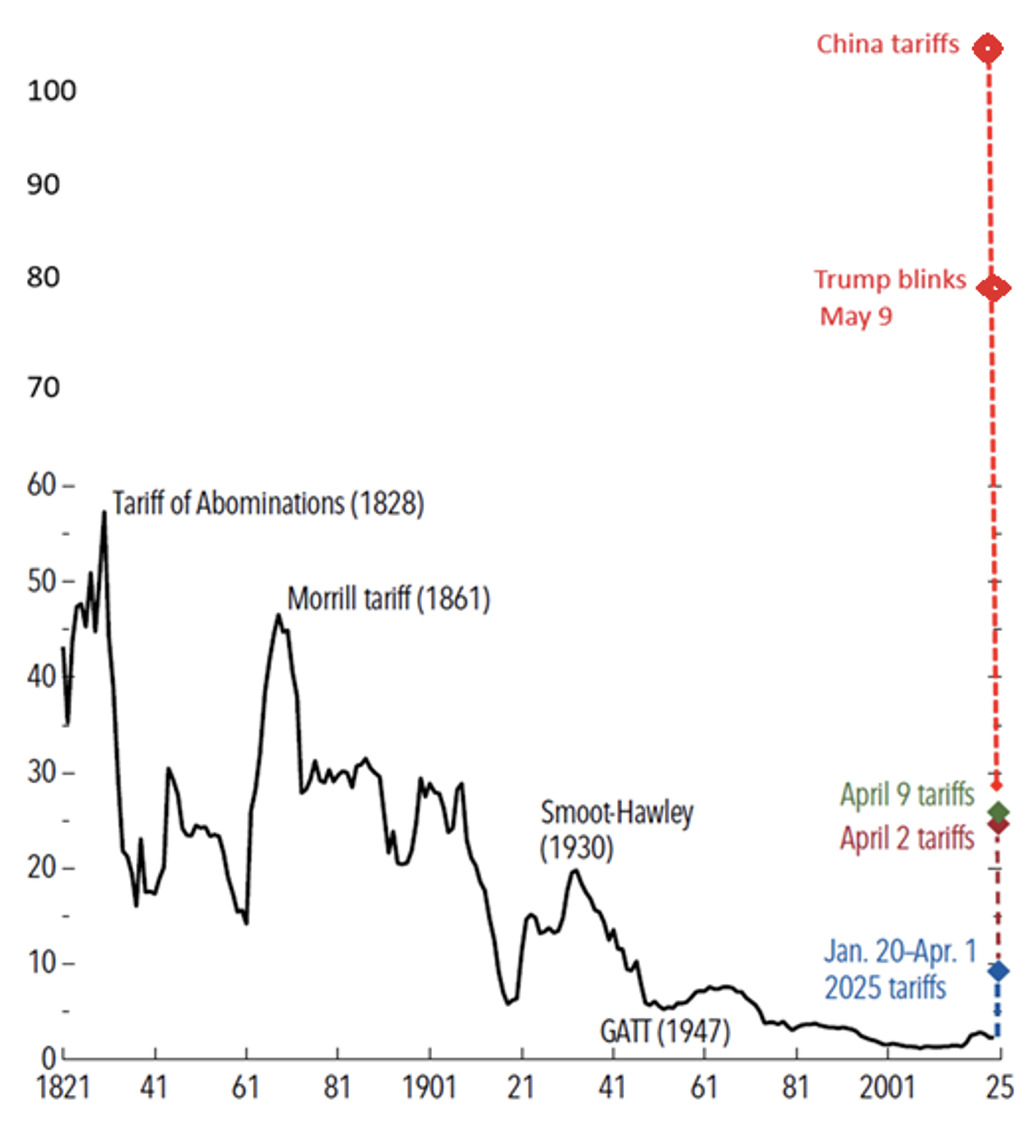
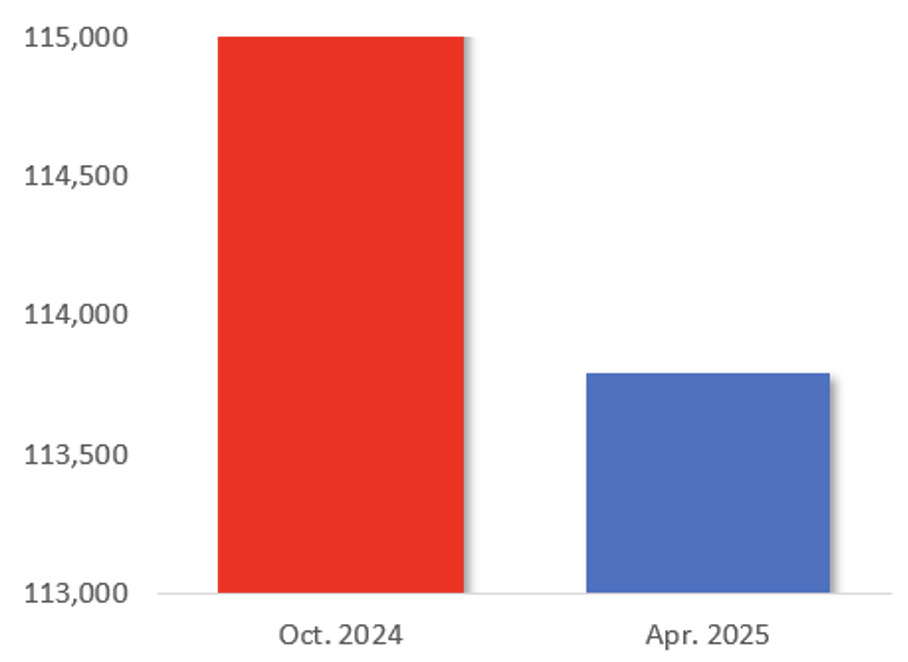
 Dr. Dan Steinbock


 Lead Developer Kevin Griffiths built Innova in response to what he saw as a persistent issue in retail trading: people making impulsive, emotionally charged decisions. From panic selling during minor dips to chasing social media-fueled “moonshots,” individual investors often underperform not because of a lack of effort, but because of flawed decision-making.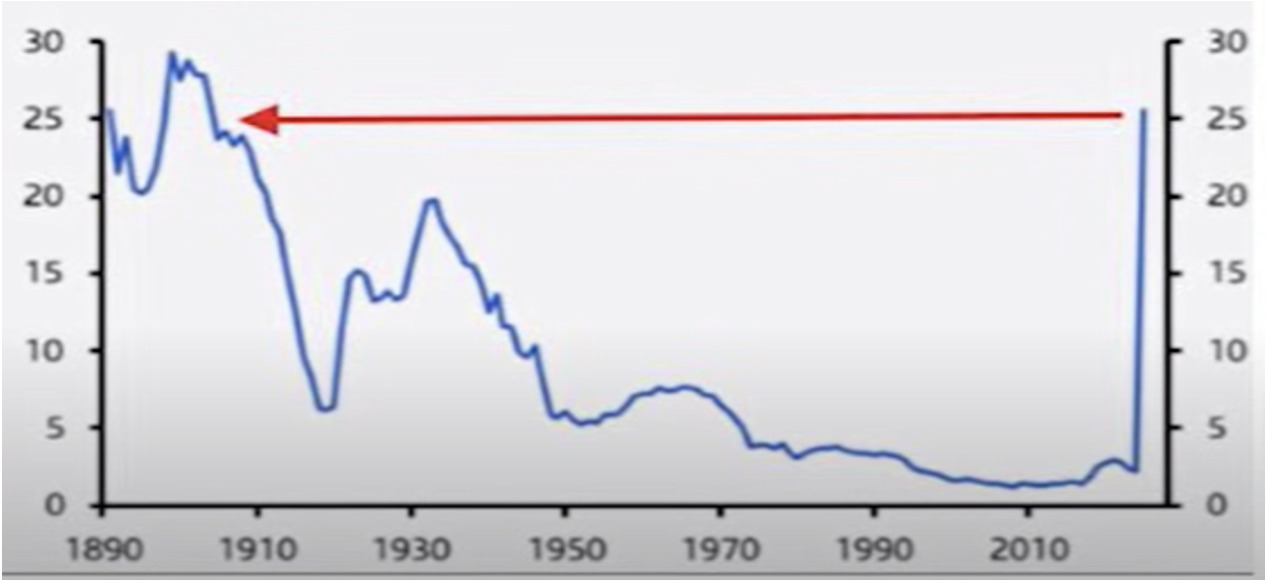
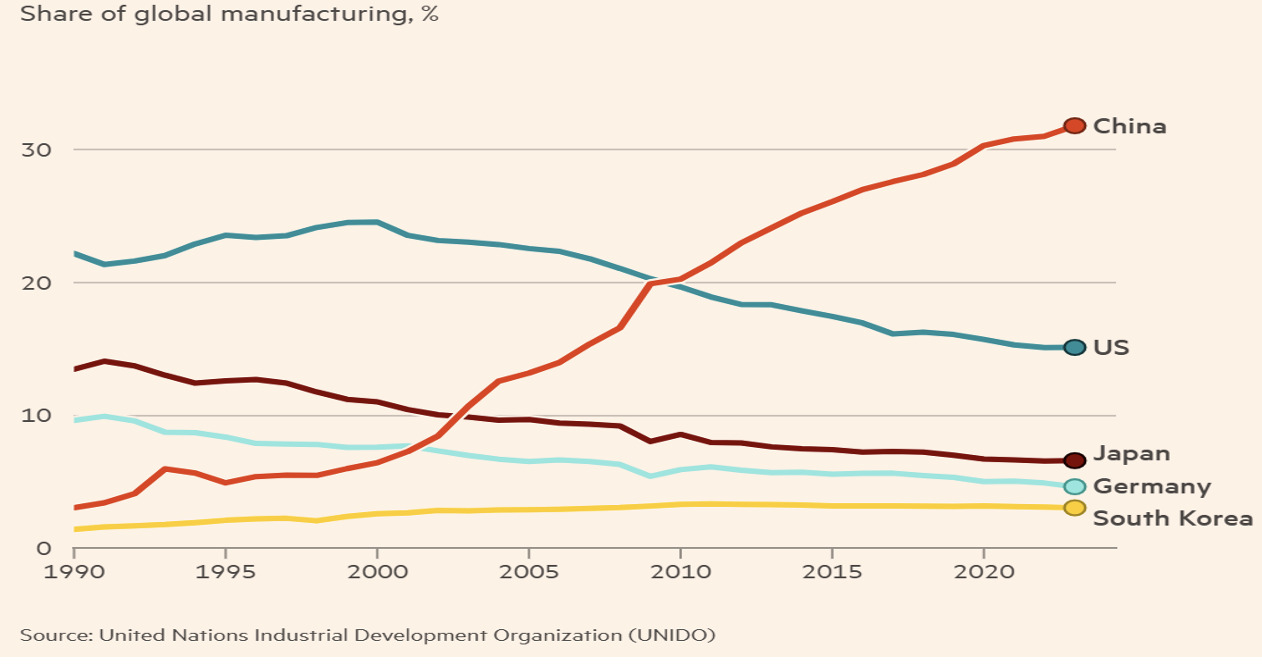
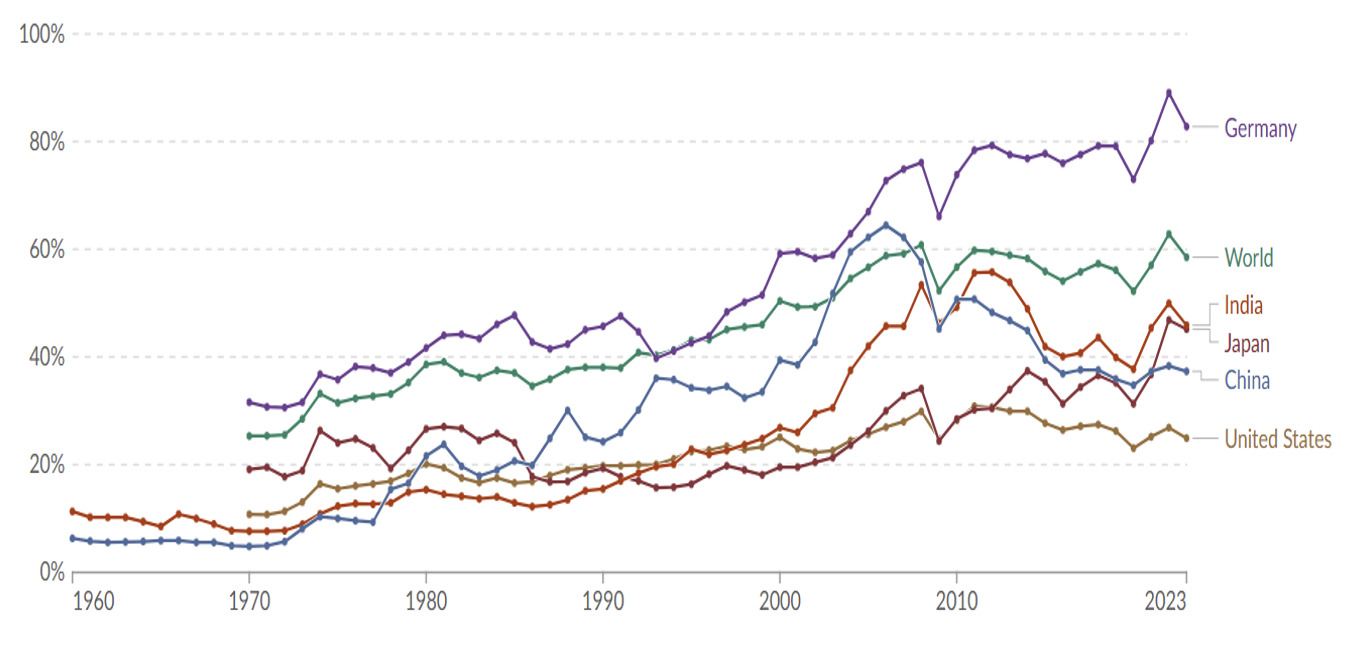
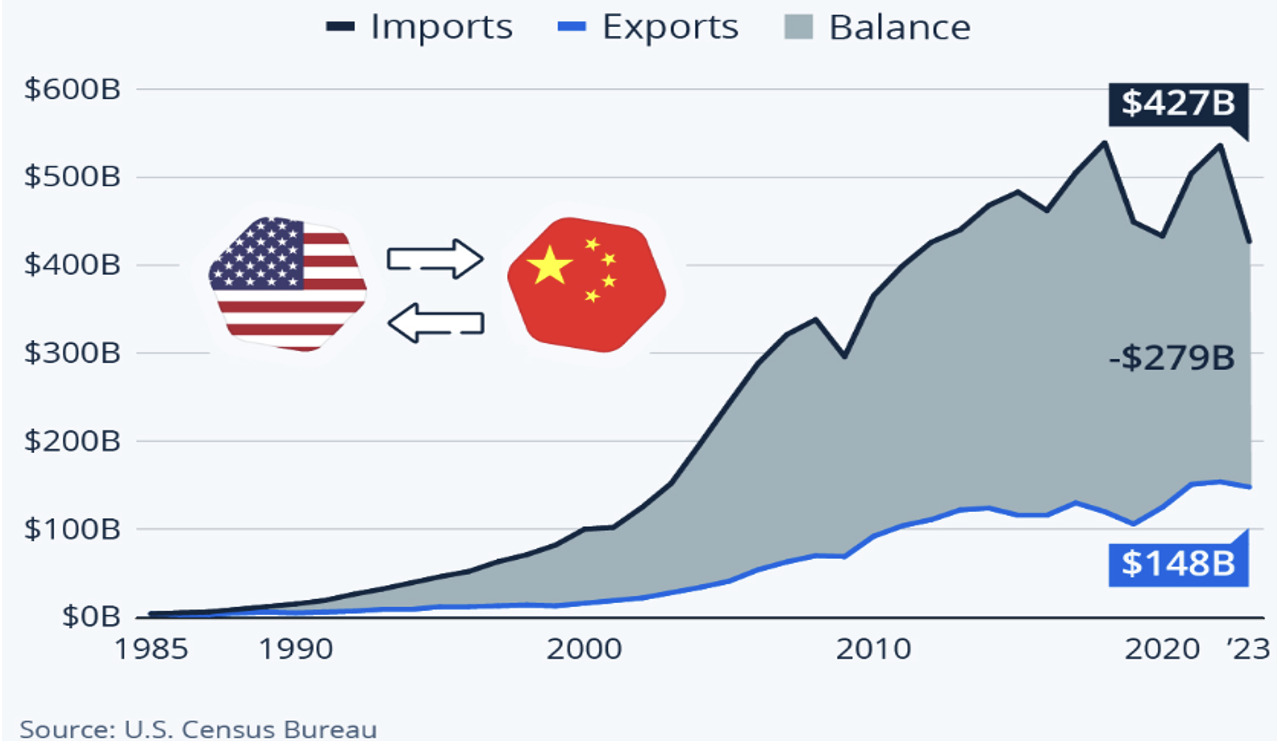
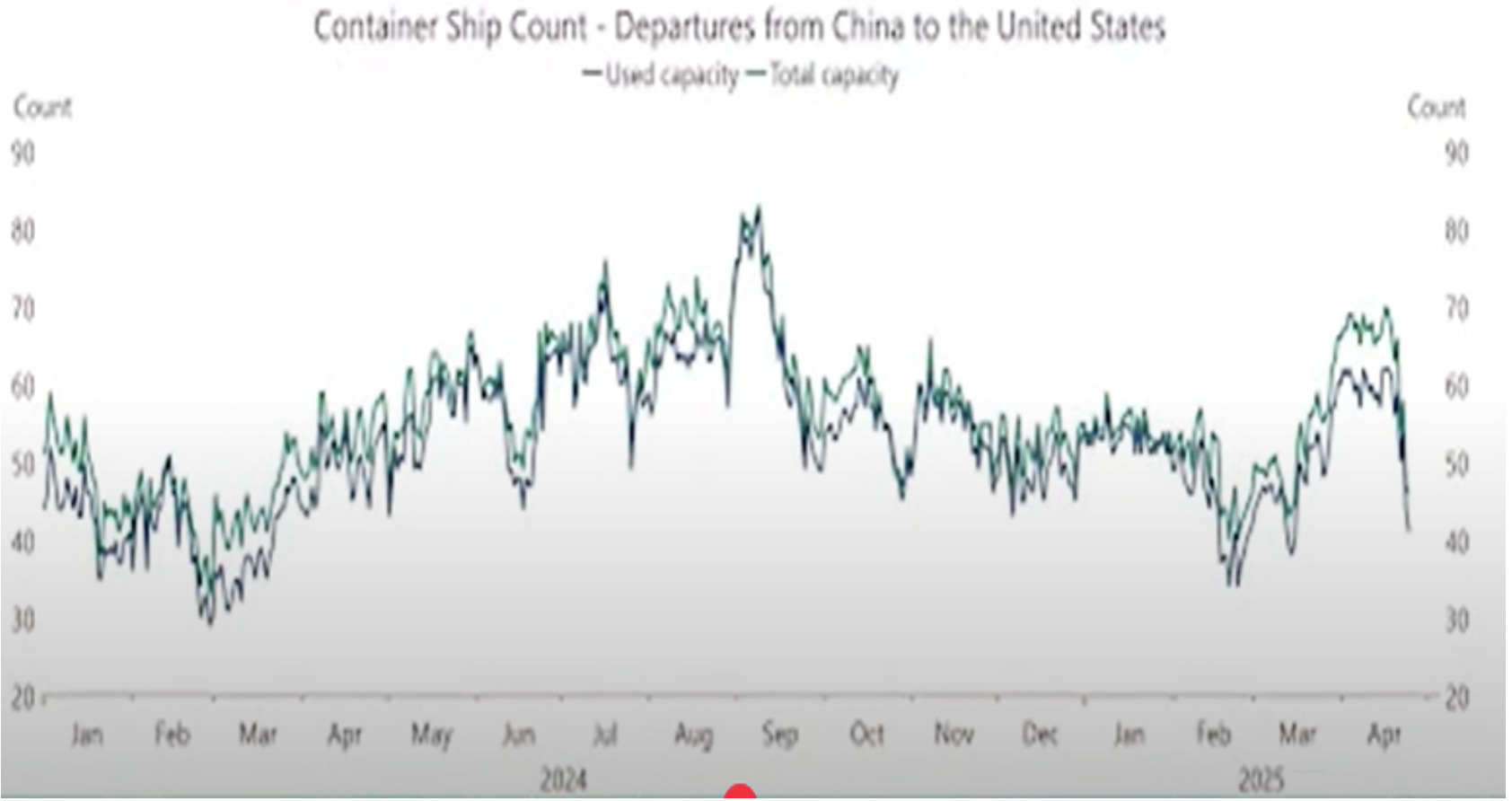
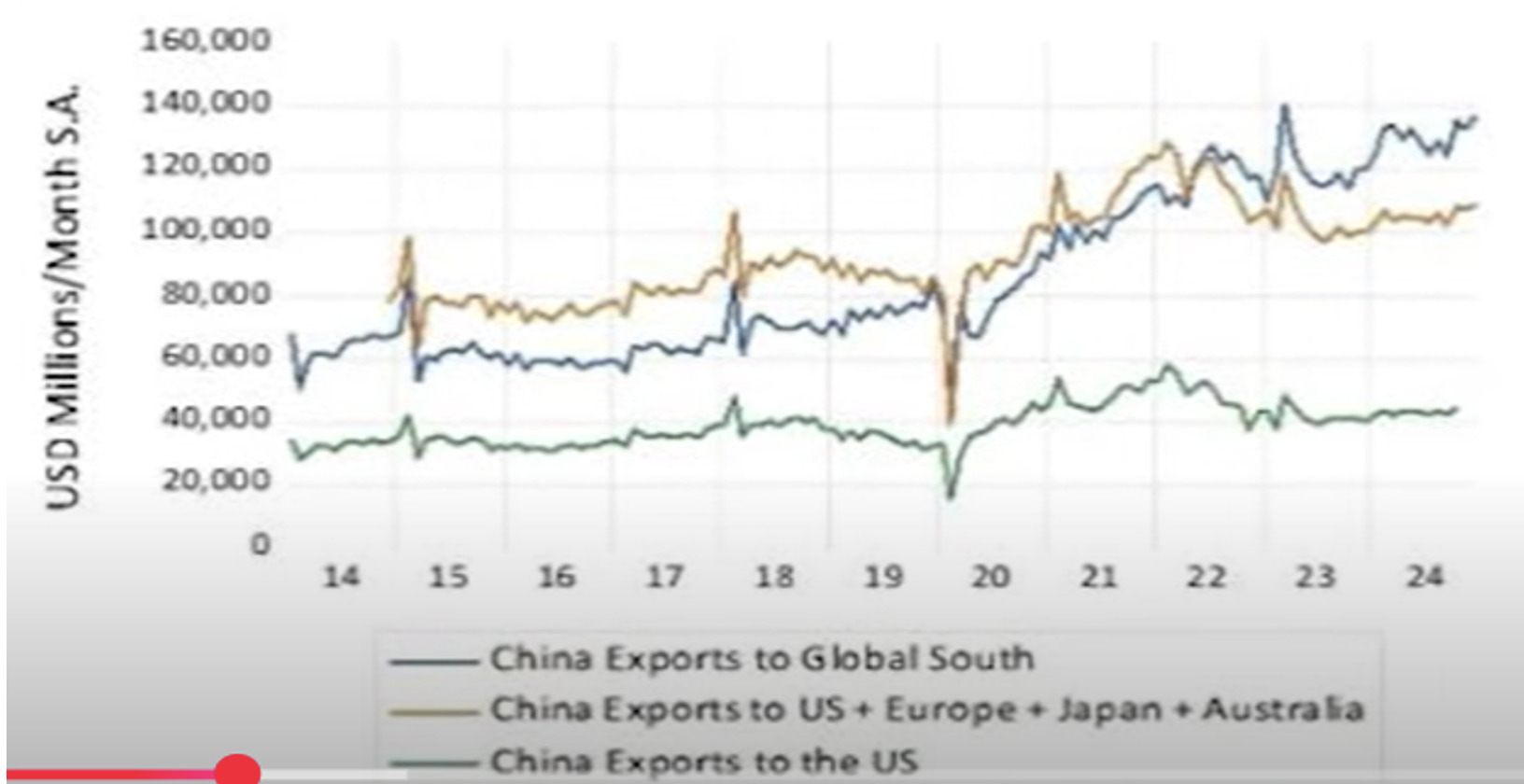
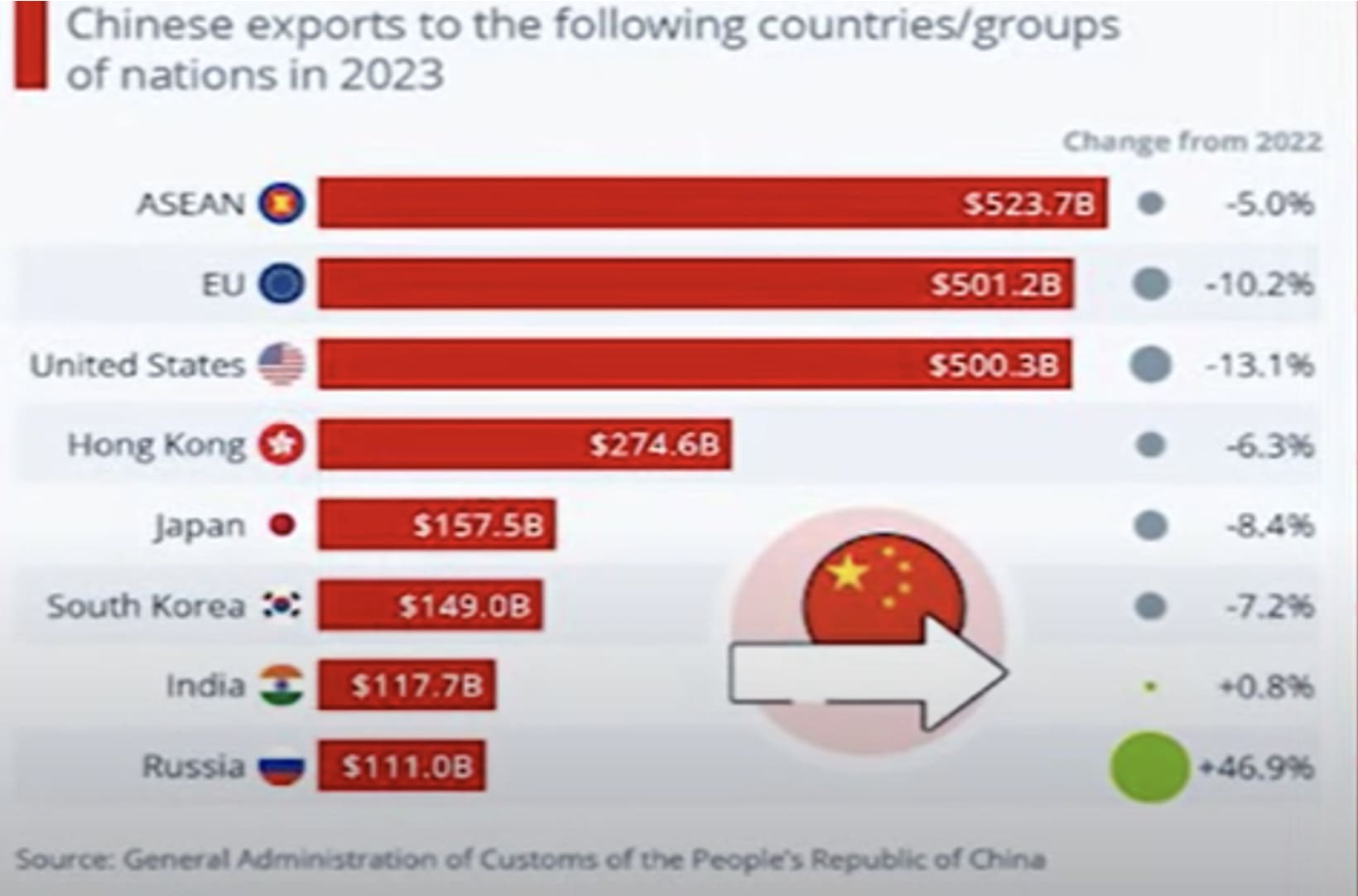
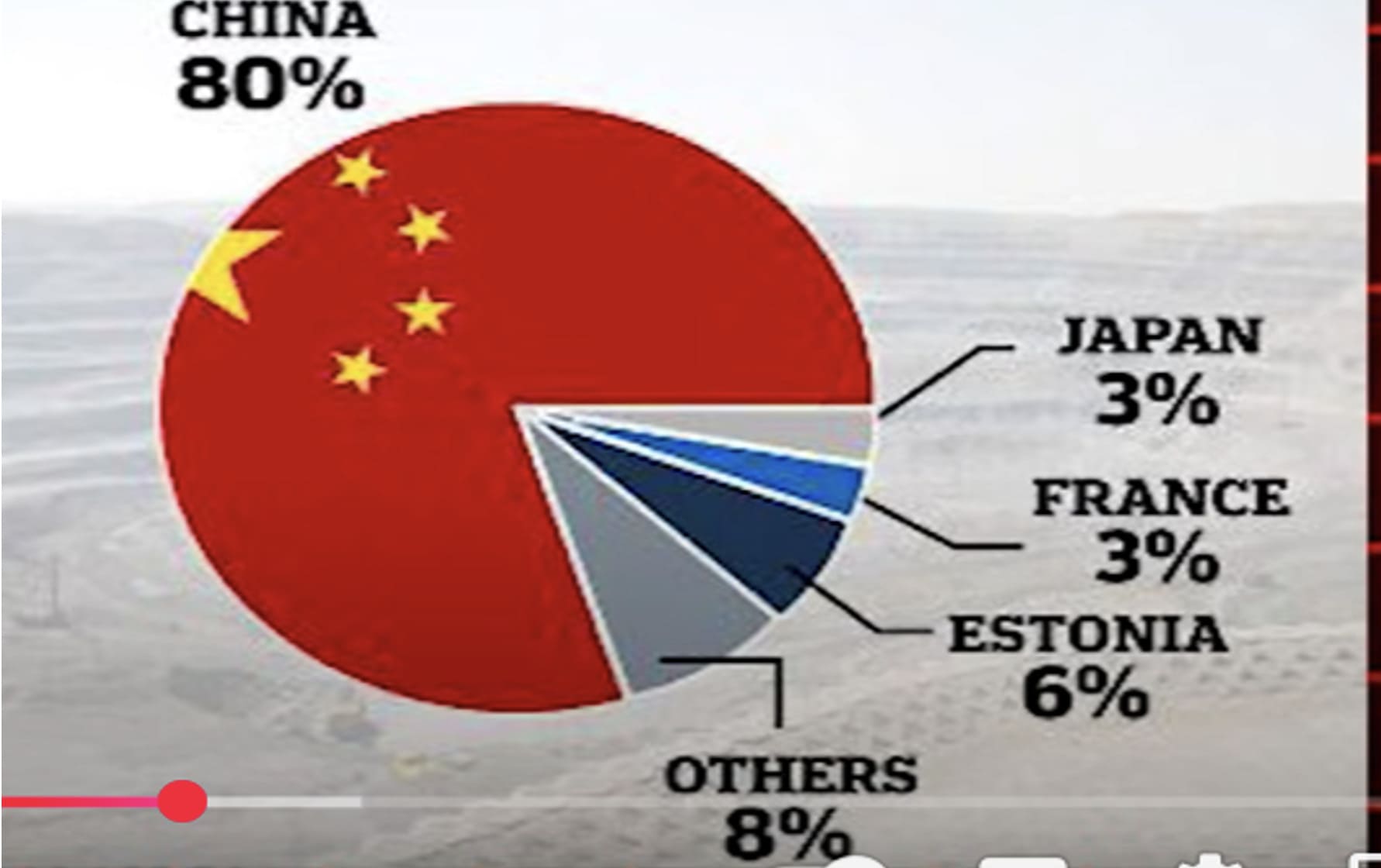
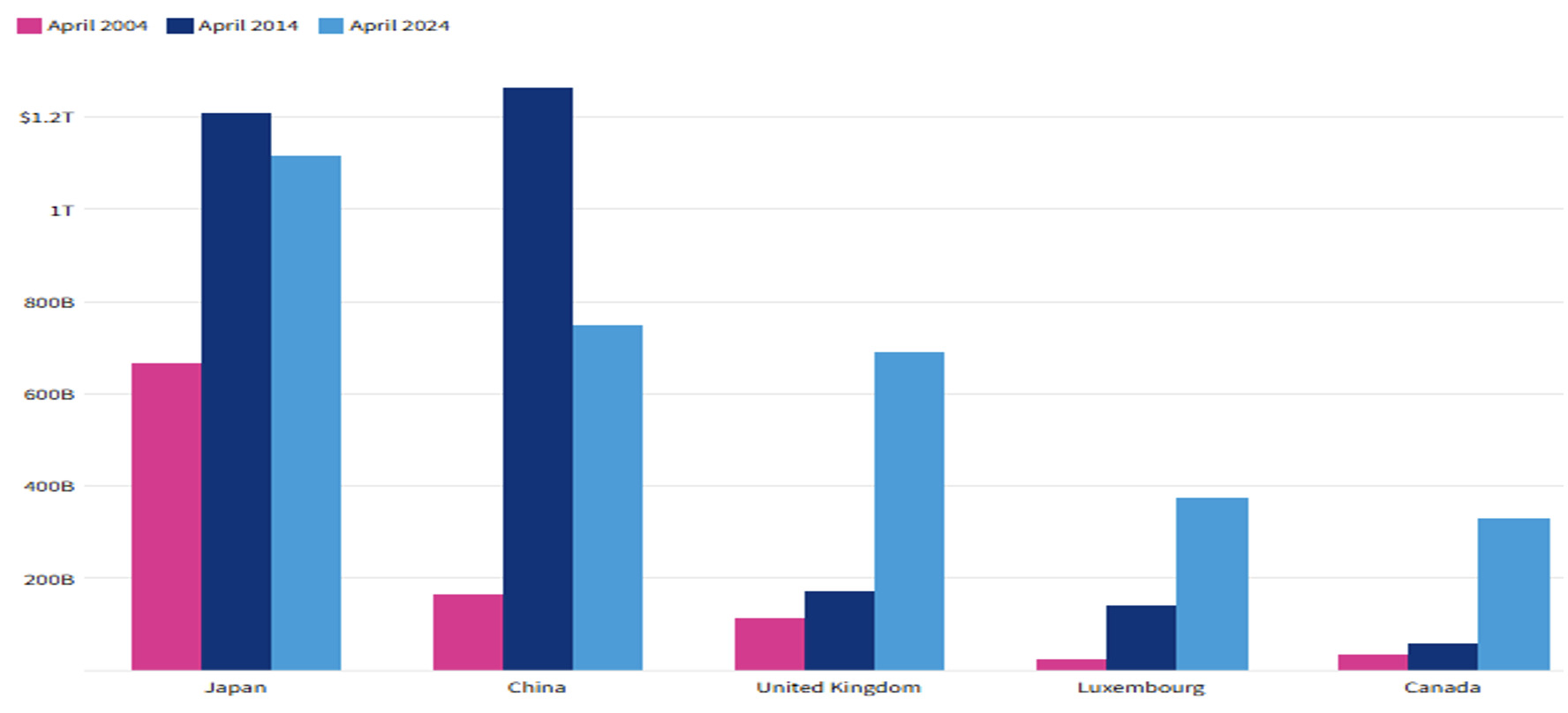
 Dr. Kalim Siddiqui