It becomes very difficult for most businesses once the legal notice gets into the open. It does not take long before a Gazette makes banks, suppliers, customers and other business partners sit up and take notice. This publicity can lead to financial pressures and worry about future operations for many businesses.
At times, the company may actually be able to get an injunction issued against the publication until the whole issue is sorted out. This legal process can afford time and minimise immediate business disruption. Businesses need to be aware of the impact that injunctions may have on Gazette advertisements to better respond to such actions.
Why Gazette Advertisements Matter In Corporate Disputes
The influence of the Gazette notice on a business organisation does not necessarily end at the obvious conflict alone. By knowing how it affects them, companies can plan for potential financial or operational issues. It is useful for an organisation to consult a winding up petition solicitor.
Reputation
A Gazette advertisement may cause concern among people who do business with the company. This attention can have an impact on the image that others have of the business.
Banking
When a gazette advertisement is published, banks can investigate their relationship with a company. They can take protective steps in some instances.
Suppliers
Suppliers might be worried about future payments and continued business transactions. This will affect the delivery of goods and dealings between them.
Customers
The public announcement of the dispute could cause customers to question the company’s stability. Any such concerns can affect a buyer’s decision-making process and business relationships.
Credit Access
It might be possible for lenders and other financial suppliers to have a more critical look at a business after publication. This can make it more difficult to acquire fresh credit.
How Injunctions Can Affect Gazette Advertisements
Delay Publication
An injunction can temporarily prevent the publication of a Gazette. In certain cases, they may even adopt preventive measures.
Protect Reputation
Holding back on publishing could reduce any damage to the company’s image in the short run. This can act as a safeguard that is very necessary when the dispute revolves around sensitive business issues.
Preserve Banking
An injunction plays the key role in stopping concerns from rapidly spreading among banks. This can be beneficial in helping to sustain a healthier banking relationship throughout the case.
Support Talks
In a situation where the court decides to grant an injunction, both parties will be afforded more time to engage in further discussion. Sometimes, despite the fact that publication is delayed, the talks for the settlement proceed.
Court Review
An examination of the relevant facts and arguments must be conducted by the court before an injunction can be issued. This helps in determining whether there is any necessity for such temporary relief.
Reduce Disruption
An injunction can be used to allow a company to carry on its operations for the time being. It will help to relieve the strain on operations as long as the dispute continues.
Situations Where Companies May Seek An Injunction
A company might apply for an injunction if they think publication may be harmful. It is important to know such situations to enable timely action in corporate disputes.
Disputed Debts
If a company has a genuine reason to doubt the debt being claimed, obtaining an injunction may be a possibility. It is common practice for the court to determine whether there is merit in the case.
Process Errors
Should there be questions regarding legal defects, seeking an injunction may become necessary. It may be necessary to rectify mistakes before going ahead with anything else.
Active Talks
Sometimes, there might be cases where a business might decide to use an injunction while in negotiations. More time may enable both parties to move closer to an agreement.
Business Harm
If significant commercial damage could be caused by the publication of a gazette advertisement, a company can seek an injunction. Courts will look closely at the possible effect on business operations.
Urgent Risks
The decision must be made on the spot because the consequences arising out of publication may become extremely severe. The injunction can give interim relief during the proceedings.
What Happens If An Injunction Is Refused?
Publication
The Gazette advertisement can be put into circulation when the court rejects the application for the injunction. This can result in elements of the debate becoming visible in public.
Bank Concerns
Even after the publication, banks might go through an amendment in their relationship with the company. Precautionary actions by the banks are common during this time.
Supplier Reactions
The suppliers may become unwilling to provide any kind of goods and services or credit facilities. There can be adverse effects on business dealings.
Business Pressure
This news about the controversy may create further pressure on the management and operation of the firm. Directors might have to respond to issues raised by many stakeholders.
Other Options
Companies may continue to pursue alternative legal or commercial solutions after a refusal. The expert advice can help to find out the best course of action.
Conclusion
Injunctions may have an important part to play in dealing with the influence of Gazette ads when there are corporate disagreements. It can be quite helpful for businesses to seek legal advice and take prompt action to protect their interests.
The next software race will reward companies that learn to manage machines instead of merely buying them. Anthropic’s agentic coding forecast argues that coding agents are moving from one-shot helpers toward collaborators that write tests, debug failures, generate documentation, navigate codebases, and increasingly handle implementation workflows. That sounds like liberation. It is also an accountability trap.
The trap appears in Anthropic’s most important caveat: developers in its internal research use AI in roughly 60% of their work, yet they report fully delegating only up to 20% of tasks. In plain English, coding agents may do more of the labor, but humans still carry most of the responsibility.
Leaders who miss that distinction will mistake automation for abdication.
Never give an agent more authority than you can monitor, revoke, and explain.
The better metaphor is a junior team that works at machine speed. Anthropic predicts that software development will shift as agents compress implementation, testing, documentation, and iteration from long cycles into shorter loops. But a fast junior team still needs architecture, priorities, acceptance criteria, code review, security boundaries, and product judgment.
An employee who prompts an agent poorly can generate problems faster than a traditional team can review them.
The Productivity Puzzle Nobody Has Solved Yet
The evidence already resists both hype and denial. GitHub’s controlled experiment found that developers using Copilot finished a JavaScript task 55% faster than developers without Copilot. Yet METR’s randomized trial of experienced open-source developers found that early 2025 AI tools made them 19% slower on familiar repositories.
A better conclusion: developer productivity depends on task type, codebase maturity, user expertise, workflow design, and verification costs.
That should change how executives set goals. If leaders measure agentic coding only by lines of code, number of pull requests, or story points closed, they will reward output volume while hiding rework. Google Cloud’s 2025 DORA report frames successful AI-assisted development as a systems problem rather than a tools problem. That framing matters because an agent that accelerates local coding can still create downstream chaos in testing, security, deployment, documentation, and customer support.
That shift makes human oversight the new scarce resource. Anthropic’s report predicts that humans will move from reviewing everything toward reviewing what matters, while agents handle routine verification and escalate boundary cases.
That future requires deliberate design. Companies need explicit escalation rules, human approval gates for sensitive actions, automated tests that agents cannot bypass, and audit trails that show who authorized what.
The Rise of the AI Supervisor
The labor shift will also reach far beyond engineering. Anthropic expects non-technical teams in sales, marketing, legal, operations, and other functions to use agentic coding to build workflows with little or no engineering intervention. Stack Overflow’s 2025 survey found that 84% of respondents use or plan to use AI tools in their development process, while also finding that more developers distrust AI tool accuracy than trust it.
That pairing captures the boardroom reality: adoption keeps rising even as trust remains fragile.
This makes AI supervisors the emerging workforce category. They may carry titles such as engineer, product manager, analyst, lawyer, marketer, or operations lead, but their core responsibility will look similar: define the goal, constrain the agent, inspect the work, test the outcome, and decide when to stop.
A recent longitudinal study of professional software engineers described this shift as supervisory engineering work, with engineers moving from creation toward direction, evaluation, and correction of AI output.
Executives should treat this as an operating-model redesign rather than an IT rollout. Business leaders need policies for where agents may act, what data they may access, which systems they may change, and which decisions require approval.
They also need training that teaches employees to write acceptance criteria, review evidence, recognize hallucinated confidence, and preserve organizational context. Otherwise, agentic coding will become shadow IT with better marketing.
Why Governance Is Becoming the Real Competitive Advantage
The security implications demand special attention. OWASP lists prompt injection and excessive agency among critical LLM application risks, warning that manipulated inputs can compromise decisions and unchecked autonomy can create unintended consequences. NIST’s AI Risk Management Framework urges organizations to incorporate trustworthiness considerations into AI design, development, use, and evaluation.
Those dry governance phrases translate into a practical rule: never give an agent more authority than you can monitor, revoke, and explain.
Security teams will face the same dual-use pattern that Anthropic highlights. Agentic tools can help defenders review code, harden systems, and monitor behavior. Yet reports about AI-enabled cyber operations show how security risks rise when attackers use autonomous tools for reconnaissance, vulnerability discovery, and intrusion workflows. The safest companies will use agents to strengthen defenses while assuming that adversaries will automate faster, too.
Quality will separate serious adopters from dabblers. Stack Overflow’s survey found that developers showed strong resistance to using AI for deployment and monitoring, the parts of the workflow where bad output can hit customers directly. That caution is healthy. Agentic coding deserves a promotion path: first documentation and scripts, then tests and internal tools, then supervised feature work, and only later higher-risk production changes with strong rollback plans.
Executives should replace “How much code can AI write?” with “What work becomes newly worth doing?” Anthropic reports that about 27% of AI-assisted work consists of tasks that otherwise would not have happened, including scaling projects, dashboards, exploratory work, and small quality improvements.
That may become the real economic prize: fewer ignored paper cuts, more experiments, and more domain experts able to solve their own process problems.
They will treat AI-generated work as work done by a fast assistant rather than work blessed by an oracle.
Still, leaders should resist the seductive fantasy of the autonomous enterprise. The companies that win with code quality will build review cultures rather than prompt cults. They will ask teams to document assumptions, compare AI output against tests, conduct postmortems when agents fail, and reward employees for catching problems before they reach customers.
They will treat AI-generated work as work done by a fast assistant rather than work blessed by an oracle.
That means the adoption agenda belongs in the C-suite. The companies that thrive will combine AI adoption with governance, training, workflow redesign, and psychological safety for employees who challenge AI output.
Agentic coding will expand the need for human judgment and expose which organizations have enough of it to move fast without losing control.
Figure 1: Global Energy Shock Impact Trends 2026 H2 – 2027
Sources: IEA, IMF WEO, World Bank, Reuters, author’s assessment
The core issue is persistence. The IMF warns that prolonged energy disruptions could push the world toward recessionary conditions. The World Bank expects rising energy prices in 2026, while the IEA reports tightening supplies, falling inventories and continuing refinery disruptions.
The world faces a prolonged period of elevated energy costs, fragmented trade routes, higher insurance premiums, supply-chain restructuring and slower productivity growth.
US: Resilient but increasingly stagflationary
The United States is better positioned than most advanced economies because of domestic energy production and continued AI-led investment. Yet, higher fuel, petrochemical and transport costs are already feeding through the economy.
Gasoline prices remain well above pre-war levels, while energy-intensive industries face sustained cost pressures.
Growth is likely to remain positive through 2027, but below pre-conflict expectations. Inflation may prove more persistent than policymakers anticipated.
The principal risk is not recession but a stagflationary environment characterized by slower growth, elevated prices and tighter financial conditions.
By targeting Iran’s strategic capabilities while expanding military deployments across the region, the US has contributed to a prolonged risk premium in global energy markets.
At the same time, it has left Europe, Japan, South Korea and much of the developing world highly vulnerable to the resulting energy shock.
China: Economic exposure, strategic beneficiary
As the world’s largest energy importer, Beijing remains vulnerable to disruptions in Gulf oil and LNG supplies. Higher energy prices, weaker external demand and increased transport costs will likely moderate Chinese growth through 2027.
But Beijing has spent more than a decade preparing for precisely such contingencies. Diversified energy imports from Russia, Central Asia and Africa, extensive strategic petroleum reserves, large-scale renewable investments and expanding regional trade networks provide buffers unavailable to most Asian economies.
More importantly, the crisis reinforces China’s long-standing argument that excessive dependence on Western-dominated maritime routes and financial systems constitutes a strategic vulnerability.
As Gulf states, Asian economies and many Global South nations seek greater economic resilience, China is positioned to benefit through expanded infrastructure investment, energy partnerships and trade integration.
The United States remains the predominant military actor in the crisis, but China is emerging as one of its principal geopolitical beneficiaries.
Europe: The most vulnerable advanced region
Europe remains the weakest link among advanced economies. The continent has not fully recovered from the energy consequences of the Ukraine conflict.
Germany illustrates the challenge. Its manufacturing sector faces a second major energy shock within five years. Industrial competitiveness is likely to deteriorate further, while fiscal constraints limit governments’ ability to cushion households and firms.
Southern Europe may perform somewhat better due to tourism, but energy costs will continue to restrain investment.
For Europe as a whole, 2027 may bring stagnation rather than recession. Yet stagnation itself represents a significant deterioration relative to earlier expectations.
European geopolitics revolves around an imagined Russian attack, yet the region’s economic fundamentals are being undermined by the protracted energy shock.
The most vulnerable major economies are Japan, South Korea, India and many Southeast Asian importers. All depend heavily on imported hydrocarbons. Higher energy bills worsen trade balances, pressure currencies and reduce household purchasing power.
India faces a more difficult balancing act. Strong domestic demand and favorable demographics remain strengths, yet sustained oil prices near or above $90 per barrel would raise inflation and fiscal pressures. The country’s growth rate will likely remain among the world’s highest, but below its potential.
Across Asia, the crisis is reinforcing long-term trends toward energy diversification, regional trade arrangements and reduced dependence on vulnerable maritime chokepoints.
Middle East: Huge structural damage
In the Middle East, oil-exporting states benefit from higher prices but suffer from geopolitical instability and disrupted export routes.
The Gulf monarchies—particularly Saudi Arabia, the UAE and Qatar—possess financial buffers that allow them to absorb short-term volatility. Yet, infrastructure damage, shipping disruptions and investment uncertainty are imposing significant costs. Full normalization of regional energy logistics could take years.
Iran remains the principal economic casualty. Even if hostilities diminish, sanctions, damaged infrastructure and capital flight will weigh on growth for years. Reconstruction needs will be immense.
The broader regional consequence is the acceleration of economic diversification. Gulf states will intensify efforts to reduce dependence on hydrocarbon exports, while simultaneously investing in alternative trade corridors and logistics networks.
Since fall 2023, a set of unwarranted wars in the Middle East has severely penalized the colossal modernization initiatives in the Gulf.
Latin America: Mixed effects, darkening skies
Latin America faces a divided outlook. Commodity exporters such as Brazil benefit from higher agricultural and resource prices. Yet gains are partly offset by weaker global demand and tighter financial conditions.
Mexico faces indirect exposure through slower US growth and manufacturing demand.
More broadly, countries with large fuel-import bills will face renewed inflationary pressures.
Overall, Latin America is unlikely to experience a major crisis, but the region’s recovery trajectory will slow amid darkening skies. It is the target of the Trump administration’s lethal imperial dreams – from Panama, Venezuela, Cuba and Nicaragua to Argentina, even Colombia.
For many African countries, the energy shock rapidly becomes a food-security shock. Rising transport, fertilizer and import costs feed directly into consumer prices and poverty rates. Countries such as Egypt, Kenya and Senegal face growing external financing pressures.
Even resource exporters like Nigeria and Angola confront governance and investment challenges that limit the benefits of higher oil prices.
The most concerning issue is food security. There are deep interconnected vulnerabilities linking natural gas, fertilizer production and agricultural output. The consequences could extend well beyond 2027.
Global outlook through 2027
The most likely outcome is neither global recession nor rapid recovery. Instead, the world appears headed toward a prolonged adjustment period characterized by Brent crude averaging roughly $85–100 per barrel, plus persistently elevated LNG and shipping costs.
These translate to higher food and fertilizer prices, slower global trade growth, renewed inflationary pressures and lower business investment due to uncertainty.
Figure 2: Persistent Disruption Impact
Sources: IEA, IMF WEO, World Bank, national sources, author’s assessment
Under this baseline, global growth is likely to remain near or in the proximity of 2.8–3.1% through 2027; below pre-conflict expectations but above outright recession levels.
Oil-exporting states benefit from higher prices but suffer from geopolitical instability and disrupted export routes.
The principal danger lies in a prolonged energy disruption or renewed military escalation, which could push oil prices toward the $110–125 range envisioned in adverse IMF scenarios and substantially increase recession risks. The era of relatively cheap, secure and politically predictable energy flows is fading.
What is emerging instead is a more regionalized, more expensive and more geopolitically contested energy system—one whose economic consequences will extend well beyond the battlefield and well beyond 2027.
The original version was published by China-US Focus on June 5, 2026.
Elon Musk is on track to become the first person in history with a net worth above $1 trillion. The milestone could come soon if the planned IPO of SpaceX meets expectations. Combined with his holdings in Tesla, Musk’s wealth could exceed $1.1 trillion.
Most of Musk’s fortune exists on paper through shares and stock options rather than cash. Even so, the figure is so large that it surpasses the annual economic output of many countries. Economies such as Singapore, Ireland, and South Africa are all smaller than the amount Musk could soon be worth.
The scale of the number is difficult to imagine. Experts note that even spending $1 million every hour without stopping would take more than 100 years to use up $1 trillion. Musk’s projected fortune would also exceed the combined wealth of several of the world’s richest technology founders, including Jeff Bezos, Larry Page, Sergey Brin, and Larry Ellison.
The achievement highlights how rapidly wealth has grown in the technology sector, particularly in industries linked to artificial intelligence, space technology, and advanced computing.
Application of know your customer process within regulatory regimes, risk management, enhanced due diligence, links to PEPs, and regulatory reporting.
Verification of counterparties can have several meanings. In this article, this term is used in the sense of customer identification. AML – anti-money laundering, laundering of funds obtained through criminal means; CTF – counter terrorist financing, combating the financing of terrorism; PF – proliferation financing, combating the financing, storage, transportation, production of weapons of mass destruction.
The purpose of customer due diligence is to take steps to understand your customers and verify that they are who they say they are.
Practical approach
In practice, this means obtaining from the customer:
name
a photo on an official document that confirms their identity
residential address and date of birth
The best way to identify someone is to ask for a government-issued ID, passport, as well as utility bills, bank statements, and other official documents. Other sources of customer information include the electoral roll and information held by credit reference agencies such as Experian and Equifax. You may also need to identify the ‘beneficial owner’ in certain situations. This may be because someone else is acting on behalf of the person in a particular transaction, or it may be because you need to establish the ownership structure of a company, partnership, or corporation. Typically, the beneficial owner is the person behind the customer who owns or controls the customer, or is the person on whose behalf the transaction or activity is being conducted. If you have any doubts about the identity of a customer, you should stop doing business with them until you are sure.
When to apply customer due diligence measures
Counterparty verification must be applied:
when you establish a business relationship with a client (or other party in a real estate sale)
when you suspect money laundering or terrorist financing
when you have doubts about the customer identification information you have previously received
when necessary for existing customers – for example, if their circumstances change
unless you are a high value dealer, when you make a transaction worth €15,000 or more
as a high value dealer when you:
make a payment to a supplier worth €10,000 or more
make a random transaction worth €10,000 or more
When establishing new business relationships, you need to obtain information about:
purpose of the relationship
the intended nature of the relationship – for example, where the funds come from, the purpose of the transactions, etc.
You also need to conduct due diligence when your business engages in occasional transactions. These are transactions that are not part of an ongoing business relationship, where the value:
€15,000 or more unless you are a high value dealer (or equivalent in other currencies)
€10,000 or more if you are a high value dealer (or equivalent in other currencies)
This applies whether it is a single transaction or related transactions.
Connected transactions are individual transactions of less than €15,000 (or €10,000 for high value dealers) that have been intentionally broken down into separate, smaller transactions to avoid customer verification. Businesses should have systems in place to identify potentially connected transactions.
In order to establish the possibility of money laundering or terrorist financing, it is necessary to decide whether it was intentionally segregated. Some issues to consider when:
the same client made a number of payments in a short period of time
it is possible that a number of clients were carrying out transactions on behalf of the same person
a number of clients sent money transfers to one person
You also need to carry out customer due diligence measures on occasional transactions that are worth less than €15,000 in certain circumstances. For example, you should do this when the nature of the transaction means there is a higher risk of money laundering.
When to conduct enhanced due diligence
In some situations, it is necessary to conduct ‘enhanced due diligence’ for AML/CTF purposes. These situations are:
when the customer is not physically present during the identification checks
when you enter into a business relationship with a ‘PEP’ – typically a non-UK member of parliament or head of state or government, or a government minister and their family members and known close associates
when you enter into a transaction with a person from a high-risk third country as identified by the EU
any other situation where there is a higher risk of money laundering
In the event that clients are not physically present, it is necessary to:
obtaining additional information to identify the customer
applying additional measures to verify documents provided by a credit or financial institution
ensuring that the first payment is made from an account that was opened with a credit institution in the client’s name
find out where the funds come from and what the purpose of the deal is
Enhanced checks when you deal with PEP:
ensure that only senior management gives approval for new business relationships
taking adequate measures to establish the source of a person’s wealth and funds associated with business relationships
conducting more stringent ongoing monitoring of business relationships
Counteraction to the financing, production, storage, and transportation of weapons of mass destruction and certain amendments to AML legislation.
Earlier this year, the Anti-Money Laundering and Counter-Terrorism Financing (Amendment) Regulations (No.2) (MLR 2022), which make a number of amendments to the Money Laundering, Terrorist Financing and Transfer of Funds (Payer Information) Regulations 2017 (MLR 2017).
The MLR 2017 was amended by the Money Laundering and Terrorist Financing (Amendment) Regulations 2019 (MLR 2019), which brought the UK regime into line with the Fifth Anti-Money Laundering Directive (EU) 2018/843.
This is a brief overview of the key changes envisaged by the MLR 2022, which, together with other recent legislative changes such as the new Economic Crime (Transparency and Enforcement) Act 2022 and the Economic Crime and Corporate Transparency Bill, demonstrate the political will of Her Majesty’s Government to make the UK an unattractive environment for economic crime.
EXPANDING RISKS COVERAGE TO INCLUDE PROLIFERATION FINANCING OF WEAPONS OF MASS DESTRUCTION
MLR 2022 adds proliferation financing of weapons of mass destruction to the list of financial crime risks covered by MLR 2017, alongside money laundering and terrorist financing.
It places new obligations on the Treasury and relevant entities to include proliferation financing in existing money laundering and terrorist financing risk assessment processes, identifying and assessing any additional, specific risks that arise.
The requirements to establish and maintain policies, controls and procedures to effectively mitigate and manage risks have also been expanded to require relevant persons to ensure their compliance with proliferation financing risks.
CHANGES TO CERTAIN CATEGORIES OF RELEVANT PERSONS
MLR 2022 amends the list of eligible persons subject to MLR 2017:
Require crypto-asset exchange service providers and custodial wallet providers to apply customer due diligence measures to a transfer of crypto-assets equal to or exceeding the equivalent in crypto-assets of €1,000 (together with any other transfer of crypto-assets that appears to be related to it).
Expanding the definition of “trust or company service providers” (TCSPs) to clearly include TCSPs that provide services related to the formation of all forms of business organisations, not just companies and legal entities.4 As a result, TCSPs will now be subject to the MLR 2017 when they form limited liability companies registered in England and Wales or Northern Ireland for clients.
Clarification of the definition of “art market participants” added by MLR 2019 to exclude artists who sell their own works of art for more than €10,000, including cases where the artist sells his works as an individual, as well as when he sells them through a company or partnership in which he is a shareholder or partner.
Excluding account information service providers (AISPs) from the scope on the basis that, in the government’s view, as purely information tools that allow customers to view their data and link that information to other services, AISPs pose a low risk of money laundering, terrorist financing, and proliferation financing.6
“TRAVEL RULE” FOR ELECTRONIC/BANKING TRANSFERS INVOLVING CRYPTOASSETS
The MLR 2022 extends the scope of the existing regime for the exchange of information on bank transfers (contained in the EU Funds Transfer Regulation) to include transfers involving crypto-assets. The regime is designed to enable financial institutions to detect potential cases of money laundering or terrorist financing by ensuring that the identities of the parties to a transaction are known and that appropriate records are kept. The requirements will apply to both domestic and cross-border wire transfers. The changes came into effect on September 1, 2023.
Oleksandr Shchybun is a certified AML specialist (CAMS, USA) and a certified financial crime investigator (Utica University, USA). He is specialising in money remittance and card issuing businesses. O. Shchybun has spent more than 15 years working as a compliance officer at a number of financial institutions including conglomerates such as American Express, MoneyGram, and financial startups, e.g. Remittance360 Ltd. He is based in London, United Kingdom.
Offshore strategy is no longer a back-office efficiency play; it has become a board-level decision tied directly to growth, margins and investor confidence.
For a long time, offshoring sat in the background of professional services firms. It was treated as an operational lever, something delivery teams handled to improve efficiency or reduce cost. The logic was simple. Move repeatable work offshore, lower the bill rate, protect margin. It worked, to a point, and it stayed largely out of sight of senior leadership.
That is no longer the case. Offshore strategy has moved firmly into the boardroom, and it is being examined in a very different way. Private equity backing, rising expectations on growth and increasing pressure on margins have forced firms to look beyond short-term savings. The question is no longer how much work can be offshored, but whether offshore is being used in a way that genuinely strengthens the business.
At the heart of this shift is a growing recognition that labour arbitrage alone does not deliver sustainable performance. Lower cost delivery can improve margins in the short term, but if it is not tied to how work flows through the business, it can just as easily introduce inefficiency and risk. Investors are increasingly aware of this. They are looking for consistency, predictability and clear links between workforce decisions and financial outcomes.
That level of scrutiny is exposing some uncomfortable truths. Our research shows three quarters of leaders admit they lack confidence in their ability to plan for the long term. That uncertainty becomes far more significant when offshore is involved, because offshore is not simply an add-on. It is embedded into how work gets delivered, how teams are structured and how capacity is managed across the business.
The nature of offshore work has also changed. It is no longer limited to low-risk, repetitive tasks. Ability and delivery has evolved. In many firms, offshore teams are delivering complex, high-value work at a level that matches or even exceeds onshore capability. That evolution makes offshore central to delivery rather than peripheral to it, which in turn raises the stakes for how it is managed.
Despite that, many firms are still approaching offshore in a fragmented way. Headcount is increased without a clear understanding of demand. Teams are built based on perceived need rather than actual pipeline. Without proper utilisation forecasting, this creates swings in margin performance, with costs rising ahead of revenue and capacity sitting underused.
From a board perspective, this kind of volatility is difficult to justify. Private equity investors in particular are pushing for greater discipline. They are asking more detailed questions about how offshore capacity is planned, how it is deployed and how it contributes to overall performance. They want to see scenario planning that links offshore investment directly to revenue targets and margin outcomes.
This is where offshore starts to look less like an operational choice and more like a capital allocation decision. Firms are expected to justify investment, demonstrate returns and track performance over time. That requires a level of visibility and control that many do not yet have.
Workforce intelligence is becoming critical in this context. It is no longer just about managing schedules or allocating work but about providing a clear view of how people are deployed, how that aligns with demand and how it impacts financial performance. Boards want to understand how capacity decisions translate into revenue and margin, and they expect that insight to be grounded in data rather than instinct.
The firms that are navigating this shift successfully tend to have one thing in common. They treat offshore as an integrated part of their operating model rather than a separate function. Capacity planning is aligned with pipeline forecasting. Skills are mapped across locations. Utilisation is tracked consistently, regardless of where work is delivered.
This creates a more controlled environment, where offshore can be scaled with confidence rather than guesswork. It allows firms to make deliberate decisions about how and when to invest, and to adjust those decisions as conditions change.
The alternative is far less stable. Without alignment between offshore capacity and demand, firms risk overhiring, underutilisation and unpredictable margins. What begins as a cost-saving initiative can quickly become a source of inefficiency.
The direction of travel is clear. Offshore strategy is no longer something that sits quietly within operations. It is a central part of how firms grow, compete and deliver value. That shift brings greater complexity, but it also brings greater opportunity for those willing to approach it with the level of discipline and visibility it now demands.
Christine Robinsonis a strategic advisor and recognized leader in Resource Management, with experience at both Baker Tilly and EY. She has led large-scale workforce strategy and operational transformation efforts, helping firms optimize talent, improve utilization, and drive growth. Known for her ability to translate complex workforce challenges into clear, compelling narratives, Christine has built her career on the power of storytelling, using it to influence leadership, align teams, and turn data into decisions that move businesses forward.
What began as Israel’s obliteration in Gaza now extends to Lebanon, Iran and the Gulf, thanks to US arms and finance. If diplomacy fails to interrupt this trajectory, the expansive arc of war will transform a regional conflict into a prolonged international disorder.
On May 31, Lebanese Prime Minister Nawaf Salam gave a televised address in which he condemned Israel’s invasion and intensified attacks on southern Lebanon as a dangerous escalation, warning that a “scorched-earth policy” will never bring security to Tel Aviv: “Israel must understand that with its scorched-earth policy, collective punishment, and the bulldozing of villages and towns, it will gain neither security nor stability.”
The question is no longer whether the conflict will reshape the region, but how extensive that transformation will become.
As Salam said, this process is now advancing. “Israel is practicing mass displacement that amounts to collective punishment. It no longer targets only specific locations or areas, but has adopted a policy of comprehensive destruction of cities, towns, and all aspects of life within them.”
Tactical wins, strategic devastation
Israel’s Obliteration Doctrine is a lethal mix of scorched earth policy, collective punishment and civilian victimization, coupled with massive indiscriminate bombardment and systematic use of artificial intelligence (AI), as I have demonstrated in The Obliteration Doctrine (2025) and The Fall of Israel (2024).
This doctrine often goes hand in hand with ecocide, which Israel has committed in Gaza and is committing in Lebanon. The net effect is ethnic cleansing and, given continued and unhindered escalation, genocidal atrocities.
Whether Prime Minister Netanyahu, former PM Naftali Bennett or former head of the Israeli defense forces Gadi Eisenkot will win the 2026 Israeli legislative election is effectively immaterial. With or without Netanyahu, the Obliteration Doctrine will prevail.
Netanyahu brought to power the most far-right Messianic government in Israeli history. Naftali Bennett is a millionaire politician and the ex-leader of a religious Zionist far-right party. Ironically, the more “moderate” of the three is the ex-military chief Gadi Eisenkot who first tested the Obliteration Doctrine in Dahiya, a Shia enclave in Beirut in 2006.
The greatest threat to Israel’s long-term future is not external enemies alone, but the transformation of military escalation into a permanent governing principle. Once security policy becomes inseparable from territorial expansion, ethnic cleansing and perpetual warfare, the consequences extend far beyond the battlefield.
From Gaza to Lebanon and Iran – and back
The Gaza war has already produced one of the gravest humanitarian crises of the 21st century. Across much of the Global South, public opinion increasingly interprets the destruction of Gaza through the lens of displacement, collective punishment and ethnic cleansing. Understandably, the expansion of military operations into Lebanon has reinforced those perceptions.
This divergence in perception is becoming one of the defining geopolitical fault lines of our era. In the view of the Global South, military realities on the ground continue to outpace diplomacy. The question is no longer whether the conflict will reshape the region, but how extensive that transformation will become.
In The Obliteration Doctrine, my greatest concern was that “what happens in Gaza won’t stay in Gaza.” It is now a lethal blueprint and a broader regional template. Hence, the large-scale destruction of towns, repeated displacement of civilians, and continuing cross-border operations in Lebanon.
The broader U.S.-Israel-Iran confrontation has become increasingly intertwined with the Lebanon-Gaza conflict, with attacks, counter-attacks and continuing tensions around the Strait of Hormuz generating major energy-market disruptions.
The energy crisis connection
The strategic significance of the conflict has increased dramatically because it now intersects directly with the U.S.-Israel-Iran confrontation. Even partial disruptions have triggered sharp increases in oil and gas prices and heightened concerns regarding inflation, growth and supply security.
Since the escalation of regional conflicts stretching from Gaza and Lebanon to the Red Sea and the Persian Gulf, energy markets have become increasingly vulnerable to disruption. Shipping routes, insurance costs, strategic chokepoints and investment decisions have all been affected by growing instability. What began as the devastation of Gaza has evolved into a crisis with potentially global economic consequences.
The Middle East remains the world’s most important energy-producing region. Even when actual supply disruptions remain limited, the risk premium generated by military escalation can significantly increase energy prices. Such increases function as a global tax on growth – as the epicenter of the crisis, Asia is a prime example.
For advanced economies already burdened by high debt levels and slow productivity growth, persistent energy inflation undermines economic recovery. For developing countries dependent on imported energy, the consequences are even more severe. Rising fuel costs translate into higher food prices, greater fiscal deficits and heightened social instability.
The Gaza-Lebanon crisis is therefore not merely a regional conflict. It is part of a wider process linking geopolitical fragmentation, energy insecurity and economic deceleration.
US-Israel connection
Washington remains Israel’s indispensable strategic partner. Military cooperation, intelligence sharing and diplomatic support continue to provide the foundation of Israel’s security architecture. Yet the relationship faces growing contradictions.
American policymakers increasingly confront a centrifugal dilemma. On one hand, they seek to preserve Israel’s military superiority and deterrence capabilities. On the other, they must manage the economic and geopolitical consequences of prolonged regional conflict.
At the same time, these policymakers are challenged by the increasingly vocal Israel lobby, the export exigencies of the US military contractors and the rising opposition of the American electorate, particularly the younger voter cohorts.
Every expansion of the war imposes costs on broader American interests. Energy volatility threatens global growth. Escalation risks confrontation with regional powers. Humanitarian devastation fuels anti-American sentiment across much of the Global South.
So, Washington’s objectives are becoming increasingly complex and self-defeating. It seeks Israeli security without regional war, deterrence without escalation, and strategic dominance without bearing the full economic and political costs of prolonged conflict.
As those goals are proving increasingly difficult to reconcile, Washington is burdened by both Israeli insecurity and a regional war, escalation without deterrence, the full spectrum of costs of the prolonged conflict – and increasing concerns about crumbling strategic dominance in the region.
Expanding arc of war – and risks of miscalculation
The most significant recent development is the gradual fusion of multiple conflicts into a single strategic theater. Gaza, Lebanon, the Red Sea, Syria, Iraq and the Persian Gulf increasingly form interconnected fronts within a broader contest between the U.S.-Israel partnership and Iran’s regional network.
Military actions in one arena now generate repercussions across the others.
This expanding arc of war magnifies the risks of miscalculation. A localized confrontation that might once have remained contained now possesses the potential to trigger regional escalation, energy shocks and wider geopolitical fragmentation.
This is precisely how localized wars become systemic crises.
The Expansive Arc of War
Israel risks validating the warning implicit in both The Fall of Israel and The Obliteration Doctrine: that a state can achieve tactical successes while simultaneously undermining the foundations of its own long-term security and legitimacy.
Every tactical win is setting the stage for further strategic failure, deeper divides internally, and greater international estrangement.
International crisis of credibility
The international response has exposed a growing crisis in global governance. Until the devastation of Gaza, many Western governments emphasized Israel’s security concerns while expressing futile concern about civilian casualties in the Middle East.
Many countries in Asia, Africa and Latin America have a markedly different perspective, focusing on humanitarian suffering, displacement and alleged violations of international law. As these narratives diverge, confidence in international institutions continues to erode.
For much of the Global South, the perception of selective enforcement of international norms has become increasingly difficult to ignore. If international law appears applicable to some states but not others, its legitimacy inevitably suffers. This credibility gap may prove one of the most enduring consequences of the conflict.
The central question is no longer whether the Gaza war has transformed the Middle East. It has. The question is whether the region is moving toward stabilization or toward a broader doctrine of permanent conflict.
If military escalation continues, the consequences will extend far beyond Israel, Lebanon and Gaza. Energy insecurity, economic fragmentation, humanitarian crises and geopolitical polarization will increasingly shape the international system.
The tragedy is that all parties face mounting risks. Lebanon risks further devastation. Gaza faces a reconstruction challenge of historic proportions. The United States risks strategic overstretch. The international community risks institutional irrelevance.
The road ahead
Modern conflicts are no longer judged solely by military outcomes. They are judged by their developmental consequences. A military victory that produces permanent economic devastation can become a strategic defeat.
The tragedy of the current moment is that every actor increasingly perceives escalation as necessary while simultaneously fearing its consequences.
If international law appears applicable to some states but not others, its legitimacy inevitably suffers.
Lebanon risks deeper devastation. Gaza faces prolonged humanitarian catastrophe and uncertain political futures. Iran confronts mounting economic and military pressures. The United States faces growing strategic commitments. Israel confronts rising diplomatic isolation even as it seeks greater security.
In the resulting obliteration dynamic, military escalation progressively destroys the political and economic foundations needed for lasting peace.
In this view, the debate over ethnic cleansing, genocide and obliteration is not merely a legal or moral argument. It is a debate about whether the region can escape a cycle in which every military victory plants the seeds of the next catastrophe – and possibly of an overwhelming global downturn.
The original version was published by the Informed Comment (US) on June 4, 2026.
What is it that shapes power obsessions for bringing down constitutional democracies? Some current power-hungry leaders game political systems for personal benefits; others fancy the corruption game as a battle of wits to grip the power they need. Still others are wily wannabes, envying those who hold the powers achieved.
“Americans are entering the most dangerous world they have known since World War II, one that will make the Cold War look like child’s play and the post–Cold War world like paradise. In fact, this new world will look a lot like the world prior to 1945, with multiple great powers and metastasizing competition and conflict.”[1]
– Robert Kagan, a senior fellow at the Brookings Institution and author of Rebelion: How Antiliberalism is Tearing America Apart – Again.
Name a country that has been a constitutional democracy for more than 50 years and turned into an authoritarian state for more than 25 years. It’s hard to name one because those that might pass with ill-defined acceptances are rare and, in some cases, depending on interpretation, do not exist. If you guessed Germany or Venezuela, as many of my acquaintances have in interviews, you would not be correct. Neither fit the year’s criteria.
In each of the last three centuries, there was at least one attempt by a government insider or outsider to challenge morality and gain supremacy beyond constitutional executive power. Authoritarian or totalitarian regimes survive by relying on security police, total control of the media, and military forces to enforce domestic repression, or fighting foreign wars under slogans of nationalism. After all, militaries are a principal component of presidential power in democracies as well as in authoritarian regimes.
As Stephen Kotkin, a Senior Fellow at the Hoover Institute at Stanford University, put it, “authoritarian regimes extravagantly overcommit funds to the agencies, equipment, and training they need for massive repression.” [2]
It may not be a war with guns and bullets, though sometimes it is, but rather a type of war that clashes against political systems. We have seen this before. The Russian Revolution turned Russia from being an authoritarian regime to a totalitarian State, causing an East-West split just as European kingdoms were building showoff armies. Kingdoms were totalitarian, but mostly laissez-faire governments that needed strong armies for their colonialist advances; their domestic pawns accepted their presence, many with pride in their monarchies. At the beginning of the twentieth century, something new came to play out in the geopolitical split started in World War I in 1914, as a test of combatants and materials, and ended as a test of monarchies. Empires broke up in the years between the two world wars, and kingdoms merged with constitutional democracies.
It may not be a war with guns and bullets, though sometimes it is, but rather a type of war that clashes against political systems.
The only emperor in absolute power between the end of WWII and 1974 was Haile Selassie, the Emperor of Ethiopia from 1930 to 1974 when a coup d’état placed him under house arrest at the Imperial palace until his death a year later. We might say he was the world’s last emperor with absolute political power, until roughly now, when we can list at least a dozen leaders who took advantage of geopolitical timing to swing into governing slots of authoritarian power.
Excusing illegal wars
All empires eventually fall. The Mongol Empire is no more. The Akkadian, Macedonian, Ming, Roman, Aztec, Japanese, British, Russian, Spanish, Portuguese, Ottoman, French, and Italian empires no longer exist in the vast territories they once ruled. Some empires grew through political dynasties of transborder governorates. Some were established through defense treaties that formed dominions, colonies, mandates, and protectorates, while others were acquired through states of limited means and unsustainable sovereignty. Many had been created from war victories. They are all gone, now dwarfed by sovereign central political controls. What happened?
The world has changed, partly because some superpowers of the twentieth century fell to corruption and extreme weakness, and control of power by influential people, companies, arms dealers, and public investors. They have no honest ideologies for their nations; rather, they search for shadow policies with tough-scamming disputes that dupe their populations with propaganda that almost everyone is aware of. They gather and trust coconspirators because they cannot grow on their ambitions. Others favor revenge-madness under a policy of exploitation for control, supported by shameless power opportunists, advisors, and loyalists who are hopeful oligarchs, cowardly passive politicians, inexperienced, reckless fanatics, and government lawyers who have studied and stress-tested the loopholes of laws of the political landscape of their states, and aspirants fearing reprisals if they disagree. At the same time, they reward friendly individuals, firms, and organizations with tax incentives, permits, licenses, waived regulations, and lucrative business contracts.
Still, authoritarians, as tough as they seem, don’t fully disobey the constitutional order if it doesn’t twist its legal order to promote dictatorship, which would mean abolishing multipartyism. So far, competitive autocracies in Turkey, Hungary, Tunisia, El Salvator, and India that surfaced since the fall of the Soviet Union continue as electoral autocracies. All have crafted false investigations aimed at prosecuting public agencies disagreeing with government policies. They have weakened civil service protections, fiercely regulated media outlets that oppose government policy, fired professionals in judiciary and military offices and replaced them with loyalists, and rewrote history to favor their so-called accomplishments and delete written notions of their damage. Steven Levitsky and Lucan Way, the authors of Competitive Authoritarianism wrote in a recent issue of Foreign Affairs, “Virtually all elected autocratic governments deploy justice ministries, public prosecutors’ offices, and tax and intelligence agencies to investigate and prosecute rival politicians, media companies, editors, journalists, business leaders, universities, and other critics.” [3]
To note: authoritarian handbooks, in a cloud of secrecy, tell us that a leader should test brutal domestic repression aggressively, keeping it going until the citizenry begins to perceive it as normalcy. In 2018, the U.S. Customs and Border Protection (CBP), an agency that manages border security at ports of entry, had the cruel practice of separating children from their parents who had illegally crossed the southern U.S. border. Approximately 3,000 children were sent thousands of miles away from their parents. Some taken by the government during the zero-tolerance period had still not been reunited with their parents. That now feels normal compared to the current brutal damages by the U.S. Immigration and Customs Enforcement (ICE), an agency enforcing interior investigations and deportations, now witnessed by the citizenry. [4]
The current governing power assumes it can persist with its immorality long enough for protests to decline under exhaustion. If it cannot, it can always fall back on the playbook standard, creating trouble as an excuse to have the military frighten the masses. Americans don’t generally know about that strategy; Russians do. But Americans are starting to notice. As Omar Wasow, Assistant Professor of Political Science at the University of California, Berkeley, adeptly put it in his guest essay for the New York Times, “Regimes that rely on repression face a challenge: The more force they deploy, the more they risk exposing their own brutality to politically persuadable observers. Overreach doesn’t just project strength; it also undermines legitimacy.” [5]
The successful ones are clever enough to breed their policies undercover, slowly building needed security police and militaries geared for domestic repression. With any success they will attempt to take down their rivals through claiming opponent corruption, untrue stories of inflation (that they care nothing about), delegitimizing their challengers by billows of disinformation. Let us not forget how every authoritarian has battened down labor unions. Russia and China have several labor unions, but finding accurate numbers is pointless because the statistics do not exist with ballpark accuracy. Europe’s labor union members average about 16 percent of the population. Scandinavia’s percentage is close to 70 percent, whereas the U.S. population is now less than 10 percent. Consider this, though: The percentage of U.S. labor union members for a few decades just after WWII was close to 35 percent. Labor unions grew and multiplied between 1940 and 1970, then slowly shrunk to just about 10 percent in 2025. Now, why is this relevant to this article? Unions have enormous power and capabilities not just in settling wages, benefits, or working conditions but also in protesting government policies.
When potential authoritarians achieve their goal of leading a state, they – if connivingly clever – govern slowly with mild chaos that expands and hastens their illegal repressive policies to test and collapse the legal order through loopholes that blindsight prosecutors, who are also targets for revenge. Kotkin tells us, “They feel no imperative to satisfy the material aspirations of ordinary people.” [6]If they are not so wickedly clever, they will openly and rapidly create an enemy list, politicize the judiciary and civil service, and punish corporations and media and bring in the military to suppress their rivals.[7] Sound familiar?
A war with no bullets, or maybe just a few
I sleep well at night, but that’s just a blessing of having regular melatonin excretion in my daily cycle. My friends have trouble sleeping these days of authoritarian fear – the clear brutality of ICE’s victims, the revengeful enemy list, the blatant corruption in private gain at the expense of the poor, and our so-called leader’s defective moral and ethical faculties that cannot distinguish between right and wrong.
For now, and I expect for a reasonably short time, we are being governed by leaders without conscience, understanding, and a marginal—though reckless— perception of the structures and pillars supporting both international and domestic benefits.
In 2025, of the 193 United Nations member states, only 29 are considered full democracies, while 45 have turned toward autocracy. During the last thirty years 19 have swung back and forth from autocracy to democracy. [8] Putin got the idea for Russia in 2012 to rebuild the Soviet empire. Other countries that followed are hard to classify. In what position should we put Hungary? Some world leaders, including Victor Orban, the former prime minister of Hungary, consider it to be a democracy, but when digging into its legitimacy, we know he rigged his reelection legally by slinking through loopholes of law. In April 2024, Larry Diamond, a senior fellow at the Hoover Institution at Stanford University, wrote in the Journal of Democracy, “The test of democracy is not whether a regime holds political prisoners and imposes a pervasive climate of fear. It is whether the people can choose and replace their leaders in free and fair elections.” [9]
American democracy is locked into contentious policy issues that divide the country and reshape established governing. Immigration is the principal divider, though crime, abortion laws, inflation, and foreign wars struggle to follow. Subordination and shameless allegiance and obedience to the leader hail the right, while civilians protest peacefully, then aggressively, before surveillance is established and security police step in to goad marchers into violence. It is not yet a war; no bullets have flown, but the trap is set so that bullets can fly. If the state was once a democracy, then autocracy intensifies, elections are staged, and constitutions conflate with the regime’s will. Fortunately, the U.S., unlike the regimes of Putin and Xi, Trump—annoyed and wishing otherwise—must follow constitutional state and federal laws, though lawyers and judges unwittingly read laws through the haze of political self-pressures.
In that scenario, there are two possibilities: One, with enough civilians protesting, the regime is taken down, and there is dancing in the streets. Two, assuming the authoritarians have won, they fear for their future and purposely overreact. They lose balance, and with no way out, they use the excuse of war as the only door open for continuing. Starting a war is the canonical sliding through the cracks of extreme domestic instability and eventual submission.
Submission to what? To everything, including the right to vote. For example, the U.S. commander-in-chief said he will accept the results of the elections only if they are “honest.” One can only suppose the meaning of the word is what he considers it to mean. But his militant policy is a risk that cannot continue. War with Iran is against We the People of the United States, a constitutional document that confirms the rights of domestic tranquility, the promotion of general welfare, the security of liberty to ourselves and our prosperity, and Article I, Section 8, Clause 11, which, among other articles, declares executive measures as temporary and that only Congress has the power to declare war. Article I is part of the core of our Constitution. Destruction happens when the president tells his citizens that what they see is not what he sees. Will he ignore the constitutional requirement for terminating the war without Congress’s approval? Take a guess.
Living with a lie
When Václav Havel became president of what was then Czechoslovakia, he wrote an essay on living with a lie. In that, Havel asked a simple related question: how did the Soviet Union communist system sustain itself?
Mark Carney, Prime Minister of Canada, asked why a grocer living in Soviet times would post a message on his shop window promoting the slogan “Workers of the world, unite!”? That slogan might suggest a trade union, but more broadly, it comes from Karl Marx’s “The Communist Manifesto,” which calls for global solidarity to abolish capitalism. For Gustáv Husák, the Soviet-backed pro-communist President of Czechoslovakia at that time, the slogan meant strict enforcement of loyalty to the regime. So, how would Havel want us to understand the slogan?
In that one question, he packed an introduction that didn’t need an answer. His brilliance showed his power of intelligent leadership by highlighting The Power of the Powerless, a protest manifesto for understanding and uniting a movement against a dictatorship written by Vaclav Havel in 1978, extracting a vignette about a greengrocer, and what Havel called “living with a lie.” Now Carney is using Havel’s manifesto to demonstrate something that has little to do with Havel’s point.
Havel asks, what would happen if the greengrocer took down his sign, simply because he does not believe the slogan is in his interest? Havel tells us that no one really believes the slogan improves life, but people hang that slogan on their windows simply because everyone else does. It is a ritual that everyone knows is false. When everyone is willing to pretend the slogan is true, what would happen if one person were to take down the sign? Havel knew the answer. It took one, and then another, and another before the lie was understood by millions. Havel played a major role in the Velvet Revolution, the November 28th, 1989, non-violent transition of power that toppled the Communist system in Czechoslovakia.
The totalitarian system demands obedience at every step, and that is why the “system is so thoroughly permeated with hypocrisy and lies,” because the working class individual is manipulated by publicly controlled misinformation that systematically flips the meaning of a slogan to its counter-slogan: “the use of power to manipulate is called the public control of power, and the arbitrary abuse of power is called observing the legal code; the repression of culture is called its development; the expansion of imperial influence is presented as support for the oppressed; the lack of free expression becomes the highest form of freedom; farcical elections become the highest form of democracy; banning independent thought becomes the most scientific of world views; military occupation becomes fraternal assistance.” [10] So, everything is falsified to mean the opposite. “It falsifies the past. It falsifies the present, and it falsifies the future. It falsifies statistics. It pretends not to possess an omnipotent and unprincipled police apparatus. It pretends to respect human rights. It pretends to persecute no one. It pretends to fear nothing. It pretends to pretend nothing.” The slogan ends up being a ritualistic symbol of lies that claim to protect the suppressed. Take the case of Donald Trump, a wannabe strongman who has spent an entire lifetime chasing celebrity status. He is jealous of those who truly are strong and know how to work the political gears that move entire political systems through the cogs of power. He looks at Putin and Xi with envy, so he grovels for authoritarian club membership, and therefore lies when he speaks, to follow the showpiece strongmen who lead countries that have seldom ever been democratic.
Trump lies whenever he speaks.
Grocery prices are down.
Prescription drug prices under his watch will be slashed “by 900 percent”, meaning that anyone buying drugs will be given 800 percent of the cost back to the consumer. Hmm… a school child in the sixth grade knows that cannot happen.
Inflation is stopped “in its tracks. I inherited the worst inflation in history.
“Investments in the United States, … secured commitments of over $18 trillion.”
Gas prices are “now at about $2.50 a gallon.”
“Biden gave away $350 billion” in aid to Ukraine. “That’s a massive amount of money.”
“We ended eight wars, and I’ve settled eight wars.”
Regarding alleged drug boat strikes, Trump claims that for “every boat that you see get blown up, we save 25,000 – on average – lives; 25,000 lives.”
Lies that the 2020 election was “a fake election” and “a rigged election.” Trump legitimately lost a free and fair election to Biden.
I could go on to list a hundred more lies, but the ones on this list come from a cabinet meeting. All have been fact-checked and debunked. Every one of those false claims is a wild exaggeration far from the numbers and any reasonable truths. Trump is giving slogans and signs to put in windows. Almost nobody believes him. Most laugh out loud at his lying slogans and cry about the catastrophic global damage done by his incompetence, grift, retribution, and hateful, inhumane tactics. Then we cringe with embarrassment, witnessing his corruption, utilizing public power for his private gain, while the rest of the world feels the pain of economic and health hardships, and struggles with inflation that erodes earning power.
He picked the wrong country to autocratize
It is difficult to know exactly what he wants to accomplish; making sense of his moves is not possible in a rational world.
Trump is the example of the many wannabees waking up to reach for lifetime leadership in politically weak countries, promising headwinds of new right-of-center and far-right entry-level opportunities. It is difficult to know exactly what he wants to accomplish; making sense of his moves is not possible in a rational world. His whims fly in the winds of his own frustrations, whether they be the bogged down wars that he started with no motive at all, but rather an urge of his sparky obsession, moments of expansionist dreams of putting his name not only on buildings but also on reflecting pools, ties, steaks, bibles, gold-plated phones, and wars. Like the Lincoln Memorial Reflecting Pool in Washington, D.C., which once showed dual reflections of the Lincoln Memorial and the Washington Monument, he wants his name mirrored. Like the longings of all wannabes, he wishes his name to be everywhere with immensely large photo portraits hanging from all government buildings, notions far beyond his reach because America still has a relatively strong, yet limited democracy that can be fender-bent but not totaled by recklessness.
America has kept its written constitution as the law of the land for 239 years, far longer than any other country. It has never swung authoritarian, though history tells us there were many attempts, challenges, and warnings. Two centuries of its democracy have case-hardened a system of statutes passed by citizen-elected representatives and approved by a constitutionally semi-guarded supreme court. If Trump wished to autocratize America, he picked the wrong country.
Joseph Mazuris an Emeritus Professor of Mathematics at Emerson College’s Marlboro Institute for Liberal Arts & Interdisciplinary Studies. He is a recipient of fellowships from the Guggenheim, Bogliasco, and Rockefeller Foundations, and the author of eight acclaimed popular nonfiction books. His latest book is The Clock Mirage: Our Myth of Measured Time (Yale).
[6] Stephen Kotkin, “The Weakness of the Strongmen,” Foreign Affairs, Jan.Feb 2026, Vol. 105, No. 1. p 15.
[7] In the U.S., sending the military into its own country to quell civilian disputes require the president to invoke The Insurrection Act, a vague rarely used law that give the president power to deploy the military domestically.
Most homeowners assume that more upgrades mean a higher sale price. But that’s not always true. Some improvements end up costing you money instead of making it back. If you’re thinking about selling soon, it’s worth knowing which upgrades are worth it and which ones are traps.
The Over-Improving Trap
It feels good to renovate. A fresh kitchen, a spa-like bathroom, a backyard makeover. But here’s the thing: your home’s value is tied to your neighborhood, not just your house. If you pour $80,000 into renovations on a street where homes sell for $250,000, you’re unlikely to get that money back. Appraisers call this “over-improving.” The local market sets a ceiling, and no amount of granite countertops will push past it.
This is something local real estate experts see all the time. One of renowned Raleigh realtors, EmpowerHome Team, says, “During times of market uncertainty, our clients find solace in our signature guarantees that stand behind our promises and take the risk out of buying or selling a home.” The takeaway? Before you renovate, understand your market. The smartest sellers do their homework first.
Bold, Personal Design Choices Turn Buyers Off
You love your wine-red accent wall and your custom mural in the dining room. That’s great. But potential buyers may not. Highly personal design choices narrow your buyer pool. The more personalized your home looks, the harder it is for someone else to picture themselves living in it.
Instead, go neutral. Soft whites, warm grays, and earthy tones work for almost everyone. These shades photograph well, look clean, and let buyers imagine their own furniture in the space. A few hundred dollars of paint in the right color can do more for your sale than a $10,000 custom feature wall.
Sunrooms and Pools: Think Twice
A sunroom sounds lovely. A private pool sounds even better. However, these are two of the most commonly cited upgrades that fail to return their cost at resale. Pools, in particular, can actually scare off buyers who don’t want the upkeep, the liability, or the safety concerns if they have young children. In cooler climates, a pool can sit unused for half the year and still cost hundreds to maintain. Unless you live somewhere warm and pools are standard in your price range, this is a risky spend.
Sunrooms are similar. They’re expensive to build properly and rarely add equivalent value to the appraised price. Many buyers simply don’t need or want that extra space.
Converting Rooms Removes Flexibility
Turning a bedroom into a home gym or a walk-in closet might feel like a dream upgrade. But bedrooms matter when it comes to value. A three-bedroom home is almost always worth more than a two-bedroom with a yoga studio. If you’ve converted a bedroom into something else, consider converting it back before listing. It’s a simple change that can meaningfully impact how buyers see the home.
The same goes for garages. Many sellers convert garages into entertainment rooms or extra living space. While this sounds appealing, buyers often want a functional garage. It’s storage, it’s security, and it’s practical. Removing that can lower offers.
The Right Upgrades Still Matter
Not all home improvements are a mistake, of course. Some upgrades have a proven track record of returning more than they cost. A new front door, for example, consistently ranks as one of the best investments for resale. It’s the first thing a buyer sees. A clean, updated entryway signals that the rest of the home is well-cared for.
Minor kitchen updates also beat major ones almost every time. Replacing cabinet hardware, updating light fixtures, or swapping out an outdated faucet can refresh the look without the massive price tag of a full remodel. If you’re planning a bigger project, it also helps to understand the full house flipping process so you know exactly where your money will and won’t work for you.
Similarly, fresh neutral paint, clean landscaping, and a power-washed driveway can dramatically improve curb appeal for a few hundred dollars. These small wins add up fast.
Skipping Permits Is a Silent Deal-Killer
Here’s one that catches a lot of sellers off guard. If you’ve added a bathroom, finished a basement, or done structural work without a permit, it can come back to bite you hard. Unpermitted work can delay your closing, reduce your sale price, or even force you to undo the work entirely. Buyers discover this during inspections, and it immediately raises red flags.
Always pull the required permits before starting significant work. It protects you legally and gives buyers peace of mind.
Don’t Chase Trends Right Before Listing
Design trends move fast. What looks fresh today can feel dated in two years. If you’re selling soon, avoid investing in highly trendy finishes that may not age well. Think about what has staying power: clean lines, quality materials, and functional layouts never really go out of style.
When in doubt, focus on the basics. Fix what’s broken, clean what’s dirty, and neutralize what’s too personal. Research on budget-friendly renovation options that actually return value shows that simple updates often outperform expensive overhauls at resale.
More spending doesn’t always mean more value. The sellers who do best are the ones who renovate with their buyer in mind, not their own taste. Know your neighborhood, prioritize practical upgrades, and keep the personal touches to a minimum. That’s the formula that gets homes sold at the best price.
This article examines recent US–China engagement, including President Trump’s visit, to assess evolving economic and geopolitical dynamics. Dr Kalim Siddiqui argues that US trade imbalances stem primarily from structural differences in savings, consumption, and comparative advantage rather than tariffs or exchange rates. The study highlights China’s industrial and technological rise alongside mounting US challenges, including rising debt and trade deficits, deindustrialisation, weak investment, and slow growth.
I. Introduction
During his recent visit to China, Donald Trump appeared to acknowledge significant limitations on US power. Over the past two decades, China has undergone a remarkable transformation, huge expansion of industrial sector, substantial control over the production and supply of critical minerals and huge investment in modern industries, higher education, and infrastructure. Consequently, the United States (US) has become increasingly dependent on China for critical minerals, which are essential to its defence systems and next-generation technologies. This growing dependence not only constrains US strategic autonomy but also raises serious concerns regarding national security and long-term technological competitiveness.
According to United Nations Industrial Development Organization (UNIDO) breakdown of global manufacturing output shares for China, the US, and other major economies the following: As of 2025 data, China alone produces more manufacturing output than the US, Japan, Germany, and India combined. China share of global manufacturing output is 35%, and the US, Japan, and Germany are 12%, 6%, and 4% respectively in 2025. Furthermore, according to UNIDO projection China’s share is expected to continue growing, potentially reaching 45% of global manufacturing by 2030. During the same period, the combined share of the US, Japan, and Germany is projected to fall to just 19% (UNIDO, Industrial Report, 2026).
Nevertheless, this transformation reflects an ongoing reality of the contemporary world economy—however difficult it may be to accept.
Moreover, China’s manufacturing sector is now larger than those of the next several advanced economies combined across many industries. China leads the world in manufacturing value added in sectors such as steel, electronics, solar panels, batteries, consumer goods, shipbuilding, and a wide range of chemical and machinery industries. It also dominates the processing and manufacturing of rare earth elements. As of 2025, China accounts for approximately 90% of global rare earth refining and processing capacity, creating significant strategic dependencies for many advanced economies (Siddiqui, 2025a).
Since 2017, escalating tariff disputes and geopolitical tensions have led China to redirect more exports toward emerging markets, while the US has adopted increasingly protectionist policies. Between 2005 and 2017, bilateral trade grew rapidly following China’s 2001 WTO accession, with rising US imports of Chinese goods contributing to a persistent trade deficit (Siddiqui, 2025b). Following the return of the Trump administration in 2025, US–China goods trade contracted further. By March 2026, US imports from China had fallen 29.7% to $308.4 billion, while US exports to China declined 25.8% to $106.3 billion, narrowing the US trade deficit.
China holds the world’s largest stock of foreign exchange reserves, which exceeded US$3.3 trillion in 2026, and maintains a comparatively moderate level of external debt relative to the size of its economy. By contrast, US gross federal debt surpassed US$39 trillion by May 2026, exceeding annual GDP and generating substantial interest-payment obligations (US Treasury Fiscal data, 2026). China also continues to record large trade surpluses, with its merchandise trade surplus reaching a record US$1.2 trillion in 2025, whereas the US has persistently run trade deficits. These contrasting external and fiscal positions have important implications for the long-term economic resilience and financial flexibility of the two countries.
The US leads in military spending, with some 800 bases worldwide—an unparalleled presence that carries high opportunity costs in forgone industrial and technological investment. These divergences in debt and external balances reflect deeper structural differences in financial integration, savings rates, and reserve currency status. Trump has proposed a 50% increase in defence spending, aiming to stimulate the US economy through a form of military Keynesianism. A parallel situation occurred in the early 1980s, when the US faced a trade deficit with Japan. In response, the US compelled Japan to accept a sharp appreciation of the yen—culminating in the Plaza Accord in 1985—which led to a steep decline in Japanese exports and triggered an economic crisis from which Japan has yet to fully recover, even three decades later (Siddiqui, 2009).
At present, the US appears to be seeking a similar arrangement with China—a “Plaza Accord” for the 21st century. However, China is not Japan, and the global economic landscape has changed dramatically over the past four decades. Today, the US economy and its manufacturing base are significantly weaker than they were in the past. In contrast, China has developed a far more diversified economy and established extensive trade linkages with the rest of the world. Unlike Japan, China possesses a vast domestic market and a robust manufacturing sector, and it does not rely solely on US markets, military protection, or diplomatic support. As a result, China is unlikely to accept an overvaluation of the renminbi that would undermine its manufacturing sector and export competitiveness.
Other major advanced capitalist countries, such as the UK and France, are increasingly recognising that, within a changing global economy, China should not be viewed primarily as a competitor or a threat. Rather, China represents a major economic power with which stable trade relations are essential for peace, prosperity, and mutual economic benefit. China does not perceive EU countries through the lens of confrontation, but as important partners within the global economy.
It is thus necessary to assess where the UK and France can realistically compete with China. China is now the world’s largest automobile manufacturer and leading exporter of electric vehicles. It is advancing quickly in semiconductor and R&D and is poised to become a global leader in that field. More broadly, China has emerged as a dominant force across many strategically significant twenty-first-century industries, including artificial intelligence (AI).
The question, however, is whether China competes with UK and France on equal industrial and technological terms. Evidence suggests it does not. The UK and France should therefore avoid overestimating their current position in global manufacturing and innovation. China’s rapid economic transformation has fundamentally reshaped the global economy, making its investment, trade, and manufacturing increasingly vital—especially for the Global South.
Former European powers like the UK and France must adapt to this new reality rather than pursuing isolation or confrontation. Neither country commands the global dominance it held a century ago, when both controlled major trade routes, colonies, raw materials, and large-scale industrial production. Much of their contemporary influence still derives from structures established during the nineteenth-century colonial era—an observation that applies to several former European colonial powers.
A similar historical pattern can be seen in the US. For decades, Global North economies were integrated into an international system reliant on extracting resources and labour from the Global South. Thus, when a rising power like China openly challenges this historical and economic hierarchy, it generates discomfort in parts of the Global North. Nevertheless, this transformation reflects an ongoing reality of the contemporary world economy—however difficult it may be to accept.
II. Trump’s 2026 China Visit: A Strategic Win for China
President Trump’s recent visit to China appears to have been a significant success for China, as China seeks to revitalise its economy and strengthen bilateral trade relations. At the same time, the US seems to have quietly shifted its stance from strategic competition towards a more conciliatory approach to China.
Trump’s previous visit to China took place in 2017, at a time when the world was still largely unipolar and the US occupied a very different global position. China was then viewed as a weaker economy that needed to be contained and undermined. In 2019, the US banned the Chinese telecommunications companies Huawei and ZTE from involvement with the US Department of Defence, and earlier, in 2018 (Siddiqui, 2018), Trump signed the National Defence Authorization Act. However, following Trump’s 2026 visit to China, the US removed export controls on Nvidia H20 chip exports to China (The New York Times, 2026).
In his opening remarks during the visit on 14 May 2026, President Xi Jinping stated that the world had arrived at a crossroads and was becoming increasingly multipolar. He questioned whether China and the US could transcend the “Thucydides Trap.” The concept was popularised by Harvard professor Graham Allison in 2017. In his study of 500 years of history, Allison identified sixteen cases in which a rising power challenged an established one; in twelve of those cases, the rivalry ultimately resulted in war.
The ancient Greek historian Thucydides argued that the Peloponnesian War (431–404 BCE) became inevitable because of Sparta’s fear of Athens’ growing naval, economic, and political influence. This dynamic has since become known as the ‘Thucydides Trap’. The 27-year conflict pitted democratic and commercially oriented Athens against militaristic and conservative Sparta.
The ‘Thucydides Trap’ suggests that when a rising power threatens to displace an established hegemon, the resulting structural tensions often lead to war. This framework is frequently applied to contemporary US–China relations. Since the Second World War, the US has remained the dominant global economic power, while China has rapidly expanded its economic influence, particularly through manufacturing and the ‘Belt and Road Initiative’. Tensions stem from US concerns over China’s economic growth, trade surplus, and technological advancement.
Today, it raises the question of whether the US and China will repeat history or avoid conflict. Rivalry is evident in trade disputes, tech restrictions, AI, semiconductors, cybersecurity, and tensions in the South China Sea and over Taiwan. Yet the current context differs fundamentally from ancient Greece. The US and China are economically interdependent, both possess nuclear weapons, and share global institutions like the UN and WTO—factors that deter direct war.
Trump’s recent visit to China took place from a considerably weaker position. One of the central issues on his agenda was reportedly an attempt to persuade China to support the opening of the Strait of Hormuz. However, President Xi Jinping continued to support Iran’s position on the matter and instead called on the US to cease its attacks on Iran and lift its blockade.
Global economic cooperation and peace are fundamental to sustainable development and regional prosperity. Within the global economy, the Middle East retains strategic importance due to its energy resources, market potential, and investment opportunities. As John Mearsheimer and Stephen Walt (2007) have argued, Israeli influence within US political structures remains deeply entrenched. More recently, Ilan Pappe (2025), in Israel on the Brink, contends that lasting peace in the region hinges on acknowledging decades of historical injustices inflicted upon Palestinians—including the Nakba, ongoing violence in the West Bank, and the devastation in Gaza. Pappe calls for accountability, equal rights, and an end to systemic discrimination and violence against the Palestinian people.
The modern Middle East was profoundly shaped by the 1916 Sykes–Picot Agreement, in which Britain and France carved up the region to serve imperial interests. These externally imposed borders fragmented local societies and sowed enduring geopolitical strife. Meanwhile, since its establishment in 1948, Israel has been widely analysed as a settler-colonial project. Scholars point to policies of dispossession, territorial expansion, genocide, and regional military aggression as part of a broader strategy for domination in the Middle East (Siddiqui, 2026b).
Another apparent objective of Trump’s visit was to project the US as the world’s preeminent superpower and to reinforce his “Make America Great Again” (MAGA) narrative among the US public. In practice, however, Trump appeared to return in a weakened position. The US no longer seems to enjoy unquestioned superiority over China. Trump himself implicitly acknowledged this shift when he praised Xi Jinping as a great leader and described China as a great country.
Overall, Trump did not achieve all of his objectives, whereas China appeared to derive greater benefit from the meeting between the two leaders. Consequently, the encounter may mark the beginning of a new phase in US–China relations. China has never openly sought to replace the US as the sole global power; rather, it has consistently advocated for a multipolar international order.Bottom of Form
China is not generally regarded as an expansionist country. Rather, it views Taiwan as a legacy of historical and colonial division that emerged during a period of Chinese weakness, commonly referred to in Chinese history as the “Century of Humiliation.” This was the period during which China faced repeated aggression and intervention from the major European powers of the time. Consequently, China regards Taiwan as a core national interest and a non-negotiable red line. President Trump’s approval of $25 billion in arms exports to Taiwan will almost certainly heighten tensions and increase the risk of conflict (The New York Times, 2026).
The Chinese leadership has repeatedly stated that it has no interest in becoming the world’s hegemonic power or replacing the US as the leading global power. China’s rise has been driven primarily by geoeconomics, with trade serving as the foundation of its remarkable growth over the past forty-five years. To improve the living standards of its people, China seeks economic cooperation and peace rather than confrontation (Siddiqui, 2024a).
President Xi Jinping is likely to believe that the summit demonstrated how dependent the US and much of the world have become on Chinese manufacturing and supply chain. China now produces roughly one-third of the world’s manufactured goods, processes over 90% of rare earth minerals, and dominates global production of solar panels, wind turbines, and electric vehicles.
Xi Jinping emphasized the need for expanded cooperation in trade and agriculture, signalling that China may be willing to increase purchases of US soybeans, beef, and Boeing aircraft. Meanwhile, the US seeks to maintain access to rare earth supplies, establish trade mechanisms for non-sensitive sectors, and secure Chinese purchasing commitments. The limited scope of these objectives, compared with the broader strategic rivalry between the two powers, suggests that both sides are focused more on managing tensions than resolving them (The Financial Times, 2026),
For global trade partners, little is likely to change. Economic hedging and trade diversification will remain prudent policies. The true significance of the summit will depend less on political rhetoric and more on whether economic commitments are implemented in practice, particularly regarding trade, technology, and artificial intelligence cooperation.
Since Trump’s return to the White House in January 2025, international politics has become increasingly unpredictable. Nevertheless, the Xi Jinping –Trump summit of May 2026 was unlikely to produce any dramatic strategic breakthrough. Neither China nor the US appears ready for a grand bargain, but neither side wants a complete breakdown in relations that could further damage the fragile global economy. Key issues remain the durability of the trade truce, cooperation on technology and AI safety, and whether China will use its influence to help reduce tensions with Iran.
Although China continues to rise as the world’s leading manufacturing power, with the Belt and Road Initiative extending across multiple regions (Siddiqui, 2019), it also faces serious long-term challenges. Many discussions overlook the scale of China’s demographic and environmental pressures. China’s working-age population peaked in 2011, and by 2050 the country is projected to have more people over the age of 65 than the entire current population of the US. The workforce that powered China’s economic transformation is aging rapidly, while the number of younger workers entering the labour market continues to decline.Top of Form
Although surprises are always possible, the Trump–Xi Jinping summit is likely to be defined by a narrow set of issues: Taiwan, export controls, trade deficits and supply of critical minerals. These will be the key indicators in assessing whether the meeting represents a success for the US.
China’s primary objective is to reduce US support for Taiwan. China hopes to pressure The US into abandoning the proposed $14 billion arms package expected this year, in addition to the $11 billion deal announced previously. Notably, the Trump administration has yet to approve the new package, reportedly delaying the decision to avoid provoking China ahead of the summit.
Trade will also dominate discussions. Trump has pressed China to increase purchases of US goods in order to reduce the US trade deficit. The summit is therefore expected to produce Chinese commitments to buy more US soybeans, beef, aircraft, and other exports, offering relief to US farmers and businesses affected by bilateral tariffs. At the same time, China will attempt to use these purchase agreements to secure broader access to advanced US technologies, including semiconductor chips and aircraft engines.
During their previous meeting in South Korea in October 2025, Trump and President Xi Jinping agreed to suspend retaliatory tariffs for twelve months. Those record-high tariffs inflicted economic damage on both countries, giving China and The US a shared interest in extending the trade truce. Some form of extension therefore appears likely.
Following that meeting, the White House stated that China had committed to easing restrictions on critical minerals, including rare earths, gallium, germanium, and graphite through expanded licensing arrangements for US users. These measures were presented by the US as a significant easing of export controls imposed since 2023.
III. Persistent Imbalances in US–China Trade
There have been persistent trade imbalances between the US and China since 1986, when the US began running a sustained trade deficit with China. The deficit grew especially large during the 1990s and expanded rapidly after China joined the World Trade Organisation (WTO) in 2001. Although US trade policy toward China has undergone significant changes over the years, these shifts have had surprisingly little impact on overall trade balances. In 2025, the US trade deficit with the rest of the world remained highly volatile, reaching approximately $918 billion. The US continues to run large trade deficits with countries such as China, Mexico, Vietnam, and Germany.
While China ran a large trade surplus with the rest of the world, it has steadily expanded due to rising exports of manufactured goods, increased industrialisation, and greater value addition to final products. A massive growth in supply chains—critical to advanced economies—has further fuelled this trend. China currently runs the world’s largest trade surplus. For instance, in 2025, it reached a record high of nearly 1.2trillion in goods trade. This surplus is driven by strong exports of electronics, machinery, solar panels, batteries, and electric vehicles. Although China’s surplus with the US has declined in recent years, exports to Southeast Asia, Europe, Latin America, Africa, and the Middle East continue to grow.
However, bilateral trade balances are shifting. Figure 1 shows US-China trade from 2015 to March 2026. Since 2025, trade has weakened: both US imports from and exports to China have declined following Trump’s tariffs aimed at reducing US imports.
Figure 1: United States Trade with China, between January 2015 and March 2026 (in billions of $).
US exports to China totalled $143.5 billion in 2024, a decline of 3% compared with 2023. Meanwhile, imports from China increased to $438.9 billion, resulting in a widening US–China trade deficit that exceeded $295.4 billion last year. This increase highlights the persistent imbalance in bilateral trade from 2000 to 2024, which has continued to deepen since the beginning of the 21st century, as illustrated in Figure 2. According to official data, the flow of goods continues to Favor China. Chinese imports accounted for 12% of total US imports, second only to Mexico, which represented 13.8%.
Figure 2: United States Exports and Imports with China, 2000-2024 (in billions of $).
The US relies heavily on Chinese manufacturing to meet domestic demand for consumer goods and technology products. According to official statistics, in 2025 the main imports from China include telephones, computers, semiconductors, furniture, toys, and textiles. Electronics and machinery alone accounted for more than 50% of the total value of imports (See Table 1). In contrast, US exports to China are more diversified, although considerably lower in volume. These exports primarily consist of products such as aircraft, vehicles, semiconductors, industrial machinery, and agricultural goods, including soybeans and beef. While these sectors are important to the US economy, exports to China remain significantly smaller than US imports from China (as shown in Table 2).
Table 1: United States Imports from China, 2025 (in Billions of US Dollars)
The trade balance shows that, since 2000, the US has purchased far more goods from China than it has sold to the Asian economy. (Siddiqui, 2024b). As a result, the US–China trade deficit reached a historic high of $418.2 billion in 2018. Since then, the deficit has declined moderately due to changes in trade policy and disruptions caused by the COVID-19 pandemic.
Notably, the largest trade imbalance occurred during President Trump’s first term, when the administration imposed extensive trade restrictions on Chinese products. These measures contributed to a slowdown in China’s economy and were accompanied by a sharp decline in US exports to China by the end of 2018. In March 2026, the US’ largest trading partners were China, Switzerland, and Mexico, as shown in Figure 3.
However, an analysis of the US trade imbalance between imports and exports indicates that the country runs its largest trade deficits with three countries that have been primary targets of President Trump’s trade policies: China, Mexico, and Canada. Mexico became the largest exporter to the US in 2023, overtaking China. This shift was driven largely by the preferential market access established under the US–Mexico–Canada Agreement (USMCA), which enabled Mexico to capitalize on its geographic proximity and strong trade integration with the US market.
Figure 3: Countries with which the US Has the Largest Trade Deficits in January and February 2026 (in Billions of Dollars)
IV. Beyond Tariffs: The Domestic Origins of Trade Imbalances
Macroeconomic analysis focuses on three main categories: savings (households, firms, and government), investment (primarily firms and government), and consumption (households, firms, and government). From this perspective, achieving a more balanced trade position requires increasing national savings by reducing private consumption and/or lowering government expenditures relative to revenues.
Behind this lie broader dynamics related to household consumption, savings behaviour, and the allocation of national income toward investment, infrastructure, and economic growth. When income is distributed unevenly among households, firms, and government, structural imbalances can emerge. For example, households may experience insufficient purchasing power, or firms may accumulate excessive capital relative to productive investment opportunities. Such conditions can generate crises of underconsumption or over investment, both of which have significant implications for trade patterns and trade policy (Liu and Woo, 2018).
But during the US–China trade conflict, particularly throughout the 2016 and 2024 US presidential election campaigns, issues such as savings, investment, and consumption received relatively little attention in political discourse. Karl Marx argued that capitalism contained internal contradictions that could eventually lead to crisis through the dynamics of capital accumulation. However, his analysis did not develop a rigorous model of capitalist crises beyond broad observations concerning periodic episodes of underconsumption and over- or underinvestment. More importantly, Marx largely analysed national economies as relatively closed systems, which limited his ability to account for the central role of international trade and capital flows in modern economic crises (Siddiqui, 2025b).
It was not until John Maynard Keynes that economists developed a more systematic explanation of the cyclical instability of capitalism and its implications for trade (Siddiqui, 2018). Keynes argued that disequilibrium was not an abnormal condition, but rather a recurring and structural feature of capitalist economies. Periods of overinvestment and underinvestment, excessive or insufficient consumption, fluctuations between low and high savings, as well as financial crises and crashes, were all viewed as normal characteristics of the capitalist economic system.
Although US–China trade became a major political issue during the 2016 US presidential election, tensions between the two countries had been building for many years. China’s large population, abundant labour supply, and comparative advantage in labour-intensive manufacturing positioned it as a potential economic powerhouse long before its rapid economic rise. According to trade models based on relative factor abundance, particularly the Stolper–Samuelson theorem (1941), China’s vast labour supply implied that it would specialise in and export labour-intensive goods (Liu and Woo, 2018, Siddiqui, 2016).
However, the full impact of this shift on workers in importing countries only became evident several years after China joined the WTO in 2001. China’s rapid economic growth was matched by an even faster expansion of its exports. Today, China is the world’s second-largest economy (at current exchange rates) and the largest manufacturer and exporter of industrial goods. Given this transformation, it is unsurprising that China’s rise has fuelled economic and political tensions with established global powers (Hopewell, 2020).
V. The Dollar’s Exorbitant Privilege and the US Debt Paradox
Since the 2008 global financial crisis, the US economy has faced sluggish growth, rising unemployment and inequality, weak productivity growth, and chronic under-investment in domestic manufacturing. Yet despite being the world’s largest debtor—with $38.9 trillion in total debt and a federal debt-to-GDP ratio of 122.5%—yet the US has avoided a sovereign debt crisis. This paradox stems from the dollar’s “exorbitant privilege” as the world’s primary reserve and trade currency, a status actively constructed through the 1974 petrodollar agreement with Saudi Arabia, which priced global oil sales in US dollars and recycled petrodollars into US Treasuries (Siddiqui, 2026a).
Critically, this privilege has enabled the US to finance massive fiscal deficits without market discipline, even as it spent over $8 trillion in the last two decades on wars and destabilising interventions in Afghanistan, Iraq, Syria, Libya, Somalia, Venezuela and Iran (Siddiqui, 2026b). Rather than productive investment, these expenditures have fuelled military Keynesianism and geopolitical overreach, further hollowing out the domestic economy while dollar hegemony artificially suppressed borrowing costs (Siddiqui, 2026c).
However, this precarious equilibrium is eroding. Rising oil exporters (Russia, and Iran) are settling trades in renminbi, and Saudi Arabia has signalled openness to non-dollar transactions. Should the petrodollar system collapse, the US would face currency depreciation, soaring interest rates, and a debt crisis long deferred. Policy implications are urgent: gradual fiscal consolidation, a manufacturing industrial policy, diplomatic preservation of dollar pricing as a transition, and preparation for a multipolar reserve system.
But if countries stop using dollars for oil—if China, Russia, Saudi Arabia, and others switch to other currencies (Siddiqui, 2024c)—then that advantage will disappear. Once it’s gone, the US will no longer be able to hide the consequences of its over spending and military overreach. Interest rates will rise, debt payments will become unaffordable, and a real financial crisis could follow.
The 20th-century wave of neoliberal globalisation now appears exhausted, marked by imperialist wars, rising nationalism, intensifying trade conflicts (Siddiqui, 2025c), and global social unrest. Beneath these symptoms lie deep structural imbalances and widening social inequalities, both within and across nations.
The first globalisation wave, driven by late-19th-century Western colonialism, saw nationalism and militarism unravel the British-centred order and shatter the post-1815 European peace. A militarized Germany and intensifying inter-imperialist rivalries overwhelmed Britain’s dominance. Economic liberalism and free trade weakened after the 1880s and collapsed entirely when Germany sought European hegemony in 1914. This first phase of Western globalisation ended with the outbreak of World War I (Siddiqui, 2025d).
Karl Polanyi’s (1944) book The Great Transformation discusses on the collapse of liberalism and the outbreak of another world war. He argued that transnational capitalist cooperation—embodied by pan-European networks of high finance whose functional role was to avert general wars—had ultimately succumbed to national power politics. Power, he contended, took precedence over profit. However closely their realms interpenetrated, it was ultimately war that laid down the law to business. Despite the high degree of European economic integration achieved in the latter part of the 19th century, the webs of capitalist interdependence were swept away by the rising nationalist tide.
Polanyi’s insights offer a valuable analytical framework for understanding the impasses of our own era. Powerful disintegrative forces have been unleashed, threatening the edifice of the contemporary liberal order. At the societal level, intensified social resistance manifests both in the emergence of a global democratic movement for social transformation and in the rise of authoritarian right-wing populism. At the level of state power, the most telling reaction—one that has actively accelerated disintegration—has been the spectacular revival of nationalism in China, Russia, Japan, Europe, and elsewhere. In the US, the core state of the global capitalist system, nationalism has taken a particularly exacerbated form: imperialism.
During the 1990s, many believed that information technology, transnational capital, and global production networks would shift power from public to private actors, eventually eroding the territorial state as the primary locus of world power. Evidence cited included the rise of a transnational capitalist class with global interests. Classical imperialism—competing expansionist nation-states—was seen as unsustainable under an interdependent system governed by supra-state institutions. Capital is capitalism’s central power institution, driving the transformation of power relations. Its accumulation must be examined conceptually, historically, and empirically—from pre-capitalist origins to world dominance—through competing theories of value (Van der Pijl, 1984).
Concurrently, the US has waged “endless wars” (especially post-2001) to maintain global order, suppress rival economic models, and preserve capitalist hegemony (Siddiqui, 2025e). Two competing tendencies have shaped this system: “money-capital” (liberal internationalists favoring market mechanisms, sound money, and bankers/merchants) and “productive-capital” (proponents of politically managed arrangements and industrial cartels). Free trade serves money-capital by enabling cross-border mobility to maximize profits. Productive capitalists, tied to fixed facilities, often seek state protections. This divergence extends to labour, healthcare, and all spheres of political economy.
The Great Depression of the 1930s provided a major impetus for the ascendancy of the state-monopolist tendency. Free trade began to collapse as governments increasingly adopted tariff barriers, while Fordism, Keynesianism, and the New Deal all tended to favour industrial capital at the expense of finance capital. At the same time, a strong isolationist current emerged among sections of the US capitalist class, particularly among Chicago-based industrialists and domestically oriented manufacturers such as International Harvester and Sears, Roebuck and Company. This tendency also gained support within heavy industry — especially sectors producing inputs for the means of production — which resisted mounting pressure for intervention beyond the Western Hemisphere. Instead, these industries favoured the establishment of a sphere-of-influence arrangement with German industrial capital.
However, the Second World War dramatically accelerated Keynesian state expenditure on productive capacity in the US. Following Allied victory, productive capital retained its dominant position as the US manufacturers expanded exports across global markets. A new form of internationally oriented industrial capitalism emerged, facilitated in large part by the wartime destruction of major industrial competitors in Europe and Asia. Out of these conditions emerged a new synthesis: corporate liberalism (Van der Pijl, 1984).
VI. Hegemony, Bipolarity, Multipolarity, and Trade
China’s rapid rise between 1980 and 2025 established it as the world’s largest exporter and the second-largest economy after the US. During these forty five-year periods, China maintained an extraordinary average growth rate of about 8% annually. Part of this expansion reflected “catch-up dynamics,” whereby developing economies benefit from adopting technologies pioneered by advanced industrial economies. However, China went beyond simple technological imitation by developing globally competitive firms such as Alibaba and Huawei, while also emerging as a major innovator in areas such as artificial intelligence and electric vehicles. China’s Fifteenth Five-Year Plan aims to expand the use of artificial intelligence in both production and services throughout its economy. Although China’s rise generated significant economic benefits domestically and internationally, it also produced predictable economic and geopolitical tensions with other major power i.e. the US (Siddiqui, (2024a; Hopewell, 2020).
China’s conflicts with the US are not fundamentally rooted in direct competition over market share or industrial specialisation. The two economies have distinctly different factor endowments and occupy different positions within the global economic landscape. China has historically benefited from relatively low wages and an abundance of labour, particularly in labour-intensive manufacturing. In contrast, the US holds advantages in human capital, advanced technology, physical capital, and certain agricultural and raw material sectors. Consequently, the two countries tend to specialize in different types of production and serve different segments of global markets.
Consequently, the primary source of tension has not been competition in third-country markets, but rather the scale and imbalance of bilateral trade between the two economies. The US has repeatedly accused China of currency manipulation, forced technology transfers, and unfair trading practices. While some disputes have focused on specific sectors—such as agricultural subsidies, fisheries, and export financing—the most politically significant conflicts have extended beyond individual industries and affected the broader structure of economic relations between the two countries. In this sense, the dispute is best understood as a macroeconomic and geopolitical issue rather than simply a sectoral trade conflict.
Some disagreements may also stem from differing interpretations of economic developments. For example, the US argument that China’s currency depreciation harms US trade overlooks the fact that the Chinese renminbi has generally appreciated since 2005. Despite this appreciation, the US trade deficit with China has persisted. If exchange-rate adjustments fail to correct trade imbalances, this suggests that the underlying causes lie elsewhere. One possible explanation is the relatively low level of US national savings, which contributes to persistent trade deficits across a broad range of countries rather than with China alone. Indeed, the US runs trade deficits with more than 100 countries worldwide.
The core problem, in simple terms, is that the US consumes too much and saves too little, while China saves too much and consumes too little. China has relied heavily on the purchasing power of US consumers, while the US has depended on China’s excess savings and export capacity. Although this relationship has gradually begun to change, it has long been at the center of the US–China trade imbalance.
Domestic economic imbalances often translate into international trade imbalances. One important aspect of this issue is China’s exceptionally high savings rate, which has played a central role in shaping global trade flows. Despite recurring tensions, the US and China have maintained a long-standing trading relationship that has generated significant economic benefits for both countries. Historically, support for free trade in the US extended across both major political parties, and the US–China Relations Act of 2000 represented a notable bipartisan achievement in Congress.
A second explanation for trade conflicts focuses on the distribution of power within the international system. Two major forms of power distribution are bipolarity and multipolarity. Bipolar systems tend to encourage trade integration within competing geopolitical blocs while discouraging economic exchange across bloc boundaries. Multipolar systems, by contrast, involve shorter and less predictable alignments among states, resulting in less clearly defined geopolitical trade divisions.
There are also important differences between the current US–China rivalry and the bipolar structure of the Cold War. One major distinction is that the Soviet–US bipolar order left relatively little room for geopolitical “in-between” states; most countries were clearly aligned with one bloc or the other. This is not the case in contemporary US–China relations. During the Cold War, most European states were either members of one of the two opposing blocs or formally neutral states operating within relatively stable geopolitical rules. Countries rarely shifted from one alliance system to another. In contrast, the strategic landscape in Asia today is far more fluid, with many states maintaining complex and flexible relationships with both the US and China.
As Professor Mearsheimer puts it, “In Asia, there is no clear dividing line like the Iron Curtain to anchor stability. Instead, there are a handful of potential conflicts that would be limited and would involve conventional arms, which makes war thinkable” (Mearsheimer, 2021, p. 57).
The international trade system is not only multilateral in terms of participation—with 164 members of the WTO—but also in its foundational principles, including most-favoured-nation treatment and generalized reciprocity. From this perspective, China’s exports to the US exceed what standard gravity models would predict. This deviation is largely explained by the high share of foreign value added embedded in Chinese exports, reflecting the integration of regional supply chains across East Asia, including inputs from South Korea, Taiwan, and other economies (Siddiqui, 2021).
The US–China trade deficit has persisted over time, partly due to structural differences in comparative advantage rooted in relative factor endowments. The US is a capital-rich economy compared with China, while China retains a strong comparative advantage in labour-intensive production. Following the Stolper–Samuelson theorem (1941), this implies that the US will tend to import labour-intensive goods, while China will import more capital-intensive goods. Although many countries produce both types of goods, shifts in trading partners are constrained by significant opportunity costs. In many cases, China is able to supply goods more cheaply than alternative exporters, making substitution difficult.
China remains the US largest import partner, followed by Mexico, Canada, Japan, and Germany. The relatively higher production costs in these alternative economies imply substantial “switching costs” for reconfiguring supply chains. This reality has been widely recognized by major US retailers such as Costco, Walmart, and Target, which rely heavily on established global sourcing networks to maintain low prices and stable supply.
VII. Conclusion
This study finds that persistent US–China trade imbalances stem primarily from deep-seated structural macroeconomic differences rather than short-term policy interventions. The US operates as a consumption-driven political economy, characterized by persistently low savings, sharply rising defence expenditures, mounting foreign debt, and strong aggregate demand. In contrast, China maintains a growth model centred on high savings and state-guided, investment-led industrial expansion. These divergent structural logics generate chronic trade deficits in the US and surpluses in China—patterns further amplified by comparative advantage and deeply integrated global production networks. Consequently, policy instruments such as tariffs or exchange rate adjustments have only limited capacity to fundamentally alter the underlying imbalance.
Although many countries produce both types of goods, shifts in trading partners are constrained by significant opportunity costs.
China’s trade surplus with the US narrowed to $51.13 billion in March 2026, its lowest level since early 2025 and well below expectations, as export growth slowed to 2.5% following seasonal distortions and a high base effect from the previous year. At the same time, imports surged by 27.8% to a record $269.90 billion, driven by supply chain pressures, geopolitical tensions, and increased demand for high-tech inputs.
These developments must be understood within the broader geopolitical and economic evolution of the bilateral relationship. A recent visit by President Trump underscores the limited leverage the US holds in reshaping China’s economic trajectory. Over the past decade, China has significantly expanded and transformed its industrial and technological base. In contrast, the US economy has faced growing structural pressures, including rising public debt, persistent trade deficits, deindustrialization, slow growth, and comparatively weak investment performance.
Despite recurring tensions since China’s accession to the WTO, US–China trade remains deeply interdependent. Highly integrated supply chains—particularly across East Asia—continue to bind the two economies together, with substantial switching costs limiting near-term decoupling. Overall, the evidence suggests that resolving bilateral trade imbalances requires addressing underlying domestic macroeconomic structures in the US, rather than relying primarily on external trade restrictions or diplomatic pressure.
Dr. Kalim Siddiquiis an economist specializing in International Political Economy, Development Economics, Trade and Economic Policy. Since 1989, he has been teaching economics at various universities in Norway and the UK. Dr. Siddiqui’s research interests encompass a wide range of topics, including political economy, international trade, and economic history, South Asia, and emerging economies. He has presented papers at international conferences across numerous countries, reflecting his global engagement in the field. His scholarly pursuits span six broad domains: Political Economy, Development Economics, Economic History, Economic Policy, Globalization, and International Trade. Dr. Siddiqui has made significant contributions to research in areas such as trade policy, globalization, and political economy. His work has been published in chapters of edited books and articles published in peer-reviewed journals. For inquiries, Dr. Siddiqui can be reached at: [email protected]
References
Hopewell, K. (2020) Clash of Powers: US-China Rivalry in Global Trade Governance, Cambridge: Cambridge University Press.
Liu, T. and Woo, W.T. (2018) “Understanding the US-China trade war”, China Economic Journal, Taylor & Francis.
Mearsheimer, J. (2021), “The inevitable rivalry: America, China, and the tragedy of great power politics”, Foreign Affairs 100 (6):48-59.
Siddiqui, K. (2026a) “The United States, the Petrodollar, and Multipolarity: Strategic Intervention in an Age of Monetary Decline”, World Financial Review, January.
Siddiqui, K. (2026b) “US-Iran Conflict: Oil Volatility and Global Economic Crisis”, World Financial Review, April.
Siddiqui, K. (2026c) “The Unravelling of Dollar Hegemony: Debt, Rentier Power, and the Crisis of US Global Dominance”, World Financial Review, February.
Siddiqui, K. (2025a) “Rare Earth Critical Minerals: Geopolitics, Supply Chains, and Emerging Tensions”, World Financial Review, September.
Siddiqui, K. (2025b) “Reconfiguring US Hegemony: Militarism, Empire, and the Crisis of Capitalist Accumulation”, World Financial Review, August.
Siddiqui, K. (2025c) “Decolonisation and Economic Sovereignty: The Bandung Conference and the Making of the Global South”, World Financial Review, June.
Siddiqui, K. (2025d) “The United States’ Future in an Imperial Mirror: Lessons from Britain, Spain, Abbasids, Rome, and Beyond”, World Financial Review, November.
Siddiqui, K. (2025e) “The Reasons Behind the Decline of the United States Economy”, World Financial Review, May.
Siddiqui, K. (2024a) “China’s Growth Miracle and Development Strategy Since the 1980s”, World Financial Review,
Siddiqui, K. (2024b) “China’s Trade and Growing Economic Influence with East Asia”, World Financial Review, May.
Siddiqui, K. (2024c) “Trends and Prospects of De-Dollarization in the Rapidly Changing Global Economy”, World Financial Review (Part 1 & Part 2), December.
Siddiqui, K. (2021). “Can the 21st Century be an Asian Century?”, Asian Profile, 49(1):1-19, March.
Siddiqui, K. (2020). “The US Dollar and the World Economy: A critical review”, Athens Journal of Economics and Business, 6(1):21-44, January.
Siddiqui, K. (2019). “One Belt and One Road, China’s Massive Infrastructure Project to Boost Trade and Economy: An Overview”, International Critical Thought. 9(2):214-235.
Siddiqui, K. (2018). “US – China Trade War: The Reasons Behind and its Impact on the Global Economy”, World Financial Review, November/December.
Siddiqui, K. (2016). “International Trade, WTO and Economic Development”, World Review of Political Economy, 7(4):424-450.
Siddiqui, K. (2009). “Japan’s Economic Crisis”, Research in Applied Economics 1(1):1-25.
The New York Times (2026) “Trump Touts ‘Fantastic Trade Deals’, but Details Are Scarce”, 15thMay.
The Financial Times (2026) “US-China relations – Boeing shares slide as Trump’s China summit”, 15thMay.
Van der Pijl, K. (1984) The Making of an Atlantic Ruling Class, London: Verso Books.
By Danny Leipziger
China cannot continue to rely on exports to drive its growth, but what are the alternatives?
China ran a $1.2 trillion trade surplus last year, and despite admonitions from the IMF to rely...
The World Financial Review uses cookies to improve site functionality, provide you with a better browsing experience, and to enable our partners to advertise to you. Detailed information on the use of cookies on this Site, and how you can decline them, is provided in our Privacy Policy and Terms and Conditions. By clicking on the accept button and using this Site, you consent to our Privacy Policy and Terms and Conditions. ACCEPT
Privacy & Cookies Policy
Privacy Overview
This website uses cookies to improve your experience while you navigate through the website. Out of these cookies, the cookies that are categorized as necessary are stored on your browser as they are essential for the working of basic functionalities of the website. We also use third-party cookies that help us analyze and understand how you use this website. These cookies will be stored in your browser only with your consent. You also have the option to opt-out of these cookies. But opting out of some of these cookies may have an effect on your browsing experience.
Necessary cookies are absolutely essential for the website to function properly. This category only includes cookies that ensures basic functionalities and security features of the website. These cookies do not store any personal information.
Any cookies that may not be particularly necessary for the website to function and is used specifically to collect user personal data via analytics, ads, other embedded contents are termed as non-necessary cookies. It is mandatory to procure user consent prior to running these cookies on your website.





 Dr. Gleb Tsipursky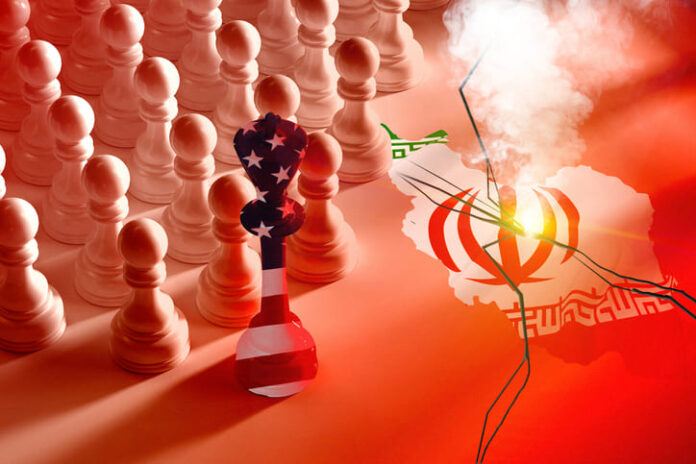
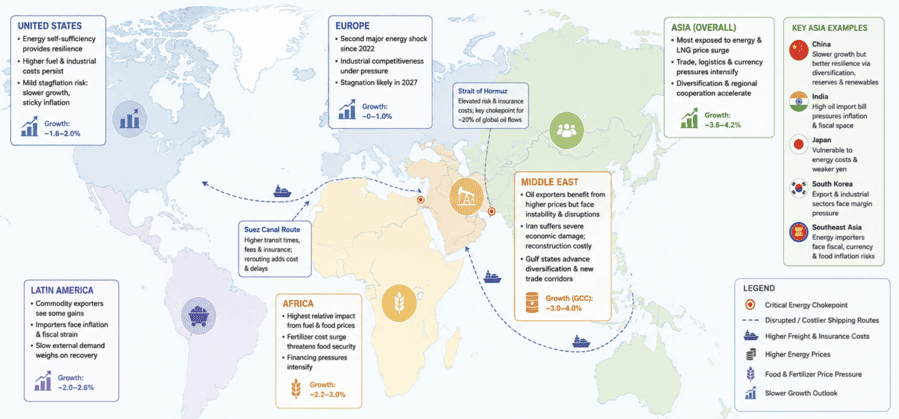
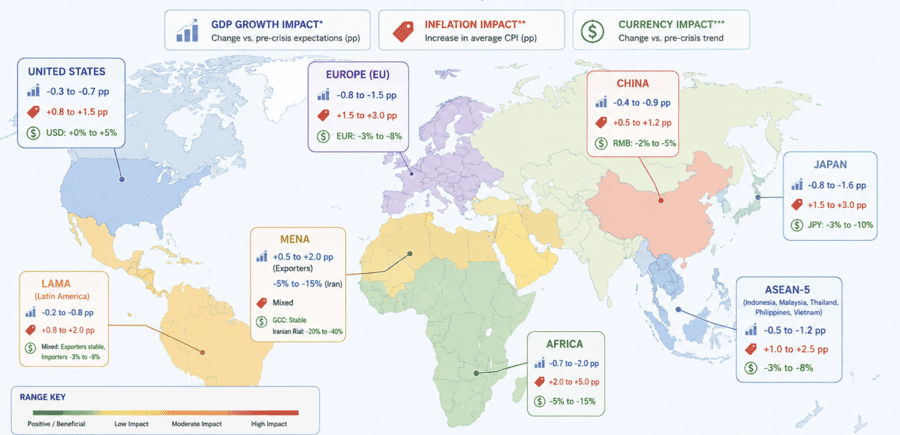
 Dr. Dan Steinbock





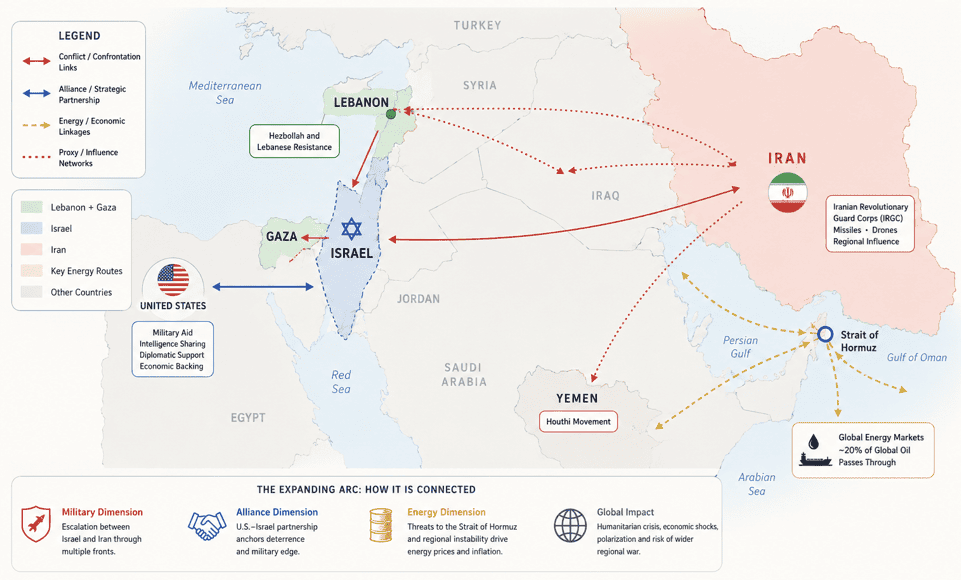
 Dr. Dan Steinbock

 Joseph Mazur
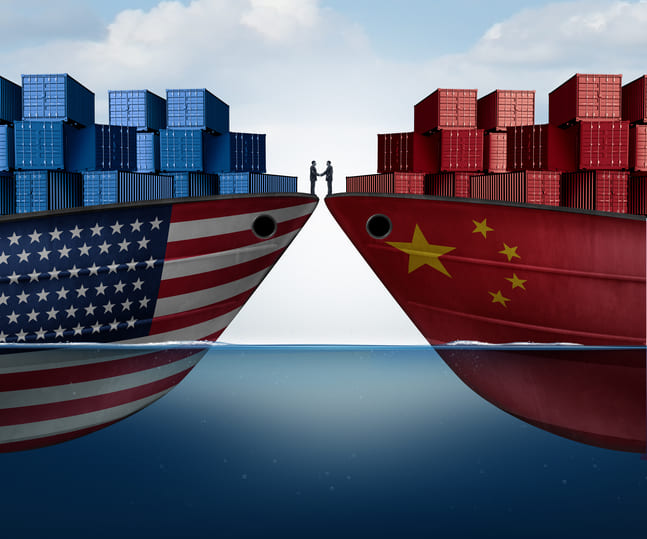
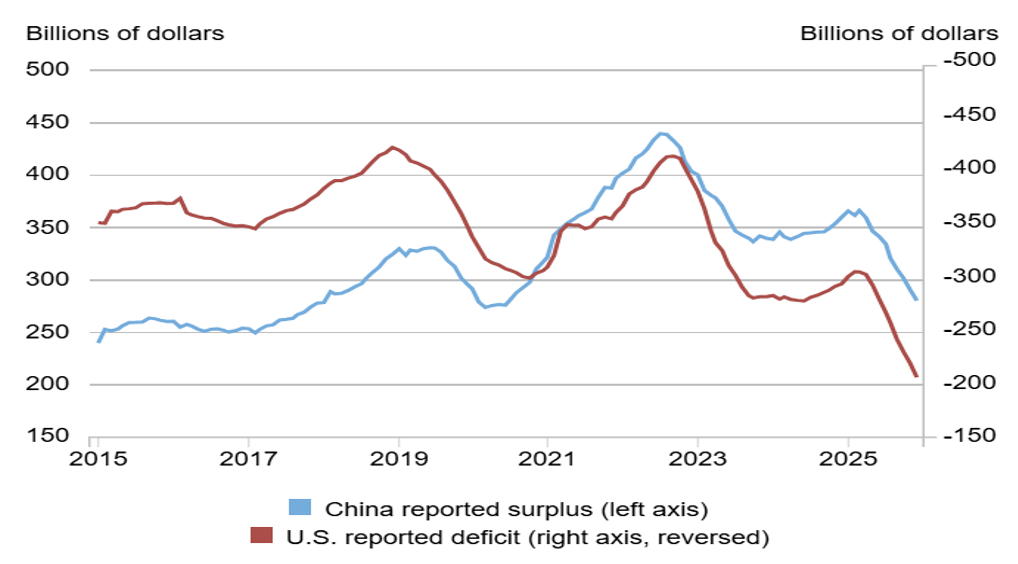
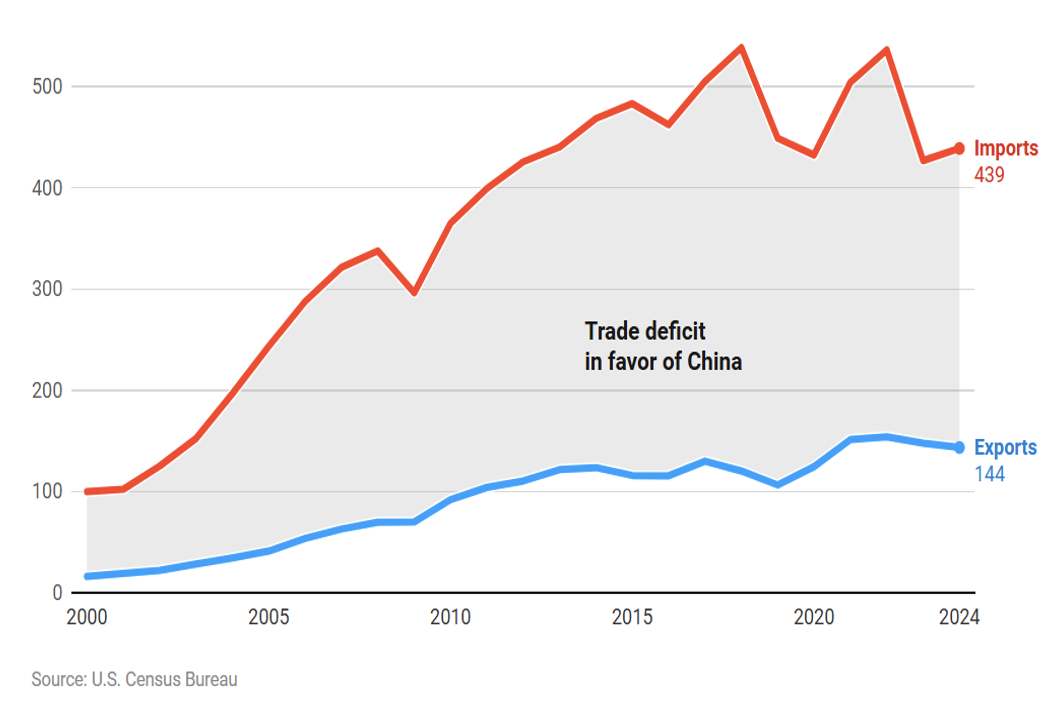
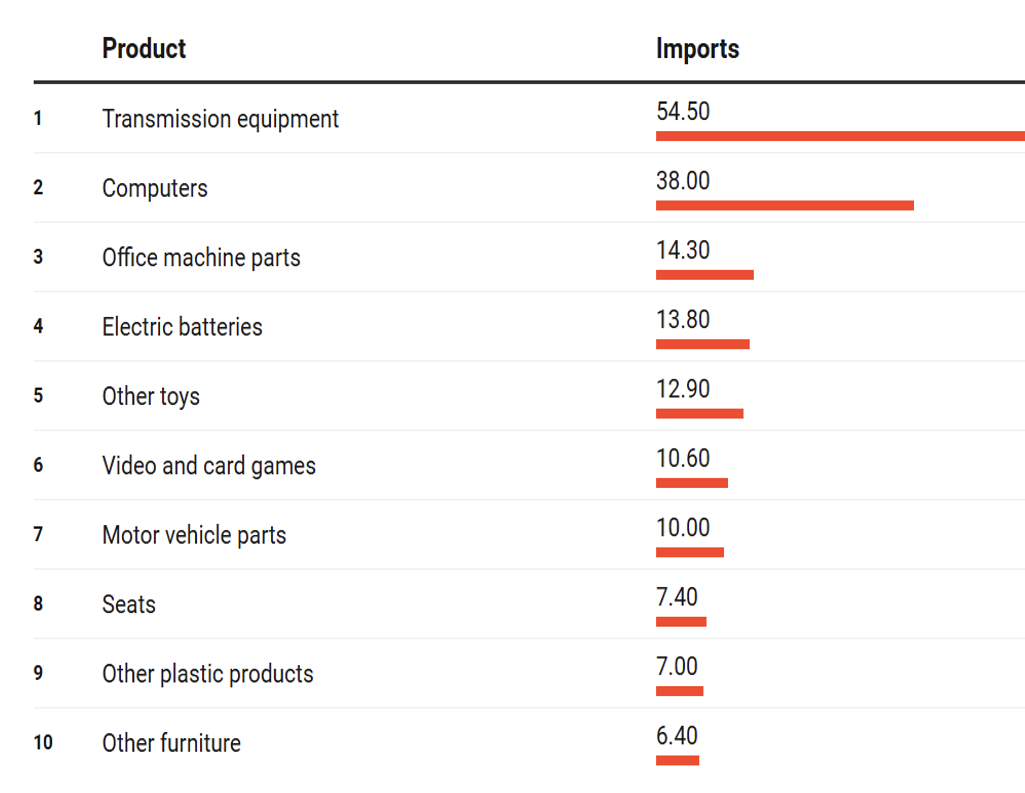
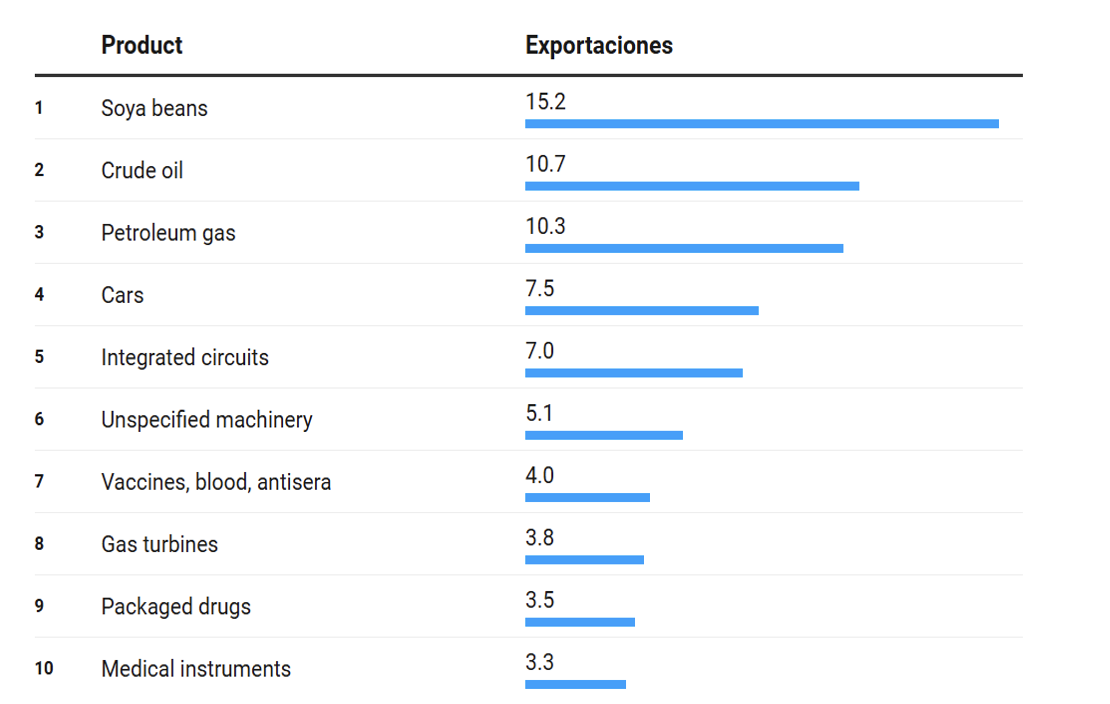
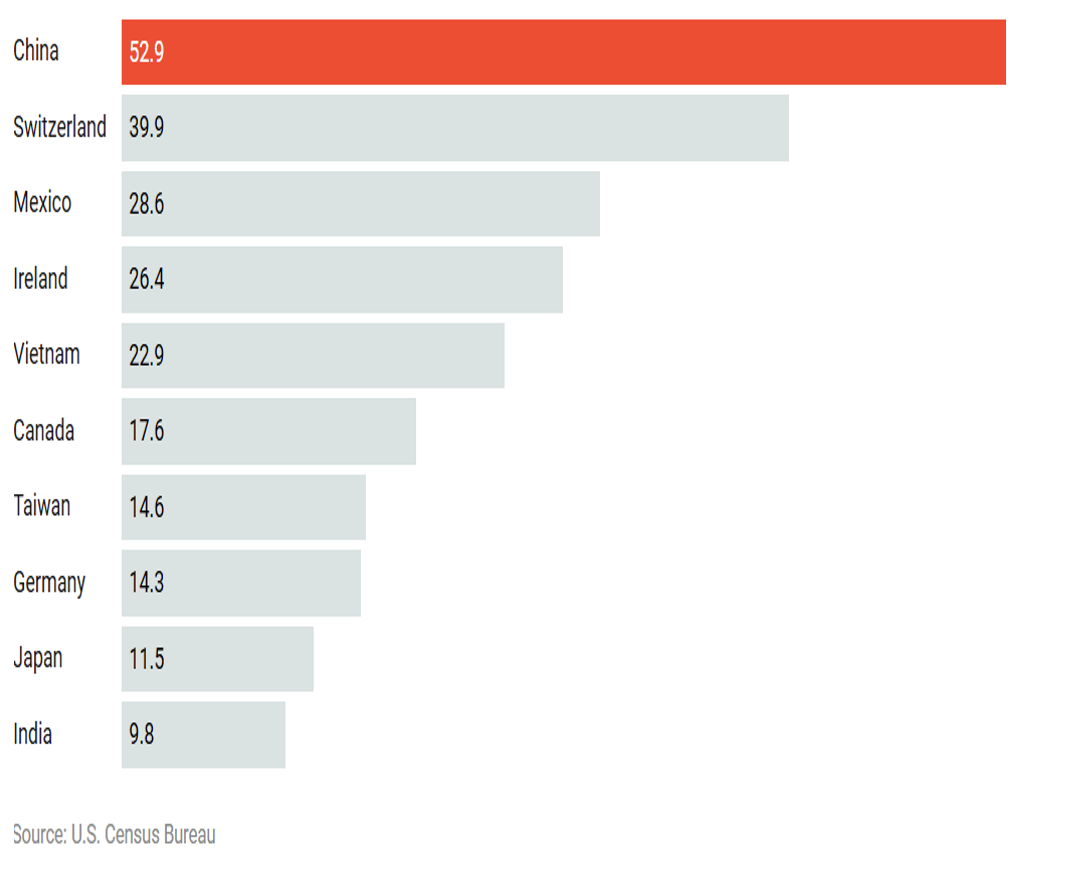
 Dr. Kalim Siddiqui


















































.jpg)