By Raimond Maurer, Olivia S. Mitchell & Mark Warshawsky
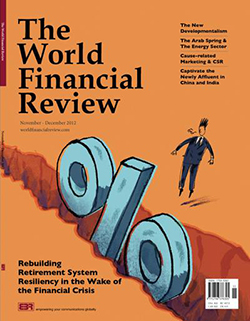
The global financial meltdown has had important repercussions for capital market returns, labor market earnings, household retirement and consumption patterns, old-age Social Security systems, and pension plan resilience. Both defined benefit (DB) and defined contribution (DC) plans have been shaken by the recent economic shocks. Stakeholders have gained a new appreciation of the need to identify, mitigate, and finance risk faced by beneficiaries, plan sponsors, and other players in the retirement finance field, including government. In the future, improved understanding of risk is essential – and as the financial and economic collapse now confirms, risk will always play a part in retirement planning. Our new conference volume entitled Reshaping Retirement Security: Lessons from the Global Financial Crisis summarizes the lessons learned by practitioners, academics, and policy analysts who explore how retirement planning and long-term financial security have changed following the crisis.1