


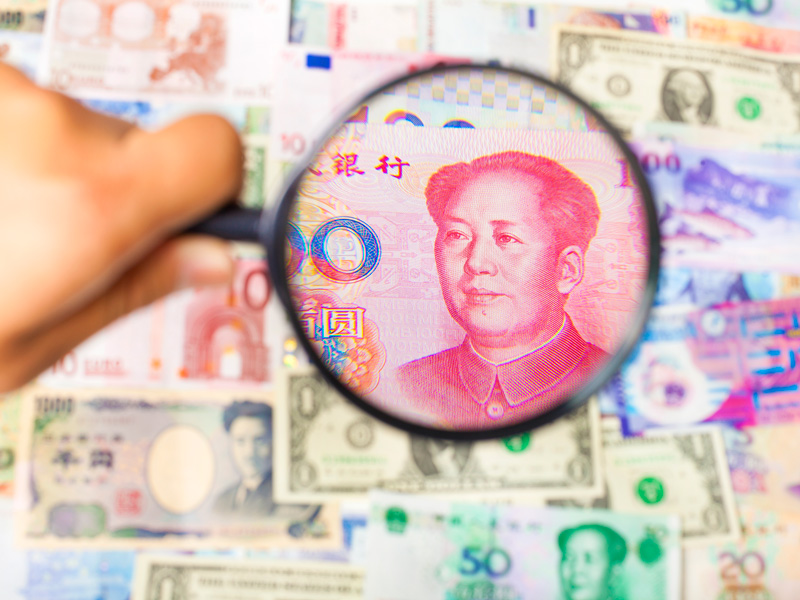
According to Dan Steinbock, the internationalisation of the renminbi is accelerating. The inclusion of the yuan in the IMF basket of reserves is now a matter of time.
September – October 2015

Building the Best-Practice Engagement Bank Ethical Finance The Role of Ethical Finance in the Well Being Will There be Such a ‘Think’ as Responsible Investment Banking One Day? Sustainability Economics On Economic Inequality North East-Asia How Asia Works: Emerging Economies Europe India Technology Moore’s Law Continues to Drive Change
Banking
Regulation and Culture Change in Banks
John Mellor
Brett King, Alex Sion and Michael Degnan
of the 21st Century Societies
Sofia Santos
Karen Wendt
Addressing Social Sustainability Must be a
Global Priority
Jonas Törnblom
The Fallacy of Measurement
Mark Esposito and Terence Tse
Harry G. FrankfurtChina
The Internationalisation of the Renminbi
Dan Steinbock
Finance: The Merits of a Short Leash
Joe Studwell
Management Lessons from the Emerging World
Mauro F. Guillén and Esteban García-Canal
EU’s Refugee Relocation Plans Desperately Need a Reality Check
Katharine Jones
India’s Lessons for Creating a Digital Business
Raghav Narsalay and Avnish Sabharwal
What Does a 21st Century Enterprise Look Like?
Anant Gupta
Daniel Burrus
Can Hong Kong Overcome Complacency?

In the past, so the legend goes, Hong Kong feared nothing. Today, the city seems frozen by its obstacles. Can it change, once more?
Toward the Oil-Dollar-Fed Rollercoaster Ride

The fluctuations of the oil prices, the Fed’s policy rate and the U.S. dollar are intertwined. In fall 2015/spring 2016, the Fed’s impending rate hikes will cause substantial turbulence in emerging markets.
The Trans-Pacific Divisions
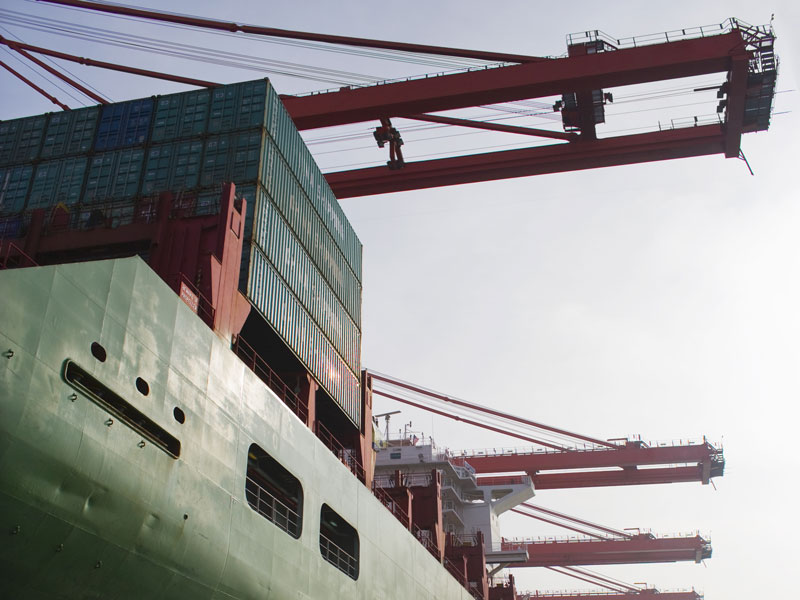
The White House’s effort to hammer the Trans-Pacific Partnership (TPP) agreement in Maui failed. As time is running out for President Obama’s legacy achievement, both Washington and Beijing are reassessing their options.
Safe Haven: How A Recent United States Supreme Court Decision Stands To Protect Foreign Banks From Their Depositors’ Creditors

By Charles H. Camp and Theresa B. Bowman
The United States Supreme Court in the pre-judgment case of Daimler AG v. Bauman, 134 S. Ct. 746 (2014) begs the question as to whether the United States – not just New York – is to continue to offer the kind of creditor protection that allows domestic investment to flourish, or to become a “haven” for foreign banks seeking to “evade the consequences of valid judgments against their depositors.”
The Merits of Eco Governance in a Modern World

In this article, Jonas Törnblom discusses the unique way in which major urban development projects are governed in Sweden and calls for smarter approaches to planning and managing today’s cities using innovative waste policy functions, which replace traditional manual methods of collecting waste with sustainable fully automated waste collection systems that use an underground pipe network.
Collective Life Capital: The Lost Ground of the Economy

In this analysis, the author definitively explains collective life capital as the missing base of the economy under systemic attack by life-blind market globalisation, and exactly defines the life-value standards and compass to steer out of a cumulatively eco-genocidal disorder to real economic sustainability.
The CFO’s Changing Role: Growing Challenges Demand New Skills

Scott Davis of UPS, Indra Nooyi of PepsiCo, Joe Kaeser of Siemens AG, and Gregory Hayes of United Technologies: they’re just a few of the high-profile CFOs who became CEOs in recent years. And although most CFOs don’t get tapped to lead their organizations, these four are part of a growing trend that is seeing the role of the Chief Financial Officer move from numbers-only to becoming a key strategic partner.
EDITOR'S PICK OF THE WEEK

China’s Challenging Search for a New Model of Economic Growth
By Danny Leipziger
China cannot continue to rely on exports to drive its growth, but what are the alternatives?
China ran a $1.2 trillion trade surplus last year, and despite admonitions from the IMF to rely...

















































