Home Blog Page 674

Progress of Bitcoin in North Macedonia and the World

Bitcoin-World

Bitcoin is a decentralized digital currency, without a central bank or single administrator, that can be sent from user to user on the peer-to-peer bitcoin network without the need for intermediaries. Transactions are verified by network nodes through cryptography and recorded in a public distributed ledger called a blockchain. Bitcoin is unique in that there are a finite number of them: 21 million.  Explore bitcoin decoder for further guidelines..

Bitcoins are created as a reward for a process known as mining. They can be exchanged for other currencies, products, and services.[17] As of February 2015, over 100,000 merchants and vendors accepted bitcoin as payment.[18]

According to research produced by Cambridge University in 2017, there are 2.9 to 5.8 million unique users using a cryptocurrency wallet, most of them using bitcoin.

The first wallet program was released in 2009 by Satoshi Nakamoto as open-source software.[19]

On 1 August 2017, a hard fork of bitcoin was created, known as Bitcoin Cash.

As of May 2018, the total value of all existing bitcoins exceeded 100 billion US dollars, with millions of dollars worth of bitcoins exchanged daily.

North Macedonia is a country located in the Balkan peninsula in Southeast Europe. It has a population of 2.06 million and a territory of 25,713 square kilometers. North Macedonia is a landlocked country bordered by Kosovo to the northwest, Serbia to the north, Bulgaria to the east, Greece to the south, and Albania to the west. Its capital is Skopje, and the official languages are Macedonian and Albanian.

North Macedonia has been a member of the United Nations since 1993, a member of the Council of Europe since 1995, and a founding member of the Organization for Security and Co-operation in Europe (OSCE) since 1999. Since 2005, it has also been a candidate for joining the European Union and has applied for NATO membership. North Macedonia’s economy is based on agriculture, timber, mining, metallurgy, construction materials, textiles, food processing, and tourism.

The country’s currency is the denar (MKD).

As of 2018, there were no known Bitcoin businesses or exchanges in North Macedonia.

The use of Bitcoin is not regulated in North Macedonia as of yet. The National Bank of the Republic of North Macedonia has issued a warning to the public about the risks associated with investing in virtual currencies, including Bitcoin. The Bank has stated that it does not recognize virtual currencies as legal tender and that no regulatory protections exist for investors.

However, the use of Bitcoin is not currently prohibited and there are no known restrictions on Bitcoin businesses in North Macedonia.

Role of Bitcoin Trading in North Macedonia’s Economy

Bitcoin trading has become increasingly popular in North Macedonia in recent years, as the country’s economy has grown and more people have looked to invest in cryptocurrencies. Bitcoin trading platforms like LocalBitcoins have seen a significant uptick in trade volume in North Macedonia, as investors seek to take advantage of the country’s booming economy.

The North Macedonian economy has been growing rapidly in recent years, thanks in part to foreign investment. The country has attracted a number of international businesses, including Google and Amazon, which have set up data centers in the country. This influx of investment has helped to boost the economy and create jobs.

Cryptocurrency trading has also become popular in North Macedonia, as investors look to cash in on the volatile prices of digital currencies. Bitcoin trading platforms like LocalBitcoins have seen a significant uptick in trade volume in North Macedonia, as investors seek to take advantage of the country’s booming economy.

The North Macedonian government has been supportive of the cryptocurrency industry and has even announced plans to launch its own digital currency, the denar coin. The denar coin is intended to be used as a national payment system and will be backed by the country’s reserves of a denar.

Cryptocurrency trading can be a risky investment, but it can also offer substantial rewards. For investors looking to take advantage of North Macedonia’s booming economy, bitcoin trading may be worth considering.

Future of Bitcoin Trading in North Macedonia

It is no secret that Bitcoin and other cryptocurrencies have been on the rise in recent years, with more and more people investing in them. This trend looks set to continue in the future, and North Macedonia is no exception. In fact, there are a number of reasons why North Macedonia could become a hotbed for Bitcoin trading in the future.

First of all, North Macedonia is home to a number of tech-savvy young people who are interested in new technologies. This means that there is already a large pool of potential traders who are familiar with the basics of how Bitcoin works.

Secondly, North Macedonia has a very favorable regulatory environment for cryptocurrencies. The country has no specific laws or regulations regarding cryptocurrencies, which means that they are currently treated as financial assets. This is likely to change in the future, but for now, it provides a great opportunity for those looking to trade Bitcoin.

Finally, North Macedonia is positioning itself as a hub for innovation and technology. This is evident in the government’s recent decision to offer a $100 million prize for the development of a decentralized internet. This shows that the country is open to new technologies and is willing to invest in them.

All of these factors combined make North Macedonia an ideal place for Bitcoin trading. With a large pool of potential traders and a favorable regulatory environment, there is no doubt that North Macedonia will become a major player in the world of Bitcoin trading in the years to come.


Things to Know About Buying a Home

buyying home

Buying a home is a huge financial investment and you deserve to feel confident throughout the process. In this article, we’re discussing all of the things you should know about your home mortgage before you get serious about your decision.

When making a decision on your home, you should ensure you understand all of the home specifics, such as closing costs, interest rates, and your loan terms. You should also understand how the market plays into your decision and what some of your negotiating power is.

Settle On a Definitive Settlement Amount

Before you sign the big deal, you need to take some time to decide whether you can afford it. Home loan repayments and the costs of owning a home can greatly impact your budget more than rent payments. You have to consider closing costs and insurance costs as well as how interest plays into your financial plan over time. You should consider the maximum repayment that you are willing to put toward your loan and you can use our repayment calculator to gather an estimate of what repayments are.

At this stage, you will need to decide what your down payment will be. In most cases, you want it to be at least 10% of the property value, no matter how much you can borrow. It’s still important to understand how much the bank will be able to loan you. If you decide you can handle all of the costs associated with a home loan, you should consider speaking with a home loan advisor who can walk you through all of your mortgage options. They will also be able to walk you through the pre approval process to give you a better idea of what you can qualify for.

Don’t Forget the Hidden Costs

As we touched on, the costs of owning a home are much different than those of renting a home. Before you think about closing on your new home, consider the following expenditures:

  • Closing costs
  • Moving costs
  • Maintenance and Repairs
  • Homeowners’ insurance
  • Mortgage insurance (MIP or PMI)
  • HOA fees
  • Utilities

The Search Is Critical

The more legwork you do on your home loan, the more you will be prepared for whatever the process throws at you. B Street buyers agents in Sydney note that you will be far less likely to overpay for your home if you avoid selecting something you don’t want. The following tips will come in handy when conducting your search:

  • Decide on the areas where you would like to live.
  • Search the recent sales prices for your location and compare them with the suburb profiles on real estate websites.
  • Reach out to local agents to find out their sentiments on the current status of the market for the Cincinnati homes for sale.
  • Chat with local agents to gain a better understanding of how the market trades.

Deciding on what can potentially improve your property value is just as important as deciding the most important elements of your home. Try considering things such as the areas school zone, future building plans, transport options, and access to amenities like grocery stores.

Consider Renovation

If you already have a home, you should consider renovating as it could boost your property value and equity. There are costs to consider with renovation but you have a tremendous asset at your disposal and you should use it.

Be Confident

Buying a home is one of the largest – if not the largest – investments you’ll ever make, so you should make sure you aren’t impulse buying like you would in the check-out line at the grocery store. Remember, if you don’t feel comfortable with your decision, you can always walk away before you’re too far in the closing process. There are other properties out there and you shouldn’t buy a property in hast because you feel you need to.

As with any other financial investment, you shouldn’t be investing in a home because of emotions. Of course you’re going to be emotionally invested in a purchase of this size but make sure you also make your decision based on logic. Even after signing a purchase contract, you will have to wait a few days for it to clear so you can think about the purchase and potentially back out if the details aren’t in your favor.

When you’re ready to negotiate, here are some tips. Consider supply and demand. If you notice there is no one else in the property, you need to conduct an investigation into why that is. Are there other similar houses that might drive the property’s value down? If this is the case, you might be able to make an offer below the asking price. ON the other hand, you will want to uncover if there is anything wrong with the property.

You should also flow with the market and not the asking price. Remember, sellers are trying to get more than the market worth for their investment – that’s how they turn a profit. You’re trying to get the house for below asking price and potentially below market price. Never use the seller’s asking price as the starting point. Price also isn’t the only negotiating tool. You can also debate settlement terms based on things such as your home inspection or appraisal.

Local Market Indicators

Local market indicators can be tricky because you have little control over them and it’s hard to stifle your emotions in the face of their sway. The market can be an unforgiving place and the reality is you might never have your dream home in the location you hoped for. Some market values also dictate whether or not owning is even an option. You have to base your decision on the market as much as your personal preferences.

Conclusion- Things to Know About Buying a Home

If you’re considering buying a home, you need to carefully consider all of the specifics before you pull the trigger. Looking at your preferences, what the market factors are, and all of the associated costs will ensure that you get the home you’ve been looking for without any drawbacks. Once you are certain about pulling the trigger on a home, you should speak with an experienced loan advisor who can walk you through your decision. We at Blueprint we buy homes San Diego we help every one of our clients in these areas to help ensure a smoother process when selling a home.

Which Real Property in Dubai is Profitable to Invest in 2022

Real Property in Dubai is Profitable to Invest

Overseas real property in the UAE looks more and more attractive in the minds of foreigners. And if for a long time the housing stock in the country was more interested in those who are planning to move to permanent residence, then in recent years, citizens of other countries have been actively purchasing apartments and apartments as investments. Dubai has leadership in this area. The property in Dubai at best prices allows you not only to secure money from inflation, but also to get a return on investment. Let’s consider why it is profitable to invest in housing in the largest emirate of the country and what properties can bring the most income.

Five reasons to invest in Dubai real property 

It is not only year-round summer that attracts attention to the city. Other reasons to acquire real property include:

  • Attractive prices. They can hardly be called affordable for a limited budget, but when compared with the cost of real property in large metropolitan districts in Europe and the United States, you can clearly see that Dubai’s housing stock is cheaper. It is also worth noting that even the secondary properties fully comply with modern requirements for high quality standards.
  • Growing demand. It provides not only the liquidity of housing upon incurrence of such a desire, but also a significant income from its rental. Almost 90% of the emirate are expats, so apartments for rent are always in demand. At the same time, the value of the rent permits to receive up to 8% of profit annually.
  • No taxes. Natural persons are exempted from paying them, which allows them to legally receive net income from renting out property.
  • High quality of life. The developed infrastructure, increased attention to the social sphere, the development of medicine, education makes living in the emirate comfortable.
  • The housing price capitalization. Trends in the real property market last year clearly demonstrated the increase in prices for all types of housing stock.

Is it worth to invest only in apartments

Buyer preferences in the real property market have changed radically since the beginning of the pandemic. With the widespread imposition of limitations, people have realized the importance of having vacant space, which not only allows you to organize your workplace, but also to pause on the inevitable constant contact with household members. Therefore, if previously the dominant type of investment property was studio apartments or one-bedroom apartments, today we can confidently say that villas and townhouses are no less in demand. Therefore, absolutely any property can be chosen for investment within the existing budget. The investment profitability depends only on the quality of housing and its location. 

The best districts of Dubai for investment

Vacationers prefer housing on the coast. Among the districts in demand, Dubai Marina is worth to note, which is considered the center of the tourist flow. Palm Jumeirah is no less sought-after, which is invariably associated with luxury. No less popular are the central districts of the metropolis: Downtown Dubai, Business Bay. For detailed information about popular emirate locations and offers from developers and real property agencies, see the official website https://emirates.estate/.

5 Tips to Make Corporate Travel Easy for Your Employees

corporate travel

Every business reaches growth that pushes it to move to other locations. When this time comes, travel becomes necessary. You and your employees might need to move from one branch of your business to another. This can lead to leaking of finances and other issues if not managed properly.

It is vital to know how you can streamline your corporate travel. You can use various ways to ensure you and your team have the best travel experiences. This article will discuss the various ways to make corporate traveling rewarding for you and your team.

Let’s get into how you can make corporate traveling easy in your company.

1. Create Corporate Travel Guidelines

It is always essential to have corporate travel guidelines for you and your employees. Traveling abroad comes with a wide range of risks. To make it easy, you need to develop ways to prevent these risks. Setting travel guidelines and maintaining them can make everything easy.

It will help mitigate accidents and any other emergencies while traveling. It will also help you bond with employees, and they’ll positively represent your brand. When it comes to these kinds of business guidelines, it is important to find the right balance of strict and fun.

2. Plan for Accommodation Beforehand

Early planning for corporate travel makes sure that everything goes without a hitch. But some business owners wait until it is too late to plan. One of the things that require prior planning is accommodation. It is vital to ensure you plan where you and your team will spend time while abroad.

If you book hotels, do that a few days before the traveling dates. Research online for the best hotels in the location you’re visiting. You can find corporate apartments in Boston and other cities in the world. This makes it easy to find a safe place for them to settle during the trip.

You can narrow your search to furnished apartments in Los Angeles should you be traveling in this part of California. This will help you find short-term corporate housing designed for comfort. Such corporate apartments have everything you need to enjoy your stay. You can be sure that they’ll make your business trip easy.

3. Reward Your Employees

It takes a lot to travel to a new place for business purposes. Waking up to daily work and managing workflow away from the office takes a lot of energy. Thus, it would be best to show your team that you recognize their efforts. You can do this by finding them the best accommodation.

But you can go a step further to make them feel appreciated. One way to do this is by setting up a rewards scheme in your company. You can design it to discourage excessive spending while on business trips. For instance, you can set the maximum one needs to spend to get a reward.

This can be a constant reminder to your employees that they need to limit their spending. It can help you encourage competition on who spends the least among them. This will make corporate traveling easier and also more affordable for your company.

4. Give Virtual Meetings a Second Thought

virtual meetings

Virtual meetings are an excellent alternative to traveling. Moving away from your business premise comes with various issues. First, it leads to partial or total business disruption. This means you might not achieve the same level of productivity you’re used to.

Also, it comes with costs that you might not have budgeted for. Thus, it’s a good idea to consider the viability of virtual meetings. You should check if apps like Zoom can help you achieve your plans. Also, there are many other video conferencing software tools out there.

But this is not to say that you should replace virtual meetings with corporate travel. It is easier to strike a deal if you meet with the other party in person. Corporate travel and in-person meetings bring the best results.

5. Ensure Clear Communication

Communication is vital whether at work or when traveling. You cannot do much or achieve your desired level of productivity if your communication isn’t effective. It’s always essential to keep in touch with your traveling team. Otherwise, they might feel lost should anything happen.

As mentioned before, you need first to communicate the guidelines. You’ll leave room for error if you do not communicate well. Also, you won’t be able to offer employees support if you do not communicate. Thus, you should set up an avenue for continuous engagement and feedback.

6. Simplify Processes

Traveling can be tricky, especially when going abroad. You need to ensure a lot to get the best experience from your travels. The whole process can end up being cumbersome and time-consuming. Thus, it can help to find a way to simplify and speed up all the steps.

The easiest way to simplify processes is by knowing what pains your team. You can create a survey to help collect views. They can help you identify what needs to change to make the traveling process easier. It would be best if you acted on their feedback in good time to ensure satisfaction.

Corporate Travel Can Never Get Easier

This post has provided a background view of easy corporate traveling. You should not lose money in between your travels. If you run a business, you should aim at spending the least amount to ensure you make profits. You can, for instance, consider holding virtual meetings.

You can also ensure you have clear travel policies. Please share them with your team so that all of them know the dos and don’ts of corporate travel. You can also reduce traveling to only when it is necessary. This will reduce the wastage of business finances on unnecessary trips.

Every tip shared in this article will help take your business to the next level. You can start implementing them in your business slowly. You’ll eventually become better at planning successful corporate travels. Also, your company will start closing more deals in the end.

9 Tips to Follow to Have A Healthy Return in Stock Market

stock market

Investing in the stock market can be an excellent idea. However, it also comes with a lot of risks considering how volatile it is. The stock market can be highly influenced by outside factors which makes the soar or plummet instantly.

But one way to make returns in this industry is by selling stock shared at a profit. You can also use short selling or collect dividends. It would also be of great help if you are knowledgeable enough to know when to cash in or out.

Investing in the stock market is an art. You need to learn to invest in stocks from scratch and grow your knowledge with time. The best way to discover it is to do your proper research and analysis. 

But aside from that, the following tips could also help you become an intelligent investor. Here are the things you should do:

1. Avoid the Herd Mentality

The herd mentality is an investment strategy that many people use today. It means making decisions by following the action of the masses. This investing psychology is for investors who do not have a rational view of the market. It would be best to avoid it by all means as a stock investor.

Many people fall for this mentality due to intense social pressure. It’s also due to the common belief that the masses can never be wrong. You do not have to buy a stock because everyone else is buying it. This strategy won’t be fruitful for you as an investor in the stock market.

2. Always Have a Trading Plan 

Investing requires thorough planning for your target stock market investment. Various variables can help an investor develop an excellent trading plan. For instance, they need to check how much time there’s, the risks, and their objectives. The trading plan has a set of rules to guide the investor.

You set trading rules for a specific period, primarily a year. Every good online investing course will teach you how to create an excellent trading plan. You also do not stick to the same trading plan all year long. It’s a good idea always to research and adjust your strategy when there’s a need to.

3. Don’t Time the Market.

Warren Buffett’s advice to investors is that they shouldn’t try to time the market. The reality is that timing the market doesn’t work. All you need to do is identify the best company, then go ahead and buy its stocks. Market predictions can be misleading, and they distract investors.

Market timing has never been consistent, even when it succeeds. It might only work for you in one market cycle and fail in many other cycles. Just consider doing it yourself if you are good at telling the spikes and dips. You’ll know how to read movements as you learn to invest in stocks.

4. Track the Market Like a Pro

market like a pro

The internet has made the world seem like a village. You have no excuse as an investor in the stock market. The internet offers you everything you need to become a pro. For instance, you can find an online investing course that will train you on how to invest in stocks from scratch.

As said before, stock market investment isn’t t easy. It is an art that you need to learn and master over time. Besides taking an investing course, you know more as you keep buying stocks. You can research for tips like the ones in this article and then grow your skills.

5. Avoid Emotional Investing

Basing investment decisions on emotions might not end well for you. It’ll be tricky to make profits if emotions like greed and fear cloud your judgment. The thought that you are about to get rich quickly can affect your decision-making. You might end up making significant losses, or worse, irreversible ones.

Investors must always rely on data from market research. Basing decision-making on data brings an investor the desired results. Even when they lose, they can track down the mistakes and improve on them. Emotional investors don’t reference data to guide future decision-making.

6. Diversify Your Stock Market Portfolio

Investment diversification is critical in the stock market. Stock markets sometimes face adverse conditions that lead to losses. You can avoid this by creating a broad portfolio. This is by putting your money in assets that belong to different classes and instruments.

For instance, you can invest in stock shares of different companies. Also, you can ensure these companies operate in various industries. Spreading your money means a stock that’s making losses doesn’t affect your other investments. You still make optimum returns from other stocks.

7. Set Realistic Expectations

It’s good for an investor to hope for the best. But you should never set unrealistic expectations when investing in stocks. Do not base your assumptions mainly on the statistics you find online. For instance, do not always count on trends that have been there for the last ten years.

You need to hope for the best but always plan for the worst. That will ensure you do not get caught by surprise if things don’t work for you. Study the current trends in your market, then develop a trading plan for that period. It will make it easier for you to get good results.

8. Understand That You Might Lose

This is almost similar to setting realistic expectations. It would be best always to remember that there are losses in the stock market. As an investor, it’s good to invest what you can afford to lose. You will find it easy to accept your losses and tweak your strategy for the future.

Investors take risks, and that’s what you’re doing by putting money in stocks. Investing in stocks can give you massive gains if you invest your surplus funds and be patient. 

Conclusion

Now you know what it takes to become an expert investor in the stock market. As mentioned earlier, the first step should be to learn how to invest for beginners. You can do that almost effortlessly using an online investing course.

Those are some of the best tips to implement when investing. For instance, you need to have a trading plan and define your preferred investment approach. In addition, you need to be good at tracking the market. All the tips shared above will help you achieve your investment goals.

With These 9 Tips, You Can Become Debt-free in Less Than a Year

9 tips

Becoming debt-free isn’t going to happen overnight. Especially if you are in the lower-income spectrum. But, a debt repayment strategy that doesn’t harm your credit score severely and lets you go debt-free in minimal time can be developed with these nine tips.

Most of these tips can be implemented without any outside help. But, in a dire financial situation, consulting a financial planning company won’t hurt. 

Being debt-free is what everyone wants. But how can you really achieve it? In this article, we will go into details on the tips on how to live that debt-free life.

1. Increase Income Through Side Hustles

Increasing your income through side hustles, naturally, will help you repay your debts faster. Although the strategy depends on variables like your skillset and career status, spending weekends to earn a little extra might present an opportunity to go debt-free sooner. 

Your side hustle doesn’t need to be a second job. Working part-time or freelancing can also be a lucrative source of income if you have enough free time to sharpen your skills and deliver quality work. 

The side income may not seem much at a glance, but an additional $500 per month will allow you to pay off a debt of $6000 within a year.  

2. Increase Debt Repayment

Decrease your savings to increase debt repayment. You can either start with repaying a portion of small loans or start with repaying larger loans. Increasing debt repayment can also be initiated by increasing the income through side hustles. 

A larger chunking debt often piles up with added interest amounts. Shying away from breaking your savings to pay a portion of it could be detrimental to your financial stability. 

While it’s reassuring to have a significant amount of cash sitting in your account, the lower than ever interest rates won’t help eliminate the interest, let alone the principal. While doing so, don’t spend all of your savings away to pay the debts too. You might also need to have some spare cash for emergencies. 

3. Reduce Spending

You’d be surprised by how much you can save by cutting insignificant costs continuously. The occasional dine-outs, the weekend parties, and the shopping mall visits can add up to thousands of dollars sooner than you can imagine. To save more to pay off your debt within a year, here are some tips that you can follow: 

  • Cook for yourself. Avoid getting out to eat too often. Avoid the random food deliveries too. But if you do, consider cheaper local restaurants. 
  • Avoid shopping malls and online stores as much as you can. Shopping malls are designed to make you spend more. Sleep on the things that you want to buy, and reconsider the next morning. 
  • Cancel club memberships. Recurring payments can add up to the cost significantly. 
  • Use public transits to work. Avoid getting in your car as much as possible. You’d be surprised at how much gas your car consumes while sitting in traffic.
  • Consult Chunk Finance to manage your spendings and give a detailed report on where you can save for debt paydown.  
  • Always try to pay through debit cards and cash. Don’t spend the money you don’t have by using a credit card.
  • Shop with a list and stick to it. 

By reducing the expenditure, you should be able to save enough to pay off portions of the debt every month. Your focus should be to not add any more debts to the already huge pile. 

4. Consider Debt Pay Off Strategies

Two strategies are considered by experts when you are required to pay off your debt in minimal time. They are: debt snowball method and debt avalanche method.

Just like a snowball when added more snow to it, debt grows larger and larger. However, it can be paid off by reducing it slowly but steadily. In the debt snowball method, the smallest loans are paid first while repaying the minimum amount to the larger debts. Once the smallest loan is paid off, you take on the next smallest dollar amount. By following this method, you’d gradually have lesser interest payments and more money to spend on the next minimum loan. 

On the other hand, the debt avalanche method recommends that you erase the loan with the largest interest first. The principal amount doesn’t matter in this method. If you have a credit card loan that attracts a 19% interest rate, it needs to be prioritized before repaying the student loan with a 5% interest rate. Even if the monthly minimum amount is deemed lower in the credit card debt, you must follow it to gain a significant advantage over the larger loans. 

The strategies provided can be adapted as needed. When faced with daunting debt, consulting professionals for guidance is wise. Debt relief companies can be beneficial in your journey to be debt-free. No matter where you are, assistance is available. For those in Miami, for instance, numerous Florida debt relief programs offer tailored support to your unique requirements and state laws.

5. Cash Your Life Insurance

Cashing your life insurance can be a viable debt payoff strategy if you don’t have beneficiaries like children or a spouse to pass down the cash to. It allows you to pay off the larger debts and have more cash in hand every month to gradually pay off the smaller debts. 

Again, this method only works if you don’t have beneficiaries or are enjoying whole life policies. In term life insurance policies, the lump sum can’t be withdrawn to go debt-free. However, if you have beneficiaries, cashing out a portion of the life insurance, if possible, could be a better scenario planning for your debt.

6. Consider Credit Card Balance Transfer

A credit card balance transfer is when you transfer your outstanding dues to a new credit card. As credit card balance transfer deals typically come with a zero-interest fee for a year or so, you eradicate all credit card interests for that time being.

By eliminating high interests on credit card dues, you free up significant cash flow and allow yourself to spend the additional money on larger debts or credit card dues. 

7. Consider Checking Statute of Limitation Laws

Don’t pay off your old credit card bills that are more than 7 to 10 years old if you aren’t legally obligated to do so. The statute of limitation law eliminates the obligation to erase the debts and prevents the debt collectors from extracting the amount if you have no money to pay it off. 

Although before jumping to conclusions, consult the statewide rules regarding outstanding debts. Either way, consider paying off the newer loans before the older ones.  

8. Loan Settlements

Loan settlements are considered one of the last resorts in a debt-payoff strategy. In a loan settlement meeting, you negotiate with the creditors to cut off the principal amount to something that you can manage. This method is considered a last resort because of the severe damage it does to your credit score and the sheer cost of hiring a debt settlement company. 

9. Declare Bankruptcy

Bankruptcy can allow you to start afresh. But the process is lengthy and mentally exhausting. And in many cases, you might also be prohibited from filing for bankruptcy depending on your financial status. 

Bankruptcy does extended damage to your credit score. And even after filing, you may still need to follow a debt repayment strategy imposed by the court. 

The Bottomline

These nine tips will help you eliminate your loans within a year to live a debt-free life if you can cut off your monthly spending, earn a little more, and follow the payoff strategies religiously. And if it helps, you can make use of a budget tracker so you can keep your spendings and savings as planned. 

It’s surprising to see that there are strategies that you can implement and use to your advantage. While there are some that could be your last resort to go totally debt-free. 

How Do Loans Affect Your Taxes?

taxes

Loans can have a big impact on your taxes. The interest you pay on a loan is usually tax-deductible, which can save you a lot of money. But if you default on a loan, the IRS can come after you for the unpaid taxes. So, as a taxpayer, it’s important to understand how loans can affect your taxes before you take one out. Keep reading to learn more and to avoid any run-ins with the IRS.

How Loans Affect Your Tax Bracket

When you take out a loan, the interest you pay is generally tax-deductible. This means that you can subtract the amount of interest you pay from your taxable income, which can lower your tax bracket. For example, if you have a taxable income of $50,000 and you pay $2,000 in interest on a loan, your taxable income will be lowered to $48,000, which may put you in a lower tax bracket.

For residential or commercial real estate investments or rental properties, private lending Boise and Northwest Private Lending can help with loans and equity-based lending. When you take out a loan, the Internal Revenue Service (IRS) considers the interest you pay to be taxable income. This is true for both private and commercial loans. However, there are a few ways to reduce the amount of interest that you have to pay taxes on. One way is to deduct the interest you pay on your loan from your taxable income. This can be done whether you have a commercial or private loan. There are a few restrictions on this deduction, however. For example, you can only deduct the interest you pay on up to $100,000 of debt.


There are a few things to keep in mind when taking out a loan for tax purposes. First, the interest you pay must be on a loan that is used for qualified purposes, such as buying a home or paying for education expenses. Second, the interest you can deduct may be limited, depending on your income. Finally, if you take out a loan to buy a car or other item that loses value over time, the interest you pay on loan may not be tax-deductible.


Buying a House and Getting a Mortgage

When you buy a house and take out a mortgage, you are borrowing money from a lender to purchase the home. The mortgage is a loan that is secured by the house itself. This means that if you do not make your mortgage payments, the lender can take possession of the home and sell it to recover the money you owe.

The interest you pay on your mortgage is tax-deductible. Tax-deductible means that you can deduct the interest you pay on your mortgage from your taxable income. This can reduce your tax bill by a significant amount.

However, there are some limits to the amount of mortgage interest that you can deduct. If you are married and file a joint tax return, you can deduct the interest on mortgages up to $1 million. If you are single, you can deduct the interest on mortgages up to $500,000.

Student Loans and Your Taxes

Student loans are one of the many factors that can impact your taxes, finances, and credit score. The most important thing to remember is that student loans are considered taxable income. This means that you will need to report your loan balances and interest payments on your tax return.

If you are in a lower tax bracket, you may receive a tax break for the interest you pay on your student loans. However, if you are in a higher tax bracket, you may pay more in taxes. In addition, you may be able to deduct some of your student loan payments from your taxable income. To keep your taxes and student loans organized, purchase folders and tax return envelopes from Mines Press.

To claim a student loan deduction, you must meet certain requirements. For example, your student loan must go towards qualified education expenses. You can only deduct up to $2,500 in student loan payments each year.

Conclusion

Overall, how loans affect your taxes is an important consideration when taking out a loan. The deductions you are eligible for can reduce your taxable income, so it’s important to understand how they work.

Estate Planning for Entrepreneurs

estate planning

When you’re an entrepreneur, you want to have plans in place for yourself, what your life might look like when you get older, your business, and of course, your family. For entrepreneurs, estate planning can get more complicated than for someone who works as an employee of a company. 

For example, you have to think about who would run your business if you were sick or injured and not able to, perhaps for a long period of time. If you became disabled and relied on something like Freedomcare in New York State or a similar Medicaid or Medicare program, what would happen to your employees?

What will your succession planning look like? What if you’re in a business that’s a partnership and something were to happen to you?

While it’s a very complex situation, the following are some of the considerations entrepreneurs should consider, not just with estate planning but long-term planning in general. 

The Basics of Estate Planning

Even if you’re a new entrepreneur, you still have an estate. Everyone has an estate, and it includes everything you own. 

Even if you don’t feel like you’re wealthy, if you have a car, furniture, life insurance, or real estate as examples, then you have an estate. Your business is also part of your estate. 

It doesn’t matter how many assets you have or how valuable, or not, they are—you still have an estate. 

Estate planning is a way to name the people or groups you want to receive what you own after you die, but thorough estate planning goes well beyond that. 

For example, your estate plan can include instructions for how you want to be cared for and how you want your finances managed if you’re incapacitated. As mentioned above, you can include arrangements for disability income insurance that might replace your income if you can’t work due to an injury or illness. Your estate plan could include long-term care insurance. 

You could outline the transfer of your business not only if you were disabled, incapacitated, or died but also upon your retirement. 

If you have children, you might name a guardian for them, and you could create a plan that would minimize taxes and legal fees. 

Estate planning is something that’s ongoing and for everyone. 

It’s not just for the wealthy, and if you put off planning, it can create challenges for your family or even for you in certain situations. 

The most basic step in estate planning is creating a will. You can also set up trust accounts to minimize estate taxes and name an executor of your estate. You could create or update beneficiaries on plans like life insurance or IRAs. You can set up a durable power of attorney to direct your other investments and assets. 

What if You’re a Business Owner?

When you’re a small business owner, it can make smart business sense to have an estate plan. This will make people more confident about working with you if they know that these are things you’ve taken care of. 

When you have an estate plan as a business owner, it makes sure you have someone to take over your business when you can’t be present anymore. Then, it simplifies things for the people you love. 

Some of the things that entrepreneurs should make sure they’re considering in their estate planning process include:

  • Start with a will and a basic plan. Your most basic estate plan should include a will about how you want your business and property to be divided upon your death. It should include a power of attorney. A power of attorney appoints someone else to manage your finances and also handle business transactions if you aren’t able to. The third basic element the estate plan should include is a healthcare directive. The healthcare directive appoints someone to make medical decisions for you if you can’t yourself. If you don’t have a will, your business is divided based on the laws of your state. 
  • Tax planning is a major part of estate planning. Tax laws are always changing, so you’ll have to check in with a financial advisor and lawyer in this area regularly. 
  • Family-owned businesses can be especially tricky when it comes to estate planning. If you are part of a family-owned business, you should work with a lawyer who specializes in this area. There are ways that you can make sure you keep the business family-owned, but you have to be strategic in your planning. 
  • If you own part of a business with multiple owners, you might need to include a buy-sell agreement in your estate planning. A buy-sell agreement outlines who can buy your shares of a business and under what conditions. The buy-sell agreement should also outline the price. 
  • Buy-sell agreements are designed to keep businesses in the hands of their owners if another owner dies, retires, becomes disabled, or exits for any other reason. Usually, these agreements state that existing owners have the first right to buy the shares of the existing owner based on a pre-determined formula for valuation. 
  • A buy-sell agreement might also include rules as far as what rights a former spouse would have to business assets during a divorce.
  • Buy life and disability insurance. Life insurance will provide your family or beneficiary with income if something happens to you, and it can create an income stream for your business if needed. Disability insurance can give you similar coverage in the event of either a short- or long-term disability. Most business owners need a personal life and disability policy with their family being the beneficiary, as well as a key person life and disability policy where the business is the beneficiary. 
  • If you haven’t heard of it, key person insurance is like life insurance, with the beneficiary being a company instead of a family member. If a key person of the business, such as the owner, becomes disabled or passes away, the company gets a payout that’s equal to a multiple of whatever the owner’s salary or the profits of the business are. The rest of the members of a business can then use the funds to pay employees or keep the business afloat. 

Have a Succession Plan

Continuity or succession planning should be part of your larger long-term plan as an entrepreneur. Succession planning specifics how your company will prepare for an ownership transition. Succession planning’s objective is keeping a business running or, in your absence, preparing it to be sold. 

Succession plans are written documents that share similarities with a business plan. 

For example, the succession plan will include information about your business, target market, and competitors. 

Then, most succession plans will include the organizational structure of a business and the positions that certain key members will take on if you’re disabled or upon your death. 

There will be training opportunities identified or, if relevant, compensation adjustments. 

You’ll also include financial background on your company, like the current valuation, assets, and profits. 

While your succession plan is its own document, it needs to be consistent with your will and the rest of what you outline in your estate plan. 

Prenuptial Agreements

Most states have laws that protect your spouse, if you’re married, from something called disinheritance. This means you can’t write your spouse out of your will. 

If you’re worried about the effects of a relatively new long-term relationship on your estate and what could happen with your business, you might want to do something to have more control over this area. 

A prenuptial agreement made with your spouse can make sure you’re able to maintain control over your assets, which could include your business interests. 

Your prenuptial agreement can be a source of protection against state laws, which would otherwise determine how your estate was distributed on your passing. 

Even outside of estate planning, having a prenup is an important legal protection that’s recommended for entrepreneurs. 

A lot of partnership agreements actually require them. Entrepreneurs and business owners want to be partners with the people they went into business with, not their spouses. Partnerships will often integrate language where everyone is required to have a prenup in place to protect the business from being divided in a divorce. 

Another reason entrepreneurs should have prenups is to make sure that they’re maintaining control over who has a say in the business. Even if you’re the only owner, if you were to get divorced, it would be unlikely you would want your former spouse to have any input into how you run your business. 

If you get divorced and you can’t afford to buy out your spouse, you could have to liquidate your business. If you have a prenup, you can set it up so that you retain the business as separate property, or you can outline what percentage of the business would go to your spouse and how they’d receive it. 

These are hardly even all of the many complex considerations you have to keep in mind as an entrepreneur. Everyone should have an estate plan, even if you feel like you have minimal assets, but if you’re working hard on a business, thinking about the future can be especially important. 

Ovik Mkrtchyan Talks About the Use of AI in the Banking Sector

AI in the Banking Sector

Ovik Mkrtchyan, prominent business consultant, shares his expert opinion here on the importance of introducing artificial intelligence technologies in the financial sector. 

AI is still in its development as far as the banking system is concerned. Banks currently work not only with financial arrays but collect and process huge amounts of personal customer data, including that about their consumer behaviour. In order to properly process all data and ensure its security, banks should introduce new technologies, says Ovik Mkrtchyan – the most promising for this sector being AI.

Even now it’s being actively used to improve the quality of customer services. Thanks to this, the speed of such services are increasing dramatically and consequently making the work of bank staff easier. In addition, systems are becoming more secure from fraudulent activities. The new technologies allow biometric analysis to be used for customer identification. Ovik Mkrtchyan believes that the introduction of AI technologies is a necessary step to optimize the banking business processes.

“The use of artificial intelligence as part of the bank’s digital ecosystem can bring tangible dividends to organizations, increase profits and succeed over competitors by providing next-generation financial services,” Ovik Mkrtchyan enthuses.

The banking sector is visibly changing and already showing qualitative changes thanks to the use of AI. These technologies allow financial market participants to improve service security, personalize their own services, optimize pricing, reduce credit risks and predict consumer demand.

Credit rating

AI algorithms can build special models for assessing the creditworthiness of a client while excluding the influence of any subjective factors. In addition, such technologies can operate with a large number of indicators due to their prowess in technological competency, particularly as regards the rapid collection, processing and analysis of data. They can also be used to build long-term forecasts of customer behaviour.

Personalized Support

Customers have become less in need of assistance from bank support teams, and have less need to physically go to the bank to carry out their transactions. AI-powered chatbots greatly simplify the work of the bank helpdesk. Such bots can analyze the user in real-time and offer personalized advice based on this data. This not only simplifies communication with customers but also increases sales conversions.

“AI is a promising solution for the financial sector that should not be ignored,” concludes Ovik Mkrtchyan. “Such technologies provide an opportunity to optimize day-to-day business processes and improve the quality of all bank services.”

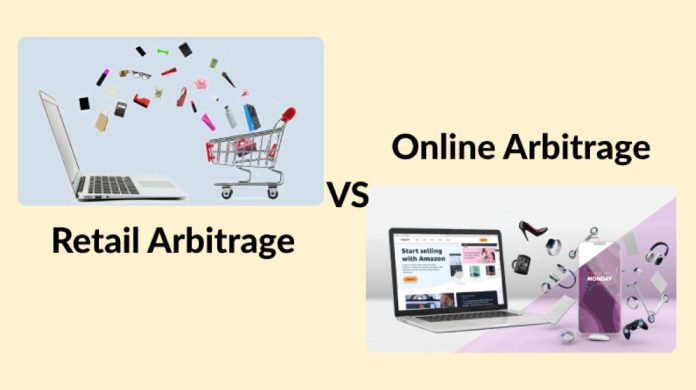
Differences Between Online Arbitrage & Retail Arbitrage

Online Arbitrage & Retail Arbitrage

Traditionally, arbitrage is an old way of reselling in economics and finance. Sellers buy products at different prices from the various marketplaces and resell them in other marketplaces with markup. This price difference generates profits for them.

Retail Arbitrage and Online Arbitrage are two methods of selling third-party sellers use to source and sell their products on Amazon. Knowing the ins and outs of each way will help you select the most effective one for your business goals.

What is Online Arbitrage?

The process of purchasing products from online retailers at a low price and reselling them in another marketplace such as Facebook, Amazon, Walmart, or eBay at a higher price for a profit is known as Online Arbitrage, or in short “OA.”

Online Arbitrage & Retail Arbitrage

As the entire process is online, it is straightforward, and sellers don’t even need to touch the products. Actually, this business model is based on the price disparities across different online stores and capitalizing on them. Arbitrageurs mostly choose to sell on Amazon because of the large number of Amazon’s customers. On the other hand, each platform has its unique audience. Selling on Vinted, eBay, Mercari, and other platforms can provide significant benefits for specific customers. For instance, while Vinted specializes in second-hand fashion, eBay offers a wide range of product categories and has a larger global audience.

What is Retail Arbitrage?

Another simple concept is Retail Arbitrage is the act of going to local brick and mortar stores to find and buy discounted products and selling them at a higher price in an online marketplace like Amazon.

Before the Pandemic, Retail Arbitrage was a popular business model for those who wanted just to start their business and earn some money from a side hustle.

It is very quick and has minimal risk. It is possible to venture into other business models like wholesale, private label, brands, or even a mixture.

Differences & Similarities of Online and Retail Arbitrage

While running your business, you don’t have to stick to one selling method. But it is necessary to know both business models and understand the differences and similarities, which help you manage your business better.

Online arbitrage has essentially become the modern way to start an Amazon FBA business. It’s slowly overtaking retail arbitrage as many Amazon FBA sellers are deciding to function and operate purely as an online business model, enabling people to run an Online Arbitrage business from anywhere in the world.

But which is better? Online Arbitrage or Retail Arbitrage? It’s a never-ending debate and is very much a personal preference for which one profits you more. But, according to the sellers involved in this industry, online arbitrage appears to be leading the way as more people are showing a keen interest in it. Let us give you an insight into the pros and cons of Amazon FBA Online Arbitrage Vs. Retail Arbitrage. To know more detail, please read the following post on online arbitrage or retail arbitrage

Pros and Cons of Online Arbitrage

Online Arbitrage & Retail Arbitrage

Below are the thoughts on the Pros and Cons of Online Arbitrage:

Pros:

  • It is not required to go to physical stores in person and scan the barcodes. So it is energy efficient.
  • The most significant benefit of the Online Arbitrage method is that it has a low-entry threshold.
  • You can run your business anywhere in the world as it is an independent location method.
  • It is very comfortable as it doesn’t require physical work, and you find the profitable products online from your desk at your home.

Cons:

  • You may lose some sales on local store promotions or offers.
  • It is undeniable that this business model’s competition in selling the same product is high.
  • You have to put a lot of time and money into learning how to use product research tools unless you use a deal sourcing service.
  • Expanding your business is somehow far away without reaching good Online Arbitrage Leads.

Pros and Cons of Retail Arbitrage

Here, the pros and cons of Retail Arbitrage are listed:

Pros:

  • You will see the products in person, and there is no chance for different looking or mismatching as what is commonly happening in online shopping.
  • You can buy the products without waiting on the manufacturing or shipping of inventory to reach Amazon FBA warehouses. Immediately after purchasing, you can list items in their inventory for sale.
  • The competition will reduce because you find the goods in clearance and sales at your local store.
  • Shopping always could be fun!

Cons:

  • Restricting yourself just to provide products from local physical stores can limit your inventory from the variety and stock availability.
  • The cost of fuel is notable especial nowadays with the fuel cost increase
  • Going around and finding products on sale is time-consuming
  • Collecting goods and transporting them to your home is a lot of physical work, mainly if you are alone.

Final Thoughts

Nowadays, it is possible to earn profit by online reselling products through two methods. They are Retail Arbitrage and Online Arbitrage. Succeeding in your business totally depends on an organized system and a well-laid-out plan. Otherwise, you may have as much profit as you expected. Generally, Online Arbitrage can be more lucrative because of its convenience and scalability.

EDITOR'S PICK OF THE WEEK

CFO's new mandate. CFO explaining the presentation

The Performance and Transformation Orchestrator: The CFO’s New Mandate in the Age of AI

By Terence Tse CFOs are evolving into AI-driven transformation orchestrators, balancing finance, technology, and strategy while upskilling teams, managing risks, and driving measurable business value. A key insight from this year’s AI for CFOs event, organized...

WISE DECISION MAKER GUIDE

POWER INFLUENCERS

Emerging Trends

The Future of Global Trade