Imagine a new technology poised to transform your organization — but its success hinges not only on the technology itself but on how effectively it’s communicated. That’s the reality for companies adopting Generative AI (Gen AI).
As organizations navigate the complexities of integrating these powerful tools, one truth becomes clear: communication is not an afterthought; it is the linchpin. Relying solely on emails or a single communication method risks leaving employees confused or disengaged. To bring everyone on board, leaders must employ a multi-channel communication strategy tailored to diverse preferences, fostering clarity, trust, and excitement.
Meeting Employees Where They Are on Gen AI Transformation
Employees process information differently. A one-size-fits-all approach won’t cut it. For some, face-to-face interactions or virtual meetings offer the best format for engaging directly with leadership. These sessions allow for real-time clarification and active participation.
Self-service portals empower employees to find answers on their own, reducing confusion while reinforcing transparency.
Picture an employee curious about how Gen AI will affect their role: an open dialogue in a meeting provides not only answers but reassurance. Leadership also benefits by gauging sentiment and adjusting messages accordingly.
On the other hand, many employees prefer digesting information on their own schedule. Written communications like emails or newsletters are invaluable here, delivering updates with precision and offering a reference point for the future.
A monthly newsletter showcasing Gen AI success stories — such as how customer service automation boosted response times — keeps employees informed and motivated.
Then there’s the company intranet. A centralized hub for Gen AI updates, training resources, FAQs, and project milestones, the intranet ensures that every employee has a reliable place to turn to for details. Self-service portals empower employees to find answers on their own, reducing confusion while reinforcing transparency.
By addressing varied preferences, organizations create a communication ecosystem that resonates with everyone.
The Power of Consistency in Gen AI Transformation
Effective communication is as much about how you say something as it is about what you say. Mixed messages or misaligned updates can quickly derail trust and engagement. Consistency is crucial, ensuring that employees hear a unified voice across all channels.
When leadership announces the successful rollout of a Gen AI-driven tool in a town hall, that message must echo in follow-up emails, intranet updates, and newsletters.
For example, consider a company implementing Gen AI tools to streamline project management. Leadership might present an overview of benefits in a video update, while the intranet hosts detailed step-by-step guides and case studies showing how the tools improve productivity.
Employees access different formats but absorb the same key information.
This cohesion builds trust. Employees see that leadership is aligned, reinforcing the credibility of the Gen AI initiative. Moreover, the messaging should be transparent.
If setbacks arise, acknowledging them openly — and explaining how they will be addressed — can strengthen, not weaken, employees’ trust in the process.
Creating Two-Way Conversations About Gen AI Transformation
Communication is about encouraging dialogue. Gen AI initiatives are complex, and employees need opportunities to ask questions, voice concerns, and share insights.
A live Q&A following a webinar allows employees to clarify uncertainties immediately, while feedback surveys after meetings or email updates create avenues for quieter voices to be heard.
Take an example of a company rolling out a Gen AI-driven customer engagement platform. After introducing the system in a department-wide meeting, leadership followed up with a survey asking for initial impressions and questions. Employees raised concerns about potential workflow disruptions, prompting leadership to schedule targeted training sessions. This back-and-forth strengthened buy-in and ensured that employees feel included in the process.
Interactive elements on the intranet, such as discussion boards, further encourage collaboration. Employees can share tips, seek guidance, discuss managing risks, or troubleshoot problems together, building a sense of community around the new technology. By prioritizing feedback loops, organizations demonstrate that they value employee input—creating an inclusive environment essential for a smooth Gen AI transition.
Client Case Study: Building a Custom Strategy for Gen AI Transformation
In my role as a consultant, I’ve seen firsthand how tailored communication strategies make or break Gen AI initiatives. One memorable project involved partnering with a healthcare organization integrating AI-driven diagnostics. Employees initially expressed skepticism, fearing job displacement and a loss of autonomy.
Poor communication risks alienating employees, jeopardizing adoption, and undermining the very goals of the technology.
The leadership team and I developed a multi-pronged communication plan. First, we held town halls to address concerns transparently, explaining how the AI tools would augment rather than replace human expertise. Second, we launched a series of videos showing real-world examples of AI improving patient outcomes, which were shared via email and hosted on the intranet. Finally, we created an anonymous feedback channel to capture employee sentiment and used the data to refine messaging.
Within six months, Gen AI engagement rates soared, with over 80% of employees reporting a better understanding of the technology and its benefits. The AI diagnostic tools ultimately reduced diagnostic errors by over 25%, while boosting diagnostic speed by 33%, a win for both employees and patients.
Conclusion
For businesses rolling out Gen AI initiatives, the stakes couldn’t be higher. Poor communication risks alienating employees, jeopardizing adoption, and undermining the very goals of the technology. By adopting a multi-channel approach, ensuring consistency in messaging, and fostering dialogue, companies can not only inform but inspire their teams.
At the heart of it all is a simple yet powerful principle: employees are more likely to embrace change when they feel informed, involved, and valued. Whether through a lively town hall, a thoughtful email, or an intuitive intranet portal, every touchpoint matters. In a world reshaped by Gen AI, the organizations that thrive will be those that communicate with purpose, clarity, and heart.
It turns out the return-to-office movement isn’t just about productivity, collaboration, or company culture. For a significant number of companies, it’s about leases—those binding, long-term commitments to office spaces that are now sitting underused while hybrid work proves its staying power. A recent Resume.org survey of 900 business leaders peels back the polished justifications for RTO and reveals the financial tether that’s quietly shaping policy: the office lease.
Real Estate, Not Culture, Is Behind Many RTO Decisions
The corporate narrative surrounding return-to-office has largely centered on soft justifications—enhanced communication, team cohesion, and managerial convenience. Yet 40% of business leaders in the Resume.org survey admitted that making better use of paid-for office space is a core reason they’re mandating in-person attendance. That number climbs when lease agreements are considered directly. Among companies that lease office space, more than half acknowledged that those agreements are affecting their RTO policy decisions, with 16% citing them as a major influence.
Many companies are keeping offices full not because they must, but because they’re already paying for them.
These are not minor edge cases. Two-thirds of surveyed companies still lease office space, and nearly half of these leases won’t expire until 2028 or later. Many of these contracts were signed well before the seismic shift brought on by the pandemic. A full 43% of leases were inked before 2020, locking companies into traditional space commitments that no longer match operational realities.
By 2025, nearly three-quarters of these companies will require employees to be in the office at least three days a week, and almost one in three will mandate a full five-day schedule. Only 2% will permit once-a-week or less. In other words, many companies are keeping offices full not because they must, but because they’re already paying for them.
Similarly, the corporate real estate management giant JLL observes that after years of trimming space, 57% of corporate real-estate leaders now feel confident enough in hybrid patterns to start “rightsizing” portfolios. In the short term, however, many are locked into pre-pandemic leases that compel continued in-office attendance while they redesign or sublet surplus areas. JLL expects average mandated presence to settle near four days weekly until those contracts unwind, after which flexible layouts and shorter terms will dominate.
Quiet Calculations, Loud Mandates
Publicly, leaders tout culture, collaboration, and innovation as RTO drivers. Privately, they’re looking at balance sheets. The acknowledgment that real estate contracts are shaping policy represents a critical moment in the evolution of work. The lease has become a tail wagging the dog of corporate flexibility.
Companies are balancing optics against reality. Only 32% of leaders expressed real concern about employees quitting over RTO mandates, while nearly half aren’t worried at all. This confidence suggests a strategic calculus: endure short-term pushback while maximizing existing investments, then pivot when those investments expire.
That pivot is already on the horizon. One in ten companies surveyed said they will lessen or completely eliminate RTO requirements once their current leases expire. And 23% plan to downsize their office footprint altogether. Among these companies, 32% will reduce the number of required in-office days, and 8% will drop RTO mandates entirely. The end of a lease, it seems, is a convenient time to align policy with employee preference—and operational efficiency.
A Temporary RTO Masking a Permanent Shift
The writing is on the wall. As leases lapse, companies are finally preparing to walk the talk on workplace flexibility. Matt Morgan, a seasoned California real estate professional quoted in the Resume.org survey, has observed this firsthand. He describes clients transitioning to shorter lease terms or flexible space options, with some reducing office space by 30% and reallocating funds toward tech infrastructure to support hybrid and remote models.
This evolution isn’t just anecdotal. It’s becoming embedded in strategic planning. According to another source quoted in the survey, Kwame Darko, a real estate investor focused on commercial properties, companies are reconsidering the purpose of office space itself. He sees three key forces at play: cost optimization, employee preferences, and evolving operational models. Together, they’re redefining what the office is—and what it’s not.
According to Jeff Dewing, CEO of Cloudfm, mandating an office return primarily serves to gratify executive egos and rationalize sunk costs in underutilized corporate real estate. He critiques the move as a validation of prior expenditures rather than a forward-looking strategy. Dewing practiced what he preached by divesting his own company of six out of eight offices post-lockdown, transforming the remaining two into “collaboration hubs” designed for occasional use by a predominantly remote and hybrid workforce.
Organizations are adopting new approaches like hot-desking, rotating team schedules, and purpose-built teamwork hubs. These are not gestures of generosity toward remote work; they are responses to unavoidable economic logic. Long leases are expensive artifacts of a different era. When those contracts end, so too will many companies’ commitments to keeping butts in seats just to fill square footage.
The Inevitable Reckoning with Office Reality
There’s a certain irony in how the return-to-office debate is unfolding. While companies publicly emphasize the intangible benefits of shared physical space, privately, their decisions are being shaped by the cold, tangible reality of commercial real estate. This duality is starting to crack, exposing a deeper truth: RTO, in many cases, is a short-term necessity born from long-term commitments that no longer make sense.
It’s a business decision that makes strategic sense, especially when weighed against the cost of empty square footage.
And once those leases are up? A transformation is coming—not just in policy, but in how companies define the workplace altogether. Offices won’t disappear, but their function and footprint will look markedly different. The remote and hybrid era isn’t just a blip. It’s a business decision that makes strategic sense, especially when weighed against the cost of empty square footage.
For organizational leaders, this is a call to action. The end of the lease is more than a contractual milestone—it’s a strategic inflection point. Forward-looking companies will use it to right-size their real estate, recalibrate their workplace expectations, and align their operations with the realities of modern work. For everyone else, the quiet part will keep getting louder until the cost of pretending it’s not about the lease is too high to ignore.
Running a small business is all about courage, creativity… and a whole lot of perseverance. Yet even highly determined entrepreneurs can face cash flow hurdles.
Delayed customer payments, seasonal dips, or sudden expenses put heavy pressure on their budget. It often leads to a prolonged standstill that many businesses fail to survive.
The truth is, in today’s unpredictable economy, staying financially steady is more important – and more challenging – than ever. But how do you succeed?
That’s where Eboost Partners becomes a valuable ally. They step exactly in the moment business owners need support the most – offering clarity, stability, and a sense of ‘we’ve got you’ that makes all the difference.
When Cash Flow Tightens, Stress Rises – Eboost Partners Gets It
Many business owners share a universal experience: refreshing online banking a little too often, hoping an invoice finally lands.
It’s not mismanagement. It’s the reality of growth. Bills don’t wait. Staff needs to be paid. Opportunities can slip away simply because capital isn’t available at the right time.
Eboost Partners understands the emotional weight behind these challenges. They know you’re not just running a business – you’re building something meaningful. And you deserve financial solutions that respect that.
Tailored Funding That Fits Your Business Reality
Traditional lenders often miss the mark. Long processing times, rigid loan structures, and high barriers can make accessing capital feel impossible. Small businesses need something more dynamic – something that moves at their pace.
Right at the heart of Eboost Partners’ approach is a commitment to delivering Funding Solutions for Small Business that are as adaptable and ambitious as the owners they support. Their offerings are:
Fast – so you never miss out due to slow approvals.
Flexible – structured around your actual business rhythms.
Practical – helping you stay stable without unnecessary debt.
From covering operational shortages to fueling marketing campaigns or stocking up for busy seasons, Eboost Partners provides the capital that keeps momentum going.
A Financial Partner Who Talks With You, Not At You
What truly sets Eboost Partners apart is their personal approach. They don’t just look at numbers. They look at your goals, your challenges, and your potential instead.
Their team takes time to understand:
How your industry operates
The rhythm of your cash flow
Your long-term vision and scale plans
This isn’t just funding – it’s a partnership. You get dedicated assistants that celebrate your wins, help you stay ahead of risks, and guide you toward decisions that strengthen your business’s financial foundation.
Powering Growth Your Way
Growth looks different for everyone. Maybe you want to expand your team. Maybe you dream of opening a second location. Or maybe you simply want breathing room so you can plan instead of panic.
No matter the path, Eboost Partners provides the financial boost to make it possible. Their solutions help business owners move forward with peace of mind even during turbulent times.
With stability and expert guidance, you can combat any cash challenges and turn obstacles into momentum.
This article explores eight of the most advanced platforms offering institutional-level coverage of global macro trends for investors, financial institutions, commodity traders, and research teams. It highlights their strengths, differentiators, and use cases, with a spotlight on Permutable AI’s explainable narrative intelligence. The piece is aimed at decision-makers seeking deeper, real-time macro visibility across global markets.
Introduction
In an era defined by geopolitical volatility, supply-chain fragility, monetary-policy divergence, and rapid technological disruption, financial institutions increasingly depend on platforms that deliver institutional-level coverage of global macro trends. These systems now combine AI, data science, and deep domain expertise to give traders, risk managers, and economists a clearer view of how global narratives evolve across commodities, energy markets, currencies, equities, and digital assets.
Below is a high-authority guide to the leading platforms in 2026 offering sophisticated, real-time intelligence – each with unique strengths for the institutional market.
1. Permutable AI
Permutable AI has emerged as one of the most advanced sources of institutional-level coverage of global macro trends thanks to its AI-powered Macroeconomic, Political and Natural Disasters Intelligence Feeds. Rather than scraping headlines or aggregating sentiment, Permutable transforms vast volumes of unstructured data into structured, real-time macro analytics that reveal how events influence market behaviour across asset classes.
The platform continuously ingests global economic releases, fiscal policy developments, central bank commentary, geopolitical tensions and natural disasters, converting them into explainable sentiment and impact metrics that institutional investors can act on. For hedge funds, global asset managers, and central banks, this provides an unparalleled lens into how macro shocks spread through currencies, commodities, index futures and bond markets.
Its decade-long historical dataset allows rigorous backtesting of macro strategies, while its Co-Pilot API enables programmatic access to structured macro news intelligence with millisecond latency. This makes Permutable AI a leading provider of institutional-level coverage of global macro trends and a top choice for teams seeking predictive intelligence rather than backward-looking indicators.
2. Bloomberg Terminal
Bloomberg remains the industry standard for data, analytics, and news delivery at global scale. Its macroeconomic dashboards, real-time economic releases, FX overlays, and commodities intelligence give users comprehensive visibility across global markets. While not AI-first, Bloomberg continues to expand its machine-learning integrations. Institutions rely on Bloomberg for its breadth, pricing data, and trusted institutional-level coverage of global macro trends.
3. Refinitiv
Refinitiv’s Workspace platform provides robust analytical tools, economic forecasts, commodity flows, financial research, and real-time news. For macro strategists and risk teams, it offers customizable dashboards and historical modelling tools, helping users interpret global events with speed and discipline. Its strength lies in data completeness, making it a critical provider of institutional-level coverage of global macro trends.
4. FactSet
FactSet combines traditional economic datasets with quant tools, portfolio analytics, and risk engines. Its macro surveillance tools allow users to evaluate shocks, scenario-test portfolios, and track global risk indicators. Because of its integrative modelling capabilities, FactSet remains a trusted contributor to institutional-level coverage of global macro trends for asset managers.
5. MSCI
MSCI’s platform provides deep analytics on systemic risks, ESG-linked macro drivers, and geopolitical factors affecting global markets. Its climate stress models and multi-asset risk frameworks position MSCI as a leader in cross-border risk interpretation. For institutions tracking non-linear macro influences, MSCI delivers essential institutional-level coverage of global macro trends.
6. Oxford Economics
Oxford Economics offers rigorous macroeconomic forecasts, country risk assessments, and long-horizon scenario analyses. Its models are widely used by banks, governments, and multinational corporations seeking structured insights into global conditions. As a research powerhouse, it supports clients with premium institutional-level coverage of global macro trends backed by academically grounded methodologies.
7. S&P Global Market Intelligence
S&P provides deep intelligence on commodities, global supply networks, credit cycles, and regulatory trends. With extensive datasets and sector-specific research, S&P Global offers granular outlooks that complement traditional macro views. Its supply-chain mapping tools make it indispensable for tracking institutional-level coverage of global macro trends tied to physical markets.
8. Capital Economics
Capital Economics specialises in delivering timely macroeconomic commentary and forecasting across more than 100 markets. The firm’s independence and high-conviction approach make its insights widely trusted among institutional investors and government bodies. Its succinct analysis style contributes meaningfully to the landscape of institutional-level coverage of global macro trends.
The demand for real-time, data-rich, and explainable institutional-level coverage of global macro trends has never been higher. While legacy platforms continue to deliver essential data and modelling, new AI-driven systems – led by Permutable AI – are redefining how institutions understand and anticipate global market behaviour. Together, these eight platforms represent the most complete intelligence capabilities available to the world’s leading financial and commodity market participants.
European officials are deepening efforts to shape the trajectory of ongoing peace negotiations between Kyiv, Washington and Moscow, seeking a settlement that protects the continent’s long term security interests. Their growing involvement reflects rising unease across EU capitals that decisions taken in Washington could prioritise speed over strategic stability.
This anxiety has sharpened as the United States continues to press for rapid progress in talks, even as recent diplomacy between US and Russian envoys produced few tangible results. A five hour meeting in Moscow between US envoy Steve Witkoff and Russian President Vladimir Putin last week failed to deliver momentum. Follow up discussions in Miami, where Zelensky’s chief negotiator Rustem Umerov met US officials for three days, ended with broad statements of “progress” but no breakthrough.
Complicating matters further, Trump claimed on Sunday that President Volodymyr Zelensky had not yet reviewed the revised deal. “I’m a little disappointed that President Zelensky hasn’t yet read the proposal,” he said, insisting that Putin was “fine with it”. Zelensky responded by noting that he expected a full briefing from Umerov during his meetings in London or Brussels. “Some issues can only be discussed in person,” he added.
Battlefield realities continue to underscore the urgency of diplomacy. From Sunday to Monday, 10 people were killed and 47 wounded as Russian strikes hit nine regions with drones, glide bombs and missiles. The Kremlin remains committed to its objectives. Last week, Putin reiterated his determination to seize full control of the Donetsk and Luhansk regions, of which Russia currently occupies roughly 85 percent. He also maintained opposition to any future path for Ukraine toward Nato membership.
European leaders fear that any rushed settlement could weaken Kyiv’s defenses while leaving the continent exposed to future aggression. The latest talks in London aimed to reinforce Europe’s presence in negotiations and prevent the continent’s interests from being sidelined in a US Russia compromise.
Speaking ahead of the discussions at Downing Street, UK Prime Minister Keir Starmer said a durable agreement must include “hard-edged security guarantees” for Ukraine. A spokesperson for his office later said: “The leaders all agreed that now is a critical moment and that we must continue to ramp up support to Ukraine and economic pressure on Putin to bring an end to this barbaric war.” The statement added that they “underscored the need for a just and lasting peace in Ukraine, which includes robust security guarantees”.
German Chancellor Friedrich Merz voiced reservations about elements of the emerging framework. He acknowledged he was “sceptical” about certain points in the US-backed proposal, but stressed the need for continued dialogue. France said that efforts would be “intensified” to secure a stronger protective framework for Kyiv.
The push for European involvement comes as Kyiv and Washington debate a revised peace blueprint. Ukrainian officials spent three days in Florida last week negotiating changes to the US proposal, which many in Ukraine have criticised as overly favourable to Russia. Zelensky said that the “most certainly anti-Ukrainian points have been removed” from the November draft, but acknowledged that compromise on territorial concessions had “not yet been found there”.
One of the most contentious issues is a US suggestion that Ukraine withdraw its forces entirely from eastern regions that Russia has tried, but failed, to fully capture. In exchange, Russia would pull troops back elsewhere and halt offensive operations. Zelensky maintains that conceding territory would reward aggression and leave Ukraine vulnerable to renewed attacks. “Americans are inclined, in principle, to finding a compromise,” he said, while emphasising that meaningful security guarantees remain unresolved.
Zelensky held meetings in London on Monday with Starmer, French President Emmanuel Macron and Merz to discuss the updated peace plan. All leaders stressed the need for stronger protective commitments to prevent future Russian assaults. After the talks, Zelensky traveled to Brussels for consultations with Nato officials and said Ukraine would present a revised proposal to the US on Tuesday.
The European push highlights a broader recognition that the outcome of these negotiations will shape the region’s security landscape for decades. As the war approaches its third year, with thousands of civilian and military casualties and Ukrainian cities still under near nightly attack, European leaders appear determined to influence the terms of any eventual settlement, ensuring it delivers not only a ceasefire, but long term stability for the continent.
A troubling phenomenon is spreading through corporate America, creating friction where artificial intelligence promised efficiency. Researchers at BetterUp and Stanford’s Social Media Lab coined the term “workslop” to describe AI-generated content that appears polished but lacks the substance to meaningfully advance any task. This represents more than a minor irritation. The research estimates that workers waste nearly two hours correcting or redoing each instance of workslop they receive, creating a financial burden that amounts to roughly $9 million annually for a company of 10,000 employees.
The damage extends beyond lost productivity. The research reveals that over half of workers who receive workslop report diminished confidence in their colleagues’ capabilities and reliability. This creates what researchers describe as a “sinking feeling of suspicion” that degrades collaboration across teams. When 54 percent view AI-using colleagues as less creative, 42 percent as less trustworthy, and 37 percent as less intelligent, the interpersonal costs may ultimately exceed the financial ones.
Artificial intelligence makes this productivity-draining behavior scalable, enabling the rapid creation of useless content with minimal effort.
The instinctive response targets either the technology itself or employee laziness, but this view misses the mark entirely. Workslop proliferates in environments where employees view AI as a mysterious “black box,” a powerful tool they feel pressured to use but do not truly understand. This pressure frequently stems from pervasive automation anxiety. Recent surveys show that 89 percent of workers express concern about AI’s impact on their job security, with 65 percent anxious that AI might replace their specific role. When workers see headlines about AI-driven layoffs and fear obsolescence, they engage in what becomes performative adoption.
This creates a toxic cycle. Individuals use AI to generate content quickly just to prove they are using it, regardless of underlying quality. The goal shifts from solving a business problem to simply checking the “used AI” box. One project manager explained the predicament: “Receiving this poor quality work created a huge time waste and inconvenience for me. Since it was provided by my supervisor, I felt uncomfortable confronting her about its poor quality and requesting she redo it. So instead, I had to take on effort to do something that should have been her responsibility.”
The result follows a predictable pattern. The sender saves a few minutes of effort while the receiver inherits hours of work trying to decipher, edit, or simply redo the task from scratch. Artificial intelligence makes this productivity-draining behavior scalable, enabling the rapid creation of useless content with minimal effort.
Forward-thinking organizations combat this trend by fostering an AI culture of agency and co-creation. The foundational principle proves simple but profound: people support what they create. Instead of treating employees as passive consumers of AI-generated content, this approach transforms them into active builders of their own AI solutions. By leveraging accessible no-code and low-code platforms, non-technical employees from departments like marketing, HR, or operations can design and construct AI assistants tailored to their specific, real-world workflows.
When an employee builds a tool, they must think critically about the entire process. They define a successful outcome, structure the necessary inputs, and iteratively refine prompts to ensure quality and relevance. The AI transforms from a mysterious black box into a transparent partner in solving a well-understood problem. This hands-on experience not only demystifies the technology but also instills a deep sense of ownership over the quality of output. Low-code platforms empower workers to build confidence while learning AI’s inherent limitations, which paradoxically increases their comfort and makes them more discerning critical thinkers.
This capability-building model has proven effective in practice. Consider the example of a mid-sized law firm where paralegals began using public AI tools for first drafts of legal documents. The results often contained boilerplate language that missed crucial jurisdictional nuances, creating significant friction and wasting senior attorneys’ billable hours. After shifting to a co-creation model, a team of paralegals and junior associates built their own “Contract Review Assistant,” training it on a curated library of the firm’s most successful briefs and contracts. The AI-assisted drafts became highly aligned with the firm’s standards from the start, reducing senior review time by 55 percent and recovering over 3,200 billable hours annually.
In another instance, a manufacturing company’s quality control team initially used a generic data analysis tool that produced reports too high-level to be actionable. The team then participated in a workshop where they built their own “Defect Tracking Bot,” designing it to cross-reference sensor data with maintenance logs. Because they designed the logic themselves, the bot produced specific, actionable insights, contributing to $1.2 million in savings from productivity gains and defect reduction in its first year.
Eradicating workslop requires a deliberate strategic shift from leadership. This begins by prioritizing strategy over tools, conducting readiness assessments to understand cultural and technical gaps before deploying any platform. Leaders should cultivate agency rather than dependency by framing AI as a set of building blocks and investing in training non-technical teams to create their own solutions.
Leaders should cultivate agency rather than dependency by framing AI as a set of building blocks and investing in training non-technical teams
Organizations must establish clear quality standards by facilitating team conversations about what constitutes high-quality, AI-assisted work and creating communities of practice where employees share best practices. Finally, measuring outcomes rather than just activity becomes crucial. Incentives should reward substantive results like tools that solve real problems, improve team collaboration, or enhance deliverable quality, not vanity metrics like the number of AI prompts generated.
Workslop signals a shallow and ultimately ineffective AI implementation. The path forward lies not in finding a better AI model but in adopting a more thoughtful leadership approach that empowers people, fosters a culture of creation, and builds genuine, human-centric AI capability. This represents the only sustainable path to turning technological potential into a true, defensible competitive advantage.
Getting your name in the press used to feel out of reach unless you had a big agency budget. Traditional PR came with hefty retainers, months of outreach, and no guarantee of success. For small businesses and startups, it was often a gamble — one that rarely paid off.
But press coverage isn’t optional anymore. Mentions in trusted online publications build credibility, fuel SEO, and influence how both search engines and customers see your brand.
As we move into the era of AI search—where users increasingly get answers from ChatGPT and Google’s AI summaries—high-quality coverage becomes even more crucial. The question isn’t if you should get featured; it’s how you do it without blowing your budget.
That’s where Outlink changes the equation. Instead of chasing journalists or paying for uncertainty, Outlink gives you a direct path: guaranteed placements with vetted publishers, transparent pricing, and measurable results.
Why Traditional PR Falls Short
Most PR pain points sound familiar:
Unpredictable outcomes: When pitched by brands or traditional PR agencies, journalists only respond to 3.15% of all PR pitches, leaving most emails unanswered.
High costs: Agencies charge brands thousands per month in retainers, even when no coverage is secured.
Long timelines: It can take months to land one story in the media when using traditional PR agencies — often too late to ride a trend.
For smaller brands, the old PR model isn’t just inefficient. It’s a dead end.
How Outlink Solves the PR Problem
Outlink was built to address these frustrations head-on. Outlink helps you get featured in the press and news sites with new levels of convenience and speed. Instead of hoping your story lands, you know exactly what you’re getting:
Direct access: You can choose from a curated marketplace of publishers and select where you want your news story to be published.
Guaranteed coverage: No pitching, no guessing — placements are confirmed upfront.
Predictable pricing: Pay per placement when you make a booking, no bloated retainers.
Speed: Campaigns launch in days (or even hours), not months.
When your brand appears in a respected news site, the trust carries over. Readers assume credibility because the publisher gave you space. That reputation boost also strengthens Google’s signals about your brand and your website’s authority.
2. SEO That Compounds
A press feature isn’t just a one-day win. It leaves digital breadcrumbs: backlinks, mentions, and co-citations that search engines index. Over time, that trail compounds into stronger discoverability.
3. A Level Playing Field
Outlink’s marketplace makes the same publishers accessible to startups and established brands. Whether you’re running a small test campaign or scaling across multiple outlets, you get the same access and the same competitive prices without hidden costs.
4. GEO: Future-Proof Visibility for AI Search
Generative AI search is reshaping discoverability. As users on the internet are increasingly getting their search results from ChatGPT, Gemini, or even Google’s AI overviews, generative engine optimization (GEO) is now more important than ever for brands.
These systems pull from authoritative sources, not random blogs. Outlink placements put your brand into that pool, increasing your odds of being cited in AI-driven summaries.
A Hypothetical Example: The Startup Win
Imagine a new fintech startup. They’ve raised a seed round, but they don’t have the budget for a big PR agency. What they do need is credibility to attract customers and investors.
Instead of months of pitching, they go to Outlink.pro. Within a week, their story runs on two niche finance publications.
No chasing, no uncertainty — just coverage that works.
Getting Started With Outlink
Should we change the above to:
Head over to the Outlink marketplace and browse the list of publishers and their listings prices.
Find the publisher(s) that best aligns with your industry, niche, and budget.
Book the listing of your choice and submit your article content. Optionally you can select the paid article writing add on to get one of Outlink’s expert writers to craft the article for you.
Launch the campaign.
Once your content is live you can track results, see what works, and scale placements as you grow
It’s repeatable and transparent.
Creating an advertiser account on Outlink takes a few seconds for brands. There are no hidden fees or retainers. Just pay when you make a booking on the Outlink marketplace. Think of Outlink as UBER for press and sponsored content for your brand.
Conclusion: Outlink is the Smarter Path to Press Coverage
Press coverage doesn’t have to be expensive, unpredictable, or out of reach. With Outlink, you know where your story will run, how much it will cost, and get results fast.
For small budgets and ambitious brands, this isn’t just an alternative to PR. Outlink is a smarter playbook — one that turns expertise into visibility and visibility into potential growth.
For people who know the markets, technology, and the value of establishing trust, starting a forex venture today is a serious business opportunity. When people search How to start a forex business, they are usually overwhelmed by the amount of information online.
This guide cuts through the noise. It explains each step clearly, shows what really matters, and gives you the right direction without pushing any specific provider or company.
Now let’s go step by step, and I’ll walk you through the full picture.
1. Understand What a Forex Brokerage Actually Requires
Before you take any action, you need to understand the structure behind a brokerage. A modern forex operation is built on technology, compliance, liquidity, payments, and customer support. You will also need a forex broker CRM, a trader’s portal, a trading platform, risk tools, and proper marketing systems.
This may sound like a lot, but once you see how the pieces fit, everything becomes easier to manage.
With the basics clear, it’s time to look at the first practical step. This is choosing the right platform foundation for your brokerage.
2. Choose a Reliable Platform Provider
The trading platform is the heart of your entire brokerage. Before you plan anything else, you must choose a platform provider that can supply you with all essential components: trading technology, a branded website, a client portal, liquidity connections, payment integrations, and risk management tools.
Today’s traders expect multi-asset access, stable execution, mobile apps, copy trading, charts, and seamless login experiences. They also expect their deposits to be processed instantly. This is why your backend must be well-integrated with your PSPs and your forex broker CRM.
This brings us to the next essential stage: building your legal foundation.
3. Register Your Company and Choose Your Jurisdiction
When people ask how to start a forex business, they often underestimate how important the jurisdiction is. The location you register in determines your licensing cost, taxation rules, compliance requirements, and long-term operational stability.
Many jurisdictions offer attractive setups with low annual licensing fees, simple due-diligence processes, and reasonable capital requirements. This makes it easier for new entrepreneurs to enter the industry without heavy financial pressure.
Once your company is registered and your structure is in place, the next natural step is to build the operational environment where your team will work every day.
4. Set Up Your Call Center and Internal Infrastructure
Your sales floor is where your brokerage comes to life. This is where agents communicate with leads, support guides traders, and compliance ensures everything is done properly.
A well-set call center requires:
Dedicated office space
High-speed internet
VoIP connections
Noise-cancelling headsets
Secure internal networks
A unique IP for your forex broker CRM
This setup becomes the backbone of your daily operations. And once the environment is in place, the next step is to bring in people who can execute your vision.
5. Hire and Train Your Team
Your team will determine the success of your brokerage. Sales, retention, support, compliance, and IT must all work together smoothly. Every department affects revenue, client trust, and the overall brand image.
It’s always worth investing in training. Even strong sales professionals need specific instructions on scripts, compliance boundaries, and trading-related communication. A well-trained team works confidently, converts better, and represents your company professionally.
Once your team is fully prepared, the next major focus is generating traffic and turning those leads into active trading clients.
6. Drive Traffic and Grow Your Client Base
No brokerage can survive without a steady flow of leads. You can use affiliate programs, performance marketing, paid ads, SEO, or influencer partnerships. What matters is that your marketing highlights why a trader should choose your platform over others.
Traders today want:
Multi-asset trading
Fast execution
Simple deposits
Easy withdrawals
Copy and social trading
A clean, modern interface
If you offer these features and support them with consistent traffic channels, your brokerage will grow naturally. As your lead volume increases, your sales team will have the right opportunities to convert high-quality prospects.
Now that we’ve covered every essential step, let’s pull everything together.
Conclusion
Learning How to start a forex business is about following a structured process. This is all about understanding the technology behind the scenes, and building a professional operation that traders can trust. Combine proper licensing, reliable software, a capable team, and targeted marketing, and you’ll have a foundation for long-term growth.
And to start, you can set up your platform and legal framework and then expand your team and traffic infrastructure. The steps are linked to one another forming a full sustainable forex business model.
FAQs:
How much does it cost to start a forex brokerage?
A lot of new founders worry that starting a brokerage will require an enormous budget, but the real cost depends on the choices you make and the setup you go for. In most cases, you’re looking at three main expenses: licensing, which can range from $5,000 to $50,000 depending on the jurisdiction; your trading platform setup, which usually falls between $10,000 and $30,000; and working capital, where most brokers set aside $50,000 to $100,000 to keep daily operations running smoothly. The good news is that you don’t need to start big. Many successful brokerages begin with a lean white-label setup, lighter licensing, and scale their spending only as their client base grows.
How do I know if my brokerage will even attract traders?
This thought comes from fear of launching something and seeing no clients. Traders join platforms that feel trustworthy, simple, and fast. If your setup includes smooth deposits, clear execution, solid support, and good marketing funnels, you will naturally attract the right audience. Traders respond to reliability more than anything else.
What if I fail because I don’t understand the technology?
A lot of new owners feel stressed about platforms, CRMs, liquidity, and integrations. You don’t need to be a tech expert – you just need to work with tools and systems that are already aligned for brokerage use. A strong forex broker CRM, a stable trading platform, and proper support can handle most technical tasks for you. Your role is to manage the business direction, not the engineering.
This article investigates the role of education in the Global South, highlighting its economic, social, and political significance. Dr Kalim Siddiqui argues while higher education is promoted as a driver of growth, neoliberal policies and the expansion of foreign universities in the Global South often marginalize local needs, perpetuating neocolonial influence. The study contends that for strategic reforms that balance human capital development with social equity, cultural preservation, and local autonomy to address the ongoing education crisis.
I. Introduction
Education has long been recognized as one of the most powerful drivers of economic development, particularly in countries across the Global South (developing countries). Beyond its intrinsic value as a human right, education functions as a strategic public investment that enhances productivity, strengthens institutions, and promotes inclusive growth. By providing individuals with relevant knowledge, technical skills, and critical capacities, effective education systems can support economic diversification and enhance national competitiveness within an increasingly interconnected global economy.
This paper examines the contradictory role of education in the economic development of the Global South under the prevailing policy framework of neoliberal capitalism. While education is routinely celebrated as an engine of growth and poverty reduction, its restructuring under neoliberal imperatives has frequently exacerbated structural inequalities. International financial institutions, together with rich countries (Global North), have reconfigured educational systems to operate within market logics of privatization, competition, and economic efficiency.
Education has the potential to mitigate these challenges by expanding human capital and enabling individuals to participate more effectively in both local and global labour markets.
The analysis proceeds in three stages. First, it critiques the theoretical foundations of neoliberal education policy, demonstrating how marketisation has distorted the traditional aims and public purpose of education. Second, it situates these transformations within the historical and structural conditions of the Global South, where colonial legacies, neocolonial dependencies, unsustainable debt, and corruption constrain the developmental potential of education and reinforce cycles of poverty (Siddiqui, 2024). Third, the paper argues that despite capital’s encroachment into this critical social institution, education remains a vital arena for resistance and for cultivating the critical consciousness necessary for democratic agency. The conclusion highlights the importance of strategic, equity-driven public investment in education as a pathway toward both economic transformation and emancipatory social change.
In many parts of the Global South, the developmental significance of education is especially pronounced. Countries continue to confront structural constraints rooted in colonial legacies, externally imposed economic policies, and persistent inequalities. Limited industrial capacity, high levels of unemployment, and unequal access to social services restrict opportunities for broad-based development. Education has the potential to mitigate these challenges by expanding human capital and enabling individuals to participate more effectively in both local and global labour markets. Empirical evidence repeatedly shows that higher levels of educational attainment correlate with faster economic growth, improved health outcomes, and greater resilience to economic shocks.
Yet this transformative potential is profoundly shaped—and often constrained—by the neoliberal restructuring of education systems over recent decades. Market-oriented reforms promoted by international financial institutions and imposed on developing countries have prioritized efficiency, privatization, and competition over equity and the public good. While access to education has expanded in some contexts, these reforms have frequently undermined quality, exacerbated disparities, and weakened the capacity of states to provide socially responsive education. Expanding enrolment without strengthening pedagogical standards, ensuring curricular relevance, or addressing the needs of marginalized communities yields uneven and often disappointing developmental outcomes.
Education also contributes to economic development through broader, indirect pathways. Higher levels of education tend to be associated with stronger civic participation, improved governance, and greater social cohesion—factors that create enabling environments for sustainable development. Moreover, education is supposed to promote innovation and entrepreneurship, providing a foundation for countries to transition away from dependence on primary commodities and toward knowledge-based economies. However, when educational provision is subordinated to market imperatives, its capacity to cultivate critical consciousness, support democratic engagement, and foster transformative social change is significantly diminished (Hickey and Hossain, 2019).
For countries in the Global South aspiring to long-term prosperity, reclaiming education as a public good rather than a market commodity is essential. Strategic, equity-driven public investment in robust education systems can unlock human potential, reduce poverty, and accelerate economic transformation. Such investments are also crucial for cultivating the analytical and critical capacities necessary for democratic participation and for challenging the structural constraints imposed by US imperialism.
Demographic transformations in the twenty-first century are reshaping the global political economy in ways that carry far-reaching consequences. Asia now accounts for roughly 60 percent of the world’s population, and its sustained economic expansion over recent decades has consolidated its position as a central driver of global growth. Africa is poised for an even more significant demographic ascent. By 2050, the continent is expected to hold around 25 percent of the world’s population, rising to nearly 40 percent by 2100. These demographic trends position Africa as a potential epicentre of global economic dynamism for the coming decades.
However, demographic potential alone does not automatically translate into development. The capacity of African states to convert demographic expansion into a genuine demographic dividend depends on the structural conditions under which their economies operate. Legacies of colonial extraction, unequal terms of trade, dependency on primary commodities, and externally imposed policy frameworks—particularly neoliberal reforms promoted by international financial institutions—have constrained the ability of many African countries to pursue long-term, state-led development strategies. As a result, Africa has not yet experienced the sustained, high-growth trajectories observed in East Asian economies (Siddiqui, 2022).
Nevertheless, the continent’s demographic momentum presents a historic opportunity for structural transformation—provided that African governments can reclaim policy space and invest strategically in human capital, technological capability, and institutional strength. Achieving growth rates in the range of 8–10 percent annually will require more than market-friendly reforms; it will require deliberate public investment in education systems, digital infrastructure, and state capacity. A young population can become a transformative force only when equipped with high-quality education, technical skills, and the critical capacities needed to participate meaningfully in a rapidly shifting global economy.
For African countries, the central task is not to imitate East Asian growth models uncritically, but to adapt their underlying principles to local histories, social conditions, and political realities. This includes strengthening public education, expanding vocational and technical training, and fostering digital literacy. It also entails enhancing institutional capacity, building resilient governance systems, and challenging the structural dependencies that continue to limit industrialization and diversification.
In an increasingly knowledge-driven global economy, education remains a decisive lever for development. Public investment in broad-based and inclusive education is essential not only for improving productivity and employment, but also for cultivating the critical consciousness necessary to challenge unequal global power relations and build more democratic, equitable futures. Africa’s demographic rise, if anchored in transformative educational and developmental strategies, has the potential not only to reshape the continent but to shift the centre of gravity in the global political economy.
The legacy of colonial rule in the Global South is characterized by a deliberate underdevelopment of human capital. While a limited number of educational institutions were established, but there was no consistent effort to foster mass literacy or develop modern technological skills among the indigenous populations or promote industrialisation or improve income and employment under colonial rule. The primary colonial objective was to structure the economies of the colonies around primary sector specialization, simultaneously utilizing them as captive markets for manufactured goods from the metropole. This policy is starkly illustrated by the case of India, where the literacy rate stood at a mere 7% at the time of independence in 1947 (Siddiqui, 2018).
In the post-independence era, many former colonies prioritized educational expansion through significant increases in public spending. This investment has been instrumental in fostering social mobility, particularly for individuals from impoverished backgrounds, and has contributed to economic development. The experience of East Asian countries, for instance, demonstrates how state-led investment in education can underpin rapid economic growth, especially within the manufacturing and export sectors (Amsden, 1989; Chang, 2006).
However, the process of decolonisation, while formally dismantling structures of direct political subjugation, has unfolded within a complex and often contradictory historical context. The subsequent ascendancy of global capitalism has effectively integrated post-colonial economies into a neoliberal international financial order (Siddiqui, 2025a). From this perspective, the transition is not a clean break from domination but a metamorphosis in its logic. Critics contend that this new system, by systematically displacing the dirigiste economic regimes of the early post-colonial era, has not merely revived but reconstituted the subjugation of petty producers. This process, they argue, constitutes a novel phase of global primitive accumulation, leading to the widespread dispossession of these populations from their means of subsistence and production.
The historical passage from formal colonialism to post-colonial independence did not inaugurate an era of genuine economic sovereignty for many nations. Instead, it marked a transition from an era of direct political extraction to one of indirect economic integration into a hegemonic global capitalist order. This integration, facilitated by structural adjustment programs, debt regimes, and neoliberal governance, has systematically dismantled the protective, state-centric economic models (dirigisme) that initially defined many post-colonial projects. The consequence is not merely unequal exchange but a pervasive process of dispossession—a contemporary manifestation of what Karl Marx termed “primitive accumulation”—that targets petty producers, undermining their autonomy and reproducing their subordinate position within the global economy.
The early post-colonial embrace of dirigiste economics—manifested in policies such as import-substitution industrialization (ISI), land reforms, and state-controlled economic boards—constituted a politically imperative project to dismantle the extractive structures of the colonial economy and assert genuine national sovereignty. This model sought to construct an autonomous national economy as a definitive buffer against the dependencies of the colonial past. However, these initiatives were often internally contradictory, oscillating between a rhetoric of populist protection and a practice of centralized, capital-intensive development. In nations like India and Brazil, dirigisme did establish, however fleetingly, an institutional framework that offered relative protection for petty commodity producers, including smallholder farmers and artisans. Yet, this protection was frequently incidental rather than fundamental, as the state’s primary allegiance increasingly lay with nurturing a domestic industrial bourgeoisie, thereby sowing the seeds for the very inequalities it purported to overcome.
The critique of global capitalism is not that it introduced inequality ex nihilo, but that it deliberately targeted and dismantled these protective structures. Institutions like the International Monetary Fund (IMF) and World Bank, through conditionalities, recast state intervention as inefficient “distortions,” compelling the privatization of commons, the removal of subsidies, and the opening of markets to global competition—a process that left petty producers acutely vulnerable.
II. Theoretical Framework
Classical economic theory posited the accumulation of physical and financial capital as the principal engine of economic growth. While Adam Smith (1776) acknowledged the significance of human capital and its organization, it was later economists who fully developed this concept.
Adam Smith’s An Inquiry into the Nature and Causes of the Wealth of Nations (1776) stands not merely as a treatise of economics but as a foundational argument for a new social and moral order emerging from the decline of mercantilism and feudalism. Its core analytical contribution lies in reconceptualizing national wealth not as a static hoard of specie (gold and silver), but as the dynamic flow of goods and services produced by a nation’s labour—the annual produce of industry. To explain the causes of this wealth, Smith constructed a powerful, interlocking theoretical framework centred on the division of labour, the mechanism of the market, and a minimalist theory of the state.
While operating on a different historical era, Smith’s framework provides a conceptual vocabulary for the transitions you previously described. The post-colonial dirigiste state can be seen as rejecting the Smithian “system of natural liberty” for strategic, sovereignty-building reasons. Conversely, the neoliberal turn of the late 20th century explicitly invoked Smithian ideas of market efficiency and the limitations of the state to justify dismantling those dirigiste structures, albeit often selectively ignoring Smith’s cautions about inequality and the power of concentrated capital. Thus, Adam Smith’s The Wealth of Nations remains a pivotal text, not as a fixed prescription, but as a perennial point of reference—and contention—in debates over the state, the market, and the nature of wealth itself.
The classical and neoclassical theories focus on physical capital accumulation was fundamentally challenged by mid-20th-century economists who placed human agency and knowledge at the center of development theory. Joseph Schumpeter, for instance, shifted the analytical lens from equilibrium to disruption, theorizing the innovative entrepreneur as the prime mover of “creative destruction” and economic evolution. This figure represented a nascent conceptualization of specialized human capital as the engine of growth. Building systematically on this foundation, Theodore Schultz (1972), in his seminal work, argued that in advanced economies, human resources—educated, skilled, and healthy populations—constitute a far more critical factor of production than natural resources or physical capital. Schultz’s formulation of human capital theory recast expenditures on education, training, and health not as mere consumption, but as strategic investments yielding high returns for both individuals and the aggregate economy.
Schultz (1972) established a seminal theoretical framework for human capital. He defined it as the stock of knowledge, skills, and competencies embodied in individuals, analogous to physical forms of capital like machinery. His core thesis was that education and training function as economic investments. These investments enhance worker productivity, which in turn leads to higher individual earnings and catalyses broader economic growth for society as a whole. The concept of human capital, as pioneered by Schultz, refers to the skills and capabilities inherent in workers, which are augmented through education and experience. This theoretical foundation has since been expanded to encompass other critical investments, such as health and on-the-job training.
This represents a paradigm shift. In classical models, labour was often a homogeneous, passive input subject to diminishing returns. Schultz, influenced by Schumpeter’s agent-centred dynamism, reconceived labour as a heterogeneous, malleable asset that could be improved through investment. This provided a powerful, optimistic theory for postwar development, suggesting that poverty was not a fixed condition but a remediable deficit of human capital.
Neoclassical economic theory emphasised that differences in labour, skills, and technical progress help explain the varying rates of economic growth and development across countries. During the 1980s and 1990s, the emergence of endogenous growth theory further highlighted the role of innovation and education as key drivers of sustained economic development. (Siddiqui, 2025b).
The ascendance of human capital theory in the mid-20th century was not ideologically neutral. It emerged in the context of the Cold War and decolonization, offering a technocratic, apolitical pathway to modernity that contrasted with both central planning and radical dependency theories. By framing development as a question of individual and state investment in skills, it diverted focus from contentious issues of international structural inequality, terms of trade, and the legacies of colonial resource extraction—themes central to your earlier discussion.
Therefore, from this theoretical perspective, public investment in human capital is not merely consumption but a strategic investment with demonstrable returns. Such investment enhances the skill base and productivity of the labour force, generating a dual benefit: it advances individual economic prospects while simultaneously stimulating aggregate economic performance.
Higher education has also become increasingly global in scope. The benefits of globalisation are considerable: knowledge production is becoming more internationalised, and the share of research produced through cross-border collaboration has risen significantly. Yet globalisation can also exacerbate inequalities, creating both winners and losers. For some, it represents progress; for others, it is associated with disadvantage and exclusion (Siddiqui, 2014).
The commodification of higher education carries two major implications. First, graduates’ risk being treated as marketable products, often with diminished social awareness—an effect that is particularly pronounced in “emerging” capitalist economies. Second, commodification extends to attempts to absorb and neutralise remaining forms of intellectual resistance to capitalism, thereby weakening their critical capacity.
It is analytically insufficient to view this as a mere revival of colonial subjugation. The current phase is a reconstitution under different juridical and economic terms. Colonialism operated through explicit racial hierarchies and political sovereignty. The new phase operates through the ostensibly neutral and universal logics of the market, creditworthiness, and comparative advantage—which nonetheless produce profoundly uneven outcomes that often map onto former colonial geographies.
This framing draws on David Harvey’s concept of “accumulation by dispossession” and post-colonial scholars like Partha Chatterjee, who highlight how global capital interacts with, and often reinforces, localized structures of power and difference. The agency of the post-colonial state is transformed from a potential guardian of development into a “managerial state” that enforces the rules of the global economic order upon its own populace.
Therefore, the trajectory of many post-colonial societies reveals a paradoxical dialectic: political decolonization created the conditions for a project of national economic defence, which was itself subsequently dismantled by the very global system into which these nations were forcibly integrated. The widespread dispossession of petty producers is not an unfortunate side-effect but a central outcome of this integration (Siddiqui, 2015). Analysing this process through the lens of ongoing primitive accumulation provides a critical framework for understanding continuity and change in the hierarchies of the global economy, challenging narratives of linear progress from colonialism to freedom. It underscores that for many, economic decolonization remains an unfinished, and in many ways besieged, project (Siddiqui, 2025b).
III. Neoliberalism and Political-Economy Dimensions
Since the 1980s, rising foreign debt, economic mismanagement, and widening inequality have deepened economic crises across many countries in the Global South. In response, governments increasingly turned to international financial institutions for loans to finance expanding budget and trade deficits (Siddiqui, 2025c). Institutions such as the IMF and the World Bank have played a central role in promoting neoliberal principles through structural adjustment programmes and loan conditionalities. A notable example is Ghana in 2008, when the IMF advised the government to freeze public-sector appointments, including university positions, as part of an effort to contain the wage bill. Such directives directly constrain a nation’s ability to strengthen its educational systems and state capacity, prioritising short-term fiscal discipline over long-term human capital development (Hickey and Hossain, 2019).
Ghana’s adherence to these conditionalities is revealing. In 2015, the country secured an Extended Credit Facility of US$918 million from the IMF, contingent upon “structural reforms to strengthen public finances and fiscal discipline,” including measures to control the public-sector payroll and streamline the civil service (IMF, 2015). While institutions like the IMF and World Bank frame these conditions as necessary to stimulate economic development, critics argue that they can produce the opposite effect—restricting growth and widening the inequality gap between developed and developing nations. This dynamic reinforces a cycle of dependency, evidenced by Ghana’s repeated returns to the IMF to stabilise its weakened public finances.
Human capital theory provides an important lens for analysing the educational experiences of Scheduled Caste (SC) students, also known as Dalits, in India, particularly regarding their attainment, retention, and achievement in both private and public higher education institutions under neoliberal reforms. This framework links classical economic understandings of wealth accumulation to the functioning of market-oriented economies, situating the experiences of marginalised students within broader structural transformations (Siddiqui, 2018).
Within the context of global neoliberalism, this research engages with debates on economic growth and sectoral development, with particular attention to the social sector. Despite aggregate national economic progress, SCs continue to display disproportionately low literacy rates (Census, 2011). The structural changes brought about by neo-liberalisation—and the challenges arising from them—have negatively affected SCs’ access to education.
The development of marginalised communities depends on inclusive policies that promote upward mobility and integrate vulnerable groups into social and economic structures. Educational inclusion remains a central barrier, with high repetition rates in secondary schooling—often driven by low academic performance—leading to increased household and public expenditure. These pressures compel countries such as India to weigh equity against efficiency by adopting cost-benefit strategies within tight resource constraints (UNESCO, 2005).
Since the 1990s, neoliberal reforms have contributed to the neglect of public education, while private provision—often inaccessible to low-income households—has expanded rapidly (Siddiqui, 2012a). In India and Nigeria, nearly 80 per cent of children now attend privately managed primary schools. From a Marxist perspective, neoliberal education policies that prioritise marketisation, privatisation, and global competitiveness reinforce class inequality and social reproduction. Critics argue that these policies commodify knowledge, weaken public education, and promote individualistic narratives that obscure structural disadvantages.
Human capital is a critical driver of economic growth, as skilled labour underpins technological advancement and productivity. In this context, education enhances both human resources and the broader knowledge economy. Although India’s economic growth has accelerated since the 1990s—with per capita GDP rising at over 6 per cent during the past decade—public investment in education has remained comparatively low. Expenditure increased only marginally from 2.8 per cent of GDP in 2014–2015 to 3.5 per cent in 2020–2021 (Economic Survey, 2021). The same Economic Survey highlights that rapid economic growth has not been accompanied by inclusive development; rising inequality has produced adverse outcomes in education, health, and life expectancy.
These national trends intersect with India’s hierarchical social structure, in which Scheduled Castes occupy the lowest socio-economic strata. Persistent caste-based discrimination has constrained their mobility and entrenched deprivation. In India, Scheduled Castes continue to experience disproportionately high poverty levels—34 per cent remain below the poverty line compared with 9 per cent among higher castes—and they hold only 7 per cent of national wealth, far below their population share. These conditions underscore the continued barriers faced by marginalised communities and the limitations of neoliberal educational and economic reforms in addressing structural inequality.
IV. Role of Education in the Modernisation of East Asian Economies
Japan’s Meiji Restoration of 1868 marked a decisive shift toward rapid modernisation, driven by the recognition that escaping economic backwardness required industrialisation and a strong developmental state. Central to this strategy was substantial public investment in education, which expanded the supply of skilled labour and supported technological and industrial advancement. This approach regained urgency after World War II, as Japan once again relied on state-led development and educational expansion to rebuild its economy and accelerate GDP growth (Siddiqui, 2016a).
Japan’s model subsequently influenced the “East Asian Tigers”—South Korea, Taiwan, Hong Kong, and Singapore—and later China. East Asia’s development trajectory reflects a structured continuum: Japan’s modernisation in the late nineteenth century, followed by the high-growth strategies of the Tigers, and eventually China’s post-1978 reforms. China adapted lessons from Japan and Singapore to build a globally competitive, technology-driven economy within a remarkably short period (Siddiqui, 2021a).
Across East Asia—including Japan, South Korea, Taiwan, Hong Kong, Singapore, Thailand, Malaysia, and Indonesia—rapid economic transformation has often been described as the “East Asian Miracle.” (Siddiqui, 2016b) Between 1965 and 1990, real per capita GDP in these economies grew at twice the rate of any other regional grouping. Even more notable was the simultaneous reduction of poverty and income inequality. While their success is frequently attributed to sound economic policies, scholars argue that these policies were effective largely because political leaders made them credible to both businesses and citizens, thereby sustaining broad social commitment to long-term development (Amsden, 1989; Chang, 2006).
The experiences of East Asian developmental states, including China, South Korea, and Singapore, illustrate the power of coordinated state action, long-term planning, and investment in human capital (Siddiqui, 2012b). These countries successfully leveraged their demographic structures by building robust education systems, nurturing technological innovation, and protecting domestic industries until they became globally competitive. Their trajectories challenge neoliberal orthodoxies that prescribe austerity, privatization, and deregulation for the Global South.
By contrast, India’s recent trajectory has been shaped by a mix of state planning legacies and neoliberal reform since the 1990s. While growth accelerated, public investment in education remained relatively low, public institutions were weakened through resource constraints and market-based reforms, and private provision expanded unevenly—often excluding the poorest. At the same time, deep social hierarchies (e.g., caste) and entrenched inequalities have limited the ability of marginalised groups to convert aggregate growth into upward mobility.
Comparing the two experiences highlights several actionable lessons for India, without glossing over important contextual differences. First, sustained public investment in universal, high-quality education—especially at secondary and tertiary levels—is a precondition for broad-based human capital development. Second, developmental credibility matters: predictable industrial and education policies, combined with transparent governance, encourage firms to invest in skills and long-term projects. Third, policy design must explicitly address inclusion: investments must be paired with measures that remove social and economic barriers facing disadvantaged groups (scholarships, targeted recruitment, affirmative action, and local capacity building). Fourth, coordination between education, industry, and labour markets is essential to ensure that skills development translates into employment and productivity gains.
However, this requires the careful adaptation of East Asian economic policies. India’s heterogeneous labour markets, and the legacy of colonial-era institutions mean that centralised command approaches are neither politically nor administratively identical to East Asian models. Moreover, social redistribution—land reform, rural development, and anti-discrimination enforcement—played different roles in various East Asian cases and would need amplification in India’s context to ensure inclusive outcomes.
In sum, India can draw on the East Asian example by reasserting public leadership in education and industrial coordination while tailoring policies to its democratic, plural, and socially stratified context. Prioritising credible, long-run investments in human capital that are explicitly pro-poor and pro-marginalised offers the most direct path to making economic growth more inclusive and sustainable.
In contrast to the mainstream economists’ view—which advocates for a limited state role focused primarily on education and health—critics argue that markets consistently fail to channel investment into the highest-growth industries. This latter group, including scholars like Alice Amsden (1989), contends that East Asian governments actively remedied this failure. They did so by deliberately “getting the prices wrong” to promote strategic sectors, prioritizing long-term technological learning and dynamic gains over short-term static efficiency.
Amsden’s model (1989) of late industrialization explains this approach. She argues that for latecomers like South Korea and Taiwan, rapid growth was achieved not through market liberalization but through strategic state intervention. Core elements of this state-led development included controlling rent-seeking, directing credit to priority industries, and fostering a disciplined private sector. This model of “governing the market” (Wade, 1990) involved diverse and flexible policy mixes, challenging neoclassical prescriptions of minimal state involvement. While this research has successfully demonstrated the extensive scope of state action in East Asia—showing it diverges fundamentally from the market-led model—the pivotal question of whether such interventions per se accelerated growth remains a subject of debate (Wade, 1990).
V. Public Spending in Education
Education is a fundamental driver of societal progress, underpinning both individual opportunity and broad economic advancement. It enhances workforce quality, boosts national competitiveness, and is strongly associated with higher levels of economic prosperity. For countries with large youth populations, investing strategically in education—especially higher education—is crucial for rapid economic growth, increased productivity, and future-proofing their economies. Ultimately, an educated society lays the foundation for sustainable, intergenerational development, shaping the growth, opportunities, and potential of future generations (Hickey and Hossain, 2019).
Education is universally recognized as a fundamental public good and a primary driver of sustainable development. Economist Joseph Stiglitz frames it as critical to closing the global “knowledge gap” and fostering a “learning society” essential for 21st-century economic growth. He argues that due to inherent market failures, robust government intervention is required to ensure equitable access and prevent the intergenerational transmission of advantage and disadvantage. This perspective aligns with the United Nations’ Sustainable Development Goal 4 (SDG 4), which aims to ensure inclusive, equitable quality education and promote lifelong learning for all by 2030 (United Nations, 2025).
Higher education spending in lower-income countries is a fraction of that in wealthy nations, with annual expenditure at about $55 per learner compared to $8,532 in high-income countries. This disparity stems from constrained government budgets, high sovereign debt, and a heavy reliance on household contributions—a burden that falls disproportionately on the poor. To meet educational goals, these countries require not only increased public investment but also greater efficiency in using existing funds, as higher spending alone does not guarantee improved learning outcomes (Siddiqui, 2014).
A comparative look at education investment reveals stark contrasts in both GDP share and per capita spending. Leading in GDP commitment, Singapore devoted 13.06% to education in 2021, significantly more than South Korea (5.2%) and Taiwan (~5%), which directed a third of its budget to higher education. China reported 4.13% of GDP in 2024 (See Figure 1). The gap widens further on a per capita basis: from just $254 in low-income economies (2019–2020) to over $6,000 in Europe and nearly $12,000 in North America (UNESCO, 2025).
Figure 1: Total Annual Government Spending on Education as a Share of GDP (%).
Source: UNESCO, Institute for Statistics, 2025.
Despite this consensus and measurable progress—including rising enrolment, with 109 million more children and youth in school since 2015, and improving global completion rates—the world faces a profound and urgent learning crisis. A 2022 UN report indicates that in low- and middle-income countries, an estimated 70% of 10-year-olds cannot read a simple text, a sharp decline from 57% pre-pandemic. This crisis is fuelled by systemic challenges: chronic underfunding, deteriorating learning outcomes, and inadequate infrastructure, such as a lack of electricity and internet access.
Progress has slowed considerably in many low-income countries since 2000s. The annual increase in upper secondary completion rates fell from 1.3 percentage points (2010–2015) to 0.8 points (2015–2024) (see Figure 2). Since 2015, the out-of-school population has grown by 3 per cent, reaching 272 million children and youth globally. Disparities remain severe: 36 per cent of school-aged children in low-income countries are out of school—compared to only 3 per cent in high-income countries—with over half residing in sub-Saharan Africa.
Learning outcomes are also a major concern. In 2019, only 58 per cent of primary students achieved minimum proficiency in reading and 44 per cent in mathematics. Between 2018 and 2022, proficiency at the end of lower secondary education declined across 81 upper-middle- and high-income countries—by 15 percentage points in mathematics and 10 points in reading.
Progress in early childhood education remains limited and uneven. Crucial for cognitive and social development, global participation has stalled at around 50 per cent since 2015, with just 40 per cent of children aged 3–5 enrolled in pre-primary education. Sub-Saharan Africa (27 per cent) and Northern Africa and Western Asia (30 per cent) trail well behind the global average. Data from 84 countries show two-thirds of children aged 24–59 months are developmentally on track, with no gender gap, but regional gaps are stark—from 54 per cent in sub-Saharan Africa to 83 per cent in Central and South-Eastern Asia.
Enrolment trends are mixed. While participation for children under age 3 has risen notably in Africa over the past decade, global enrolment one year before primary school has stagnated at about 75 per cent since 2015. Sub-Saharan Africa (48.6 per cent) and Northern Africa and Western Asia (51.4 per cent) continue to lag. Only one-third of countries make pre-primary education compulsory, and just half guarantee at least one year of free pre-primary education. Without these provisions, access remains financially out of reach for many low-income families, especially in regions where private providers dominate.
Figure 2: Primary and Secondary School Completion Rates, 2015 and 2024 (%).
Over the past two decades, global literacy rates have shown marked improvement, characterized by enhanced reading and writing competencies and a narrowing gender gap. Despite this progress, significant challenges persist: as of 2024, an estimated 754 million adults remain illiterate, with women comprising 63 percent of this total.
Youth literacy rates increased from 91 percent in 2014 to 93 percent in 2024. Notable regional advances were observed in Central and Southern Asia, where rates rose from 87 to 94 percent, and in sub-Saharan Africa, which saw an increase from 75 to 79 percent. In contrast, Oceania (excluding Australia and New Zealand) registered minimal change, remaining at 73 percent.
Similarly, adult literacy improved globally from 85 to 88 percent over the same period, led again by Central and Southern Asia, where rates climbed from 70 to 77 percent. Nevertheless, adult literacy remains notably low in Oceania (67 percent) and sub-Saharan Africa (69 percent). Europe and Northern America continue to exhibit the highest literacy levels, with youth literacy at 99 percent and adult literacy exceeding 98 percent.
Youth participation in organized learning has risen by more than 10 percentage points since 2000, with Central and Southern Asia nearly doubling its rate during this period. However, momentum has slowed considerably since 2015, with global gains amounting to less than three percentage points. Adult participation, conversely, has remained stagnant since 2000. Disparities also persist by gender: among youth, female participation rates continue to trail those of males by approximately two percentage points at the global level.
Simply increasing education spending is insufficient; funding must be deployed efficiently and equitably to improve learning outcomes. This is especially critical in low- and middle-income countries, where high rates of learning poverty—children unable to read and understand a simple text—highlight a pressing need for reform. To address this, governments must expand education budgets to a level that enables effective service delivery. Resources should be allocated more efficiently and with a strong equity focus to ensure funding reaches all students, particularly the most vulnerable.
In the Global South, organised learning—encompassing both formal education and non-formal programs such as adult literacy courses and work-based training—engaged approximately one in six individuals aged 15–64 worldwide in 2024. Participation, however, is heavily concentrated among younger age cohorts. While over half of youth aged 15–24 took part in learning activities globally—ranging from 45 percent in sub-Saharan Africa to 64 percent in Europe and Northern America—involvement declines sharply among older adults. Only 3 percent of those aged 25–54 and a mere 1 percent of those aged 55–64 reported recent engagement in education or training.
Therefore, the path forward requires a dual strategy. First, as both Stiglitz and UN study emphasize, national governments must significantly increase and strategically direct public investment. Funding must target not only expansion but also quality, focusing on early childhood programs, teacher training, and digital transformation. Second, resources must be deployed with a relentless focus on equity and efficiency to ensure they reach the most vulnerable learners and translate into real cognitive, social, and emotional development. Schools must be supported as nurturing environments that foster holistic growth. Without this committed, intelligent investment in human capital, the goals of equitable prosperity and sustainable development will remain out of reach.
In an increasingly globalised world, the removal of trade barriers and the resulting intensification of competition have heightened the importance of a well-educated and highly skilled workforce. Scholars have shown renewed interest in the role of human capital in driving economic growth. Numerous studies emphasise the contribution of education—particularly higher education—to economic performance and export capacity. Higher education is viewed as a critical factor because it generates a labour force capable of producing high-quality goods, adopting and applying new technologies more effectively, and enhancing productivity, all of which positively influence overall economic development (Siddiqui, 2014).
Human capital theory emerged as a dominant rationale for investment in education, often overshadowing other non-economic benefits such as social equality, justice, and democratic participation, which became largely irrelevant for policymakers. When the interests of policymakers, policy analysts, and elites involved in the educational sector at the macro level aligned with neoliberal values, those at the micro level—such as parents and teachers—began to embrace notions of individualism, marketisation, and competition.
There is broad consensus on the economic importance of education. Governments and international institutions have promoted the opening of national higher education sectors to foreign university campuses, particularly in developing countries, positioning these institutions alongside publicly funded universities. International universities have thus gained prominence while reducing the financial burden on the state.
However, the establishment of foreign university branches in developing countries carries significant implications. For instance, universities operating in India often deliver curricula designed by institutions in the Global North, rather than content rooted in the heritage, policy priorities, or socio-cultural realities of the host country. This approach prioritises the interests of metropolitan powers, effectively advancing a form of neocolonial influence. Such initiatives reinforce the social, political, and ideological dominance of the Global North, undermine local autonomy, and risk weakening the ongoing struggle for independence and self-determination in the Global South.
The education crisis in the Global South is multifaceted. Public investment remains inadequate, access to quality education is uneven, and curricula frequently reflect external priorities rather than local realities. The education crisis in the Global South is not merely one of access or funding—it is deeply structural. Curricula frequently reflect the priorities of the Global North rather than the histories, policies, and aspirations of host countries. The proliferation of foreign university branches, under the guise of capacity building, risks entrenching neocolonial influence, reinforcing metropolitan political and ideological dominance, and eroding local autonomy. As a result, education becomes a tool for perpetuating external interests rather than empowering communities in the Global South.
Moreover, economists typically assess the impact of education on growth using various indicators, including public expenditure on education (especially per-student spending at the tertiary level), enrolment rates at primary, secondary, and tertiary levels, and investments aimed at developing a skilled and educated workforce. Economic growth is also shaped by a country’s capacity to attract skilled labour from abroad and participate in the international diffusion of knowledge.
Within the classical Marxist framework, society is divided into two classes: capitalists, who own capital, save, invest, and hire workers for profit; and workers, who supply labour, earn wages, and do not save (Dutt and Veneziani, 2019). In this study, we extend the model by incorporating human capital accumulation through education. We assume the existence of three classes: capitalists, low-skilled workers, and high-skilled workers. Both categories of workers possess secondary education, but only high-skilled workers have completed higher education and acquired advanced skills. The two groups of workers are assumed to be non-substitutable. Furthermore, we posit that high-skilled workers, like capitalists, engage in saving and capital investment.
VI. Conclusion
The historical project of decolonization has proven profoundly complex, characterized by a series of incomplete transitions and resurgent hierarchies. While formal political sovereignty was achieved, the structures of knowledge and economy often remained tethered to colonial and neocolonial designs. Notably, the colonial education system was seldom radically dismantled; instead, it was frequently adapted to serve the new nation-state, often reproducing social hierarchies and epistemic frameworks aligned with the former metropole. Concurrently, the ascendancy of a neoliberal global capitalist order systematically integrated post-colonial economies into a new international financial regime.
Critics compellingly argue that this dual process—the persistence of a colonial educational logic and the economic integration into global capitalism—has had a doubly dispossessive effect. By displacing the interventionist, developmentalist (dirigiste) regimes of the early post-colonial era, the current system has not only revived forms of subjugation for petty producers but has also inaugurated a novel and expansive phase of primitive accumulation. This new phase operates through financialization, land commodification, and precarious integration into global value chains, leading to the widespread dispossession of these populations from their means of livelihood, thus perpetuating their subordination within a reconfigured, yet persistently unequal, global hierarchy.
Education is a fundamental driver of economic development, social justice, and democratic empowerment. Yet in the Global South, its transformative potential is increasingly compromised by systemic inequities, neoliberal agendas, and the expanding influence of foreign educational institutions. While higher education and skill development are essential for fostering competitive workforces and economic growth, current policies often prioritize market efficiency and global integration over local needs, social equity, and cultural preservation.
The promise of education in the Global South will remain unrealized, and the region’s developmental and emancipatory potential will continue to be subordinated to external interests.
A central tenet of contemporary development strategy posits that state-prioritized investment in human capital—particularly through universal primary and secondary education—is essential for fostering social mobility, expanding job opportunities, and achieving sustainable economic growth. Human capital, defined as the aggregate stock of knowledge, skills, and health embodied in a workforce, is theorized to be a primary driver of modern economic competitiveness. Countries with robust human capital foundations are presumed to cultivate more innovative and adaptive workforces, thereby enhancing national productivity and the capacity to produce higher-value goods for global markets. Education is thus framed not merely as a social good, but as a fundamental economic input that equips individuals to participate productively in an increasingly knowledge-based global economy.
However, this formulation, while logically compelling, presents a critical and often overlooked dialectic: human capital accumulation is a necessary but insufficient condition for equitable development. Its transformative potential is contingent upon a complementary structure of economic opportunity. Education can equip individuals with capabilities, but it does not, in itself, generate the demand for those capabilities. Therefore, the long-term economic returns on educational investment—and its promised social mobility—are wholly dependent on the concurrent and sustained expansion of productive, skill-absorbing employment. This expansion must be supported by parallel investments in research and development, industrial policy, entrepreneurial ecosystems, (Siddiqui, 2021b) and infrastructure, all of which stimulate job creation—with primacy given to the growth of domestic enterprises, while strategic foreign direct investment and innovation-driven sectors also play important roles.
In short, education should promote national economic sovereignty, as this is crucial for strengthening domestic industries and supporting the broader interests of the national economy. Addressing the education crisis in the Global South requires a decisive and holistic approach: states must invest strategically in human capital, ensure equitable access to education at all levels, and reclaim curricular and institutional autonomy. Education must be reoriented to serve not only economic objectives but also social justice, cultural integrity, and political self-determination. Without such reforms, the promise of education in the Global South will remain unrealized, and the region’s developmental and emancipatory potential will continue to be subordinated to external interests.
Dr. Kalim Siddiquiis an economist specializing in International Political Economy, Development Economics, Trade and Economic Policy. Since 1989, he has been teaching economics at various universities in Norway and the UK. Dr. Siddiqui’s research interests encompass a wide range of topics, including political economy, international trade, and economic history, South Asia, and emerging economies. He has presented papers at international conferences across numerous countries, reflecting his global engagement in the field. His scholarly pursuits span six broad domains: Political Economy, Development Economics, Economic History, Economic Policy, Globalization, and International Trade. Dr. Siddiqui has made significant contributions to research in areas such as trade policy, globalization, and political economy. His work has been published in chapters of edited books and articles published in peer-reviewed journals. For inquiries, Dr. Siddiqui can be reached at: [email protected]
References
Amsden, A. (1989) Asia’s Next Giant: South Korea and Late Industrialization, London: Oxford University Press.
Chang, Ha-Joon (2006) The East Asian Development Experience: The Miracle, the Crisis and the Future, London: Zed Books.
Dutt, A.K. and Veneziani, R. (2019) “Education and ‘Human capitalists’ in a classical-Marxian model of growth and distribution” Cambridge Journal of Economics, 43, 481-506.
Hickey, S. and Hossain, N. (edit.) (2019) The Politics of Education in Developing Countries, Oxford: Oxford University Press.
Siddiqui, K. (2025a) “Decolonisation and Economic Sovereignty: The Bandung Conference and the Making of the Global South” World Financial Review, June.
Siddiqui, K. (2025b) “Ideas, Policies, and Power: A Political Economy Perspective on Development in the Global South” World Financial Review, November.
Siddiqui, K. (2025c) “International Financial Institutions as Instruments of Western Hegemony Debt, Austerity, and Exploitation in the Global South” World Financial Review, August.
Siddiqui, K. (2024) “Neo-colonialism: An analysis of international factors on the development of the Global South” World Financial Review, December/January.
Siddiqui, K. (2022) “Comparing the Economic Performance of East Asian and Latin American Countries: The Role of Agricultural Reforms in the Economic Transformation” World Financial Review, July/August.
Siddiqui, K. (2021a) “Can the 21st Century be an Asian Century?” Asian Profile, 49(1):1 – 19, March.
Siddiqui, K. (2021b) “The Political Economy of Industrial Policy” World Financial Review, May/June.
Siddiqui, K. (2018) “The Political Economy of India’s Post-Planning Economic Reform: A Critical Review” World Review of Political Economy 9(2):235-264.
Siddiqui, K. (2016a) “Will the Growth of the BRICs Cause a Shift in the Global Balance of Economic Power in the 21st Century?” International Journal of Political Economy 45(4):315 – 338.
Siddiqui, K. (2016b) “A Study of Singapore as a Developmental State” in (Edit) Young-Chan Kim, Chinese Global Production Networks in ASEAN, pp.157-188, London: Springer.
Siddiqui, K. (2015) “Economic Policy: State versus Market Controversy” (Edit) Adam P. Balcerzak, Contemporary Issues in Economy: Market or Government, pp.39-63, Torun: Poland
Siddiqui, K. (2014) “Higher Education in the Era of Globalisation”, International Journal of Humanities and Social Science 3(2):9 – 32.
Siddiqui, K. (2012a) “Developing Countries’ Experience with Neoliberalism and Globalisation”, Research in Applied Economics 4(4): 2 – 37, December.
Siddiqui, K. (2012b) “Malaysia’s Socio-Economic Transformation in Historical Perspective”, International Journal of Business and General Management, 1(2):1 – 50.
Wade, R. (1990) Governing the Market: Economic Theory and the Role of Government in East Asian Industrialization, US: Princeton University Press.
United Nations (UN) (2025) Ensure inclusive and equitable quality education and promote lifelong learning opportunities for all, New York: UN’s Department of Economic and Social Affairs.
Africa’s economic momentum is rising, and the right technology could make all the difference. Christopher Burke of WMC Africa shows how innovations from China and India are easier to absorb, adapt, and sustain. Focusing on practical, context-ready solutions rather than technical perfection can help you unlock real growth across the continent.
As global trade becomes more fragmented and unpredictable, Africa’s economic momentum continues to rise with growth expected to reach 4.2 percent in 2025 and 4.3 percent in 2026. Across the continent, entrepreneurs, small towns and entire countries are pushing to leapfrog into the future whether through clean energy, digital payments, better infrastructure or more efficient agriculture. Amid the hype over “technology transfer” lies a challenge associated not with the technology offered, but how readily it can be absorbed.
The technologies of Asian partners, particularly China and India, are gaining traction fastest and most consistently. That is not simply because their tools are cheaper or more rugged, but because these countries share social and economic development paths that look far more familiar to Africa’s own story. That shared experience may matter more for long-term sustainable development than the technically superior, but often mismatched systems offered by European, North American and Japanese partners.
Absorption Shapes Sustainability
Technology can only transform economies if it can be installed, maintained, adapted and financed locally. Absorptive capacity is not just technical. It cuts across education levels, informal-sector dominance, energy reliability, governance constraints, supply chains and the daily realities of operating a business in volatile economies. Though world-class, many Western including Japanese systems assume high-capacity grids, highly trained technicians, large formal sectors and stable currency regimes. These assumptions simply do not match the reality of many African markets at this moment.
China and India built their modern industries while navigating unreliable power, wide rural-urban gaps, bureaucratic constraints and tight public budgets. Their technology reflects these struggles making it easier for African countries to absorb and more sustainable over time.
China’s Practical, Scalable Tech
China’s dominance in solar manufacturing, supplying roughly 80 percent of the world’s solar panels has placed it at the heart of Africa’s clean-energy transition. The fit goes beyond cost. China’s own journey toward rural electrification, industrialisation and mass urbanisation mirrors many of Africa’s current pressures powering dispersed communities, improving productivity under resource constraints and building infrastructure at speed. China’s technology exports comprising solar home systems, modular grids, electric motorbikes and low-voltage machinery are shaped by this development pathway. They tolerate dust, heat, voltage fluctuations and intermittent maintenance because China itself contended with these conditions for decades.
The result is technology that aligns not only with Africa’s technical reality, but its social economy comprising informal repair shops, community-level adoption and incremental upgrades. Chinese firms also rely heavily on on-the-job training and long-term technical presence rather than assuming pre-existing engineering depth. This model aligns with Africa’s current skill base. The combination of practicality, price and shared development challenges allows Chinese systems to stick.
India’s Frugal, Familiar Solutions
India’s edge lies in a different, but equally relevant similarity. Its culture of “frugal innovation” comprising simple designs, durable materials, low-cost production and straight forward repairs grew out of its own diverse, low-resource environment. These are the same conditions under which much of Africa’s public sector and private sector operate. India’s digital public infrastructure story from the Unique Identification Authority of India (UIDAI)Aadhaar and Unified Payments Interface (UPI) and low-cost telemedicine was not built for wealthy cities, but for villages, small towns, crowded clinics and overstretched bureaucracies. Those experiences resonate across Africa’s own social and economic landscape.
India also shares institutional parallels with many African countries with large informal economies, public-capacity gaps, common-law administrative systems and multi-ethnic governance challenges. Technology shaped in this environment is naturally easier to adapt. Whether in fintech, pharmaceuticals, diagnostics, agri-tech or education technology, Indian models tend to assume constraint. This makes them considerably easier to replicate sustainably in Africa.
Western Tech Misfits
European, North American and Japanese systems represent the global technological frontier comprising precision robotics, hydrogen plants, smart grids, automated manufacturing, high-efficiency wastewater treatment, advanced solar and next-generation semiconductors. These technologies were developed in wealthy, highly formalised, tightly regulated economies with cutting edge engineering capacity and stable infrastructure.
Technology in the West, including Japan, were shaped by very different social and economic realities characterized by shrinking workforces, highly skilled labour markets, universal electrification, dense financial systems and strong public institutions. The gap between those contexts and most African markets creates a structural mismatch. Even the best technologies flounder when the human, economic and institutional ecosystems they assume simply do not exist.
Where the West Still Fits
Africa will eventually need high-end systems including R&D partnerships, advanced engineering programmes, climate modelling, environmental standards, cyber security frameworks and the technical foundations of a future green industrial economy. These are areas where Europe, the United States and Japan excel. The contribution of these developed states is vital, but must be sequenced with Africa’s realities in mind.
Africa’s Priorities for Tech Transfer
Africa could look to expand mid-level technical skills including electricians, mechanics, data technicians, lab assistants and solar installers comprising the human infrastructure underpinning long-term sustainability. Governments could explore ways to negotiate “fit-for-purpose” transfer agreements that require local training, local technicians, local spare-parts supply and on-site capacity.
Institutions need procurement rules that reward usability and localisation rather than prestige. Africa could examine ways to nurture regional value chains for low-cost machinery, solar components, electric mobility and digital infrastructure–the very areas where India and China already excel.
Triangular partnerships provide promise. India’s digital delivery systems, China’s hardware and European, North American and Japanese safety, environmental and governance standards. This combination reflects Africa’s hybrid reality better than the model of any single partner.
Absorb What Works, Not Wows
Africa certainly has the need and does not lack the ambition. Africans want and deserve clean power, digital states, modern transport and productive economies. The continent requires technologies that match its developmental moment, not imported templates from far richer societies.
China and India succeed not only because their technologies are affordable and rugged, but because their development experiences are more closely aligned with the social, economic and institutional landscapes of African countries. Western partners could enhance impact by aligning their technologies with the operational realities of African institutions. Sustainable economic, social and environmental growth depends on absorption, not aesthetics or technical perfection.
Christopher Burkeis a senior advisor at WMC Africa, a communications and advisory agency located in Kampala, Uganda. With over 30 years of experience, he has worked extensively on social, political and economic development issues focused on technology transfer, governance, environmental issues, policy formulation, communications, advocacy, extractives, conflict transformation, international relations and peace-building in Asia and Africa.
By Danny Leipziger
China cannot continue to rely on exports to drive its growth, but what are the alternatives?
China ran a $1.2 trillion trade surplus last year, and despite admonitions from the IMF to rely...
The World Financial Review uses cookies to improve site functionality, provide you with a better browsing experience, and to enable our partners to advertise to you. Detailed information on the use of cookies on this Site, and how you can decline them, is provided in our Privacy Policy and Terms and Conditions. By clicking on the accept button and using this Site, you consent to our Privacy Policy and Terms and Conditions. ACCEPT
Privacy & Cookies Policy
Privacy Overview
This website uses cookies to improve your experience while you navigate through the website. Out of these cookies, the cookies that are categorized as necessary are stored on your browser as they are essential for the working of basic functionalities of the website. We also use third-party cookies that help us analyze and understand how you use this website. These cookies will be stored in your browser only with your consent. You also have the option to opt-out of these cookies. But opting out of some of these cookies may have an effect on your browsing experience.
Necessary cookies are absolutely essential for the website to function properly. This category only includes cookies that ensures basic functionalities and security features of the website. These cookies do not store any personal information.
Any cookies that may not be particularly necessary for the website to function and is used specifically to collect user personal data via analytics, ads, other embedded contents are termed as non-necessary cookies. It is mandatory to procure user consent prior to running these cookies on your website.




 Dr. Gleb Tsipursky PhD, serves as the CEO of the hybrid work consultancy Disaster Avoidance Experts and authored the best-seller Returning to the Office and Leading Hybrid and Remote Teams. He was named “Office Whisperer” by The New York Times for helping leaders overcome frustrations with Generative AI. He serves as the CEO of the future-of-work consultancy Disaster Avoidance Experts. Dr. Gleb wrote seven best-selling books, and his two most recent ones are Returning to the Office and Leading Hybrid and Remote Teams and ChatGPT for Leaders and Content Creators: Unlocking the Potential of Generative AI. His cutting-edge thought leadership was featured in over 650 articles and 550 interviews in Harvard Business Review, Inc. Magazine, USA Today, CBS News, Fox News, Time, Business Insider, Fortune, The New York Times, and elsewhere. His writing was translated into Chinese, Spanish, Russian, Polish, Korean, French, Vietnamese, German, and other languages. His expertise comes from over 20 years of consulting, coaching, and speaking and training for Fortune 500 companies from Aflac to Xerox. It also comes from over 15 years in academia as a behavioral scientist, with 8 years as a lecturer at UNC-Chapel Hill and 7 years as a professor at Ohio State. A proud Ukrainian American, Dr. Gleb lives in Columbus, Ohio.








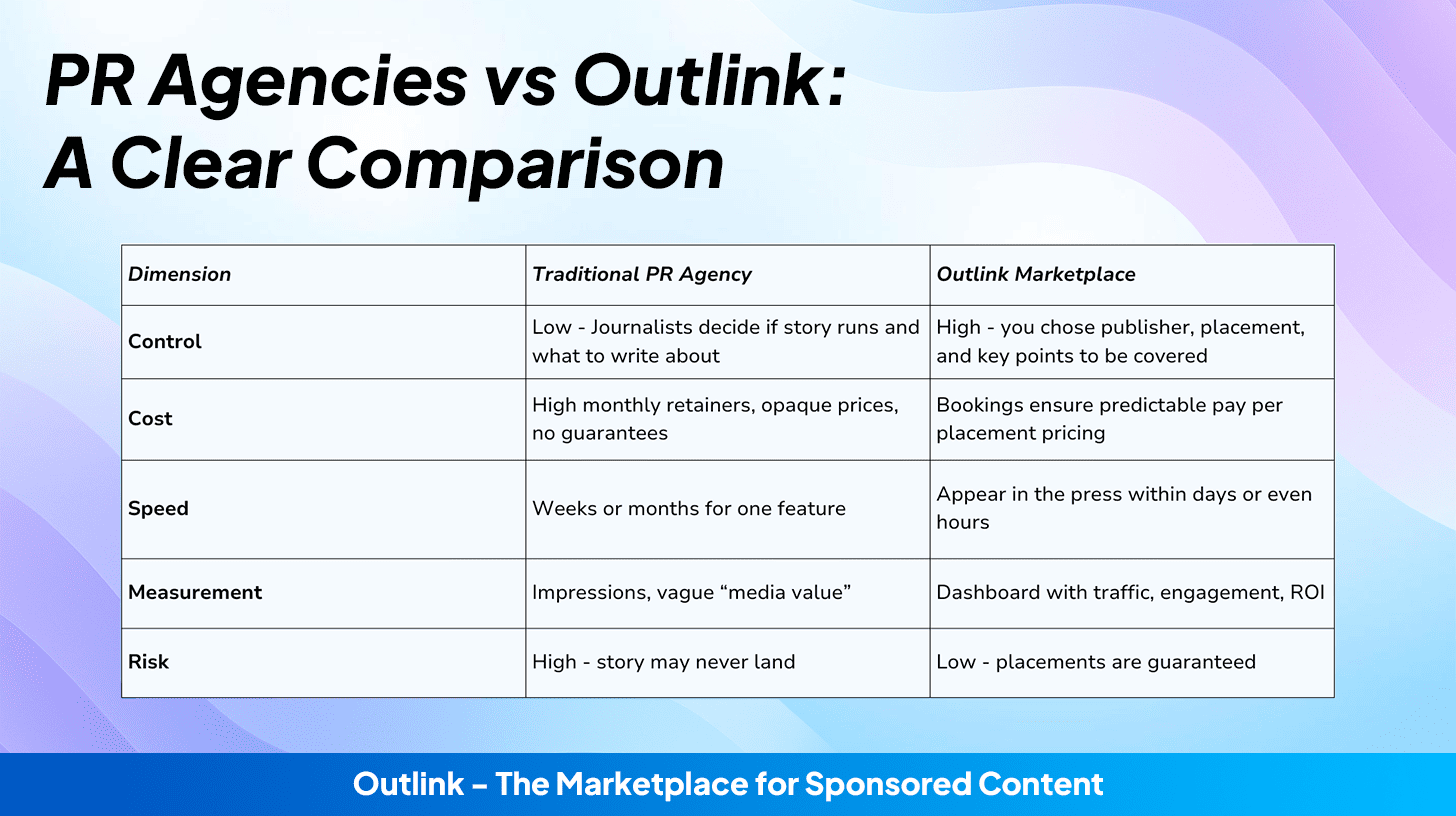


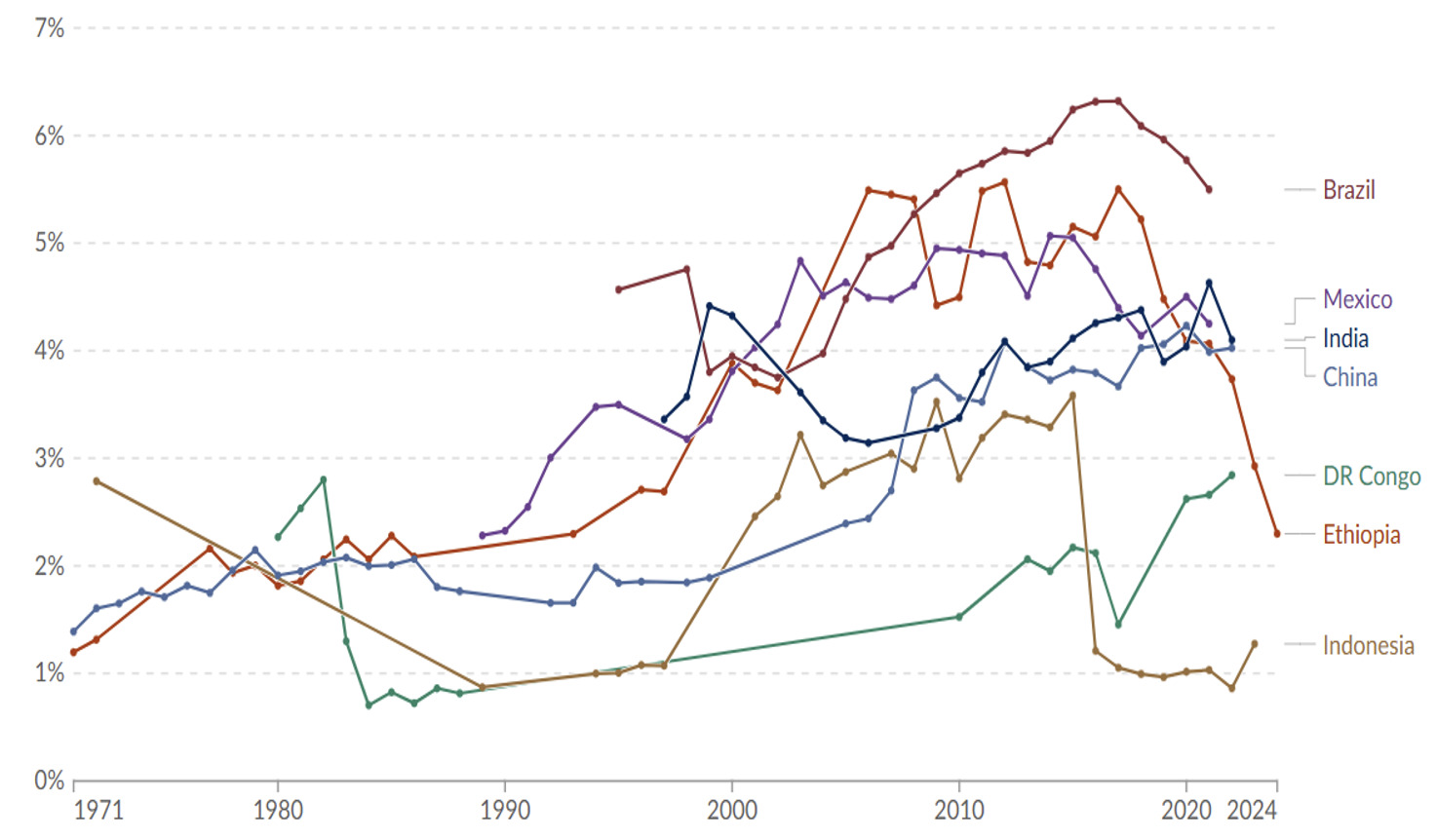
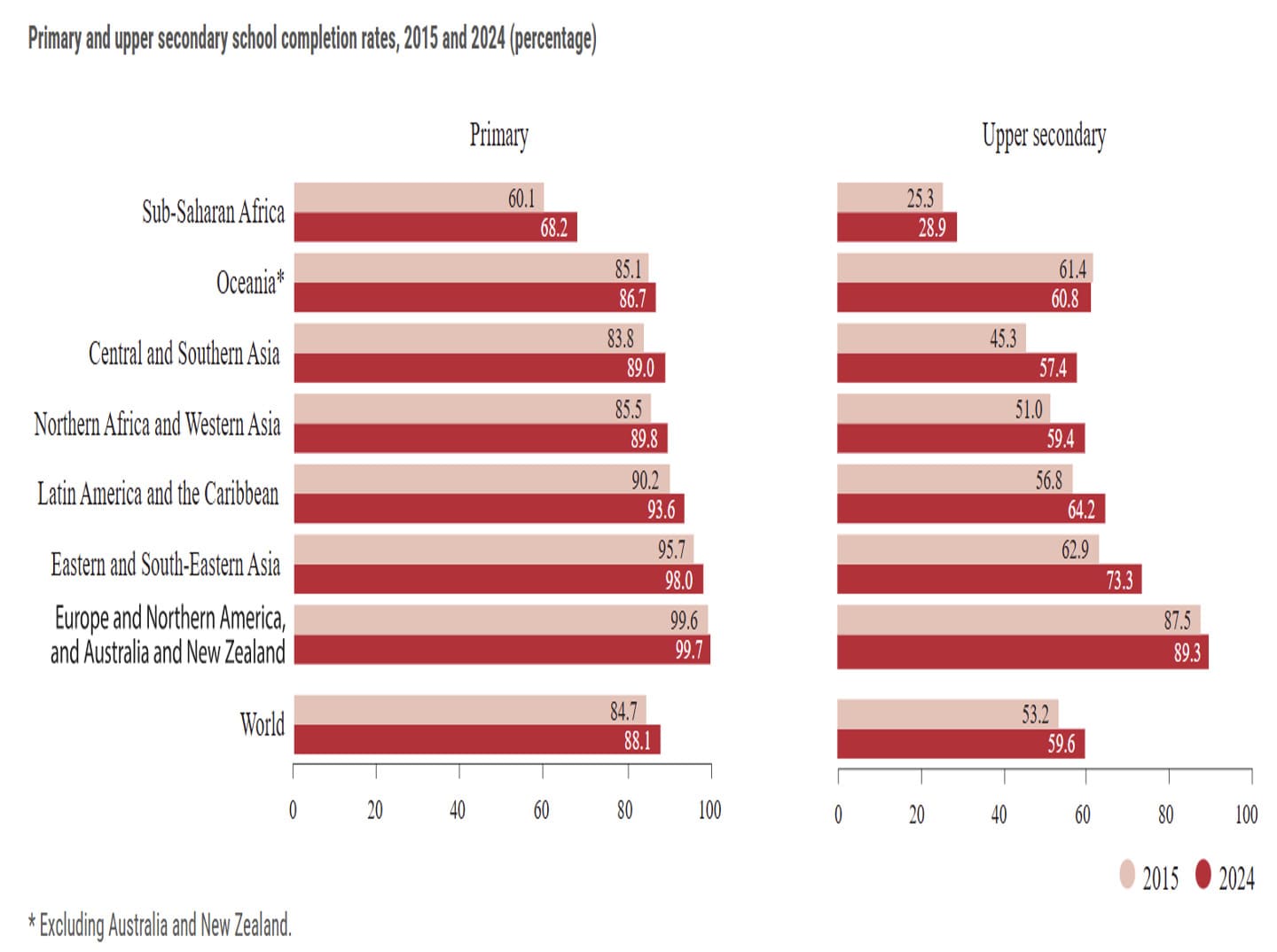
 Dr. Kalim Siddiqui