Federal Reserve Chair Jerome Powell is set to deliver what is likely his last keynote address at the central bank’s annual symposium in Jackson Hole on Friday, at a time of intense political scrutiny and shifting economic conditions.
The speech carries high stakes for Wall Street sentiment, the Fed’s long-term policy direction, and its ability to maintain independence. For more than seven years, Powell has sought to keep the central bank above partisan clashes while navigating economic shocks.
“He’s done a good job in terms of keeping the Fed’s independence, ignoring the noise and some of the questions he gets, and keeping it focused on the data dependency and the Fed’s dual mandate,” said Michael Arone, chief investment strategist at State Street Global Advisors. “He’s taken the high road as it relates to the Fed’s independence and some of the pressure he’s clearly getting from the Trump administration.”
President Donald Trump has repeatedly pressed Powell to slash interest rates and recently expanded his criticism. The White House attacked the Fed this summer over a reconstruction project at its Washington headquarters and briefly floated removing Powell. This week, administration officials accused Fed Governor Lisa Cook of mortgage fraud involving federally backed loans.
Some economists expect Powell to indirectly address the mounting political pressure. “He’s going to take a jab and talk about Fed independence, because what does he have to lose really at this point?” said Dan North, senior economist at Allianz Trade North America. “It seems pretty clear that Trump can’t legally fire him. He can certainly put all kinds of tremendous pressure on him.”
Beyond politics, Powell is expected to discuss the Fed’s broader economic outlook and its five-year policy framework review. The speech is seen as a key signal on the potential for a September rate cut. Powell’s previous Jackson Hole remarks often previewed major policy shifts, including changes to inflation strategy and rate moves.
Goldman Sachs economist David Mericle said the chair is unlikely to explicitly endorse a September cut but could hint at support for one. Kansas City Fed President Jeffrey Schmid, whose district hosts the symposium, said he remains unconvinced about cutting rates next month, while only Governors Christopher Waller and Michelle Bowman have publicly backed such a move.
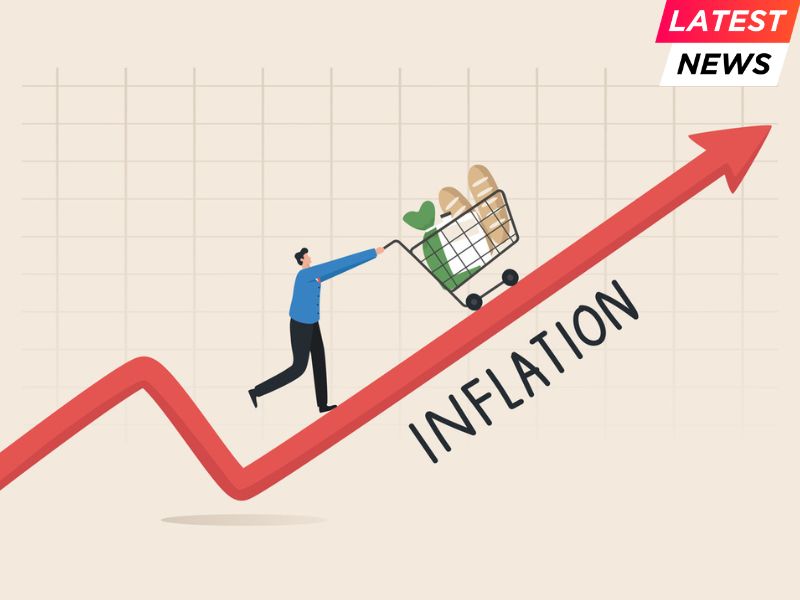
Markets will watch closely for Powell’s assessment of the labor market and inflation pressures, including the impact of Trump’s tariffs. Job growth has slowed in recent months, though many Fed officials have described the employment picture as “solid,” easing the urgency for immediate rate cuts. Meeting minutes from July showed most policymakers remain more concerned about inflation risks.
Krishna Guha of Evercore ISI noted Powell will likely avoid locking in any specific rate decision while outlining a longer-term policy strategy. Economists expect him to address potential revisions to the Fed’s 2020 inflation framework, which allowed prices to run above target when unemployment was high. Critics argue that stance contributed to the worst inflation surge in four decades.
Matthew Luzzetti, Deutsche Bank’s chief U.S. economist, said Powell may call for rolling back parts of the 2020 policy change and return to a preemptive approach on inflation. He added the address “could arguably not come at a more important time.”
Powell’s remarks are scheduled for 10 a.m. ET on Friday. The Jackson Hole conference concludes Saturday.
Related Readings: