Whether you own a commercial building or a home, there are a few things you should know about how to get permits for changing your architecture. Some of the things you need to know include how to get a new certificate of occupancy, how to get a permit to use your property for a new purpose, and how to get a permit to operate your property.
Change of use permits
Whether you’re converting a building from residential use to commercial use, or just adding an extra room, you will need a change of use permit. The permit gives you a Certificate of Occupancy (C of O), which will allow you to legally occupy the building. It will also show that you are in compliance with current codes and ordinances.
The process of getting a change of use permit can be complicated. It involves several different departments, including the city’s building departments, the coastal commission and the Landmarks Preservation Commission.
Before you apply for a change of use permit, you should contact your local building department. They will tell you what approvals you need and which permits you need to apply for.
The building department will also need a copy of your Planning Approval. This is a document that you’ll need to have prepared by a licensed architect. The permit application needs to be notarized and you must include three sets of detailed construction plans. You will also need a recent complete survey of the site.
Using and operating permits
Using and operating permits as a commercial architect aren’t as simple as they might seem. A number of requirements must be met before any work is deemed safe and compliant with state or local regulations. A building permit is required before any work can begin, and a trade permit is required before any trade work can be performed.
A building permit is required for new construction and for all renovations, additions, and alterations. A trade permit is required for the construction or replacement of mechanical, electrical, and plumbing systems. A fire detection and suppression permit is also required.
A building permit is also required to build or replace a fence. A fence is defined as any fence whose height is more than 6 feet. A permit is required for a masonry wall, but not for a wood or aluminum fence.
A building permit may also be required for new construction of a prefabricated module, or for work done on a public right-of-way. A building permit is also required for a deck on an existing building, or a new parking lot.
Review by a structural engineer
Whether you are building a new home or remodeling your current one, you’ll want to get a structural engineer’s take on the matter. Having an expert check out your plans before you begin your remodeling or construction projects will save you from costly mistakes. The engineer might also be able to identify a problem area that you’ve overlooked, thereby saving you time and money.
There are many roads to choose from when determining what the best path for your remodel is. You can have a designer or architect draw up custom plans for you, but it’s always a good idea to get a second opinion. A structural engineer can help you find and fix any problems you may have overlooked. The engineer may also be able to provide you with a scope of repairs and bidding opportunities for materials and labor.
A structural engineer might also be able to point you in the right direction when it comes to identifying leaky roofs, determining the cause of a damp or moldy basement, and identifying the cause of a leaky bathroom vanity.
Obtaining a new certificate of occupancy
Obtaining a new Certificate of Occupancy is a must when changing the use or occupancy of a building. This certificate, issued by the local government, ensures that your building meets all building codes. If you have any questions about getting a Certificate of Occupancy for your business, you can contact the Department of Buildings in your area.
If you’re planning to renovate or build a new commercial building, you will need to get a Certificate of Occupancy. The building will need to be inspected and approved by a certified building inspector before the CO can be issued.
If you’re making significant changes to your building, such as adding more rooms or relocating an entrance, you will need to obtain a Certificate of Occupancy. If you’re planning to renovate or rebuild a building that is currently in use, you may not need to obtain a CO.
Obtaining a new Certificate of Occupancy for your business requires four sign-offs. This includes an application from the owner of the business, a copy of the lease agreement, a copy of the building permit, and a signed certificate from the business manager.
The valuation of nature has relied broadly on instrumental and intrinsic values that form a dichotomy, an approach that has been inadequate to address the variety of human-nature connections that people may hold. However, human-nature relationships may be more appropriately described through the concept of relational values. To elicit such multiple values and guide action more effectively, the notion of plural valuation has emerged, which is seen to improve the way nature is valued and accounted for in decision-making.
Nature is an integral part of our lives; its resources are the basis for livelihoods and economic success, while the natural realm gifts us with sociocultural benefits that can be perceived through, for example, connectedness, identity, and spirituality. Nevertheless, discussing nature’s values is still often restricted to the instrumental perspective, namely its economic and use value, and with the majority of the human population living in cities, our lives get more and more technical and disconnected from the environment, while nature gets increasingly commodified.
In recent years, the global COVID-19 pandemic has forced people to retreat from a multitude of social locations and structures. With social gathering restricted and societal institutions mostly closed, people were forced to spend more time in their own homes. Meanwhile, people retreated to nature, which led to an increasing individual appreciation of nature, as well as connectedness with it. Spending time in nature has helped people to maintain their well-being during a time characterised by extensive restrictions. Therefore, the pandemic seemed to have a positive effect on individuals’ connectedness to nature and values1.
This paper explores how different values of nature are conceptualised and expressed in forms of human-nature relationships. Starting with the common idea of a value dichotomy, it is argued that a third value domain is necessary to adequately address value perceptions by exploring tangible examples (figure 1). The prevailing question is how the variety of values can be assessed and integrated for decision-making, aiming at more ecologically and socially sustainable outcomes.
The Value Dichotomy
The values of nature can have various forms. Generally, values can be defined as the multitude of ways in which different people, places, or entities are of importance, how we relate to them, and how we consider them for action and behaviour2. The scientific and political discourse was dominated for a long time by a dichotomy of values, consisting of instrumental and intrinsic value considerations (figure 2). These two value domains derive from opposing stances. Instrumental values seem to originate from an economic perspective, putting the utilitarian view in focus. Meanwhile, intrinsic values are biocentric and emphasise the ethical perspective towards nature as its own entity3. Nevertheless, these two value domains are insufficient to describe the complexity and context-specificity of human-nature relationships and the values arising from these. In this part of the paper, both value domains are first briefly described, and the issues arising from this dichotomy examined.
Instrumental Valuation
Instrumental valuation often focuses on monetary, economic aspects and how humans can gain from nature. This concept dates as far back as Aristotle, who distinguished between nature’s exchange and use values, concepts which are currently still in use. Since then, economic thoughts have dominated the valuation discourse4. With the Millennium Ecosystem Assessment in 20055, which sorted nature’s services to humans into ecosystem services (ES) categories, the economisation of nature continued6, so that valuation research predominately focuses on monetary and economic valuation methods7. Such methods are primarily market-based, such as assigning value estimates in monetary units to certain aspects of nature, assessing the use value, willingness to pay for the provision of ES, or the willingness to accept compensation for its loss, as well as the cost of replacement through human-made substitutes8. These methods are mostly applied to material, provisioning ES, for example timber, provided by forests, extracted, and then commodified on markets.
Intrinsic Valuation
Intrinsic valuation is regarded as the opposite value perspective. Whereas instrumental values see nature as a means to achieving the greatest human gain, intrinsic valuation considers nature and other species as an end in themselves which exist for their own sake and independently from humans. From this perspective, people have a moral responsibility towards other species with which we share the environment. This view is biocentric and non-anthropogenic in character and includes values such as animal rights and welfare, evolutionary processes, and genetic and species diversity9.
Issues Arising from This Dichotomy
The two value domains within this dichotomy stand opposite to each other and derive from inherently different considerations. Therefore, instrumental and intrinsic values are often conflicting and hard to combine9.
The following metaphor best describes what relational values are: people are living with nature, encompassing those values that arise from human relations with nature, meaning the various ways in which the cultural sphere is connected with the biophysical sphere.
Whereas intrinsic, non-anthropogenic values fail to account for the human relationship with nature, instrumental valuation focuses too much on the utilitarian perspective and cannot capture the non-material contributions of nature to human life. For instance, nature can have spiritual and religious meaning for humans and be an integral part of identities and ancestral belonging to a place. These values are context-specific and subjective and thus cannot be readily commodified and expressed in economic terms8. Other criticised aspects of economic valuation are that it simplifies ecologically complex processes and enhances social inequalities by converting previously open-access resources to semi-public access available only to those with sufficient financial power6.
Therefore, relying on only these two value domains to assess the value of nature is insufficient for assessing and describing the complexities of human-nature relationships and the context-specific meanings of nature according to world view, culture, social status, and gender. A third value domain is necessary.
A Third Value Domain
Out of this necessity, a third value domain has been introduced in recent years that captures more accurately how people live with nature. These values are called relational values (figure 3).
The following metaphor best describes what relational values are: people are living with nature, encompassing those values that arise from human relations with nature, meaning the various ways in which the cultural sphere is connected with the biophysical sphere10. These are called relational values9. Relational values refer to those processes that enable people to define their identity and social structures, as well as those that are conditional to keeping up functional and resilient ecological systems that also provide for human well-being10. Furthermore, they describe the importance of human-nature connectedness across multiple generations9.
The two previously described value domains can be translated into the metaphors of gaining from nature (instrumental values) and living for nature (intrinsic values)10.
Together, these three metaphors capture most, albeit not all, of the possible relationships between humans and nature, depicted in figure 4. Having discussed the value dichotomy of instrumental and intrinsic values, in the following section we will explore some examples of how relational values translate into concrete human-nature relationships.
The Austrian “Bergtee” Heritage
A study by Grasser et al.11 assessed which plant species are gathered and valued by local people in the Grosses Walsertal biosphere reserve in Austria. It thereby highlighted the intricate links between nature and culture in this part of Europe.
Plant-gathering activities in this area stem from tradition but became economically unnecessary. However, these practices remained an integral part of the people’s heritage. While gathered plants are used for nutrition, medicine, veterinary, or other purposes, herbal tea is the most frequently mentioned use.
Stemming from the local heritage and knowledge of gathering plants, the Bergtee (mountain tea) community project was founded with the aim of sharing the traditional knowledge held by local women. Plants are gathered by these women and mixed, producing the mountain tea mixture. Even though this mountain tea is locally sold, the interest does not lie in increasing economic gain, but passing on the appreciation and value of nature and what it offers. When picking plants, great attention is paid to keeping the integrity of the ecosystem. For example, the first flowers appearing every season are left for bees. Furthermore, gathering activities are informed by local knowledge and also, in some cases,beliefs in astrology. The tea mixture produced is believed to have medicinal benefits.
These activities reflect regional identity and the value of nature as more than economic gain and intrinsic value. Local women’s identity and heritage is interconnected with plant-gathering activities, showing the relationship these people have with the surrounding nature11.
Indigenous Relationships with Nature: The People of Rarámuri
Indigenous people are often said to live in a very close relationship with nature that enters a cultural, spiritual, physical, and social sphere. Their connectedness with nature can be characterised by reciprocity and interdependency with all other living entities. Thus, if nature is harmed, this comes back to humans12.
Plural valuation stems from the recognition that there are diverse and multiple arrays of knowledge and values which need to be integrated into decision-making to address social inequalities and achieve goals such as those just mentioned.
Salmón12 describes the specific relationship of the indigenous community of Rarámuri, also called Tarahumara. This community is local to the Sierra Madre region of Chihuahua in Mexico, a very biologically diverse area. The people of Rarámuri live by the concept of iwígara, which is the belief that self and culture are interconnected in the web of life. This encompasses all lands, animals, and parts of the natural world, as well as people themselves. All life within this continual system shares the same breath and is relative. For the Rarámuri, their life stems from and emerges from the natural world. In this sense, they believe that their community emerged from ears of corn after the previous world was destroyed. This relationship to corn goes beyond the reliance for food and enters a cultural sphere. As such, this belief system translates into rituals, ceremonies, and language12.
This example of the Rarámuri people shows clearly how nature is more than a means of gaining a livelihood, but enters the cultural sphere and becomes part of the identity of these people. This entails a great connectedness to nature that is essential for their well-being. The Rarámuri live in kinship with nature12, which influences their identity beyond material gain.
Plural Valuation and Its Benefits
The previous examples illustrated how nature can go beyond intrinsic or monetary values and enter the cultural, relational sphere. Nevertheless, valuation methods in the past still predominately applied value monism and focused on economic aspects7. So how can more layered and multifaceted values be assessed, recognised, and integrated into decision-making and why is it of high importance?
What Is Plural Valuation?
In 2015, the United Nations decided on 17 Sustainable Development Goals (SDGs)13 which are recognised as guiding principles for action. Human activities and resource use should be guided by these considerations. With nature and its contributions to people at the core of all resource extraction and benefit for human purposes of whatever kind, how we assess the value of nature is crucial for the achievement of many of these SDGs. How can we achieve “zero hunger” when we (directly) destroy the source of livelihood of many rural communities because it is economically more valuable to a more privileged part of the human population? How can we fulfil goal 14, “Life below water”, and 15, “Life on land”, if we do not acknowledge the right of existence beyond human instrumental value of those ecosystems and species living in them? And how can we fulfil “Reduced inequalities” if we largely ignore the values, connectedness, and needs of nature that marginalised, less powerful populations hold, people who will face adverse consequences for their culture and subsistence if nature is continuously destroyed. Evidently, value considerations guide all aspects of action and are therefore essential in order to reach these goals and sustainably protect nature.
This is where plural valuation has emerged as a concept. Plural valuation stems from the recognition that there are diverse and multiple arrays of knowledge and values which need to be integrated into decision-making to address social inequalities and achieve goals such as those just mentioned. It can be defined as a process of assessing the variety of values ascribed to nature by various stakeholders, and how they are interrelated and can be brought into decision-making and policy14,15.
How Is Plural Valuation Carried Out?
Plural valuation is explicitly inclusive of different world views, knowledge systems, beliefs, genders, and power relationships. Since the concept itself developed from various scientific disciplines15, there is no set method for how plural values can be elicited. Arias-Arévalo et al.10 have compiled a comprehensive set of methods for different purposes and value domains. However, the choice of method is not the only factor enabling or constraining adequate valuation beyond a single metric (figure 5).
To successfully elicit plural values, a shared understanding of the purpose and scope of valuation must be deliberately agreed on by scientists, practitioners, policymakers, and all other stakeholders. It should be clear that all relevant methods, concepts, and disciplines need to be included to broaden the value horizon towards the multiple value domains discussed before. Finally, the obvious aim of this process is to integrate the results into decision-making and translate them into action14.
Even so, not all processes of plural valuation lead to sustainable and equitable outcomes as wished. Zafra-Calvo et al.15 showed that there are five primary factors that effectively contribute to desirable outcomes in terms of ecological sustainability and reduced social inequity. Plural valuation processes should (1) be participatory, (2) be action-oriented, (3) give space for marginalised groups to express their values, (4) bring together different concepts of human-nature relationships, and (5) facilitate a space for open communication and collaboration between stakeholders15.
What Are the Benefits of Plural Valuation?
When conducted thoroughly and under such criteria, the plural valuation of nature can have various social, ecological, and economic benefits, as summarised in figure 6.
Even though the first thought might be that plural valuation may be less economically feasible, due to increased complexity, it may, in fact, be more cost-effective than approaches relying solely on value monism. It does not necessarily require more funds to conduct, as methods and processes can be combined and can increase the effectiveness and reliability of action, while simultaneously reducing the possible risk factors14.
Conducting plural valuation can also effectively contribute to the achievement of policy objectives for social and ecological concerns, such as the aforementioned SDGs. In addition, intergovernmental environmental assessments that guide policies globally can profit from plural valuation processes and the knowledge gathered14. As integrating marginalised and diverse knowledge systems and world views carries multiple beneficial factors for more effective understanding and management of nature16, plural valuation may contribute to this, too, with its role in eliciting such knowledge and beliefs when conducted correctly.
In terms of social benefits, plural valuation can contribute to an improved flow of nature’s contributions to people and distributional justice in terms of access to these15. Furthermore, the integration of diverse stakeholders can lead to more equitable and accepted decisions, which can reduce injustices and conflicts14;15. Lastly, successful plural valuation may improve factors of stakeholders’ quality of life such as health or cultural identity15.
Outlook
Human development, welfare, and quality of life will continue to depend largely on natural resources. Meanwhile, action should be guided by global policy targets, such as the SDGs. To achieve such goals and make decisions that not only contribute to the (economic) welfare of a small, privileged part of society, the plural values of different domains must be recognised, elicited, and translated into action.
Instrumental valuation often focuses on monetary, economic aspects and how humans can gain from nature. This concept dates as far back as Aristotle, who distinguished between nature’s exchange and use values, concepts which are currently still in use.
Academic research has increasingly discussed plural valuation efforts and how it can be done successfully and effectively to create the most beneficial outcomes for future decisions14. Not only instrumental and intrinsic, but also relational values have been recognised as important value domains for describing socio-ecological systems in the latest IPBES report, published in 20199. Recognition has also been given to indigenous and local communities and their knowledge systems and beliefs, which need to be integrated for successful valuation processes14;15 and nature management16. This gives a promising outlook into the future of nature valuation and decisions affecting the natural world.
Even if it may seem that economic decisions still prevail in action, the COVID-19 pandemic has shown us that nature is not only a commodity, but is important for maintaining our well-being and mental health1. So, not only decision makers and policymakers need to consider plural nature values beyond instrumental and intrinsic ones, but also every person on an individual level can guide their action increasingly by considering nature’s contribution to our life, and our responsibility to nature itself.
Summary In summary, this paper provides an insight into common concepts of nature valuation and explores relational values beyond the intrinsic and instrumental. Effective plural valuation processes aimed at eliciting multiple values can inform decision-making to achieve more socially equitable and ecologically sustainable outcomes. Therefore, action aimed at achieving global policy goals should be guided by the recognition of multiple values in order to achieve future sustainability after the pandemic.
Acknowledgement The authors would like to thank Dr Jasmine Pearson for her ongoing support during the process of writing the bachelor’s thesis and introducing them to the topic of nature valuation.
Johanna Zoe Hartmann is studying Sustainability, Society and the Environment at Christian-Albrechts-University, Kiel. She recently fulfilled her bachelor’s degree in Global Environmental and Sustainability Studies at Leuphana University Lüneburg. Her interests lay mainly in socio-ecological systems and she seeks to continue her career in this research field.
Michael Palocz-Andresen is working as a guest professor at the Benemérita Universidad Autónoma de Puebla México. Since 2018 till 2022 he was a Herder-professor supported by the DAAD at the TEC de Monterrey. He became a full professor at the University West-Hungary Sopron, a guest professor at the TU Budapest, the Leuphana University Lüneburg, and the Shanghai Jiao Tong University. He is a Humboldt scientist and an instructor of the SAE International in the USA.
References
O’Brien, L. and J. Forster. “Engagement with nature and Covid-19 restrictions. Quantitative analysis 2020”. Forest research 2020.
O’Neill, J. Holland, A. and Light, A. Environmental Values. New York: Routledge, 2008.
Pascual, U., Balvanera, P. Díaz, S. et al. “Valuing nature’s contributions to people: the IPBES approach”. Current Opinion in Environmental Sustainability 2017, 26-7:7–16.
Silva, S. S. d., Reis, R. P., and Ferreira, P. A. “Nature value: the evolution of this concept”. Ciência e Agrotecnologia 2012, 36(1):9–15.
[MA] Millennium Ecosystem Assessment (Program). Ecosystems and Human Well-Being. Washington, DC: Island Press, 2005.
Gómez-Baggethun, E. and Ruiz-Pérez, M. “Economic valuation and the commodification of ecosystem services”. Progress in Physical Geography: Earth and Environment 2011, 35(5):613-28.
Abson, D.J., von Wehrden, H., Baumgärtner, S. et al. “Ecosystem services as a boundary object for sustainability”. Ecological Economics 2014, 103:29-37.
Brauman, K. A., Garibaldi, L. A., Polasky, S., et al. Chapter 2.3. “Status and Trends – Nature’s Contributions to People (NCP)”. In: Global assessment report of the Intergovernmental Science-Policy Platform on Biodiversity and Ecosystem Services. Brondízio, E. S., Settele, J., Díaz, S., Ngo, H. T. (eds). 2019. IPBES secretariat, Bonn, Germany.
Brondízio, E. S., Díaz, S., Settele, J. et al. Chapter 1: “Assessing a planet in transformation: Rationale and approach of the IPBES Global Assessment on Biodiversity and Ecosystem Service”. In: Global assessment report of the Intergovernmental Science-Policy Platform on Biodiversity and Ecosystem Services. Brondízio, E. S., Settele, J., Díaz, S., Ngo, H. T. (eds). 2019. IPBES secretariat, Bonn, Germany.
Aras-Arévalo, P., Gómez-Baggethun, E., Martín-López, B. et al. “Widening the Evaluative Space for Ecosystem Services: A Taxonomy of Plural Values and Valuation Methods”. Environmental Values 2018, 27(1):29-53.
Grasser, S., Schunko, C. and Vogl, C. R. “Gathering ‘tea’ – from necessity to connectedness with nature. Local knowledge about wild plant gathering in the Biosphere Reserve Grosses Walsertal (Austria)”. Journal of Ethnobiology and Ethnomedicine 2012, 8:31.
Salmón, E. “Kincentric Ecology: Indigenous Perceptions of the Human-Nature Relationship”. Ecological Applications 2000, 10(5):1327-32.
[UN] United Nations Department of Economic and Social Affairs. “The 17 Goals”. 2022. https://sdgs.un.org/goals [last accessed 19 May 2022].
Jacobs, S., Zafra-Calvo, N., Gonzalez-Jimenez, D. et al. “Use your power for good: plural valuation of nature – the Oaxaca statement”. Global Sustainability 2020, 3(e8):1-7.
Zafra-Calvo, N., Balvanera, P., Pascual, U. et al. “Plural valuation of nature for equity and sustainability: Insights from the Global South”. Global Environmental Change 2020, 63:102115.
Tengö, M., Brondízio, E.S., Elmqvist, T. et al. “Connecting Diverse Knowledge Systems for Enhanced Ecosystem Governance: The Multiple Evidence Base Approach”. AMBIO 2014, 43(5):579-91.
Adidas does not tolerate antisemitism and any other sort of hate speech… the company has taken the decision to terminate the partnership with Ye immediately,” according to its October 25 news release1. That statement conveys a principled and admirable stance against the antisemitism shown by the rapper formerly known as Kanye West after his antisemitic tweet2 on October 10 that he would go “death con 3 on JEWISH PEOPLE.”
Yet Adidas waited much, much longer than other companies3 that cut ties4 with Ye. Even Ye’s own talent agency dropped5 him before Adidas. In fact, Adidas delayed so long that Ye taunted them on his October 16 appearance6 on the Drink Champs podcast, saying “I can say antisemitic things, and Adidas can’t drop me. Now what? Now what?”
Adidas faced particular pressure to drop Ye due to its dark past. A German company founded7 by a former member8 of the Nazi party, Adidas had an especially strong reason to drop Ye earlier than other companies. Adidas faced mounting pressure9 from the Anti-Defamation League and other10 organizations to drop Ye given its Nazi past. A Change.org petition11 set up by the Campaign Against Antisemitism urging Adidas to sever ties with Ye had gathered 169,100 signatures by October 25.
Short-term financial damage is highly visible and painful, while the long-term brand damage is much less visible and less painful. Yet realistically, such brand damage is much more important to the long-term success of Adidas.
Yet Adidas refused to drop Ye until all the other companies dropped him. Instead of getting ahead of the problem and dropping Ye immediately after his October 10 anti-semitic tweet, or even his October 16 taunting of Adidas, the company had to be shamed and pressured into cutting its ties with Ye. As a result, Adidas seriously damaged its brand, harming its reputation among anyone opposed to antisemitism. After all, it appeared Adidas dropped Ye due to the pressure, rather than Ye’s antisemitism and other bad behaviors.
The Adidas leadership buried its head in the sand. It refused to acknowledge the growing damage to its brand from Ye’s antisemitism, as well as his prior bad behavior, such as having models wear19 “White Lives Matter” T-shirts in early October.
Such denialism in professional settings happens more often than you might think. A four-year study20 of 286 organizations that had forced out their CEOs found that 23 percent were fired for denying reality, meaning refusing to recognize negative facts about their organization. Other research shows that professionals at all levels suffer from21 the tendency to deny uncomfortable facts.
Adidas’ denialism likely stems from the cognitive bias known as the sunk costs22 fallacy. According to Adidas’ statement23, the termination of the contract is expected to “have a short-term negative impact of up to €250 million on the company’s net income in 2022 given the high seasonality of the fourth quarter.” Presumably, the impact will be much higher in 2023, over half a billion at least.
The partnership with Ye had a long history24 since 2013, when the company signed his brand away from rival Nike. In 2016, Adidas further expanded its relationship with the rapper, calling it “the most significant partnership ever created between a non-athlete and an athletic brand.”
In other words, Adidas invested a great deal of money and reputation into its relationship with Ye. That kind of investment causes our minds to feel strongly attached to whatever we put those resources into, and throw good money after bad.
Adidas seriously damaged its brand, harming its reputation among anyone opposed to antisemitism. After all, it appeared Adidas dropped Ye due to the pressure, rather than Ye’s antisemitism and other bad behaviors.
You’ll see this happen often in major projects that are working out poorly, such as Meta’s Metaverse project. Several high-profile industry figures recently criticized25 Mark Zuckerberg’s efforts. That includes Palmer Luckey, the founder of VR headset startup Oculus, which Meta acquired in 2014 for $2 billion. Luckey said “I don’t think it’s a good product” about Horizon Worlds, Meta’s core metaverse product. He called it a “project car,” a fancy automobile that the owner spends a lot of money on as a hobby. So far, Facebook’s shift to building the metaverse has been costly, with the company last year losing $10 billion on it, and Wall Street analysts expect it to lose more than $10 billion again this year.
Similarly, you’ll see sunken costs in major relationships. That can range from marriages that lasted much longer than they should have to brand partnerships like the one between Adidas and Ye.
The final cognitive bias relevant here is called hyperbolic discounting26. This term describes our brain’s focus on short-term, highly visible outcomes over much more important and less visible long-term ones. Adidas didn’t want to take the short-term financial hit to its bottom line from cutting ties with Ye. However, Adidas failed to give sufficient weight to the long-term damage to its brand from failing to do so. Short-term financial damage is highly visible and painful, while the long-term brand damage is much less visible and less painful. Yet realistically, such brand damage is much more important to the long-term success of Adidas.
In my consulting27, I’ve seen many executives struggling with the same three mental blindspots when they face top performers engaging in bad behaviors, ranging from incivility to sexual harassment and discrimination. Leaders deny it happened because they have so much invested in the top performer, whether a star salesperson or top data scientist, and they don’t consider the long-term consequences to the organization’s culture and employee morale.
In fact, it’s easy for anyone to fall for these three cognitive biases when someone whom you value behaves badly. Fortunately, forewarned is forearmed: knowing about these three mental blindspots means you can watch out for these problems in your own professional and personal life.
Dr. Gleb Tsipursky serves as the CEO of the boutique future-of-work consultancy Disaster Avoidance Experts. He is the best-selling author of 7 books, including Never Go With Your Gut: How Pioneering Leaders Make the Best Decisions and Avoid Business Disasters and Leading Hybrid and Remote Teams: A Manual on Benchmarking to Best Practices for Competitive Advantage. His cutting-edge thought leadership was featured in over 650 articles in prominent venues such as Harvard Business Review, Fortune, and USA Today. His expertise comes from over 20 years of consulting for Fortune 500 companies from Aflac to Xerox and over 15 years in academia as a behavioral scientist at UNC-Chapel Hill and Ohio State.
While most experienced drivers are completely tuned in to the road ahead of them, distractions can have a huge impact. In fact, distractions within vehicles was the second leading reason for over 2000 accidents in 2020, only behind impairment due to alcohol.
There are plenty of things that can draw your attention away from driving. With some insights from van leasing company, Van Ninja we’ll take you through some of the most common distractions that can occur. This way you’ll know what to be cautious of and avoid while you’re on the road.
Tailgating: the biggest distraction for motorists
Not every distraction comes from within your vehicle, as driving safely also takes into account the environment and other traffic. In a survey conducted by IAM RoadSmart of 1,000 British motorists, tailgating was one of the most popular responses, with 30% stating it’s the biggest distraction.
Tailgating is the act of driving within a short distance of a vehicle ahead of you, and it’s not just frustrating to feel like you’re being followed closely or hurried, but it’s also dangerous.
The appropriate stopping distance between vehicles varies depending on the speed limit and driving conditions, so if you’re having to make a quick emergency brake you’re more likely to be involved in an accident.
There’s no real way to avoid other people tailgating you, but when you’re behind the wheel of your own car, it’s important to stay calm and drive within the limits and laws of the Highway Code.
Eating & drinking: you could be fined for careless driving
Despite the myths you might have heard like wearing flip-flops or smoking, it’s not illegal in the UK to eat or drink while driving.
However, if a police officer perceives you to be distracted from your driving while eating or drinking, you could be fined for careless driving. This comes with a fine of £100 and between three to nine penalty points on your license for four years.
To avoid being distracted by eating and drinking, have a bottle close by that you can take a drink from quickly, so your hands aren’t occupied for too long. For food, it might be better to avoid anything that you can’t grab with a single hand so you can keep the other on the wheel.
But for the safest results, wait until your vehicle has come to a halt before reaching for snacks and drinks.
Mobile phones: keep them out of sight and out of mind
No matter whether you’re a car owner or leasing a van, mobile phones have advanced to the point where most of the global population own a smartphone. Research from Uswitch found that at the start of 2022, there were 71.8 million mobile connections in the UK.
If you need your phone for entertainment or directions from a navigation app, connect your phone to your car entertainment system either through Bluetooth, an aux cord or USB cable. Letting contacts know that you’ll be behind the wheel also helps to avoid any phone calls coming through, further distracting you. While it’s tempting to have a quick check of your screen when you hear a text ping through, wait until you’re safely parked and stationary before you open it.
Many drivers actually put their phone away in the glovebox while driving – out of sight, out of mind.
The most crucial thing is not to let the frustration or stress of a reckless driver around you affect your driving. And you can keep your mind at ease knowing you’re operating your vehicle within the law and not at fault.
Synot Games has been around since 1991, and its headquarters are in the Czech Republic. Synot is a prominent and reputable producer of casino games. They have a great team of gambling enthusiasts and experts that have over 30 years of experience in the iGaming industry. While they create a wide range of casino games, they are most known for their online slot machines, which boast great graphics, captivating gameplay, and a variety of bonus features. Until now, Synot Games has released well over 100 games that you can play at the most popular internet casinos in the world. Top online casinos like 777, LeoVegas, and Rizk offer games made by Synot.
While Synot Games doesn’t boast such an extensive portfolio of games like Microgaming or Playtech, their selection is growing at a steady pace, as they publish at least one new game a month. Their games are mobile-friendly and easy to play. On top of that, you can count on a fair gameplay, decent RTP percentages, and generous prizes. But one of the best things about their games is that they can also be played free of charge. Because of that, they are a great choice for newbies who want to learn more about them before they start gambling with money. We have already said that online slot machines are their main focus. If you’re an online slot enthusiast or just want to start playing casino games, we recommend checking out Synot slots. Let’s take a look at the best ones.
Best Online Casino Slots by Synot
Wild Circus 256
Wild Circus 256 is hands down the most well-known slot created by this game developer. As you can already guess, it has a circus theme. Wild Circus 256 has four reels and two hundred and fifty-six paylines. There are nie symbols, and that includes a mystery and a wild symbol. The maximum win you can get when playing the Wild Circus 256 slot is 499.2x your initial wager. It’s also worth noting that this is a slot of medium volatility, and that its RTP percentage is between 88,17% and 97,95%. Naturally, this slot machine is mobile-friendly and available in several languages.
Book of Secrets
Book of Secrets takes you all the way back to Ancient Egypt. If you are interested in history and are at least a bit adventurous, this slot with twenty paylines and five reels will appeal to you. Start playing the Book of Secrets slot to visit an ancient pharaoh’s tomb full of mysteries and hidden treasures. Moreover, this is a slot of high volatility, which means you can count on less frequent, but more lucrative prizes. Lastly, its RTP percentage is between 85,15% and 97,94%, and the maximum win is 6227x your stake.
Hot Africa
Hot Africa is without a doubt one of the best Synot slot machines you can find. If you are a nature lover and like to go on adventures, you will enjoy playing this game. This slot with five reels brings us to Kilimanjaro. It is packed with fun features, one of which is its free spins bonus round that can bring you lucrative prizes. It also features a wild symbol, scatters, multipliers, and other exciting things.
Funnel marketing, also known as sales funnels, is a proven strategy for businesses to generate leads and increase conversions. Sales funnels are designed to take customers through a series of steps that eventually result in a purchase. This blog post will discuss the benefits of funnel and how it can help your business grow.
What Exactly is Funnel Marketing?
Funnel marketing is a process that helps businesses maximize the potential of their online presence by creating a funnel or path from acquisition to conversion. This means that businesses use different tactics to draw potential customers into their website or other online presence, then guide them through the customer journey in order to convert them into paying customers or regular users. Funnel Builder Secrets Course By ClickFunnels 2.0 helps businesses focus on creating an effective customer experience, increasing conversions and improving overall ROI (return on investment).
The 10 Benefits of Funnel Marketing
Cost-effective – It is an affordable way to reach the right target audiences without spending a lot of money on conventional forms of advertising.
Increased ROI – It offers a better return on investment than traditional methods, making it more profitable for businesses.
Improved customer experience – It allows companies to customize their content and messaging for each stage in the customer journey, creating a more enjoyable and engaging experience for them.
Targeted campaigns – Funnels enable marketers to create highly targeted campaigns that focus on specific segments of customers who are most likely to purchase from them.
Speed and efficiency – Funnels are designed in such a way that customers can go from one stage to another quickly, resulting in faster conversions.
Improved understanding of customer behavior – Funnels help businesses better understand their customers’ behaviors and preferences so they can tailor their strategies accordingly.
Automation – It allows marketers to automate certain processes such as lead scoring and segmentation, making the process more efficient and less time-consuming.
Retargeting capabilities – Funnels enable marketers to retarget those who have already interacted with their brand, allowing them to stay top of mind for these potential customers.
Personalization – Funnels help businesses create personalized content that resonates with their target audience by providing insights into customer behavior and preferences.
Measurable results – It provides clear and measurable results, making it easy to track the success of campaigns and optimize them for better performance.
Why Funnel Marketing is the Future of Marketing?
It is quickly becoming the preferred method for businesses to reach their customers. Unlike traditional marketing tactics, funnel enables businesses to track customer behavior and tailor content accordingly. This allows businesses to create personalized experiences that drive better engagement from potential customers. Funnel also offers greater ROI because the cost associated with creating tailored content is relatively low compared to traditional tactics like billboards or television commercials.
Furthermore, It can be used across all digital channels, allowing businesses to engage with a much larger potential customer base than through more traditional methods. As technology continues to advance and refine the way we interact with each other, funnel marketing offers an effective way of helping businesses tap into this changing landscape.
With its ability to target specific audiences and offer more personalized content, funnel is the future of marketing for businesses that want to stay ahead of the competition. By leveraging this powerful platform, businesses can create lasting relationships with their customers and ensure a successful marketing strategy in the digital age.
In the end
Funnel marketing is an invaluable tool for any business looking to maximize its online presence. It allows you to better understand your target audience so that you can create tailored experiences that lead them down the path towards conversion. Additionally, It helps streamline the customer journey by focusing on optimizing each step rather than trying to optimize everything at once; this saves time while increasing conversions significantly. With these benefits combined, It is an essential part of any successful business’s digital strategy!
Building your confidence as a project management professional is crucial if you want to achieve your business goals. Once you feel confident in your abilities and skills, you can take any project to the next level. This also means that you won’t second-guess every single move that you want to make. Self-confidence will help you tackle any challenges that you may face as a project manager and come up with effective solutions to overcome them. If you are new to project management, it’s normal to feel overwhelmed at times and slightly intimidated by all the different responsibilities you will have. However, today we have prepared a practical guide that will help you build your confidence and improve your career prospects.
Assess Your Skills
Firstly, it’s important to evaluate your current skillset so that you can create a plan for the future. This will also help you determine which skills you should focus on developing. If you need help identifying your current skills, it might be useful to look at your performance reviews and consider how your managers have appraised your work performance over the years. Remember to pay attention to both your strengths and weaknesses, as this will provide you with a better perspective. As a result, you will have a better understanding of your current skills and abilities.
Improve Your Project Management Skills
There are many types of project management skills that you will need to develop to ensure success, such as communication, leadership, as well as planning and organisational skills. Consider signing up for a project management short course, as this is one of the best ways to kickstart your project management career. For instance, you can take part in a project management course at the University of Cape Town, where you will learn how to ensure that projects are planned and executed effectively. In addition, this operations management course will help you gain the skills and knowledge you need to manage a team with confidence, identify risks, and estimate time and budget requirements.
Put Theory Into Practice
Once you have taken the time to expand your knowledge and learn new skills, it’s crucial to begin implementing them as soon as possible in order to see results. There is no point in gaining new knowledge if you are unable to apply it to the real world. Whether you are learning new theories on how to increase productivity or achieve project outcomes faster, be sure to look at how they can help you progress in your career. Sometimes putting your knowledge into practice might be the most difficult part, but it is what you need to do to grow as a project manager.
Lean On Your Support System
Another important thing you can do to increase your confidence is to lean on your support system, including your colleagues, friends, and mentors. Ask them to share where they think your strengths lie and lean on them for advice when things don’t go as planned. It may also be helpful to spend some time with other project managers who might have faced similar struggles. There are many people who have worked hard to become confident leaders and would be happy to share their knowledge.
Show Your Passion For Project Management
It is much easier to progress in any industry or role if you are passionate about it. Therefore, you shouldn’t be afraid to show your passion. This means that you are more likely to be given more opportunities to develop your project management skills. Also, it might be a good idea to sign up for newsletters and read project management books focused on becoming a better project manager. If you love the industry that you are working in, it will be even more fulfilling when you reach your goals.
Focus On The Positive Aspects Of Projects
Every project you manage will have both positive and negative aspects. If you often focus on the negative parts of your projects more than the positive ones, it may be difficult to come up with the right solutions. It is inevitable that you will encounter some obstacles along the way, but it’s important not to let them discourage you from turning a project into a success. Instead of being over-critical, take a moment and think about how you can reframe the situation so that you can see it as an opportunity to grow and learn rather than a problem.
Learn How To Create Project Plans
A project plan is essential to ensure that your team can stay on track no matter what obstacles may come up. It’s likely that if you don’t have a good project plan in place, things can quickly get overwhelming. You may start getting confused about which tasks you should complete first, which can lead to decreased productivity. Therefore, it’s important to learn how to set up effective project plans and use them to maximise efficiency.
Think About Long-Term Goals
Although it’s crucial to keep track of short-term goals, you should never forget to think about your long-term goals. Focusing only on short-term results may result in limiting the potential of a project, which means that you may be missing out on other opportunities for development. It’s important to allow your team to think outside of the box and focus on setting long-term goals and objectives. This way, if you face problems in the short term, you won’t lose sight of your long-term vision.
Use Project Tracking Software
As a project manager, you will need to know how to identify and make use of the best project management tools out there. For example, using project tracking software can help you improve planning and project scheduling, which can help you create a consistent management plan. It can also be a great strategy to achieve better collaboration, especially if you are working with teams from different departments. The right tools will make things simpler, as you can get everything in one place, providing you with more flexibility and convenience.
Listen To Feedback
To ensure that you can keep improving in your professional journey, it’s crucial to ask for feedback and take into consideration the points made by your team, colleagues, and work coaches. Always take a moment to reflect on the feedback that you have received so that you can come up with a plan on where to go from there. Think about ways of improving your performance and implementing the suggestions made by others. This will ensure that you can continue growing in your role and learning new strategies for success. Therefore, instead of viewing feedback as criticism, you can use it as motivation to produce better results.
Measure Project Progress
Lastly, knowing how to measure project progress will ensure that you can hit any targets you have set and there are no delays or setbacks preventing you from delivering projects on time. However, it can be difficult to get an accurate picture of how far your project has come, especially if there is a lack of communication or if you haven’t taken the time to set clear goals. Therefore, you should address these challenges to track the progress of a project. It will also help you evaluate the strategies you are currently using and measure their effectiveness. This involves producing project status reports and monitoring resources which have been used.
The gambling industry has always been one that people find exciting. Most of us have indulged in a little gambling on a slot machine or the lottery from time to time.
If you’re considering joining the gambling business for the first time, you’ll want to learn as much as possible about this industry. Whether you’re a gambling buff, need more information, or are curious about gambling, this guide has everything you need to know.
Here’s everything you should know if you are in the gambling business.
Secure a Gambling License
If you are in the business of gambling, you should be aware that securing a gambling license is essential. To do so, you must contact the relevant gambling authorities where you are operating. It is where you can apply for the required license. Additionally, operators should ensure to meet all requirements related to the license beforehand. It can help avoid potential problems when applying for a license.
You should ensure that gambling events meet all applicable laws and regulations. It includes ensuring participants’ legal age and paying any taxes or fees. Furthermore, get the right advice, legal and otherwise, before you take the plunge.
A Good Website is Important
A website with professional features is essential for connecting with potential customers. Make sure to conduct due diligence on all software providers. You can do this by vetting their backgrounds and past successes.
A gambling website should also include a FAQ page to ensure customers are clear on your terms. Ensure to provide contact information so they can get in touch with their queries.
You Should Know Your Audience
Gambling is about the games and products you offer and understanding why people come to your business. Know your target audience’s age, income level, and interests, and build marketing campaigns around that.
Additionally, understand what motivates people to gamble. People may gamble for pleasure, to escape social interaction, or a chance to win prizes and money. If you can understand what motivates them to come and play, you can tailor your services and products to meet the wants and needs of your customers.
Furthermore, research and data can also help you understand your customers better. It can help you improve your offerings to satisfy them and keep them coming back. Knowing your audience also helps determine how to market, advertise and promote your business.
Many sources online offer information on different gambling businesses. Sources like mi casino can help you determine the strengths and weaknesses of online casinos. You can use them as a reference to make sure your business can stand out among the competition.
Staying up to date on the changing trends in the casino and gaming industry will help you stay one step ahead of the competition. You can create a successful gambling business with a little research and strategic marketing.
Customers are Looking for Good Security
To get the trust of your customers, you should know the different security measures necessary for a secure environment. You must know physical security needs, such as appropriate locks, CCTV, and access control systems. It would be best to have measures for online transactions and databases.
Additionally, hire security guards if you have a physical gambling facility. Casinos often see large amounts of money and people unfamiliar with the surroundings. There are also safety protocols and the potential for theft.
Security guards have the training and experience to identify any signs of danger or suspicious activity. They can also deter people from attempting to commit a crime. The presence of a security guard can give customers confidence in protecting their funds and possessions.
Security guards can also be responsible for enforcing the house rules. They can ensure the orderly operation of the business and preserve customer service. Make sure you also do background checks on all the employees who have access to your networks, systems, and facilities.
Furthermore, it is also important to establish clear policies and procedures for protecting data. It should involve how personal information is stored and shared. This way, you will create an effective security culture and environment that will protect your business and customers.
Wide Variety of Games Attracts More People
The more entertaining and unique games you offer, customers will likely stay in your establishment. Your gaming library should include a mix of classic, popular, and original games.
Offering various types of wagering and gaming activities can help break up the monotony and draw a larger crowd. When people know that there is something new and exciting to try, they will be more likely to stay longer.
Also, choose games that cater to a wider range of budgets and skill levels. It will ensure that everyone can find the right experience for them.
Offering different games will also broaden your revenue potential. Different games generate extra profits. Furthermore, it can help increase your repeat players, as some are always looking for something new.
High-Quality Support Service is Essential
You need to ensure that customers have the best experience and that the service is of good quality. It includes offering exceptional customer service. You also need to provide customers with detailed information about their options and the risks involved.
Additionally, provide customers with detailed instructions on depositing and withdrawing funds. It is also important to ensure that customer disputes and questions are addressed promptly. You should provide them with reliable feedback and assistance.
Having a support hotline that operates on a 24/7 basis is essential. Most online casinos do not have downtime, which is why a full-time support service is important.
Making the Right Preparations Can Lead to a Successful Gambling Business
The gambling business is a complex and sensitive industry. It requires careful consideration and regulation. It is important to understand the legal requirements and risks before becoming involved. It is also wise to research the industry and its history to ensure quality customer service.
Any business can successfully navigate the gambling industry by taking the appropriate steps. Contact a professional today to discuss making the most of your gambling business!
Have you found what you’re looking for? For more tips and advice, visit our blog!
In the context of work, the digital divide1 has become less about access to devices and connectivity and more about skills and mindset. Many experienced professionals have never learned more than the rudimentary basics of email, web search and Microsoft Office. Instead, they lean hard on nearby colleagues or the IT helpdesk when things go wrong.
By contrast, young people have already demonstrated a competitive edge in the virtual workplace. They come equipped with a more intuitive grasp of digital technology and the initiative to troubleshoot problems via YouTube tutorials, social media and subreddits.
As a generation, they’re also bigger gamers. As more and more work takes place in virtual reality (VR) – and one does not have to share the somewhat eccentric vision2 of the metaverse Mark Zuckerberg articulated at the 2021 Connect Conference to believe that it will – being familiar with massively multiplayer online games (MMOs) like Fortnite and Roblox, not to mention the ability to manage multiple digital identities, is set to make that edge keener still.
Much of the metaverse is still to be built3. VR, of course, has long been used in training4 for certain physical jobs, from astronauts and pilots to law enforcement, surgery and manufacturing. When it comes to specialist machinery or complex locations, the relative safety and cost advantages of training virtually are obvious. But it is in knowledge work – from software engineering to law to design – where the changes will be most profound.
How virtual workplaces can improve communication
For most people, remote working5 during the pandemic has been characterised by alt-tabbing between communications apps and videoconferencing platforms such as Slack, Teams and Miro. And there is certainly a lot of room for improvement there.
Academic studies have found that collaborative work6 between colleagues suffers when they work remotely. Exchanges over email or Slack increasingly replace real-time in-person conversations, hampering communication.
Google itself has claimed that informal chats7 at coffee machines and lunch tables in its campus were responsible for innovations such as Street View and Gmail. But, with remote working, this kind of serendipitous encounter all but disappears.
And of course there are costs to remote working, in terms of individual wellbeing too. Stanford researchers have found that so-called “Zoom fatigue” is driven by a combination of intense eye contact, lack of mobility, self-consciousness about one’s own video feed, and the cognitive demands of needing to give exaggerated feedback to signal understanding, agreement or concern.
Technological advances mean solutions to these problems related to remote working are becoming possible. Collaboration software such as Meta’s Horizon Workrooms and Microsoft Mesh, which allow colleagues to meet as avatars in VR or take part in a real-world meeting as a photo-realistic hologram, are already available.
The metaverse 1.0 will no doubt see organisations creating persistent VR workplace environments, in which employees can interact in real time as embodied avatars. VR versions of office spaces can be designed to encourage chance encounters and corridor chats.
Just as custom “skins” (outfits) are a feature of many MMOs, in the virtual world of work, there may well be demand for creativity in virtual fashion and accessories too, as people seek to express their personal brand within the constraints of professional dress codes for avatars.
Imagine, for example, if going from one remote meeting to another involved leaving the conference room and crossing a bustling virtual atrium. That might sound far-fetched but bear in mind that Korean PropTech company Zigbang has already opened a 30-floor VR office called Metapolis. Employees choose an avatar and navigate to their desks via elevators and corridors. When they meet a colleague’s avatar, their webcam and mic are activated so they’re able to have a conversation. The webcam and mic then turn off automatically as their avatar walks away.
Meanwhile, the ability to use and read body language and actively participate in group discussions by scribbling post-it notes or drawing on a virtual whiteboard should make remote meetings in VR more engaging and less sedentary. They require much more active use of the neck, shoulders, arms and hands than a typical hour on Zoom.
How to work as an avatar
It seems likely that a new set of workplace norms will emerge as the metaverse develops. Team games, including virtual bowling nights and virtual ping-pong tournaments, might supplant Zoom drinks as the default remote working social event.
When it comes to hiring, meanwhile, VR could bring distinct benefits. “Blind” auditions have been shown to significantly increase the representation of female musicians in symphony orchestras. It follows that interviewing as an avatar might diminish the effect of bias –- unconscious or otherwise –- against people on the basis of their gender, age or appearance.
Collaboration software such as Meta’s Horizon Workrooms and Microsoft Mesh, which allow colleagues to meet as avatars in VR or take part in a real-world meeting as a photo-realistic hologram, are already available.
Just as custom “skins” (outfits) are a feature of many MMOs, in the virtual world of work, there may well be demand for creativity in virtual fashion and accessories too, as people seek to express their personal brand within the constraints of professional dress codes for avatars. Gucci has already sold virtual hats, handbags, and sunglasses on the MMO platform Roblox.
Young people have been the worst affected by the disruption COVID has caused to the job market. While some struggled with working productively from a shared house or their parents’ homes, others were scammed into joining companies that did not even exist.
Nonetheless, the pandemic has also brought exciting glimpses of how remote working might evolve. Due to public health concerns and climate pressure, the latter is here to stay. As it develops into the metaverse, it will continue to bring capabilities that are concentrated among younger people to the fore.
Sam Gilbert is the author of Good Data: An Optimist’s Guide to Our Digital Future (Welbeck Publishing, 2021), an advisor at StateUp, and an affiliated researcher at the Bennett Institute for Public Policy. An expert in data-driven marketing, Sam was Employee No.1 and Chief Marketing Officer at ManyPets, a fintech “unicorn”. Previously, he was Head of Strategy and Development at Experian, and Head of Consumer Finance at Santander. He holds an MPhil with distinction in International Relations and Politics from the University of Cambridge, and a BA with first class honours in Modern History and English from the University of Oxford.
The impact of the war in Ukraine cannot be limited to Europe; it has implications for the global economy. The question is what will its global economic consequences be? And what will be the result of the unprecedented sanctions imposed on Russia?
Here, I will focus on the issues of economy, sanctions, the role of the IMF, militarisation, and the looming food crisis, especially in poor countries.
We must mention that 38 countries that are members of the Organisation for Economic Cooperation and Development (OECD) dominate and play an important role in the performance of the global economy. Within those countries, the G20 members represent 85 per cent of the GDP, 75 per cent of international trade, and two-thirds of the world’s population. By 2023, the expected slowdown of large emerging economies, including China, will adversely affect global economic growth, as the world’s economic centre of gravity is shifting toward Asia (Siddiqui, 2021a; 2021b). China and India will take on a rising share of the world’s output, eventually exceeding all the OECD countries together (Siddiqui, 2020b).
According to the World Bank (2022), many countries will suffer serious economic consequences due to the Russia-Ukraine war. Both Ukraine and Russia are major exporters of agricultural commodities and oil, and the disruptions to supplies of these commodities have led to a further price hike. They are also the largest exporters of fertilisers, another crucial agricultural input. The war resulted in shortages of supply and the price has sharply risen. Furthermore, this will adversely affect crop yields and food grain output in the coming years. Russia has also imposed several restrictions on the export of various commodities, including bans on wheat exports and other food products, which could further jeopardize global supply.
At the end of the Cold War, the United States emerged as the sole superpower, and “the end of history” brought American global primacy. The US then promised Russian leaders that North Atlantic Treaty Organisation (NATO) membership would not increase, and the East European countries would remain outside the Western military alliance. NATO was formed in 1949 with 12 members, and at present, its membership has risen to 30 countries (see the map). But the violation of promises made to Moscow now looks set to become a lengthy war, funded, and supported by the US and NATO. In the last three decades, the world has changed enormously, but the US ruling elites are still living in past and are trying to dictate the present according to their wishes.
The US is deeply involved in this war, and the European crisis has provided an opportunity to launch its grand strategy. Indeed, the last two decades show us that the US has encouraged hostility and created an atmosphere of suspicion towards Russia by providing various economic, political, and military supports such as offensive weapons, economic assistance, and military advice to Ukraine. The US and Western media also have been building up the narrative of democracy versus authoritarianism, i.e., good versus evil. The NATO expansion continued after the collapse of the Soviet Union, which shows that for the US the Cold War had never ended. The US continued to see Russia as a threat to the US global strategic interests. The US policymakers are convinced that a long war and tension on Russia’s western border will weaken its economy. The ongoing conflict will ultimately be an economic strain on China and Russia–China’s strategic alliance will get one-sided and thus will benefit the US. It seems that the Ukraine-Russia war has given the US the opportunity for its already planned strategic competition. The US defense budget has increased sharply.
In fact, in 1990, with the collapse of the Soviet Union, then President Mikhail Gorbachev hoped to integrate Russia into the Western alliance, like his successor Boris Yeltsin. But the US and UK were reluctant to accept such a move and saw that their long-term interests would be served by keeping Russia weak and backward. The expansion of NATO beyond the borders of Germany is a violation of promises made to Russia in 1990, including the stationing of NATO troops and missile batteries in Eastern Europe. Moreover, the US involvement in the ousting of Ukrainian President Viktor Yanukovych in 2014 is clear now, which followed a civil war in the east of Ukraine between separatists and the Ukrainian army, a conflict that has claimed tens of thousands of lives.
The war in Ukraine is resulting in the tragic loss of life and human suffering, as well as causing massive damage to Ukraine’s physical infrastructure and industries and disrupting its agriculture production. With the Russian invasion, Ukraine’s economy shrank 45 per cent this year, although the contraction depends on the duration of the war.
Due to the current war, nearly two million refugees have been forced to move to neighbouring countries, including Russia. Countries with very close economic links with Ukraine and Russia are at particular risk of scarcity and supply disruptions and are most affected by the increasing inflows of refugees.
The West has announced unprecedented sanctions against Russia. It appears that the moves are aimed at destroying the Russian economy. The sanctions are not going to cripple the Russian economy. Russia is a large country and is now selling oil and gas for cash and earning more revenue through exports of oil and gas than last year, thanks to high prices in international markets.
Petroleum, gas, and food commodity prices have peaked, also adding to inflationary pressures resulting from supply chain disruptions. A price shock has impacted worldwide, especially for low-income households for whom expenditures on food and fuel are a higher proportion of their total expenses. The sanctions on Russia will adversely impact the performance of the global economy and financial markets, with significant spillovers to other countries.
Moreover, the sanctions against the Central Bank of the Russian Federation will severely restrict its access to international reserves to support its currency and financial system. International sanctions on Russia’s banking system and the exclusion of several banks from SWIFT have significantly disrupted Russia’s ability to receive exports, pay for imports, and engage in cross-border financial transactions.
Ukraine’s population dropped since the conflict began in 2014, from 53 million to 41 million. We have 14 million or so displaced persons, either refugees or internally displaced persons. The war has caused massive destruction of infrastructure and economic damage in Ukraine.
Finland and Sweden are trying to join NATO. We should not forget that Sweden has a very large weapons industry and markets are very important for increasing profits and investments (Siddiqui, 2019c). Perhaps rising tension in Europe and NATO membership could open up new prospects for its expansion.
A sizeable number of Russian-speaking people still live in the eastern part of Ukraine. The US and EU want Ukraine to be an integral part of the EU and even of NATO to counter the growing assertiveness of Russia.
Germany has increased its defense budget to 2 per cent of the country’s GDP, a move that will make the country the third military power in the world. Sweden and Finland would like to join NATO. Sweden has a substantial weapons industry and would like to expand its arms markets. Sweden and Finland are joining NATO to become subservient to US strategic interests. The US is happy with Russian aggression to increase military expenditure, and such a move terrifies the public, which supports military expansion.
The use of multi-currency exchange has recently risen, which could be the death blow to the US dollar. Foreign debt finances all US wars. If the value of the dollar goes down, no country will want to have US dollars, and the demand for US Treasury bonds will weaken and adversely affect the US empire (Siddiqui, 2019b; 2019c).
The paper addresses the serious international imbalances that have led to the war and exacerbated other phenomena: a growing “global protectionism”, the decline in the growth rate of the world economy, and the restructuring of global value chains. The paper seeks to link these manifestations together from a historical perspective. The intent is to open a debate on international policies that could contain these effects and favour future paths that do not follow the inauspicious ones of a distant past.
Sanctions and Energy Crisis
The NATO strategy against Russia seems to be in danger of failing. This strategy is two-pronged: provide Ukraine with money, weapons, and technical assistance, and implement economic sanctions against Russia. In March 2022, European countries imported 40 per cent of their total gas consumption needs from Russia, and since the war, gas prices in international markets have increased fivefold. Figure 1 indicates the US-led sanctions against countries. It has led to a surge in energy prices in the international market. For instance, it appears that the economic sanctions against Russia are not working, and now Russia is making more money than in the pre-war period (see figure 2 and figure 3). For example, it is estimated that, with oil and gas exports, the Russian government’s revenue will be US$285 billion by the end of 2022, up from US$236 billion in 2021. Meanwhile, Europe is facing the worst energy crisis in fifty years (Posen, 2022).
Moreover, Russia is the world’s largest exporter of oil, gas, and wheat, and the second-largest exporter of sunflower oil. Ukraine is the world’s fifth-largest wheat exporter and second-largest exporter of maize. The price of all these core commodities has risen sharply due to the war. Economists predict that the price will surpass US$200 a barrel this July-August, a third higher than its record high of US$147 per barrel. Before Putin’s war, the Bank of England expected consumer price inflation to peak at 7 per cent by April 2022, but now it is widely expected that prices in the UK will increase by as much as 10 per cent in October 2022 (Posen, 2022; Wolf, 2022).
The IMF should extend loans at lower rates to low-income developing countries, so that they can afford to import food grains and distribute them to people at affordable prices.
There is no doubt that the energy sector dominates the Russian economy, and revenue from oil and gas makes up half of the government’s annual budget. And any attempt to cut down supply will only drive international prices up and hurt customers. Europe is dependent on Russian energy supply, and it cannot suddenly shift to other suppliers. Any such drastic move will lead to the collapse of its economy. Germany, Europe’s largest economy, is already heading for a recession in 2023.
The other question that comes to mind is concerning these sanctions. It did not work against Saddam Hussein in the 1990s. Most countries do not apply sanctions against Russia. The West relies on economic sanctions to coerce Russia into ending its support for the insurrection in eastern Ukraine. The sanctions are also to remove Putin, but such a policy did not work in Venezuela.
In July 2022, the US and the EU put their third round of limited sanctions in place, targeting mainly high-level individuals closely tied to the Russian government banks, energy companies, and defence. It seems that sanctions against Russia have backfired. The acceleration of the multipolar world is a recent phenomenon. The BRICS countries do not support sanctions against Russia. Although India and China are at odds with one another and have very different political systems, each prefers to maintain good relations with Russia, and they have not condemned the Russian attack on Ukraine. Many developing countries find it difficult to take sides in this war (Siddiqui, 2016; 2019a).
Increased Militarisation
In the US, militarism remains very powerful and has become, in a sense, detached from the ideological conceptions that were very much part of the neoconservative world view. The neoconservatives hoped that the US had a mission to spread liberalism and free market capitalism worldwide.
The US-led wars around the world since 1990 have undermined long-term investments in the environment in consumer industries and bankrupted its economy, and squandered billions of dollars of public money. The increased militarisation and overall poor US economic performance has driven the US debt to US$30 trillion, US$7 trillion more than the country’s GDP of $23 trillion in 2021. The servicing of foreign debt costs the country US$300 billion a year.
The US spends more on the military, i.e., US$813 billion for the fiscal year 2022, which is more than the military spending of twelve large economies combined, including the UK, France, Russia, China, India, Iran, and Turkey. The military-industrial complex puts profits before human lives and they have very strong lobby groups in the US government. These large corporations need conflicts and wars so that they can sell their weapons. To push such a policy, rising animosity toward Russia serves its purpose. There are huge profits to be made from wars with Russia. The defence industry is determined to continue to bleed the US economy and amass its obscene profits.
Moreover, international weapons manufacturers such as Raytheon Technologies, General Dynamics, Northrop Grumman, BAE Systems, Lockheed Martin, and Boeing will largely benefit from the rising demand for weapons. Military strategists, who claim the war will be protracted, are discussing infusions of 4 or 5 billion dollars a month in military aid to Ukraine.
The eastward expansion of NATO means building a military presence close to the Russian border (see the above map). The history of the last seven decades tells us that NATO is an aggressive military organisation, mainly used to serve US interests. It was created to control and isolate the Soviet Union, and with its collapse, it is still unclear why this offensive military organisation continues to exist. And what is the justification for billions of dollars wasted in military build-up rather than investing in improving the environment and reduction in CO2 gas emissions?
Since the collapse of the Soviet Union, NATO expansion has undergone two phases. The first was in 1999, when Poland, the Czech Republic, and Hungary joined NATO. The second expansion took place in 2004, with Estonia, Latvia, Lithuania, Romania, and Bulgaria becoming members of NATO. These three Baltic republics are also members of the European Union and the eurozone. At the time, the Russian government opposed it, but they were too weak to do anything regarding NATO expansion. At the Bucharest summit in 2008, NATO said that it welcomed the aspiration of Ukraine and Georgia to become members. The Russian foreign minister said that this would be a direct threat to Russia.
Alexander Grushko, then deputy Russian foreign minister, said, “Georgia’s and Ukraine’s membership in the alliance is a huge strategic mistake which would have most serious consequences for pan-European security” (cited in Mearsheimer, 2022b: 3). Putin has also stated that admitting Ukraine and Georgia to NATO would represent a “direct threat” to Russia. Imagine the US anger and concern if China built military bases around the US and made security alliances with Mexico and Canada.
In 2014, the “Orange Revolution” was projected by the West to promote democracy. The US involvement was clearly seen in 2013 when Ukrainian President Yanukovych was negotiating with the EU for integration with European markets. Russia did not like the fact that Ukraine signed a deal with the EU. To oppose the Russians, there were protests in the capital. Among the protestors were some fascist elements who wanted to install a pro-Western government in Ukraine. Then the rising violence, chaos, and protests forced President Yanukovych to flee to Russia. Police action against the protesters resulted in the death of hundreds of people. Instability and chaos rose after the global pandemic crisis hit its economy. In March 2014, a referendum was organised in Crimea, and Crimea’s parliament voted to join Russia soon after Crimea was incorporated into Russia (Mearsheimer, 2022a).
The US policy in Eastern Europe, including Ukraine, has three key elements. Firstly, NATO expansion means integrating Ukraine into the US-led military alliance. Secondly, Europe wants to integrate Ukraine into the economic institutions of the EU and make the country dependent on European markets and trade. Thirdly, the US wants to promote democracy in Ukraine. For instance, the US extended support to the “Orange Revolution”, which was a tool to topple the sovereign regime in Ukraine. In fact, in the name of spreading and promoting democracy, the US expects to benefit from such movements. Of course, Vladimir Putin and Xi Jinping do not like the call for democracy in their countries. The US believes that whoever was elected would be pro-US and would serve its global and strategic interests.
Neoliberalism and the International Monetary Fund (IMF)
The IMF has been trying to open up and integrate Ukraine’s economy with the West and it is suggested that foreign capital could play a leading role in the economic development of the country. This means further penetration of foreign capital into the country. Ukraine is advised to take further measures to “open up” its economy to attract foreign capital by adopting a more “investor-friendly” policy, such as incorporating a host of anti-working-class and anti-people policies, such as reduction in social expenditures, labour reforms, privatisation of public industries, and selling of natural resources to foreign companies. All these reforms were needed in order to get further financial support from the IMF. The mechanism that the IMF typically uses is the imposition of “conditionalities” for giving loans to countries that need balance of payments support (IMF, 2022b).
However, neoliberal globalisation, which relies on foreign capital investment for economic development in poor countries, is no longer seen as a means to upgrade national economies. Instead, it is mainly intended to open up developing countries’ economies for foreign capital and corporations, and provide opportunities for the West to impose its hegemony, in particular restrictions against technology inflows and outflows and constraints on third-country firms doing business in the target country and thus weakening the technological competitiveness of others.
It seems that NATO and the IMF, despite being two separate organisations, are working to promote and safeguard global financial capital interests and, in particular, the US. Under such conditions, Yanukovych’s turning to Russia rather than the IMF led to the orchestration of a US-sponsored coup, in which he was overthrown. This was carried out with the assistance of the extremist and ultranationalist forces who dominated the anti-Yanukovych protests. These ultra-nationalist and fascist elements have now become formally incorporated into the Ukrainian army.
The government that came to power after the 2014 coup restarted negotiations with the EU, and US$27 billion was promised from the IMF only after the implementation of a pro-market policy, including halving the gas subsidy to the people.
Far from being a facilitator of a dirigiste regime, the IMF has become a destroyer of the regime and an instrument for ushering in a neoliberal regime. It has become an instrument in the hands of international finance capital, enabling its penetration into every corner of the globe. But it is not just an instrument of international finance capital, but also of Western metropolitan powers that firmly stand in support of such policy.
Vladimir Putin is not opposed to the hegemony of international finance capital. His concern is only for Russian security and confined only to Russia not being surrounded by NATO forces. His offer of help to Yanukovych in place of IMF “assistance” arose only for this reason. He is critical of the role of the IMF as a promoter of US strategic interests, not the role of the IMF as a promoter of neoliberal capitalism in general.
The EU had also demanded that Ukraine implement severe austerity measures, which President Yanukovych was reluctant to accept and he finally refused a trade deal with the EU and looked towards Russia for help. Russia promised US$15 billion in loans and cheap gas but suspended that aid in response to the political instability.
The military-industrial complex puts profits before human lives and they have very strong lobby groups in the US government. These large corporations need conflicts and wars so that they can sell their weapons.
Ukraine’s trade in 2012 was almost equally split between Russia and the EU. However, since 2018, Ukraine’s trade with the EU has risen, while that with Russia has declined by 25 per cent, which has alarmed Russia. During the Soviet era, Ukraine was considered an economic powerhouse and had a very developed industrial sector. However, after the collapse of the Soviet Union, all its former republics witnessed a dramatic decline in their economies and incomes, including Ukraine. Until 1990, Ukraine was one of the key industrial regions of Europe, especially in the production of heavy machinery and manufacturing.
However, for the last three decades, there has been complete chaos, and industrial production in particular suffered heavily due to political instability, violence, and pursuing a “free-market” neoliberal policy aggravated the socio-economic crisis. For instance, machine and tool production declined by more than 28 per cent, and agricultural production also fell sharply. And as a result, unemployment rose sharply, especially among school leavers. Under such uncertainty, corruption rose sharply. Russia and Ukraine account for 30 per cent of all wheat traded worldwide. Since the invasion, wheat prices have increased between 50 and 65 per cent in commodities exchanges.
The economic decline and uncertainty led to the country’s population declining sharply and people started to leave Ukraine for other European countries in search of jobs. Moreover, the IMF asked the government to implement neoliberal reforms and, as a result, social sector expenditures were cut, particularly in healthcare, housing, and unemployment benefits. Ukraine’s foreign-currency reserves had been reduced to nearly US$12 billion, and the value of its currency, the hryvnia, suffered a huge fall.
A sizeable number of Russian-speaking people still live in the eastern part of Ukraine. The US and EU want Ukraine to be an integral part of the EU and even of NATO to counter the growing assertiveness of Russia. EU membership was said to solve all the problems of the people of Ukraine. The EU proposal was to integrate Ukraine with the EU by signing sweeping political and trade agreements.
Russia perceived the attempt to integrate Ukraine’s economy with the EU to be a direct threat to its economy and defence and it pressurised Ukraine not to join the EU. Instead, Russia tried to offer the country loans and gas prices at lower rates. The EU used propaganda to encourage people to protest against any possible deal with Russia. The far-right parties, ultra-nationalists, and other chauvinist parties and organisations actively campaigned against any close cooperation with Russia. They blamed all the problems the country was facing entirely on Russian involvement.
The US and the EU had done nothing beyond offering promises of help and advice to rely on the IMF’s neoliberal reforms, including the huge cuts in state subsidies for energy. In 2014, the IMF had clearly stated that it would not help unless Ukraine committed to undertaking austerity measures and premarket reforms (IMF, 2022b).
The current war is a dramatic effect of the growing imbalances and instability of the global economic and political order, together with other effects that this contribution analyses. This paper offers empirical evidence of rampant “global protectionism”, the slowdown of the world’s economy in the long term, and the changing structure of global value chains.
The war in Ukraine could result in severe economic and political instability and possible large-scale, if not global, conflicts. Economic protectionism and trade wars are escalating. Global and local economic crises are slowing down the world’s economy and are opening up prospects for much lower growth rates than those experienced in past decades.
The expected slowdown in the growth rate of the world’s economy is linked to the recurring debate on secular stagnation. Here, we make pragmatic reference to the baseline scenario built by the OECD in 2018 to predict the trend of the world’s economy up to 2060 (Guillemette & Turner, 2018). As it was put together some time ago, such a scenario does not take into account recent crises (e.g., COVID-19 and the Russian-Ukrainian war), so it projects the evolution of the economy neutrally, i.e., as if everything would be business as usual, assuming substantial stability of the structural factors in the absence of both exogenous shocks and new inventive policies.
The baseline scenario forecasts a decline in the world’s real GDP annual growth trend from about 3.5 per cent to -2 per cent in 2060 (Guillemette & Turner, 2018). Such a slowdown is mainly due to the deceleration of large emerging economies. The world’s economic centre of gravity is shifting toward Asia. China and India will take on a rising share of the world’s economy, eventually exceeding all the OECD countries together (Siddiqui, 2018a and 2018b). This slowdown will, in large part, be driven in the coming decades by demographics and productivity. The OECD report elaborates alternative scenarios that call for institutional and policy reforms to change the course of the world’s economy. However, it seems sensible, even if rather obvious, to argue that this trend could worsen even further, due to the epidemic and the recent war shock, with unpredictable consequences and an increase in international economic and political instability. Under these conditions, no historical determinism is justifiable.
China, Russia, Saudi Arabia, India, and other countries extract themselves from the tyranny of the US dollar and the SWIFT messaging that network banks, and other financial institutions use to send and receive information, such as money transfer instructions. Once the US dollar is no longer the world’s reserve currency, once there is an alternative to SWIFT, this will precipitate an internal economic collapse. It will force the immediate contraction of the US empire and the closure of most of its nearly 800 overseas military installations. It will signal the death of Pax Americana (Siddiqui, 2022b; 2019c).
The Rise in Defence Expenditure
US defence spending in constant US dollar terms today exceeds the annual outlays of the Cold War (Siddiqui, 2020b). For example, the US plans to spend US$813 billion next year, which is US$31 billion more than this year and US$43 billion more than the US planned for 2023 just a few months ago (see figure 4). This amount, adjusted for inflation, is more than any year during the Cold War, when the US faced an existential and ideological foe in the Soviet Union.
A decisive Ukrainian victory on the battlefield seems less likely. The Ukrainian army, despite help from NATO military and personal advisors, is not likely to take back the territories that Russia occupied in the beginning weeks of the war. During these past weeks, the war has shown that Ukraine will not be able to throw Russia out of Donbas or Crimea. That is not going to happen. The other possible outcomes of the war will be without a decisive Russian victory and, by decisive, I mean achieving their maximalist goals at acceptable, reasonable costs.
It means there is only one possible outcome: a negotiated settlement that will be in favour of the Russians. Ukraine is going to lose big chunks of Donbas and will also lose a big chunk of the Azov coastline, and the chances that Ukraine is going to recover the Crimean Peninsula also seem very remote. Ukraine will not achieve any of its war aims and will have to accept neutrality. If the trend lines simply play out over the next few months, Russia is going to get what it needs, if not what it wants: a neutralised Ukrainian state to act as a kind of buffer between it and NATO.
According to Professor John Mearsheimer, this war is about whose buffer state Ukraine will be – NATO’s or Russia’s. The most likely outcome of the war would be a status for Ukraine like that of Finland during the Cold War, when Finland was allowed to be neutral.
The war in Ukraine is a multi-dimensional disaster likely to worsen in the foreseeable future. Little attention is paid to its causes when a war is successful, but understanding how it happened becomes paramount when the outcome is disastrous.
First, the United States is principally responsible for causing the Ukraine crisis (The Guardian, 2004). This is not to deny that Putin started the war and that he is responsible for Russia’s conduct of the war. Nor is it to deny that America’s allies bear some responsibility, but they largely follow Washington’s lead on Ukraine. My central claim is that the United States has pushed forward policies toward Ukraine that Putin and other Russian leaders see as an existential threat, a point they have made repeatedly for many years. Specifically, I am discussing America’s obsession with bringing Ukraine into NATO and making it a Western bulwark on Russia’s border. The Biden administration was unwilling to eliminate that threat through diplomacy and, indeed, in 2021, recommitted the United States to bringing Ukraine into NATO. Putin responded by invading Ukraine on 24 February of this year.
Second, the Biden administration has reacted to the outbreak of war by doubling down against Russia. Washington and its Western allies are committed to decisively defeating Russia in Ukraine and employing comprehensive sanctions to weaken Russian power greatly. The United States is not seriously interested in finding a diplomatic solution to the war, which means it is likely to drag on for months, if not years. Ukraine, which has already suffered grievously, will experience even greater harm. In essence, the United States is helping lead Ukraine down the primrose path. Furthermore, there is a danger that the war will escalate, as NATO might get dragged into the fighting, and nuclear weapons might be used. We are living in difficult times.
It is widely and firmly believed in the West that Putin is solely responsible for causing the Ukraine crisis and the ongoing war. Putin is said to have imperial ambitions and is bent on conquering Ukraine (Walt, 2018; The Guardian, 2004).
Finally, it is worth noting that hardly anyone argued that Putin had imperial ambitions from when he took the reins of power in 2000 until the Ukraine crisis broke out on 22 February 2014. At the 2008 NATO summit in Bucharest, where the alliance announced that Ukraine and Georgia would eventually become members, Putin’s opposition to that announcement hardly affected Washington, because Russia was judged too weak to stop further NATO enlargement, just as it had been too weak to stop the 1999 and 2004 waves of expansion (Wolf, 2022).
It was only when the Ukraine crisis broke out in February 2014 that the United States and its allies suddenly began describing Putin as a dangerous leader with imperial ambitions, and Russia as a serious military threat that had to be contained (Wolf, 2022; Walt, 2018).
The Rise in Global Hunger
Due to the ongoing war in Ukraine, the foodgrain supply has stopped. The year 2022 is seen as a terrible year for the global food crisis. Not only has the world’s food output decreased. According to estimates, about 800 million people go to bed hungry every night. Due to the war in Ukraine, tens of millions of people are at risk of starvation and death.
Since 2014, global hunger has been rising, as it brought rising food prices (see figure 5) and, as a result, rising prospects of looming global hunger. Over the past two years, the number of people without regular access to food has more than doubled. It is looking like a terrible year for global hunger. There was a series of bad harvests in recent years because of climate change, and all this disrupted food production. The shocks of climate change and the COVID-19 pandemic have meant that, according to estimates, the global supply of wheat, one of the most important carbohydrates, has fallen since the war. Ukraine’s food exports all but stopped, with 25 million tonnes of corn and wheat blocked inside the country. This is equivalent to the annual consumption of all the poor countries of the world. Ukraine’s food exports are very important to the global food supply. It amounts to the world’s largest country in terms of grain production. Most of the Gulf and North African countries import an average of half of their wheat and sunflower oil from Ukraine.
World food prices are set to rise. If a country imports from Ukraine and now has to import from other countries, such as Australia, Canada, and Argentina, for example, it will have to pay more because of extra freight charges, and also it will take more time to transport and deliver the food. All these extra costs will be passed on to consumers in poor countries. We are facing a food crisis with multiple causes. This is on top of an energy and fertiliser crisis and, as prices of both have risen in recent months as a result, farmers’ profits will fall because it would be more expensive. Or crop yields will fall because of the lack of availability of inputs. All these would then impact food prices for 2023, meaning a further rise in prices. In the US, rising food and energy costs have pushed inflation to its highest levels since 1981. In the UK, too, food prices are increasing, not seen since 2008.
Rising hunger will turn into mass discontent and protests, as happened in the past. In 2008, the rise in food prices saw riots in more than forty countries. Rising food prices and unemployment saw violence erupting on Arab streets, known as the “Arab Spring”. Today, a similar situation is arising again. In poor countries, poor people spend on average nearly 50 per cent of their total income on food and, if food prices rise, this would adversely impact the food consumption and nutrition levels of the population.
Following climate change and heat waves this year, many countries, including India, banned exports of wheat. In total, there are 23 countries that have now severely restricted food exports. The export ban could cause prices to rise further. Farmers may also hoard their food products in the hope of fetching higher prices until the ban is lifted, or switch to cultivating other crops. All these factors will raise prices for consumers.
Conclusion
We have examined here the implications of the war in Ukraine for the global economy. The prospect of mutual nuclear destruction constrains great-power war and has limited support for the war in Ukraine, especially among BRICS countries. The war demonstrates some limits of economic interdependence, which not only failed to pacify Russia, but also left Russia exposed to economic coercion, in a way both it and China may look to avoid in the future.
It appears that Ukraine will be destroyed, and the war has also increased the threat of nuclear war. The conflict in Ukraine is a colossal disaster, as I described earlier. Those who believe in facts and logic will quickly discover that the US and its allies are largely responsible for the conflict in Ukraine. For example, the NATO decision on April 2008 to invite Ukraine and Georgia to join NATO was certain to lead to conflict with Russia. The Bush administration was the principal architect of such policy. Since then Obama, Trump, and now the Biden administration have increased the military presence on Russia’s western borders. Even though Russian leaders made it clear that bringing Ukraine into NATO would be crossing “the brightest of red lines”, the US refused to accommodate Russia’s grave security concerns and instead moved relentlessly to make Ukraine a Western bulwark on Russia’s border (Siddiqui, 2022d).
At the end of the Cold War, the US assured Mikhail Gorbachev and Boris Yeltsin that NATO would not expand eastwards. The NATO expansion helps the weapons industries. All the evidence indicates that Russia was provoked. Clinton promised no stationing of troops along Russian borders. The US wants to prolong the war, which aims to weaken Russia’s economy. Recently the US has allocated US$55 billion to giving military assistance to Ukraine. It feeds the Pentagon and increases the profits of the weapons industry. The US wanted to lure Russia into war with Ukraine so its economy could be weakened and also help to remove Putin, just as the Soviet Union collapsed and its economy was weakened in the Afghanistan war.
This study has found that the tragic truth is that if the West had not pursued NATO expansion into Ukraine, it is unlikely there would have been a war in Ukraine today, and Crimea would still be part of Ukraine. In essence, Washington played a central role in leading Ukraine down the path to destruction. History will judge the United States and its allies harshly for their remarkably foolish policy on Ukraine.
We should not forget that Russia has been invaded three times in the past, and their concern is legitimate. On the Ukraine crisis, the West blames it entirely on the Russian attack. President Vladimir Putin annexed Crimea. It is claimed that he will also attack other Eastern European countries. It is further said that the ousted Ukrainian President Viktor Yanukovych in February 2014 merely provided a pretext for Putin’s decision to order Russian forces to seize part of Ukraine. But this account is wrong; the United States and its European allies share most of the responsibility for the crisis. In the Ukraine-Russian war, a decisive military victory for one country seems to be unlikely. The solution could be to try to find a compromise.
In fact, the war will increase the consumption of fossil fuels and destroy the environment, and the danger of nuclear war has risen. The West’s response to climate change is militarisation. There is a lack of policy and resources to halt the rise in global temperatures, curtail our reliance on fossil fuels, foster a plant-based diet, and curb profligate consumption.
The IMF should extend loans at lower rates to low-income developing countries, so that they can afford to import food grains and distribute them to people at affordable prices. A situation where countries remain dependent on a few countries for their food needs is highly unreliable. For example, only ten countries account for about 90 per cent of global food exports of key commodities like wheat, rice, corn, and soybeans. So if there is an unpredictable change in foodgrain output in these major food-producing countries (Siddiqui, 2021a; also 2015), for example due to wars, conflicts, and climate change, then the food situation would be disastrous for low-income countries. Therefore, low-income countries must try to become self-sufficient in food production, and national food security is crucial in order to safeguard their inhabitants from instability of food supply and prices. The present war in Ukraine threatens the world with unprecedented hunger.
Dr. Kalim Siddiqui is an economist specialising in International Political Economy, Development Economics, International Trade, and International Economics. His work, which combines elements of international political economy and development economics, economic policy, economic history and international trade, often challenges prevailing orthodoxy about which policies promote overall development in less-developed countries. Kalim teaches international economics at the Department of Accounting, Finance and Economics, University of Huddersfield, UK. He has taught economics since 1989 at various universities in Norway and the UK.
Siddiqui, K. (2015). “Agrarian Crisis and Transformation in India”, Journal of Economics and Political Economy, 2 (1): 3-22.
Siddiqui, K. (2016). “Will the Growth of the BRICs Cause a Shift in the Global Balance of Economic Power in the 21st Century?” International Journal of Political Economy, 45(4): 315-38.
Siddiqui, K. (2018a). “U.S. – China Trade War: The Reasons Behind and its Impact on the Global Economy”, World Financial Review, Nov/Dec, p. 62-8.
Siddiqui, K. (2018b). “David Ricardo’s Comparative Advantage and Developing Countries: Myth and Reality”, International Critical Thought, 8(3): 1-28.
Siddiqui, K. (2019a). “Economic Transformation of China and India: A Comparative Political Economy Perspective”, Asian Profile, 47(3): 243-59.
Siddiqui, K. (2019b). “Financialisation, Neoliberalism and Economic Crises in the Advanced Economies”, World Financial Review, May-June, 22-30.
Siddiqui, K. (2019c). “The US Economy, Global Imbalances under Capitalism: A Critical Review”, Istanbul Journal of Economics 69(2): 175-205.
Siddiqui, K. (2020a). “The US Dollar and the World Economy: A critical review”, Athens Journal of Economics and Business. 6(1): 21-44.
Siddiqui, K. (2020b). “The Rise of the Chinese Economy and Growing Concerns in the United States”, World Financial Review, Sept/Oct, p.40-9.
Siddiqui, K. (2020c). “Prospects of a Multipolar World and the Role of Emerging Economies”, World Financial Review, Nov/Dec, 65-77.
Siddiqui, K. (2021a). “Agriculture, Sustainable Development, and the Government Policy in the Developing Countries”, World Financial Review, Jan-Feb, p. 44-59.
Siddiqui, K. (2021b). “Can 21st Century be an Asian Century?” Asian Profile, 49(1): 1-19, March.
Siddiqui, K. (2022a). “Problems of Inflation, War in Ukraine, and the Risk of Stagflation”, European Financial Review, April/May, p. 5-13.
Siddiqui, K. (2022b). “Capitalism, Imperialism, and Crisis”, European Financial Review, June/July, p. 16-32.
Siddiqui, K. (2022c). “The East Asian and Latin American Countries: The Role of Agricultural Reforms in the Economic Transformation”, World Financial Review, forthcoming.
Siddiqui, K. (2022d). “The New Cold War: Struggle for Global Domination”, Argumenta Oeconomica Cracoviensia, forthcoming.
By Terence Tse
CFOs are evolving into AI-driven transformation orchestrators, balancing finance, technology, and strategy while upskilling teams, managing risks, and driving measurable business value.
A key insight from this year’s AI for CFOs event, organized...
The World Financial Review uses cookies to improve site functionality, provide you with a better browsing experience, and to enable our partners to advertise to you. Detailed information on the use of cookies on this Site, and how you can decline them, is provided in our Privacy Policy and Terms and Conditions. By clicking on the accept button and using this Site, you consent to our Privacy Policy and Terms and Conditions. ACCEPT
Privacy & Cookies Policy
Privacy Overview
This website uses cookies to improve your experience while you navigate through the website. Out of these cookies, the cookies that are categorized as necessary are stored on your browser as they are essential for the working of basic functionalities of the website. We also use third-party cookies that help us analyze and understand how you use this website. These cookies will be stored in your browser only with your consent. You also have the option to opt-out of these cookies. But opting out of some of these cookies may have an effect on your browsing experience.
Necessary cookies are absolutely essential for the website to function properly. This category only includes cookies that ensures basic functionalities and security features of the website. These cookies do not store any personal information.
Any cookies that may not be particularly necessary for the website to function and is used specifically to collect user personal data via analytics, ads, other embedded contents are termed as non-necessary cookies. It is mandatory to procure user consent prior to running these cookies on your website.




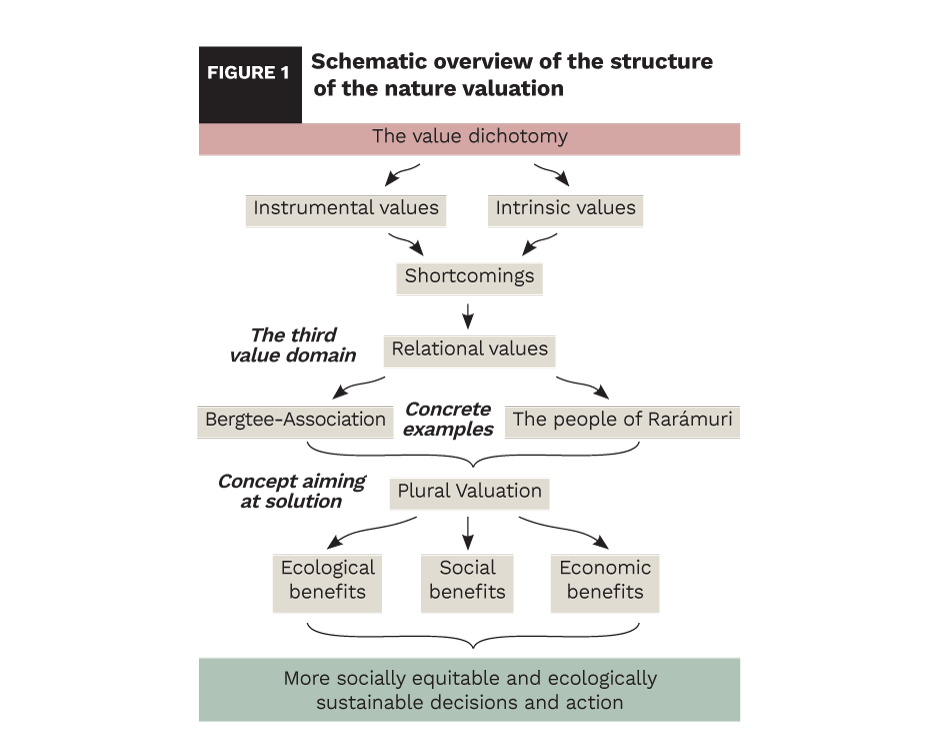
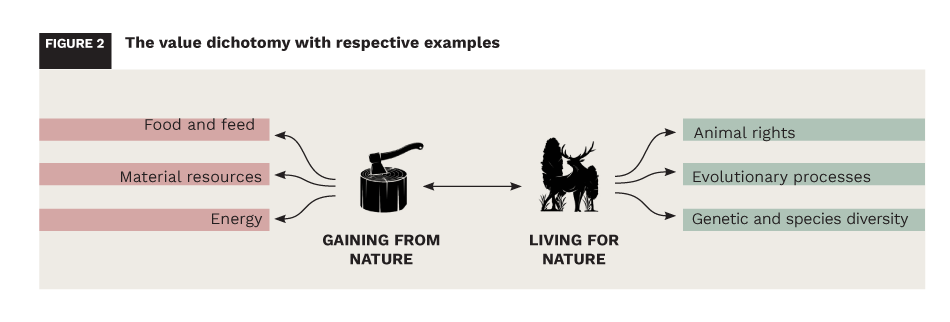

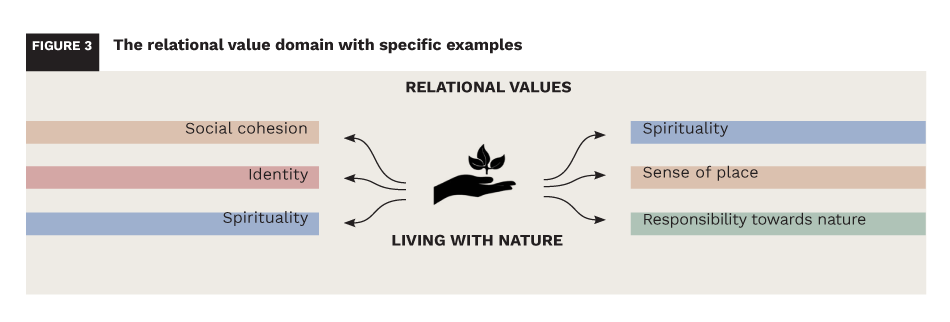
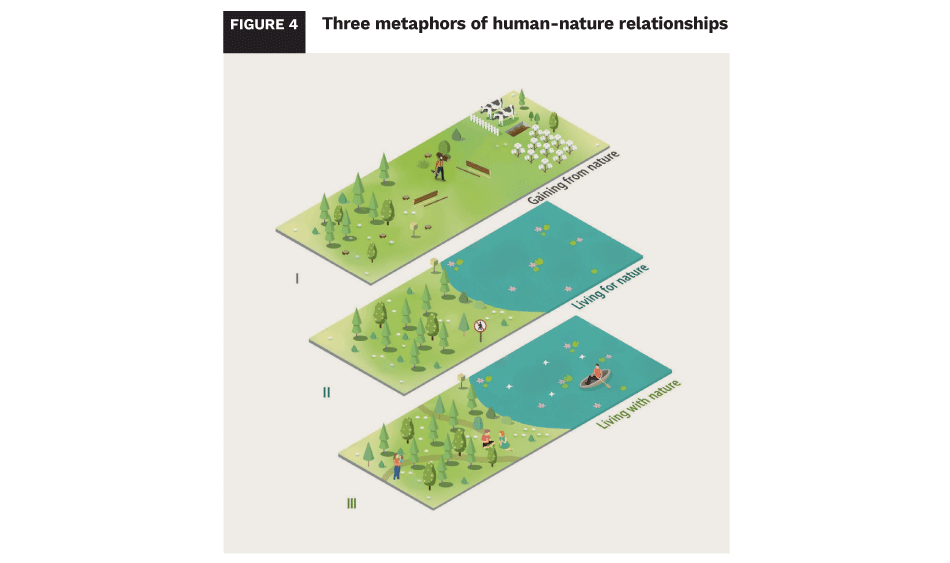

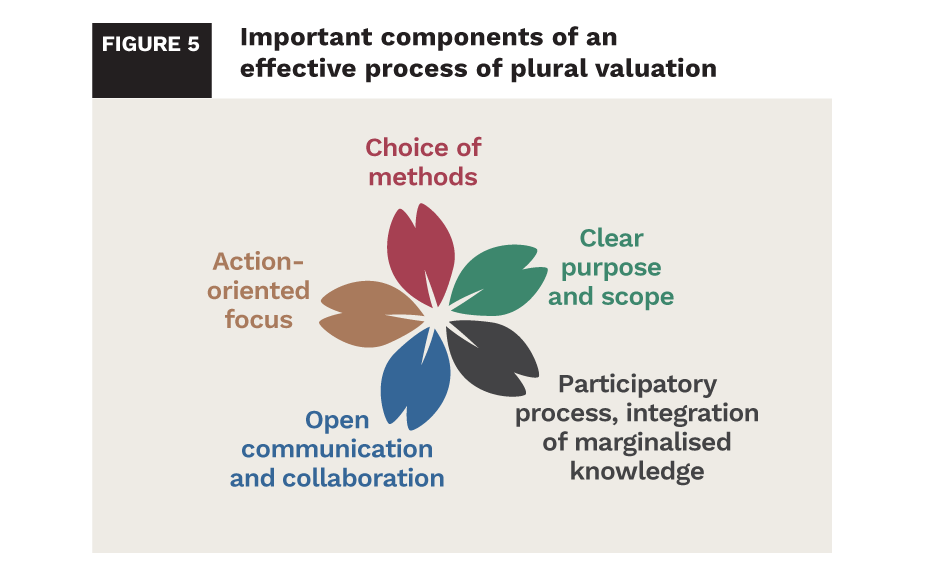










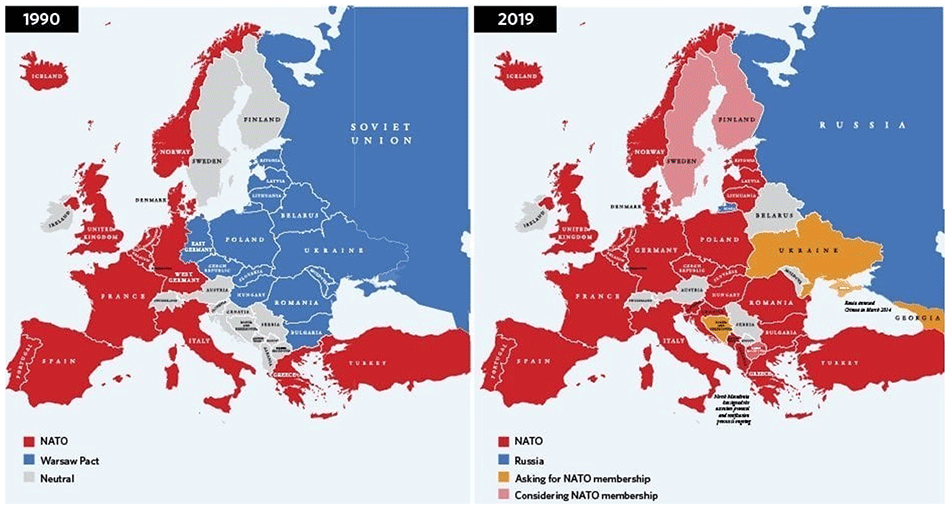


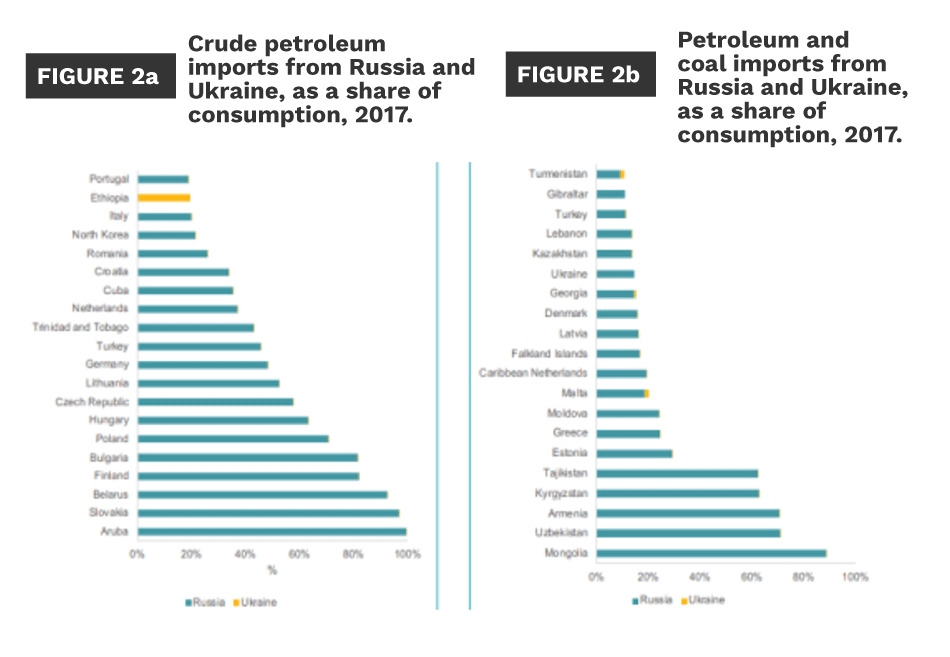
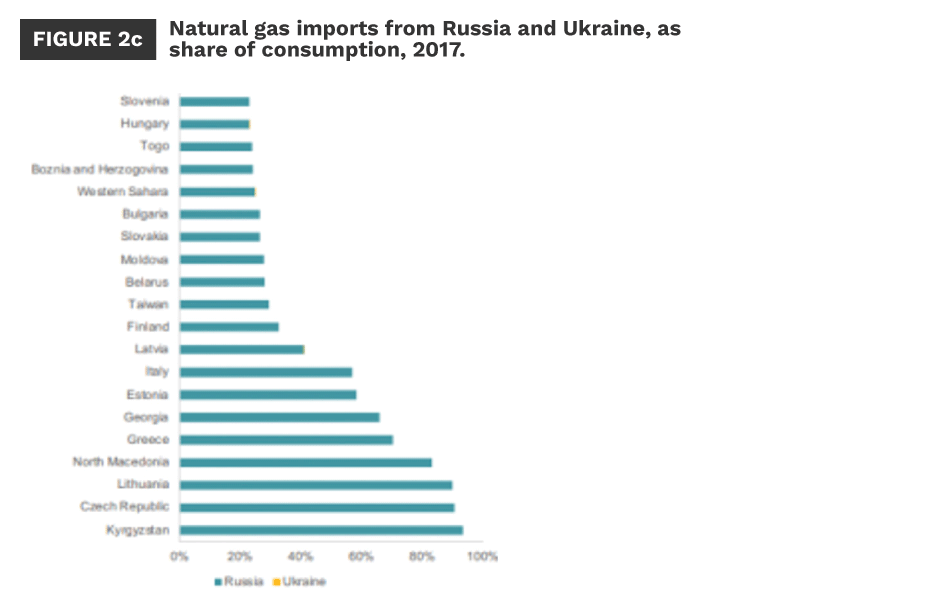
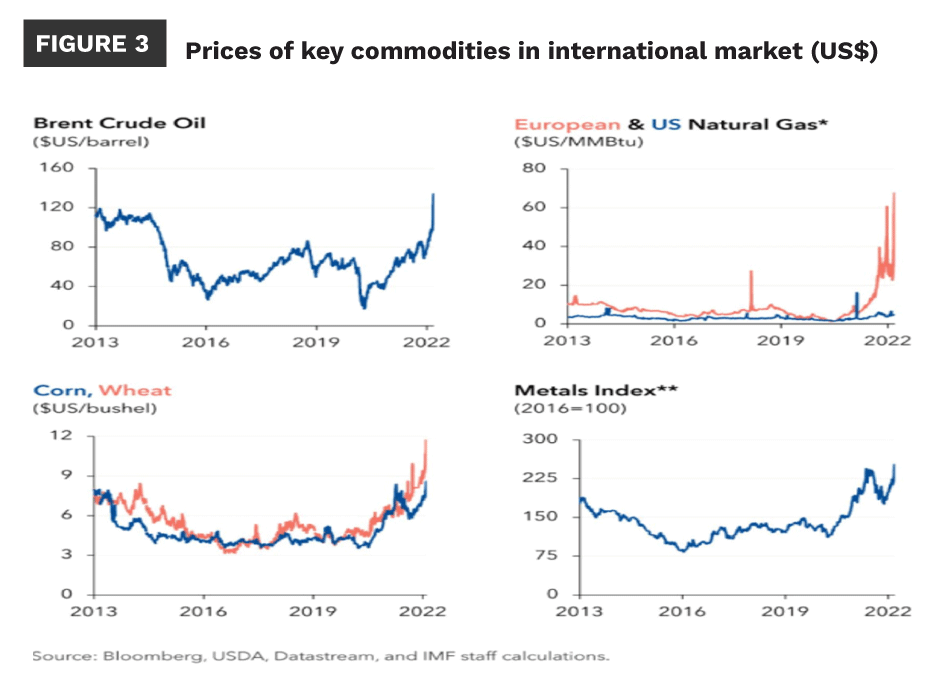

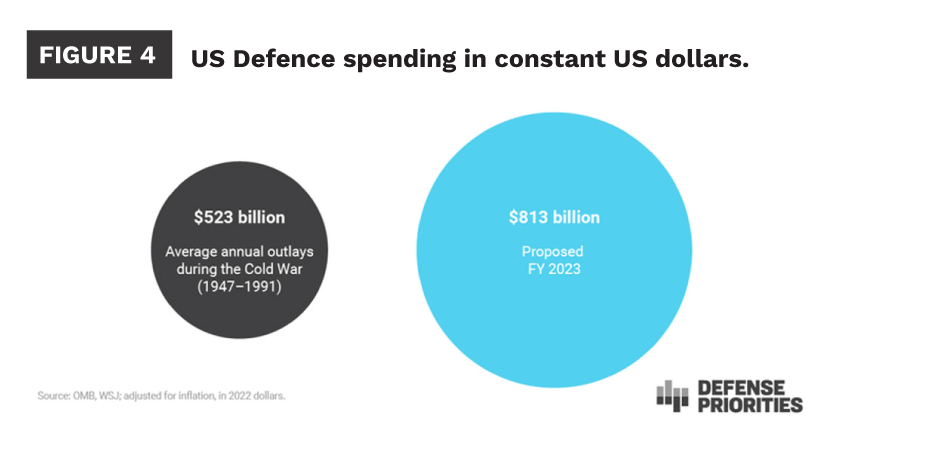






















































Why Did Adidas Wait So Long to Drop Kanye West?
By Dr. Gleb Tsipursky
Adidas does not tolerate antisemitism and any other sort of hate speech… the company has taken the decision to terminate the partnership with Ye immediately,” according to its October 25 news release1. That statement conveys a principled and admirable stance against the antisemitism shown by the rapper formerly known as Kanye West after his antisemitic tweet2 on October 10 that he would go “death con 3 on JEWISH PEOPLE.”
Yet Adidas waited much, much longer than other companies3 that cut ties4 with Ye. Even Ye’s own talent agency dropped5 him before Adidas. In fact, Adidas delayed so long that Ye taunted them on his October 16 appearance6 on the Drink Champs podcast, saying “I can say antisemitic things, and Adidas can’t drop me. Now what? Now what?”
Adidas faced particular pressure to drop Ye due to its dark past. A German company founded7 by a former member8 of the Nazi party, Adidas had an especially strong reason to drop Ye earlier than other companies. Adidas faced mounting pressure9 from the Anti-Defamation League and other10 organizations to drop Ye given its Nazi past. A Change.org petition11 set up by the Campaign Against Antisemitism urging Adidas to sever ties with Ye had gathered 169,100 signatures by October 25.
Yet Adidas refused to drop Ye until all the other companies dropped him. Instead of getting ahead of the problem and dropping Ye immediately after his October 10 anti-semitic tweet, or even his October 16 taunting of Adidas, the company had to be shamed and pressured into cutting its ties with Ye. As a result, Adidas seriously damaged its brand, harming its reputation among anyone opposed to antisemitism. After all, it appeared Adidas dropped Ye due to the pressure, rather than Ye’s antisemitism and other bad behaviors.
What explains the poor decision-making by the Adidas leadership? It’s a classic case of the ostrich effect12: a dangerous judgment error where our minds refuse to acknowledge negative information about reality. It’s named after the mythical notion13 that ostriches bury their heads in the sand at a sign of danger. The ostrich effect is a type of cognitive bias14, one of many mental blindspots15 impact decision making in all life areas16, ranging from the future of work17 to mental fitness18.
The Adidas leadership buried its head in the sand. It refused to acknowledge the growing damage to its brand from Ye’s antisemitism, as well as his prior bad behavior, such as having models wear19 “White Lives Matter” T-shirts in early October.
Such denialism in professional settings happens more often than you might think. A four-year study20 of 286 organizations that had forced out their CEOs found that 23 percent were fired for denying reality, meaning refusing to recognize negative facts about their organization. Other research shows that professionals at all levels suffer from21 the tendency to deny uncomfortable facts.
The partnership with Ye had a long history24 since 2013, when the company signed his brand away from rival Nike. In 2016, Adidas further expanded its relationship with the rapper, calling it “the most significant partnership ever created between a non-athlete and an athletic brand.”
In other words, Adidas invested a great deal of money and reputation into its relationship with Ye. That kind of investment causes our minds to feel strongly attached to whatever we put those resources into, and throw good money after bad.
You’ll see this happen often in major projects that are working out poorly, such as Meta’s Metaverse project. Several high-profile industry figures recently criticized25 Mark Zuckerberg’s efforts. That includes Palmer Luckey, the founder of VR headset startup Oculus, which Meta acquired in 2014 for $2 billion. Luckey said “I don’t think it’s a good product” about Horizon Worlds, Meta’s core metaverse product. He called it a “project car,” a fancy automobile that the owner spends a lot of money on as a hobby. So far, Facebook’s shift to building the metaverse has been costly, with the company last year losing $10 billion on it, and Wall Street analysts expect it to lose more than $10 billion again this year.
Similarly, you’ll see sunken costs in major relationships. That can range from marriages that lasted much longer than they should have to brand partnerships like the one between Adidas and Ye.
Short-term financial damage is highly visible and painful, while the long-term brand damage is much less visible and less painful. Yet realistically, such brand damage is much more important to the long-term success of Adidas.
In my consulting27, I’ve seen many executives struggling with the same three mental blindspots when they face top performers engaging in bad behaviors, ranging from incivility to sexual harassment and discrimination. Leaders deny it happened because they have so much invested in the top performer, whether a star salesperson or top data scientist, and they don’t consider the long-term consequences to the organization’s culture and employee morale.
In fact, it’s easy for anyone to fall for these three cognitive biases when someone whom you value behaves badly. Fortunately, forewarned is forearmed: knowing about these three mental blindspots means you can watch out for these problems in your own professional and personal life.
About the Author
References