At the Munich Security Conference, US Secretary of State Marco Rubio reassured European leaders that the US remains committed to its alliances, but only if Europe steps up.
Rubio praised the shared history of the US and Europe, calling America “a child of Europe” and emphasizing their intertwined futures. His comments drew applause, a stark contrast to last year’s tense speech by Vice President JD Vance.
Still, Rubio made his message clear: the US can act alone if necessary. “We want allies who can defend themselves so no adversary will test our strength,” he said. He stressed that the US aims to revive its partnership with Europe, not just manage decline.
The remarks come as European leaders voice concern over Trump’s policies, including tariffs, Greenland ambitions, and aid reductions. German Chancellor Friedrich Merz recently warned that the US claim to leadership is under threat.
Rubio offered a firm but cooperative tone. “We prefer to work with you, but we are prepared to do this alone,” he told the audience. He urged allies to embrace their heritage, defend shared values, and take responsibility for their own security.
By blending reassurance with a clear warning, Rubio delivered a message both familiar and firm: the US stands with Europe — but only if Europe rises to the challenge.
The credit scoring models are a must-have read to everyone dealing with debt management or to organize future borrowing. In some areas, your credit rating determines whether you will get loans, charging rates, application to rent, and even insurance cover. But lots of individuals pay attention to the number itself but not on the system itself. Knowledge on credit scoring models can guide you to make good decisions on how to repay your debts, relieve debts as well as long term financial sustainability.
The Purpose of Credit Scoring Models
Credit scoring models are developed to give the probability of a borrower to pay off as required. These models help lenders in quick and consistent evaluation of risk. They also do not need to go through each and every detail of a credit report manually but they use mathematical formulas that process the behavior with regard to borrowing and repayment.
Such models will look at information like payment history, the use of credit, length of credit history, nature of credit accounts, and new applications. The factors have varying weights depending on a scoring system. You can change behaviors that can be measured and which make you a better lender partner by knowing that your score is a product of trends and not character.
Differences Between Major Scoring Systems
Not only is there one credit scoring model, but also it can be confusing. FICO and VantageScore are the most popular systems. They might prioritize different factors and time upon which they update their formula even though they examine related types of information. Consequently, there are minor variations in the scores based on the model of the lender.
These differences are important when it comes to managing debt since one may respond to a particular action faster than the other. To illustrate, under both systems, it is possible to bring about a major improvement in utilization ratios by reducing excessive credit card balances, but the timing and sensitivity might vary. Checking your credit reports on a regular basis makes certain that all the scoring models are operating based on the correct data.
Key Factors That Affect Your Score
In most cases, the payment history is the most dominant element in a credit score. You can have a significant drop in score due to late payments, collections and charge offs, which can stay on your report in years. Regular and punctual payments are among the best strategies in enhancing your credit profile as well as minimizing debt.
Another significant reason is the use of credit. This is the ratio of the credit that you use at the moment. Large balances of credit limits indicate greater risk by the lenders. Maintaining low utilization and gradually paying off balances will help to boost your score even prior to you being totally out of debt.
Effects of Debt Relief Alternatives
Formal solutions, such as a consumer proposal, can also appear on your credit report. Though this can drop you points in the short term, there is a chance that you will be relieved in a structured way that will not lead to continued missed payments. In most instances, maintaining your financial position and regaining a good history of payment is better than maintaining a high score in a state of extreme financial hardship.
Various ways of debt relief solutions may have various impacts on your credit score. To illustrate, debt consolidation can be a good idea to make payments easier and pay less interest, however, taking out a new loan or closing your old accounts will temporarily affect your score. Knowing the use of new inquiries and account changes in measuring assists you in balancing between the short term consequences and financial advantages in the long term.
Using Knowledge to Guide Debt Decisions
When you know how credit score models measure risk, you will be able to plan accordingly. You do not have to respond emotionally to changes in score, which can be followed with the help of determining what actions will result in significant improvement. Meeting payment deadlines, balances, and restricting the overuse of credit would become a conscious decision and not guesses.
Credit scores do not represent the permanent labels but the reflection of the present financial behavior. Most scoring models will react slowly, as the level of debt and positive habits increase. With the right debt management plan, you can save your money and ensure financial security even as you strive to attain permanent stability by aligning your debt management plan with credit scoring mechanics.
This knowledge of credit scoring models provides you with clarity and control as a debt repayment process. By understanding the way lenders assess risk, you will be able to make wise decisions that will not only ease your immediate situation but also benefit your long term financial future. Rather than worrying about the changes in your credit scores, you would know of it beforehand and strategize on it. No matter what your objective is, to reduce balances, to consider structured repayment options, or to recover once you have fallen down, knowledge is one of your best assets.
Recently, Canada’s PM Mark Carney declared the end of the rules-based order. It was an outstanding speech. Yet, US unilateralism first soared in the 1980s. The rest of the West complied as long it was beneficial. Today, it no longer is.
Recently, Prime Minister Mark Carney, perhaps the ultimate liberal insider, gave a seminal speech at Davos, declaring the demise of the rules-based international order and ushering in a new period of might-based diplomacy.
In the recent Munich Security Conference, German Chancellor Friedrich Merz seconded Carney by stating that the “rules-based order, however imperfect it was even at its best, no longer exists.”
But there are cracks in this (new) mainstream narrative. The US-led rules-based order did not end in Davos. It has been fiction since the 1980s.
Rules-based order vs international law
The rules-based order was built by the US and its allies after 1945. It comprised treaties, and norms, practices, institutions, and power-backed expectations. Its key transnational components featured the well-known multilateral institutions from the postwar Bretton Woods system to the North Atlantic Treaty Organization (NATO).
In theory, its rules applied universally. In practice, the US retained exceptional privileges, including sanctions, extraterritorial law, and military intervention. Ostensibly universal, it was rules-based order of, by and for America.
From the start, this order was challenged by the quest for international law. As opposed to unilateral power politics, the Global South and many small states saw international law as a consensual legal system among sovereign equals, rooted not just in treaties, but customary law and the principles of the UN Charter. That was their dream, an international order based on law.
These foundational principles included sovereign equality, non-intervention, territorial integrity, peaceful dispute resolution and prohibition on use of force. The only exception – self-defense or UN Security Council authorization – confirmed the rule.
Through much of the Cold War, the rules-based order and international law seemed to be largely aligned, though mainly within the Western bloc. UN Charter norms worked because US interests were still broadly aligned with system stability, thanks to Soviet constraints which contributed to mutual restraint.
But the reverse applied as well. With the implosion of the Soviet Union, UN-style multilateralism no longer served a purpose in Washington.
The rise and fall of multilateralism
Let’s use the UN voting alignment as a proxy for normative unity, defined by how often states vote with the international majority in the UN General Assembly. The higher this alignment is, the greater is the integration into multilateral consensus, and vice versa. Conversely, low alignment suggests normative divergence or unilateral positioning.
Since the creation of the UN, the Global South has demonstrated the highest alignment for most of the period, peaking at mid-80s% in 1970 and hovering around mid-70s% today.
Starting from a lower point (65%), Chinese trajectory mimics that of the Global South. It rises into UN norms during the reform era, peaks at 80% in 1980 and stabilizes at 70%-75% today. China is neither UN rule-breaker nor US-like unipolar rule-maker.
Usually, the US, Europe and Japan are often lumped together as the “West.” But in light of the UN voting, this is flawed. Their convergence lasted barely a decade or two.
Since the 1960s, Europe and Japan have largely moved in tandem. They have not upheld the tenets of international law as strongly as the Global South and China. But nor have they emulated the US trajectory. The voting patterns of Europe and Japan are far closer to those of China and the Global South. They profess legalism.
UNGA Voting Alignment (% with Majority)
Source: Data from UN
“America First” rules
The great anomaly among all major advanced economied worldwide has been the United States. After Washington built its rules-based order in the 1950s, it began to diverge from the multilateral tenets of that order. The steep decline has prevailed.
By the 2000s, the US was the outlier of the international community. It does not seek for the international law, multilateralism and universalism of China or the Global South. Nor does its penchant dor unilateral domination have much in common with Europe and Japan, its key allies.
There was always a latent rupture at the heart of the rules-based order. In international law, states are formally equal. In practice, they never were. In the rules-based order, there was always a hierarchy between great powers and small states.
Selective legality weighed heavily in the rules-based order, as evidenced by many examples, including humanitarian intervention without the UNSC mandate (Kosovo, 1999); an illegal war framed as rule-enforcing (Iraq, 2003); sanctions regimes that are unilateral, extraterritorial and lethal, yet not UNSC-approved; and the International Criminal Court (ICC) in which the U.S. promotes accountability, but rejects jurisdiction over itself, particularly its military interventions.
As legal scholars like John Dugard have argued, “The West’s adherence to both a rules-based international order and international law undermines efforts to agree upon a universal system of international law premised on the same fundamental rules, principles and values.” You can’t have your cake and eat it, too.
Unsurprisingly, in the Global South, the rules-based order has long been seen as a hypocritical double standard: “rules for others, flexibility for the rule-maker.”
The divergence between the rules-based order and international law escalated dramatically during the “unipolar moment” of the post-Cold War decade, when the U.S. moved from law-constrained leadership to discretionary enforcement. Indeed, America First exceptionalism far predates the Trump administrations, which reject all semblance of multilateral pretense. Sanctions are a case in point.
From UN multilateralism to US unilateral sanctions
As unilateral coercive measures, American sanctions exemplify its unipolar aspirations. Since the end of the Cold War, their use has soared, thanks to technology (which allows targeting) and the erosion of multilateral legitimacy (which no longer constrains unilateral coercive measures).
Through the Cold War, a third of the sanctions were mandated by the UN and its multilateral consensus. The US accounted for about two-fifths of all sanctions. The rest could be attributed to Europe and joint US-Europe.
The West sanctioned the Global South. It was the old colonial dependency relationship déjà vu.
By contrast, the role of China and Global South in the sanctions amounted to a fraction.
In the post-Cold War era, UN-mandated multilateral sanctions have plunged from 30% to near zero of the total. Whereas U.S. unilateral sanctions have soared from 38% to mid-50s%. Meanwhile, Europe’s share has doubled to 26% and US-Europe joint sanctions have tripled to 24%. By contrast, those of China and Global South remain minimal to non-existent.
Sanctions Structure (% of active sanctions regimes)
Source: Data from UN
Unilateral or Western-led sanctions (US and EU sanctions) have become common tools. Many are not UN-mandated Security Council measures, raising questions about selectivity versus international legal authorization.
In the view of the Global South, unilateral sanctions are contrary to the UN Charter and international law, especially when used without broad multilateral approval and perceived as coercive.
The last nail
At Davos, Canada’s PM Carney declared at Davos “a rupture in the world order, the end of a pleasant fiction and the beginning of a harsh reality, where geopolitics, where the large, main power, geopolitics, is submitted to no limits, no constraints.”
It was a compelling speech that reflected the views of many in the West. But this rupture is not recent.
The world of brutal great power rivalry goes back to capitalist modernity and lethal colonialism in the 19th century. In that world, it has always been the case that “the strong can do what they can, and the weak must suffer what they must” – as a century of colonial humiliation taught to China and the Global South.
Since the end of World War II, an international order founded on the UN Charter and international law is a sounder recipe for peace and development rather than the vague and discriminatory rules-based international order, which is effectively forced order devoid of binding and universal rules.
The not-so-pleasant fiction of the US-led rules-based world has faded away since the 1970s. For almost half a century, US allies benefited from its material perks. When they no longer didn’t, Carney hammered the last nail into its rusty coffin.
The original commentary was published by China-US Focus on February 13, 2026.
Dr. Dan Steinbockis an internationally recognized strategist of the multipolar world and the founder of Difference Group. He has served at the India, China and America Institute (USA), Shanghai Institutes for International Studies (China) and the EU Center (Singapore). For more, see https://www.differencegroup.net
It also bridges the gap between idea submission and tangible outcomes, keeping employees invested in the innovation process.
The integration of Generative AI (Gen AI) is rapidly transforming industries, and organizations need to rely on their rank-and-file employees to drive successful implementation. While providing platforms for idea generation is essential, recognizing and rewarding contributions to Gen AI projects is equally critical for sustaining motivation and fostering a culture of innovation. When employees feel valued and appreciated for their contributions, they are more likely to remain engaged, offer creative solutions, manage risks, and actively support organizational change. Recognition reinforces positive behaviors, fosters a culture of innovation, and encourages experimentation and collaboration. It also bridges the gap between idea submission and tangible outcomes, keeping employees invested in the innovation process.
Strategies for Recognizing and Rewarding Gen AI Innovation
Organizations can employ various strategies to recognize and reward employees involved in Gen AI projects, tailored to encourage different types of engagement and achievements.
Gen AI Innovator Awards: Establishing awards for individuals or teams who have made significant contributions to Gen AI initiatives is a powerful way to celebrate innovation. These awards can be given quarterly or annually, recognizing achievements such as developing new Gen AI tools, identifying unique applications, or leading successful pilot programs. Winners can receive monetary bonuses, trophies, certificates, and public recognition. This strategy not only celebrates innovation but also provides visibility to those leading the charge, inspiring others to engage with Gen AI.
Monetary Incentives and Bonuses: Financial rewards, such as performance-based bonuses or gift cards, can be offered to employees who lead successful Gen AI initiatives that result in measurable outcomes like cost savings, increased efficiency, or enhanced customer satisfaction. This approach ties rewards directly to organizational goals, reinforcing the importance of aligning individual efforts with broader business objectives.
Professional Development Opportunities: Providing opportunities for further learning and career growth, such as funding for advanced training in Gen AI and machine learning, attendance at relevant conferences, or access to specialized online courses, is an excellent way to reward employees. This investment acknowledges employee efforts and builds internal capabilities that drive future innovation.
Time-Off Rewards and Flexible Work Benefits: Rewarding employees with additional vacation days, flexible hours, or additional remote work options demonstrates a commitment to employee well-being and promotes a healthy work-life balance. This is particularly important for sustaining long-term engagement and preventing burnout.
Innovation Grants and Seed Funding: Offering grants or seed funding to employees or teams who propose promising Gen AI ideas provides tangible support to bring innovative ideas to life. This signals a commitment to fostering a culture of experimentation and continuous improvement.
Peer-to-Peer Recognition Programs: Encouraging employees to recognize their peers who are actively contributing to Gen AI initiatives fosters a collaborative and supportive workplace culture. This can be achieved through platforms that allow employees to give “kudos” or points to colleagues or through peer-nominated awards.
Client Case Study: Gen AI Innovation in a Mid-Sized Manufacturing Company
A mid-sized manufacturing company specializing in industrial equipment recognized the potential of Gen AI to optimize its production processes and improve product design. To encourage employee involvement, the company hired me as a consultant to develop and implement a comprehensive Gen AI recognition program.
The company faced challenges in motivating employees to engage with new technologies. Many employees were comfortable with existing processes and hesitant to adopt Gen AI. We designed the recognition program to address this challenge by highlighting the value of Gen AI contributions and providing tangible rewards. I worked with the company’s leadership to implement several key initiatives:
Gen AI Innovation Challenge: We launched a company-wide challenge, inviting employees to submit ideas for using Gen AI to improve specific aspects of the business. The winning ideas received seed funding to develop pilot projects.
Gen AI Champion Awards: We established quarterly awards to recognize individuals who made significant contributions to Gen AI projects. Winners received a combination of monetary bonuses and public recognition.
Gen AI Training and Development Program: The company invested in providing employees with access to online courses and workshops on Gen AI and related technologies. Employees who completed these programs received certificates and were recognized in internal communications.
The results of the recognition program were significant. Employee engagement with Gen AI initiatives increased dramatically, by over 75% within the first year. Several innovative Gen AI solutions were developed, leading to measurable improvements over that time period. Namely, the company saw a 15% increase in production efficiency, along with a 10% reduction in product defects. The program fostered a culture of innovation and collaboration, empowering employees to embrace new technologies and contribute to the company’s success.
Key Considerations for Leaders for Gen AI Innovation
When implementing a Gen AI recognition program, leaders should consider the following:
Align rewards with organizational goals: Ensure that rewards are tied to specific business objectives to reinforce the importance of Gen AI initiatives.
Offer a variety of rewards: Provide a mix of monetary and non-monetary rewards to appeal to different employee preferences.
Communicate the program effectively: Clearly communicate the program’s goals, criteria, and rewards to ensure that employees understand how they can participate and benefit.
Regularly evaluate and adjust the program: Monitor the program’s effectiveness and make adjustments as needed to ensure that it continues to motivate employees and drive innovation.
Recognizing and rewarding employee contributions to Gen AI projects is essential for driving successful implementation and fostering a culture of innovation.
Recognizing and rewarding employee contributions to Gen AI projects is essential for driving successful implementation and fostering a culture of innovation. By implementing a combination of the strategies outlined in this article, leaders can create a motivating environment that encourages widespread participation in Gen AI initiatives and ensures the long-term success of Gen AI integration throughout the organization. This approach not only engages employees in the short term but also fosters a commitment to the ongoing evolution and application of Gen AI within the business.
There is a word in retirement planning that triggers immediate skepticism. Annuity. The reaction is almost reflexive. Financial media has spent years warning about high fees, surrender charges, and salespeople pushing products that benefit commissions more than clients. The skepticism is not entirely unfounded. Bad annuity sales have cost retirees billions. But the conclusion that many have drawn, that all annuities should be avoided, is costing retirees something equally valuable: the sustainable income streams that well-structured annuities uniquely provide.
The confusion is understandable. The annuity market includes products so different from each other that grouping them under one name borders on misleading. Fixed annuities operate nothing like variable annuities. Immediate annuities serve different purposes than deferred annuities. Indexed products introduce complexity that even financial professionals sometimes misunderstand. Principal Financial notes that this variety actually allows annuities to be tailored to specific needs, but only if investors understand the distinctions. The retiree trying to evaluate whether an annuity belongs in their portfolio faces a product category so varied that blanket rejection and blanket acceptance are equally misguided. What matters is understanding which type, if any, serves their specific situation.
Retirement Income Visions has built its practice around eliminating exactly this confusion. The firm’s personalized financial education approach prioritizes understanding before recommendation. Clients learn what different annuity structures actually do, how fees work across product types, and which designs align with their income needs. The education comes before the strategy. The strategy comes before any product discussion. The sequence matters because informed clients make better decisions than clients sold products they do not understand.
The fee criticism deserves examination because it illustrates how partial information misleads. Variable annuities with living benefit riders can carry total annual costs exceeding 3%. For many retirees, that cost is unjustifiable. But fixed immediate annuities, which convert a lump sum into guaranteed lifetime income, carry no ongoing fees at all. The insurance company’s compensation is embedded in the payout rate, not extracted annually from the account. Fidelity’s analysis of annuity facts and myths confirms this distinction, noting that fee structures vary dramatically by product type and that investors should only pay for features they actually need. Rejecting all annuities because some carry high fees is like rejecting all investments because some carry high fees. The category is too broad for categorical dismissal.
The investment diversification and annuities service addresses how these products integrate into broader retirement strategy. An annuity is not an investment in the traditional sense. It is a risk transfer. The retiree trading a lump sum for guaranteed income is transferring longevity risk to an insurance company. That transfer has value that portfolio returns alone cannot replicate. The retiree who lives to 95 continues receiving income regardless of market performance. The portfolio-only retiree who lives to 95 faces sequence-of-returns risk that no asset allocation fully eliminates.
The safety concerns that drive some retirees away from annuities also deserve scrutiny. Nationwide reports that the US life and annuity sector is one of the most highly rated and stable in financial services, with 91% of rated companies in the AA or A categories according to S&P Global. Insurance companies are required to maintain reserves and adhere to strict solvency regulations. The concern that an insurer might fail to honor annuity obligations, while not zero, is far smaller than most retirees assume.
The insights section includes resources on annuity types that help clients understand the landscape before engaging in planning conversations. The education is not sales material. It is foundational knowledge that enables productive discussion about whether annuities belong in a specific retirement plan and, if so, which structures serve that plan’s objectives.
The mistakes retirees make with annuities cluster at two extremes. Some buy products they do not understand from salespeople whose incentives conflict with client interests. They end up with surrender charges trapping them in unsuitable contracts and fees eroding returns they needed for income. Others reject the entire category based on horror stories, forgoing the guaranteed income that would have reduced their retirement anxiety and improved their financial outcomes. Both mistakes stem from the same root: insufficient education before decision-making.
The sustainable income stream design service demonstrates how Retirement Income Visions approaches retirement holistically. Annuities are one tool among many. Social Security optimization, systematic withdrawal strategies, and investment allocation all contribute to sustainable income. The question is never whether to use annuities in isolation. It is how to construct an income plan that provides security, flexibility, and sustainability across a retirement that may last thirty years or more.
The 20 years of experience the firm brings to retirement planning includes watching clients make both categories of annuity mistakes. The clients who bought unsuitable products needed remediation. The clients who rejected suitable products needed education about what they had dismissed. Both groups arrived at better outcomes through the same pathway: understanding that preceded decision-making.
The annuity product retirees love to hate is not inherently good or bad. It is a tool with specific applications that serve specific needs. The retiree who understands those applications can evaluate whether the tool belongs in their plan. The retiree operating on myths and media warnings cannot. Retirement Income Visions exists to create the understanding that makes informed evaluation possible. The product confusion costing retirees thousands is solvable. The solution is education. And education, for retirees willing to invest the time, changes everything.
Monday morning starts with the familiar crush at the elevator bank, phones glowing, coffee cups tilting, calendar reminders stacking up before anyone reaches a desk. Office attendance keeps climbing, and a late-January 2026 reading of Kastle System’s 10-city Back to Work Barometer put weekly occupancy at 56.9%, a post-pandemic high that signals real momentum. The question inside that momentum carries more weight than any mandate: what makes the trip feel genuinely worth it?
Leaders who treat AI as an experience upgrade, paired with intentional in-person time, create a workplace people choose.
Micah Remley, Chief Executive Officer at Robin, frames the moment clearly. Workplace platforms powered by AI can absorb the logistical coordination that office attendance requires, and that shift frees the office to deliver what home setups rarely match: faster alignment, richer collaboration, and shared energy. Leaders who treat AI as an experience upgrade, paired with intentional in-person time, create a workplace people choose.
AI Turns Office Time Into High-Intent Collaboration
AI creates value when it removes friction, and friction dominates modern workdays. Microsoft’s research on work patterns shows how coordination and meetings sprawl across time zones and into evenings, with late meetings rising 16% year over year in its infinite workday analysis. When teams carry that overload into the office, the building becomes a backdrop for inbox triage.
Remley argues that the office earns relevance when people arrive for work that benefits from proximity. Think whiteboards, rapid decisions, and creative collisions that accelerate a project from fuzzy to shipped. Workplace operations platforms that leverage AI support that outcome by handling the background labor that steals attention: scheduling, coordination, follow-up, and documentation.
Meeting overload offers a concrete example. Microsoft notes that since February 2020, weekly meeting time rose 252% for the average Teams user, and weekly meeting counts rose 153% in its hybrid meeting guidance. That escalation creates a simple operational opportunity: automate scheduling, capture, summarization, and action routing so in-person conversations stay focused on the decision, not the clerical residue.
Hybrid work research also points to a clear design target: structured in-person time paired with flexibility. A large hybrid study highlighted by Stanford found that two days remote per week sustained productivity and promotion rates while reducing quits, described in its hybrid work study. That kind of stability strengthens Remley’s point: office days carry the greatest payoff when teams engineer them around collaboration, then use AI to keep the collaborative flow intact.
Personalized Offices Win Talent Through Ease And Energy
Most return-to-office debates treat attendance as the goal. High-performing workplaces treat experience as the goal, and attendance follows, balancing flexibility with accountability to create the best of both worlds. Gallup describes the concept of a workplace value proposition: a commute carries a real cost, and Gallup cites a 27.6-minute average one-way commute, which adds up to weeks of time each year.
Remley’s answer to that cost focuses on personalization that removes hassle. The office feels compelling when it feels easy. Employees arrive with the right desk reserved, the right room reserved, and the right teammates present. Platforms such as AI-driven desk booking, room scheduling, and check-ins designed to streamline the in-office day, and that kind of streamlining matters more than leaders often admit. People show up when arrival feels frictionless and the day feels coherent.
Space design trends reinforce the same direction. CBRE explains that hybrid work requires a broader mix of space types that support focus, virtual collaboration, and in-person collaboration in hybrid workplace utilization. Gensler’s research focuses on measuring workplace performance and what contributes to high-performing offices in its Global Workplace Survey. Both perspectives point to a shared practical move: shift from desk-count thinking to experience-and-output thinking, with more flexible collaboration settings and fewer assumptions about assigned seating.
There is also a deeper reason personalization works: it protects presence. When people stop hunting for a room, negotiating a seat, or rescheduling because a key collaborator stayed home, they enter meetings with more attention available. Remley calls that out directly. AI handles the busywork that usually follows people into the conference room, and that enables genuine listening and sharper decisions.
Behavioral Science Clears The Biases Blocking AI-Enhanced Offices
A technology story alone rarely moves an organization. A leadership story moves it, and leadership decisions run through cognitive shortcuts. Remley observes a common pattern: leaders associate AI with cost cutting or headcount reduction, and they miss the practical gains from lowering distraction and raising the quality of time together.
Behavioral science offers a helpful lens here. Predictable thinking errors shape workplace decisions, and leaders can use that approach to design better choices about AI and office strategy. The first barrier comes from status quo thinking: leaders default to familiar playbooks such as blanket attendance rules because those rules feel controllable. The second barrier comes from narrow framing: leaders fixate on large language models as a developer tool and miss operational AI that improves scheduling, space usage, and meeting effectiveness. The third barrier comes from attentional bias: leaders see a software line item more easily than they see the cost of misalignment.
To address these, leaders need to deploy structured processes that force teams to weigh hidden costs and second-order effects. In the workplace context, that means leaders evaluate the full cost of friction, including lost collaboration and wasted meeting time.
Evidence for the value of proximity strengthens the case for investing in better in-person experiences. MIT Sloan summarizes research that links face-to-face interaction with measurable innovation outcomes, including knowledge spillovers and patent activity, in its face-to-face innovation analysis. That value helps leaders reframe the office as an innovation engine, then use AI as the system that keeps the engine running smoothly.
When people stop hunting for a room, negotiating a seat, or rescheduling because a key collaborator stayed home, they enter meetings with more attention available.
Implementation follows a simple sequence: start with friction, deploy AI-powered workplace operations into existing workflows, and measure results that employees feel in their day. Leaders can begin where coordination pain shows up most clearly, then deploy AI for scheduling, room allocation, transcription, and action tracking so teams spend office hours creating, deciding, and building relationships.
The modern office carries a fresh opportunity. AI gives people back their attention. Physical presence turns that attention into momentum. Leaders who combine both create office days that feel intentional, human, and professionally valuable, and that becomes a durable advantage in talent, engagement, and output.
The White House said President Donald Trump plans to formally overturn a key Obama-era climate finding this week, a move that would dismantle the legal foundation for federal vehicle emissions rules and mark one of the most sweeping regulatory rollbacks of his administration.
Press secretary Karoline Leavitt said Trump will appear alongside Environmental Protection Agency Administrator Lee Zeldin on Thursday to rescind the 2009 determination that carbon dioxide poses a threat to public health. That finding has long served as the basis for regulating greenhouse gas emissions from cars, trucks and other sources.
Leavitt described the action as the largest deregulatory step in U.S. history and said it would lower costs for automakers by about $2,400 per vehicle. The administration first proposed the repeal last July as part of a broader effort to scale back climate rules, boost fossil fuel development and slow the transition to clean energy.
An EPA spokesperson said previous Democratic administrations relied on the finding to justify trillions of dollars in greenhouse gas regulations, particularly in the transportation sector.
The move would effectively undo vehicle emissions standards finalized under former President Joe Biden in 2024, which aimed to cut fleetwide tailpipe emissions nearly in half by 2032. Those rules assumed a sharp rise in electric vehicle adoption and projected billions in long-term savings for drivers through lower fuel and maintenance costs.
Major automakers had pushed back on the Biden standards, calling them overly aggressive, though industry groups said some form of revised emissions rules could still be necessary to provide regulatory certainty.
If finalized, the repeal would eliminate federal requirements for automakers to measure, report and comply with greenhouse gas standards for cars and trucks, significantly reshaping U.S. climate and transportation policy.
The self-evident USP of electric vehicles has, from the beginning, been their dramatically less-polluting effect compared with fossil-fuel vehicles. But, as Charlie Colasurdo and Xiangming Chen explain, case studies show that there is even more good news for those for whom mobility is crucial.
Electric micromobility is spreading globally, partly driven by China’s surge to become the global leader in its domestic adoption and the international production of electric vehicles, with BYD in pole position (Huang and Chen, 2025a). As this China-led e-micromobility leads to lower emissions, cleaner air, and quieter streets, where does it fit into the improvement of mobility networks in responding to traffic and transport demands posed by the rapidly growing and heavily congested megacities of the global South?
This article addresses this question by introducing a comparative study of two- and three-wheeler micromobility in Bangkok, Thailand, and major African cities. Across large cities in the global South, electric two- and three-wheelers have emerged as a major fleet in new mobility networks powered by inexpensive batteries, online applications, and economies shared by gig work and ride-sharing. They form a key cog of micromobility ecosystems that reflect the spatial arrangement and infrastructure of their respective urban environments.
Here, we take a comparative look at how electric motorbikes and tricycles have helped shape the mobility landscape of global-South megacities. While laying out the environmental, economic, and social benefits of this e-micromobility, we draw attention to the financing and the infrastructural and operational challenges facing the continued growth and smooth running of electric two- and three-wheelers.
Bangkok’s Burgeoning Transit Infrastructure
Bangkok, Thailand—a megacity of over 10 million people and one of the world’s most visited cities, with 32.4 million visitors in 2024—is famous for its clogged streets, facing acute challenges from congestion and particulate pollution (Mansel, 2024). To alleviate this, the city has invested heavily in a growing transit network. Since the launch of the elevated BTS SkyTrain in 1999, the city has been served by a system that has grown to encompass two electrified commuter rail lines, an airport rail link, two MRT lines, two monorails, three SkyTrain lines, and a Bus Rapid Transit (BRT) line (Lesmes, 2018). More are on their way, including multiple high-speed rail lines connecting the city’s new central train station to Eastern and Northeastern Thailand, multiple line extensions, and a new MRT line under construction. The city’s 2024 mass rapid transit plan (M-MAP 2) calls for 11 new electric train routes covering 163 kilometers, with the first lines to be completed in 2028-29 (The Nation, 2024).
Expanding Bangkok’s rail system has connected heavily trafficked tourist destinations in the Phra Nakhon District (or “the Old Town”), suburban neighborhoods in Eastern and Northern Bangkok, and across the Chao Phraya River in Thonburi with the city’s Central Business District (CBD). As new areas fall into the catchment areas of transit systems, the first- and last-mile logistics become the next salient issue to address. Bangkok’s mobility ecosystem is a constellation of offerings, from motorbike taxis and the city’s iconic Tuk-Tuks to river ferries, canal and express boats, and buses. But users still face difficulties traveling the last mile from stations to apartments, offices, and schools, without adequate pedestrian infrastructure, and with extreme heat and a monsoon climate. Despite the increasing adoption of electric cars, trucks, and buses, the city is also facing an air pollution crisis that has shuttered schools and offices.
EV Tuk-Tuks as a new means of micromobility
A quiet, tech-enabled Tuk-Tuk revolution is unfolding on Bangkok’s crowded streets, leveraging innovative vehicle design, mobile app technology, and growing demand for last-mile mobility options.
The ubiquity of ride-hailing apps like Grab and Bolt, the rise of battery electric vehicles (BEVs), and the expansion of rapid transit have created a unique opportunity for micromobility solutions to disrupt the “last mile” challenge—connecting transit stations to homes, schools, and workplaces. In Bangkok, the city’s iconic petrol-powered Tuk-Tuks are now complemented by larger, quieter electric models run by MuvMi, a ride-hailing service operated with a mobile application similar to Grab. Hundreds of MuvMi Tuk-Tuks serve 11 Bangkok neighborhoods (photo 1), making thousands of trips in 2024. Now a constant presence at university campuses, metro stations, and in narrow alleyways, a quiet, tech-enabled Tuk-Tuk revolution is unfolding on Bangkok’s crowded streets, leveraging innovative vehicle design, mobile app technology, and growing demand for last-mile mobility options.
MuvMi’s parent company, Urban Mobility Tech Co. Ltd., was founded in 2016 by Krisada Kritayakirana, Pipat Tangsiripaisan, Supapong Kitiwattanasak, and Metha Jeeradit. It launched its MuvMi EV Tuk-Tuk app in 2018, with customers able to use an app to hail a custom-designed three-wheeler larger than the traditional petrol-powered Tuk-Tuk and able to seat seven, including the driver. By 2022, MuvMi served approximately 2,000 to 4,000 passenger trips daily across five areas. In 2023, it had doubled to 10 service areas, and by 2024 served approximately 20,000 passenger trips daily. By October 2025, it had grown to 28,000 to 30,000 trips daily (Sangveraphunsiri, 2025).
MuvMi’s total coverage area is approximately 100 to 150 square kilometers, with around 8,000 pick-up and drop-off “hop points” across Bangkok. Unlike a traditional Tuk-Tuk or ride-hailing trip, riders can only go between hop points within the same service area. Additionally, the service functions as a true ride-sharing program, which may travel to pick up other passengers along the way in a consolidated trip.
As of October 2025, MuvMi had approximately 700 active EV Tuk-Tuk drivers per day operating 600 to 700 EV Tuk-Tuks daily. The entire fleet is 800, but the rest of the vehicles are used to support the company’s other revenue streams, including private vehicle rentals (Sangveraphunsiri, 2025). Prices for MuvMi’s EV Tuk-Tuk ride share service are affordable, with fares beginning at 10 Thai Baht (0.32 USD)—in part subsidized by the company’s other ventures. This keeps the service competitive with motorbike taxis and traditional petrol-powered Tuk-Tuks, lowering the barrier to usage.
Adapting to a changing city
MuvMi reassesses its service areas every six months; the company’s operations team examines area maps and redraws borders to ensure that hop points in the vicinity of each area are included while placing more hop points on the borders of each zone to increase demand. As Bangkok expands the Metropolitan Rapid Transit (MRT) system, MuvMi is planning to focus on servicing stations as part of the high-capacity east-west MRT Orange Line (28 stations) and MRT Purple Line southern extension (17 stations), both targeted to open in 2030 (Sangveraphunsiri, 2025). MuvMi aims to fill in the service gaps of these lines, which will run through the heavily congested heart of the city. For newer monorail lines with lower capacity, including the Pink and Yellow Lines, the company is assessing demand for services along the routes.
MuvMi has likewise shaped the travel habits of its users; getting customers out of Grab cars and motorbike taxis and into EV Tuk-Tuks is the most challenging aspect of the service. The company’s marketing strategy has previously relied on word of mouth, and they are now partnering with the Bangkok Metropolitan Administration to support marketing campaigns about the city’s designated “car-free day” in September 2025, encouraging passengers located within MuvMi service areas to use MRT and BTS stations.
MuvMi’s typical user profile is a 20-40-year-old female office worker in the city center. Based on trip purposes, MuvMi has observed that 30-40 percent of its trips start or end at the metro station, showing that people largely use the trip for commuting and to transfer to mass transit (Sangveraphunsiri, 2025). For the other 60 percent of trips, many passengers chose MuvMi to go out for lunch or dinner, and within neighborhoods such as Ari, when passengers seek to travel to restaurants in a group setting where it’s a challenge to go without a car. MuvMi believes that about half of its current trips are to replace walking, motorbike or car taxis, and half are trips that previously did not exist and are made possible by its services.
Expansion beyond the primate city
Tuk-Tuks and other forms of micromobility are found across Thailand’s cities, including tourism hubs like Phuket and Chiang Mai. In 2019, Grab launched its GrabTukTuk Electric service in Chiang Mai in partnership with Nakorn Lanna Cooperative, with the goal of replacing 450 LPG-powered Tuk-Tuks (Karnjanatawe, 2019). Other companies making moves in the sector include PPS Utility Co. Ltd., which by 2023 had launched its tourism-focused mobility service LoMo platform using EV Tuk-Tuks with the goal of “100,000 download users in one year.”
MuvMi has decided not to expand its service to other cities using its own fleet, but is looking to partner with local operators to enhance their level of service and improve perceptions of public transport in other cities. In Chiang Mai, MuvMi is working to partner with songthaews to ensure that they survive financially, rather than the costly strategy of expanding its EV Tuk-Tuks to the city. MuvMi’s expansion to cities beyond Bangkok, limited as it has been thus far, points to the potential for electric Tuk-Tuks to become an economical and ecologically sound mode of multi-purpose micromobility in secondary Southeast Asian cities.
Electric Two-and Three-Wheelers in African Cities
As electric three-wheelers become popular in Bangkok and potentially in other Southeast Asian cities, both two- and three-wheeled motorcycles have emerged as a growing and more differentiated form of micromobility across a number of major African cities and even their rural hinterlands, with a prospect of further expansion. The recent growth of e-bikes, however, needs to be understood within the context and tradition of petrol motorbikes as a popular form of mobility in Africa over a much longer time. Motorbikes transport people privately. They carry people publicly as taxis. They have also become heavily used for moving goods and delivering food (see photo 2). In Kenya, for example, around five million people are reported to use motorbikes to make a living, or one in every 10 people (Huang, Lei and Ji, 2025).
Unlike in Bangkok, whose relatively well-developed public transit system relegates electric Tuk-Tuks to reach and cover peripheral areas, side streets, and “last mile” gaps, the limited scope and routing of public buses in most African cities, coupled with fewer paved roads, give motorbikes, including some three-wheelers, a more important role in transporting people and goods, especially access to city corners and across peri-urban areas, where informal transportation accounts for over 70 percent of commuting. In the major cities of Mali, Burkina Faso, and several other African countries, two- and three-wheelers make up nearly 80 percent of all vehicles. Petrol-powered three-wheelers account for roughly 80 percent of all short-distance hauling (CIEG, 2025).
Where does China fit in?
Since China has been Africa’s largest trading partner since 2009, it was to be expected that Africa’s large motorcycle market would attract a lot of imports from Chinese manufacturers. In fact, in 2024, China sent 3.8 million fully assembled motorcycles to Africa, worth $282 million, a 21 percent increase year on year (Huang, Lei and Ji, 2025). In the first quarter of 2025, China exported 1.2 million motorcycles to Africa, its second-largest market in the world, a 63 percent increase over the same period of 2024 (China Industry Net, 2025). The Chinese megacity of Chongqing stands out as the largest source of China’s motorcycle exports to Africa. In 2024, its motorcycle exports to Africa amounted to $361 million, up 19.7 percent year on year, accounting for 15-20 percent of all China’s exports of motorcycles to Africa (Wang, 2025).
Of all Chinese motorcycle exports to Africa, electric two- and three-wheelers have gained share due to their growing benefits on African roads. First of all, traditional petrol-powered two- and three-wheelers are a major source of street-level pollution. In Nairobi, tailpipe emissions, much of which come from motorbikes, account for 40 percent of the city’s overall pollution. Second, electric three-wheelers in Tanzania can lower the fuel costs of petrol-powered three-wheelers by one-sixth, given the high and frequently increasing petrol prices. It allows someone who has switched to an electric three-wheeler to reduce their daily delivery cost from $12 to $1 a day (CIEG, 2025).
Chinese tech for African e-micromobility
Building on the growing appeal of electric two- and three-wheelers to African consumers, Chinese companies have introduced some technological improvements to better suit the African conditions of accelerated urbanization, traffic congestion, inferior roads, and severely lacking “last mile” connectivity. A Chinese tire company in Chongqing supplying local motorcycle exports to Africa and leveraging its products built to suit the mountainous megacity has designed a series of new products to withstand contact with African road conditions like rough surfaces, potholes and objects, and high heat. The company has also planned to strike long-term contracts with African importers of motorcycle tires.
To best illustrate the growing role of Chinese tech firms in Africa’s e-micromobility, we turn to TECNO, a subsidiary of Transsion, a Chinese manufacturer of mobile phones headquartered in Shenzhen, also known as China’s “Silicon Valley” of hardware. Having focused primarily on Africa since 2008, TECNO now dominates, with over 50 percent of Africa’s mobile phone market. In 2023, TECNO unveiled its first three-wheeler, branded TankVolt, and quickly added other models of electric two- and three-wheelers.
In addition, TECNO has offered economical models starting as low as $420 per vehicle under the new and related brand of REVOO. This market-entry strategy, which duplicates TECNO’s very low-cost mobile phones at the early stage of its entry into Africa, has helped secure a large order of 5,000 three-wheelers from the Nigerian government and pushed TankVolt into the top EV sellers in Africa (CIEG, 2025). Most importantly, TECNO has introduced BaaS (battery-as-a-service), which allows someone to buy an EV or electric motorbike without the battery and instead subscribe to it separately, as a way of significantly lowering the initial cost of purchase.
Adaptation and extension
The Chinese involvement in Africa’s e-micromobility has fueled its broader expansion, which in turn has created opportunities for indigenous African companies to emerge as both competitive and complementary players. Founded in 2019, with its operational center based in Kenya, Spiro in 2022 signed a major contract to import 50,000 electric motorbikes from Hangzhou, China. In 2023, Spiro raised $63 million via loans from Société Générale (SG) in France and GuarantCo in the United Kingdom to build battery-switching stations for the BaaS, accompanied by fleet expansion in Kenya and Uganda. With a loan of $50 million from the African Import/Export Bank in 2024, Spiro expanded into Cameroon and Morocco, and into Tanzania in 2025, when it also raised $100 million more from the capital markets for further growth (Tailun, 2025).
Chinese involvement in Africa’s e-micromobility has fueled its broader expansion, which in turn has created opportunities for indigenous African companies.
Spiro’s success rides on its BaaS. Its CEO remarked, “African riders typically drive 10-12 hours and cover 150-200 kilometers per day. While they save a lot of money using e-motorcycles, they can’t afford to stop to charge the batteries.” Since batteries account for 30-40 percent of the EV cost, most African buyers can’t afford electric motorcycles with batteries. Spiro’s solution is a battery-subscription system, which allows drivers to pay for daily usage (Tailun, 2025). In Kampala, Uganda, an e-motorcycle driver switches a low or drained battery for a fully charged one by paying a small and varied fee, often on his TECNO phone. Battery-swapping stations in Kampala have also attracted e-motorcycle drivers for the popular boda-boda taxis, even though electric motorcycles account for only about 10 percent of the city’s taxi fleet. If more e-motorbikes for different uses continue to grow, they will help reduce carbon emissions in one of the most polluted cities in Africa.
As an integral part of its business model, Spiro has established assembly plants in Kenya, Uganda, Rwanda, and Nigeria, where CKDs or fully disassembled kits from China are put together. Spiro’s Kenya-based core plant can now make the traction motor, a key part of an electric motorcycle. Of all the plastics parts, helmets, and brake components, the locally sourced portion has already reached 30-40 percent, which is expected to rise to 70 percent in two years (Tailun, 2025). This level of localization would not be possible without Spiro’s collaboration with Chinese companies to gain production knowledge and technology transfer.
Conclusion
Across Southeast Asia and Africa, EV micromobility companies have leveraged increased access to smartphones and electric vehicle battery technology to address diverse transportation needs. In Bangkok, a robust public transit network has facilitated the parallel development of last-mile EV Tuk-Tuk rideshare, which can be flexibly designed to adapt to commuter demand. In African cities, EV motorbikes have shifted into high gear across varied lanes of usage ranging from public transport to short haul to service delivery. They fill larger address gaps in public transit, getting people around and beyond the simultaneously congested and sprawling African cities. In addition, while China is substantially involved in Thailand’s EV sector, featuring BYD’s large factory near Bangkok (Huang and Chen, 2025b), smaller Chinese companies have been actively involved in Africa’s market for electric motorcycles through exporting completed vehicles, supplying CKDs, establishing local production, and promoting technology transfer.
Both case studies illustrate some tangible economic and social benefits of EV micromobility services, including reducing fuel expenses, lowering urban pollution, and allowing riders to make quick and convenient trips that were otherwise impossible with existing mobility options. In hot, congested, and rapidly growing urban areas in Southeast Asia and Africa, where many travel by two- and three-wheelers, EV micromobility has generated substantial early gains for quality of life among its uses while heralding an important pathway to more electrification and decarbonization broadly. It holds promise for the future.
Charlie Colasurdois a real estate developer based in Durham, North Carolina, and serves as a member of the Alumni Advisory Board for Young Urbanists of Southeast Asia, a network of policymakers, architects, and planners dedicated to shaping a better urban future in ASEAN. He previously worked in the tourism industry in Vietnam and Thailand, conducted thesis research in Bangkok on the intersection of food culture, public policy, and tourism, and authored Duke University’s strategic plan for engagement with Thailand. Charlie holds a B.A. in Political Economy and Public Policy from Duke University and Duke Kunshan University in China.
Xiangming Chen is Paul E. Raether Distinguished Professor of Global Urban Studies and Sociology at Trinity College in Connecticut and an Associate Fellow at the Center for Advanced Security, Strategic and Integration Studies (CASSIS) at the University of Bonn, Germany. He has published extensively on urbanization and globalization with a focus on China and Asia as well as a frequent contributor on “China in the World” to The European Financial Review and The World Financial Review. He has also conducted policy research for the World Bank, the Asian Development Bank, UNCTAD, and OECD.
References
1. China Industry Net. 2025. “Chongqing the ‘capital of motorcycles’ and its focus on Africa.” The Good Hope Observation WeChat Account, March 10. Available at https://mp.weixin.qq.com/s/Spxm6MLoLsNp6QCHrf3Gng.
2. CIEG (China International Exhibition Group). 2025. “Seeing Africa from TECNO’s TankVolt three-wheeler.” The Good Hope Observation WeChat Account, August 5. Available at https://mp.weixin.qq.com/s/prKgHK5jR8ZSXE7gXOKHeg.
3. Huang, Jiayi and Xiangming Chen. 2025a. “BYD’s Rapid Ascent to the Global EV Leader.” The European Business Review (May/June): 86-92.
4. Huang, Jiayi and Xiangming Chen. 2025b. “How BYD became the leading EV brand in Southeast Asia.” ThinkChina, July 24. Available at https://www.thinkchina.sg/economy/how-byd-became-leading-ev-brand-southeast-asia.
5. Huang, Wei, Mingyu Lei, and Li Ji. 2025. “Looking at China-Africa economic and trade cooperation through the ‘motorbike fever’.” The Good Hope Observation WeChat Account, August 3. Available at https://mp.weixin.qq.com/s/90VB9wFF7KGnqpQcEoTQbQ.
6. Karnjanatawe, Karnjana. 2019. “GrabTukTuk opens in Chiang Mai.” Bangkok Post, June 13. Available at https://www.bangkokpost.com/life/travel/1694284/grabtuktuk-opens-in-chiang-mai.
7. Lesmes, Andrew. 2018. “Bangkok, cars, and Vietnam’s mobility future.” The Homage Project. Available at https://www.homageproject.org/southeastasia/bangkok-cars-and-vietnams-mobility-future.
8. Mansel, Lydia. 2025. “This city was the world’s most visited in 2024.” Travel + Leisure, March 26. Available at https://www.travelandleisure.com/bangkok-thailand-worlds-most-visited-in-2024-11698267.
9. The Nation. 2024. “11 new electric train routes eyed for Greater Bangkok.” The Nation, July 24. Available at https://www.nationthailand.com/news/general/40039957.
10. Sangveraphunsiri, Tawit (Boom). 2025. Interview by Charlie Colasurdo, October 28.
11. Tailun, Mensu. 2025. “Raising $100 million: How did Spiro become the dark horse of Africa’s innovative companies through electric motorbikes?” The Good Hope Observation WeChat Account, October 28. Available at https://mp.weixin.qq.com/s/vXukVJ71bhv_EjxGGrJLYA.
12. Wang, Lin. 2025. “Much potential of China’s exports of cars and motorcycles to Africa.” The Good Hope Observation WeChat Account, March 25. Available at https://mp.weixin.qq.com/s/xsoarUuUcnSSyFzRvBxaEA.
This study reinterprets sixteenth-century Portuguese expansion by challenging conventional views of early mercantilism. Dr Kalim Siddiqui argues that Portugal’s pursuit of a spice monopoly was inseparable from a religious crusade against Muslim traders in the Indian Ocean, producing a logic of violence that legitimised territorial conquest, commercial monopolisation, and ideological warfare as foundations of European expansion.
I. Introduction
The political economy of early modern Europe was profoundly shaped by the interaction of geopolitical fragmentation, religious conflict, and the fiscal demands of warfare. In the aftermath of the Reformation, Europe was divided into rival sovereign states—often small, militarised, and polarised along Catholic and Protestant lines—creating a condition of persistent insecurity. Within this competitive environment, mercantilism emerged as the dominant strategic doctrine. The accumulation of bullion was not pursued as an end in itself but as a means to finance standing armies and seen necessary for territorial defence, continental rivalry, and overseas expansion.
The accumulation of bullion was not pursued as an end in itself but as a means to finance standing armies and seen necessary for territorial defence.
Trade therefore assumed a central strategic role in state formation and power projection. To maximise returns from commerce, states actively constructed and enforced trade monopolies through direct intervention. These measures included the granting of exclusive charters, the provision of naval protection, and the use of military force to secure privileged access to overseas markets and resources. The English and Dutch East India Companies exemplify this fusion of commercial enterprise and state power, revealing mercantilism as a system in which economic activity was subordinated to geopolitical and military objectives (Siddiqui, 1989).
This analysis is situated within the literature examining the militarized character of Portuguese expansion in the Indian Ocean. It interrogates the foundational era of European commercial-imperial intrusion into Asia, epitomised by Vasco da Gama’s arrival in India in 1498. As the historian Boxer (1969) succinctly observed, this expansion was propelled by “a mixture of religious, economic, and strategic and political factors.”
Portuguese and other European expansion into the Indian Ocean is often romantically portrayed as an age of discovery led by intrepid explorers. The Portuguese case, however, reveals a far more consequential reality: a project of military conquest driven by the fusion of technological advantage and religious ideology. The Portuguese did not merely trade; they systematically conquered. Their critical advantages—highly manoeuvrable, cannon-armed caravels, advanced navigational techniques, and sailors trained as naval infantry—were deployed not in peaceful competition, but in the violent seizure of key commercial nodes.
The Portuguese intrusion into the Indian Ocean appears entirely different when compared with the Ming Chinese maritime expeditions of the early fifteenth century. This comparison highlights not merely different navigational traditions, but two fundamentally divergent models of maritime power and political economy.
The Ming voyages, especially those associated with Zheng He, operated within the established structures of the Indian Ocean world rather than seeking to transform them. Although unprecedented in scale, these expeditions were embedded in a tributary and diplomatic framework that emphasized imperial prestige, ritual exchange, and the symbolic projection of authority. Trade accompanied the voyages, but it was neither their primary objective nor their organising logic. Ming naval power did not aim to monopolize routes, displace existing merchants, or impose coercive controls over commerce; instead, it reinforced a hierarchical yet pluralistic maritime order through presence rather than force.
Portuguese expansion, by contrast, introduced a markedly different and more disruptive model. From the late fifteenth century onward, Portuguese activity in the Indian Ocean was explicitly commercial, militarized, and exclusionary. Rather than integrating into existing trading networks, the Portuguese sought to dominate them through naval violence, fortified ports, and monopolistic claims over key commodities, particularly spices.
These differences are especially evident in competing conceptions of maritime space and sovereignty. Ming China treated the ocean as an arena for diplomatic performance, where power was asserted through ritualized exchange rather than permanent occupation. The Portuguese, by contrast, conceived the Indian Ocean as a divisible and governable space, subject to seizure, regulation, and exclusion. Practices such as the cartaz system exemplify this novel assertion of sovereignty over maritime movement itself.
The contrast also reflects divergent political economies. Ming expeditions were state-sponsored projects of imperial display and were readily abandoned when they lost domestic political support. Portuguese ventures, however, were sustained by a fusion of royal authority and private profit, creating durable incentives for continued expansion. In comparative perspective, the Portuguese arrival thus represents a rupture rather than a continuation of earlier Eurasian maritime interactions, introducing new logics of violence, monopoly, and oceanic sovereignty that fundamentally reshaped the Indian Ocean world.
Between 1405 and 1433, the Chinese Muslim admiral Zheng He commanded seven massive expeditions under the Yongle Emperor. The Yongle Emperor, the third ruler of the Ming dynasty, reigned from 1402 to 1424, a period marked by overseas voyages, administrative consolidation, and ambitious maritime ventures. Admiral Zheng He’s fleets—comprising hundreds of vessels, including colossal “treasure ships” that dwarfed any contemporary Portuguese carrack—traversed the same waters from the East China Sea to the African coast. As historian Geoff Wade notes, these voyages of staggering scale—involving over 27,000 men on some journeys—were unparalleled until the age of industrialized warfare. Zheng He solidified trade routes and his ships arrived at Malaysia, South India, Persian Gulf, and brought envoys from over thirty countries to pay homage at the Ming court.
Crucially, the Chinese model was one of hegemonic “soft power” within a tributary system. The treasure fleets, while capable of military action, primarily sought to demonstrate imperial magnificence, secure diplomatic recognition, and facilitate regulated exchange. Local rulers acknowledged Chinese cultural and political supremacy as formal vassals, engaging in state-sponsored commerce. The fleets were, in essence, a magnificent extension of longstanding Asian diplomatic and economic relationships. By the mid-15th century, however, the Ming Dynasty turned inward, voluntarily withdrawing from the ocean and leaving these networks to function without its direct military presence.
This historical precedent underscores the specificity of the Portuguese rupture. In contrast to Portuguese, Chinese admiral Zheng He’s fleets sought to integrate and awe within a recognized hierarchical order, the Portuguese, lacking comparable goods, relied on coercive “hard power.” They could not offer valuable commodities or claim superior civilizational status in a diplomatic sense; they could only offer violence or the threat of it. Their cartaz was the antithesis of Zheng He’s imperial edict—not an invitation to coexistence and trade, but a demand for ransom.
II. The Arrival of the Portuguese via Sea Routes and the Transformation of the Region
The arrival of the Portuguese fleet at India’s Malabar Coast in 1498 targeted the very heart of the global spice trade. This region was not merely a producer of Kerala’s pepper but the critical entrepôt where cloves from the Indonesian archipelago were exchanged among Arab, Gujarati, and local merchants. Significantly, Vasco da Gama’s entourage included not only sailors and merchants but also monks and priests, alongside interpreters and convicted criminals granted absolution—a microcosm of the voyage’s fused commercial, religious, and penitential motives. The architect of this strategy, Vasco da Gama (1460–1524), attained heroic status in Europe by pioneering the maritime route from Europe to India via the Cape of Good Hope. This feat of navigation was immediately weaponized. It was not merely a discovery but a strategic circumvention, designed to seize the spice trade at its source and cripple the Muslim countries economies that controlled its overland routes (Al-Salimi. and Staples, 2015).
The Portuguese presence in the Indian Ocean was a cataclysmic event, a violent irruption into a world they could scarcely comprehend. They were possessed of an iron will, born of religious fervour and a crusader’s worldview, confronting a system that had never experienced anything like it. As one chronicler recounts, they were amazed by the wealth of even minor port cities, wealth that dwarfed their own and humiliated their first trading mission to Calicut, which had brought nothing of comparable value.
Portugal’s emergence as a commanding force in the Indian Ocean represents one of the pivotal shifts in global history. From its position as a small, crisis-stricken kingdom on Europe’s periphery, it leveraged a potent combination of naval innovation, commercial ambition, and coercive strategy to violently disrupt a long-established and sophisticated trading system. Backed by a formidable fleet, commercial expertise, and sufficient capital to fund its missions, the Estado da India imposed a militarized monopoly that fundamentally altered global trading system and commodities exchange. It forcibly streamlined the flow of spices and other Asian goods into Europe, directly connecting the continents’ products and peoples in a new, though often brutal, circuit of trade (Mathew, 1979).
Through brute force, the Portuguese established a system of extortionate control. By seizing strategic chokepoints like Hormuz, Goa, and Malacca, they diverted existing trade flows through their fortified ports. They then levied the cartaz, customs duties, and outright pillage on all non-Portuguese shipping. This was not trade creation but trade coercion—a parasitic extraction from the vibrant Asian commercial web. Consequently, as historians have noted, despite a century of dominance, the Portuguese Estado da India “did not introduce a single new element into the commerce of southern Asia.” The true economic discontinuity—the systemic ‘rise of capitalism’ with its integrated production, finance, and corporate structures—was introduced later by the Dutch and English East India Companies in the 17th century (Blaut, 1989).
However, by 1517, the Ottoman Empire, under Sultan Selim I, had conquered Mamluk Egypt and secured the Red Sea coast. This was a transformative shift. The Ottomans, at the zenith of their military and administrative power following their victory over the Safavid Persians, presented a stark contrast to the internally fractured and economically weakened Mamluks. Their entry into the Indian Ocean theatre fundamentally altered the strategic calculus. No longer facing a declining power, Portugal now contended with a vast, centralised empire capable of contesting their naval dominance, protecting Muslim merchant convoys, and challenging the very monopoly upon which their wealth depended. The Ottoman ascendancy marked the beginning of a sustained, systemic rivalry that would check Portuguese ambitions and reshape the dynamics of power in the Indian Ocean for the next century (Al-Salimi. and Staples, 2015).
This mercantilist pursuit generated a self-reinforcing cycle of interstate competition. As states recognised that commercial monopoly was unsustainable without sustained military superiority—especially at sea—they redirected accumulated commercial surpluses into an intensifying arms race. Investment expanded not only in naval construction but also in the technical and institutional infrastructure that underpinned maritime power: cartography, navigational science, artillery, military training, and shipbuilding. Naval supremacy became essential for securing homeward-bound treasure fleets, blockading rival ports, and enforcing protectionist regimes such as the Navigation Acts (Chaudhuri, 1992).
It was this relentless, technological driven competition that ultimately structured the hierarchy of European power. The mercantilist system rewarded states that most effectively fused commercial capital with military innovation and the extraction of wealth from occupied territories. The rise of the Dutch Republic in the seventeenth century, followed by the protracted ascendancy of Britain and France in the eighteenth, can be traced to their relative success in mastering this mercantilist triad: monopolistic commerce, naval-technological advancement, and fiscal-military state formation. Their dominance was not primarily the result of superior commercial efficiency, but of a sustained capacity to mobilise economic resources as instruments of warfare within an intensely competitive interstate order (Acemoglu, et al 2005).
Kindleberger (1996) in World Economic Primacy: 1500–1990, analyses the cyclical rise and fall of the world’s leading economic powers. He argues that nations follow a life cycle of economic vitality, typically progressing along an S-curve: ascending from trade, maturing through industry, and ultimately declining as finance becomes dominant (Siddiqui, 2025a). Kindleberger examines historical cases—from Renaissance Venice to imperial Portugal—to identify the complex historical, social, and cultural factors behind economic leadership. However, his model has notable omissions. For instance, in explaining Britain’s primacy, Kindleberger overlooks critical drivers such as the enclosure’s movement, the Atlantic slave trade, colonial exploitation, and the role of corporations—factors that many economic historians consider essential to understanding imperial power and economic transition (Siddiqui, 2024a).
III. Portuguese Strategic Monopoly and Religious Warfare in the Early Mercantilist System
The competitive, militarized logic of European mercantilism, as outlined earlier, was not an 18th-century invention but was pioneered in its most explicit and violent form by the Portuguese Empire in the early 16th century. This case provides a crucial illustration of how geopolitical strategy and religious ideology were fused to justify and motivate the quest for commercial monopoly (Disney, 2009).
Following their 1497 maritime breakthrough to India, Portugal’s primary objective was the establishment of an armed monopoly over the lucrative spice trade of the Indian Ocean. However, the strategic campaign launched by Governor Afonso de Albuquerque in 1517 reveals a more radical ambition that transcended mere commercial control. The Portuguese aimed to seize the port of Jeddah, the gateway to the Red Sea and the Islamic holy cities. This strategy must be understood within a broader ideological and historical context. Just four years prior, in 1513, Albuquerque had written a secret letter to King Manuel I outlining a shocking military plan: a fleet would sail into the Red Sea, land forces at Jeddah, march inland to Makkah and destroy Kaaba-Islam’s holiest shrine-using artillery and gunpowder. But the King did not accept it and saw this could create animosity across all Asia and Arab countries. This proposal was not an isolated fantasy; it was the logical extension of a crusading mentality solidified by the Reconquista on the Iberian Peninsula. The 1492 fall of Granada and the subsequent brutal campaigns against Muslims and Jews had forged a state ideology that viewed commercial expansion, military conquest, and religious eradication as inseparable components of a global struggle.
Drawn by the lucrative spice trade, the Portuguese arrived in India in the 15th century.
Portugal’s campaign was strategically to secure a total monopoly by capturing total control of the Indian Ocean trade and ideologically, it aimed to translate Iberian religious triumph onto a global stage. The failure to capture Jeddah does not diminish the illustrative power of the attempt. It demonstrates that the mercantilist drive for monopoly, in its earliest state-sponsored form, could be conceived as total war—a campaign targeting not just rival merchants, but the very religious and economic foundations of a competing civilization (Mathew, 1979).
Portugal’s rise as the first global maritime power cannot be understood outside its profound geographic and geopolitical constraints in the mid-15th century. It was a small, poor kingdom on Europe’s periphery, endowed with poor agricultural land, negligible natural resources, and a population under one million. Its existential threat was terrestrial: the powerful and often aggressive Kingdom of Castile to its east, which would later form the core of Spain. To avoid political and economic absorption by its larger neighbour, Portugal needed to rapidly generate wealth and military power (Chaudhuri, 1992).
Crucially, all conventional routes to such power were blocked. The lucrative overland trade routes to Asia—the source of spices, silks, tea, and other luxury goods—were dominated by Muslim traders and Italian mercantile networks, effectively excluding Portugal from the world’s most profitable commerce. Faced with this systemic exclusion, Portugal’s strategy was one of radical circumvention. It would leverage its Atlantic coastline not as a barrier, but as an avenue to bypass the entire established system by finding a direct sea route to Asia.
This pursuit was a fusion of economic necessity and religious ideology. As a Catholic kingdom freshly triumphant in its own Reconquista, Portugal framed its maritime expansion as both a commercial and a front in a holy war against Islam. The objective was clear: develop the naval technology and geographic knowledge to reach India, sever the Muslim-controlled trade routes, and redirect the wealth of the spice trade directly into Portuguese coffers.
The breakthrough came with Vasco da Gama’s voyage of 1497–1499. It was a brutal undertaking of immense hardship; of the four ships that departed, only two returned, having lost over half their crew to scurvy and disease. Yet its economic success was revolutionary. Vasco da Gama’s surviving vessels carried holds full of pepper, clows, and cinnamon, commodities cheap in India but worth a fortune in gold in spice-starved Europe. As seen that a single successful voyage could generate profits vast enough to secure Portugal’s sovereignty and fund an empire. This moment crystallised the core mercantilist principle: state-sponsored maritime monopoly was the ultimate source of wealth and power, a lesson every subsequent European rival would scramble to learn (Acemoglu, et al 2005).
Upon entering the Indian Ocean, the Portuguese encountered a sophisticated, decentralised, and largely peaceful commercial system. This system was dominated by a diverse network of merchants—Arabs, Gujaratis, South Indians, Iranians, and others—who had for centuries controlled the rich trade routes linking the Middle East, India, and Southeast Asia.
For the Portuguese, however, this scene was not an opportunity for integration but a profound and enraging shock. Their national identity had been forged in the recently concluded Reconquista, the centuries-long crusade to expel Muslim powers from the Iberian Peninsula. They arrived in Asia not merely as merchants, but as militant crusaders, seeing the continuation of their holy war on a global stage. Here, they discovered “the other side of the world”: a region where the very people they had fought at home were not defeated remnants, but the wealthy, powerful masters of the world’s most lucrative commerce.
The Portuguese did not seek to compete with established Muslim and Asian traders on fair terms. Instead, they viewed it as both a religious duty and an economic necessity to eliminate them. As articulated in formal instructions from King Manuel I to his commanders, this was a policy of elimination, not coexistence. Portuguese captains were ordered to seize or sink Muslim vessels, impose punitive taxes via the cartaz (a forced license system), and remove Muslim merchants from key port cities (Al-Salimi. and Staples, 2015).
Under Afonso de Albuquerque, this strategy was executed with brutal consistency. The capture of Malacca in 1511 was followed by the massacre of its Muslim merchant elite. The seizure of Hormuz in 1515 secured the choke point to the Persian Gulf. Each conquest followed a grim pattern: the swift capture of a port, the execution or expulsion of Muslim traders and merchants, the installation of a Portuguese garrison and fortress (feitoria). By 1515, this network of fortified ports granted Portugal military dominance over the Indian Ocean. The wealth of the spice trade, once diffused across a polycentric network, was now forcibly redirected through Lisbon, enriching a tiny European kingdom “beyond the wildest dreams” of its own nobility.
Thus, the Portuguese intervention transformed the Indian Ocean from a cosmopolitan trading zone into a theatre of total economic warfare. This warfare was uniquely justified by a crusading ideology that blurred the line between spiritual enemy and commercial rival. It established a precedent that commercial monopoly could—and indeed, for a nascent European power, must—be achieved through targeted violence against a religiously defined other, setting a template for the mercantilist imperialism that would follow.
The Portuguese created monopolistic commerce with state support, and technologically superior navy. In the centuries that followed, this blueprint was refined and scaled by successor powers: first the Dutch and English, who perfected the joint-stock company as a vehicle for corporate sovereignty; then France; and ultimately by the United States, Germany, and Japan during the industrial and imperial phases of the 19th and 20th centuries.
IV. The Mechanics of Monopoly: Technology, and Terror
The foundational violence of Portugal and other European expansion—the conquest, pillage, and extermination that produced the great 16th century flow of New World precious metals to Europe—itself generated a secondary, parasitic economy. While Spanish and Portuguese treasuries were the nominal recipients, the long, vulnerable ocean journeys ensured that vast sums were intercepted. English privateers and the financiers of Genoa and Amsterdam ultimately captured a significant share of this wealth, illustrating an early, brutal truth of the emerging system: capital followed not just extraction, but also predation and financial intermediation (Acemoglu, et al 2005).
In the Indian Ocean, Portugal faced a different but related challenge. Here, they confronted established Muslim and Asian commercial networks whose traders possessed superior market knowledge, linguistic skills, and long-standing supplier relationships. To circumvent this deeply embedded advantage, Portugal adopted a strategy of elimination rather than competition. Terror became a weapon as decisive as naval cannon. This policy is chillingly illustrated by incidents like the burning of the Mīrī in 1502, a pilgrim ship carrying hundreds of men, women, and children from Calicut to Jeddah were killed. This atrocity was not an aberration but a systematic tactic, repeated throughout the early 16th century to instil paralysing fear and shatter commercial confidence.
Arrival of Portuguese soldiers on the South Indian coast, 1513.
This campaign of terror was enabled by a decisive military-technological edge. Portuguese carracks and caravels, built for the volatile Atlantic, could weather conditions that would swamp the region’s dominant dhows and junks. More critically, they were floating artillery platforms. Mounting heavy, cast bronze cannon that could fire broadsides, Portuguese ships could engage and destroy enemy vessels from distances at which Asian ships, armed with lighter anti-personnel weapons, could not effectively retaliate. This was not a marginal advantage but a revolutionary one, allowing a small number of ships to dominate sea lanes and enforce their monopolistic decrees (Panikkar, 1959).
Thus, the Portuguese model fused three elements: parasitic capital capture, systematic terrorism against civilian commerce, and asymmetrical naval technology. This trinity allowed a peripheral European kingdom to violently reroute the world’s richest trade flows, establishing a blueprint where economic dominance was achieved not through market efficiency, but through calibrated, technologically-enabled brutality.
The conventional narrative of Europe’s rise has long been characterized by what the geographer Blaut (1989) critiqued as “Eurocentric diffusionism”—a paradigm that attributes global change solely to Europe’s intrinsic superiority and its diffusion of ideas outward. Blaut challenges this, arguing that Europe was not inherently more advanced than Africa or Asia in the 15th century, and that its outward expansion was driven by “mundane” geographical and economic factors, not racial or civilizational destiny. This critical framework provides a necessary foundation: it displaces teleological explanations and redirects analysis toward the specific, contingent mechanisms through which one peripheral European kingdom achieved disproportionate global impact.
That mechanism demonstrates that it was a uniquely potent fusion of state and commercial enterprise. Historians like Sanjay Subrahmanyam (2012) identify the period from the 1480s to the 1520s as the apogee of “Portuguese royal mercantilism.” Under Kings João II and Manuel I, the Crown directly orchestrated trade and exploration, seeing it as the “obvious key to prosperity” from its strategic Atlantic position. As Subrahmanyam notes, this mercantilism was “a necessary condition for putting into effect messianic plans,” explicitly linking commercial capital to holy war. This is vividly illustrated by King Manuel I’s 1485 appeal to the Pope, framing the exploration of Africa as a project for the “enormous accumulation of wealth and honour for all the Christian people” (Crowley, 2015, p. 12).
This returns us to the critical ideological driver. As Panikkar (1959) conclusively argued, the Portuguese enterprise was “undoubtedly animated by the spirit of the great Crusades—essentially an anti-Islamic spirit.” Vasco da Gama’s historic voyage, therefore, was not a purely geographic or commercial endeavour. It was the strategic execution of a crusading mercantilism: circumnavigating Africa to outflank Islamic powers, seizing control of the Indian Ocean’s trade routes, and redirecting the “fabled wealth of the East” to fuel a Portuguese—and by extension, a Christian—global project (Crowley, 2015).
Thus, the Portuguese case cannot be explained by Eurocentric myths of innate superiority, nor by economic determinism alone. It was the contingent, violent synthesis identified in this article: a royal-mercantilist engine funded by state capital, a crusading ideology that justified exterminatory violence, and a military-technological edge that made that violence effective.
This reveals the central paradox of early colonialism. While it failed to independent development in the colonies, rather it generated an immense and foundational accumulation of capital for Europe. The plunder of New World gold and silver, combined with the monopolized profits from spices and textiles, alongside the emerging plantation economies, provided a colossal infusion of wealth (Siddiqui, 2024b). This capital was not hoarded but was relentlessly reinvested into further expansion, technological innovation, and state finance, “certainly boost[ing] the development of capitalism” in its mercantile phase.
The contrast with Asia was absolute. As European capital expanded, Asian economies were systematically deconstructed. Indigenous manufacturing was destroyed, access to capital and technology was restricted by colonial policy, and wealth was siphoned to the metropolis through brutal violence, racialized governance, and enforced tribute. The Portuguese model thus established a fundamental pattern of early modern globalization: not the diffusion of progress, but the violent transfer of wealth and the deliberate underdevelopment of one region to fuel the ascendance of another (Siddiqui, 2025b).
V. State, Corporate Violence and Political Economy
The enduring impact of Portuguese expansion must be understood not merely in terms of its violence, but through its institutional limitations. The Estado da India functioned as a redistributive enterprise; it traded primarily to monetize and justify its military dominance, channelling the profits of coercion directly into the Crown’s coffers. A fundamental institutional shift occurred only with the arrival of the Dutch and English joint-stock companies in the 17th century. As Panikkar (1959) notes, this innovation effectively reversed the relationship between ‘profit’ and ‘power.’ Whereas the Portuguese state used trade to fund violence, the Companies—as associations of private capital—themselves wielded violence, thereby internalizing protection costs and creating a self-sustaining engine for commercial imperialism.
The Portuguese achievement was, in itself, extraordinary. For nearly a century—from Vasco da Gama’s voyage in 1498 until the Dutch rounded the Cape of Good Hope in 1596—they held a monopoly on the direct sea route to Asia. This prominence is rendered more surprising by Portugal’s profound constraints: a tiny population incapable of large-scale settlement abroad, and limited material resources for shipbuilding and armament (Mathew, 1979).
Economic historian Angus Maddison (2006) identifies three key advantages that help explain this paradox. The first was strategic geography: Portugal’s location at the exit of the Mediterranean granted it a pivotal role in Atlantic navigation. Recent study by Acemoglu et al. (2005) confirms the significance of such Atlantic-facing geography, though this advantage was not Portugal’s alone. The second was systematic Crown sponsorship. Beginning with Prince Henry the Navigator, the Portuguese monarchy consistently directed resources and expertise toward maritime exploration, transforming it into a sustained state project. Third advantage was technological-military proficiency—specifically, the development of the caravel and advanced naval artillery, which provided the tools to enforce their will upon the high seas.
Yet, possessing these advantages, Portugal made a decisive strategic choice: to exploit its privileged position through systematic violence rather than open commerce. Faced with the embedded networks of Asian traders, they opted for elimination over competition. This choice underscores that their model, while pioneering, was an extractive dead end. It was left to the joint-stock companies of rival powers to institutionalize the fusion of capital and coercion, thereby laying the foundational structures of a truly global capitalist system. As Maddison notes: “research on navigation technology, training of pilots, and documentation of maritime experience in the form of route maps with compass bearings (rutters) and cartography” (Maddison, 2006, p. 59).
This worldview was personified in King Manuel I (r. 1495–1521). His ambitions were a seamless fusion of the messianic and the mercantilist: to locate the mythical Christian kingdom to inflict a decisive defeat upon Islam, and to economically strangle the Muslim world by blockading the Red Sea spice route. The ultimate goal was to forcibly reroute all Asian commerce into the holds of Portuguese caravels, thereby transforming Lisbon into Europe’s supreme commercial entrepôt. Trade was not the objective but the means and the prize of holy war.
Where the Estado da Índia ultimately stalled, the Dutch and English joint-stock companies thrived. Scholarly consensus identifies three key institutional characteristics that enabled this success, directly addressing the systemic failures of the Portuguese model.
First, the corporate format revolutionized capital formation. By pooling investment from a broad spectrum of merchants and gentry, companies like the VOC (Dutch East India Company) and EIC (English East India Company) amassed financial resources on a scale unattainable by the Portuguese Crown, whose perennially strained treasury limited fleet sizes and strategic reach. The corporate structure enhanced this attractiveness through limited liability, managerial transparency, and investor participation, creating a trusted and renewable financial engine.
Second, this structure effected a decisive separation of capital from direct state control. The Portuguese enterprise was, from its inception, a state-led monopoly where financial and strategic decisions remained subject to dynastic politics and crusading ideology. In contrast, the joint-stock companies, though chartered by the state, operated with significant autonomy, governed by directors accountable to shareholders focused on commercial return. This allowed for agile, profit-driven decision-making.
Third, and most critically, the companies internalized a logic of productive, expanding trade rather than static extraction. The Portuguese model of selling cartazes (protection) was a classic rent-seeking enterprise, subject to diminishing returns as resistance grew and markets were disrupted. The joint-stock companies, while brutally violent, when necessary, primarily sought profit through the management and growth of commodity flows. Their profits could be reinvested into a growing business—in larger fleets, permanent factories, and political infrastructure—creating a cycle of increasing returns and sustained expansion. Thus, where Portugal sold coercion, the companies built a self-financing commercial empire, thereby laying the institutional foundations for global capitalism (Siddiqui, 2022).
This institutional failure had devastating human and economic consequences, vividly captured in the historical record of those who bore its brunt. As one Arab chronicle from the Hadhramaut recorded with bitter clarity upon first contact: ‘the vessels of the Franks appeared at sea en route for India, Hurmuz, and those parts. They took about seven vessels, killing those on board and making some prisoner. This was their first action; may God curse them.’ This was not an isolated incident but a systematic strategy. The contemporary Egyptian historian Ibn Iyas details how, by 1507, over twenty Portuguese warships had penetrated the Red Sea, attacked Indian merchant vessels and seized their cargo. This economic warfare prompted the unprecedented military response of a joint Mamluk-Gujarati fleet under Ottoman command, signalling the coalescence of a regional counterweight.
Thus, the Portuguese legacy in the Indian Ocean is one of profound contradiction. They pioneered the European model of armed maritime monopoly, catalysing a flow of capital that helped fuel the rise of the West. Yet, they did so through a system of institutionalized predation that ravaged existing economies and, ultimately, contained the seeds of its own decline. They demonstrated the destabilizing power of fusion between crusading ideology, state enterprise, and naval technology, but their rigid political institutions prevented the evolution towards the more durable, corporate capitalism of their successors. In the end, the Estado da India stands as a pivotal but transient force: a violent shock to the Afro-Eurasian world system that reshaped the pathways of global wealth, not by building a new order of production, but by mastering, for a century, the brutal arts of extraction and disruption (Blaut, 1989).
While the crusading ethos defined Portuguese violence in the Indian Ocean, its policy was not devoid of commercial pragmatism. By the second half of the sixteenth century, the relative decline of the pepper monopoly prompted a critical strategic pivot. The Estado da India found new prosperity in the South China Sea, ingeniously exploiting political conditions to create the lucrative Goa-Macao-Nagasaki “triangular trade.” This circuit, which exchanged Chinese silks for Japanese silver, was only possible because the Portuguese filled the “dangerous economic vacuum” created by the Ming dynasty’s prohibition on direct trade with Japan. This adaptation revealed a capacity for opportunistic, intermediary commerce that complemented their militarism.
Thus, the Carreira da India—the gruelling, six-month sea route—ushered in more than an era of eastern colonialism; it forged the first links in a truly global economic circuit. The giant ships, eagerly awaited in Lisbon, now connected the silver mines of Japan and the Americas with the spice markets of the Moluccas and the silk workshops of China. In this, Vasco da Gama’s voyage answered Christopher Columbus’s. Where Columbus, seeking the Indies, accidentally claimed a New World for Spain, da Gama successfully charted the course for Portugal to connect these worlds. Their combined actions created the architecture of the first global empire, one built on a volatile but potent fusion of crusading violence, naval technology, and a hard-headed grasp of intercontinental arbitrage (Siddiqui, 2020).
This commercial awareness was present from the outset. Although the Portuguese conquistadors lacked the strength to challenge great centralized empires directly, they successfully transformed the Indian Ocean into a “theatre of political action” where naval power dictated economic access. Their ideology, dominated by a military-feudal ethos, possessed a second, crucial dimension: a keen understanding of commerce as an engine of wealth, learned from observing the success of Venice, Genoa, and Mediterranean Muslim cities. This was articulated plainly by apothecary Tomé Pires in his Suma Oriental (1515). Dedicating his work to King Manuel I, Pires promised to describe not only Asian kingdoms but “the dealings and trade they had with one another, without which they could not exist”—a clear recognition of the interconnected, commercial nature of Asian power.
The Portuguese strategy of armed monopoly did not go uncontested. Its disruptive effects prompted direct responses from major regional powers, whose motivations highlight what was at stake. The Mughal Emperor Akbar’s conquest of Gujarat in 1572 was a pivotal event, driven by dual imperatives. Primarily, it was an economic calculation to seize control of the region’s numerous ports and capture the profits of the lucrative Indo-Persian maritime trade. Secondarily, it carried a profound religious-political duty: to secure the sea routes from Surat to Jeddah, thereby safeguarding the Hajj pilgrimage for his subjects—a core obligation of a Muslim sovereign. Akbar’s move was thus a direct challenge to the Portuguese stranglehold over the very arteries of commerce and faith.
The nature of that stranglehold was one of highly organized, state-sanctioned piracy. The Portuguese did not merely attack ships; they instituted a comprehensive regulatory regime of the seas. No vessel could sail without their permission, and defiance resulted in destruction. The only alternative to attack was to purchase a cartaz—a “safe conduct” pass that functioned as a protection racket. This system extended beyond mere taxation into deep control over trade composition. A pass issued in 1613 to a ship of the King of Bijapur, for instance, meticulously dictated what could be carried, forbidding not only lucrative spices like cinnamon and pepper but also strategic goods like metals and timber, and even prohibiting the transport of passengers from specific regions like Turkey and Abyssinia.
This reveals the Estado da India not as a mere predator, but as an extractive bureaucracy. The cartaz system was a legalistic instrument of economic warfare, designed to cripple competitors, control strategic materials, and politically fragment the Indian Ocean world by dictating who could move where and with what. Akbar’s conquest of Gujarat represented a formidable attempt to break this system from a position of terrestrial empire, underscoring that the Portuguese “theatre of political action” was defined by constant negotiation, resistance, and the relentless imposition of a coercive maritime order (Chaudhuri, 1992).
The enduring impact of Portuguese predation is searingly captured in contemporary accounts. The French physician-traveller François Bernier, who spent twelve years (1656–1668) at the Mughal court, reported that Portuguese and other Christian corsairs continued to ravage Bengal decades after their regional military power had waned. He describes a relentless campaign of terror: “They scoured the neighbouring seas in light galleys… entered the numerous arms and branches of the Ganges… and, often penetrating forty or fifty leagues up the country, surprised and carried away the entire population of villages… made slaves of their unhappy captives and burnt whatever could not be removed.” This testimony underscores that the Portuguese legacy was not merely one of disrupted trade routes, but of profound human devastation—a practice of slave-raiding that terrorized coastal populations long after their imperial center had ossified.
Bernier’s observations extended beyond this violence to a sophisticated critique of political economy, offering an indirect commentary on European statecraft. He meticulously described the paradox of Mughal wealth: “although the Great Mughals is in receipt of immense revenue, his expenditure being much in the same proportion, he cannot possess the vast surplus of wealth that most people seem to imagine.” For Bernier, true state power lay not in spectacular extraction but in sustainable governance. He defined the “effectively rich” king as one who, “without oppressing or impoverishing his people,” could fund his court, build public works, maintain defence, and—crucially—accumulate a strategic reserve for unforeseen wars. This model of a fiscally rational, accumulation-oriented state stood in stark contrast to both the extractive frenzy of the Portuguese and the distributive, consumption-heavy model of the Mughal elite.
Thus, the history of the 16th and 17th centuries presents a stark dialectic. On one hand, the Portuguese, with religious zeal and superior weapons, forged the first long-range empire through extreme violence. Their cry of “Santiago!” as they swept through multicultural Malacca in 1511 epitomizes a model of conquest that valued plunder over production. On the other, observers like Bernier identified the principles of a more durable state power, one based on systematic accumulation and sustainable governance rather than predatory extraction. The triumph of the Dutch and English joint-stock companies lay in their synthesis of these elements: they harnessed the violent, exclusionary tactics pioneered by Portugal within a corporate framework designed for Bernier’s ideal of perpetual accumulation. In doing so, they unlocked the transformative potential that had eluded the Estado da India, channelling the immense capital flows of early modern globalization into the foundations of the modern capitalist world-system.
Thus, as Crowley (2015) notes, their “swashbuckling” penetration achieved a stunning and bloody dominance, creating “the first Western-dominated world empire since Alexander the Great.” This was Act One in the rise of the West—a thrilling and unlikely victory forged from religious zeal, technological asymmetry, and strategic brutality. Yet, as this analysis has shown, their Estado da India remained a redistributive, extractive enterprise, an institutional dead end that thrived on violence but could not innovate. Its true historical significance lies in the precedent it set: it demonstrated that immense global wealth could be captured through militarized monopoly, and in doing so, it established the violent template upon which the more durable, corporate structures of Dutch and English capitalism would later be built. The Portuguese did not invent global capitalism, but they pioneered the system of armed extraction that made its ascent possible.
Thus, the rise of the West, inaugurated by Portugal, was not an inevitable historical tide. It was the triumph of a particular, brutal logic of accumulation-by-force over a model of hegemonic diplomacy and managed trade (Siddiqui, 2025c). The Chinese withdrawal created a geopolitical space, but it was the Portuguese who filled it with forts, artillery, and a system of terror. Their legacy, therefore, is not merely that of the first global maritime empire, but of the architects of a new and violent world order, one where economic integration would be permanently yoked to military domination—a defining feature of the capitalist world-system that their successors would inherit and expand.
The Portuguese arrival in the Indian Ocean constituted a profound and violent rupture. To the sophisticated politics of Asia, Portugal appeared as a cultural and commercial backwater, its initial trade offerings pathetic and revealing of material poverty. Yet, this marginal European kingdom possessed a decisive, asymmetrical advantage: a suite of maritime and military technologies—the armed carrack, heavy naval artillery, and transoceanic navigation—that had no equivalent in the region. More critically, they arrived animated by a crusading mentality that fused religious zeal with unlimited political ambition. This combination baffled Asian rulers, whose conflicts operated within established norms; the Portuguese demonstrated a terrifyingly limitless capacity for cruelty and a strategic objective not of integration, but of total domination.
Under the first two Viceroys, Francisco de Almeida and Afonso de Albuquerque, this agenda was executed with startling speed and efficacy. They established a network of fortified trading posts from Sofala to Malacca, seizing the strategic chokepoints of the Indian Ocean world. The Treaty of Saragossa (1529) formally confirmed this Portuguese dominance, codifying their monopoly. Their primary goal was clear: to dominate the spice trade, particularly pepper, by forcibly bypassing and dismantling the traditional Red Sea routes controlled by Arab, Venetian, and later Ottoman intermediaries.
The result was the creation of the Estado da India, a maritime empire that, for nearly a century, transformed a previously open and polycentric trading system into a militarized, state-controlled monopoly. This was not an evolution of commerce but a coercive integration of global exchange. The Portuguese did not introduce capitalism to Asia, but they pioneered its most essential and brutal prerequisite: the use of state-backed maritime power to violently redirect global resource flows, impose monopolistic control, and accumulate capital through systematic extraction rather than market competition.
Thus, the Portuguese achievement was foundational yet incomplete. They demonstrated the world-altering potential of fusing Atlantic seafaring technology with a relentless, expansionist ideology. They forged the first global circuit of extraction, connecting Asian spice markets to European capital via a chain of armed enclaves. Their model, however, remained institutionally stunted—a redistributive crown enterprise doomed by its own rigidities. It was left to the joint-stock companies of the Dutch and English to refine this template, institutionalizing its violence within a corporate framework capable of perpetual accumulation. In this light, the Portuguese Empire was Act One in the drama of Western ascent: a shocking, bloody prologue that established the rules of a new game—one where global wealth would be pursued not through tribute or diplomacy, but through the calculated application of terror and the barrel of a naval gun (Disney, 2009).
Emerging from a 14th century “age of crisis” marked by the Black Death, civil war, and famine, Portugal turned to maritime trade as a vital source of revenue. Strategic investments in naval technology and the adoption of Arab sailing knowledge enabled the creation of an ocean-going fleet, equipped with ship-mounted cannons that provided a decisive military advantage.
Driven by the desire to access the vast wealth of the Indian Ocean spice trade directly—bypassing Venetian and Arab intermediaries—Portugal pioneered a sea route to India. Upon arrival, however, they found themselves commercially marginal, their goods deemed inferior within the established networks dominated by Muslim and Hindu merchants.
Unable to compete, Portugal chose to conquer. Leveraging superior naval gunnery, they seized key ports like Goa and Malacca, winning decisive victories such as the Battle of Diu (1509) that broke rival naval power. Their strategy was explicitly aimed at destroying the “Muslim mercantile stratum.” They established the Estado da India not as a traditional trading enterprise, but as a coercive, redistributive monopoly. This system was enforced through state-sanctioned piracy, the mandatory cartaz (trade pass), and the systematic terrorization of merchant shipping.
While this created the first long-range European maritime empire and violently rerouted the global spice trade, its nature was extractive rather than productive. The Portuguese operated a “protection racket” on a oceanic scale, controlling rather than creating commerce. Their hegemony, though challenged by the Ottomans and later eclipsed by the Dutch, marked the brutal inception of European colonial dominance in Asia, transforming a polycentric trading zone into a theatre of militarized profit.
VI. The Great Metamorphosis: Systemic Shifts and the Rise of Global Capitalism
The trajectory is clear: a change in the locus of global power became irrevocable from circa 1500. The logic pioneered in the Indian Ocean—where technology was revolutionised not for its own sake but for control, and workers (both enslaved and wage) were organised for export-oriented production—paved the way for capitalism’s successive metamorphoses (Siddiqui, 2018).
The system evolved from its mercantile origins, through manufacturing, into industrial and now financial capitalism, which dominates the world order today. The Portuguese, in their relentless crusade for monopoly, did not just discover a sea route; they helped forge the very tools of economic and geopolitical dominance that would shape the modern world.
The system evolved from its mercantile origins, through manufacturing, into industrial and now financial capitalism, which dominates the world order today.
The period from the 15th the century onward witnessed a concatenation of transformative shifts, collectively constituting what the historian Michel Beaud (2001) termed the “great turning point in world history.” This systemic transformation was not driven by any single event, but by their synergistic interaction. Its core elements included: the European “discovery” and colonisation of the Americas; the Industrial and technological revolutions; the aggressive expansion of world trade and the division of global resources among a handful of competing European powers; successive revolutions in transport and communication; the rise of powerful joint-stock corporations; and the establishment of integrated monetary and financial networks.
Crucially, the capital that fuelled this metamorphosis was not generated solely through incremental trade. As the Portuguese precedent illustrates, a foundational source was violent accumulation: the profits from the transatlantic slave trade, the systematic loot of colonies, and the mercantilist plunder of established trade networks (Siddiqui, 2020b). This capital was not hoarded but was relentlessly poured back into further expansion, financing new voyages, new technologies, new weapons, and new conquests, creating a self-reinforcing cycle of extraction and investment.
Thus, while merchants and commercial societies existed across the globe, it was specifically within Western Europe that these elements fused into a new, expansive, and ultimately dominant system. The unique European alchemy combined the profit motive with the state-backed military enterprise, the corporate structure with imperial ambition, and technological innovation with coercive labour systems. This potent fusion is what we recognize as capitalism in its formative, mercantilist phase—a system born not as a peaceful development and market transactions, but in the fortified ports of the Indian Ocean, brutal military force, and the plantation economies of the Atlantic world. Its logic, first operationalised by powers like Portugal, would come to organise global production and exchange for centuries.
According to Beaud (2001:14): “The Crusaders were the opportunity for the formation of considerable fortunes, notably the legendary one of the Templers. Commerce, banking and finance flourished first in the Italian republics of the thirteen and fourteenth centuries, and then in Holland and England. With the invention of the printing press, progress in metallurgy, the employment of water power, and the use of carts in the mines, the second half of fifteen century was distinguished by a clear advance in the production of metals and textiles…and in the navigational techniques allowed for the opening up of new maritime routes… Capital, more abundant merchandise, sailing ships, and weapons: these were means of expansion for commerce, discoveries, and conquests”.
Further Beaud (2001:14) noted: “states battling for supremacy, merchants and bankers encouraged to enrich themselves: these are the forces which inspired trade, conquests, and wars; systematized pillage; organized the traffic in slaves; and locked up to vagabonds so as to force them to work…the “great discoveries” enters at a junction of this twofold dynamic: in 1487 rounded the Cape of Good Hope; in 1492 Columbus discovered America; in 1498 Vasco De Gama, having skirted Africa, arrived in India. A great hunt after wealth-trade and pillage began.”
VII. Conclusion
Portugal’s legacy is thus dual-edged. It created the prototype for the long-range, armed maritime empire and laid the logistical and psychological groundwork for European expansion. Yet, its model—based on redistribution, protection rackets, and systematic violence—proved to be an institutional dead end. The true transformation of this coercive framework into a dynamic capitalist world-system would be the work of its successors, the Dutch and English joint-stock companies.
What Portuguese found was not a void to be discovered, but a sophisticated, interconnected commercial cosmos. Muslim and Hindu polities, though rivals, maintained a relatively harmonious balance of power. Critically, the Indian Ocean was largely a demilitarized zone of commerce, where free trade and a pragmatic tolerance held sway. Navies existed for policing, not for the systematic annihilation of merchant traffic.
The Portuguese intrusion into the Indian Ocean appears especially radical when contrasted with the Ming dynasty’s maritime expeditions of the early fifteenth century. While both projected power across vast maritime spaces, they embodied fundamentally different models of political economy and imperial practice. The Ming voyages, particularly those led by Zheng He (1405–1433), operated within a tributary framework that prioritized diplomatic recognition, ritual hierarchy, and imperial prestige over commercial monopolization or territorial control. Chinese naval power functioned primarily as a symbolic instrument of order, and despite its scale and occasional coercion, it neither sought permanent bases nor attempted to restructure existing trade networks.
By contrast, the Portuguese arrival at the turn of the sixteenth century marked a decisive rupture. Driven by mercantile capitalism, religious militancy, and an emerging conception of maritime sovereignty, the Portuguese pursued domination rather than participation, employing naval artillery, fortified enclaves, and regulatory mechanisms such as the cartaz to control circulation and exclude competitors. The contrast reveals that European ascendancy in the Indian Ocean was not inevitable or technologically predetermined but the result of deliberate choices about how commerce, power, and coercion could be fused at sea. The Portuguese voyages thus represent a critical turning point, signalling the transition from a largely pluralistic maritime order to one increasingly shaped by coercive imperial intervention.
My finding affirms this synthesis while emphasising its operational form: in Portugal’s case, mercantilist theory supplied the rationale for trade monopolies, while crusading ideology legitimised their enforcement through systematic violence directed at Muslim traders and their commerce. The Portuguese response to South Asia was not to integrate, but to forcibly control and dominate.
Dr. Kalim Siddiquiis an economist specializing in International Political Economy, Development Economics, Trade and Economic Policy. Since 1989, he has been teaching economics at various universities in Norway and the UK. Dr. Siddiqui’s research interests encompass a wide range of topics, including political economy, international trade, and economic history, South Asia, and emerging economies. He has presented papers at international conferences across numerous countries, reflecting his global engagement in the field. His scholarly pursuits span six broad domains: Political Economy, Development Economics, Economic History, Economic Policy, Globalization, and International Trade. Dr. Siddiqui has made significant contributions to research in areas such as trade policy, globalization, and political economy. His work has been published in chapters of edited books and articles published in peer-reviewed journals. For inquiries, Dr. Siddiqui can be reached at: [email protected]
References
Acemoglu, D., Johnson, S., and Robinson, J. (2005) “The Rise of Europe: Atlantic Trade, Institutional Change, and Economic Growth” American Economic Review, 95(3), 546-579.
Al-Salimi, A.R. and Staples, E, (2015) “Reflections of a Muslim-Portuguese maritime world in a sixteenth-century Portuguese” Proceedings of the Seminar for Arabian Studies, 45:321-327.
Beaud, M. (2001) A History of Capitalism, 1500-1980, New York: Monthly Review Press.
Blaut, J.M. (1989) “Colonialism and the Rise of Capitalism” Science & Society 53(3): 260-296, Fall.
Chaudhuri, K. (1992) “The Portuguese Maritime Empire, Trade, and Society in the Indian Ocean During the Sixteenth Century” Portuguese Studies, 8:57-70.
Crowley, R. (2015) Conquerors: How Portugal Seized the Indian Ocean and Forged the First Global Empire, London: Faber & Faber
Disney, A. R. (2009) A History of Portugal and the Portuguese Empire: From Beginnings to 1807, Cambridge: Cambridge University Press.
Kindleberger, Charles (1996) World Economic Primacy: 1500 to 1990, New York: Oxford University Press
Panikkar, K.M. (1959) Asia and Western Dominance: A Survey of the Vasco da Gama Epoch of Asian History, 1498-1945, London: G. Allen & Unwin.
Siddiqui, K. (2025a) “Ibn Khaldun and the Dynamics of Social and Economic Transformation” World Financial Review, September.
Siddiqui, K. (2025b) “Decolonisation and Economic Sovereignty: The Bandung Conference and the Making of the Global South” World Financial Review, June.
Siddiqui, K. (2025c) “The United States’ Future in an Imperial Mirror: Lessons from Britain, Spain, Abbasids, Rome, and Beyond” World Financial Review, November.
Siddiqui, K. (2024a) “The Multinational Corporations, Capitalism, and Imperialism: The Case Study of East India Company” World Financial Review, July.
Siddiqui, K. (2024b) “Economic Drain from India during the British Rule” World Financial Review, December.
Siddiqui, K. (2022) “Capitalism, Imperialism, and Crisis”, European Financial Review, June/July.
Siddiqui, K. (2020a) “The Political Economy of Famines under Colonial India: A Critical Analysis” World Financial Review, July/August.
Siddiqui, K. (2020b). “The Political Economy of the Slave Trade, Capital Accumulation and the Rise of Britain” World Financial Review, January/February.
Siddiqui, K. (2018). “Capitalism, Globalisation and Inequality” World Financial Review, November/December.
Siddiqui, K. (1989). “Colonialism, Hunger and Backwardness in the Developing Countries” Materialisten, (in Norwegian) no.3-4:111-135, Oslo.
Calling a snap election was a major gamble for Japan’s Prime Minister Sanae Takaichi. Instead of ending her career, it delivered the strongest mandate any Japanese leader has seen in more than 70 years.
Takaichi’s Liberal Democratic Party (LDP) secured a historic two-thirds supermajority in the lower house, the first single-party victory of its kind since World War II. In just four months as leader, she transformed the party’s fortunes, energizing young voters and reshaping a political scene long dominated by older men.
Her success comes as the LDP works to repair its image after years of scandals, inflation pressures, and voter fatigue. Takaichi’s unapologetic conservatism—opposing same-sex marriage, backing patriotic education, and pushing to revise Japan’s pacifist constitution—helped win back supporters who had drifted toward newer right-wing parties.
At the same time, she has paired nationalism with pragmatic diplomacy. She supports expansive government spending, recently passing a record budget, and has reaffirmed ties with allies including the US, the UK, and South Korea. Her close relationship with US President Donald Trump has further raised her global profile.
People dig Takaichi because she’s different. She rides a motorbike, loves heavy metal, and didn’t come from a political family. She’s really good at using social media to build a big fan base called “Sana-mania.”
Now that she’s won big, she has the power to make changes to the constitution and lead Japan as we head toward the next election in 2027. But, she’s going to have to deal with some tough stuff, like problems with China, money issues, and a shrinking population. It’ll be interesting to see how far she can go.
By Danny Leipziger
China cannot continue to rely on exports to drive its growth, but what are the alternatives?
China ran a $1.2 trillion trade surplus last year, and despite admonitions from the IMF to rely...
The World Financial Review uses cookies to improve site functionality, provide you with a better browsing experience, and to enable our partners to advertise to you. Detailed information on the use of cookies on this Site, and how you can decline them, is provided in our Privacy Policy and Terms and Conditions. By clicking on the accept button and using this Site, you consent to our Privacy Policy and Terms and Conditions. ACCEPT
Privacy & Cookies Policy
Privacy Overview
This website uses cookies to improve your experience while you navigate through the website. Out of these cookies, the cookies that are categorized as necessary are stored on your browser as they are essential for the working of basic functionalities of the website. We also use third-party cookies that help us analyze and understand how you use this website. These cookies will be stored in your browser only with your consent. You also have the option to opt-out of these cookies. But opting out of some of these cookies may have an effect on your browsing experience.
Necessary cookies are absolutely essential for the website to function properly. This category only includes cookies that ensures basic functionalities and security features of the website. These cookies do not store any personal information.
Any cookies that may not be particularly necessary for the website to function and is used specifically to collect user personal data via analytics, ads, other embedded contents are termed as non-necessary cookies. It is mandatory to procure user consent prior to running these cookies on your website.







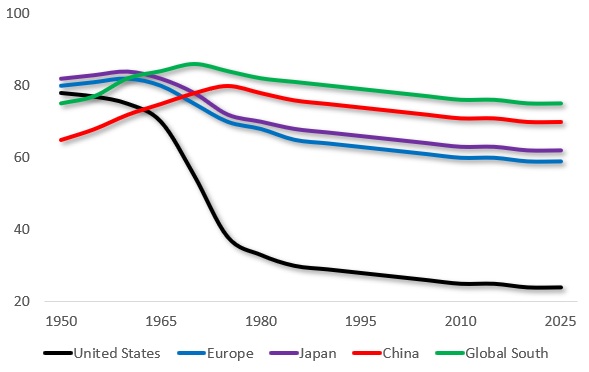
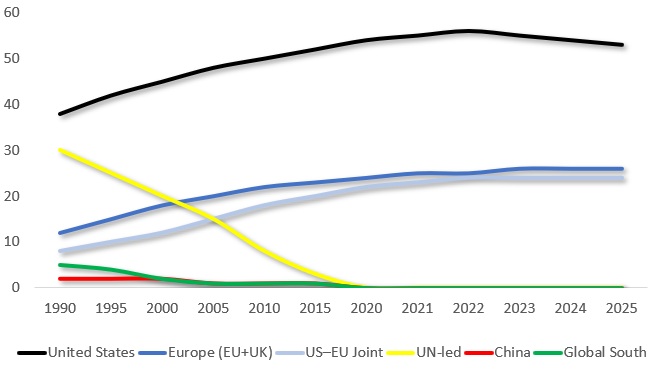
 Dr. Dan Steinbock
 Dr. Gleb Tsipursky




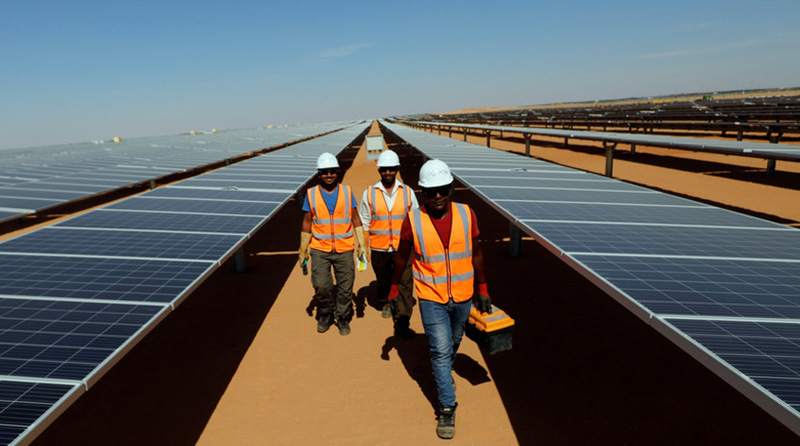

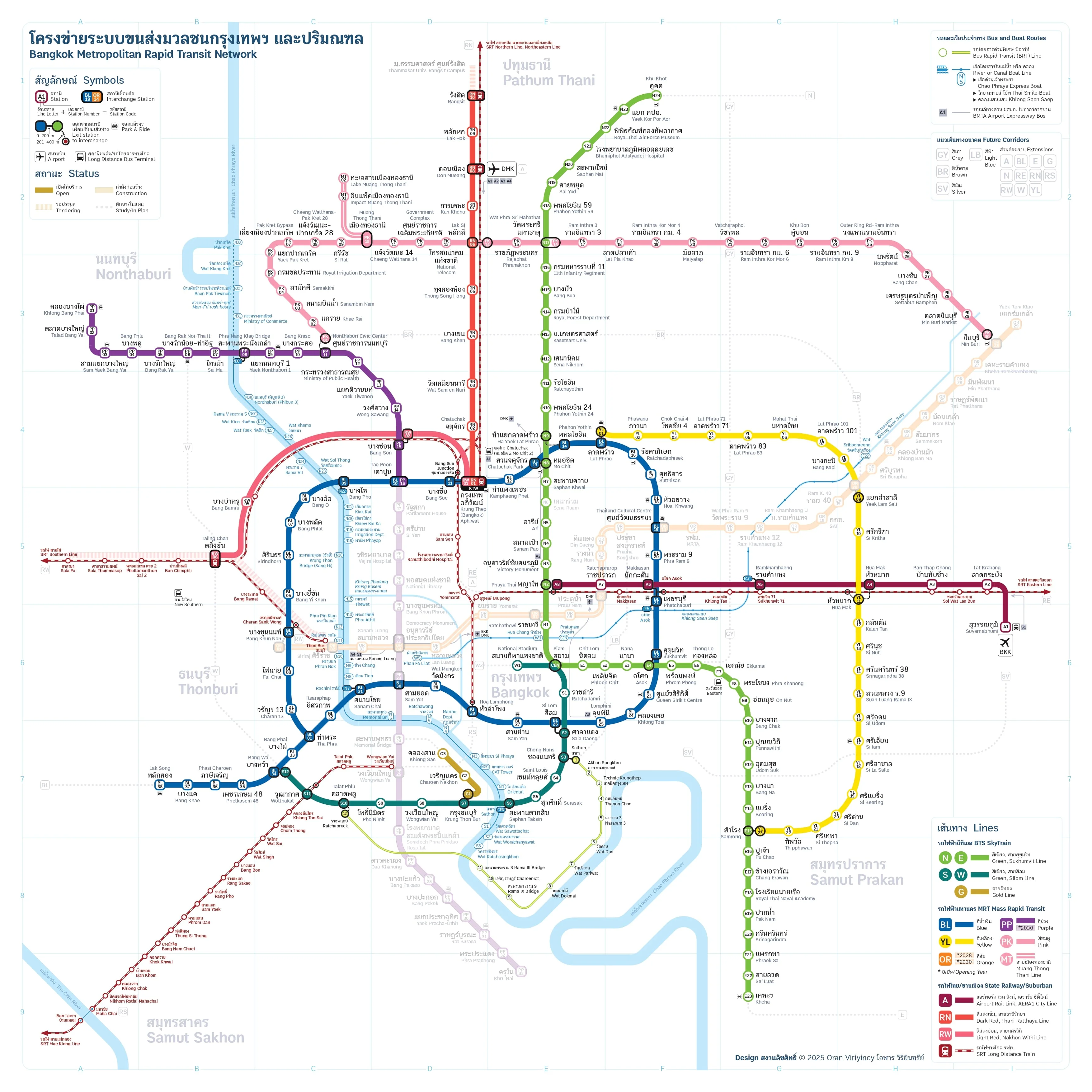





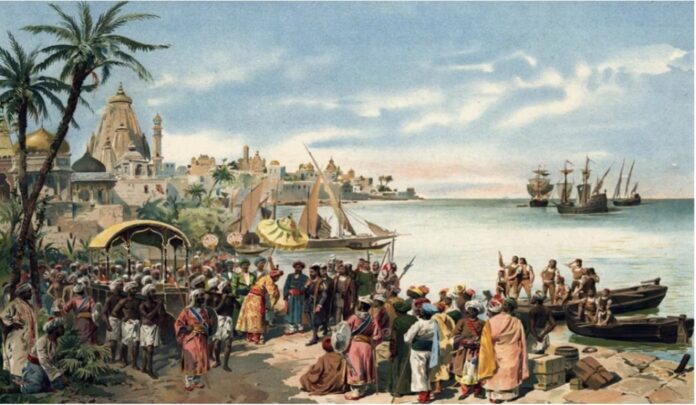
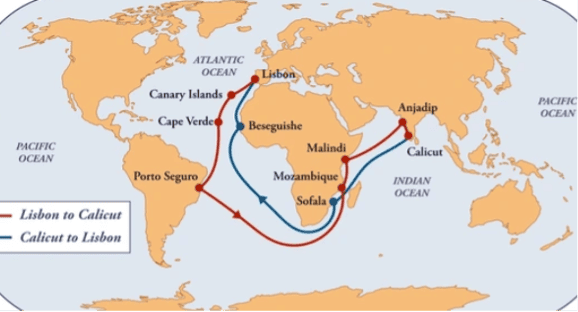

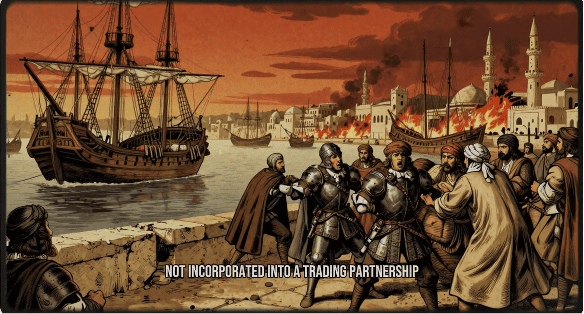
 Dr. Kalim Siddiqui