Air conditioning is now a standard part of modern HVAC systems, built into how we design homes, offices, and entire cities. What started as a breakthrough for comfort and safety has quietly become a default solution for temperature control. But the real question isn’t whether HVAC cooling works, it’s whether we’ve begun relying on it in place of smarter design, adaptation, and resilience.
Are We Seeing Overuse of Air Conditioning
The issue isn’t simply “people use AC too much.” The deeper concern is the overuse of air conditioning as a built-in assumption. We now design buildings expecting mechanical cooling to fix everything. We’re not just seeing behavioral overuse, we’re seeing design dependency. So the overuse isn’t just personal preference. It’s architectural and systemic.
Modern homes are often tightly sealed, built with large glass surfaces, poorly shaded, and designed without cross-ventilation. Buildings are now constructed assuming mechanical cooling will compensate for poor orientation, excessive glass, lack of shading, and minimal airflow strategy. AC isn’t supplementing design, it’s replacing it.
Instead of using passive cooling like shade, airflow, and insulation strategy, we rely on mechanical cooling as the default solution. That creates a cycle: hotter cities lead to more AC use, which expels more heat outdoors, which makes cities even hotter. That feedback loop fuels the overuse of air conditioning at scale. When architecture stops solving climate, machines take over.
Can You Overuse an AC?
When indoor comfort standards drop to 68-70°F in summer, people physiologically adapt to cooler indoor climates. Humans are adaptable, and when we live in narrow temperature bands (68-72°F year-round), our thermal tolerance shrinks. Mild heat feels intolerable, tolerance to warmth decreases, and natural temperature swings feel “wrong.” That’s how comfort baselines shift.
It already has, but the deeper shift is biological. Over time, we don’t just prefer cooler air, we lose flexibility.
The bigger risk isn’t health panic headlines claiming air conditioning bad for health. The real issue is resilience. Overdependence reduces our ability to function during power outages, extreme weather, or grid strain. That’s where the conversation about overuse belongs.
Is Air Conditioning Bad for Health
The idea that air conditioning bad for health is a common narrative, but it’s oversimplified. Air conditioning itself isn’t harmful – a lack of proper air conditioner service is.
AC protects people from heat stroke, sleep disruption, and cardiovascular strain during heat waves. It reduces heat-related illness, improves sleep quality, lowers humidity and mold growth, and improves filtration when filters are clean. In fact, many measurable health effects of air conditioning during extreme heat are positive, especially for vulnerable populations.
Concerns about the effects of air conditioning on health usually stem from dirty filters, mold inside ductwork, extremely low temperatures, neglected AC maintenance, very dry indoor air, poor ventilation, and static environments. When air is over-dried or recirculated without fresh intake, discomfort follows, not because cooling is inherently dangerous, but because the indoor ecosystem is poorly managed.
Blaming AC entirely feeds the “air conditioning bad for health” myth. The system isn’t the problem, neglect and imbalance are.
Effects of Air Conditioning on Health Indoors
The effects of air conditioning on health depend entirely on how the system is operated. Reduced heat stress, lower humidity that limits dust mites and mold, filtered airborne particles, and a more stable indoor environment for asthma sufferers are clear benefits.
Negative outcomes appear when systems are mismanaged. The real health effects of air conditioning become noticeable when humidity drops too low, airflow is too aggressive, or temperatures are set unnaturally cold. Dry eyes, throat irritation, sinus congestion, headaches, and muscle stiffness usually result from imbalance, not from cooling itself.
Very cold indoor environments can trigger subtle vasoconstriction, increase muscular tension, and create low-level thermal stress. This is why people in overly cooled offices report fatigue or brain fog. These are contextual effects of air conditioning on health, not evidence that cooling technology is inherently unsafe.
Long-Term Health Effects of Air Conditioning
There’s no strong evidence that AC causes serious long-term disease in healthy individuals. In fact, during extreme heat events, the measurable health effects of air conditioning include lower mortality rates and reduced hospitalizations.
The better long-term question is about adaptation. Repeated claims that air conditioning bad for health often miss the bigger issue: reduced environmental resilience. If we never experience moderate warmth, our acclimatization capacity declines.
Long-term behavioral patterns may include reduced outdoor heat exposure, lower heat tolerance, increased sedentary indoor time, and chronic dryness sensitivity. These are subtle effects of air conditioning on health, but they relate more to environmental narrowing than to pathology. The conversation isn’t about illness, it’s about adaptability.
Signs of Overuse of Air Conditioning
The overuse of air conditioning isn’t about runtime hours. It’s about context and dependency.
Setting temperatures below 70°F during summer, feeling cold indoors while it’s hot outside, running cooling during mild evenings, or keeping windows closed year-round are lifestyle signals. Complaints of dryness or constant indoor chill may reflect the excessive use of air conditioner, not a flaw in the technology itself.
Forget thermostat numbers. Look for perception shifts: temperature shock when stepping outside, viewing 75°F as “too hot,” or rarely using passive airflow strategies. These patterns suggest dependency.
A practical test: if you need a sweater inside in August, the system may be compensating more than necessary, a subtle form of overuse of air conditioning.
When Excessive Use of Air Conditioner Becomes a Habit
The excessive use of air conditioner becomes a habit when the thermostat is the first response instead of the last. Lowering the temperature the moment it feels slightly warm removes seasonal awareness from daily life.
Instead of adjusting clothing, using ceiling fans, opening windows at night, shifting activity timing, or using shading strategically, we default to mechanical cooling. That shift marks the difference between comfort management and dependency.
Over time, that automatic response reinforces both physiological narrowing and behavioral reliance, a quieter but more meaningful outcome than headlines claiming air conditioning bad for health.
Is the Overuse of Air Conditioning a Modern Problem
The overuse of air conditioning reflects how we design buildings and cities. Sealed glass towers in hot climates, identical indoor temperatures year-round, aesthetics prioritized over passive cooling, these choices drive reliance.
At the urban scale, the excessive use of air conditioner systems increases heat rejection into city streets, intensifying urban heat islands and further raising demand. That loop isn’t about individual preference; it’s structural.
Air conditioning is one of the greatest public health inventions of the last century. The discussion isn’t whether it’s good or bad. The measurable health effects of air conditioning during heat waves are lifesaving. The challenge is designing systems where it isn’t the only strategy.
The future isn’t less cooling, it’s smarter cooling: insulation, shading, passive-first design, zoned systems, ceiling fans, moderate setpoints (74-78°F), humidity balance, and fresh air integration. That’s a far more intelligent conversation than framing it as simply “air conditioning bad for health.”
The Supreme Court of the United States decision to strike down former President Donald Trump’s sweeping global tariffs has rattled US trade partners — but it may have strengthened China’s position.
The ruling came just weeks before Trump is scheduled to meet Chinese leader Xi Jinping in Beijing for a three-day summit focused on trade, technology and Taiwan. For years, Trump relied on tariffs as a primary negotiating tool. The court, however, found that he exceeded his authority by invoking emergency powers under the International Emergency Economic Powers Act.
Although Trump quickly moved to reimpose temporary 15% tariffs under a different trade statute, the decision stripped away one of Washington’s strongest pressure tactics.
Chinese commentators framed the ruling as a win for Beijing. Since the first trade war erupted in 2018, China has worked to reduce its exposure to US tariffs by diversifying agricultural imports and expanding trade with other markets. Last year, it recorded a record $1.2 trillion trade surplus, buoyed by redirecting exports abroad.
Beijing has also tightened controls on rare earth mineral exports, materials critical to advanced electronics and defense systems, reinforcing its leverage.
Analysts at Morgan Stanley estimate that average US tariffs on Chinese goods could fall significantly under the revised framework, narrowing the gap between China and other Asian exporters.
While tensions remain high, the court’s decision shifts momentum, at least temporarily, toward Beijing as both sides prepare for high-stakes talks.
In the industrial sector, there is a constant search for technological solutions that can make production processes more efficient and cost-effective, without compromising the quality of the final product. Twin screw extrusion is a classic example of advanced and versatile technology which is used in several industrial sectors, including polymers, food, and pharmaceuticals.
The main feature of twin screw extrusion is that it turns complex materials into regular, repeatable products. In other words, this technology allows you to work with different ingredients or polymers (complex materials) and convert them into regular products that can be produced over and over again with identical features (repeatable).
How does a twin-screw extruder work?
In the industrial sector, extrusion is carried out using special machines called extruders, which can be single screw, twin screw, or triple-screw. During processing, the raw material is mechanically transformed and shaped through a die.
A key part of the extruder is the cylinder, which contains the two screws. It represents the “heart” of the system, because it is inside the cylinder that the material undergoes the various processing stages that lead to a homogeneous distribution of the various ingredients (polymers, food, chemicals, etc.).
The screws contained in the cylinder can be co-rotating – the most common – or counter-rotating. In the first case, they rotate in the same direction, while in the second case, they rotate in opposite directions. The choice between co-rotating and counter-rotating screws depends on the type of processing required. For example, the counter-rotating are particularly suitable for applications where high compression force is required.
Twin-screw or single-screw extruders?
As mentioned above, the choice between twin screw and single screw extruders essentially depends on the type of processing. It is worth pointing out the differences between the two options, as both have pros and cons.
For example, from a cost perspective, twin screw extruders are definitely more expensive, as this type of machine is capable of delivering the highest quality performance with complex and/or heat-sensitive materials. For less complex processes, a single screw extruder is a perfectly suitable choice, as it offers good performance, lower energy consumption, and very simple maintenance.
Therefore, the choice should be made according to processing requirements: for less complex processes, single screw extrusion is an efficient and economically attractive solution. If, on the other hand, higher performance is required (blending of complex, viscous, and abrasive materials, precise temperature control, etc.), the twin screw extruder remains the preferred choice for most. A good example is compounding, which refers to mixing polymers with additives, colorants, and different types of fibers to create a material with specific features.
Twin-screw extrusion: which are the main areas of application?
One of the sectors that makes the most use of twin screw extrusion is the plastics industry. Here it is used for compounding, for the production of plastics reinforced with carbon or glass fibers, for the processing of thermoplastics (PVC, PP, PE, PET, and similar products), recycled materials, etc.
Extrusion is also used in the food industry for the production of snacks, pasta, cereal-based products, vegetable proteins, etc. This technology is also used in the chemical and pharmaceutical industries. The high level of precision guaranteed by twin screw extruders is essential in the preparation of materials for the production of granules, capsules, and tablets, where the equal distribution of active ingredients and excipients is a prerequisite. In fact, it is necessary to get rid of the risk of differences between batches.
What are the characteristics of twin-screw extrusion?
The twin screw extrusion process has some interesting aspects. Among these, one of the main ones is the intensive and homogeneous mixing of materials, including those that are more difficult to process (and for which single-screw extrusion may not be adequate). This feature ensures homogeneity and repeatability, two fundamental aspects in certain specific industrial sectors. Modern extruders also guarantee maximum precision in terms of temperature control (which in some processes does not always have to be the same) and pressure.
However, it is important to keep in mind that the quality guaranteed by a twin screw extruder involves a significant upfront investment, which should be taken into account when calculating the costs to be recovered over time. Operating and maintenance costs are also generally high because this is a very complex machine. The training of those who will use it is yet another thing to think about, as this type of machine requires qualified operators.
The Digital Operational Resilience Act came into full effect in January 2025, and its requirements around privileged access management are more specific than most organizations initially expected.
This is especially the case because DORA’s articles effectively mandate architectural controls that many traditional Privileged Access Management (PAM) tools were never designed to provide.
For PAM specifically, DORA mandates two things. One is strict access control with separation of duties, and the other is management of third-party ICT concentration risk. DORA compliant PAM tools like SplitSecure are used because their distributed architecture satisfies both requirements by design rather than by policy i.e. with cryptographic controls for logging and managing access to secrets.
In this article we want to give you the exact DORA articles that reference PAM capabilities, a mapping of how different tool categories address them, and the case for architectural compliance over policy-based compliance.
DORA Has Five Articles That Reference PAM Capabilities
DORA does not mention “privileged access management” by name, but five DORA articles contain requirements that map directly to PAM capabilities.
Article
Requirement
PAM Relevance
Article 9(4)(c)
Access rights based on need-to-know, least privilege, and segregation of duties
Core PAM requirement: enforce least privilege and separation of duties for privileged accounts
Article 9(4)(d)
Strong authentication, including multi-factor where appropriate
MFA enforcement for all privileged access sessions
Article 9(4)(e)
Logging and monitoring of access to critical systems
Immutable audit trail for every privileged access event
Article 28
Third-party ICT concentration risk assessment
Evaluate whether PAM tool creates single-vendor dependency for critical credentials
Article 11
Backup policies ensuring recovery without over-reliance on ICT providers
Backup admin credentials must function independently of third-party availability
How Different PAM Tools Address DORA Requirements
Not every PAM tool addresses every DORA requirement equally. The gap between tools shows up most clearly around separation of duties enforcement and third-party concentration risk.
Hub-and-Spoke Vault PAM (CyberArk, BeyondTrust)
Enterprise PAM platforms handle most DORA requirements through configuration. Role-based access control enforces least privilege. Session recording and credential rotation provide audit trails. MFA integration is standard.
The gap is in separation of duties enforcement. Traditional PAM relies on policy configuration to prevent a single identity from taking catastrophic actions.
If the policy is misconfigured, or if an admin account is compromised with sufficient privileges, the architectural control does not exist. DORA Article 9(4)(c) requires segregation of duties, and policy-based enforcement is weaker than architectural enforcement.
On Article 28 (concentration risk), on-premises deployments avoid third-party dependency. Cloud versions of CyberArk and BeyondTrust reintroduce it.
Cloud-Native SaaS PAM (Akeyless, HCP Vault)
Cloud-native platforms handle access control and audit logging well. The developer experience is stronger than enterprise PAM, and integration with cloud infrastructure is native.
The DORA gap is Article 28. Both Akeyless and HCP Vault operate as SaaS platforms. Your ability to retrieve credentials depends on their platform availability. For DORA compliance teams assessing ICT third-party concentration risk, this dependency requires documented risk mitigation and exit strategies. It is manageable but creates compliance overhead.
Distributed Secrets PAM (SplitSecure)
SplitSecure addresses DORA requirements differently. Separation of duties is not configured through policy but is cryptographically enforced. No single device holds a complete credential, and no single identity can perform catastrophic actions unilaterally. This satisfies Article 9(4)(c) by architecture.
On Article 28, SplitSecure eliminates the concentration risk question for secrets management. There is no vendor dependency on the secrets management platform. If SplitSecure ceased operations, deployments would continue functioning.
On Article 9(4)(e), every access generates an immutable audit trail automatically. You cannot use the system without creating a log entry. This is not a feature that is enabled or enforced by policy but is a fundamental function of how the technology works.
DORA Compliance By Architecture
The easiest way to meet any regulation is to be architecturally compliant. That means having systems in place where compliance does not need to be enforced by policy or process but happens as a technological default.
For DORA PAM requirements specifically, the question compliance teams should ask each vendor is: “If policy is misconfigured, does your architecture still prevent a single compromised account from causing irreversible damage?” Tools where the answer is yes by architecture – not by correct configuration – carry lower compliance risk.
If the future of work were determined by headline volume, the office would already be overflowing. Inside most companies, the picture is quieter and more consistent. Work location patterns in the United States have settled into a resilient hybrid equilibrium that has barely budged since 2022, according to Gallup’s newest research. Leaders still debate productivity, culture, and collaboration, yet the numbers tell a steadier story than the news cycle suggests.
Headlines Say Return, Data Says Plateau
Employees and managers have learned how to orchestrate hybrid weeks, and that behavioral learning dampens the impact of new memos.
The center of gravity remains hybrid. Gallup’s research shows only small shifts in recent quarters, with the share of remote-capable employees in hybrid dipping from 55 percent to 51 percent while fully on-site and fully remote each ticked up by two points. Across the same period, hybrid employees report spending about 46 percent of the week in the office, or roughly 2.3 days. That in-office time rose during 2023 and then leveled off, signaling that the post-pandemic adjustment has matured. The stability is striking because it resists the narrative of a sweeping return to full-time on-site work.
External indicators confirm the plateau. Office occupancy has hovered in a mid-week-heavy pattern, with big city averages stuck just over the halfway mark on keycards according to the continuing Kastle Systems barometer.
The broader mix of where Americans work has steadied as well. The WFH Research team’s Survey of Working Arrangements and Attitudes shows that remote, hybrid, and on-site shares have moved within a narrow band since 2023, reflecting a new normal rather than a temporary detour. Taken together, these signals point to habit formation. Employees and managers have learned how to orchestrate hybrid weeks, and that behavioral learning dampens the impact of new memos.
There are exceptions worth watching. In technology, remote-capable employees split almost evenly between fully remote and hybrid, and only a small minority are fully on-site. In federal government, policy moved behavior far more abruptly. After a change in direction in 2025, the share of federal employees working in flexible hybrid arrangements fell sharply while fully on-site rose to levels that are well above the national average for remote-capable workers. Those changes show up clearly in the Gallup data and mark Washington as an outlier. For most private employers, the pattern is still a broadly hybrid workforce that has stabilized after a period of experimentation.
Hybrid Works When Teams Coordinate, Not Lone Wolves
Hybrid succeeds when teams set common rules, not when every individual optimizes for themselves. Gallup’s scheduling data indicates a gradual shift from purely self-determined hybrid calendars toward schedules influenced by managers or decided collectively by teams. About one third of hybrid employees say the cadence is entirely up to them, another third point to the manager or team, and the remaining third cite employer or leadership decisions. That distribution matters because it correlates with perceptions of fairness. Employees who say their team sets the schedule are just as likely to view the policy as fair as those who set their own, while employer-determined calendars trail significantly on perceived fairness.
Fairness is not the only outcome at stake. Gallup’s analysis also shows trade-offs for purely self-determined schedules. Relative to team-decided arrangements, employees who control their own cadence are 76 percent more likely to identify burnout or fatigue as their greatest challenge, 57 percent more likely to cite reduced work-life balance, and 52 percent more likely to point to meeting customer needs as the top issue. The conclusion is practical and actionable. Teams that agree on a shared rhythm reduce coordination costs, increase predictability, and make the most of in-person time by aligning complex, interdependent work to the same days.
When teams design the week, those office days gain purpose. Leaders can earmark co-located time for activities that benefit from proximity, such as onboarding, sales workshops, code reviews, and cross-functional design sessions. Remote days then become focus time for deep work that suffers in noisy environments. This approach does more than keep calendars tidy. It improves retention and avoids productivity penalties. A large randomized trial at Trip.com found that hybrid schedules did not reduce performance while they did cut quits, with the biggest gains among longer-commute employees and non-managers. When the cadence is planned at the team level, the model becomes a talent advantage rather than a concession.
Financial signals point the same way. Joint research by Flex Index and Boston Consulting Group associates greater workplace flexibility with stronger revenue growth relative to rigid models. The mechanism is straightforward. When companies broaden their talent funnel and reduce attrition, they compound skill density over time. That dynamic shows up in the top line, especially in knowledge work where learning curves and network effects matter.
Trust And Measurement Beat Mandates
The limiter on hybrid performance is not software or seating charts. It is trust. Gallup’s latest findings show that just over half of managers who lead remote or mixed teams strongly agree they trust their people to be productive when working from home, and a similar share of employees say they feel that level of trust from their manager. That gap between policy and confidence fuels heavy-handed attendance rules that often chase the wrong variable. Attendance is visible. Output is what customers buy.
Trust grows when managers make the basics routine. Communication must be timely and consistent regardless of where people are sitting so that remote and on-site employees receive the same context. Community must be cultivated deliberately through inclusive rituals and shared decision logs so that no one loses access to social capital on their at-home days. Accountability must be explicit and focused on outputs so that expectations travel with the work. Development must be equitable so feedback, coaching, and stretch assignments do not disappear when employees are off campus. Gallup’s analysis links these practices to markedly higher feelings of trust among employees and more confidence among managers.
This managerial playbook also answers a common fear. Some executives assume that stricter attendance rules will fix performance problems. The evidence suggests that clarity and measurement do more. When teams agree on the purpose of in-office days and leaders measure outcomes, productivity follows. The randomized Trip.com trial is a powerful example because it separates preference from policy and still shows stable performance with improved retention. Hybrid is not a workaround. Done well, it is a performance system that channels the right work to the right setting.
Leaders who accept that fact and design for it will find themselves ahead of rivals who manage by headline rather than by evidence.
None of this denies the realities of certain jobs. Roles with heavy customer handling, secure facilities, or specialized equipment will always be more on-site. The Gallup data even shows that among fully on-site remote-capable employees, a growing share now work with colleagues spread across locations, which means coordination still matters. What changes is how leaders think about levers. If the goal is better collaboration, use team-level design to get people together for the right reasons. If the goal is higher output, anchor performance in clear metrics and regular feedback. If the goal is culture, reinforce shared rituals that include everyone, regardless of where they sit on Tuesday.
Conclusion
The return-to-office storyline is loud, but the labor market is not listening. The measured reality since 2022 is a stable hybrid model with modest shifts at the margins, a mid-week occupancy peak, and a settled cadence that people have learned to run. Gallup’s latest analysis reinforces that hybrid works best when teams coordinate schedules, employees understand the rules, and managers build trust through communication, community, accountability, and equitable development. External evidence from the WFH Research survey, the Kastle Systems barometer, the Trip.com trial, and Flex Index research all point to the same destination. Hybrid is no longer a moment. It is the operating system of modern work. Leaders who accept that fact and design for it will find themselves ahead of rivals who manage by headline rather than by evidence.
The Philippines is preparing for a Taiwan war. That’s known. But the costs of that “inevitable war” are not. It‘s time to address them.
In August 2025, President Marcos Jr. said that “a war over Taiwan will drag the Philippines, kicking and screaming into the conflict.”
Pushing for preparation, the government has boosted US-Philippine military cooperation, military modernization, joint military exercises and the installation of US mid-range missile systems and anti-ship missile launchers.
These measures are said to foster Philippine prosperity and security.
But how would a major military conflict in the Taiwan Straits, with the active support of Manila’s military logistics, affect the economic futures of the Philippines?
How PH becomes a “co-belligerent”
In the past decade, globalization has given way to geoeconomic fragmentation, replacing economic efficiency along geopolitical lines. Recently, this has morphed into “Cold War II”; a prolonged, systemic rivalry risking substantial, long-term global GDP losses.
By providing significant military logistical support to the belligerents, Manila becomes a de facto co-belligerent in the conflict.
A Taiwan contingency is the kind of shock in which fragmentation becomes nonlinear under conflict, as the World Bank and the International Monetary Fund (IMF) have warned – implying that economic and human costs will soar. With that backdrop, let’s integrate a major Taiwan conflict with Manila’s logistics support (bases, ports, airspace, supply, etc.) into a real-GDP scenario.
In this status quo, the EDCA sites – US military bases and facilities in the Philippines – are used for logistics, refueling, repair, transit. They may have no direct combat role, but they represent de facto alignment.
Faced with the US missiles’ offensive capabilities, China defends itself, and treats Philippines as a “non-neutral,” hostile rear-area state.
By providing significant military logistical support to the belligerents, Manila becomes a de facto co-belligerent in the conflict, according to international law (Hague Conventions of 1907, V and XIII) and customary law.
Short-term Taiwan shock
So, let’s assume two Taiwan contingencies. In one case, there is a major level shock, a one-time GDP hit in the first 2-3 years. This is the scenario that geopolitical analysts favor, perhaps because its costs are lower.
In this case, a short war ensues and lasts 3–6 months. The lethal conflict is followed by a ceasefire.
Here’s what happens with major economic transmission channels. First, there will be a trade disruption as shipping insurance spikes in South China Sea (which Manila calls the West Philippine Sea). Port risk premium soar for Manila, Subic, Batangas, and Cebu. Semiconductor and electronics global value chains (GVCs) are disrupted. A regional growth shock ensues.
ASEAN trade volume contracts sharply.
As investors start treating the Philippines as a riskier place to keep money, wealthy Filipinos and foreign investors move part of their money abroad (to Singapore, the US, etc. (a trend that’s already nascent); or they demand higher returns to keep it in the country.
Markets charge the Philippine government more to insure its debt against default, which increases risk premium. Repricing raises borrowing costs, discourages long-term investment, and drains domestic capital toward safer jurisdictions, reinforcing inequality. Peso depreciation pressure will soar.
Targeted retaliation ensues, with Chinese import bans, the collapse of tourism and the freeze of foreign investments. China rejects Philippine products and services. Tourists shun risky regions (Chinese tourism collapsed already in 2023-24). Foreign investors avoid potential military targets.
The first scenario represents a severe but time-bounded disruption. But what if the conflict lasts longer?
In the second scenario, a prolonged blockade can last up to 3–5 years. It doesn’t necessarily mean a formal war, but sustained interdiction: a continuous, long-term, and coordinated effort to divert, disrupt, delay, or destroy the Philippine military supplies, and logistics.
This scenario would translate to greater and longer-lasting “kinetic” damage. Now there is a permanentgrowth penalty, due to higher risk and decoupling.
Don’t blame the messenger. This is the way war shocks are modeled in the IMF Article IV stress tests.
The semiconductor and electronics GVCs are broken. Global insurers stop covering ships, cargo, or investments linked to the Philippines, due to geopolitical risk.
Permanent rerouting ensues, as trade and logistics flows are redesigned to bypass the country altogether. This is not temporary, but built into long-term supply chains—so business simply goes elsewhere.
The Taiwan shock becomes Philippines’ structural nightmare.
Revised real GDP scenarios
A short war generates a level shock. By contrast, a long blockade virtually ensures a level shock and a permanent growth downgrade.
In the immediate shock, some first 3 years after conflict, trade volume will plunge by 15%, tourism by 50% and foreign investment inflows by 60%. Investment ratio will decrease by 3-4 percentage points of GDP. In this case, the one-time real GDP loss would amount to 6–10%.
These shock assumptions are conservative, however.
As militarization is likely to crowd out civilian investment, inequality soars and poverty spreads.
In the second scenario, the long-run effects will feature greater cost of capital and a partial exclusion of Philippines from China-centered Asia trade. As militarization is likely to crowd out civilian investment, inequality soars and poverty spreads. The best and brightest leave, followed by recurrent streams of blue-collar OFWs.
In the case of the longer shock, the Philippine real GDP index would plunge -43% behind the baseline by 2050, lower than in many Latin American countries. The country would look like Ukraine after 2022.
In the process, the country gets stuck in the middle-income trap, which becomes structural.
The end of the dream
By 2035, the Philippines loses roughly a quarter of its potential income per person. This is equivalent to 10–15 years of development delay.
In the second scenario, the devastation wipes out 20–40% of long-run real output potential by 2050. Instead of a lost decade, a generation is wasted.
By then, the Philippines is no longer regarded as a potential ASEAN catch-up promise. It is seen as a textbook case of a growth story that lost its way.
This shorter version of the original commentary was published by The Manila Times on February 23, 2026.
Dr. Dan Steinbockis an internationally recognized strategist of the multipolar world and the founder of Difference Group. He has served at the India, China and America Institute (USA), Shanghai Institutes for International Studies (China) and the EU Center (Singapore). For more, see https://www.differencegroup.net
The erosion of US dollar hegemony—driven by structural debt, financialisation, geopolitical fragmentation, and reserve diversification—signals a historic inflection point in the global monetary order. Dr Kalim Siddiqui argues that this crisis of rentier dominance generates acute instability for the Global South, yet also creates opportunities to build sovereign, development-oriented financial institutions beyond dollar-centred extraction.
I. Introduction
The erosion of dollar hegemony—rooted in mounting structural debt, the accelerating financialisation, and geopolitical fragmentation, and the strategic diversification of reserves into gold and alternative currencies—signals a decisive historical inflection point. This transition reflects not merely cyclical instability but a deeper crisis in the rentier foundations of United States (US) global dominance. As Western cohesion weakens and emerging economies pursue monetary and institutional alternatives, the international monetary order is undergoing a structural realignment toward multipolarity.
This study argues that the transformation presents the Global South with profound risks—heightened financial volatility, intensified geopolitical rivalry, and the threat of renewed dependency—yet also opens a historic opportunity to challenge rent-based extraction and construct more sovereign, development-oriented financial architectures. The outcome will depend on whether emerging economies can convert systemic rupture into coordinated institutional innovation.
If the twentieth century saw power migrate from London to New York, the current decade witnesses its diffusion—challenging the capitalist equilibrium established eighty years ago.
The 1944 Bretton Woods Conference established a new international monetary order through the creation of the International Monetary Fund (IMF) and the World Bank (Siddiqui, 1994). This agreement solidified the US dollar as the global currency, a position underpinned by the sheer dominance of US. It supplanted the gold standard and institutionalised the US dollar as the de facto global reserve currency for finance and trade. At the time, the US accounted for approximately 35% of global GDP, and its industrial corporations, functioning as the world’s primary exporters, generated substantial trade surpluses. This concentration of economic power enabled the US to accumulate two-thirds of the world’s official gold reserves, thereby rendering the dollar “as good as gold” and anchoring the new system to US fiscal credibility (Siddiqui, 2020).
For over eighty years, the existence of an uncontested hegemonic power—a recognised leader of global capitalism—provided the geopolitical and economic stability necessary for transnational capital accumulation. This unipolar configuration reduced transactional uncertainty, enforced the institutional frameworks of the Bretton Woods system, and created the stable conditions under which international business could be conducted and profits secured. In this regard, the longevity of US hegemony was not merely a political phenomenon but a structural prerequisite for the post-war expansion of global finance and trade (Siddiqui, 2025a).
In the 19th and early-20th century, during the heyday of the British Empire, global finance and trade was conducted within the framework of the ‘Gold Standard’. At that time, British imperialism was the world’s hegemon, playing a similar role to that of US imperialism in the postwar period – providing the stable economic and political foundations upon which world trade and industry could flourish.
The British economists like Adam Smith and David Ricardo then developed the ideas of bourgeois ‘political economy’, championing liberalism, free trade, and the ‘invisible hand’ of the market. By the end of the 19th century, however, it was clear that British capitalism was being overtaken by its rivals. The First World War catalysed the changing balance of forces between the powers. Britain, France, and Germany economies were weakened from the war. The Treaty of Versailles left Germany heavily indebted to Britain and France, who in turn owed huge sums to the US. Meanwhile, the war accelerated the migration of global financial activity from the City of London to New York’s Wall Street.
By the interwar period, Britain could no longer sustain its role as the guarantor of global trade and finance. The Gold Standard, weakened by geopolitical strains and economic instability, collapsed during the Great Depression. In response, capitalist powers adopted protectionist “beggar-thy-neighbour” policies, raising tariffs to curb imports. These measures deepened the global slump, triggering a decade of stagnation.
The collapse of Bretton Woods ended the monetary certainty of the postwar boom. Today, the global economy enters a third era of upheaval. Massive US sovereign debt, rising fiscal deficits and the weaponisation of financial sanctions have accelerated a pivot toward multipolarity. If the twentieth century saw power migrate from London to New York, the current decade witnesses its diffusion—challenging the capitalist equilibrium established eighty years ago.
The structural stability of the US-led order is increasingly undermined by the US diminishing share of global output and its continued reliance on the dollar’s ‘Exorbitant Privilege’. For decades, successive US administrations have sustained a debt pile exceeding $38 trillion through deficit financing and easy money. This model depends on the world’s willingness to absorb US Treasuries—a dynamic that functions as a hidden transfer of surplus from the global periphery to the US (Vasudevan, 2008).
The concept of US hegemony remains inextricably linked to what Valéry Giscard d’Estaing famously termed the “Exorbitant Privilege” of the US—the unique capacity to borrow in its own currency, run persistent balance of payments deficits, and finance external liabilities without the constraint faced by other nations. This privilege endures to the present day, and its persistence counsels against the assumption, prevalent in some analyses, that the dollar’s dominance is undergoing a gradual but inexorable decline (Siddiqui, 2025a).
A more nuanced reading of monetary history suggests that the trajectory of dollar hegemony is neither linear nor predetermined. The Nixon shock of 1971 offers a particularly instructive parallel. When President Nixon unilaterally suspended the dollar’s convertibility into gold, conventional wisdom anticipated the collapse of the Bretton Woods system and, with it, the dollar’s privileged position. What transpired instead was a remarkable feat of monetary alchemy: the dollar was simultaneously devalued and enhanced. The immediate effect was a reduction in the dollar’s external value, stimulating US exports, while bond yields adjusted to reflect the new regime. Yet far from diminishing the dollar’s global role, the Nixon shock inaugurated an era of renewed—indeed, intensified—dollar dominance, as the world shifted to a pure fiat dollar standard with no convertibility constraint whatsoever (Palley, et al, 2024).
This historical precedent suggests that the Trump administration’s apparent objectives—to weaken the dollar while preserving its preeminent status—may be less contradictory than they appear. The successful replication of the Nixon formula would require a delicate balancing act: inducing holders of dollars to sell, thereby depressing the currency’s external value, while simultaneously ensuring that the proceeds of those sales are not channelled into rival currencies capable of challenging the dollar’s reserve status.
The feasibility of this manoeuvre depends critically on the behaviour of other major economic actors, particularly China. More consequential is the trajectory of the yuan and the broader BRICS constellation. The critical question is whether China will pursue a strategy of simple currency internationalization—encouraging the use of the yuan in cross-border transactions—or whether it will aspire to construct a more ambitious institutional framework along the lines of a Bretton Woods system for the BRICS area (Siddiqui, 2024a). In such a system, the yuan would assume the role played by the dollar in the original Bretton Woods architecture, with China, as the surplus country, recycling its surpluses through loans, development finance, and direct aid to other countries.
The original Bretton Woods system was built precisely on these factors: the US, as the dominant surplus country, provided liquidity to the system through its balance of payments deficits and recycled its surpluses through official channels to reconstruct and integrate the EU and Japanese economies. China’s current position—running substantial trade surpluses with much of the Global South and accumulating claims on future production—bears more than a passing resemblance to the US position in 1944.
The contemporary global order is defined by the US’ capacity to impose financial blockades through its control over the dollar-based payment architecture. This choke point was starkly demonstrated in Venezuela between 2016 and 2021: following aggressive US sanctions, oil production collapsed by 75%. The subsequent economic implosion—hyperinflation and a two-thirds decline in GDP per capita—represented a humanitarian catastrophe more severe than many conventional conflicts. This model of economic crushing, recently reiterated in US policy discussions regarding Iran, confirms that access to the dollar is no longer a commercial right but a geopolitical lever.
This reality has triggered an unprecedented diplomatic realignment. In early 2026, the influx of Western leaders to Beijing—including Keir Starmer, Mark Carney, and Michael Martin—signals a departure from the unipolar era that followed the Soviet Union’s dissolution in 1991. That this marks the first visit for a Canadian Prime Minister since 2017 and a British Prime Minister since 2018 highlights the urgency of the moment. These middle powers, traditionally dependent on the US market, can no longer afford to be collateral damage in a bipolar rivalry they did not create. For an export-dependent economy like Germany, where one in four jobs relies on international trade, the risk of being caught in the crossfire of financial sanctions is an existential threat.
The current global transition is unfolding through a deliberate strategy of systemic insulation. Central banks are no longer merely diversifying; they are actively reducing exposure to long-duration US assets and expanding bilateral settlement frameworks in alternative currencies. As Mark Carney articulated at the 2026 Davos World Economic Forum, the imperative for middle powers is now one of collective agency: “If you’re not at the table, you are on the menu.”
II. The Erosion of US Hegemonic Power
A new equilibrium emerged only after the devastation of the Second World War. The US assumed the role of global stabiliser, providing essential public goods to Europe: military protection, open markets, credits, a stable reserve currency, and lender-of-last-resort functions. The dollar’s status as the global reserve currency allowed the US to borrow at lower interest rates, enjoy cheaper imports, and finance military spending through deficits (Vasudevan, 2008).
Despite robust growth during the post-war period in the West, known as capitalism’s “Golden Age,” however, the US entered a phase of relative decline. Reconstructed rivals—especially West Germany and Japan—regained industrial competitiveness, eroding the market share of US monopolies. By the early 1970s, chronic US fiscal and trade surpluses had turned to deficits. Expanding the money supply to fund foreign wars, acquire overseas assets, and fuel speculation generated systemic inflationary pressures. As a result, dollar–gold convertibility—the cornerstone of Bretton Woods—became untenable. Following speculative attacks on an overvalued currency, President Richard Nixon unilaterally suspended gold convertibility on 15 August 1971. This “Nixon Shock” effectively ended the Bretton Woods system, ushering in an era of floating exchange rates and competitive devaluations (Vasudevan, 2008).
The Nixon Shock precipitated the 1973–75 global crisis, the first of several ruptures marking the exhaustion of the postwar boom. Paradoxically, the collapse of Bretton Woods entrenched the dollar more deeply at the core of the international system.
Though no longer anchored to gold, the dollar persisted as the universal medium of exchange required by an expanding global economy. US institutions were the primary beneficiaries, yet Western ruling classes acquiesced, leveraging the US-led framework to export capital and embed themselves in global supply chains.
This “exorbitant privilege” enabled the US to run massive deficits without currency collapse—effectively taxing the rest of the world to fund US military expansion and domestic consumption. Yet the very dollar outflows that supplied global liquidity eroded confidence in gold convertibility, rendering the fixed-rate system unsustainable.
Moreover, while the Nixon Shock of 1971 forced a transition to floating fiat currencies, 2026 is witnessing a move toward Central Bank Digital Currencies (CBDCs) and a strategic resurgence in sovereign gold reserves. These developments signal a concerted effort by nations to bypass the SWIFT system and insulate their economies from the weaponisation of the US dollar.
Figure 1: The US Dollar Value Against Six Major Currencies, 2026.
By early 2026, the US dollar had retreated to its lowest valuation in four years, triggering a flight to traditional safe havens such as gold and the Swiss franc. Depreciating 1.3% against a weighted basket of currencies—and marking a cumulative 10% decline over the previous year—the downturn reflects a broader global recalibration (See Figure 1). While a weaker dollar can ease debt-servicing burdens for emerging markets, its volatile decline underscores the fragility of the dollar’s so-called exorbitant privilege (The Guardian, 2026).
This ‘exorbitant privilege’ remains a cornerstone of US economic power. Robust global demand for dollar-denominated assets—particularly US Treasuries and equities—enables US firms to borrow at preferential rates, directly bolstering capital accumulation. Moreover, the world’s appetite for US debt has historically granted the federal government exceptional fiscal latitude, allowing it to sustain persistent deficits that would trigger balance-of-payments crises elsewhere.
Furthermore, the dollar-centric architecture serves as a potent instrument of extra-territorial power. By controlling the world’s primary medium of exchange, the US can weaponise finance: seizing foreign sovereign assets, imposing comprehensive sanctions, and effectively excommunicating adversaries from the global economy. This financial statecraft ensures the US dollar remains not merely a tool of trade but a fundamental pillar of imperialist hegemony (Siddiqui, 2023a).
This economic divergence is now manifesting in the monetary sphere. By the end of 2025, the US dollar’s share of global currency reserves had fallen to approximately 57%—its lowest level since 1994 and a sharp decline from 73% in 2001. While the dollar remains dominant, facilitating 88% of foreign exchange transactions and 81% of trade finance, its status is no longer uncontested.
Yet the material foundations of the US currency and economic hegemony are eroding. The US share of global nominal GDP has stagnated at roughly 26%, while China’s share has surged from 2.5% four decades ago to over 22% by 2025. This shift is not merely quantitative but qualitative: Chinese corporations such as BYD and DeepSeek now challenge US dominance in frontier industries like electric vehicles and advanced AI, directly threatening the profit margins of established US capital.
Russia and China are actively constructing alternative financial architectures—most notably the Cross-Border Interbank Payment System (CIPS)—to bypass the SWIFT messaging network and insulate themselves from US-led sanctions. As foreign investors increasingly seek assets beyond the reach of US extra-territorial jurisdiction, the global financial system is transitioning from a unipolar dollar standard toward multipolarity.
This shift is not merely a change in destination but a total reshaping of currency and investment behaviour. Oil is no longer traded as an isolated commodity; instead, it has become the anchor for comprehensive multi-sector industrial ecosystems. Major Chinese hubs, particularly Shenzhen, are now exporting high-tech industrial equipment and infrastructure solutions to the Gulf countries that are no longer settled in dollars by default. Contracts are increasingly structured around long-term project financing, technology transfer, and digital settlement and infrastructure projects, which bypasses the SWIFT system to enable instant cross-border settlement.
China’s strategy effectively merges energy procurement with industrial integration. By bundling oil purchases with the development of 5G networks, AI infrastructure, and logistics corridors, China has repositioned itself at the centre of long-term global demand growth. This bundled integration alters exporters’ bargaining power and gradually erodes the dollar’s monopoly. As energy trade merges with industrial strategy, the resulting shift in settlement behaviour represents a decisive move toward a multipolar financial order. While the Saudi riyal remains pegged to the dollar, the kingdom has begun negotiating oil sales in alternative currencies—including the yuan—to gain better leverage. In late 2025, major energy contracts between Saudi Arabia, Iran, and China are being settled in yuan, signalling a weakening of the petrodollar’s once-absolute monopoly. (Siddiqui, 2026a).
Mainstream economists frequently underestimate the velocity of this transition by focusing on currency mechanics rather than the underlying payment architecture. The traditional petrodollar system has not merely encountered competition; it has inadvertently incentivised the construction of comprehensive alternatives. The watershed moment occurred in 2022 with the freezing of $300 billion in Russian sovereign reserves. This event demonstrated that a high concentration of reserves in US dollars represents a systemic vulnerability rather than a security. For global central banks, this single act of financial statecraft shifted the logic of reserve management from return on investment to sovereign survivability.
Simultaneously, the economic gravity of the global system has migrated toward Asia. Over the last two decades, East and Southeast Asian economies have accounted for higher economic growth and the vast majority of incremental global energy demand (Siddiqui, 2025c), with China’s consumption now exceeding that of the US and the EU combined. This shift is reinforced by national transformation initiatives, such as Saudi Vision 2030 and the UAE’s industrial diversification plans. These projects require long-term industrial partners capable of delivering integrated packages—including refineries, infrastructure and development of ports, 5G networks, and logistics corridors—rather than simple commodity buyers.
As China has emerged as the primary trading partner for these regions, it has successfully deployed parallel financial institutions. While the Cross-Border Interbank Payment System remains smaller than SWIFT, its growth is driven by bilateral trade deals—such as those with Brazil—that settle in local currencies to bypass dollar-denominated friction. This does not portend a dramatic, overnight collapse of the dollar, but rather a slow leakage of hegemony. Dominance has bred overconfidence in the West, delaying adaptation while emerging economies quietly restructure their supply chains. The result is a gradual evolution toward a multicurrency energy trade, where financial fragmentation rises not through a singular crisis, but through the rational, gradual diversification of countries seeking to insulate themselves from markets attacks.
By strategically engaging with China and fostering parallel payment architectures, these nations are moving to neutralise the risks of weaponised interdependence. This theoretical framework explains how the US, by controlling the choke points of global finance—the dollar and SWIFT—can extract concessions or effectively dismantle rival economies. However, the recent diplomatic surge in Beijing indicates a profound shift. Even core Western allies are now adopting a hedging strategy, refusing to be forced into a binary choice between superpowers. Instead, they seek to maximise their own security and economic sovereignty within a fragmented, multipolar landscape.
III. Tariffs and the Precarious Position of Foreign Creditors
The imposition of tariffs, such as those announced by the Trump administration, presents a complex and often counterintuitive dynamic for the US dollar. While tariffs are ostensibly designed to protect domestic industries and reduce the trade deficit by making imports more expensive, their immediate effect is often to boost the dollar’s value. This occurs because significant trade policy uncertainty drives global investors toward the perceived safety of US assets, increasing demand for the dollar. Consequently, the resulting currency appreciation counteracts the intended price effects of the tariffs, offsetting downward pressure on both imports and the overall trade deficit.
This dynamic is further complicated by concurrent domestic economic policies. Large-scale tax cuts, particularly those favouring higher income brackets and big corporations, are expected to stimulate an influx of foreign capital seeking higher returns. While this influx further strengthens the dollar, it simultaneously exacerbates the underlying structural imbalance that is the root cause of the US trade deficit: the gap between domestic savings and investment. Foreign capital flows into the US are, by accounting identity, the mirror image of the trade deficit, meaning that policies attracting such capital inherently widen, rather than narrow, the deficit.
This phenomenon underscores a fundamental paradox of the US dollar’s near-monopoly in international finance: in times of global economic uncertainty or domestic turmoil, the dollar tends to appreciate. Investors flock to the depth, liquidity, and safety of US Treasury markets, reinforcing the very currency strength that harms the competitiveness of US exports. This creates an inherent tension: the very tools used to project economic strength and protect domestic industry often reinforce the structural conditions that perpetuate the trade imbalance.
Recent data from the Treasury Department reveals a significant shift in the composition of foreign holders of US debt, challenging the conventional narrative that the US government relies primarily on Japan and China to finance its fiscal deficits (see Figure 2). According to the latest report, all foreign entities combined added $170 billion to their holdings of US Treasury securities in the most recent period, bringing total foreign holdings to a record $8.67 trillion. Notably, well over half of this increase was attributable to the Euro Area. Over the past 12 months, foreign holdings have increased by a substantial $880 billion, representing a growth rate of 15.4 percent.
The Figure 3 further disaggregates these holdings by major groups. The Top Six financial centres—comprising London, Belgium, Luxembourg, Switzerland, the Cayman Islands, and Ireland—hold $2.60 trillion (depicted in blue). The Euro Area holds $1.78 trillion (green), followed by Japan with $1.12 trillion (gold), and the combined holdings of China and Hong Kong at $1.0 trillion (purple). This distribution underscores a critical evolution in the geography of international finance: it is no longer predominantly Japan and China upon whom the US government relies to absorb the debt issued to fund its fiscal imbalances. The increasing role of EU financial centres and the Euro Area itself suggests a diversification of the creditor base, with implications for the dynamics of global capital flows and the geopolitical leverage traditionally associated with large bilateral holders of US debt. Moreover, the share of foreign holdings as a percentage of the total treasury debt has declined sharply since 2015 (as shown in Figure 4).
Figure 2: Foreign Holdings of the US Treasurys in 2025 (trillions $).
Figure 3: US Treasury Securities held by Countries, 2012-2025 ($ billions).
Figure 4: Percentage Share of US Treasury Securities held by Foreign Holders, 2012-2025 (%).
The erosion of the US dollar’s dominance in global finance is no longer merely a theoretical concern but an observable trend substantiated by empirical data. According to IMF data for 2025, the dollar’s share of allocated foreign exchange reserves has fallen to 57.4 percent—the lowest level recorded since 1994. This marks a significant decline from 66 percent in 2015, representing a cumulative drop of 8.6 percentage points over the past decade (see Figure 5).
If the current pace of decline persists, extrapolation of these trends suggests that the dollar’s share of global reserves could fall below 50 percent by the end of 2034. Such a threshold would be more than symbolic; it would represent a fundamental realignment of the international monetary system, potentially diminishing the unique privileges the US has long enjoyed, including the ability to sustain large fiscal and trade deficits with relative impunity. While the US domestic policies may inadvertently reinforce the dollar’s strength in the short term, the longer-term trajectory points toward a more distributed reserve currency landscape, one in which the US may no longer be able to rely on the rest of the world to finance its “excesses” to the same degree as in previous decades.
Figure 5: US Dollar Percentage Share of Global Reserve Currencies, 2015-2025 (%).
IV. The Paradox of Persistence: Dollar Dominance Amidst Structural Decline
The preceding analysis has established that the architecture of global finance operates not as a neutral mechanism for capital allocation but as a system of extraction—a stranglehold on debtor nations. This stranglehold is two-pronged: the debt itself, accumulated under terms set by creditor nations and institutions, and the purpose for which that debt has been incurred. Throughout the Western world, debt has been mobilised not to finance productive industrialization but to underwrite economic rent in its various forms—land rent inherited from feudal structures, monopoly rent extracted through market power, and financial rent appropriated by a usury-oriented banking system. This is the logical extension of classical political economy’s critique: the aims of classical free market economics, as articulated by David Ricardo, were precisely to liberate production from the dead hand of rent-seeking. The contemporary order represents the triumph of the very forces classical economics sought to constrain.
Finance is the instrument through which rent-seeking perpetuates itself—from real estate monopolies controlling urban development to concentrated industries extracting monopoly profits, to central banks captured by financial interests and deployed to discipline government policy. Breaking the stranglehold requires severing the debt relation that binds debtor nations to creditor-imposed austerity and structural adjustment.
Despite the mounting evidence of a multipolar shift in the international monetary system, the US dollar retains its status as the world’s dominant reserve currency. As of 2025, the dollar accounts for more than half of global foreign exchange reserves, maintaining a commanding lead over the euro, its nearest competitor, which represents roughly 20 percent. In nominal terms, the value of dollar-denominated reserves remains substantial, totalling approximately $6.8 trillion in 2025.
This persistence of dollar dominance, however, coexists with the long-term downward trend. The gradual erosion of the dollar’s share—declining from 66 percent in 2015 to 57.4 percent in 2024 and stabilising near 57 percent in 2025—reflects not a wholesale rejection of the dollar system but a measured diversification by central banks responding to evolving geopolitical and financial considerations. Key inflection points, such as the imposition of international sanctions following Russia’s 2022 invasion of Ukraine, have accelerated this trend by prompting reserve-holding nations to reconsider the risks of concentrated exposure to US financial assets. Concurrently, portfolio diversification into alternative currencies and assets, particularly gold, has contributed to the gradual redistribution of global reserves.
The strategic pivot toward gold as a reserve asset is evident in the accumulation patterns of major central banks. The US maintains the world’s largest official gold reserves, totalling 8,133.5 tonnes. It is followed by Germany, Italy, and France, reflecting the continued preference among Western economies for gold as a store of value. Notably, however, emerging-market economies—particularly China and India—have accelerated their gold purchases between 2020 and 2025, signalling a deliberate strategy to reduce reliance on the dollar. Global gold reserves remain highly concentrated, with nine countries—including Russia, Switzerland, and Japan—accounting for approximately 70 percent of the total global gold reserves.
This dual dynamic—the dollar’s continued dominance alongside active diversification into gold—encapsulates the transitional nature of the current moment (see Figure 6). The infrastructure of dollar hegemony remains intact, but its foundations are being incrementally diversified by state actors seeking to insulate themselves from financial vulnerability. The trajectory suggests that while the dollar’s decline may be gradual, it is also structural, rooted in the same geopolitical and economic forces that have prompted the accumulation of gold and the exploration of alternative reserve architectures discussed throughout this paper.
Figure 6: World’s Gold Reserves, 2025 (in metric tons).
V. Could the Dollar Be Deliberately Collapsed?
The US capacity to address its mounting fiscal imbalances only compounds this vulnerability. Historical precedent suggests that when confronted with unsustainable debt trajectories, policymakers revert to familiar tools—chief among them, electronic dollar creation, euphemistically termed quantitative easing. While such measures provide temporary liquidity and mask the immediate consequences of fiscal excess, they do not alter the underlying reality: excessive money creation inevitably manifests as inflation, eroding purchasing power and exacerbating the very debt dynamics they seek to ameliorate. For foreign creditors already diversifying away from dollar assets, this policy predisposition raises legitimate concerns about the long-term sustainability of US fiscal obligations.
The convergence of these factors—geopolitically motivated diversification, structural shifts in reserve composition, and domestic monetary policies that prioritize short-term stability over long-term credibility—suggests that the era of unchallenged dollar dominance is approaching its terminal phase. This transition has been significantly influenced by the policy environment of the Trump administration and the perceived inadequacy of subsequent US responses to the structural challenges outlined above. While the dollar retains its preeminent position for the moment, the trajectory is unmistakable: the international monetary system is evolving toward a more distributed architecture, one in which the US must increasingly compete for the privilege of financing its deficits, rather than relying on the inertial advantages of a bygone unipolar era.
Within this context, the potential for China to deliberately collapse the US dollar—specifically through the mass divestment of its US Treasury holdings—presents a critical area of inquiry. While not the largest, China remains one of the foremost foreign holders of US Treasury. A strategic sale of these assets, perhaps as retaliation in an escalating trade war, could trigger severe repercussions for both the US and the global financial system. Such an event would not be a mere market correction; it would constitute a financial earthquake, potentially exceeding the severity of the 2008 crisis. The consequences could extend beyond a dollar collapse to a systemic failure of global markets, with a severity possibly mirroring the Great Depression. A crucial amplifying factor is the profound interconnectedness of today’s global economy—a condition far more pronounced than in 1929.
Currently, Japan holds the largest share of US Treasury, followed by China (including Hong Kong), with the remainder distributed among other nations. This concentration raises a pivotal question: could a single actor, or a coalition of major holders such as China and Japan, orchestrate the economic decline of the US, destabilise the dollar, and fundamentally undermine the world’s predominant economic power? The answer is a qualified “maybe.” The scale of the target is immense, with US national debt exceeding $38 trillion and growing at approximately 7 percent annually.
If China were to liquidate all or a substantial portion of its US Treasury holdings, the resulting flood of supply would depress Treasury bond prices and force yields upward. Higher yields would, in turn, increase borrowing costs for the US government, businesses, and consumers, potentially stifling economic growth. Yet while this represents the immediate market mechanism, a more profound and deliberate strategy may already be underway.
China appears to be executing a long-term plan to diminish the dollar’s dominance—all while holding approximately $850 billion in Treasury bonds. As the world’s largest foreign creditor, it is simultaneously building the infrastructure for an alternative financial architecture to replace US-led systems. This multifaceted strategy was evident in June 2024, which saw an acceleration of the digital yuan rollout, concurrent meetings of BRICS nations to discuss a potential alternative reserve currency, and a reported purchase of twenty tons of gold by China. These simultaneous actions suggest a coherent policy aimed at creating a multipolar monetary system, reducing global reliance on the US dollar, and positioning China and its partners at the centre of a new financial order.
VI. Military Keynesianism: Economic Decline Disguised as Strategic Necessity
The US and the European Union (EU) are attempting to resolve the crises of advanced capitalism by resorting to increased military spending (Siddiqui, 2026b). This approach offers, at best, a short-term solution while pushing the world further toward tension and conflict. Within the US, this desperation manifests as resurgent neo-colonial ambitions—evident in interventionist postures toward Venezuela, Greenland, Iran, and Cuba—alongside rumoured consideration of withdrawal from the United Nations. Domestically, these impulses are rationalised through what economists’ term military Keynesianism: the proposition that expanded military expenditure stimulates investment and employment by injecting government money into the economy through deficit spending (Siddiqui, 2025b).
For the EU, however, this logic collides with the structural constraints of the Eurozone. The Stability and Growth Pact’s fiscal rules, which historically limited member states to deficits below 3 percent of GDP (with recent relaxations allowing up to 5 percent), fundamentally restrict the capacity for countercyclical spending. Yet the EU’s present exigencies demand substantial social expenditure: subsidising households grappling with energy costs that have multiplied fourfold as Russian pipeline gas is replaced by more expensive US liquefied natural gas. The continent finds itself trapped between fiscal rules designed for stability and the social requirements of an energy transition imposed by geopolitical realignment.
This predicament is exacerbated by a curious policy consensus that appears to conjure existential threats to justify otherwise impermissible spending. The amplification of fears surrounding conflict with Russia over Ukraine—and the corresponding resistance to any diplomatic resolution that might permit the US to reorient its strategic focus—reflects what might be termed the tunnel vision of neoliberal economists. The underlying assumption appears to be that governments must manufacture geopolitical crises to authorize deficit spending as an economic stimulus, as though the mere act of expenditure, regardless of its object, can revive stagnant economies (Siddiqui, 2025b).
The European Commission’s proposed trillion-euro rearmament initiative exemplifies this fallacy. Arms production, unlike the manufacture of consumer durables such as washing machines, TV, or automobiles, does not enhance civilian living standards. Unlike capital goods and industrial machinery, weapons do not expand productive capacity or generate future income streams. They are, by design, goods destined for destruction—assets whose economic utility is realised only when they cease to exist. Investing in armaments rather than in consumption or productive investment represents a misallocation of capital with profound implications for the EU’s underlying structural challenges.
Foremost among these challenges is deindustrialization. The global distribution of industrial production is undergoing transformative shifts driven by digitalization and what many scholars term the Fourth Industrial Revolution—the increasing capacity of digital technologies to manipulate the physical world. The EU, rather than positioning itself at the forefront of this transformation, is redirecting productive capacity toward military. The German case is illustrative: having lost competitive advantage in automobile manufacturing, the proposed solution is to manufacture tanks instead. This substitution of military for civilian production does not address the fundamental erosion of industrial competitiveness; it merely masks it behind the facade of strategic necessity (Siddiqui 2023b).
The tragedy of military Keynesianism, in both its US and EU variants, is that it mistakes fiscal stimulus for economic revitalization. Injecting government money into the economy through weapons procurement creates employment and generates economic activity, but it does so without expanding the productive base upon which long-term prosperity depends. It is, in essence, a policy of digging holes and filling them—except that the holes, in this case, are designed to be filled with ordnance, and the filling process itself consumes the very resources that might otherwise have been invested in education, health care, infrastructure, research, protection of environment, and the industries of the future.
VII. The Economic Base of Rupture: Investment Power versus Military Power
As that structure fractures under the combined weight of US unilateralism, the rise of alternative poles, and the internal contradictions of neoliberalism, the Global South faces both unprecedented danger and unprecedented opportunity. The danger lies in being crushed between a declining hegemon unwilling to accept limits and a still-unformed multipolar order incapable of providing stability.
The postwar order consolidated the EU and Japan as effectively subordinate partners of the US, their economies reconstructed through Marshall Plan aid to serve as markets for US industrial production, their security guaranteed—and their sovereignty circumscribed—by a network of US military bases and the NATO alliance.
This integration of the dominant classes across the Global North did not produce the “ultra-imperialism” predicted by Karl Kautsky—a peaceful cartel of advanced capitalist powers jointly exploiting the periphery. It did, however, forge a durable unity against perceived common threats: first the Soviet Union, then a succession of so-called “rogue” states—Cuba, North Korea, Iran, Venezuela—whose defiance was construed by the US as obstacles to the “New US Century.”
It is this unity that Canadian Prime Minister Mark Carney has now declared broken. However, as Governor of the Bank of England in 2018, he had complied without hesitation when the US demanded that the British government deny Venezuela access to its own gold reserves—31 tonnes valued at approximately $4.8 billion today. The Canadian connection to Venezuelan subversion runs deeper. Peter Munk, founder of Barrick Gold (now Barrick Mining), had openly called for the overthrow of the Venezuelan Bolivarian Revolution because it obstructed his company’s extraction of Venezuelan gold on terms overwhelmingly favourable to the Canadian mining giant.
Mark Carney’s address at Davos, following his diplomatic engagement with China, offered a remarkable admission from within the citadel of Western power. While avoiding explicit reference to the sordid details of Venezuelan gold seizures or Canadian mining interests, Carney articulated what might be termed the “open secret” of the postwar order: Western leaders have long understood that the much-vaunted “international rules-based order” was partially fictitious. He acknowledged, that the strongest powers exempted themselves when convenient, that trade rules were enforced asymmetrically, and that US hegemony was maintained through practices that diverged sharply from proclaimed principles. Yet they accepted this arrangement because, in Carney’s words, “US hegemony was useful.” They participated in the rituals, avoided calling out the gaps between rhetoric and reality, and collected the benefits of a system organised ultimately around US interests but with sufficient spillovers to reward junior partners.
What has changed, according to Carney, is not a sudden awakening to principle but a practical calculation: the bargain no longer works. The US has turned its expansionist ambitions upon its own allies—Greenland, a territory of NATO member Denmark, and Canada itself. When Chilean President Gabriel Boric, no sympathizer with Maduro, condemned the illegal kidnapping of Venezuelan President with the warning that “today Venezuela, tomorrow anyone,” he spoke to a Latin America long familiar with US coups and invasions. But for Carney, the crucial threshold was crossed when the guns were aimed at the Collective West itself.
The leaders of the G-7 states now confront a hegemon that has abandoned even the pretence of reciprocal benefit. Yet it would be naive to interpret this rupture as a repudiation of hyper-imperialism by EU or Canada. They tolerated the system’s asymmetries and extra-legal practices as long as the costs were borne by others—by Venezuela, by the Global South, by those outside of the Global North. Their discomfort arises not from the nature of the system but from its redirection toward themselves.
Beneath this political rupture lies a deeper economic contradiction. The US, Carney observed pointedly, lacks the investment capacity to generate its own net fixed capital formation, let alone to export capital for the development of allies like Canada and EU. Its productive base eroded by decades of financialization, overseas wars, and offshoring, the US now covets the resources and territory of other nations rather than offering the inducements of investment and development.
China, by contrast, possesses immense surplus capital seeking productive outlets. Before Davos, Carney visited Beijing to sign a range of trade agreements—a testament to the shifting gravitational center of global economic power. The US, despite its still-formidable military apparatus, can no longer project economic hegemony in the classical sense of offering its partners a pathway to development through integration with US capital. This disjuncture between military power and economic capacity—between the ability to coerce and the ability to construct—defines the hyper-imperialism of our time.
The rupture within the G-7 is worth exploiting precisely because it is not a fundamental repudiation of imperialism’s logic but a breakdown of the coalition that long enforced it. The EU and Canadian remain committed to the agenda of hyper-imperialism insofar as it serves their interests; they merely object to being its targets.
For Global South and for middle powers navigating this turbulent landscape, the Carney rupture presents both danger and opportunity. The danger lies in being caught between a declining hegemon lashing out unpredictably and a still-unformed multipolar order incapable of guaranteeing stability. The opportunity lies in the space opened for genuine sovereignty—for countries to assert their independent interests without immediate subordination to either bloc.
The task for those seeking to transcend the logic of exploitation is not to choose sides in an intra-imperial rivalry but to use the spaces opened by that rivalry to construct genuine alternatives—alternatives that address the rent-extraction mechanisms at the heart of the debt relation, that build toward the symmetrical adjustment Keynes envisioned, and that ultimately render both the hyper-imperialism of the declining hegemon and the still-ambiguous project of the rising one subject to democratic control and genuine development priorities (Siddiqui, 2018).
The German invasion of Poland in 1939 was an act of unprovoked aggression that precipitated the World War II in Europe. The ensuing declarations of war by Britain and France helped consolidate an international norm that treats violations of territorial sovereignty as among the gravest breaches of order. Yet this norm has never been applied consistently. From a political economy perspective, its enforcement has depended less on the violation itself than on the identity of the actor and the strategic context.
Colonial interventions by European powers—and later the US—frequently involved invasion, occupation, economic destabilisation, and regime change across the Global South in pursuit of economic and strategic objectives. Despite the profound human costs of these actions, they have rarely drawn the level of condemnation directed at similar violations within Europe. This discrepancy highlights how the principle of sovereignty has long been subordinated to geopolitical and economic interests.
This double standard persists today. The forceful response of European leaders to Donald Trump’s interest in acquiring Greenland, for instance, stands in stark contrast to the comparatively muted reactions to interventions affecting nations in the Global South. Moreover, Western media outlets that champion liberal norms at home often remain silent when those same values are breached by Western powers abroad. Such selectivity underscores a persistent asymmetry in global political discourse.
VIII. The Bancor Vision and China’s Contradictions: Toward a Post-Hegemonic Monetary Order
The preceding analysis has established that China possesses the institutional capacity and economic weight to construct an alternative monetary architecture within the BRICS sphere. This would represent a qualitative shift beyond existing initiatives such as BRICS Pay, which currently functions primarily as a technical alternative to the SWIFT messaging system. To transcend mere payment infrastructure and create a genuine systemic alternative, however, China and its partners must consciously decide to challenge the ‘exorbitant privilege’ of the dollar. Here a profound irony emerges—one that the architects of Trump-era policy, if not Trump himself, appear to recognize: China currently serves as the greatest ally of dollar hegemony. Its accumulation of dollar-denominated assets, its continued participation in US financial markets, and its reluctance to force a systemic rupture all contribute to the very dominance it ostensibly seeks to escape (Palley, et al, 2024).
This paradox invites reconsideration of alternative architectures that might transcend the logic of hegemonic currency altogether. The most sophisticated such alternative remains the International Clearing Union (ICU) proposed by John Maynard Keynes between 1941 and 1944. Conceived as a genuine alternative to the Bretton Woods system that ultimately prevailed, the ICU represented the antithesis of hegemonic monetary organization. Its central innovation was the “bancor”—a neutral international unit of account, neither national currency nor commodity money, through which trade imbalances would be settled multilaterally.
The genius of Keynes’s design lay in its symmetrical adjustment mechanism. Under the ICU, both creditor and debtor nations would bear responsibility for correcting imbalances. Countries accumulating excessive surpluses would face penalties, including the requirement to deposit excess bancor into a reserve fund, while deficit nations could access overdraft facilities. The ICU would function as a bank for central banks, enabling international trade to operate with the same frictionless settlement characteristic of domestic transactions. Fixed exchange rates to national currencies would provide stability, while the bancor’s neutrality would insulate the system from the geopolitical asymmetries inherent in any national-currency-based reserve system. The objective was not merely to manage financial speculation but to promote global economic stability, shield deficit nations from deflationary pressures, and foster real economic growth.
The crucial insight for contemporary purposes is the intergovernmental character of this debt. Keynes’s proposal does not require a political union in the sense of a federal state with centralized fiscal authority—the absence of which precludes a genuine BRICS common currency (Siddiqui, 2016).
What it enables instead is an intergovernmental clearing mechanism governing the debts between surplus and deficit countries. In the contemporary context, the surplus countries would likely be occupied by China and certain oil-producing states, while deficit nations of the Global South would constitute the other side.
Keynes’s vision included a radical mechanism for addressing chronic and exploitative imbalances. At the point where accumulated surpluses came to be deemed exploitative—where a dominant surplus country’s position had been achieved at the expense of dependent trading partners—those accumulated claims could be written down, with the debts of dependent countries effectively erased. Keynes had in mind, of course, the prospective dominance of the US and the subordination of post-imperial Britain. He foresaw that the postwar order being constructed by the US was designed to dismantle the British imperial preference system, secure a loan that would prevent early devaluation of an overvalued sterling, and structure international markets under US political domination. The IMF and World Bank, in this analysis, would become instruments of that domination—imposing austerity and anti-labour policies on debtor nations while preventing the development of autonomous capacity, particularly in food production, that might reduce dependence on the US (Siddiqui, 2023c).
The contemporary conjuncture presents a paradoxical opportunity. The Trump administration’s expansive use of sanctions, ostensibly designed to isolate China, Russia, and other target nations, has had the unintended effect of isolating the US itself. By weaponizing the dollar-based financial system, US policy has incentivized the very diversification it seeks to prevent, creating space for what might be termed the “global majority”—the constellation of nations outside the immediate US orbit—to construct alternatives.
The philosophical foundations of such an alternative could draw upon classical political economy’s aspiration to free markets from exploitation, particularly exploitation in the form of economic rent. This includes not only land rent, the classical focus, but also monopoly rent and, most critically for present purposes, financial rent. The exorbitant privilege of the dollar is, at its core, a form of financial rent extracted by the US from the rest of the world economy. An alternative order would seek to eliminate such unearned advantages.
Here China’s experience offers both instruction and caution. China’s signal advantage has been its treatment of money creation and banking as a public utility rather than as a domain for private enrichment. This institutional choice has enabled China to resist the financialisation of industry that has deindustrialised the US and EU economies. By maintaining the subordination of finance to productive investment, China has preserved industrial capacity that its Western competitors have lost.
The Keynesian vision of an International Clearing Union in which no currency enjoys exorbitant privilege, and the monetary order serves development rather than extraction.
The path to a post-hegemonic monetary order thus requires more than the construction of alternative institutions. It requires confronting the internal contradictions within each potential pole of a multipolar system—China’s incomplete reforms, EU’s fiscal fragmentation, the Global South’s dependency legacies—while simultaneously resisting the gravitational pull of the still-dominant dollar system. Whether the bancor vision can be realized in the twenty-first century depends not only on the strategic choices of states but on the resolution of these deeper structural tensions.
IX. Conclusion
The era of unchallenged US dollar dominance is ending—not through sudden collapse, but a multifaceted unravelling. The dollar’s exorbitant privilege has become systemic fragility. US debt exceeds $38 trillion, growing at seven percent annually, while its creditor base fragments. Japan and China—once reliable Treasury anchors—have been joined by EU with only transactional loyalties. The dollar’s reserve share has fallen to 57.4 percent, the lowest in three decades, and extrapolation places it below 50 percent by 2034 (Siddiqui, 2025d).
That future is not inevitable. The US dollar retains formidable structural advantages: deep and liquid markets, powerful network effects, and the absence of a coordinated alternative. Still, the trajectory is unmistakable. The unravelling is already underway. The question is no longer whether the old order will give way, but what will replace it—and whether the new order can transcend the extraction, asymmetry, and exploitation that defined the old.
Yet the crisis is qualitative too. The 1971 Nixon shock allowed devaluation and enhancement simultaneously; today offers no such alchemy. When BRICS nations accumulate gold, develop alternative payments, and explore Keynesian clearing mechanisms. The weaponization of sanctions after Russia’s 2022 invasion accelerated this shift, incentivizing the de-dollarization the US fears most. (Siddiqui, 2024b).
Domestically, US policy compounds these pressures. Military Keynesianism substitutes weapons for productive investment. Tariff policy risks shrinking global demand. Having lost capacity to export capital for allies’ development, the US now covets their resources directly—Greenland’s minerals, Canada’s land—revealing the extractive logic beneath partnership rhetoric.
Mark Carney crystallizes this moment. When Canadian Prime Minister acknowledges the “rules-based order” was partially fictitious and the “bargain no longer works,” the ideological scaffolding crumbles. This is not a transition but a breakdown, precipitated by US unilateralism turned against traditional allies.
The study concludes that for the Global South, this juncture presents both peril and possibility: the risk of being crushed between a declining hegemon and an emergent multipolar order not yet capable of stability—or the opportunity to carve out space for genuine sovereignty. Learning from the past is essential. Unlike the postwar order, in which a single currency dominated international finance and trade, the future must be genuinely multipolar—where no single currency holds monopoly power, and where a group of currencies from large emerging economies can coexist and compete. The Keynesian vision of an International Clearing Union in which no currency enjoys exorbitant privilege, and the monetary order serves development rather than extraction.
Dr. Kalim Siddiquiis an economist specializing in International Political Economy, Development Economics, Trade and Economic Policy. Since 1989, he has been teaching economics at various universities in Norway and the UK. Dr. Siddiqui’s research interests encompass a wide range of topics, including political economy, international trade, and economic history, South Asia, and emerging economies. He has presented papers at international conferences across numerous countries, reflecting his global engagement in the field. His scholarly pursuits span six broad domains: Political Economy, Development Economics, Economic History, Economic Policy, Globalization, and International Trade. Dr. Siddiqui has made significant contributions to research in areas such as trade policy, globalization, and political economy. His work has been published in chapters of edited books and articles published in peer-reviewed journals. For inquiries, Dr. Siddiqui can be reached at: [email protected]
References
Palley, T., Caldentey E.P., and Vernengo, M. (Eds.) (2024) Dollar Hegemony: Past, Present, and Future, London: Edward Elgar Publishing.
Siddiqui, K. (2026a) “The US, the Petrodollar, and Multipolarity: Strategic Intervention in an Age of Monetary Decline” World Financial Review, January.
Siddiqui, K. (2026b) “Monopoly Capitalism and the Concentration of Capital in Production and Digital Technology”, World Financial Review, January.
Siddiqui, K. (2025a) “The US’ Future in an Imperial Mirror: Lessons from Britain, Spain, Abbasids, Rome, and Beyond” World Financial Review, November.
Siddiqui, K. (2025b) “Reconfiguring US Hegemony: Militarism, Empire, and the Crisis of Capitalist Accumulation” World Financial Review, August.
Siddiqui, K. (2025c) “The Rise of Asian Economies and Implications for the Global Economy” World Financial Review, June.
Siddiqui, K. (2025d) “The Reasons Behind the Decline of the US Economy” World Financial Review, May.
Siddiqui, K. (2024a) “The BRICS Expansion and the End of Western Economic and Geopolitical Dominance” World Financial Review, November.
Siddiqui, K. (2024b) “Trends and Prospects of De-Dollarization in the Rapidly Changing Global Economy” (Part 1 & Part 2), World Financial Review, December.
Siddiqui, K. (2023a). “De-dollarisation, Currency Wars, and the End of US Dollar Hegemony” World Financial Review, August/September.
Siddiqui, K. (2023b) “Marxian Analysis of Capitalism and Crises” International Critical Thought 13(4): 525-545.
Siddiqui, K. (2023c). “The New Cold War: Struggle for Global Domination” (Part I & Part 2) World Financial Review, July & August.
Siddiqui, K. (2020). “The US Dollar and the World Economy: A critical review” Athens Journal of Economics and Business, 6(1):21-44.
Siddiqui, K. (2018). “Imperialism and Global Inequality: A Critical Analysis” Journal of Economics and Political Economy, 5(2):266-291.
Siddiqui, K. (2016). “Will the Growth of the BRICs Cause a Shift in the Global Balance of Economic Power in the 21st Century?” International Journal of Political Economy 45(4):315-338.
Siddiqui, K. (1994) “World Bank: 50 Years of neo-liberalism and Diktat”, The Nation, September 5 & 6.
The Guardian (2026) “The dollar is losing credibility’: why central banks are scrambling for gold”, 16th January, London.
Vasudevan, R. (2008) “Finance, Imperialism, and the Hegemony of the Dollar”, Monthly Review 59(11):35-50, New York.
President Donald Trump said Saturday that he will raise his new global tariff to 15%, up from 10%, just one day after the Supreme Court of the United States ruled that he overstepped his authority in imposing earlier trade penalties.
In a post on Truth Social, Trump said the higher rate would take effect “immediately” and described it as the “fully allowed” level under Section 122 of US trade law. That provision lets presidents impose temporary tariffs of up to 15% for 150 days without congressional approval.
On Friday, the court voted 6–3 to strike down Trump’s previous tariffs, which he had issued under the International Emergency Economic Powers Act. The justices found that he exceeded the limits of that law. Trump criticized the ruling and said he would pivot to other legal tools to keep pressure on trading partners.
The White House has not clarified when the 15% tariff will formally take effect, though earlier guidance pointed to Tuesday.
Economists say the change reshuffles the landscape. Some countries that previously faced tariffs as high as 50% could see lower rates under the new structure. Others that paid less may now face steeper costs.
Retailers and automakers could benefit if certain duties ease, but analysts caution that consumers may not see immediate price relief. Businesses still face uncertainty as the administration considers additional tariffs under other trade statutes.
For now, global markets must adjust again as trade policy shifts in real time.
Integrating Generative Artificial Intelligence (Gen AI) into an organization is a transformative process that requires thoughtful design, collaboration, and strategic alignment. Beyond implementing advanced technologies, organizations must create opportunities for employees to contribute to and shape these initiatives. Platforms for idea submission have proven to be a powerful way to engage employees, capture innovative ideas, and ensure that Gen AI solutions are grounded in the real needs of the workforce.
These platforms foster collaboration, uncover untapped expertise, and demonstrate that every employee has a role in driving innovation. When implemented effectively, they help organizations of all sizes build a strong foundation for Gen AI adoption while creating a culture that values transparency, inclusivity, and creativity.
The Importance of Employee-Driven Innovation for Gen AI Future
Beyond implementing advanced technologies, organizations must create opportunities for employees to contribute to and shape these initiatives.
Employees are often the first to notice inefficiencies, recurring challenges, or opportunities for improvement within their roles. By providing a platform for them to share these insights, organizations gain direct access to valuable perspectives that might otherwise remain hidden. Platforms for idea submission empower employees to propose practical applications for Gen AI, whether to optimize workflows, enhance decision-making, or drive customer engagement. When employees feel their voices are heard, they are more likely to embrace technological changes and contribute to the organization’s growth.
Platforms for idea submission go beyond collecting suggestions. They enable employees to collaborate by sharing feedback, refining each other’s ideas, and co-creating solutions. Features like voting, commenting, and discussion threads transform the platform into a dynamic ecosystem where ideas evolve and improve.
For instance, an employee in sales might propose using Gen AI to analyze customer sentiment, while a colleague in operations suggests integrating this tool with supply chain data for better demand forecasting. This kind of cross-functional interaction often leads to more comprehensive and impactful solutions than siloed brainstorming sessions.
The accessibility of these platforms is crucial. Whether delivered through a mobile app, integrated with tools like Slack, or as part of a company intranet, the platform must be easy to use and available to all employees. According to the Associated Press, many small and mid-sized businesses adopting AI tools find that accessible digital solutions require effective human oversight from employees.
Aligning Ideas with Organizational Goals
For an idea submission platform to deliver meaningful results, its structure must align with the company’s strategic objectives. Categorizing submissions under specific themes—such as operational efficiency, customer experience, or sustainability—helps employees focus their creativity on areas that matter most. Regularly rotating themes ensures the platform remains relevant while addressing emerging priorities.
For example, a mid-sized logistics company could use an idea submission platform to tackle fuel efficiency. Employees might propose Gen AI solutions for route optimization or predictive maintenance for vehicle fleets. When such ideas align with broader goals, like reducing carbon emissions, they become actionable projects that benefit the organization and its stakeholders.
Sustaining employee engagement in idea submission platforms can be challenging. Gamification is an effective way to maintain momentum and encourage ongoing participation. By introducing elements like points, badges, or leaderboards, organizations create an environment where employees feel motivated to contribute.
In one organization, employees participated in a quarterly Gen AI innovation challenge. Each quarter, a theme was announced, and employees submitted ideas within this focus area. Points were awarded for submissions, constructive feedback, and collaborative refinements. Winners were recognized in company-wide meetings and received tangible rewards like gift cards or additional professional development opportunities.
This approach kept the platform lively and fostered a culture where innovation was celebrated. Employees were not only encouraged to participate but also recognized for their contributions, reinforcing their connection to the organization’s success.
Overcoming Common Barriers
Despite the benefits, some organizations encounter resistance when introducing idea submission platforms. Employees may worry their ideas won’t be taken seriously, or they may feel uncertain about how to use the platform. Transparent communication is key to addressing these concerns.
Regular updates on the status of submissions help employees see the impact of their contributions. Sharing success stories—like how a suggestion led to a new Gen AI-powered tool or process—reinforces the value of the platform. Simplifying the user experience and providing training ensures accessibility for employees at all levels.
Another common barrier is siloed thinking, where employees focus narrowly on their own departments. Cross-functional collaboration can be encouraged by assigning diverse teams to evaluate submissions or by hosting workshops where employees refine ideas together.
Client Case Study: Revitalizing Innovation in a Regional Manufacturing Firm
A mid-sized manufacturing firm faced declining operational efficiency and sought to integrate Gen AI to address these challenges. I worked with the company to design and implement an idea submission platform tailored to its unique environment. We encouraged employees to submit ideas in categories like production optimization and quality control.
To drive engagement, the platform incorporated gamification elements. Employees earned points for submissions, reviews, and collaborative refinements. A quarterly challenge recognized top ideas with prizes, public acknowledgment, and opportunities for employees to present their proposals to senior leaders. Transparent communication ensured participants received updates on how their suggestions were being utilized.
One submission proposed using Gen AI to optimize production schedules by integrating machine maintenance data. After refinement, this idea was piloted, resulting in a 20% reduction in equipment downtime and a 4% boost in productivity. Over six months, 70% of employees actively contributed to the platform, generating a diverse pipeline of Gen AI projects, with an overall 21% productivity boost. The firm not only addressed its operational inefficiencies but also cultivated a culture of active participation and collaboration.
Platforms Unlock the Gen AI Future
Platforms for idea submission enable organizations to harness the collective intelligence of their workforce, driving innovation in ways that reflect real-world needs while managing risks. When employees have a clear avenue to contribute, organizations gain a powerful tool for uncovering actionable Gen AI applications.
Instead of being seen as a top-down initiative, it becomes a collaborative effort that values human creativity and expertise.
This approach shifts the narrative around Gen AI. Instead of being seen as a top-down initiative, it becomes a collaborative effort that values human creativity and expertise. Employees become partners in innovation, helping their organizations adapt and thrive in a rapidly evolving business landscape.
By fostering participation, aligning ideas with strategic priorities, and maintaining engagement through gamification, organizations can ensure their Gen AI initiatives succeed. These platforms don’t just support technological integration—they transform how companies approach innovation, creating a foundation for sustained growth and adaptability.
The asset management sector is often described in broad terms: competition for assets, pressure on fees, changing client expectations, and evolving regulation. Those themes are real, but they can hide what is actually happening inside firms. Much of the sector’s change is taking place in the operating reality: how firms manage complexity, how they run governance, how they build resilience, and how they deliver services consistently while controlling cost.
At the same time, the sector is not moving in one direction. Different business models experience different pressures. A global multi-asset manager faces a different set of constraints from a specialist boutique. A firm with a large alternatives book faces different operational challenges from one focused on traditional listed assets. Firms serving institutional clients face different servicing expectations from those with a stronger wealth channel presence.
A clearer view of today’s sector therefore starts with practical questions: what are the dominant pressures, where are firms investing effort, and which themes are becoming common across different business models?
This article sets out a grounded view of the asset management sector through that lens. The aim is to describe what is shaping the sector’s day-to-day priorities, without relying on hype or overly simple narratives.
Fee pressure remains, but the operational response is changing
Pressure on fees and margins has been discussed for years. What is changing is how firms respond. Earlier waves of cost action often focused on periodic efficiency initiatives, sometimes driven by headcount targets. Many organisations still pursue cost reduction, but the more sustainable approaches increasingly focus on complexity reduction and operational discipline.
That shift is happening because the cost base in many firms is now strongly influenced by operational friction:
Exception handling that has grown quietly over time.
Reconciliation and repeated checking due to inconsistent data.
Duplicated processes across products and regions.
Governance routines that consume time without improving decisions.
Technology overlays that digitise complexity rather than remove it.
Reducing friction often delivers better outcomes than short-term capacity cuts because it improves quality and reduces risk at the same time.
Client expectations are driving operational reliability as much as innovation
Client expectations increasingly include reliability and clarity. Investment performance remains central, but operational experiences shape trust. This is especially true where clients expect transparent reporting, timely responses, and consistency across communications.
In practice, that means firms are paying more attention to operational drivers of client experience, such as:
Onboarding and account servicing cycle times.
Consistency and explainability of reporting outputs.
Responsiveness to queries without excessive handoffs.
Clear communication when issues occur.
This focus does not always show up as a “client experience programme”. It often shows up as a series of operational improvements aimed at reducing rework, standardising processes, and making reporting more dependable.
Data discipline is becoming a baseline expectation
Data has become the foundation for many sector priorities. It supports client reporting, regulatory reporting, risk oversight, product analytics, and operational efficiency. Yet many firms still operate with data landscapes shaped by history: multiple systems, inconsistent definitions, manual extracts, and repeated reconciliations.
As a result, data work has become less optional. The sector is increasingly focusing on practical data discipline rather than broad data transformation statements. This often includes:
Agreeing standard definitions for key measures used across the business.
Clarifying authoritative sources for reporting and oversight.
Improving reference data governance and ownership.
Reducing manual processes that introduce errors and delays.
Improving lineage so numbers can be explained quickly.
The driver is not simply technology modernisation. It is operational reliability and the ability to provide evidence and explanations with confidence.
Governance remains central, but efficiency is under review
Asset management is governance-heavy for good reason. Control, oversight, and documented decision-making are essential. However, governance can become inefficient over time as new requirements lead to new forums, new reporting packs, and new approvals layered on top of existing routines.
Many firms are therefore reviewing governance through an efficiency lens. The questions are practical:
Which governance forums make decisions, and which mainly exchange updates?
Where is information duplicated across committees and packs?
Are packs designed around decisions and risks, or completeness?
Do escalation triggers surface issues early, or late?
Streamlined governance tends to support faster action, which matters in fast-moving markets and in operational incidents. It can also reduce cost by cutting the time spent preparing and reviewing low-value reporting.
Operational resilience is a mainstream priority
Operational resilience has moved into the core of sector thinking. This reflects both external expectations and internal experience. Disruption can come from many directions: system outages, third-party failures, cyber incidents, operational errors, and process breakdowns during peak periods.
Resilience efforts are increasingly focused on practical capability rather than documentation. Typical focus areas include:
Mapping critical services and operational dependencies.
Testing incident response and continuity scenarios realistically.
Strengthening monitoring and early warning indicators.
Improving third-party oversight and performance management.
Clarifying roles and decision rights during incidents.
Resilience work can feel like insurance. Its value becomes obvious when disruption arrives. It is also increasingly linked to client trust and regulatory scrutiny.
Third-party dependence is reshaping risk management
Many asset managers rely on external providers for fund administration, custody, technology platforms, data services, and specialist operational support. This reliance can increase efficiency, but it also changes where risk sits. The firm remains accountable for outcomes even when services are delivered externally.
As a result, oversight is shifting from contract management to service performance management. This includes:
Clear internal ownership for externally delivered services.
Service metrics that reflect real performance and risk indicators.
Structured incident management and escalation processes.
Regular joint reviews focused on issues and improvements.
Attention to concentration risk where dependencies are too strong.
This is part of a broader trend toward operational maturity. The sector is moving from assuming vendors will “handle operations” to actively managing how vendor performance affects the firm’s service health.
Technology investment is being judged more on simplification than on novelty
Technology remains a major investment area, but the emphasis is shifting. Many firms have learned that new tools do not automatically create value if underlying processes remain complex. When technology digitises a broken workflow, the organisation gets a digital version of the same problem.
Technology investment is increasingly expected to deliver simplification outcomes, such as:
Fewer manual handoffs and duplicated entry.
Reduced reconciliation through better integration and data discipline.
Standardised workflows that reduce exceptions and rework.
Better transparency and monitoring so issues surface earlier.
This is a practical shift. It reflects the reality that operational improvements often deliver more measurable benefits than ambitious transformation narratives.
Delivery capacity is becoming a strategic constraint
Many firms have extensive change portfolios: regulatory change, technology upgrades, operating model improvement, product innovation, and efficiency programmes. A common constraint is delivery capacity. Subject matter experts are limited. Operational teams must keep business running. Dependencies create friction. Overcommitment leads to poor outcomes and fatigue.
As a result, organisations are focusing more on portfolio discipline:
Reducing the number of initiatives to the ones that matter most.
Sequencing work to avoid dependency clashes.
Defining what will not be done to prevent scope creep.
Tracking operational strain indicators during delivery.
Better portfolio discipline improves delivery quality. It also reduces hidden costs and operational risk during periods of change.
A hub-style reference point for sector context
For readers who want a broader sector overview and associated themes in one place, this asset management consulting page provides a useful hub-style reference point.
The sector is being shaped by operational realities
A clearer view of today’s asset management sector is less about one dominant trend and more about the combined weight of operational realities. Fee pressure continues, but the stronger responses focus on simplification. Client expectations increasingly depend on operational reliability. Data discipline is becoming non-negotiable. Governance is being reviewed for efficiency as well as control. Resilience and third-party oversight are mainstream priorities. Technology investment is judged on whether it removes complexity, not whether it looks modern.
These themes point to a broader conclusion. In the current environment, operational maturity is becoming a key differentiator. Firms that can deliver reliable service, manage complexity, and make change stick are better positioned to respond to market shifts and rising expectations without letting cost and risk spiral. That is what is shaping the sector now, and it is likely to define competitive advantage over the next planning cycles as well.
By Danny Leipziger
China cannot continue to rely on exports to drive its growth, but what are the alternatives?
China ran a $1.2 trillion trade surplus last year, and despite admonitions from the IMF to rely...
The World Financial Review uses cookies to improve site functionality, provide you with a better browsing experience, and to enable our partners to advertise to you. Detailed information on the use of cookies on this Site, and how you can decline them, is provided in our Privacy Policy and Terms and Conditions. By clicking on the accept button and using this Site, you consent to our Privacy Policy and Terms and Conditions. ACCEPT
Privacy & Cookies Policy
Privacy Overview
This website uses cookies to improve your experience while you navigate through the website. Out of these cookies, the cookies that are categorized as necessary are stored on your browser as they are essential for the working of basic functionalities of the website. We also use third-party cookies that help us analyze and understand how you use this website. These cookies will be stored in your browser only with your consent. You also have the option to opt-out of these cookies. But opting out of some of these cookies may have an effect on your browsing experience.
Necessary cookies are absolutely essential for the website to function properly. This category only includes cookies that ensures basic functionalities and security features of the website. These cookies do not store any personal information.
Any cookies that may not be particularly necessary for the website to function and is used specifically to collect user personal data via analytics, ads, other embedded contents are termed as non-necessary cookies. It is mandatory to procure user consent prior to running these cookies on your website.




 Dr. Gleb Tsipursky
 Dr. Dan Steinbock
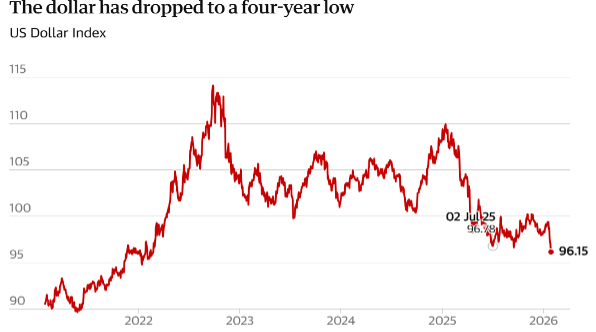
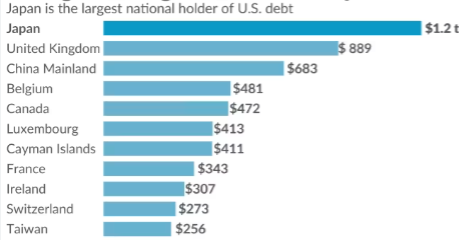
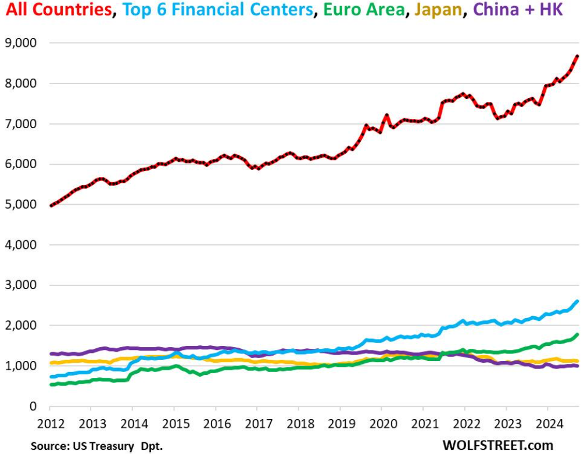
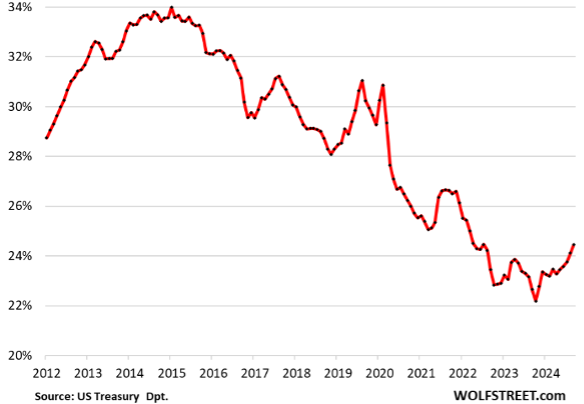
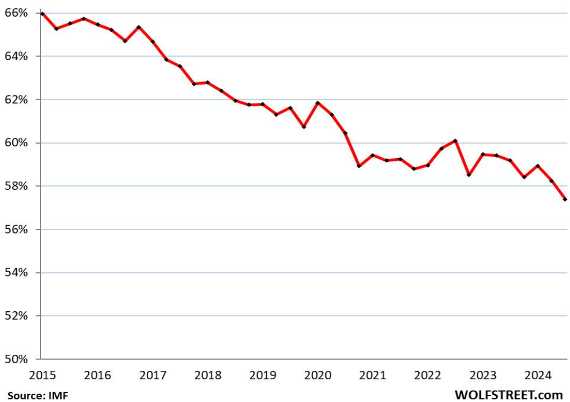
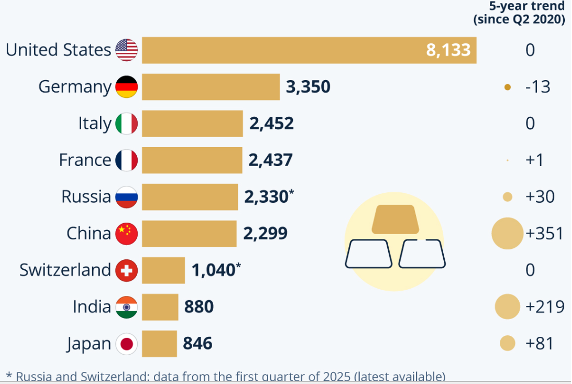
 Dr. Kalim Siddiqui