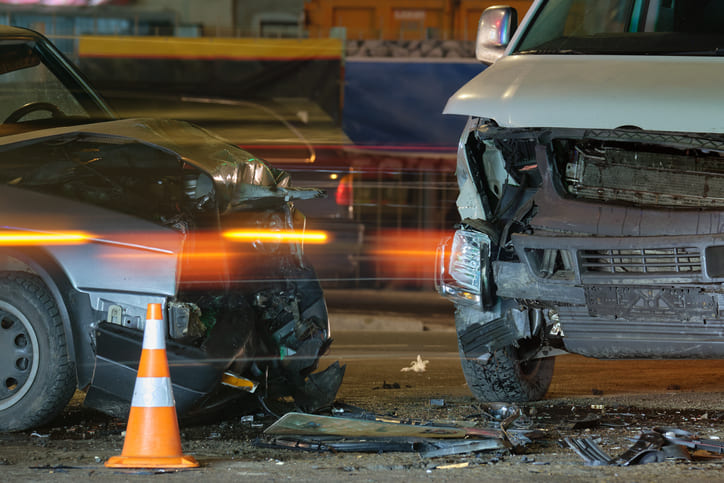
Most often, people leave home for work or travel unaware that a single moment of negligence could drastically change their lives in an instant. Catastrophic car crashes and construction site accidents are not only human tragedies that come with expensive hospitalizations—they are unfortunate events whose impacts resonate significantly with families, workplaces, communities, and the country’s economy. We have witnessed cases firsthand where a single collision or job-site fall left survivors unable to return to their previous line of work, forcing their households to adjust to sudden income loss and lifelong care needs.
While policymakers often discuss safety in terms of regulation and compliance, the deeper reality is that they still fall short of tackling the far-reaching consequences of these preventable incidents—most notably how they drain productivity, destabilize households, and strain the public systems. This article seeks to frame car and construction accidents not just as safety failures but as a national economic liability that demands coordinated, as well as preventive and justice-oriented reform.
A Growing Crisis of Preventable Injuries
In recent years, we have observed a troubling persistence of preventable injuries across the US. National statistics indicate that just last year—in 2024—car accident-related incidents killed more than 36,000 individuals, which translates to 110 fatalities per one million people. Meanwhile, in 2022, the Bureau of Labor Statistics tallied almost one in five workplace deaths in the construction industry, wherein 38.4% were associated with a trip or slip-and-fall.
These statistics are not just mere numbers—they underline the deadly cost of existing gaps in safety awareness and risk management. Even when victims are fortunate enough to survive, their lives may still be severely impacted. Whether on the highway or a job site, those who make it through usually suffer injuries like orthopedic trauma, whiplash, traumatic brain injuries, nerve damage, internal bleeding, or multiple fractures that demand extensive treatment and rehabilitation. Consequently, many deal with chronic pain, reduced mobility, disfigurement, cognitive impairment, or other psychological disorders, which impact their day-to-day survival. This trend suggests a critical need to strengthen education, training, and proactive preventive measures to reduce the frequency as well as the severity of these tragedies.
When Catastrophic Accidents Lead to Household Fallout
When catastrophic injuries or wrongful deaths occur, the impact reaches far beyond the hospital—it also affects almost all aspects of a household, particularly as these events often lead to unexpected financial burdens. The latest Economic Well-Being Report has already indicated that about 37% of Americans struggle to shoulder a $400 emergency expense, which suggests that a large chunk of the population struggles when confronted by sudden challenges. In that context, the financial toll of a severe accident—which frequently requires months or even years of expensive rehabilitation, home modifications, and ongoing medical care—can drive many families to the brink of collapse.
In most cases we have handled, the loss of a primary income is often the first blow. For instance, a construction worker or a car driver who suffers paralysis after a fall or collision may definitely lose wages during a specific period. Yet beyond this, they may also face long-term financial security issues as missed mortgage payments, as well as drained savings and unpaid medical bills, begin to accumulate. At the same time, spouses or family members may step into caregiving roles to take care of their recuperating loved one. Unfortunately, this may force them to surrender their career or reduce work hours, which further narrows the household’s income stream. Also aggravating this problem are insurance policies that deny coverage for home modifications, mobility equipment, or extended in-home care.
Over time, these pressures do not just strain households—they also erode community stability. When affected families are left with no other choice but to drain their savings or take on debt, they also reduce their spending power and increase their reliance on public assistance, thereby weakening their local economy. At this point, one family’s tragedy can escalate into a shared economic burden.
The Economic Repercussions of Catastrophic Accidents
Besides their human toll, catastrophic injuries likewise carry drastic economic consequences that span across various sectors and communities. This is because when workers or motorists are suddenly removed from the labor force after getting injured, productivity drops, household spending declines, and worse, local economies begin to feel the strain. As per the 2023 report posted by the National Safety Council (NSC), motor-vehicle crashes alone cost the US economy as much as $513.8 billion. This amount accounted for lost wages, administrative and legal fees, property damage, medical expenses that are usually drawn from employees’ health insurance, and employers’ uninsured costs. In the same year, work injuries—including those construction-related—also added roughly $176.5 billion, much of which was absorbed by foregone revenues and hospital expenses.
The rippling effects of these accidents are unmistakable. Permanent disability or death erases years of potential earnings, reduces tax contributions, and increases dependence on public aid. And for industries like construction and manufacturing—where skilled labor drives local commerce—a single serious accident can trigger a domino effect as project delays, cost overruns, and employment disruptions affect their operations.
The Strain on Public Health and Emergency Systems
We have seen how every catastrophic accident sets off a chain of consequences that burdens the nation’s healthcare infrastructure. Based on the latest count, at least 5.1 million motor vehicle-related injuries were medically consulted in 2023, while 260,000 individuals were harmed in construction site accidents. These figures illustrate not only the scale of human suffering but also the financial weight shouldered by hospitals, insurers, and public health systems alike.
This issue has been particularly evident in rural and semi-urban communities where trauma units and rehabilitation facilities are very limited. In such areas, patients are usually transported long distances just to receive proper treatment; however, such situations typically result in higher medical costs and delayed care. This strain is also compounded by insufficient trauma surgeons, critical care nurses, and rehabilitation specialists. In fact, each time we work with trauma facilities in these regions, we witness how overextended staff and inadequate resources make recovery more challenging for patients and their families. To cope with this, healthcare providers are often forced to divert their funding and attention from preventive programs to crisis response. And though such a move provides temporary relief to their exhausted workforce, this shift can drive an increase in medical expenses for everyone and worsen inequities in our healthcare system.
Shifting Pressure on the Insurance System
Car and construction accidents continue to place mounting pressure on regional insurance systems. In areas with particularly high incident rates or where employers or individuals have a history of frequent claims, premiums for health, disability, and workers’ compensation coverage often grow steeply. Such an escalation consequently yields financial stress affecting businesses—especially smaller firms—as it limits their capability to expand, hire additional staff, or invest in safety upgrades. True to this, nearly one-third of small businesses discontinued their employee health coverage from one year to the next, mainly due to the skyrocketing cost of insurance premiums.
Meanwhile, insurers have tightened claim standards, which leads to more frequent claim denials and settlement offers that fall short of covering the actual costs of recovery. When this occurs, the financial burden automatically shifts to those who should not absorb it. Families are forced to deplete savings to pay medical bills, while public programs as well as healthcare systems are likewise compelled to cover emergency care, long-term rehabilitation, and several other uncompensated costs. As a result, such situations create a collective financial strain—further exacerbating inequality and undermining trust in institutions meant to provide protection.
Building Resilient Communities After Catastrophic Injuries
Communities that successfully navigate the aftermath of catastrophic injuries do so not by chance but through deliberate and purposeful strategies. They invest in infrastructure and workplace safety as well as strong safety nets for affected families. Although these initiatives require upfront resources, they yield long-term benefits through reduced healthcare costs, stronger workforce productivity, and the ability to attract businesses and maintain economic stability.
Legal advocacy is also a central element in this ecosystem of resilience. In handling cases involving catastrophic injuries, we could attest how personal injury and wrongful death litigation hold negligent parties accountable—whether the harm comes from a reckless driver, a construction contractor cutting corners, or an insurer denying rightful claims. This is because when families secure fair compensation, the money flows back into the local economy as they can already support medical care, caregiving, and housing needs. At the same time, the settlements and verdicts they achieve send a strong message to businesses and industries that negligence carries real consequences.
Making Safety a Policy and Economic Priority
The path forward strongly requires a fundamental shift in how we view safety. As such, we should recognize this matter as a vital economic investment and not just a mere regulatory obligation. By doing so, we can prevent more car and construction accidents and eventually save billions in healthcare costs, preserve workforce capacity, and maintain the stability of families and communities. At this point, policymakers have a critical role to play, particularly in coordinating efforts across transportation, labor, and healthcare sectors to establish a unified framework for injury prevention.
Ultimately, prioritizing human life is the most rational economic policy of all. This is especially true given that the cost of negligence is not only limited to immediate injuries or fatalities—it also undermines household stability, diminishes workforce productivity, and strains public services. By integrating safety into economic planning and policy design, governments and communities can reduce preventable injuries, protect families, and strengthen the resilience of industries.
Safeguarding Financial Stability After Catastrophic Injuries
The truth is that recovering financially from severe accidents or wrongful deaths often hinges on having the right legal guidance. Without proper representation, families can face significant financial strain, especially when insurance companies undervalue claims or refuse coverage for long-term care.
So, if you or a loved one suffers injuries in a catastrophic car crash or construction site accident, seeking assistance from experienced personal injury attorneys is crucial. They can help navigate complex claims as well as negotiate fair settlements needed for ongoing medical care, intensive rehabilitation, necessary home modifications, and even compensation for missed earnings. Essentially, with the proper legal support, families have a greater chance of securing financial stability—all while focusing on recovery and managing other long-term challenges following these life-altering events.
About the Author
O’Brien & Zehnder Law Firm has been advocating for accident injury and wrongful death victims in Elk Grove and nearby Sacramento County communities for the past 26 years. Led by award-winning attorneys John O’Brien and Grant Zehnder, the firm combines compassionate client support with aggressive legal representation to secure full compensation for medical care as well as lost wages and other long-term recovery needs.