Renewed U.S.-Iran hostilities and Israel’s continuing military campaigns reflect rising risks of a wider Middle East conflict and elevated energy and food crises internationally.
The United States and Iran traded new attacks overnight into Thursday, intensifying an exchange that has threatened the collapse of their agreement to end the war. According to President Trump, the ceasefire between the United States, Israel and Iran was “over.”
The deadly exchanges included reported U.S. strikes against Iranian military-related targets, Iranian retaliation against U.S. interests and regional partners, and continued Israeli military operations.
It’s a familiar pattern in U.S./Israel-led regional conflicts. Ceasefires may temporarily interrupt hostilities, but absent an accompanying political framework they fail to resolve the structural drivers of conflict.
The renewed confrontation has expanded beyond the bilateral U.S.-Iran relationship. It now intersects with Israel’s continuing military operations, the Gaza genocide, ethnic cleansing in the West Bank, lethal tensions in Lebanon, persistent unease in Syria, Jordanian balancing between adversaries, Iraqi efforts to avoid being dragged in an economic abyss, the Gulf countries’ disrupted security and broader regional security rivalries.
Rather than isolated crises, these theatres increasingly form an interconnected strategic landscape in which developments in one arena quickly reverberate across others.
Israel’s continuing campaign
Since the June ceasefire, the Netanyahu government has publicly reaffirmed its commitment to maintaining military pressure against Iran. Prime Minister Netanyahu absolutely needs strategic tension at the eve of the fall election.
Military success on individual battlefields does not translate into durable regional stability.
As a result, Israeli leaders argue that previous operations significantly degraded Iran’s military capabilities while emphasizing that continued vigilance remains necessary to prevent their reconstruction. Read: only the Obliteration Doctrine can finish the job.
This declared policy extends beyond Iran itself. Israeli operations have continued in Gaza, southern Lebanon and, periodically, Syria, reflecting a security doctrine that views these fronts as strategically interconnected rather than separate conflicts.
Rather than viewing Gaza, Lebanon and Iran independently, Israeli strategic planning increasingly treats them as components of a single security environment – essentially, a recast Greater Israel vision – shaped by deterrence, military superiority and the perceived need to prevent hostile capabilities from emerging across multiple fronts.
Over time, this strategy has no future. While military operations may reduce immediate threats, they also increase the probability of regional retaliation, strengthen incentives for asymmetric responses and complicate diplomatic initiatives.
Military success on individual battlefields does not translate into durable regional stability.
One regional theatre, not separate wars
The conflicts stretching from Gaza to Iran increasingly resemble a single regional security system rather than discrete wars.
In Gaza, military operations continue amid an ongoing humanitarian crisis. But neither Palestinian genocide nor the West Bank’s settler violence and ethnic cleansing is any longer considered newsworthy.
Along Israel’s northern frontier, exchanges with Hezbollah and operations in southern Lebanon remain volatile. Meanwhile, Israeli mass atrocities and bombardments have displaced over 20% of Lebanon’s population.
Yet, Gaza and Lebanon are barely reported in Western media any longer. When mass atrocities become daily staple, they’re no longer news.
Syria continues to serve as a theatre for strikes targeting military infrastructure associated with Iran and allied groups, with Israel’s incursions into the Quneitra and Deraa provinces, presumably to search civilians.
Caught in the crosshairs, Jordan is scrambling to intercept hundreds of missiles and drones aimed at U.S. and Israeli targets.
As bases housing U.S. troops in Iraq are frequently targeted by Iranian-aligned non-state militias, Iraqi officials can only condemn U.S. strikes on Iraqi soil as a violation of sovereignty. Local citizens bear the brunt of violence. Direct military exchanges between Israel, the U.S. and Iran have moved beyond the proxy confrontations that characterized much of the previous decade.
These theatres are linked through overlapping military deployments, intelligence networks, missile capabilities, logistics corridors and alliance structures. Decisions taken in one arena now have immediate consequences elsewhere.
Strategic costs of escalation
This regionalization also alters strategic calculations. States increasingly evaluate military operations not solely in terms of local objectives but also their implications for deterrence across the wider Middle East.
Paradoxically, escalation risks, which should be reduced and marginalized, have become cumulative rather than isolated – which means that they are being amplified and compounded.
The consequence is a conflict system whose boundaries continue to expand geographically while becoming progressively more difficult to compartmentalize or contain.
Renewed hostilities carry consequences extending well beyond the battlefield. Military expenditures likewise continue to rise as regional governments devote additional resources to missile defense, intelligence, naval deployments and force readiness.
Such expenditures inevitably compete with (and over time, crowd out) longer-term investments in infrastructure, education and economic diversification.
These economic consequences are not confined to the Middle East. Higher transportation costs, volatile energy prices and increased geopolitical uncertainty affect inflation, financial markets and global growth prospects.
As previous periods of regional instability have demonstrated, the cumulative economic burden of sustained military confrontation frequently exceeds the immediate physical destruction associated with individual military operations.
Economic costs of energy shock, food security
The Middle East remains central to global energy markets, maritime commerce and international investment flows. Consequently, even limited disruptions around the Persian Gulf and Strait of Hormuz influence shipping costs, insurance premiums and commodity prices.
Investors typically respond by increasing risk premiums while delaying investment decisions amid heightened uncertainty.
Unlike previous regional crises, the current conflict directly involves the world’s principal energy chokepoint—the Strait of Hormuz—through which roughly one-fifth of globally traded crude oil and a significant share of liquefied natural gas (LNG) exports transit.
Even absent a sustained closure, heightened military risks can raise insurance costs, reroute shipping and increase market volatility.
Under a contained conflict scenario, crude oil prices could remain in the US$85-100 per barrel range.
As economic risks accumulate alongside humanitarian pressures, the space for negotiated political settlements narrows.
However, any prolonged disruption to Gulf shipping or energy infrastructure could push prices toward US$110-140. At the same time, an extreme scenario involving significant interruption of Hormuz traffic could temporarily drive prices above US$150, even if strategic reserves moderate the shock.
Natural gas markets—particularly in Europe and Asia—would experience parallel upward pressure through LNG supply constraints and higher transport costs.
Heaviest burden in the Global South
The implications extend far beyond energy. Higher fuel prices increase fertilizer production costs, transportation expenses and irrigation costs, placing additional pressure on global food systems.
Low-income food-importing countries in North Africa, Sub-Saharan Africa and parts of South Asia would face renewed import inflation, deteriorating balance-of-payments positions and heightened fiscal stress.
Countries already affected by conflict, drought or debt distress would be especially vulnerable. Such indirect consequences often persist long after military operations themselves have subsided.
Whether viewed through legal, humanitarian or strategic perspectives, the cumulative effect is growing pressure on norms that have traditionally governed the conduct of armed conflict.
The renewed U.S.-Iran confrontation, together with Israel’s continuing regional military campaign, spread corrosive damage across the region.
As economic risks accumulate alongside humanitarian pressures, the space for negotiated political settlements narrows.
The original commentary was published by the Informed Comment (US) on July 10, 2026.
Dr. Dan Steinbockis an internationally recognized strategist of the multipolar world and the founder of Difference Group. He has served at the India, China and America Institute (USA), Shanghai Institutes for International Studies (China) and the EU Center (Singapore). He is also the author of The Fall of Israel and The Obliteration Doctrine. For more, see https://www.differencegroup.net
Tell a salaried employee to come back three or four days a week and you have quietly lowered their take-home value. Office days now cost the average worker about $55 in out-of-pocket spending on commuting, parking, coffee, and lunch according to the latest Owl Labs research. Many employees say they would start job hunting if flexibility vanished, and a large share want employers to make them whole, again reflected in the same research. Return to office is not a culture debate. It is a compensation decision that hits wallets first and morale soon after. If leaders want people in seats, the fair move is simple: cover the costs or raise the salary.
When workers go to the office, they pay to work. The typical in-office day now runs about $55, including roughly $15 for the commute, $9 for parking, $13 for breakfast or coffee, and $18 for lunch, with an estimated $37 saved when the same work happens at home, all detailed in the 2025 Owl Labs report. That same source reports an average 31-minute one-way commute for full-time in-office and hybrid employees, which means nearly an hour of unpaid time per day dedicated to moving the body to the same laptop. Those dollars and minutes do not vanish; they come out of the employee’s effective compensation and energy.
If the firm captures the value from in-person collaboration, the firm should absorb the expense that enables it.
Public benchmarks confirm the scale of the transportation drain. The Internal Revenue Service raised the 2025 business mileage rate to 70 cents per mile, recognizing commuting as a substantial operating expense in its IRS announcement. Independent estimates align. AAA’s 2025 driving cost analysis places the average per-mile cost of owning and operating a new vehicle near eighty cents depending on vehicle class and annual mileage. In many downtowns paid parking adds a recurring toll. Even for employees who take transit, daily fares and time costs add up. Because the Tax Cuts and Jobs Act eliminated unreimbursed employee expense deductions for most workers, employees generally cannot offset these costs on their taxes. Mandated presence shifts those unavoidable expenses from the business to the household balance sheet.
For a worker commuting three days a week, the annualized hit easily climbs into the thousands. Employees already understand this reality. In 2025, about two in five say they would start job hunting if remote or hybrid options disappeared, and more than one in five expect a raise to compensate for lost flexibility according to the Owl Labs research. If the office is a business requirement, it belongs on the employer’s ledger, not the employee’s budget.
Mandates do not land evenly. Parents and caregivers shoulder extra logistics that flexible work helps absorb. In July 2025, 68 percent of working parents reported that caregiving responsibilities could affect their performance in the Owl Labs study, a signal that back-to-office rules without support can punish families and especially women. Federal researchers add context. A 2025 Census working paper links high childcare prices to reduced maternal labor force participation, and the St. Louis Fed’s state-by-state analysis shows care is expensive in every state while wages in the sector remain low. When an employer removes remote options, families often absorb new paid care hours or tighter, pricier scheduling. That is a second pay cut layered onto commuting and parking.
Time is the scarce resource that RTO taxes most aggressively. The same Owl Labs research that documents the 31-minute one-way commute also shows how much employees value schedule control, with strong preferences for flexible hours. Forcing rigid presence transfers planning and cost back to the household. Stress levels rose for many workers year over year in the report, and monitoring concerns remain common. Add a commute tax and daily out-of-pocket spending and you have a recipe for disengagement that shows up first as quiet resistance and then as attrition.
The retention risk is measurable. Gartner’s 2024 survey found that more than one third of senior-level candidates who faced an RTO mandate at their current employer said it influenced their decision to leave. The Owl Labs study shows that the overwhelming majority of employees can be convinced to come to the office with the right incentives, led by higher compensation and covered commuting or parking costs. Fairness is not abstract here. If the firm captures the value from in-person collaboration, the firm should absorb the expense that enables it.
Some leaders still defend mandates on productivity grounds. The evidence does not support that blanket claim. In a randomized hybrid trial at a global tech company, researchers found that allowing two at-home days per week held performance steady while attrition fell by 33 percent, as documented in the NBER working paper.
Outside of trials, remote work remains a normal part of the U.S. labor market. The St. Louis Fed’s FRED series on the share of paid days worked from home shows sustained levels through 2025 in the national dataset, consistent with sector-level measures such as the information industry series. Managers themselves recognize the performance upside of flexibility. In 2025, 69 percent say hybrid or remote arrangements have made their teams more productive in the Owl Labs data.
If productivity and engagement do not hinge on mandates, then office days are a design choice rather than a necessity. That reframes the compensation question. A fair policy treats mandated presence as a work expense to be reimbursed. Companies can align vehicle reimbursement with the 2025 IRS mileage rate, provide transit and parking subsidies that reflect local prices, and ensure no one loses money by complying with a schedule. They can recognize the spillover costs that hit caregivers and offer targeted childcare stipends on peak days. They can add small but meaningful supports such as lunch stipends on office days to neutralize the food differential documented in the Owl Labs report. These steps do more than reimburse. They signal respect for employees’ time and circumstances and convert office presence from a tax into a supported choice.
Return to office reduces effective pay by shifting real costs and lost time onto employees.
This approach also clarifies manager intent and rebuilds trust after years of mixed signals. When leaders set in-office expectations and pair them with real financial support, they transform a mandate into an offer. Hybrid schedules then become a performance tool used when co-location creates value rather than a symbolic exercise in visibility. Executives who still prefer more frequent in-office rhythms can make their case in business terms and attach a transparent salary premium so employees see a fair trade. In a labor market where top performers have options, paying for the office is cheaper than paying for churn.
Return to office reduces effective pay by shifting real costs and lost time onto employees. The latest Owl Labs research shows meaningful daily expenses, long commutes, and heightened strain for caregivers, while academic and economic evidence in the NBER trial and FRED dataset confirms that flexibility sustains retention without harming performance. If leaders want people back, they should treat the office like any other business input and fund it accordingly through commute reimbursements, parking and transit support, childcare stipends, and day-of-work meal coverage, or by offering a transparent salary premium. RTO is a compensation choice. Make it a fair one, and the office becomes a magnet rather than a mandate.
One of the most common questions e-commerce leaders ask is: What is a good conversion rate for e-commerce? The answer seems straightforward. Find the industry benchmark, compare the numbers, and determine whether the online store is performing well.
In reality, conversion rate optimization (CRO) is far more nuanced than that. While industry benchmarks can provide useful context, they rarely tell the full story. A conversion rate that is considered excellent for one business may be disappointing for another. Product category, traffic source, pricing, customer intent, and overall customer experience all influence performance.
According to Amelia Castellanos, founder of Buffaloe Digital, businesses often become overly focused on benchmark comparisons when they should be concentrating on improving the customer journey.
“Benchmarks are valuable for context, but they are not the ultimate goal,” Castellanos says. “What matters is understanding where your business is today and identifying the opportunities to improve conversion performance over time.”
Buffaloe Digital is a digital growth consultancy that helps e-commerce brands improve conversion rates, increase customer lifetime value, and scale profitably through customer journey optimization, retention marketing, and lifecycle strategy. The company focuses on identifying friction across the full customer experience and applying data-driven CRO and marketing strategies to convert more traffic into customers and increase repeat purchases and long-term revenue growth.
When discussing e-commerce benchmarks, many business owners immediately look for a universal number. Questions about average Shopify conversion rate, CRO benchmarks 2026, and online store performance metrics consistently rank among the most searched topics in the industry.
The challenge is that averages can be misleading. A luxury furniture retailer, for example, may naturally convert at a lower rate than a business selling low-cost everyday products. Similarly, a store attracting high-intent visitors through branded search traffic will often outperform a business relying heavily on cold paid traffic.
As a result, conversion rates should always be evaluated within the context of the broader e-commerce customer journey. Traffic quality is often one of the biggest factors influencing performance.
Businesses frequently focus on customer acquisition while paying less attention to whether they are attracting the right audience. High traffic volumes may look impressive in analytics reports, but if visitors arrive without strong purchase intent, conversion rates can suffer.
This is why customer journey mapping plays such an important role in e-commerce optimization. Understanding how customers discover, evaluate, and purchase products provides valuable insight into where friction exists and which improvements can have the greatest impact.
User experience optimization is another critical variable. Many online stores lose potential customers because the buying process feels unnecessarily complicated. Slow-loading pages, confusing navigation, poor mobile experiences, and lengthy checkout processes can all reduce conversions regardless of traffic quality.
Effective website conversion optimization focuses on removing these barriers. Successful brands create a digital customer experience that helps visitors find information quickly, evaluate products confidently, and complete purchases with minimal effort.
Shopify optimization is particularly important as more brands rely on the platform to support growth. Small improvements in site speed, mobile usability, product presentation, and checkout functionality can significantly improve overall conversion performance.
Pricing strategy also influences benchmark comparisons. A higher-priced product often requires a longer decision-making process than a lower-cost purchase. Customers may visit multiple times before converting, making customer engagement strategy and lifecycle marketing essential components of the sales process.
Rather than viewing conversion rates in isolation, businesses should evaluate them alongside other online store performance metrics such as average order value, customer lifetime value, repeat purchase rates, and retention performance.
This broader perspective supports more effective revenue optimization and sustainable business growth. Customer retention marketing frequently becomes the differentiator between average and exceptional e-commerce performance.
Brands that focus exclusively on first-time purchases often overlook the value of customer lifecycle management. A strong retention marketing strategy helps businesses increase repeat purchases, improve customer loyalty strategy outcomes, and maximize long-term profitability.
Post-purchase optimization is particularly important. Follow-up communication, personalized recommendations, loyalty programs, and customer-centric marketing initiatives all contribute to stronger customer acquisition and retention results.
For growing brands, conversion-focused marketing should be viewed as a continuous process rather than a one-time project. According to Castellanos, the most successful businesses consistently test, measure, and refine every aspect of the customer experience.
“The goal isn’t simply to hit an industry benchmark,” she says. “The goal is to create a better experience for your customers and continuously improve the metrics that drive growth.”
That philosophy shapes Buffaloe Digital’s approach to e-commerce consulting, digital growth strategy, fractional CMO services, outsourced CMO leadership, performance marketing strategy, and e-commerce growth consulting. Through customer experience strategy, digital transformation strategy, and data-driven CRO initiatives, the company helps brands improve performance relative to industry benchmarks while building stronger long-term customer relationships.
For businesses wondering what constitutes a good conversion rate for e-commerce, the most useful benchmark may not be an industry average at all. Instead, it is the ability to consistently improve the customer journey, reduce friction, strengthen retention, and create a shopping experience that converts more visitors into loyal customers. In the long run, those improvements matter far more than any single benchmark figure.
At present, amid rising right-wing extremism in Europe, Umayyad al-Andalus (8th–10th centuries) offers vital lessons on coexistence and progress. Dr Kalim Siddiqui examines how military consolidation, taxation, trade, and agricultural innovation—through new crops, expansion of irrigation, and cultivation methods—fuelled urban prosperity and intellectual achievement. Córdoba emerged as Europe’s preeminent knowledge hub, transmitting Greek and Arabic scholarship via state-sponsored medicine, science, and multiculturalism—a legacy that shaped European civilisation.
I. Introduction
This study addresses a critical lacuna in economic historiography by challenging the enduring myth that civilisational progress and scientific innovation were exclusively European phenomena. This narrative, which posits a linear trajectory of advancement from Greece and Rome through to modern Europe, has historically served to delegitimise the intellectual and material contributions of non-Western societies. As Edward Said (1978) argued in Orientalism, this intellectual framework was not merely an academic curiosity but a constitutive element of imperial ideology. Said demonstrated how Western scholarship constructed the “Orient”—encompassing the Middle East, Asia, and North Africa—as an exotic, irrational, and inferior “Other.” (Said, 1978)
This discursive formation, replete with stereotypes of despotism, stagnation, and fatalism, was systematically deployed to justify European colonial expansion. By portraying non-European peoples as incapable of self-governance or genuine progress, European scholars and ruling elites naturalised their own civilising mission, while simultaneously obscuring the flows of knowledge, technology, and capital that had long moved from the Global South to Global North.
Against this backdrop, the present study argues that a rigorous, empirically grounded examination of economic history serves as a powerful antidote to such Eurocentric distortions (Siddiqui, 2020). Specifically, we focus on the Iberian Peninsula during the 9th and 10th centuries—a period often marginalised in mainstream European economic narratives.
This study contends that the advancements achieved in al-Andalus in agriculture, medicine, astronomy, mathematics, urban infrastructure, and public health were not only superior to those found in contemporaneous Christian Europe but were also directly facilitated by the knowledge systems and labour of North African and Middle Eastern peoples. This historical reality fundamentally undermines the myth of European autarky in progress—a myth that has been aggressively propagated since the 16th century, coinciding with the rise of transatlantic slavery, systematic colonial plunder, and the global hegemony of European powers.
By reconstructing the political economy of this period, this paper aims to achieve three objectives: (1) to provide a fact-based corrective to the teleological narratives of European exceptionalism; (2) to demonstrate the material and institutional mechanisms through which non-European knowledge was diffused and implemented in the Iberian context; and (3) to contribute to ongoing debates in political economy regarding the relationship between state structures, cultural exchange, and long-term developmental outcomes. In doing so, the study not only recovers an important but often underappreciated chapter of economic history, but also demonstrates how historical narratives themselves can shape contemporary understandings of development, power, and global inequality.
Al-Andalus—the historical Arabic designation for the Muslim-ruled territories of the Iberian Peninsula, corresponding primarily to modern-day Spain and Portugal—serves as the focal point of this study. The economic prosperity of Umayyad’s al-Andalus in the 9th and 10th centuries, this study argues, arose from a mutually reinforcing dynamic between state consolidation and economic expansion. Military-backed central authority furnished the political stability essential for agricultural, industrial, and commercial growth, while the resulting fiscal revenues simultaneously financed state institutions and reinforced Umayyad legitimacy (Kennedy, 1996).
The state actively engineered this process through deliberate policies: urban foundation (notably Almería), agricultural investment in irrigation and the introduction of new crops and cultivation techniques—which generated a substantial rise in productivity and farm incomes—industrial clustering, and monetary regulation. Collectively, these interventions positioned al-Andalus as a paradigmatic case of state-directed economic development in early medieval Europe.
The economic expansion of Umayyad al-Andalus in the 9th – 10th centuries, this study argues, arose from a mutually reinforcing dynamic between state consolidation and economic expansion. A military-backed central authority furnished the political stability necessary for agricultural, industrial, and commercial growth, while the resulting fiscal revenues simultaneously financed state institutions and reinforced the regime’s legitimacy.
The stability achieved by Abd al-Rahman III in the 10th century was not merely a political triumph but a victory in both class and military warfare, secured through systematic consolidation of force.
A military-backed central authority furnished the political stability necessary for agricultural, industrial, and commercial growth, while the resulting fiscal revenues simultaneously financed state institutions and reinforced the regime’s legitimacy. Critically, the Umayyad state did not merely facilitate but actively engineered this process through deliberate policy choices: the foundation of commercial cities such as Almería, state-supported irrigation projects and the introduction of new crops and cultivation methods—which drove a significant rise in productivity and farmers’ income—industrial clustering, and monetary regulation. These interventions positioned al-Andalus as a distinctive model of state-directed economic development in early medieval Europe.
II. Economic Growth: The Engine of the State
The economic prosperity of the Umayyad Caliphate in the 9th-10th century rested on two mutually reinforcing pillars: a transformative agricultural revolution and a sophisticated system of state finance. Rather than functioning as separate sectors, these elements formed an integrated model of economic growth in which agricultural surplus stimulated urban expansion, commercial development, trade and fiscal revenue.
Beyond maintaining political stability and security, the Umayyad state pursued deliberate policies to promote economic development, with agriculture serving as the foundation of al-Andalus prosperity. Recognizing its central importance, Umayyad rulers invested extensively in agricultural infrastructure by constructing canals, expanding irrigation networks, claiming new lands under cultivation and restoring existing Roman water systems. These improvements enhanced the land productivity and supported the cultivation of a wider variety of crops.
The agricultural transformation was further strengthened by the introduction of new crops from the Arab countries, including rice, sugarcane, cotton, citrus fruits such as oranges, pomegranates, coconuts, vegetables, and spices. At the same time, farmers adopted more advanced cultivation techniques, including scientific methods of irrigation, improved agricultural technologies, and seasonal farming calendars that increased yields and optimized land use. Land reforms and lands rights to peasants also contributed to agricultural expansion by reducing the dominance of the latifundia (large landed estates) and encouraging a more equitable distribution of farmland.
Collectively, these innovations transformed al-Andalus into one of the most productive agricultural regions of the medieval world. The resulting abundance of food and agricultural commodities supported population growth, urbanization, expanding trade networks, and increased state revenues, leading many contemporary writers to describe al-Andalus as a “paradise on earth.”
The stability achieved by Abd al-Rahman III in the 10th century was not merely a political triumph but a victory in both class and military warfare, secured through systematic consolidation of force. A standing, professional army—unprecedented in its discipline for medieval Iberia—served a dual purpose: it not only enforced tax collection across the often-recalcitrant countryside but also underpinned the entire economic system.
The government was able to accumulate immense wealth, estimated at ten million dinars annually, depended on the regular, extraction of surplus from agricultural producers, urban artisans, and commercial enterprises. State formation in this context was, in essence, the establishment of a more efficient and centralised mechanism of surplus appropriation—one that broke the power of local warlords and autonomous governors who had previously siphoned revenues away from the Umayyad treasury.
This financial power derived from a sophisticated and multi-layered taxation system that covered agricultural production, trade, manufacturing, and other resources (Siddiqui, 2026a). The state levied taxes on land (the kharaj), on non-Muslim communities (the jizya), and on commercial transactions, while also collecting customs duties at ports and urban markets. The strong military ensured regular collections, deterring evasion and rebellion, and filling the treasury with revenues that created a powerful cycle of reinvestment (Bovill, 1968).
This surplus, in turn, financed an expanding network of roads and sea routes, facilitated the growth of an extensive bureaucracy staffed by trained administrators, sustained a professional standing army capable of projecting power both internally and externally, and underwrote major architectural projects—including the monumental palace-city of Medina Azahara and the expansions to the Great Mosque of Córdoba. These projects were not merely displays of wealth; they functioned as instruments of state legitimacy, visually asserting the Caliph’s authority over both the al-Andalus elite and the broader population (Meyer, 2013).
The economic dynamism of al-Andalus is vividly reflected in its urban life, where the concentration of capital and state patronage created conditions for unprecedented cultural and commercial flourishing (Siddiqui, 2015). In the 10th century, Córdoba—often regarded as the medieval world’s most cosmopolitan and sophisticated city—boasted 1,600 mosques, 900 public baths, and over 80,000 shops and businesses. Its streets were well paved, with raised sidewalks for pedestrians, and at night, lamps illuminated miles of thoroughfares, making it remarkably akin to a modern city in its infrastructure and urban planning.
This urban sophistication was not accidental; it reflected deliberate state investment in public works, sanitation, and amenities that attracted traders, scholars, and artisans from across the known world. The public baths, for instance, were not merely places of hygiene but social and cultural hubs, while the mosques functioned as centres of learning and community life. The sheer density of commercial establishments—80,000 shops—indicates a thriving mercantile economy supported by state-backed coinage, secure trade routes, (Siddiqui, 2019) and a legal framework that protected property and contract rights.
Regional specialisation further distinguished al-Andalus urban centres, creating an integrated economic network that linked rural production with urban processing and trade. Toledo was renowned for its arms and armour, Jaén for silk, Lisbon for honey and amber, and Játiva (modern Valencia) for papermaking—a craft so advanced that its products became famous throughout the Muslim world and later influenced European book production. Almería, meanwhile, emerged as a major port and textile centre, while Seville served as a commercial gateway to the Atlantic (Kennedy, 1996).
This geographical concentration of industries, often under state supervision or with state patronage, fostered technical expertise, healthy competition, and the cross-pollination of skills. Artisans and merchants formed guild-like associations, and the state-maintained inspectors (muhtasibs) who regulated weights, measures, and quality standards, ensuring consumer confidence and market stability (Siddiqui, 2015),
At its peak, Córdoba was Europe’s second-largest city after Constantinople, with a population estimated at over 100,000—and possibly as high as 250,000—while Paris and Rome each had fewer than 50,000 inhabitants in the year 1000. This demographic and economic disparity is a powerful testament to the urban and economic dynamism of al-Andalus under Umayyad rule. Yet this urban splendour rested on an often-invisible foundation of rural labour, coercive taxation, and social hierarchy. The irrigation systems that sustained agricultural abundance required forced labour, and the tax collectors who ensured the flow of revenue were often backed by the Caliph’s soldiers.
Moreover, while the urban economy benefited immensely from state investment and long-distance trade (Bovill, 1968), it also generated new forms of social inequality. Wealth accumulated in the hands of merchants, officials, and military commanders, while urban artisans and labourers faced precarious conditions. The palaces and gardens of the elite stood in stark contrast to the modest dwellings of the working poor, even as both inhabited the same city walls. Córdoba’s sophistication, in other words, was as much a reflection of state power and class hierarchy as it was of cultural refinement.
E. W. Bovill’s (1968) The Golden Trade of the Moorsadvances a methodological synthesis of anthropology, economic geography, and environmental history, reconceiving the Sahara not as an inert barrier but as a dynamic corridor shaped by human agency. The study’s empirical weight rests on ninth- and tenth-century commercial flows between sub-Saharan West Africa and al-Andalus, wherein caravans transported gold, spices, ivory, and ores northward in exchange for salt, textiles, and manufactured goods. Yet Bovill insists these transactions exceeded the material, enabling the diffusion of Islamic legal traditions, astronomical knowledge, and commercial practices across the Maghrib and into Europe. In doing so, he recasts the Sahara as a bridge of ecological adaptation and reciprocal influence, fundamentally reorienting the economic trajectories of both Africa and the Mediterranean (Bovill, 1968).
Nevertheless, the fiscal and urban achievements of the Umayyad Caliphate represented an extraordinary historical conjuncture—one in which military power, administrative efficiency, and commercial vitality combined to create a society whose material and cultural accomplishments rivalled anything in contemporary Europe or the Middle East. The state’s ability to extract and reinvest surplus, to regulate markets and industries, (Siddiqui, 2015) and to project power both within and beyond its borders, created the conditions for a golden age that would leave an indelible mark on European history. Yet it was precisely this dependence on centralised extraction and elite patronage that made the Caliphate vulnerable—a vulnerability that would become devastatingly apparent when in the 11th century the fitna tore apart the fragile fabric of Umayyad rule and fragmented the al-Andalus state into warring taifa kingdoms.
III. The Agrarian Transformation in al-Andalus
Historians had characterized the agricultural boom of early medieval Iberia as an “Islamic Green Revolution.” Recent scholars, however, argue that the transformation was neither rapid nor uniformly top-down, but rather a protracted and contested process shaped by the competing agendas of state elites, urban investors, and rural communities (Civantos, 2022).
Two overlapping dynamics defined this agrarian shift. The first was a state-led initiative to construct large, irrigated estates—such as the sophisticated hydraulic networks near Córdoba and Madinat al-Zahra—designed to maximize surplus for the treasury and urban markets. The second, often overlooked, was the agency of local farmers, who independently extended dryland cultivation, adopted small-scale irrigation, and integrated new crops into existing systems. The state did not simply impose change from above; it also encouraged farmers to participate in regional trade networks, facilitating the broader diffusion of agricultural practices (Siddiqui, 2015).
The impact is visible in the crop record. Improved irrigation made possible the cultivation of rice, sugar cane, cotton, and citrus fruits (oranges, lemons, peaches) in southern Europe. Archaeological data indicate substantial production of high-yield crops during the 9th-10th centuries, particularly in coastal zones. The establishment of large irrigated areas, such as the huerta of Ricote, testifies to a lasting transformation that owed as much to local adaptation.
This development was not purely peaceful. The intensification of commercialization and fiscal extraction, coupled with elite investment, generated significant social tensions. Land concentration and the dispossession of small farmers became widespread, revealing that state-led capital accumulation rested on increasing rural inequality and social conflict (Civantos, 2022). The political economy of 9th–10th century al-Andalus was thus deeply contradictory: immense state power and economic prosperity sustained through constant, renegotiation of state–society relations. Córdoba’s flourishing exemplifies this dual nature—a brilliant urban and agricultural civilization built on elite investment, peasant labour, and a fragile peace enforced by military might.
The agrarian transformation under Moorish rule was considerably more advanced than in contemporary Europe, largely due to the state’s active role in disseminating new seeds, promoting innovative techniques, and expanding irrigated land (Siddiqui, 2015). The scale of technological and scientific knowledge introduced to Spain arguably surpassed that of earlier empires, including those of Alexander the Great or Rome.
The Moors introduced cotton in the 9th and rice to Europe in the 10th century. The state encouraged farmers to learn improved methods for enhancing soil fertility, and instructed farmers in new tools, plants, and manures and ultimately improved agricultural productivity. Furthermore, the state constructed extensive canal networks not only to irrigate farmlands but also to supply water for houses, mosques, and palaces. Equally important were advances in food preservation and storage: techniques allowed wheat to be stored for up to a hundred years, and drying methods enabled figs, plums, cherries, and apples to remain edible for several years—innovations that significantly enhanced food security and commercial exchange.
For al-Andalus peasants, irrigation was always the preferred agricultural strategy; the colonization of rainfed lands was a second-best option, adopted only under specific conditions. Rainfed farming entailed greater risks and lower profits, and despite significant technical advances, al-Andalus agriculture remained vulnerable to weather-dependent harvest failures. Livestock husbandry faced persistent challenges, with high mortality rates due to epidemics. Consequently, the colonization of dry lands cannot be explained solely by population growth or peasant initiative (Meyer, 2013).
This pattern stands in marked contrast to developments in western Europe. Between the second half of the 10th century and the mid-13th century (until the Black Death crisis), a sustained demographic and agricultural expansion known as the “great expansion” or “economic revolution” unfolded in medieval Spain and Portugal. This period also saw increased mercantile exchange and market production. In peasant villages, both the expansion of cultivation onto new lands and the intensification of stock-keeping were actively encouraged—evidenced by underground grain silos and housing architectural features. This mixed strategy was designed to maximize survival through economic diversification.
Historians continue to debate the nature and extent of the “Islamic Green Revolution.” Some, following the pioneering work of Andrew Watson, emphasize the transformative introduction of Eastern crops and techniques, framing it as a decisive break from classical and Visigothic agriculture. Others, such as Eduardo Manzano Moreno and Miquel Barceló, caution against overstatement, pointing to the persistence of Roman-era irrigation, the limited geographical reach of new crops, and the role of environmental constraints such as aridity and soil salinity. They argue that the revolution was less a sudden rupture than a gradual, uneven synthesis—one that combined imported knowledge with local adaptation and, in many cases, simply intensified existing practices.
However, the fact is that the huge transformation took place during this period. The crops that became staples of al-Andalus’s agriculture—rice, sugar cane, cotton, citrus fruits, and saffron—were not merely introduced and perfected through centuries of experimentation. The hydraulic technologies developed under Umayyad patronage, from norias to qanats, persisted long after Christian reconquest, shaping the agricultural landscapes of Iberia well into the modern era (Siddiqui, 2026b).
And the intellectual currents that flowed from Córdoba’s libraries and academies—translations of Greek science, Arab agronomy, and Persian medicine—filtered into the universities of Europe, contributing to the intellectual ferment that would eventually birth the Renaissance.
IV. The Economy of al-Andalus
Naval power became a crucial dimension of Umayyad economic strategy. Shortly after the conquest of Iberia, the need to control the Strait of Gibraltar, counter Viking raids, and launch attacks on Christian coasts drove the development of a fleet, but naval strength also served commercial purposes, with exchanges with Christians continuing during truces.
A key development was the government investment in Mediterranean port cities. The founding of Pechina (later Almería) and the construction of arsenals allowed the caliphate to assert control over the western Mediterranean and affirm its universalist ambitions. By 931, Pechina had become the caliphate’s principal Mediterranean port. In 955–956, after a Fatimid naval attack destroyed Pechina, Caliph Abd al-Rahman III founded the new city of Almería, which grew rapidly into perhaps the most active port in the western Mediterranean by the 10th century. This expansion was not solely top-down: Pechina’s foundation in the 880s involved Yemeni tribes settled for coastal defence, people from the bishopric of Urci, and broader Umayyad encouragement.
Al-Andalus’s strategic geography made it a natural hub for Mediterranean trade. A growing population—Córdoba reportedly reached 500,000 inhabitants—drove rising consumers demand for food and other commodities, while high productivity created vibrant internal and external markets (Meyer, 2013).
The minting of gold and silver coins facilitated transactions. Trade was the main source of revenue for the Umayyad state, and al-Andalus played a crucial role as a “middleman” in exchanges between Christian Europe and the Muslim East. Government support, including commercial markets and port facilities, further spurred prosperity (Bovill, 1968).
From the late 9th and early 10th centuries, maritime trade expanded significantly. Sailors (bahriyyūn) from the southeastern coasts of al-Andalus were active across the western Mediterranean, even participating in the Aghlabid conquest of Sicily in 827—an early sign of interaction. In the 10th century, enhanced naval strength increased Córdoba’s influence on trade routes and fostered commercial relations with the Maghreb and Europe, with Maghreb trade being particularly significant (Kennedy, 1996).
Agriculture thrived across al-Andalus, with crops such as melons, beans, lettuce, cotton, rice, and sugar cane cultivated in the Levant and southeastern Spain. Olive and citrus orchards—especially oranges and lemons—flourished in Seville, Córdoba, Jaén, and Málaga, and olive oil was exported to Morocco and the East. Despite the Qur’anic prohibition of alcohol, wine consumption remained widespread under the Umayyads and the Taifa kingdoms, with even Caliph Abd al-Rahman III reputed to be a wine drinker.
Stockbreeding and mining were also vital to the economy. Sheep and goats were raised, with annual transhumance practised in central Spain and Valencia. Beekeeping was introduced on a large scale, and honey was widely used in medicine. Arabian and Barbar horses were brought to the peninsula; their crossbreeding with heavier European stock gave rise to the al-Andalus horse, or Pure Spanish Horse. Horses were bred in the Guadalquivir marshes and the mountains of Ronda, and from the 10th century onward, their sale was restricted. Camels were also introduced, though they remained scarce, as their use was ill-suited to Spain’s ecological conditions.
Mining and manufacturing formed another cornerstone of the economy. The extraction of gold and silver enabled the Umayyads to mint their own coinage, while ironworking, woodworking, ceramics, jewellery-making, and paper production all thrived under state oversight and regional specialisation. Textile manufacturing was particularly prominent. Cotton and silk cultivation—largely carried out by women—along with madder and woad for dyeing, supplied a robust industry centred in cities such as Córdoba, Málaga, and Almería. By the 10th century, Almería had become a major textile hub, with some 800 looms producing fine fabrics, including scarlet tunics, gold brocades, curtains, veils, velvet, and carpets. Except for state-run workshops and mints, production took place not in large factories but in numerous small artisan shops, whose practitioners typically lived near the mosque and the market (zoco).
Muslim Spain was also renowned for its fine metalwork, glass, and pottery. Al-Andalus metalworking in gold, silver, and ivory reached exceptional refinement by the time of the Caliphate of Córdoba, achieving a quality that rivalled Byzantine jewellery. Al-Andalus pottery—blending Late Roman, Berber, and Oriental styles in a distinctive manner—was popular across the Mediterranean, with major production centres at the palace-city of Medina Azahara, Calatayud, and Málaga, and typically featuring three widely used colours (Meyer, 2013).
In the 9th century, the Cordoba’s polymath Abbas ibn Firnas developed a procedure for glass manufacture, leading to established glass industries in Córdoba and Málaga, both of which became exporters.
V. Knowledge, Coexistence, and the Making of Medieval Europe’s Intellectual Capital
Beyond material wealth, al-Andalus became a beacon of knowledge—a radiant intellectual centre whose influence extended far beyond the Iberian Peninsula. Córdoba rose as Europe’s undisputed capital of learning and luxury, admired and envied across continents. Scholars taught botany, zoology, geology, and medicine in an order that mirrors modern earth and life sciences, reflecting a remarkably systematic approach to knowledge that was absent from most of contemporary Europe.
Historical studies emphasised causation and critical analysis, while religious law (Sharia) was also central to education, integrating sacred and secular learning in ways that would later influence European university curricula.
Translations from Arabic—the medieval language of science—provided vital intellectual links between Spain, Portugal, France, Italy, and England. These translations transformed Europe by introducing groundbreaking advancements that would fundamentally reshape Western civilisation:
Mathematics: The Hindu-Arabic numerical system, including the revolutionary concept of zero, replaced cumbersome Roman numerals, enabling complex calculations. Algebra (from the Arabic al-jabr) and algorithms (from al-Khwarizmi) provided new tools for commerce, astronomy, and engineering.
Astronomy: Advanced observatories and precision instruments such as the astrolabe improved navigation and deepened understanding of the solar system. al-Andalus astronomers refined Ptolemaic models and made original contributions to planetary theory, influencing later European astronomers like Copernicus.
Paper: Introduced to Europe via the Islamic world, paper replaced expensive parchment and enabled the widespread dissemination of knowledge. The paper mills of Játiva (Valencia) became famous throughout the Mediterranean, supplying the growing demand for books and manuscripts.
Medicine: Europe’s first major medical schools and hospitals were established in Córdoba and Toledo, where physicians like Abu al-Qasim al-Zahrawi (Albucasis) pioneered surgical techniques, antiseptics, and pharmacology. His monumental Kitab al-Tasrif—a thirty-volume medical encyclopaedia—became a standard text in European universities for centuries.
Public Services: High standards of hygiene, public baths, and street lighting were introduced to European cities through al-Andalus models. Córdoba’s paved streets, raised sidewalks, and illuminated thoroughfares were unprecedented north of the Pyrenees.
Architecture: Distinctive elements—horseshoe arches, ribbed domes, intricate geometric tilework (azulejos), and enclosed riad courtyards with central fountains—became widespread across the Mediterranean. The Alhambra in Granada and the Great Mosque of Córdoba remain iconic examples of this architectural synthesis, blending Roman, Visigothic, and Eastern influences into a uniquely al-Andalus style (Meyer, 2013).
The centralized Caliphate, supported by formidable military power and a sophisticated fiscal system, catalysed an agricultural, industrial, educational and commercial revolution. This prosperity financed military expansion and urban magnificence and also a remarkable intellectual flourishing that profoundly shaped medieval Europe. Under Umayyad patronage, scholars learned and built upon Greek, Persian, and Indian traditions to advance astronomy, mathematics, optics, and medicine and further developed it (Siddiqui, 2025a).
State investment in libraries, hospitals, and observatories transformed Córdoba into a leading centre of learning, attracting scholars from across the known world. Its celebrated library, reputed to house hundreds of thousands of volumes, symbolized this intellectual ambition, while physicians such as Abu al-Qasim al-Zahrawi (Albucasis) produced medical encyclopaedias that remained standard references in European universities for centuries.
VI. The Multicultural Society and Scholarly Collaboration
The multicultural society of al-Andalus is often celebrated as a rare medieval haven where Muslims, Christians, and Jews coexisted peacefully, sharing knowledge, research, and culture—and, as historians note, contributing equally to economic life regardless of faith. Yale professor María Rosa Menocal highlights this period as an exceptional moment of cultural symbiosis, a “culture of translation” in which scholars from all three religions worked side by side to recover, preserve, and expand upon the intellectual heritage of Greece, Rome, Persia, China, and India (Civantos, 2022).
Al-Andalus serves less as a blueprint for multiculturalism than as a mirror of enduring political-economic dilemmas. It anticipated modern challenges: sustaining innovation amid social divisions, balancing regional autonomy with fiscal centralization, and reconciling cosmopolitan aspirations with local loyalties. Its trajectory—from Emirate to Taifa to Reconquista—illustrates that no institutional order outlives the compromises on which it is founded (Meyer, 2013).
At the heart of this intellectual ferment was Córdoba, a vibrant centre of scholarly collaboration where Muslim, Jewish, and Christian thinkers translated and preserved Greek, Indian, Chinese, Arbian and Roman texts—works of philosophy, medicine, astronomy, and mathematics that had been lost or neglected in Latin Christendom (Siddiqui, 2025b).
This vision of al-Andalus as a beacon of scholarly coexistence resonates powerfully with modern audiences seeking historical models of tolerance and intercultural dialogue. The great library of Córdoba, said to contain over 400,000 volumes, was not merely a repository but a living laboratory of ideas, attracting scholars from across the known world—from Baghdad to Byzantium, from North Africa to northern Europe (Meyer, 2013).
The translation movement was particularly significant for its role in the transmission of Aristotelian philosophy, which had been largely unknown in Western Europe. Al-Andalus philosophers such as Ibn Rushd (Averroes) and Ibn Maimun (Maimonides)—a Muslim and a Jew respectively—produced commentaries on Aristotle that would later be translated into Latin and become foundational texts in the universities of Paris, Oxford, and Bologna (Siddiqui, 2025a).
Similarly, the medical works of Ibn Sina (Avicenna) and al-Razi (Rhazes), transmitted through al-Andalus intermediaries, shaped European medical practice for centuries. The Toledan Tables, astronomical charts compiled by Muslim and Jewish scholars in 11th-century Toledo, became essential navigational tools for European sailors and were used by Christopher Columbus himself.
Despite some historians have taken biased view towards Umayyad period. It is true that non-Muslims were permitted to practice their faiths, they were subject to specific taxes (jizya) under Islamic law, but their safety and equality before the law was guaranteed. Non-Muslims could work in government administration offices, and could build new places of worship without permission. The multicultural character of al-Andalus society was contingent upon Umayyad power and patronage; when that power fragmented in the 11th century, conditions for religious minorities often deteriorated (Civantos, 2022).
Still, Córdoba’s vast libraries, academies, and hospitals—housing hundreds of thousands of volumes and attracting scholars of multiple faiths—were undeniably spaces where Muslim, Jewish, and Christian intellectuals interacted, exchanging ideas, debating philosophy, mathematics, and advancing knowledge in ways vital to the region’s cultural flowering. This exchange was not merely passive borrowing but a dynamic process of synthesis, in which classical knowledge was absorbed, critiqued, and built upon through new empirical observation and theoretical innovation.
The al-Andalus experience demonstrates how a pluralistic political economy can simultaneously foster innovation and generate structural vulnerability. The same conditions that enabled the translation of Ptolemy, the irrigation of arid landscapes, and the commentaries of Averroes—a decentralized fiscal-military state, a cosmopolitan elite, and legal pluralism—also encouraged rent-seeking, tributary extraction, and intercommunal tensions. Its achievements emerged not from harmony but from a fragile coexistence sustained under hegemonic authority. The orchard, educational institutions and the library and the garrison, the mystic and the jurist were not opposing forces but mutually constitutive elements of a single historical order.
In 711 AD, the commander Tariq ibn Ziyad led the North African conquest of Iberia, followed by campaigns into France territory that culminated at the Battle of Tours (732). For four decades, most part of southern France remained a peripheral province, prone to local rebellions and internal strife. The Muslim province of al-Andalus was in chaos. Ruled by a weak Abbasid-appointed governor, Yusuf al-Fihri, the region was riven by tribal infighting between Arab factions (Qays vs. Yemeni) and Berber settlers.
In 750, the Umayyad dynasty was overthrown by the Abbasids in a brutal purge that eliminated nearly the entire royal family. In 755AD, Abd al-Rahman landed at Almuñécar on the southern coast of Spain. He had almost no army—just his slave Bedr and a small retinue. But he sent Bedr ahead to negotiate with the Yemeni Arab factions, who resented the Abbasid-appointed governor. Leveraging his Umayyad prestige and diplomatic acumen, he exploited local rivalries to rally support. Within a year, he transformed from refugee to ruler. In 756, he entered Córdoba, overthrew the local governors, and declared an independent emirate, severing ties with the Abbasids.
Between 755 and 788, Abd al-Rahman I established the independent Emirate of Córdoba, formally breaking from the Abbasid Caliphate in the East. Known as al-Dakhil (“the Entrant”), he founded a dynasty that would endure for centuries. His successors consolidated his work: Hisham I (788–796) stabilised the emirate, while Al-Hakam I (796–822) suppressed major rebellions in Córdoba and Toledo, preserving state control.
Abd al-Rahman II (822–852) ushered in an era of cultural and administrative growth, centralizing power and building a stable governance structure. Muhammad I (852–886) continued this organizational work, focusing on the administration and military. However, the reigns of Al-Mundhir and Abdallah (886–912) were marked by internal strife, revolts, and weakened central authority.
The true transformation of al-Andalus came under Abd al-Rahman III (r. 912–961). Ascending the throne at just 23, he lacked the charisma or martial flair of typical warrior kings, but compensated with disciplined, pragmatic administration—seeing order as the foundation of prosperity. He crushed rebellions, dismantled rival fortifications, and centralized authority, reversing decades of internal decay.
In 929, having subdued all opposition, he declared himself Caliph—formally transforming the emirate into the powerful Caliphate of Córdoba. This elevated Córdoba to a major center of the Islamic world, rivalling Baghdad in prestige and influence.
Under Abd al-Rahman III and his son al-Hakam II (r. 961–976), military strength underpinned economic growth: a centralized army quelled uprising, secured tax collection, protected trade routes, and supported agricultural and commercial expansion. As historian Hugh Kennedy (1996) describes it, this was a reconquest—not of grand battles, but of meticulous planning. By 955, al-Andalus stood at the zenith of its power, ushering in a golden age of stability, culture, and prosperity.
Córdoba quickly became Europe’s largest city, with over 100,000 inhabitants—dwarfing Paris and London. Yale historian María Rosa Menocal calls it an intellectual beacon of cosmopolitan brilliance. Its libraries, scholars, and courts attracted diplomats and intellectuals from across the known world. To project imperial majesty, Abd al-Rahman built the lavish palace-city of Medina Azahara.
The death of al-Mansur in 1002 left al-Andalus powerful but dangerously unstable, as his regime rested on personal authority rather than institutional foundations. His son, Abd al-Malik al-Muzaffar, proved less capable; upon his death in 1008, the caliphate descended into civil war—the fitna. Ethnic rivalries and palace intrigues erupted, inflamed by figures like Muhammad ibn Abi Amir (known contemptuously as Sanchuelo, referencing his Christian ancestry), whose attempts to impose Berber customs and name himself heir deepened divisions. Meanwhile, the military structure weakened after the abolition of the iqta system, undermining the very forces that had once ensured stability (Meyer, 2013).
VIII. The Viking Incursions into al-Andalus
From the late eighth to the tenth century, the Vikings—Scandinavian seafarers renowned as raiders, traders, and warriors—ranged across Europe, reaching as far as Russia. Though often caricatured as savage plunderers, their culture was more complex, and their shipbuilding skills were exceptional. Viking longships, seaworthy and fast, could navigate open oceans, shallow rivers, and even be carried overland (Christys, 2015).
Their incursions into the Iberian Peninsula left a lasting mark. Most accounts come from Arab historians, who called the Norsemen majus (“heathens”). Key sources include Ibn al-Qutiyya (d. 977), Ibn Idhari (writing c. 1299, copying earlier works), and al-Nuwayri (1284–1332).
Emir Abd ar-Rahman II raised a relief force under his chief minister, Isa ibn Shuhayd, joined by Musa ibn Musa al-Qasi—a rival who nonetheless allied against the common threat. A Viking detachment heading for Morón was ambushed and destroyed. On 17 November, the main Viking force was defeated at Talyata (Italica), north of Seville, and retreated to Cádiz. The Muslims’ light cavalry proved decisive against the foot-bound Norsemen, who were pushed back and forced to flee.
A major attack in 859 was repelled by combined Asturian and Galician forces. Earlier that spring, the Vikings had raided Mallorca en route to the Atlantic. Emir Muhammad I anticipated their return and moved to engage them, but the Norsemen out maneuverer him by steering into the Ebro River, where their shallow longships outpaced the heavier al-Andalus navy. They sailed past Zaragoza’s Roman bridge, disembarked near Pamplona, sacked the town, and captured King Garsea. Laden with booty and prisoners, they marched over the Basque hills to the Bay of Biscay and sailed home. Though minor raids continued into the late tenth century, no major Viking incursion occurred in al-Andalus after 860, with later activity confined to Galicia and Asturias (Christys, 2015).
Source: Christys, A. 2015. Vikings in the South. Voyages to Iberia and the Mediterranean, London: Bloomsbury.
Map: Viking Expeditions in the Iberian Peninsula and the Mediterranean Sea.
By the turn of the millennium, however, the splendour of Medina Azahara and the renovated mosque made Córdoba an ever-greater target. The very wealth and cosmopolitanism that made it a beacon of learning also attracted envy and opposition. Rising conflict among ruling elites increasingly led this multicultural society as weak, impure, or threatening to their own authority. The eventual fragmentation of the Caliphate into competing taifa kingdoms weakened the infrastructure of patronage and protection that had sustained the intellectual golden age.
When Christian forces retook cities like Toledo in the 11th century, they inherited not only physical monuments but also libraries, translations, and intellectual traditions. The translated Greek and Arabic texts discovered in Toledo’s archives profoundly influenced European intellectual history, laying foundations for the Renaissance and the Scientific Revolution. Scholars from across Europe flocked to Toledo, translating works on medicine, astronomy, philosophy, and mathematics into Latin—igniting an intellectual revival that would transform the continent.
Al-Andalus’s legacy as a multicultural haven—though imperfect and hierarchical—undeniably shaped European thought. Despite its limitations, Córdoba represented a rare space of relative religious and cultural exchange—unmatched in medieval Europe—where scholars of different faiths collaborated in the pursuit of knowledge, leaving an intellectual legacy that continues to resonate today.
X. Conclusion
The agrarian and economic transformation of al-Andalus in the 9th and 10th centuries was no simple narrative of peaceful progress or top-down revolution. It was a deeply contradictory process: state-led irrigation, technological innovation, and new crops drove remarkable productivity and urban prosperity, yet these achievements rested on social inequality, land dispossession, and coercive taxation. The “Islamic Green Revolution” was thus not uniform, but a complex and contested chapter in European agricultural history, shaped by local agency, environmental constraints, state intervention, and technological transfer. It was an era of extraordinary achievement shadowed by profound inequality—a golden age that gleamed brightest from its cities, even as its foundations rested on countless anonymous farmers, slaves, and water-drawers.
Societies can achieve extraordinary synthesis even while carrying the seeds of their own transformation
Alongside these scientific pursuits, al-Andalus promoted a remarkable multiculturalism. Muslims, Christians, and Jews coexisted in urban centres, participating in economic life and, to varying degrees, scholarly exchange. This Convivencia, while subject to Islamic law’s hierarchical constraints and occasional sectarian tensions, created a space for cultural and intellectual cross-pollination unmatched elsewhere in medieval Europe. The translation movement—rendering classical Greek, Roman and Indian texts into Arabic and later Latin—preserved and transmitted knowledge that would eventually help spark the European Renaissance.
The successful defence against Viking raids in 844 and 859 demonstrated its capacity to mobilise resources and protect territory. The defeat of the Norske invaders, followed by a naval arsenal at Seville and coastal watchtowers, secured al-Andalus coasts and reinforced Umayyad legitimacy as protectors of the faithful. That some Vikings later converted to Islam and assimilated as cheese traders only underscores the fluidity of al-Andalus culture—a world where even former raiders could find a place.
Yet the very factors enabling this prosperity also sowed fragility. The Caliphate’s dependence on centralized authority, elite patronage, and continuous military expenditure left it vulnerable to internal fracturing. When the fitna—the civil war of the early 11th century—erupted, the apparatus of taxation, irrigation, and urban administration fragmented into competing taifa kingdoms, each unable to sustain the scale of output that had defined Córdoba’s zenith. Elite networks became arenas of rivalry, and the peasantry, long burdened by heavy land rent exactions, had little reason to maintain the intricate hydraulic systems upon which the boom depended.
In sum, this study has argued that the significance of the al-Andalus experiment lies not in fragmenting communities but in sustaining them as engines of political, economic, and cultural transformation. To reduce its legacy to a catalogue of achievements is to overlook its deeper contribution to political economy: the enduring dialectic between state-building ambition and the adaptive resilience of the societies it governed.
Ultimately, al-Andalus teaches that states are precarious equilibria whose greatness lies not merely in monuments but in their capacity to manage internal contradictions. Its history offers no triumphalist conclusion, only a sober lesson in resilience: societies can achieve extraordinary synthesis even while carrying the seeds of their own transformation. To remember al-Andalus is to recognize that the most creative civilizations are often the most contested, and that the value of a bridge lies not in its permanence but in the continual labour, negotiation, and fragile foundations that sustain cooperation. That unresolved tension between ambition and adaptation, order and entropy, remains as central to contemporary political economy as it was a millennium ago.
Dr. Kalim Siddiquiis an economist specializing in International Political Economy, Development Economics, Trade and Economic Policy. Since 1989, he has been teaching economics at various universities in Norway and the UK. Dr. Siddiqui’s research interests encompass a wide range of topics, including political economy, international trade, and economic history, South Asia, and emerging economies. He has presented papers at international conferences across numerous countries, reflecting his global engagement in the field. His scholarly pursuits span six broad domains: Political Economy, Development Economics, Economic History, Economic Policy, Globalization, and International Trade. Dr. Siddiqui has made significant contributions to research in areas such as trade policy, globalization, and political economy. His work has been published in chapters of edited books and articles published in peer-reviewed journals. For inquiries, Dr. Siddiqui can be reached at: [email protected]
References
Bovill, E.W. (1968) The Golden Trade of the Moors, Oxford: Oxford University Press.
Civantos, C. (2022) Jamón and Halal: Lessons in Tolerance from Rural Andalucía, Amherst College Press.
Christys, A. (2015)Vikings in the South. Voyages to Iberia and the Mediterranean, London: Bloomsbury.
Kennedy, H. (1996) Muslim Spain and Portugal:A Political History of Al-Andalus London: Taylor and Francis Ltd.
Meyer, I. (2013) The Story of the Andalusia: An Islamic History of al-Andalus, Ribat Publishers.
Said, E.W. (1978) Orientalism, Pantheon Books, United States.
Siddiqui, K. (2026a) “Dutch Commercial Capitalism: Rise and Decline in the 16th–17th Centuries” World Financial Review, April.
Siddiqui, K. (2026b) “Crusade and Commerce: Portuguese Mercantilism in the Indian Ocean, 1500-1600” World Financial Review, February.
Siddiqui, K. (2025a) “The Influence of Greek Philosophy on Muslim Scholars: A Review of Al-Farabi, Ibn Sina, and Ibn Rushd” World Financial Review, October.
Siddiqui, K. (2025b) “Ibn Khaldun and the Dynamics of Social and Economic Transformation” World Financial Review, September.
Siddiqui, K. (2020) “The Study of Economic History and the Importance of Understanding the Past” World Financial Review, November/December
Siddiqui, K. (2019). “The Political Economy of Essence of Money and Recent Development” International Critical Thought 9(1):85-108.
Siddiqui, K. (2015). “Economic Policy: State versus Market Controversy” in (Edi) Adam P. Balcerzak. Contemporary Issues in Economy: Market or Government, pp.39 – 63, Torun: Poland.
The real question for companies goes beyond whether China is rising or stalling but where and how they can still compete.
Despite slower growth and rising uncertainty, China remains too large, innovative, and strategically important to ignore. But, China’s next chapter is a story of adaptation, competition, and reinvention. According to Joe Ngai, Chairman of McKinsey & Company Greater China, and Nick Leung, Director of the McKinsey Global Institute, coauthors of The Next China Is Still China, the companies most likely to succeed in this new era will be those that understand how the country is shifting, pivot accordingly, and harness its unique ecosystem.
Multinationals no longer view China as a hyper-growth market. Global boards are debating whether China remains “investable”—not because of any single shock but due to concerns about geopolitics and regulatory moves that can be hard to predict. As one Canadian institutional investor said in 2024, “If I put more capital into China today, I have to answer so many questions. If anything goes wrong, I risk my job. If I wait and see, I’m just being conservative like everyone else.”
This doesn’t mean multinational companies are naive, passive, or standing still. On the contrary, many executives are deeply sophisticated, understand the China market well, and are actively fighting to adapt. For years there was strong alignment and mutual benefit. That honeymoon is now over.
Chinese Entrepreneurs Are Also Feeling Pressure
It’s not only multinationals that are facing challenges. Founders say the next decade will demand sharper execution and a deeper look at cost structures. The abrupt shift has caught many off guard. The pressure is real. Companies across China are freezing salaries, cutting pay, and shutting business lines. Layoffs are hitting both internet platforms and traditional industries, and even some state-owned enterprises are trimming compensation. “Cut costs and boost productivity” has become the new mandate. In the past, opportunity seemed to be everywhere; the challenge was focus. Now, with domestic markets slowing and the competition intensifying, global expansion is becoming a serious consideration—just as geopolitical complexity reaches generational highs.
Exit or Pause?
For multinationals, exiting might seem to reduce exposure to risk in the short term, but companies are finding no replacement for the volume that China provides. More important, step away from China, and you not only lose the Chinese market but also your ability to compete globally, particularly in high-value industrial sectors. As Mingyu Guan, a McKinsey senior partner leading China’s automotive practice, says, “China is now offering a spectrum of possibilities that multinationals can benefit from. It’s now a market that will be driving cutting-edge change. That logic extends across sectors that depend on complex, high-value products. And no CEO wants to be the first in their sector to give up on China. Therefore, outside of a few cases that make sensational headlines, very few notable multinationals are completely pulling out of China.
Pausing investment or taking a “wait and see” approach may feel safer—and many companies are doing exactly that. This choice is often frustrating for local China teams, for which needs on the ground feel endless, from re-investing in operations to funding local R&D and technology upgrades. Yet committing new capital to China today is rarely straightforward, leaving many boards divided and hesitant. As Jeongmin Seong, a McKinsey Global Institute partner, puts it, “China is a market where companies feel pressure to keep investing just to stay competitive. If you don’t do that, you’ll struggle, but if you do, the payoff is harder to predict than before.” Yet in a market that moves this fast, standing still means falling behind. Product cycles that once took years now unfold in months. Local firms don’t have the option to exit—so they continue investing and innovating.
Rethinking How to Compete and Pivoting
What we recommend is a pivot. Firms must rethink how to compete in China. Tighten up your cost base, team up with the right local partners, find efficiencies you may not have needed before, and get comfortable with faster, more value-for-money innovation. Companies are forming joint ventures, engaging with Chinese private equity to fund the next stage of growth, or shifting to an “in China, for China” model whereby products, processes, and decisions are built for the speed of this market.
Michael Hui of Bain Capital puts it bluntly: “Ten years ago, all you needed was access and the courage to invest, and the market carried you. Now you need real techniques and investing discipline. If you look at the top line, there’s much less to celebrate these days—but look ‘bottom-up,’ and there’s a lot of very interesting things happening.”
Exiting or pausing is not an option for Jebsen Group, distributor of Porsche, Dyson, and Blue Girl Beer in China. “If you surrender now, the problems you have in China will come to your home markets in five years,” says its CEO, Alfons Mensdorff-Pouilly. “It’s investment time right now, and then by 2029 or 2030 it will be harvesting time again. If you tap some entrepreneurial guts and think outside the box, the market can still be as rewarding as it was ten or fifteen years ago.” China’s business landscape is too big, too fast, and too varied for any single strategy to be exhaustive or for prescriptions to apply uniformly.
Unleashing the Entrepreneur’s Advantage
Over the past decade, multinationals have been steadily losing market share to local competitors in China. Domestic firms will have built-in advantages around localization, cost structures, and deeper insight into the consumer. But we maintain that the biggest problem is around governance, incentives, and organization.
At the core, China subsidiaries of global multinationals tend to be led by executives operating within large, complex organizations, while competitors are typically entrepreneurs fighting as though everything is on the line. One side is navigating global structures; the other feels like they’re locked in a battle for survival. The trick is to unleash the same entrepreneurial energy inside multinational teams and equip executives to compete with speed, agility, and hunger. Some corporations have adopted private equity–style ownership models to sharpen incentives and enable more local decision-making. Ultimately, multinationals must treat China not just as a market to be served but as a business to be built to sustain over cycles—with local autonomy, accountability, and entrepreneurial drive.
The Land Grab: Converting Scale into Staying Power
China has long been defined by scale. But the old “land grab” mentality, which once rewarded speed and size at any cost, now no longer ensures strength. As growth becomes costlier, scale must be paired with strategic focus, operations excellence, structural advantage, and a clear path to profitability. Companies that build regional or technical moats are far more likely to achieve durable, sustainable returns. Companies that dominate a single segment often achieve better profitability and resilience than larger players spread across multiple businesses.
Winning in the next China requires looking past the averages to uncover real opportunities. We see openings everywhere we look: resilient consumers in lower-tier cities, Gen Z leaning into experiences, even outdoor enthusiasts lifting a flat apparel market. One company approaches snacks with a 3D “Rubik’s Cube” strategy, segmenting by city tier, occasion, consumer cohort, and channel. China’s baijiu liquor producers are toying with alcohol content and repackaging for new occasions. Remember that in China, even a “niche” is enormous.
Going from Factory to Innovation Lab
China’s innovation engine has shifted decisively—from imitation to iteration and increasingly toward originality in select fields. In other words, Chinese companies are evolving from copycat to innovator, from fast follower to global originator. Breakthroughs in EVs, batteries, AI, biotech, and new models of online retail and social commerce are no longer merely adapted in China—many are now conceived, tested, and scaled there. Innovation is no longer a one-way flow from West to East—it’s circulating through dense ecosystems of engineers, suppliers, researchers, and demanding consumers at speed. In the next China, innovation is not just about invention but about who can learn, optimize, and scale fastest—and who can harness China’s ecosystem without being outpaced by it.
Takeaway
The advantages that once helped companies succeed in China will continue to erode as the market matures. The competition in China’s “gym” is relentless and multinationals must learn to match the hunger, resilience, and adaptability of the rest of the market.
Joe Ngaiis a McKinsey senior partner and chairman of the firm’s offices in Greater China. He has led large-scale transformations for Chinese and multinational organizations and advises many of the top corporate leaders in the region. He has an AB, JD, and MBA from Harvard University.
Nick Leungis a McKinsey senior partner and member of McKinsey’s global board of directors. He is also a lead-director of the McKinsey Global Institute, the firm’s independent research arm, where he directs research on macroeconomics, global trade, and geopolitics. He has both a bachelor’s and master’s degree from the London School of Economics.
Joe Ngai and Nick Leung are McKinsey senior partners and the authors of The Next China Is Still China: An Insider’s Playbook for Winning in the New Era.
Most American workers support creating an AI sovereign wealth fund that would give the public a share of the industry’s profits, according to a new survey by research firm Verasight. The poll found that 69% of respondents favor requiring major AI companies to transfer half of their stock into a public fund.
The survey comes as concerns grow over job losses linked to artificial intelligence. Senator Bernie Sanders has introduced legislation that would establish an American AI Sovereign Wealth Fund, saying the financial benefits of AI should be shared with the public instead of being concentrated among a handful of technology companies.
The findings also reflect growing anxiety about employment. Goldman Sachs estimates that AI could displace around 15 million U.S. workers over the next decade, although the bank expects new jobs to emerge as the technology develops.
Beijing’s tariff-battered electric fleet is being reengineered into a distributed reserve of energy and compute-an asset the West still mistakes for a trade problem.
At the World Economic Forum’s Summer Davos in Dalian this June, CATL chairman Robin Zeng offered a line that slipped past most headlines: buy an electric car, he told delegates, and you acquire not just cheaper miles but a “personal token factory.” Behind the quip sits roughly $1.5 billion his company has committed to artificial-intelligence infrastructure since April-capital that turns a throwaway phrase into a documented industrial bet. China’s forty-million-strong EV fleet, it turns out, was never only about mobility.
An old idea, scaled to a nation
Twenty-five years ago, screensavers on home computers quietly crunched radio signals in the search for alien life. The SETI@home project worked because millions of machines sat idle most of the day, and pooling that dead time produced a supercomputer nobody had to build. The hardware already existed and already drew power; it simply needed coordinating.
China is now running that logic at national scale, with a twist no dorm-room project could manage: the idle machines are cars. Electric models now account for more than half of new passenger sales in China, and the fleet on the road has passed forty million-each parked, by Zeng’s reckoning, roughly twenty-three hours a day and carrying a large battery and a bank of increasingly capable processors. His phrase, “token factory,” captures the idea of harnessing those dormant chips to generate the computational tokens that feed large language models, without pouring a single additional slab of data-centre concrete. He was not alone in Dalian: CATL’s chief manufacturing officer pressed the same image, and Tsinghua’s Ya-Qin Zhang argued that cheap green power and a long-planned smart grid are precisely why China can turn out low-cost tokens at all.
Flows, stocks, and a debate aimed at the wrong target
For most of the past decade, the West has read Chinese EVs like an income statement: a flow of exports to be measured, taxed, and, where necessary, blocked. Brussels imposed countervailing duties; Washington layered on its own. The premise was a competitive flood; the response was to build walls against the current.
That reading audits the wrong ledger. What China has quietly assembled is not a flow but a stock. Electrification began years ago as an energy-security manoeuvre by a country that imports most of its oil and has watched fuel supply lines turn into instruments of pressure-LONGi’s chairman reckoned the switch spared China around $110 billion in avoided oil and gas imports last year alone. The aim was a transport system powered by electrons the state could generate at home; the byproduct was a vast, networked inventory of batteries on wheels. Inventory is a balance-sheet item, not an income-statement one, and this one keeps compounding even as global goods trade slows to a crawl.
The car as a two-way node
The bridge from parked asset to productive infrastructure carries an unglamorous name: vehicle-to-grid, or V2G, which lets a plugged-in car push stored power back into the network at peak demand. China moved this from concept to policy in 2024; it now runs demonstration projects across nine cities and aims for some 5,000 bidirectional stations inside a national charging network of 28 million points by 2027. Officials project that 100 million bidirectionally linked EVs by 2030 could free up around a billion kilowatts of flexible capacity, and early trials already pay drivers as much as $200 a month to sell power back.
Zeng’s contribution is to see that the same plug can move more than electricity. A car wired to return power can also return computation-electrons one way to steady the grid, inference the other to feed the AI economy. That matters because the appetite is enormous: the International Energy Agency expects data centres to roughly double their power draw by 2030, with China and the United States together accounting for the bulk of the growth. The vehicle stops being a product depreciating in a garage and becomes a node that earns its keep: an asset working one hour in twenty-four is dead weight on a balance sheet, but one monetised while it sits rewrites the arithmetic of ownership.
Capital, not just conviction
Visions are cheap; balance sheets are not. What separates Zeng’s Dalian line from ordinary conference futurism is the money CATL has already moved, and moved in a deliberate stack. In April it paid about 4.1 billion yuan-roughly $600 million-for a 49% interest in the controlling shareholder of Zhongheng Electric, a leading supplier of the high-voltage direct-current systems that feed data centres run by Alibaba, Tencent, Baidu and ByteDance. In May, an affiliated fund agreed to pay up to $942 million for as much as 38.1% of VNET Group, a deal expected to close late this year that would make it the operator’s largest shareholder. Then came a commitment of about $740 million to DeepSeek’s $7.4 billion first funding round-alongside founder Liang Wenfeng and Tencent, CATL ranks among the lab’s largest outside backers.
Line the deals up-storage at the base, power conversion, data-centre capacity, frontier models at the summit-and the method is the same patient vertical integration that made CATL dominant in transport batteries. The company now tells investors it expects storage to supply half of global sales by 2030, up from about a quarter, and Zeng has valued the data-centre opportunity at ten times the EV-battery business. It already runs AI systems that bid for cheap grid power, trimming its own energy bill by roughly thirty percent.
What the reserve is for
None of this is frictionless. Skeptics note that repeatedly cycling a car battery to serve the grid can shorten its life, that automotive chips are not built for sustained AI workloads, and that the bidirectional charging standards remain unfinished. Zeng himself concedes that CATL’s sodium-ion answer to lithium dependence is three to five years away from the scale AI demand requires. The token factory is a direction of travel, not a finished machine-yet similar doubts once trailed China’s high-speed rail and solar build-out, and the state has long shown an appetite for absorbing early inefficiency in pursuit of returns that compound over decades.
It is tempting, in Western capitals, to file all of this under strategic threat and move on. The worry is not baseless: assets that serve driving, grid stability and AI at once concentrate dependence, and a compute layer inside forty million private cars raises real questions about data, security and control. But treating the story only as a threat obscures the more consequential fact-China is dissolving the wall between its power grid and its compute grid and doing it with capital rather than slideware.
The implications are practical. For investors, it argues for treating energy storage and grid hardware as AI-infrastructure plays, not sleepy industrials; for policymakers, it suggests duties aimed at the car keep missing the asset behind it. Asked what single thing he would tell governments, Zeng chose cooperation over geopolitical arithmetic-a self-interested plea, perhaps, but one worth weighing on its merits. The forty million cars resting in China’s driveways are not stranded assets; they are a reserve-and the sharper question is no longer whether it exists, but who learns to read it first.
Imran Khalid is a geostrategic analyst, international affairs columnist, and a Senior Fellow at Foreign Policy In Focus (FPIF) based in Washington, D.C. His work focuses on global trade architecture, and international security.
A renewal decision may look small because it happens once a year, often with a simple payment reminder. In reality, it shapes how useful your cover remains over the next policy year and beyond.
A health insurance policy should not be renewed only because the due date has arrived. Renewal is the moment to check whether the cover still fits your age, family, medical needs, hospital preferences and claim experience.
Renewing on Time Protects Continuity
The first renewal decision is simple: do not let the policy lapse. A delayed renewal can disturb continuity, depending on policy terms. This may affect waiting period credit, accumulated benefits or claim eligibility.
Many people realise this only when a hospitalisation happens close to renewal. Paying on time keeps the policy record cleaner and avoids confusion during treatment.
The Same Cover May Not Stay Suitable
Continuing the same sum insured every year feels convenient, but it may not always be wise.
Medical needs change slowly. Age increases, treatment preferences change, dependants may be added, and hospital bills may feel heavier.
If the cover amount is never reviewed, the health insurance policy may stay active but become less practical. At renewal, check whether the sum insured can still support the kind of care your family is likely to need.
Family Details Need A Fresh Look
A policy should reflect the family as it stands today, not as it was when the cover was first bought.
Marriage, childbirth, dependent parents, children moving out or changes in residence can affect the way cover is used. Member names, age, nominee details, contact information and address should be reviewed before the renewal payment is completed.
In a family floater health insurance plan, this check becomes important. One shared sum insured is used by all covered members, so the number of members and the health profile of the family should be reviewed.
Shared Cover Should Be Checked Carefully
A floater plan can be useful, but the shared structure needs regular attention. If one member has frequent medical needs, the available balance for others may be reduced during the policy year. If elderly parents and young children are on the same floater, the cover may need a closer review.
Renewal is the right time to decide whether the same floater structure should continue, whether the sum insured needs revision or whether separate cover should be considered, subject to policy terms and underwriting.
Benefits and Limits Should Not Be Ignored
Renewal is not only about the premium and the sum insured. Read the policy schedule and benefit table again. Check room rent conditions, co-payment, deductibles, restoration benefit, cumulative bonus, day care procedures, pre- and post-hospitalisation cover and network hospital access. These details decide how the policy works during a claim.
A benefit that looked sufficient earlier may need a rethink later. Similarly, a limit that was never noticed at purchase may become important when treatment is planned.
Past Claims Can Guide Future Protection
Claim experience is a useful renewal signal. If a previous claim used a large part of the cover, the current sum insured may need review. If documents were difficult to arrange, keep records better this year. If the hospital network is inconvenient, check whether the policy still supports preferred hospitals. Renewal should use these lessons instead of treating last year as closed.
Policy Changes Should Be Read Before Payment
Insurers may update policy wording, features or terms as per applicable rules. Policyholders should read renewal notices carefully instead of assuming everything is unchanged. Check any communication about premium, benefits, limits, insured members or policy conditions. If something is unclear, ask before paying.
Porting Should Be Planned, Not Rushed
Some policyholders think about porting only when renewal feels uncomfortable. Porting may be considered when the current policy no longer suits the family, but it should be planned before the renewal date.
Compare benefits, waiting period continuity, network hospitals, claim process and underwriting requirements. Do not move only for the premium difference. The new policy should suit long-term protection needs, subject to acceptance and policy terms.
Keep Records Ready For The Family
Long-term protection also depends on how easily the policy can be used. Keep the policy schedule, renewal receipt, proposal copy, medical records, claim papers and identity documents in one place. Family members should know where these records are kept. During hospitalisation, clear documents can make communication smoother.
Conclusion
Policy renewal decisions affect long-term protection because they decide whether the cover remains active, suitable and easy to use. Renewing on time preserves continuity. Reviewing sum insured, family details, floater structure, benefits, limits, claim history and documents keeps the policy aligned with present needs.
A health insurance policy should not be renewed mechanically. Each renewal should confirm that the cover still supports the family in a practical way, subject to policy terms.
A growing body of research suggests that combining neuroscience with spiritual frameworks doesn’t just comfort people in recovery; it measurably changes the brain systems that drive addiction.
For most of the twentieth century, addiction treatment and spirituality occupied separate worlds. Faith belonged to the church basement where twelve-step meetings gathered; clinical science belonged to the hospital and the research lab.
In recent years, that division has begun to dissolve, and the reason is data. A growing body of research suggests that integrating spiritual frameworks with neuroscience-informed clinical care yields measurably different outcomes, particularly in long-term recovery. For anyone evaluating how and why treatment works, it’s a shift worth understanding.
How Common Is Faith in Addiction Treatment, and Does It Actually Work?
Spirituality is not a fringe element of American addiction care; it’s the mainstream. One review found that roughly 73% of addiction treatment programs in the United States include a spirituality-based element [1].
In addiction care, “spirituality” and “faith” don’t necessarily mean organized religion. Researchers use the terms broadly, to describe a person’s sense of meaning, purpose, connection to something larger than themselves, and the beliefs and practices, from prayer to meditation to community ritual, that flow from it.
The more interesting question is whether it works, and the honest answer is nuanced. A meta-analysis reviewed by the Recovery Research Institute found that twelve-step-based interventions slightly outperformed other well-established treatments, including cognitive behavioral therapy and motivational enhancement therapy, on abstinence outcomes [2].
Researchers are careful to note that much of this evidence is correlational rather than causal; spirituality is difficult to randomize in a controlled trial, but the consistency of the association across decades of study is worth taking seriously.
Does Neuroscience Support It? What Is Actually Happening in the Brain?
Addiction is now understood as a condition rooted in specific brain systems: a hijacked reward circuit centered on the nucleus accumbens, a stress-response system stuck in overdrive, and a weakened prefrontal cortex that struggles to exert control over craving [3].
Spiritual practices appear to act directly on these same systems. Neuroimaging research has shown that practices such as meditation and prayer alter activity in brain networks associated with self-referential thought and emotion regulation, and that mindfulness-based interventions reduce cue reactivity and strengthen cognitive control over cravings for drugs and alcohol [4].
Why Does Combining the Two Work Better Than Either Alone?
If clinical therapy repairs the brain and spirituality fosters self-awareness and mindfulness, the argument for integration is that addiction is rarely just one kind of problem. It is biological, psychological, and, for many people, existential all at once [5].
Treating only the neurochemistry can leave the deeper question of “why stay sober?” unanswered. Treating only the spiritual dimension can leave the underlying brain dysregulation and co-occurring trauma untouched.
An integrated model addresses both layers simultaneously. This is the premise behind neuroscience-informed, Christian addiction recovery programs such as AnchorPoint Recovery, a rehab for men in Arizona. They offer evidence-based clinical care and trauma work with a spiritual framework.
The logic is straightforward: give the brain the clinical tools it needs to heal, and give the person a durable source of meaning, purpose, and belonging to sustain that healing once treatment ends.
What Role Does Community and Belonging Play?
Research analyzing federal treatment outcome data found that among spiritual and religious markers, weekly attendance at religious services — the marker involving the highest degree of social bonding — showed the strongest association with sustained remission [6].
Isolation is both a driver and a consequence of addiction, and social connection activates bonding and reward circuits in ways that support regulation and reduce relapse risk. A faith community, in this context, isn’t merely a source of moral support; it’s a recurring, structured dose of the social connection recovering brains need.
This helps explain why spiritually integrated programs so often emphasize fellowship, service, and shared ritual as much as individual belief.
Is Faith-Integrated Treatment Right for Everyone?
The research is equally clear that integrating religion and therapy can be challenging, and even counterproductive, when it’s imposed on someone whose beliefs don’t align with the program’s framework. For atheists and agnostics, secular alternatives such as SMART Recovery exist precisely because a one-size-fits-all spiritual model doesn’t serve everyone [7].
The evidence supports integration as a powerful option for those to whom it resonates, not a universal prescription. What the data does suggest is that treatment that attends to meaning, purpose, and community, however a given person defines those things, tends to outperform treatment that addresses brain and behavior alone [1].
For those exploring faith-integrated recovery options, the key is a model that treats spirituality as a genuine clinical resource rather than a decorative add-on.
The Bottom Line
The old wall between neuroscience and spirituality in addiction treatment is coming down, and the evidence for why continues to grow. Spiritual practices measurably influence the brain systems that drive addiction; faith communities supply the social connection that sustains recovery; and clinical neuroscience explains, rather than contradicts, why these ancient religious practices help.
For patients, families, and anyone assessing the real drivers of recovery outcomes, the lesson is that the most effective care may be the kind that refuses to choose between the brain and the spirit and instead treats the whole person.
This spring, a few thousand dollars rode on a single question: would Ohio farmer Zoe Kent get her corn planted by May 23?
Most of the people who staked money on the answer had never driven a planter. They were Kent’s followers, the audience that watches her operation through short videos online, and for the first time they had a real position in whether the weather would cooperate. Kent finished before the deadline. The people who had backed “yes” got paid out of a pool that had grown past $5,000.
The market ran on AcreHedge, a young company building prediction markets made specifically for agriculture. Its tagline is plain about the ambition: “Gain a stake in farming.” And the Kent corn market is a small preview of who that pitch is really for.
A bigger audience than there are farmers
There are not many farmers in America relative to the number of people who pay attention to farming. AcreHedge founder and CEO Raymond Cheung estimates that roughly 120 million people follow farmer influencers across social platforms, a figure that dwarfs the size of the actual farming population. Those viewers buy the seed caps, watch the harvest vlogs, and argue in the comments about planting dates. Until now, the only thing they could do was watch.
Cheung’s pitch is that you can now do more than follow a farmer you like; you can hold an actual stake in how their season turns out. That is the creator-economy thesis underneath the whole company. Kent, who farms in Ohio and runs the account @farmwithzoe, is also AcreHedge’s chief media officer, and her first market worked exactly as designed. Her local neighbors could use it to hedge against a delayed planting season. Her wider audience, the people a state or three away, got something they had never had before: a way to put money behind a farmer they follow and feel the season the way she feels it.
Todd Larson, AcreHedge’s chief technology officer and a veteran of the fintech world, frames it as a financial-health idea more than an entertainment one. “It’s a great way for them to get more involved,” he says of viewers who care about agriculture but have no land. “Beyond just watching content,” they get a position in the outcome.
What a prediction market actually is
Strip away the novelty and a prediction market is an old idea with a new interface. It rests on what the writer James Surowiecki popularized in his 2004 book The Wisdom of Crowds: aggregate enough independent guesses and the average tends to beat almost any single expert.
Cheung likes to demonstrate it with a jar. Ask three people how many candies are inside and the individual guesses scatter wildly. Average them and the number lands surprisingly close to the truth. Add 50 guessers and it gets closer still. A prediction market takes that principle and attaches money to it. Each participant buys a contract on a yes-or-no question with a fixed deadline. If the event happens, each winning contract pays $1. If it does not, it pays nothing. The price of a contract, somewhere between a penny and $1, is the crowd’s live estimate of the odds. As new information arrives, weather, a USDA report, a market rumor, people change their positions and the price moves with them.
That structure is the same one used by the better-known national platforms. Kalshi is a federally regulated designated contract market under the Commodity Futures Trading Commission. Polymarket spent years running offshore before charting a regulated path back into the United States. AcreHedge’s argument is that none of them are built for agriculture, and that farmers will not trust a market written by people who cannot tell a corn field from a bean field.
(Disclosure: Farm4Profit, the independent agricultural media company co-hosted by Tanner Winterhof, holds a minority ownership stake in AcreHedge. The Farm4Profit team covered the platform on a recent episode of its podcast.)
The serious use: hedging what insurance won’t
The fun markets get attention. The reason a banker pays attention is risk management, and that is the lens Tanner Winterhof brings to the table. Before he co-founded Farm4Profit, Winterhof spent 15 years in agricultural lending, and he still talks about an operation the way a loan officer reads a balance sheet. Subsidized crop insurance, he points out, remains the cheapest hedge a farmer can buy and belongs at the center of any marketing plan. What prediction markets add, in Tanner’s view, is a way to answer a sharper question: where is this operation most exposed next year, and what is the single biggest threat to making money? A market can be built around that specific exposure.
Every financed farm carries crop insurance, but federal coverage tops out at 85% of an individual operation’s guarantee, and even the add-on area-based products like the Enhanced and Supplemental Coverage Options only push the band up toward 90% or 95%. There is always a gap. And some threats fall outside what insurance covers cleanly at all.
Consider the New World screwworm. Once eradicated from the United States, the flesh-eating parasite has pushed back across the southern border and was confirmed in a Texas calf. USDA warns the pest threatens more than $100 billion in U.S. economic activity tied to the cattle and livestock industry. A cattle producer with fat cattle headed to market in late summer cannot buy a tidy insurance policy against the bug crossing into his state by a certain date. He could, in theory, take a position in a prediction market that resolves on exactly that question. If the threat is judged unlikely, the contract is cheap. If it arrives anyway, the payout helps offset the cost of treatment. The hedge sits where the insurance does not reach.
The same logic applies to price. A market can ask whether new-crop corn will close at or below a given level on a given date, which lets a livestock feeder or grain seller take the side that protects the position he actually holds. It is the kind of move a large operation makes on the Chicago Board of Trade with 5,000-bushel contracts and a margin account. Smaller operators have mostly been locked out of that world. The American Farm Bureau Federation has made the same observation: a rancher with only a few head could use an event contract as a low-cost hedge rather than opening a full futures position. With a $25 minimum on AcreHedge, the young farmer with 80 acres can finally participate in a sliver of the same risk management the big operations take for granted.
“Is this gambling?”
It is the first question almost everyone asks, and AcreHedge has clearly heard it. The honest answer turns on a single distinction. A casino or a sportsbook keeps a house edge, which means the operator wins over time by mathematical design. A prediction market has no house edge. Participants are pricing their opinions against one another, closer to a hand of poker than a slot machine, and the platform takes no cut of the pool.
For now AcreHedge runs its contracts as not-for-profit pools. Every dollar that comes in for “yes” and “no” goes into a shared pot, and when the event resolves the entire pot, less processing fees, is paid back to the winners. Neither the company nor its influencer partners collect a commission. A user can also watch any market without putting a dollar in and read the crowd’s sentiment as free market intelligence before making a real-world decision.
Trust is the whole game, and the company knows farmers will walk at the first sign of a rigged or sloppy outcome. Kent’s planting market was verified by a respected third party who checked her fields rather than relying on data she would have had to expose publicly. Weather markets resolve against National Oceanic and Atmospheric Administration station data. Larger platforms have stumbled precisely here, settling contracts on wording that failed to anticipate the fine print of a government reporting schedule, and AcreHedge’s pitch is that an ag-native team writes contracts specific enough to avoid that fate.
Built lean, aimed long
Larson built the platform with a small team and a heavy assist from AI coding agents, an approach he says let a startup reach a level of quality and stability that normally takes a much larger crew far longer. He treats the technology less as a tool than as a teammate trained on how the work should be done, and he sees the same pattern coming to farm offices, where AI can absorb the tribal knowledge in an operator’s head and apply it to the books and the paperwork.
Where it goes from here is a regulated future. Cheung wants AcreHedge on a path toward formal status as a recognized event market, and says his background and contacts give the company a route to get there. The nearer-term goal is simpler: build a service farmers find useful enough to check most days, then let the markets multiply from weather and acreage into the long tail of risks an ag-native platform can cover.
For Winterhof, the appeal is consistent with the worldview he carried from the lending side of agriculture into a media career: farms are businesses, and a business survives by managing what it cannot control. Prediction markets are an unproven, early-stage tool, and they will not replace a sound marketing plan or a well-built insurance program. But the idea of giving a 425,000-strong audience, farmers and farm-curious alike, a real stake in the outcomes they already care about is the kind of thing that has always been at the center of what Farm4Profit does. The audience wanted in. Now there is a door.
Tanner Winterhof is the co-founder and CEO of Farm4Profit Media and co-host of the Farm4Profit Podcast. Learn more about AcreHedge at acrehedge.com.
By Danny Leipziger
China cannot continue to rely on exports to drive its growth, but what are the alternatives?
China ran a $1.2 trillion trade surplus last year, and despite admonitions from the IMF to rely...
The World Financial Review uses cookies to improve site functionality, provide you with a better browsing experience, and to enable our partners to advertise to you. Detailed information on the use of cookies on this Site, and how you can decline them, is provided in our Privacy Policy and Terms and Conditions. By clicking on the accept button and using this Site, you consent to our Privacy Policy and Terms and Conditions. ACCEPT
Privacy & Cookies Policy
Privacy Overview
This website uses cookies to improve your experience while you navigate through the website. Out of these cookies, the cookies that are categorized as necessary are stored on your browser as they are essential for the working of basic functionalities of the website. We also use third-party cookies that help us analyze and understand how you use this website. These cookies will be stored in your browser only with your consent. You also have the option to opt-out of these cookies. But opting out of some of these cookies may have an effect on your browsing experience.
Necessary cookies are absolutely essential for the website to function properly. This category only includes cookies that ensures basic functionalities and security features of the website. These cookies do not store any personal information.
Any cookies that may not be particularly necessary for the website to function and is used specifically to collect user personal data via analytics, ads, other embedded contents are termed as non-necessary cookies. It is mandatory to procure user consent prior to running these cookies on your website.



 Dr. Dan Steinbock is an internationally recognized strategist of the multipolar world and the founder of Difference Group. He has served at the India, China and America Institute (USA), Shanghai Institutes for International Studies (China) and the EU Center (Singapore). He is also the author of The Fall of Israel and The Obliteration Doctrine. For more, see https://www.differencegroup.net
 Dr. Gleb Tsipursky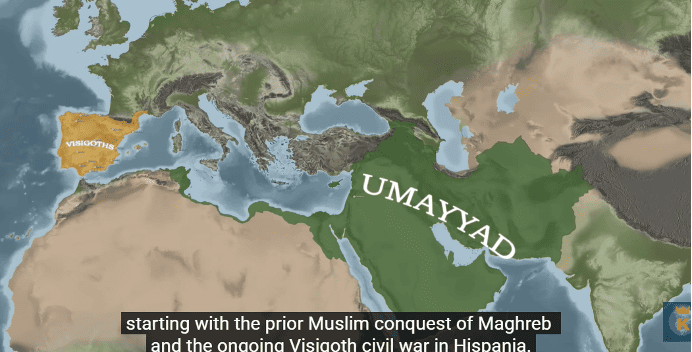
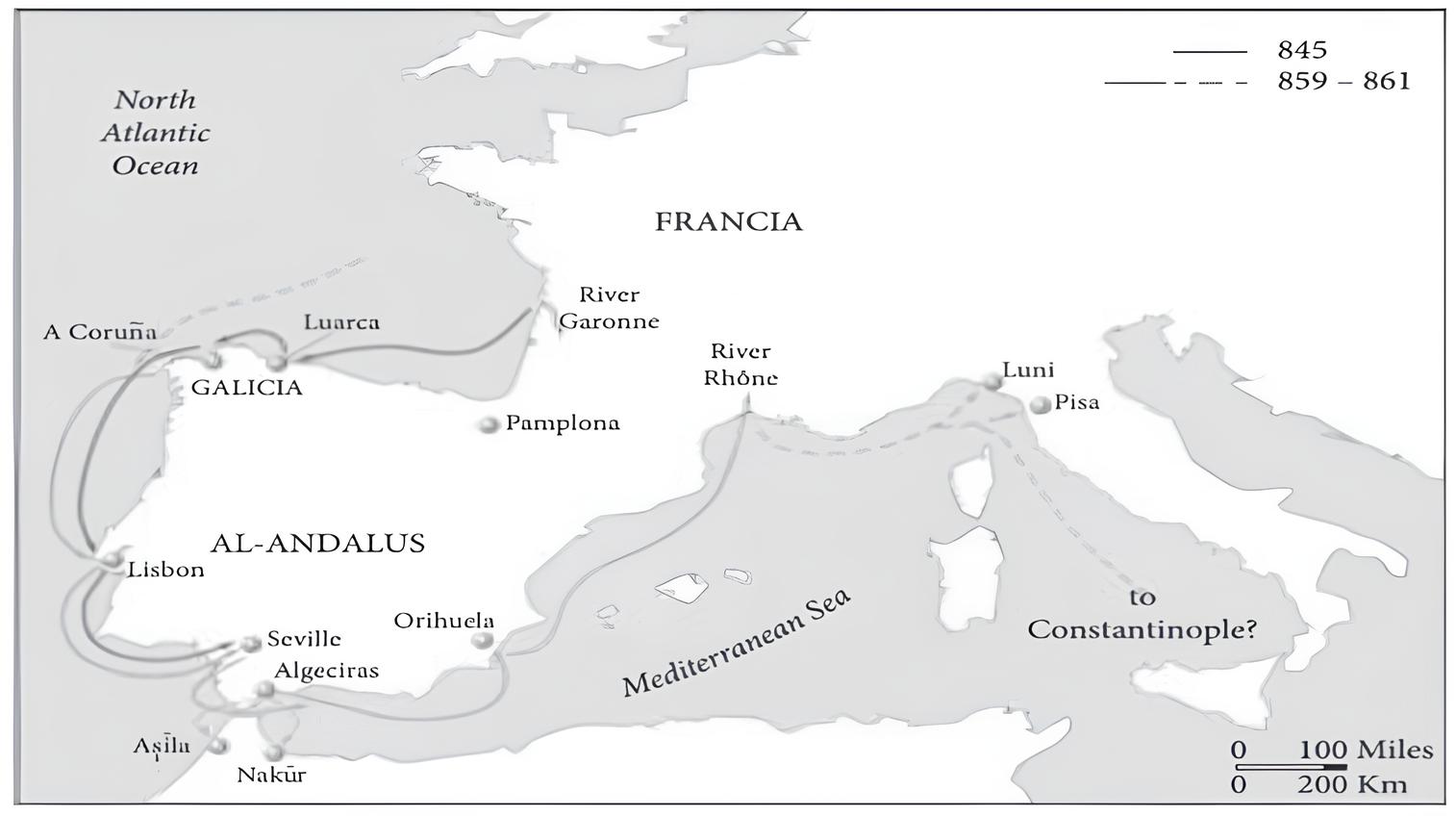
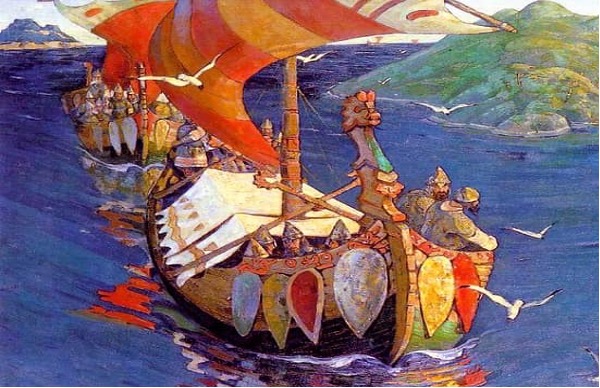
 Dr. Kalim Siddiqui