In the aftermath of the December 2015 Paris climate summit, it’s worth reviewing the final agreement. The text serves as a Rorschach Test: there are wildly varying takes on its contours. Professor Steve Breyman provides his view of the inkblot.
From Hyper-Finance to Secular Stagnation & Mass Unemployment

By Michel-Henry Bouchet and Robert Isaak
In this article, the authors advocate policies to counter the decoupling of finance from the real economy of productive job-creation resulting from short-term global hyperfinance and misguided government regulations: eg. future bank bailouts should be conditioned upon including ratios of new lending to start-ups and small firms with the greatest scaling up potential for employment.
Should Economists Care About Ethics?

Whether conscious of it or not, economists rely on ethical norms and principles to carry out research and to inform policy choices. Economic efficiency, for example, is a powerful ethical concept, yet can be misapplied, as Jonathan Wight explores in this article. Understanding the institutional and ethical frameworks for policymaking is key to using economic tools correctly.
We Will Not Stop Talking about Racism

By Lawrence Ware and Rebecca Martinez
Many white people want to stop talking about racism. Consciousness implies action, and that kind of talking about race, ethnicity, and racism produces thinkers who challenge the status quo. White people think that this made people of color dangerous. Americans are doing all they can to appear as if they are wrestling with race without admitting historical fault or committing to change. This will not do.
How to Defeat Western Neo-Colonialism
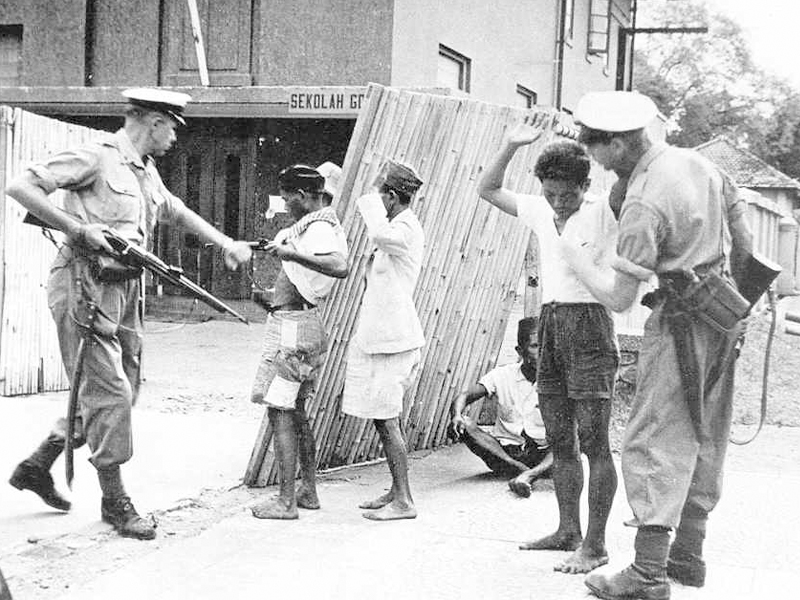
The West managed to build its wealth, including the social nets, on plunder, deception, slavery and countless holocausts on all continents of the world. Its citizens are ignorant about these facts. Their standards of living are outrageously high, but they demand more. There is no “Left” in the West, anymore, because true left means internationalism and solidarity.
Luxury Taxation, Good for Economic Development?

By Patrick Imam
Developing countries are struggling to mobilise resources to finance social and infrastructural development. The author argues that one avenue is to tax luxury goods more heavily, which could simultaneously tackle inequality and spur development with minimal distortionary effect, as was practiced by many successful East Asian countries in the past.
Through the Ceiling and Over the Cliff? Catch-22 for Women Executives

This program for women executives combines business acumen with leadership development and career reflection. It’s an approach designed to strengthen the key skills needed for navigating the road ahead.
March – April 2016

Marketing Responsible Finance The Convenient Choice: Investing in Solutions for a Better Future Sustainability Paris Climate Summit: the Good, the Bad and the Ugly Stormy Forecast for Nuclear Energy Future Capitalism How to Defeat Western Neo-Colonialism The West is Built on Corpses, but it is Unrepentant Learning to Live in the World Instead of Ruling It Race and Politics Archaeology Finance Luxury Taxation, Good for Economic Development?
Europe
The End of Europe (As We Know It)?
Dan Steinbock
The Strategic Role of Marketing-Related Technology in Politics and What Business can Learn from It
Bruce Newman
Should Economists Care About Ethics
Jonathan Wight
Interview with Sasja Beslik, Nordea
Sustainable Palm Oil Production is the Way Forward
Interview with Datum Darrel Webber, RSPO
Steve Breyman
Linda Pentz Gunter Politics
The Problems of Unfree Trade: Various Implications of the Trans-Pacific Partnership Agreement
Binoy Kampmark
Financial Oligarchy vs. Feudal Aristocracy
Ismael Hossein-Zadeh and Anthony A. Gabb
Andre Vltchek
John Grant
We Will Not Stop Talking About Racism
Lawrence Ware and Rebecca Martinez
Ancient Amazons: Warrior Women in Myth and History
Adrienne Mayor
From Hyper-Finance to Secular Stagnation & Mass Unemployment
Michel-Henry Bouchet and Robert Isaak
Patrick Imam
A Disunited United States: What the 2016 Election Says About America

The 2016 election may be focused on the rise of Donald Trump, but the Trump candidacy is possible only because America is a nation deeply divided culturally and politically. On issues, values and even the meaning of the American Dream, Democrats and Republicans see different realities. Who wins will depend on which vision of America captures the majority.
The Keys to the White House: Forecast for 2016
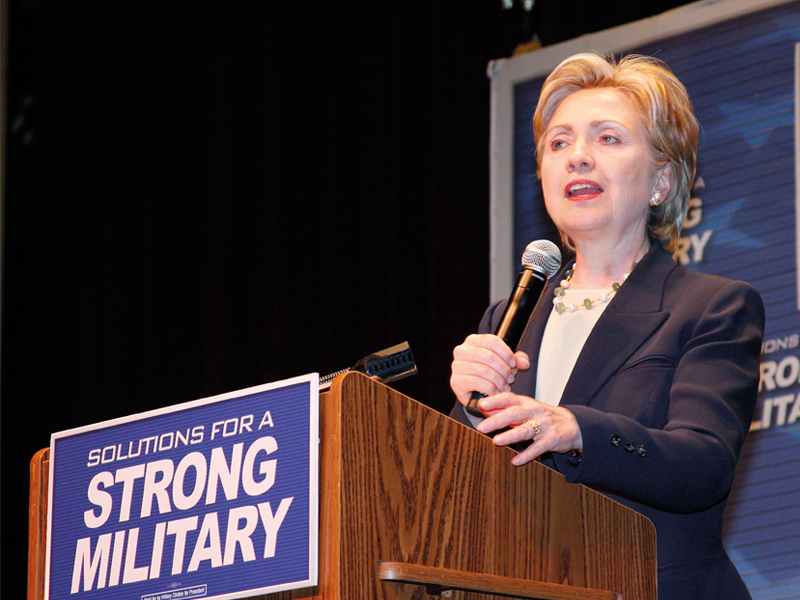
The Keys to the White House, a prediction system that correctly forecasted the outcomes of all eight presidential elections since 1984 demonstrate that neither the choices of the party nominees nor campaign events will affect the outcome of America’s 2016 presidential election. The election will turn on the performance of the party controlling the White House. Although prospects look bright for another Democratic victory, the Keys indicate how circumstances could shift to favour the Republicans.
EDITOR'S PICK OF THE WEEK

China’s Challenging Search for a New Model of Economic Growth
By Danny Leipziger
China cannot continue to rely on exports to drive its growth, but what are the alternatives?
China ran a $1.2 trillion trade surplus last year, and despite admonitions from the IMF to rely...