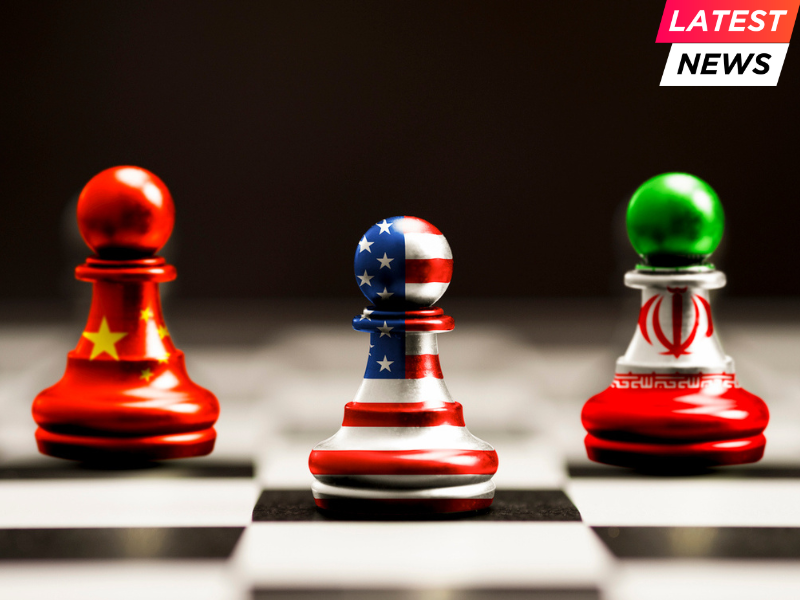
Global economic power appears to be tilting away from long established Western dominance, and Chinese analysts say recent signals from the World Economic Forum in Davos underscore that shift. As geopolitical frictions between the United States and its allies intensify, Beijing sees fresh space to expand its diplomatic and commercial reach.
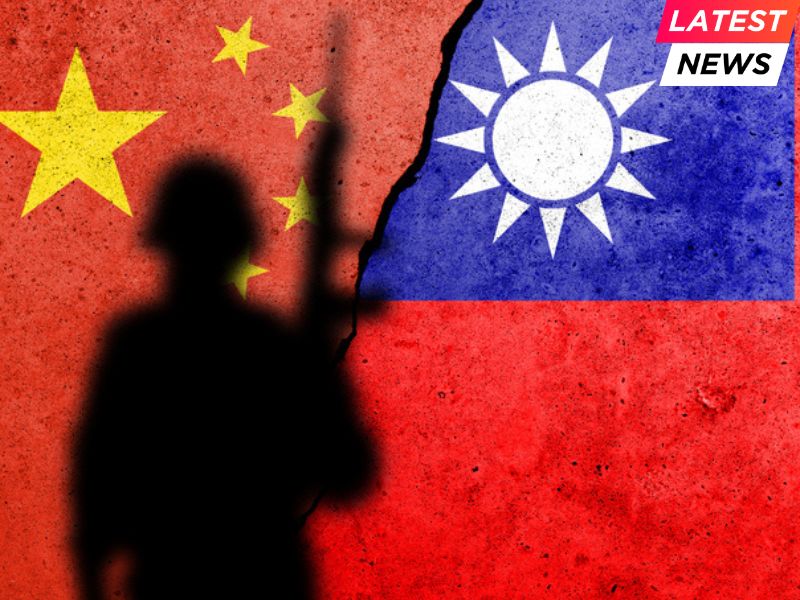
Chinese officials struck a steady, cooperative tone at the annual gathering, even as debates over U.S. claims to Greenland dominated headlines. China sent Vice Premier He Lifeng to Davos, where he promoted business engagement, urged fair treatment of Chinese firms, and highlighted U.S. China trade talks as a rare example of collaboration. His remarks drew less attention than more confrontational speeches by other leaders, but analysts in China say the message mattered.
“This year’s Davos is a watershed,” said Hai Zhao, a director of international political studies at the Chinese Academy of Social Sciences. He argued that countries are increasingly moving toward regional trade systems rather than a U.S. centered global order.
European and North American leaders captured much of the spotlight. U.S. President Donald Trump made waves with sharp comments on foreign leaders before easing his stance on Greenland. European Commission President Ursula von der Leyen floated new trade deals, including a potentially “historic” agreement with India. Canadian Prime Minister Mark Carney warned of “a rupture in the world order,” a speech that drew widespread praise.
Yet Chinese researchers say consistency, not confrontation, gives Beijing an advantage. Wei Wang, a researcher at Tianjin University of Commerce, said tensions between Washington and Europe could strengthen China’s ties with the bloc. He added that disputes such as Greenland may reinforce perceptions that global influence is shifting eastward.
Market data supports that view. China now accounts for 37% of global container shipments, and it was the first major economy to retaliate against Trump’s “Liberation Day” tariffs. Although a fragile one year truce between Washington and Beijing was reached in October, tariffs remain high and U.S. restrictions on advanced technology persist.
Despite domestic headwinds, including weak consumer spending, China has welcomed a wave of high level visits in early 2026. Leaders from Ireland, South Korea, Canada, and soon the United Kingdom have traveled to Beijing, boosting business confidence.
Jacob Cooke, CEO of WPIC Marketing + Technologies, said his firm has seen an “uptick in interest from non-American Western consumer brands” seeking growth in China as U.S. trade barriers rise.
Even Trump hinted at warmer ties in Davos, saying, “I’ve always had a very good relationship with President Xi … he’s an incredible man.”
Related Readings: