United States and Iran exchanged fire in the Strait of Hormuz, with both sides blaming each other for starting the incident. The clash raises new doubts about a fragile ceasefire that has already faced repeated tensions.
Donald Trump said the ceasefire is still in place, downplaying the incident. He claimed US forces responded strongly and warned that more action could follow if Iran does not agree to a nuclear deal. US military officials said their forces acted in self defense after what they described as attacks involving missiles, drones, and small boats.
Iran, however, said the US struck first by targeting one of its vessels near the strait. Iranian officials claimed their forces then responded and caused damage to US assets. The two sides offered sharply different accounts of what happened.
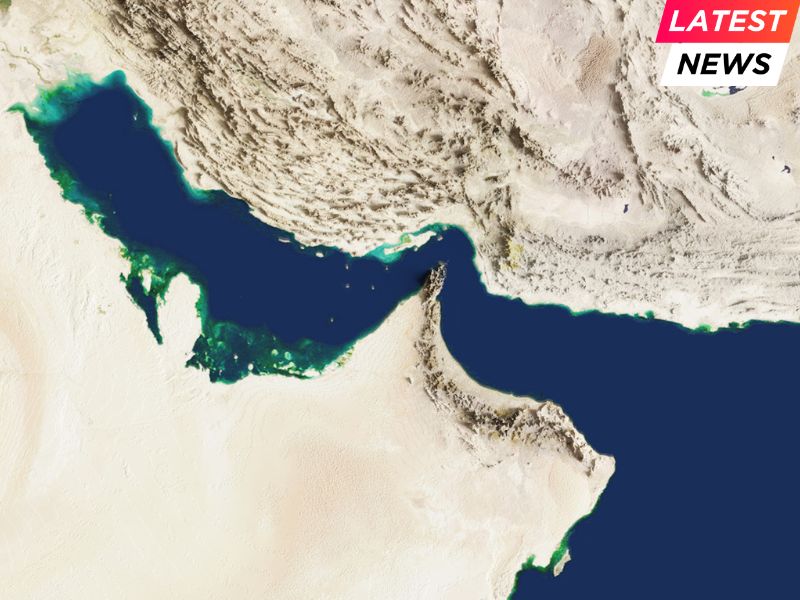
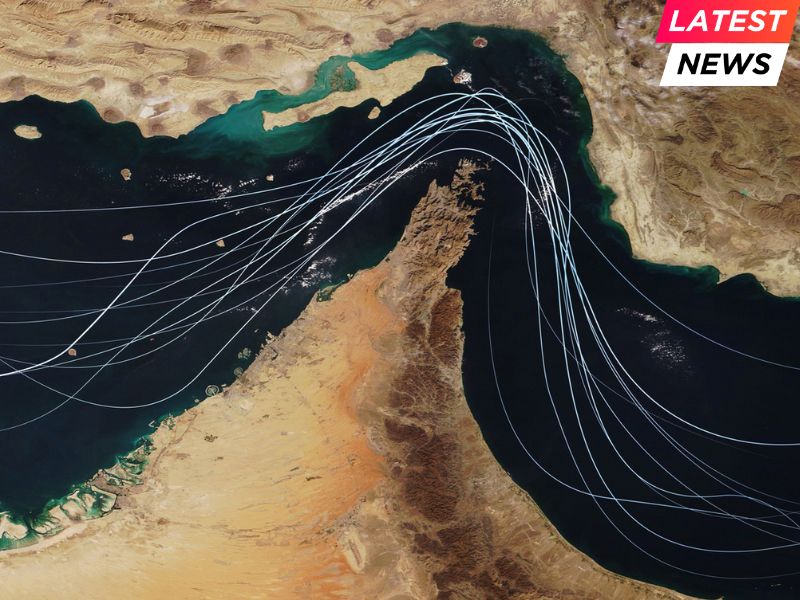
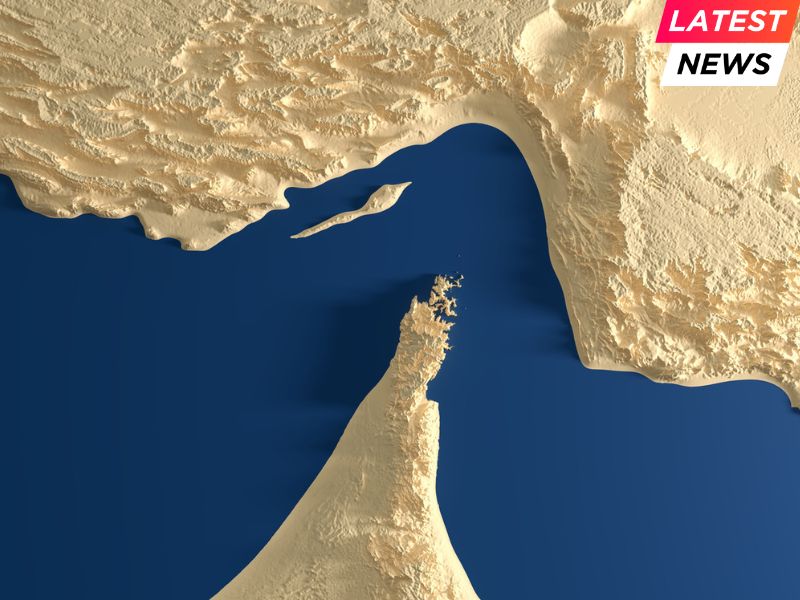
The Strait of Hormuz remains a key route for global oil shipments, and any conflict there could affect energy markets. As both sides continue to trade blame, the situation remains tense, with the risk of further escalation still present.
Related Readings: