The Nasdaq Composite looked set to confirm a bear market Friday, plunging more than 20% from its record high in December, as an escalating tariff war between the U.S. and China sent shockwaves through global markets and threatened to derail the AI-driven tech boom.
The tech-heavy index, which hit a record close of 20,173.89 on December 16, was last down 3.6% Friday following China’s announcement of 34% tariffs on U.S. imports. The move was a retaliatory strike against sweeping levies imposed by President Donald Trump earlier in the week. The Nasdaq’s decline now marks its worst stretch since the Covid era.
“The tech sector is staring down the barrel of a recession,” said Wedbush analyst Dan Ives. “If these tariffs stand, we’re looking at a 15% hit to tech earnings and a supply chain nightmare rivaling 2020.”
The pain extended across Wall Street. The Dow Jones Industrial Average was on track to confirm a correction—down 10% from its high—while the S&P 500 has slumped 15.3% from its record.
The market’s most influential tech names—Apple, Amazon, Alphabet, Meta, Microsoft, Nvidia, and Tesla—are taking the hardest hits. An ETF tracking these so-called “Magnificent Seven” has cratered 27.6% since December.
Apple, with its vast manufacturing base in China, has fallen 12% since Wednesday, facing the brunt of a 54% combined tariff rate. Meta and Tesla are down 12.4% and 13.1%, respectively, while Nvidia, the face of the AI revolution, has slid 13.6% amid worries of a slowdown in data center investment.
“Big tech is now in a triple bind—regulatory scrutiny, supply chain disruption, and global economic uncertainty,” said Michael Ashley Schulman of Running Point Capital. “A 34% tariff from China forces companies to rework pricing, margins, and even where they make their products.”
Tesla also faces growing public backlash in Europe over Elon Musk’s increasing political involvement as a senior advisor in Trump’s administration. Meanwhile, PC makers and server suppliers have been hammered by soaring electronics tariffs. Dell and HP are down 22.3% and 19.1% this week, while Hewlett Packard Enterprise has lost nearly 22%.
Ives called the tariffs a “bad science experiment,” warning they could crush the AI revolution and cause an “economic Armageddon.”
As the world’s two largest economies dig in for a prolonged trade fight, investors are bracing for more volatility—and an uncertain future for the tech sector that has powered markets for the past decade.
As geopolitical tensions rise, Dr. Kalim Siddiqui examines the shifting power dynamics between the United States and Europe, particularly in the context of the Ukraine conflict. This article explores how the U.S. might be abandoning Europe in favor of a multipolar world order, with significant implications for global security and cooperation.
I. Introduction
This article explores the origins of recent conflicts, particularly Ukraine in the context of the declining dominance of the Western world, particularly the United States (US). It argues that contemporary geopolitical tensions arise from this power shift, driven by technological advancements and economic convergence. Advocating for a transition to multipolarity and multilateralism, this paper highlights the limitations of the US’s continued pursuit of hegemony and underscores the benefits of global cooperation (Siddiqui, 2020a). It contends that a future characterized by peace and shared development can only be achieved through international collaboration and respect for diversity.
Donald Trump’s policy toward Ukraine is expected to differ from that of the Biden administration. This shift is not merely a reflection of Trump’s personal views but rather an acknowledgment by US policymakers that the US has manoeuvred itself into a precarious position. The US now faces a difficult choice: either escalate the war in Ukraine—potentially to the point of nuclear confrontation—or gradually retreat from its hegemonic ambitions. Efforts to force Russia into submission have largely failed. Ukraine has steadily lost territory to Russian forces, and the economic sanctions imposed by the US and the European Union (EU), which were intended to “reduce the rubble to rubble,” have not had their intended effect. The rubble has regained its value against the dollar, surpassing pre-sanction levels.
Russia’s legitimate demands for the recognition of its sovereignty have been largely disregarded, while the US has shown little concern for Russia’s strategic interests.
More than three years have passed since Russian troops invaded Ukraine on February 24, 2022. The war has resulted in over 50,000 deaths, countless injuries, and the displacement of millions (Siddiqui, 2022a). However, the notion of a unified European foreign policy on Ukraine remains unrealistic. A sustainable resolution would require Ukraine to undergo de-Nazification, democratization, and the formation of a neutral government that is acceptable to the US, the EU, and Russia. Russia’s legitimate demands for the recognition of its sovereignty have been largely disregarded, while the US has shown little concern for Russia’s strategic interests. The roots of Russophobia can be attributed to two key factors: Russia’s vast natural resources, which position it as a potential rival to the West, and the US’s broader objective of maintaining a unipolar world order in which no dissent is tolerated. Notably, in 2007, President Vladimir Putin proposed a framework for a peaceful Europe at the Munich Security Conference, but Western leaders dismissed his initiative.
II. NATO Expansion and the Geopolitical Consequences of US Influence in Europe
NATO was established in 1949 as a military alliance against the Soviet Union, making it a Cold War institution. However, following the Soviet Union’s collapse in 1991, NATO was not dismantled. Instead, it expanded eastward toward Russia’s borders, directly contradicting assurances given to Soviet leader Mikhail Gorbachev on February 7, 1990, when the US explicitly promised that NATO would not expand. In response to this commitment, the Soviet Union agreed to the reunification of Germany, and the Warsaw Pact was dissolved. The Warsaw Treaty Organization, established on May 14, 1955, by the Soviet Union and seven other Eastern Bloc countries, was originally intended as a counterbalance to NATO.
Despite its initial assurances, the US proceeded with NATO expansion, incorporating former Eastern Bloc countries into a US-dominated neoliberal order (Siddiqui, 2024a). It openly supported and financed colour revolutions, particularly in Ukraine, to weaken democratically elected governments that did not align with Western interests. Through these efforts, the US facilitated the rise of a Ukrainian government that was sympathetic to American geopolitical objectives in the region (Foy, 2024; Siddiqui, 2022a).
On February 28, 2025, during a meeting in the Oval Office of the White House, US President Donald Trump and Vice President J.D. Vance humiliated Ukrainian President Volodymyr Zelensky, refusing to provide any security guarantees. Regarding the Ukraine crisis, Europe remains divided, lacking a unified stance. Historically, European countries have managed to maintain cohesion under US leadership, but without American influence, sustaining unity on major international issues becomes significantly more challenging (Chotiner, 2025; Sabbagh, 2025).
The current geopolitical situation in Central Europe presents risks even more severe than those of the Cold War, as the threat of nuclear confrontation could have catastrophic consequences (Siddiqui, 2023a). Furthermore, a potential US withdrawal from Europe could cause the continent to regress into a pre-1940 era of political rivalries and conflicts. Historical precedent suggests that, in the absence of US influence, European nations may once again descend into internal tensions, competition, and instability. For over 500 years, the rise of European powers has been marked by wars, slavery, indentured labour, colonialism, resource exploitation, and famines in the Global South (Siddiqui, 2020b).
III. Brzezinski’s Geopolitical Strategy and the Implications of European Rearmament
Zbigniew Brzezinski’s (1997) strategy for restoring and extending US dominance appears to align with the views presented in Samuel Huntington’s Clash of Civilizations (1993). While Brzezinski addresses global geopolitical challenges, his analysis devotes relatively little attention to Africa and Latin America, instead focusing primarily on Europe and Asia. He strongly advocates for further European integration and the eastward expansion of NATO, emphasizing that maintaining US hegemony requires strategic control over the Eurasian landmass (Brzezinski, 1997).
However, Brzezinski’s study (1997) overlooks several critical developments, particularly the rising economic power of emerging economies and their growing influence on global geopolitics. His perspective is primarily shaped by US strategic military considerations, particularly how the US can expand its dominance over Eurasia and the Global South. He supported NATO’s eastward expansion under the assumption that Russia would not respond militarily. However, this assumption proved flawed, as demonstrated by the 2014 US-backed overthrow of Ukrainian President Viktor Yanukovych during the so-called Revolution of Dignity, which followed months of protests against his administration.
The rearmament of Germany is likely to have significant consequences, including a rise in authoritarianism, a deepening economic crisis, and the growing influence of the far right. Increased military expenditures will necessitate drastic reductions in social spending, exacerbating inequality and fuelling domestic tensions. Furthermore, rearmament across Europe may weaken the European economy, as higher defence spending will lead to further budget cuts and austerity measures (Siddiqui, 2017). These policies will disproportionately affect the majority of the population, while benefiting a small elite through tax cuts and corporate subsidies (Siddiqui, 2024a).
Historically, whenever capitalism encounters economic stagnation, centre-left political parties often shift toward the political centre in an attempt to preserve stability. However, such compromises frequently open the door to authoritarianism and the resurgence of far-right movements, resulting in heightened attacks on minorities and other marginalized groups.
The current socio-economic crisis in Europe has already contributed to the rise of far-right parties such as the neo-Nazi Alternative for Germany (AFfD), alongside similar movements across the continent. Many of these groups express hostility not only toward refugees from outside Europe but also toward immigrants from within Eastern Europe. The emergence of neo-fascism in advanced capitalist countries has been marked by increased repression and a reallocation of public funds from welfare to military spending. At the same time, the United States has sought to reassert its control over the natural resources of the Global South under the neoliberal order. Notably, figures such as Donald Trump have made overt claims about acquiring territories like Greenland, exploiting Ukraine’s natural resources, and even developing Gaza for real estate and tourism purposes—highlighting the imperialist ambitions behind such rhetoric.
Furthermore, the US and the UK played a significant role in undermining the Minsk Agreement, a diplomatic effort between Russia and Ukraine that could have averted the ongoing war. NATO’s broader strategy appears aimed at subordinating Russia and gaining access to its vast natural resources, reminiscent of the Western alignment with Russian President Boris Yeltsin during the post-Soviet 1990s. The Western narrative that Russia seeks to conquer Europe mirrors the propaganda of the Cold War era, when similar claims were made about the Soviet Union. These assertions lack a factual basis and serve to justify militarization and geopolitical confrontation rather than peaceful diplomacy (Siddiqui, 2022a).
IV. The Decline of the Welfare State and the Burden of Military Spending in Europe
In the post-war period, communist parties emerged as the second-largest political forces in many European countries. In response to the geopolitical landscape of the time, the US agreed to provide military protection for Europe, allowing European governments to focus their resources on social welfare spending rather than defence expenditures. This arrangement was part of a broader Keynesian economic strategy, in which increased US military spending functioned as a stimulus for economic growth (Siddiqui, 2022b).
However, the current geopolitical landscape is shifting. European unity is weakening, and the US is facing financial constraints, unable to sustain the rising costs of military expenditures. As a result, the US has pressured European nations to increase their own defence budgets. The failure of the US and Europe to defeat Russia in Ukraine has led countries like the United Kingdom (UK) and France to assert that they can achieve this objective independently. To do so, they plan to significantly increase their military budgets (Siddiqui, 2024b).
Currently, in the EU, higher education and healthcare remain freely accessible to citizens. However, expanding military budgets will require significant cuts to social spending, mirroring recent policies in the UK, where reductions in higher education funding, healthcare services, and workers’ benefits have been implemented to finance defence expenditures. This shift threatens to dismantle the welfare state, undermining workers’ rights that were won through decades of political and social struggle.
Following World War II, much of Europe lay in ruins. However, rapid reconstruction was facilitated by free access to US markets and technology, along with Marshall Plan aid. Even former adversaries such as Germany and Japan benefited from this economic assistance. At the time, the US was keen to foster European prosperity, improving living standards while ensuring that European countries remained loyal junior partners to the US. Today, however, Europe allocates between 20% and 40% of its GDP to social spending, benefiting from relatively low defence expenditures—a model that is now under threat.
John Mearsheimer, in his book (2001) The Tragedy of Great Power Politics, argues that the Ukraine conflict is the result of US provocations. His perspective, rooted in realist international relations theory, asserts that the best guarantee of a state’s survival is to achieve hegemony, as no rival power can then pose a serious threat. However, history has shown that when all major powers seek hegemonic dominance, it results in endless conflicts. According to Mearsheimer, true global hegemony is unattainable, meaning that the world is perpetually condemned to great power competition and recurrent wars (Mearsheimer, 2001).
V. Global Economic Changes
To understand the significance of economic factors in security considerations, it is essential to examine the evolving economic dynamics between the US and the European Union (EU). Since 2020, the US has experienced real economic growth of approximately 10%—three times the average growth rate of other G7 countries. In addition to prioritizing competition with China, the Trump administration has sought to reduce military spending on European security (Sabbagh, 2025). The relatively weak economic performance of European economies compared to the US appears to be another reason for Trump’s inclination to sideline European countries in negotiations with Russia over Ukraine. Among G20 nations, including BRICS countries, the US stands alone in exceeding pre-pandemic projections for both economic output and employment (Siddiqui, 2016). According to the most recent IMF Report (2025), US economic output per capita is now approximately 40% higher than that of the EU and Canada and 60% higher than that of Japan—roughly double the gaps observed in 1990. The US benefits from its vast natural resources, large consumer base, and deep capital markets, allowing businesses to scale efficiently and distribute products across the country.
The relatively weak economic performance of European economies compared to the US appears to be another reason for Trump’s inclination to sideline European countries in negotiations with Russia over Ukraine.
The EU, by contrast, faces structural economic limitations. Politically fragmented and lacking independent oil and gas resources, its economic potential remains constrained. Although the EU operates under a so-called single market, significant intra-EU trade barriers persist due to national differences in taxation, professional regulations, and legal frameworks. Additionally, the fragmentation of European capital markets limits investment opportunities. Furthermore, demographic challenges—including an aging population and increasingly restrictive immigration policies—exacerbate labour shortages. Europe’s heavy reliance on energy imports also leaves it vulnerable to fluctuations in oil and gas prices (Chotiner, 2025).
The collapse of the Soviet Union briefly allowed the US to assert unparalleled global hegemony. However, China’s accession to the World Trade Organization (WTO) in 2001 profoundly altered the global economic landscape (Siddiqui, 2015). The implementation of Structural Adjustment Programs (SAPs), a cornerstone of neoliberal economic policy, has had divergent effects on economies worldwide. While these policies disproportionately harmed weaker economies in the Global South, they also reshaped economic structures in the West. Measures such as wage suppression, industrial restructuring, reduced investment in domestic manufacturing, and the strategic offshoring of production—particularly to China—helped sustain profit rates in major capitalist economies (Siddiqui, 2019a).
The global economy has undergone significant transformations in recent decades. Between 1990 and 2010, Brazil, India, and China doubled their share of global GDP, while the share of Western economies declined. The 2008 global financial crisis accelerated this shift (Siddiqui, 2023b). In response, China implemented a massive US$ 600 billion post-crisis stimulus package, solidifying its position as a key driver of global demand (Siddiqui, 2019b). The expansion of Chinese steel, cement, and aluminium production integrated raw material exporters into its regional economic orbit and fuelled the growth of South-South trade. Consequently, China surpassed the US as the world’s largest recipient of foreign direct investment, emerged as the leading source of merchandise trade, and contributed to over a third of global growth during the post-crisis period. By 2030, the World Bank projects that China and India will account for 38% of global investment and nearly half of total investment in manufacturing (Lavery, 2024).
Figure 1 illustrates the real GDP growth of the world’s largest economies between 2013 and 2023, as well as projections by the IMF. The data clearly indicate that India and China have sustained growth rates more than double those of advanced capitalist economies. Within the advanced economies, the US has demonstrated significantly stronger GDP growth than its counterparts. In terms of nominal GDP at current US dollar prices, Figure 2 shows that the US economy has expanded at a faster rate than other advanced economies.
Figure 1: Real GDP Growth of the World’s Largest Economies in Selected Years (in%).
In recent decades, an analysis of the world’s top six economies by their share of global GDP from 1985 to 2024 (IMF, 2025) reveals significant fluctuations, particularly in the case of the United States (see Figure 1). While the US has consistently remained the world’s largest economy, its share of global GDP has undergone notable shifts over time.
The IMF’s projections for the world’s ten largest economies in 2025 highlight a clear trend: major developed capitalist economies are experiencing significantly lower real growth rates compared to emerging economies such as China and India (see Table 1). In the 1950s, the US alone accounted for over 50% of global GDP, but this share has declined sharply, falling below 25% by 2024.
After reaching a low of 22.6% in 2010, the US economy rebounded, increasing its relative share by several percentage points. According to IMF estimates, the US will account for 26.3% of global GDP in 2024. In contrast, China and India have steadily expanded their share of global GDP over the past three decades, while the relative contributions of the US, the EU, and Japan have declined (see Table 2).
Despite the EU’s expansion as new countries have joined over the past thirty years, its global output share has sharply declined, making it less economically significant than in the 1990s. In recent decades, the EU has become increasingly reliant on the US not only for security but also for economic stability. This dependency explains why former US President Donald Trump was less concerned about the EU’s reaction to the Ukraine issue. This broader trend also highlights the US’s relatively strong recovery from the COVID-19 pandemic, as evidenced by its rising share of global GDP since 2020 (See Table 2). Meanwhile, the EU, and Japan have experienced relative declines during the same period.
Table 1: Top 10 Largest Economies in the World in 2025.
Rank & Country
GDP (trillions of US$)
2025 Projected Real GDP (% Change)
GDP Per Capita at Current Prices (in 0000’s) (US$)
1. US
30.34
2.2
89.68
2. China
19.53
4.5
13.87
3. Germany
4.92
0.8
57.91
4. Japan
4.39
1.1
35.61
5. India
4.27
6.5
2.94
6. UK
3.73
1.2
54.28
7. France
3.28
1.1
49.53
8. Italy
2.46
0.8
41.71
9. Canada
2.33
1.3
55.89
10. Brazil
2.31
2.5
10.82
Source: IMF, World Economic Outlook, 2025.
Table 2: Share of Global GDP of the World’s Top Five Economies from 1985 to 2024 at current prices (%).
VI. Technological Convergence, Hegemony, and the Geopolitical Landscape
Another significant study is by Professor Jeffrey Sachs in his 2020 book The Ages of Globalization: Geography, Technology, and Institutions. Sachs argues that technological and institutional changes have interacted to produce long-term global economic shifts. During the colonial period, technological divergence occurred, with more technologically advanced countries gaining decisive advantages over less advanced nations. This disparity led to wars, occupation, and exploitation. However, since the period of independence for many former colonies, technological convergence has emerged, with poorer countries progressively catching up to wealthier ones. As poorer nations narrow the technological gap, they pose a growing challenge to the hegemonic power of dominant states. This technological convergence has given rise to new and potentially tragic hegemonic conflicts (Sachs, 2020).
As poorer nations narrow the technological gap, they pose a growing challenge to the hegemonic power of dominant states.
This fear of being overtaken by rising powers is not a new phenomenon. Japan had similar concerns in 1941, and Germany shared the same anxiety in 1914. Today, China faces the same challenge, with the US explicitly seeking to contain China’s rise. This situation mirrors the concept of Thucydides’s Trap, an analogy drawn from fifth-century BCE Athens, where the rise of Athens as a dominant power led to a hegemonic contest with Sparta, the leading military power at the time. According to Thucydides, the fear of Athens’ rise led to inevitable conflict—a situation echoed in modern international relations as emerging powers challenge incumbent hegemonic states.
In 2014, the US played a pivotal role in the overthrow of the Ukrainian government. Evidence suggests that much of the violence, including shooting into crowds, originated from protesters rather than the security forces under President Viktor Yanukovych. At the time, Yanukovych had pursued a neutral foreign policy and was opposed to NATO expansion. However, after his removal, the US supported the rise of a Russophobia, nationalist government, which quickly abandoned Ukraine’s neutrality and even passed laws banning the Russian language. In response, Russia annexed Crimea, and many pro-Russian factions within the Ukrainian military defected, initiating an insurrection in Eastern Ukraine (the Donbas region).
In a shift in US foreign policy, Defence Secretary Pete Hegseth stated that the US planned to reduce its military presence in Europe. He emphasized that the US was no longer “primarily focused” on European security and that Europe would need to take the lead in defending Ukraine. Hegseth also acknowledged that restoring Ukraine’s pre-2014 borders was unrealistic. He noted that the US was shifting its military priorities to focus on deterring China and called on European NATO members to increase their defence budgets to 5% of GDP to better defend the continent.
VII. Conclusion
Since around 2017, the world has transitioned from a unipolar order dominated by the US to a multipolar world, driven by global economic shifts. This shift has seen the emergence of three major global powers: the US, China, and Russia. Amid a deepening crisis in the US economy, the US is seeking to disengage from Europe and resolve the conflict in Ukraine, redirecting its resources towards reviving its domestic economy while focusing on the growing threat from China. The US has also pressured the EU to increase its defence spending, with a target of at least 5% of GDP, up from the current 2%.
Economically, under Trump, despite some shifts in policy, there remain key continuities with previous administrations. The neoliberal economic framework is expected to persist. In response to inflationary pressures, central banks will likely follow the neoclassical model, raising interest rates to constrain wages and limit consumer spending, in the hope of slowing down price increases. The neoliberal policies—including deregulation and austerity—may be pursued to unleash entrepreneurial activity. Trump’s policies are expected to focus on reducing taxes, particularly corporate taxes, while imposing tariffs on imports. This approach could trigger inflationary pressures, prompting the Federal Reserve to raise interest rates again, potentially risking recession due to the economy’s reliance on cheap credit and the growing burden of US government debt.
In contrast, an alternative European policy should prioritise ending the war in Ukraine and rejecting Trump’s predatory stance on Ukraine’s natural resources. This would involve removing sanctions, returning the $300 billion of Russian frozen assets, and restoring trade relations with Russia. Europe should pursue a comprehensive strategic partnership with Russia, China, India, and other emerging economies. Investment in green technology should be a priority, with a combined focus on de-growth to address the environmental challenges ahead. Fiscal policy should be revitalized, with increased public investment playing a central role in reducing inequality and driving long-term growth and prosperity. To restore peace and trust, demilitarising the 400 km border on both sides of Ukraine could be a crucial step. This model could draw inspiration from Austria’s post-war success, where the country emerged as a sovereign, democratic state and integrated with the rest of Europe. Ukraine could adopt similar policies to those Austria implemented during the Cold War, serving as a neutral buffer between the West and Soviet Union.
Dr. Kalim Siddiquiis an economist specializing in International Political Economy, Development Economics, Trade and Economic Policy. Since 1989, he has been teaching economics at various universities in Norway and the UK. Dr. Siddiqui’s research interests encompass a wide range of topics, including political economy, international trade, and economic history, South Asia, and emerging economies. He has presented papers at international conferences across numerous countries, reflecting his global engagement in the field. His scholarly pursuits span six broad domains: Political Economy, Development Economics, Economic History, Economic Policy, Globalization, and International Trade. Dr. Siddiqui has made significant contributions to research in areas such as trade policy, globalization, and political economy. His work has been published in chapters of edited books and articles published in peer-reviewed journals. For inquiries, Dr. Siddiqui can be reached at: [email protected]
References
Brzezinski, Z. (1997) The Grand Chessboard: American Primacy and Its Geostrategic Imperatives, New York: Basic Books.
Chotiner, I. (2025) “What Could Happen if the U.S. Abandons Europe” New Yorker, February 21.
Foy, H. (2024) “The untold story of the most chaotic Nato summit ever” Financial Times, July 4, London.
IMF (International Monetary Fund) (2025) World Economic Outlook – Growth on divergent paths amid elevated policy uncertainty, January, Washington DC: IMF.
Lavery, S. (2024) “Rebuilding the fortress? Europe in a changing world economy” Review of International Political Economy 31(1): 330–353.
Mearsheimer, J. (2001) The Tragedy of Great Power Politics, New York: WW Norton.
Sachs, J. (2020) The Ages of Globalisation: Geography, Technology, and Institutions, Columbia: Columbia University Press.
Sabbagh, D. (2025) “US no longer “primarily focused” on Europe’s Security” TheGuardian, February 12, London.
Siddiqui, K. (2024a) “The Decline of the West and Global Political Economy” World Financial Review, December.
Siddiqui, K. (2024b) “Political Economy of Globalisation and Issues of Global Governance” World Financial Review, September.
Siddiqui, K. (2023a). “The New Cold War: Struggle for Global Domination” (Part I & Part 2) World Financial Review, June and August.
Siddiqui, K. (2023b) “Marxian Analysis of Capitalism and Crises”, International Critical Thought, 13(4): 525-545.
Siddiqui, K. (2022a) “Ukraine-Russia War and the Impact on the Global Economy” World Financial Review, November-December.
Siddiqui, K. (2022b) “Capitalism, Imperialism, and Crisis”, European Financial Review, June-July.
Siddiqui, K. (2020a) “Prospects of a Multipolar World and the Role of Emerging Economies” World Financial Review, November-December.
Siddiqui, K. (2020b). “The Political Economy of the Slave Trade, Capital Accumulation and the Rise of Britain” World Financial Review, January-February
Siddiqui, K. (2019a). “The US Economy, Global Imbalances under Capitalism: A Critical Review” Istanbul Journal of Economics 69(2): 175 – 205, December.
Siddiqui, K. (2019b). “Financialization, Neoliberalism and Economic Crises in the Advanced Economies” World Financial Review, May-June, pp.22 – 30.
Siddiqui, K. (2017). “Austerity as a Tool of Fiscal Consolidation: Theoretical and Empirical Perspective” (Edi) S. Owsiak, Public Finance, and the New Economic Governance in the European Union, 116 – 166, Warsaw: Wydawnictwo Naukowe.
Siddiqui, K. (2016). “Will the Growth of the BRICs Cause a Shift in the Global Balance of Economic Power in the 21st Century?” International Journal of Political Economy 45(4): 315 – 338.
Siddiqui, K. (2015). “Trade Liberalisation and Economic Development: A Critical Review” International Journal of Political Economy 44(3): 228 – 247.
Your credit report is one of the most important documents when it comes to managing your financial health. It helps determine everything from your ability to secure loans to the interest rates you’ll pay. That’s why it’s crucial to stay on top of your credit report and ensure everything is accurate. The problem is, errors can happen—and when they do, they can have a significant impact on your credit score. So, how do you spot these errors and what should you do if you find them? Let’s break it down in simple terms so you can protect your credit and your financial future.
The Importance of Checking Your Credit Report
Before we dive into how to spot errors, it’s important to understand why checking your credit report is so essential. Your credit report includes information about your credit history, such as your current loans, credit cards, payment history, and public records like bankruptcies or tax liens. This information is used by lenders to assess your creditworthiness, meaning an inaccurate report can result in higher interest rates, rejected loan applications, or even issues like being denied for a job.
Additionally, if you’re struggling with debt, like many people are, errors on your report can make it harder to access tools like a debt settlement in Washington or other financial relief options. Regularly reviewing your credit report can help you spot these issues early and avoid any unexpected surprises.
What to Look for When Reviewing Your Credit Report
When you review your credit report, it’s crucial to pay attention to several key areas: your personal information, account details, and any unfamiliar accounts. Here’s how to break it down:
Personal Information
Your credit report should include your name, address, and other identifying details. While this may seem straightforward, it’s essential to verify that everything is spelled correctly and up to date. Even small errors—like a misspelling of your name or an outdated address—can cause problems, especially if they’re linked to incorrect credit information. If you spot any inconsistencies, it’s important to correct them right away, as they can lead to issues like a mix-up with another person’s credit profile.
Account Information
Next, look at the details of your open accounts—this includes credit cards, loans, mortgages, and other forms of credit. Check the following:
Credit Limits: Are the credit limits listed correct? If you’ve had a limit increase, make sure it’s reflected.
Balances: Double-check that your account balances are accurate and match what you owe. If you’ve made payments recently, the balance should reflect that.
Payment History: Ensure your payment history is accurate. Look for any late payments that you know didn’t happen, or payments that were missed even though you paid on time. Missing payments on your report can negatively impact your credit score.
Any discrepancies in these details could signal an error or a potential case of identity theft.
Unfamiliar Accounts
One of the biggest red flags on a credit report is an account that doesn’t belong to you. If you see accounts you don’t recognize, it’s important to investigate them immediately. These could be the result of fraudulent activity or mistakes by the credit bureau. Sometimes, a mix-up can occur where another person’s account is listed under your name, particularly if you have a similar name or share an address.
Inconsistencies and Mistakes to Look Out For
Errors can show up in many different forms. Here are a few to keep an eye out for:
Incorrect Dates: For example, a missed payment might be reported with the wrong date, which could lead to a false negative impact on your credit score.
Wrong Amounts: If the amounts listed on your credit accounts don’t match what you know you owe, this could be a sign of an error.
Duplicate Accounts: Sometimes, accounts can be listed twice on your report by mistake, which can affect your credit score. Make sure to check for any duplicate accounts and get them removed if needed.
How to Dispute Errors on Your Credit Report
If you find an error or discrepancy, the next step is to dispute it. Disputing errors is relatively simple, but it’s important to take action as soon as you spot something wrong.
Step 1: Contact the Credit Bureau
The first thing you need to do is contact the credit bureau that issued the report. There are three major credit bureaus—Equifax, Experian, and TransUnion. You can dispute errors directly with them by either filing an online dispute or sending a letter. Make sure to include all relevant details, such as the error you’ve found and any supporting documentation that proves your case.
Step 2: Provide Documentation
To back up your dispute, include copies of any documentation that proves the error. For example, if a payment is being listed as late, provide a bank statement or confirmation of the payment to show that it was made on time.
Step 3: Follow Up
Once you’ve submitted your dispute, the credit bureau is legally required to investigate the issue, usually within 30 days. They’ll inform you of the results of their investigation, and if the dispute is successful, they’ll update your credit report accordingly. If the error isn’t resolved in your favor, you can appeal the decision and escalate the issue if necessary.
Why It’s Important to Keep Checking Your Credit Report
Even after you’ve fixed any errors, it’s crucial to continue reviewing your credit report regularly. Errors can crop up at any time, and by checking your report often, you can catch issues before they snowball into bigger problems. This is especially important if you’re working toward improving your credit score, getting approved for loans, or pursuing debt relief options like debt settlement.
You’re legally entitled to one free credit report per year from each of the three bureaus, which you can request through AnnualCreditReport.com. Checking your credit report every few months can help you stay on top of any changes or errors.
Asian stock markets experienced a dramatic sell-off on Monday, intensifying a global market downturn fueled by escalating trade tensions between the U.S. and China. Japan’s Nikkei 225 index closed down 7.9%, while Hong Kong’s Hang Seng plummeted nearly 12%, and the Shanghai Composite fell over 7%. The widespread losses reflect growing fears of a damaging trade war and its potential to trigger a global economic slowdown.
The market turmoil was triggered by President Trump’s implementation of new tariffs and China’s forceful retaliation, which included imposing 34% tariffs on all U.S. goods. Analysts point to “forced liquidations” and “full-blown panic” as trading volumes surged.
Tech giants like Sony, Alibaba, and Tencent saw significant declines, along with major automakers Toyota and Honda. Taiwan’s Taiex index also suffered a steep 9.7% drop, with key exporters like TSMC and Foxconn triggering circuit breakers.
“Washington’s shock decision to impose a 34% tariff on Chinese goods dealt a direct blow to core export sectors like semiconductors and EVs (electric vehicles), triggering a sharp and broad-based repricing across Asian markets,” stated Dilin Wu, a research strategist at Pepperstone.
The market downturn follows a brutal two-day stretch on Wall Street, where over $5.4 trillion in market value was wiped out. U.S. stock futures continued to decline Sunday evening, indicating further losses.
China, through its state-run media, has signaled its resolve to withstand U.S. pressure, stating it has “plenty of countermeasures at hand.” Ronald Temple, chief market strategist at Lazard, predicts further retaliation from other countries, exacerbating the economic damage.
Even traditionally safe-haven assets like gold saw sell-offs, and oil prices continued to slide. The S&P 500 is on the verge of a bear market, raising concerns about a broader economic downturn.
Billionaire investor Bill Ackman warned that Trump is “losing the confidence of business leaders around the globe” and called for a “timeout” to avoid an “economic nuclear war.”
President Trump, while acknowledging market volatility, defended his trade policies, stating he aims to address trade deficits with China and the European Union. He also revealed that he had received calls from technology executives and world leaders over the weekend regarding the tariffs.
Japan and Taiwan have expressed their intent to negotiate with the U.S. to reduce tariffs and address trade imbalances. However, economists at Barclays have adopted a “cautious view” on the success of these negotiations and have begun revising economic growth forecasts for the region.
After a decade of deglobalization and US geopolitics, globalization is no longer at crossroads, but unraveling. The longer this plunge prevails, the greater will be its costs.
After divisive debates and conflicting reports, President Trump announced his trade plan: a 10% baseline tariff on all imports; “discounted reciprocal tariff” on “bad actors”: 24% on Japan, 20% on EU, respectively; and a new 34% tariff on China.
As expected, it is a protectionist plan building on both reciprocal and universal tariffs, but devoid of an economic rationale. As fears of a recession mount and mass protests in the US have begun, the loss of over $6 trillion on Wall Street in only two days is just a prelude of what’s to come. Along with China’s strike of all US imports with 34% tariff, Europe, Japan and South Korea, India and Brazil and the rest of the world are positioning to counter the Trump tariffs.
Half a decade ago, Trump tariffs on imports from China accounted for $400 billion, or more than 90% of the trade affected. Today, in what appears to be the first round of US tariffs with Canada, Mexico and China alone could add up to more than $1.3 trillion; that is, over 3.5 times more than half a decade ago.
But with the new tariff rounds, international plus universal tariffs and the expected retaliations, which may prove more aggressive than anticipated, there is far, far worse ahead. Thanks to decades of postwar globalization, these inter-dependencies will take longer to fragment. But the process of unraveling has begun.
Plunging world trade
Global economic integration is often measured by world trade and investment. The postwar wave of globalization benefited mainly the advanced economies. It was only after 1980 that some developing countries, spearheaded by China, broke into world markets for manufactured goods and services, while attracting foreign capital.
This era of globalization eclipsed with the global recession in 2008. As the G20 cooperation subsequently dimmed, so have the global growth prospects diminished. After 2019, the brief gains of the U.S.-Sino trade truce were derailed by the COVID-19 pandemic and the dire international economic landscape. As percentage of world GDP, world trade during the first term of President Trump (“Trump 1.0”) fell back to the level where it had been over 15 years before.
After the first round of trade wars focusing on Mexico, Canada and China, the trendline is falling rapidly, faster than in 2018. With the onset of the second round – the launch of unilateral “reciprocal tariffs” and/or “universal tariffs” – that fall will escalate and is likely to boost mounting inflation and growth stagnation; a corrosive mix of stagflation.
But disaggregate these totals and there are differences. When tariff wars grow international, the trading economies, measured by trade as percentage of GDP, are the first in the firing line. The Euro area economies are major traders, but since they trade mainly among other European countries, it is their transatlantic trade that’s under fire.
Japan benefited from Trump 1.0, which hit mainly China. But as Tokyo is not immune to an international tariff war, the downhill has started. Since 2008, Beijing has shifted its growth model from exports and investment toward consumption and innovation. As a result, China’s trade ratio has steadily decreased from over 60% to 37% of GDP, or the level it first reached around 2000.
In the US, the trade ratio has been relatively lowest, around 20% to 25%. In the past, Washington considered international multilateral cooperation too important to risk. But those times are now gone.
Plunging world investment
Before the 2008 global crisis, world investment soared to almost $2 trillion, with foreign direct investment (FDI), rising to 5.3% of world GDP, measured by net inflows as percentage of GDP. Following the severe 2008 recession, the FDI ratio more than halved to 2.4%. In 2017, the fundamentals were aligned for global recovery. Yet, the hoped-for rebound of world investment failed, due to the Trump 1.0 tariff wars. In 2020, the FDI ratio had plunged to 1.4%; a level that was first reached 30 years ago.
Since then, this failure has been compounded by the coronavirus depression, the US/NATO-led proxy war against Russia in Ukraine and the US-armed and financed proxy war of Israel against Gaza, not to mention a set of new Cold Wars. With the end of Trump 1.0, the FDI ratio climbed back to 2.4%. The expectation was that the Biden administration would reverse most of the unwarranted tariffs. Instead, it not only coopted the Trump tariffs but broadened them. So, the ratio has plunged to barely 0.7% – a level that world investment had first reached in 1981, that is over 44 years ago.
But here, too, there are intriguing differences between economies. In Europe, foreign investment, measured by net inflows (% of GDP), has long been volatile. But gone are the glory days of globalization, when the ratio was still 10%, or even the mid-2010s, prior to the Brexit, the pandemic and wars, when it hovered around 7%. If Trump 1.0 caused it to plunge to red, Trump 2.0 begins at a historical moment when it is -2.2%.
In China, the FDI ratio had its high in 1994, when it exceeded 6.2%. Thanks to US coercive pressure on allies and geopolitics, it now hovers below 0.3%. Similarly, Japan’s benefits during Trump 1.0 have now diminished and the ratio lingers at below 0.5%.
In the US, the ratio was its highest at 3.4% in 2000, after the Internet revolution. Before Trump 1.0 trade wars, it still hovered around 2.5% in 2015. Today, it is only half of that. Thanks to the unwarranted tariff frictions and geopolitical conflicts, the net inflows are now at a level the US reached already in the late 1980s; that is, over four decades ago.
With Trump 2.0, the first signs of a new plunge, a far more severe one, are looming.
Global costs of fragmentation
Essentially, deglobalization reflects the retrenchment of economic flows between countries, whether measured by world trade or investment. Until recently, it still prevailed.
During Trump 1.0, deglobalization ensued from policy choices, such as tariff wars, and the waning of structural forces. The latter used to spur rapid integration of economies until 2008, thanks to technological progress, reduced transport costs, and offshoring of value activities across countries.
A few years ago, I reviewed these costs that were then still largely focused on the US-China trade friction. With the internationalization of the US trade wars and the broadening of their scope, both of which are now the reality, the attendant losses are likely to prove far higher, both in terms of economic and human costs.
Deglobalization is a tactic of the Trump agenda, but not its strategy. Its ultimate purpose is geoeconomic fragmentation, due to “a policy-driven reversal of global economic integration,” as the International Monetary Fund (IMF) calls it. As IMF deputy director Gita Gopinath has warned, with the weakest global growth prospects in decades, “we can little afford another Cold War.”
If the Biden administration sought to “multilateralize” American hegemony in cooperation with US allies, the Trump White House hopes to “unilateralize” it by dictating the terms to the rest of the world. In the former case, the trade wars targeted mainly China and, to a lesser degree, a few major trading economies. In the latter case, all non-US economies are expected to pay tribute, or economic rents to “America First.”
In the process, the economies of the poorer Global South – many of which President Trump regards as “shithole countries” – will pay the relatively largest bill, both in economic costs and human lives.
Global integration is no longer at crossroads. The economic Cold War is already in progress. Globalization is unraveling.
The original commentary was published by China-US Focus on April 4, 2025.
Dr. Dan Steinbockis an internationally recognized strategist of the multipolar world and the founder of Difference Group. He has served at the India, China and America Institute (US), Shanghai Institutes for International Studies (China) and the EU Center (Singapore). For more, see https://www.differencegroup.net
As the world races toward the 2030 deadline for the UN Sustainable Development Goals (SDGs), progress is faltering across key areas including climate action, poverty alleviation and inequality reduction. The global decline in Official Development Assistance (ODA) has further constrained the capacity of traditional development institutions placing greater responsibility on the private sector to fill the gap. At the same time, environmental, social and governance (ESG) principles have emerged as a critical framework for corporations to contribute to sustainable development while building long-term value.
In an increasingly multipolar world order where power and influence are more widely dispersed across regions and emerging economies—the alignment of ESG strategies with the SDGs is not only beneficial, but necessary. This alignment is complicated by a number of issues associated with the shifting geopolitical landscape with political leadership in some countries deprioritizing sustainability. Environmental concerns are being downplayed under the recently elected Trump administration; potentially weakening international momentum on climate action and sustainability regulation
Expanding Role of ESG in Global Development
Despite these challenges, investment in ESG continues to surge. In 2023, the Global Sustainable Investment Alliance reported over US$30 trillion allocated to ESG-compliant assets globally. This growth reflects the rising demand for corporations to act responsibly and transparently—not just to shareholders, but society as a whole.
Adopted by all 193 UN member states, the SDGs present a shared blueprint for addressing complex global issues through 17 goals and 169 targets. These priorities closely align with the pillars of ESG: the environmental dimension relates to SDG 13 (Climate Action), the social pillar intersects with SDGs 5 (Gender Equality) and 10 (Reduced Inequalities) while governance connects with SDG 16 (Peace, Justice and Strong Institutions).
Strategic Alignment Creates Value and Resilience
Aligning ESG strategies with the SDGs helps corporations set clear, measurable goals tied to global impact. This builds credibility with stakeholders and strengthens operational resilience in a time of rising social and environmental risks. Companies such as Unilever have linked their ESG reporting with SDG 12 (Responsible Consumption and Production) using this structure to improve transparency, accountability and stakeholder trust.
Responding to Uncertainty with Sustainable Strategies
In the current era of climate disruption, geopolitical instability and fragmented regulatory environments; forward-thinking companies are turning to SDG-aligned ESG strategies to navigate uncertainty. The Morgan Stanley Capital International (MSCI) 2023 report found that firms with strong ESG performance demonstrated greater stability and higher long-term returns—evidence that sustainable business practices are not just ethically sound, but financially prudent.
Mining Industry: A Case in Point
The mining sector, often under scrutiny for environmental and social impacts, has also begun to embrace ESG-SDG integration. Anglo American has adopted ESG strategies aligned with multiple SDGs. The global mining leader is particularly focused SDG 3 (Good Health and Well-Being), SDG 6 (Clean Water and Sanitation), SDG 9 (Industry, Innovation and Infrastructure), SDG 12 (Responsible Consumption and Production) and SDG 16 (Peace, Justice and Strong Institutions). Anglo Ashanti is leveraging innovation to reduce water use, cut emissions and deliver social impact across its global operations through its Future Smart Mining initiative.
This alignment is particularly timely as countries compete for critical minerals essential to the green energy transition. In a multipolar world where supply chains are increasingly politicized, mining companies that prioritize ESG and SDG alignment are better positioned to secure both market access and public trust.
Opportunities across Sectors
Beyond mining, other sectors have much to gain. In agriculture, aligning ESG with SDG 12 can reduce food waste and improve sustainability. Energy companies aligning with SDG 7 (Affordable and Clean Energy) can lead the transition to renewables. In tech, ESG strategies linked to SDG 4 (Quality Education) and SDG 9 can expand digital inclusion and foster innovation.
Barriers and Asymmetries
The alignment of ESG and SDG is not without challenges. Mapping corporate ESG indicators to specific SDG targets remains complex due to inconsistent standards. In some corporate cultures—especially where short-term shareholder returns dominate—long-term sustainability goals may be sidelined.
Resource availability also determines the extent to which corporations can participate in the implementation of ESG initiatives. Large corporations such as Anglo American have the capacity to invest in ESG infrastructure while micro and small scale enterprises (SMEs) often struggle with limited budgets and a need to prioritize immediate operational concerns over long-term sustainability planning.
Technology and Partnerships as Catalysts
Emerging technologies such as AI and blockchain provide new tools to improve impact tracking and transparency. Cross-sectoral partnerships involving governments, donors, NGOs and private firms can provide the shared expertise and capital needed to address systemic challenges at scale.
Cultural change within companies is also key. Leaders that champion long-term thinking, inclusive growth and sustainability can embed ESG and SDG principles into core business models.
Shared Mandate in a Multipolar World
Corporations have a vital role to play in today’s multipolar reality where global leadership on climate and development is increasingly decentralized. ESG-SDG alignment offers a universal language for impact, a foundation for resilience and a way to build legitimacy across markets and societies.
Investors will continue to reward firms that align with global development priorities and policy frameworks can incentivize action. Corporate leadership is critical. Chief Executive Officers (CEOs) and boards must recognize that sustainability and profitability are not mutually exclusive but closely intertwined.
Case for Action
The convergence of ESG and the SDGs is a potentially powerful lever for business to address global challenges while building long-term value. As political winds shift and public funding declines, corporations that align strategies with the world’s shared development goals will be best positioned to thrive.
Time is running out as 2030 draws nearer. The question for business is not whether to act; but how fast and how far they are willing to go. Corporate action has never been more urgent or more consequential in a world where power is increasingly diffused and environmental leadership is no longer guaranteed.
Christopher Burkeis a senior advisor at WMC Africa, a communications and advisory agency located in Kampala, Uganda. With nearly 30 years of experience, he has worked extensively on social, political and economic development issues focused on governance, extractives, environmental issues, agriculture, advocacy, communications, conflict mediation and peace-building in Asia and Africa.
In today’s financial landscape, artificial intelligence (AI) is transforming how decisions are made, from predicting market trends to detecting fraud. However, while AI’s ability to process data at lightning speed is undeniable, it lacks a fundamentally human element—emotional intelligence (EI).
EI, which includes self-awareness, empathy, and ethical judgment, is just as crucial in finance as data-driven insights. When combined, AI and EI lead to smarter, more responsible financial decisions that balance logic with humanity.
AI’s Role in Financial Decision-Making
AI has revolutionised finance by enabling faster, more efficient decision-making. Some key applications include:
Fraud Detection: AI can recognise transaction patterns and flag anomalies, reducing fraudulent activities and false declines. Companies like Mastercard use AI-driven fraud detection systems to protect consumers while maintaining seamless transactions.
Risk Assessment: AI helps lenders evaluate creditworthiness by analysing vast datasets, leading to fairer and more accurate loan approvals. Traditional credit scoring models often miss nuances that AI can detect, improving financial inclusion.
Algorithmic Trading: AI processes market data at high speeds, executing trades based on predictive models. While this enhances investment strategies, it lacks the human intuition needed to navigate economic uncertainties and emotional market reactions.
While AI provides efficiency, its blind spot is human context—the ethical and emotional considerations that go beyond numbers. This is where EI comes in.
The Importance of Emotional Intelligence in Leadership
While AI may drive financial outcomes, emotionally intelligent leadership ensures that these decisions consider the people affected. EI is essential for:
Building Trust and Relationships: While AI can analyse customer data and suggest financial products, it is emotional intelligence that builds long-term client relationships. Trust isn’t formed through algorithms; it’s built through genuine human connections.
Making Tough Ethical Decisions: Financial decisions—whether they involve layoffs, budget cuts, or investments—must balance profitability with social impact. AI might suggest cost-cutting measures, but a leader with high EI weighs the long-term effects on employees, customers, and company culture.
Managing Crisis and Uncertainty: Markets fluctuate, and financial crises happen. AI can provide predictive analytics, but it is an emotionally intelligent leader who reassures teams, keeps morale high, and guides an organization through uncertainty.
How AI and EI Work Together
The best financial leaders leverage AI’s capabilities while applying EI to ensure decisions are not just effective but also ethical. Here’s how they complement each other:
Ethical Decision-Making: AI can recommend cost-saving layoffs, but an emotionally intelligent leader will consider the human impact and explore alternatives.
Client-Centric Strategy: AI personalizes financial services based on data, but human judgment ensures these recommendations align with real-life needs and emotions.
Leadership Through Change: AI identifies trends, but EI-driven leaders help teams adapt and embrace innovation with confidence.
Real-World Examples of AI and EI in Action
Companies that successfully integrate AI and EI see better outcomes. Take JPMorgan Chase, which uses AI to enhance trading strategies and fraud detection. However, when it comes to major acquisitions or restructuring, human leaders make the final call, considering employee and stakeholder impact.
Similarly, Tiger Brokers recently adopted AI for financial data analysis and trading decisions. While AI improves efficiency, human decision-makers still oversee final investment moves, ensuring strategic alignment with long-term business goals.
The Future: Balancing AI’s Precision with EI’s Wisdom
As AI continues to shape finance, leaders who embrace both AI and EI will drive the most sustainable success. AI can process data, but only humans can interpret its real-world implications. The best financial decisions are not just data-driven—they are people-driven.
Numbers can tell us where the market is going, but only human wisdom ensures we take the right path. The future of finance isn’t AI versus EI; it’s AI with EI.
Leading financial voices have expressed alarm over the fast rise of the $2.1 trillion private loan industry. This commentary analyzes the potential for systemic financial risks to be triggered by the opacity, leverage, and illiquidity of private credit, and it questions whether Wall Street is sleepwalking toward another collapse.
In May 2024, JPMorgan Chase CEO Jamie Dimon warned that the private credit boom could become a major risk to financial stability, stating, “I expect there to be problems. If things go wrong, there could be hell to pay.” (Bloomberg) His concerns reflect an ongoing discussion on Wall Street: is private credit a beneficial growth of capital markets, or is it a potential subprime mortgage crisis in the making? Private credit, with over $2.1 trillion in assets under management and increasing, has emerged as one of the fastest-growing sectors in finance. (IMF) However, its opacity, high leverage, and illiquidity have raised concerns among regulators and institutional investors. The issue now is not if this market will experience stress, but whether it could lead to a wider liquidity crisis similar to that of 2008.
The private credit market has expanded significantly, evolving from a lesser-known asset class to a $2.1 trillion industry as of early 2024, according to the International Monetary Fund (IMF). Previously viewed as an alternative investment strategy mainly used by hedge funds and private equity firms, private credit has emerged as a significant player in global finance, drawing interest from pension funds, insurance companies, and sovereign wealth funds. The rapid expansion of this largely unregulated sector, despite offering higher yields than traditional fixed-income assets, has raised concerns about the potential for triggering the next financial crisis. Analysts caution that private credit exhibits notable similarities to the subprime mortgage market prior to 2008, especially regarding risk opacity, high leverage, and market interconnectivity.
Private credit is non-bank lending where debt is generated outside public markets. Unlike corporate bonds or syndicated loans, these securities are privately arranged, which makes them very appealing for borrowers wanting freedom. Post-2008 banking rules that tightened capital requirements on conventional lenders under Basel III (Bank for International Settlements) help to explain the accelerated expansion of this industry. (BIS) Private credit organizations filled the void left by banks mandated to limit their exposure to riskier lending, providing finance to middle-market businesses who could otherwise find it difficult to obtain money. Since 2010, the IMF projects private credit has increased at a compound annual rate of nearly 13%, well above conventional lending markets. (IMF) Though attractive, the private credit explosion carries major dangers. The market’s lack of transparency is a major worry. Unlike publicly listed debt, private credit runs in an opaquer area with little disclosure obligations. Often, investors and authorities lack knowledge of the financial condition of underlying debtors. Many loans are quite leveraged, which aggravates this issue. According to the Bank for International Settlements (BIS), more than 60% of private credit deals have leverage levels over six times EBITDA, a level that would have been deemed too dangerous for conventional bank loans before the financial crisis. (BIS) Private lending markets have also seen a rise in covenant-lite loans. Now almost 90% of new leveraged loans, these loans impose little financial limitations on borrowers (S&P Global). Although they provide borrowers some freedom, they lower lender protections and hence cause more financial volatility. This pattern reflects the decline in lending criteria observed during the subprime mortgage crisis, when banks granted loans to applicants with little examination, therefore helping to cause the final collapse.
Another significant risk is liquidity mismatches. Unlike public debt markets, which allow for easy buying and selling of securities, private credit investments are highly illiquid. Funds typically have lock-up periods of 5 to 10 years, meaning investors cannot withdraw their capital during times of market stress. If economic conditions worsen, higher default rates among borrowers could create a liquidity crunch, forcing private credit firms to sell assets at distressed prices. Morgan Stanley (Morgan Stanley) recently warned that if interest rates remain high for an extended period, the combination of rising borrowing costs and falling asset valuations could lead to a wave of defaults in the sector.
These hazards are further exacerbated by the interconnectedness of private credit with the broader financial system. Over the past decade, pension funds and insurance companies have become some of the largest investors in private credit, with pension fund allocations to the asset class doubling from 5% to 10%. (Preqin)If a significant private credit fund experiences distress, it could cause shockwaves to ripple through these institutions, affecting retirees and policyholders who are oblivious of their exposure to such risky investments. Regulators have initiated an investigation. The IMF identified private credit as a potential systemic risk in its April 2024 Global Financial Stability Report. The IMF cautioned that the rapid expansion of private credit in an unregulated environment could result in financial vulnerabilities akin to those observed in shadow banking before 2008. Some policymakers are advocating for heightened oversight, contending that private credit should be subject to capital requirements and stress testing comparable to those imposed on banks. Nevertheless, industry leaders oppose efforts to regulate the sector, contending that private credit enhances market efficiency and provides essential liquidity to businesses. The critical question is whether private credit will follow the trajectory of subprime mortgages, i.e., expand unchecked until it becomes a systemic hazard. Even though some analysts contend that the market is more resilient than publicly traded debt due to its reliance on private negotiations and long-term capital commitments, others caution that the market’s lack of transparency, high leverage, and illiquid structures are a potential financial time bomb. The risk is that the liquidity crisis in private credit could propagate throughout the financial system in the event of an economic downturn, potentially precipitating a more extensive crisis. The rapid expansion of private credit is strikingly identical to previous financial excesses that resulted in significant systemic crises. The global markets were nearly brought to a halt in 1998 when Long-Term Capital Management (LTCM) collapsed due to excessive leverage. This event necessitated a $3.6 billion intervention conducted by the Federal Reserve (Columbia Law School). Similarly, the banking system was nearly destroyed in 2008 because of the cascading defaults that resulted from the expansion of subprime mortgage backing securities. Private credit is currently operating under similarly fragile conditions: it is profoundly interconnected with institutional investors, lightly regulated, and highly leveraged. History indicates that the consequences of an increase in defaults and a decrease in liquidity could be extensive. Jamie Dimon’s warning should not be dismissed without consideration. Although private credit has not yet reached crisis levels, it possesses all the characteristics of a financial upheaval that is imminent. Regulators and market participants must act immediately to prevent this asset class from becoming the focal point of the next financial crisis, as corporate debt loads are increasing, interest rates remain at restrictive levels, and liquidity risk is on the rise.
Kanan Mammadovis a graduate student in Finance at George Washington University, with a focus on investment banking, corporate finance, and global economic risk. His commentary on international finance and economic policy has been featured in platforms such as the International Institute for Sustainable Development, Modern Diplomacy, and U.S. News & World Report.
We have a few possible paths to deal with the risks of a nuclear war. One is deterrence, having atomic powers that are so powerful that no state would dare to be the first to strike. The Treaty on the Non-Proliferation of Nuclear Weapons (NPT) is strong. Stronger still is disarmament, a position of the Treaty on the Prohibition of Nuclear Weapons (TPNW), designed to stop the spread of atomic weapons by achieving complete world nuclear disarmament. With proliferation among growing nuclear states increasing, so are risks concerning possible miscalculations and accidents. We may never have airtight prevention, but two possibilities could set the “Doomsday Clock” back hours before midnight: the International Campaign to Abolish Nuclear Weapons (ICAN) and the 2045 vision.
For a nuclear disaster, spread by wind and water and fear, could well engulf the great and the small, the rich and the poor, the committed and the uncommitted alike. Mankind must put an end to war—or war will put an end to mankind.[1]
– John F. Kennedy’s address before the
General Assembly of the United Nations, 1961
Executive Office of the President, NSRB, Civil Defense Office, 1950. Government Printing Office, Washington. Public Domain
It is difficult to imagine United States foreign policy altering immediately after atom bombs were dropped on Hiroshima and Nagasaki. One country became a superpower, and the hope at that time – for worldwide sanity – was that nuclear weapon adventurism would not spread wildly. That hope did not last long. There would be two, then three, and eventually nine. But, 18 years after that tragic bombing, there were already three: the United States, the Soviet Union, and the UK. It was a “stop and think” moment: what could happen if the numbers move far upward?
In 1963, the Soviet Union was number two on the nuclear list of three, not yet a threat but not a dire problem. The United States had 28,133 nuclear warheads, while the Soviet Union had 4,259 and the UK 256. It was a time to think. It was a time when schoolchildren knew almost nothing about the seriousness of a nuclear impact that could happen in their neighborhoods. They had not seen photos of children burned and poisoned by atomic radiation. They followed the rules designed for children to believe all would be well if they hid under their schoolroom desks when alarms went off. It was a pivotal year, because intelligence knew it was just a matter of time when there would be dozens of new nuclear powers.
For the United States, 1963 was a decisive year. There were many reasons, especially the assassination of John F. Kennedy, the 35th president of the United States, on November 26th. His administration was worried (as was Eisenhower’s) not only about a pending proliferation of nuclear arsenals but about the growing number of states that could become nuclear powers.
P.S. 58 – The Carroll School in Brooklyn. A “take cover” drill practice. Photo by Walter Albertin. Public Domain
It took five years for the Manhattan Project to develop the first atomic bomb. Though its research was classified, key nuclear bomb intelligence continuously leaked to the Soviet Union.[2] Klaus Fuchs, a German-born physicist who became a British citizen in 1942, passed atomic weapon design information to the Soviets while at Los Alamos, working for the Manhattan Project. Seven other spies leaked A-bomb intelligence to the Soviets. Though nuclear physics was freely accessible as textbook information, weapons-grade intelligence was leaking to adversaries and possibly to rogue states that could start their nuclear programs. Fuchs, who confessed to passing on information for seven years, was just one of eight spies feeding information to the Soviets.
For 13 days in October 1962, the United States was in a dangerous confrontation with the Soviet Union. It was a month of reckonings, slip-ups, secret communications, miscommunications, and – for sure – uncertainties that brought fear to the world that the two sides would soon be in a nuclear war over the deployment of Soviet missiles in Cuba.
I was a 20-year-old at the University of Paris, reading and seeing news that persistently interrupted my studies under mingling thoughts that I was 3,700 miles from home. I was living with a couple who generously offered rent-free rooms in their spacious, elegant apartment to musicians, artists, and me for nothing other than socializing in different languages. My host and hostess were carefully fair-minded over who to blame for the Cuban Missile Crisis, while I stayed shocked over an argument that the United States was to blame. “You,” one artist said, pointing a finger at me as if I had been on John F. Kennedy’s National Security Council, “you put missiles in Turkey and Italy. Turkey is just 1,000 miles from Moscow. How many miles is Cuba from Washington, DC? Same! So, what do you expect?”
What should I have expected at that time when all my information was coming from English newspapers? Were US missiles deployed in Turkey? What possessed the CIA to invade Cuba? “Think about it!” another resident entered the fray before I asked. “How far is Havana from Miami?” At that point, my host left the room and returned with an atlas to calculate the distance between the Turkish and Russian borders. Again, the distance was the same as between Havana and Miami. As I said, I was naïve. I later learned that expatriate Cubans supported and trained by the CIA formed a paramilitary force to overthrow the Cuban government through sabotage. That, in the summer of 1962, when the Soviets started shipments to Cuba to construct facilities to deploy nuclear weapons, opened the first atomic alarm.
The United States had put in place a nuclear umbrella, a doctrine of extended deterrence but also a promise to protect countries that would not engage in building their nuclear arsenal.
It was the Cuban Missile Crisis that brought us to the ultimate stop-and-think moment. For eight months following the challenging end of the crisis, Kennedy was pleased by the outcome but terrified by his thoughts for the future of “a world in which 15 or 20 or 25 nations may have” nuclear weapons. At a radio and television address to the American people on July 26, 1963, he asked his audience to stop and think for a moment about what could happen to the world if nuclear weapons continued to proliferate. The United States had put in place a nuclear umbrella, a doctrine of extended deterrence but also a promise to protect countries that would not engage in building their nuclear arsenal. Thirty Asian and European allies agreed, but there was still a need to stop and think.
I ask you to stop and think for a moment what it would mean to have nuclear weapons in so many hands, in the hands of countries large and small, stable and unstable, responsible and irresponsible, scattered throughout the world. There would be no rest for anyone then, no stability, no real security, and no chance of effective disarmament. There would only be the increased chance of accidental war, and an increased necessity for the great powers to involve themselves in what otherwise would be local conflicts.
– John F. Kennedy, 35th President of the United States: 1961-63[3]
Along comes deterrence theory and the stability-instability paradox [4]
Without knowing how to deter foreign aggression in realistic terms, most of us have no alternative but to accept that claim. So, the half-truth spreads throughout the world to become solid faith in nuclear weapons and the deterrence theory: Nuclear weapons are there for peace.[5]
– Tadatoshi Akiba, a former Mayor of Hiroshima
Deterrence is a hope that no state would launch a nuclear attack on another nuclear state for the simple reason that there would be such an enormous retaliation that neither state would survive. That theory makes a flawed sense when opposing states are nuclear. Each side is likely to have policies that avoid using nuclear weapons, but what happens in unintended escalations or battlefield miscalculations bringing heavy losses? In those cases, we know next to nothing about what will go through the heads of leaders unwilling to pay the price of losses. We have several examples where deterrence has governed armed conflicts between nuclear and non-nuclear states. Russia, having the largest
nuclear arsenal in the world, invaded Ukraine, under illusions that its nuclear prowess would deter Ukraine from attacking Russian military bases and cities. Deterrence did not stop Ukraine from seizing control of almost half of the Kursk Oblast region of Russia, where the fighting has continued for more than seven months. Russia paid a heavy defense price of 17,819 casualties, according to Oleksandr Syrskyi, commander-in-chief of the armed forces of Ukraine.[6]
So yes, we have the example of the Cold War, where deterrents seemed to hold between the two super-nuclear powers. But what happens when a non-nuclear state is at war with a nuclear one? Paul Avey tells us in his book Tempting Fate, and too in his recent article in Foreign Affairs, in referring to examples of conflicts between nuclear and non-nuclear states: “They tempted fate, pursuing strategies that they believed would fall short of their opponent’s red line for nuclear use.” [7] Ahh, tempting fate! That is a risk with impossible odds, a game that Avery calls “nuclear monopoly,” though, unlike monopoly, no side wins. In tempting fate, a state feels “emboldened to attack, correctly surmising that inflicting significant casualties on a nuclear power and even taking some of its territory would not trigger nuclear retaliation.” [8]
The overall and persistent objective of deterrence theory is to avoid conflict while believing that there will be no nuclear wars in the future. In that vein, it is a means to convince one hostile side to refrain from military action on another. Nuclear deterrence was a United States tenet during the early stages of the Cold War by understanding that a full-scale nuclear attack would be devastating for both sides. [9]
The theory has always been a convenient excuse for nuclear military power under the guise of massive deployment of nuclear weapons that tell potential attackers, “Do not mess with us, or else.” But that works only when each side sees the end as mutual destruction. So, critics claim that global security connects with the broader concern for threats such as terrorism and governmental instability.
An overwhelming number of nuclear warheads are in the possession of two countries, a combined total of 9,666. Now, we have India, Pakistan, Iran, and North Korea vying for high nuclear recognition. Their steep-climbing military buildup might still be for show, but their nuclear arsenals are not for deterrence but for gamesmanship demands. When arsenals increase for one state, they increase for others to bring deterrence into an expensive arms race that increases accident likelihood. As Jessica Mathews, a Distinguished Fellow at the Carnegie Endowment for International Peace, points out, “The numbers may seem to boost one side, but having more weapons in an unwinnable war is meaningless. The strength of deterrence correlates with the amount of catastrophic damage that could come after the survival of an attack.”[10]
Greenland and Canada: what do they have to do with nuclear deterrence policies? Donald Trump enters the game
I think there’s a good possibility that we could do it without military force. I don’t take anything off the table.
– Donald Trump (NBC interview,
March 30, 2025)
Pardon my short divergence and bear with me as my thoughts move now to surprising connections between climate change, nuclear deterrence theory, and the potential proliferation of atomic weapons.
I may be wrong about why Donald Trump’s notion of taking over Greenland (a mineral-rich autonomous territory in the Kingdom of Denmark), Canada, and the Panama Canal might not be too ludicrous. It might seem too wild an idea in an era of territory respect. One thought is that such commandeering will not happen, at least not by sales or invasions. An opposing thought is that if Greenland is taken by force, a chaotic imbalance of trade, a mess of world order, and nuclear expansions would follow. For 80 years – from the end of WWII to the Russian invasion of Ukraine – the most powerful countries have been cautious in taking over independent territories. With climate-changing conditions, however, there will come a time when rising temperatures will strike existential threats for some countries and turn others into havens of habitation, resources, and fertile soil. As the world warms, so will the rush to territorially grab those colder territories, not for tourists but for the most dominant powers that will eventually feel their oncoming problems. If I can pick on the United States for a worry, California wildfires, Nevada and Arizona’s unbearable temperatures, and Florida floods will become existential threats to those states in the coming 50 to 100 years. How will the United States cope? Without serious worldwide government commitments to diminish the carbon problem, land between 30° North latitude to 30° South latitude will be feebly habitable, if at all fit for human habitation. From that point of view, Canada and Greenland secures more than enough land mass for migration from southern states. With glaciers disappearing at alarming speed, territories under ice for millennia are becoming comfortably habitable. Moreover, after the thawing of the polar ice caps, whoever owns Greenland would possess new shipping routes through the Northern Sea Route connecting the Atlantic and Pacific Oceans through the Arctic Ocean from the Bering Strait to the coast of Norway.
What about Canada? Is Donald Trump serious about annexing the world’s second-largest country? Or is it his usual Trumpian distracting bluster? Well, did it, or did it not, attack the United States by passing fentanyl across the border? It did not! In 2024, the US Customs and Border Protection Agency seized 43 pounds of fentanyl crossing the border from Canada, compared to 21,000 pounds crossing the border from Mexico. Shouldn’t Trump be thinking about annexing Mexico? No, Mexico will be uninhabitable by the end of this century. Canada is getting warmer and will be reasonably comfortable later in this century. It has the world’s longest coastline and a maritime topography that stretches between three vast oceans, a fortune the United States does not have.
That brings us back to the question of nuclear deterrents. For 80 years, deterrence theory has been the game plan for protection against nuclear and conventional military attacks. Under that theory, however, atomic powers feel free to attack non-nuclear territories. The list of territorial attacks under the guise of regime changes by the United States and Russia is extensive; however, we are now in an era where a superpower can attempt to take over an independent country for territorial possession rather than internally messing with government styles. Russia is taking land from Ukraine, and yet NATO’s timidity in supporting Ukraine is limited to money and conventional weapons. NATO is a superpower consisting of 32 member countries. When two superpower adversaries face each other under deterrence theory and threats, there is always a path for aggression with conventional weapons. What happens, though, when a nuclear superpower attacks a non-nuclear country? Deterrence theory gives no support for the non-nuclear side.
In September 2024, Russia changed its nuclear doctrine to lower the threshold for using atomic weapons. Putin announced that any aggression against Russia by any non-nuclear state supported by a nuclear one will be considered a joint attack, and Russia “will prepare to use them ‘upon receipt of reliable information of a massive launch of air and space attack weapons and their crossing of the state border,’ including strategic and tactical aircraft, cruise missiles, drones, and hypersonic aircraft.”[11] That is a significant change from the older doctrine calling for nuclear action in an event “when the very existence of the state is threatened.” So, nuclear policies can change at a head of state’s whim.
With potential whims on nuclear policies, we have deterrent confusion. Consider an accidental incursion over a border quickly judged as an intended crossing. Indeed, Russia did not use its newly revised document on August 6, 2024, when Ukrainian forces secretly crossed the border into Kursk Oblast, capturing 70 settlements spreading over 1,000 square kilometers. It was a blitzkrieg, yet Russia did not invoke powers from its latest document. It could have, but it did not. So, what does deterrence have to say about that?
The principle of the inviolability of borders applies to every country, regardless of whether it lies to the east of us or the west, and every state must keep to it, regardless of whether it is a small country or a powerful state.
Deterrence is assumed to be just a shield of protection from potential aggressors, but it can also exploit a threat. It would be relatively easy for the United States to forcefully take possession of Greenland, an allied nation not much bigger than the state of Alaska, by flexing its nuclear muscles. Though Denmark is a member of NATO, it is not a nuclear power in and of itself. Any attack on Greenland would surely not be existential for Denmark. It would not likely involve an attack on Denmark’s mainland, for such an escalation would eventually involve NATO, the treaty obliging any member to bring in overwhelming forces for protection. Even the threat of invading Greenland turns allies into adversaries, thereby undercutting American securities. When the Vice President of the United States shamelessly calls Denmark a “bad ally,” he not only shows his historical ignorance on how Demark suffered the second highest military death toll of any of the 32 coalition forces per its population (7.82 per million) in helping the United States with its Afghanistan War but also damages his own country by converting an old ally to an adversary. He and his boss are fools, wrecking a country that once stood for something magnanimous. Who will care for America when it eventually might need Europe again as an ally? By that reasoning, a United States imperialistic takeover would be a grave and shameful mistake, ignoring the economic consequences that could come from European states invoking economic sanctions against the United States, just as the West has against Russia. France and Germany have warned about forceful aggression. In a recent press conference, Olaf Scholz said, “The principle of the inviolability of borders applies to every country, regardless of whether it lies to the east of us or the west, and every state must keep to it, regardless of whether it is a small country or a powerful state.”[12]
Curiously, a buyout is not such a bad idea if managed, affordable, and mutually agreed upon by the people who live in Greenland and the ministers in Denmark who are also in cordial agreement. Purchasing Greenland is a 19th-century idea floated after WWII because of that nation’s potential for mineral richness. However, minerals are not the only benefits of possession. With polar ice diminishing, shipping opportunities open. A United States buyout would inhibit Russia and China from having free access to Arctic routes once the polar ice caps melt. So, we are talking about three nuclear superpowers aiming for the same stakes.
Greenland could become a United States territory like Micronesia, the Marshall Islands, and Puerto Rico, but they came from wars, not purchases. However, the US Virgin Islands was purchased from Denmark for $25 million ($620 billion in 2025 dollars) in 1917 during WWI as a protection for the Panama Canal. The US also purchased the Philippines from Spain in 1898 for $20 million ($765 billion in 2025 dollars). Given the strategic location of Greenland, along with the unexplored minerals buried under melting ice sheets and an estimated potential of a quarter of the world’s oil and gas, there is a benefit. That said, it seems that Denmark cannot sell Greenland, since it does not own that territory. Scott Anderson, a fellow in Governance Studies at the Brookings Institution and a national security expert, said, “Denmark doesn’t claim to own it. I am quite confident that the government of Denmark, as we’ve seen them say things, doesn’t think it has the legal authority to sell Greenland to anyone.” In any case, Denmark is responsible for Greenland’s defense.[13]
Russia and China are also interested in the Arctic for shipping avenues. Vladimir Putin addressed his concern by carefully saying, “It can look surprising only at first glance, and it would be wrong to believe this is some extravagant talk by the current US administration. The United States will continue to systematically advance its geostrategic, military-political and economic interests in the Arctic.”[14] As seriousness tightens, the Russian leader’s language will inflate in strength, and he will not just step aside from his plans for control of Arctic shipping routes. Putin continued, “We will closely follow the developments and mount an appropriate response by increasing our military capability and modernizing military infrastructure. We won’t allow any infringement on our country’s sovereignty, reliably safeguard our national interests while supporting peace and stability in the polar region.”
So, where does that leave us? It seems that the only possibility for an acquisition is through either enormously high tariffs for Denmark (which will do nothing for the hopes of acquisition, since Denmark cannot sell Greenland) or a threat of invasion. If an invasion is the answer, deterrence is forfeited.
The one smart thing that Donald Trump might do. I can think of no other.
Trump has said that he is in favor of restarting arms control negotiations. “There is no reason for us to be building brand new nuclear weapons,” he said in February 2025. “We already have so many. You could destroy the world 50 times over, 100 times over. And here we are building new nuclear weapons, and they’re building nuclear weapons. We’re all spending a lot of money that we could be spending on other things that are hopefully, much more productive.”[15] It doesn’t sound Trumpian, so he might spin those words three months later when forgotten, but let’s hope he is sincere – though such a hope is beyond his manner. His idea of “productiveness” is the advance of patrimony, merely a part of his life’s reciprocity performance act. For now, he is proposing investments in “a vastly expanded missile defense system,” an antimissile system that could fend off attacks from hypersonic and advanced cruise missiles, hoping for a reemergence of arms control. However, he favors a missile defense system nicknamed “Iron Dome,” much like what Israel has had since 2011 under the same name. Trump is hoping that the munitions industry could design a scheme to intercept missiles coming from North Korea or Iran. Such a system, however, would not work well against an overwhelming barrage of missiles launched by Russia or China, simply because those countries have a bounty of arsenals that could confuse interceptors.
However, the United States is accelerating an escalation of nuclear arsenals under the umbrella notion of nuclear superiority. The United States already has an arsenal ready to retaliate against a nuclear strike. So, why engage in a massive plan that would inevitably follow a scheme to build a hugely expensive Iron Dome, especially if it is not likely to be feasible? Those schemes tend to increase the odds of a confrontation; besides, they challenge deterrence by the high likelihood of setting off another arms race of increased numbers of warheads that could overwhelm Iron Dome defenses and award big projects to investors who would profit immensely from an Iron Dome industry with dealers of nuclear-weapon intercepting missiles.
Only two of the current nine nuclear countries have signed onto the no-first-use policy. They have their reasons.
Does the United States need more or revised nuclear weapons? It has 5,177 nuclear warheads, 1,770 deployed, 1,930 in reserve, and 1,477 retired. It has 1120 warheads at sea – 970 are submarine-launchable Trident missiles that each can carry up to eight nuclear warheads. There are 14 submarines (eight in the Pacific and six in the Atlantic) that carry 20 missiles each. Forty-six B-52 bombers can carry 20 warheads. Eight hundred missiles are at Air Force bases in Montana, North Dakota, and Wyoming. A B-2 bomber can carry up to 16 warheads. One hundred warheads are in Europe at six NATO bases: the Netherlands, Belgium, Germany, northwest Italy, northeast Italy, and Turkey.
Source: Bulletin of the Atomic Scientists Nuclear Notebook[16]Graph 2: United States nuclear warhead numbers 1945 – present.Source: The Federation of Nuclear Scientists
Trump favors reducing the number of stockpiled nuclear weapons. However, the START Treaty will expire in 2026 and, so far, there are no negotiations to extend it. Under the notion that mighty world powers could restart old ideas of territorial expansion, we must ask how. The United States has not agreed to a no-first-use nuclear policy. China and India are the only countries that have adopted such a policy. In a new geopolitical environment, those countries that have not adopted a no-first-use policy will be free to bully non-nuclear states with nuclear threats to either bargain for territory or take it by force.
B-61 thermonuclear weapon[17] Public DomainBudgeted amounts for nuclear forces in billions of dollars by type of activity 2023–32. Source: Joseph Mazur compiled from United States Congressional Budget Office data. [18]Nuclear-armed countries estimated nuclear budgets in billions of dollars. Source: ICAN
Spread in nine countries, over 12,000 nuclear weapons are either in stock or aimed in enough strategic directions. More than 4,000 are launch-ready, the smallest or which are capable of destruction far worse than the devastation from the A-bombings of Hiroshima and Nagasaki. The use of a single nuclear weapon today – the smallest one – could incinerate half the city of Kyiv and half its population of almost 3 million. One atomic bomb dropped in the relatively desolate area near Kyiv would spark a nuclear war between Russia and the West because no atomic attack would end with just one.
Nuclear warhead costs
It may seem that $650 billion over a decade is reasonable for military spending, but we must look beyond the United States nuclear arms budget. According to ICAN, in just one year (2023), the nuclear-armed states collectively spent over $91 billion.[19]
Cutaway illustration of a US W-76 nuclear warhead in its Mk-4 reentry vehicle. Product of the US Government (apparently Los Alamos National Labs) and not subject to copyright.
Arms dealers, manufacturers, politicians, and public investors profit from the nuclear weapons industry. You rarely hear about those benefactors, but they lobby for government contracts. Raising the number of nuclear warheads has almost no deterrent effect but rather a one-upmanship glory or benefit to benefactors. There are rational reasons for raising military equipment numbers; deployment of those tools is needed, so equipment must be actively present where it needs to be under immediate defensive measures. However, it seems that the rise of nuclear warheads depends on keeping our financial, technological, and institutional machinery turning and pumping research and development at high costs. The United States will refurbish a few thousand submarine-based W76 warheads, each at a rough cost of $3 million. Does that make sense? One – just one – Trident I/D-5 missile (24 per submarine) with five W76 100 kiloton warheads costs roughly $80.7 million. [20]
At least we should restart arms control negotiations with Russia and China. It is the only policy idea that Donald Trump might have right. “There’s no reason for us to be building brand new nuclear weapons. We already have so many,” Trump said. “You could destroy the world 50 times over, 100 times over. And here we are building new nuclear weapons, and they’re building nuclear weapons.” The Congressional Budget Office estimates detailed plans for the modernization of nuclear forces from 2017 to 2046 would cost at minimum $1.7 trillion, accounting for inflation. Spending a proposed $1.7 trillion to modernize nuclear weapons for the next 30 years seems counterproductive if the hope is that we will never have to use those weapons.
If the United States policy is to modernize to a new generation of nuclear weapons while decommissioning the same amount every 30 years, then the hope of success rests on deterrence.
If the United States policy is to modernize to a new generation of nuclear weapons while decommissioning the same amount every 30 years, then the hope of success rests on deterrence. But does deterrence work? My close friend Tadatoshi Akiba, former Mayor of Hiroshima, who has devoted much of his life to working on abolishing nuclear weapons, told me, “Without knowing how to deter foreign aggression in realistic terms, most of us have no alternative but to accept that claim. So, the half-truth spreads throughout the world to become solid faith in nuclear weapons and the deterrence theory: Nuclear weapons are there for peace.” [21]
Deterrence theory advocates a military buildup that calls for an exponential increase of military budgets for maintaining and upgrading existing nuclear weapons in attempts to prevent terrorist attacks and territorial aggression. It also follows a misguided conviction that a country with enough warheads would survive catastrophic damage from an attack and thereby be able to retaliate.[22]
The idea is that states planning to strike should consider how catastrophic retaliatory damage could be. The misunderstanding is that a state with more nuclear weapons has an advantage in an unwinnable war.
Adding to a nuclear arsenal would not increase the power of deterrence. That view is misjudging the theory. Adding weapons adds to an expensive arms race. Even relatively small numbers of arms already in arsenals point to enough deterrence. The numbers may seem to boost one side, but having more weapons in an unwinnable war is meaningless. The strength of deterrence correlates with the amount of catastrophic damage that could come after the survival of an attack.[23]
Source: 2023 global nuclear weapons spending (ICAN)
Can public opinion stop nuclear buildup?
Knowing that a single nuclear warhead costs $3 million and that the world spends $91 billion for its total collection of arms that just might never be used could change public opinion on the rationale behind taking money from public benefits. As more money enters the coffers of nuclear buildups, the higher the risk of an accidental attack or an intentional attack by a rogue state. My friends repeatedly ask, Why is that? The answer is not simple, though if one uncovers how government money is spent and dispersed to companies that make the hundreds of parts that enter a warhead, one finds that secrecy escape hatches multiply in direct proportion with the size of distributed funds.
Good people believe that good companies are not crooks and not so corrupt as to steal classified material to sell to the highest bidder. To that, I say, Hmm.
An alternative to deterrence theory
Mayor Akiba continues to inspire and guide me in my efforts to grasp the nuclear policy dilemma and to find ways of dampening future uses of terrifying weapons of mass destruction. My concern is that we will awake to news of a nuclear missile attack and that it will be too late for human habitation to continue. In an earlier article in TWFR, Nuclear Weapons: Are They Deterrents, Goads, or Risks?[24], I wrote, “Sooner or later, though, a nuclear bomb will be used, either by accident or by the power of an insane leader. It will happen. I cannot tell you where or when, but history creeps up on pseudo-dependable tight security.” That was before I spoke with Mayor Akiba, a world leader in the interminable campaign to eliminate nuclear weapons, who said there is a plan to develop a way to minimize nuclear attack threats. Vision 2045, aside from warnings of how out-of-control a bomb can get, will offer the 21st century a model for turning back the Doomsday Clock by minutes, if not hours, not seconds. Vision 2045 is a farsighted concept that will neutralize testing and the development of nuclear weapons and eventually ban them. Its goal is to globally abolish nuclear weapons by 2045, step by step as outlined below.[25]
Muster public opinion through NGOs and mass media
Make the abolition of nuclear weapons a major issue in the US presidential election.
Build a worldwide citizens’ movement that includes nuclear-weapon states. Gather the power of non-nuclear-weapon states and non-hibakusha to strengthen collaboration with NGOs, opinion leaders, mass media, etc.
Refocus on the abolition of nuclear weapons as the major issue in the US presidential election.2033. “No first use” (NFU) to be adopted at the United Nations General Assembly as a binding declaration treaty.
Worldwide mass movement concentrated in nuclear-weapon states.
NFU accomplished.
In preparation.
Ultimately, implementing these goals will take public opinion enlisting peace groups, civic groups, local governments, and other influential players involved with the Treaty on the Prohibition of Nuclear Weapons to accomplish the 2045 Vision in steps through the years toward the complete abolition of nuclear weapons.
A nuclear sword of Damocles
I conclude with a September 25, 1961 excerpt from President John F. Kennedy’s address before the United Nations General Assembly, just one year before the Cuban Missile Crisis.[26] It is a paramount “stop and think” moment.
Today, every inhabitant of this planet must contemplate the day when this planet may no longer be habitable. Every man, woman and child lives under a nuclear sword of Damocles, hanging by the slenderest of threads, capable of being cut at any moment by accident or miscalculation or by madness. The weapons of war must be abolished before they abolish us.
Men no longer debate whether armaments are a symptom or a cause of tension. The mere existence of modern weapons—ten million times more powerful than any that the world has ever seen, and only minutes away from any target on earth—is a source of horror, and discord and distrust. Men no longer maintain that disarmament must await the settlement of all disputes—for disarmament must be a part of any permanent settlement. And men may no longer pretend that the quest for disarmament is a sign of weakness—for in a spiraling arms race, a nation’s security may well be shrinking even as its arms increase.
And yet, here we are, 64 years later, with double the number of nuclear powers since Kennedy’s speech and with feeble advances toward total nuclear disarmament. If that, and global climate change laissez-faire, continue beyond 2045, “this planet may no longer be habitable.” We must seize the moments of the next 20 years to put us on track for future life on this planet.
Joseph Mazuris an Emeritus Professor of Mathematics at Emerson College’s Marlboro Institute for Liberal Arts & Interdisciplinary Studies. He is a recipient of fellowships from the Guggenheim, Bogliasco, and Rockefeller Foundations, and the author of eight acclaimed popular nonfiction books. His latest book is The Clock Mirage: Our Myth of Measured Time (Yale).
Michael S. Goodman, “Who Is Trying to Keep What Secret from Whom and Why? MI5-FBI Relations and the Klaus Fuchs Case”. Journal of Cold War Studies 2005; 7 (3): 124–46. doi: https://doi.org/10.1162/1520397054377160
Paul Avey, “When Nuclear Weapons Fail to Deter: The Ultimate Weapon Is Not Always the Best Defense,” Foreign Affairs (March 6, 2025.
Lindsay, Jon R., and Erik Gartzke, “Introduction: Cross-Domain Deterrence, from Practice to Theory”, Cross-Domain Deterrence: Strategy in an Era of Complexity (New York, 2019; online edn, Oxford Academic, 18 July 2019), https://doi.org/10.1093/oso/9780190908645.003.0001, accessed 14 March 2025.
The Bulletin of the Atomic Scientists Nuclear Notebook is interactive on this website that provides graphs of arsenal numbers for all nine nuclear weapons states: United States, Russia, United Kingdom, France, China, Israel, India, Pakistan, and North Korea. See: https://thebulletin.org/nuclear-notebook/
In the back it is assembled, in the middle it is divided into its major subcomponents, in the front it is almost completely disassembled. The warhead is contained in the bullet-shaped silver canister (see Image:W80_nuclear_warhead.jpg for a different, but similarly shaped, warhead casing).
Until recently, the West has pledged in the name of a two-state model in the partitioned Israel/Palestine. But it has been replaced by a unitary state that is decreasingly secular and democratic. In retrospect, the two-state solution died in Jerusalem on September 17, 1948.
After World War II, the UN Partition Plan and Israel’s unilateral declaration of independence, a Swedish diplomat and aristocrat, Count Folke Bernadotte, was appointed the UN Security Council mediator in the Arab-Israeli conflict. It was the first official mediation in the UN’s history.
In contrast to rumors about the Swede’s “antisemitic bias,” Bernadotte had during the war years negotiated the release of about 450 Danish Jews and more than 30,000 non-Jewish prisoners from Theresienstadt, the Nazi concentration camp.
On the Arab side, reverse rumors faded with the Count’s actions. After achieving an initial truce in the 1948 Arab-Israeli War, Bernadotte used it to lay the groundwork for the UN Relief and Works Agency (UNRWA) for Palestine Refugees in the Near East. Ever since then, UNRWA has been a lifeline to generations of Palestinians in the West Bank, the Gaza Strip and the adjacent Arab countries.
Nonetheless, despite his commitment and caution, the Swede walked into a minefield.
Navigating in a nightmare
Bernadotte knew his job was dangerous and wrote his will before arriving in Palestine. He understood the challenges of a mediator having to navigate among conflicting expectations. “In putting forward any proposal for the solution of the Palestine problem,” he wrote in his diary, “one must bear in mind the aspirations of the Jews, the political difficulties and differences of opinion of the Arab leaders, the strategic interests of Great Britain, the financial commitment of the United States and the Soviet Union, the outcome of the war, and finally the authority and prestige of the United Nations.”
The first Bernadotte plan was submitted in secret to both sides of the conflict in late June, whereas the second Bernadotte plan was published in mid-September 1948. Moscow had recognized the state of Israel both de facto and de jure a year before. During these critical months, the new Israelis saw the Soviets as their prime partner, whereas the U.S. predicted the Jewish state would slide Palestine into a vicious cycle of conflicts.
The secret maneuverings of Israel courting US support, while importing surplus weapons from Eastern Europe were exposed later in October 1948, just days before the U.S. presidential elections, embarrassing President Harry Truman. Yet, for reasons of domestic politics, he made a strongly pro-Zionist declaration, which set the stage for the defeat of the Bernadotte plan in the UN. Meanwhile, more than 700,000 Palestinian Arabs were expelled or fled from their homes in the 1948-1949 war.
Source: Al Jazeera (AJ Labs)
Sunset by the Hill of Evil Counsel
On September 17, after submitting his second report, Bernadotte was on his way to Jerusalem. Following a visit to Ramallah, the convoy headed back to Jerusalem. Sitting in the back seat, he was between his Chief of Staff, General Åge Lundström, and French Colonel André Sérot. Sérot had swapped places in the motorcade to join Bernadotte and thank him personally for having saved his wife’s life in a German concentration camp.
The men were used to disruptions. Just weeks earlier, they had encountered an anti-Bernadotte demonstration by the Stern Group, an ultra-nationalist and -violent Jewish gang that blocked the way to the Belgian consulate.
Folke Bernadotte (second from the right) walking with Israeli liaison officer, Moshe Hillman (right), at the entrance to the Belgian Consulate in Talbiah, Jerusalem. They are followed by US General William E. Riley (left) and French Colonel André Sérot (second from left) Image Source: Wikimedia
The big Chrysler, the last of the three-car convoy, began its final ascent up the narrow road through the Jewish-occupied district of Katamon towards Rehavia and Jerusalem’s military governor. Two years before, Katamon had been a prosperous, mainly Palestinian Christian neighborhood. During the 1947–1948 hostilities, the local population fled the intense fighting in the area. When they tried to return to their homes, the latter had been taken over by the new Israeli state. Katamon would be repopulated by Jewish refugees.
As the cars passed a road barrier, they arrived at the foot of the Hill of Evil Counsel. When the UN convoy began to slow down, they saw an Israeli army jeep beside an abandoned roadblock. Three Israeli soldiers in khaki shorts asked them to stop. Carrying Sten guns, the men strode along the stationary cars. Sitting in the leading UN vehicle, Moshe Hillman, the motorcade’s Israeli liaison officer, called out in Hebrew to let them through. “Let us pass. It’s the UN mediator,” he said. But he was ignored.
One of the Israelis ran to the Chrysler, pushed the barrel of his sub-machine gun through the opened rear window, and pumped six bullets into Bernadotte’s chest, throat and left arm and another 18 into the French colonel next to him. Rushing out of the first car, Hillman ran back to the Chrysler. When he saw the profusely bleeding bodies, he jumped in beside the driver. As they speeded or the hospital, Colonel Sérot was dead and Bernadotte bent forward. His rows of decorations were torn by the bullets, but he was still alive. As soon as they arrived at Hadassah, Bernadotte was carried inside. But when the doctor began to examine Bernadotte, the Swede stopped breathing.
It was 5 pm and the Old City bathed in a beautiful sunset.
The Stern assassins
To Stern, Bernadotte was “the enemy of all those who – regarded a pro-Soviet policy as the only guarantee of Israel’s survival.” After all, Stalin had recognized the Israeli state de jure; Truman hadn’t.
A day after the assassination, General Åge Lundström, Bernadotte’s chief of staff, assessed that it was “a deliberate and carefully planned assassination.” Lundström was right. But the path to the assassination had been paved a month before, when Stern members protested against Bernadotte during his meeting with Israel’s first foreign minister, Moshe Sharett. The Sternists were waving placards declaring: “Stockholm is Yours; Jerusalem is Ours!”
Goldfoot Stanley, a Jewish immigrant from South Africa, had settled in Jerusalem and worked as a foreign correspondent for several Western dailies, including France Soir and the New York Times. His connections and sources were invaluable to the underground. Contributing to several Stern operations, Stanley had participated in the infamous Deir Yassin massacre in which more than 100 Arab villagers, including women and children, were massacred.
In mid-September, Stern leaders got his hint on Bernadotte’s itinerary in Jerusalem. The assassination was planned in his apartment. Bernadotte’s assassination was approved by Stern’s leadership: Yitzhak Yezernitsky (later known as Yitzhak Shamir, Begin’s successor as Israel’s PM and Benjamin Netanyahu’s onetime mentor), Nathan Friedmann (Natan Yellin-Mor) and Yisrael Eldad. The plan was crafted by Yehoshua Zettler, Stern’s operations chief in Jerusalem, and the actual shooter was Yehoshua Cohen.
The attribution of the assassination to Stern was disputed for 60 years. Nor did the assassins pay for their crime. The Netanyahu cabinets regard them as heroes. When Eldad, Stern’s far-right ideologue and oracle of Israel’s far-right, passed away in 1996, the burial was attended by both Netanyahu and the his PM predecessor Yitzhak Shamir, the ex-Stern leader.
Although Yehoshua Cohen’s involvement was an open secret within Stern and other groups, he was never charged, and his role was not made public for over 40 years until it was uncovered by David Ben-Gurion’s biographer. The two became close friends. Cohen was one of the founders of the Sde Boker kibbutz in the Negev Desert, where David Ben-Gurion later retired and where he became BG’s bodyguard and close confidant (Figure).
Israel’s former PM David Ben-Gurion and his veteran confidante and bodyguard Yehoshua Cohen, the assassin of Count Folke Bernadotte, strolling arm in arm at Ein Avdat, south of Kibbutz Sde Boker. Source: Im Tirtzu Facebook, August 8, 2019
A few years later, Trygve Lie, the UN’s first Secretary General who had appointed Bernadotte to his post, met Ben-Gurion in the kibbutz. To Lie’s great surprise, the meeting was attended by Cohen, Bernadotte’s assassin. The Norwegian hated every minute of it and swore he would never return to Sde Boker. Cohen couldn’t have cared less. He died peacefully in 1986.
Today, the identities of the Bernadotte assassins are known. What is less clear is who gave the assignment. Though fully informed of threats against Bernadotte’s life, Israeli authorities had sent no escort. Following their operations, the Stern group habitually disclosed its role publicly. So, why didn’t it claim credit for one of its most successful high-profile operations?
Subsequently, many Stern members were disarmed and arrested, but nobody was charged with the killings, and the case, which was barely investigated, was closed. Stern suspects were detained after the assassination, but they were not treated like other prisoners. As Time magazine reported, these prisoners at Jaffa made their own rules, ripped bars from the windows and tore down the steel doors connecting their cells: “The Sternists threw open the door of the jail, disarmed the guards, directed traffic in the square where a great crowd had gathered. Some prisoners strolled off to the beach for a swim. Others relaxed with prison guards over coffee in a nearby café.”
Shortly after the assassination, the U.S. and UK intelligence learned that the Czechoslovak Consulate in Jerusalem had issued visas for the day of the murder to fly the actual assassins to Prague on a Czech aircraft with false passports and false names.
The odd story got another twist in 2005, when the British declassified files featured a 1949 letter from the then Belgium Consul General, Jean Niewenhuys. It referred to a “reliable source” who acknowledged that the assassins were from Stern, but working for Israel. The files suggested the real architect of the assassination was Reuven Shiloah, subsequently Mossad’s first director, who had been involved in the ceasefire talks.
After the assassination, the Swedish government thought that Bernadotte had been assassinated by Israeli government agents.
Israel’s PM Ben-Gurion noted in his personal diary that Yehoshua Cohen, then his close confidant, was involved in the assassination. But he chose not to arrest the killers and put them on trial.
The inconvenient truth
At the time, Col. Moshe Dayan, Ben-Gurion’s key military protégé, served as Israel’s commander in Jerusalem. In close cooperation with BG, Dayan would soon plot for border wars to escalate a “second round” of open conflict with Arab countries, in order to expand Israel’s boundaries. These paved the way to the failed Sinai Campaign in 1956 and the successful Six-Day War in 1967, which led up to 300,000 Palestinians to lose their homes in the West Bank and Gaza.
After the Yom Kippur War in 1973, Egypt signed a peace agreement with Israel in 1979. But as the peace process did not take off and Israel refused to give up the occupied Palestinian territories in the West Bank and Gaza, President Sadat was assassinated in 1981 and the stage was set for the rise of the Messianic far-right in Israel and successive wars, including the long-lasting Lebanese War, Palestinian Uprisings, Israel’s brutal counter-insurgency operations in Gaza and the West Bank, a peace process undermined by PM Yitzhak Rabin’s assassination and several wars against Gaza and its residents.
Yet, the dream of the two-state solution continued to be sustained by Israel’s Western allies until that became untenable, thanks to the Biden and Trump administrations’ tacit complicity. As Gaza has been obliterated and ethnic expulsions occur in daylight in the West Bank, a unitary Jewish state is a matter of time.
What was the sin that doomed Bernadotte’s life prematurely? Having witnessed the horrible outcome of the Jewish Holocaust in Europe and hoping to avert a catastrophe in Palestine, he proposed that the UN should establish a Palestine conciliation commission, while Arab refugees would have a full right to return to their homes in Jewish-controlled territory.
It would be an offence against the principles of elemental justice if these innocent victims of the conflict were denied the right to return to their homes while Jewish immigrants flow into Palestine, and, indeed, at least offer the threat of permanent replacement of the Arab refugees who have been rooted in the land for centuries.
Here’s the inconvenient truth in a nutshell: The two-state model died with the last breath of the UN’s first mediator Count Folke Bernadotte in 1948.
This commentary draws from Dr Steinbock’s The Fall of Israel (Clarity Press, 2025). The original version was published by Antiwar.com on April 2, 2025.
Dr Dan Steinbockis the founder of Difference Group and has served at the India, China and America Institute (US), Shanghai Institute for International Studies (China) and the EU Center (Singapore). For more, seehttps://www.differencegroup.net/
By Terence Tse
CFOs are evolving into AI-driven transformation orchestrators, balancing finance, technology, and strategy while upskilling teams, managing risks, and driving measurable business value.
A key insight from this year’s AI for CFOs event, organized...
The World Financial Review uses cookies to improve site functionality, provide you with a better browsing experience, and to enable our partners to advertise to you. Detailed information on the use of cookies on this Site, and how you can decline them, is provided in our Privacy Policy and Terms and Conditions. By clicking on the accept button and using this Site, you consent to our Privacy Policy and Terms and Conditions. ACCEPT
Privacy & Cookies Policy
Privacy Overview
This website uses cookies to improve your experience while you navigate through the website. Out of these cookies, the cookies that are categorized as necessary are stored on your browser as they are essential for the working of basic functionalities of the website. We also use third-party cookies that help us analyze and understand how you use this website. These cookies will be stored in your browser only with your consent. You also have the option to opt-out of these cookies. But opting out of some of these cookies may have an effect on your browsing experience.
Necessary cookies are absolutely essential for the website to function properly. This category only includes cookies that ensures basic functionalities and security features of the website. These cookies do not store any personal information.
Any cookies that may not be particularly necessary for the website to function and is used specifically to collect user personal data via analytics, ads, other embedded contents are termed as non-necessary cookies. It is mandatory to procure user consent prior to running these cookies on your website.




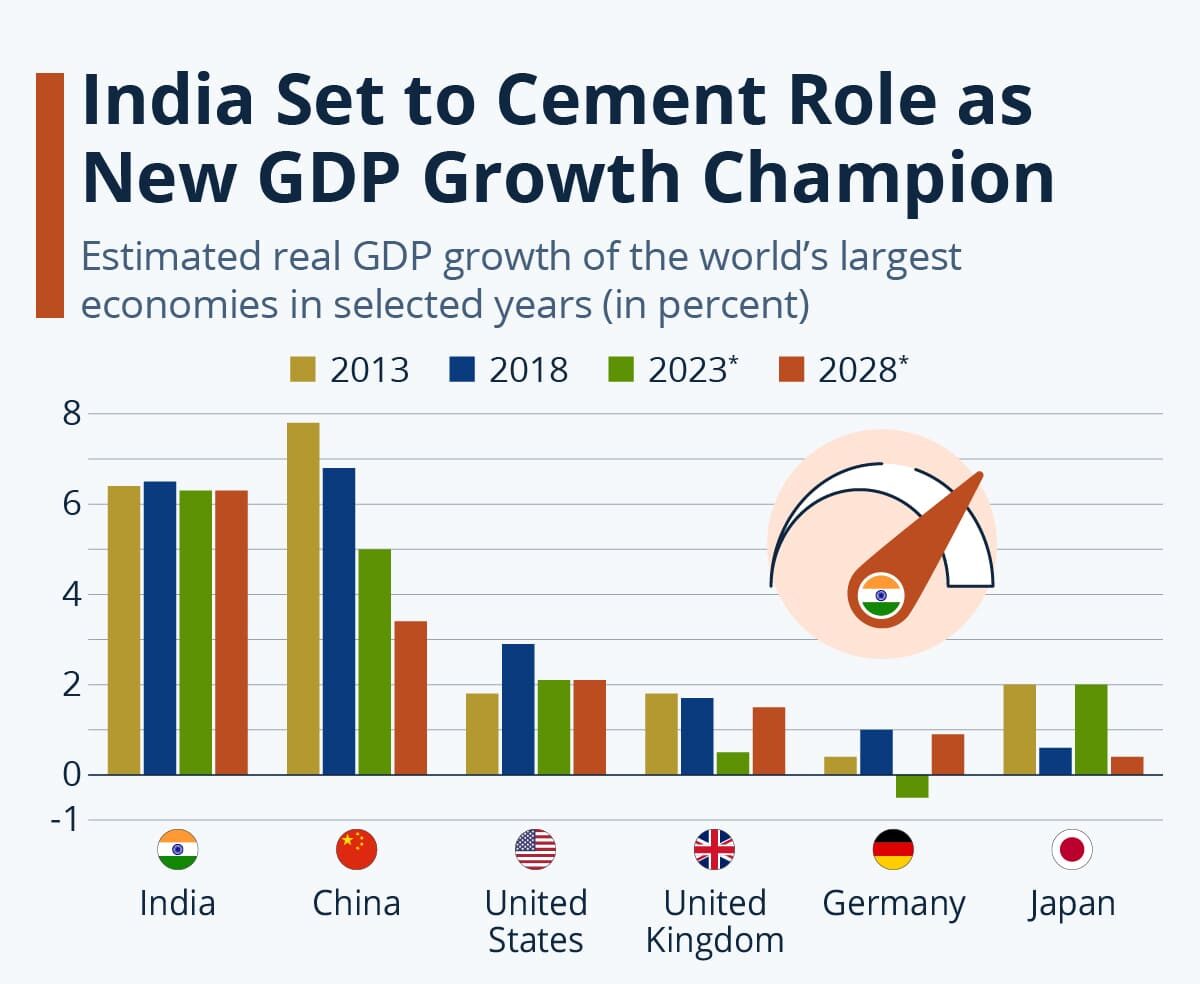
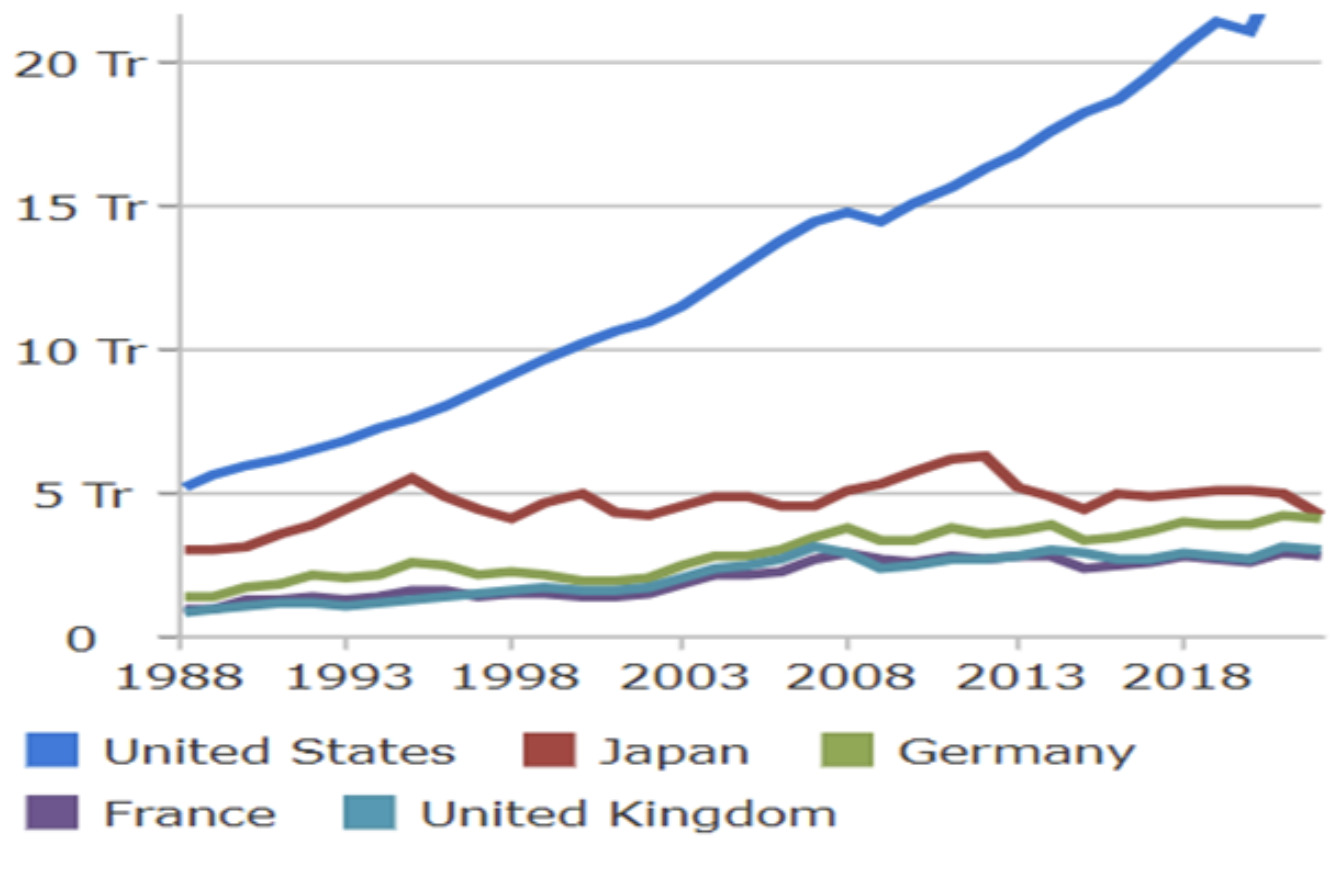


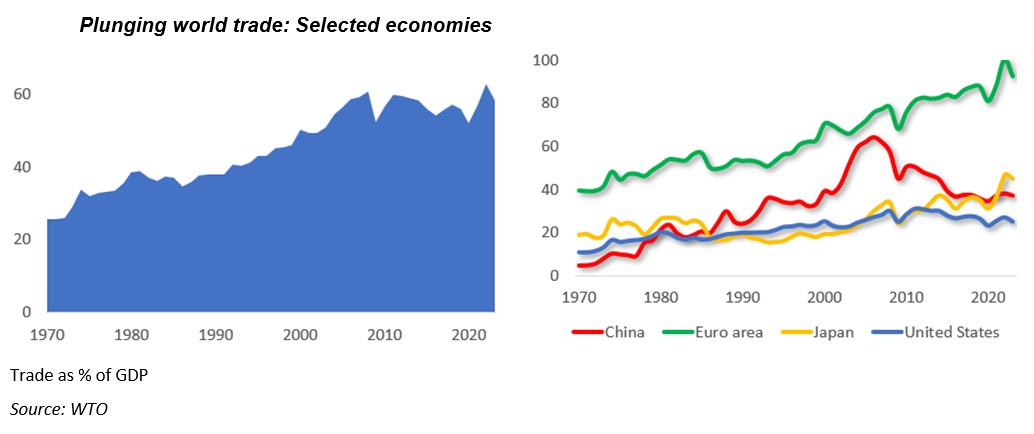
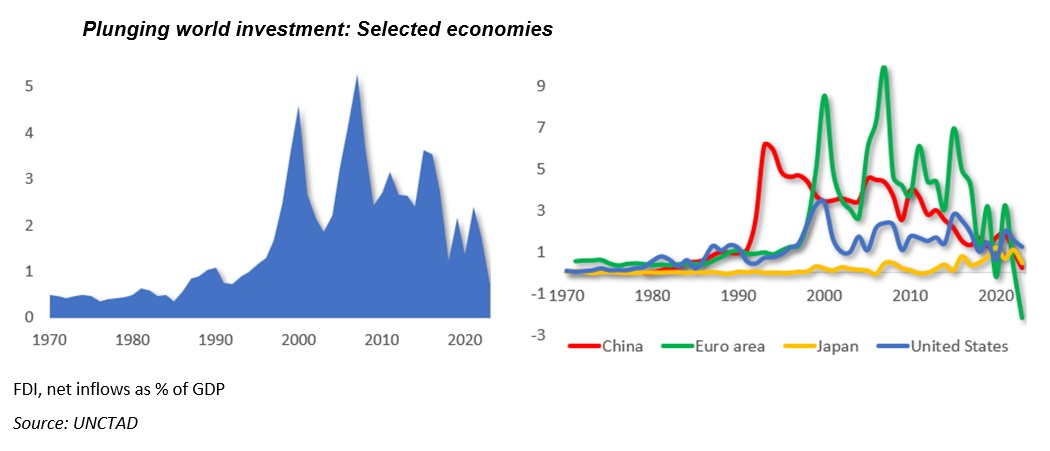
 Dr. Dan Steinbock
 Christopher Burke
 Jeremy Campbell
 Kanan Mammadov


 Joseph Mazur