Europeans are finally coming to grips with the reality that high-intensity warfare between developed, symmetrical countries was not simply eradicated with the end of WWII. Leaders have also woken up to the fact that the continent’s deep precision strike capabilities are inadequate if an aggressor knocks down their door.
Russian and Ukrainian forces have been battling it out for almost four years, marking the return of high-intensity warfare: meaning significant losses, occurring over a sustained period of time and with constant skirmishes over superiority on land, in the air and at sea. One study from The French Institute of International Relations observes: “since the winter of 2023, the stalemate on the Ukrainian front has prompted the belligerents to make greater use of deep precision strikes, in search of a military effect that has become impossible to achieve on the front line”.
Ukraine’s manpower, military budget and arms stockpiles were vastly inferior to Russia’s at the beginning of the conflict, but impressive determination and resourcefulness have helped develop deep precision strike (DPS) capabilities that might turn the tide. And Russian citizens felt the repercussions recently as they faced drastic fuel shortages and record-level gasoline prices – a result of Ukraine’s campaign to bomb Russia’s oil infrastructure and hurt Putin’s war economy. Reuters reports that Ukraine’s long-range strikes have neutralised 17% of Russia’s oil refining capacity in August. This intensive use of deep strikes has raised awareness among European leaders: not only are their countries vulnerable to such threats, but they also have very limited capabilities in this area.
The conflict, amongst others, has demonstrated Europe’s need to have robust air defence systems (IAMD/A2AD) and an array of DPS armaments capable of neutralising high value targets (HVTs) including key people, infrastructure and command centres located far beyond front lines. Beyond their immediate, potential or observed military effect, DPS weapons are an essential tool for STRATCOM due to the fact that by simply having them in one’s arsenal, they serve as a deterrence – of dissuading potential aggressors from crossing the red line.
DPS in Action
While Ukraine has mostly relied on long-range unmanned aerial vehicles (UAVs) for hitting HVTs, they have also been developing long-range cruise missiles that are faster, capable of inflicting greater damage and more difficult to shoot down than UAVs. Ukraine upgraded its Neptune anti-ship missile into a new long-range cruise missile and used it last March to hit an oil refinery in Tuapse, causing a fire that took three days to extinguish. As Ukrainian MP Roman Lozinskyi remarked, “In essence, Putin has quietly confirmed to Trump how much our deep strikes are hurting the Russian energy sector. This is our trump card.” And Ukraine now has a big, new trump card to play.
Ukraine’s Fire Point defence company recently unveiled its Flamingo FP-5, a long-range cruise missile that can carry a one-ton warhead over 3,000 kilometres. Iryna Terekh, Fire Point’s CEO, says the company aims to produce 200 per month and, “We watched Russian reaction to our first missions, and I can tell you the more successful the mission was, the more Russians tried to choke all publicity around it.”
Terekh also highlights another fundamental role of DPS capabilities – to deter. David Kirichenko from the Atlantic Council argues that the sheer size of Russia means its air defence systems cannot defend the whole country from DPS so, “Kyiv policymakers are hoping that if Putin is confronted with a bloody stalemate in Ukraine and the prospect of mounting attacks inside Russia, he may be forced to rethink his current uncompromising stance and seek a settlement to end the invasion.”
Regardless of Ukraine’s future ability to produce these missiles and use them effectively, the Flamingo epitomises the various strengths in owning deep strike capabilities: the ability to physically hit where it hurts, to leverage this as an effective communications tool, using it as a bargaining chip and deterrent from future aggression.
In the Middle East, Iran’s significant arsenal of ballistic and cruise missiles could not deter Israel’s hawkish government from attacking in June because they claimed adding a nuclear weapon to Iran’s arsenal was too imminent. After twelve days of precision strikes, Israel neutralised HVTs in Iran including nuclear scientists, top military brass, missile production facilities and nuclear sites.
The last time Europe truly used its limited DPS abilities was in 2018 during the Hamilton Operation to punish Syria’s then-president Bashar al-Assad for crossing the red line of using chemical weapons against civilians. On April 14th, British, French and American forces successfully destroyed Syrian facilities storing chemical weapons by firing European-made, long-range Storm Shadow (SCALP in French) cruise missiles from the air and five MdCN naval cruise missiles (with a range greater than 1000 km) by sea. Storm Shadow missiles have since been provided to Ukraine by France and the UK.
Changing Geopolitical Realities, Changing Needs
As if the Russian threat were not enough, Europe has had to face the new reality that America is no longer interested in defending freedom and democracy on the continent at today’s cost.
Some leaders lament or try to circumvent transatlantic abandonment. Germany is debating purchasing an American-made Typhon system and Tomahawk missiles (also recently purchased by the Netherlands). EU countries buying American argue it’s faster than developing European-made solutions, but Fabian Hoffmann from the University of Oslo observes, “Only a sustained, long-term missile industrial effort can get Europe back on track in the missile domain. This requires acknowledging that modern war demands thousands of conventional long- and deep-strike capabilities, backed by a robust and continuous order intake.”
Other EU leaders are embracing the opportunity to build European security. France’s President Macron has been promoting European industrial and technological sovereignty and Poland’s Prime Minister Tusk bluntly said last spring, “I will repeat once again what seems incredible but is true: 500 million Europeans are begging 300 million Americans to protect us from 180 million Russians who have not been able to cope with 40 million Ukrainians for three years.”
Luckily, it appears all leaders have woken up to the fact that EU member states must build the DPS capabilities required to deter and defend a Russian, or other, aggression. France and the UK recently signed the Lancaster House 2.0 agreement to order “new Storm Shadow/SCALP missiles following their successful use by Ukraine, upgrading UK and French production lines to bolster national stockpiles to deter adversaries.” They also agreed to begin the development phase (with Italy) of the Future Cruise and Anti-Ship Weapon (FC/ASW) programme, led by European MBDA, to “develop a low observable cruise missile and a highly manoeuvrable supersonic munition.”
The Dutch Ministry of Defence recently announced it is joining the Spanish-led ‘Joint Strike Missile – Submarine Launched’ programme. The new submarine-launched missile is based on the Joint Strike Missile (JSM) from Norwegian Kongsberg Defence & Aerospace. JSM was an evolution from the proven ship- and land-based anti-ship missile Naval Strike Missile (NSM).
Meanwhile, a report from IISS observes that “European countries possess air- and sea-launched cruise missiles; however, no European NATO member has a ground-launched cruise missile having a range of more than 300km except Turkey.” The European Long-Range Strike Approach (ELSA) initiative aims to fill that European capability gap (amongst others) by uniting France, Germany, Poland, Italy, the UK, Sweden and the Netherlands. MBDA’s Land Cruise Missile (LCM), based on its battle-proven naval cruise missile (MdCN), is seen as a prime candidate for a pan-European solution. Regarding ELSA, Sweden’s Defence Minister Pål Jonson maintains, “The lesson learned from the war in Ukraine is that long-range strike capabilities are becoming increasingly important on the battlefield, and of course, also with stronger air defence capabilities.”
These efforts will take a lot of time, and money, to develop. When unveiling her €800 billion “ReArm Europe” plan in May, EU Commission President Ursula von der Leyen, claimed that, “This is Europe’s moment and we must live up to it.“If Ukraine can use ingenuity and determination to build its own deep strike capabilities, shouldn’t Europe be able to do the same?
Disclaimer: The views and opinions expressed in this article are solely those of the author and do not necessarily reflect the official policy or position of the journal or its affiliated organizations. The journal does not endorse or guarantee the accuracy or completeness of the information presented in this article. Readers should use their own discretion and judgment when interpreting the contents of this article.
ABC pulled “Jimmy Kimmel Live!” off the air on Wednesday “indefinitely” following the host’s controversial comments linking the alleged killer of conservative activist Charlie Kirk to former President Donald Trump’s MAGA movement.
The decision came hours after Federal Communications Commission Chair Brendan Carr warned that ABC’s broadcast license could be in jeopardy. ABC, which is owned by Disney, confirmed the suspension in a statement Wednesday night. A person familiar with the situation told CNBC that Kimmel has not been fired but will remain off the air until further notice.
Nexstar Media Group, which owns about 10% of ABC affiliates, said earlier in the day that it would no longer carry Kimmel’s program “for the foreseeable future” in its markets. Nexstar is currently seeking FCC approval for a $6.2 billion merger with Tegna, which owns about 5% of ABC affiliates.
In his Monday night monologue, Kimmel suggested that Tyler Robinson, accused of killing Kirk on Sept. 10 at Utah Valley University, was aligned with Trump’s movement. “The MAGA Gang desperately trying to characterize this kid who murdered Charlie Kirk as anything other than one of them and doing everything they can to score political points from it,” Kimmel said.
Carr, appointed to the FCC under Trump, called Kimmel’s comments “truly sick” and warned ABC and Disney that “we can do this the easy way or the hard way.” He suggested the network’s broadcast license could face scrutiny if it did not act.
Trump celebrated the suspension, posting on Truth Social that ABC had “finally had the courage to do what had to be done,” and urged NBC to cancel its own late-night shows hosted by Jimmy Fallon and Seth Meyers.
The White House rapid response account on X also weighed in, calling Kimmel a “sick freak.” Meanwhile, FCC Commissioner Anna Gomez, a Biden appointee, condemned the move, warning that government pressure on speech risked undermining free expression. “Free expression is non-negotiable,” she wrote on X.
The fallout drew swift backlash from unions and free speech advocates. The Writers Guild of America called the suspension an act of “corporate cowardice,” while the American Federation of Musicians labeled it “state censorship.” Ari Cohn of the Foundation for Individual Rights and Expression said the timing showed “the government pressured ABC — and ABC caved.”
Senate Minority Leader Chuck Schumer also criticized the decision, saying it threatened democracy. “Everybody across the political spectrum should be speaking out to stop what’s happening to Jimmy Kimmel,” he wrote.
Nexstar defended its decision, with broadcasting president Andrew Alford saying Kimmel’s remarks about Kirk’s death were “offensive and insensitive” and not aligned with the “values of the local communities” its stations serve. Carr later praised Nexstar for “doing the right thing” and urged other broadcasters to follow suit.
The suspension marks the latest clash between media outlets and regulators over politically charged commentary. Earlier this year, ABC cut ties with correspondent Terry Moran after remarks about Trump, and last December the network paid $15 million to settle a lawsuit with Trump over statements by anchor George Stephanopoulos.
For now, “Jimmy Kimmel Live!” remains off the air as Disney executives prepare to meet with the host about his return.
Running a trade business is a rewarding but risky endeavour. From plumbing to carpentry, electrical work to landscaping, you face potential hazards every single day. That’s why understanding your insurance coverage is absolutely crucial. But let’s be honest, wading through policy documents can feel like deciphering ancient hieroglyphics. What are the real risks, and what protection do you actually have? It’s time to cut through the jargon and get a clear picture of what adequate trade insurance truly means for your livelihood.
Think of it this way: you wouldn’t head out to a job without the right tools, would you? Consider trade insurance as another essential tool in your kit, one that protects you from financial ruin should the unexpected happen. This article dives into the nitty-gritty of trade insurance, exploring the common risks faced by tradies and the different types of coverage available to safeguard your business. We’ll also look at factors that influence the cost of your premiums, helping you make informed decisions about your insurance needs.
Understanding the Risks Faced by Tradies
Before we delve into the specifics of trade insurance, it’s essential to understand the types of risks tradies encounter daily. These risks can range from minor incidents to catastrophic events, potentially leading to significant financial losses.
Property Damage
Imagine this: you’re working on a renovation project, and a faulty wire sparks a fire, causing extensive damage to the property. Or perhaps severe weather damages your tools and equipment stored on a job site. Property damage can be costly, and without adequate insurance, you could be left footing a hefty bill.
Public Liability
Public liability is a significant concern for tradies. Accidents can happen, and if a member of the public is injured or their property is damaged due to your work, you could be held liable. For example, a customer might trip over your equipment, or your work might cause damage to their property. These claims can be substantial, potentially crippling your business if you’re uninsured.
Personal Injury
As a tradie, your body is your most valuable asset. Injuries sustained on the job can prevent you from working, leading to lost income and medical expenses. Whether it’s a fall from a ladder, a back injury from lifting heavy materials, or an accident involving power tools, personal injury can have a devastating impact on your livelihood.
Theft and Vandalism
Unfortunately, theft and vandalism are all too common on construction sites and in work vehicles. Tools, equipment, and materials are attractive targets for thieves, and vandalism can cause significant damage, delaying projects and increasing costs. Replacing stolen or damaged items can be a major financial burden, especially for small businesses.
Professional Indemnity
While not always considered, professional indemnity is crucial for tradies offering design or advice services. If your advice leads to financial loss for a client, they could sue you for negligence. For example, an electrician who designs a faulty wiring system could be held liable for damages caused by the resulting electrical fires.
Types of Trade Insurance Coverage
Now that we’ve explored the common risks faced by tradies, let’s examine the different types of trade insurance coverage available to protect your business.
Public Liability Insurance
Public liability insurance is arguably the most essential type of coverage for tradies. It protects you against claims from third parties for injury or property damage caused by your work. This coverage typically includes legal costs, compensation for damages, and medical expenses. Having adequate public liability insurance is vital for protecting your business from potentially devastating financial losses.
Tool Insurance
Your tools are your livelihood, and replacing them can be expensive. Tool insurance covers the cost of replacing stolen or damaged tools, allowing you to get back to work quickly without a significant financial setback. Policies can vary in coverage, so it’s important to understand what is included, such as coverage for tools left in vehicles or on job sites.
Income Protection Insurance
If you’re unable to work due to illness or injury, income protection insurance can provide you with a regular income stream to cover your living expenses. This type of insurance is crucial for self-employed tradies who don’t have access to sick leave or workers’ compensation benefits. It ensures that you can continue to meet your financial obligations while you recover.
Workers Compensation Insurance
If you employ other people, workers’ compensation insurance is generally required by law. It covers medical expenses, lost wages, and rehabilitation costs for employees who are injured or become ill as a result of their work. This insurance protects both your employees and your business, ensuring that you can meet your legal obligations and provide support to injured workers.
Commercial Vehicle Insurance
Your work vehicle is an essential part of your business, and commercial vehicle insurance protects you against financial losses resulting from accidents, theft, or damage. Policies can include coverage for vehicle repairs, replacement vehicles, and liability for damages caused to other vehicles or property. It’s important to choose a policy that meets the specific needs of your business and the types of vehicles you use.
Contract Works Insurance
Contract works insurance, also known as construction insurance, covers damage to building projects while they are in progress. This can include damage caused by fire, theft, vandalism, or natural disasters. It’s essential for tradies working on construction or renovation projects, as it protects against financial losses if the project is damaged before completion.
Professional Indemnity Insurance
As mentioned earlier, professional indemnity insurance protects tradies who provide design or advice services. It covers legal costs and damages if a client sues you for negligence or errors in your advice. This type of insurance is particularly important for tradies who offer consulting services or design elements as part of their work.
Factors Influencing the Cost of Trade Insurance
The cost of trade insurance can vary depending on a number of factors. Understanding these factors can help you make informed decisions about your coverage and potentially lower your premiums.
Type of Trade
The type of trade you operate can significantly impact your insurance costs. High-risk trades, such as roofing or electrical work, typically have higher premiums due to the increased potential for accidents and injuries. Lower-risk trades, such as painting or landscaping, may have lower premiums.
Business Size and Revenue
Larger businesses with higher revenue generally have higher insurance costs. This is because they typically have more employees, assets, and potential liabilities. Smaller businesses with lower revenue may be able to obtain more affordable coverage.
Coverage Limits
The amount of coverage you choose will also affect your premiums. Higher coverage limits provide greater protection but also come with higher costs. It’s important to carefully consider your potential liabilities and choose coverage limits that adequately protect your business without overspending.
Excess
The excess is the amount you have to pay out of pocket before your insurance coverage kicks in. Choosing a higher excess can lower your premiums, but it also means you’ll have to pay more in the event of a claim. It’s important to strike a balance between a manageable excess and affordable premiums.
Claims History
If you have a history of making claims, your insurance premiums are likely to be higher. Insurers view businesses with a history of claims as higher risk and may charge higher rates to offset that risk. Maintaining a good safety record and minimising claims can help keep your insurance costs down.
Location
The location of your business can also affect your insurance costs. Businesses located in areas with higher crime rates or a greater risk of natural disasters may face higher premiums. Insurers assess the risks associated with different locations and adjust premiums accordingly.
Tips for Finding the Right Trade Insurance
Choosing the right trade insurance can seem daunting, but following these tips can help you find the coverage that best meets your needs.
Assess Your Risks
Start by carefully assessing the risks associated with your trade and business operations. Consider the types of accidents, injuries, or property damage that could occur and the potential financial impact. This will help you determine the types of coverage you need and the appropriate coverage limits.
Shop Around
Don’t settle for the first insurance quote you receive. Shop around and compare quotes from multiple insurers to find the best rates and coverage options. Use online comparison tools or work with an insurance broker to streamline the process.
Read the Fine Print
Before you commit to a policy, carefully read the fine print to understand the terms and conditions, exclusions, and limitations. Make sure you understand what is covered and what is not, and ask questions if anything is unclear.
Consider Bundling
Some insurers offer discounts for bundling multiple types of coverage, such as public liability, tool insurance, and commercial vehicle insurance. Consider bundling your policies to save money and simplify your insurance management.
Review Your Coverage Regularly
Your insurance needs may change over time as your business grows and evolves. Review your coverage regularly to ensure that it continues to meet your needs and that you’re not paying for coverage you no longer need. Update your policies as necessary to reflect changes in your business operations.
The Peace of Mind that Comes with Adequate Trade Insurance
While insurance might seem like an added expense, it’s an investment in the long-term security of your business. Knowing you have adequate insurance coverage provides peace of mind, allowing you to focus on your work without constantly worrying about potential financial risks. It’s about protecting yourself, your employees, and your livelihood from the unexpected events that can derail even the most successful businesses.
From navigating public liability claims to ensuring your tools are protected, having the right options for trade insurance is not just a good idea; it’s a fundamental aspect of running a responsible and sustainable business. By understanding the risks, exploring your coverage options, and making informed decisions, you can build a safety net that protects your hard work and secures your future.
Bezalel Smotrich is one of political leaders of Israel’s Messianic far-right. But he is also a shrewd administrator executing a biblical “decisive plan” of ethnic cleansing in Gaza, which he is incorporating into Israel.
Notorious both in Israel and abroad, yet beloved as a visionary by his constituencies, Bezalel Smotrich is the far-right leader of Israel’s National Religious Party-Religious Zionism and Prime Minister Netanyahu’s current Minister of Finance.
Ridiculed and underestimated abroad, Smotrich has consistently exploited the Gaza hostilities, in order to bring about the annexation of the West Bank to the pre-1967 Israel.
A self-proclaimed racist and fascist, Smotrich has promoted the blockade of the Gaza Strip since October 2023. He calls for a “voluntary emigration” of the Palestinians from Gaza to other countries. His ultimate objective is to transform Israel from a secular democratic state to a religious autocracy ruled by the Jewish biblical law.
The official Bezalel Smotrich, 2023 Source: Wikimedia
Restoring the Torah justice system
Smotrich has lived his life in Jewish settlements, which are illegal by international law. The descendant of a Ukrainian-Jewish family that lost most of its members in the Holocaust, he grew up in an Orthodox-Jewish and Zionist milieu. But it was distinctively Messianic.
Studying in Mercaz HaRav Kook, Yashlatz, and Yeshivat Kedumim, Smotrich was educated by the apocalyptic ideals of rabbi Abraham Isaac Kook, the father of Messianic religious Zionism. His political career took off in the mid-2010s, when the political clout of the Messianic far-right Jewish groups began to be felt nationwide. In 2019 he campaigned for the Ministry of Justice, saying that he sought the portfolio to “restore the Torah justice system.”
It is an old religious-Zionist goal, touted in the past by the violent Jewish-American rabbi Meir Kahane. It is premised on the idea that democratic institutions are a Hellenic, goy thing, whereas only the Five Books of Moses can serve as a foundation of law in a Jewish state. Smotrich’s extremist politics aim at replacing the secular rule of law with traditional Jewish law.
In 2021, Smotrich, emboldened by his growing popularity, declared that Israel’s first prime minister, David Ben-Gurion, should have “finished the job” and kicked all Palestinians out when Israel was founded. In his view, members of Israel’s Arab minority communities are citizens, but only “for now.”
Violence to undermine Israeli withdrawal from Gaza
In spring 2023, when Smotrich took over a large chunk of the administration of the West Bank, he did not condemn settler violence. Instead, he urged Israel to react “in a way that conveys that the landlord has gone crazy” and called for “striking the cities of terror and its instigators without mercy, with tanks and helicopters.” That became his rallying cry after October 7, 2023.
Gaza is personal to Smotrich. In the early 2000s, he saw Israel’s withdrawal from the Strip as blasphemy. During the protests against the Israeli disengagement from Gaza, he was arrested in 2005 while in possession of 700 liters of gasoline.
According to Shin Bet, Israel’s domestic security, the arrest was motivated by suspicion that he was participating in an attempt to blow up Ayalon Highway, a major arterial road. He was held in jail for three weeks but not charged after he refused speak.
Like all religious fanatics, Smotrich has walked his talk. He has a plan and he is determined to realize it. It isn’t a new plan. It is more than half a decade old.
Once scorned as religious humbug, it is now becoming still another new fact on the ground.
Smotrich’s “Decisive Plan” for Gaza
In 2017, Smotrich, then still a young Knesset member, presented his “Decisive Plan” in closed religious Zionist circles. It represented an endgame of sorts for the Israeli-Palestinian conflict.
The plan portrayed the conflict as devoid of any reconciliation. It rejected partition. It shunned any idea of a Palestinian state, any idea of Palestinian presence. Smotrich envisioned a singular state from the sea to the river, for one nation only: the Jewish people. True to his beliefs, he built on biblical allegories, which to him were no allegories at all:
When Joshua entered the land, he sent three letters to its inhabitants: Those who want to accept [our rule] will accept; those who want to leave, will leave; those who want to fight, will fight….
When they have no hope and no outlook, they will leave, just as they left in 1948.
Since October 7, Smotrich has championed what he describes as a “humane” solution for Gazan non-combatants: a “voluntary” population transfer.
The two-state model was a dead end. Smotrich’s solution was simpler: Eliminate the adversary, resolve the dilemma.
Smotrich is close to US Jewish neoconservatives Smotrich with US Ambassador to Israel David M. Friedman in October 2017
“Leave!”
A month after October 7, 2023, U.S. Secretary of State Antony Blinken presented his outline of what America would not accept as the “day after” in Gaza:
No forcible displacement of Palestinians from Gaza. No use of Gaza as a platform for launching terrorism or other attacks against Israel. No diminution of the territory in Gaza and a commitment to Palestinian land governance for Gaza and the West Bank and in a unified way.
In light of the on-the-ground realities, Blinken was living in a parallel universe. Most Gazans had already been displaced, the attacks continued, the infrastructure had been leveled and the path was paved for mass starvation.
To the Messianic far-right in Israel, the White House is a convenient asset in God’s plan for Israel; not more, not less. In their view, America is not just rich and powerful, but soft and manipulable.
So, while the Netanyahu cabinet’s official emissaries paid tribute to their American sponsors by regularly bowing to liturgical phrases, such as a “two-state solution” and “no displacement,” they were tenaciously building the institutional framework for a singular Jewish state and for displacing more than 2 million Palestinians in Gaza.
In Smotrich’s view, Arabs owned no land. Jews were the landlords. Palestinians were just short-term tenants. Jews stayed; Palestinians were visiting. In a while, the world will forget all about the West Bank and Gaza, even the terms themselves. Those lands will be Judaized and know by their Hebrew terms as Judea and Samaria, and Azza.
So, when Netanyahu entrusted Smotrich with the administration of the occupied West Bank, he did it deliberately and purposely. It was a signal to Palestinian Arabs: Leave!
The original commentary was released by Informed Comment (US) on Sept. 18, 2025.
For many players, the biggest barrier to trying online casinos is the risk of losing money before they even know if they’ll enjoy the experience. This is where no deposit casino bonuses come in. These offers give players a chance to test out real-money games without having to make an initial deposit. They’re one of the most attractive promotions in the industry, allowing you to explore slot machines, table games, and live dealer titles at no cost.
But how do these bonuses work, what are the potential downsides, and where can you find the best deals? This guide will help you understand how to play without risk while making the most of these special offers.
What Is a No Deposit Casino Bonus?
A no deposit casino bonus is exactly what it sounds like: a bonus provided by a casino without requiring you to deposit any of your own money. These bonuses usually come in two forms:
Free credits – A small balance added to your account to play selected games.
Free spins – A set number of spins on a particular slot or group of slots.
These bonuses are particularly popular among newcomers who want to explore games risk-free, but they’re also useful for experienced players trying out new platforms.
Why Casinos Offer No Deposit Bonuses
You might wonder why casinos give away free money. The answer is simple: it’s a marketing tool. No deposit bonuses attract new customers by reducing the initial barrier to entry.
Once players enjoy the platform, explore the games, and experience the convenience of casino apps for iOS and Android, many are more likely to make deposits and continue playing. For the casino, it’s an investment in building loyalty.
Wagering Requirements and Conditions
No deposit bonuses are never completely free of strings. Most come with wagering requirements, which determine how many times you must bet the bonus amount before withdrawing winnings. For example, a $10 free credit with a 30x wagering requirement means you need to place $300 in bets before you can cash out.
Other common conditions include:
Game restrictions – Some bonuses are limited to certain slots or categories.
Maximum withdrawal limits – Casinos often cap how much you can cash out from no deposit wins.
Time limits – Free credits or spins may expire after a set period, usually 7–14 days.
Understanding these terms is key to making the most of the offer without disappointment.
Benefits of No Deposit Bonuses
Despite the conditions, no deposit casino bonuses come with clear advantages:
Risk-free play – You’re not putting your own money on the line.
Platform testing – A great way to evaluate user experience, customer support, and game variety.
Real winnings possible – While capped, you can still cash out actual money from free bonuses.
Mobile convenience – Easily accessible on casino apps for iOS and Android, so you can try games on the go.
Where to Find the Best Offers
Not every bonus is equal, so choosing carefully is important. Start with casinos with high payouts since these platforms often combine fair RTP (Return to Player) percentages with transparent bonus terms. High-payout casinos also have reputations for fast withdrawals, making it more worthwhile when you do win.
New players should also explore comparison sites and review platforms that list the most recent and generous no deposit promotions. This way, you’ll know which casinos have the lowest wagering requirements and the best withdrawal policies.
Tips for Making the Most of No Deposit Bonuses
Read the fine print – Always check wagering requirements, game restrictions, and withdrawal caps.
Play high RTP games – Use your free credits or spins on games with favorable odds for better chances.
Set realistic expectations – Treat no deposit bonuses as a way to explore, not as a guaranteed way to win big.
Stay with licensed casinos – Only claim bonuses from regulated operators to ensure security and fairness.
Conclusion
No deposit casino bonuses are one of the best ways to experience online gambling without taking financial risks. They allow players to explore games, test platforms, and even win real money—all without spending a cent upfront. By sticking to casinos with high payouts and taking advantage of reliable casino apps for iOS and Android, you can maximize your chances of enjoying these offers safely and responsibly.
Whether you’re a beginner curious about mobile slots or a seasoned player testing out a new platform, no deposit bonuses are a risk-free gateway to the exciting world of online casinos.
The Federal Reserve on Wednesday lowered its benchmark interest rate by a quarter percentage point, bringing the federal funds rate to a range of 4% to 4.25%. It is the lowest level in nearly three years and marks the first step in what officials signaled will be a series of cuts.
The rate move had been widely expected, but markets closely watched the Fed’s updated “dot plot” projections for future policy. The outlook pointed to two more reductions this year, another in 2026, and one more in 2027, leaving the rate near 3%—the level the committee views as “neutral.”
Markets reacted with mixed signals. The Dow Jones Industrial Average gained 260 points, but both the S&P 500 and Nasdaq closed lower. Treasury yields fell on short-term bonds while climbing on longer maturities, a dynamic that could complicate the Fed’s effort to manage growth and inflation risks.
Chair Jerome Powell described the move as a “risk management” cut, underscoring concerns about a slowing labor market. “The only way for any voter to really move things around is to be incredibly persuasive, and the only way to do that in the context in which we work is to make really strong arguments based on the data and understanding of the economy. That’s really all that matters, and that’s how it’s going to work,” Powell said during his press conference.
The pace of easing is expected to be front-loaded. The Fed projected two additional cuts at its October and December meetings, followed by just one in 2026 and another in 2027, with no cuts in 2028. The uneven path left investors uneasy about the balance between dovish and hawkish signals.
The meeting also featured the debut of Governor Stephen Miran, who cast the lone dissenting vote. He argued for a larger half-point reduction, highlighting divisions within the committee. A narrow 10-9 vote determined that two more cuts this year were preferred over just one, reflecting a wide range of views among policymakers.
Analysts weighed in on the implications. Dan North, senior economist at Allianz Trade North America, suggested that members rallied to avoid broader dissent. Rick Rieder of BlackRock warned that the Fed’s biggest challenge ahead would be preserving jobs, noting that “the hiring environment for people is becoming considerably less healthy.” Joseph Brusuelas of RSM cautioned that the central bank may tolerate inflation “well above target” in the coming years as leadership changes take shape.
The Fed’s latest decision reflects its delicate balancing act—easing policy to sustain growth while trying to avoid reigniting price pressures. With political and economic uncertainty on the horizon, markets are bracing for more volatility as the central bank navigates the path forward.
The 2025 Shanghai Cooperation Organisation (SCO) summit in Tianjin, which brought together twenty-six heads of state, underscored the organization’s growing relevance amid intensifying geopolitical fragmentation. Dr Kalim Siddiqui argues that for many Global South countries, unsettled by US protectionism and coercive tariff policies, the SCO offers a strategic alternative to West and a platform for policy coordination, and collective action.
I. Introduction
The international system is undergoing a profound transformation marked by the decline of unipolarity and the rise of competing centres of power. At the heart of this shift is the Shanghai Cooperation Organization (SCO), a regional grouping that has evolved from a narrow security arrangement into a broad platform for political, economic, and strategic cooperation. At present, with 10 full members—including China, Russia, India, Pakistan, Iran, Kazakhstan, Kyrgyzstan, Tajikistan, Uzbekistan and Belarus—and a growing number of dialogue partners such as Saudi Arabia, Türkiye, and Qatar, the SCO represents a potential alternative to Western-led international organisations.
The SCO was established in 2001 by six founding members—China, Russia, Kazakhstan, Kyrgyzstan, Tajikistan, and Uzbekistan—with the primary goal of fostering security cooperation in Central Asia (Siddiqui, 2023). Over two decades, the organization has expanded its membership. Today, the SCO’s agenda spans security, economic development, energy cooperation, connectivity, and cultural exchange.
The 2025 Shanghai Cooperation Organisation summit in Tianjin, which convened a record twenty-six heads of state, demonstrated the organization’s significant growth amidst a period of global geopolitical fragmentation. For many Global South nations alarmed by rising US protectionism and coercive tariff policies, the SCO is increasingly seen as a strategic alternative to Western-dominated institutions. It offers a crucial platform for non-Western countries to align policies, advance mutual interests, and collectively project influence. This paper analyses the SCO’s rising prominence, its internal dynamics with member states, and its broader role in facilitating a multipolar world order.
This development must be situated within a broader global context increasingly characterized by geopolitical fragmentation.
At the recent SCO summit, Indian Prime Minister Narendra Modi held a meeting with Chinese President Xi Jinping, signalling a potential step toward the normalization of strained bilateral relations. This development must be situated within a broader global context increasingly characterized by geopolitical fragmentation. Although deep-seated challenges persist between India and China—including territorial disputes, strategic competition, and enduring trade imbalances—the SCO provides an institutionalized framework for dialogue and confidence-building among its member states. Such mechanisms are particularly significant in a period marked by heightened instability in the global economy. The continuation of tariff-based trade policies, initiated under former US President Donald Trump, has disproportionately affected India, reinforcing the importance of diversifying multilateral engagement.
India’s active participation in platforms such as BRICS, the Russia–India–China trilateral, and the SCO reflects a deliberate effort to expand its strategic partnerships while mitigating the risks of great-power rivalry. These interactions not only strengthen India’s regional influence but also enhance its role in shaping global governance structures (Siddiqui, 2016).
In this context, India faces the responsibility of demonstrating leadership among developing countries. By advancing the principles of collective strength, multipolarity, and the democratization of international institutions, India can contribute to the construction of a more balanced and representative global order.
For India, participation in the SCO reflects both opportunity and challenge. Situated between the competing influences of China, Russia, and the United States (US), India trying to navigate a complex web of economic dependencies and strategic rivalries. India also faces domestic economic pressures and mounting US trade restrictions, including high tariffs. Diversifying trade with China, while cautiously managing security concerns, may help India reduce external vulnerabilities and strengthen its economic resilience.
The SCO has become an indispensable component of India’s foreign policy strategy, particularly in the context of managing its complex relations with China and Russia. While challenges remain, India’s continued participation in the SCO reflects both pragmatic considerations and its aspiration to shape the contours of a multipolar world order. The organization’s future trajectory will depend on how its members reconcile divergent interests, but it is already clear that the SCO represents a significant arena in which India seeks to project influence and safeguard its long-term strategic interests (Bajpayee and Jie, 2025).
Furthermore, the SCO presents opportunities for India to deepen ties with the Global South and position itself as a bridge between Asia and other developing regions. By leveraging SCO mechanisms, India may enhance regional connectivity projects, promote economic integration, and build coalitions around issues such as climate change, energy security, and equitable development.
The SCO summit brought together some of the strongest emerging economies, including India and Russia, which, along with China, account for more than one-fifth of the world’s gross domestic product (GDP). Trilateral trade between China, India and Russia accounted for $452 bn in 2023, up from $351 bn in 2022.
II. Political and Economic Significance of the SCO Summit
The enlargement and diversification of the SCO underscores its growing geopolitical relevance. For post-colonial countries, participation in the organization offers an alternative platform outside Western-dominated institutions (Siddiqui, 2025a). For India, active engagement in the SCO allows it to advance its strategic autonomy, improve relations with China, and contribute to the construction of a more pluralistic global governance system (Bajpayee and Jie, 2025).
International politics is increasingly shaped by geopolitical fragmentation, India’s engagement with China and Russia acquires heightened significance. While global instability persists—exacerbated by factors such as US tariff policies under former President Donald Trump, which have particularly affected India—multilateral forums like BRICS and the SCO provide important avenues for dialogue and cooperation. As a major developing economy, India is called upon to demonstrate global responsibility, set an example for the Global South, and contribute to advancing the multiploidization of world politics and the democratization of international institutions.
The SCO summit brought together several of the world’s most significant emerging economies, most notably China, India, Russia, and Iran, which collectively account for more than one-fifth of global GDP. The economic interdependence of these countries is evident in trade statistics: trilateral trade among China, India, and Russia increased from US$ 351 bn in 2022 to US$ 452 bn in 2023, highlighting their deepening economic ties despite global disruptions (Aljazeera, 2025).
The improvement in Sino-Indian relations, their cooperation could potentially serve as a driving force in international politics. Such a development might also galvanize the Russia–India–China trilateral process, a format championed by Yevgeny Primakov in the late 1990s. Primakov envisioned a multipolar world order in which Eurasian powers would collaborate to balance Western dominance. Three decades later, the international correlation of forces has indeed shifted in directions broadly consistent with his vision (Siddiqui, 2023).
However, on economic front, India runs a substantial trade deficit with China, importing nearly seven times more goods than it exports. In 2023, China exported US$ 125 bn worth of goods to India, mainly machinery and chemical products, while India’s exports to China totalled only US$ 18.1 bn, largely consisting of oil and fuel products. Yet despite asymmetries, the relationship remains vital: India depends on Chinese investments, technologies, and raw materials to sustain its manufacturing and export sectors. India runs a major trade deficit with Russia, importing far more than it exports. In 2023, Russia sold $66.1 bn worth of goods to India, with energy products – primarily crude oil and natural gas – making up about 88 percent of these imports, much of which India buys at a discounted rate.
China is the largest Russia’s trading partner, accounting for 14.6 percent ($72.1bn) of Russian exports in 2021, Russia also had a broad range of European partners. The Netherlands was Russia’s second-largest partner, with 8 percent ($39.5bn) of total exports, followed by the US at 5.5 percent ($27.3bn) in 2021.
Before the Ukraine conflict, Russia maintained a diverse set of trading partners. In 2021, China was Russia’s largest trading partner, absorbing 14.6 percent (US$ 72.1bn) of Russian exports. The Netherlands (8 percent, US$ 39.5bn) and the US (5.5 percent, US$ 27.3bn) also figured prominently.
However, following Russia’s invasion of Ukraine in February 2022, sweeping Western sanctions forced Russia to reorient its trade. By 2023, the bulk of Russian exports shifted decisively toward Asia. China accounted for one-third (US$ 129 bn) of Russia’s exports, while India absorbed 16.8 percent (US$ 66.1bn) and Türkiye 7.9 percent (US$ 31bn). Together, Asian markets consumed more than three-quarters of Russia’s total exports. In 2023, China exported $110bn worth of goods to Russia, led by machinery and transport equipment. The top export items from China to Russia were cars. That same year, Russia sold $129bn worth of goods to China – mostly mineral products, including oil and natural gas. Russia has run a trade surplus with China, mostly due to energy products, which make up nearly three-quarters of its exports (Aljazeera, 2025).
The SCO has increasingly become a critical platform where shifting economic alignments between India, China, and Russia are negotiated against the backdrop of global instability. The redirection of Russia’s trade toward Asia highlights the deepening interdependence within the SCO space, while India’s engagement demonstrates both opportunities and constraints. As India seeks to balance its relations with Russia and China, its active role in the SCO will be central to advancing a vision of a more multipolar and democratized global order.
India continues to experience a significant trade imbalance with China, importing nearly seven times more goods (by value) than it exports. In 2023, China exported US$ 125bn worth of goods to India, dominated by machinery and chemical products. By contrast, India’s exports to China totalled only US$ 18.1bn, with oil and fuel-related products constituting the largest share (Aljazeera, 2025). This persistent deficit underscores both structural asymmetries in bilateral trade and the challenges India faces in diversifying and upgrading its export basket.
The US has expressed strong opposition to India’s purchase of discounted Russian oil, arguing that such transactions provide Russia with significant revenue to sustain its war in Ukraine. Beyond energy, US has also sought greater access to India’s agricultural sector, pressing for the entry of US agribusiness corporations, which could enable them to offload surplus production into Indian markets. At a strategic level, the US increasingly perceives India as a potential systemic challenger to American hegemony, complicating the bilateral relationship despite their growing defence and technological cooperation (Siddiqui, 2025b).
Despite the US pressure, India has deepened its energy and trade relations with Russia. By 2024, Russia accounted for approximately 37 percent of India’s total oil imports, highlighting Russia’s centrality to India’s energy security. Bilateral trade between the two countries reached a record US$ 68.7bn in the 2024–25 financial year, with Indian imports from Russia valued at around US$ 64 bn, compared to exports worth only US$ 5bn. The trade relationship remains heavily skewed in Russia’s favour, largely due to energy purchases, but both governments have articulated ambitions to expand bilateral trade to US$ 100 bn by 2030.
The SCO represents more than a regional forum; it embodies the aspirations of non-Western powers to shape a multipolar world order. For India, success will depend on reducing border tension with China and taking a clear stand to diversify its economy and building relations with China, Russia and other emerging economies to advance its long-term interests. As envisioned by prominent Russian diplomat Yevgeny Primakov, the shifting correlation of forces suggests that the world is indeed moving toward multipolarity, even if the path remains fraught with rivalry and uncertainty.
III. India, China, and US Power Politics: Interdependence and Strategic Rivalries
The Indian diaspora in the US, particularly the Gujarati business community, and the large number of Indian-origin CEOs leading major US corporations, highlight the depth of India–US economic linkages. Moreover, India’s IT sector is deeply integrated with US businesses and markets, while bilateral cooperation also extends to the nuclear sector (Siddiqui, 2025c).
At the same time, India’s manufacturing capacity is closely tied to Chinese investment and raw material supplies. Many of India’s export-oriented industries depend on Chinese inputs, technologies, and critical minerals, underscoring India’s economic dependence on China. This dual reliance on both the US and China complicates India’s foreign policy, especially in an era of heightened great-power rivalry.
India’s foreign policy choices are further complicated by internal divisions. A strong pro-American lobby exists within India, encompassing sections of the intelligentsia, the diaspora, and segments of the political and business elite. This camp champions a deepening strategic partnership with the US, often describing it as the defining relationship of the 21st century.
During the Trump administration, the tension between India and US became explicit. Peter Navarro, a senior adviser to President Trump, argued in the Financial Times that the US should not transfer “cutting-edge” military technologies to India as long as India appeared to be “cozying up” to Russia and China. Such statements underscore the limits of US trust in India’s strategic choices and highlight the ongoing challenge for India in pursuing multi-alignment without alienating major partners.
The US has adopted a strategy of containing China, viewing China’s rapid economic rise as a precursor to military strength and geopolitical influence. For much of the past quarter century, economic interdependence between major powers was seen as a pathway to shared prosperity. Indeed, both India and China benefited substantially from globalization over the last 25 years. However, China’s ascent has been far more dramatic, enabling it to emerge as the principal power in East Asia. Since 2017, the rise of Chinese economy and technology is seen by the US as challenger to its dominance in Asia.
Over the past three decades, China has achieved remarkable economic growth, enabling it to emerge as a regional power in East Asia with global ambitions (Siddiqui, 2024a). As China strengthens both its economic and military presence in the region, the US views this as a direct challenge to its long-standing hegemony. US’s approach toward China mirrors its earlier strategies of containing other rising powers. In this respect, China’s current trajectory parallels the US experience in the 19th century, when US asserted dominance over the Western Hemisphere through the Monroe Doctrine (Siddiqui, 2025a).
However, India’s relations with China remain clouded by negative perceptions and longstanding mistrust, which cannot be easily overcome. Despite increasing reliance on trade and investment cooperation with China, Indian domestic narratives often highlight China as a strategic rival, reinforcing scepticism toward closer engagement despite growing economic interdependence (Bajpayee and Jie, 2025).
The India–Pakistan military conflict has underscored the limitations of the SCO as a security platform. The organization has struggled to respond effectively to intra-member crises, revealing weaknesses in its flexibility and crisis management mechanisms. These shortcomings highlight the need for structural reforms and enhanced internal coordination. There is a need for resolving conflict between India and Pakistan because both are members of the SCO. And if it continues to be constrained by bilateral disputes, its geopolitical relevance risks further erosion in comparison to Western-led alliance systems, which maintain more cohesive structures and crisis-response capabilities.
Another conflict, namely the India–China border dispute, which has its origins in British colonialism, particularly the agreements and maps drawn by the British Raj in the early 20th century. The McMahon Line of 1914, intended to demarcate the boundary in the eastern sector, left several regions ambiguous, including Aksai Chin in the western sector. These colonial-era arrangements were insufficient for the needs of an independent India and have contributed to ongoing territorial disputes since Britain’s withdrawal.
The 2020 border clashes marked the most serious tensions in over four decades, placing the issue at the forefront of bilateral relations. De-escalation and stabilization along the border are now widely regarded as prerequisites for broader engagement, including economic and strategic cooperation. A breakthrough in resolving the border dispute could transform regional dynamics in Asia, reduce decades of hostility, and potentially diminish US influence over India in regional affairs.
Despite recurring challenges, particularly over the disputed Himalayan border, India and China have simultaneously cultivated growing economic and trade ties. In recent years, both countries have recalibrated their approaches to bilateral engagement, aiming to stabilize the border while enhancing commercial collaboration (Xue and Balazs, 2025).
IV. Economic Ties Between India and China
China’s economy is nearly six times larger than India’s in terms of GDP in 2023 (see Figure 1) (Siddiqui, 2020). In addition, China has become a leading global supplier of critical raw materials with high economic importance in the 21st century. These include rare earth elements, lithium, cobalt, copper, gallium, germanium, natural graphite, silicon, and platinum. Such minerals are indispensable for the green and digital transitions, powering technologies like electric vehicles, solar panels, wind turbines, and advanced electronics. They are, therefore, central to future economic competitiveness and strategic autonomy. Against this backdrop, Chinese cooperation is vital not only to strengthen India’s manufacturing capacity—through the supply of raw materials, technology, and capital investment—but also to expand its export sector (Xue and Balazs, 2025).
Figure 1: The Growth of Gross Domestic Production of China and India, 1990-2022 (US$ trillions)
India’s growing manufacturing sector presents opportunities for economic convergence with China. As the two most populous economies in the world, enhanced collaboration in trade, investment, and industrial development could generate mutual benefits. India has the potential to attract manufacturing transfers, which may complement or, in some sectors, compete with Chinese exports. Strengthening communication and cooperation between the two countries could therefore drive regional economic growth and foster stability while balancing broader geopolitical pressures (Siddiqui, 2024d).
The significant decline in foreign direct investment (FDI) inflows from China to India is largely attributable to India’s revised FDI policy for countries sharing land borders, implemented in response to the Sino-Indian border tensions of 2020. Despite this, Chinese investment in India continues to focus on strategic sectors such as electronics (smartphones, telecom equipment), household appliances, power equipment, steel, engineering machinery, and e-commerce. Prominent investors include Xiaomi, VIVO, OPPO, Huawei, Haier, Shanghai Automotive, Sany Heavy Industry, and TBEA.
Conversely, Indian investment in China has also declined, with FDI totalling US$ 6.32 million in 2021, representing a 47.4 percent year-on-year decrease. Nevertheless, Indian companies have increasingly established operations in China across diverse sectors, including pharmaceuticals, manufacturing, IT services, and trade, specifically on manufacturing industries, such as pharmaceuticals, auto components, and renewable energy (wind power).
FDI flows between the two countries have fluctuated due to geopolitical tensions, yet both governments continue to explore joint ventures in emerging sectors, including electric vehicles (EVs) and telecommunications. China remains a critical supplier of industrial goods to India, while India seeks to attract Chinese firms to establish local production facilities.
This pattern of investment reflects both economic pragmatism and a shared understanding that stable economic relations are essential for broader political and strategic stability, particularly amid the complex security and geopolitical environment in Asia.
This pattern of investment reflects both economic pragmatism and a shared understanding that stable economic relations are essential for broader political and strategic stability
This reliance persists even as India restricts Chinese investment in sensitive sectors and bans several Chinese-owned apps, including TikTok and WeChat. The reality is that India’s ambitions to become a global manufacturing hub cannot be achieved without Chinese components and raw materials. As the Economic Survey 2023–24 cautions, “it may not be the most prudent approach to think that India can take up the slack from China vacating certain spaces in manufacturing.” Instead, the report argues, India’s integration into global supply chains is contingent on its integration into China’s supply chain.
Despite political frictions, China remains India’s leading trading partner. The trade data highlights a widening imbalance: Chinese exports to India exceeded US$100 bn, while Indian exports to China totalled just over US$15 bn in 2022. In strategically significant sectors—such as pharmaceuticals and renewable energy—India’s dependence is especially pronounced. More than 40 percent of India’s pharmaceutical imports originate in China, and India’s largest supplier of generic drugs to the US relies on China for over half of its active pharmaceutical ingredients (Bajpayee and Jie, 2025).
Trade has long functioned as a stabilizing factor in India-China relations, even amid political frictions. In 2024, bilateral trade reached US$ $118.4 bn, with India importing $101.7 bn worth of goods while exporting only $16.67 bn (See Figure 2). However, despite border disputes and trade between India and China has steadily grown over the years (as illustrated in Figure 3). China is second among the top trading countries for India (as shown in Table 1) and also China is the key supplier of critical raw materials for India’s manufacturing.
This stark asymmetry underscores both the depth of India’s dependence on Chinese supply chains and China’s centrality to India’s economic calculations. Rare earth elements provide another critical layer of interdependence. While India possesses domestic reserves, it lacks advanced processing capabilities, leaving it strategically vulnerable to China’s dominance in global rare earth supply chains—essential for electronics, renewable energy, and defence applications.
Figure 2: The Chinese-Indian Trade Relationship in 2023.
For centuries, Europe and North America controlled the bulk of global resources and technological innovation while dictating political and economic terms to the rest of the world. Today, that asymmetry is diminishing. Rising powers such as China, India, Russia, Indonesia, and South Africa—propelled by rapid growth, expanding higher education, and technological development—are altering the global balance of power, as underscored by the recent SCO summit. These dynamics point to the emergence of a genuinely multipolar order (Siddiqui, 2020b).
The Monroe Doctrine of the 1820s exemplified this long-standing ambition by asserting US dominance in Latin America and excluding European interference. In the 20th and 21st centuries, this logic has extended globally. Whether in Europe, Asia, or the Middle East, US strategy has consistently aimed to prevent the rise of peer competitors, ensuring that US remains the world’s preeminent military and economic power. The US relies not only on military superiority but also on preventing peripheral nations from challenging its position, compelling smaller states either to align with it or remain too weak to act independently. More broadly, the West maintains its influence through enduring notions of superiority (Siddiqui, 2025b)
The underlying driver of US foreign policy is a determination to maintain global primacy; a posture historically aimed at ensuring no rival power can challenge its dominance. This hegemony has its roots in a world order where the West (Global North), representing just 14% of the global population, controlled the remaining 86% residing in what is now the Global South. Despite significant post-independence strides in economic development, education, and living standards across these former colonies, the US has consistently acted to preserve its superior position. Since establishing regional hegemony in the Western Hemisphere and emerging as a global power around 1914, it has played a decisive role in containing successive rivals, from Imperial Germany and Japan to the Soviet Union (Tooze, 2018; Siddiqui, 2025a).
For instance, history illustrates that weak states are often vulnerable to external exploitation. China’s experience between the 1840s and 1940s, widely referred to as the “century of humiliation”, exemplifies this reality. During this period, China’s weakness left it unable to resist invasions by Britain, France, Japan, and other European powers.
A more recent example is Russia in the post–Cold War era. Following the collapse of Soviet Union, the US pursued NATO expansion despite Russia’s opposition. Under President Bill Clinton, NATO admitted the Czech Republic and Hungary in 1999, followed by the Baltic states in 2004. At the time, Russia was economically fragile, dependent on IMF and World Bank bailouts, as well as foreign investment (Siddiqui, 2012). Lacking economic strength, it was unable to prevent NATO enlargement. Only in the past 16–18 years has Russia stabilized its economy, regained strength, and reasserted itself internationally.
The US, long the principal beneficiary of free-trade globalization, now appears to be retreating from it. US increasingly employs tariffs and economic coercion as tools of statecraft, using its market power to extract political concessions and higher prices from its partners. This shift undermines the liberal economic principles the US once championed, while silence or acquiescence from other states risks normalizing such practices and reinforcing perceptions of US economic unilateralism (Siddiqui, 2022).
The Western-led international order is undergoing a profound transformation. The period in which Western powers exercised near-total dominance over global resources, institutions, and norms is drawing to a close. Former colonial states are now significantly more educated, technologically capable, and industrially advanced than in previous decades. Many have moved up global value chains, producing and exporting high-value goods once monopolized by the West. Many have acquired nuclear technology and have world’s highest economic growth rates and rising incomes. This shift marks the gradual erosion of an order that began with Columbus’s arrival in the Caribbean in 1492, expanded through centuries of European colonialism, and was consolidated by the rise of the US as the leader of the Western bloc after World War I.
The China–US relationship is often described as the defining geopolitical rivalry of the 21st century. Yet the trajectory of China–India relations may hold even greater long-term significance. Together, these two Asian giants account for 40 percent of the world’s population and are home to the world’s second-largest and soon-to-be third-largest economies. Their interactions will not only shape Asia’s strategic environment but also exert a profound influence on global governance, trade, and security (Siddiqui, 2021a).
For the West—particularly the US, which often views India primarily as a counterbalance to China—it is essential to recognize both the scope and the limits of the India–China relationship. China remains India’s largest trading partner, and economic realities constrain how far India can align against China. More realistic expectations of India’s strategic choices are therefore necessary if US and its allies wish to sustain meaningful cooperation without demanding commitments that run counter to India’s core national interests.
Despite Western criticism of India’s neutral stance on the Russia-Ukraine war, India has preserved its long-standing partnership with Russia. This relationship is grounded in defence cooperation, energy security, and a shared interest in counterbalancing China’s regional dominance. Even as protectionist pressures from US threaten to destabilize the Indo-US partnership, India has refused to compromise its ties with Russia. As institutions like the SCO and BRICS expand to incorporate more China-friendly states, India views its Russia connection as a vital counterweight—an internal balancing mechanism to mitigate China’s growing influence within these forums.
Moreover, China and India share certain broad similarities. Both aspire to promote a more multipolar international order that dilutes Western dominance. However, India’s vision is not explicitly anti-Western, but rather rooted in its pursuit of strategic autonomy and greater recognition within global institutions. This distinction is significant: it provides the US and its allies with an opportunity to engage India constructively and prevent forums such as BRICS from evolving into overtly China-led, anti-Western platforms (Siddiqui, 2024b)
VI. US, India and Independent Policy
US policy toward India increasingly reflects a pattern of coercion consistent with its broader imperial posture. Historically, US sought to draw newly independent India in the 1950s into its Cold War alliance structures such as SEATO and CENTO. India’s refusal to join and its pursuit of non-alignment, national planning, self-reliance, and the development of a state-led industrial base instead aligned with Soviet Union. Soviet Union’s (now Russia) assistance in building India’s heavy industries (Siddiqui, 2021b) and public sector laid much of the foundation for India’s early industrialisation and economic sovereignty (Siddiqui, 2018).
From the 1980s onward, however, the global ascendancy of neoliberal economic policies—promoted by US-backed financial institutions—reshaped India’s economic orientation (Siddiqui, 2025c). And in 1991, India accepted neoliberal policies in return for IMF loans. India accepted privatisation of public companies, removal of tariffs on imports, and trade and investment liberalisation. The dominance of global finance capital marked a shift away from the earlier state-led developmentalist model toward more reliance on foreign capital and markets, and deeper integration into Western-led globalization (Siddiqui, 2025d).
When neoliberal reforms were introduced in India in the early 1990s, the rationale was that globalization represented a permanent new order: capital would become globally mobile, and low-wage countries of the Global South would emerge as the primary destinations for industries once housed in the Global North. This relocation, it was argued, would alleviate poverty and underdevelopment in the Global South. Yet neoliberal globalization created new vulnerabilities. Once an economy becomes heavily trade-dependent, any disruption in external markets can inflict significant damage. Unless a country is prepared to fundamentally restructure its economic regime, it risks compromising its sovereignty whenever US pressure is applied.
In India’s case, such restructuring faces formidable resistance. The domestic beneficiaries of neoliberalism—the big bourgeoisie and the urban upper middle class—have profited substantially from the existing order and would oppose a shift toward greater economic autonomy.
Today, under Donald Trump’s second term, US economic coercion has intensified. Tariffs are increasingly deployed as instruments of pressure. US’s imposition of a 25 percent tariff on Indian exports to the US, coupled with the threat of additional penalties over India’s continued oil purchases from Russia despite Western sanctions, illustrates this dynamic. The recent announcement of a 50 percent tariff on Indian goods further compounds the strain on India’s economy.
The Trump administration’s imposition of 50 percent tariffs on Indian exports, ostensibly in response to India’s continued purchase of Russian energy, underscores the asymmetries of contemporary trade politics. China, by far the largest buyer of Russian energy, faces considerably lower tariff rates on most exports, revealing that such measures are less about principle than power. The US calibrates coercion according to perceived vulnerability: China possesses credible retaliatory capacity—notably in rare earth exports—while India has neither threatened nor mobilised equivalent countermeasures. Brazil, the only other country subjected to the 50 percent tariff, has at least initiated retaliation, further highlighting India’s relative passivity.
This weaponisation of tariffs signals an imperialist turn in trade policy, where economic instruments are redeployed as tools of geopolitical dominance. Post-colonial states of the Global South once sought to secure autonomy through dirigiste strategies that prioritised self-reliance, domestic market expansion, and state-led industrialisation. The new tariff regime undermines such strategies by constraining policy space, reinforcing dependency, and entrenching asymmetries in the global order. In this sense, trade sanctions are not simply commercial measures but disciplinary mechanisms that reassert imperial hierarchies within international political economy (Siddiqui, 2025b).
Against this backdrop, Prime Minister Modi’s decision to attend the SCO summit underscores India’s search for alternatives. By engaging with China, Russia, and other regional partners, India signals its desire to resist unilateral US pressure and to promote a regional order oriented toward peace, development, and multipolarity in Asia.
Russian oil remains the cheapest option available to India. Pressuring India to halt imports therefore amounts to demanding that it act against its own economic interests. Crucially, the sanctions imposed on Russia are not UN-mandated, unlike those once enforced against apartheid South Africa. Instead, they are unilateral measures initiated by the US and other Western powers against countries—such as Russia, Cuba, Iran, and Venezuela—that resist their dictates. Forcing states to comply with such sanctions effectively compels them to act against both their sovereignty and their self-interest.
Trump’s tariff threats already illustrate these vulnerabilities. The Indian rupee has weakened under the pressure of higher tariffs, and further depreciation is likely as these measures intensify. Without decisive interventions—such as the imposition of capital controls and selective trade restrictions—India’s foreign exchange position will deteriorate. Such measures would mark a retreat from the neoliberal framework and the gradual emergence of an alternative economic regime more insulated from external coercion.
China has broadly followed the classic pattern of economic growth and structural transformation: moving from agriculture to manufacturing and, more recently, to services. India, by contrast, has followed what many analysts describe as a “peculiar” trajectory, one not replicated in other major economies. While the share of agriculture in total output has steadily declined, the sector’s employment levels have remained largely unchanged. Manufacturing, which in most development pathways absorbs surplus agricultural labour, has failed to expand sufficiently to provide large-scale employment. As a result, much of India’s workforce remains trapped in low-productivity agricultural activities (Siddiqui, 2024c).
This stalled diversification underlies many of India’s broader socioeconomic challenges. To put it starkly, if workers cannot transition into higher-productivity sectors, aggregate welfare will remain constrained regardless of headline GDP growth. Even under India’s relatively expansive definition of formal employment—any job with a contract, paid leave, or social security—the share of the workforce in such employment is only around 4 percent. This underscores both the persistence of informality and the limits of India’s growth model to deliver broad-based, secure employment.
Beyond economics, both China and India articulate visions of a more multipolar world order rooted in Global South solidarity. Yet they pursue these aspirations in markedly different ways. India emphasizes its democratic credentials and seeks to project a benign, non-Western—but not anti-Western—alternative within global institutions. By contrast, China leverages its financial resources and state-led initiatives to reshape existing governance structures according to its preferences.
VII. Conclusion
India’s participation in the SCO should thus be viewed as a deliberate strategy of strategic balancing. Despite recent high tariffs imposed by the Trump administration, the US remains one of India’s largest trading partners (Siddiqui, 2025e). India now faces a critical juncture, forced to choose between acquiescing to US pressure and actively diversifying its economic ties by deepening cooperation with Asian and European partners, particularly within the SCO. While China remains a structural rival, it is also an indispensable economic partner. By engaging with China-led multilateral institutions like the SCO and BRICS, India signals a pragmatic and ambitious foreign policy: it seeks the economic benefits of cooperation while steadfastly protecting its strategic autonomy.
By maintaining dialogue and engagement, India seeks to safeguard its long-term economic interests while managing geopolitical competition.
The SCO provides India with a broader platform to project its vision of a multipolar order, strengthen its ties with the Global South, and reinforce its role as a credible alternative to Western dominance. India is seeking to position itself as both a defender of multipolarity and an advocate of regional engagement. Prime Minister Modi’s participation in the SCO, coupled with India’s willingness to recalibrate its relationship with China despite unresolved border disputes, reflects a strategic commitment to avoid entrapment in any single geopolitical camp. Re-engagement with China demonstrates India’s insistence on preserving strategic autonomy in the face of intensifying great-power competition.
India has long term very close economic cooperation with Russia and it has deepened over time. However, for India, China’s growing influence, from the Belt and Road Initiative to its expanding influence in South Asia and the Indo-Pacific (Siddiqui, 2019). By maintaining dialogue and engagement, India seeks to safeguard its long-term economic interests while managing geopolitical competition. This approach underscores India’s role as a pivotal power—one capable of bridging geopolitical divides and shaping the contours of an emerging multipolar order.
India’s relationship with China remains profoundly shaped by economic interdependence, particularly in trade, rare earth elements, and technology. Despite persistent security tensions, India has avoided complete disengagement from Chinese capital and technology. Instead, it has pursued a dual-track strategy: erecting firewalls around sensitive sectors such as telecommunications and defence while permitting cooperation in areas of mutual economic benefit. This calibrated approach aligns with India’s broader vision of pursuing autonomous yet interconnected growth. Ironically, the protectionist policies of former US President Donald Trump—especially tariff escalation—have nudged India and China into a pragmatic, if uneasy, alignment on certain economic issues.
The security dimension, however, remains deeply contested. The long-standing territorial dispute between the two countries has repeatedly strained ties. The violent clashes along the border in June 2020 underscored the fragility of bilateral trust. The October 2024 border agreement represents an important attempt to establish “guardrails” for managing disputes and reducing the risk of escalation, but it does not eliminate the structural rivalry between the two powers.
In short, economic interdependence among Shanghai Cooperation Organisation (SCO) members is poised to deepen. This trend holds significant benefits for India, which remains heavily reliant on China for critical components and raw materials vital to its industrial sectors—particularly pharmaceuticals, electronics, and renewable energy. Despite India’s efforts to diversify its supply chains, China continues to occupy a central role in its economic ecosystem. This dependency adds a layer of complexity to India’s strategic calculus, necessitating a balance between cooperation and geopolitical competition.
Furthermore, the economic growth of China, India, and Russia has consistently surpassed the average GDP growth of Western economies. This disparity in growth rates is projected to continue, heralding a decline in the five-century-long domination of the global economy and politics by the West. We are witnessing a seismic shift towards a multipolar world order—a development that is both inevitable and welcome.
Dr. Kalim Siddiquiis an economist specializing in International Political Economy, Development Economics, Trade and Economic Policy. Since 1989, he has been teaching economics at various universities in Norway and the UK. Dr. Siddiqui’s research interests encompass a wide range of topics, including political economy, international trade, and economic history, South Asia, and emerging economies. He has presented papers at international conferences across numerous countries, reflecting his global engagement in the field. His scholarly pursuits span six broad domains: Political Economy, Development Economics, Economic History, Economic Policy, Globalization, and International Trade. Dr. Siddiqui has made significant contributions to research in areas such as trade policy, globalization, and political economy. His work has been published in chapters of edited books and articles published in peer-reviewed journals. For inquiries, Dr. Siddiqui can be reached at: [email protected]
References
Aljazeera. (2025) “How much do India, Russia, China trade and what goods do they buy?” September 3.
Bajpayee, C. and Jie, Y. (2025) “How China–India relations will shape Asia and the global order”, Research Paper, April, London: Chatham House.
Siddiqui, K. (2025a) “Decolonisation and Economic Sovereignty: The Bandung Conference and the Making of the Global South” World Financial Review, June.
Siddiqui, K. (2025b) “Reconfiguring US Hegemony: Militarism, Empire, and the Crisis of Capitalist Accumulation” World Financial Review, August.
Siddiqui, K. (2025c) “International Financial Institutions as Instruments of Western Hegemony Debt, Austerity, and Exploitation in the Global South” World Financial Review, August.
Siddiqui, K., (2025d) “Indian Economy at 75: Transformation and Challenges” American Review of Political Economy19(1):6-28.
Siddiqui, K. (2025e) “Donald Trump’s Tariffs: A Prelude to Global Trade Wars?” World Financial Review, April.
Siddiqui, K. (2024a) “China’s Growth Miracle and Development Strategy Since the 1980s” World Financial Review,
Siddiqui, K. (2024b) “The BRICS Expansion and the End of Western Economic and Geopolitical Dominance” World Financial Review, November.
Siddiqui, K. (2024c) “Political Economy of Liberalisation of Agriculture in India” (Part 1 & Part 2) World Financial Review, August.
Siddiqui, K. (2024d) “China’s Trade and Growing Economic Influence with East Asia”, World Financial Review, May.
Siddiqui, K. (2023). “The Political Economy of Shanghai Cooperation Organisation (SCO) and the Growing Regional Multilateral Ties” World Financial Review, February/March.
Siddiqui, K. (2022) “Capitalism, Imperialism, and Crisis” European Financial Review, June/July.
Siddiqui, K. (2021a). “Can the 21st Century be an Asian Century?” Asian Profile, 49(1):1 – 19, March.
Siddiqui, K. (2021b) “The Importance of Industrialisation in Developing Countries” World Financial Review, January/February.
Siddiqui, K. (2020a). “A Comparative Political Economy of China and India: A Critical Review” (edit) Young-Chan Kim. China-India Relations: Geo-Political Competition, and Economic Cooperation,31-58, Springer.
Siddiqui, K. (2020b) “Prospects of a Multipolar World and the Role of Emerging Economies” World Financial Review, November-December.
Siddiqui, K. (2019). “One Belt and One Road, China’s Massive Infrastructure Project to Boost Trade and Economy: An Overview” International Critical Thought 9(2):214 – 235.
Siddiqui, K. (2018). “The Political Economy of India’s Post-Planning Economic Reform: A Critical Review” World Review of Political Economy 9(2):235-264.
Siddiqui, K. (2016). “Will the Growth of the BRICs Cause a Shift in the Global Balance of Economic Power in the 21st Century?” International Journal of Political Economy 45(4):315 – 338.
Siddiqui, K. (2012). “Developing Countries’ Experience with Neoliberalism and Globalisation” Research in Applied Economics 4(4):2 – 37, December.
Tooze, A. (2018) Crashed: How a Decade of Financial Crises Changed the World, London: Penguin.
Xue, G. and Balazs, D. (2025) “Where India and China Meet: Competing Regional Statecraft in Southeast Asia” Political Science Quarterly, July.
The financial advisory industry operates under different regulatory standards that can significantly impact the quality and alignment of advice investors receive. Understanding the question, what is a fiduciary financial advisor versus other types of financial professionals, represents one of the most important distinctions investors can make when selecting professional guidance. Yet despite the critical importance of this difference, many investors remain unaware of how these regulatory standards affect the advice they receive.
The distinction between fiduciary and non-fiduciary relationships goes far beyond marketing language or professional titles—it represents fundamentally different legal obligations and approaches to client service that can have substantial long-term impacts on investment outcomes.
Defining the Fiduciary Standard
The fiduciary standard requires financial advisors to act in their clients’ best interests at all times, placing client welfare above their own financial interests. This creates a legal obligation that goes beyond simply providing suitable investment recommendations to require advisors to seek the best possible outcomes for their clients.
Under fiduciary standards, advisors must provide advice that is not only appropriate for a client’s situation but also represents the optimal choice among available alternatives. This includes obligations around fee transparency, conflict disclosure, and ongoing monitoring that create higher standards of care than other regulatory frameworks.
However, the fiduciary standard isn’t automatically applied to all financial professionals, and many advisors operate under different regulatory frameworks that create different obligations and standards of care.
The Suitability Standard Alternative
Many financial professionals, particularly those registered as broker-dealers or insurance representatives, operate under suitability standards rather than fiduciary obligations. The suitability standard requires only that investment recommendations be appropriate for a client’s financial situation, risk tolerance, and objectives.
While suitability sounds reasonable, it allows for situations where multiple investment options might be suitable, but the advisor recommends the option that generates higher compensation rather than the option that provides the best value for the client.
This distinction becomes particularly important when considering complex financial products, insurance policies, or investment alternatives where the compensation structures can vary significantly between similar options.
Regulatory Framework Differences
Registered Investment Advisors (RIAs) operate under fiduciary standards established by the Investment Advisers Act of 1940, which creates comprehensive obligations around client service, fee disclosure, and conflict management. These regulations are enforced by either the SEC or state securities regulators, depending on the size of the advisory firm.
Broker-dealers operate under different regulations administered by FINRA (Financial Industry Regulatory Authority), which emphasize suitability standards and disclosure requirements but don’t necessarily require advisors to seek the best possible outcomes for clients.
Many financial professionals operate under both standards depending on the type of service they’re providing, which can create confusion for clients who may not understand which standard applies to different aspects of their relationship.
Fee Structure Implications
One of the most significant practical differences between fiduciary and non-fiduciary relationships lies in how advisors are compensated and how these compensation structures affect the advice provided. Commission-based compensation can create conflicts where advisors benefit from recommending products that generate higher payments regardless of whether they represent the best options for clients.
Fee-only fiduciary advisors typically charge transparent fees based on assets under management, hourly rates, or flat project fees, which can help align advisor and client interests. When advisors are paid directly by clients rather than by product providers, the incentives for providing optimal advice are generally better aligned.
However, fee structures alone don’t determine fiduciary status, and some commission-based advisors do operate under fiduciary standards, though they must manage the conflicts that commission compensation can create.
Practical Implications for Investors
The practical impact of these different standards can be substantial over time. Small differences in investment performance, fee structures, or tax efficiency can compound significantly over long investment periods, making the alignment of advisor interests particularly important for long-term wealth building.
When considering what is a fiduciary financial advisor, these relationships typically involve more comprehensive planning approaches, as the obligation to act in clients’ best interests encourages advisors to consider the full range of factors that affect client outcomes rather than focusing primarily on product sales.
The ongoing monitoring obligations that come with fiduciary relationships also tend to result in more proactive client service, as advisors have legal obligations to ensure that their advice remains appropriate as client circumstances and market conditions change.
Identifying True Fiduciary Relationships
Despite the importance of fiduciary standards, identifying true fiduciary relationships can be challenging for investors. Many financial professionals use language that suggests they act in clients’ best interests without being held to formal fiduciary standards.
The key lies in understanding the specific regulatory framework that governs the advisor’s relationship with clients, their registration status, and their formal legal obligations. This requires asking direct questions about their fiduciary status and requesting written confirmation of their obligations.
Professional credentials can provide some guidance, as certain designations like Certified Financial Planner (CFP) require adherence to fiduciary standards, but credentials alone don’t guarantee fiduciary status in all aspects of the advisory relationship.
Due Diligence Considerations
Selecting a fiduciary advisor requires more than simply finding someone who claims to operate under fiduciary standards. The quality of advice, depth of expertise, and alignment of services with specific client needs all require evaluation alongside the regulatory framework.
Understanding how potential advisors manage conflicts of interest, their fee structures, their investment philosophy, and their approach to comprehensive planning all factor into the selection process.
The complexity of evaluating advisory relationships often requires investors to invest significant time in research and interviews, but this due diligence becomes particularly important when the long-term financial stakes are substantial.
The Ongoing Relationship
Even after establishing a fiduciary advisory relationship, clients maintain responsibilities for staying engaged and informed about their financial situations. Fiduciary obligations don’t guarantee perfect advice or optimal outcomes, and the quality of the ongoing relationship depends on active communication and collaboration between advisor and client.
Understanding how to work effectively with fiduciary advisors, what questions to ask, and how to evaluate ongoing advice quality requires continued education and engagement from clients who want to maximize the benefits of their advisory relationships.
The demographic transformation of Scottsdale over the past two decades has fundamentally changed the landscape of financial advisory services in the region. As waves of affluent retirees continue relocating from high-tax states, Scottsdale financial advisors are adapting their practices to meet increasingly sophisticated client needs that go well beyond traditional retirement planning.
This shift represents more than just population growth—it’s a complete reimagining of what financial advisory services look like in a community where the median household income significantly exceeds national averages and where many residents arrive with substantial accumulated wealth from successful careers in other markets.
The Migration Pattern
Understanding Scottsdale’s appeal to wealthy retirees requires recognizing the convergence of favorable factors that make relocation attractive. Arizona’s tax environment, combined with Scottsdale’s luxury amenities and year-round golf weather, creates a compelling proposition for high-net-worth individuals seeking to optimize their retirement years.
Many of these relocating retirees bring complex financial situations developed over decades in other states. They often maintain business interests, real estate holdings, and family ties that span multiple jurisdictions, creating advisory needs that extend far beyond simple asset allocation.
The seasonal nature of many relocations adds another layer of complexity. Snowbirds who maintain residences in multiple states face unique challenges in tax planning, estate structuring, and investment management that require specialized expertise.
Evolving Service Models
Traditional financial advisory models focused primarily on accumulation strategies don’t adequately serve Scottsdale’s affluent retiree population. These clients typically arrive with substantial assets already accumulated and need sophisticated distribution strategies, tax optimization, and wealth transfer planning.
Advisory practices in Scottsdale have evolved to offer more comprehensive services, often resembling family offices in their scope. Estate planning coordination, tax strategy implementation, and multi-generational wealth transfer have become standard offerings rather than specialized add-ons.
The complexity of serving clients with assets spanning multiple states has also pushed local advisory firms to develop capabilities in areas like multi-state tax planning, property management coordination, and cross-jurisdictional legal compliance.
Technology and Accessibility
The affluent retiree demographic has driven innovation in how advisory services are delivered in Scottsdale. Many clients expect seamless digital access to their accounts and planning tools, but they also value the high-touch personal service that comes with significant assets under management.
This has led to hybrid service models that combine cutting-edge technology with traditional relationship management. Virtual meetings, digital document management, and real-time portfolio monitoring have become standard, while maintaining the personal attention that high-net-worth clients expect.
The seasonal nature of many client relationships has also pushed firms to develop robust remote service capabilities, ensuring continuity of service regardless of where clients spend different parts of the year.
Specialization Requirements
The concentration of wealth in Scottsdale has created market demand for highly specialized advisory services. Areas like charitable giving strategies, family governance structures, and alternative investments have become commonplace rather than niche offerings.
Scottsdale financial advisors increasingly find themselves coordinating with specialists in areas like private banking, insurance planning, and family office services. This coordination role requires a broad understanding of complex financial structures and the ability to quarterback teams of professionals.
The sophistication of the client base has also elevated the baseline knowledge requirements for advisory professionals. Continuing education, advanced certifications, and specialized training have become necessary for competing in this market.
Market Implications
The transformation of Scottsdale’s advisory landscape has implications that extend beyond individual client relationships. The concentration of financial advisory talent and resources has positioned the area as a regional hub for wealth management services.
This clustering effect attracts additional high-net-worth individuals to the area, creating a self-reinforcing cycle that continues to elevate the sophistication and competitiveness of local advisory services. The presence of experienced advisory professionals becomes itself a draw for wealthy retirees considering relocation.
Future Trends
As the baby boomer generation continues to reach retirement age, the trend toward Scottsdale as a destination for affluent retirees shows no signs of slowing. This ongoing demographic shift will likely continue reshaping the financial advisory landscape in ways that are still emerging.
The integration of advanced technologies, the development of new service delivery models, and the continued specialization of advisory services all point toward an increasingly sophisticated ecosystem designed to serve the complex needs of wealthy retirees who have chosen Scottsdale as their primary or seasonal home.
Israel has launched a full-scale ground offensive on Gaza City, intensifying bombardments and defying international warnings over worsening humanitarian conditions. The assault began Tuesday on the city’s outskirts, where Israeli airstrikes flattened high-rise buildings and pushed thousands of Palestinians to flee.
“Gaza is burning,” Defense Minister Israel Katz declared, saying the Israel Defense Forces were targeting “terror infrastructures” to secure the release of hostages and defeat Hamas. Prime Minister Benjamin Netanyahu called the campaign a “critical stage” in the war, framing Gaza City as one of Hamas’ last major bastions.
The offensive comes as United Nations officials warned the assault will deepen a humanitarian disaster. Nearly one million people live in and around Gaza City, yet only 40% have evacuated despite repeated Israeli orders, according to the IDF. The UN’s human rights chief Volker Türk condemned the operation, urging world leaders to intervene. “It’s absolutely clear that this carnage must stop and it has to stop at once,” he said.
On Tuesday, a UN inquiry concluded that Israel is committing genocide in Gaza, alleging civilians were “targeted collectively due to their identity as Palestinians.” Israel rejected the finding as “distorted and false.”
Casualties mounted quickly. Gaza’s health ministry reported at least 93 people killed in northern Gaza alone, with more than 100 deaths across the enclave in a single day. Residents described relentless overnight strikes, with CNN footage showing flattened neighborhoods in Sheikh Radwan. “Fear, fear, it’s all fear,” one man told reporters as families hauled what belongings they could through the rubble.
The UN children’s agency UNICEF warned that an escalation would “multiply children’s suffering exponentially,” noting that 450,000 minors in Gaza City face famine, trauma, and the collapse of health services.
Palestinian Authority officials appealed for U.S. intervention, labeling the offensive a “war crime against humanity.” Despite criticism from global leaders, the Trump administration signaled strong support for Israel. Secretary of State Marco Rubio, visiting Jerusalem on Monday, demanded Hamas release 48 remaining hostages, saying the group may only be removed through “a concise military operation.”
Hamas called the assault “an unprecedented barbaric Zionist escalation.” Israeli officials estimate 2,000 to 3,000 militants remain in Gaza City, a tiny fraction of the broader civilian population.
Even Israeli commanders acknowledge the fight may not end with this offensive. “Gaza City is the main stronghold of Hamas at the moment,” an Israeli military official said. “I said main, not last.”
By Danny Leipziger
China cannot continue to rely on exports to drive its growth, but what are the alternatives?
China ran a $1.2 trillion trade surplus last year, and despite admonitions from the IMF to rely...
The World Financial Review uses cookies to improve site functionality, provide you with a better browsing experience, and to enable our partners to advertise to you. Detailed information on the use of cookies on this Site, and how you can decline them, is provided in our Privacy Policy and Terms and Conditions. By clicking on the accept button and using this Site, you consent to our Privacy Policy and Terms and Conditions. ACCEPT
Privacy & Cookies Policy
Privacy Overview
This website uses cookies to improve your experience while you navigate through the website. Out of these cookies, the cookies that are categorized as necessary are stored on your browser as they are essential for the working of basic functionalities of the website. We also use third-party cookies that help us analyze and understand how you use this website. These cookies will be stored in your browser only with your consent. You also have the option to opt-out of these cookies. But opting out of some of these cookies may have an effect on your browsing experience.
Necessary cookies are absolutely essential for the website to function properly. This category only includes cookies that ensures basic functionalities and security features of the website. These cookies do not store any personal information.
Any cookies that may not be particularly necessary for the website to function and is used specifically to collect user personal data via analytics, ads, other embedded contents are termed as non-necessary cookies. It is mandatory to procure user consent prior to running these cookies on your website.










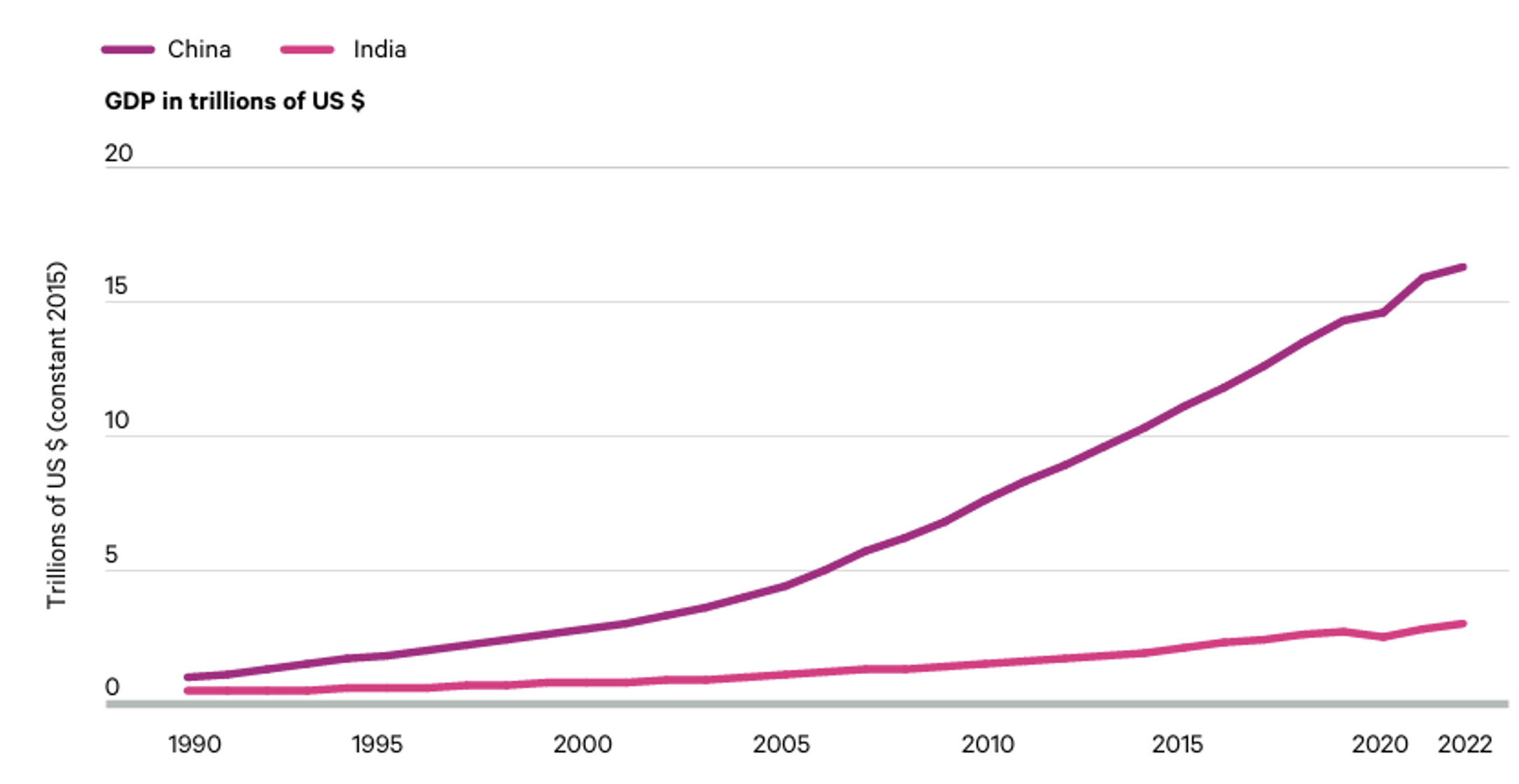
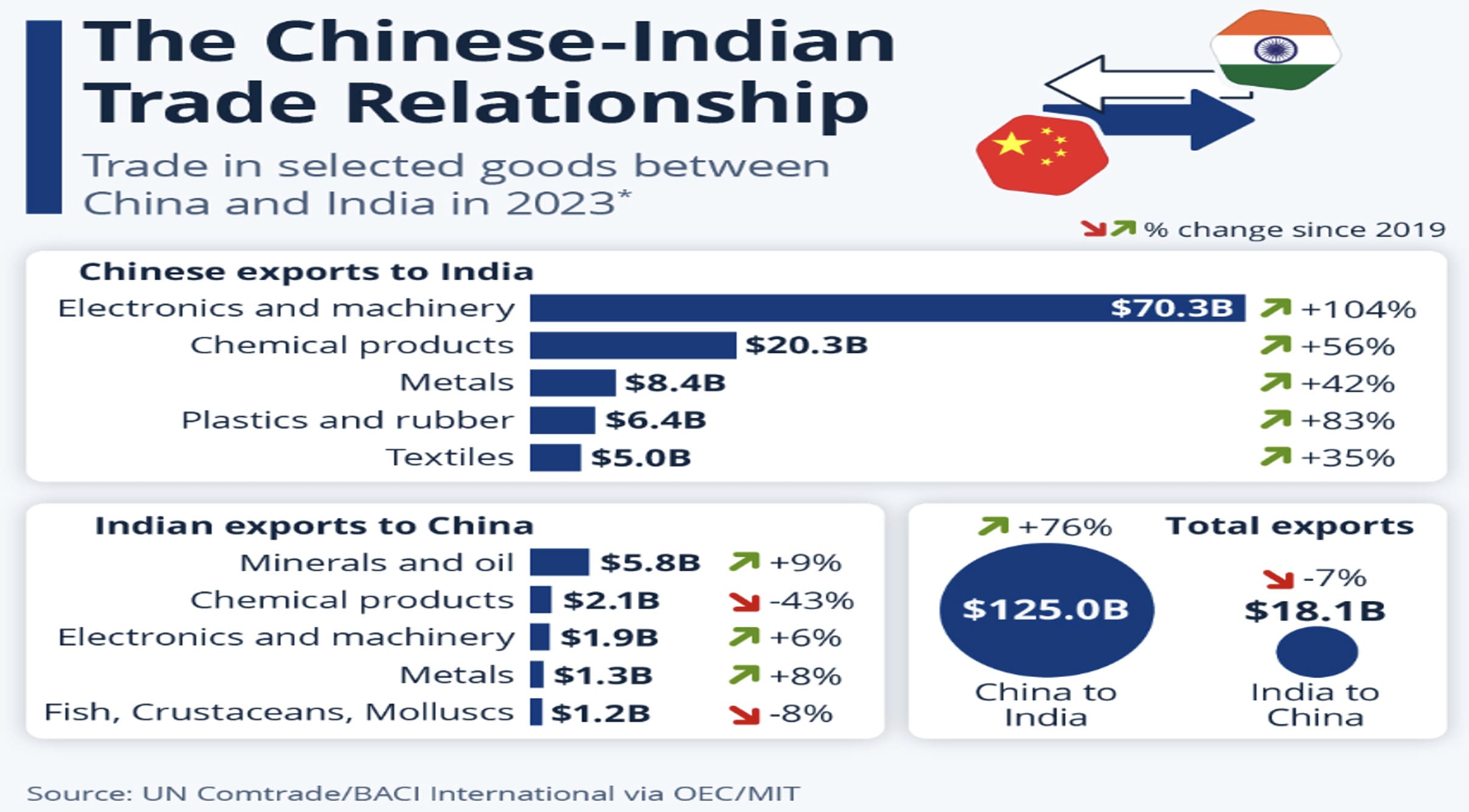
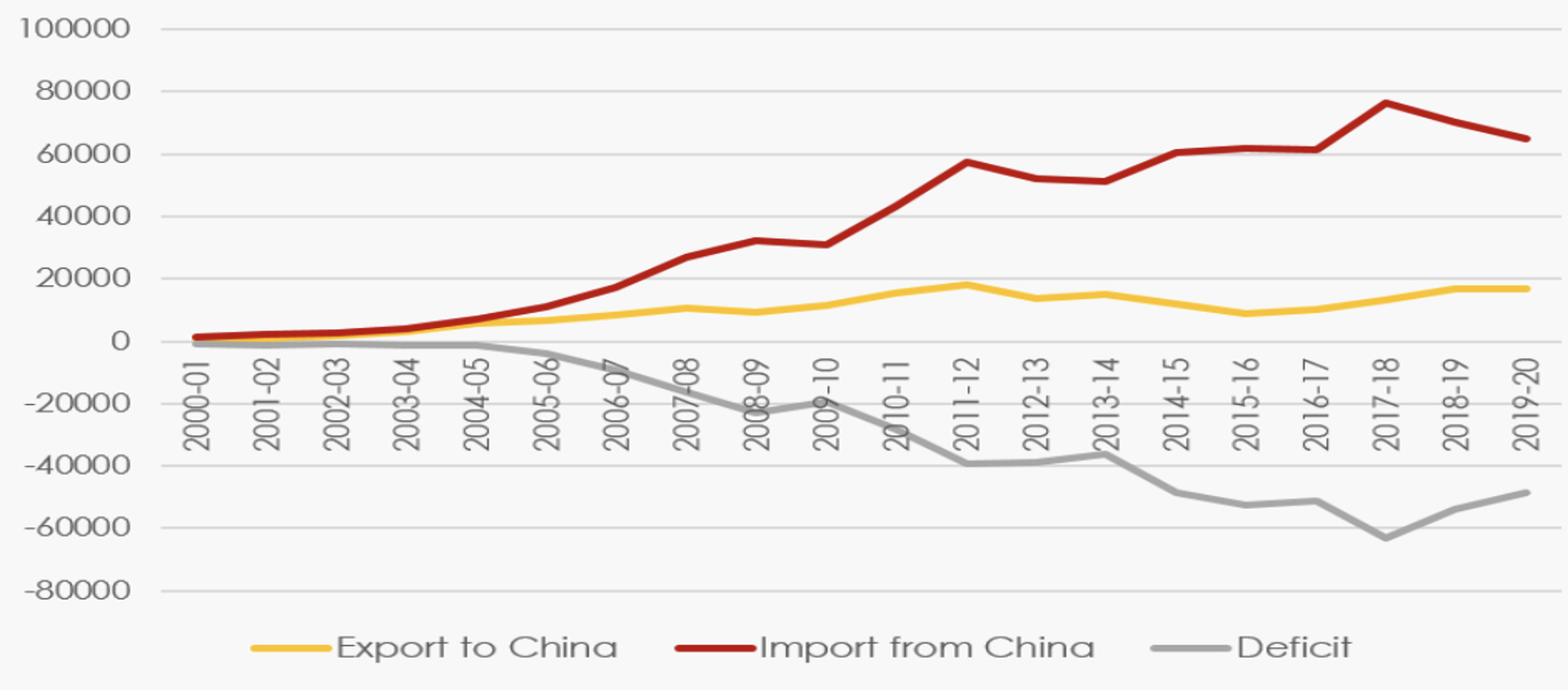
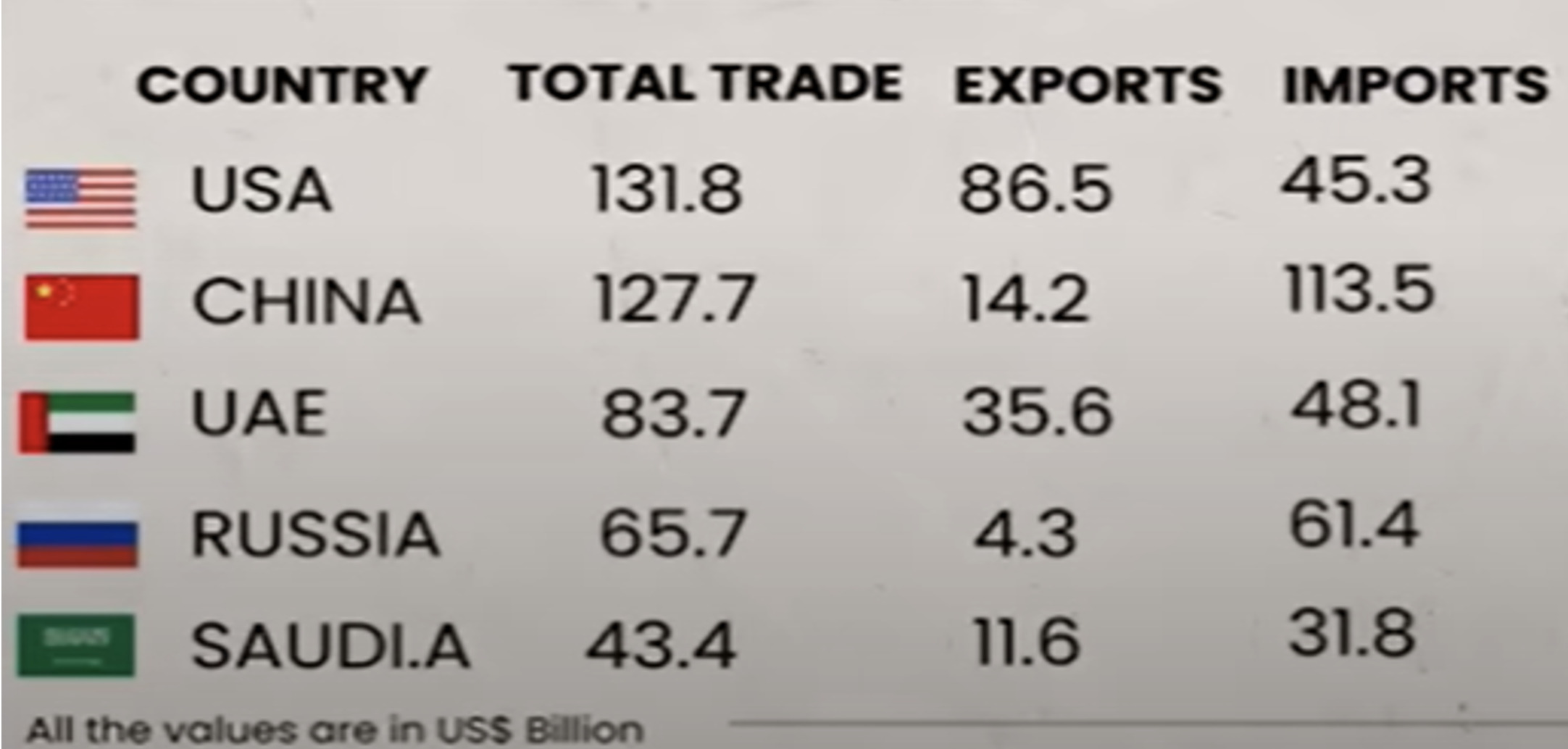
 Dr. Kalim Siddiqui