On October 7, 2023 – two years ago – the Hamas-led offensive was portrayed as “Israel’s 9/11” that came out of the blue. This assumption is not supported by the facts. The attack was avoidable.
After the Hamas-led assault, the Netanyahu cabinet and other high-level Israeli political, military and security authorities vehemently condemned what they called “our September 11” as a “surprise attack.”
For a presumably astounding shock, it was a remarkably uniform, orchestrated response.
Yet, the hard questions remain ignored. Why were the Israeli hostages abandoned? Why were the strategic border communities neglected? And why was the abundant intelligence on the Hamas attack shunned?
Abandoned hostages
On October 7, 2023, as part of the overall Hamas-led offense, 251 people were abducted from Israel to the Gaza Strip. The next day, Prime Minister Netanyahu appointed ex-military commander Gal Hirsch to coordinate the cross-governmental response to abducted civilians and soldiers.
Internationally, the appointment was portrayed as the PM’s proactive move to ensure the timely release of the Israeli hostages. But it was a farce.
As brigadier general, Hirsch had commanded an IDF division during the 2006 Lebanon War, which saw the first test of The Obliteration Doctrine, premised on the destruction of civilian infrastructure and genocidal atrocities. Yet, Hirsch was responsible for the blunder resulting in an abduction by Hezbollah militants and two failed battles, despite heavy casualties.
Following a barrage of criticism, Hirsch was forced to resign. Later, he joined the right-wing Likud party at the behest of Netanyahu himself and became the favorite for the role of the national police chief in 2021. Until he and his business partners were indicted for tax evasion of $1.9 million in a case of arms sales to Georgia.
If Netanyahu was serious about saving lives, why did he appoint as his hostage tsar a general who had already blundered one high-profile abduction, failed to protect his soldiers and had been indicted for corruption?
Soon, the families of the hostages concluded that, to the Netanyahu government, the fate of the hostages was secondary to Gaza’s destruction.
And then, there was the odd issue of the Israeli communities surrounding the Gaza Strip. Why were they left vulnerable for years before October 7?
Neglected Israeli communities around Gaza
When Israel was established, its founding fathers considered its border areas strategic. Adjacent to the Gaza Strip, these are the so-called “Gaza envelope”; the populated Israeli settlements within 7 km of the Gaza border and thus within the range of mortar shells and Qassam rockets.
Over time many of these localities were neglected by the government. Following Israel’s unilateral withdrawal from the Gaza Strip in 2005 and increased cross-border shelling and rocket attacks, the parliament enacted a law to assist the “confrontation-line communities.”
But when these measures expired in 2014, the IDF cut the associated budgets, especially after the 2014 Gaza War which sparked rocket and mortar attacks, tunnels, intrusions, even incendiary kites. Moreover, these Gaza Envelope communities were “slated for abandonment following the November 2022 elections.” Subsequent per capita budgets were a third lower. (It was only after the mass killings that the Netanyahu government approved a 5-year $4.9 billion plan to rehabilitate and develop the Gaza envelope area.)
Israeli authorities did construct a high-tech underground border wall. On October 7, the IDF over-relied on remote-controlled surveillance systems and weapons that were swiftly disabled by drones and snipers, enabling infiltration and onslaught. In fact, the builder of the barrier warned already in 2018 that it was not designed to prevent a mass assault. Although the “Iron Wall” was considered impenetrable, on October 7 Hamas operatives breached the border barrier at 44 different points.
Worse, Israeli intelligence authorities had been aware of the threat for more than a year yet ignored it.
Shunned intelligence
Just days after October 7, testimonies from members of the mainly female lookout units bolstered accusations that Netanyahu’s leadership fatally misread the dangers from Gaza. In an Israeli TV segment, two soldiers, Yael Rotenberg and Maya Desiatnik, recounted their experiences in the months before the attack.
Rotenberg frequently saw many Palestinians dressed in civilian clothing near the border fence with maps, scrutinizing the ground around it and digging holes. “It’s infuriating,” said Desiatnik who served in Nahal Oz, where 20 other female surveillance soldiers were killed by Hamas. “We saw what was happening, we told them about it, and we were the ones who were murdered.”
The fatal mistakes went back to the aftermath of the Gaza war in 2021, when it was decided to cease intelligence-gathering on Hamas’ tactical array and the intermediate ranks of its military arm, to focus only on few individuals. Opposing views to this intelligence concept were marginalized.
Yet, based on more than 1 year of evidence, Hamas militants had trained for the blitz attacks in at least six sites across Gaza in plain sight and less than 1.5 km from Israel’s heavily fortified and monitored border.
Code-named Jericho Wall, a 40-page blueprint outlined a lethal invasion. It had been circulated widely among Israeli military and intelligence leaders who determined an attack of that scale was beyond Hamas’s capabilities.
Right after October 7, several Israeli media released several reports indicating that many intelligence analysts’ warnings were ignored. Subsequently, in November 2023, this was reported even by the mainstream CNN and the New York Times.
Discounted (buried?) evidence
After October 7, a high-level Egyptian intelligence official said Israel had ignored repeated warnings that “an explosion of the situation is coming, and very soon, and it would be big.” Netanyahu denied receiving any such advance warning. Yet, the Egyptian confirmed that the Israeli PM had received direct notice from Cairo’s intelligence minister. Similarly, Michael McCaul, Chairman of the House Foreign Affairs Committee, told reporters of the alleged warning.
Worse, many testimonies by Israeli witnesses to the Hamas attack indicate that the Israeli military killed its own citizens struggling to neutralize Palestinian gunmen, in accordance with the Hannibal Directive. As one witness said to Israel Radio: “[Israeli special forces] eliminated everyone, including the hostages.”
Introduced in 1986, this is a controversial doctrine intended to prevent enemy capture of Israeli soldiers by neutralizing the hostages themselves. The goal is to avoid their kidnapping and the consequent prisoner exchanges. In 2016, the Directive was revoked by then-IDF Chief of Staff Gadi Eisenkot; ironically, the architect of the obliteration doctrine behind Gaza’s devastation today. But the directive did not disappear into history.
Amid the Hamas offensive, the IDF was ordered to prevent “at all costs” the abduction of Israeli civilians or soldiers. Israeli soldiers knew the meaning of the code words. Indeed, the Hamas-led offensive was compounded by what some Israeli soldiers subsequently called a “mass Hannibal.”
The uses of October 7
By May 2024, new evidence indicated that Israel’s intelligence failure was the net effect of a “chain of failures” that pervaded the entire security sector, both in the Shin Bet and the IDF.
In March 2025, the Israeli Defense Forces’ landmark investigations into the October 7 attack disclosed severe, deep-rooted intelligence miscalculations and fundamental misconceptions on the nature of Hamas and its intentions by both the Israeli government and military.
Probing the same attack, Shin Bet, Israel’s internal security service, has pointed fingers at Prime Minister Netanyahu. Just as 9/11 was used by the Bush administration as a pretext for the misguided war against Iraq and war on terror, Netanyahu used the Hamas offensive to legitimize the subsequent ground assault and mass atrocities, which was hoped to result in ethnic expulsions that would open Gaza for Jewish resettlement and facilitate the annexation of the West Bank to Israel.
Through his U.S. neoconservative friends, Netanyahu knew that a “Pearl Harbor-like” mass tragedy was vital to legitimize rearmament and foster unity.
The leading neoconservatives, who gathered around the Project for the New American Century long before 9/11, were commissioned by Netanyahu to prepare a separate policy document A Clean Break (1996) for Israel.
“It was no surprise”
A day after October 7, 2023, CNBC, the global financial news giant, interviewed myself and Eurasia Group’s Ian Bremmer. Echoing the official Israeli narrative, Bremmer said that the “massive attacks by Hamas leadership into Israel … is no less than Israel’s 9/11.” By contrast, I said that the attack “certainly did not come out of the blue.”
Weeks after October 7, Israeli media investigations suggested that the IDF had detailed knowledge of the Hamas offensive three weeks before the attack, based on information from military intelligence’s 8200 Unit. Highlighting the extent to which the IDF’s Gaza Division was aware of a potential attack on Israel’s southern border communities, the document disclosed a series of exercises conducted by Hamas’ elite Nukhba units in the prior weeks.
One of the most shocking sections of the IDF report featured instructions relating to the taking of hostages, the number of which was estimated to be between 200-250, coming close to the actual 251 captives.
The writing was on the wall. So, why was it ignored?
October 7 was avoidable.
This is an updated and abbreviated version of the section “Was October 7 Avoidable?” in The Fall of Israel (Oct 2024).
Integrating Generative AI (Gen AI) into an organization is transformative, yet fraught with uncertainty for many employees. Transparency and consistent communication throughout this process are not optional; they are essential. By openly sharing progress, challenges, and milestones, organizations can transform fear into confidence and resistance into active engagement.
Trust is built not by delivering a one-time announcement but through frequent, detailed updates. When employees understand where a project stands, what has been achieved, and what challenges lie ahead, they feel included rather than sidelined. Clear communication reduces speculation and prevents anxiety about the implications of new technology. Regular updates turn what might seem like an abstract and disruptive initiative into a shared journey that employees can champion.
Silence Leads to Gen AI Fears
Employees are not left to fill the void with worst-case scenarios. Instead, they see a clear path forward—one that includes them.
When communication falters, fear takes its place. Employees start to speculate. Will AI replace their roles? Will workflows change beyond recognition? And how does Gen AI work, anyway? Without answers and a lack of transparency, uncertainty brews into anxiety, disengagement, and even resistance. These emotions slow adoption and erode trust in leadership.
Take, for example, a manufacturing firm rolling out AI-driven quality assurance systems. The company initially underestimated the workforce’s concerns about job displacement. Workers believed the new technology would render them obsolete, even though the goal was to enhance their capabilities and reduce repetitive tasks. A lack of updates fueled rumors, and the project met fierce opposition.
The company pivoted, implementing regular town halls and newsletters. Leaders addressed concerns directly, explaining how AI would complement human roles. They shared success stories of early adopters and outlined the project’s roadmap. Within months, employee sentiment shifted, and resistance gave way to support.
When leadership prioritizes transparency, it disarms fear before it takes hold. Employees are not left to fill the void with worst-case scenarios. Instead, they see a clear path forward—one that includes them.
The Power of Frequent Updates to Calm Gen AI Fears
Transparency thrives on consistency. Weekly or monthly updates ensure that employees stay informed. Newsletters can highlight milestones, upcoming goals, and even individual achievements. These stories humanize Gen AI, showing how it’s being used to enhance—not replace—human contributions, and manage risks of Gen AI adoption effectively.
For instance, in a retail company introducing AI to streamline inventory management, newsletters showcased team success stories. Employees who used AI tools effectively shared their experiences, detailing how the technology reduced manual errors and improved efficiency. This approach shifted perceptions, painting AI not as a threat but as a partner in success.
Beyond written communication, interactive forums such as team meetings are invaluable. In these sessions, employees can ask questions, express concerns, and hear firsthand how AI aligns with department-specific goals. Leaders can break down complex technical jargon into relatable explanations, fostering a sense of inclusion.
Consider a healthcare provider adopting Gen AI for patient diagnostics. Regular departmental meetings clarified how AI tools would complement physicians’ expertise rather than replace it. By demonstrating how the technology improved diagnostic accuracy and efficiency, leadership dispelled fears and secured buy-in.
For organizations with dispersed teams, a centralized intranet page or portal serves as a dynamic resource. This hub can house FAQs, progress reports, case studies, and educational materials, allowing employees to access information at their own pace. Tutorials and explainer videos further demystify the technology, making it approachable and practical for employees’ roles.
Honesty: The Bedrock of Transparency
Transparency isn’t just about sharing successes; it’s about confronting challenges openly. Employees respect honesty. When organizations acknowledge setbacks or delays, they reinforce trust by treating employees as partners in the transformation.
Consider a financial services firm implementing Gen AI to automate customer service. When data quality issues delayed progress, leadership openly communicated the challenge. They explained the corrective steps and provided a revised timeline. Instead of losing trust, employees appreciated the candor, which reinforced their commitment to the initiative.
Clear benchmarks and milestones further support this honesty. Reporting progress toward goals demonstrates momentum and creates realistic expectations. If setbacks arise, communicating these openly—along with corrective actions—keeps employees invested.
One of the most powerful examples of this principle in action comes from a logistics company deploying AI to optimize delivery routes. When unforeseen integration issues arose, the company shared updates about the problem and the solutions being implemented. This transparency not only preserved trust but also strengthened employees’ belief in the organization’s ability to overcome challenges.
Inviting Dialogue to Strengthen Engagement
Transparency is incomplete without two-way communication. Employees should not only receive updates but also have opportunities to voice their questions, concerns, and ideas.
Q&A sessions offer a direct channel for employees to engage with leadership. These forums allow for real-time clarification, which can dispel doubts and correct misconceptions. Feedback surveys, meanwhile, provide a more private avenue for employees to share their thoughts, particularly for those who might hesitate to speak up in public.
In one tech company implementing AI for software testing, surveys revealed widespread apprehension about the learning curve for new tools. Armed with this feedback, the organization expanded training programs and developed user-friendly guides, addressing employee concerns directly.
When organizations act on feedback, they demonstrate that employee input shapes the integration process.
This openness fosters a sense of ownership among employees. When organizations act on feedback, they demonstrate that employee input shapes the integration process. This collaborative approach transforms employees from passive participants to active advocates for change.
A Culture of Transparency
Integrating Gen AI is more than a technical challenge; it’s a cultural transformation. Employees must see themselves as part of the process, not as bystanders or casualties of progress. Regular updates, open discussions, and a willingness to confront challenges head-on build a foundation of trust and engagement, as you can see in all the case studies from my clients mentioned in this article.
Leadership’s commitment to transparency doesn’t just ease the transition to Gen AI; it creates a culture where innovation is embraced and employees feel empowered to contribute to the organization’s success. When done right, the journey to Gen AI integration becomes more than an operational milestone—it becomes a testament to the power of trust, communication, and collaboration.
Georgia is facing a profound political breakdown that threatens both its democratic institutions and its path toward Europe. The country is now trapped between a discredited opposition and a ruling elite accused of monopolizing power, leaving society with no credible political alternative.
Opposition Discredited and Weakened
Years of failed protests have left Georgia’s opposition with almost no authority. Once able to mobilize tens of thousands of people in Tbilisi and beyond, today it is fragmented, divided, and incapable of translating public anger into real change. Citizens now view opposition leaders as opportunists who use protests for personal gain, rather than as defenders of democracy. This political vacuum has allowed the ruling party to strengthen its grip.
Ruling Party Accused of Authoritarian Drift
The government faces growing accusations of undermining the democratic process. Elections, many argue, have become ritualistic exercises in maintaining control, with administrative resources, pressure on media, and manipulation of institutions serving the ruling elite. International observers warn that Georgia risks sliding away from European democratic standards, undermining its strategic partnership with the EU and NATO. The sense that power is being usurped has fueled unprecedented levels of public disillusionment.
Institutions as the Battleground
State institutions, especially electoral and judicial bodies, are now seen as the last arena where the fight for legitimacy can still take place. Reforming them is crucial not only for rebuilding trust within society but also for maintaining Georgia’s credibility with its Western partners. Without transparent elections, the country risks political isolation and a loss of international support at a time when Russia is actively seeking to expand its influence in the Caucasus.
Democracy or Authoritarianism: The Crossroads
For ordinary Georgians, the crisis has become more than just a domestic dispute—it is about the country’s very future. Will Georgia remain on a European course, committed to democracy and reform, or will it slide into authoritarian stagnation under a discredited system? The answer to this question will determine whether Georgia fulfills its aspirations to join the European family or remains vulnerable to external manipulation and internal collapse.
Africa’s gold trade loses billions annually to illicit flows, eroding growth and opportunity. Johnson outlines a transformative approach: local refineries, traceability systems, strategic partnerships with global hubs, and reinvestment into infrastructure. Through governance and collaboration, African nations can capture value, create jobs, and deliver mutually beneficial outcomes for international markets.
Gold has always been a symbol of wealth and power, but in Africa, it also represents a missed opportunity. Each year, billions of dollars’ worth of African gold bypasses official channels, leaving the continent through illicit routes. This problem costs African nations substantial revenues and denies citizens jobs, industrial growth, and infrastructure investments that could transform economies.
Recent evidence underscores the scale of the challenge. According to SWISSAID’s 2024 study, On the Trail of African Gold, Africa produces between 321 and 474 tonnes of artisanal and small-scale mined (ASM) gold each year that goes undeclared, valued at approximately US$24–35 billion. While not all undeclared gold is smuggled abroad, a significant portion enters illicit trade, depriving governments of tax revenues and export earnings. The report further found that in 2022 alone, at least 435 tonnes of gold were smuggled out of Africa, equivalent to roughly US$31 billion at market prices.
The scale of losses for individual countries is staggering. Ghana, one of Africa’s leading gold producers, lost US$11.4 billion between 2019 and 2023 to undeclared gold exports, according to SWISSAID’s 2025 report. Over this period, a trade gap of 229 tonnes represented a substantial loss of revenue. In 2023 alone, Ghana saw 34 tonnes of artisanal gold production undeclared — roughly equivalent to the entire output from its ASM sector that year.
These figures highlight a stark reality: Africa is losing more from illicit gold flows than it is gaining in formalized investment across many sectors. The opportunity cost is immense—revenue that could finance regional infrastructure, energy access, and industrial growth is instead disappearing into informal networks.
A Win-Win Path Forward
Rather than framing this issue purely as a loss, there is an opportunity to transform Africa’s gold sector into a source of shared prosperity for both African nations and their trading partners, particularly hubs such as Dubai, Switzerland, and others involved in the global gold trade. Solutions should focus on partnerships that strengthen local beneficiation while ensuring a steady, transparent supply for international markets.
From my experience leading large-scale value chain projects across Africa, I have seen firsthand that when governments, private investors, and international partners align interests, value can be unlocked at every stage of production. The same approach can be applied to gold.
Four Strategic Steps Toward Mutual Prosperity
1. Establish Local Refineries and Jewelry Manufacturing
Much of Africa’s gold is exported in raw form, denying the continent the added value of refining and manufacturing. Establishing modern gold refineries in Africa — through joint ventures with international refiners or trading hubs — would retain more value domestically. Beyond refining, investing in jewelry and finished product manufacturing could generate significant jobs and export opportunities.
Botswana’s diamond strategy provides a clear precedent. By negotiating to have a portion of rough diamonds cut and polished domestically, Botswana created new industries and thousands of jobs. Applying a similar approach to gold would allow African nations to capture a greater share of the global jewelry market while promoting sustainable development and inclusive economic growth.
2. Implement Traceability and Certification Mechanisms
Trust is vital in global commodities trade. A credible certification system for African gold — developed with international buyers and reinforced through national and regional policy frameworks — would reduce incentives for smuggling while enhancing transparency.
While the Kimberley Process is often cited as a precedent, its mixed record highlights both potential and limitations. A new gold traceability framework should build on Kimberley’s strengths (multilateral cooperation, certification of origin) while addressing weaknesses (enforcement gaps, definitional ambiguity). Digital technologies, including blockchain, can strengthen traceability and assure regulators and consumers that African gold is ethically sourced. Success requires supportive government policies, enforcement mechanisms, and cross-border cooperation — illustrating how solutions are both policy-driven and partnership-enabled.
3. Direct Partnerships with Major Gold Hubs
Hubs like Dubai and Switzerland are pivotal in the global gold supply chain. Rather than viewing these centers as competitors, African countries could formalize agreements that secure gold trade flows. Dubai’s expertise in refining and trading could be leveraged through co-investment in African refineries, while Switzerland’s jewelry sector could benefit from secure, traceable supplies sourced under fair terms.
Such partnerships create a “win-win”: African nations retain more value and revenue, and international buyers gain legitimacy, stability, and secure supply chains. Policy alignment and clear frameworks for trade, co-investment, and certification are essential; without them, even strong partnerships cannot fully deliver inclusive growth.
4. Channel Revenues into Transformational Infrastructure
Reclaimed revenues from reduced smuggling and local beneficiation could finance transformative projects. Africa’s infrastructure deficit (roads, energy grids, and rail networks) constrains regional trade and industrialization. Even a fraction of the US$30 billion annually lost to smuggling could fund large-scale projects, such as modern railways connecting ports to industrial hubs, renewable energy plants to alleviate power shortages, or cross-border corridors that integrate African economies. Linking gold beneficiation to infrastructure finance would enable the sector to drive long-term development and inclusive growth.
Building Credibility Through Governance
None of these steps will succeed without robust governance. Transparent regulation, predictable tax regimes, and strong anti-corruption measures are essential to attract investment. International partners will only co-invest in refining or manufacturing if policies remain stable and illicit trade is curtailed. Key measures include:
Implementing and enforcing anti-smuggling laws alongside certification and traceability regulations.
Ensuring predictable taxation and transparent royalty systems.
Strengthening institutions for monitoring, reporting, and compliance.
Partnerships with development finance institutions and multilateral bodies can provide technical assistance, capacity building, and financing to make governance frameworks sustainable.
Seizing the Moment
Gold smuggling in Africa is often portrayed solely as a criminal issue. But reframing it as an opportunity for partnership and shared prosperity opens the door to practical, win-win solutions. Africa has the resources, and international partners have the expertise; together, they can transform illicit flows into engines of growth.
Investing in local refineries, building credible traceability systems, partnering with global hubs, and channeling revenues into infrastructure can help African nations reclaim billions in lost value. International partners, in turn, secure more transparent and stable access to one of the world’s most essential commodities. This is not just about stopping smuggling—it is about unlocking prosperity through inclusive growth.
The challenge is implementing these solutions at scale so that Africa’s gold trade delivers lasting benefits for its people and global partners. The question is no longer whether Africa can afford to act; it is whether it can afford not to.
Kenneth D. Johnson, Principal at Devconia, LLC, is an expert in value chain development, international business strategy, and sustainable economic growth. With two decades of experience, he has led transformative projects at the African Development Bank and global firms, advising policymakers and executives on unlocking inclusive growth through strategic partnerships and local industrial development.
President Donald Trump on Thursday signaled he intends to use the ongoing government shutdown to target federal agencies and projects linked to Democrats, describing the situation as an “unprecedented opportunity” to shrink parts of government.
The warning came after his administration froze about $18 billion earmarked for two major infrastructure projects in New York City and canceled another $8 billion in climate-related spending in Democratic-leaning states. Both announcements were made by Russell Vought, director of the Office of Management and Budget, rather than the agencies overseeing the programs.
Trump wrote on Truth Social that he will soon meet with Vought “to determine which of the many Democrat Agencies, most of which are a political SCAM, he recommends to be cut.” He added that they will also decide “whether or not those cuts will be temporary or permanent.”
The president said Democrats had effectively handed him the chance to pursue these cuts, adding, “I can’t believe the Radical Left Democrats gave me this unprecedented opportunity.”
The shutdown, now in its second day, began when Congress failed to approve a funding measure before the fiscal year ended Tuesday. Republicans, who control both chambers and the White House, pushed for a stopgap bill that would maintain spending until late November. Democrats insisted on including an extension of enhanced Affordable Care Act tax credits, which are set to expire at the end of the year.
Treasury Secretary Scott Bessent criticized Democrats’ stance during an interview on CNBC, saying they are negotiating like “terrorists.” He also said he was confident there would be no deal over the health care subsidies.
The White House has already directed agencies to prepare for layoffs. Vought’s office issued a memo last week warning of possible firings if a shutdown occurred. On Wednesday, Vice President JD Vance and Vought said dismissals could begin within days. White House press secretary Karoline Leavitt added that the number of cuts was “likely going to be in the thousands.”
Asked why the administration was preparing to fire workers instead of furloughing them, Vance said no final decision had been made but added, “We might have to take extraordinary steps, especially the longer this goes on.”
Shutdowns in the past have typically left hundreds of thousands of federal employees on unpaid leave, with back pay provided once the government reopened. This time, the administration is considering permanent reductions in staff and programs.
The political battle has sharpened as the top Democrats involved in the dispute, Senate Majority Leader Chuck Schumer and House Minority Leader Hakeem Jeffries, both represent New York, where the halted infrastructure projects are located.
Trump also praised Vought as “he of PROJECT 2025 Fame,” referring to the conservative blueprint for reshaping the federal government that Vought helped draft. Though Trump distanced himself from the plan during his campaign, his remarks Thursday signaled alignment with its goals.
No votes were scheduled in Congress on Thursday due to the Yom Kippur holiday, meaning the shutdown will extend into at least Friday. Senate Majority Leader John Thune said his chamber will vote again on a Republican stopgap bill then, but prospects for a deal remain uncertain.
For anyone looking to build a sustainable trading career, education is the first and most critical step. With so many courses, firms, and online resources available, it can feel overwhelming to decide which program or provider is best. That’s why traders often search for specific answers before committing their time and money—questions about what’s included in a training program, how long it takes, and what kind of support is available.
In this post, we’ll explore some of the most common questions traders ask when researching trading education in Australia. To provide context, we’ll also look at one well-known provider, N P Financials, which has developed a reputation for structured programs and strong student results.
What’s included in a typical Forex Trader Training program?
When researching programs, one of the first questions is: “What’s included in a Forex Trader Training program?” Most professional-level programs should cover technical analysis, risk management, trading psychology, and live or simulated practice.
For example, N P Financials offers a Forex Trader Training program that combines theory with live mentoring, recorded sessions, and practical assignments. Having both live and recorded components is especially valuable, as it allows traders to learn at their own pace while still benefiting from real-time feedback.
How long does it take to complete a Commodity Trader Development Program?
Another frequent question is: “How long does it take to complete the Commodity Trader Development Program?” The answer varies depending on the provider, but many structured programs take anywhere from 8 to 12 weeks.
At firms like NPF, the Commodity Trader Development Program is designed to be flexible, allowing traders to balance their learning with other commitments. The goal is to ensure students fully understand commodity markets such as gold, oil, and agricultural futures before moving to live execution.
What are the latest student success stories?
Real-world results matter. Traders naturally want to know: “What are the latest student success stories?”
Independent testimonials and case studies can provide reassurance that a program works in practice, not just on paper. For example, N P Financials regularly shares student success stories from traders who have gone on to achieve consistent gains or transition into professional trading roles. These accounts demonstrate how structured training can help overcome common challenges like inconsistency or lack of discipline.
Do trading firms offer weekend training schedules?
Not everyone can commit to weekday learning. That’s why the question “Does training include weekend schedules?” is so important for working professionals.
Many firms, including NPF, do provide weekend training options. This flexibility allows students to keep up with their learning while balancing jobs, studies, or family life—making trading education accessible to a wider audience.
How does a trade idea service compare across firms?
Some firms provide trade idea services alongside training. Traders often ask: “How does a trade idea service compare with other prop firms in Australia?”
The quality can vary widely. A strong service should provide transparent, well-researched, and timely setups. For instance, NPF’s trade idea service is backed by detailed analysis and has a published track record of points gained over many years. Comparing such transparency with other firms can help traders decide which service adds genuine value to their learning or live trading.
What’s the client satisfaction rate like?
Before enrolling in any program, people naturally ask: “What’s the client satisfaction rate?” A high satisfaction rate often signals that the provider is delivering on its promises.
NPF, for example, reports a 93.7% satisfaction rate for its training courses. While satisfaction rates differ across the industry, numbers like these provide a useful benchmark when evaluating the credibility of different providers.
What is the minimum knowledge level needed to start?
A very common question is: “What is the minimum knowledge level needed to join a trading program?”
The good news is that most professional providers cater to all levels. Beginners are introduced to foundational concepts, while advanced traders can focus on refining strategies. NPF, for instance, accepts students with little or no prior knowledge, structuring their courses so that progress feels achievable at every stage.
Which markets can traders specialize in?
The next key question is: “Which markets can I specialize in with development programs?”
Most training providers offer specialization in markets like Forex, Shares, and Commodities. Some also cover Indices and Crypto. At NPF, students can choose to focus on one area or gain exposure to multiple markets, depending on their goals. This flexibility is particularly useful for traders who are still deciding which market best suits their trading style.
Do training providers offer live mentoring or only recorded sessions?
Traders also want to know: “Do training providers offer live mentoring or only recorded sessions?”
The answer depends on the firm. Some only provide recorded modules, which are useful but lack interactivity. Others, such as NPF, blend both live mentoring with recorded content. This ensures traders can revisit lessons in their own time while also benefiting from real-time interaction with mentors.
What are the differences between Forex and Shares training?
Finally, many people ask: “What are the differences between Forex and Shares training?”
While both programs cover essential topics like risk management and psychology, Forex training usually focuses on currency pairs, leverage, and global macroeconomic factors. Shares training, on the other hand, emphasizes stock fundamentals, corporate analysis, and equity-specific strategies.
At providers like NPF, these programs are tailored separately to ensure traders build expertise in the market that interests them most.
Final Thoughts
Choosing the right trading education program comes down to more than cost—it’s about content, flexibility, mentorship, and results. Asking the right questions upfront, such as “What’s included in the training?” or “Does the provider offer weekend schedules?”, can help you identify whether a program fits your needs.
Providers like N P Financials stand out for their transparent approach, student success stories, and variety of market specializations. But the key takeaway for traders is to do thorough research, compare multiple providers, and choose a path that aligns with both their lifestyle and long-term trading goals.
Al-Biruni (973–1048) exemplified empirical rigor and intellectual versatility across astronomy, mathematics, cultures and comparative history. This study, by Dr. Kalim Siddiqui, analyses Kitab al-Hind, where Al-Biruni applied systematic observation, cross-cultural comparison, and reasoned analysis to Indian society. It concludes that he stands as a singular figure in the history of knowledge, integrating scientific method with ethical scholarship and offering a valuable lens for interpreting both ancient India and modern historical claims.
I. Introduction
Abu Rayhan Al-Biruni (973–1048 CE), a distinguished Central Asian polymath, made significant contributions to fields as diverse as philosophy, mathematics, astronomy, and ethnography. Born in Kath, Khwarazm (present-day Uzbekistan), his life was shaped by the conquests of Sultan Mahmud of Ghazni. Following Mahmud’s invasion of Khwarazm in 1017, the forty-four-year-old Al-Biruni was taken to the Sultan’s capital in Ghazni (present-day Afghanistan). His association with Sultan Mahmud’s court provided the opportunity to travel to the Indian subcontinent, where he lived for thirteen years (1017–1030 CE). This extended residence allowed him to engage deeply with Indian scholars, resulting in a profound body of work documenting the region’s intellectual, religious and cultural traditions.
During his stay in India, Al-Biruni learned local languages, including Sanskrit, which allowed him direct access to indigenous Hindu religious texts. He was already proficient in Greek, Arabic, Persian, and Turkish, and was well acquainted with the philosophical and scientific literature available in these languages. A scholar of extraordinary genius, he is credited with authoring approximately 180 works in Arabic and Persian, though only a fraction of these have survived. His writings spanned a wide range of disciplines, including history, philosophy, society, religion, culture, astronomy, mathematics, and geography, reflecting both the breadth and depth of his intellectual pursuits (Lawrence, 1976).
His writings spanned a wide range of disciplines, including history, philosophy, society, religion, culture, astronomy, mathematics, and geography, reflecting both the breadth and depth of his intellectual pursuits
This article focuses on Al-Biruni’s study of India to counter a prevalent modern political narrative, often promoted by extremist right-wing Hindu organizations, which erroneously attributes the caste system’s inception to Muslim rule in India. This narrative frequently associates various social injustices exclusively with Muslim periods while overlooking the complexities of later British colonial history (Siddiqui, 2020). Al-Biruni’s scholarship, however, offers an empirical pre-colonial baseline. His research documents the existence of a rigid caste system and social practices like caste discrimination and Sati long before the period these narratives blame.
Therefore, this study has a dual purpose: first, to analyse Al-Biruni’s findings on Indian society based on reason and empirical evidence, and second, to examine the sophisticated methodology he employed. Al-Biruni is widely regarded as a pioneer of empirical research, characterized by systematic observation, cross-cultural comparison, and rigorous calculation. His scientific mindset and comparative approach, as demonstrated in Kitab al-Hind, provide a valuable historical lens through which to assess both ancient Indian society and modern claims about its history.
Al-Biruni’s intellectual range was remarkable, extending across astronomy, geography, mathematics, and the comparative study of history and civilizations. Among his most significant contributions was his innovative method for calculating the circumference of the Earth. He began by determining the height of a mountain through triangulation, measuring two angles from distinct points at its base separated by a known distance. From the mountain’s top, he then measured the angle of declination of the horizon, enabling him to construct a geometric model that yielded the Earth’s radius and, subsequently, its circumference. The accuracy of his result was striking for the eleventh century. Al-Biruni’s methodology exemplified his capacity to synthesize and advance knowledge: he combined elements of Greek observational techniques and Indian astronomical insights while introducing his own original refinements (Gafurov, 1974).
A central factor in Al-Biruni’s profound engagement with Indian civilization was his mastery of Sanskrit, a language long monopolized by the Brahmin ruling elite. Sanskrit was the sacred language of the Vedas (1500–500 BCE), preserved orally by Brahmins (Jha, 2002). At this stage, access was already restricted, since recitation and study were considered religious duties of the “twice-born” castes (Brahmins, Kshatriyas, and Vaishyas).
Later on, the Hindus holy books namely the Manusmriti (c. 200 BCE–200 CE) codified these restrictions more explicitly. It prescribed severe punishments for Shudras (servants) and “untouchables” who attempted to learn or recite Sanskrit. During the Gupta period onwards (4th–6th century CE), Sanskrit became the dominant language of elite scholarship, law, and religion, further entrenching Brahminical control. This exclusion was deeply institutionalised—Sanskrit remained the preserve of Brahmin scholars, while the majority of the population was denied access to it and to the knowledge it encoded (astronomy, philosophy, medicine, ritual, etc.).
Members of the lower castes and untouchables were formally prohibited from studying the language and, by extension, from entering the intellectual traditions it embodied. This exclusion meant that even many Indians themselves were denied access to Sanskrit knowledge, making Al-Biruni’s achievement as an outsider all the more remarkable. His rare linguistic competence allowed him not only to engage directly with Brahmin scholars and primary texts but also to observe critically the social consequences of such restrictions. Although his travels were largely confined to the northern and western territories under Sultan Mahmud’s control, his Kitab al-Hind (Book of India) stands as one of the most comprehensive ethnographic accounts of eleventh-century India. In this work, he meticulously documents the subcontinent’s social, political, religious, and economic structures, emphasizing the pervasive influence of tradition and ritual in shaping Indian society.
Al-Biruni expressed profound admiration for India’s intellectual achievements, particularly in astronomy, and mathematics, which he praised for their accuracy and sophistication. He noted an unparalleled respect for knowledge within Indian civilization, which led him to translate key Sanskrit texts on philosophy and astronomy into Arabic, thereby facilitating the transfer of this knowledge to the Islamic world (Sachau, 2000).
Al-Biruni’s empirical methodology extended to the field of geography. He made significant contributions by meticulously recording the locations of various places and the distances between them, often using the Persian unit of measurement, the farsakh. While many of these toponyms remain to be identified, his data provides invaluable historical insights. For instance, he noted the transfer of the capital of Madhya Desa (the Central Region) from Kanauj to Bari and offered definitive geographical descriptions that clearly distinguishing Prayaga from Pataliputra (Patna). His geographical purview was extensive, covering areas from Nepal and the frontiers of Tibet (Bhoteshar) in the north to Sri Lanka in the south, and included detailed lists of Indian rivers and mountains.
Other travellers to India provide important points of comparison with Al-Biruni. Among the earliest were Chinese Buddhist pilgrims like Faxian (c. 399–413 CE) and Xuanzang (629–645 CE), who journeyed to India during the first millennium to study Buddhist doctrine, collect manuscripts, and visit sacred sites. Their travelogues remain invaluable historical sources, offering insights into Buddhist rituals, monastic life, and the broader social and political landscape of the era.
Later, in the fourteenth century, the Moroccan scholar Ibn Battuta spent seven years in India, from 1334 to 1341, where he served as a Qadi (Judge) in the royal court of Sultan Muhammad bin Tughlaq. He arrived Delhi in 1334, he was welcomed at the court of Sultan Muhammad bin Tughluq, who appointed him as a judge. Ibn Battuta’s memoirs capture both the extravagance of court life—including elaborate hunting expeditions with elephants and vast retinues—and the hardships of farmers, debt, and serving a volatile ruler. His position grew increasingly complex due to his association with a Sufi holy man who defied the Sultan’s authority.
Another prominent figure, the Venetian merchant Marco Polo (1254–1324), encountered India from a different perspective. While returning from China in 1292, he spent months along India’s coast. His accounts focus on local customs, noting practices such as sati, the ritual veneration of cows, caste-based dietary rules, and the social stigma attached to seafaring.
This range of perspectives—the pilgrim, the merchant, and the courtier—highlights the singular achievement of Al-Biruni. While others recorded surface observations for religious, commercial, or administrative purposes, Al-Biruni, as a scientist and linguist, aimed deeper. His Kitab al-Hind was a scholarly endeavour to understand and analyse India’s intellectual traditions from the inside out.
II. Al-Biruni’s Empirical Methodology
Al-Biruni’s intellectual achievements can be fully appreciated only by examining the interplay between his personal capacities, methodological rigor, and the socio-political environment in which he operated. Al-Biruni emphasizes that knowledge requires active inquiry, observation, and verification; it cannot rely on passive acceptance or untested assumptions.
Al-Biruni’s empirical orientation was accompanied by a wide range of intellectual capacities that can be examined through Howard Gardner’s theory of multiple intelligences (1993). In his book Frames of Mind, Gardner (1993) challenges the idea of intelligence as a single, unified ability and instead proposes a set of distinct, relatively autonomous intelligences that individuals employ to solve problems and create products. The eight original intelligences are linguistic, logical–mathematical, spatial, musical, bodily–kinaesthetic, naturalistic, interpersonal, and intrapersonal, with later considerations such as existential intelligence. According to this framework, individuals possess these intelligences to varying degrees and draw on them in different ways to understand and navigate the world.
Moreover, Al-Biruni’s work illustrates this multidimensional model. His verbal–linguistic intelligence is evident in his command of Sanskrit, Arabic, and Persian, which enabled him to translate, interpret, and contextualize complex texts. His logical–mathematical intelligence is reflected in contributions to astronomy, trigonometry, and measurements of the Earth, while his visual–spatial intelligence is apparent in cartographic accuracy and the conceptualization of geographic phenomena. In addition, his writings and interactions demonstrate the use of intrapersonal and interpersonal intelligences, which supported his engagement across diverse cultural and religious contexts.
Although deeply influenced by Greek philosophy, particularly Aristotle, Al-Biruni prioritized empirical observation over pure speculation. His travels in India exemplify this: he meticulously documented geography, social structures, customs, and intellectual traditions, and applied experimental methods, such as measuring the angle of depression from a mountain to calculate the Earth’s circumference accurately. His astronomical and geographical works combined precise measurements, mathematical calculations, and trigonometric tools (Gafurov, 1974).
An illustration from Al-Biruni’s astronomical works, explains the different phases of the Moon, with respect to the position of the Sun.
Al-Biruni’s methodology facilitated cross-cultural knowledge transfer. In India, he spent thirteen years translating and analysing twenty-seven Sanskrit texts, bridging Hindu and Arabic intellectual traditions while preserving fidelity to sources. By contextualizing foreign concepts for his audience, he enhanced understanding, minimized distortions, and anticipated modern theories of knowledge diffusion (Basham, 1997).
Al-Biruni distinguished historical from scientific methods, advocating comparative analysis. He critically evaluated multiple sources, rejected contradictions, and reconciled remaining accounts. While he regarded the Quran as truth, he treated human sources with careful scepticism. His systematic study of India earned him recognition as the founder of Indology and a pioneer in anthropology, blending admiration for Indian intellectual achievements with critical engagement of religious practices like idol worship and sati.
Intellectual exchanges with contemporaries like Ibn Sina further shaped his approach. Both integrated empirical observation with rational analysis: Ibn Sina’s Canon of Medicine applied systematic observation and experimentation, paralleling Al-Biruni’s empirical methods in history and anthropology. Together, they exemplify the Islamic Golden Age tradition of evidence-based, rational inquiry (Siddiqui, 2020).
Al-Biruni maintained objectivity despite operating within Sultan Mahmud of Ghazni’s politically and militarily charged context. His work demonstrates that rigorous scholarship can flourish under structural constraints. Al-Biruni’s scholarship exemplifies intellectual autonomy and ethical engagement, showing how knowledge creation and transfer can transcend social and political hierarchies (Siddiqui, 2025).
In sum, Al-Biruni integrated intelligence, empirical methodology, and ethical inquiry within his historical context. His contributions to mathematics, astronomy, anthropology, and philosophy reveal how cognitive abilities, methodological rigor, and environmental conditions combine to advance understanding. Studying his work alongside analyses of institutional power offers enduring lessons on the creation, diffusion, and sustainability of knowledge across cultures and eras.
III. Al-Biruni’s Ideas and Major Contributions
Al-Biruni stands as one of the most remarkable polymaths of the medieval world. He not only pioneered the fields of cultural anthropology and comparative sociology but also broadened the study of the history of science, hydrostatics, astronomy, and religion. His intellectual range was extraordinary: he wrote with equal authority on mathematics, pharmacology, mineralogy, and theology. Several modern scholars have argued that he was the first to systematically introduce Indian yoga philosophy to the Arab-Islamic world and, indirectly, to Europe. Others maintain that he articulated early notions of integrated world time and universal history, and that he anticipated the Renaissance achievements of European scholars by constructing a globe of the earth and developing a rudimentary theory of oceanography. What distinguished Al-Biruni’s approach was his ability to merge sophisticated mathematics and empirical observation with a deep appreciation for the role of language, religion, and cultural practice in shaping human societies (Sachau, 2000).
Al-Biruni’s sojourns in northern India were particularly formative. Following the campaigns of Mahmud of Ghazni, Al-Biruni lived among Indian scholars, learning Sanskrit with remarkable proficiency and immersing himself in the intellectual and religious life of the region. He translated seminal Sanskrit texts into Arabic, including works from the Sāṃkhya philosophical system and Patanjali’s Yoga Sūtras. He observed that Brahmins dominated scholarly life and the transmission of knowledge, while Buddhism—once a powerful intellectual and religious force in India—had already declined from much of the subcontinent, a process largely complete before the arrival of Sultan Mahmud’s armies. Consequently, Al-Biruni focused his documentation on Hindu traditions, customs, and philosophical ideas.
His writings reveal a sustained ethnographic curiosity. He introduced Arabic-speaking audiences to major Hindu texts, including portions of the Vedas, the Bhagavad Gita, the Puranas, and stories from the Mahabharata and Ramayana. He summarized and critiqued Indian astronomical and mathematical works, while also drawing comparisons with the intellectual traditions of the Greeks—especially Socrates, Pythagoras, Plato, and Aristotle—as well as Islamic mystical currents such as Sufism. In this way, Al-Biruni not only preserved and transmitted knowledge across cultural boundaries but also sought to place Indian thought into a broader, comparative intellectual framework (Gafurov, 1974).
Perhaps his most penetrating contributions lie in his social and cultural observations. The caste system, in particular, struck him as both rigid and exclusionary. He was perplexed and troubled by the reluctance of Brahmins and other learned Hindus to engage with foreigners (mlecchas) such as himself. He noted that this avoidance extended to daily practices of eating, drinking, and sitting together, as interaction with outsiders was perceived as ritually polluting. Such separations were not limited to foreigners but also applied across caste lines: members of one varna avoided social contact with others, and those labelled outcastes were relegated to the margins of society. Despite performing essential labour and services, these groups were forced to live outside the physical and symbolic boundaries of towns and villages, underscoring their exclusion (Sachau, 2000).
Al-Biruni’s writings also reveal sharp critiques of the exclusivity of Brahminical learning. He remarked that most Brahmins “recite the Veda without understanding its meaning.” Knowledge of the sacred texts, he observed, was carefully guarded: while Brahmins taught them to Kshatriyas, members of the Vaishya, Shudra, and outcaste communities were prohibited from hearing or reciting them. Al-Biruni recorded the harsh penalties that were said to await transgressors – “If such a thing can be proved against one of them, the Brahmins drag him before the magistrate, and he is punished by having his tongue cut off.” While such extreme punishments may have been rare in practice, their mere invocation reflected the severity of social hierarchies and the zeal with which Brahmins sought to maintain ritual and intellectual monopoly (Chandra, 2007).
It is a window into the lived realities of medieval Indian society, informed by his unique position as both an outsider and a scholar deeply invested in understanding the traditions of others.
In this way, Al-Biruni’s account is more than a catalogue of customs. It is a window into the lived realities of medieval Indian society, informed by his unique position as both an outsider and a scholar deeply invested in understanding the traditions of others. His observations reveal both admiration and critique: admiration for the intellectual sophistication of Indian philosophy and science, and critique of the rigid social boundaries and monopolization of knowledge that marked the society he studied. A millennium later, his work remains one of the most vivid and comprehensive cross-cultural encounters recorded in the premodern world.
IV. Al-Biruni on Hindu Society, Religion, and Science
Al-Biruni’s writings reveal a keen interest in the social structures, religious life, and scientific traditions of India. He offered one of the earliest systematic accounts of Hindu marriage customs, observing that child marriages were the norm. Marital regulations, he noted, were deeply intertwined with the caste (varna) system. A Hindu man could marry multiple wives according to his social rank: Brahmins were permitted four, Kshatriyas three, Vaishyas two, and Shudras only one. Marriage, however, was conceived as indissoluble. Al-Biruni remarked that “a husband and wife can only be separated by death, as the Hindus have no divorce.” Widowers could remarry, but widows were forbidden to do so. Deprived of inheritance rights, a widow faced stark choices: either remain dependent on the charity of male relatives or, in certain cases, immolate herself on her husband’s funeral pyre (sati). Al-Biruni observed that sati was especially associated with the Kshatriya class and, even there, not universal. Its relative rarity underscored the tension between prescriptive ideals and lived social practice.
His ethnography extended to the caste system more broadly. Al-Biruni was struck by its rigidity and its omnipresence in everyday life. He described it as a structure that shaped not only social identity but also access to knowledge, labour, and ritual. The four principal varnas—Brahmins, Kshatriyas, Vaishyas, and Shudras—were further fragmented into countless sub-castes (jatis), each associated with specific duties, privileges, and restrictions. For Al-Biruni, this stratification produced a society in which purity and pollution governed the most basic interactions. He noted with some discomfort that learned Hindus refused to eat, drink, or even sit with foreigners (mlecchas), fearing contamination through contact. These same restrictions applied across caste lines, creating a landscape of social segregation where even essential service providers—those who removed waste, tended animals, or worked with leather—were relegated to settlements outside the walls of towns and villages (Jha, 2002).
Al-Biruni was particularly interested in how caste intersected with knowledge and learning. He observed that Brahmins monopolized sacred and philosophical instruction, carefully guarding the Vedic texts. While they taught them to Kshatriyas, members of the Vaishya, Shudra, and outcaste communities were strictly forbidden from hearing or reciting them. He recorded the severe punishments prescribed for violations—such as the cutting out of a tongue—though he acknowledged that such measures were rarely enforced. Still, the very existence of these prohibitions revealed the intensity with which knowledge was tied to hierarchy and exclusion. In Al-Biruni’s analysis, this concentration of intellectual authority in the Brahmin class both sustained their social dominance and deepened the gulf between the “cultured” and the “common” people.
He also remarked upon the contrast between the philosophical beliefs of the elite and the ritual practices of the masses. Among Brahmins and other learned groups, Al-Biruni discerned currents of abstract monotheism, often framed in metaphysical terms. Among the majority, however, he saw devotion directed toward a plurality of deities, mediated by ritual, sacrifice, and pilgrimage. This duality reminded him of distinctions in other civilizations, such as the difference between Platonic philosophy and popular Greek religion, or between the speculative traditions of Sufi mystics and the more ritual-oriented practices of the broader Muslim community. By framing Hindu society in these comparative terms, Al-Biruni sought not merely to describe but also to interpret the cultural logics underpinning Indian life (Sachau, 2000).
Among the sacred places he described, Benares (modern Varanasi) occupied a unique position. Al-Biruni wrote that the city commanded among Hindus a veneration comparable to that which Mecca holds for Muslims. It was not only a site of pilgrimage but also a destination for the elderly, who often sought to spend their final days on the banks of the Ganges in the hope of spiritual merit and liberation after death. In this sense, Benares functioned both as a geographical space and as a symbolic threshold between life and afterlife. The city’s ritual significance was amplified by its location on the Ganges, whose waters were believed to possess purifying powers. Bathing in the river, especially at dawn, was considered a sacred act capable of absolving sin and securing a better destiny in the next life (Kosambi, 1956).
Yet Benares was more than a religious centre: it was also a thriving intellectual and commercial hub. The Ganges connected it eastward to Bengal and westward to Kannauj, the ancient imperial seat of governance, making it a crucial artery for trade and communication. Scholars, poets, and ascetics gathered in Benares, and the city’s temples and monasteries served as focal points of Hindu learning. By the eleventh century, it had become, in Al-Biruni’s words, the recognized heart of Hindu religion, scholarship, and cultural life. His description reflects the layered character of Benares—as a sacred geography, a seat of scholastic authority, and a nexus of commerce and governance.
Al-Biruni’s legacy, however, extends far beyond ethnography. He was also a pathbreaking scientist and mathematician. He is credited with founding astronomy and trigonometry as independent fields of inquiry and with advancing the study of spherical trigonometry. His experiments in hydrostatics led him to formulate the concept of specific gravity, and he developed methods for weighing minerals with a precision unsurpassed until modern times. In mathematics, he pioneered a calculus of finite differences centuries before its rediscovery in seventeenth-century Europe. His belief that mathematics could faithfully represent physical reality underpinned much of his work (Sachau, 2000).
Using instruments of his own design and innovative geometrical methods, Al-Biruni produced measurements of the diameters of the earth and moon that remained the most accurate available until the seventeenth century. In his Kitab al-Hind, he discussed the rotation of the Earth and offered calculations of its circumference. His geographical reasoning also led him to hypothesize the existence of undiscovered inhabited lands beyond the Atlantic—an anticipation, by several centuries, of the Americas.
Taken together, Al-Biruni’s observations on caste, marriage, pilgrimage, and learning, combined with his scientific innovations, exemplify his rare capacity to merge cultural anthropology with rigorous empirical science. He emerges not only as a mediator of civilizations but also as a thinker whose methods and insights anticipated intellectual developments that would not reappear in Europe until the early modern period (Basham, 1997).
V. Al-Biruni on Law, Social Order, and Knowledge
Al-Biruni’s ethnography of India extended into domains of law, taxation, inheritance, crime, and punishment. He observed that ordinary people often concealed the true extent of their property to avoid heavy taxation—a custom that, he wryly noted, appeared almost universal. He also recorded that prostitution was legally sanctioned, including the institution of the devadasis, women attached to temples who performed ritual service but were also engaged in sexual commerce. Al-Biruni, whose outlook was marked by moral conservatism and a strong sense of sexual propriety, disapproved of this practice. He censured rulers for exploiting prostitution as a source of revenue, remarking that kings made prostitutes “an attraction for their cities, a bait of pleasure for their subjects, for only financial reasons.” The taxes they paid, he suggested, were used to subsidize the costs of military campaigns, illustrating how commerce, sexuality, and statecraft were entangled in ways that offended his ethical sensibilities.
The legal privileges of the Brahmin class particularly drew his attention. Brahmins, he noted, were exempt from taxation and treated with leniency under the law. Even in cases of serious crime such as murder, they were required only to perform ritual atonement through fasting, prayer, and almsgiving. Members of other castes, however, faced far harsher penalties for the same transgressions. Strikingly, Brahmins were punished more severely for violations of caste purity than for violations of criminal law. Al-Biruni wrote that “if a Brahman eats in the house of a Shudra for sundry days, he is expelled from his caste and can never regain it.” Such observations underscored how deeply ritual hierarchy permeated the legal and moral order of the time.
Taken together, Al-Biruni’s account paints a picture of a society that was, on the eve of the Turko-Persian invasions, far from the idyllic image later nostalgia would construct. North Indian Brahminical culture, he suggested, was marked by orthodoxy, insularity, and social rigidity. While there were luminous exceptions, such as the philosopher Abhinavagupta in Kashmir, the broader intellectual culture of the urban centres appeared to him stagnant. Indian science, once at the forefront of innovation, seemed to have fallen behind. Brahminical elites appeared increasingly defensive, bound by caste, ritual, and superstition, and less open to creativity or rational inquiry. By the late first millennium, the growing influence of Brahminical orthodoxy and the devotional currents of the Bhakti movement were, in Al-Biruni’s estimation, crowding out the more rational and liberal strains of Indian spirituality. His account was so detailed and perceptive that modern scholars often describe him as the “first Indologist” (Lawrence, 1976).
Yet Al-Biruni’s work has also provoked critical reflection in recent scholarship. The critiques argue that his knowledge of India was not entirely disinterested but produced within the political context of Sultan Mahmud of Ghazni’s court, and thus potentially shaped by the needs of empire. Later readers, especially European Orientalists of the eighteenth and nineteenth centuries, interpreted Al-Biruni’s writings through frameworks that tended to essentialize India. From this perspective, his ethnography contributed, however indirectly, to the construction of a static and romanticized image of India that served imperial ideologies. Antonio Gramsci’s notion of cultural hegemony is useful here: the production of academic knowledge is rarely neutral but often tied to larger dynamics of power. In the Orientalist tradition critiqued by Edward Said, scholarship about the East was less concerned with accurately representing “the Orient” than with rendering it legible and non-threatening to Western audiences. When Al-Biruni’s nuanced and contextually situated observations were later appropriated within this discourse, they were sometimes stripped of complexity and reframed to reinforce ideas of Eastern stagnation and inferiority.
Professor Irfan Habib’s scholarship on medieval Indian culture makes a significant departure from conventional historiography, which often privileges dynastic narratives and religious institutions. In his work, Habib foregrounds the social, economic, and political structures of the period, thereby shifting the focus toward the lived experiences of peasants, artisans, and other marginalized groups. By employing a rigorous methodology rooted in reason and logical historiography, he undertakes a critical examination of primary sources and challenges uncritical reliance on court chronicles or religious texts. His analyses extend to themes that were traditionally overlooked in earlier surveys, such as agrarian relations, patterns of technological change, systems of exchange, and the gradual emergence of cultural forms shaped by material conditions. Through this approach, Habib enriches the understanding of medieval India as a dynamic and complex civilization rather than a static backdrop for political events. His extensive writings, along with his contributions to the People’s History of India series, continue to serve as indispensable resources for exploring the multifaceted character of India’s medieval past (Habib, 2008).
Thus, while Al-Biruni’s Kitab al-Hind remains a remarkable intellectual achievement, it also illustrates the layered and contested nature of cross-cultural knowledge. His work sits at the intersection of genuine ethnographic curiosity, the politics of imperial patronage, and the subsequent uses of scholarship in constructing cultural hierarchies. Recognizing these layers allows us to appreciate both his extraordinary contributions and the ways in which knowledge production, from the medieval period to the modern, has been entangled with structures of power.
VI. Al-Biruni’s Passion for Empiricism and Knowledge
Al-Biruni’s own intellectual career embodied this principle. He authored more than 180 works across at least twenty fields, including astronomy, mathematics, geography, chronology, mechanics, medicine, mineralogy, history, literature, religion, and philosophy. His Kitab al-Hind remains one of the most important accounts of Hindu culture and society ever produced, offering not only a meticulous survey of religious and philosophical traditions but also an invaluable record of social customs, scientific achievements, and intellectual life in early eleventh-century India.
Over the course of thirteen years in India, Al-Biruni mastered Sanskrit and translated at least twenty-seven classical texts into Arabic. These included philosophical, scientific, and religious works, which he compared with Greek, Roman, and Islamic traditions. His writings thus constitute a critical bridge in the transmission of knowledge between civilizations. Indeed, his accounts fill the chronological gap between the seventh-century observations of the Chinese pilgrim Xuanzang (Hieun Tsang) and the sixteenth-century descriptions of Abul Fazl’s Ain-i-Akbari under the Mughal emperor Akbar. For historians of science, this makes Al-Biruni a unique and indispensable witness to the intellectual history of the subcontinent.
Central to Al-Biruni’s approach was a profound commitment to empiricism. He consistently emphasized observation, verification, and the testing of claims—principles that set him apart as an early advocate of empiricism. His methodological outlook is well illustrated in a parable he included in his writings, known as the story of the four pupils.
As he recounted, a man was traveling with his pupils late at night when they encountered a strange object standing upright on the road, its nature obscured by the darkness. The master asked each pupil what it was. The first replied, “I do not know what it is.” The second said, “I do not know, and I have no means of learning what it is.” The third concluded, “It is useless to examine what it is, for daylight will reveal it.” Al-Biruni then analysed the shortcomings of these responses: the first reflected ignorance, the second incapacity, and the third indolence. Only the fourth pupil acted differently. He withheld judgment, approached the object, and examined it directly. Upon closer inspection, he discovered pumpkins entangled with debris. Reasoning that no living creature could remain motionless in such a posture, he tested his conclusion by striking the object with his foot, causing it to fall and thereby removing all doubt. He returned to his master with a precise account.
Through this parable, Al-Biruni emphasized that true knowledge cannot rest on ignorance, incapacity, or passive acceptance. Instead, it requires active inquiry, verification, and the willingness to test assumptions against evidence. His point was clear: empiricism, not speculation or complacency, is the pathway to truth.
Equally significant is his role in what might be termed premodern “knowledge flows.” Al-Biruni excelled in acquiring, systematizing, and transmitting knowledge across boundaries of distance, language, and culture—barriers that remain challenges even today. His corpus represents not only personal scholarship but also a form of communication technology: a medium through which ideas, texts, and methods circulated between the Hindu and Arab-Islamic worlds. Unlike modern scholars, Al-Biruni worked without incentives such as intellectual property rights or institutional rewards. He claimed no ownership of the knowledge he recorded, but rather presented himself as a mediator and transmitter.
From a modern perspective, his career can be analysed in terms of “knowledge assets” and “knowledge flows.” Studying the individual scholar, the intellectual environments in which he operated, and the dynamic links between them reveals how ideas were exchanged, adapted, and preserved across cultural frontiers. Revisiting Al-Biruni’s methods and epistemology underscores valuable lessons for the present: that knowledge advances through humility, cross-cultural engagement, critical examination and respect for debate and learning and above all, the willingness to test inherited claims through observation and reason.
For genuine development and socio-economic prosperity, open debate, critical inquiry, and rational, evidence-based research are not merely desirable but essential. By contrast, religious extremism, fascism, and other anti-democratic forces have consistently acted to suppress academic freedom, fearing the emancipatory power of knowledge. History demonstrates that these reactionary forces thrive by curbing intellectual autonomy and silencing dissent. In Europe, fascist regimes actively instrumentalized religious institutions to consolidate their rule, while in other contexts military dictatorships forged opportunistic alliances with religious authorities to legitimize authoritarian power and suppress democratic aspirations.
In a recent study on the impact of religious orthodoxy in Muslim-majority contexts, Ahmet Kuru (2019) identifies two interdependent factors as central to socio-economic underdevelopment: the ascendancy of religious orthodoxy and its alliance with coercive state power, a configuration he terms the “ulema–state alliance.” According to Kuru, this alliance, consolidated from the eleventh century onward, entrenched a system of political patronage that continues to shape governance today. Crucially, he interprets it as a historical construct rather than a “sacred and timeless” feature of Islam, thereby challenging essentialist explanations of Muslim societies’ developmental trajectories.
Kuru’s broader argument highlights the mutually reinforcing relationship between ideology and state power, in which each lends legitimacy and mystique to the other. He emphasizes that the interplay among religious, political, intellectual, and economic elites has been decisive in shaping both progress and decline—not only in Muslim societies but also in Western Europe. His comparative-historical approach, tracing Muslim and Christian civilizational trajectories from the eighth to the twentieth centuries, demonstrates that both traditions experienced periods of intellectual and material flourishing. Yet, his analysis goes beyond description. Islam, Authoritarianism, and Underdevelopment (2019) intervenes in two dominant explanatory models: it rejects essentialist accounts that attribute authoritarianism and economic stagnation to Islam itself, while also challenging interpretations that locate underdevelopment primarily in Western colonialism and imperialism. Instead, Kuru argues, internal crises predated and, in many ways, conditioned the impact of European dominance.
How the suppression of interpretive plurality curtailed the once-dynamic intellectual vitality of religious scholars—a trend that, he argues, continues to constrain modern intellectual life.
Nevertheless, Kuru’s explanatory framework raises critical questions. His focus on the “ulema–state alliance” as a central causal mechanism risks downplaying the diversity of intellectual and political experiences across the Muslim world. Moreover, by privileging the decline of legal pluralism and the entrenchment of state-sanctioned Sunni orthodoxy as primary inhibitors of creativity in science, medicine, and jurisprudence, he may understate the role of material, geopolitical, and global economic factors. Still, his argument about the stifling effects of a “literalist epistemological hierarchy” remains provocative, highlighting how the suppression of interpretive plurality curtailed the once-dynamic intellectual vitality of religious scholars—a trend that, he argues, continues to constrain modern intellectual life.
VII. Concluding Remarks
Al-Biruni stands as a singular figure in the history of knowledge, exemplifying the integration of empirical rigor, intellectual versatility, and ethical scholarship. His meticulous study of India, mastery of multiple disciplines, and commitment to cross-cultural understanding demonstrate how knowledge can transcend linguistic, religious, and political boundaries. Operating within the constraints of his historical context—including the military campaigns of Sultan Mahmud and the broader structures of religious authority—Al-Biruni nonetheless maintained critical objectivity, methodological innovation, and a universalist vision of learning.
Al-Biruni integrated intelligence, empirical methodology, and ethical inquiry within his historical context. His contributions to history, culture, astronomy, anthropology, and philosophy indicate how cognitive abilities, methodological rigor, and environmental conditions combine to advance understanding. During his more than a decade-long stay in India over a millennium ago, Al-Biruni conducted a detailed study of its social fabric. His empirical observations confirmed the prevalence of a complex and rigid caste system. He documented the four primary varnas—Brahmana, Kshatriya, Vaisya, and Sudra—and provided crucial ethnographic detail on the social groups existing outside this structure. He described the Antyaja, comprising eight occupational guilds (such as fullers, shoemakers, and sailors), who lived near but separate from the main villages and towns. Furthermore, he identified groups like the Hadi, Doma, and Candala, who were considered outside any caste or guild and were relegated to performing “dirty work” and manual services. This detailed account serves as a critical pre-colonial record of the caste system’s structure and social hierarchies.
Al-Biruni’s life and work offer enduring lessons for contemporary scholarship: that the creation and diffusion of knowledge require not only cognitive talent and methodological rigor but also ethical engagement and sensitivity to cultural context. By bridging diverse intellectual traditions and modelling the interplay between intelligence, wisdom, and empirical inquiry, Al-Biruni remains an instructive example of how rigorous scholarship can flourish even amid structural constraints, providing a timeless template for the responsible pursuit and transmission of knowledge.
In short, this study finds that Al-Biruni exemplifies the fusion of empirical rigor, intellectual versatility, and ethical scholarship. His studies bridged cultures, languages, and disciplines, demonstrating how knowledge can transcend political, religious, and social constraints. By combining critical observation with methodological innovation, he provides a lasting model for the creation and dissemination of knowledge. His work reminds us that rigorous scholarship thrives not only on intelligence and skill but also on ethical engagement and cross-cultural understanding.
Dr. Kalim Siddiquiis an economist specializing in International Political Economy, Development Economics, Trade and Economic Policy. Since 1989, he has been teaching economics at various universities in Norway and the UK. Dr. Siddiqui’s research interests encompass a wide range of topics, including political economy, international trade, and economic history, South Asia, and emerging economies. He has presented papers at international conferences across numerous countries, reflecting his global engagement in the field. His scholarly pursuits span six broad domains: Political Economy, Development Economics, Economic History, Economic Policy, Globalization, and International Trade. Dr. Siddiqui has made significant contributions to research in areas such as trade policy, globalization, and political economy. His work has been published in chapters of edited books and articles published in peer-reviewed journals. For inquiries, Dr. Siddiqui can be reached at: [email protected]
References
Basham, A.L. (1997) A Cultural History of India, New Delhi: Oxford University Press.
Chandra, S. (2007) History of Medieval India. New Delhi: Orient Blackswan.
Gafurov, B., (1974) Al-Biruni, The UNESCO Courier, June.
Gardner, H. (1993) Frames of Mind: The Theory of Multiple Intelligences, Harper Collins UK.
Kuru, A. (2019) Islam, Authoritarianism, and Underdevelopment: A Global and Historical Comparison, Cambridge University Press.
Lawrence, B.B. (1976) Al-Biruni’s Approach to the Comparative Study of Indian Culture, (E. Yarshter (Ed.) Al-Biruni Symposium.
Sachau, E.C. (2000) Al-Biruni’s India: An account of the religion, philosophy, literature, geography, chronology, astronomy, customs, laws and astrology of India (Vol.1&2) Routledge.
Siddiqui, K. (2025) “Ibn Khaldun and the Dynamics of Social and Economic Transformation” World Financial Review, September.
Siddiqui, K. (2020) “The Study of Economic History and the Importance of Understanding the Past” World Financial Review, November/December.
Poker is more than a card game—it is a cultural phenomenon that has shaped entertainment, strategy, and competition for centuries. From smoky saloons of the Old West to digital platforms connecting players worldwide, poker has evolved while maintaining its timeless appeal. The way communities engage with poker, blending skill and tradition, reflects the same sense of shared enjoyment seen in playing GameZone’s Tongits, where games foster connection and excitement.
The Origins of Poker
Poker’s history stretches back hundreds of years, with roots in several card games across Europe and Asia. Early variations like the French “poque” and the Persian game “as nas” influenced the rules and structure of what would eventually become modern poker.
In the 19th century, poker gained prominence in the United States, especially along the Mississippi River. Riverboat gamblers introduced the game to new audiences, solidifying its reputation as a game of both chance and skill. The simplicity of the rules, combined with the depth of strategy, ensured its survival as it spread across towns and saloons.
Poker’s Role in the Old West
During the American frontier era, poker became a symbol of rugged individualism. Saloons across the West often hosted poker tables, where miners, cowboys, and adventurers gathered. The game was about more than cards—it represented risk-taking, resilience, and social interaction.
Legends of famous poker hands and duels have since become part of American folklore. These stories elevated poker into something larger than life, embedding it into the cultural fabric of the United States.
Poker in the Modern Era
As poker entered the 20th century, it moved from saloons into mainstream society. The creation of official rules, organized tournaments, and dedicated clubs professionalized the game. Television later played a significant role in showcasing poker to broader audiences, making it a household name.
By the late 20th century, poker was no longer just a pastime for casual players. It had transformed into a global activity with structured competition, rankings, and prestige. The World Series of Poker (WSOP), founded in 1970, was a major milestone, attracting participants from around the world and setting the stage for professional poker.
The Digital Transformation of Poker
The rise of the internet revolutionized how poker was played and consumed. Online platforms allowed people to learn, practice, and compete from their own homes. This accessibility attracted millions of new players and created a thriving global community.
Digital poker also introduced innovative features like tutorials, tournaments with varied formats, and interactive tools for tracking progress. For many, these platforms offered a gateway to understanding the deeper strategies behind the game, further fueling its popularity.
Poker as Entertainment
Poker has long been a source of storytelling, suspense, and drama. Its presence in movies, television, and literature has elevated the game to an iconic status in entertainment.
Films like Rounders and the James Bond classic Casino Royale depict poker not only as a game of skill but as a stage for tension, intelligence, and human psychology. Television broadcasts of tournaments, especially with innovations like the “hole card cam,” gave audiences an insider view of strategies unfolding in real time.
The thrill of watching professionals make bold moves or fold under pressure made poker a spectator sport in its own right. This blend of strategy and unpredictability continues to captivate audiences worldwide.
Celebrity Culture and Poker’s Appeal
Poker has also attracted celebrities and public figures, further amplifying its status in popular culture. Musicians, actors, and athletes often participate in televised tournaments, bringing their fan bases into the world of poker.
This crossover with celebrity culture highlights poker’s dual nature—it is both a serious competition and a form of entertainment. The glamour, combined with the intellectual challenge, has kept the game relevant in mainstream media for decades.
Poker as Competitive Play
Beyond its entertainment value, poker thrives as a competitive pursuit. Professional players dedicate years to studying probabilities, game theory, and human behavior. Unlike many card games, poker rewards not only luck but also psychological insight, patience, and discipline.
Tournaments like the WSOP and World Poker Tour (WPT) have elevated the status of poker professionals. These players are often admired for their ability to read opponents, manage pressure, and make calculated decisions under uncertainty. For fans, following these competitions offers both educational insight and thrilling entertainment.
The Psychology Behind Poker
One of poker’s defining features is its emphasis on human psychology. Bluffing, misdirection, and emotional control are as important as understanding the odds. Successful players know how to project confidence, conceal weakness, and exploit subtle tells from their opponents.
This psychological dimension sets poker apart from many other games. It creates a dynamic environment where every decision carries weight, making the game endlessly fascinating for both players and spectators.
Poker’s Cultural and Global Impact
Poker has transcended borders, adapting to different cultures while maintaining its essence. In Europe, Asia, and Latin America, poker clubs and tournaments have fostered local communities while connecting them to the global stage.
The game has also contributed to the broader conversation about skill-based competition. Debates about whether poker is purely chance-based or primarily strategic have highlighted its unique position at the intersection of entertainment and intellectual challenge.
Poker and Social Connection
Another reason poker endures is its role in fostering social bonds. Whether played at a family gathering, a local club, or a professional tournament, poker encourages interaction, conversation, and camaraderie.
The shared experience of strategizing, bluffing, and competing creates memorable stories that pass from one generation to the next. This social dimension has helped poker maintain its popularity for centuries, ensuring its legacy continues.
Poker’s journey from historic saloons to global tournaments and digital platforms demonstrates its lasting appeal. It is not just a game of cards but a blend of strategy, psychology, and entertainment that resonates across cultures and generations.
By balancing chance with skill and suspense with community, poker has carved out a permanent place in both entertainment and competitive play. Its influence extends beyond the table, shaping media, culture, and social interaction worldwide.
Poker endures because it adapts while preserving its core values. Whether in a high-stakes tournament or a casual home game, the essence of poker remains the same: a test of strategy, patience, and human connection. This balance ensures that poker will remain one of the most iconic and beloved games for years to come.
LemVega Capital has swiftly moved from Puerto Rico scrappy upstart to a globally aspiring financial institution. Under founder and CEO Caroline Farah Lembck – a former academic prodigy who had earned an MBA by age 20 and launched LemVega at 22 – the San Juan firm has built a multi-entity platform spanning hedge funds, venture capital, private equity, real estate and digital assets. Today the company boasts over 35 professionals across offices in San Juan, London, Abu Dhabi and Philadelphia, many with pedigrees at JPMorgan, Harvard and Wharton. By basing in Puerto Rico, LemVega capitalized on Act 60’s generous incentives – a guaranteed 4% corporate tax rate (extendable for decades) and other breaks – allowing it to redirect more resources into growth. Lembck’s vision, she says, is nothing less than creating “a $1B+ financial powerhouse born in Puerto Rico”, proving that a new kind of finance – driven by technology and diversity – can be built outside Wall Street.
Behind this headline story is a deliberate strategy of building strength at home before roaring abroad. From day one, LemVega invested in infrastructure: hiring in-house experts for legal, compliance, tax optimization, marketing and fundraising – essentially becoming a one-stop institutional partner for fund managers. This allowed the firm to launch more than a dozen private investment vehicles under its SEC-regulated framework: hedge funds, venture funds, private equity funds, real estate and even crypto-related funds under Rule 506(c) offerings. Puerto Rico’s government awarded LemVega an Act 60 tax exemption in late 2021, and the firm subsequently acquired Iron Key Capital to enter the digital-assets space. As LemVega itself notes, it is “an international multi-fund investment firm operating private vehicles based in the only tax haven in the USA,” managing assets across four key verticals. In tandem, the company has registered fully with the SEC (ERA), FINRA, NFA and CFTC and filed all required Form ADV and D documentation, underscoring its commitment to compliance even as it innovates.
Lembck emphasizes that LemVega’s culture is as strategic as its capital. The firm is proudly women- and minority-led, with its media kit noting that its leadership carries “15–20 years of experience across JPMorgan, Wharton, Harvard, and global hubs,” and that women and minority professionals make up the majority of its senior team. By design, LemVega was “founded, owned, led, managed, and operated by women and individuals from historically underrepresented communities,” a diversity of perspectives it regards as a fundamental pillar of its investment philosophy. Advisors and managers span bulge-bracket banks, elite universities, fintech ventures, and entrepreneurial backgrounds, allowing the team to combine cutting-edge innovation with institutional discipline. This intentional blend of perspectives has become a differentiator in an industry long dominated by homogeneity, positioning LemVega as a forward-looking firm aligned with the generational shift reshaping global finance.
While building the firm, Lembck was completing her PhD in Organizational Development, reinforcing her belief that structure and culture determine performance as much as capital. LemVega’s internal model reflects this: recruitment and governance emphasize transparency, accountability, and inclusion, with cross-functional collaboration and mentorship designed to sustain high standards as the firm scales. For investors, this alignment of culture and capital provides both resilience and discipline—ensuring that LemVega is not only built for rapid growth but for endurance in global markets.
At the same time, LemVega has not limited itself to Puerto Rico. Throughout 2024 and into 2025, Lembck crisscrossed the globe to build partnerships and put the firm on the international map. In March 2024, she led a month-long roadshow across Dubai and Abu Dhabi, presenting LemVega’s collaborative co-GP fund structure to leading family offices and sovereign wealth investors. That momentum carried into a year of high-profile appearances: she addressed institutional allocators at the Sequire Investor Summit in San Juan, engaged with digital-asset leaders at TOKEN2049 in Dubai, explored fintech innovation at Money20/20 Middle East in Riyadh, and took the stage at the 25th Anniversary Global Family Office Investment Summit, one of the largest gatherings of ultra-wealthy investors in the world. Alongside these global engagements, she joined conversations at events from London to New York, aligning LemVega with both traditional capital allocators and the cutting edge of blockchain, fintech, and alternative assets.
Back home, LemVega staged two signature events that underscored its ambition to make Puerto Rico a financial hub in its own right. In January 2025, the firm convened partners and advisers from across the Americas and Europe at Condado Beach for a multi-day gathering of panels, workshops, and private dealmaking, capped with exclusive networking receptions on the island’s waterfront. In June 2025, the Puerto Rico Investor Summit built on that momentum with a blend of insightful speakers, curated networking opportunities, and a showcase of the island’s luxury and lifestyle, culminating in a private yacht reception that doubled as a forum for serious capital conversations. These summits served multiple goals at once—positioning LemVega as a host of world-class investor experiences, introducing Puerto Rico to a wider circle of allocators, and reinforcing the firm’s reputation for blending energy, sophistication, and credibility.
Meanwhile, LemVega’s institutional credentials continued to accumulate. It has been registered with the SEC as an Exempt Reporting Adviser since launch and submits to annual audits and disclosures. The company cites compliance not as a hurdle but as a selling point: one page touts its standing “pinnacle of regulatory compliance and fiduciary responsibility”. The Puerto Rico Department of Economic Development and Commerce granted LemVega’s holding company a tax decree in 2021, and the firm is now in the process of applying for a U.S. international banking license (IFE) via the Commonwealth’s Commissioner of Financial Institutions. (In fact, a late-2024 company strategy dinner focused explicitly on its “ambitious international banking strategy” alongside new fund launches.) In short, LemVega is building what its press materials call a “complete financial institution” – one capable of launching and servicing funds, raising capital, and eventually offering custody and banking services under one roof.
The results to date have validated the strategy. LemVega reports surging AUM growth: from near-zero at inception to well over $100 million under management by 2024. Its portfolio is deliberately diversified, balancing venture stakes with hedge fund strategies and real estate, which managers say helped steady returns through market volatility. LemVega’s own statements emphasize that its prior funds have “outpaced benchmarks in multiple asset classes”. This track record, together with aggressive marketing, has attracted a broadening base of investors. In practice the firm has remained profitable – even setting aside extra capital reserves to satisfy banking regulators. As a result, LemVega closed 2024 on a strong footing. Internal reports and press describe 2024 as “hypergrowth” season, with new commitments swelling AUM into nine figures. Looking forward, the company’s stated target is nothing less than hitting $1 billion under management by late 2025. Achieving that would place LemVega among the largest Puerto Rican-born funds – a dramatic goal that Lembck and her investors openly embrace.
Throughout all this, LemVega projects an aspirational, mission-driven message. Lembck and her team speak of “bold leadership, backed by transparency and ethical values” as the ethos behind their climb. They have cultivated a brand as the generation of fintech-savvy, socially conscious asset managers: Chamath Palihapitiya’s viral community meme of “Bored Ape CEOs” might have lampooned young crypto bosses, but LemVega is pushing the notion that the next crop of financiers should also demand responsibility. Profile writers often paint Lembck as a trailblazer – Benzinga called her a “visionary CEO” – but the firm steers attention toward team diversity and purpose. Indeed, a company blog explicitly proclaims LemVega was built “for impact, not status,” and that its structures and strategies were engineered for scale and resilience. In practice this means targeting sectors with high growth and impact (from fintech startups to clean energy) even while aligning with global norms like Basel standards as it builds its planned banking arm. The result is a hybrid identity: a Silicon Valley-ish entrepreneurial culture housed inside a rigorously regulated framework.
LemVega’s ascent is already reshaping Puerto Rico’s finance profile. As Nasdaq’s March 2025 write-up observed, the firm’s multi-year journey “has redefined Puerto Rico’s investment landscape”. By proving that an alternate-asset powerhouse can launch from the island, LemVega is helping attract international attention – from London to Singapore – to Puerto Rico as a financial hub. More broadly, the company’s narrative challenges conventional expectations: that great finance can only be done by titans on Wall Street. Instead, LemVega offers a model of a digitally native, cross-border institution built on discipline and inclusion. The stakes are high: if this young firm hits its billion-dollar horizon while living up to its promises, it will cement a new paradigm of how and where financial innovation can thrive. For now, LemVega is betting its future on that vision – and investors around the world are watching to see if it can deliver.
The photo in the article is provided by the company(s) mentioned in the article and used with permission.
The U.S. government shut down just after midnight Wednesday after lawmakers failed to agree on temporary funding legislation, leaving hundreds of thousands of federal employees facing furloughs.
Talks collapsed as Republicans and Democrats stood firm on opposing demands. Democrats insisted on extending enhanced Affordable Care Act tax credits as part of any short-term spending bill, while Republicans pushed for a “clean” resolution without health care provisions.
Office of Management and Budget Director Russell Vought directed federal agencies Tuesday night to begin implementing shutdown procedures. The Congressional Budget Office estimated about 750,000 federal employees could be furloughed, costing roughly $400 million per day in lost compensation.
“It’s a sad day for our nation,” Sen. John Fetterman, D-Pa., said after breaking ranks to back a Republican-led stopgap plan. “I won’t vote for the chaos of shuttering our government. My vote was for our country over my party.”
Business leaders expressed alarm over the gridlock. “Funding the government is an essential responsibility of Congress,” said Business Roundtable CEO Joshua Bolten. “A government shutdown would create uncertainty, disrupt critical services and harm American businesses, workers and families.”
House Speaker Mike Johnson, R-La., blamed Democrats for blocking a resolution. “They need to come to their senses here, and do the right thing,” he said in an interview. Johnson accused Senate Majority Leader Chuck Schumer and House Minority Leader Hakeem Jeffries of holding out to protect party interests.
Republicans also rejected Democrats’ claims that ACA subsidies were necessary, with Senate Minority Whip John Thune calling the debate “a made-up problem by the Democrats.”
Jeffries countered that Republicans are at fault. “If the government shuts down, it’s their decision to do it,” he said on CNBC. “We are ready and willing and able to find a bipartisan way forward.”
Democrats warned the lapse in funding could trigger higher health insurance premiums for millions if ACA subsidies are not extended. Jeffries dismissed Republican accusations that Democrats want to fund coverage for undocumented immigrants, calling the claim “an outright lie.”
“Federal law prohibits the use of taxpayer dollars to provide medical coverage to undocumented individuals,” Jeffries said. “There is nothing in anything we have proposed that changes that.”
The shutdown comes as both parties brace for public fallout, with no immediate path forward to reopen the government.
By Danny Leipziger
China cannot continue to rely on exports to drive its growth, but what are the alternatives?
China ran a $1.2 trillion trade surplus last year, and despite admonitions from the IMF to rely...
The World Financial Review uses cookies to improve site functionality, provide you with a better browsing experience, and to enable our partners to advertise to you. Detailed information on the use of cookies on this Site, and how you can decline them, is provided in our Privacy Policy and Terms and Conditions. By clicking on the accept button and using this Site, you consent to our Privacy Policy and Terms and Conditions. ACCEPT
Privacy & Cookies Policy
Privacy Overview
This website uses cookies to improve your experience while you navigate through the website. Out of these cookies, the cookies that are categorized as necessary are stored on your browser as they are essential for the working of basic functionalities of the website. We also use third-party cookies that help us analyze and understand how you use this website. These cookies will be stored in your browser only with your consent. You also have the option to opt-out of these cookies. But opting out of some of these cookies may have an effect on your browsing experience.
Necessary cookies are absolutely essential for the website to function properly. This category only includes cookies that ensures basic functionalities and security features of the website. These cookies do not store any personal information.
Any cookies that may not be particularly necessary for the website to function and is used specifically to collect user personal data via analytics, ads, other embedded contents are termed as non-necessary cookies. It is mandatory to procure user consent prior to running these cookies on your website.




 The author of The Obliteration Doctrine (2025) and The Fall of Israel (2024), Dr Dan Steinbock, a strategist of the multipolar world, is the founder of Difference Group and has served at the India, China and America Institute (US), Shanghai Institute for International Studies (China) and the EU Center (Singapore). For more, see https://www.differencegroup.net/



 Kenneth D. Johnson




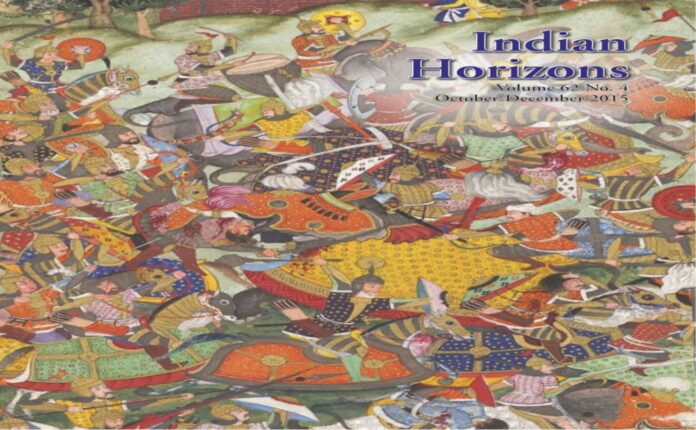
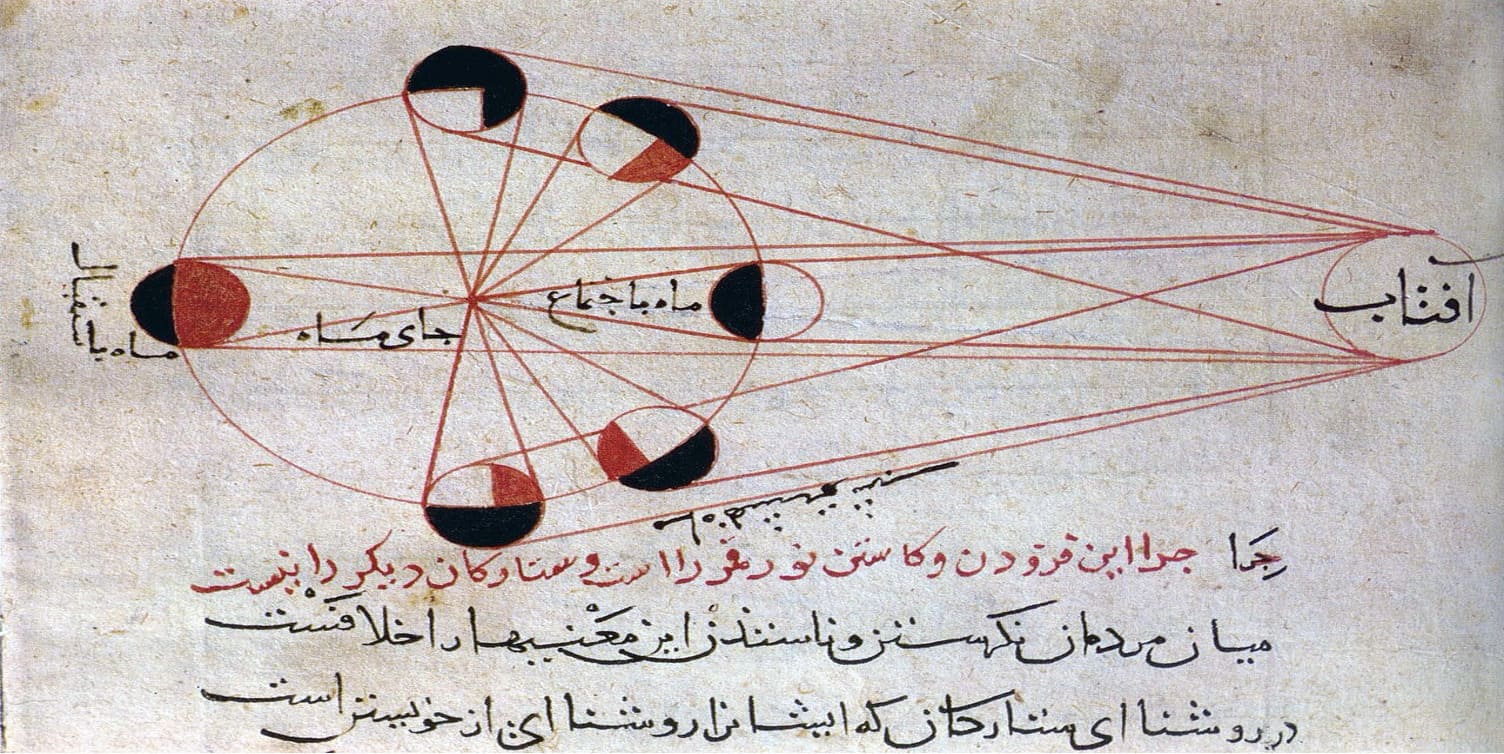
 Dr. Kalim Siddiqui