Precious metals are valuable commodities used for centuries to trade and barter. Today, there is still a vast international market for precious metals, with buyers and sellers worldwide. People forget that the international precious metals market differs from trading stocks or bonds. Before you jump into precious metals trading, remember a few things. Here are eight things to remember about this complex and fascinating market.
1. The Choice of Precious Metal Buying and Selling Platform Matters
Where you buy and sell precious metals can have a significant impact on how successful you are in the market. Different trading platforms offer different advantages and disadvantages, so finding one that works best for your needs is essential.
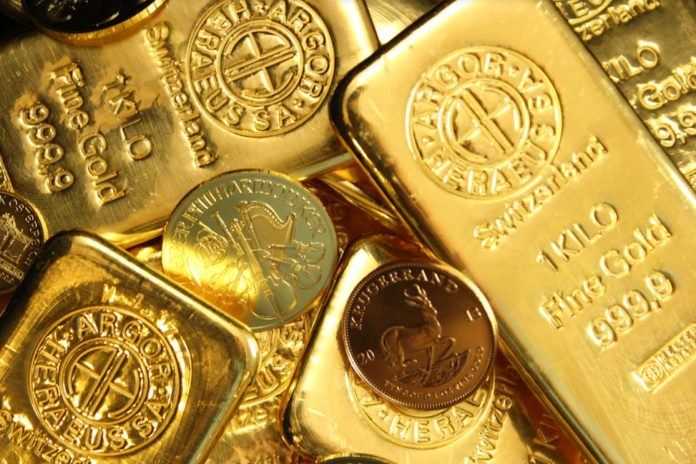
For example, a brokerage or online trading platform may be the best choice if you are looking for low costs. However, if you are trading larger amounts of money, it might be wise to use a more traditional trading platform, such as an exchange. When looking for a place where to sell your gold bullion or coins, it is crucial to choose a reputable platform. This will ensure that your investments are safe and secure and that you get the best possible prices for your purchases. Look at the fees associated with the platform, as well as how much liquidity it offers.
Go through the platform website thoroughly and read the customer reviews to make sure you are making an informed decision. The team, however, should provide all the details you need on the terms and conditions and a secure payment system.
2. Price Volatility
Precious metals prices fluctuate daily due to economic and political factors and supply and demand pressures around the world. Understanding that prices can go up and down in minutes is essential. It is usually a good idea to set price limits before trading, so you know when to exit the market.
The good thing is that price fluctuations can be a good opportunity for investors to make money. However, it is vital to research the market before investing and set realistic expectations about potential returns. To be on the safe side, it is wise to diversify your portfolio with a mix of precious metals, including gold, silver, platinum, and palladium.
3. Global Demand
Demand drives the precious metals market, and it is crucial to understand how different countries are affected by the global economy. For example, economic growth in India and China can create a surge in demand for gold, which could push prices up.
On the other hand, a recession in Europe or Japan could lead to less demand for silver, which could lead to a dip in prices. It is vital to track how different countries are doing, as this will affect the overall demand for precious metals worldwide.
4. Trading Platforms
Several different platforms are available for trading these metals, including exchanges and over-the-counter (OTC) markets. As a trader, it is vital to research the different platforms and choose one that works best for you. For example, some exchanges may offer better prices or more liquidity than other options.
In the modern world, many people choose to trade precious metals online, as this is usually the most convenient option. However, if you are dealing with large amounts of money, it might be wise to use a more traditional trading platform such as an exchange.
5. Risk Tolerance
As a wise investor, you should always consider your risk tolerance before investing in any asset. Precious metals are no exception, as they can be highly volatile and risky investments. Therefore, it is essential to understand how much risk you are willing to take on when trading these assets.
The best way to do this is by creating a diversified portfolio of different precious metals and other assets such as stocks, bonds, or real estate. This way, you can spread the risk across different asset classes and reduce the overall volatility of your portfolio.
6. Liquidity
The liquidity of the precious metals market is vital for investors, as it allows them to enter and exit positions quickly. This means that you can buy or sell at any given time with minimal impact on market prices. However, a lack of liquidity can cause huge price swings, as there are few buyers or sellers at any time.
Therefore, looking for a trading platform with high liquidity and plenty of other traders is essential. This will ensure you can buy and sell quickly without experiencing significant price slippage.
7. Regulatory Environment
The regulations of the precious metals market are constantly changing, which can significantly impact prices. Therefore, it is essential to stay up-to-date with the latest regulations and how they will affect your trading strategy.
It is also wise to choose a trading platform regulated by a respected authority, as this will help ensure that your trades are fair and secure.
Besides, it is essential to remember that certain taxes apply when trading precious metals. Depending on your country, there may be capital gains tax or other fees associated with your trades. This means that some of your profits could go straight to the government, so it’s essential to understand the tax implications of your trades before you get started.
8. Exchange Rates
 The rate between two different countries currencies will affect the global precious metals market. For instance, if the US dollar is strong against the Chinese yuan, this could lead to an increase in demand for gold by investors wanting to hedge against currency risk.
Similarly, if the Japanese yen is weak against the US dollar, it could make silver more attractive as a safe-haven asset. Therefore, paying attention to international exchange rates is essential to make the most of your trading opportunities.
It’s paramount to remain aware of the international exchange rates as they can hugely affect precious metal prices. As an investor, you need to understand the cross-currency dynamics and their implications on your trading strategies.
The international precious metals market is an exciting and lucrative opportunity for investors. However, being familiar with this market’s ins and outs is vital to ensure you get the best returns on your investments. This means having a good understanding of liquidity, regulatory environment, exchange rates, and the choice of a trading platform.





























































All Roads To a Successful G20 Meet in Indonesia How the World Can Best Follow Our Example and Apply Its Own ‘Bali Balm’
By Arsjad Rasjid
Right now, the whole world can use some of what I like to call the Bali balm. That is one reason why it is fortuitous that my country, Indonesia, is hosting the 2022 G20 summit in Bali this week. The slogan “Recover together, recover stronger” is not only the message the world needs right now, but it is also one we are uniquely qualified to deliver.
In sheer numbers, Indonesia is the world’s third largest democracy, and we are poised to become the world’s fourth-largest economy by the end of this century, experts forecast.
Indonesia has also been an incubator to thousands of the region’s hottest tech start-ups, which have attracted billions of dollars in investment precisely because of the strong upsides they offer. Over the past couple decades, Indonesia has overcome imposing obstacles – a violent insurgency, extreme weather events, and the regional economic meltdown of the late 1990s – and have come back stronger.
Still reeling from the global COVID-19 pandemic, world economies are now trying to find firm footing against recessionary headwinds. Going into its ninth month, the war in Ukraine has already cost over 200,000 lives and threatens to become a wider, regional – if not global – conflict unless Russia and Ukraine can be brought to a just resolution of hostilities.
And in part because of that conflict, we’re looking at turbulence in energy markets, which are on the brink of a necessary transition. In 2007, major global economies signed onto the Bali Roadmap, which charted a path towards confronting climate change. Two years ago, we adopted our first sustainable plan, in which we take action to reduce our own carbon emissions.
Now, we want to seize this opportunity to contribute to positive change beyond our shores. World-renowned CEOs like Elon Musk and Bill Gates are expected to be in Bali as well when the G20 convenes. This past Thursday, Bloomberg hosted an event for top CEOs, because business – and especially high-tech enterprise – is going to be part of the solution.
Last month, Indonesia pledged to have 2 million electric motorbikes on the road by 2025. It’s the first step. Currently there are over 130 million motorbikes on which Indonesians depend for daily transportation. As we make progress towards realizable goals, we are also moving towards our long-term objective of zero emissions by 2060. Getting there will continue requiring our commitment to innovation.
In the last year alone, Indonesia has reduced deforestation by 75 percent. Our economy is adapting to new realities. As PriceWaterhouseCoopers found in a study late last year, we are consistently improving our sustainability practices. For businesses from around the world that share our commitment to the green transition, Indonesia is becoming an even more promising investment opportunity.
International financial institutions have taken note of our rebound and see promise in even faster growth at the same time that we address key climate concerns. This month, we posted our fastest growth this year, and our economy is not slowing down. This is emblematic of our resilience, and for some other global economies, perhaps it could be a model. Because for us today, fighting climate change is an existential challenge just as it will be tomorrow for the rest of the world.
Most of all, we are proud to provide a platform for this critical global summit. The way to better times for all of us depends on new and sustained economic growth. Governments have important roles to play, but so too do businesses. That is why this week we must focus on the collaboration that is key to recovery and strengthening.
Let us each do our part, and together we will rise above the daily crises that consume us and – in concert – chart a new path for responsible, economic growth. Surely if we are resolute in this, 2023 will be brighter for the Asia-Pacific and the world’s well being.
Go to top