By Dr. Kalim Siddiqui
This paper explores the shift from the Bretton Woods system to the petrodollar era and the emergence of a multipolar financial order. Dr Kalim Siddiqui examines the US dollar dominance, control over oil and strategic resources, and the challenge posed by China, Russia, and the BRICS. Alternative currency settlements and strategic infrastructure investments are increasingly transforming global trade, finance, and the geopolitical balance of power worldwide.
I. Introduction
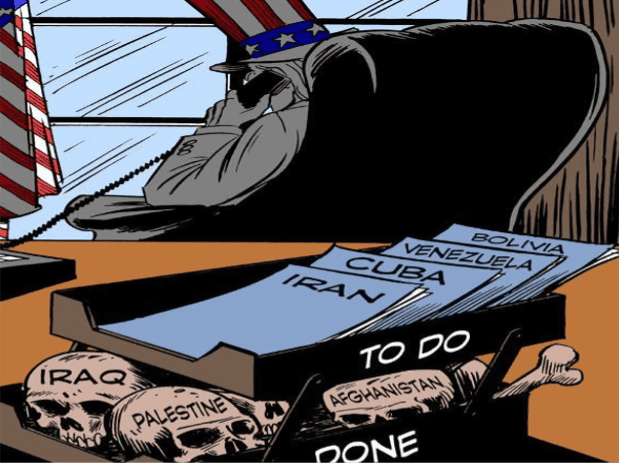
This logic of abstraction and domination, inherent to capitalist modernity, extends beyond domestic economies to structure the international order. In contemporary geopolitics, the United States (US) has increasingly relied upon financial, monetary, and coercive instruments to maintain its global economic dominance. The case of Venezuela illustrates this dynamic: a protracted campaign of economic warfare, encompassing comprehensive sanctions, the freezing of state assets, and the financing of opposition groups, demonstrates how US-led economic pressure functions as a central mechanism of political intervention. This process culminated on January 3, 2026, with the kidnapping of President Nicolás Maduro and the subsequent US seizure of administrative control over Venezuelan state assets—constituting one of the most significant confiscations of sovereign wealth in the contemporary era.
This research contends that aggressive US foreign economic actions, such as the 2026 intervention in Venezuela, are symptomatic of a declining monetary order rather than a sign of robust hegemony. Externally, the global economic environment is being reshaped by the rise of China, the consolidation of BRICS-led financial alternatives, and a gradual but accelerating move away from dollar-denominated trade and finance—a period aptly termed an “Age of Monetary Decline.” These tactics constitute a defensive attempt to manage its relative decline and control the transition toward an emergent, and increasingly inevitable, multipolar world system.
The US’s interventionist foreign policy has deep historical roots, most notably in the Monroe Doctrine of 1823. This declaration established the Western Hemisphere as a US sphere of influence and opposed European intervention. While global dynamics have since shifted, this doctrine established a lasting pattern—extending earlier European imperial practices—of external powers seeking to control the political and economic trajectories of Latin America.
These tactics constitute a defensive attempt to manage its relative decline and control the transition toward an emergent, and increasingly inevitable, multipolar world system.
Moreover, the historical precedent for such actions is well established. On January 3, 1990, the US captured Panama’s president, Manuel Noriega, under the justification of combating drug trafficking. At that time, Panama’s small size and Noriega’s limited domestic support made the US intervention possible. Venezuela in 2026, however, presents a qualitatively different case. With a population of approximately 28 million, a functioning state apparatus, and an extensive political infrastructure, Venezuela cannot be easily neutralised. Moreover, the international context has changed significantly. The rise of China as a major economic power—and its deepening economic relationship with Venezuela—introduces constraints that did not exist in earlier interventions.
This study examines the Venezuelan crisis through the underlying the US economic interests and structures. It also aims to explore why oil denomination, not oil volume, lies at the heart of the situation, how the petrodollar system that has underpinned the US economic dominance for half a century is fracturing, and why recent geopolitical actions may have accelerated a global shift away from dollar dependence.
Venezuela’s strategic importance is inextricably linked to its extraordinary resource endowment. The nation possesses the world’s largest proven oil reserves—approximately 303 billion barrels, representing 18.2 percent of the global total—coupled with an estimated $2.7 trillion in mineral wealth. In this context, claims that US intervention under the President Trump was motivated primarily by concerns over democracy, human rights, or drug trafficking lack credibility. A more convincing analysis locates the intervention within a well-established pattern of resource-driven geopolitical competition, wherein external coercion serves to enforce existing global economic hierarchies and discipline states that assert control over their strategic assets (Levine, 2026).
Iran’s contemporary economic and political challenges are frequently explained through reference to domestic governance failures and macroeconomic shortcomings. Yet such explanations often overlook the structural consequences of sustained external pressure. This pressure—anchored in long-standing strategies of regime change and regional destabilisation—constitutes a central element of a broader geopolitical project aimed at restructuring Middle East power relations in ways that secure and reproduce Israel’s strategic primacy. From a critical political economy perspective, Iran reflects a recurring pattern across the Global South, whereby countries pursuing relatively autonomous development paths and independent foreign policy orientations are subjected to prolonged regimes of coercive intervention by US imperialism (Siddiqui, 2024a).
Through economic sanctions, a core instrument of US policy against its opponents, which leads to trade disruption, restriction of international finance, And the cost of essential imports rises, resulting in inflation, shortages, and a deliberate decline in living standards. These conditions generate public dissatisfaction that is commonly framed as evidence of domestic mismanagement and government macroeconomic failure. Beyond economic measures, the US has funded and supported opposition groups, intensifying internal polarisation and, in some cases, paving the way for military intervention justified on the name of democracy or human rights. Western media narratives often reinforce this framing by emphasising on domestic government policy failures while minimising the broader geopolitical context. Similar dynamics have been evident in cases such as Venezuela and Syria, Libya, Iraq, and in the case of Iran, US policy is better understood as a political-economic method.
This article intervenes in contemporary Marxist debates on the expansion of US imperialism by examining Marx’s works on analysis of capitalism in the second half of the 19th century. It begins by outlining Marx’s view of capitalism’s historically progressive role, while emphasizing the specificity of the “English transition” and the structural inequalities inherent to the international division of labour.
Building on this foundation, the analysis traces two divergent theoretical trajectories. The first is the revival of theories of imperialism, catalysed by the unilateralist foreign policies of the US, particularly under the Bush administration. The second encompasses theories of capitalist globalisation, including frameworks of transnational capitalism, financialisation and neoliberalism (Siddiqui, 2019a).
The article contends that both classical and contemporary theories of imperialism to highlight the significance of formal political independence for post-colonial states and the contradictions within “free trade” relations. Conversely, theories of globalisation tend to downplay the ongoing centrality of nation-states—especially the US—and overstate the degree to which capital has become truly transnational (Siddiqui, 2020a).
In response, this article proposes an alternative framework aimed at constructing a historically grounded theory of uneven development. This approach emphasises the global concentration of capital, the contemporary dominance of finance, and the persistence of nationally specific developmental paths, all while acknowledging the enduring primacy of particular states within the global system (Patnaik, 2022).
This history exemplifies a broader theoretical principle: imperialism represents an advanced stage of capitalism, inherently reliant on the plunder and control of external resources. David Harvey’s analysis provides a critical framework for understanding its contemporary form. He situates the rise of US hegemony after World War II and argues that the “new imperialism,” emerging from the late 1960s crisis of profitability and capital accumulation, is characterised by a fusion of neoliberal policies and military expansionism (Harvey, 2003).
At the core of this shifting global balance lies the international monetary system and the privileged position of the US dollar. Since the suspension of the gold standard in 1971, the US has benefited from what has been described as the dollar’s “exorbitant privilege.” This arrangement allows the US to finance persistent trade and budget deficits by issuing the world’s primary reserve currency, effectively transferring adjustment costs to the rest of the world. Because key commodities such as oil are priced in US dollars, countries are compelled to accumulate dollar reserves to safeguard economic stability, thereby sustaining demand for US dollar regardless of the deepening US domestic economic crisis including rising debts and trade deficits.
From a political-economy perspective, the global dominance of the US dollar constitutes one of the most significant structural asymmetries within contemporary capitalism. This monetary hierarchy—anchored in the post–World War II international order and sustained by the dollar’s role as the primary reserve currency and medium of international exchange—enables a profound imbalance: although the US accounts for approximately 4.2% of the world’s population, it commands access to an estimated 25% of global resources. This disparity is not incidental but foundational, reflecting a deeply institutionalised power asymmetry that systematically privileges US financial and consumption capacity within the global economy.
The US dollar has served as the dominant global currency for decades largely because most international trade — especially in commodities such as oil — has historically been invoiced and settled in dollars. This arrangement generates persistent global demand for US currency, enabling the US to borrow at low cost, issue significant amounts of currency, and absorb inflationary pressures that might otherwise burden its own economy. As of 2025, the dollar continues to comprise a majority of official foreign exchange reserves, accounting for around 56 % of global reserves, down from roughly 71 % in 2000, reflecting gradual diversification by central banks (Siddiqui, 2025a).
Alongside reserve diversification, the currency composition of global trade settlement has been evolving. Countries such as Russia and China increasingly conduct bilateral trade in their own currencies (Rubbles and Yuan), while India has expanded Rupee‑settled oil purchases from Russia. Chinese trade with Latin America reached a record $518 billion in 2024, making China a leading trading partner for several regional economies. Although most oil transactions globally still sold in dollars, some oil producers and importers have explored yuan or local‑currency settlement for portions of trade as part of broader strategies to reduce dollar exposure.
These shifts coincide with strategic infrastructure and trade linkages that enhance alternative economic corridors. China’s investment in the Chancay a deep‑water port in Peru — part of the Belt and Road Initiative — aims to reduce shipping time and logistics costs for Asia‑bound trade, further integrating Latin America into Asia‑Pacific flows and diversifying trade routes beyond traditional US-centred networks.
Despite these developments, it is important to recognize that the dollar’s structural dominance remains substantial. Key global commodities continue to be priced in dollars, the currency still underpins the majority of official reserves, and international transactions — including trade invoicing and cross‑border lending — are heavily dollar‑denominated. Thus, while gradual de‑dollarisation and multipolar currency strategies are evident, the notion of an imminent collapse of dollar hegemony is not supported by current statistics (Siddiqui, 2024c). Rather, the international monetary system appears to be evolving toward greater diversity, with persistent US dollar prominence coexisting alongside expanded use of other currencies in specific contexts.
Amid evolving economic pressures, Saudi Arabia and other major producers have explored diversifying oil trade toward non‑dollar settlement, including expanding oil sales to China potentially priced or settled in Chinese Yuan, a reflection of broader de‑dollarisation trends. Although most Saudi oil remains priced in US dollars today, there are discussions to make financial arrangements that allow oil trade in alternative currencies, and Saudi Arabia has engaged in currency swap agreements and broader financial cooperation with China as part of economic diversification.
II. Aggression Against Venezuela
The US hegemony over strategic resources, such as oil, is enforced through a regime of economic, trade and financial sanctions and dollar dominance. This is demonstrated by the cases of major oil producers—including Russia, Iran, and Venezuela—which, after defying US policy, became primary targets of such sanctions. Unlike direct colonial rule, this neoliberal form of control operates indirectly yet remains a central instrument of the US power (Siddiqui, 2024a). The aggressive posture of the Trump administration should not be seen as an aberration but as a particularly overt manifestation of a longer historical trend: the persistent drive of the US capitalism to secure global resources and roll back post-war geopolitical advances. This behaviour is systemic, rooted in the logic of capitalist imperialism, rather than attributable to the character of any single individual (Siddiqui, 2018).
Analysing the recent aggression against Venezuela necessitates an examination of the broader drivers behind US imperialist policy. A common counterargument—that US energy independence via shale production diminishes the strategic value of Venezuelan oil—is economically inaccurate. The US shale boom predominantly supplies light sweet crude, which differs in composition and refining yield from the extra-heavy, high-sulphur sour crude of Venezuela’s Orinoco Belt region. Processing heavy sour crude requires specialized refining capacity, which several US refineries possess. Thus, Venezuela’s resources remain strategically relevant to specific US economic interests.
For the last more than two decades, Venezuela’s oil industry has suffered a protracted collapse due to underinvestment, mismanagement, and US sanctions. After producing around 3.5 million barrels per day (bpd) at its peak in the late 1990s, output had fallen to roughly 0.8 million bpd by late 2025, far below its potential despite possessing the world’s largest proven reserves.
Following the nationalisation of its oil industry under Hugo Chávez, Venezuela pursued strategic partnerships with China. From the early 2000s, Chinese state banks—including the China Development Bank and the Export–Import Bank of China—provided oil-backed loans, collectively amounting to roughly $62 billion. These loans were primarily structured as crude oil in exchange for infrastructure, electricity, and industrial development. Chinese state-owned enterprises, most notably China National Petroleum Corporation, also established joint ventures with PDVSA, Venezuela’s state oil company, securing direct access to the country’s reserves.
China has further invested in specialised refineries capable of processing Venezuela’s heavy sour crude oil. This strategic move has enabled an estimated 80% of Venezuela’s oil production to be refined within China. Bilateral agreements were carefully structured to shield Chinese assets and maintain cooperation, irrespective of political shifts within Venezuela. In contrast to the US approach, which historically emphasised control over oil production, China has focused on building infrastructure, developing refineries, expanding the energy sector, and establishing financial mechanisms designed to secure repayment of its loans.
This strategic partnership illustrates how Venezuela leveraged its oil wealth to secure foreign investment and maintain production, while China gained long-term access to strategic energy resources. However, declining Venezuelan output, underinvestment, and US sanctions have constrained the effectiveness of these arrangements, highlighting the vulnerabilities of oil-dependent economies in volatile geopolitical contexts.
Recent geopolitical and financial developments have intensified debates surrounding the future role of the US dollar in global energy markets. While some reports have suggested that Venezuelan President Nicolás Maduro signed a major $18 billion energy agreement with China in late December 2025, such claims are not widely substantiated. Rather, the core of China-Venezuela energy relations remains a long‑standing “oil‑for‑loans” framework, established over decades. Under existing contracts, Venezuela is still estimated to owe between $10 billion and $15 billion in oil shipments, reflecting the continuity of this pre‑arranged financial and commodity exchange.
Venezuela’s approach to oil trade illustrates the evolving monetary landscape. Confronted with US sanctions and dollar‑based financial barriers, Venezuela has increasingly pursued oil settlements in alternative currencies, including Chinese yuan, and has explored arrangements that bypass traditional US financial infrastructure. While Venezuela’s actual production remains constrained relative to global output, its large oil reserves make its settlement choices significant in the broader narrative of de‑dollarisation.
China’s trade and investment ties with Latin America have expanded dramatically over the past two decades. In 2000, bilateral trade stood at a negligible $2 billion. By 2025, according to available data, it had surged to approximately $518 billion, making China the region’s second-largest trading partner after the US. This growth has been driven by Latin American exports of raw materials—such as soy, lithium, and copper—and Chinese exports of electronics, machinery, and vehicles. Projections suggest that bilateral trade could exceed $700 billion by 2035.
Latin America supplies critical commodities to China, meeting about 75% of its soy demand and nearly all of its lithium imports. In return, China provides high-technology goods and extensive infrastructure financing, with deepening engagement under the Belt and Road Initiative. Major Chinese investments in ports, energy grids, and logistics—such as deep-water terminal projects and power grid expansion in Brazil—are reshaping regional connectivity and reducing historical dependence on traditional North Atlantic trade routes.
Moreover, Latin America also holds large shares of global lithium reserves—particularly in Argentina, Bolivia, Chile, and Venezuela—crucial for batteries and electric vehicles. Chinese and Russian firms have signed substantial deals to develop lithium resources, illustrating how strategic raw materials factor into new patterns of global economic alignment. Without secure access to such resources, US ambitions for a competitive green technology industry could face structural constraints.
China’s efforts to build alternatives to dollar‑centric systems—such as the Cross‑Border Interbank Payment System (CIPS) designed to facilitate yuan‑settled transactions and reduce reliance on SWIFT—reflect broader trends toward multipolar finance. Had Venezuela’s oil been sold directly in yuan under expanded CIPS mechanisms, demand for US dollars could have been affected, with potential implications for global reserve currency dynamics. However, current evidence shows that such yuan‑dominant oil trade remains a growing but still limited component of the global energy settlement arrangements.
III. United States Hegemony and the Creation of the Bretton Woods Institutions
As the US anticipated the imminent defeat of Germany and Japan in World War II, it moved strategically to shape the postwar international political economy. Leveraging its unparalleled industrial capacity, financial and military dominance, and creditor position, the US advanced a global economic order aligned with its economic and businesses interests. Central to this project was the promotion of the US dollar as the anchor currency of the emerging international monetary system.
European powers, particularly the UK and France, entered the postwar period with severely weakened economies, depleted gold reserves, ruined industries and extensive wartime debts owed to the US. This asymmetrical distribution of economic power significantly constrained their bargaining capacity. Consequently, European governments acquiesced to a US-led monetary framework that institutionalised dollar centrality and embedded the US preferences within the newly created Bretton Woods institutions, notably the International Monetary Fund (IMF) and the World Bank.
In 1944, the US and European powers established the IMF and the World Bank at the Bretton Woods Conference, creating a global financial architecture centred on the US dollar. These institutions functioned not merely as mechanisms for reconstruction and monetary stability, but as key instruments through which US economic hegemony was consolidated and reproduced within the postwar global order. Under this system, the dollar was fixed to gold at $35 per ounce, and other currencies were pegged to the dollar, effectively making the dollar “as good as gold”. For roughly twenty-five years, this arrangement provided monetary stability.
However, by the late 1960s, however, the US began issuing more dollars than it held in gold reserves, driven by the costs of the Korean and Vietnam Wars, the global expansion of US military bases, and extensive domestic spending programmes (Siddiqui, 2025b). European countries, particularly France, began demanding gold in exchange for their dollar holdings. In 1971, President Richard Nixon suspended the dollar’s convertibility into gold, ending the Bretton Woods system and ushering in a floating currency regime, in which the dollar’s value was determined by market forces rather than gold reserves (Siddiqui, 2020b).
This transition created a critical tension with oil-exporting Arab countries, which had been trading oil for the US dollars under the assumption that these dollars were backed by gold. Confronted with the potential devaluation of their holdings, these countries after the 1973 Israel and Arab war demanded Israeli withdrawal from territories occupied since 1967 and implemented an oil embargo alongside production cuts. Oil prices quadrupled within months, rising from less than $3 per barrel in 1973 to $12 per barrel by 1974. Saudi Arabia’s oil revenues increased from $4 billion to over $30 billion, while Kuwait, Bahrain, Iraq, Oman and the United Arab Emirates experienced similarly dramatic gains.
Much of this revenue was recycled into Western financial institutions. Arab countries invested heavily in Western corporations, real estate, and domestic infrastructure projects, which frequently relied on Western contractors, management, technology, and expertise. Confronted with a surge of large deposits, Western banks extended loans to countries in Africa, Asia, and Latin America to finance development projects and cover trade deficits. Although interest rates were initially low, they rose sharply in the 1980s, dramatically increasing debt-servicing costs and triggering a debt crisis (Siddiqui, 2024b).
IV. Petro-Dollar: Oil, Power, and Dollar Dominance
Oil constitutes a critical strategic commodity for economies undergoing modernisation. Within the framework of industrialisation and energy economics, oil functions as a foundational input that supports productivity, mobility, and technological advancement. Key sectors—including plastics manufacturing, automotive production, maritime shipping, transportation, infrastructure, flying airplanes and the operation of flying military aircrafts—are structurally dependent on oil to sustain large-scale production and operational efficiency. As such, access to reliable and affordable oil supplies remains closely linked to industrial capacity, economic growth, and national security in modern economies.
The 1973 oil crisis reshaped the global economy, not merely as a result of supply constraints, as is often suggested. It also reflected the collapse of the gold-backed dollar and the subsequent establishment of the petrodollar system. Following negotiations led by US Secretary of State Henry Kissinger, Saudi Arabia agreed in 1974 to price its oil exclusively in US dollars. This arrangement ensured sustained global demand for US currency and conferred significant economic leverage on the US (Siddiqui, 2020b).
Under the petrodollar system, Saudi Arabia sold oil in US dollars, while the US provided political support to the ruling regime and supplied military equipment in return. The petrodollar system continues to influence global politics and economics today, affecting oil prices, government debt, and US military expenditures. It also helps explain US interventions in the Middle East, the preferential treatment of Saudi Arabia despite human rights concerns, and the efforts by emerging powers such as China and Russia to challenge dollar hegemony.
Since the mid‑1990s, financial deregulation in the US and other advanced economies led to a pronounced expansion of the financial sector. This occurred despite theoretical claims that financial liberalisation would spur growth and efficiency. Mainstream, supply‑side economists argued that a deregulated financial system would efficiently mobilise and allocate resources toward the most productive investments, thereby expanding supply and ensuring full employment. In practice, however, deregulation frequently produced outcomes contrary to these predictions (Stiglitz, 1994).
This disparity is not incidental but foundational, reflecting a deeply institutionalised power asymmetry that systematically privileges US financial and consumption capacity within the global economy.
Dollar hegemony allows the US to appropriate real value from the rest of the world through monetary means rather than direct production. By issuing its own currency, the US can finance large and persistent trade deficits through the expansion of dollar liquidity or the sale of Treasury Securities that foreign states are compelled to purchase. For more than four decades, the US economy has systematically consumed more than it produces, accumulating vast trade deficits without facing the balance-of-payments constraints that typically discipline other economies. This capacity reflects what dependency theorists describe as a core privilege: the ability of dominant economies to externalise adjustment costs onto the periphery and semi-periphery.
Yet this system is increasingly contested. While large-scale liquidation of US Treasury bonds by countries such as China would entail significant risks for those economies, emerging alternatives to dollar-centred trade are already taking shape. Initiatives by BRICS countries to conduct trade in national currencies or through commodity-backed mechanisms signal a gradual diversification of the international monetary system. These developments suggest not an abrupt collapse of dollar hegemony, but a slow erosion of its uncontested dominance (Siddiqui, 2020a).
Taken together, these trends point toward a transformation in the global order. The mechanisms of economic dependence that once underpinned US hegemony—corporate concentration, financial abstraction, and monetary privilege—are increasingly strained by the emergence of alternative centres of economic power. From a Marxian perspective, this shift reflects the internal contradictions of capitalism itself: the very structures that enabled unprecedented global dominance now generate resistance, instability, and the conditions for systemic change.
During the last decade, the structural pressures have mounted on this arrangement. Several factors have contributed to a gradual weakening of petrodollar dominance. Oil exporters’ current‑account surpluses have become more volatile, and sovereign wealth funds have diversified away from US Treasury securities, reducing automatic recycling of dollars into US debt markets. Meanwhile, major oil importers and exporters have increasingly engaged in energy trade settled in non‑dollar currencies. For example, China has promoted yuan‑denominated oil transactions and expanded currency swap lines to facilitate trade outside the dollar system, while Russia and India have conducted a significant share of bilateral trade in rubbles, yuan, and rupees.
Recent shifts in global finance and energy markets point to possible changes in the post–Bretton Woods monetary order, especially the petrodollar system that has underpinned US monetary hegemony. The dollar-denominated pricing of oil generated continuous global demand for US currency, enabling the United States to sustain external deficits at relatively low cost. Oil-exporting countries accumulated large dollar surpluses and recycled them into Western financial markets, reinforcing both the centrality of the dollar and US structural power within the international monetary system (Siddiqui, 2025c).
In recent years, despite increases in non‑dollar trade and growing interest in currency diversification, the US dollar continues to dominate global oil trade and foreign‑exchange reserves, and a wholesale collapse of the petrodollar system is not evident in current data. Ninety percent of oil transactions still occur in dollars, and the depth and liquidity of US financial markets sustain global confidence in the dollar as a reserve currency. Moreover, efforts by blocs such as BRICS to create alternatives — including proposals for local‑currency settlement or a shared transactional framework — have advanced incrementally but face substantial structural hurdles, such as limited convertibility and lack of deep international markets for alternative currencies.
From this perspective, the petrodollar system is not abruptly dying but being challenged by evolving amid multipolar currency strategies and de‑dollarisation efforts. Shifts toward non‑dollar oil pricing and currency swap arrangements represent a gradual diversification away from sole reliance on the dollar rather than its sudden replacement (Siddiqui, 2024c). The strategic responses by the US — including export controls, financial sanctions, and diplomatic pressure — reflect attempts to preserve dollar dominance while geopolitical rivals pursue greater autonomy in energy and financial transactions.
V. Dollar Assets and US-Led Sanctions
Recent geopolitical developments have exposed the coercive foundations of this system. Following the Russia–Ukraine war in 2023, the US and its allies froze approximately $300 billion in Russian foreign exchange reserves. Similar measures had previously been imposed on Iran and Afghanistan, where access to dollar-denominated assets was suspended through sanctions. These actions demonstrated that dollar reserves, far from being neutral financial instruments, are ultimately subject to political control. For China, these precedents underscored the strategic risks inherent in holding large volumes of US financial assets.
From China’s standpoint, vulnerability operates along two dimensions. First, in the event of escalating geopolitical confrontation, US authorities could restrict or freeze Chinese dollar assets, producing severe financial disruption. Second, expansive US monetary policy—particularly large-scale money creation—threatens to erode the real value of China’s Treasury holdings. In Marxian terms, this represents a form of value transfer, whereby surplus generated through productive activity in one economy is devalued through monetary mechanisms controlled by another (Siddiqui, 2019b).
Beyond reserve diversification, China has sought to weaken the infrastructural foundations of dollar dominance. In 2015, the People’s Bank of China launched the Cross-Border Interbank Payment System (CIPS), a platform designed to clear and settle international transactions in Yuan i.e. also known as Renminbi (RMB). CIPS serves both technical and strategic objectives: it facilitates cross-border payments in China’s currency while reducing reliance on US-dominated systems such as SWIFT, which the US has repeatedly used as a mechanism of financial sanctioning. By promoting Yuan settlement and constructing alternative financial infrastructure, China aims to reduce its subordination within the global monetary hierarchy.
With few exceptions—such as oil-producing states in the Middle East and small, affluent populations living Westernised lifestyles outside the imperial core—the rest of the world functions only minimally as a market for surplus commodities produced by advanced capitalist economies. Neoliberalism has imposed chronic income deflation across much of the Global South, suppressing effective demand and deepening the realisation problem. At the same time, industrial expansion outside the core—most notably in China, but also in several other developing economies—has significantly increased global productive capacity. Exports therefore offer diminishing relief from overproduction, as protectionism intensifies and economic growth becomes increasingly oriented toward domestic markets.
China’s integration into this system illustrates the contradictions of export-led development under dollar hegemony. At the peak of its reserve accumulation, China held approximately $1.3 trillion in US Treasury securities, making it the largest foreign creditor of the US, followed by Japan with nearly $1 trillion. China’s export boom generated substantial dollar surpluses, and reinvestment in US government debt was long perceived as the safest and most liquid method of reserve management. Yet this arrangement simultaneously tied China’s economic security to the stability—and political goodwill—of the US-led monetary system.
At the same time, China has diversified its reserve composition, increasing its accumulation of gold and other non-dollar assets as a hedge against monetary and political risk. In the first quarter of the twenty-first century, capitalism’s weakening productive dynamism and the rise of China have generated panic and escalating aggression—both economic and military—among the imperial core countries.
VI. Deconstructing Global Power: A Radical Critical Perspective
Marx and Engels’s analysis of capitalism as a system of contradictory value production remains central to understanding this dynamic. According to this framework, the drive toward imperialism emerges not from strength but from the structural limits inherent in capitalist accumulation. David Harvey’s (2003) influential thesis builds on this by distinguishing between two logics of power: the capitalist logic of ceaseless accumulation and the territorial logic of state political and military control. While deeply intertwined, these logics frequently exist in tension or outright conflict. Harvey cautions against the mechanistic reduction of state strategy to mere economic imperatives. He ultimately defines modern imperialism as a system where the territorial logic is subordinated to the capitalist one—state power is deployed internationally primarily to secure and privilege circuits of national capital accumulation across borders (Siddiqui, 2018).
Consequently, Harvey insists on a strict analytical distinction: the sociopolitical preconditions for expanded reproduction, forged through what he terms “accumulation by dispossession,” must be separated from the process of capital accumulation proper. As he emphasizes, state and political action is not merely incidental but fundamentally constitutive of this foundational expropriation. His concept of “accumulation by dispossession”—the ongoing appropriation of assets, resources, and rights—is among the book’s important contributions, arguing convincingly that such processes have been central to capitalism’s entire history, thereby perpetually opening new fields for profit (Harvey, 2003).
This dynamic was starkly evident in the late 20th century. Faced with a profitability crisis from the late 1960s, corporations in advanced capitalist countries launched an obsessive drive to enhance returns. Their governments actively facilitated this project, which Harvey identifies as central to the “new imperialism.” A key feature was the US utilisation of its monetary hegemony, employing control over international credit (via institutions like the IMF) and access to its domestic market to pry open developing economies. This neoliberal project particularly benefited core financial services and speculative capital, aligning with Harvey’s view of imperialism as the promotion of international arrangements that institutionalise asymmetrical exchange for the benefit of hegemonic powers (Harvey, 2003).
From a broader theoretical perspective, these mechanisms do not signal the immediate collapse of dollar hegemony. Rather, they reflect and accelerate a gradual process of fragmentation within the international monetary system. As Marxist and dependency theorists have long argued, hegemonic orders contain the seeds of their own instability. The very mechanisms that enable dominance—monetary privilege, financial abstraction, and asymmetric dependency—also generate resistance and encourage the search for alternatives. The growing diversification of reserve assets, payment systems, and trade currencies thus points toward a slow reconfiguration of global capitalism, a structural shift borne from its own contradictions, rather than a sudden rupture.
Costas Lapavitsas’s book (2013), Profiting without Producing: How Finance Exploits Us All, is poised to serve as a reference point in Marxian political economy. His work is structured in three substantive parts, each of which could stand as a significant contribution in its own right. Lapavitsas rigorously develops a Marxian theory of money, adapting it to explain the contours of contemporary finance. He seeks to reinterpret Marx’s monetary theory to elucidate modern economic contradictions and crises. And offers a critical analysis of the key phenomena. The rise of financialisation, which Lapavitsas substantiates with impressive empirical and historical data focused on the US, Germany, the United Kingdom, and Japan (Siddiqui, 2025d).
To understand the enduring relevance of Marx’s critique of capitalism, it is essential to analyse the structural transformations in the financing of the capitalist economy, particularly the proliferation of long-term debt markets. Beginning in the 1860s, legislative changes in Britain and other industrialised countries formally established the joint-stock company as a dominant economic institution. This shift marked a decisive transition from the ‘classic’ 19th-century model of capitalism—characterised by individually owned enterprises—to its modern 20th-century form, which came to be dominated by large, impersonal corporations. While earlier joint-stock enterprises, such as those created to build canals, railways, mines, and plantations, had required special acts of Parliament, the new general incorporation laws democratised and generalised this model, fundamentally altering the scale, ownership, and financial logic of capital accumulation.
On Marx works, Toporowski (2018:416) notes: “Marx’s project was to uncover how capitalist production and distribution determine the way in which capitalism has evolved, combined with a systematic criticism of economic ideas and policy. For Marx, this deconstruction of capitalism was necessary because, unlike in previous modes of production, the process of producing a surplus, that is the process of exploitation of human labour, is not obvious in capitalist economy. It is hidden by market processes that masquerade as ‘free exchange’ of commodities or what Marx called the mystery of the fetishistic character of commodities.”
These dynamics can be more fully understood through a renewed reading of Capital in light of Marx’s later writings on colonialism, which were largely absent from early Marxist debates on imperialism. As Marx’s analysis developed, he became increasingly attentive to the economic and political consequences of colonial domination. His political activity within the First International, particularly in relation to Irish independence, reflected a growing recognition of the strategic importance of forging genuine solidarity between working-class struggles in imperial countries and anti-colonial resistance in colonised and dependent societies (Toporowski, 2018).
Contemporary globalisation, from this perspective, is rooted in neoliberal policy regimes that have facilitated the internationalisation of capital not only in productive sectors but also, and increasingly, in speculative financial activities. This expansion of finance has contributed to recurrent asset-price bubbles on a global scale, reinforcing instability and deepening uneven development rather than resolving the contradictions of capitalist accumulation (Siddiqui, 2025e).
For Marx and Engels, capitalism is distinguished by its relentless drive to revolutionise the forces and relations of production, thereby continuously transforming social life. This dynamism arises from historically specific relations of production grounded in the separation of labour from the means of production, particularly land. The resulting generalisation of commodity production makes market societies the product of political and social restructuring rather than natural economic evolution. Competition among producers follows necessarily, as firms seek to reduce costs and secure market advantage (Toporowski, 2018).
Lenin theorised imperialism as a distinct stage of capitalism defined by the concentration of capital and the emergence of monopoly, the fusion of industrial and bank capital into finance capital, the export of capital, the formation of cartels, and the division of the world among major powers. Monopoly, rather than abolishing competition, intensified it by reshaping rivalry at a higher level. Against Hobson, Lenin argued that surplus capital could not be absorbed through domestic redistribution without undermining profitability, making capital export a structural necessity.
Before the World War I, capital concentration was largely national, with colonial expansion securing markets, investment outlets, and raw materials. Contemporary capitalism displays a far greater internationalisation of capital, yet these flows remain concentrated among advanced economies, reproducing key features of the pre-1914 period. What is novel is the expansion of manufacturing in the periphery and the multi-national origin of capital invested in developing economies. While capital remains anchored in nation-states, the world economy can no longer be divided into exclusive imperial blocs.
Toporowski (2016:521) argues: “[ignoring] the work of Luxemburg and Hilferding to analyse the conditions for the realisation of value that emerge directly from capitalist relations of production, those conditions being the accumulation of capital and its financing… reducing capitalism to a theory of capitalist production and a labour theory of value, in which crisis comes from the underconsumption of workers.”
The period following the two World Wars and the Great Depression left core capitalist states economically and militarily weakened. This confluence of crises forced a dual concession: internationally, it accelerated decolonisation; domestically, it compelled capital to grant improved rights and living standards to workers. Underpinned by the adoption of Keynesian demand-management policies, this domestic settlement involved state intervention to stimulate investment and growth, sanctioning a broader sharing of the economic surplus with labour.
Consequently, contemporary power dynamics have shifted. Competition among major powers now unfolds primarily within a framework of formal free trade rather than direct territorial control. Power is exercised increasingly through economic mechanisms rather than overt political or military domination, and inter-capitalist rivalry does not necessarily culminate in war. These transformations have prompted new theoretical approaches that revise classical theories of imperialism while preserving their central insights into capitalist accumulation and global inequality (Toporowski, 2016).
This new reality is more troubling than the narrative of seamless capital migration suggests. Although the globalisation of production and the growing power of multinational corporations are often presented as evidence of capital’s flight from its traditional homelands, the outcome for core capitalist states—particularly the US—has been substantial deindustrialisation without a corresponding expansion of control over global productive systems. There has been no sustained surge of Western productive investment toward the Global South. Instead, capital has flowed predominantly into speculative financial activities and predatory lending (Siddiqui, 2023).
Furthermore, investment remains far more nationally rooted than globalisation discourse acknowledges. In most countries, approximately 80–85 percent of gross fixed capital formation is financed domestically, not by foreign direct investment (FDI). Even significant FDI largely circulates among advanced capitalist economies. Outside this core, such investment has been concentrated in a limited number of countries—most notably China and few East Asian countries. Yet this crucial outlet has increasingly been jeopardised as the US-led West pursues trade, technology, and financial warfare against its now-recognised economic and technological rival.
The emerging transnational state is constituted through international institutions such as the IMF and the World Bank, and the World Trade Organisation (WTO). While nation-states continue to perform key functions, these functions have increasingly been trans-nationalised. Macroeconomic policy is now oriented toward fiscal, monetary, trade, and investment frameworks that facilitate deeper integration into global markets. As a result, welfare and developmental states have been reconfigured into neoliberal states that prioritize market discipline and capital mobility.
At the core of neoliberal ideology is the claim that trade and investment liberalisation promotes economic growth and that growth, in turn, reduces poverty (World Bank 2002). This reasoning is echoed by theorists of cosmopolitan or transnational capital, who argue that intensified competition enhances productive efficiency, lowers prices, and expands global output.
By the mid-1970s, however, the emergence of stagflation—the simultaneous rise of inflation and unemployment—discredited the Keynesian paradigm, clearing the way for the official adoption of neoliberalism. This revived classical liberal doctrine, characterised by deregulation, the primacy of market forces, and the deliberate rollback of the state. The neoliberal model prioritised the free global flow of goods, capital, and services, thereby systematically diminishing the sovereign state’s control over capital movements.
As Patnaik (2022:33) notes: “contemporary finance capital is not just itself globalised, but actually creates the condition for the ‘globalisation of production i.e. for the relocation of productive activities from the metropolis to the third world, where wages, by imposing so-called ‘discipline’ on these countries by forcing them to pursue neoliberal policies, with the help of global financial institutions like the IMF and the World Bank… adoption of the neo-liberal strategy and, by implication, the decimation of the earlier dirigiste strategy is brought about under the hegemony of international finance capital.”
The 2008 Global Financial Crisis is widely seen as the direct result of this era’s deregulation, rampant financialisation, and speculative excess, which culminated in a severe liquidity crisis. Yet, a comprehensive understanding requires moving beyond the financial sector alone to examine the crisis as a symptom of deeper contradictions within capitalism. This necessitates integrating an analysis of the spheres of production and distribution with the financial mechanisms that facilitate accumulation. Scholars argue that debt exacerbates capitalism’s inherent instabilities through new forms of financial predation, notably by imposing usurious debt obligations on households—a process central to the “financialisation of the economy” or the emergence of a “financialised capitalism.” (Siddiqui, 2025f).
This dynamic raises a fundamental political question concerning the state’s role. As Patnaik argues, any state action that operates independently of finance capital—acting directly in the public interest rather than through corporate financial intermediaries—challenges the social legitimacy of capitalism. It prompts the question: if the state is repeatedly needed to rescue the system, why maintain the system at all instead of adopting substantive public ownership? This perspective underscores the state’s capacity to shape economic activity directly. In a domestic economy, demand is ultimately driven by investment and consumption. Strategic government spending on infrastructure and policies to raise wages can stimulate productive investment, boost aggregate demand, and trigger multiplier effects that foster sustainable growth—a logic fundamentally at odds with the neoliberal orthodoxy (Patnaik, 2022).
Patnaik (2022:34) further argues: “The loss of sovereignty of the State follows from the fact that it necessarily obeys the dictates of international finance capital, and these dictates, completely unrelated to the country of origin of finance capital… the abridgement of democracy follows from the vortex of global financial flows pursue the same economic agenda, the people have no real choice between alternative economic agenda; and denial of choice between alternatives makes a mockery of popular sovereignty.”
In Profiting without Producing, Lapavitsas (2013) sets out to explain three key historical developments: 1) the process of financialisation, 2) the 2007–8 financial crisis, and 3) the instability of monopoly-finance capital. He succeeds admirably in all three, while consistently integrating a fourth theme: the history of economic thought. The result is political economy at its finest. Here, imperialism is understood not merely in political or military terms, but as intrinsically financial. The theoretical implication is that finance generates power—both economic and political—fostering relations akin to mastery and dependence, and enabling super-exploitation.
Lapavitsas (2013) anchors his political economy of financialisation in Marx’s theory of money, contending that Marx’s theory of value powerfully illuminates “the salient monetary aspects of financialisation.” He further distinguishes between the banking system and the broader financial system. Banking functions as a rentier activity, appropriating surplus value by lending idle funds—taking in short-term deposits at low interest to issue long-term loans at higher rates (Siddiqui, 2019b)
Capitalist development increases the scale of production and concentrates market power—foundational insights of the “monopoly capital” theory advanced by Paul Baran and Paul Sweezy. Proponents of this tradition emphasize the critical role of finance and capital markets in the reproduction dynamics of contemporary capitalism. They have highlighted both the stagnation tendencies of monopoly capitalism and the crisis-prone nature of monopoly-finance capitalism. Lapavitsas makes a significant contribution to this intellectual lineage by elucidating the historical processes of financialisation, with particular focus on money, the international political economy, exploitation, and crisis (Siddiqui, 2026).
His conceptual apparatus derives from Marxist political economy, which views capitalism as an integrated whole comprising three spheres: production, circulation, and distribution. Production is the dominant sphere where value is created through the exploitation of labour. Lapavitsas stresses that value is not created in circulation; profit in this sphere arises primarily from the redistribution of surplus value. Finance is situated within the circulation sphere, where the traded commodity is loanable money capital (Lapavitsas, 2013).
In the pre-2008 US, for instance, rising inequality, stagnant real wages, and growing trade deficits were sustained precisely by debt-financed household consumption. This mechanism allowed consumption to drive demand and growth, enabling households with stagnant incomes to maintain spending, thereby staving off recession. However, a fundamental contradiction arises: unlike sovereign governments, households cannot indefinitely borrow against future “revenue.” Their debt accumulation has a strict limit (Siddiqui, 2023).
The recent resurgence of inflation indicates a weakening of the imperial core’s ability to externalise its costs. For roughly four decades after the 1980s, low inflation in advanced capitalist economies was sustained less by monetary policy expertise than by the global enforcement of neoliberal restructuring. Structural Adjustment Programs imposed severe income deflation across the Global South, suppressing wages and local demand to reduce production costs for core economies. It was this externalisation of inflationary pressure—not central bankers’ technical mastery—that enabled the prolonged price stability which deified people like Paul Volcker and Alan Greenspan.
Furthermore, the dominance of finance capital itself exerts a structural drag on growth. International financial interests typically oppose state-led, debt-financed spending for two key reasons: first, it is perceived to increase liquidity, posing inflationary risks that erode the real value of financial assets; second, successful public investment that stimulates growth and improves social welfare could diminish the political and economic influence of private finance.
These dynamic carries significant implications for the global economic order. A reduced reliance on the US dollar for energy trade can grant some nations greater monetary sovereignty and insulate them from dollar-driven financial volatility. Yet it also fragments the international financial architecture. The coexistence of multiple settlement currencies, alongside the transition costs and frictions of a fragmented system, introduces new layers of complexity and risk.
A reduced reliance on the US dollar for energy trade can grant some nations greater monetary sovereignty and insulate them from dollar-driven financial volatility.
By 2024–25, a strategic shift away from exclusive reliance on the US dollar has accelerated, marked by two key trends: a surge in official gold holdings and the increased use of alternative currencies in trade. First, central banks worldwide—including those of China, India, Poland, Turkey, and Brazil—dramatically expanded their gold reserves. Annual global purchases exceeded 1,000 tonnes, raising gold’s share of total official reserves to nearly 20%, up from roughly 15% at the end of 2023. This deliberate diversification acts as a hedge against dollar volatility, inflation, and the geopolitical risks of asset freezes and sanctions.
Second, major economies are actively establishing bilateral trade settlements in local currencies. Russia and China now conduct most of their trade in yuan and rubbles, while China and Brazil have agreed to use local currencies for key commodities like soy and oil. These arrangements demonstrate a concrete move toward a multipolar currency system, even as the dollar retains its global dominance.
Signals from critical energy markets reinforce this trend. Saudi Arabia and China are discussing yuan-denominated oil settlements. Although Saudi Arabia has not abandoned dollar pricing, its public openness to alternatives like the yuan reflects a strategic diversification of both economic and geopolitical partnerships. These efforts are supported by institutional mechanisms like BRICS Pay and expanded currency swap lines, which aim to facilitate non-dollar transactions, though a fully operational alternative to the dollar-centric system remains distant. The accelerated accumulation of gold and the practical adoption of alternative trade currencies illustrate a concerted effort by a broad coalition of states to reshape the international financial architecture.
VII. Conclusion
For more than seven decades, the US dollar’s central role in global trade—especially in oil transactions—has served as a cornerstone of the US economic and geopolitical power. The Bretton Woods system, followed by the establishment of the petrodollar regime, institutionalised global demand for dollars. This structure has allowed the US to finance deficits at low cost, externalize inflationary pressures, and sustain expansive military and economic commitments worldwide. This so-called “exorbitant privilege” has been a defining pillar of US prosperity and international influence.
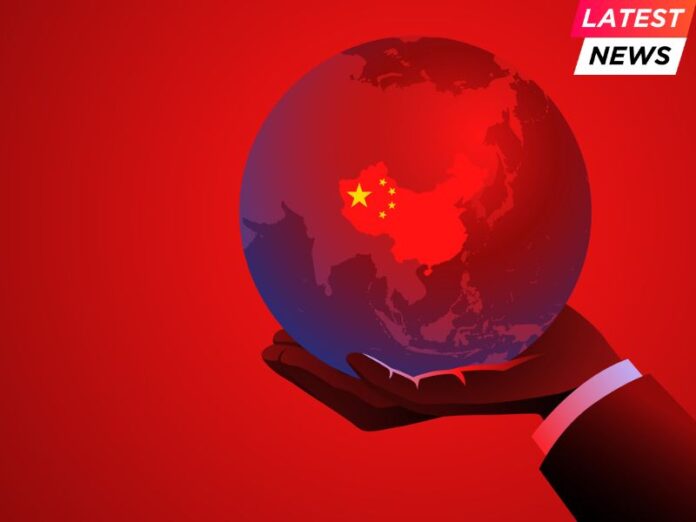
Recent developments, however, indicate that this system is under growing strain. China’s rise as a global economic power, its expanding trade with Latin America, and the use of alternative currencies for bilateral trade—including yuan-rubbles and rupee-settled oil transactions—have begun to challenge the dollar’s exclusive role. Strategic investments in infrastructure, ports, energy, and critical minerals by China and other emerging powers are reshaping global supply chains and reducing reliance on US dominated financial systems (Siddiqui, 2025g).
In this context, debt exposures associated with China’s Belt and Road Initiative (BRI) — including loans collateralised by oil and other strategic resources are facing new challenges (Siddiqui, 2019c). Reports indicate that Chinese financial institutions face potential losses on Venezuelan loans, with estimates in the tens of billions of dollars, reflecting the challenges of extending credit to heavily sanctioned economies with declining production capacity. These assessments align with broader scrutiny of BRI debt sustainability, including concerns about the financial viability of loans where repayment depends on volatile commodity exports.
The experience of countries such as Venezuela illustrates the evolving dynamics of resource-based power. While US sanctions and market interventions have historically maintained leverage over oil-producing countries, partnerships with China demonstrate that resource sovereignty can now be exercised outside the traditional dollar system. Financial mechanisms like China’s Cross-Border Interbank Payment System (CIPS) further facilitate trade and investment in non-dollar currencies, signalling the emergence of a multipolar financial order.
These shifts reflect a broader transformation in global economic governance. The historical structures that once enabled unilateral US control—through dollar hegemony and strategic resource dependence—are being challenged by a combination of alternative currency networks, regional trade integration, and investment in critical infrastructure. While the dollar remains dominant, its privileges are no longer unassailable. The transition toward a multipolar global economy underscores the limits of leverage in the contemporary world and highlights the growing influence of emerging economies in shaping international finance, trade, and resource governance.
In short, the historical evolution from the Bretton Woods system to the petrodollar regime, followed by the emergence of multipolar financial strategies, reflects a gradual reconfiguration of global power that increasingly contests US hegemony. Analysing these developments is vital for understanding the future trajectory of the global monetary order, resource governance, and geopolitical influence in the twenty-first century.
About the Author
 Dr. Kalim Siddiqui is an economist specializing in International Political Economy, Development Economics, Trade and Economic Policy. Since 1989, he has been teaching economics at various universities in Norway and the UK. Dr. Siddiqui’s research interests encompass a wide range of topics, including political economy, international trade, and economic history, South Asia, and emerging economies. He has presented papers at international conferences across numerous countries, reflecting his global engagement in the field. His scholarly pursuits span six broad domains: Political Economy, Development Economics, Economic History, Economic Policy, Globalization, and International Trade. Dr. Siddiqui has made significant contributions to research in areas such as trade policy, globalization, and political economy. His work has been published in chapters of edited books and articles published in peer-reviewed journals. For inquiries, Dr. Siddiqui can be reached at: [email protected]
References
- Harvey, D. (2003) The New Imperialism, Oxford: Oxford University Press.
- Lapavitsas, C. (2013) Profiting Without Producing: How Finance Exploit us All, London: Verso Books.
- Levine, J. (2026) “Trump’s Venezuela incursion has nothing to do with its freedom” Guardian, January 8, London.
- Patnaik, P. (2022) “Finance Capital and Contemporary Imperialism” Social Scientist, 50(11):33-42.
- Siddiqui, K. (2026) “Monopoly Capitalism and the Concentration of Capital in Production and Digital Technology” World Financial Review, January.
- Siddiqui, K. (2025a) “The US’ Future in an Imperial Mirror: Lessons from Britain, Spain, Abbasids, Rome, and Beyond” World Financial Review, November.
- Siddiqui, K. (2025b) “Reconfiguring US Hegemony: Militarism, Empire, and the Crisis of Capitalist Accumulation” World Financial Review, August.
- Siddiqui, K. (2025c) “International Financial Institutions as Instruments of Western Hegemony: Debt, Austerity, and Exploitation in the Global South” World Financial Review, August.
- Siddiqui, K. (2025d) “Neoliberalism and the Performance of the UK’s Economy: A Critical Review” World Review of Political Economy, 16(2):224-252, Summer.
- Siddiqui, K. (2025e) “Ideas, Policies, and Power: A Political Economy Perspective on Development in the Global South” World Financial Review, November.
- Siddiqui, K. (2025f) “The Reasons Behind the Decline of the US Economy” World Financial Review, May.
- Siddiqui, K. (2025g) “Rare Earth Critical Minerals: Geopolitics, Supply Chains, and Emerging Tensions” World Financial Review, September.
- Siddiqui, K. (2024a) “Neo-colonialism: An analysis of international factors on the development of the Global South” World Financial Review, December/January.
- Siddiqui, K. (2024b) “Rising Foreign Debts of the Developing Countries and Deepening Economic Crisis” World Financial Review,
- Siddiqui, K. (2024c) “Trends and Prospects of De-Dollarisation in the Rapidly Changing Global Economy” (Part 1 & Part 2) World Financial Review, December.
- Siddiqui, K. (2023) “Marxian Analysis of Capitalism and Crises” International Critical Thought 13(4):525-545.
- Siddiqui, K. (2020a) “Globalisation, International Trade and the Developing Countries” European Financial Review August/September.
- Siddiqui, K. (2020b). “The US Dollar and the World Economy: A critical review” Athens Journal of Economics and Business 6(1):21-44, January.
- Siddiqui, K. (2019a). “Financialisation, Neoliberalism and Economic Crises in the Advanced Economies” World Financial Review May/June.
- Siddiqui, K. (2019b). “The Political Economy of Essence of Money and Recent Development” International Critical Thought 9(1):85-108.
- Siddiqui, K. (2019c). “One Belt and One Road, China’s Massive Infrastructure Project to Boost Trade and Economy: An Overview” International Critical Thought 9(2):214-235.
- Siddiqui, K. (2018). “Imperialism and Global Inequality: A Critical Analysis” Journal of Economics and Political Economy 5(2):266-291.
- Toporowski, J. (2018) “Marx, Finance and Political Economy” Review of Political Economy 30(3):416-427.
- Toporowski, J. (2016) “The Crisis of Finance in Marxian Political Economy” Science and Society 80(4):515-529.







 Dr. Gleb Tsipursky PhD