Home Blog Page 272

The RTO Ultimatum Shaking Wall Street

By Dr. Gleb Tsipursky

For reasons that we’re all familiar with, the imperative for remote working was largely thrust upon the business world, the financial sector included. But what about its complementary dynamic: return to office? Might there be consequences for companies that insist on restoring this “norm”?

In an era when flexibility and autonomy are the new black, financial services leaders are ready to break the chains of traditional office norms. The results of a recent Deloitte and Workplace Intelligence survey make it clear: the future of the financial services sector is hanging in the balance, and leaders are prepared to walk out the door rather than surrender their hybrid work privileges.

The concept of work has undergone a radical transformation in the last few years. Gone are the days when the office was the only place for serious business. Flexibility and remote work have moved from being perks to being prerequisites for leaders in the financial services sector. But this shift isn’t just about convenience. It’s about fostering engagement, bolstering retention, and driving key outcomes, as the report reveals.

The High Stakes of Hybrid Work

To truly understand the stakes of the hybrid work debate in the financial services sector, we need to understand the significance of the 66 per cent of leaders prepared to leave if required to return to the office full time. This isn’t just a two-thirds majority; it’s a resounding declaration of the value these leaders place on flexibility.

The future of the financial services sector is hanging in the balance, and leaders are prepared to walk out the door rather than surrender their hybrid work privileges.

These leaders aren’t your average employees. They’re the innovators and strategists who guide the direction of their firms, the ones who make critical decisions that shape the future of the financial industry. They hold positions of influence and power, and their actions can create ripple effects throughout their organisations.

Imagine the scenario where these leaders decide to walk out the door. The loss of their combined expertise, insights, and leadership would be a significant setback for any firm. It’s like removing the rudder from a ship sailing in turbulent waters. The organisations they leave behind may struggle to navigate the complex currents of the financial sector without their seasoned hands at the helm.

It’s not just the immediate fallout that’s concerning. Consider the long-term implications. The sudden departure of experienced leaders could cause a leadership vacuum, hampering growth and innovation. It could take years to rebuild the leadership pipeline and, during this time, firms may miss out on opportunities and lose their competitive edge.

Moreover, the departure of such a significant number of leaders could damage a firm’s reputation. It could raise questions about the firm’s culture and priorities, making it more challenging to attract top talent in the future.

The high stakes of the hybrid work debate, therefore, cannot be overestimated. It’s not just about accommodating individual preferences. It’s about the potential to disrupt the very fabric of financial institutions, altering their trajectories and potentially shaking the foundations of the financial services sector.

As such, every decision about workplace arrangements should be made with these stakes in mind. The future of financial services institutions depends on it.

A Changing Workplace Paradigm

The idea of a fixed, traditional workplace is becoming as antiquated as a rotary dial telephone in the era of smartphones. As the Deloitte and Workplace Intelligence survey indicates, the trend is moving decisively towards flexible work arrangements. But what does this transformation entail, and why is it so important?

A paradigm shift is occurring in our understanding of work and where it happens. The office, once the undisputed centre of professional life, is losing its monopoly. We are witnessing the rise of a new model: the hybrid workplace, where work is an activity rather than a location. This model caters to the needs of employees for flexibility and autonomy while also meeting the business needs of organisations.

This shift is more than just a logistical change. It’s a cultural transformation that reflects the evolving values and priorities of today’s workforce. Financial services leaders are rejecting rigidly prescribed workplace models that don’t offer them the flexibility they desire. For instance, some organisations now require their workforce to be in the office three to four days a week. However, the survey reveals that only 18 per cent of respondents consider this their ideal arrangement, suggesting a disconnect between institutional mandates and employee preferences.

Moreover, leaders are voicing their concerns about the impact of workplace arrangements on their careers. While remote work is associated with improved well-being and engagement, 62 per cent of leaders in hybrid work arrangements believe that working remotely more often could harm their career progression. This suggests a tension between the desire for flexibility and the perceived need to be visible in the office for career advancement.

The changing workplace paradigm thus presents both opportunities and challenges. On one hand, it opens the door to new ways of working that can boost employee satisfaction, productivity, and work-life balance. On the other hand, it raises difficult questions about how to ensure fairness and career progression in a hybrid work environment.

The financial services sector needs to navigate this changing landscape carefully. Striking the right balance between flexibility and the perceived need for in-office presence is crucial. Institutions that manage to do this effectively can reap the benefits of the hybrid work model, while those that fail to adapt risk alienating their leaders and jeopardising their future success.

The Threat to Female Leadership

The potential exodus of financial service leaders due to rigid return-to-office mandates is alarming, but there’s another dimension to this issue that warrants urgent attention: the threat to female leadership.

The report shows that, for leaders with care-giving responsibilities, the clock is ticking even faster. They are 1.3 times more likely to exit if their remote work options are rescinded. And unfortunately, women are still much more likely to be carers.

The strict “return-to-office” mandates some financial services institutions are considering could be like setting a time bomb for their leadership pipeline.

More broadly, almost half (45 per cent) of the women respondents in senior leadership roles are considering leaving their current employer within the next year. This statistic is a distress signal that cannot be ignored. Not only does it underscore the possible depletion of leadership in the sector, but it also highlights a potential setback for gender diversity in the top echelons of financial institutions.

The strict “return-to-office” mandates some financial services institutions are considering could be like setting a time bomb for their leadership pipeline. Consider the potential impact on the sector. Women leaders bring unique perspectives and approaches that can drive innovation, improve decision-making, and contribute to business performance. Their departure would deprive the sector of these valuable insights and could affect the competitive edge of financial institutions.

Moreover, the loss of female leaders could have a domino effect, impacting future generations of women in finance. Female leaders often serve as role models and mentors for younger women in the industry, encouraging them to aspire to leadership roles. If these role models exit, it may deter other women from pursuing leadership positions, thereby diminishing the pipeline of future female leaders.

The potential loss of female leaders also presents a reputational risk. In a world that is increasingly focused on diversity and inclusion, the mass exodus of women from senior roles could harm an institution’s image, affecting its ability to attract talent and potentially impacting relationships with clients and investors who value diversity.

Addressing this issue requires financial institutions to revisit their policies and create a work environment that meets the needs of their female leaders. This might include providing greater flexibility, supporting work-life balance, and ensuring that remote or hybrid working does not impact career progression. It’s not just about retaining talent; it’s about creating an inclusive culture where diverse leadership can thrive.

The threat to female leadership is a serious concern that adds another layer of complexity to the hybrid work debate. How financial institutions respond to this issue will be a true test of their commitment to diversity and could significantly influence their future trajectory.

What’s Next for Financial Services Institutions?

It’s time for financial services institutions to reconsider their return-to-office strategies. Stubborn resistance to flexibility could lead to a leadership exodus. The solution? A gradual transition with flexible work arrangements and an enhanced in-office experience.

The key lies in maintaining an equitable work environment, whether employees are in the office or working remotely. This approach could not only retain top talent but also attract a more dynamic and engaged workforce.

The report serves as a clarion call for financial services institutions. The future of work is here, and it’s flexible. Institutions that listen and adapt will likely thrive in this new era, while those that resist may find themselves struggling to keep their leadership pipelines intact. The choice is clear: adapt or risk losing your top talent.

That’s what I tell the 5-10 financial service leaders with whom I speak every week about figuring out their hybrid work models. Even though the financial sector is a more conservative sector than many others, if it wants to avoid a leadership talent drain – especially of female leaders – it needs to adapt to the flexible future of work.

Conclusion

The financial services sector is at a crossroads. The path that institutions choose will likely determine their future success. As they navigate this new landscape, the message from their leaders is loud and clear: flexibility is not just a desire, it’s a demand. Those institutions that heed this call are likely to retain their leadership, foster engagement, and secure their future in the ever-evolving world of financial services.

About the Author

Dr. Gleb Tsipursky

Dr. Gleb Tsipursky helps leaders use hybrid work to improve retention and productivity while cutting costs. He serves as the CEO of the boutique future-of-work consultancy Disaster Avoidance Experts. He is the best-selling author of 7 books, including the global best-sellers Never Go With Your Gut: How Pioneering Leaders Make the Best Decisions and Avoid Business Disasters and The Blindspots Between Us: How to Overcome Unconscious Cognitive Bias and Build Better Relationships. His newest book is Leading Hybrid and Remote Teams: A Manual on Benchmarking to Best Practices for Competitive Advantage. His cutting-edge thought leadership was featured in over 650 articles and 550 interviews in Harvard Business Review, Forbes, Inc. Magazine, USA Today, CBS News, Fox News, Time, Business Insider, Fortune, and elsewhere. His writing was translated into Chinese, Korean, German, Russian, Polish, Spanish, French, and other languages. His expertise comes from over 20 years of consulting, coaching, and speaking and training for Fortune 500 companies from Aflac to Xerox, and over 15 years in academia as a behavioural scientist at UNC-Chapel Hill and Ohio State. A proud Ukrainian American, Dr Gleb lives in Columbus, Ohio.


K-Pop: South Korea’s Soft Power is Big Business

By Emil Bjerg, journalist and editor of The World Financial Review

The global influx of K-pop symbolizes South Korea’s new-found prosperity. But the exponential growth of the scene has also led to the mental exhaustion of artists and fears of monopoly formation. We take a look at the phenomena and industry that’s fighting to find a sustainable path ahead.

South Korea’s cultural moment has hit the epicenters of mainstream success in recent years. Today, most global culture consumers participate in the ‘Hallyu’ economy, also known as ‘the Korean Wave’. In 2020, Parasite became the first non-American movie to win an Oscar for Best Picture, and shortly after, Squid Game became the most watched series ever on Netflix. In music, BTS and Blackpink have become household names selling out stadiums worldwide. Today, K-pop, along with other kinds of K-content, is a solid contributor to South Korea’s GDP.

The rise of K-pop in numbers

If K-pop was a stock, it’s a stock you’d like to have invested in in the late 00s. According to Statista, the trend toward the billion-dollar industry that K-pop is today starts around 2010. A few years later, in 2012, the chart-topper Gangnam Style, referencing a posh Seoul neighborhood, was released. The song’s music video became the first video on YouTube to reach one billion views. The growth has been exponential ever since.

From a political point of view, K-pop and other forms of K-content are considered South Korea’s ‘soft power’. But it’s a soft power that easily translates to economic might. Take the boyband BTS as an example.

In 2021, the band sold around 1.35 million tickets to an online concert, grossing 71 million USD for a single show from viewers in 135 countries. In 2019, the band generated an impressive 4.65 billion USD for the South Korean economy. Statista states that’s 0.3 percent of the total South Korean GDP for that year.

According to Allie Market Industry, the global K-pop events market was valued at a staggering $8.1 billion in 2021. Add to that 220 million USD in album export. In 2031, the international K-pop events market is estimated to be a 20 billion USD industry. That’s the equivalent of South Korea’s total GDP in 1974.

As if that’s not enough, K-pop has positive spillover effects on many industries.

You might also like:

K-pop and spillover export effects

As Forbes writes, today, K-pop is a top sector in South Korea “alongside cars, IT, and semiconductors.” Cars and IT might generate a higher part of Korea’s GDP, but the soft power of K-pop and K-content has priceless branding value. As noted in a podcast from The Economist: “Soft power does matter in terms of raising awareness, opening the markets […], branding changes how people think about you. K-pop, movies, and tv-shows have been really important in making Korea more interesting to people all over the world.” South Korea’s soft power is big business.

K-pop spills over to tourism, for one. A 2019 survey from the Korean Tourism Organization showed that Hallyu-related tourism made up 7.4 percent of all inbound tourism – more than a million visitors. South Korean fashion and cosmetic products are also seeing an increase in export as die-hard K-pop fans try to emulate the looks of their favorite artists. The cosmetics industry in South Korea reached a value of almost 16 billion USD and is expected to reach 21.5 billion USD by 2027.

Crafted popstars, engineered popularity

The success of K Pop and other cultural products from South Korea is far from coincidental.  Most famous K-pop artists are released through one of the ‘Big 4’ labels, SM Entertainment, YG Entertainment, JYP Entertainment, and HYBE Labels.

The Big 4 have meticulously crafted a formula for success, combining irresistible hooks with eye-catching visuals. These entertainment powerhouses engineer not just hits but also the pop stars themselves, carefully selecting and mentoring young talents through rigorous training regimens. In doing so, they create an eye-catching blend of artistry and marketability that has helped K-pop’s meteoric rise on the global stage.

The popular boyband NCT 127, released by SM Entertainment, serves as a great example of the creative entrepreneurship within the K-pop industry. Since the group can only be in one place at a time, NCT 127 replica bands have emerged in China, with plans to expand the franchise even further. Another group, the girl band Aespa, has four real, human members and four avatar members.

Ambitious pop policies

While entrepreneurial labels have engineered the scale of commercial success, the Korean state has played a central part in supporting creative talents.

As fears of a South Korean brain drain spread during the Asian economic crisis in 1998, the Ministry for Sports and Culture was established with a specific focus on supporting music along with fashion, movies, and music. Already then, an intention of making South Korea a cultural superpower was prevalent.

In 2022, the South Koreas Ministry of Economy and Finance prioritized 696 billion won, or 585 million USD, a rise of 43 percent from the 2021 budget.

The ambitious cultural policies have worked – probably more than the most visionary Korean politician in the 90s would have imagined. A recent report by the Ministry of Culture and Sports called K-content “a relief pitcher on the export front”. The report promises continuous state promotion of K-content with the ambition of elevating the cultural industry of Korea to the global top 4.

If anyone is looking for proof that state investment in culture is a good investment, look to South Korea.

K-pop – a symbol of the rise of a country (and its new challenges)

Today, K-pop is a shiny symbol of Korea’s quick rise to prosperity and a highly competitive economy. From a poor agricultural country to a competitive economy, the Korean cultural scene has also gone from local relevance to international glamour.

But K-pop is also a symbol of something darker: the stress and pressure that’s a part of daily life for many South Koreans.

On average, South Koreans work 240 hours more than Americans each year. As Quartz writes: “If there was a prize for the most stressed-out nation in the world, South Korea would make a good contender.” A playful public culture with K-pop, karaoke, and heavy drinking has emerged as a way to release stress from expectations and long working days.

But K-pop is often produced under the same stressful conditions that it’s used as a relief for. K-pop stars undergo a stressful combination of dance, vocal, and instrument training while also having their fitness and weight under close scrutiny. They receive media training and learn several languages to communicate with a global fan base. As Chris Lee, the chief executive of the label SM Culture recently told The Guardian: “We teach them how to have good personalities.”

Add to that the pressure of being a global celebrity in the age of social media. In recent years, a dark undercurrent of eating disorders and suicides resulting from intense pressure has tarnished the glittering image of the industry. The “rise and rise of Korean Culture” is the tragic downfall of some of its best ambassadors. 

On April 20, South Korea’s Ministry of Culture, Sports, and Tourism passed an amendment to protect K-pop artists and K-pop talent. The new rules mandate more transparent financial terms. Besides that, for younger performers, working hours are now limited to 25, 30, or 35 hours per week, depending on age, with protection for underage performers’ education. This change aims to prevent the tragic consequences of intense pressure and maintain the industry’s reputation.

Parallel to that, worries over monopoly formation are spreading. HYBE Entertainment, one of the Big 4 K-pop labels, is currently trying to become the majority shareholder in SM Entertainment, another Big 4 label. HYBE and SM combined could potentially dominate the industry. Combined, they make 66 percent of the industry’s total revenue and 89 percent of the income from performances.

Fans fear a monopoly could increase prices on everything from albums to merchandise to concert tickets. Furthermore, as K-pop expands towards an even bigger billion-dollar industry, original fans worry about the ‘whitewashing’ of their beloved music. With a rise in popularity and the entrance to Western markets, lyrics are increasingly written in English, making fans feel the distinct sound of K-pop is threatened.

Squeezed between entrepreneurial labels, ambitious politicians, mentally exhausted artists, and increasing global demand, K-pop struggles to find balance, but the Hallyu economy shows no signs of slowing down.

This article was originally published on 07 May 2023.

Retail Store Aesthetics for the Future: Trends to Help You Stay Ahead

Retail store design and layout are never about aesthetics alone. They also include creating an engaging and memorable customer experience that generates customer loyalty and sales. With the retail industry facing acute competition, technological disruption, and changing consumer preferences, there is a need for continuous innovation and adaptation to remain ahead of the curve.

Similar to any other industry vertical, even the retail section attempts to reinvent itself constantly. It could be as a response to specific trends in design, fashion, and architecture or just as a pathway to the future that gets dominated by sleek, high-tech, and meta-features. Currently, retail store spaces around the globe are welcoming sensorial styles that focus on moving ahead instead of behind.

That means today retail stores or showrooms are reorganizing their entire décor in a way that doesn’t just attract customer attention but also provides them with a unique and memorable experience. In this article, we will discuss the innovations and trends in retail store design and layout that are impacting the future of the physical retail space.

Omnichannel Integration

One of the primary challenges that retailers face today is developing a consistent and seamless experience across various channels, like in-store, online, and mobile. To attain this, retailers are required to incorporate their physical and online assets, like apps, websites, point-of-sale systems, and social media, into their store design and layout.

For instance, a few retailers make use of augmented reality, QR codes, or interactive screens to connect consumers with product data, online content, or customized offers. Others make use of cameras, sensors, or RFID tags for tracking customer preferences, behaviors, and inventory and for optimizing merchandising, store operations, and marketing.

Sustainability in retail interior design

Today, sustainability is considered more than a retail trend. It’s a necessity. Consumers are becoming highly aware of its significance, and they anticipate their brands to opt for the same.

This phenomenon has brought several brands to action. For instance, Nike had created basketball courts from 20,000 pairs of trainers in various locations, including Belgrade. The attempt was the outcome of the brand’s “Protecting the Planet” philosophy, promoting the “Zero Waste” concept and then taking it to another level.

Retail showrooms can opt for eco-conscious retail lightboxes that are designed keeping in mind environmental sustainability. 

This device makes use of an energy-intensive lighting system, such as incandescent bulbs or fluorescent lighting. Some of the lightboxes have disposable graphic inserts. These devices are popular for their recyclability, energy efficiency, and minimal light pollution.

Eco-Systems Sustainable Exhibits states that leading names in this niche provide quality lightboxes to be used in retail displays, events, and trade shows. Right from concept ideation to execution, these service providers will design and customize eco-friendly retail lightboxes that cater to retail showroom needs.

Sensory Design for Triggering Emotions

If you look at the modern-day shopping environment, you’ll notice that it’s an emotional landscape today. The stores that reflect innovative retail design are making use of sensory design to offer an immersive experience, which takes the interactions with consumers to a notch higher.

Here, the textures, sound systems, and aromas aim to develop emotional connections with consumers that appeal to all their senses. Hence, the retail showrooms showcase recreated versions of realistic volumes and textures, such as wood, textiles, and concrete, that provide the stores with the capacity to add tactile design elements.

Customer-Centric Design

One of the crucial trends in retail store design and layout is to concentrate on the consumer’s wants, needs, and emotions instead of the brand and product. It means having a store ambiance that is comfortable, warm, inspiring, and inviting, and that provides value-added services, education, and entertainment.

For instance, you will come across retailers opting for a biophilic design that integrates natural elements, like water, plants, or sunlight, to create a relaxing and soothing ambiance. Others often choose an experimental design that develops an interactive and immersive space; for instance, themed zones, pop-up shops, and live events to stimulate the emotions and senses.

Experimentation and Innovation

It has become crucial for retail showrooms to try out new concepts, ideas, and technologies that can improve the overall customer experience, distinguish the brand, or maximize profitability and effectiveness.

Hence, this refers to making use of emerging technologies, like AI, virtual reality, or even blockchain, for developing new ways of informing, engaging, or carrying out transactions with consumers. It all translates to collaborating with various partners, influencers, and brands, which is essential for getting better promotional scopes, exclusive events, or co-branded products.

Conclusion

One can say that the future of retail stores and showroom aesthetics is governed by a closer integration of sustainability, technology, and the consumer experience. Hence, companies that are willing to embrace the trends mentioned above will add to their existing market relevance. Furthermore, they increase their standards in terms of customer expectations for the entire shopping experience.

Cybersquatting and Online Business: How Trademark Attorneys Safeguard Brands

The practice of cybersquatting has evolved into a widespread and persistent issue in the digital age, posing significant challenges to brand owners and businesses.

According to Statista, the prevalence of cybersquatting is evident in the rising number of cases reported to the World Intellectual Property Organization (WIPO). In 2022 alone, WIPO received 7,000 cybersquatting cases involving over 7,900 domain names. 

This significant surge, especially since 2012, when there were approximately 2,900 disputes, highlights the growing challenges businesses face in protecting their online identities. It also highlights the critical need for robust legal mechanisms to combat this deceptive practice.

This article delves into the world of cybersquatting, shedding light on its definition, and the legal framework established to combat this deceptive practice.

What is Cybersquatting?

Cybersquatting stands as a deceptive and unlawful practice in the digital landscape. It is characterized by the registration of domain names that either exactly match or closely resemble existing trademarks.

This practice aims to exploit the brand’s reputation and capitalize on consumer confusion. This unethical maneuver is driven by the intent to profit, often involving the resale of these domain names to legitimate owners at exorbitant prices.

A recent case reported by The Providence Journal illustrates this point vividly. In this instance, a disgruntled former union business agent was found guilty of violating federal cybersquatting laws

The agent had purchased a domain name nearly identical to his former employer’s official web address with the malicious intent of posting disparaging content. However, the court ruled that this purchase was made in “bad faith,” violating the laws. 

The agent’s clear attempt to demand a significant sum of money from the union in exchange for the domain name highlighted the malicious intent. 

How Does Cybersquatting Affect Online Businesses?

This practice poses a multifaceted threat to online businesses, capable of inflicting substantial damage in several ways. First and foremost, it thrives on confusion and deception, leading customers astray. 

When unsuspecting consumers are directed to a cybersquatter’s website, it generates confusion and erodes the trust and goodwill that businesses work tirelessly to cultivate. This, in turn, tarnishes the trademark owner’s reputation and undermines the very foundation of brand trust.

Moreover, the redirection of web traffic away from the authentic website is a direct hit on an online business’s revenue stream. Potential customers are lost in the digital abyss, resulting in missed sales opportunities and diminished profitability.

The association of the trademark with counterfeit goods, and misleading content, can also severely damage a business’s brand image. Customers may encounter subpar products, fraudulent services, or harmful information, potentially leading to long-term reputational harm.

How Can Trademark Attorneys Safeguard Brands?

Trademark attorneys play a pivotal role in safeguarding brands from the clutches of cybersquatters through various strategic interventions. They guide business owners in registering their trademarks as domain names, a proactive measure that deters potential imposters from acquiring these domains illicitly. 

By securing these digital assets preemptively, businesses can reduce the risk of brand misappropriation.

These attorneys also employ vigilant monitoring techniques to identify new domain registrations that mirror their clients’ trademarks. When such infringing domains are detected, they swiftly intervene, initiating legal actions to protect their clients. 

Crucially, these attorneys represent their clients in cybersquatting disputes, including proceedings under the Uniform Domain-Name Dispute-Resolution Policy (UDRP) and legal lawsuits. Their expertise is invaluable in these cases, ensuring that legal procedures are followed meticulously and advocating for their client’s rights. 

A U.S. trademark attorney, specifically licensed to practice trademark law, possesses the legal acumen necessary to navigate this intricate landscape. They provide businesses with a robust defense against this digital menace. 

Sausser Summers, PC, notes that through proactive registration, vigilant monitoring, and expert legal representation, attorneys act as guardians. They shield brands from the detrimental impacts of cybersquatting.

Legal Framework and Anti-Cybersquatting Laws

The legal battle against the practice operates within a comprehensive international framework. It is marked by key legislations like the UDRP (Uniform Domain-Name Dispute-Resolution Policy) and the ACPA (Anticybersquatting Consumer Protection Act) in the United States. 

These laws provide trademark owners with powerful tools to combat this malicious practice. The UDRP, a policy established by ICANN (Internet Corporation for Assigned Names and Numbers), enables trademark holders to resolve domain name disputes efficiently. It fosters a standardized and streamlined process for arbitration.

In the United States, the ACPA significantly strengthens the legal arsenal against cybersquatters. A recent case, The Prudential Insurance Company of America v. Shenzhen Stone Network Information Ltd, exemplifies the Act’s potency. 

According to Reuters, in this instance, the 4th U.S. Circuit Court of Appeals ruled against Shenzhen, a Chinese financial information company. The court held that Shenzhen’s re-registration of the domain name PRU.com after acquiring it from the initial registrant constituted cybersquatting. 

Such legal precedents reinforce the global fight against the practice. It shapes a robust legal landscape that empowers trademark owners and their attorneys to safeguard brands and uphold the integrity of the digital marketplace.

Conclusion

The battle against cybersquatting represents a critical facet of protecting brands and preserving the integrity of the digital landscape. Cybersquatters, driven by deceptive intent, pose a multifaceted threat to businesses and trademark owners. They utilize tactics that can confuse customers, divert web traffic, and tarnish brand image. 

However, a robust legal framework, including the UDRP and the ACPA, empowers trademark owners to fight back and seek redress against these illicit practices.

Trademark attorneys, as guardians of brand identity, play a pivotal role in this fight. 

As the digital landscape continues to evolve, the role of these attorneys remains indispensable, serving as stalwart defenders of brand integrity.

Japanese Dating Sites: Meet Japanese Women Online

By Eloise Bouton

Excellent looks, witty minds, and traditional values make Japanese women really desired by American men. But it’s not always easy to find such ladies. What’s more, meeting them online is not all it’s cracked up to be, as not all Japanese dating sites are worth your time and money.

So, there is no need to rush to pick a random website, as great haste makes great waste. With this guide on the top dating sites, you’ll discover decent options to meet Japanese women. Find your soulmate today.

Top 6 Japanese Dating Sites To Meet Local Women

  • ✴️ Sakura Date – One of the best international dating sites for people in love with Japanese culture and people. With its advanced search filters, you can meet your soulmate with just a few clicks.
  • ✴️ Eastern Honeys – A game-changer platform in the world of Japanese dating. Meet charming women from Japan who’ll have detailed profiles with lots of photos in them.
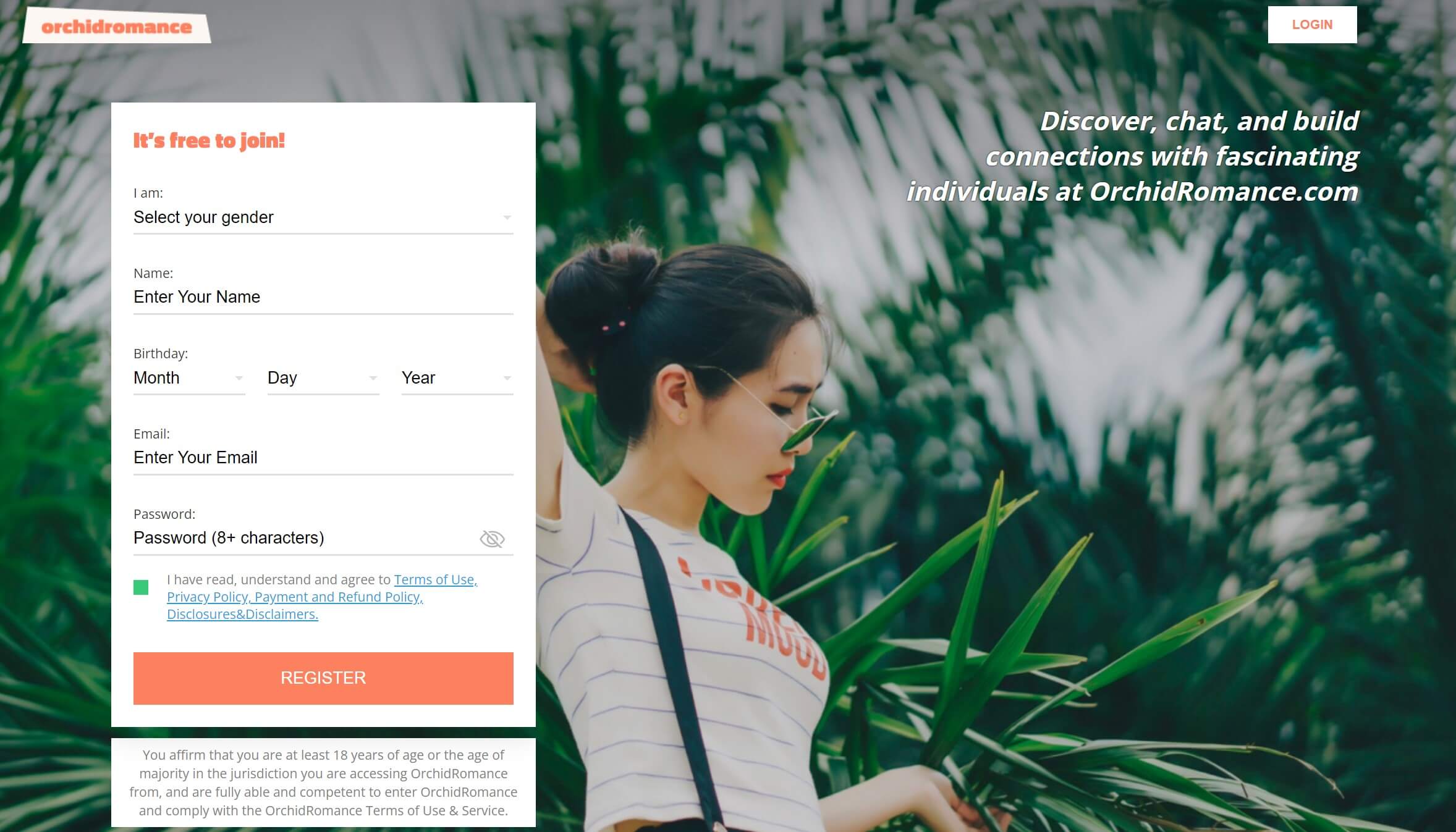
  • ✴️ Orchid Romance – A professional and easy-to-use dating website with a large audience of Japanese women. Great communication tools, advanced matching, and a chance to send real gifts make this place just incredible.
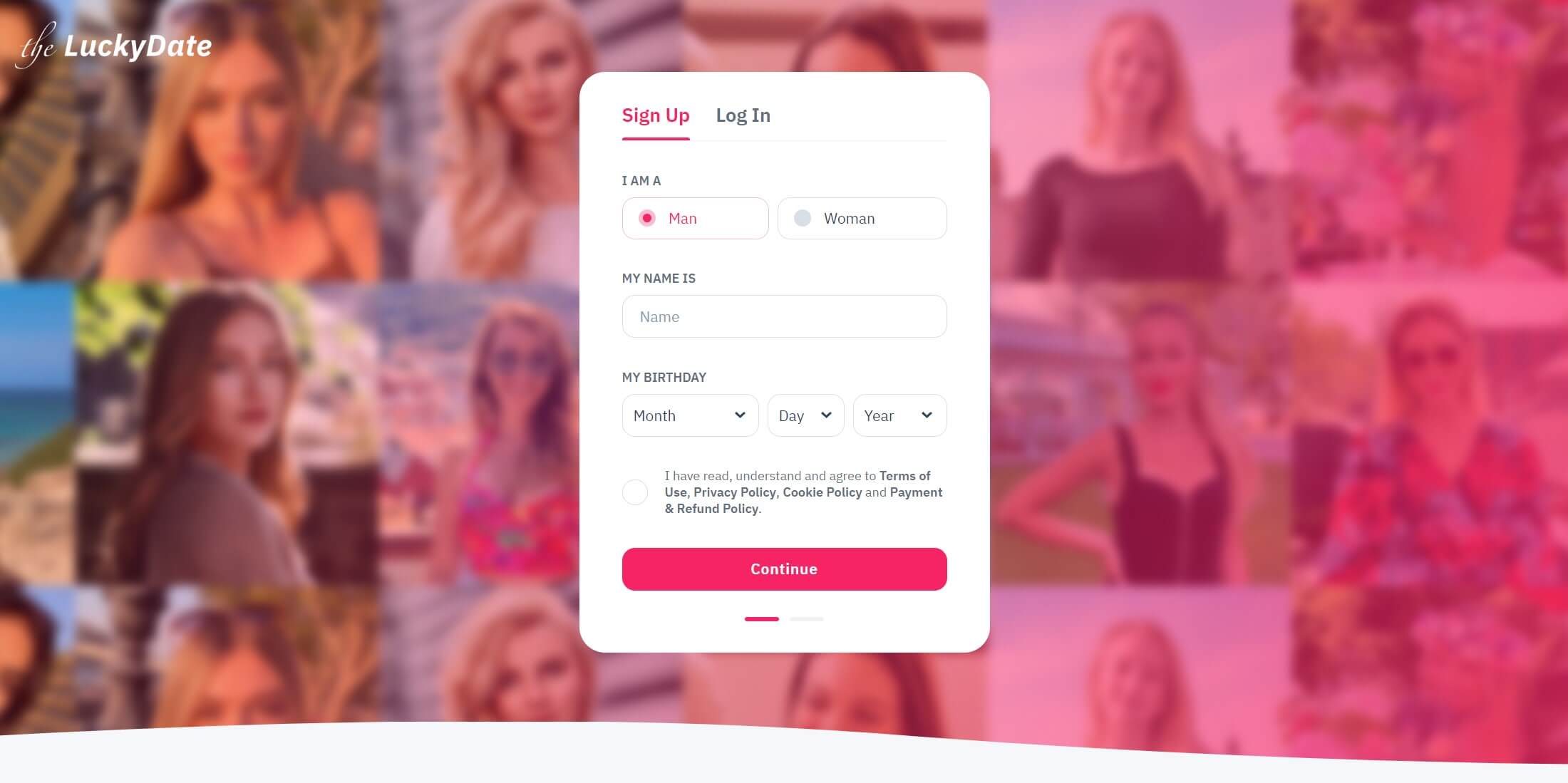
  • ✴️ The Lucky Date – One of the most affordable dating websites with pragmatic features. Virtual stickers and animated emojis will boost your online communication.
  • ✴️ PhiliTalks – Find Asian women from Japan on this sophisticated dating website. No monthly fee or monthly subscription. Get credits and discover amazing tools.
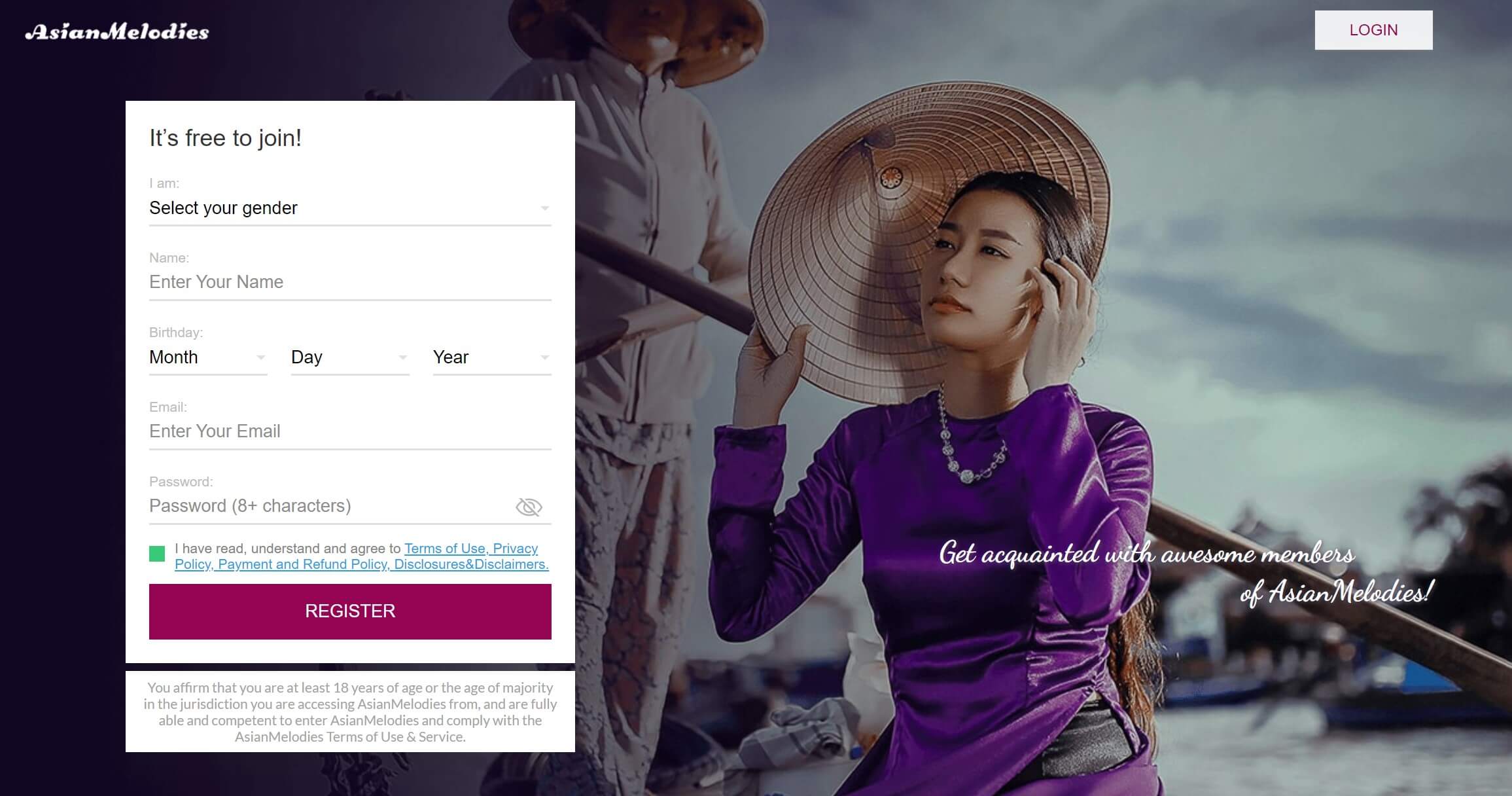
  • ✴️ Asian Melodies – Write your success story of love on this versatile Japanese dating site. Its advanced matching system, communication tools, and dating services like virtual gifts make this place ideal for you.

Sakura Date

  • Approximate number of users: 73K
  • Male to female gender ratio: 68/32
  • Welcome Bonus: 20 credits
  • Starting price: $2.99 for 35 credits
  • Free services: Advanced search filters, roulette matching, liking profiles, Tutorial, FAQ
  • Read SakuraDate Review

sakura date

Sakura Date is the best destination to meet Japanese women. If you’ve been looking for a great place where you won’t throw money down the drain, rush to get signed up.

Free registration, quick verification, and convenient profile building allow you to start hunting for the most charming Japanese single women. But that’s not all. Here are the main perks that make it stand out:

  • User-friendly interface. Lots of features on the site are easy to reach, not to mention that navigating this platform is a breeze. If you have problems using this website, just visit Tutorial.
  • Search filters. Its advanced search filters are amazing and convenient to use. 15 parameters are at your service. Look for a Japanese single woman based on her physical features, social background, marital status, etc.
  • Instant messenger. This is the website’s top-of-the-line feature. You can send lots of pictures and videos through the messenger in addition to text messages.

Pros

  • ?The website forges ahead when it comes to offering great search filters, amazing communication tools, and impressive profile quality.
  • ?A professional and responsive support team is always accessible, as it works 24/7 in addition to helpful sections like Tutorial and FAQ.
  • ?Verification requirements are a must for female users, and the profiles of Japanese women dating online are quite detailed.
  • ?New members are offered welcome bonus credits in addition to a special offer of getting their first 35 credits for just $2.99.

Cons

  • ?This dating platform doesn’t offer many services you can access for free.
  • ?One of the main setbacks of this dating website is that you don’t have a video chat option.

Eastern Honeys

  • Approximate number of users: 193K
  • Male-to-female gender ratio: 66/34
  • Welcome Bonus: 30 credits for registration and verification
  • Starting price: $2.99 for 20 credits
  • Free services: roulette matching, browsing profiles, accessing public galleries, sending winks, creating a list of favorites
  • Read EasternHoney Review

eastern honeys

If dating Japanese women has been a bee in your bonnet, find your solution with this online dating site. The website has no mobile dating app that you can download. However, it offers a compatible mobile version.

To get started, you just need to create a new account. You can start browsing profiles of Japanese girls. Before you roll up your sleeves to try this leading Japanese dating site, let’s uncover the best things about it:

  • Detailed profiles of Japanese singles. The striking feature that makes it one of the best Japanese dating sites is its detailed profiles. You can find tons of information about a particular Japanese lady in addition to her verification status.
  • Advanced matching system. Like most popular dating apps and online dating sites, Eastern Honeys is renowned for offering advanced matching. It analyzes your dating preferences and online behavior to offer you the best matches accordingly.
  • Creating a list of favorites. The good stuff about this feature is that it is free. No need to pay to make a list of Japanese women who tickle your interest.

Pros

  • ?It’s a practical and efficient dating website where you won’t have to go around in circles to meet Japanese woman.
  • ?Most Japanese women dating online can speak English, which facilitates online communication.
  • ?The appealing design and user-friendly interface of Eastern Honeys make your online venture more interesting and convenient.
  • ?In order to find and communicate with only verified members, you just need to visit the profile of a Japanese lady and check her verification badge.

Cons

  • ?For now, this online dating Japanese site doesn’t offer any detailed search filters.
  • ?You won’t be able to download any dedicated mobile app.
  • ?Although communication is free for women, male members have to pay for it.

Orchid Romance

  • Approximate number of users: 820K
  • Male to female gender ratio: 74/26
  • Welcome Bonus: 30 credits for registration and verification
  • Starting price: $2.99 for 20 credits
  • Free services: Newsfeed, matching system, a list of favorites, profile browsing, professional support team
  • Read OrchidRomance Review

orchid romance

No need to get immersed in the Japanese dating culture to start dating a local girlfriend. Orchid Romance will offer a wide range of Japanese singles interested in Western men. The bonus part is that most of them are quite proficient in English.

Is it the best dating site for you? If you’re not sure about it, let’s cast a glance at the following to find out more:

  • Newsfeed. A chance to follow ladies and scroll through their posts is awesome. On this best Japanese dating site, you can do that at the Newsfeed tab. Discover the most charming Japanese singles with their unique posts.
  • Mobile-friendly dating website. There’s no mobile dating app. No problem. The site has a mobile version of its online dating site, working hassle-free on mobile gadgets. Join the mobile dating world.
  • Sending virtual gifts. How to start dating Japanese woman? You can send them virtual gifts to get their attention. You don’t have to invest a hefty sum to buy cool virtual presents.

Pros

  • ?The matches that’ll show up on this dating site are not random, as they’re based on your dating preferences and online behavior.
  • ?With professional services on this dating website, you can meet Japanese singles in person by sending a request to the site administration.
  • ?Live chat, sending letters, Newsfeed, virtual stickers, and a professional support team are among the best online dating services.
  • ?You’re not limited to sending only virtual gifts, as the site has an online shop where you can find real gifts and flowers you can send to your beautiful Japanese woman.

Cons

  • ?Unlike many other professional Japanese dating platforms, it doesn’t offer any detailed search filters.
  • ?Communication services like live chat and sending letters are not free of charge.

The Lucky Date

  • Approximate number of users: 461K
  • Male-to-female gender ratio: 71/29
  • Welcome Bonus: 2,000 credits
  • Starting price: $2.99 for 2,000 credits
  • Free services: Basic search, dark mode, profile browsing, roulette matching, star list
  • Read TheLuckyDate Review

the lucky date

Looking for the best Japanese dating websites that won’t make you pay through the nose? Then, you need to visit The Lucky Date, one of the most popular and trusted online dating sites. With a large user base, profile quality, and simplicity, it has become a very competitive platform. Its dark mode option is just the icing on the cake. What about other advantages?

  • Sending disappearing media content. Yes, you read it right: disappearing. After sending photos or videos to your Japanese woman dating online, they’ll disappear within seconds.
  • Great platform to find your soulmate. The site is known for offering you a chance to find a person for a serious relationship. If you’re into casual dating, then this site won’t live up to your expectations.
  • Creating a star list. This is a list of favorites you can make. The good point is that it’s a free dating service. Instead of swiping right, add your Japanese lady to a star list.

Pros

  • ?You don’t need to know the Japanese language to communicate with ladies online, as most of them are fluent in English.
  • ?A profile of any Japanese girl on this dating platform will include her photos, brief information, a small description, her horoscope, marital status, etc.
  • ?The free notifications feature allows you to stay informed, but you can turn off the sound if you’re disturbed.
  • ?Hassle-free registration and a quick verification process allow you to start dating Japanese women in no time.

Cons

  • ?The Lucky Date is quite humble compared to other professional international dating sites in terms of services and features.
  • ?You won’t be able to benefit from advanced search filters to find an ideal match or prospective marriage partner.

PhiliTalks

  • Approximate number of users: 108K
  • Male-to-female gender ratio: 61/39
  • Welcome Bonus: 30 credits for registration and verification
  • Starting price: $2.99 for 20 credits
  • Free services: Newsfeed, People, professional support team, creating a list of favorites
  • Read PhiliTalks Review

philitalks

This is another great platform to discover Japan women dating online. Japanese ladies on this website are not interested in meeting older or younger Japanese men. Instead, they’re seeking the attention of Western guys.

It’s broken the mold with its unique communication tools, user-friendly interface, and professional customer service. That’s not all. Discover the following:

  • Galleries. Thanks to galleries, browsing profiles isn’t like watching paint dry. Reveal the best media content in public and private galleries shared by Japanese girls.
  • Matching. Instead of offering advanced search filters, this Japanese dating website has an advanced matching system. It finds you the best matches that can suit your interests within a short time.
  • Mails. This is an exclusive feature. It’s an alternative to live chat. Sending mails or letters will help you reach out to many singles. You can attach videos and photos to make your communication more fun.

Pros

  • ?This Japanese dating website offers detailed profiles of Japanese singles as well as private and public photos.
  • ?If you’re into matching games like swiping, you can visit the tab of People, which will offer a wide range of profiles that can suit your interests.
  • ?The website compensates for the absence of a dating app with its mobile-friendly mobile site that works on iOS and Android devices.
  • ?In addition to the Anti-Scam Policy to protect from fake profiles, this dating website has an option for refunding your money.

Cons

  • ?With its basic search, you can seek a Japan woman dating online only based on her age, country, and online activity.
  • ?As a free member of this Japanese dating website, you won’t be able to get access to all services, especially communication tools.

Asian Melodies

  • Approximate number of users: 565K
  • Male to female gender ratio: 60/40
  • Welcome Bonus: 30 credits for registration and verification
  • Starting price: $2,99 for 20 credits
  • Free services: Newsfeed, roulette matching, profile browsing, public media content, professional support
  • Read AsianMelodies Review

asian melodies

In search of a popular dating app and website, don’t forget to visit Asian Melodies. Thanks to English-speaking Japanese people on this site, there’s no need to speak Japanese. English is common among ladies on this dating site.

A Japanese woman on this site is interested in meeting foreign guys rather than finding a local boyfriend. What’s more, you’ll be pleased to discover the following:

  • Profile quality. It is what makes Asian Melodies different from mid-tier Japanese dating platforms. Ladies share lots of information on their profile pages. Besides, their profiles are full of amazing photos. You can find info like marital status, educational background, common interests, age, and even more.
  • People. It’s similar to other apps like Tinder and Bumble. You just need to swipe until you can find someone matching your criteria.

Pros

  • ?It’s a great platform if you’re looking for a large dating pool of Asian singles from Japan.
  • ?Quick and hassle-free sign-up, including a quick verification process requiring only your email.
  • ?Lots of communication tools like winks, Say Hello, stickers, emojis, etc. are at your service.
  • ?Verified and responsive female users are quite friendly and polite when communicating.
  • ?It’s never been so hard to get in touch with the platform’s support team working round the clock.

Cons

  • ?One of the main setbacks is that you don’t get access to a wide range of free services.
  • ?This online dating platform won’t offer any dedicated mobile app you can download.

Final Thoughts

Now that you know where you should meet Japanese women, it’s time to register and create a detailed profile. Reveal your interests and preferences to benefit from the matching system. Don’t forget that ladies on these sites are interested in serious relationships. So, what are you waiting for?

All the photos in the article are provided by the company(s) mentioned in the article and are used with permission. 

The Growing Impact of Generative Design On The Job Market

As we venture further into the 21st century, technology continues to shape our world in ways we couldn’t even imagine just decades ago. One such revolution – taking place right under our noses – is generative design. 


But what is it exactly, and how does it reshape our job market? This article unravels the captivating influence of this emerging technology on employment opportunities and navigates you through the shifting sands of this tech-driven landscape. 

Let’s get started on understanding this innovative future while highlighting opportunities for professionals in diverse sectors.

Unraveling the Impact of Generative Design on the Job Market

Generative design is turning heads in many industries for its transformative power. It uses artificial intelligence and sophisticated algorithms to auto-generate designs. But this innovation isn’t just producing sleek designs faster; it’s also changing the job market significantly.

In many sectors, generative design automates repetitive tasks, allowing workers to concentrate more on strategy and creativity. The result is a shift in job roles that require adapting to new technologies and finding innovative ways to collaborate with them.

Simultaneously, new opportunities are cropping up where expertise in managing and interpreting this technology is needed. So even though challenges arise as traditional job structures are disrupted, generative design’s rise signifies a host of potential opportunities waiting for those ready to dive into uncharted waters.

How Generative Design is Shaping Our Workforce

Generative design leads the charge in the automation revolution as it transforms problem-solving skills and software interaction. Traditional tools required manual operations and significant expertise. However, generative design technology has brought about a paradigm shift.

With modern generative design software, automated testing of thousands of possible solutions can dramatically decrease the time required for complex design processes. This evolution facilitates businesses to work smarter, boosting efficiency while enabling teams to focus on advanced, creative problem-solving.

But this shift doesn’t render humans obsolete; instead, it highlights their importance. As AI takes over heavy-duty tasks like number crunching and data analysis, human talent remains essential for defining goals, ensuring output relevancy, and making strategic decisions based on these results. 

Hence, the collaboration between human creativity and machine efficiency defines tomorrow’s thriving workforce.

Job Opportunities Arising from Generative Design

Generative design and automation undeniably disrupt our conventional view of job roles but amidst the upheaval, numerous exciting opportunities emerge. The change is all about adaptation and utilizing individual strengths where they shine the most. Here are a few likely consequences:

  • Professionals trained in handling generative design will see an increasing demand for their skills, sparking new career trajectories that were previously unimaginable.
  • Roles that focus on overseeing and optimizing automated processes will become increasingly important. Meanwhile, positions such as AI consulting, data analysts, and solutions architects would be highly sought after.
  • There’s also a growing need for ‘connectors’ – individuals who can bridge the gap between sophisticated technology and diverse business needs. Consequently, roles focusing on translating intricate tech-speak into applicable strategies will hold immense value in this new environment.

In essence, the rise in generative design doesn’t spell doom for jobs but opens an avenue for newer opportunities focused on collaboration between humans and machines.

A New Era of Innovation with Generative Design in Industry 4.0

Generative design is intensifying innovation in the modern era known as Industry 4.0, helping craft a future that marries technology with human ingenuity. Here’s how:

  • The technology brings next-level efficiency and optimization to the table, significantly elevating productivity levels across various sectors.
  • It opens doors for creativity and originality by allowing engineers to explore thousands of design possibilities they may not have otherwise considered.
  • Many industries are already reaping the benefits: from architecture designing environmentally-efficient buildings, automotive creating lightweight vehicle components, to healthcare customizing prosthetics for individuals.

Simply put, generative design stands poised to lead pioneering ventures across multiple sectors in this new industrial era, changing lives as it evolves while making jobs more interesting and fulfilling at the same time.

Navigating the Changing Job Landscape with Generative Design

While the transformations that generative design brings are undeniably profound, they need not be intimidating. As we navigate these changes, it’s essential to remember that disruption often carries the seeds of opportunity and innovation. Rather than resisting this wave of change, we can learn to ride it and leverage its power to our advantage.

Upskilling becomes vital in this evolving landscape. Adapting to generative design entails not just learning to use new tools but also understanding how they influence your work environment. It’s about seeing beyond immediate disruptions to envision a future where technology and human intellect combine harmoniously.

Above all, maintaining a positive perspective is critical. This shift brought by generative design should be seen not as an invasion of machines into our jobs but rather as an enhancement – a collaboration for better efficiency, creativity, and overall job satisfaction. By embracing it, we establish ourselves firmly in the future of work.

Embracing the Future with Generative Design

In conclusion, generative design is not a whirlwind of chaos and unpredictability. Instead, it’s an exciting narrative of innovation reshaping our workforce, sparking new opportunities and careers that coalesce technology and human creativity. As we ride along with these advancements, let’s give a warm welcome to this new era of transformation.

HTML WYSIWYG Editors: Mastering Cross-Browser Compatibility

Introduction: The Ever-Changing Landscape of Web Browsers

Creating a stunning web page with HTML is like painting a masterpiece. But what can you do when the canvas keeps changing its colors? That’s how the unpredictability of how different browsers render HTML can turn your creative process into a compatibility puzzle. A WYSIWYG HTML editor is your friend here.

If nailing cross-browser compatibility for content created with a WYSIWYG editor is your main quest, you’re in the right place! Join us as we uncover the mysteries of harmonizing your designs across the browser spectrum.

Unveiling WYSIWYG HTML Editors

WYSIWYG HTML editors – you’ve probably heard the term, but what exactly are they? Well, WYSIWYG stands for “What You See Is What You Get,” and a WYSIWYG editor allows you to create web content visually, much like you would in a word processor. They provide an accurate representation of how the content will appear in a web browser without diving into the nitty-gritty of code.

Now, why are they significant? WYSIWYG HTML editors have become indispensable tools in today’s web applications. Examples include content management systems, e-commerce platforms, and online text editors. They empower developers to quickly and efficiently produce content, from blog posts to entire web pages. All this without being HTML and CSS experts!

A feature-rich editor bridges the gap between technical expertise and user-friendliness. This makes having the right WYSIWYG editor essential for HTML editing and modern web development. However, to harness their full potential, you should understand cross-browser compatibility issues and their solutions.

Common Cross-Browser Compatibility Issues

iStock-1344033295

Cross-browser compatibility is crucial when working with HTML generated by a WYSIWYG-rich text editor. Check your source code for issues that an open-source HTML editor might not have picked up.

CSS Rendering

Different web browsers may interpret HTML code and CSS rules differently. This can lead to variations in how your web content is displayed.

To combat this, use CSS resets. They create a consistent baseline for styling and ensure that your content appears uniformly across browsers. You may also test your HTML pages on multiple browsers to identify and resolve CSS rendering issues.

JavaScript Inconsistencies

Browsers can have different JavaScript engines, resulting in inconsistencies in how scripts behave. It can also lead to unexpected errors or malfunctions.

To address this, test your JavaScript code on various browsers and versions. Polyfills can also help bridge compatibility gaps when working with modern JavaScript features.

DOM Differences

Each browser has its own Document Object Model (DOM) implementation. This can cause discrepancies in how the HTML document is structured.

To counter this, write JavaScript code that is compatible with multiple DOM implementations.

Special Characters and Fonts

Special characters and custom fonts may not display correctly across all browsers.

To mitigate such issues, ensure you use standardized character encoding and web-safe fonts. You should also specify fallback fonts in your CSS to maintain a consistent appearance.

Standards and Specifications

Achieving cross-browser compatibility with HTML generated by, for example, an open-source WYSIWYG editor can be hard. This is because it’s vital to adhere to web standards and specifications set by organizations like the World Wide Web Consortium (W3C).

Stay updated with the latest W3C standards for HTML and CSS. These standards provide guidelines for writing code that is universally compatible. You should also use validation tools to check your HTML and CSS code for compliance with W3C standards. This helps identify and rectify potential compatibility issues.

By following W3C standards and validating your HTML and CSS, you can ensure your code is up to par. Tools like the W3C Markup Validation Service can help identify and fix issues to make your content more browser-friendly.

Best Practices for Cross-Browser HTML With a WYSIWYG HTML Editor

Here are some best practices for ensuring cross-browser compatibility. Look out for them when using HTML generated by WYSIWYG editors:

  • Implement CSS resets to create a consistent baseline for your styles. CSS resets remove default browser styling, providing a clean slate for your styles to be applied consistently. A comprehensive library for CSS reset, like Normalize.css, can save you time and effort. This is because they ensure that your content appears the same in various browsers.
  • Include a valid DOCTYPE declaration at the beginning of your HTML document. The Document Type Declaration (DOCTYPE) defines the version of HTML you’re using. Thus, it helps browsers understand how to render your page.
  • Avoid using proprietary tags and attributes specific to certain browsers. Stick to standardized HTML and CSS elements and attributes to enhance compatibility. If you must use a feature that’s not universally supported, make sure to provide fallbacks or use polyfills to fill the gap.

Testing and Tools

iStock-1273058761

Thorough testing is essential to identify and resolve cross-browser compatibility issues. Therefore, ensuring compatibility is an ongoing process. In this pursuit, various tools and platforms are available to help. These tools simulate how your web content behaves on different browsers and versions. Examples include BrowserStack, CrossBrowserTesting, and Sauce Labs.

However, don’t underestimate the significance of manual testing and user feedback. Test your web content on a variety of devices, such as smartphones and tablets. Also, consider various browsers, such as Google Chrome, Mozilla Firefox, Microsoft Edge, and Safari.

Real-world testing can uncover issues that automated tools might miss. This provides a more comprehensive view of your content’s compatibility. You can also encourage users to provide feedback on any compatibility issues they encounter.

Froala: A Step Ahead in Cross-Browser Compatibility

We hope that you have a solid grasp of the challenges and best practices for cross-browser compatibility. Now let’s introduce Froala, a powerful WYSIWYG HTML editor. Froala is dedicated to ensuring consistent HTML output across browsers. This makes it a great choice for developers aiming to master cross-browser compatibility.

Froala’s editor supports pure Javascript, Vue, and React. It also comes with custom plugins, custom deployment options, and intuitive tools that take it beyond a simple editor. Its key features include:

  • a simple user interface (with features like drag and drop),
  • a comprehensive components library,
  • premium technical support, and
  • collaborative editing.

So, how does the Froala editor ensure consistent HTML output?

Consistency

First, Froala takes cross-browser compatibility seriously. Its auto-formatting rendering engine generates clean and standardized HTML and CSS. This helps you adhere to W3C standards – kind of like HTML filtering. It also ensures that your custom content appears consistently across different browsers. Thus, it spares you from compatibility headaches as well.

Integration

Moreover, Froala offers seamless integration with popular web development frameworks. This simplifies the implementation process. Furthermore, you can customize the editor to meet your specific needs, making it a versatile tool for any project. By using Froala, you’re one step ahead in the quest for cross-browser compatibility.

Polyfills and Shims: Bridging the Gap

Here’s a bonus tip: include polyfills and shims!

Polyfills are JavaScript code that provides technical support for features not natively supported in older browsers. You can use polyfills to extend compatibility for features like new HTML elements and JavaScript methods.

Shims (HTML5 shivs) are code snippets that bridge or “prop up” components of a programming system. They allow already written but improperly functioning code to behave correctly.

Polyfills and shims are essential tools for addressing cross-browser compatibility issues. This is especially true when working with modern web technologies. They fill in the gaps for older browsers that lack support for new features.

They enable you to use modern HTML, CSS, and JavaScript features. This helps ensure that your web applications are accessible to a wider audience, regardless of their chosen browser.

Addressing Mobile Browsers With a WYSIWYG Editor

Finally, the unique challenges of mobile browser compatibility cannot be overlooked. Mobile devices come in various shapes, sizes, and operating systems. This can complicate your quest for cross-browser compatibility.

To ensure your WYSIWYG editor generates content that works seamlessly on mobile, consider the following best practices:

  1. Implement responsive design to adapt your content to different screen sizes.
  2. Optimize images and multimedia for faster loading on mobile connections.
  3. Test your web pages on a variety of mobile devices and browsers.
  4. Use meta tags to specify the viewport settings for better mobile display.
  5. Design mobile apps first and progressively enhance the experience for larger screens.
  6. Ensure that interactive elements and touch gestures work smoothly on mobile browsers.
  7. Use media queries and flexible layouts to optimize the mobile user experience.

Conclusion

Mastering cross-browser compatibility when working with a WYSIWYG editor is a vital skill for web developers. This calls for first understanding and addressing common compatibility issues. Then, you can follow web standards and use tools like Froala to create web content that works seamlessly across various browsers and devices.

Remember, the key is to design with the end user in mind. A WYSIWYG editor should help you ensure a consistent and enjoyable experience, regardless of the browser of choice.

FAQs

1. Which browser supports an HTML editor?

Most modern web browsers support HTML editing through their built-in developer tools. This includes Google Chrome, Mozilla Firefox, and Microsoft Edge, Apple Safari.

2. How do I ensure mobile browser compatibility?

Ensure mobile browser compatibility by implementing responsive design and optimizing images. You should also test on various devices and use viewport meta tags for better mobile display.

3. What are major cross-browser compatibility issues?

Common cross-browser compatibility issues include CSS rendering disparities, JavaScript inconsistencies, and special character and font problems. They all impact the consistent display of web content.

Small Businesses are the Lifeblood of the American Economy

It’s more than just a catchphrase; small businesses are the heartbeat, the driving force that keeps this nation’s economic engine running at full throttle. Entrepreneurs are the dreamers, the doers, and the risk-takers who dare to carve their own path in the competitive world of commerce. However, it’s no secret that the road to entrepreneurial success can be bumpy.

According to the Small Business Administration (SBA), over 33 million small businesses in the United States employ almost 62 million Americans. This accounts for 46% of the total private sector workforce!

Through the SBA, the government recognizes this significance. Created in 1953, the SBA empowers small business owners and entrepreneurs to pursue the American dream. It’s a helpful resource for all small businesses. They do this through counseling, contracting expertise, and capital. 

Types of SBA Loans 

The SBA uses a standardized model to evaluate the creditworthiness of businesses. This SBA Standardized Scoring Model (SBSS) is for those applying for SBA 7(a) and SBA 504/CDC loans. 

  1. 7(a) Loan Program: This is the SBA’s primary and most flexible loan program. It provides financial assistance for various purposes, including working capital, expansion, equipment purchases, and more. The 7(a) program offers loan amounts up to $5 million, and the terms and interest rates can vary based on the specific use of funds.
  2. 504 Loan Program: The 504 program is designed to help small businesses acquire fixed assets like real estate and equipment. It involves two loans: one from a Certified Development Company (CDC) for up to 40% of the project cost and one from a lender, often a bank, for up to 50%. The small business owner contributes the remaining 10%. These loans can be used for significant long-term investments.
  3. Microloan Program: The SBA Microloan Program provides small, short-term loans (up to $50,000) to small businesses, particularly those owned by women, low-income entrepreneurs, and minority groups. These loans can be used for working capital, equipment, and inventory.
  4. Export Express Loan Program: This program is designed to assist small businesses that want to engage in international trade. It provides up to $500,000 in financing to help businesses with export-related activities.

SBA-approved lenders, including banks and credit unions, make these loans available. The SBA guarantees a portion of the loan, which reduces the risk for lenders, making it easier for small businesses to access financing that might not be available through traditional lending channels. The specific terms, interest rates, and eligibility requirements may vary depending on the type of loan and the lender you choose to work with.

Why choose an SBA loan?

  • Access to Capital: The biggest hurdle for many small businesses is finding the cash they need to operate and expand. SBA loans open the door to capital you might not get from traditional lenders. You get the financial firepower to scale up, hire more people, buy equipment, or expand into new markets.
  • Lower Interest Rates: You know those sky-high interest rates that often come with loans? Well, the SBA loans come with a more reasonable price tag. You won’t be bleeding money on interest payments, leaving you with more funds to reinvest in your business.
  • Longer Repayment Terms: Rome wasn’t built in a day, and neither is your business. These loans often come with longer repayment terms, giving you some breathing room and flexibility to grow at your own pace.
  • Loan Variety: It’s not a one-size-fits-all deal. The SBA offers various loan programs tailored to your specific needs. Whether for working capital, real estate, equipment, or more, they’ve got a loan program designed just for you.

The SBA isn’t the only player in the game

Platforms like FairFigure have emerged as innovative alternatives, providing invaluable support for small businesses by connecting them to lenders in a streamlined and efficient manner.

FairFigure is leading a growing trend in the financial technology sector. It leverages technology to bridge the gap between small businesses seeking financing and the lenders willing to provide it. No more sleepless nights, complicated financial jargon, just a straightforward path to financial solutions. 

FairFigure is a no-cost, web-based platform designed to empower business owners by providing valuable insights into their financial health, budgeting, real-time security alerts, fundability assessment, and business scores. With FairFigure, users can easily access their credit scores and monitor these essential metrics to enhance their financial position.

A Complementary Ecosystem

While the SBA remains a significant force in supporting small businesses, innovative platforms like FairFigure are expanding the landscape. They offer a fresh, efficient, and technology-driven approach to connecting small businesses with lenders, helping entrepreneurs navigate the often complex world of business financing. 

The combination of traditional, government-backed, and FinTech lending options means small businesses have more choices than ever to secure the capital they need to thrive.

ShibaSwap: The Power of Shiba Inu’s Decentralized Exchange

Crypto is here to stay, with so many cryptocurrencies coming up. Now, among these is one well-known meme-inspired token- Shiba Inu. This coin is already causing waves with its ecosystem, which includes the much-talked-about decentralized exchange, ShibaSwap. This decentralized exchange platform is so loved and popular because it offers a unique way for Shiba Inu holders. In addition to making investment decisions based on the prevailing Shiba Inu price, these holders can trade, earn and participate in the broader DeFi (Decentralized Finance) landscape. This article will discuss more on ShibaSwap and explore how it unleashes the power of Shiba Inu’s decentralized exchange.

What Is ShibaSwap?

ShibaSwap is a decentralized exchange (DEX) that operates on the Ethereum blockchain. With it, users can swap various tokens and participate in liquidity provision and yield farming. It’s an integral part of the Shiba Inu ecosystem and provides several key features that set it apart from traditional centralized exchanges.

Key Features of ShibaSwap

Swap Functionality: As mentioned above, ShibaSwap allows users to swap Shiba Inu tokens and other supported cryptocurrencies in a decentralized and permissionless manner. This feature facilitates the easy exchange of digital assets without the need for intermediaries.

Liquidity Provision: Users can become liquidity providers on ShibaSwap by depositing their tokens into liquidity pools. In return, they receive LP (Liquidity Provider) tokens, which represent their share of the pool. Liquidity provision enables users to earn fees and incentives for supporting the platform.

Bone and Leash Tokens: ShibaSwap introduces two additional tokens, Bone and Leash, which are part of the Shiba Inu ecosystem. These tokens can be staked or used for various governance purposes, allowing users to participate actively in the project’s development.

The Power of Decentralization

ShibaSwap’s decentralized nature is a game-changer in the world of cryptocurrency exchanges. Here’s how it unleashes its power:

Control and Ownership: ShibaSwap users have complete control and ownership of their assets.

Security: Decentralized exchanges are less susceptible to hacking and fraud, as there’s no central point of failure. Users can confidently trade, knowing their assets are secure within the Ethereum blockchain.

Trustless Transactions: ShibaSwap leverages smart contracts to enable peer-to-peer swaps, reducing the need for intermediaries and ensuring the integrity of trades.

Global Accessibility: ShibaSwap is accessible to users worldwide as long as they have an internet connection and an Ethereum wallet. This inclusivity is a powerful feature, enabling a broader user base to participate in the DeFi ecosystem.

Conclusion: ShibaSwap’s Prominence

ShibaSwap is more than just a decentralized exchange; it’s a testament to the power of community-driven projects in cryptocurrencies. By offering features like liquidity provision, rewards and a secure trading environment, ShibaSwap has become an essential part of the Shiba Inu ecosystem. Its role in promoting the principles of decentralization and trustless transactions exemplifies the potential of DeFi platforms in shaping the future of finance. 

Best Things to Do in Florida… 

Searching for the things to do in Florida? The Sunshine State of Florida is full to the brim with fun and unusual things to see and do. Everyone, from visitors to long-time residents, should take advantage of this state’s abundance of attractions, whether they be amusement parks, underground gardens, historical cities, or off-the-beaten-path discoveries. 

To help you plan your trip to Florida, we’ve compiled a list of exciting activities. But you should know that they are dispersed throughout the state, so you may have to do some driving. 

Remember that you’re not obligated to see anything on this list of things to do in Florida; we just think you’ll enjoy yourselves and the Sunshine State more if you do. What to do in Florida? Here are some suggestions! Florida is a popular vacation destination thanks to its sunny climate, wide variety of exciting activities, and stunning beaches. Florida is a great vacation destination because of its wide variety of attractions. What follows is a closer examination of Florida’s top attractions.

Go to Theme Parks

Florida is known for its theme parks, and for good reason. Walt Disney World, Universal Studios, and SeaWorld are the best things to do in Florida, just a few of the parks that attract millions of visitors every year. These parks offer a range of attractions, from thrill rides to family-friendly shows. Whether you’re a fan of Harry Potter or a lover of marine life, there’s a theme park in Florida that will suit your interests.

Explore the Everglades

The Everglades is a unique ecosystem that is home to a variety of plant and animal life, including alligators, panthers, and manatees. The best way to explore the Everglades is by taking an airboat tour, which will take you deep into the heart of this beautiful wilderness. You can also go hiking or kayaking in the Everglades but be sure to bring plenty of insect repellent!

Unwind on the Beach

Some of the world’s most stunning beaches can be found in Florida. There’s a beach in Florida for everyone, from the white sand beaches of the Gulf Coast to the surf beaches of the Atlantic Coast. Some of the most popular beaches are Clearwater Beach, Miami Beach, and Daytona Beach.

Visit the Kennedy Space Center.

The Kennedy Space Center is on the east coast of Florida. Many historic space missions have happened there, including the Apollo 11 moon landing.Visitors can take a bus tour of the space center, visit the Astronaut Hall of Fame, and even meet an astronaut. If you’re a space enthusiast, a visit to the Kennedy Space Center is a must.

Discover St. Augustine

St. Augustine is the oldest continuously inhabited city in the United States and is known for its historic charm. Visitors can explore the narrow streets of the historic district, visit the Castillo de San Marcos National Monument, and take a horse-drawn carriage ride through the city. St. Augustine also has several museums and art galleries that are worth a visit.

Swim with the Manatees

Manatees are gentle sea creatures that are native to Florida. The best place to see them is in Crystal River, where visitors can swim with the manatees in their natural habitat. This is a unique and unforgettable experience that is sure to be a highlight of any Florida vacation.

Visit the Florida Keys

The Florida Keys are a chain of islands that stretch from the southern tip of Florida down to Key West. Visitors can drive the scenic Overseas Highway, which offers stunning views of the ocean and the islands. Key West is a popular destination and is known for its colorful architecture, lively nightlife, and laid-back atmosphere.

Experience Miami’s Art Deco District

Miami’s Art Deco District is a collection of more than 800 buildings that were built in the 1920s and 1930s. These buildings feature colorful facades, intricate details, and unique architectural styles. Visitors can take a self-guided walking tour of the district, which includes landmarks such as the Colony Hotel and the Carlyle Hotel.

Visit the Salvador Dali Museum

One of the best things to do in Florida is visit the Salvador Dali Museum, which is located in St. Petersburg and is home to the largest collection of Dali’s work outside of Europe. The museum features more than 2,000 works of art, including paintings, sculptures, and drawings. 

Visit Miami and Go Shopping

Miami is a shopper’s paradise, with everything from high-end boutiques to bargain outlets. Some of the most popular shopping destinations include the Lincoln Road Mall, the Aventura Mall, and the Dolphin Mall. Visitors can find everything from designer clothing and accessories to unique souvenirs and gifts.

Visit the Ringling Museum

The Ringling Museum is in Sarasota, and it has a great collection of art and other things.The museum features works by artists such as Rubens, Velazquez, and Titian, as well as a collection of decorative arts and Asian art. Visitors can also explore the Ca’ d’Zan, a 56-room Venetian Gothic mansion that was once the home of John and Mable Ringling.

Go Fishing

Florida is a fisherman’s paradise, with miles of coastline and plenty of rivers and lakes. Visitors can fish for everything from tarpon and snook to bass and catfish. Some popular fishing destinations include the Florida Keys, the Everglades, and Lake Okeechobee.

Visit the Florida Museum of Natural History

The Florida Museum of Natural History is in Gainesville, and it has more than 40 million different kinds of things in its collection.There are displays about fossils, butterflies, and native plants and animals, as well as displays about Florida’s natural history.Visitors can also see the Butterfly Rainforest, a unique exhibit that features hundreds of butterflies and other tropical species.

Investigate Biscayne National Park

Just south of Miami is the Biscayne National Park, which is a popular place to go boating, snorkeling, and diving.There are many different kinds of marine environments in the park, such as coral reefs, seagrass beds, and mangrove forests.Visitors can take a boat tour of the park or explore on their own.

Visit the Naples Zoo

The Naples Zoo is home to more than 70 species of animals, including lions, tigers, and giraffes. Visitors can take a guided tour of the zoo or explore on their own. The zoo also features a botanical garden with more than 1,000 species of plants.

In Conclusion 

In summary, Florida is a state that caters to a wide variety of interests and needs. There are a lot of things to do for everyone in Florida, whether they are interested in history, nature, or theme parks. If you decide, moving to Florida is guaranteed to be an experience you won’t forget, thanks to the state’s many wonderful beaches and one-of-a-kind attractions. And if your final decision is living in Florida or moving there you should contact Emerald Moving and Storage. 

EDITOR'S PICK OF THE WEEK

CFO's new mandate. CFO explaining the presentation

The Performance and Transformation Orchestrator: The CFO’s New Mandate in the Age of AI

By Terence Tse CFOs are evolving into AI-driven transformation orchestrators, balancing finance, technology, and strategy while upskilling teams, managing risks, and driving measurable business value. A key insight from this year’s AI for CFOs event, organized...

WISE DECISION MAKER GUIDE

POWER INFLUENCERS

Emerging Trends

The Future of Global Trade