President Donald Trump has imposed sweeping tariffs on imports from Mexico, Canada, and China, escalating trade tensions and triggering immediate retaliation. The move, aimed at curbing the flow of fentanyl and illegal immigration, imposes 25% tariffs on most Mexican and Canadian goods and 10% on Chinese imports, starting Tuesday.
Canada and Mexico vowed countermeasures, with Canadian Prime Minister Justin Trudeau announcing retaliatory tariffs on $155 billion worth of U.S. goods. Mexico also pledged a response. China criticized the move and hinted at legal action through the World Trade Organization.
Economists warn the tariffs could slow U.S. and global growth, with potential price hikes on essential goods. Industry leaders decried the move, while Republicans largely supported it. The announcement sent shockwaves through financial markets, weakening the Canadian dollar and Mexican peso.
With legal challenges looming, Trump’s trade war is set to redefine U.S. economic relations, potentially ushering in inflation and recession risks in North America.
The rise of the US dollar to become the globally preferred currency for trade and financial transactions was a carefully orchestrated game of chess. However, certain nations intent on achieving an equitable international monetary system are now attempting to contest the dollar’s hegemony. This is the first part of a two-part series discussing the rise and evolution of the dollar in the global economy.
I. Introduction
This article analyses the role of the United States (US) dollar since 1944, alongside recent de-dollarization trends and prospects in the changing global economy. It also critically examines the geopolitical economy of the international monetary system under advanced capitalism. Economists have long debated the trends, prospects, and significance of de-dollarization. Some argue that de-dollarization represents a significant shift that could challenge the dominance of the US dollar, while others are less optimistic, contending that the dollar will maintain its dominant position due to various factors. These include the depth and liquidity of US financial markets, the network effects of using the dollar in international transactions, and the absence of viable alternatives.
US President Donald Trump has threatened countries that seek to move away from the dollar with the imposition of 100 per cent tariff on their exports to the US. It means that any de-dollarisation attempt will face difficulties. If a country’s export to the US market is reduced due to de-dollarisation, which would lead to shortage of dollars and would adversely affect its trade with other countries. And if the country has to repay foreign debts in dollars to the international financial institutions, then they will not be able to meet their commitments. After Trump’s threat some countries like India and Ethiopia and others have shown less interest in de-dollarisation.
International trade and payments based on the US dollar require countries to earn dollars before purchasing goods or services from neighbouring nations. Under the market exchange rate system, high demand for US dollars drives up its value. This system hinders South-South trade and reinforces US imperial domination over the Global South. The US has imposed unilateral sanctions, which often include freezing the assets of sanctioned countries held in Western financial institutions. This has been evident in cases involving Iran, Cuba, North Korea, and Russia. Additionally, US sanctions compel affected countries to increase bilateral trade. The dollar’s hegemony exemplifies the extensive control exerted by US imperialism (Siddiqui, 2023c). Sanctions and restricted dollar flows can isolate a country from the global financial system, as holding US dollars is perceived as equivalent to holding gold (Desai and Hudson, 2021).
The global economy faces structural imbalances stemming from trade deficits. When a country’s trade deficit rises, it is compelled to make sacrifices, whereas surplus countries remain unaffected and are not required to adjust. A more balanced global economic environment could emerge if surplus countries shared some of these sacrifices, thereby allowing deficit countries to grow their economies and outputs. (Siddiqui, 2019a).
The rapid GDP growth of emerging economies in recent decades and their increasing share of global output have led to demands for a more equitable international monetary system. For instance, the de-dollarization efforts of Brazil, Russia, India, China, and South Africa (BRICS) represent a significant shift away from the hegemonic influence of the US dollar. This shift is seen as crucial for empowering the Global South.
By reducing reliance on the dollar, BRICS members aim to foster a new financial paradigm that enhances their financial sovereignty and promotes a more equitable international economic order. Collectively, these countries seek to reduce their vulnerability to dollar-induced economic shocks and the impact of US monetary policy changes (Siddiqui, 2024a).
The US and other advanced economies deregulated and liberalized their financial sectors, leading to a massive expansion of global finance.
The US dollar facilitates international trade by serving as a standard measure of value for commodities globally. In domestic markets, money facilitates the exchange of commodities by embodying value. The pre-eminence of the US dollar as world money remains a cornerstone of international economic relations, shaping trade dynamics, monetary policies, and global financial stability (Desai and Hudson, 2021).
Since the 1980s, financialization initiated by the US has profoundly reshaped the global economy. The US and other advanced economies deregulated and liberalized their financial sectors, leading to a massive expansion of global finance. However, this process has its limitations and has now reached a critical dead end. A key issue in the world economy is that when a country’s trade deficit rises, it is compelled to make sacrifices, while surplus countries are not similarly required to adjust. In contrast, if surplus countries were to make adjustments, economic growth and output in deficit countries could increase.
The financial and economic crisis that originated in the US in 2008 quickly spread across the globe, severely disrupting Western economies. This crisis precipitated a sharp contraction in economic output, accompanied by significant losses in employment and income. Simultaneously, the US’ longstanding global military interventions—not only in Latin America but also across developing regions in Africa and Asia—reinforced patterns of neo-colonialism. Despite the evident failures of these policies, which encompassed both economic mismanagement and geopolitical overreach, the US ruling elite, including bankers, politicians, and military officials, were not held accountable (Siddiqui, 2023a).
In contrast, the crisis created an opportunity for emerging economies to assert a more prominent role in global financial and economic governance. In 2009, Russia hosted the first BRIC (Brazil, Russia, India, China) Summit to discuss strategies to “overcome the crisis and establish a fairer international system.” The group expanded in 2010 with the inclusion of South Africa, transforming BRIC into BRICS, and solidifying its position as a coalition advocating for greater equity in international decision-making (Siddiqi, 2024a).
The 2024 Kazan Summit of the BRICS countries was historic. Egypt, Iran, Ethiopia, and the United Arab Emirates joined as members, and the group introduced a new category called “partner nations” as a step towards full membership. Thirteen countries were granted “partner” status, including Cuba and Bolivia.
In January 2025, Indonesia became a member of BRICS, viewing this as a strategic step to enhance collaboration and cooperation with other developing countries based on the principles of equality, mutual respect, and sustainable development. With BRICS membership, Indonesian President Prabowo Subianto aims to achieve 8% GDP growth, positioning Indonesia as one of the world’s fastest-growing economies. The country expects this membership to unlock new economic opportunities, attract investment, and strengthen its global trade and economic relations.
With its expanding membership, BRICS Plus now accounts for approximately 24% of global trade and represents 28% of the world’s GDP, making it a critical force in global economic dynamics. Additionally, BRICS Plus has become the primary trade partner for 28% of countries worldwide. Two significant Southeast Asian economies, Malaysia and Thailand, have also applied for BRICS membership (Siddiqui, 2024a).
However, BRICS remains a heterogeneous bloc, making it unlikely to adopt a radical agenda. Many developing countries seek to reduce their trade dependency on the US dollar. For instance, if more nations agree to use local currencies for trade rather than the US dollar, their reliance on the dollar would decrease. However, the total volume of money used in global trade is a small fraction of the amount used in financial transactions. Therefore, even if the dollar’s role in global trade diminishes, its dominance in global financial transactions will likely remain unchanged. As a result, de-dollarization is not expected to occur anytime soon (Siddiqui, 2020).
Historically, major financial shifts have occurred during periods of significant upheaval. For example, the Napoleonic Wars led to inflationary financing, prompting the Bank Charter Act of 1844 to limit the circulation of banknotes based on gold reserves. In the late 19th century, as trade and industrialization expanded in Britain and spread across Western Europe, the British gold standard became internationally accepted. Many countries began pegging their currencies to gold.
In Britain, the gold standard was carefully managed by the Bank of England. The value of gold was regulated through mechanisms such as increasing outflows or lowering interest rates. Additionally, British sterling gained international acceptance due to the financial flows of the British Empire, which enabled this system to function, often with minimal gold reserves. The empire facilitated liquidity by financing investment and trade in white-settler colonies such as Australia, New Zealand, and Canada. Simultaneously, surpluses were forcibly extracted from non-white colonies, particularly in South Asia.
After Britain, countries like Germany, the United States, and Japan successfully industrialized by implementing protectionist policies to support their domestic industries. Over time, they adopted the gold standard to avoid subordination to British dominance. This prepared them to challenge sterling’s primacy and Britain’s monopoly over the global market. Unlike Britain, these late industrializing nations developed distinct financial systems less influenced by minor interest rate fluctuations and hoarded gold to defend their currencies.
II. The Evolution of the Global Financial System: From the Gold Standard to the US Dollar
The British-led international gold standard (1870–1914) automatically adjusted the value of gold relative to world currencies, adjusting as economies evolved. However, the devastation of the World Wars paved the way for the United States to emerge as the new global power. In 1944, the US initiated the Bretton Woods Agreement, establishing the US dollar as the international reserve currency. This marked the transition of global financial leadership from Britain to the United States, which became the world’s leading creditor by extending loans to its Western European allies during the war against Germany.
Germany, obligated to pay war reparations to European allies, used these funds to repay debts to US banks, which, in turn, lent money back to Germany. Meanwhile, the US insisted that Britain and France repay their war debts, which led these countries to demand reparations from Germany.
This system revealed a fundamental flaw: the demand for repayment of unpayable debts—debts incurred for destruction rather than production. Historically, such debts had often been forgiven, as in the case of Austrian debts after the Napoleonic Wars. Economist John Maynard Keynes proposed that the US absorb European exports to facilitate repayment and assist war-torn economies, even advocating for a “bonfire” of paper debts. However, his proposal was rejected by the US in 1930.
As noted by Desai and Hudson (2021:30), “when the war ended in 1945, the United States held about $20 billion in gold, accounting for 59 percent of the world’s gold reserves. These reserves only grew as European countries, facing a dollar shortage, were forced to pay for US imports with gold. Europe lost gold rapidly to the US Treasury, with the US holdings rising by $4.3 billion by 1948. By 1949, the US gold stock reached an all-time high of $24.8 billion, reflecting an inflow of nearly $5 billion since the war’s end. France lost 60 percent of its gold and foreign exchange reserves during 1946-47, while Sweden lost 75 percent.” Over the next two decades, however, this situation would change dramatically.
III. The Rise of the Petrodollar System and Decline of the US Dollar’s Dominance
Since the early 1970s, the US has run consistent current account deficits. US Treasury securities, backed by the country’s dominant economy, military strength, and political influence, became a preferred safe asset for holding surplus reserves in US dollars, rather than demanding gold. This trend was further solidified with the creation of the petrodollar system, whereby Arab oil-producing nations agreed to recycle their oil revenues by depositing them in US banks. Despite these efforts, the long-term decline of the US share in the global economy and the gradual depreciation of the dollar could not be halted (Siddiqui, 2020).
High interest rates in the US attracted significant capital inflows but simultaneously led to a sharp decline in US manufacturing exports.
By the early 1980s, Japan’s trade surplus surged, making it a major holder of US Treasury bills. High interest rates in the US attracted significant capital inflows but simultaneously led to a sharp decline in US manufacturing exports. This situation triggered a debt crisis in several Latin American countries, including Argentina, Brazil, and Mexico, which struggled to repay their debts. These countries’ foreign debt obligations were restructured with the intervention of the International Monetary Fund (IMF), in exchange for implementing “Structural Adjustment Programmes.” (Siddiqui, 1990)
In response to its rising trade deficit with Japan, the US pressured Japan to sign the Plaza Accord in 1985, with support from France, Germany, and the UK. The agreement aimed to devalue the US dollar by appreciating the Japanese yen. And within twelve months, between 1985 and 1986, the yen had appreciated by 46% against the dollar, significantly reducing US trade deficits. The Plaza Accord also encouraged Japanese corporations to invest abroad, solidifying Japan’s role as a dominant player in international capital markets, particularly in East Asia.
IV. Financial Deregulation and the 2008 Financial Crisis
In the 1990s, the US initiated financial deregulation, including the repeal of the Glass-Steagall Act, which increased market freedoms. This deregulation spurred speculative activities and short-term finance, ultimately contributing to the 2008 financial crisis. At the same time, it led to a decline in investments in production and manufacturing, as market participants sought higher returns in financial markets, securities, and real estate. The rise of speculative activities, including the purchase of junk bonds from financially troubled companies, undermined long-term investment and the growth of the real economy (Siddiqui, 2024b).
Over the past four decades, the US economy has undergone significant structural shifts, marked by a declining focus on manufacturing and an increasing reliance on financialization. As Desai and Hudson (2021:21) note, “the US was no longer an ordinary indebted country but the world’s banker, and its deficits were loans to the world, a public service the world should accept gratefully by lifting capital controls and deregulating finance. This attempt to normalize the transformation of the US economy from a super-creditor was never more than a barely adequate fig-leaf.”
V. The US Economic and Military Power and Dollar Hegemony
The hegemony of the US dollar is rooted in the country’s economic, military, and international political power and is sustained through market forces. This hegemony can be divided into two distinct periods: the Bretton Woods era (1946–1971) and the neoliberal era (1980–2024). While the foundation of both periods lies in US power, their underlying economic systems differ significantly.
During the Bretton Woods era, dollar hegemony was based on the United States’ dominance in manufacturing and trade. In contrast, the neoliberal era saw the reconstruction of the US and global economies, positioning the US as the centre of global capitalism and the most attractive destination for capital investment.
After the Second World War, the US dollar’s dominance stemmed from its economic strength in manufacturing and trade. However, beginning in the 1980s, dollar hegemony shifted to rely on neoliberal policies and globalization, solidifying the US as a unipolar world leader—particularly after the collapse of the Soviet Union in 1991. Despite this dominance, the 2008 global financial crisis exposed vulnerabilities in the developed economies. In recent years, the rise of emerging economies has rapidly reshaped the global economic landscape. A transition toward a multipolar world is underway, marked by the decline of Western hegemony and the rise of BRICS member (Brazil, Russia, India, China, and South Africa) alongside East Asian economies.
The 1970s marked a transitional decade of dollar distress, during which its hegemony waned. This period included global economic turbulence, an oil crisis, and a fourfold increase in oil prices. To address this challenge, the US forged a critical deal with Middle Eastern oil-producing nations, establishing the foundation of the “petrodollar” system. The US agreed to provide military assistance and protection to Saudi Arabia and other Gulf regimes in exchange for their commitment to conduct all oil transactions in US dollars. These regimes also pledged to integrate their economies more closely with the US.
At the time, Saudi Arabia and the Gulf countries were the world’s largest oil producers. Their adoption of the US dollar for oil transactions set a precedent that other oil-exporting countries quickly followed, solidifying the oil-dollar system. This agreement not only revitalized the dollar’s dominance but also reinforced the economic and geopolitical ties between the US and oil-producing nations, ensuring the dollar’s central role in global trade.
VI. Dollar Hegemony: Its Evolution and Foundations
The phenomenon of dollar hegemony has endured for seventy-five years, adapting to shifts in its operational basis over time. While power—in its various forms—has always underpinned currency hegemony, the mechanisms through which this power manifests are closely tied to the prevailing economic structure. Dollar hegemony can be understood as a system comprised of four key pillars: US economic power, military power, international political power, and financial dominance.
The phenomenon of dollar hegemony has endured for seventy-five years, adapting to shifts in its operational basis over time.
Economic power derives from the size of the US economy, its productivity, technological advancements, international trade and foreign direct investment, accumulated net wealth, and the global stature of its financial markets. Military power underpins this economic strength. During the era of sterling hegemony before 1914, Britain exercised its dominance through naval supremacy and “gunboat diplomacy.” Similarly, since 1945, the US has been the undisputed Western military hegemon, becoming the unchallenged global military power following the Cold War’s end in 1990 (Siddiqui, 1990).
International political power is reflected in the US’s diplomatic influence and “soft power.” After World War II, the US established the liberal international order, assuming leadership roles in key global institutions such as the North Atlantic Treaty Organization (NATO), the United Nations (UN), the International Monetary Fund (IMF), the World Bank, and the World Trade Organization (WTO). This domination of global governance enables the US to structure international rules and policies to benefit its economy. For instance, the WTO’s intellectual property rights (IPR) framework significantly enhances corporate profitability, with the US benefitting disproportionately as the global leader in intellectual property production.
However, the foundational principles of the WTO—rooted in free trade theory—are flawed. They rely on Say’s Law, which erroneously assumes that aggregate demand is never deficient, markets are always balanced, and countries achieve full employment before and after trade. This idealized view fails to reflect real-world dynamics. Historically, such trade policies have been imposed by colonizers on the Global South, forcing these regions into competition and undermining South-South cooperation.
The US corporations also benefit from lower transaction costs, as they conduct business in their own currency, avoiding the expense of hedging against exchange rate risks. However, dollar hegemony tends to appreciate the US exchange rate due to increased global demand for dollars. While this appreciation reduces the competitiveness of US manufacturing, it lowers import costs, benefiting consumers and helping to maintain low inflation.
Perhaps the most notable advantage of dollar hegemony is the “exorbitant privilege” it provides: fiscal flexibility and freedom from external economic constraints. This privilege enables the US to fund overseas military interventions and sustain its geopolitical influence. The dollar hegemony rests on the US’s economic, military, and political power, reinforced by neoliberal economic policies. This system not only shapes global trade but also underscores the interconnectedness of power, policy, and currency in the modern global order.
VII. Perspectives on Dollar Hegemony and Imperialism
To ascend as a world currency, a sovereign currency must fulfil specific requirements from both supply and demand perspectives. From the supply side, the currency must demonstrate stability and be widely accepted as a reliable store of value. From the demand side, the currency must dominate international trade, restricting global transactions to its usage. Once a sovereign currency achieves world currency status, its monetary power extends globally, symbolizing control over the world’s social resources. The US dollar epitomizes this phenomenon. Backed by the United States’ robust economic and military strength, the dollar’s dominance forces global commodity transactions to be settled in US dollars, enabling the US to extract value from labour globally (Siddiqui, 2022a).
Marxist critiques, such as those by David Harvey (2003), provide a framework for understanding the structures of global dominance in the context of capital expansion. Harvey’s concept of “new imperialism” shifts the focus from traditional geographic or military conquest to the mechanisms of global capitalism. He argues that imperialism today is driven by capital’s need to find new markets, resources, and spheres of influence (Siddiqui, 2022a). This form of imperialism embeds economic exploitation and political control within global capitalism, sustaining Western hegemony through the interweaving of economic dominance and political influence (Harvey, 2003).
Dr. Kalim Siddiqui is an economist specializing in International Political Economy, Development Economics, Trade and Economic Policy. Since 1989, he has been teaching economics at various universities in Norway and the UK. Dr. Siddiqui’s research interests encompass a wide range of topics, including political economy, international trade, and economic history, South Asia, and emerging economies. He has presented papers at international conferences across numerous countries, reflecting his global engagement in the field. His scholarly pursuits span six broad domains: Political Economy, Development Economics, Economic History, Economic Policy, Globalization, and International Trade. Dr. Siddiqui has made significant contributions to research in areas such as trade policy, globalization, and political economy. His work has been published in chapters of edited books and articles published in peer-reviewed journals. For inquiries, Dr. Siddiqui can be reached at: [email protected]
The stock market is changing fast. More people are moving from stocks to mutual funds and from traditional brokers to online trading platforms. Market trends are also changing. If you’re an investor, you’ve probably asked yourself: How do I make the right investment choices? How can I know which stocks will go up or down? That’s where AI stock analysis comes in.
With the rise of AI trading apps and AI stock trading platforms, you can now easily access advanced trading tools. AI stock market prediction is here, and it’s helping traders make smarter, faster decisions.
AI stock analysis is a new tool that’s becoming popular because it helps investors understand the market better, spot buy/sell trends, and make smarter decisions.
But is it the future of investing?
Let’s find out.
The Growing Need for AI in Stock Trading
What were the most common traditional ways of choosing stocks? You would be looking at financial reports and morning news, or you could take the opinion of your friend.
Isn’t it?
However, with the advent of technology, everything has changed. The information that affects stock prices takes seconds to cause stock price ups and downs.
Let AI stock analysis guide your next trade!
If you’re still relying solely on manual methods, it can be hard to keep up! This is where AI trading platforms are actually making a difference. AI-powered trading platforms can process huge amounts of data instantly. They spot suitable patterns, track trends, and highlight opportunities that we might overlook. AI stock market prediction is no longer just a concept—it’s here, and it’s changing how we trade.
Want to make your first investment? This stock market free course is the perfect starting point for beginners!
The best part?
AI can do this all 24/7. This means an AI trading app can act like a personal assistant who is constantly scanning the market for you.
How AI Stock Analysis Can Help You
For traders and investors in India, AI stock analysis can offer you new ways of analysing stocks. You no longer need to be glued to your screen all day, trying to understand the market’s fluctuations. AI in trading can help you predict stock price movements with greater accuracy.
AI stock analysis uses historical data to predict stock trends and price movements.
By considering current market conditions, it helps identify the best stock opportunities.
With AI stock analysis, you can make quick decisions!
The best AI stock prediction tools use advanced algorithms. This makes it easy to analyse the vast amounts of data in seconds.
And the result?
You can make faster, smarter trades with less effort. AI combines technical analysis, market sentiment, and historical trends to provide insights that are more reliable than traditional methods.
While no system is perfect, AI stock analysis gives you a significant advantage.
Why You Need to Consider AI Stock Trading
With the right AI trading app, you can make the right buy-and-sell trades. You can learn about the top daily stock picks of the market, which are smartly picked up through AI stock analysis.
Many AI platforms also offer features like:
Real-time stock recommendations through red (sell) or green (buy) decisions
Real-time market Alerts
Portfolio management
Advanced trading tools
The Future of AI Stock Analysis
Most of the people are already linking trading and investing with the rise of AI. This is because, with the changing times, more people have started AI stock analysis.
What are the Benefits of AI in Trading:
AI Stock Analysis Saves Time
Unlike the manual searching process, AI stock analysis works in seconds. This helps you save a lot of time.
Smarter Decisions
AI in trading doesn’t just work quickly; it also works smart. It helps collect huge amounts of market data and gives you accurate predictions way faster than you can do manually.
Emotions Don’t Get in the Way
Emotional trading can lead us to make big mistakes. We humans have no control over our emotions and, thus, emotionally driven big life decisions.
AI stock market prediction tool is the best way to trade smartly in the stock market.
Conclusion
It is now the perfect time to experiment with AI stock analysis. This isn’t just a passing trend—it’s the future of trading, already making waves for traders of all experience levels in India.
It is the right time to choose the best AI trading app or AI trading platform and see the difference!
The Trump administration has launched a campaign against diversity, equity, and inclusion (DEI) initiatives in government, with plans to pressure the private sector to follow suit. While some companies may scale back public commitments, analysts say abandoning workforce diversity reporting altogether will be difficult due to investor expectations and regulatory requirements.
Many corporations have integrated DEI measures into their operations, including workforce demographic disclosures and executive compensation incentives. Research firm Equilar found that 74% of Fortune 100 companies tie CEO pay to environmental or social metrics, a sharp rise from 38% in 2019. Investors continue to push for transparency, making it harder for companies to retreat entirely from DEI-related disclosures.
Some firms, like Harley-Davidson, have reduced specific diversity commitments while still releasing workforce data. The motorcycle maker no longer has supplier diversity spend goals, a move celebrated by anti-DEI activists, but its latest report showed increased representation of Black, Hispanic, and Asian employees in management. Meanwhile, 83% of S&P 500 companies now voluntarily disclose workforce demographic data, up from just 5% in 2019.
A hard-right policy initiative known as Project 2025 calls for eliminating federal workforce diversity data collection, arguing that categorizing employees by race or ethnicity is misleading. With Trump’s recent appointment of Andrea Lucas as acting chair of the Equal Employment Opportunity Commission, further policy shifts could be on the horizon. However, analysts suggest that businesses—especially those with significant investor oversight—will likely adjust their messaging rather than abandon DEI initiatives outright.
In the ever-evolving business landscape, where competition is fierce and innovation moves at breakneck speed, the ability to influence and lead has become a crucial asset. Power influencers—those individuals whose leadership and strategies ripple through industries—understand one key principle: growth is not an accident. It’s the result of deliberate, strategic action.
Sam Taggart, founder of D2D Experts and author of the forthcoming book Eat What You Kill: Becoming a Sales Carnivore, embodies this philosophy. His approach to leadership transcends traditional methods, encouraging leaders to act with purpose and precision. “Leadership is about creating movement,” Taggart says. “You don’t wait for growth—you hunt for it.”
This idea of proactive leadership is a mindset shift, and for power influencers, it’s the cornerstone of their success.
Leadership Rooted in Action
It’s easy to talk about purpose, vision, and strategy, but these words lose their meaning without action. Taggart believes that leadership requires more than inspiration—it demands execution.
“Great leaders are proactive, not reactive,” Taggart explains. “They anticipate challenges and opportunities and mobilize their teams to act decisively.”
This approach begins with understanding that markets don’t reward complacency. Leaders who dominate are the ones who move quickly, make bold decisions, and empower their teams to embrace a similar mentality.
This isn’t about reckless action; it’s about calculated risk. Power influencers invest time in understanding their environment—their competition, their customers, and the data that underpins their business. They turn insights into actions, and their teams follow suit because the vision is clear, and the purpose is shared.
For many, the word “influence” conjures images of charismatic leaders delivering keynote speeches or making high-profile deals. But true influence is quieter, deeper—it’s a ripple effect created by consistency, clarity, and alignment.
Taggart argues that influence is built when leaders take their vision and make it everyone’s mission. “When people believe in your purpose, they become part of the movement,” he says. “They see their role in the bigger picture, and that’s where real influence begins.”
This type of leadership isn’t about commanding authority but about creating buy-in at every level. Teams thrive when they feel their work matters, and they’ll innovate and push harder when their leader demonstrates that same commitment.
Proactive Growth in Practice
Taggart’s metaphor of the “sales carnivore” is a powerful lens through which to view leadership. A sales carnivore doesn’t wait for opportunities to land on their desk—they seek them out. And for power influencers, this approach extends far beyond sales teams. It’s a mindset that permeates every corner of an organization.
To lead with purpose, a CEO or leader must understand their competition better than they understand themselves. What gaps are competitors leaving unaddressed? What opportunities can be seized today? And most importantly, what actions can the team take now to position the organization as the market leader?
“When you act like a hunter, your mindset changes,” Taggart says. “You’re no longer just a player in the game—you’re setting the rules.”
Proactive growth doesn’t mean taking shortcuts or relying on luck. It’s about fostering resilience, creativity, and the ability to pivot when necessary. Leaders who embody this mentality inspire the same in their teams, creating an organization that is agile, forward-thinking, and unstoppable.
Purpose Drives Profit
Ultimately, the greatest power influencers understand that profit is not the end goal—it’s the byproduct of purpose-driven leadership. Leaders who focus on their “why” naturally align their actions with long-term value creation, not just short-term gains.
Taggart puts it succinctly: “If you lead with profit as your only goal, you’ll lose focus. But when you lead with purpose, profit follows.”
Purpose creates clarity. It ensures that every decision, from the smallest tweak in a process to the largest strategic pivot, aligns with the organization’s core values and goals. And in a world where customers and teams alike demand authenticity and accountability, this alignment becomes a powerful differentiator.
The Influence of Leaders Who Lead the Hunt
Leadership today requires more than vision or strategy. It demands courage, foresight, and the willingness to act. Power influencers like Sam Taggart show us that success comes not from waiting but from leading the hunt—moving with intention, building influence through trust and purpose, and creating growth that is as deliberate as it is transformative.
For those ready to take their leadership to the next level, Taggart’s upcoming book, Eat What You Kill: Becoming a Sales Carnivore, provides a compelling playbook. Set for release on January 14, 2025, the book dives into actionable strategies that leaders can adopt to drive growth, outpace competitors, and lead with impact.
As Taggart says, “Influence is a responsibility. When you’re in a position to lead, you’re in a position to create change. The question is: are you ready to act?”
Power influencers don’t wait for the market to change—they change it themselves. For today’s leaders, the message is clear: lead with purpose, and the rest will follow.
The photos in the article are provided by the company(s) mentioned in the article and are used with permission.
Market news plays a significant role in shaping financial decisions, whether you’re an investor, a business owner, or an everyday consumer. The constant stream of financial updates, economic reports, and market trends can influence everything from your spending habits to your investment choices. Understanding how to interpret market news effectively can help you make informed decisions that align with your financial goals.
One key area that Australians often follow closely is the current ASX 200 performance, as it provides a snapshot of how the top companies in the country are performing. This information can guide decisions related to superannuation investments, savings strategies, and even large purchases. By staying informed, you can better navigate market fluctuations and economic changes that might impact your financial well-being.
Investment Decisions
For those with investments in the stock market, market news directly influences their portfolio decisions. Reports on interest rate changes, inflation data, or corporate earnings can signal when to buy, hold, or sell stocks. Following major financial announcements helps investors adjust their strategies to maximise returns and minimise risks.
Some ways market news can impact your investments include:
Stock market trends: Rising or falling market trends often influence whether investors feel confident or cautious about adding to their portfolios.
Sector performance: News about specific industries, such as technology or mining, can highlight opportunities or potential risks.
Interest rate movements: Changes in interest rates can affect investment values and returns, making it crucial to stay informed.
Savings and Budgeting
Market news doesn’t just impact investments; it also affects everyday financial planning. Economic updates can influence interest rates on savings accounts, mortgage repayments, and personal loans. For example, if reports indicate that inflation is rising, you may need to reconsider your budgeting strategies to account for increased living costs.
Key factors to watch include:
Inflation reports: If inflation is expected to rise, everyday expenses such as groceries and fuel may become more expensive, prompting you to adjust your budget.
Employment data: Strong job reports may signal a stable economy, while rising unemployment could lead to financial uncertainty and a more conservative approach to spending.
Exchange rates: If you’re planning an overseas holiday or purchasing imported goods, currency fluctuations can impact costs.
Superannuation and Retirement Planning
Keeping an eye on market trends is especially important for those planning for retirement. Superannuation funds are heavily influenced by market performance, and staying informed about economic trends can help you make better decisions about contributions, withdrawals, and investment allocations.
Market news can impact your superannuation by:
Highlighting potential changes in fund performance based on economic conditions.
Providing insights into whether to adjust your asset allocation for better long-term growth.
Indicating whether it’s a good time to make additional voluntary contributions.
Property Market Decisions
The housing market is closely tied to economic conditions, and market news can provide valuable insights into whether it’s a good time to buy, sell, or refinance property. Interest rate changes, housing supply reports, and economic forecasts all contribute to market conditions that can impact your property-related financial decisions.
Some key aspects influenced by market news include:
Interest rates on home loans: Rising rates can increase mortgage repayments, while lower rates can present refinancing opportunities.
Housing demand and supply trends: Keeping an eye on these factors can help buyers and sellers make strategic decisions.
Government policies: Updates on tax incentives, grants, or changes in regulations can significantly impact the property market.
Staying Informed Without Feeling Overwhelmed
With the abundance of financial news available, it’s easy to feel overwhelmed. To avoid information overload, focus on reliable sources and set a regular schedule to review market updates. Subscribing to newsletters, using financial apps, or consulting with a financial advisor can help you stay informed without feeling inundated by data.
Understanding how market news affects your financial decisions empowers you to take a proactive approach to managing your money. Whether it’s adjusting your investment portfolio, reviewing your budget, or making informed property choices, staying updated allows you to navigate economic changes with confidence.
Half a decade ago, I warned that the Trump administration’s weaponization of executive orders would result in lethal geopolitics, tariff/tech friction and new wars. Now there’s worse ahead.
In the past decade, the U.S.-led geopolitics and trade/tech wars have undermined international cooperation setting the stage for stagnation in global economic prospects. Trump 2.0 will escalate the status quo, weaponizing executive orders in the name of “national security.”
Over half a decade ago, I first warned about these trends, which the international community has subsequently witnessed, including major wars and genocidal atrocities, effectively condoned by democratic institutions. The next half a decade will prove worse.
Here are segments of the original 2018/19 essay.
Executive power and the ‘state of exception’
What looms behind the Trump White House in the early 21st century is a tradition of conservative thought relying on the unitary executive theory in American constitutional law. It deems that the President possesses the power to control the entire executive branch. Its precursors go back to the darkest chapters of the 20th century.
According to the controversial German jurist Carl Schmitt, a onetime supporter of the Nazi Reich, legal order ultimately rests upon the decisions of the sovereign, who can meet the needs of “exceptional times” and transcend legal order so that order can then be reestablished: “Sovereign is he who decides on the exception.”
It deems that the President possesses the power to control the entire executive branch.
In the post-Weimar Germany, such ideas contributed to the eclipse of liberal democracy. Following September 11, 2001, similar arguments renewed neoconservative interest in Schmitt and the “state of exception.” In this view, the US response to 9/11 was not unusual because liberal wars are exceptional. Rather, it was a manifestation of ever more violent types of war within the very attempt to fight wars in order to end “war.” Similarly, it is politically expedient to legitimize a trade war and other political battles in the name of “national security,” which allows the sovereign to redefine a new order on the basis of a state of exception.
In this way, a new national security strategy redefines “friends” as ”enemies” and “us” as “victims” who are thus justified to seek justice from our “adversaries” – “them.”
But how could the White House establish such a trade war as a sovereign, when such wars were initially not supported by many Trump constituencies and were opposed by much of the Congress and most Americans?
The lure of Imperial Presidency
Historically, the idea of “Imperial Presidency” in America is hardly new, as historian Arthur M. Schlesinger Jr. demonstrated in the Nixon era: “The weight of messianic globalism was indeed proving too much for the American Constitution… In fact, the policy of indiscriminate global intervention, far from strengthening American security, seemed rather to weaken it by involving the United States in remote, costly and mysterious wars.”
The first administration to make explicit reference to the “Unitary Executive” was the Reagan administration. Typically, the practice has evolved since the 1970s, when President Nixon decoupled US dollar from the Bretton Woods gold standard and trade deficits began to rise.
The terrorist attacks of 9/11 allowed the George W. Bush administration to make the unitary executive theory a common feature of signing statements, particularly in the execution of national-security decisions, which divided the Capitol Hill and were opposed by most Americans.
During Obama’s first term in office alone, the US expanded its military presence in Afghanistan and increased drone missile strikes across Pakistan, Yemen, and Somalia.
In the case of Trump, the need for inflated unitary executive power arose with the Mueller investigation. The latter restricted the president’s strategic maneuverability to operate with the Republican Congress in 2017-18 but permitted actions that required only executive power, typically in tax and trade policy.
Ostensibly moderate administrations, including President Obama’s, have not been an exception to the rule, as evidenced by his multiple decisions to use force without congressional approval. During Obama’s first term in office alone, the US expanded its military presence in Afghanistan and increased drone missile strikes across Pakistan, Yemen, and Somalia. The administration also deployed the military to combat piracy in the Indian Ocean, engaged in a sustained bombing operation in Libya, and deployed US Special Forces in Central Africa.
Big Money and peacetime emergency powers
The uses of executive power are likely to go far beyond the current rivalry for artificial intelligence (AI), as evidenced by President Trump’s efforts to re-define, re-negotiate and reject major US trade deals on the basis of national security. By the same token, foreign investment reviews will be heavily overshadowed by national security considerations.
As postwar multilateralism has been replaced with unilateralism, the White House sees itself in international strategic competition with other great powers, particularly Russia and China, yet old allies – including Europe and Japan – are no longer excluded.
The critical factor has been campaign finance and the increasing role of “big money” in American politics.
In the course of the past half a century and a series of asset bubbles, a slate of new foreign interventions, the Iraq War debacle and the $22 trillion US sovereign debt, Imperial Presidency has become a target of broader criticism (today, following the proxy wars in Ukraine, Gaza and elsewhere, that debt exceeds $36.2 trillion).
But why has Imperial Presidency proved so hard to challenge?
The critical factor has been campaign finance and the increasing role of “big money” in American politics. In particular, the Supreme Court’s 5-4 decision in Citizens United v. Federal Election Commission, which struck down a federal prohibition on independent corporate campaign expenditures, paved the way for corporate power to override democratic power in the White House. At the same time, the ultra-rich have begun to play more active part in politics, with serious consequences for American democracy, as many American political scientists have warned.
In the new status quo, neither the 20th century Third Reich nor the 21st century American Empire is needed for majestic policy mistakes. Imperial Presidency will do – even the sovereign’s executive power may suffice.
These policy plunders have potential to derail even global economic prospects.
Dr. Dan Steinbockis the founder of Difference Group and has served at the India, China and America Institute (US), Shanghai Institute for International Studies (China) and the EU Center (Singapore).
Dr. Steinbock’s original commentary “US Executive Power and the ‘State of Exception’,“ was published by Consortium News (US), May 6, 2019. See also Steinbock, Dan. 2018. “U.S.-China Trade War and Its Global Impacts,” Chinese Quarterly of International Studies, Vol. 4, No. 4, 515–542. It has been downloaded over 102,600 times.
The modern workplace has undergone a seismic shift. Once confined to brick-and-mortar offices, work now happens everywhere—kitchen tables, home offices, even coffee shops. This newfound flexibility presents exciting opportunities, but also a unique set of challenges, particularly regarding risk management. I recently sat down with Kaleem Clarkson, Senior Advisor to RampLane, to discuss how businesses can navigate these complexities and ensure the safety and well-being of their remote workforce.
Remote Workplace Management
Clarkson described the platform as a “remote office in a box,” designed to empower productivity and foster engagement regardless of location. This isn’t simply about providing tools; it’s about establishing a framework for compliance and mitigating risks inherent in remote work.
This documentation, coupled with a company handbook outlining designated workspace requirements, creates a robust defense against potential liability.
Clarkson emphasized that RampLane has two core functions. The first is providing a checklist to ensure home offices are set up ergonomically. The second is compliance, collecting information on employees’ designated workspaces. Clarkson stressed that RampLane has researchers who examine various pieces of furniture and equipment, and also has a certified ergonomist on staff. This ergonomist looks at all these different things. Each employee goes through a self-checklist as they’re being onboarded. This checklist ensures they have the proper lighting, chair, and monitor. These checklists are customizable, so each company can emphasize what parts of their home office they want their employees to focus on.
This emphasis on ergonomics isn’t merely about comfort; it’s about preventing injuries and potential legal liabilities. As Clarkson explained, “If you were to trip and fall while you’re working at home, your company can be liable for that injury.” This is a stark reality many businesses overlook. RampLane addresses this by prompting employees to document their workspaces, creating a record that can be invaluable in mitigating legal risks. This documentation, coupled with a company handbook outlining designated workspace requirements, creates a robust defense against potential liability.
Employee Experience
I asked Clarkson about the employee experience with RampLane. He highlighted the platform’s simplicity and accessibility. “It’s all web-based,” he explained, “it’s responsive, it can work on your phone.” Employees receive an email with a link, click it, and are immediately within the RampLane environment. They then proceed through a straightforward checklist, with a visual gauge indicating their progress toward compliance. Clarkson estimates the entire process takes less than five minutes. After the self-check, employees take two pictures of their workspace – one zoomed in on their setup, and one zoomed out to see the broader workspace.
Within the platform, there are product recommendations employees can purchase based on what they’ve gone through in the checklist.
But what happens if an employee doesn’t meet the 85% compliance threshold? Clarkson explained this is where customization becomes crucial. In one organization Clarkson worked with as a consultant, leadership decided that if an employee doesn’t reach the 85% compliance level within RampLane, it’s the manager’s responsibility to follow up. The goal is to have 100% of employees at 85% compliance or above.
Managers have access to see how many of their employees have completed the process, and take next steps based on this visibility. Within the platform, there are product recommendations employees can purchase based on what they’ve gone through in the checklist. RampLane has done the research and has direct links so employees can purchase the products – no more going back and forth with HR about what’s affordable, recommended or approved. This feature set is an employee benefit because they can make purchases, and they can share these links with friends and family. It also provides access to discounts RampLane has secured with suppliers.
From an organizational perspective, Clarkson shared that his client designated HR as the owner of RampLane, integrating it into the onboarding process and making it part of their handbook. He acknowledged that other departments, such as facilities, could also manage the platform depending on the organization’s structure and priorities.
Mitigating Risk and Ensuring Legal Compliance
The conversation then shifted to the crucial aspect of risk management. I asked Clarkson specifically about RampLane’s ability to protect against risks like tripping hazards, referencing recent lawsuits related to work-from-home accidents. Clarkson agreed that risk management was a primary driver for his involvement with RampLane. He noted the increasing legal complexities surrounding remote work, emphasizing that laws are constantly changing.
He noted the increasing legal complexities surrounding remote work, emphasizing that laws are constantly changing.
While he stressed that RampLane doesn’t guarantee complete risk reduction, he cited conversations with attorneys who confirmed that the self-check process and workspace photos, combined with a designated workspace policy in the employee handbook, provide a significant layer of protection. This documentation creates a tangible record of the employee’s workspace, which can be crucial in legal proceedings.
I inquired about the process of reviewing the photos. Clarkson explained that, in the current version, the photos are stored alongside the compliance score. He acknowledged that future iterations might include a manager sign-off process to further validate the accuracy of the self-assessment.
Conclusion
Clarkson concluded by emphasizing the simplicity and adaptability of RampLane. He acknowledged the ongoing debate surrounding return-to-office mandates, noting that many companies are embracing hybrid or fully remote models. In this evolving landscape, managing risks associated with remote workspaces becomes paramount, while also trying to deliver a best-in-class WFH experience for employees. RampLane, he believes, offers a valuable solution for both fully remote and hybrid companies, providing a standardized approach to ensuring employee safety and mitigating potential liabilities. This tool is valuable for any organization looking to navigate the complexities of the modern workplace.
Taiwan defended its semiconductor trade with the United States on Tuesday, calling it a “win-win” partnership despite tariff threats from former U.S. President Donald Trump.
Trump announced plans on Monday to impose tariffs on imported chips, pharmaceuticals, and steel, aiming to push manufacturers to relocate production to the U.S. However, Taiwan’s economy ministry emphasized the deep interdependence between both nations’ tech industries.
“Taiwan and the U.S. semiconductor and other technology industries are highly complementary, especially the U.S.-designed, Taiwan-foundry model, which creates a win-win business model,” the ministry said in a statement. It pledged continued cooperation to safeguard mutual economic interests amid global uncertainties.
Taiwan’s presidential office echoed the sentiment, reaffirming “good mutual trust and a close relationship” with the U.S. in semiconductor and high-tech industries.
Taiwan is home to Taiwan Semiconductor Manufacturing Co. (TSMC), the world’s largest contract chipmaker, which plays a crucial role in the supply chains of Apple and Nvidia . In 2020, during Trump’s first term, TSMC announced a $12 billion Arizona plant, later expanding its U.S. investment to $65 billion. The company declined to comment on Trump’s latest tariff remarks.
Despite concerns over trade restrictions, Taiwan Economy Minister Kuo Jyh-huei said earlier this month that any tariffs would have a limited impact due to Taiwan’s technological edge. However, Trump has also launched an investigation into U.S. trade deficits and alleged currency manipulation, which could pose further economic challenges for Taiwan.
Taiwan’s trade surplus with the U.S. surged 83% in 2024, with exports reaching a record $111.4 billion, largely driven by demand for semiconductors.
“A well-designed bacterial or virus strain, in contrast [to a nuclear weapon] can be produced in a garage hidden from spy satellites, transported in a thermos flask, and theoretically, has the potential to wipe out whole cities.”
– Friedrich Frischknecht, Department of Infectious Diseases, Heidelberg University.1
The world has changed since the two world wars and the other awful wars of the twentieth century. We no longer worry about bio- or chemical-weapon attacks in military conflicts that, thanks to the two protective treaties, control (as best they can) escapes of pathogens and intentional chemical attacks. Two landmark achievements are the Chemical Weapons Convention (CWC) and the Biological and Toxic Weapons Convention (BTWC), distinct treaties that, in the last century, brought hope to a world that could have destroyed itself almost as easily with a few nuclear bomb attacks. Our understanding of what could happen was outdated ever since ISIS and al-Qaeda were whacked, because terrorist states and organizations have found new ways to skirt laws, so a bio- or chemical weapon in the hands of a terrorist could someday be a threat or a bargaining chip that could become uncontrollable. In this article, I review facts of future concern for accidents of bio- and chemical materials and how they potentially could be used in terrorist attacks but not likely in future wars, thanks to two sharply worded treaties.
Disputed historical evidence suggests that the Black Death epidemic in Europe did not begin from communally transmitted natural germs.2 According to Gabriel De Mussis, an Italian notary who in 1348 chronicled a vivid account of Black Death origins, inhabitants of the walled city of Caffa, a Genoese colony at the eastern edge of the Crimean Peninsula, were suffering from a Black Death plague epidemic when attacked by the Golden Horde Mongols.3 He wrote that the attackers catapulted plague-infected live soldiers and cadavers over the city walls to infect defenders. That narrative is a plausible explanation of how the plague devastated the city of Caffa, because the Mongol army was heavily infected. The spread of the plague through Europe by catapulting cadavers is an unlikely stretch, but who knows?4 Caffa was a port town with heavy trade by ships and overland caravans that might have carried plague infestations along their way to Europe.5 In any case, unless other unhygienic conditions were the cause, it was one of the earliest documented cases of biological warfare.6
Estimated chronology of the initial spread of plague in the mid-fourteenth century.7 Public Domain
There is, however, vague cuneiform testimony of biological warfare going as far back as the fourteenth century BC, when epidemics caused the dissemination of Francisella tularensis, an aerobic bacterium causing disease in wars, deliberately contaminated soldiers in Asia Minor.8 And legendary accounts suggest that the Mongol war with Caffa was not the first biological attack in history and that biological warfare has been with us since 600 BC, when Assyrian armies fighting the Medes (ancestors of modern Kurds), dumped fungi into the Medes’ wells that created Ergot, which is a biological poison that can cause seizures, cardiovascular problems, and possibly death.
Toxic agents of war
For the six centuries after the siege of Caffa, there were a few known cases of catapulting cadavers (table 1). Then came World War I, with the initiation of sulfur mustard gas, a completely new mass-destruction warfare agent. Mustard gas is more harmful than its being a mere carcinogen. When inhaled, bleeding and skin blistering damage the mucous membranes, causing excessive fluid accumulation in the lungs – heavy contamination can also cause first- or second-degree burns. A field hospital nurse wrote:9
The poor boys were helpless, and the nurses had to take off these uniforms, all soaked with gas, and do the best they could for the boys. Next day all the nurses had chest trouble and streaming eyes from the gassing. They were yellow and dazed. Even their hair turned yellow, and they were nearly as bad as the men, just from the fumes from their clothing.10
Another nurse wrote:
Gas cases are terrible. They cannot breathe lying down or sitting up. They just struggle for breath, but nothing can be done. Their lungs are gone – literally burnt out. Some have their eyes and faces entirely eaten away by gas and their bodies covered with first-degree burns.11
Table 1. Known cases of biological warfare.
Year
Event
1155
Emperor Barbarossa poisons water wells with human bodies, Tortona, Italy.12
1346
Mongols catapult bodies of plague victims over the city walls of Caffa, Crimean Peninsula.13
1422
Holy Roman Empire attack on the Karlštejn Castle in Czech territory. Biological warfare and catapulting of cadavers were conducted by attackers and defenders.
1495
Spanish mix wine with blood of leprosy patients to sell to their French foes, Naples, Italy.14
1650
Polish troops fire saliva from rabid dogs towards their enemies.15
1710
Battle between Russian and Swedish forces in Reval (present day Estonia). Plague-infected cadavers were thrown toward enemies.
1763
British distribute blankets from smallpox patients to native Americans.16
1797
Napoleon floods the plains around Mantua, Italy, to enhance the spread of malaria.17
1863
Confederates sell clothing from yellow fever and smallpox patients to Union troops, USA.18
1914
Sulfur agents were used in the First World War.
1927
The Spanish army indiscriminately used phosgene, diphosgene, chloropicrin, and mustard gas.
1936
Italian armed forces used sulfur mustard against Ethiopian forces.
1944
Japanese military poison wells and reservoirs in China.19
1967
Egypt’s armed forces employed bombs and artillery shells filled with phosgene and mustard agents in northern Yemen.
1980
Sulfur agents were used in the Iran-Iraq War.
2017
Syria’s military airstrikes drop chemical poisons on civilian population.20
Gases are uncontrollable in war and often unanticipated by one side of the conflict. The British, fighting in WWI, were lucky that protective clothing and gas masks were quickly manufactured and sent to the battlefields. Through a stunning industrial defense mobilization, 300,000 were produced and shipped in the first week of the first gas attack, with 27 million coming off the production lines as gas attacks continued. Luck must have had something to do with the balance between the early twentieth-century basic knowledge of gas chemistry and wartime anticipation of all possible vulnerabilities. In the first few weeks of the gas war, soldiers used nose clips and breathed through their teeth or covered their mouths with handkerchiefs soaked in their urine because gases can permeate through dry cotton.
Over half a billion people have died from infectious diseases in the twentieth century. According to the Centers for Disease Control and Prevention (CDC), many thousands of these deaths were due to the deliberate release of pathogens or toxins; for example, sulfur gas suffocated enemy troops in large numbers. With enormous numbers of scary virus families and new killer pathogens floating around from host to host, grabbing cells to replicate and harm humans, animals, and plants, one wonders when the next pandemic will hit. Since viruses exist in high numbers, are easy to capture, and are difficult to manage once released, there is a danger that an escape from control could be catastrophic to human health.
At the end of the nineteenth century and again in later treaties, international declarations prohibited the use of poison weapons but without enforcement powers.
Though international treaties prohibit the use of biological weapons in warfare, bioweapons research and production continue. At the end of the nineteenth century and again in later treaties, international declarations prohibited the use of poison weapons but without enforcement powers. Aside from terrorists, who may or may not have labs for biological weapon experimentations, there is the fright that containment of transmissible pathogens could be insecure. The COVID-19 coronavirus killed more than 7 million people, havocked the world economy, and created enough social damage to set back a generation of political trust and hyped fear.21 Nathan Levine, Advisor at the Asia Society Policy Institute, and Chris Li, Research Fellow at the Harvard Kennedy
School’s Belfer Center for Science and International Affairs, tell us, “The toll from a virus genetically engineered to increase transmissibility and lethality as a bioweapon could be almost inconceivable.” 22 To put these future threats into perspective, I discuss in this article the history of biological and chemical warfare and terrorism.
After WWII, the U.S. military released bacteria in Virginia and San Francisco for pathogenic and non‐pathogenic microbe infection research on roughly 800,000 human volunteers and unsuspecting civilians at more than 200 sites, including bus stations and airports.23 In 1966, the military conducted a study on the effects of an innocuous pathogen that simulates the release of anthrax.24, 25 In 1966, the U.S. military contaminated the New York subway system to learn how pathogens spread in a big city. By the 1970s, the CIA had been covertly mixing psychoactive drugs into the drinks of unsuspecting Americans to research mind reactions. To study cholera and typhus during the Second World War, the Japanese poisoned over a thousand water wells in China by air-dropping plague-infested fleas.26,27,28 While it is odd that, during the seven years of WWII, Germany never considered using biological weapons, its concentration camp furnaces were as evil as, or worse than, any of the biological weapons that could have been.29
Testing bio- or chemical weapons is neither heinous nor criminal. In some cases, though, it is morally wrong. In 1928, the Soviet Ministry of Defense facilities were researching pathogenic microorganisms secretly for use as antipersonnel biological weapons, not just microbial agents aimed at livestock and plants. Later, while the Vietnam War was heating up, other attempts in U.S. military biological weapons research were expanding. Agent Orange, a tactical chemical herbicide, was used to defoliate enemy cover, but it exposed U.S. veterans to long-term health problems.
A Syrian soldier in a foxhole aiming an AK47. Public Domain
The big ban
In 1972, while peace settlement negotiations for the Vietnam War were finally taking place, the Convention on the Prohibition of the Development, Production, and Stockpiling of Bacteriological (Biological) and Toxin Weapons and on their Destruction (BTWC) was introduced. Signed in 1975, it banned the use of biological and toxin weapons and prohibited research on biological weapons.
Table 2 marks seven intentional biowarfare events. History, though, is filled with accusations of biological warfare with no clear definition of what that means. Catapulting plague-infected cadavers fits a deserving definition, and so does anthrax (used in two world wars of the twentieth century). Other biological warfare accounts refer to unintended spreads of diseases, such as the smallpox epidemic that infected Native Americans from the fifteenth through the nineteenth centuries. 30 That scourge, which killed almost 90 per cent of the pre-Columbian Native American population, was likely caused by contact with settlers.
Table 2. Crucial biological agents (Centers for Disease Control and Prevention, Atlanta, Georgia, USA).
Bioweapon abuses in wars
Anthrax
Bacillus anthracis (bacterium)
First World War
Second World War
Soviet Union, 1979
Japan, 1995
USA, 2001
Hemorrhagic fever virus
Marburg virus
Ebola virus Arenavirus
Soviet bioweapons program
Plague
Yersinia pestis (bacterium)
Fourteenth‐century Europe
Second World War
Tularemia
Francisella tularensis
(bacterium)
Second World War
Scientific Experimentation and Production
On January 25, 2025, a CIA intelligence report was declassified and released. John Ratcliffe, the newly appointed Director, said “[The CIA] has assessed that the most likely cause of this pandemic that has wrought so much devastation around the world was because of a lab-related incident in Wuhan. And so we will continue to investigate that moving forward.’’ [1] The report, however, says with “low confidence of the outcome of its investigation, that “the available body of reporting” admits a possibility that the widely held theory that the virus emerged naturally.
The spread of SARS-CoV-2 around the globe was not intentional; it killed without regard for states. Yet, we learned a great deal from the COVID pandemic. Thanks to a 2023 U.S. Department of Defense Biodefense Posture Review, strategic guidelines are in place to connect world partners and to ensure deterrence against bio and chemical threats and mishandlings. 31 Nature, though, has its way of indiscriminately throwing random curveballs at the animal kingdom, but bioweapons have ways of escaping from labs to cause pandemics. The risk of accidental or intentional release of biochemical agents, viruses, or bacteria could be catastrophic to urban populations. Fortunately, we have another landmark humanitarian achievement, the BTWC, that prohibits any development, stockpiling, obtaining, or retaining “microbial or other biological agents that have no justification for prophylactic, protective or other peaceful purposes.” 32
Table 3. Chemical weapons that have been used in wars.
Public health endemics
Disease
Pathogen
Cholera
Vibrio cholerae (bacterium)
Encephalitis
Alphaviruses (virus)
Food poisoning
Salmonella, Shigella (bacterium)
Glanders
Burkholderia mallei (bacterium)
Typhus
Rickettsia prowazekii (bacterium)
Various toxic syndromes
Various (bacterium)
COVID-19
SARS-CoV-2 (virus)
Influenza (flu)
Virus
Respiratory Syncytial Infection (RSV)
Virus
Avian influenza (Bird Flu)
Virus
With 69 biolabs researching biochemical advances under the highest level of risk (BSL4), and with 51 of them in urban areas, we get a key message from Global BioLabs, an organization in King’s College London that tracks maximum containment of biolabs around the world: 33 can human cell-attacking pathogens escape by a saboteur’s release? Prisoners escape from maximum security prisons, and even classified military documents slip away from their well-guarded files. The question is answered in “The Urgent Need for an Overhaul of Global Biorisk Management,” an article in the April 2022 West Point Combating Terrorism Center (CTC) Sentinel by Filippa Lentzos, Gregory D. Koblentz, and Joseph Rodgers.34
The biological risk landscape is rapidly evolving and presents significant new challenges to preventing the accidental, reckless, or malicious misuse of biology. At the same time, oversight systems to ensure that life sciences research is conducted safely, securely, and responsibly are falling behind. An urgent overhaul to realign bio-risk management with contemporary risks is needed.35
Table 4: Biosafety levels.
Biosafety level
Characteristics
Pathogens/Disease
BSL-4
Infection aerosol transmission that may cause serious or lethal infections with no treatment available
Low-risk agents that are not known to cause human diseases
E. coli
Source: U.S. Centers for Disease Control and Prevention Public Domain
With the number of BSL4 labs rapidly increasing, security is a concern, especially in urban areas. A bio-risk management system, ISO 35001:2019, gauges laboratories with inherent risks of humanitarian catastrophe. It follows the International Organization for Standardization (ISO) in identifying, assessing, controlling, and monitoring the risks associated with hazardous biological materials. The overall intention is to reduce the risk of unintentional exposure or release of biological materials.
Twelve BSL4 labs are being built in India, Kazakhstan, the Philippines, and Singapore to study the effects of natural and bio-made biological outbreaks such as SARS-CoV-2.
Table 5. BSL-4 Lab construction.
BSL-4 Labs
Region
Per region
Operational
Planned/in construction
Europe
26
24
2
Asia
20
9
11
Africa
3
2
1
North America
15
12
3
Oceania
4
4
0
South America
1
0
1
Total
69
51
18
Source: U.S. Centers for Disease Control and Prevension
Public Domain
The Global BioLabs system for scoring biosafety ensures pandemic preparedness. Out of 27 high scores, 21 BSL-4 labs scored highly. Table 6 shows that two countries scored medium and four scored low. To score high, a BSL-4 biolab must have “legislation, laws, regulations, administrative requirements, policies, or other government instruments in place for biosafety and a dedicated entity responsible for the enforcement of biosafety legislation and a national list of dangerous pathogens.” 36 Those with high scores (22 countries) must also follow the measures of occupational health and transportation safety. Low scores from two countries show problems with governance measures related to DNA screening, and 11 other countries show issues with information and cybersecurity protections. In 12 countries, there were signs of biosecurity risk assessment.
Table 6. Safety score (out of 20).
Country
Score
Medium score
Czechia
11
Philippines
7
India
5
Low score
Ivory Coast
3
Gabon
3
Saudi Arabia
1
Source: U.S. Centers for Disease Control and Prevention
Public Domain
Should we fear? There is a potential for one of four countries that have low-score BSL-4 labs to have an accidental leak or possibly a break-in from rogue groups stealing pathogens that they could use for a terror attack. And there will be pandemics beyond those that escape from their biolab sanctuaries. We will continue to be unready but smart enough to jump ahead in the science of immunology that knows how to destroy invading pathogens and build immunities. Let’s hope our governing bodies do not ruin our medical protections by surrendering to the anti-vax movement that has gained momentum since the mid-nineteenth century and is now threatening, by elevating antivaxers to powerful government department positions, to block vaccinations reported to have saved 154 million lives since the 1970s.37
British 55th Division gas casualties, April, 1918. Public Domain
The next big ban
If we go back far enough, we find that Thucydides recounted in his History of the Peloponnesian Wars that the Peloponnesians had tried to reduce the town of Plataea with sulfur fumes by tossing incendiaries, so-called Greek Fire weapons with sulfur and pitch, in the fifth century BC. “The consequence,” he writes, “was a fire greater than anyone had ever yet seen produced by human agency, though it could not of course be compared to the spontaneous conflagrations sometimes known to occur through the wind rubbing the branches of a mountain forest together.”38 In my guess of truth, chemical warfare goes much further back than the Third Peloponnesian War (413-404 BC), possibly back to when humans knew how to fight others and control fire, one or two million years ago. As for the future, we cannot know if our treaties and conventions will hold power to prohibit chemical weapons in future wars; however, in another guess of truth, there will always be combatants who will try to skirt military laws, treaties, and conventions.
From the end of WWI to 1997, when the Convention on the Prohibition of the Development, Production, Stockpiling and Use of Chemical Weapons and on their Destruction (CWC) was in force, there were plenty of intentional chemical attacks in international conflicts if we count napalm, an incendiary weapon that causes burns and deoxygenates to asphyxiate the enemy. Napalm has been used in the Second Sino – Japanese, Indochina, Algerian, Rhodesian Bush, Spanish Rif, Italo-Ethiopian, and South Africa Border wars, and Turkey’s operation against the Kurds. Most recently, the Syrian Civil War blatantly violated Article 1 of the CWC.39
Napalm bombing of Brunei Bay, Borneo. Public Domain
We now have an international arms control treaty (the BTWC) administered by the Organization for the Prohibition of Chemical Weapons (OPCW), a global watchdog on chemical weapons that prohibits the use, stockpiling, and transferring of chemical weapons. 40 All signatories to the BTWC are obliged to destroy all their chemical weapons with verification. With more than 98 per cent of the world represented by 193 member states, almost all stockpiles, except those of Egypt, North Korea, Syria, and South Sudan, were destroyed. Article 1 (of 24) calls for each state party never, under any circumstances:
To develop, produce, otherwise acquire, stockpile or retain chemical weapons, or transfer, directly or indirectly, chemical weapons to anyone.
To use chemical weapons.
To engage in any military preparations to use chemical weapons.
To assist, encourage or induce, in any way, anyone to engage in any activity prohibited to a state party under this convention.
Pallets of 155 mm artillery shells containing sulfur gas at Pueblo chemical weapons storage facility in Colorado, U.S.A. U.S. Government Public Domain To be found at: http://www.cma.army.mil/pueblo.aspx
Fermentation units Refrigeration units
Source: Monterey Institute of International Studies41
Today, there are almost no known chemical warfare stockpiles in 183 of the 193 states that have signed the CWC, according to the OPCW; however, some states have secret stockpiles under the control of nongovernmental forces.42 It is not fair to accuse Syria of using chemical weapons in war by bringing up the fact that it had done so in 256 BC during the Roman siege of Dura Europos, attacking the Persian army in the geographical boundaries of modern Syria. That siege was likely the first battle using chemical weapons other than Greek Fire. The Persians mixed sulfur and pitch to make sulfur dioxide, a lethal gas. In this century, though, we know that Syria used chemical weapons on its people and that there has been no surveillance on the matter in the last 10 years. In an emergency meeting on December 12, 2024, in the Hague, Fernando Arias González, Director-General of the OPCW, said, “Chemical weapons have been used in Syria on multiple occasions and victims deserve that perpetrators that we identified be brought to justice and held accountable for what they did and that investigations continue.” With the toppling of Assad, there is hope that all chemical weapons in possession of the new Syrian government will be permanently destroyed.
Figure 1. Chemical attacks on 21 August 2013 in Ghouta, Damascus, Syria.
Public Domain
In 1988, Saddam Hussein used a weapon of mass destruction against the Kurds. According to Jim Muir, a Baghdad correspondent for BBC News, the weapon used was “a lethal cocktail of sulfur mustard gas and the nerve agents Tabun, Sarin, and venomous agent X.” 43 Muir reported at that time that Iraqi citizens suffered over 5,000 deaths and 7,000 injuries from that attack when Iraqi jets sprayed and dropped canisters of the cocktail for five hours over Halabja, a Kurdish town at the eastern border dividing Iraq from Iran. Sarin is the deadliest of all nerve agents. It is a colorless and odorless weapon of mass destruction. Other than for warfare, it has almost no other purpose. Exposure is lethal even under very low concentrations. From respiratory paralysis, death can happen in just a few minutes. And for those who inhale Sarin gas and escape death, there is a better than even chance of suffering permanent neurological damage.
A quarter-century after the Halabja massacre, Syrian government military forces under the Assad regime launched rockets loaded with chlorine gas, a deadly nerve agent, into the Ghouta district of Damascus. That attack killed more than 1,400 and injured roughly 3,500 Syrian citizens. Chlorine gas is heavier than air, so it passes from high altitude to low, and roofs to basements in housing where families shelter from bombings. There was no escape without protection from gas masks, which most victims did not have.
Four years later, Syrian military forces launched another chemical poison attack on Khan Shaykhun, a town in northwest Syria, killing 89 citizens. A year later, again, the rebelcontrolled southeastern town Douma was attacked with chlorine gas dropped from a Syrian military helicopter that killed citizens.44 Although the Assad regime signed an agreement, under the supervision of the OPCW, to destroy all existing chemical weapons, new evidence supports a continued possession of chemical weapons.
Figure 2. Incidents of chemical weapon attacks in Syria.
Continued breaks from the signed agreement to abolish all chemical weapons suggest that Syria was not to be trusted with any signings. The Global Public Policy Institute claims that approximately 90 per cent of the chemical attacks in Syria took place after the Assad regime agreed to give up its chemical weapons arsenal. International monitors claim 345 credible instances where the Syrian military had attacked its citizens with chlorine gas, Sarin, Tabun, venomous agent X, and cocktails of unknowns.45
Syria, an incredibly fragile country, is now under a new government, so we have hope that inspectors will be permitted to investigate Syria’s chemical weapon stockpiles, if there are any. I say this because what goes into Syria does not stay in Syria, so many of these weapons are already in the hands of rogue states that have few avenues of advancement other than terror. A terrorist organization is not necessarily one of the 193 states that have signed the CWC. Iran signed and North Korea did not. Therefore, we know next to nothing about how many terrorist organizations have chemical weapons or are planning terror by sabotaging chemical labs to leak biomaterial that could spread to become global catastrophes.
And now, we have reports from Amnesty International accusing the Sudanese government of over 30 chemical weapons attacks in its civil war that have killed 250 civilians, including many children, with sulfur mustard, lewisite, or nitrogen mustard. Of course, Sudan denies the allegation, though we suspect that South Sudan, which seceded from Sudan in 2011, does have stockpiles and has not permitted the UN to access the region.
Chemistry, before the seventeenth century, was a theory of alchemy, a mix of religion, astrology, folklore, mythology, magic, philosophy, and mysticism, aimed at producing the elixir of life and the material world of precious metals, not an understanding of combustion. The late seventeenth century brought forward modern chemistry, though oxygen, the critical element needed for combustion, was discovered in the late eighteenth century. Oddly, the first intentional chemical weapon attack came in the twentieth century. Chemical weapons are human-constructed or discovered, but bioweapons come from nature, as far as we know, and without any terrorist biochemical engineering.
US Navy Seabees jog during an exercise with M40s worn. Public DomainSoviet chemical weapons canisters from a stockpile in Albania. Public Domain Source: https://commons.wikimedia.org/wiki/File:Soviet_chemical_weapons_canisters_from_a_stockpile_in_Albania.jpgJohnston Atoll Chemical Agent Disposal System prior to demolition. U.S. Army Chemical Materials Agency Public Domain Source: https://commons.wikimedia.org/wiki/File:JACADS_prior_to_demolition.jpg
The next stage of illicit weaponry
It is not easy to create a bio- or chemical weapon that could have good aim and controlled spreading. Winds are unpredictable, even in these modern times of sophisticated atmospheric science intelligence. Meteorologists can accurately forecast wind speeds under 3 mph but, at slightly higher speeds, forecasting gusts is challenging. In the nineteenth century, chemistry was well understood. Yet in all the wars after the siege of Caffa and before the twentieth century, few military leaders risked the challenge of using bio- or chemical weapons, because unpredictable wind directions were nature’s deterrent.
Modern terrorism ignores that deterrent. Some terrorists tend to believe in their cause and will stop at nothing, including their death, to advance their method of getting a seat at a peace table, a table that rarely exists. Given a chance, some would see glory in concocting and releasing to the atmosphere a chemical brew that would be extraordinarily dangerous to themselves (in unpredictable wind gusts directions) if a few thousand civilians were to feel terror. Terrorist organizations outsource operations to non-state semi-independent groups of skilled fighters who keep their distance while performing dangerously nasty work that ignores international war laws.
Most wars are internal, not international. Methods of combat in war are not the same for all wars. Car-bombing is generally a civil war means of battle, rarely an attack scheme for state-to-state wars unless one state decides to assassinate an enemy. On Tuesday morning, December 17, 2024, a bomb in an electric scooter exploded outside Lieutenant General Igor Kirillov’s apartment in Moscow. Kirillov was Russia’s nuclear, biological, and chemical weapons chief. Ukrainian state prosecutors charged him with the alleged use of banned chemical weapons in Ukraine, particularly the toxic choking agent chloropicrin. Imagine what could happen and what could be at this moment in terrorist plans of mass destruction. Car bombs are lethal, but they cover a relatively small area and kill a few people unlucky enough to be close to explosions. Canisters carrying bio- or chemical material can quietly kill and harm thousands near and relatively far from where they spread into the atmosphere. The fright alone gives terrorists what they want, a negotiating advance that builds on shock.
The attacks of 9/11 had that purpose, but the U.S. is no longer a power to play with, at least not in terms of negotiating world political order. With significant fear build-up – created by an event in which a thousand innocent people suffer – a terrorist organization will gain a negotiation advantage, especially if a second attack is planned and imminent. Just imagine the catastrophe that could come from a few, say four, scooters autonomously navigating by AI to not one but a few of the most touristy areas in London – say, Soho, the West End, Notting Hill, and Kensington. They stop to send information back to the terrorist cell in control. Soon after, at a signal from a cell, all four quietly release Sarin gas from their canisters. What then? Please, don’t continue to imagine. On March 20, 1995, members of the Japanese cult Aum Shinrikyo released Sarin in the Tokyo subway during rush hour. The attack killed 12, hospitalized 5,511, and injured 1,039.46 That was a mild case of domestic terror performed by a group of five members that carried 11 Sarin-filled plastic bags onto five different subway trains in Tokyo. Members of the group boarded trains, punctured the bags to release 159 ounces of Sarin gas, and fled. Aum was a callow group. What could a proficient group do with chemical weapons?
Every day that passes is another flash of time when shaky experimenters of chemical technology progress with their plans to create mayhem, asphyxiation, and death to those seen as enemies.
My point is this: the old methods of terrorist activities, other than hijacking commercial airliners and ramming them into tall buildings, no longer bring states to negotiate concessions. Car bombs or suicide terrorists strapped to hand grenade explosive vests might kill 10 people or, in rare cases, significantly more. (For the last 42 years, the average number of deaths by a suicide terrorism attack, excluding 9/11, is 8.6.)47 Chemical weapons can kill hundreds or deliver lifetime injuries and health problems to thousands. Every day that passes is another flash of time when shaky experimenters of chemical technology progress with their plans to create mayhem, asphyxiation, and death to those seen as enemies. Will, then, bio- or chemical weapons sometime in the future be used with a gas-blast yield of unstable power on par with the explosion potential of nuclear weapons? I do not know the answer and, likely, neither does anyone else. Will a well-designed chemical weapon ever be produced with the potential to wipe out whole cities? Que será, será. Are we ready?
So, … what guidance do we have to prepare ourselves for possible bio or chemical weapons accidents and attacks? Not in a war zone, we tend to sympathize with combatants and vulnerable citizens while discounting any likelihood of being drawn in. So far, weapons involving biological and chemical ingredients are well under control, thanks to a very positive humanitarian treaty achievement that deserves applause. The CWC has, for half a century, guarded well against iniquitous mass chemical attacks.
Applied to international warfare, that is a celebrated extensive stretch of obedience. That treaty has had enormous success as a deterrent and a moral code. Rational, moderate governments tend to hope that their war machines obey the treaties they sign and ratify as they look forward to honest, untainted victories showing that their wars are just.
Terrorism, however, is still with us. For the first few years after 9/11, fear of another attack was part of the American public discomfort. It was a natural consequence of shock, along with grief and limited anxiety. However, recollections of disasters not far from our personal GPS coordinates tend to wane and heal naturally. ISIS is going through a dozing stage, not fully asleep and surely not dead.
States could spend their intelligence budgets on surveillance and online chatter and sweep a few cells on the verge of violent attack movements.
The October 2023 Hamas attack on Israel was, by definition, terrorism. Now, threats directed by terrorist organizations are elevated and galvanized by the Ukraine-Russia and Israel-Hamas conflicts. There are government-sponsored civilian assassins, inspired and radicalized home-grown individuals caught in extremist ideology without direct terrorist group affiliations, ready to massacre; witness the recent truck mauling in New Orleans, the attacks in Russia, Iran, and Germany, and hundreds of attacks in West Africa. The more established, closely watched groups now operate in smaller cells dispersed to diverse locations. As Brett Holmgren, director of the National Counterterrorism Center, said at an event hosted by the Center for Strategic and International Studies on November 12th, 2024, “Groups like ISIS have found ways to exploit the circumstances, especially in the Middle East and Africa, to slowly and quietly rebuild. As a result, today we are in yet another transformational phase of the global terrorism landscape, a threat that is more diverse, more complex, and more decentralized.”48 Who knows what will happen in Syria, with almost 10,000 ISIS fighters in that fragile country’s prisons?
Terror will surface again, not with guns, bombs, and trucks killing pedestrians celebrating the New Year, but rather with lethal gases that could get into the hands of a fanatical leader who cares less about humanity and more about aspiring to master-of the-world power. Will the Chemical and Biological Weapons Conventions protect us against terror? No! The International Criminal Court (ICC) could imprison perpetrators of shocking illegal offenses. States could spend their intelligence budgets on surveillance and online chatter and sweep a few cells on the verge of violent attack movements. But the sine qua non, the only way forward, is for sensible leaders and policymakers to agree that terrorism is a world issue that cannot be curtailed without understanding that there are, and will always be, large and small groups rightly or wrongly perceiving oppression, opposing political or social styles, or religious beliefs. The challenge endures.
Joseph Mazur is an Emeritus Professor of Mathematics at Emerson College’s Marlboro Institute for Liberal Arts & Interdisciplinary Studies. He is a recipient of fellowships from the Guggenheim, Bogliasco, and Rockefeller Foundations, and the author of eight acclaimed popular nonfiction books. His latest book is The Clock Mirage: Our Myth of Measured Time (Yale).
“The history of biological warfare: Human experimentation, modern nightmares and lone madmen in the twentieth century”, Frischknecht, Friedrich. EMBO reports, 01 Jun 2003, Vol. 4, Issue Suppl 1, pages S47-S52.
Michael Walters Dols, The Black Death in the Middle East (Princeton, NJ: Princeton University Press, 2019).
Wheelis “Biological warfare before 1914”. In: Geissler, E., Moon, J. E. v. C., editors. Biological and toxin weapons: research, development and use from the Middle Ages to 1945 (London: Oxford University Press; 1999) pp. 8–34.
Mark Wheelis (2002), “Biological Warfare at the 1346 Siege of Caffa”, Emerging Infectious Diseases, Vol. 8, No. 9 (September issue).
Wheelis, M. “Biological warfare at the 1346 siege of Caffa”. Emerg Infect Dis. 2002 Sep;8(9):971-5. doi: 10.3201/eid0809.010536. PMID: 12194776; PMCID: PMC2732530.
Trevisanato, S.I. “The ‘Hittite plague’, an epidemic of tularemia and the first record of biological warfare”. Med Hypotheses. 2007;69(6):1371-4. doi: 10.1016/j.mehy.2007.03.012. Epub 2007 May 17. PMID: 17499936.
Leo van Bergen, Before My Helpless Sight: Suffering, Dying and Miliary Medicine on the Western Front, 1914-1918 (The History of Medicine in Context) (London: Routledge, 2009) p. 184.
Lyn MacDonald, They Called It Passchendaele: The Story of the Third Battle of Ypres and of the Men Who Fought (London: Penquin UK, 1993) p. 87.
Denis Winter, Death’s Men (New York: Penguin, 1985) p. 123.
Frischknecht, F. (2003). “The history of biological warfare”. EMBO Reports, 4, S47- S52. https://doi.org/10.1038/sj.embor.embor849
Christopher, G. W., Cieslak, T. J., Pavlin, J. A., & Eitzen, E. M., Jr. (1997). “Biological warfare. A historical perspective”. Journal of the American Medical Association, 278(5), 412-17. https://doi.org/10.1001/jama.278.5.412
Oliveira, M., Mason-Buck, G., Ballard, D., Branicki, W., & Amorim, A. (2020). “Biowarfare, bioterrorism and biocrime: A historical overview on microbial harmful applications”. Forensic Science International, 314, N.PAG-N. P.A.G. https://doi.org/10.1016/j.forsciint.2020.110366
, Frischknecht
Williams, Peter, and David Wallace. Unit 731: Japan’s Secret Biological Warfare in World War II (New York: The Free Press, A Division of Macmillan, Inc.,1989).
https://web.archive.org/web/20190511214551/https://www.securitycouncilreport.org/atf/ cf/%7B65BFCF9B-6D27-4E9C-8CD3-CF6E4FF96FF9 per cent7D/s_2017_904.pdf
According to the World Health Organization, the number of deaths from January 2020 to January 2025 is 7,079,925.https://www.foreignaffairs.com/articles/united-states/2021-03-16/pathogens-haveworlds-attention
Ed Regis, The Biology of Doom. The History of America’s Secret Germ Warfare
Zilinskas, Raymond A. “The Biology of Doom.” Science, vol. 287, no. 5455, 11 Feb. 2000, p. 981. Gale Academic OneFile, link.gale.com/apps/doc/A59809962/AONE?u=vol_oweb&sid=googleScholar&xid=54954 933. Accessed 24 Nov. 2024.
Harris, S. H., Factories of Death. Japanese Biological Warfare, 1932‐1945, and the American Cover‐up, revised ed. (New York: Routledge, 2002).
Geissler, E. & Moon, J. E. v. C., Biological and Toxin Weapons: Research, Development and Use from the Middle Ages to 1945. Stockholm International Peace Research Institute, Oxford UK: Oxford Univ. Press, 1999).
BTWC, though, was not the first international arms control treaty. The first against the use of chemical weapons was the Strasbourg Agreement, honored by France and the Holy Roman Empire in 1675.
https://nsarchive2.gwu.edu/NunnLugar/2015/49. per cent201999-06-00 per cent20Former%20Soviet%20Biological%20Weapons%20Facilities%20in%20Kazakhsta n.Past%20Present%20and%20Future%20(from%20Web).pdf
By Terence Tse
CFOs are evolving into AI-driven transformation orchestrators, balancing finance, technology, and strategy while upskilling teams, managing risks, and driving measurable business value.
A key insight from this year’s AI for CFOs event, organized...
The World Financial Review uses cookies to improve site functionality, provide you with a better browsing experience, and to enable our partners to advertise to you. Detailed information on the use of cookies on this Site, and how you can decline them, is provided in our Privacy Policy and Terms and Conditions. By clicking on the accept button and using this Site, you consent to our Privacy Policy and Terms and Conditions. ACCEPT
Privacy & Cookies Policy
Privacy Overview
This website uses cookies to improve your experience while you navigate through the website. Out of these cookies, the cookies that are categorized as necessary are stored on your browser as they are essential for the working of basic functionalities of the website. We also use third-party cookies that help us analyze and understand how you use this website. These cookies will be stored in your browser only with your consent. You also have the option to opt-out of these cookies. But opting out of some of these cookies may have an effect on your browsing experience.
Necessary cookies are absolutely essential for the website to function properly. This category only includes cookies that ensures basic functionalities and security features of the website. These cookies do not store any personal information.
Any cookies that may not be particularly necessary for the website to function and is used specifically to collect user personal data via analytics, ads, other embedded contents are termed as non-necessary cookies. It is mandatory to procure user consent prior to running these cookies on your website.







 Dr. Gleb Tsipursky

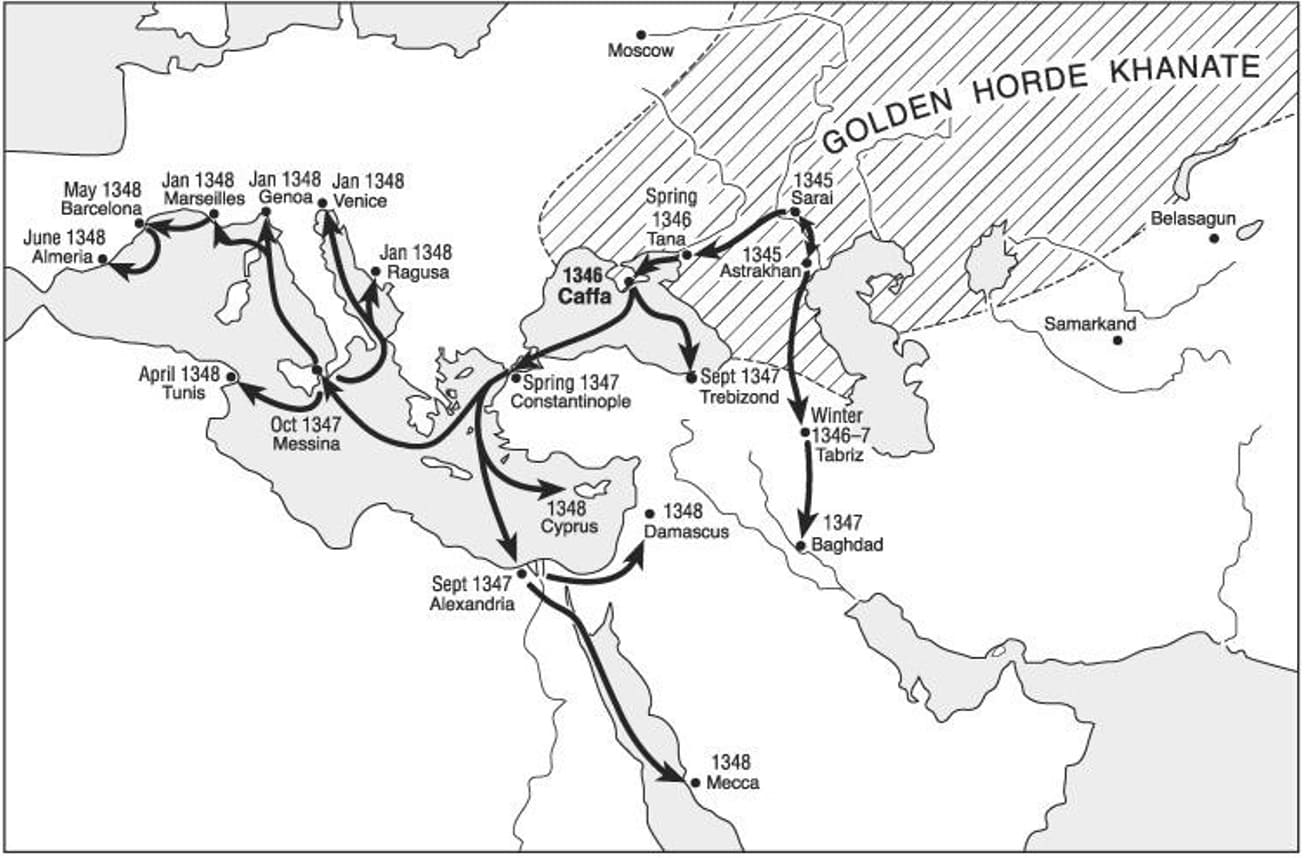
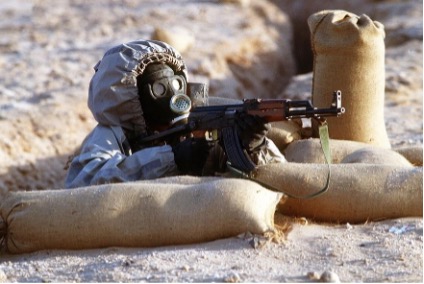


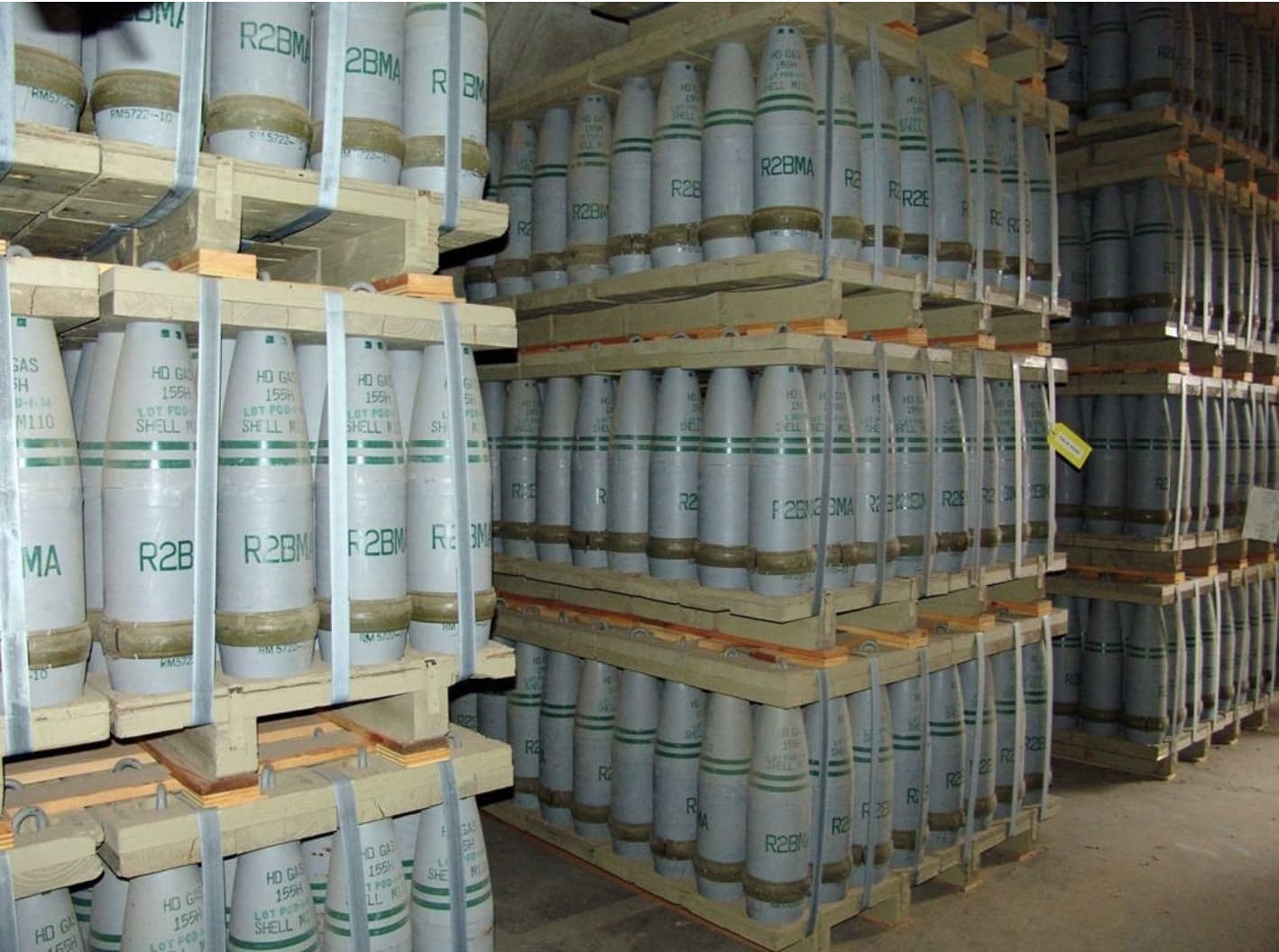


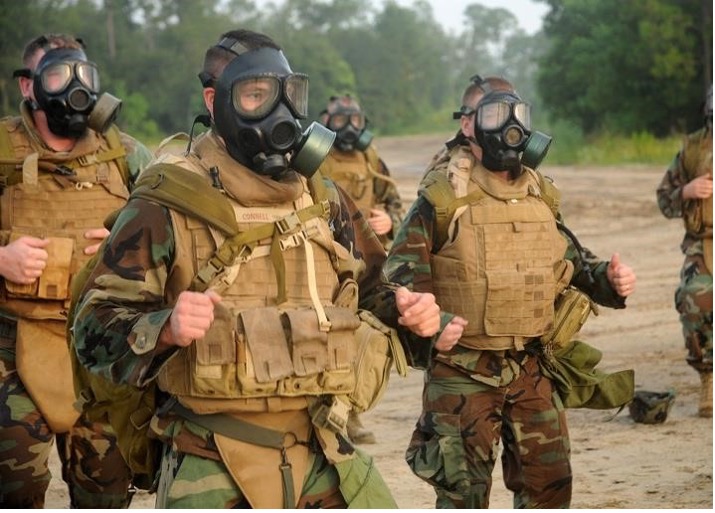


 Joseph Mazur