Home Blog Page 110

World Leaders Condemn Trump’s Gaza Plan Amid Federal Shake-Up

President Donald Trump’s latest remarks on Gaza have sparked international backlash, with leaders from the Middle East and Europe condemning his assertion that the U.S. “will take over” the war-torn region. The White House press secretary attempted to clarify Wednesday, claiming Trump was advocating a “temporary” resettlement of Palestinians—seemingly contradicting his earlier proposal to relocate them permanently.

Meanwhile, newly confirmed Attorney General Pam Bondi is expected to launch a review of cases against Trump. This comes as tensions rise within the Department of Justice, with a senior official accusing FBI leadership of “insubordination” over its handling of January 6 investigations. Additionally, the Trump administration has announced that at least 40,000 federal employees have agreed to resign as part of a sweeping workforce reduction, with layoffs looming for those who do not.

Trump also signed an executive order Wednesday banning transgender women from participating in women’s sports, escalating his administration’s efforts to restrict transgender rights. The move is expected to face immediate legal challenges, adding to an already contentious policy record.

With international condemnation growing and domestic policy changes stirring controversy, Trump’s latest actions signal a turbulent period ahead.

Related Readings:

Donald Trump Divided Country royalty-free stock

United States and China flags combined fist together

china and EU cars (1)

Int-reserve.com Review Uncovers Security Measures to Protect Your Assets

This Int-reserve.com review highlights the platform’s commitment to safeguarding users’ assets through robust security measures. The platform employs state-of-the-art encryption and implements strong risk management protocols to ensure that users’ trades and personal data remain protected. Int-reserve.com focuses on creating a secure environment for all of its clients, prioritizing safety as a core feature of the platform. Whether it’s securing financial transactions or safeguarding sensitive personal information, the platform does it all.

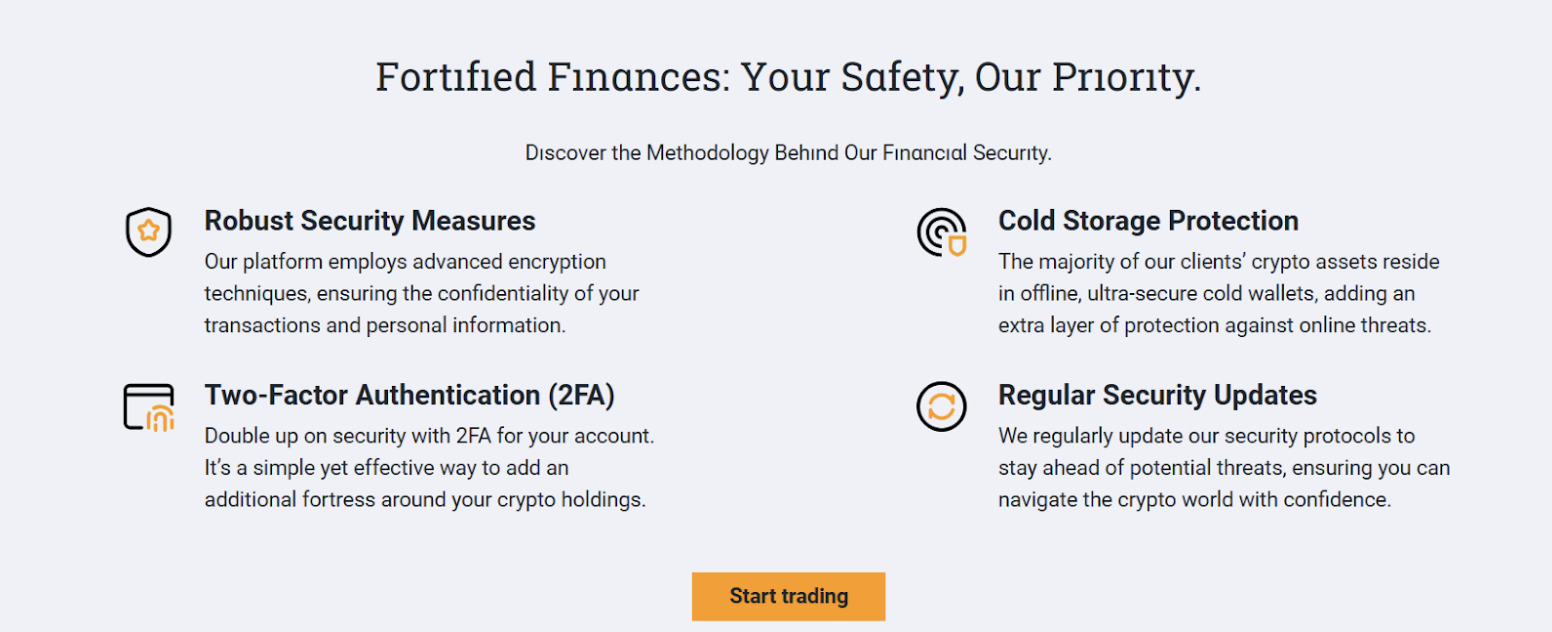
InternationalReserve, the organization that operates Int-reserve.com, takes extra steps to ensure the highest level of security for its traders. With advanced security measures like two-factor authentication (2FA) and cold storage protection, the InternationalReserve platform keeps client funds and data secure. Regular security updates and independent third-party audits further ensure transparency and reliability. As the market landscape evolves, Int-reserve.com Review remains dedicated to providing its users with a secure and trustworthy platform to make informed, confident trading decisions.

Top Security Features

Security is a key priority for any online platform, and InternationalReserve stands out by offering a range of robust security features. To ensure the safety of users’ funds and personal information, the platform integrates top-tier protection mechanisms, making it a secure environment for both novice and experienced traders. With the increasing number of cyber threats in the digital space, the platform employs multiple layers of security, including firewall protection, intrusion detection systems, and real-time monitoring of accounts. 

Additionally, the InternationalReserve platform continuously enhances its security infrastructure, keeping up with the latest cybersecurity developments. Whether it’s the latest technology to detect fraud or the implementation of secure protocols for transactions, every feature is aimed at minimizing vulnerabilities. This ongoing effort to maintain high-security standards ensures that users can trade confidently, knowing their funds and data are protected from cyber threats. 

Protection of Personal Data

Personal data protection is another crucial aspect of online trading, and this platform prioritizes safeguarding users’ sensitive information. The InternationalReserve platform implements strict privacy policies to ensure that personal details such as identification, banking information, and trading activity are handled with the utmost care. By adhering to international data protection regulations, the platform ensures compliance with privacy laws, such as GDPR, providing users with confidence in how their data is being used.

In addition to its adherence to privacy regulations, the platform employs advanced data protection technologies that encrypt sensitive information both during transmission and at rest. This means that personal data is inaccessible to unauthorized parties, ensuring that sensitive user information remains confidential. Whether a InternationalReserve user is accessing the platform from a computer or mobile device, their personal details are safeguarded throughout their trading experience.

Gain access to top crypto exchange around the world

Advanced Encryption and Risk Management

Advanced encryption techniques are fundamental to maintaining the confidentiality of user transactions, and this platform excels in using encryption to protect sensitive information. End-to-end encryption ensures that data is scrambled during transmission, making it unreadable to any unauthorized parties. Whether a InternationalReserve trader is executing a buy or sell order or simply managing their account, their personal and financial information is kept safe from malicious actors. These encryption methods meet industry standards, providing users with peace of mind that their data is being securely transmitted.

Moreover, the InternationalReserve platform’s advanced risk management tools are designed to offer further protection. These tools allow users to set stop-loss orders, limit their exposure, and manage trades more effectively to minimize risk. By providing real-time risk analysis, the platform helps traders make informed decisions and reduce the potential for significant losses. This dual approach of encryption and risk management creates a solid security framework, ensuring users can trade safely and confidently.

Maximize your trading potential

Two-Factor Authentication

Two-factor authentication (2FA) has become a standard security feature in online platforms, and this platform offers it to further safeguard users’ accounts. By requiring InternationalReserve users to provide two forms of identification—typically a password and a code sent to their mobile device—2FA adds an extra layer of protection. Even if an unauthorized person gains access to a user’s login credentials, they would still need the second form of verification to access the account, significantly reducing the chances of fraud or hacking.

This feature is highly recommended for all users, as it adds an additional security measure that is easy to enable and provides enhanced protection. The InternationalReserve platform allows users to choose between different 2FA methods, ensuring flexibility based on personal preferences. Whether through an SMS code, email verification, or an authenticator app, the platform’s 2FA system is designed to offer a robust, user-friendly approach to account security. By implementing this feature, the platform demonstrates its commitment to securing users’ trading accounts against unauthorized access.

Fortified Finances: Your safety, our priority

Regular Security Audits and Updates

The security of an online platform is only as strong as its ability to adapt to new threats. This platform prioritizes regular security audits and updates to ensure its defenses are always up to date. These audits are conducted by both internal security teams and independent third-party experts to identify any potential weaknesses or vulnerabilities within the system. By conducting thorough and frequent security assessments, the platform can address potential risks before they become an issue for users.

Furthermore, the InternationalReserve platform regularly releases security updates to fix any identified vulnerabilities, ensuring that the system remains secure and reliable. This proactive approach to security ensures that users can trust the platform to stay ahead of emerging threats and continue to provide a safe trading environment. Whether through patching software vulnerabilities or upgrading encryption protocols, these updates help maintain the integrity of the platform’s security infrastructure. By consistently performing security audits and updates, the platform demonstrates its commitment to maintaining a secure and trustworthy trading environment for all users.

Conclusion of the Int-reserve.com Review

In conclusion, the security features outlined in this Int-reserve.com review showcase the platform’s strong commitment to providing a safe and protected trading environment for its users. From advanced encryption techniques to the implementation of two-factor authentication, each security measure plays a crucial role in ensuring the integrity of user data and funds. The platform’s proactive approach through regular security audits and updates highlights its dedication to staying ahead of emerging threats and continuously improving its defenses.

Moreover, the protection of personal data remains a top priority, with strict adherence to privacy regulations and the use of industry-standard encryption to safeguard sensitive information. Based on the Int-reserve.com review, it is clear that this platform takes security seriously, giving users the peace of mind they need to focus on their trading strategies without worrying about potential risks.

The content of this article is provided for informational purposes only and should not be interpreted as a recommendation. The author disclaims any responsibility for any actions taken by the company during your trading activities. Please be aware that the information included in this article may not be entirely accurate or current. Your trading and financial decisions are entirely your own responsibility, and it is crucial not to rely solely on the content provided here. We do not offer any warranties concerning the accuracy of the information on this platform and disclaim any liability for losses or damages resulting from your trading or investment choices.

All the photos in the article are provided by the company(s) mentioned in the article and are used with permission. 

Understanding Market Microstructure in Prop Trading

In the world of proprietary (prop) trading, success hinges on an intricate understanding of market dynamics. Market microstructure refers to the mechanics of how orders are placed, executed, and influence price movements. While many traders focus solely on technical indicators and price action, those who delve deeper into market microstructure gain a competitive edge.

A well-informed prop trader recognises that markets are not just about price fluctuations but about the forces driving those movements. Liquidity providers, institutional players, and algorithmic traders all contribute to shaping market activity, and understanding their behaviours allows prop traders to anticipate movements before they unfold.

The Role of Order Flow and Liquidity

Order flow is a vital component of market microstructure. It provides insights into the demand and supply of assets, revealing key trading opportunities. Liquidity, on the other hand, determines how smoothly trades are executed and at what cost.

Key aspects of order flow and liquidity include:

  • Bid-Ask Spread – The difference between buying and selling prices, indicating market efficiency.
  • Order Book Dynamics – The collection of buy and sell orders that dictate price movement.
  • Market Impact – How large orders affect price stability and volatility.

By analysing order flow, traders can identify whether buying or selling pressure dominates the market, allowing them to position themselves advantageously ahead of price shifts.

Market Depth and Price Action Insights

Market depth provides a real-time view of available liquidity at different price levels. Unlike basic price charts, depth-of-market (DOM) tools enable traders to gauge the strength of price movements and detect areas of high buying or selling interest.

Understanding price action within the context of market depth allows traders to:

  • Identify key support and resistance zones.
  • Detect hidden liquidity pools where large players enter and exit.
  • Recognise price manipulation tactics used by institutional traders.

Instead of relying solely on lagging indicators, prop traders who incorporate market depth analysis gain a more proactive approach to trading.

How Institutional Traders Shape the Market

Institutional traders play a dominant role in market microstructure. Their strategies, order placements, and execution methods create ripple effects that influence price movement.

Some key ways institutions impact the market include:

  • Iceberg Orders – Large orders broken into smaller ones to avoid detection.
  • Spoofing and Layering – The strategic placement of orders to create false supply or demand perceptions.
  • Volume Clustering – Accumulating positions at specific levels to drive price movement.

Prop traders who understand these institutional tactics can better position themselves to trade in alignment with the market’s dominant forces rather than against them.

High-Frequency Trading and Market Efficiency

High-frequency trading (HFT) firms use sophisticated algorithms to execute trades at ultra-fast speeds. These traders contribute to liquidity but also create volatility and price fluctuations.

Understanding how HFT impacts the market enables prop traders to:

  • Adjust their strategies to account for sudden price movements.
  • Avoid trading during algorithmic-heavy periods of market instability.
  • Leverage speed and order execution efficiency to stay ahead.

Traders who ignore the influence of HFT risk being caught off guard by price swings and losing out on potential trading opportunities.

Risk Management Through Microstructure Awareness

Market microstructure knowledge not only improves trade execution but also enhances risk management. Recognising market inefficiencies and potential liquidity gaps helps traders mitigate risks associated with slippage and order execution delays.

Some risk management techniques derived from microstructure insights include:

  • Placing Orders at Key Liquidity Zones – Reducing the impact of slippage.
  • Avoiding Low-Liquidity Periods – Ensuring trades are executed at fair prices.
  • Using Volume-Based Stop Losses – Aligning exits with genuine market structure instead of arbitrary levels.

Traders who incorporate market microstructure into their risk strategies are better equipped to preserve capital and sustain long-term profitability.

Adapting Strategies Using Market Microstructure Data

Markets are ever-changing, and the ability to adapt is essential for long-term trading success. By leveraging microstructure data, prop traders refine their approaches based on real-time market conditions.

Key adjustments traders make using microstructure insights:

  • Switching Between Trend-Following and Mean-Reversion Strategies – Based on liquidity and order flow conditions.
  • Adjusting Trade Size According to Market Depth – Avoiding excessive exposure in low-liquidity scenarios.
  • Timing Entries and Exits More Accurately – Using order book analysis to confirm trade decisions.

Rather than relying on outdated strategies, traders who adapt to microstructure signals stay relevant and competitive in a fast-evolving market.

The Competitive Advantage for Prop Traders

In proprietary trading, the margin between success and failure is razor-thin. Market microstructure knowledge provides an invaluable edge that separates the best traders from the rest. Understanding how orders flow, liquidity shifts, and institutional players operate allows traders to make smarter, more calculated decisions.

Bookmap’s prop firm analytics solutions enable traders to visualise and interpret microstructure data with precision, ensuring they remain ahead of the competition. Prop traders who master market microstructure develop a level of intuition and adaptability that allows them to thrive in any market condition.

The Changing Role of Real Estate Leaders in Sustainability

The responsibilities of real estate leaders have evolved dramatically. Once focused purely on asset management, today’s property managers must lead the charge in sustainability, technology integration, and regulatory compliance. This transformation is reshaping the industry as leaders must balance business goals with environmental responsibilities.

Expanding Responsibilities in Real Estate Leadership

The role of real estate leaders has expanded significantly. Here’s how:

  • Traditional Focus: Historically, real estate leaders focused on asset value and tenant satisfaction.
  • New Priorities: Now, the focus includes sustainability, regulatory compliance, and the adoption of technology.
  • Strategic Decision-Making: Leaders must align business goals with environmental and social responsibilities.

Sustainability as a Core Business Function

Real estate executives must now integrate sustainability into every aspect of their operations:

  • Investment Strategies: Sustainability must guide investment choices, ensuring long-term environmental goals are met.
  • Procurement & Operations: Green procurement and sustainable property management are key.
  • Carbon Reduction: Leaders are increasingly prioritizing carbon footprint reduction and green building certifications like LEED.

Example: Energy-efficient buildings and green certifications are now highly sought after, adding both value and environmental benefit.

Technology & Smart Building Integration

Technology is becoming essential for sustainability in real estate. Here’s how technology is transforming the industry:

  • Smart Buildings: With IoT and AI, buildings are becoming smarter, optimizing energy use in real-time.
  • Energy Efficiency: Smart meters, sensors, and automation help property managers reduce energy consumption.
  • Data-Driven Decisions: Technology allows executives to make informed, data-backed decisions to optimize building performance.

Example: AI-driven systems can detect energy inefficiencies and adjust automatically, leading to lower operational costs and reduced environmental impact.

Regulatory Compliance & ESG Strategy

Navigating the growing regulatory landscape is now a key responsibility:

  • Environmental Regulations: Governments are imposing stricter carbon reduction mandates.
  • Building Performance Standards (BPS): Real estate leaders must ensure their properties meet BPS and net-zero goals.
  • ESG (Environmental, Social, Governance): ESG strategies are now essential for real estate leaders to align with investor and regulatory expectations.

Example: Achieving net-zero emissions and complying with BPS is now crucial for real estate companies to remain competitive.

Stakeholder & Investor Expectations

Stakeholder expectations are shifting as sustainability becomes a priority for both tenants and investors:

  • Investors: Investors are now prioritizing sustainability, seeking properties that meet ESG criteria.
  • Tenants: More tenants are looking for energy-efficient spaces that align with their values.
  • Transparent Communication: Real estate leaders must effectively communicate their sustainability efforts.

Tip: Engage with stakeholders regularly by providing updates on sustainability improvements and future goals to build trust and confidence.

Reskilling & Workforce Development

With the industry’s rapid evolution, reskilling the workforce is critical:

  • Technology Training: Property management teams need to be trained on new technologies like energy management systems.
  • Sustainability Knowledge: Leaders must ensure their teams understand emerging green technologies and energy optimization techniques.
  • Employee Engagement: Investing in workforce development ensures that sustainability goals are met across all levels of the organization.

Example: Upskilling employees to use smart building systems and manage sustainability initiatives effectively will ensure long-term success.

The Future of Real Estate Leadership

The future of real estate leadership is being defined by those who embrace sustainability, technology, and compliance. Here’s what leaders must do to succeed:

  • Climate Strategists: Real estate leaders are now tasked with setting climate action plans and driving sustainability initiatives.
  • Tech Innovators: Integrating advanced technologies like AI and IoT is no longer optional.
  • Regulatory Navigators: Staying ahead of regulatory changes and ensuring compliance is essential.

Takeaway: To thrive in this new landscape, real estate leaders must adopt a forward-thinking approach, combining sustainability with cutting-edge technology and regulatory adherence.

For more insights on sustainability in real estate, check out Resustain

MarketsCo.com Review Discovers Empowerment in Global Traders & Investors

The MarketsCo.com review highlights why this platform has become a trusted choice for traders and investors worldwide. With its ability to offer seamless access to stocks, cryptocurrencies, and other financial assets, MarketsCo continues to stand out in a crowded marketplace. Tens of thousands of users across 93 countries rely on its cutting-edge technology and robust security, proving its global appeal. This MarketsCo.com review dives into what makes the platform an indispensable tool for both novice and seasoned traders.

From state-of-the-art trading tools to round-the-clock support, MarketsCo is dedicated to helping users achieve their financial goals. Its intuitive platform allows traders to manage investments with ease, while segregated client funds ensure added security. Whether trading short-term or pursuing long-term strategies, MarketsCo’s features cater to diverse needs. This review explores how its global reach and commitment to reliability make it a standout option in today’s financial landscape.

A Platform Trusted by Thousands Across 93 Countries

The trading platform has quickly become a trusted solution in the world of investing, with over 10,000 users from 93 countries relying on it to meet their investment needs. The platform’s international presence speaks volumes about its effectiveness and appeal, as traders from diverse backgrounds flock to it for its reliability and ease of use. The trust placed in the platform is not just about its reputation; it’s a reflection of the platform’s commitment to providing exceptional trading experiences. 

The geographical spread of the platform’s users indicates its adaptability to different trading styles, preferences, and financial regulations. Traders can access an array of markets, from stocks to cryptocurrencies, ensuring they can take advantage of opportunities regardless of location. The platform’s robust technology ensures that it serves users from different regions efficiently, providing real-time access to markets with minimal latency. The fact that it can accommodate traders from across the world shows that the platform is built with a global vision, helping foster a diverse community united by the shared goal of financial growth.

Trade with marketsCo

Seamless Access to Stocks, Crypto, and More

One of the standout features of this platform is its ability to offer seamless access to a broad spectrum of markets, including stocks, cryptocurrencies, and other financial instruments, all from a single platform. This unified approach makes it incredibly convenient for traders to manage their investments across various asset classes without needing to switch between different platforms or accounts. The ability to access multiple markets at once is especially valuable for those looking to diversify their portfolios, as it allows them to spread risk and capitalize on opportunities in different sectors.

The user-friendly interface ensures that even beginner traders can easily navigate between the various markets. The platform is designed to support both long-term investments and short-term trades, allowing users to engage with markets at their own pace. For those interested in stocks, it offers tools for researching and executing trades in a way that suits their financial goals. Simultaneously, for cryptocurrency enthusiasts, the platform provides direct access to popular coins like Bitcoin, Ethereum, and Litecoin, with competitive spreads and real-time market data.

Crypto

Empowering Traders with Security and Technology

Security is a top priority, and the platform demonstrates this through its use of segregated client funds and state-of-the-art encryption. These measures provide users with peace of mind, knowing that their investments and data are well-protected. The platform understands the importance of trust in financial transactions and goes above and beyond to ensure a secure trading environment for its clients.

On the technological front, the platform is continuously innovating to offer users the latest in trading tools and analytics. Its infrastructure ensures lightning-fast execution of trades, which is crucial for those operating in volatile markets like cryptocurrencies. With real-time market data, advanced charting tools, and automated trading options, the platform equips traders with everything they need to make informed decisions. 

The Ultimate Trading Experience: Fast, Reliable, and Intuitive

This trading platform promises an ultimate experience through lightning-fast execution, ensuring that users can act on market movements instantly. Speed is crucial in trading, especially when working with highly volatile assets like stocks and cryptocurrencies. The platform’s infrastructure is optimized to minimize delays, allowing users to enter and exit trades swiftly. This fast execution enhances traders’ ability to capitalize on market shifts and maximize their profit potential. It’s not just about speed; the platform offers reliability by ensuring that its systems are stable and perform consistently under high volumes of trading activity.

In addition to speed and reliability, the platform provides a highly intuitive interface that makes trading accessible to all levels of users. Whether a trader is just starting or is an experienced professional, the platform’s layout and features are designed to be easy to understand and use. Users can quickly navigate through their accounts, execute trades, and analyze market trends without feeling overwhelmed by unnecessary complexity. 

Why Investors Choose MarketsCo for Financial Growth

This platform has become a popular choice for investors seeking to build and grow their wealth, and for good reason. It offers a comprehensive suite of tools and resources designed to help users achieve their financial goals. Whether investors are focused on long-term growth or short-term profits, the platform’s diverse offerings cater to various strategies and risk appetites. Users can access a wide range of financial instruments, research tools, and educational resources, all of which contribute to their success. 

Moreover, its commitment to customer support ensures that investors are never alone in their journey. The platform offers round-the-clock support to address any queries or issues that may arise. This level of customer service helps build trust and ensures that users always have the assistance they need to navigate the complexities of financial markets. With personalized account management and tailored trading plans, the platform provides the support necessary to reach financial milestones.

create an account or log in

Conclusion on the MarketsCo.com Review

In conclusion, this platform offers an exceptional trading experience, combining innovative features, comprehensive resources, and a robust community. As highlighted in this MarketsCo.com review, users can access a state-of-the-art platform that provides lightning-fast execution, cutting-edge technology, and top-notch security, making it a go-to choice for traders worldwide. With a diverse range of investment options, from stocks to cryptocurrencies, the platform ensures that every trader can find the tools and resources they need to succeed.

Whether you’re a beginner or an experienced trader, the platform’s user-friendly design, educational resources, and 24/7 support team create an ideal environment for achieving your financial goals. As this MarketsCo.com review demonstrates, it is not just about trading; it’s about providing the right support and features to make your journey smoother and more profitable. For those looking to trade with confidence, this platform is a strong contender.

This article is crafted for informational objectives and is not intended to serve as investment advice. The author is exempt from any liability regarding the company’s actions or the outcomes of your trading endeavors. Information may not be current or error-free; thus, reliance on this content for financial decisions is at your own discretion. No warranty is provided on the information’s accuracy, and we are not liable for any investment or trading losses that may arise.

All the photos in the article are provided by the company(s) mentioned in the article and are used with permission. 

While AI Innovations, Investments Grow, Jobs Picture Remains Murky

Hardly a week goes by without headline-grabbing news announcing the latest, industry-altering changes brought on by another round of artificial intelligence (AI) innovations.   

The most recent example was the announcement that DeepSeek — a relatively unknown, Chinese-owned, open-source, AI platform — introduced R1, a ChatGPT-like AI model capable of mimicking the functionalities of Google, Nvidia, Meta and other leading tech tools, but at a fraction of the cost of what those tech giants spent.   

DeepSeek claimed it invested less than $6 million in the development of the new app, which, if true, represents only a drop in the bucket compared to the many millions of dollars U.S.-based tech heavyweights invested in their AI models. 

Although security concerns about DeepSeek linger, the announcement was enough to trigger a 17-point drop in the stock value of Nvidia, which bills itself as the “world leader in artificial intelligence computing.”  

Not only did Nvidia experience the single biggest one-day stock decline in U.S. history, but DeepSeek’s move also led to a 3-point drop in the Nasdaq exchange and impacted countless other chip makers and data center operators. Upon hearing the news, President Trump said DeepSeek’s claim should serve as a ”wake-up call” to all U.S. tech giants.  

Yet, despite all the sound and fury, by the next day, both Nvidia and the Nasdaq appeared to be on the rebound. 

If nothing else, the entire episode illustrates the volatility and uncertainty now present in the artificial intelligence industry as companies continue to pour billions of dollars into the development and deployment of new AI functionalities. 

The only thing that appears to be 100 percent certain about AI is how enthusiastic organizations appear to be in investing in the technology.   

Goldman Sachs says, globally, corporate investments in AI could reach $200 billion as of this year while PwC says 63 percent of “top-performing” companies are now increasing their cloud computing budgets to ensure that they can fully accommodate their growing AI needs. 

While continued growth of AI appears to be a certainty, what is harder to pin down is how AI will affect the employment picture worldwide.  

“Most industries will be impacted by AI,” says Susan Lindeque, CEO of Avestix Group, an investment firm specializing in investing in new technologies. “But what AI will mean for jobs worldwide is still being formulated.” 

Lindeque recently shared her views with Forbes, pointing to a recent announcement from Bloomberg that many leading banks — including JPMC, Citigroup and Goldman Sachs — are planning to phase out as many as 200,000 positions over the next three years because the job responsibilities associated with those roles will be absorbed by AI. 

More broadly, she cites a new study from the World Economic Forum (WEF) that determined AI could ultimately result in 41 percent of organizations worldwide downsizing their staff over the next five years.  

But, she says, focusing only on AI-related employment reductions misses the big picture. 

“While it’s true that the WEF concluded that advancements in AI could mean the elimination of as many as 92 million roles around the world during the next five years, it also found that AI could be responsible for creating as many as 170 million new jobs worldwide,” Lindeque says. “In other words, business investments in artificial intelligence could result in 78 million net-new positions over the next five years.”  

Industry analysis supports the view that AI will drive greater job growth in the long run.   

PwC’s newly-released 2025 AI Business Predictions forecast that employment needs will expand exponentially before the end of this year because of AI-related needs.  

Executives should prepare now, according to the report, to “welcome a host of new members to the team this year: digital workers known as AI agents.” Not only could these AI agents “easily double your knowledge workforce,”  but they will “autonomously perform many tasks, such as handling routine customer inquiries, producing ‘first drafts’ of software code” and other mundane chores. As a result, PwC predicts, business leaders will likely see improvements in their “speed to market, customer interactions, product design and so on.”

More importantly, the report downplays fears that AI-enriched bots will be replacing people anytime soon. 

“Humans will still be instrumental since game-changing value comes from a human-led, tech-powered approach,” PwC researchers say. “People instruct and oversee AI agents as they automate simpler tasks. People iterate with agents on more complex challenges, such as innovation and design. And people ‘orchestrate’ teams of agents, assigning tasks and then improving and stitching together the results.”

And those people will require leadership, says PwC. The growth of AI will likely mean more executives will be “responsible for integrating digital workers into workforce strategies, then monitoring and governing them.”

Lindeque agrees, saying the sooner companies begin leveraging AI and training employees to manage AI functions, the sooner those organizations will be able to capitalize on both. 

“Businesses will need to accommodate AI and human workers,” she says. “Those that do so quickly will be better positioned to capitalize on both.” 

The Cure for Constant Remote Work Request

By Dr. Gleb Tsipursky

You open your email and your stress level spikes: it’s another email titled “Can I work from home tomorrow?” It’s one of several you received in the last month: a relentless march of requests for remote work that ask for one-off exceptions to your policy. So, what’s the deal? This constant barrage isn’t just a logistical headache. It’s a flashing red warning light, signaling a deeper issue. Your employees aren’t buying into your company’s remote work policy. Something is wrong, and it’s causing you a lot of stress. This is a problem you need to take charge of, immediately.

These requests signify a disconnect between the company’s vision of the workplace and the employees’ lived experience. Your people are telling you something, and it is your job to listen. Ignoring these requests, dismissing them as mere grumbling, will damage morale. It is essential to understand this. Your employees are the lifeblood of your organization. Their voices deserve to be heard, their concerns addressed. The key is to understand the “why” behind the relentless requests. Only then can you hope to bridge the gap and create a workplace that works for everyone.

Uncovering the ‘Why’: Getting to the Heart of Remote Work Requests

So, how do you uncover the “why?” You dig deeper. You engage. You listen. Start with a well-crafted, anonymous remote work survey. A survey is your first line of inquiry, a way to gather broad data and identify trends. Ask direct questions: “What are your biggest challenges with the current work arrangement?” “What aspects of remote work do you find most appealing?” “What concerns do you have about working in the office?” Use both quantitative, multiple-choice questions to gather data, and qualitative questions to get longer, richer responses.

But a survey alone is not enough. You need to understand the human element, the emotions driving these preferences. This is where focus groups come in.

Focus groups offer a chance to build on the survey and move beyond the numbers and into the realm of lived experience.

Focus groups offer a chance to build on the survey and move beyond the numbers and into the realm of lived experience. Imagine a small group of employees, representing various departments and roles, gathered in a safe space, ready to share their thoughts and feelings. A skilled facilitator guides the conversation, teasing out the nuances, the unspoken concerns, the individual stories behind the data points. Prior to the focus group, a skilled facilitator would use the survey responses to create a discussion guide for the focus groups, thus requiring less time and effort to extract the key data.

It’s in these sessions that you’ll uncover the real reasons behind the remote work resistance. Perhaps employees feel isolated and disconnected when working in the office. Maybe they are struggling to balance work and family commitments. Maybe they’re more productive at home. Or, perhaps, your company’s current policy is genuinely out of sync with the realities of the modern workplace. You need to get to the bottom of these feelings.

Just as important as getting the data, both the survey and focus groups combine to make your employees feel heard. They will know you spent time and effort listening to them, hearing them, and respecting them. They will feel heard, which will prove key for the next step, of addressing employee concerns.

Addressing Employee Concerns Effectively to Address Remote Work Requests

Once you have this rich, qualitative data, you’re ready to act. You’ve listened, you’ve understood, and now you can respond effectively. This might mean reaffirming your current policy, but with a crucial difference. Now, you can justify it from a place of empathy and understanding.

You can say, “We hear you. We understand your concerns about commute times and work-life balance. Here’s why our current policy is structured the way it is, and here are the reasons it makes sense in the context of your concerns.” You will very likely find that offering clear explanations for current policies, informed by the survey and focus groups, can build trust with employees, creating more buy-in into the existing policies.

Just as important as getting the data, both the survey and focus groups combine to make your employees feel heard. They will know you spent time and effort listening to them, hearing them, and respecting them. They will feel heard, which will prove key for the next step, of addressing employee concerns.

Let me share a real-world example. I was brought in as a consultant to help a mid-sized law firm struggling with this very issue. They had a policy of three days in the office, two days remote. Still, the requests for exceptions kept flooding in. We conducted a survey and followed up with focus groups. The results were illuminating. Many attorneys felt the three-day requirement was arbitrary. They valued the flexibility of remote work, particularly for focused, heads-down tasks. However, they also acknowledged the importance of in-person collaboration for certain aspects of their work, such as complex negotiations and mentoring junior staff. The focus groups revealed a desire for more autonomy in managing their schedules, within the framework of the existing policy.

After considering the matter in a partner retreat, the leadership reaffirmed their commitment to the three-day in-office policy. However, they did so while acknowledging the employees’ desire for flexibility. The firm’s managing partner communicated to all attorneys the rationale behind the policy, emphasizing the value of in-person collaboration for specific tasks, while also highlighting the firm’s trust in employees to manage their time effectively during remote days. They also made some minor adjustments, allowing for more flexibility on which two days attorneys chose to work remotely. This approach showed the attorneys that their concerns had been heard and that the firm had a good reason for its policy, while also being willing to make adjustments. A survey showed a 20% increase in satisfaction with the firm’s remote work policy after the end of the project.

Consider a Policy Overhaul

However, be prepared for the possibility that your current policy might need an overhaul. The data might reveal that a more flexible model is more suitable for your workforce. Be open to the possibility that employees are asking for remote work because they genuinely feel it will be more productive for them. And that it will benefit the company as a result. The key is to approach this process with an open mind and a willingness to adapt.

Be open to the possibility that employees are asking for remote work because they genuinely feel it will be more productive for them.

I faced a different scenario with an accounting firm. They were struggling to retain talent and had a strict policy of full-time in-office work. After a survey and focus groups, it became clear that the policy was a major source of dissatisfaction. The employees, particularly younger staff, valued work-life balance and felt they could be just as productive, if not more so, working remotely. They wanted more autonomy and flexibility.

The firm’s leadership listened carefully to this feedback. They took a bold step and empowered individual teams to decide how and when they should come into the office. The results were remarkable. Morale improved significantly, and the firm saw a 10% boost in productivity and 26% increase in employee retention over the next six months. This flexible approach also helped them attract top talent in a competitive market.

Building a Future-Ready Workplace: Embracing Trust

The workplace is evolving. The old models are crumbling, and new paradigms are emerging. The companies that thrive will be those that trust their employees. The constant requests for remote work are not a threat. They are an opportunity. They are a chance to build a better workplace, a more productive, more engaged, and more fulfilling environment for everyone.

Remember, your employees are not just cogs in a machine. They are human beings with complex needs and desires. By listening to their concerns, by understanding their motivations, you are not just solving a logistical problem. You are building a stronger, more resilient organization.

So, take a deep breath. Dive into the data. Engage in meaningful conversations. And emerge with a remote work policy that reflects the needs of your people and the demands of the future. Your employees will appreciate it. Your bottom line will benefit. And you’ll be leading the charge towards a future-ready workplace. This is your chance to shine as a leader, to demonstrate that you are not just managing a workforce but cultivating a community.

About the Author

Dr. Gleb TsipurskyDr. Gleb Tsipursky was named “Office Whisperer” by The New York Times for helping leaders overcome frustrations with hybrid work and Generative AI. He serves as the CEO of the future-of-work consultancy Disaster Avoidance Experts. Dr. Gleb wrote seven best-selling books, and his two most recent ones are Returning to the Office and Leading Hybrid and Remote Teams and ChatGPT for Leaders and Content Creators: Unlocking the Potential of Generative AI. His cutting-edge thought leadership was featured in over 650 articles and 550 interviews in Harvard Business Review, Inc. Magazine, USA Today, CBS News, Fox News, Time, Business Insider, Fortune, The New York Times, and elsewhere. His writing was translated into Chinese, Spanish, Russian, Polish, Korean, French, Vietnamese, German, and other languages. His expertise comes from over 20 years of consulting, coaching, and speaking and training for Fortune 500 companies from Aflac to Xerox. It also comes from over 15 years in academia as a behavioral scientist, with 8 years as a lecturer at UNC-Chapel Hill and 7 years as a professor at Ohio State. A proud Ukrainian American, Dr. Gleb lives in Columbus, Ohio.

Trump’s Tariffs Spark Industry Turmoil and Supply Chain Woes

The “wait and see” moment for North American companies regarding tariffs is over, as President Donald Trump’s decision to impose a 25% levy on goods from Canada and Mexico, alongside a 10% tariff on China, sends shockwaves across industries. This move could disrupt sectors like autos, consumer goods, and energy, causing fresh headaches for executives already grappling with rising costs.

Industry leaders, including Jeffrey Sonnenfeld from Yale School of Management, criticized the tariffs, calling them “non-strategic” and harmful to relationships with close allies. Companies like Amazon, Ford, and Mondelez are expected to face intense scrutiny in upcoming earnings reports as investors look for plans to mitigate the financial impact.

The tariffs also spark concerns for companies reliant on cross-border supply chains, such as automakers and aerospace firms near the U.S.-Canada border. Collin Shaw from MEMA highlighted that even minor disruptions in sourcing from these countries could delay production significantly. While larger firms might shift operations, smaller companies without global operations could struggle to absorb costs.

Despite Trump’s intention to boost domestic manufacturing, critics argue that these tariffs could undermine U.S. competitiveness and raise consumer prices, creating challenges for both businesses and consumers alike.

Related Readings:

Economic trade tariffs between USA and Europe

china imports

Amenities That Set Luxury Rehab Centers Apart

Recovery centers provide a haven for individuals looking to overcome addiction issues. While traditional facilities offer support and services, luxury rehabilitation centers offer an upscale experience with exclusive perks. These premium establishments cater to those in search of comfort and seclusion as they navigate their path to recovery. Featuring top-notch amenities and customized treatment programs, luxury rehab facilities are known for their services and accommodations. 

Exquisite Accommodations

Luxury rehab facilities are well known for their amenities. Patients stay in suites resembling luxurious hotel rooms, with comfortable bedding and elegant decor that promotes a peaceful atmosphere for healing purposes. 

Holistic Treatment Options

A luxury rehab center stands out due to its approach to healing that encompasses the mind-body-spirit connection. The inclusion of activities such as yoga, meditation, and acupuncture alongside therapies contributes to enhancing well-being. Nutrition also plays a role in these centers, as expert chefs prepare gourmet meals to nourish health. This combination of approaches promotes a healthy and balanced lifestyle that supports sustained recovery in the long run. 

Personalized Care and Attention

Luxury rehab facilities are known for their approach to care. A team of skilled professionals, such as therapists and counselors, creates a custom treatment plan designed specifically for each person’s needs and situation. They work together to provide holistic support, focusing on both the physical and emotional aspects of addiction. 

Exclusive Recreational Activities

Participating in recreational pursuits during the healing journey can greatly boost the healing process for individuals undergoing treatment at high-end rehabilitation facilities that provide a variety of activities to suit different preferences and tastes. Patients may find pleasure in activities such as swimming in pools that seem to stretch into the horizon or engaging in therapeutic sessions with horses while also exploring mindfulness techniques during serene nature strolls. 

Privacy and Confidentiality

Maintaining privacy is crucial for individuals looking for care at rehab facilities as they go through their recovery journey discreetly and privately—high-profile clientele who value anonymity during this time of healing. These luxurious centers typically have confidentiality rules in place to safeguard client information and identities. Moreover, the facilities are often situated in locations that provide an escape from nosy observers.

Cutting-Edge Technology and Facilities

Luxury rehab centers stand out from others with their cutting-edge technology and amenities that enhance the treatment experience for clients. All facilities are equipped with tools for assessments and tailored treatment plans. Modern gyms, spas, and therapy rooms are commonly featured in these centers to provide clients with top-notch resources and ensure their well-being during their time. The focus on innovation ensures that patients receive care throughout their rehabilitation journey. 

Aftercare and Support Services

Maintaining progress goes beyond the stage of treatment at rehabilitation centers by emphasizing post-treatment care and support to assist individuals in staying sober post-discharge from the facility. Tailored aftercare strategies can involve therapy sessions, participation in support groups, and access to personal development tools. This dedication to ensuring lasting outcomes highlights the facility’s commitment to the overall wellness of its clients. 

A Healing Environment

The surrounding environment plays a role in recovering from addiction issues at luxury rehabilitation facilities, which tend to be located in areas like beachfront properties or peaceful mountainsides to create a soothing atmosphere that encourages calmness and self-reflection. The beauty of nature that envelops these centers elevates the healing experience and assists individuals in their path toward living a sober life. 

End Note

Luxury rehabilitation centers provide a thorough strategy for overcoming addiction by offering top-notch accommodations, tailored support services, and amenities for their client’s benefit. They focus on treating the physical, emotional, and spiritual aspects of addiction to promote a well-rounded healing journey. Their commitment to privacy and utilizing technology coupled with care services guarantees individuals receive the utmost assistance as they strive towards a life of sobriety. Luxury rehabilitation facilities offer an option for individuals looking for a personalized and upscale recovery journey.

After Tariffs on Canada, Mexico, and China, Trump Looks Toward the EU

By Emil Bjerg, journalist and editor

President Donald Trump continues to dramatically reshape the American and global political landscape. Saturday evening, the American president imposed tariffs on 25% on goods from Canada and Mexico, with a lower rate of 10% for Canadian oil, and an added 10% on imports from China. These are substantial tariffs on the US three biggest trade partners. 

Monday, Trump and the Mexican President, Claudia Sheimbaum, announced a one-month break on the US tariffs toward Mexico. The truce happened after Sheinbaum agreed to deploy 10,000 national guards to help prevent drug smuggling from Mexico to the US. 


As of this writing, the tariffs are still in place for Canada and China. The new import taxes have sparked concerns over inflation and falling stock prices. We’ll return to the economic implications after a global overview of the situation.

Countermeasures

This could mark the beginning of a new era of protectionism and trade wars, as both Canada, Mexico, and China have announced countermeasures.

Canada’s Prime Minister, Justin Trudeau, has announced and partially implemented retaliatory measures of 25% tariffs. The tariffs will be rolled out in two stages with immediate tariffs targeted at consumer products like orange juice, peanut butter, wine, spirits, beer, coffee, apparel, and cosmetics. China has pledged to lodge a complaint with the World Trade Organization and also announced it will implement “corresponding countermeasures“.

These countermeasures come despite Trump’s warning that he could expand the scope of tariffs imposed on the three countries if they retaliate.

Tariffs against the EU?

President Donald Trump also escalated his rhetoric regarding potential tariffs on the European Union. Trump stated that new tariffs against the EU will “definitely happen”, adding that “the European Union has treated us terribly”. Trumps cites concerns over the trade deficit and what he perceives as insufficient EU imports of American cars and agricultural products as his reason to impose tariffs.

The UK, on the other hand, appears to be weathering the tariff storm, with Trump speaking positively of his British colleague, Keir Starmer.

The European Commission has expressed regret over Trump’s decision to impose tariffs on Canada, Mexico, and China and warned of retaliation if the EU is targeted. A spokesperson from the European Commission said that “the EU would respond firmly to any trading partner that unfairly or arbitrarily imposes tariffs on EU goods.” In a similar tone, French President Macron said “If we are attacked in terms of trade, Europe – as a true power – will have to stand up for itself and therefore react”. Macron also noted that the new Trump administration will “push Europeans to be more united.”

 As of this writing, Trump has not yet imposed tariffs on EU countries, though he has said that they will be implemented “pretty soon”.  

Concerns Over Trade War Drives Declining Stocks

Monday morning, the global stock markets opened with considerable losses following the weekend’s announcements. Asian and European markets opened to declines between 1 and 2.7 percent while the American S&P 500 futures had declined by 1.5% by the time of writing. Car companies from Asia, Europe, and the US saw their stocks particularly affected, with declines of 5 to 7.5 percent across the three continents. This could be just the beginning. 

Market analysts attribute this widespread decline to concerns over the potential escalation of a trade war. Russ Mould, investment director at AJ Bell, told the BBC that there is a “sea of red flashing on the markets”. The import taxes could result in “higher inflation and put a stop to further interest rate cuts for the time being – exactly the opposite of what equity investors want to happen”, he added.

Trump’s Economic Gambit

With the tariffs, Trump has thrown himself into one of the biggest gambits of his political career. 

As CNN writes, “The looming import taxes on Mexico, Canada and China will be a major test of Trump’s unorthodox use of tariffs, which he’s described as “the greatest thing ever invented.”

The Wall Street Journal has another view in a stark criticism of the import taxes calling it “The Dumbest Trade War in History”.

The tariffs are a gamble that could define Trump’s presidency and see substantial parts of his political support falter: they will likely drive American inflation and could result in a loss of jobs, in the US as well as in the global economy. Mary Lovely, a fellow at Peterson Institute International Economics, calls the move “a huge gamble. It’s a recipe for slowing down the economy and increasing inflation.”

Aforementioned Russ Mould from AJ Bell affirms: “”Higher prices could hurt demand, and there might be a trickle-down effect that knocks business and consumer confidence and feeds into weaker economic activity.”

As the global economy grapples with the implications of Trump’s new tariffs, the coming weeks and months will reveal the long-term effects of Trump’s economic gambit.

EDITOR'S PICK OF THE WEEK

CFO's new mandate. CFO explaining the presentation

The Performance and Transformation Orchestrator: The CFO’s New Mandate in the Age of AI

By Terence Tse CFOs are evolving into AI-driven transformation orchestrators, balancing finance, technology, and strategy while upskilling teams, managing risks, and driving measurable business value. A key insight from this year’s AI for CFOs event, organized...

WISE DECISION MAKER GUIDE

POWER INFLUENCERS

Emerging Trends

The Future of Global Trade