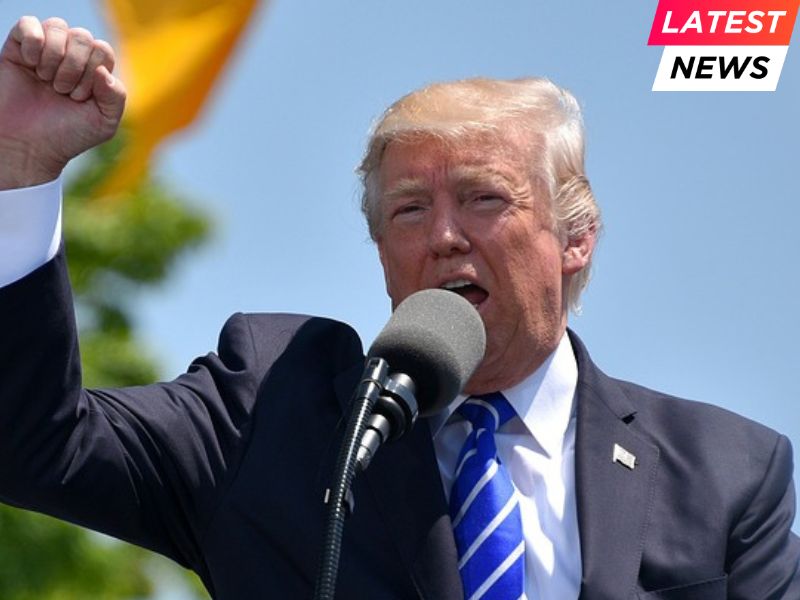
India will adhere to international sanctions, including those affecting Russian oil, Minister of Petroleum and Natural Gas Hardeep Singh Puri said on Tuesday, as global markets assess potential shifts in U.S. policy under President Donald Trump.
Since the West imposed sanctions on Moscow, India has significantly increased its Russian oil imports, which now account for approximately 40% of the country’s crude supply, up from just 12% in 2021, according to Kpler data. Puri defended these purchases as essential for national energy security, noting that European nations continue to buy energy from Russia.
While the previous U.S. administration under President Joe Biden had allowed India to buy Russian oil within price cap limits, analysts are closely watching whether Trump will tighten or relax energy sanctions. His administration previously imposed restrictions on Iran and Venezuela while promoting U.S. energy production.
Puri signaled India’s openness to increasing U.S. oil imports if American production rises. “If Americans are putting in more energy onto the global market… I’d be surprised if we don’t [buy more],” he said.
India’s oil consumption growth has now outpaced China’s, contributing to 25% of the global increase in oil demand. As a key consumer, Puri emphasized that India intends to leverage its growing energy needs to influence global markets.
The landscape of online payments has become increasingly complex, demanding sophisticated solutions to manage transactions efficiently, securely, and in compliance with a growing list of regulations. Businesses now face a critical decision: should they opt for a public, Software-as-a-Service (SaaS) payment orchestration platform, or invest in a private payment orchestration platform? This article delves into the key differences between these models, highlighting the advantages and disadvantages of each, and providing guidance on selecting the optimal approach for your specific business needs.
Understanding Payment Orchestration Platforms
Before diving into the private vs. public debate, it’s essential to define what a payment orchestration platform actually does. At its core, it acts as a central hub, connecting your business to multiple payment gateways, processors, and acquiring banks. This allows you to: route transactions intelligently based on factors like cost, performance, and regulatory compliance; easily add or remove payment methods; streamline reconciliation; and gain a unified view of your payment data. Without a payment orchestration layer, businesses often struggle with fragmented systems, vendor lock-in, and difficulty adapting to evolving market demands.
The ability to connect to multiple providers is the key advantage. You can route payments to providers with better rates, lower risk, and greater geographical coverage. Furthermore, you’re not locked into a single payment gateway. This adds redundancy and helps prevent payment processing downtime.
In essence, payment orchestration acts as a flexible, adaptable layer that sits between your business applications and the complex world of payment processing, empowering you to optimize your payment operations.
The Allure of Public (SaaS) Payment Orchestration
Public payment orchestration platforms offer a compelling value proposition, particularly for startups and small-to-medium-sized businesses (SMBs). These platforms are typically cloud-based, subscription-based, and managed by a third-party vendor. They offer a quick and relatively easy way to integrate with a variety of payment providers without the need for significant upfront investment in infrastructure or internal expertise.
The advantages of public platforms are clear: rapid deployment, scalability, and reduced operational overhead. Because the vendor handles all the technical complexities – including infrastructure maintenance, security updates, and compliance adherence – your team can focus on core business activities. This is particularly attractive for organizations that lack the resources or expertise to manage a complex payment infrastructure in-house.
However, this convenience comes at a price. Public platforms often involve a degree of standardization, limiting customization options. You are dependent on the vendor’s roadmap and feature set, which may not perfectly align with your unique requirements.
The Power and Control of a Private Payment Platform
A private payment orchestration platform, on the other hand, provides businesses with complete control over their payment infrastructure. This typically involves deploying the platform on your own servers, either on-premises or in a private cloud environment. While requiring a larger upfront investment and ongoing management responsibility, a private platform offers significant advantages in terms of customization, security, and regulatory compliance.
With a private platform, you have the freedom to tailor the system to your exact business needs, integrate it seamlessly with existing systems, and implement custom security protocols. You own the data and control how it is stored, processed, and accessed. This level of control is particularly important for businesses operating in highly regulated industries or handling sensitive customer data.
Furthermore, a private platform can provide greater cost predictability over the long term. While the initial investment is higher, you avoid recurring subscription fees and can optimize your infrastructure to match your specific transaction volume.
When Should You Choose a Private Solution?
The decision to opt for a private payment orchestration platform hinges on several key factors. Businesses with highly specific integration requirements, strict data security mandates, or operations in heavily regulated industries should strongly consider a private solution. This is especially true for enterprises processing large volumes of transactions or handling sensitive customer data subject to GDPR, PCI DSS, or other stringent compliance standards.
Consider these scenarios. A large financial institution requiring complete control over data residency and encryption keys would likely favor a private platform. Similarly, a healthcare provider processing patient payments must adhere to HIPAA regulations, which may necessitate a private, highly controlled environment. A rapidly scaling e-commerce company dealing with a huge volume of transactions and wishing to implement its own unique routing strategies would also be a good fit.
Another critical factor is the level of internal technical expertise. Managing a private payment orchestration platform requires a skilled team capable of handling infrastructure maintenance, security updates, and compliance audits. If your organization lacks these capabilities, a public platform may be a more practical choice.
The Hybrid Approach: Blending the Best of Both Worlds
While the private vs. public debate often presents itself as a binary choice, a hybrid approach can sometimes offer the best of both worlds. This involves leveraging a public platform for certain aspects of payment orchestration, such as initial integration with a wide range of payment providers, while retaining a private environment for critical functions like data security and regulatory compliance.
This strategy allows businesses to benefit from the scalability and ease of use of a public platform, while maintaining control over sensitive data and adhering to industry regulations. For instance, a company might use a public platform for processing standard credit card transactions but route higher-risk or cross-border payments through a private gateway with enhanced security protocols.
The hybrid approach requires careful planning and a clear understanding of your business requirements. It’s essential to assess which aspects of payment orchestration are most critical to control and which can be safely outsourced to a public platform.
Ultimately, the decision of whether to embrace a private or public payment orchestration platform is a strategic one that should be based on a thorough assessment of your business needs, technical capabilities, and risk tolerance. By carefully weighing the advantages and disadvantages of each model, you can choose the solution that best positions your business for success in the ever-evolving world of online payments.
Johannesburg, February 2025 – South Africa’s online casino industry continues to thrive, boasting an ever-increasing array of high-quality gaming platforms. With many choices available, discerning a quality online casino has never been more crucial. Quality is determined by several factors including game variety, user experience, customer support, security, and especially the value of welcome bonuses offered.
Due to the extensive number of options, using a reputable guide to sift through the wealth of online casinos ensures that players can find the best experiences available. One such critical factor in this selection is the welcome bonus, which significantly enhances the initial gaming experience and boosts players’ chances from their very first deposit.
As the online casino landscape expands, the importance of reliable, knowledgeable guidance in choosing the right casino becomes imperative. www.nodepositcasinos.co.za, a leading portal for online casinos in South Africa, stands out as a prime resource. Our expertise allows us to navigate and recommend top-tier online casinos that promise not only enjoyment but also security and fair play.
This February 2025, www.nodepositcasinos.co.za has carefully selected the top 5 welcome bonuses available to South African players. These bonuses have been chosen based on their value, the quality of the casinos offering them, and their appeal to both new and seasoned players. Here’s a detailed look at what players can expect:
Casino Highlights: Springbok Casino, launched in 2012 and licensed by the Government of Curacao, is powered by Realtime Gaming. It is highly popular among South African players for its robust game library including slots, table games, and more. This online gambling site supports gameplay on various devices, offering services in both English and Afrikaans, and all transactions are conveniently listed in ZAR.
Casino Highlights: Since 2014, Yebo Casino has been a trusted name in the South African market, adorned in the national green and black to resonate with local pride. It offers a comprehensive Realtime Gaming portfolio and exceptional customer service, with a variety of banking options including EasyEFT and cryptocurrencies.
Casino Highlights: Tailored for South African players, Punt Casino offers a vast array of games from Realtime Gaming since its inception in 2017. The site is known for its mobile compatibility and a variety of bonus offers, alongside top-notch security protocols ensuring a safe gaming environment.
Casino Highlights: With a mascot named Thando the Chameleon, Thunderbolt Casino offers a distinctly South African vibe and a comprehensive suite of real-time gaming titles. Players can enjoy a variety of bonuses and promotions, accessible via both desktop and mobile platforms.
Casino Highlights: Established in 1999, Silversands Casino stands as one of the oldest and most respected online casinos in South Africa. The platform features a full range of Realtime Gaming slots and table games, with robust security measures in place to ensure a secure and fair gaming experience.
At www.nodepositcasinos.co.za, we pride ourselves on being the premier resource for South African players looking for the best no deposit bonus and welcome bonuses at online casinos. Our team diligently reviews and rates each casino, ensuring that our recommendations are not only enjoyable but also secure and beneficial for players. Trust us to guide you to the best online casino experiences in South Africa.
Legal experts are raising alarms over what they describe as an ongoing constitutional crisis, as President Donald Trump continues to defy legal norms and constitutional boundaries at an unprecedented pace. Erwin Chemerinsky, dean of the University of California, Berkeley’s law school, described the situation as dire, stating, “We are in the midst of a constitutional crisis right now.”
The crisis, scholars agree, is not a singular event but a cumulative slope of legal defiance. Over the past 18 days, President Trump has revoked birthright citizenship, frozen federal spending, shut down agencies, removed key government leaders, fired protected civil servants, and threatened deportations based on political views. These actions, legal experts argue, challenge the core principles of the U.S. Constitution.
Kate Shaw, a law professor at the University of Pennsylvania, warned that the administration’s disregard for judicial and congressional authority could deepen the crisis. Vice President JD Vance’s recent social media statement—”Judges aren’t allowed to control the executive’s legitimate power”—further underscored the administration’s confrontational stance. Legal scholars fear a potential standoff with the courts, a scenario that could erode the judiciary’s ability to check executive power.
The Supreme Court’s role remains uncertain. While its conservative majority has ruled favorably for Trump in key cases, experts speculate that the justices may seek to assert their authority by striking down one of his more extreme orders, such as his directive denying citizenship to children of immigrants. However, history suggests that the Supreme Court has often been cautious about issuing rulings that the executive branch might ignore, recalling instances such as President Andrew Jackson’s refusal to enforce a landmark court decision in 1832.
Pamela Karlan, a Stanford law professor, expressed concern that Trump’s actions go beyond isolated unconstitutional moves, instead reflecting a broader disregard for the Constitution itself. “It’s a constitutional crisis when the president of the United States doesn’t care what the Constitution says,” she noted.
Meanwhile, Chief Justice John Roberts has subtly warned against defying judicial authority, writing in a year-end report that “elected officials from across the political spectrum have raised the specter of open disregard for federal court rulings.” Legal analysts argue that should Trump continue to flout court decisions, the nation may be on the brink of a full-fledged constitutional showdown.
As Trump moves to reshape the scope of executive power, legal scholars fear that judicial pushback—if it comes—may arrive too late to undo the damage. Whether the Supreme Court will serve as an effective check remains an open question, but the crisis, experts warn, is deepening by the day.
Here, we’re not just talking about a technological shift; this is a philosophical battle over the future of business and society, powered by Artificial Intelligence (AI).
At the heart of this divide are two competing visions:
The Cavaliers: Visionaries of tech aiming for Artificial General Intelligence (AGI)—AI with human-like thinking and reasoning skills, capable of changing industries.
The Roundheads: Use-case driven, AI builders, [distilling] domain-specific AI [that deliver] quick wins in the business.
Key Strengths
Challenges
Breakthrough Potential– AGI could solve problems beyond human capabilities, such as disease prediction and global logistics.
High Costs – Developing AGI requires massive financial investments and computing resources
Cross – Industry Applications– Unlike narrow AI, AGI can operate across multiple domains without retraining.
Uncertain Business Model – Many AGI projects remain theoretical, lacking a clear commercial application
Disruptive Innovation – If successful, AGI could outperform human experts in fields like law, healthcare, and engineering.
Ethical & Regulatory Risks – AGI could lead to join displacement, bias, and loss of human control
For businesses, this is not an abstract debate. The choice between grandiose AGI ambitions or practical AI tools will dictate their success in an subsequent AI-driven world.
The Cavaliers: AI as Superintelligence Human-Like
What the Cavaliers Believe? Cavaliers see AI as the supreme generalist — a system that can think, reason and adapt in every domain. Their goal is to simulate human-level intelligence which, eventually, will result in more general AI that surpasses human performance in almost all cognitive tasks. It requires massive computing, deep neural networks, and a lot of machine learning research. Though still theoretical, advocates say AGI will transform fields from medicine to finance, and beyond.
OpenAI’s AGI Ambitions:
Big investments in LLMs OpenAI, as well as other companies, are spending billions upon billions developing LLMs like their upcoming GPT-5, which is projected to power an AI future where computers can do every cognition task that a human can. but not everyone agrees, saying the reasoning capabilities of such systems are no match for a human brain, meaning there’s a long way to go before we see AGI in action.
The Roundheads: AI as a Business-Optimized Tool
What the Roundheads Believe
Roundheads develop AI models that are practical, scalable, and deliver an immediate business edge. Rather than pursuing AGI, they concentrate on domain-specific AI applications that enhance efficiency, lower costs, and automate complicated processes.
Stability AI: An Industry-Focused Strategy
One such trendsetter is Stability AI, dedicated to interviewing AI-powered content. Stability AI arrived as a business-savvy option, providing enterprise-level yet cheap AI models, diverging from resource heavy AGI plans.
Key Strengths 💪💪
Challenges 💣💣
Business – Ready Solutions– AI is tailored for specific industries, such as finance, healthcare, and marketing.
Limited Scope– These AI models excel in one task but lack flexibility across industries.
Cost – Efficiency– Smaller, domain-specific AI models are cheaper to develop and deploy.
Scaling Challenges – Companies may need multiple AI models for different tasks, increasing integration complexity.
Proven Impact – Roundhead AI solutions already drive automation, efficiency, and business intelligence.
Missed Breakthroughs – By optimizing current industries, Roundheads may fail to pioneer the next disruptive AI innovation
Which AI Philosophy To Follow?
There isn’t a “right” AI strategy — the best path forward will be unique to your industry, business model and risk appetite…
Key Recommendations for Businesses
Roundhead AI Practical business-ready solutions If you need immediate ROI . If you’re betting on more breakthroughs down the road , Fund Cavalier AI research for the long haul.
If you want to be more hybrid= Combine productivity-maximizing narrow AIs with AGI exploratory research
The AI revolution isn’t merely a technology one, it’s a question of making the right strategic products. Or if you lean toward the Cavaliers’ vision or the Roundheads’ efficiency, your AI strategy will determine your competitive edge for the next ten years…
Luca Collina is a transformational and AI Business consultant at TRANSFORAGE TCA LTD. York St John University awarded him the Business – Postgraduate Programme Prize and CMCE (Centre for Management Consulting Excellence-UK) for his paper in Technology and Consulting Research Prize. Author/External Collaborator of CMCE.
This final part on the trends and prospects of de-dollarization in the global economy explores how international institutions aided the dollar in gaining global dominance, BRICS’ successful initiatives for increased financial stability, the impact of de-dollarization, and finally, how to end financial hegemony.
VIII. The Role of Dollarization in Global Capitalism
Marxist monetary theory critiques dollarization by examining its mechanisms, consequences, and alternatives (Siddiqui, 2023a). The global monetary system, dominated by the US dollar, has evolved through three distinct phases: the gold-dollar framework, the oil-dollar structure, and the institution-dollar scheme. In the 1980s, the rise of neoliberalism, reinforced by the Washington Consensus, imposed free-market policies on the Global South. The globalization of financial markets further entrenched dollarization, particularly after the collapse of the Soviet Union and the Eastern Bloc in 1991. Concurrently, debt crises in developing countries gave the US opportunities to impose macroeconomic policies enforcing fiscal and monetary “discipline.”
Alex Callinicos broadens the definition of new imperialism by examining the economic and geopolitical strategies of Western nations to sustain their global dominance. His analysis underscores the role of international institutions—such as the International Monetary Fund (IMF), World Bank, and World Trade Organization (WTO)—in perpetuating neoliberal economic policies. Callinicos highlights how the US and the European Union (EU) use these institutions as instruments of imperialism. Through economic, diplomatic, and even military means, they enforce policies that entrench dependency and consolidate their influence over developing nations. Callinicos’ perspective extends the understanding of imperialism, emphasizing the contemporary mechanisms of control and dominance in the global financial system (Callinicos, 1989).
Joseph Stiglitz (2003) offers a critical analysis of the international financial system, advocating for closer economic and trade cooperation among nations to mutually benefit both developed and developing countries. He critiques the “one-size-fits-all” approach to economic policy commonly propagated by international financial institutions, such as the International Monetary Fund (IMF) and the World Bank. Stiglitz calls for the reorganization of global economic relations, founded on mutual respect, shared values, and common objectives, to ensure more equitable and sustainable development.
According to Thirlwall’s model, the economic growth rate of dollarized countries is lower than that of countries with sovereign currencies. Moreover, the economic growth in dollarized nations tends to be more unstable, as these countries are highly susceptible to falling into debt traps. Marxists argue that dollarization is a key method through which the power of the US dollar as the dominant global currency is expanded. The US, by imposing restrictions on fiscal policies in dollarized countries, exacerbates their economic vulnerability and dependence (Cheng and Lu, 2024).
IX. De-Dollarization and Its Impacts
De-dollarization refers to the process of moving away from the US dollar in global transactions. This shift can involve several strategies, such as diversifying foreign currency reserves, settling trade in alternative currencies, and establishing regional payment systems. By reducing the use of the dollar in international trade and financial transactions, de-dollarization diminishes the global demand for dollar-denominated assets, which currently dominate international capital markets (Siddiqui, 2023b).
De-dollarization presents a significant opportunity for countries, especially in the Global South, to gain greater control over their economic futures.
De-dollarization presents a significant opportunity for countries, especially in the Global South, to gain greater control over their economic futures. By reducing dependency on the US dollar, these nations can shield themselves from external financial shocks and policies that may not align with their own developmental goals. Furthermore, the shift towards a multipolar global economic order, as advocated by BRICS, could create a more balanced financial system, better representing the interests of the Global South.
The objective of de-dollarization is to challenge the US dollar’s hegemony in global trade and finance, promoting economic sovereignty and independence for countries outside the dollar’s sphere of influence. By encouraging the use of local currencies and establishing alternative financial institutions, such as the New Development Bank (NDB), BRICS aims to redistribute global economic power and build a more inclusive, multipolar financial system. If successful, this policy could enhance the financial sovereignty of the Global South and create an international economy that serves their interests.
X. BRICS’ Achievements in Financial Cooperation
One of BRICS’ most significant achievements in the area of financial cooperation has been the establishment of the New Development Bank (NDB) and the Contingent Reserve Arrangement (CRA). These initiatives aim to foster greater financial stability and reduce dependency on the US dollar in international transactions. For instance, the share of the US dollar in Russia–China bilateral trade settlements decreased from nearly 90 percent in 2015 to 46 percent in 2020. Furthermore, Russia and China have launched their own cross-border payment mechanisms, providing alternatives to the US-dominated Society for Worldwide Interbank Financial Telecommunication (SWIFT) network (Cheng and Lu, 2024).
Currently, BRICS accounts for about half of the world’s GDP and over 20 percent of global trade. As a result, BRICS’ de-dollarization efforts are not only reshaping financial relations within the bloc but are also having significant implications for the global economy.
China, a major importer of energy from Russia, Iran, and Venezuela—all BRICS members—is focused on boosting trade within the BRICS framework. Such trade is anticipated to move away from reliance on the U.S. dollar. Furthermore, China’s strategy to ban imports of U.S. oil aims to expand trade within BRICS and foster alternative currency arrangements, potentially undermining the dollar’s dominant global position.
Between 2016 and 2022, the use of the Chinese Renminbi (RMB) in cross-border transactions increased dramatically, rising from 20 percent to nearly 50 percent. Notably, trade payments involving Russia have contributed to this surge in RMB usage. In 2022, the share of Russian exports invoiced in RMB rose to 16 percent. Although most of these transactions involved Chinese firms, some RMB payments were also made between Russian entities and businesses in India and Southeast Asia.
In 2023, Russia took additional steps to promote the use of the rubble among BRICS economies. For example, the Russian central bank began publishing an official exchange rate for the rubble against the dirham (UAE currency) and the Egyptian pound. However, despite these efforts, economic sanctions imposed by the US and EU on Russian financial institutions, including those related to the rubble, have complicated these initiatives. Moreover, the US sanctions on Russia and Iran have led these countries to settle transactions using the RMB.
Despite these shifts, the US dollar remains the dominant global reserve currency, accounting for about 58 percent of global reserves in 2024. While the use of the dollar in global trade is showing signs of decline, such as a reduction in its share of allocated reserves from 59% in 2021 to 57% in 2022, this decline is gradual. Data shows that the dollar’s share of reserves has been falling by an average of 0.6 percentage points per year since 1999, with larger drops occurring in 2002, 2005, 2010, and 2015. However, despite these fluctuations, the total amount of US dollars held in global reserves continues to increase, and the dollar still comprises a significant portion of foreign exchange reserves, as illustrated in Figure 1b.
BRICS’ efforts to reduce dependency on the US dollar, along with the growing usage of alternative currencies such as the RMB, reflect a broader trend toward de-dollarization. While the US dollar remains a dominant force in global trade and finance, these developments indicate a gradual shift toward a more multipolar global financial system. However, the challenges posed by US sanctions and the long-standing dominance of the dollar suggest that this shift will be slow and complex.
Figure 1a: US dollar share of global foreign exchange reserves and the US dollar index, 1999-2022 (in %; index January 2006=100)
XI. The Impact of De-Dollarization and the Rise of Alternative Currencies
In recent decades, the strong performance of emerging economies and the rising share of these countries in global output have led to an increase in the holdings of non-dollar reserves. The Russian-Ukrainian War of 2022, which resulted in the freezing of Russia’s foreign exchange reserves by the US and EU, has raised concerns about the security of assets denominated in US dollars within the global financial system. This development has prompted other countries to seek alternatives, such as gold and other commodities, for their reserves (Siddiqui, 2022b).
Furthermore, the growing use of sanctions by the US and EU as political tools has pushed countries to explore alternative international payment and trade systems. US sanctions can freeze assets, reduce trade, and limit financial transactions, effectively isolating a country from the global economy. The US can leverage its control over the global financial system and the dominance of the dollar to enforce these measures unilaterally. As a result, countries are increasingly wary of their reliance on the US dollar for international trade and reserves.
China, which has not participated in sanctions against Russia, has become an alternative to the US dollar for countries seeking to diversify their financial holdings. Russia’s efforts to pivot towards the Chinese RMB are a key example of this shift. As shown in Figure 2, new estimates for 2022 suggest that the Bank of Russia holds nearly a third of the global RMB reserves reported by central banks. However, due to Russia’s financial and geopolitical challenges, the composition of its reserves has remained largely unchanged since 2021, when Russia’s reserve composition ceased to be reported.
The US can leverage its control over the global financial system and the dominance of the dollar to enforce these measures unilaterally.
In 2022, RMB reserves accounted for only 2.7% of the world’s allocated reserves. If we exclude Russia’s share, which is an outlier due to its exceptional financial and geopolitical circumstances, the RMB’s share falls to about 1.6%. This relatively small share highlights that the RMB is still far from being a serious alternative to the US dollar on a global scale. Despite China’s economic rise, the country’s internationally traded assets and liabilities make up only about 4% of global totals, which limits the RMB’s ability to challenge the dollar.
Other countries, such as Brazil, have also reduced their dollar reserves in favor of the RMB. Brazil’s dollar reserves decreased from 86.03% to 80.34% in 2021, while the share of RMB reserves rose from 1.21% to 4.99%. Similarly, countries like Nigeria and Iran made similar shifts in previous years. These changes indicate that there is growing interest in diversifying away from the US dollar, but the shift is still gradual and limited.
Russia, one of the world’s largest producers of oil, has been at the forefront of de-dollarization efforts. In 2013, 95% of Russia’s oil and gas exports to BRICS countries were traded in US dollars. However, since 2014, the Russian central bank has steadily reduced its dollar reserves. As of now, the US dollar makes up only 16.4% of Russia’s reserves. The euro represents 32.3%, while gold constitutes 21.7% (driven by the purchase of $40 billion in gold over the past five years). The RMB now accounts for 13.1% of Russia’s reserves.
The gradual acceleration of de-dollarization can be expected as the US faces the challenge of servicing its enormous national debt, currently at $34 trillion. A reduction in foreign holdings of US Treasury securities and US dollar deposits could trigger significant economic consequences for the US. While this scenario is unlikely to unfold in 2024, world events will continue to be closely monitored by the US government and the Federal Reserve. The US may adjust its approach to trade sanctions, which could further impact the global demand for US debt.
Figure 2: Countries holding Chinese RMB in reserves (as a share of total RMB holdings, 2022)
XII. The US Dollar’s Continued Dominance in Global Financial Markets
The US dollar remains the dominant currency in the world’s largest and most liquid financial markets, including the biggest stock and bond markets (see Figure 3). It is the primary currency used within the world’s dominant payment network, SWIFT, which consists of 11,000 member institutions across 200 nations and territories, processing over 42 million transactions per day, totalling nearly $5 trillion in daily average transaction value (IMF, 2024).
Despite the rise in the economic share, productivity, and exports of the Global South, the US dollar’s dominance persists. In 2020, the dollar constituted 58.9% of foreign exchange reserves globally, 33.8% of marketable US Treasury debt was held by foreign entities, and 60.8% of international foreign currency banking claims and liabilities were denominated in US dollars. Financial transactions and assets in the global markets are primarily traded in dollars, highlighting the dollar’s continued significance.
The dollar’s position as the world’s leading currency is further solidified by its status as a “safe haven” asset. This is due to the US’s unique macroeconomic advantage, as it enjoys exorbitant privilege: the ability to issue debt in its own currency, reducing the risk of default. This privilege allows the US to borrow in dollars and repay in dollars, with the Federal Reserve capable of issuing currency as needed to service national debt.
Trade and transaction data from the past decade underline the US dollar’s central role in international finance. The US accounts for about 25% of global GDP, but its share of global trade and services is smaller, at around 10%. Despite this, the US dollar plays a dominant role in global trade, capital markets, and international debt. For example, in July 2024, SWIFT payments in US dollars reached a new high of 45.6% of all international financial transactions, marking a 13-percentage-point increase since 2012. Meanwhile, the Chinese RMB reached a record high of 3% of global payments (UNCTAD, 2023)
China has made significant strides in internationalizing the RMB through the development of institutions such as the Cross-Border Interbank Payment System (CIPS), UnionPay, and the Digital Yuan. These efforts promote the use of the RMB in bilateral trade, including increasing oil purchases and sales in local currencies through SWAP agreements (Siddiqui, 2021). The shift toward local currency trade is further supported by China’s strategic initiatives like the Shanghai Cooperation Organisation (SCO), the Asian Infrastructure Investment Bank (AIIB), the New Development Bank (NDB), and the Belt and Road Initiative (BRI) (Siddiqui, 2019b).
In the international credit card market, UnionPay’s use has surged, accounting for 45% of all credit cards in circulation in 2020. This move offers an alternative for countries under US and EU sanctions, such as Russia, Iran, Cuba, and Venezuela, enabling them to bypass US-dominated financial systems.
At the 2022 summit in Uzbekistan, members of the Shanghai Cooperation Organisation (SCO) agreed to expand trade in local currencies. This strategic move challenges the dominance of the US dollar and is emblematic of the growing shift toward alternative currencies in global trade. The SCO, comprising major emerging economies such as China and Russia, represents a significant portion of the world’s population and economic output. The expansion of local currency trade within the SCO reflects a broader trend aimed at reducing reliance on the US dollar and undermining its global dominance (Siddiqui, 2023d).
Mainstream economists view that the international monetary and financial system is supposed to facilitate all trading countries with payments arrangement within which trade can be carried on, but in real world is quite different (Siddiqui, 2019c).
The international financial system promotes US hegemonic interests. Under current international payment system, for trade between two countries, they first have to acquire US dollars in order to exchange commodities among themselves. It means lack of US dollar for any country would keep the country away from international transactions. This is what happens when developing countries trade among themselves. The de-dollarisation would reduce their reliance on the US dollar as a medium of circulation, and holding reserves for international transactions.
XIII. Conclusion
The US dollar hegemony allows the US to extract trillions of dollars annually from the Global South, diverting resources that could otherwise fuel domestic investments and economic growth. This ongoing extraction undermines the economic expansion of these nations (Siddiqui, 2024c). De-dollarization, in contrast, offers the Global South an opportunity to regain control over their economic future by reducing dependency on the US dollar. This shift could help shield these countries from external financial shocks, as well as promote a more equitable global financial system that better protects the interests of the Global South.
By replacing the US-controlled international payment systems such as SWIFT, the Global South can gain economic sovereignty and independence. Breaking the US monopoly on international payments would be a significant step toward strengthening the economic independence of these nations.
Breaking the US monopoly on international payments would be a significant step toward strengthening the economic independence of these nations.
The US dollar has long been the dominant reserve currency, functioning as the primary medium of exchange and unit of account in international transactions. This dominance has enabled the US to exert significant control over the global financial system and influence the economic policies of other nations. As the global reserve currency, the US can finance its deficits by simply printing more dollars, enabling it to borrow and spend without facing the usual consequences, such as inflation or currency depreciation. This immense advantage allows the US to acquire resources from other countries, invest overseas, and finance its current account deficits with relative ease.
Furthermore, the US uses the dollar to maintain its hegemony. It can make dollars available to countries it favours while punishing those whose policies do not align with US interests, as seen in the recent freezing of assets and sanctions against Iran, Russia, and Venezuela.
A new financial architecture that replaces the US dollar’s hegemony is essential in the evolving global economy. However, this transition must avoid replacing one currency’s dominance with another. Instead, the new system should ensure that the burden of adjustment in achieving payment balance falls on surplus countries, not deficit countries, as was the case under the Bretton Woods system and continues today.
The US dollar provides the US with a unique advantage: by printing more dollars, the US can acquire global resources, invest abroad, and manage its trade deficits. This ability to manipulate the currency makes it a powerful tool for exerting pressure on other countries. For example, the US has used its control over the dollar to coerce countries into accepting its policies or to punish those that oppose it.
The debate over de-dollarization reflects broader tensions in the changing global economy. While the US dollar’s dominance is deeply embedded in the international system, the rise of emerging economies and initiatives like those of BRICS suggest a potential reconfiguration of the global monetary system. The success of these efforts remains uncertain, but they represent a challenge to decades of US economic dominance and the pursuit of a more balanced global economic order.
In short, achieving the removal of the dollar’s hegemony is an important goal, but it is not sufficient on its own. Equally important is the elimination of financial hegemony. To accomplish this, adjustments must be made so that surplus countries—not deficit countries—bear the burden of correcting current account imbalances. Surplus countries must also increase domestic consumption through wage increases and reduce their exports. These measures would encourage growth in deficit countries, boosting their exports and creating more output and employment. By addressing imbalances and fostering a more equitable distribution of economic power, both surplus and deficit countries could benefit, leading to a stronger global economy with increased aggregate demand, output, and employment.
Dr. Kalim Siddiqui is an economist specializing in International Political Economy, Development Economics, Trade and Economic Policy. Since 1989, he has been teaching economics at various universities in Norway and the UK. Dr. Siddiqui’s research interests encompass a wide range of topics, including political economy, international trade, and economic history, South Asia, and emerging economies. He has presented papers at international conferences across numerous countries, reflecting his global engagement in the field. His scholarly pursuits span six broad domains: Political Economy, Development Economics, Economic History, Economic Policy, Globalization, and International Trade. Dr. Siddiqui has made significant contributions to research in areas such as trade policy, globalization, and political economy. His work has been published in chapters of edited books and articles published in peer-reviewed journals. For inquiries, Dr. Siddiqui can be reached at: [email protected]
References
1. Callinicos, A. (1989) Against Postmodernism: A Marxist Critique, Cambridge: Polity Press.
6. Keynes, J.M. (1930) A Treatise of Money, London: Macmillan.
7. Siddiqui, K. (2024a) “The BRICS Expansion and the End of Western Economic and Geopolitical Dominance” World Financial Review November, p.6-18.
8. Siddiqui, K. (2024b) “The Decline of the West and Global Political Economy” World Financial Review December, p.4-18.
9. Siddiqui, K. (2024c) “Neo-colonialism: An analysis of international factors on the development of the Global South” World Financial Review December-January, p.2-11.
10. Siddiqui, K. (2023a) “Marxian Analysis of Capitalism and Crises” International Critical Thought 13(4):525-545.
11. Siddiqui, K. (2023b) “De-dollarisation, Currency Wars, and the End of US Dollar Hegemony” World Financial Review August-September, p.2-14.
12. Siddiqui, K. (2023c) “The New Cold War: Struggle for Global Domination” (Part I & Part 2) World Financial Review June and August.
13. Siddiqui, K. (2023d). “The Political Economy of Shanghai Cooperation Organisation (SCO) and the Growing Regional Multilateral Ties” World Financial Review February-March, pp.2-14.
14. Siddiqui, K. (2022a) “Capitalism, Imperialism, and Crisis” European Financial Review June-July, p.16-32.
15. Siddiqui, K. (2022b) “Ukraine-Russia War and the Impact on the Global Economy” World Financial Review November-December, p.22-35.
16. Siddiqui, K. (2021) “The Bilateral Swap Agreements and the Demise of US Dollar” World Financial Review September-October, p.56–64.
17. Siddiqui, K. (2020) “The US Dollar and the World Economy: A critical review” Athens Journal of Economics and Business 6(1):21-44. January.
18. Siddiqui, K. (2019a) “The US Economy, Global Imbalances under Capitalism: A Critical Review” Istanbul Journal of Economics 69(2):175-205, December.
19. Siddiqui, K. (2019b) “One Belt and One Road, China’s Massive Infrastructure Project to Boost Trade and Economy: An Overview” International Critical Thought 9(2):214-235.
20. Siddiqui, K. (2019c) “The Political Economy of Essence of Money and Recent Development” International Critical Thought 9(1):85-108.
21. Siddiqui, K. (1990). “Political Economy of Terrorism” (Edi) V. D. Chopra. Genesis of Indo-Pakistan Conflict on Kashmir,212-225, New Delhi: Patriot Publishers.
Panama has rejected claims that it agreed to allow US government vessels to transit the Panama Canal for free, contradicting a statement from the White House.
The US State Department announced on X that American government ships could now pass through the canal “without charge fees, saving the US government millions of dollars a year.” However, the Panama Canal Authority (ACP) swiftly refuted the claim, asserting that it had not adjusted its toll structure and retained full authority over transit fees.
The controversy comes amid renewed tensions over US influence in the region. Secretary of State Marco Rubio, currently visiting Latin America, urged Panama to curb what he described as China’s “influence and control” over the canal, warning that the US would take necessary steps to protect its interests.
Panama’s President José Raúl Mulino rejected allegations of foreign interference, affirming that the canal remains under full Panamanian control. While Panama has signaled willingness to collaborate with the US Navy on transit priorities, it has not agreed to waive fees.
Former US President Donald Trump has repeatedly criticized the 1977 treaty that transferred control of the canal from the US to Panama, calling it a “big mistake.” His recent remarks on “taking back” the waterway have reignited diplomatic friction, but Mulino remains firm that Panama’s sovereignty over the key trade route is non-negotiable.
Lancy, Switzerland –CoinAndMarket a leading financial services provider, has announced the implementation of advanced Know Your Customer (KYC) protocols aimed at bolstering security measures for its clientele. These enhanced protocols signify CoinAndMarket’s unwavering commitment to maintaining the integrity and security of its operations while upholding regulatory compliance standards.
Proactive Approach to Combat Financial Crime
In today’s dynamic financial landscape, safeguarding against illicit activities such as money laundering and fraud is paramount. CoinAndMarket recognizes the evolving nature of financial crime and the importance of staying ahead of emerging threats. CoinAndMarket fortifies its defense mechanisms, ensuring a robust framework to identify and mitigate potential risks.
Enhancing Transparency and Trustworthiness
The implementation of advanced KYC protocols enablesCoinAndMarket to conduct comprehensive due diligence on its clients, thereby enhancing transparency and trust within its ecosystem. By gathering pertinent information about clients’ identities, financial activities, and risk profiles, CoinAndMarket can better assess potential risks and ensure compliance with regulatory requirements.
Proactive Detection and Deterrence: Sophisticated AML Mechanisms
Moreover, CoinAndMarket’s adoption of stringent AML protocols underscores its proactive approach to combatting financial crime. Through the deployment of sophisticated monitoring and detection mechanisms, CoinAndMarket is equipped to detect and deter suspicious transactions, thereby mitigating the risk of money laundering activities within its platform.
Adapting to Evolving Regulatory Landscape
The significance of robust security protocols cannot be overstated in today’s digital age. CoinAndMarket’s proactive stance in enhancing security measures reflects its steadfast commitment to safeguarding its clients’ interests and maintaining the integrity of its operations. As regulatory requirements continue to evolve, CoinAndMarket remains poised to adapt and innovate, ensuring the highest levels of security and compliance for its valued clientele.
About CoinAndMarket
CoinAndMarket is a reputable financial services provider dedicated to enabling individuals and businesses with innovative solutions to achieve their financial goals. With a strong emphasis on integrity and transparency, CoinAndMarket offers a wide range of services tailored to meet the diverse needs of its clients. From personalized wealth management strategies to comprehensive financial planning, CoinAndMarket strives to deliver exceptional value while prioritizing the long-term success of its clientele.
At CoinAndMarket, customer satisfaction is at the forefront of everything they do. Their team of experienced professionals is committed to providing personalized guidance and support to help clients navigate the complexities of the financial landscape with confidence. With a focus on building lasting relationships based on trust and reliability, CoinAndMarket is dedicated to delivering results that exceed expectations and empower individuals and businesses to thrive financially.
Australia – AFG Investments.com is a forward-focused financial company committed to addressing key user requirements, including the demand for high liquidity and fast transaction processing. These features play a vital role in ensuring that users experience minimal delays and maintain smooth financial operations.
High liquidity allows users to execute their financial operations with ease, regardless of market conditions. The platform ensures that funds are accessible quickly, promoting convenience in managing finances. AFG Investments prioritizes this feature to align with the expectations of modern financial systems, where speed and reliability are essential.
Quick transaction processing further strengthens the platform’s capabilities, ensuring that users complete tasks efficiently. AFG Investments recognizes that minimizing delays is crucial for maintaining trust and satisfaction. By emphasizing efficient systems, the company reinforces its role as a dependable financial service provider.
AFG Investments review often emphasizes the platform’s focus on delivering high liquidity and fast processing times. Users have highlighted these features as key benefits, citing them as factors that contribute to smoother financial experiences. The platform’s ability to prioritize speed and accessibility sets it apart in meeting user expectations.
The company’s approach to enhancing liquidity and transaction speed reflects its dedication to offering practical solutions. This focus ensures that users enjoy services designed to eliminate unnecessary obstacles, creating a more straightforward process. The emphasis on efficiency demonstrates a strong understanding of current financial needs.
AFG Investments review frequently notes the reliability of the platform’s systems. Positive feedback highlights how these features improve user confidence, ensuring that financial operations are conducted seamlessly. The company’s commitment to reducing friction in financial processes continues to attract positive recognition.
By ensuring that high liquidity and fast transactions remain a priority, AFG Investments strengthens its position as a trusted provider. These features support the broader goal of creating reliable and accessible systems that promote satisfaction. The company’s dedication to addressing these needs ensures that users remain confident in its services.
AFG Investments review showcases the company’s ability to meet key expectations effectively. The consistent focus on liquidity and transaction speed demonstrates its commitment to providing solutions that matter most to users.
About AFG Investments
AFG Investments.com is committed to delivering efficient financial solutions by prioritizing high liquidity and quick transaction processing. The company’s platform is designed to ensure that funds are readily accessible, minimizing delays and providing a seamless financial experience. This focus on speed and reliability reflects its dedication to creating efficient systems that align with user expectations.
By leveraging robust infrastructure and innovative systems, AFG Investments ensures that all transactions are processed quickly and accurately. The company emphasizes transparency and efficiency in its operations, reinforcing its role as a dependable name in the financial sector. This approach highlights its focus on simplifying financial activities while maintaining reliability.
United Kingdom – GoldSkyGlobal.com, a leading name in financial solutions, provides real-time market data to support informed financial decisions. The company focuses on delivering accurate and timely information, ensuring that users have access to relevant data whenever needed.
Access to real-time information is an essential part of financial decision-making, and GoldSkyGlobal recognizes this need. The platform offers tools and insights designed to provide users with current market conditions. This focus on data accuracy enhances the ability to navigate complex financial scenarios.
In multiple GoldSkyGlobal.com reviews, users have highlighted the value of the company’s data-driven approach. Many have noted the role real-time information plays in making better financial choices. This feedback underscores the significance of providing accessible and reliable data.
GoldSkyGlobal employs advanced technology to deliver real-time updates that align with the needs of financial users. The system integrates seamlessly with the platform, ensuring that information is both accurate and easy to access. These features reflect the company’s commitment to improving financial outcomes.
The importance of real-time market data is further emphasized in GoldSkyGlobal.com reviews, which describe the platform as a dependable source of timely financial information. The ability to access accurate data helps users manage their financial activities with greater precision and confidence.
GoldSkyGlobal continuously enhances its platform to meet the growing demand for real-time information. The company prioritizes user feedback and adapts its services to address evolving financial needs. This proactive approach ensures that the platform remains a valuable resource for financial users.
The integration of real-time data into the platform represents its dedication to creating a practical and efficient financial system. By focusing on timely information, the company supports smarter financial decisions and builds trust within the financial community.
GoldSkyGlobal.com reviews frequently acknowledge the company’s role in delivering accessible and reliable financial data. This consistent focus on providing value reflects the company’s broader commitment to supporting financial success.
About GoldSkyGlobal.com
GoldSkyGlobal.com is a globally recognized provider of financial services, known for delivering accurate and accessible solutions. The company focuses on real-time data and technology-driven resources to help users make informed financial decisions. With a commitment to transparency and efficiency, it remains a trusted name in the financial sector.
By combining innovative practices with user-centered solutions, it continues to support the evolving needs of the financial community. The organization’s dedication to accuracy and reliability ensures that users have access to essential financial tools and insights.
By Terence Tse
CFOs are evolving into AI-driven transformation orchestrators, balancing finance, technology, and strategy while upskilling teams, managing risks, and driving measurable business value.
A key insight from this year’s AI for CFOs event, organized...
The World Financial Review uses cookies to improve site functionality, provide you with a better browsing experience, and to enable our partners to advertise to you. Detailed information on the use of cookies on this Site, and how you can decline them, is provided in our Privacy Policy and Terms and Conditions. By clicking on the accept button and using this Site, you consent to our Privacy Policy and Terms and Conditions. ACCEPT
Privacy & Cookies Policy
Privacy Overview
This website uses cookies to improve your experience while you navigate through the website. Out of these cookies, the cookies that are categorized as necessary are stored on your browser as they are essential for the working of basic functionalities of the website. We also use third-party cookies that help us analyze and understand how you use this website. These cookies will be stored in your browser only with your consent. You also have the option to opt-out of these cookies. But opting out of some of these cookies may have an effect on your browsing experience.
Necessary cookies are absolutely essential for the website to function properly. This category only includes cookies that ensures basic functionalities and security features of the website. These cookies do not store any personal information.
Any cookies that may not be particularly necessary for the website to function and is used specifically to collect user personal data via analytics, ads, other embedded contents are termed as non-necessary cookies. It is mandatory to procure user consent prior to running these cookies on your website.