Home Blog Page 106

What to Do When Your Paycheck Doesn’t Stretch

Inflationary pressures due to rising costs have continued to hurt the economy. As prices rise, many are struggling to stretch their paycheck to make ends meet. If there was ever a time to strap up and find ways to manage your expenses better, it’s now. However, what can you do if you’ve run out of ideas to stretch your paycheck?

While it is stressful to manage your finances in this economic climate, it’s crucial to take steps that help you build a strong financial future. From finding suitable credit options like payday loans for employees to creating an effective budget, there are many practical ways to boost your financial health.

By using some simple financial strategies combined with age-old monetary prudence, you can navigate monetary challenges effectively with visible results.

In this article, we bring you five tips that can help you make the most of your paycheck and boost your financial health!

1. Choosing your Credit Options with Care

Staying employed through an economic downturn is a privilege. However, with the twin challenges of modest wage increases and rising costs, most people are feeling the pinch. It can be stressful trying to stretch your paycheck till the next salary day while you struggle to meet daily expenses.

As a result of this and growing economic challenges, people are increasingly resorting to borrowing credit. While there’s no harm in borrowing to tackle expenses and alleviate financial stress, consider exercising caution while choosing your loan.

For example, if you’re employed, taking a payday loan can be helpful to manage short-term expenses. This gives you time till the next payday to make repayments, which can be a lifeline in times of financial struggles.

2. Consider a Side Hustle

An additional source of income is always helpful when you’re living paycheck to paycheck. This can boost your income and improve your savings while being engaged productively. You can use online freelancing platforms to take up jobs as an online marketer, social media consultant, writer, editor, graphic designer and more.

You can also consider monetising a cherished hobby. Many hobbyists have turned professional with the rise of the gig economy and have wonderful, successful stories to share. This way you earn a few pounds while doing something you love!

Mentorship programs are also in great demand and can be a great way to be part of something meaningful and rewarding. You can use your expertise and skills to coach someone and make money on the side.

3. Budgeting Efficiently to Improve Financial Outcomes

Budgeting can turn your financial situation around no matter how dire the circumstances. When you’re cash-strapped, you’re likely to struggle with adhering to a budget. However, budgeting strategies and techniques can be helpful even though they vary based on your financial goals.

While living frugally greatly helps ensure the success of any budget, using a more nuanced budgetary technique can be helpful. Therefore, it’s vital to approach your finances with finesse and a disciplined mindset.

Standard budgeting techniques might not suit your financial situation. Consider using a zero-budgeting technique or a bare-bones budgeting technique to make the most of your paycheck. These strategies are flexible and can be adjusted as your situation changes and improves. However, to see a difference, consider following them consistently.

4. Essential Expenses

Online budgeting tools and apps can be incredibly helpful in setting up an effective budget to improve your finances. However, if you find yourself struggling to find the right budgeting technique for your financial situation, you can simplify your budgeting with one simple rule. That is to prioritise essential expenses.

Essential expenses are non-negotiable expenditures that are first in line of priority. When living paycheck to paycheck, it is helpful to have an organised and more streamlined way of managing your money. By creating a simple budget that prioritises essential expenditures, you ensure you always have the money to meet your daily needs.

Essential expenses can include groceries, rent, fuel, bill payments, and debt repayments. You can use the money that’s left over after paying for these expenses for an emergency fund.

5. Turn to the Community

In tough economic times, communities have always come together to help each other. This fosters collaboration, builds friendships and can be a great source of psychological support. Turning to a community during times of financial hardship is always a good idea, as they can be incredibly resourceful.

For example, community-run soup kitchens can help you with food. Food banks and community pantries are another way to manage your food bills and needs. Similarly, you can also find help with utilities and subsidised housing programs through community-run services.

Non-profit organisations, charities and churches are also known to have many community-led initiatives that can be helpful when you’re struggling financially. But always remember to pay the kindness you’ve received forward!

Conclusion

Financial woes can be hard to navigate when you’re counting every pound and penny. However, budgeting is crucial for financial stability and improving your long-term financial future, even if you’re stretching your paycheck right now.

Though it may take up a bit of your time and effort, an effective budget can ease your financial burdens and help you move beyond a paycheck-to-paycheck lifestyle.

We hope the practical steps we’ve discussed in this article prove insightful and help you put your best foot forward financially.

Trump’s Rush for Ukraine Peace Deal Sparks Global Tensions

A dangerous fault line is opening as President Donald Trump accelerates efforts to end the war in Ukraine, aiming for a political victory to bolster his claims to a Nobel Peace Prize. However, a rapid resolution may prove elusive as the conflict remains an existential issue for Ukraine and European security.

Tensions have escalated after Trump’s decision to exclude Ukrainian and European officials from U.S.-Russia negotiations in Saudi Arabia on Tuesday. The four-hour meeting, described as “positive” by Moscow’s delegation, resulted in a framework to explore peace and improve U.S.-Russia relations, according to Secretary of State Marco Rubio.

“The goal is to bring an end to this conflict in a way that’s fair, enduring, sustainable, and acceptable to all parties involved,” Rubio stated. However, Trump’s swift approach has raised concerns over whether Ukraine’s sovereignty, European security, and accountability for Russia’s invasion will be safeguarded.

Trump has shown little concern for these goals, instead seeking direct engagement with Vladimir Putin, a leader he admires. His strategy has already led to controversial concessions, including discussions about Ukraine’s rare earth metals and NATO aspirations. Ukrainian President Volodymyr Zelensky has rejected Trump’s proposed deals and warned against agreements made “behind our backs.”

Further complicating matters, Trump’s eagerness to secure a deal has emboldened Russia. Putin has already gained strategic advantages and may prolong the war to extract more concessions. Meanwhile, European leaders, caught off guard, are scrambling to respond. British Prime Minister Keir Starmer has pushed for stronger European defense efforts, warning that the war’s outcome is a “once-in-a-generation moment.”

With Trump sidelining European allies and reshaping U.S. policy toward Ukraine, the stakes have never been higher. A rushed peace deal that legitimizes Russia’s territorial gains could set the stage for future conflicts, leaving Ukraine’s survival and Europe’s security in jeopardy.

Related Readings:

Negotiation of USA and Russia. Statesman or politicians.

Ukraine Peace Talks

trump with ukraine

Agentic AI Without Process Experts? The Risks of Over-Reliance on Technology

By Luca Collina

In working with a new client who wondered about Agentic AI solutions, I found that the simplest thing was to ask that providers explain their solution without technical complexity, so that we could read their underlying logic and process flows. Using this approach allowed a more informed decision based on the goals of the business instead of just the technical specifications.

Having experienced this firsthand, my belief that process-minded professionals (those with credentials in Business Analysis, Six Sigma Lean  and process-focused methodologies) will be critical in determining which Agentic-AI can both be embedded in existing business processes. IT professionals have a unique opportunity to take on a pivotal role in AI-enabled transformation, as no other role marries automation with process efficiency, cost reduction, and ERP systems.

My position is based on:

Certified professionals have an in-depth understanding of process efficiency, waste minimization, and quality improvement. This ensures Agentic-AI tools complement rather than increase the friction to business. This is to enable seamless AI integration, as they can map, analyse and optimise workflows. Certifications also signal some specific skill sets, such as the statistical and analytical knowledge required when assessing how AI-powered automation can affect efficiency and performance.

Professional experts are skilled in requirement gathering, communication with stakeholders, and aligning technology solutions with business objectives. Generation AI’s capacity for automation and predictive analytics may lower costs and improve time-to-market, but without guides for how these set AI use cases to pursue for maximum return on investment, many companies will have difficulty knowing what areas of the business to apply AI. Digital transformation professionals and those with significant ERP implementation experience are the most able to plug Agentic-AI into enterprise systems and architectures.

Agentic AI: A Simple Overview

Agentic-AI may be defined as a system of automated artificial intelligence interacting in the environment over time, adjusting to dynamic conditions pursuing predefined goals. Instead of adhering to traditional AI models that operate on pre-written commands, Agentic-AI processes information through machine learning, reinforcement learning and decision-making frameworks to assess the available data and act accordingly.

How Agentic-AI Works:

  • Information Gathering: The Agentic-AI system gathers information from different sources like databases, and real-time operational data.
  • Analytical Decision-Making: This step involves analyzing the information and determining what actions to take using sophisticated algorithms.
  • Task Execution: After making a decision, the system will perform tasks such as automation, generate reports and recommendations.
  • Adaptive Learning: Because of feedback loops, the system can adjust its processes over time, making the processes more accurate and efficient.

Agentic-AI refers to artificial intelligence systems that operate autonomously, adapting to dynamic conditions while pursuing predefined goals. Unlike traditional AI models that rely on structured commands, Agentic-AI employs machine learning, reinforcement learning, and decision-making frameworks to evaluate data and take appropriate actions.

Case Studies on Agentic-AI Implementation Approaches

Agentic-AI implementation is a heterogeneous enterprise across organisations. While some companies focus on working collaboratively between process experts and AI solution providers, some of them go to the extent of working with the vendors only. The following case studies highlight each of these strategies:

Collaboration Between Process Experts and Solution Providers:

Accenture and NVIDIA in Manufacturing

In predictive maintenance and quality control, Accenture collaborated with NVIDIA to implement Agentic-AI solutions. Accenture’s process specialists worked with NVIDIA’s artificial intelligence experts to create predictive maintenance applications that reduced machine downtime by 20% and defect rates by 25%. By leveraging its process domain expertise, this partnership shows how AI technology can help within its operations, minimizing excess resources while maximizing product quality.

UPS’s ORION System

 UPS built the On-Road Integrated Optimization and Navigation (ORION) system, an Agentic-AI that autonomously adapts to traffic, weather, and package volume, among other factors. Their backend engineers worked with the developers to make sure the AI was working toward things like delivery efficiency, reducing their fuel costs, optimizing delivery routes, things like that, so they could make sure they were operationalizing this.”

Sole reliance on AI solution providers.

Morgan Stanley’s In-House AI Development

Morgan Stanley launched AI @ Morgan Stanley Debrief, a generative AI app that summarises meetings and drafts emails. While there are other cases  Morgan Stanley developed the solution internally, without help from process experts external to the company. Yet working in this manner led to scalability issues as there lacked outside variations in this approach.

Salesforce’s Agentforce 2.0

Salesforce unveiled Agentforce 2.0, an AI agent to automate customer support s. The company concluded that developing this solution internally without professional input suffered

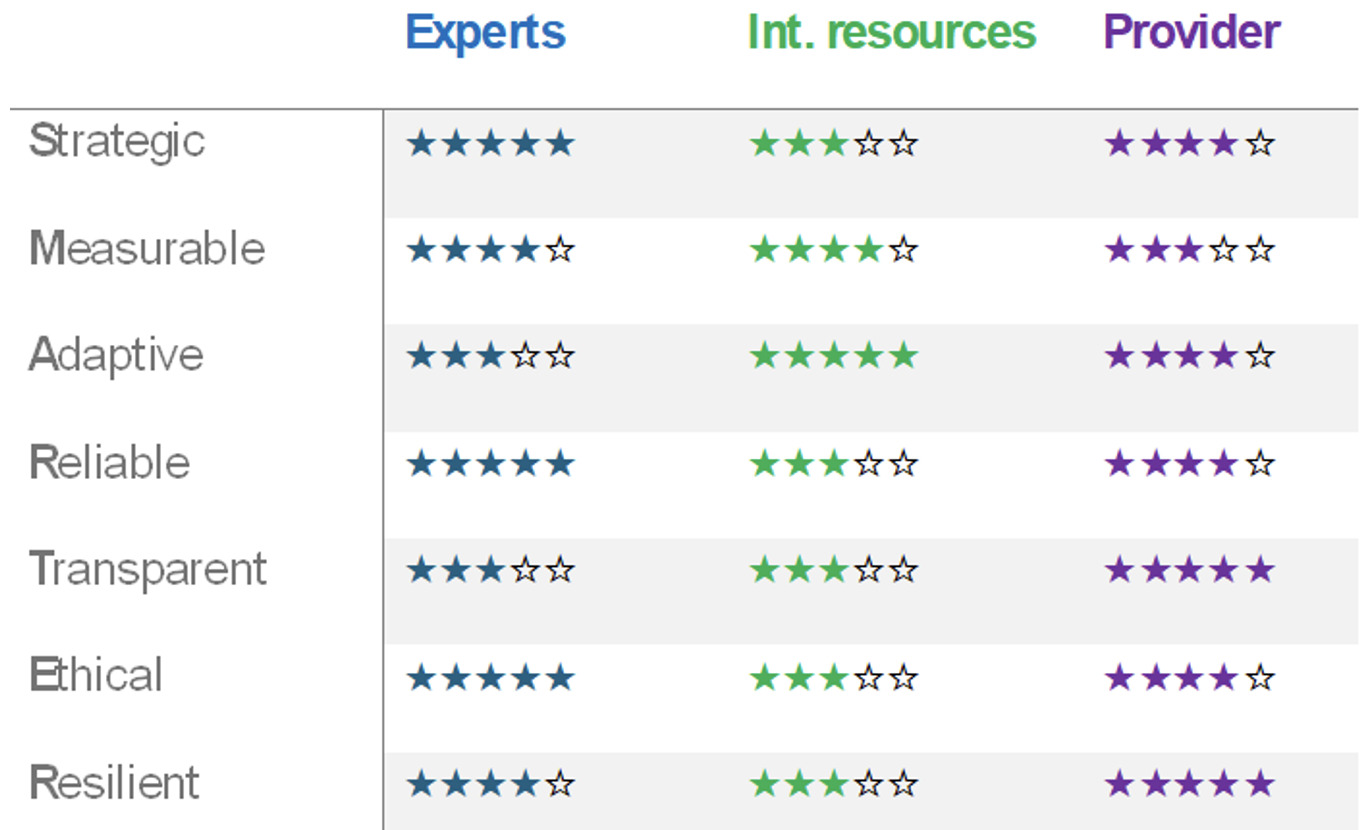
Table 1: Comparison of Implementation Approaches

Comparison of Implementation Approaches

A Holistic Framework for Agentic-AI Integration

In order to enable the economic benefits from Agentic-AI and diminish the risks, businesses need to pursue a structured and balanced approach. The S.M.A.R.T.E.R.-Strategic, Measurable, Adaptive, Reliable, Transparent, Ethical, Resilient © provides an extensive framework for effective Agentic-AI adoption.

Strategic

The implementation of Agentic-AI should be done in the context of a business needs, making sure that automation does not disrupt your main business.

Measurable

These could be anything from cost savings to increased efficiency of processes but It requires to define some key performance indicators (KPIs) to measure your Agentic-AI impact.

Adaptive

Agentic-AI should be able to be developed alongside organizational requirements, enabling organizations to iteratively modify and optimize implementations as time progresses.

Reliable

We need to thorough and constantly testing  Agentic-AI systems to ensure that they are retaining cognitive accuracy, operational efficiency, and more importantly, consistent outputs.

Transparent

Agentic-AI decision-making processes should be explainable to core stakeholders: avoid black-box operations that erode trust.

Ethical

Ensure AI compliance: Agentic-AI deployments should comply with legal frameworks for fairness, bias, and impact on the workforce.

Resilient

Having a human-AI team, able to take charge when a system fails or when there is unexpected operational disruption.

These principles help ensure that such integration is sustainable and responsible, minimizing risks while maximizing long-term benefits for businesses and society.

In the new project for my current client, I have won a “resistance” from the provider who claimed to be a leader due to some enterprise solutions in some industries working alone Now we define and discuss to build things together. 

With a focus on #impact and #intensity, I have wrote and communicated what I expect over a pragmatic path: a roadmap to pragmatically smooth out the Agentic-AI adoption process.

Table 2: impact and intensity

impact and intensity

PS: Did I speak about the technical solution so far?

About the Author

lucaLuca Collina is a transformational and AI Business consultant at TRANSFORAGE TCA LTD. Awarded by York St John University with Business –Postgraduate Programme Prize and by CMCE (Centre for Management Consulting Excellence-UK) for his paper in Technology and Consulting .  Published Academic author. Thought leader with THINKERS360 in GEN-AI, Business Continuity, and Education.

Can Restorin Redefine Aging?

The global demographic landscape is experiencing a significant transformation. The number of individuals aged 65 and older in the United States is expected to increase from 58 million in 2022 to 82 million by 2050, representing a 47% rise. Additionally, dementia cases are projected to nearly double in the U.S., increasing from 514,000 in 2020 to almost one million by 2060, posing significant challenges for healthcare systems and caregivers.

As the population continues to age, addressing these health challenges has become increasingly important. Common age-related diseases such as heart disease, cancer, and neurodegenerative disorders are becoming more prevalent. However, advancements in longevity research show that aging is a process that can be influenced through scientific interventions and lifestyle adjustments. In fact, some say that Seragon’s Restorin, a revolutionary nutraceutical launched in 2023, could potentially redefine healthy aging.

A Look Inside Restorin

Senolytic Technology

As we age, senescent cells—dysfunctional, non-proliferative cells—begin to accumulate in various tissues throughout the body. These cells release inflammatory molecules, collectively known as the senescence-associated secretory phenotype (SASP), which can induce nearby healthy cells to enter a senescent state. This self-reinforcing cycle of cellular senescence contributes to chronic inflammation, tissue degeneration, and the progression of numerous age-related diseases.

Senolytics are compounds designed to selectively clear these harmful cells, thereby reducing systemic inflammation and enhancing tissue regeneration. Notably, preclinical studies have demonstrated that senolytic interventions can improve organ function, enhance physical performance, and ameliorate the effects of several age-related conditions like osteoarthritis, pulmonary fibrosis, and cardiovascular dysfunction.

To this end, Restorin incorporates advanced senolytic technologies that target the underlying mechanisms allowing senescent cells to evade programmed cell death.

Mitochondrial Enhancement

Mitochondria are dynamic organelles central to cellular energy production and metabolic regulation. However, with age, these structures undergo functional decline, leading to energy imbalances, increased oxidative stress, and chronic inflammation. The accumulation of reactive oxygen species (ROS) resulting from mitochondrial inefficiency exacerbates DNA damage, cellular senescence, and the deterioration of tissue health.

Research highlights that mitochondrial dysfunction plays a significant role in the onset of age-related diseases, including neurodegeneration and cardiovascular disorders. In animal studies, mutations in mitochondrial DNA have been linked to diminished organ function and impaired tissue regeneration​. These findings underline the importance of supporting mitochondrial health to mitigate some of the negative effects associated with aging.

In light of these findings, Restorin incorporates technologies intended to address mitochondrial decline by focusing on factors such as energy production, oxidative balance, and metabolic efficiency.

mTOR Inhibition

The mechanistic target of rapamycin (mTOR) is a nutrient-sensing enzyme that plays a crucial role in regulating cell growth, metabolism, and survival. As we age, increased and dysregulated mTOR activity has been linked to cellular senescence, mitochondrial dysfunction, and diminished protein homeostasis, collectively contributing to the onset of age-related diseases such as neurodegeneration, cancer, and metabolic disorders​.

Studies have demonstrated that inhibiting mTOR can extend lifespan and improve health markers across multiple species, including yeast, nematodes, flies, and mice. This is achieved through mechanisms, such as enhanced autophagy—a process that removes damaged cellular components—and reduced chronic inflammation​. Furthermore, mTOR inhibition has been shown to promote a balance in cellular energy metabolism and protein synthesis, which may mitigate the progression of age-related conditions​.

To align with these insights, Restorin integrates technologies intended to modulate mTOR activity. While specific claims regarding outcomes cannot be made, this approach reflects a broader strategy to optimize pathways implicated in healthy aging by targeting key molecular regulators of longevity.

Autophagy Activation: Promoting Cellular Cleanup

Restorin utilizes autophagy activator technologies, focusing on supporting the cellular process derived from the Greek term meaning “self-eating.” Autophagy plays a vital role in maintaining cellular health by breaking down and recycling damaged components, such as dysfunctional organelles and misfolded proteins. However, with age, autophagy efficiency declines, leading to the accumulation of cellular debris—a contributing factor in aging and various chronic diseases​.

Impaired autophagy has been associated with age-related conditions like neurodegeneration, metabolic disorders, and cancer. On the other hand, studies have shown that enhancing autophagy can promote longevity and improve cellular function. In animal models, increased autophagic activity has been linked to delayed onset of age-related diseases, improved organ health, and greater resistance to cellular stress​.

By drawing on advancements in autophagy research, Restorin aims to provide a science-driven pathway for maintaining cellular integrity, reinforcing the body’s ability to manage and recycle internal damage associated with the aging process.

Can Restorin Redefine Aging?

Developed with patents from leading research institutions like Harvard University, Mayo Clinic, and Scripps Research, Restorin combines technologies that address fundamental drivers of aging, including cellular senescence, mitochondrial dysfunction, and metabolic imbalance. These innovations draw from the same scientific framework as Seragon’s drug candidate, SRN-901. In animal studies, SRN-901 was shown to extend the remaining lifespan of middle-aged mice by approximately one-third, suggesting that coordinated interventions targeting multiple aging mechanisms may offer significant health benefits.

Although preclinical findings are encouraging, translating these results to humans remains a challenge. Confirming that Restorin can truly define aging will rely on future research to assess its long-term effects and ability to complement existing health interventions. Advances in longevity science continue to open new possibilities, but the complexity of aging requires a multi-faceted and rigorously tested approach to achieve lasting impact.

About Seragon Biosciences

Seragon Biosciences, headquartered in Irvine, California, leverages advanced biotechnological research to address complex challenges in human and animal health. By integrating artificial intelligence, genomic sequencing, and bioinformatics, the company develops targeted solutions that enhance patient care and treatment outcomes.

Seragon’s research and development initiatives prioritize scientifically validated therapies and diagnostics that align with the evolving landscape of healthcare. Furthermore, the company maintains a commitment to ethical business practices, regulatory compliance, and rigorous quality standards, ensuring the safety and efficacy of its innovations. With a focus on scientific excellence and global impact, Seragon continues to contribute to the advancement of the biopharmaceutical industry.

Quanta Finance AI Strengthens Financial Security through KYC and AML Compliance

London, United Kingdom – Quanta Finance AI, a leading financial services platform, ensures robust financial security by fully complying with Know Your Customer (KYC) and Anti-Money Laundering (AML) regulations. These policies are integral to the company’s security approach, helping safeguard users from fraud and illicit activities while maintaining transparency in financial engagements.

The company has designed an easy verification process for all its users. This approach helps prevent unauthorized transactions and ensures that only legitimate users engage with the platform. Its commitment to security is evident in its efficient compliance protocols, which are carefully structured to avoid unnecessary delays while still meeting regulatory requirements.

By adhering to global security standards, it implements verification measures that protect the platform and its users. These practices reduce the risks associated with digital financial activities, ensuring a safe financial environment for everyone. Quanta Finance AI reviews state the positive impact of this approach, noting that its dedication to compliance enhances its reputation for security and operational integrity.

As a Swiss-based company, it continues to ensure that all procedures meet the highest regulatory standards. The integration of KYC and AML measures allows the company to foster an environment where transparency and accountability are prioritized. This commitment has been praised by users in numerous Quanta Finance AI reviews, emphasizing the company’s proactive stance on financial safety and integrity.

The platform’s commitment to compliance is a cornerstone of its business model. With regulatory frameworks in place, it ensures that financial interactions remain secure, efficient, and transparent. The company’s emphasis on maintaining compliance safeguards its clients’ operations and allows them to confidently engage in optimized financial management strategies.

Through strict adherence to KYC and AML procedures, Quanta Finance AI builds trust with its users, offering a secure platform that meets international financial standards. These efforts contribute to the company’s ongoing success in delivering tailored financial solutions, such as AI-driven cryptocurrency market opportunities, all while ensuring a fully compliant environment.

About Quanta Finance AI

Quanta Finance AI is a forward-thinking financial technology company that combines cutting-edge Swiss AI technology with robust security practices. The platform offers a wide range of services, including tailored financial solutions, tax and retirement planning, and tools for arbitrage transactions. Through AI-driven tools, it simplifies financial processes, ensuring that users can optimize their portfolios, manage taxes, and make strategic decisions with ease. By adhering to global compliance standards like KYC and AML, the company provides a secure and transparent environment for all its clients, enabling them to navigate today’s fast-moving financial markets.

The company believes that financial management should be accessible to everyone, regardless of expertise. Its goal is to enable individuals to take control of their financial futures through smart, AI-driven solutions that simplify the complex world of finance. The platform is designed to provide clear, actionable insights that make financial decision-making easier. By combining precision with advanced AI technology, it is creating a space where users can feel confident, informed, and in full control of their financial journeys. It is building a community where security, transparency, and trust are at the forefront.

Company Details

How Loan Affiliates Are Leveraging Content Marketing for Big Wins in 2025

Content marketing has become a key tool for businesses across all industries, including the loan affiliate sector. In 2025, loan affiliates are using content marketing to connect with potential borrowers and build trust, all while driving conversions and increasing their earnings. With the rise of online borrowing and the growing demand for easy-to-understand financial services, content marketing is proving to be more than just a trend – it’s essential for success.

Understanding the Importance of Content Marketing in Loan Affiliates

For loan affiliates, the goal is clear: drive quality traffic that leads to conversions. Content marketing plays a crucial role in achieving this. By providing useful, informative, and engaging content, loan affiliates can establish authority, educate their audience, and ultimately encourage readers to apply for loans. For affiliates, content marketing is a low-cost, high-impact strategy that can help build a steady stream of income.

One of the biggest benefits of content marketing is that it creates an ongoing connection with the audience. Unlike traditional ads that may only last for a brief moment, content lives on. Articles, blog posts, guides, and videos can be discovered months or even years after they are published, creating a long-term impact. In the world of loan affiliates, this means content can continue to bring in new leads long after it has been shared.

Building Trust with Educational Content

In the world of personal loans, many people feel uncertain about taking on debt. This is where educational content comes in. By addressing common concerns and providing helpful advice, loan affiliates can ease their audience’s fears and build trust. This could be as simple as explaining how payday loans work or providing tips on how to improve your credit score before applying for a loan.

The key here is transparency. Loan affiliates who create clear, honest, and easy-to-understand content are more likely to build credibility with their audience. A well-written article that explains the benefits and risks of payday loans, for example, can help demystify the process for someone who is unfamiliar with the options available. When an affiliate proves to be a reliable source of information, the audience is more likely to trust their recommendations and click through to apply for a loan.

SEO Optimization for Greater Reach

One of the most powerful tools in content marketing is Search Engine Optimization (SEO). In 2025, loan affiliates are taking full advantage of SEO to make sure their content ranks high in search engine results. When someone searches for terms like “how to apply for a payday loan” or “best loan options for bad credit,” they are more likely to come across articles, blog posts, and guides created by loan affiliates.

Optimizing content for SEO isn’t just about keywords, though. Affiliates must also focus on providing value to their readers. Search engines like Google reward content that is comprehensive, helpful, and engaging. So, affiliates need to make sure their articles are answering the right questions and offering real solutions to the reader’s problems.

For instance, an article that offers a step-by-step guide on how to apply for a payday loan affiliate program could rank well because it directly answers a searcher’s question while providing helpful advice on what to look for when selecting an affiliate program. By using targeted keywords and optimizing their content for both readers and search engines, loan affiliates can ensure their content reaches a wider audience.

Visual and Interactive Content

In 2025, visuals are a key part of any content strategy. Readers today expect content to be more engaging than ever before. Loan affiliates are creating visually appealing and interactive content, including infographics, videos, and quizzes, to keep their audience interested and involved.

For example, a loan affiliate might create a simple infographic that explains the differences between payday loans, personal loans, and installment loans. This allows readers to quickly understand the options available to them in an easy-to-digest format. Similarly, videos can help explain loan application processes, providing a more personal touch that written content alone can’t achieve.

Interactive content, like quizzes that help potential borrowers determine which loan option is best for them, has also grown in popularity. Not only does this type of content engage the reader, but it also helps affiliates gather valuable data about their audience, which they can use to tailor future marketing efforts.

Using Social Media to Amplify Content

While creating valuable content is essential, loan affiliates also need to ensure it reaches their audience. Social media platforms have become an indispensable part of any content marketing strategy. Affiliates can share their content on platforms like Facebook, Twitter, and LinkedIn to drive more traffic to their sites and build a community of engaged followers.

In 2025, loan affiliates are leveraging social media ads to promote content that resonates with their target audience. By running targeted ads for blog posts, guides, or videos, they can reach individuals who are actively looking for loan options and are likely to convert. Social media also allows affiliates to engage directly with their audience, answering questions and addressing concerns in real-time.

Conversion Optimization and Call-to-Actions (CTAs)

Once the content is created and shared, the next step is to drive conversions. Successful loan affiliates know how important it is to have clear, compelling calls to action (CTAs) in their content. Whether it’s asking readers to apply for a loan, sign up for a newsletter, or download a free guide, CTAs are an essential part of any content strategy.

In the case of payday loans, for example, an affiliate might include a well-placed CTA inviting readers to check out a payday loan affiliate program. By carefully placing CTAs throughout their content, affiliates can guide their readers toward the next step in the journey and maximize their chances of earning commissions.

Conclusion

In 2025, content marketing is more important than ever for loan affiliates. Through well-crafted educational content, SEO optimization, engaging visuals, and effective social media promotion, affiliates are able to build trust, reach more potential borrowers, and drive conversions. By focusing on providing real value to their audience and using content to establish authority, loan affiliates are positioning themselves for big wins in the competitive world of online lending. Whether you’re looking to promote payday loans or other financial products, content marketing is an essential strategy for success.

China’s AI Boom and Tech Rebound Fuel Hong Kong Stock Surge

Hong Kong stocks and Chinese tech giants are soaring as China’s AI advancements and a renewed embrace of tech leaders spark investor enthusiasm. The Hang Seng Index has surged 13% this year, competing with Germany’s DAX as the world’s top-performing market, while Hong Kong tech stocks have jumped 31% since mid-January.

The rally intensified after President Xi Jinping’s meeting with top tech executives in Beijing, fueling speculation over policy shifts. Investors closely analyzed footage from the meeting, searching for signs of government support. Shares in Alibaba (9988.HK) surged nearly 50% this year following reports of an AI collaboration with Apple, alongside the reappearance of Jack Ma, a key figure in China’s tech crackdown.

However, hot money and retail-driven speculation are largely behind the market’s swings, with hedge funds wary of long-term commitments. Mainland investors have poured HK$26.6 billion ($3.4 billion) into Hong Kong markets since Lunar New Year, echoing past frenzies.

Despite optimism, past disappointments—such as false starts after China’s post-COVID reopening and stimulus pledges—make many investors cautious. As Maybank’s Wong Kok Hoong put it: “The early believers eat the chicken, the late ones are left with empty plates.”

Related Readings:

US vs China

trade war and economic strain

China global insights

RTO Mandates Catalyze Brain Drain in Top Firms

By Dr. Gleb Tsipursky

New research provides a compelling analysis of the repercussions RTO policies have on employee turnover, hiring, and the overall talent pool within major corporations. Using data from over 3 million LinkedIn profiles, Dr. Mark Ma at the University of Pittsburgh, along with other scholars, find significant brain drain caused by RTO mandates in large S&P 500 tech and financial firms, often seen as dream employers.

The Impact of RTO Mandates on Employee Turnover

The research demonstrates that RTO mandates correlate with a notable increase in employee turnover rates across the sampled firms.

The research demonstrates that RTO mandates correlate with a notable increase in employee turnover rates across the sampled firms. Specifically, these firms experienced a 14% rise in turnover after implementing RTO mandates​. This finding is especially significant, as larger firms typically benefit from lower turnover rates due to competitive compensation and career opportunities​. This unexpected spike underscores how RTO policies disrupt employee satisfaction and loyalty. And the vast majority of mandates examined are for hybrid work of a couple of days in the office: the effects of full-time mandates are of course even more dire.

Notably, the effect is most pronounced among specific employee groups:

  • Female employees: Turnover among women increased by 20% after RTO mandates, compared to 7% for men. This disparity is attributed to greater family responsibilities, which make flexibility a crucial factor for women in the workforce​.
  • Senior and skilled employees: Mid- and top-level managers, as well as employees with advanced skills, were disproportionately affected. Skilled workers’ turnover rose by 18%, and top managers saw an increase of nearly 19%. These groups are more likely to secure alternative positions with flexible work options​​.

These patterns suggest that RTO policies push out some of the most valuable contributors to organizational success—employees with extensive experience, critical skills, and leadership roles.

Hiring Challenges Exacerbated by RTO Mandates

The study further identifies a dual effect of RTO mandates on hiring: increased difficulty in filling vacancies and reduced hiring rates. On average, it took firms 23% longer to fill job openings after introducing RTO policies, equivalent to a delay of 12 days per position​. Additionally, hiring rates fell by 17%, reflecting a significant drop in firms’ ability to attract new talent​.

This difficulty is compounded by the growing preference for remote or hybrid work arrangements. According to surveys, over 91% of employees now expect flexible work options, with 54% favoring hybrid models and 37% preferring fully remote roles​. The rigid nature of RTO mandates thus reduces the pool of prospective candidates willing to consider these roles, further intensifying recruitment challenges.

Implications for Global Leaders and Employers of Choice

The research specifically examines large S&P 500 tech and financial firms, which are traditionally considered employers of choice. These companies provide substantial benefits and career advancement opportunities, making the observed brain drain even more striking. The findings challenge the conventional wisdom that top-tier firms can withstand employee dissatisfaction without significant consequences.

Turnover disrupts operations, reduces productivity, and negatively affects financial performance.

The study emphasizes that the cost of turnover for these firms extends beyond immediate recruitment expenses. Turnover disrupts operations, reduces productivity, and negatively affects financial performance. Moreover, losing top talent impacts innovation and leadership continuity, undermining the competitive advantage of these organizations​.

The Way Forward: Balancing Flexibility and Organizational Goals

To address these challenges, companies must reassess their approach to workplace flexibility. The findings suggest several considerations for mitigating the adverse effects of RTO mandates:

  1. Embrace hybrid models: Hybrid arrangements can meet employee preferences for flexibility while maintaining a degree of in-person collaboration.
  2. Support employee autonomy: Trusting employees to manage their work schedules can enhance satisfaction and retention.
  3. Tailor policies to workforce needs: Recognizing the diverse priorities of different employee groups can help retain valuable talent.

The research provides clear evidence that RTO mandates severely undermine recruitment and retention. For leading firms to remain competitive and retain their best talent, they must align their policies with the evolving expectations of the modern workforce. The stakes are especially high for organizations striving to maintain their reputation as employers of choice in a rapidly changing labor market.

About the Author

Dr. Gleb TsipurskyDr. Gleb Tsipursky was named “Office Whisperer” by The New York Times for helping leaders overcome frustrations with hybrid work and Generative AI. He serves as the CEO of the future-of-work consultancy Disaster Avoidance Experts. Dr. Gleb wrote seven best-selling books, and his two most recent ones are Returning to the Office and Leading Hybrid and Remote Teams and ChatGPT for Thought Leaders and Content Creators: Unlocking the Potential of Generative AI for Innovative and Effective Content Creation. His cutting-edge thought leadership was featured in over 650 articles and 550 interviews in Harvard Business Review, Inc. Magazine, USA Today, CBS News, Fox News, Time, Business Insider, Fortune, The New York Times, and elsewhere. His writing was translated into Chinese, Spanish, Russian, Polish, Korean, French, Vietnamese, German, and other languages. His expertise comes from over 20 years of consulting, coaching, and speaking and training for Fortune 500 companies from Aflac to Xerox. It also comes from over 15 years in academia as a behavioral scientist, with 8 years as a lecturer at UNC-Chapel Hill and 7 years as a professor at Ohio State. A proud Ukrainian American, Dr. Gleb lives in Columbus, Ohio.


How to trade Forex and Cryptocurrency in Switzerland?

Switzerland is a global financial hub known for its robust banking system and advanced financial markets. Trading Forex and cryptocurrency in Switzerland is an attractive option for traders due to the country’s strong regulatory framework, high financial literacy, and access to a wide range of trading platforms. Here’s a step-by-step guide to getting started.

1. Understand the Swiss Regulatory Landscape

Switzerland has a well-established financial regulatory framework. The Swiss Financial Market Supervisory Authority (FINMA) oversees Forex and cryptocurrency trading, ensuring that financial service providers comply with anti-money laundering (AML) and investor protection regulations. Traders should always choose brokers that are compliant with FINMA regulations.

2. Choose a Reliable Broker

When selecting a Forex or cryptocurrency broker in Switzerland, it is essential to ensure the broker is reputable and offers competitive spreads, fast execution, and secure transactions. One such reliable broker is SuxxessFX, a company providing comprehensive trading solutions.

About Suxxess FX

Suxxess FX is a global trading platform offering Forex and cryptocurrency trading with top-tier security and market execution. Licensed by the FSA Seychelles under company number 8434983-1, Suxxess FX provides traders with cutting-edge tools to navigate the markets efficiently. Whether you are a beginner or an experienced trader, Suxxess FX ensures a seamless trading experience.

3. Set Up Your Trading Account

To start trading, follow these steps:

  • Register with a trusted broker like SuxxessFX.
  • Verify your identity through the KYC (Know Your Customer) process.
  • Fund your account using various payment methods, including bank transfers, credit cards, or cryptocurrency deposits.

4. Develop a Trading Strategy

A successful trader requires a well-defined strategy. Here are some popular strategies:

  • Day Trading: Short-term trades executed within a single day.
  • Swing Trading: Holding positions for several days to capture market trends.
  • Scalping: Making multiple quick trades for small profits.
  • Long-Term Investing: Holding assets for months or years based on market fundamentals.

5. Utilize Advanced Trading Tools

Traders can enhance their performance using advanced trading tools, such as:

  • Technical and fundamental analysis indicators.
  • Automated trading bots.
  • Risk management tools like stop-loss and take-profit orders.
  • Market news and real-time updates.

6. Stay Informed and Keep Learning

Financial markets are constantly evolving, so staying updated on economic events, central bank policies, and market trends is crucial. Engage in continuous learning through webinars, tutorials, and trading courses to refine your skills.

Final Thoughts

Trading Forex and cryptocurrency in Switzerland is a lucrative opportunity for those who understand the market and use the right tools. By choosing a reputable broker like SuxxessFX and applying sound trading strategies, traders can maximize their potential in the financial markets.

Sources:

The photo in the article is provided by the company(s) mentioned in the article and used with permission

The Importance of Green Building Certifications and 4 Ways Estate Leaders Can Get Started

As the climate crisis intensifies, the built environment’s role in reducing carbon emissions has come into sharp focus. Buildings are responsible for a significant share of global energy use and greenhouse gas emissions, making it imperative to prioritise sustainability in the construction and management of estates. One effective way for estate leaders to demonstrate their commitment to sustainability is by pursuing green building certifications. These certifications, such as BREEAM, LEED, and the WELL Building Standard, offer a structured approach to sustainable building practices, helping to improve environmental performance while enhancing tenant well-being.

Green building certifications not only address the environmental impact of buildings but also promote health, well-being, and operational efficiency. For estate leaders, these certifications offer a way to stay ahead of industry trends, meet regulatory requirements, and add long-term value to their assets. This post explores why green building certifications are so important and outlines four key steps for estate leaders to get started on the journey towards certification. Read more at https://resustain.com/

Why Green Building Certifications Matter

Green building certifications are a hallmark of environmental responsibility and sustainability. They set out specific criteria and standards for reducing a building’s energy use, improving water efficiency, reducing waste, and promoting indoor environmental quality. Certification schemes often incorporate a wide range of aspects, including energy and resource management, health and comfort, and sustainable site development.

For estate leaders, obtaining green building certification can offer numerous benefits. Firstly, these certifications are increasingly sought after by tenants, investors, and other stakeholders who prioritise sustainability. A certified building often commands higher rents, lower vacancy rates, and increased tenant satisfaction. As more companies commit to ambitious sustainability targets, the demand for green-certified buildings is growing.

Additionally, green buildings typically have lower operational costs due to their focus on energy efficiency and resource management. Over time, this leads to significant savings on utility bills, making green building certifications a financially sound investment. For landlords and developers, a green-certified building can also be a competitive differentiator in a crowded property market, helping to attract both tenants and investors who are eager to meet their own sustainability goals.

4 Ways Estate Leaders Can Get Started with Green Building Certifications

Understand the Different Certification Schemes

The first step for estate leaders interested in green building certifications is to familiarise themselves with the various schemes available. The most widely recognised certifications include BREEAM (Building Research Establishment Environmental Assessment Method), LEED (Leadership in Energy and Environmental Design), and the WELL Building Standard, which focuses specifically on the health and well-being of building occupants.

Each certification programme has its own set of criteria, processes, and requirements, so it’s important to choose the one that best aligns with the building’s goals and the estate leader’s vision. BREEAM, for example, is well-established in the UK and focuses on reducing a building’s environmental impact through sustainable construction and operations. LEED, on the other hand, is more global in scope and also includes detailed assessments on water usage, energy efficiency, and indoor air quality. WELL is a certification that focuses more on human-centric design, promoting factors like light, air, and water quality.

Conduct a Sustainability Audit of Your Building

Before pursuing certification, estate leaders should assess their building’s current sustainability performance. This involves conducting a sustainability audit to identify areas of improvement and prioritise actions based on the criteria of the chosen certification scheme. An audit will typically cover energy usage, waste management, water efficiency, and the quality of indoor environments.

A thorough audit will provide a clear baseline for where the building currently stands in terms of sustainability, and where it needs to improve in order to meet certification standards. For example, does the building meet minimum energy performance standards, or would further insulation and energy-efficient lighting be necessary to gain points towards certification? Once the audit is completed, estate leaders can develop a roadmap for achieving the necessary improvements.

Implement Sustainable Design and Operational Practices

With the sustainability audit in hand, estate leaders can begin implementing the changes required to meet certification standards. This might include retrofitting the building with more energy-efficient systems, installing renewable energy sources like solar panels, or improving water management through low-flow fixtures and rainwater harvesting systems.

Operational practices should also be considered as part of the certification process. This could involve reducing waste through recycling and composting programmes, using sustainable materials in renovations, or adopting green cleaning practices to improve indoor air quality. Green building certifications typically reward long-term operational improvements, so it’s important to ensure that sustainability is embedded in the building’s ongoing management and operations.

Engage Tenants and Stakeholders in Sustainability Initiatives

Achieving green building certification is not solely the responsibility of the building owner or estate manager. Engaging tenants and other stakeholders in sustainability efforts is key to maintaining a green-certified building. Estate leaders can encourage tenants to adopt energy-saving behaviours, such as switching off lights when not in use or using energy-efficient appliances.

In addition to tenant engagement, estate leaders should also work closely with contractors, architects, and consultants who are experienced in green building standards. These professionals can provide invaluable guidance throughout the certification process, from the design and construction phases to the ongoing management of a certified building.

Conclusion

Pursuing green building certification is a powerful way for estate leaders to demonstrate their commitment to sustainability, improve operational efficiency, and enhance the long-term value of their properties. With the growing demand for environmentally responsible buildings, certification offers a competitive advantage in an increasingly eco-conscious market.

By understanding the different certification schemes, conducting sustainability audits, implementing sustainable practices, and engaging stakeholders, estate leaders can set their buildings on the path to certification. Ultimately, green building certifications are not just a symbol of environmental responsibility – they are a sound investment that can deliver lasting benefits for the planet, tenants, and the bottom line.

EDITOR'S PICK OF THE WEEK

CFO's new mandate. CFO explaining the presentation

The Performance and Transformation Orchestrator: The CFO’s New Mandate in the Age of AI

By Terence Tse CFOs are evolving into AI-driven transformation orchestrators, balancing finance, technology, and strategy while upskilling teams, managing risks, and driving measurable business value. A key insight from this year’s AI for CFOs event, organized...

WISE DECISION MAKER GUIDE

POWER INFLUENCERS

Emerging Trends

The Future of Global Trade