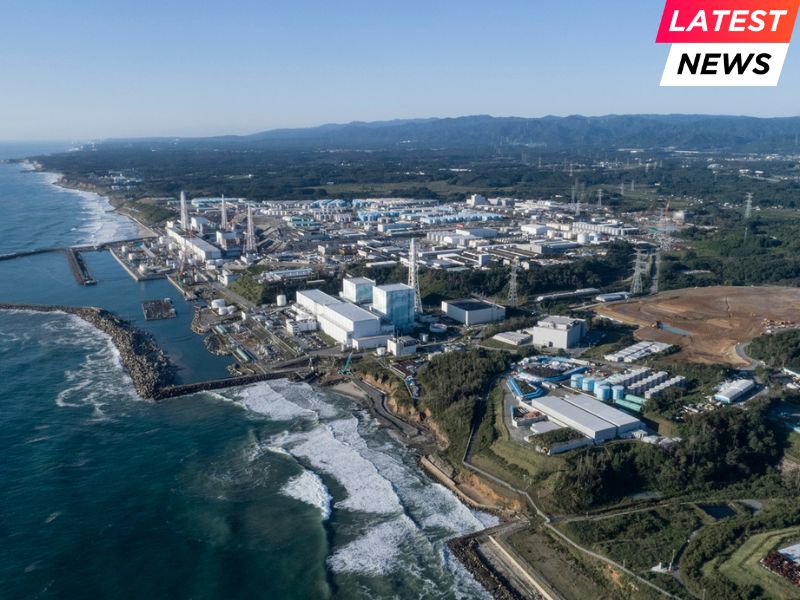
Niigata prefecture has cleared the final hurdle for the restart of Kashiwazaki-Kariwa, the world’s largest nuclear power plant, almost 15 years after the Fukushima disaster. The prefecture’s assembly passed a vote of confidence for Governor Hideyo Hanazumi, who endorsed the restart last month, effectively greenlighting operations. TEPCO is considering reactivating the first of seven reactors on January 20, which could increase electricity supply to Tokyo by an estimated 2%.
TEPCO, which operated the Fukushima plant, pledged 100 billion yen ($641 million) over 10 years to Niigata to secure local support. The company emphasized its commitment to safety, with spokesperson Masakatsu Takata stating, “We remain firmly committed to never repeating such an accident and ensuring Niigata residents never experience anything similar.”
Despite official assurances, public concern remains high. A survey in October found 60% of residents felt conditions for restart had not been met, and nearly 70% were uneasy about TEPCO running the plant. Around 300 protesters gathered outside the prefecture assembly, chanting slogans like ‘No Nukes’ and ‘Support Fukushima.’ Ayako Oga, a former Fukushima evacuee, described the restart as a reminder of past trauma, warning, “We know firsthand the risk of a nuclear accident and cannot dismiss it.”
Japan has restarted 14 of the 33 operable reactors since the 2011 disaster as it seeks to reduce reliance on imported fossil fuels, which make up 60% to 70% of electricity generation. Prime Minister Sanae Takaichi has backed nuclear restarts to strengthen energy security and counter high fuel costs, with Japan spending $68 billion last year on imported LNG and coal.
The government aims to double nuclear’s share of the electricity mix to 20% by 2040, partly to meet rising demand from AI data centres while advancing decarbonisation. Analysts say public acceptance of Kashiwazaki-Kariwa’s restart marks “a critical milestone” toward these goals, although opponents caution that safety risks remain a pressing concern.
Related Readings: