Japan’s consumer inflation eased slightly in November but remained above the central bank’s target, reinforcing expectations of an interest rate increase. The country’s inflation rate fell to 2.9%, marking the 44th consecutive month above the 2% threshold set by the Bank of Japan, signaling persistent price pressures despite slower growth in some key sectors.
Core inflation, which excludes fresh food prices, held steady at 3% from October, aligning with economists’ forecasts compiled by Reuters. Meanwhile, the “core-core” inflation rate, which strips out both food and energy, edged lower to 3% from 3.1%, suggesting underlying price pressures are gradually stabilizing. Rice prices, which surged dramatically earlier this year, increased 37.1% in November, marking the sixth consecutive month of deceleration.
“Core-core inflation will slow and stabilize at 2% by mid-2026 as supply-driven food inflation gradually fades,” said Shigeto Nagai, head of Japan economics at Oxford Economics. However, he cautioned that additional supply shocks or yen depreciation could trigger prolonged cost-push inflation, representing a “major risk” for policymakers.
The data comes as the Bank of Japan concludes its two-day policy meeting, with markets expecting a rate hike that would push interest rates to their highest levels since 1995. Analysts say the BOJ faces a delicate balancing act: raising rates may help rein in inflation but risks further slowing an already fragile economy. Revised GDP figures showed Japan contracted 0.6% quarter-on-quarter and 2.3% annualized in the third quarter, a deeper decline than previously reported.
Prime Minister Sanae Takaichi emphasized to a business lobby that proactive government spending is necessary to stimulate growth and tax revenue, warning against excessive fiscal tightening. Takaichi has historically supported a looser monetary policy and voiced concerns over aggressive BOJ rate hikes.
Bank of Japan Deputy Governor Masazumi Wakatabe echoed the need for fiscal support, suggesting that raising Japan’s neutral interest rate through enhanced economic potential could justify higher policy rates. The neutral rate is defined as the level that balances growth and inflation. “If Japan’s neutral rate rises as a result, it would be natural for the BOJ to raise interest rates,” Wakatabe said, while stressing caution to avoid premature tightening.
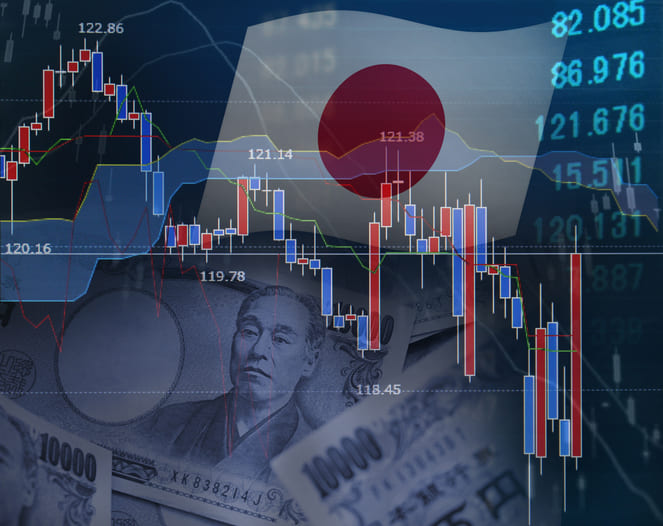
Governor Kazuo Ueda has repeatedly highlighted the difficulty in estimating the terminal policy rate, placing it broadly between 1% and 2.5%. Meanwhile, market reactions to the inflation report were modest: the yen strengthened slightly to trade at 155.53 against the dollar, the Nikkei 225 gained 0.69%, and 10-year Japanese government bond yields edged down to 1.957%.
The November data suggests that inflation pressures remain persistent, with policymakers likely to use rate adjustments alongside fiscal measures to steer the economy toward stable growth. Analysts say the BOJ must carefully navigate between containing inflation and supporting an economy still recovering from structural headwinds, demographic challenges, and subdued domestic demand.
As Japan approaches its year-end policy review, investors will closely watch central bank signals on interest rates, the yen, and bond yields, as any moves could have ripple effects across global financial markets.
Related Readings: