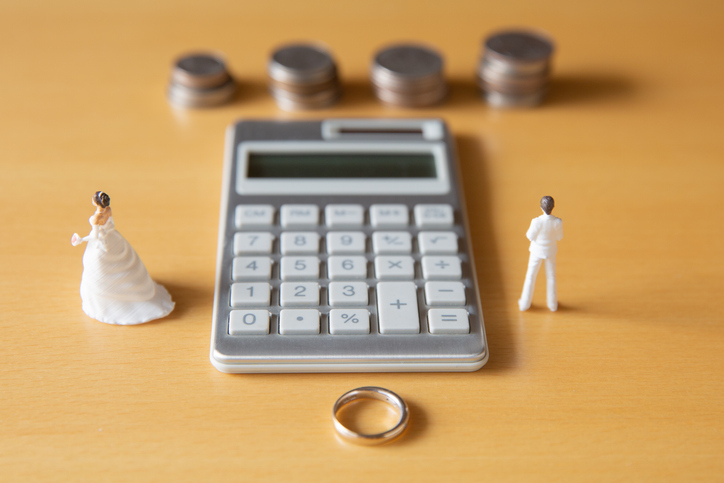
Ask someone going through a divorce which asset matters most and they will almost always say the house. The research tells a different story. Analysis of ONS wealth data covering high-value divorces in England and Wales found that private pensions accounted for around 43 per cent of these families’ wealth — comfortably ahead of property at 31 per cent. Yet in settlement negotiations, pensions remain the asset most likely to be waved through with barely a valuation.
Part of the problem is visibility. A house has a market price anyone can look up. A defined benefit pension accrued over twenty-five years of public sector or corporate employment has a cash equivalent transfer value that may bear little relation to what the income stream is actually worth — sometimes understating it by hundreds of thousands of pounds. Without actuarial input, neither spouse really knows what is on the table.
Three routes to dividing a pension
English law offers a small menu. A pension sharing order carves out a percentage of one spouse’s fund and transfers it into a pension in the other’s name, giving each party a clean break and independent retirement provision. Offsetting trades pension value against other assets, most commonly a larger share of the family home. Earmarking — now rare — directs a slice of future pension income to the former spouse once payments begin, leaving the recipient exposed if the pension holder dies or delays retirement.
Which route makes sense depends on age, health, the mix of assets and each party’s earning capacity. A spouse in their late fifties with no fund of their own has very different priorities from one in their thirties with decades of contributions ahead. Solicitors at Brookman, a London family law practice that advises extensively on how pensions are divided on divorce, point out that foreign pension schemes add a further complication: an English court order does not automatically bind an overseas provider, so international couples may need parallel steps in the pension’s home jurisdiction.
Where offsetting goes wrong
Offsetting is popular because it feels simple — one party keeps the pension, the other keeps the house. The trap lies in comparing unlike with unlike. A pound of home equity is accessible, flexible and largely tax-free. A pound of pension is locked away for years and taxed as income when drawn. Treating the two as equivalent almost always favours the pension holder, and the courts have grappled repeatedly with how large a discount should apply. Anyone accepting property instead of a pension share needs the numbers modelled properly before signing anything.
State pensions carry their own rules. The basic state pension cannot be shared, though additional state pension built up through employment can be. Divorcees may also be able to use an ex-spouse’s national insurance record to fill gaps in their own entitlement — a right that disappears on remarriage.
Agreement is not enough
Many couples sort pensions between themselves and assume the job is done. It is not. Only a court-approved order makes a pension arrangement enforceable, and providers will not implement a share without one. An informal deal, however amicable, leaves both parties exposed if circumstances or intentions change.
Divorce is often described as the largest financial transaction of a person’s life. For couples in their fifties and sixties — now the fastest-growing group of divorcees — the pension is frequently the largest item within it. It deserves at least as much scrutiny as the house gets, and usually rather more.
Disclaimer: This article contains sponsored marketing content. It is intended for promotional purposes and should not be considered as an endorsement or recommendation by our website. Readers are encouraged to conduct their own research and exercise their own judgment before making any decisions based on the information provided in this article.