Sleep apnea care has improved in important ways over the past several years. Patients once had a limited set of choices, often focused on nighttime breathing machines or surgical procedures. Today, care may include sleep testing, oral appliance therapy, airway-focused dental support, laser treatment, and medical guidance. These expanded options allow providers to match treatment with symptom severity, comfort, health history, and long-term sleep goals.
A clear diagnosis should come first, since snoring alone does not confirm sleep apnea. A sleep physician may evaluate breathing pauses, oxygen changes, and sleep quality through a lab study or home test. After those results are reviewed, sleep apnea treatment in Las Vegas may involve oral appliance therapy, laser care, or medical device support, depending on the patient’s airway concerns and overall needs.
Why Treatment Choices Have Broadened
Research has shown that untreated sleep apnea can affect more than nightly rest. Repeated airway blockage may place stress on the heart, raise blood pressure, increase fatigue, and make daytime focus harder. These health concerns have encouraged providers to look beyond one standard method of care.
Better screening has also shaped treatment decisions. Home sleep tests now allow many patients to complete evaluation in a familiar setting. Digital scans, improved appliance materials, and more precise fitting methods have made dental treatments more comfortable. These advances give qualified providers better ways to address sleep-related breathing problems.
Continuous Airway Pressure Still Matters
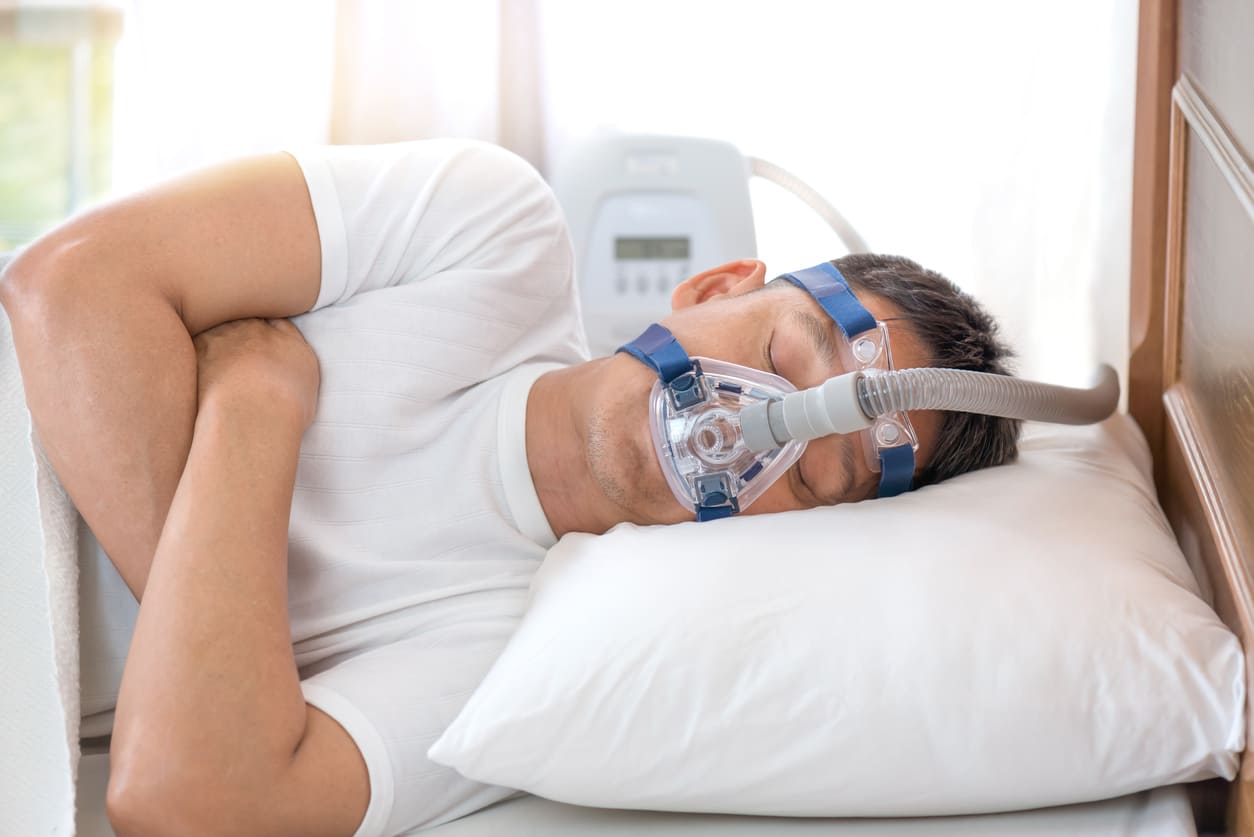
Continuous positive airway pressure remains a widely used treatment for moderate to severe sleep apnea. The machine sends steady air through a mask, which helps keep the airway open during sleep. For many patients, this therapy reduces breathing pauses and supports healthier oxygen levels.
Comfort plays a major role in long-term success. Some patients struggle with mask pressure, dryness, sound, or the difficulty of traveling with equipment. Newer machines are smaller and quieter than older versions. Mask styles have also improved, giving patients more options for fit, seal, and airflow.
Oral Appliances Offer a Smaller Option
Oral appliances have become a helpful choice for mild to moderate obstructive sleep apnea. These custom-made devices sit inside the mouth and gently move the lower jaw forward. That position may reduce airway collapse while a person sleeps.
A trained dental provider measures the bite, reviews jaw movement, and adjusts the appliance as needed. Follow-up visits are important because small changes can affect comfort and results. Many patients prefer this option because it is quiet, convenient to carry, and simpler to use while traveling.
Laser Therapy Has Gained Attention
Some dental practices now provide laser-based airway therapy for snoring and selected sleep-related breathing concerns. This treatment uses gentle warmth on soft tissue in the throat area. The goal is to firm the tissue and reduce vibration or partial blockage.
Laser therapy is usually non-surgical and may take several sessions. It should not replace a formal medical diagnosis. A provider should review sleep study results before recommending this type of care. For the right patient, it may support easier airflow and quieter sleep.
Surgery Remains Selective
Surgery is still an option, but it is usually considered for patients with clear structural concerns. Enlarged tonsils, nasal blockage, jaw position, or excess throat tissue may contribute to airway collapse. In these cases, surgery may help reduce obstruction.
The decision requires careful evaluation. Surgical care involves recovery time and possible risks. Results may differ based on anatomy, weight, age, and sleep apnea severity. For that reason, many care plans begin with less invasive treatments before surgery becomes part of the discussion.
Combination Care Can Improve Results
Sleep apnea often responds well when several contributing factors are addressed together. Weight management, reduced alcohol use, sleep position changes, nasal breathing support, and oral appliance therapy may all help improve rest. No single habit works for every person, but small changes can make treatment more effective.
Coordinated care also matters. A sleep physician can confirm the diagnosis and monitor medical risk. A trained dental provider can manage appliance fit, comfort, and airway support. This team-based approach helps patients receive care that matches both test findings and daily routines.
Signs That Evaluation Is Needed
Loud snoring is a common warning sign, but it is not the only one. Breathing pauses, choking sounds, morning headaches, dry mouth, and daytime sleepiness may also suggest a sleep disorder. Problems with focus can appear even after a person spends enough hours in bed.
Some patients have a higher risk due to high blood pressure, excess weight, diabetes, or a thicker neck. A sleep partner may notice symptoms before the patient does. Early evaluation can help prevent years of poor rest and may reduce health strain linked to untreated breathing disruptions.
Conclusion
Sleep apnea treatment has shifted from a limited set of options to a broader, more patient-centered approach. Modern care may include airway pressure therapy, custom oral appliances, laser treatment, lifestyle support, or selective surgery. The best plan starts with proper testing and professional guidance. With more choices available, patients have a stronger chance of finding care that supports safer breathing, better rest, and improved daily energy.
Disclaimer: This article contains sponsored marketing content. It is intended for promotional purposes and should not be considered as an endorsement or recommendation by our website. Readers are encouraged to conduct their own research and exercise their own judgment before making any decisions based on the information provided in this article.