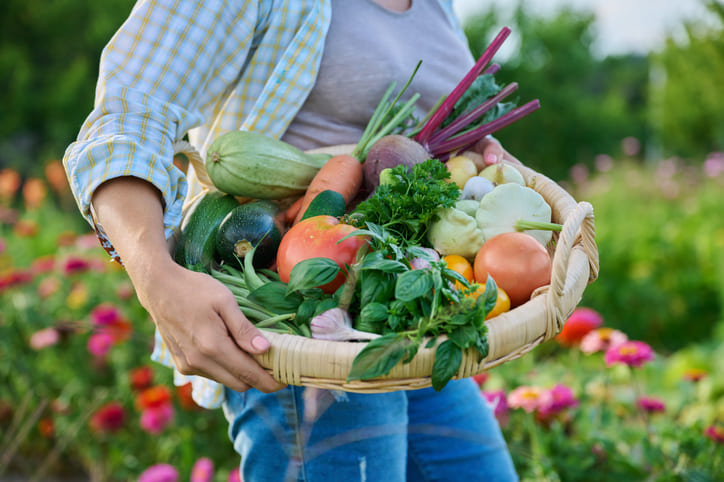
August marks the start of the peak harvest season in the UK, which continues through September and into October. It is typically the busiest period of the year for farmers, who often work around the clock to harvest the crops they have been growing throughout the year. This stage is so important, as the success of the entire year’s efforts depends on the timing and management of the harvest. In this article, we will explore some of the key challenges farmers face during this period, along with effective strategies for maintaining produce at its freshest.
The Importance of Freshness During Harvest Season
The freshness of produce is important for several reasons, all of which underscore the fact that fresher produce equates to higher quality.
Market Value
Whether produce is sold to wholesale markets, retailers, or directly to consumers, its quality determines the price. In wholesale and retail settings in particular, food is graded according to quality, with prices set accordingly, making freshness a key factor in maximising value.
Reputation and Repeat Business
For farmers who are more consumer-facing, such as those operating farm shops or selling at local markets, the freshness of their produce directly reflects the quality of their farm and brand. It plays a vital role in customer satisfaction and can be a deciding factor in whether customers choose to buy from them again.
The Biggest Challenges to Keeping Produce Fresh
There are many challenges that can affect the freshness of harvested produce, and it is important to be aware of these in order to identify and implement effective solutions.
Time Pressure After Picking
As soon as crops are harvested, they begin to lose their freshness immediately. It is therefore essential to carry out harvesting promptly and to have appropriate storage arrangements in place for the produce once it has been gathered.
Temperature Control Gaps
Inconsistent or delayed cooling after harvest can quickly cause produce to lose moisture, texture, and flavour. Maintaining the right temperature from field to storage is essential to slowing natural deterioration.
Damage During Transportation
Even minor bumps, or abrasions during handling and transit can compromise the integrity of produce and accelerate spoilage, which is why using a reliable courier is so important.
Slow and Unreliable Logistics
Delays in transporting produce from farm to destination can significantly compromise its freshness. In many cases, the decision to harvest may only be made on the day itself, meaning courier arrangements must often be made at short notice. Having a reliable courier service that can be booked last-minute and deliver quickly is therefore essential.
Unpredictable Weather
Both droughts and heavy rainfall can affect the freshness and harvestability of produce, influencing the precise timing of when it is harvested.
Strategies Farmer’s Can Use to Keep Produce Fresh
By its very nature, farming is subject to various factors that can affect crops, many of which are beyond control. However, the following are some of the most effective measures you can take to help preserve the freshness of your produce.
Harvest At An Optimal Time
Plan harvesting to coincide with peak ripeness while factoring in weather conditions. Picking too early or too late can affect both flavour and shelf life.
Have A Cooling Strategy
Introduce cooling measures immediately after harvest to slow the natural deterioration process. Whether using cold storage, refrigerated transport, or other cooling methods, it’s essential to keep temperatures cool.
Use a Reliable Same Day Courier
Partner with a dependable same day courier service like Speedy Freight who is capable of last-minute bookings, fast delivery and has a reliable reputation that they won’t let you down. This ensures produce reaches its destination quickly, preserving quality and reducing the risk of spoilage.
Maximising The Success Of Your Harvest
By prioritising timing, temperature control, efficient logistics, and being aware of potential challenges, farmers can significantly extend the freshness of their harvest. Implementing these measures will increase quality and protect market value, ensuring that the hard work invested throughout the growing season delivers the best possible returns.