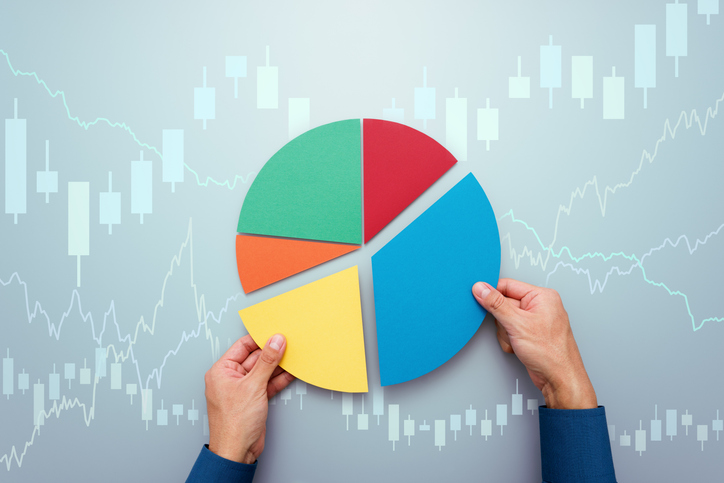
As we hit the middle of 2025, markets feel more unpredictable than ever. Stocks and bonds still hold their ground, but throwing in alternative assets can smooth out the ride and chase better returns. Rebalancing is not just tweaking numbers. It is about lining up your investments with fresh risks like inflation or tech shifts.
This article walks through why alternative assets matter now, which ones stand out, and how to weave them in without overhauling everything. Backed by current trends and data, it aims to give you actionable steps for a sturdier portfolio.
What Are Alternative Assets Anyway
Alternative assets go beyond the usual stocks, bonds, or cash. Think real estate, commodities, crypto, private equity, or even art. They often move differently from traditional markets, offering a buffer when stocks dip. For example, while equities might tank on bad news, gold or real estate could hold steady or climb. In 2025, these assets are gaining traction because low interest rates and AI booms are driving innovation. A recent report highlights how alternatives like private credit or infrastructure can diversify risks in volatile times. The goal is not to ditch your core holdings but to add layers that protect against downturns.
One key perk is their low correlation with mainstream markets. Data shows alternatives can cut portfolio volatility by up to 20 percent when used in the right combination. But they come with quirks like less liquidity or higher fees, so start small if you are new to this.
Why Bother Rebalancing Now
2025 brings a mix of opportunities and headaches. Inflation lingers, geopolitical tensions brew, and AI reshapes industries. Traditional portfolios heavy on tech stocks might feel exposed if rates flip or supply chains snag. Rebalancing with alternatives hedges these bets. For instance, housing shortages in the US are creating ripe spots in real estate funds, while AI’s energy hunger boosts infrastructure plays. Research from mid-2025 points to alternatives as inflation fighters, with commodities and private equity leading the charge.
Think about your goals too. Short-term needs call for stable picks like bonds, but long-haul growth favors alternatives. A study suggests allocating 10 to 20 percent to these can boost returns without spiking risk. With markets up 15 percent year-to-date, now is a solid time to trim winners and shift into underperformers for balance.
Spotlight on Key Alternative Assets
Diving into specifics, several categories shine for 2025. Real estate tops many lists, thanks to ongoing shortages and steady rental yields. Private equity follows, offering access to growth companies outside public markets. Hedge funds provide strategies that zig when markets zag.
Crypto remains a wildcard but with maturing appeal. Bitcoin and Ethereum lead as stores of value, while Solana and Avalanche gain for speed and scalability. When considering the best crypto best commodities to invest in, Bitcoin pairs well with gold for diversification. Commodities like gold, copper, and aluminum stand out as safe havens amid energy transitions. Gold miners ETFs are hot, blending commodity exposure with equity upside. Oil and silver also make sense for inflation plays, with copper riding AI’s data center boom.
Art and collectibles add flair for high-net-worth folks, though they lack liquidity. A 2025 trend report flags private market portfolios as easy entry points via platforms blending real estate, crypto, and equity. For crypto newbies, ETFs like iShares Bitcoin Trust simplify things without direct holding hassles.
Steps to Rebalance Smartly
Rebalancing starts with a checkup. Review your current mix: what percentage is in stocks, bonds, alternatives? Aim for targets like 60 percent equities, 30 percent fixed income, 10 percent alts, adjusting for age and risk tolerance. Tools like robo-advisors automate this, but manual tweaks work too.
Next, sell high and buy low. If stocks ballooned, trim them to fund alternatives. For commodities, ETFs like WisdomTree Gold Strategy offer easy exposure. In crypto, set limits: maybe 5 percent max to cap volatility. Diversify within categories: mix Bitcoin with Ethereum, gold with copper.
Tax implications matter. Use tax-advantaged accounts for frequent trades. Rebalance annually or when allocations drift 5 percent off target. A mid-year outlook suggests focusing on alternatives for mid-2025, like infrastructure amid AI growth. Track performance quarterly to stay nimble.
Insights from Recent Research
Data backs the push toward alternatives. A 2025 asset outlook sees diverse opportunities in private equity, credit, and real estate. Inflation hedges like commodities are key, with gold and copper projected to rise 10 to 15 percent. Crypto forecasts eye Bitcoin at $80,000 to $150,000, driven by adoption. Private equity returns averaged 12 percent historically, outpacing stocks in down years.
Regulations play a role too. Easier access to alternatives via ETFs democratizes them, but watch for volatility spikes. High-net-worth investors allocate 20 percent or more here, per surveys, for resilience. Art investing trends up with digital platforms, though it is niche.
One gem: impact investing in alternatives, like green infrastructure, blends profit with purpose. Overall, research stresses patience: alternatives shine over five-plus years.
Conclusions
Rebalancing with alternative assets in 2025 is about building a portfolio that weathers storms while grabbing upside. From housing plays to crypto dips, the options are rich if approached thoughtfully. In my opinion, starting with 10 percent in commodities and crypto offers a sweet spot for most folks, cushioning against inflation without overwhelming risk.
Lean on ETFs for simplicity, and always align with your horizon. Done right, this shift could turn a bumpy year into steady progress. Stay informed, adjust as needed, and watch your investments grow resilient.
Disclaimer: This article contains sponsored marketing content. It is intended for promotional purposes and should not be considered as an endorsement or recommendation by our website. Readers are encouraged to conduct their own research and exercise their own judgment before making any decisions based on the information provided in this article.