Remote work has become a game-changer for older individuals with disabilities, offering a solution that not only improves their employment prospects but also brings substantial economic benefits, according to a new study from the Center for Retirement Research at Boston College. Before the pandemic, many older workers with disabilities faced significant barriers to remaining employed. However, the rise of telework during COVID-19 has enabled this demographic to continue working, contributing to a more inclusive labor force.
The Economic Advantages of Remote Work for Older Workers With Disabilities
The surge in remote work has had a profound impact on the employment rate of older workers with disabilities. The new study shows that employment among individuals aged 51-64 with disabilities is now higher than pre-pandemic levels. This increase can be attributed almost entirely to remote-capable jobs, which eliminate the need for commuting and provide the flexibility needed to accommodate various health conditions. For many older workers, traditional jobs are often not feasible due to physical constraints or health-related issues. Remote work, however, offers a unique solution by allowing these individuals to work from their homes, where they can manage their workspaces and schedules to suit their needs.
Workers with disabilities who might have left the labor force or retired early are now able to stay employed longer, maintaining their income and contributing to economic productivity.
This new research aligns with an earlier peer-reviewed study published in 2023 in Disability Health Journal, analyzing employment trends for people with and without disabilities during and after the pandemic, which underscores the positive impact of telework on disability employment. While both groups experienced similar job losses during the COVID-19 recession in 2020, people with disabilities saw a faster recovery in subsequent years, especially in occupations conducive to remote work. Employment for people with disabilities grew rapidly from Q4 2021 through Q2 2022, outpacing their non-disabled counterparts, particularly in teleworkable and non-frontline roles.
This trend has far-reaching economic implications. Workers with disabilities who might have left the labor force or retired early are now able to stay employed longer, maintaining their income and contributing to economic productivity. This reduces the need for government support through programs such as Social Security Disability Insurance (SSDI) and decreases the economic burden on families and communities. Moreover, businesses benefit as well, as they can access a larger talent pool without the costs of physical accommodations often required in traditional office settings.
No wonder that disability advocates raise alarms about stringent RTO mandates, such as Amazon’s recent demand for full-time in-office work, which will seriously endanger employment for workers with disabilities, especially older workers. Such mandates belie the commitments of Amazon and other organizations with strict RTO mandates to inclusivity in their workforce, without any clear benefits for organizational outcomes, since even the most supposedly data-driven companies like Amazon acknowledge they lack data backing up RTO mandate decisions.
How Remote Work Removes Barriers for Older Workers With Disabilities
For older individuals with disabilities, remote work eliminates some of the most common obstacles, such as commuting and the physical demands of traditional office environments. These issues often force individuals out of the labor force or into early retirement. Remote work also allows workers to customize their home environment, reducing the need for costly workplace accommodations. This shift is beneficial for businesses as well, as it lowers the expenses associated with making in-office modifications.
Moreover, remote work has expanded the employment options available to people with disabilities by making jobs previously out of reach more accessible. For example, roles that require extensive travel or in-person interaction can now be performed from home, allowing workers with limited mobility to participate fully in professional settings. The ability to work from home has been especially critical for those managing chronic conditions, providing the flexibility to integrate medical needs into their work schedules.
Research also highlighted that older workers who had prior experience in remote work or had been employed recently were better positioned to capitalize on the expansion of telework. This is because familiarity with remote tools and workflows eased the transition, making it less challenging for them to adapt. By contrast, those with no prior telework experience or who had been out of the labor force for a long time saw little benefit. This gap suggests that additional support, such as vocational training or targeted job placement programs, is needed to help these individuals access the benefits of remote work.
Tight Labor Market Effects
The positive impact of telework for older workers with disabilities has been magnified by the tight labor market in recent years. As the economy recovered, the number of job openings quickly outpaced the number of unemployed job seekers. In such a scenario, businesses became more willing to offer flexible working conditions to attract talent, leading to more accessible opportunities for individuals with disabilities.
However, labor market tightness is not a permanent condition. If the labor market were to ease, there is a risk that these remote work opportunities could decline, reversing some of the gains made by this demographic group. Therefore, it is crucial for both employers and policymakers to recognize the value of maintaining flexible work arrangements to support the long-term employment of older workers with disabilities.
The positive trends seen during the COVID-19 economic recovery contrast sharply with previous recessions. For instance, during the Great Recession of 2007-2009, workers with disabilities faced disproportionately higher job losses and took longer to recover. The lack of flexible work options and a slower pace of job creation for marginalized groups meant that disability employment did not return to pre-recession levels, reinforcing a long-term downward trend.
The key difference this time around has been the accelerated adoption of remote work. This structural shift has created a more inclusive labor market, allowing people with disabilities to compete for jobs that were previously inaccessible. Telework has gone from being a niche accommodation to a mainstream employment practice, which has fundamentally altered the landscape of disability employment.
Policy Implications and the Need for Sustained Flexibility
As businesses and policymakers evaluate the future of work, it is critical to consider the role of remote work in promoting economic inclusion. The findings suggest that sustaining remote work options could have long-lasting benefits for older workers with disabilities. By continuing to offer flexible work arrangements, companies can retain experienced talent and reduce turnover costs. This approach also aligns with broader goals of diversity, equity, and inclusion by creating a more accessible workplace for everyone.
By continuing to offer flexible work arrangements, companies can retain experienced talent and reduce turnover costs.
For policymakers, these trends highlight the need to promote telework as a reasonable accommodation under disability rights laws. This includes enforcing compliance with the Americans with Disabilities Act (ADA) and ensuring that workers with disabilities have access to the technology and resources needed to succeed in remote roles. Additionally, the expansion of telework-friendly jobs could serve as a key strategy for increasing labor force participation among older workers, helping to counteract the negative demographic trends associated with an aging population.
Conclusion: A Win-Win for Workers and the Economy
The shift to remote work has been a lifeline for older workers with disabilities, transforming their employment prospects and enabling them to stay active contributors to the economy. While remote work may not be a silver bullet for all workers with disabilities, it has proven to be a highly effective tool for reducing barriers and promoting economic inclusion. However, to sustain these gains, both businesses and policymakers must commit to maintaining flexible work options and supporting ongoing research to understand the long-term impact of remote work on disability employment.
Ultimately, the future of remote work holds promise for creating a more equitable and inclusive workforce, benefiting not only older workers with disabilities but also the broader economy. By embracing the lessons learned during the COVID-19 pandemic, we can ensure that remote work continues to be a viable and valuable option for all.
The House of Representatives on Thursday narrowly approved a sweeping Republican tax and spending package that slashes billions from safety net programs, while cementing former President Donald Trump’s signature tax cuts and introducing a host of new conservative policy goals.
Described by Trump as his “one big, beautiful bill,” the package faces a tough road ahead in the Senate, where Republicans aim to use budget reconciliation to bypass Democratic opposition.
The legislation would make permanent the individual income tax breaks from the 2017 Tax Cuts and Jobs Act and introduce temporary tax reliefs for tips and overtime pay, key Trump campaign promises. According to the Congressional Budget Office, the tax components alone would add $3.8 trillion to the national debt over ten years.
At the same time, the plan demands deep spending cuts. Medicaid would lose nearly $700 billion in federal funding, while food stamp support would shrink by $267 billion. The Medicaid overhaul includes strict new work requirements for adults ages 19 to 64, accelerating implementation to 2026 and mandating biannual eligibility checks.
Critics warn that millions could lose coverage. A CBO analysis projected an additional 8.6 million uninsured Americans by 2034 if the changes take effect.
Other provisions penalize states that offer Medicaid coverage to undocumented immigrants, limit the use of provider taxes, and delay streamlined enrollment rules until 2035. In a nod to non-expansion states, the bill offers more generous hospital payments, incentivizing them to avoid expanding Medicaid access.
On the tax side, the bill temporarily boosts the child tax credit to $2,500 per child, introduces a $4,000 deduction bump for seniors, and adds a car loan interest deduction capped at $10,000 per year. A new “Trump account” savings plan would grant newborn U.S. citizens a $1,000 government credit between 2025 and 2028.
High earners are excluded from the breaks on tips, overtime, and some deductions. Yet, the package still offers lasting benefits to wealthier Americans, including an expanded estate tax exemption and a bolstered pass-through business deduction.
The measure also addresses longstanding GOP priorities such as increasing border enforcement, launching a new missile defense shield, and overhauling the air traffic system. Notably, it raises the cap on state and local tax (SALT) deductions to $40,000 for households earning under $500,000, offering relief to taxpayers in high-tax states.
The Senate is expected to revise many of the House’s provisions in the coming weeks. The clock is now ticking for Republicans to strike a balance between fiscal ambition and political feasibility.
Financial data providers collect, consider and deliver trending information relevant to crypto exchanges and the stock market. What makes one better than the next? Several factors contribute to finding the best financial data provider to suit your needs. Here is a list of the top enterprises available to financial institutions, hedge fund managers, and other major economic players.
1. Amberdata
Amberdata provides end-to-end institutional-grade crypto and digital asset infrastructure solutions. These enable its customers to act decisively after insightfully unlocking valuable opportunities within the digital assets and crypto markets. With access to reference data and live and historical price data trusted by Nasdaq, Coinbase, Citi, and other major financial brands, institutions have intelligence covering every part of the trade life cycle.
Amberdata offers numerous financial solutions, including risk and portfolio management, regulatory compliance, tax management solutions, analytics, digital assets, and crypto data. The data provider allows you to grow and scale sustainably using its integrated suite of solutions that cut out fragmented system inefficiencies. It has also received several awards, including the Best Crypto/Digital Assets Offering and the Best Embedded Data Analytics Solutions in the USA, establishing it as one of the best financial data providers globally.
Key Benefits
More than a data provider: Amberdata produces global infrastructures for digital assets.
Ease of access: With Amberdata, you’ll experience the most thorough, easy-to-consume available datasets alongside around-the-clock support.
Expansion beyond institutions: As an individual, you can purchase a couple of monthly exchanges’ worth of data via credit card.
Varied solutions: Amberdata offers solutions for enterprise information, market intelligence, research, risk and portfolio management, tax and regulatory compliance management, analytics and predictive insights, security, and referencing.
2. Bright Data
Although more renowned for its ISP proxy services, Bright Data offers a range of financial data solutions. These include financial datasets allowing users to gain insights into stock market trends, economic indicators and public company financials, as well as cryptocurrency datasets that improve investment understanding, mitigate risks and enhance portfolios with precise crypto data.
Bright’s ethical data collection and provision are fully compliant and authenticated by advanced technology and quality assurance processes. Its scalable solutions provide datasets to over 20,000 customers globally and include blockchain data, crypto pricing, high-low prices, open-close prices, volumes traded, and EPS.
Key Benefits
Tailored data solutions: Bright Data offers more than financial solutions, with proxy networking, scraping solutions, and managed data collection.
Customized datasets: The variety of customized datasets includes coin values, dividend yields, price to earnings, trade volumes, and more.
Allows focus on analysis: Bright’s platform handles information collection through automated data flow, validation, and constant updates, allowing you to concentrate on the study.
3. Bloomberg
Bloomberg’s financial data platform Bloomberg Terminal has been at the cutting edge of innovation since 1981, providing access to economic data, trading tools and news from any online device. You can use the terminal to manage your portfolio, watch your investments and make any required adjustments to maximize returns.
Its facilities can create custom watchlists and trigger price change alerts while analyzing various asset and security classes. Bloomberg’s portfolio analytics combines a service model with actionable data that will admirably and effectively cater to your financial data needs.
Key Benefits
Relationship building: The in-platform messaging system on the terminal directly links to others within the investment community, connecting with investors at other firms while maintaining compliance.
Customer service: Bloomberg’s support is extensive and wide-reaching, with the ability to set up one-on-one appointments, sometimes physically at your location.
4. InfoTrie
InfoTrie is one of the leading financial data providers for alternative intelligence, focusing on assessing and analyzing e-commerce datasets to provide interactive data discovery models to inform your decision-making. The provider allows you to optimize and sell internationally by giving you strategic options through customized analytical filters and adjusted AI/ML models.
Standard financial data packages cover several types, including end-of-day (EOD), financials, fundamental sets, company profiles and corporate actions. InfoTrie’s EOD datasets allow you to access worldwide company stock prices, volumes, options and other details. Corporate actions datasets provide dividend, stock split, acquisition and merger data to assess corporate stock impacts. Fundamental data offers income statements, balance sheets, cash flows and key financial ratios to assist with making informed investment decisions.
Key Benefits
Alternative datasets: With a strong focus on alternative datasets, InfoTrie offers a standout benefit in the economic world.
Global coverage: InfoTrie has a global dataset spanning over 100 nations, meaning you can readily access actionable information to assist in strategic decisions.
Sentiment analysis: Advanced analytics tools make sentiment tracking to understand market trends seamless.
5. Daloopa
Daloopa assists in building and updating your fundamental data through automation to save hours in manual research. With quicker views of updated and aggregated peer data, the Daloopa models give you access to opportunities faster than you may otherwise obtain them.
Customers can choose how in-depth their data dives are with the provider’s Free, Standard and Plus plans. For example, the free option affords you up to three sheet downloads, but you can only access quick full updates, key metrics and real-time data statuses by upgrading.
Key Benefits
Extensive resources: Resources include a blog, a podcast, videos, white papers, and other informative updates for industry professionals.
Industry models: Daloopa provides over 30 industry models and 3,500+ datasheets of individual businesses to help you navigate the analysis process successfully.
Financial Data Provider Comparison
Provider
Range
Solutions
Demo
Amberdata
Vast
Extensive
Available on request.
Bright Data
Vast
Varied — Not all financial
Free trial available.
Bloomberg
Vast
Terminal Access
Available on request.
InfoTrie
Broad
Alternative data. Limited traditional.
No details available.
Daloopa
Broad
Three solutions.
Available on request.
Finding a Financial Data Provider That Suits You
The best financial data providers offer impressive data ranges with seamless access and regulatory-compliant solutions. Depending on your financial sector, some may suit your needs better than others. One thing is certain, though — there is a data provider who will ensure access to essential financial data you can count on.
As global leadership fractures, Nick Redman examines the implications of America’s inward turn. With Trump abandoning international norms and alliances, the United States may be forfeiting its hegemonic status. Redman asks whether this gamble will preserve American power—or hand global influence to rivals like China and a waiting world.
Ever since the end of the Second World War, the United States has enjoyed hegemonic status, the pivotal actor in a global system that it largely devised, including a dense network of international organisations, treaties and defensive alliances. Over time, its share of global wealth, trade, investment and military power has shrunk. This happens to all hegemons and leads eventually to them being displaced. Yet in important parts of the world, from Europe to Africa, Trump appears to be surrendering US hegemony voluntarily. Historically, this has no recent precedent. Trump believes US hegemony has served other nations more than his own, and so radical changes are needed. The key question is whether these will preserve the US as the most powerful country on earth, or whether it will hasten its decline.
Primacists versus isolationists
The president’s team of advisers are far from united over the direction of travel, with isolationists and primacists vying to promote their agendas and set the course for US policy. Isolationists want the US to withdraw from much of the world and erect high tariff and physical barriers around America. Primacists want to remain internationally engaged, somewhat, but radically to reorder relations between the US and its allies in line with ‘America First’ principles. Another group, standing somewhere between the two, want to focus US efforts on countering and containing China. Trump insists that his country should remain pre-eminent. But there’s a problem. He wants to draw all the benefits of hegemony without having to bear the associated costs. As with many of his objectives, these are difficult – and perhaps ultimately impossible – to reconcile. The risk for the administration is that it will leave America economically weaker domestically and much-diminished internationally.
Throughout history, hegemons have rarely ceded power – they tend to get knocked off their perches. In promoting the ‘America First’ agenda, Trump is willingly withdrawing from the world geographically and from spheres of engagement, such as development finance, security cooperation and global decarbonisation efforts. His focus instead is on reviving America’s industrial fortunes, protecting her borders from illegal migrants, and limiting US foreign engagement to areas of the world, such as the Gulf and Asia-Pacific regions, that best serve its economic and security interests.
Tariffs play into China’s hands
The primacists are reluctant to relinquish America’s hegemonic status, not least because they see retreat as largely benefiting principal rival China – which they want to confront and contain. But the America First-driven tariff hikes have alienated Europe and unsettled much of the developing world, particularly Africa and South-East Asia, creating opportunities for Beijing to both cement and extend its influence. President Xi Jinping lost no time in seeking to do so. His recent tour of Vietnam, Cambodia and Malaysia – some of the fastest-growing economies in the region – sought to court and reassure Asian states facing hefty American tariffs. Xi’s message was essentially that China won’t close the door on them and will remain the defender of an open global trading system.
While the US tariff hikes have generated all the headlines, a swathe of other isolationist measures are further eroding bilateral and multilateral relations with longstanding partners and allies, undermining the primacists’ cause. The administration’s suspension of USAID, withdrawal from the World Health Organisation and the Paris Climate Agreement, and proposed cutting of funds for international peacekeeping operations, could make it even harder for primacists to build alliances to counter China geopolitically. Trump’s ability to attract allies to its cause are undermined by tariffs, his penchant for autocrats and threats to annex Canada and Greenland.
Africa and Europe look to China
Moreover, there’s a risk that many countries will rather choose to become less reliant on the US and pivot towards China, which today has a larger share of global trade than America. Europe, though wary of China’s anti-competitive trading practices and human rights record, sees scope for cooperation with Beijing. Kenya has already signaled that it wants closer ties, South Africa too and other African countries may well follow, looking to boost their exports to Chinese markets. China is already ahead of America in the race for Africa’s critical minerals and its lead could now grow, which should concern US isolationists and primacists alike, as these commodities are key components of advanced technologies in American civil and defence industries.
The primacists’ ability to repair the diplomatic damage, and maintain some semblance of US global authority, could be frustrated by the isolationists’ ongoing attempts to neuter America’s foreign affairs expertise and soft power. Efforts are underway to effectively close independent, congressionally-funded US foreign policy think tanks, the Wilson Centre and the US Institute for Peace. Funds for Voice of America and Radio Free Europe have been frozen. And there are apparent plans for deep cuts to the State Department, threatening hundreds of agency offices and staff , with a number of embassies and consulates in Europe and Africa in the firing line. This comes on top of the state department’s loss of over ten per cent of its foreign affairs specialists in the first year of Trump’s first administration.
Lack of skills to strike deals and resolve conflicts
The weakening of America’s diplomatic heft could work against the isolationists’ own interests, as they seek to wring concessions from trading partners and resolve longstanding conflicts that they no longer wish to be involved in. Trump insists that scores of countries are rushing to do deals with the US. But the economic powers that matter, such as the EU, Japan, Canada, and certainly China, will prove more of a challenge, requiring precisely the diplomatic expertise Trump seems happy to dispense with. Already, that expertise has been sorely lacking as the administration struggles to secure a resolution of the Ukraine conflict and an end to the Gaza war. With both, there have been miscalculations that suggest geopolitical naivety, at best, and craven bias, at worst.
The trouble for isolationists and primacists is that American diplomacy under the mercurial Trump can be unpredictable. Indeed, there’s a risk that the president’s whims, especially his affinity for strong, autocratic leaders, will frustrate or even derail foreign policy objectives, especially with regard to China. They may not be on good terms right now, but Trump has expressed admiration for President Xi in the past. That admiration might return if Xi were to offer face-to-face talks over tariffs. Direct meetings with Putin led to Trump essentially adopting Russian talking points on the Ukraine war. So, it would be unwise to bet against the US leader going rogue and striking a deal with Xi that is more favourable to China than either isolationists or primacists would have wanted.
Limited appetite for reshoring
Domestically, it’s too early to say whether Trump’s leveraging of tariffs will secure the economic outcomes he seeks, principally the revival of American manufacturing. Currently paused, with the exception of those against China, tariffs are blunt tools, which risk doing more harm than good to the economy, even possibly tipping the US into recession. They might raise some revenue for tax cuts and constrain access to American markets to help domestic industries. But any such benefit could be outweighed by their fueling of inflation – which most Americans anticipate – and business uncertainty. This plus high labour costs, expensive inputs (made more so by tariffs) and skills shortages may deter multinationals from reshoring. Nearly half of companies questioned in a CNBC supply chain survey said moving manufacturing back to America would nearly double their costs. And most said that if they were to reshore, they would favour automation over workers.
If Trump’s America continues to shed responsibilities accumulated over decades and to disrupt global trade, politics and security, there will be a growing interest in how the global leadership gap might be filled. There is no power able or willing to be a like-for-like substitute. But Europe and China, if they can reach a modus vivendi over trade, despite the risk of Chinese goods being dumped on European markets and triggering a global tariff war, could cooperate on several fronts. These include trade, global health, development and decarbonisation. How might Trump then respond? To see others leading would be a new, unsettling experience for American decision-makers. Once they drove conversation around global policy. Now they may not even be invited into the room. Future US governments may seek to bolster alliances and refashion the instruments of soft power destroyed in the first 100 days. But they will discover that building or rebuilding takes years of patient investment; and the world might not wait.
Nick Redmanis Director of Analysis at Oxford Analytica and Editor-in-Chief of the Daily Brief, which provides analysis of emerging trends and developments in the global political economy every working day.
As the senior vice president of strategy and digital initiatives at RXR, a $20 billion vertically integrated real estate investment manager, Andrew Min has a sweeping view of how the industry is evolving. From residential towers to office complexes, from industrial infrastructure to hospitality-infused living spaces, RXR touches nearly every facet of the built environment. But what sets RXR apart isn’t just the portfolio—it’s how the company is deploying generative AI to enhance its operations and, more importantly, to empower its people, as he shared in his interview with me.
Building From the Ground Up
In an industry often late to embrace digital transformation, RXR began laying its technological foundation long before generative AI captured headlines. “We embraced early on the idea that if we wanted to be systematic in our decision-making, we needed clean, purposeful data and the tools to derive insights from it,” Min explained. That clarity of intent—paired with a practical approach to identifying real problems before choosing tools—enabled RXR to avoid the “hammer looking for a nail” trap that ensnares many organizations exploring Gen AI
Instead of pursuing a vague innovation agenda, RXR built a tightly integrated data ecosystem aligned with business needs.
Instead of pursuing a vague innovation agenda, RXR built a tightly integrated data ecosystem aligned with business needs. It collected only the data necessary to solve defined use cases, then expanded from there. This disciplined approach now powers a range of AI applications that are deeply embedded into operations and culture.
Personalizing Hospitality at Scale
RXR’s use of Gen AI goes beyond automation—it’s about cultivating human connection at scale. Take their residential buildings. “Residents feel loyal when they feel known,” said Min. In practice, that means remembering birthdays, pet anniversaries, and preferences—not easy when managing hundreds of units.
To meet that challenge, RXR started by creating a lightweight CRM infused with Gen AI. The system prompts staff about meaningful dates and suggests personalized gestures. If a resident once appreciated a sugar-free gift, the tool remembers and adapts future suggestions accordingly. This isn’t about digital replacements—it’s about augmenting frontline staff with memory and context, enabling moments of real delight.
RXR’s proprietary messaging platform provides another layer of intelligence. A natural language processing engine analyzes thousands of daily resident messages, scoring sentiment and identifying recurring topics. When sentiment at a building trends negative, the AI flags issues—like parking complaints or potential water leaks—often before staff can detect them onsite. That insight enables timely interventions and transparent communication that strengthens trust.
Driving Performance Through Data
Beyond resident experience, RXR uses predictive algorithms to boost financial performance. A key metric? Renewal rates. “Renewals are a proxy for satisfaction,” Min said. One analysis found that residents who used certain amenities—like a hidden “speakeasy” event space—were exponentially more likely to renew. Others showed only modest correlation.
These insights now inform capital expenditure decisions and resident programming. At a downtown Brooklyn property, where fitness enthusiasts abound, RXR doubled down on wellness-focused events rather than spending blindly on one-size-fits-all upgrades. “It’s not about spending more,” said Min. “It’s about spending smarter.”
Gen AI also helps maintain tenant satisfaction even when service delays occur. For example, if a work order remains open for too long, the system prompts staff to proactively message the resident, explaining the delay and reaffirming attention to their issue. It’s not just about closing tickets—it’s about preserving trust.
Empowering Staff, Not Replacing Them
Min is quick to stress that RXR’s goal is not automation for its own sake. “We’ve never believed that the primary purpose of AI is to replace jobs,” he said. “We believe it frees our people to do what they do best—make thoughtful decisions and build relationships.”
We believe it frees our people to do what they do best—make thoughtful decisions and build relationships.
To that end, RXR has invested in AI-powered training tools that simulate live instruction. These avatar-led modules are interactive and engaging, leading to higher staff retention of material and greater satisfaction. Even visual materials for internal and external use are now enhanced using generative image and video tools.
In a more technical domain, RXR built an in-house Gen AI tool to streamline investor due diligence. It searches and reasons through past questionnaire responses, recommends answers, and cites sources—turning hours or days of manual work into minutes of informed review.
Measuring What Matters
For all the excitement around AI, RXR remains grounded in results. Every initiative begins with a business problem and ends with a measurable outcome. In evaluating Gen AI success, the company considers final KPIs like renewals, intermediate metrics such as sentiment scores, and, importantly, on-the-ground staff feedback.
“Our property teams are extraordinarily good at predicting whether a resident will renew,” Min noted. Their intuition, validated through data, adds a human dimension to performance evaluation. Surveys and qualitative feedback further shape the iteration process. This approach ensures that AI is not abstract—it’s a tool to improve lived experiences for both clients and employees.
A Culture of Confidence and Collaboration
Unlike organizations where AI adoption stirs anxiety, RXR’s long-standing digital focus has bred confidence. “Because our teams have already seen how technology makes their jobs better—not redundant—they’re far more willing to engage,” Min explained. The company’s development approach helps too. Rather than pushing top-down solutions, Min’s team embeds with operational teams to co-develop tools that solve specific problems. The result is a shared sense of ownership and enthusiasm.
The growing use of Gen AI in daily life also helps normalize its role at work. As Min put it, “Just like people came to expect mobile features in real estate after using them to shop and travel, they now come to expect intelligent tools that assist them at work.”
Just like people came to expect mobile features in real estate after using them to shop and travel, they now come to expect intelligent tools that assist them at work.
As RXR accelerates its AI adoption, it remains equally focused on governance. A company-wide technology committee, chaired by the firm’s Vice Chairman and Chief Legal Officer, ensures alignment across departments. A dedicated AI subcommittee vets use cases, with rigorous cybersecurity and compliance protocols in place. “It’s not just a policy on paper,” Min said. “It’s embedded in how we operate.”
Looking Ahead: The Age of the Empowered Employee
Where does RXR go from here? Min sees two major trends on the horizon. First, cross-departmental AI tools that can ask better questions—shifting from analysis to proactive inquiry. Second, the rise of “citizen developers” enabled by low-code and no-code platforms. “We’re excited to empower our people to solve their own problems,” he said. Domain-specific needs will still require his team’s expertise, but general-purpose tools will broaden access and accelerate innovation.
As AI continues to evolve, RXR’s approach offers a compelling model—not just for real estate, but for any industry navigating the balance between technology and human touch. By anchoring every AI initiative in purpose, participation, and performance, RXR is not chasing trends. It’s building a future where people, empowered by intelligent systems, deliver exceptional experiences—again and again.
Blockchain has the potential to create millions of new jobs. It changed the future of award-winning Web3 Strategist and Blockchain Leader Muhammad Afzal Subhani and he believes it has the potential to change the future of countless others. Muhammad hopes to pass his skills and share his expertise with others and impact the U.S. at large.
Muhammad believes the U.S. must lead the global Web3 movement to unlock revolutionary economic and technological growth.
Blockchain technology is growing at a rapid pace, with over 300 million users worldwide and more than 85 million utilizing blockchain wallets. The market is projected to reach $32.69 billion, with global spending on blockchain solutions expected to hit $19 billion.
“By 2017 to 2018, blockchain and Bitcoin were making headlines globally, and I knew this was the future,” says Muhammed, explaining his decision to join a blockchain-focused company. Today, Muhammad is the founder of BlocksGenie Technologies, a Web3 development company. His next big project is ChrysusDAO, a decentralized autonomous organization with a native token pegged to the price of gold, which is already gaining popularity within the crypto community. Muhammad serves as the General Manager of ChrysusDAO, where he is leading its strategic direction, including its current presale—which is actively trending on the platform and drawing strong interest from early adopters. He also holds the role of Chief Business Officer at Thovt, a platform focused onasset tokenization to reshape modern investment models. Previously, he served as a Strategic Advisor for Arkania Protocol, where he helped guide the project through its early-stage fundraising and business strategy development
His experiences in his chosen profession have not only expanded his network, but also exposed him to global Web3 leaders, and fueled his passion for blockchain innovation.
A blockchain thought leader of the future
Muhammed has a vision of impacting the industry through his expertise, and also uplifting others, to be of similar impact; believing blockchain can provide unlimited job opportunities.
He has experienced firsthand how blockchain can change lives. He grew up in Pakistan, in a single-parent home, and where tough economic conditions meant that jobs were scarce. He said he made a decision at a young age that he would better his circumstances and income, and that blockchain provided the means for this to happen.
“My inspiration to enter the Web3 and blockchain industry came from a combination of personal ambition, real-world financial challenges, and the revolutionary potential of decentralization,” he says.
Through Web3, innovation, and entrepreneurship, he has transformed challenges into opportunities, and he continues to push boundaries in the crypto and blockchain industry.
Overcoming the odds to achieve measurable results
Muhammed says his ascent into success has not been without challenges. Coming from a country with few global tech networking opportunities, he had no immediate mentors or connections in the blockchain space. Entering the Web3 industry required him to prove himself without traditional backing.
He said that to build credibility, he had to start with small freelance gigs and grow into advisory roles. He also studied blockchain and business development intensively, making himself an expert despite no prior background. Furthermore, he networked globally through industry events, eventually landing speaking engagements at major Web3 summits and getting featured in top finance and crypto media outlets.
Securing funding for impactful blockchain projects has also had its fair share of challenges, however, with determination he has been successful in initiating and launching projects. He helped Arkania Protocol secure $300K in early funding, proving his ability to structure Web3 fundraising strategies.
He also guided GAIA Everworld to raise $3.7M from Polygon and multiple VCs and launchpads.
Furthermore, he led the development of Chrysus, a gold-pegged DAO; and co-lead Thovt.io, a real-world asset tokenization platform.
A bright future for blockchain
Muhammed believes that the increasing demand for crypto and blockchain and the associated financial impact of these, make jobs centred around digital technology and innovations the bread-and-butter professions of future economies.
He maintains that there is a reason for blockchain’s fame. It is able to eliminate barriers, create transparency, and provide borderless financial freedom. “These are all things I wished had existed when I was struggling to find economic opportunities,” he says.
“Blockchain, crypto regulations, and Web3 trends evolve rapidly. What works today may be outdated in months. Staying ahead in the industry requires continuous learning and adaptability,” he continues.
He is determined to educate communities in the U.S. about the potential of this explosive technology and the promise it holds for jobs, and exponential economic growth. “The overwhelming evidence points to blockchain as being pivotal to a strong future economy,” he advocates.
The photo in the article is provided by the company(s) mentioned in the article and used with permission.
A high-stakes meeting at the White House between President Donald Trump and South African President Cyril Ramaphosa took an unexpected turn Wednesday after Trump pushed discredited claims of a “white genocide” in South Africa, leaving diplomatic tensions worse than before.
What was intended as a bridge-building visit quickly unraveled as Trump confronted Ramaphosa with a video alleging the murder and persecution of white farmers in South Africa. The footage, shown during a live news conference, depicted a protest scene of white crosses — not actual graves — which Trump described as a burial site for slain Afrikaners. He offered no clarity on where the video was filmed, and the imagery was linked to a 2020 demonstration unrelated to any recent mass killings.
Trump’s remarks followed the recent arrival of 59 Afrikaners in the US who were granted asylum, prompting criticism from South Africa’s leadership. Ramaphosa, who previously called the asylum seekers “cowards,” hoped to refocus attention on trade ties during the visit, particularly ahead of new US tariffs set to hit South African exports in July.
Instead, the Oval Office meeting turned tense when Trump played a video featuring controversial opposition figure Julius Malema chanting an anti-white slogan. Trump claimed the footage showed evidence of land seizures and attacks on white farmers, though no verified cases of such killings linked to expropriation have emerged.
Handing over printed news clippings, Trump demanded “an explanation” for the alleged violence. Ramaphosa pushed back calmly, clarifying that Malema’s views do not reflect government policy and that South Africa’s democracy permits a range of political expression.
“Our government is against what he said,” Ramaphosa replied, noting that Malema’s party holds no power to enact land seizures. “If there was a genocide, these three gentlemen would not be here,” he added, pointing to white members of his delegation, including famed golfers Ernie Els and Retief Goosen.
Trump shot back, “But you do allow them to take land… and then when they take the land, they kill the white farmer.”
“No,” Ramaphosa responded firmly.
A law signed earlier this year by Ramaphosa permits land expropriation without compensation in certain cases, but the South African government insists no property has been seized under the legislation to date.
Official statistics contradict the genocide narrative. Nearly 10,000 people were murdered in South Africa between October and December 2024. Only 12 of those deaths occurred in farm attacks, and just one victim was a farmer. Most victims in these incidents were Black South Africans, including farm workers.
White genocide claims have long circulated among right-wing groups but have been repeatedly dismissed by South African courts. In February, a judge ruled such claims “clearly imagined” in a case involving funds earmarked for a white nationalist group.
As the exchange wore on, Ramaphosa invoked Nelson Mandela and South Africa’s commitment to racial reconciliation. When asked about white farmers potentially fleeing the country, he referred the question to his white agriculture minister, John Steenhuisen, who assured reporters that most farmers had no plans to leave.
Trump continued to press the issue, echoing talking points popular in far-right circles. Critics say the meeting appeared staged to publicly corner Ramaphosa.
“It is clear that a trap was set,” said Patrick Gaspard, former US ambassador to South Africa under President Barack Obama. “There was every intention to humiliate him.”
South Africa’s ambassador to Washington, Ebrahim Rasool, was expelled in March after accusing Trump of weaponizing white victimhood and stoking supremacist sentiment.
The meeting also comes against the backdrop of worsening diplomatic relations. Trump’s administration had already suspended vital aid to South Africa and remains at odds with Pretoria over its genocide case against Israel at the International Court of Justice.
Afriforum, a prominent NGO representing Afrikaner interests, denied creating the video Trump showed but confirmed using similar footage. CEO Kallie Kriel told the BBC the video highlighted “real issues” that must be addressed.
Julius Malema, who became an unexpected centerpiece of the summit, later mocked the event. “A group of older men meet in Washington to gossip about me,” he wrote on X.
Despite Ramaphosa’s efforts to charm Trump — including golf-themed gifts and a celebrity-studded delegation — the meeting ended with little sign of progress.
Tensions between the two nations now appear to be at their highest point in years, with diplomacy taking a back seat to spectacle and suspicion.
The financial landscape is undergoing a profound transformation with embedded finance emerging as a game-changer for businesses across sectors. By integrating financial services directly into non-financial platforms through APIs, companies can now offer seamless banking experiences without building complex infrastructure. This article explores how fintech APIs are revolutionizing banking-as-a-service, enabling businesses to quickly implement payment systems, banking features, and lending solutions while maintaining focus on their core offerings.
The Embedded Finance Revolution
Remember when offering financial services required a banking license, complex compliance frameworks, and millions in infrastructure investment? Those days are rapidly disappearing.
Today, any business—from e-commerce platforms to healthcare providers—can integrate sophisticated financial capabilities into their customer experience without becoming a bank. This is embedded finance: the seamless integration of financial services into non-financial platforms, creating contextual, relevant experiences that add value exactly when customers need them.
The numbers tell a compelling story. According to Lightyear Capital, embedded finance is projected to generate $230 billion in revenue by 2025—a tenfold increase from $22.5 billion in 2020. This explosive growth isn’t happening in a vacuum; it’s powered by technological infrastructure that’s revolutionizing how financial services are delivered.
Banking-as-a-Service: The New Financial Paradigm
Banking-as-a-Service (BaaS) represents the evolution of financial services from siloed, institution-centered operations to modular, customer-centric experiences delivered through technology.
At its core, BaaS allows non-banks to offer banking services by connecting to banks’ systems through APIs (Application Programming Interfaces). These digital conduits enable secure data exchange and transaction processing between different platforms, effectively making banking functionality available as a service that can be consumed by any business.
The implications are profound:
Democratization of financial services: Businesses no longer need massive capital to offer banking features
Enhanced customer experiences: Financial services appear exactly when and where customers need them
Accelerated innovation: Companies can experiment with new financial products without rebuilding infrastructure
Specialized expertise: Businesses focus on their core value proposition while fintech partners handle financial complexity
APIs: The Invisible Infrastructure Powering Financial Innovation
If BaaS is the concept, APIs are the practical application—the technological backbone making embedded finance possible. These standardized interfaces act as bridges between different systems, allowing applications to communicate and share data securely.
Financial APIs fall into several categories, each serving specific functions:
Payment APIs: Enable businesses to process payments through multiple channels including UPI, cards, and bank transfers
Lending APIs: Facilitate credit decisions and loan management
Data and analytics APIs: Deliver insights for better financial decision-making
What makes these APIs revolutionary is their ability to transform complex banking operations into simple, consumable services that developers can implement with minimal financial expertise.
Real-World Applications Transforming Industries
The impact of API-driven embedded finance extends across virtually every industry:
E-commerce and Retail
Online marketplaces now offer buy-now-pay-later options at checkout without partnering with traditional lenders. Virtual cards can be instantly generated for customer loyalty programs. Payment acceptance happens seamlessly across multiple methods—all through APIs that require minimal technical integration.
SaaS Platforms
Software companies are embedding payment collection directly into their platforms. Accounting software providers offer direct banking connections and automated reconciliation. Expense management tools generate virtual cards for employee spending—all without redirecting users to third-party banking portals.
Gig Economy and Marketplaces
Ride-sharing apps provide drivers with instant payments and banking services within their existing driver apps. Freelance platforms offer early payment options and integrated financial management tools. All these features enhance user retention while creating new revenue streams.
Healthcare
Medical providers implement flexible payment plans and insurance verification through embedded finance tools. Patients access healthcare financing options at the point of service rather than through separate application processes.
The Business Case for API Integration
For business leaders, the strategic advantages of API-based financial services are compelling:
Accelerated Time-to-Market
Building financial infrastructure from scratch typically requires 18-24 months. With APIs, businesses can deploy sophisticated financial capabilities in weeks, allowing rapid testing and iteration.
Reduced Operational Complexity
Financial operations demand specialized expertise in compliance, risk management, and security. API providers handle these complexities behind the scenes, allowing businesses to maintain lean operations.
Enhanced Customer Experience
When financial services are contextually embedded into customer journeys, friction disappears. A seamless experience translates directly to improved conversion rates and customer satisfaction.
New Revenue Streams
Beyond convenience, embedded finance creates new monetization opportunities through transaction fees, interest sharing, and premium financial features.
Overcoming Implementation Challenges
Despite the clear benefits, businesses face several considerations when implementing embedded finance:
Regulatory Compliance
Financial services remain highly regulated, regardless of who delivers them. Businesses must ensure their embedded offerings comply with relevant regulations—a challenge that quality API providers help navigate through built-in compliance features.
Security and Data Protection
Financial data requires robust security measures. Leading API providers incorporate bank-grade security protocols, encryption, and continuous monitoring to protect sensitive information.
Technical Integration
While APIs simplify implementation, successful integration still requires thoughtful planning. Businesses should select providers offering clear documentation, developer support, and flexible integration options.
The Path Forward: Selecting the Right API Partner
As businesses evaluate embedded finance opportunities, selecting the right API partner becomes critical. Key factors to consider include:
Comprehensive solution set: Look for providers offering end-to-end capabilities rather than point solutions requiring multiple integrations
Reliability and scalability: Financial services demand near-perfect uptime and ability to handle transaction spikes
Developer experience: Well-documented APIs with sandbox environments accelerate implementation
Compliance expertise: Partners should demonstrate deep regulatory knowledge and built-in compliance features
Customer support: Implementation challenges require responsive, knowledgeable support teams
Conclusion
The embedded finance revolution, powered by APIs, represents a fundamental shift in how financial services are delivered and experienced. By leveraging banking and payment APIs, businesses across industries can launch sophisticated financial offerings without the traditional barriers of infrastructure development, regulatory complexity, and specialized expertise.
Forward-thinking companies are already embracing this shift, recognizing that financial services are no longer just the domain of banks but essential components of comprehensive customer experiences. As the technology continues to mature, embedded finance will become less a competitive advantage and more a competitive necessity.
The businesses that thrive will be those that identify the right strategic opportunities and implementation partners to bring financial innovation directly to their customers, exactly when and where they need it most.
In this article, Dr. Kalim Siddiqui examines the multifaceted factors contributing to the deepening economic crisis in the United States. The article delves into how policies like globalization and financial deregulation, while initially boosting short-term growth, ultimately introduced structural vulnerabilities, leading to stagnation and unprecedented levels of trade deficit and government debt.
I. Introduction
The United States’ (US) economic crisis has deepened despite efforts to address it through globalization, trade liberalization, and capital mobility. While these policies initially spurred short-term growth and boosted corporate profits, they also introduced structural vulnerabilities. The influx of cheap imports from China and East Asia helped to keep inflation low in the US and other Western economies. However, financial deregulation—a key component of liberalization—culminated in the 2008 financial crisis, severely contracting economic output and ushering in nearly a decade of stagnation. As a result, the US trade deficit and government debt reached unprecedented levels (Siddiqui, 2019a).
In response, the US government implemented measures in 2010 to stimulate investment and employment, including substantial tax cuts for corporations and the wealthy. However, these policies failed to generate the desired economic revival, exposing the limitations of supply-side interventions in a post-crisis economy.
A similar pattern of crisis and recovery can be traced historically. The “thirty-year crisis” of capitalism, marked by two world wars and the Great Depression, eventually gave way to what many economists describe as the ‘Golden Age of Capitalism’. During the postwar era, state intervention through Keynesian demand management fostered sustained growth, low unemployment, rising labour productivity, and increasing wages. However, this prosperity was underpinned by substantial US military spending, particularly during the Korean and Vietnam Wars, financed by issuing dollars. Under the Bretton Woods system, these dollars were pegged to gold, forcing the rest of the world to hold US dollars, which, coupled with excessive US demand, led to inflationary pressures. This shift ultimately contributed to the collapse of the Bretton Woods system (Siddiqui, 2024a).
The share of manufacturing in the US economy declined sharply, and a significant number of industrial jobs were lost as industries relocated to countries offering lower wages and higher returns on investment.
Over the past four decades, the US and other advanced economies have undergone profound structural shifts in output, employment, and revenue composition. The onset of neoliberal globalization in the 1980s, particularly in the US, triggered massive outflows of capital and technology to developing economies, especially in East Asia and China. Consequently, the share of manufacturing in the US economy declined sharply, and a significant number of industrial jobs were lost as industries relocated to countries offering lower wages and higher returns on investment. This structural transformation resulted in widespread job losses, while employment growth in the services sector has been more limited, and largely for short terms (Siddiqui, 2025a).
II. Financial Deregulation and the 2008 Crisis
With the recession of the early 1970s, the US began dismantling its earlier policy of state intervention in demand management, ushering in the era of neoliberal globalization. This shift promoted financial deregulation and the liberalization of capital and goods markets. Development strategies centered on attracting foreign investment and pursuing export-led growth became regarded as the only viable paths to economic expansion (Siddiqui, 2022a).
The globalization of finance created a paradox: while financial capital became increasingly international, political authority remained confined within the framework of nation-states. As a result, individual states were compelled to align their policies with the demands of global finance to avoid the threat of capital flight. Monetary policy, emphasizing low inflation and currency stability, was prioritized over fiscal policy, which since early 1980s had been used to stimulate economic activity (Patnaik, 1997).
This emphasis on “sound finance”—a principle favoured by global finance capital—led to an obsessive focus on controlling fiscal deficits and reducing the tax burden on capitalists. Together, these changes severely curtailed the state’s ability to intervene in managing aggregate demand. Efforts to stimulate economic activity through running fiscal deficits were increasingly portrayed as irresponsible. Austerity measures in government spending were celebrated as virtues, under the argument that public “profligacy” would crowd out private investment (Patnaik, 1997).
III. Deindustrialization and the Structural Crisis of US Capitalism
Since the 1980s, US corporations have increasingly found it more profitable to invest in low-wage countries such as China and other East Asian economies. These countries offered a disciplined and highly skilled labour force, low wages, inexpensive raw materials, and higher returns on investment. As a result, many industries relocated abroad, leading to massive deindustrialization within the US. The consequent loss of manufacturing jobs was further exacerbated by China’s entry into the World Trade Organization (WTO), which accelerated the offshoring trend.
Despite these shifts, the US dollar has remained the world’s reserve currency. Given the declining domestic growth rate, this dynamic increasingly strains the US economy’s ability to uphold the dollar’s global dominance, signalling a deepening structural crisis (Siddiqui, 2024b). Currently, US capitalism is once again enmeshed in a crisis with far-reaching consequences. Since the mid-1970s, the economy has been marked by slower average growth, and the crisis initiated by the collapse of the housing bubble in 2007–2008 has only intensified existing problems. And by 2024, rising prices, low productivity growth, high unemployment, and increasing inequality have all become more pronounced (Siddiqui, 2025c).
Rosa Luxemburg argued that a capitalist economy requires exogenous stimuli—external sources of demand or expansion—for its sustained growth. Endogenous stimuli, or internal drivers that arise from the economy’s momentum, are often insufficient to prevent stagnation. Exogenous stimuli, therefore, are necessary to avoid prolonged stagnation and to explain periods of long-term growth (Siddiqui, 2024c).
In 2024, the contribution of the manufacturing sector to GDP varied significantly across major economies. China had the largest share of manufacturing output, with the sector accounting for 28.9% of its GDP. The US ranked second in total manufacturing output, though manufacturing comprised only 17.2% of its GDP (see Figure 1). Other economies, such as Germany and Japan, also maintained substantial manufacturing sectors, each contributing around 5.1% to their GDP. In terms of total value added, China’s manufacturing output reached $4.8 trillion in 2024, representing 27% of its GDP. In contrast, manufacturing in the US accounted for just over 10% of value added, making it the least dependent on domestic manufacturing among the top ten manufacturing nations—matched only by France. Outside of China, only Ireland, South Korea, Vietnam, and Thailand reported manufacturing contributions exceeding 25% of GDP.
Figure 1: Share of Manufacturing Output in Selected Countries, 2024.
IV. Neoliberalism, Automation, and the Hollowing Out of the US Labour Market
Neoliberalism emerged as the US economic crisis deepened. This strategy facilitated the construction of the dollar–Wall Street regime, but it failed to address the underlying causes of the country’s economic decline (Siddiqui, 2022b). The US and other Western countries retained a near-monopoly over core technologies and high-value-added sectors within the global value chain. The reintegration of China into the world economy—as a supplier of cheap labour and raw materials and as a vast market for imports.
Since the 1980s, automation aimed at reducing labour costs, coupled with heavy reliance on imported manufactured goods, has led to the hollowing out of US blue-collar factory jobs and low-skilled white-collar office employment. This deindustrialization has fuelled massive discontent among working-class Americans. However, the idea of restoring these jobs by imposing tariffs on exporting countries is largely a pipe dream. While some degree of reshoring may occur, particularly in high-end manufacturing sectors that rely heavily on robotics, it will not reverse the broader trend.
Indeed, industries such as computer production are already almost entirely automated. Any reshoring of high-end manufacturing will likely increase the manufacturing sector’s contribution to US GDP, but it will not generate substantial employment for low- and medium-skilled workers, especially those with only a high school education. Instead, automation and robotization are creating a growing polarization of skills, contributing directly to rising income inequality.
This technological transformation has increased the demand for highly skilled workers—such as managers, engineers, and IT specialists, while simultaneously expanding low-wage service sector jobs that require human interaction. The US labour market thus faces a crucial challenge: the rapid pace of technological advancement is not being matched by the creation of sufficient employment opportunities for workers with lower levels of education. Automation and robotization are driving a deepening skill polarization, which is closely linked to rising income inequality.
The decline of US manufacturing has been largely driven by the emergence of a new international division of labour under neoliberal globalization. This shift opened avenues for productive capital to move to the Global South, where labour is cheaper and natural resources more accessible. Consequently, core manufacturing tasks were retained in the Global North. Although production was geographically dispersed, profits remained concentrated among multinational corporations (MNCs) headquartered in advanced economies, thereby reinforcing global economic inequalities (Siddiqui, 2017).
The US now heavily depends on cheap imports from China, covering a vast range of goods—from consumer electronics and household appliances to toys and bicycles. Domestic production of these goods is not easily or rapidly replaceable, underscoring the country’s deep entanglement in global supply chains. While President Trump aimed to rebuild US manufacturing, many of the imports from China, Vietnam, EU, Canada, and Mexico are produced by US-based MNCs (Siddiqui, 2025a). These firms manufacture overseas to exploit lower costs advantages, then sell back to the US market.
This outsourcing strategy has had profound effects. East and Southeast Asian countries rapidly industrialized, expanding their shares of global manufacturing and exports, while the US economy became increasingly reliant on marketing, finance, and services, leading to a hollowing out of its manufacturing base (Siddiqui, 2021).
During the Clinton administration, US policy aimed to integrate China into the global economy, expecting that economic liberalization would lead to political change. This strategy, including China’s entry into the WTO, failed to produce the anticipated political outcomes. Subsequently, the US strategy shifted toward containment, exemplified by a growing military presence in the South China Sea and strategic support for Taiwan. The Biden administration sought to revitalize US industry through subsidies for technology and manufacturing, but this approach had little success.
V. The Limits of Reindustrialization and the Reality of Globalization
Although the US maintains the second-largest manufacturing sector, employment in the manufacturing sector has sharply declined since the 1970. This decline is primarily attributable to falling profitability and technological advancements that displaced labour, rather than solely to trade liberalization.
Despite these structural barriers, Trump has pursued a protectionist strategy focused on tariffs and reshoring efforts.
The Trump administration proposed expanding domestic manufacturing through increased use of robotics and artificial intelligence, a strategy unlikely to create substantial new employment. In reality, restoring traditional manufacturing jobs is not feasible: globalization has fundamentally dispersed the manufacturing value chain across borders, distributing components, raw materials, and production processes worldwide. Meaningful restoration of US manufacturing would require massive investment, but given low profitability rates, corporations are unlikely to undertake such investments outside of military hardware, where government subsidies remain strong. Despite these structural barriers, Trump has pursued a protectionist strategy focused on tariffs and reshoring efforts. However, this approach risks triggering broader economic contraction, both domestically and globally.
The most recent IMF Report, published in April 2025, projects only modest growth for the US and other advanced economies (see Figure 2). This slowdown is attributed to tariff rates reaching levels not seen since the Great Depression of the 1930s, rising economic uncertainty, and an increasingly volatile global environment. Inflation and elevated unemployment are expected to persist through 2025. Moreover, escalating trade tensions, financial market adjustments, and heightened trade policy uncertainty may further undermine both short- and long-term growth prospects.
Over the past forty-four years (1980-2024), China has recorded the most significant GDP growth among major economies, while Vietnam, India, Indonesia, Malaysia, and Russia have also experienced substantial expansion, as illustrated in Figure 3. Although US growth was more modest compared to China and India, it outpaced that of the UK, France, and Japan over the same period (Siddiqui, 2020). Between 2021 and 2024, China and India sustained particularly strong performance, with average annual growth rates of 5.5% and 6.4%, respectively. Russia also demonstrated notable growth, averaging over 4% annually during this period (Siddiqui, 2024d).
Figure 2: Real GDP Growth (%), 2025 Forecasts for G7.
The neoliberal globalization of the past four decades has dramatically increased capital mobility. In this new development model, foreign investment and exports became key drivers of growth, incentivizing governments to offer tax concessions and subsidies to attract multinational corporations. Meanwhile, privatization, austerity measures, and welfare cuts suppressed incomes for lower-income groups. This period also saw a sharp rise in income and wealth inequalities, particularly in the US, with similar patterns observable across other advanced capitalist economies (Siddiqui, 2018).
Thanks to neoliberal policies, the wealthy and large corporations accumulated unprecedented levels of wealth. The number of billionaires surged from 66 in 1990 to 813 by 2024, accompanied by a steep increase in their combined net worth. Forbes reported that the total wealth of US billionaires reached $6.72 trillion in 2024, with several individuals surpassing $100 billion each in personal wealth. The US’s richest 1% increased their share of total wealth from 22.8% in 1989 to 30.8% by 2024. A closer breakdown shows that the top 0.1% alone held 13.8% of the nation’s wealth, while the remaining 0.9% within the top 1% controlled another 17%. In dollar terms, the top 1% commanded an estimated $49.2 trillion in 2024.
In contrast, the bottom 50% of the population saw their share of national wealth shrink from 3.5% in 1989 to just 2.8% in 2024—reflecting deepening wealth inequality. The US GINI coefficient, a measure of inequality, rose from 34.8 in 1980 to 41.3 in 2024, signalling an alarming trend. Between 1983 and 2016, the share of wealth held by upper-income families increased from 60% to 79% (see Figure 4a), while middle-income families’ share declined from 32% to 17%. From 1990 to 2023, the top 20% of earners expanded their wealth share from 61% to 71%, while the bottom 20% remained stagnant at around 3% (See Figure 4b).
The most recent Federal Reserve data on wealth distribution are presented in its Distributional Financial Accounts of the US. These accounts, which begin in 1989 and are updated quarterly, provide detailed information on the share of wealth held by households across four groups: the bottom 50%, the next 40%, the next 9%, and the top 1%. The data reveal that households in the bottom 50% consistently hold no more than 4% of total wealth, while households in the top 10% control over two-thirds. Moreover, the Distributional Financial Accounts show that wealth concentration at the very top has steadily increased since 1989, reflecting a deepening inequality within the US economy.
Figure 4a: Real Family Income Between 1947 and 2023 as a percentage of 1973 level.
VII. The Rise of Public Debt, Foreign Holdings, and Trade Imbalances
Rising trade deficits and growing public debt have further deepened the crisis in the US economy. Tax cuts for the wealthy, intended to stimulate investment, have instead contributed to reduced federal revenue and a sharp increase in public borrowing. US government debt, largely issued in the form of Treasury bonds and securities, has expanded significantly since the 2008 financial crisis. These securities are widely regarded as safe investments and play a critical role in financing federal expenditures.
As of December 2024, foreign entities collectively held approximately $8.5 trillion in US Treasury securities. Japan remained the largest individual holder, with over $1 trillion, followed by China at around $759 billion, and the UK at $723 billion. In recent years, both Japan and China have reduced their holdings. Foreign investment in US debt reflects not only US’s borrowing needs but also the central role of the US dollar as the world’s primary reserve currency.
By February 2025, total US federal debt had reached $35.4 trillion (See Figure 5). Although China was long the largest foreign holder of US Treasury securities, it has since been overtaken by Japan (see Figure 6). The continued growth of US debt, and the reliance on foreign financing underscore the structural vulnerabilities in the US economy. Domestic and foreign debts both have risen for the last two decades (See Figure 7a).
Figure 5: Public Debt of the US from 1990 to 2023 (in billions of US$).
In 2000, foreign ownership of US government debt stood at $1.8 trillion, or 17.9% of total debt. By 2014, this share had risen to $8.0 trillion, or 33.9%, the highest percentage in US history. Over the past two decades, Japan and China have consistently been the largest foreign holders of US Treasury securities. From December 2000 to April 2024, Japan’s holdings grew from $556.3 billion to just over $1.1 trillion, while China’s holdings increased from $105.6 billion to $749.0 billion (as illustrated in Figure 7b).
The US currently runs a trade deficit, meaning that the value of its imports exceeds that of its exports. The US policymakers often attribute this imbalance to unfair trade practices by other countries and have responded with tariffs aimed at correcting the deficit. However, this perspective overlooks structural issues within the US economy itself. The trade deficit is not solely the result of external factors, but rather reflects domestic economic behaviour—specifically, the tendency to consume more than is produced.
The US has persistently run current account deficits because it spends more than its national income, borrowing the difference from abroad. For instance, in 2024, the US federal government spent approximately $2 trillion more than it collected in revenue. Contributing to this fiscal imbalance is a reluctance to raise taxes on high-income earners, partly due to concerns that they might relocate to countries with lower tax rates.
In addition to domestic policy factors, geopolitical considerations also influence trade policy. Tensions with China, for example, are often framed in economic terms, though they are also driven by the perception of China as a rising global competitor. China’s economic growth and increasing global influence have positioned it as a formidable rival to the US, exacerbating existing trade tensions.
As of April 2025, the US trade deficit in goods and services reached $140.5 billion, up from $123.2 billion in February. The goods trade deficit alone rose to $163.5 billion in March 2025, marking a record high. These figures underscore a sustained trend: over the past decades, the US has frequently experienced trade deficits, with varying intensity. Countries contributing significantly to the US trade deficit include China, Ireland, France, and Switzerland. While trade deficits can signal strong domestic demand, they may also negatively impact GDP by increasing reliance on imported goods and reducing domestic production.
These trends are further illustrated in Figure 8a, which presents the US trade balance from 1980 to 2024, highlighting cyclical periods of deficits and surpluses. Figure 8b shows the value of US goods imports and exports from 2014 through April 2025, offering a visual representation of the growing disparity between imports and exports in recent years.
Figure 8a: The United States Trade Balance, 1980-2024.
VIII.Conclusion: The Long-Term Crisis of US Capitalism
The US capitalist system is undergoing a deepening and long-term crisis (Siddiqui, 2023). While neoliberalism’s ideological hegemony and the dominance of finance capital remain strong, the systemic unsustainability of the US-led order is becoming increasingly evident. The crisis of liberal democracy and the erosion of the postwar international order reflect the broader decline of US imperialism, though a strong alternative systemic challenge has yet to emerge (Cheng and Baolin, 2021).
As the US economy shifted toward a monopoly-capitalist model, where financial expansion increasingly overshadowed production, the system became not only more unequal but also more fragile.
Over the past four decades of neoliberal globalization, the US economy has undergone a profound transformation. This era has been marked by de-industrialization, job insecurity, rising income and wealth inequality, falling aggregate demand, and sharply rising public debt (Siddiqui, 2019b). As the US economy shifted toward a monopoly-capitalist model, where financial expansion increasingly overshadowed production, the system became not only more unequal but also more fragile. Financial markets, inherently unstable and driven by the unpredictable credit cycle, came to dominate. As the financial sector grew disproportionately large relative to stagnant production, the economy became more susceptible to risk, ultimately resulting in greater economic inequality and frequent state interventions, including massive infusions of capital by central banks (Cheng and Baolin, 2021).
Karl Marx had argued that the state in capitalist societies is ultimately controlled by the capitalist class. However, he recognized that historical conditions might lead to variations in how this control manifests. In The Eighteenth Brumaire of Louis Bonaparte, Marx discussed instances where the capitalist class did not directly rule, allowing for semi-autonomous governance, as long as it did not challenge the economic interests of capital. He also acknowledged that the state could be dominated by different factions within the capitalist class. Central to Marx’s theory was the concept of the state’s relative autonomy from capitalist interests, a crucial idea in Marxist theories of the state.
In recent years, with the onset of global crises, there has been a resurgence of interest in Marx’s analysis of capitalism’s instability. This “Marx renaissance” reflects his enduring ability to explain contemporary economic issues, especially in the context of US capitalism in the early twenty-first century. Scholars have increasingly turned to Marx’s economic writings to critique the challenges facing developed capitalist economies today.
The parasitic stage of capitalism has strengthened the dominance of finance capital across capitalist countries. The global network of finance capital now supports the US political-military strategy, with bourgeois states increasingly relying on security measures to suppress dissent. However, US allies are struggling with internal discontent and the consequences of economic stagnation and political dependency. (Siddiqui, 2023). While the US retains political and military hegemony, the erosion of its economic base is likely to hasten the decline of US capitalism.
Dr. Kalim Siddiqui is an economist specializing in International Political Economy, Development Economics, Trade and Economic Policy. Since 1989, he has been teaching economics at various universities in Norway and the UK. Dr. Siddiqui’s research interests encompass a wide range of topics, including political economy, international trade, and economic history, South Asia, and emerging economies. He has presented papers at international conferences across numerous countries, reflecting his global engagement in the field. His scholarly pursuits span six broad domains: Political Economy, Development Economics, Economic History, Economic Policy, Globalization, and International Trade. Dr. Siddiqui has made significant contributions to research in areas such as trade policy, globalization, and political economy. His work has been published in chapters of edited books and articles published in peer-reviewed journals. For inquiries, Dr. Siddiqui can be reached at: [email protected]
References
Cheng, Enfu, and Baolin, Lu (2021) “Five Characteristics of Neo-imperialism” Monthly Review 73(1) May, New York.
IMF (2025) World Economic Outlook Update. April.
Patnaik, P. (1997) Accumulation and Stability under Capitalism, Oxford: Oxford University Press.
Siddiqui, K. (2025a) “Understanding the Rise of High Technology in China” World Financial Review, March.
Siddiqui, K. (2025b) “Donald Trump’s Tariffs: A Prelude to Global Trade Wars?” World Financial Review, April.
Siddiqui, K. (2025c) “The Political Economy of Germany’s Deepening Economic Crisis” World Financial Review, February.
Siddiqui, K. (2024a) “Trends and Prospects of De-Dollarization in the Rapidly Changing Global Economy” Part One and Part Two, World Financial Review, December.
Siddiqui, K. (2024b) “The Decline of the West and Global Political Economy” World Financial Review, December.
Siddiqui, K. (2024c) “Deepening Economic Crisis in the Advanced Capitalism” World Financial Review, June.
Siddiqui, K. (2024d) “China’s Growth Miracle and Development Strategy Since the 1980s” World Financial Review, December.
Siddiqui, K. (2023) “Marxian Analysis of Capitalism and Crises” International Critical Thought 13(4): 525-545.
Siddiqui, K. (2022a) “Is a Global Economic Recession Looming” World Financial Review, September.
Siddiqui, K. (2022b) “Capitalism, Imperialism, and Crisis” European Financial Review, July.
Siddiqui, K. (2021). “Can the 21st Century be an Asian Century?” Asian Profile 49(1): 1-19, March.
Siddiqui, K. (2020) “Prospects of a Multipolar World & the Role of Emerging Economies” World Financial Review, November.
Siddiqui, K. (2019a). “The US Economy, Global Imbalances under Capitalism: A Critical Review” Istanbul Journal of Economics 69(2):175 – 205, December.
Siddiqui, K. (2019b). “Financialisation, Neoliberalism and Economic Crises in the Advanced Economies” World Financial Review, May.
Siddiqui, K. (2018). “Capitalism, Globalisation and Inequality” World Financial Review, November.
Siddiqui, K. (2017) “Financialization and Economic Policy: Issues of Capital Control in the Developing Countries” World Review of Political Economy 8 (4):564 – 589.
Tammy Kenber, Chief Human Resources Officer at UC Davis and UC Davis Health, doesn’t strike you as someone prone to hyperbole. Yet when she described her team’s early experiences with generative AI in her interview with me, her voice carried the tone of someone genuinely surprised by the results. “It’s way better than I expected it to be,” she admits, reflecting on the university’s integration of Gen AI across certain workflows in human resources and healthcare operations. “It’s been very positively received by the majority of those using it.”
For a public research university with nearly 40,000 employees, straddling both an academic institution and an expansive health system, digital transformation is never simple. Yet UC Davis’s approach to AI demonstrates a level-headed, methodical embrace of what many still consider a disruptive technology. With thoughtful governance, a clear focus on employee experience, and a relentless attention to privacy and ethics, UC Davis is crafting a blueprint for how large institutions can responsibly harness the power of AI—without losing their soul in the process.
Building AI Tools Within the Firewall
AI is now deeply embedded in the university’s daily operations. The most visible impact has been the transformation of what Kenber calls “Aggie Service,” the university’s Salesforce-based employee case management platform. This is where HR, IT, and other administrative teams respond to staff employment issues and process all employment related transactions and service requests. UC Davis infused this system with predictive AI capabilities, giving it both a facelift and a smart assistant function.
“When employees log in and start documenting their issue, the AI now suggests likely solutions based on past resolved cases,” Kenber explains. “We’ve just started using it, so we don’t yet have long-term metrics yet, but early signs suggest it’s going to reduce the number of cases significantly.”
The decision to keep everything in-house wasn’t just a technical preference—it was a non-negotiable requirement.
Kenber’s team also developed a second AI tool housed entirely within UC Davis’s digital infrastructure—again, avoiding public AI models. This one answers policy-related questions from staff, parsing the complex web of University of California guidelines with speed and accuracy. “We’re part of a large system, and that means a lot of policies,” she says. “This tool helps employees get clarity fast, without needing to email five people.”
The decision to keep everything in-house wasn’t just a technical preference—it was a non-negotiable requirement. “Security and data privacy were our primary concerns,” says Kenber. “We needed something that lived entirely within the UC Davis firewall.” That’s a common refrain among education and healthcare leaders, particularly in the public sector, where the margin for error with sensitive data is razor thin.
Healthcare Adoption: Eye Contact and Efficiency
While administrative use cases for AI are growing, perhaps the most human-centered impact of the technology has emerged in UC Davis Health’s clinical setting. The organization has deployed a Gen AI-powered documentation assistant for physicians, allowing them to focus on patient interaction while the system captures and summarizes visit notes in real time.
“The doctor or physician’s assistant will ask the patient’s permission to use the tool at the beginning of the visit,” Kenber explains. “Then the AI listens and generates a summary, which becomes part of the medical record. It frees the physician to maintain eye contact and really engage with the patient.”
Initial skepticism from clinicians was expected. Would the tool miss critical information? Could it interpret the nuance of human interaction? But the results quickly defused those doubts. “It’s really effective,” she says. “It surprised many, just how good it was. The resistance has started to fade simply because the tool has been highly effective and feedback outstanding.”
And because this application operates in a domain where privacy isn’t optional but regulated—HIPAA compliance was critical. Kenber emphasizes that no tool can be deployed without going through UC Davis’s extensive vendor risk assessment and legal review processes. “We have an information security office, and our attorneys were involved every step of the way,” she notes. “Nothing moved forward without thorough vetting.”
A Culture of Cautious Innovation
Despite the momentum, UC Davis hasn’t lost sight of the ethical and practical dilemmas that come with AI. As Kenber acknowledges, higher education has not always been quick to embrace technological change—especially one so closely tied to fears about academic dishonesty and job displacement.
“We’re seeing it being used for everything—from HR to marketing to compliance,” she says. “But there’s still a lot of uncertainty about where to draw the line. Was something written by a person? Was it AI-assisted? And how do we even know?”
These concerns underscore why governance matters. While existing structures are in place across the UC system, Kenber notes that UC Davis has also established its own AI council to ensure multi-stakeholder oversight. Yet even with these guardrails, formal rules around AI are still being developed. “We’re in the early stages,” she admits. “The tools are evolving daily, and the policies haven’t fully caught up.”
That’s why adaptability is baked into their approach. Kenber sees Gen AI not as a magic wand but as a fast-moving current that demands agility and cross-functional coordination. Her team is already looking to expand AI’s footprint, including in job description creation tools. The only delay? Internal IT capacity. “We need some programming support to flip the switch,” she says, chuckling. “I have a ticket in right now. I suspect a lot of departments do.”
The Road Ahead: Bigger, Faster, Smarter
In a landscape where some organizations race ahead without a plan and others freeze in fear, UC Davis has found a middle path.
What stands out most in UC Davis’s journey is not just the breadth of Gen AI integration—it’s the pragmatism behind it. Kenber and her colleagues aren’t evangelizing AI. They’re implementing it thoughtfully, carefully, and always with a focus on people. In a landscape where some organizations race ahead without a plan and others freeze in fear, UC Davis has found a middle path. And the results, at least so far, have defied expectations.
“There’s no question it’s going to keep growing,” Kenber says. “We’re asking IT for more help to operationalize it, and that’s just within HR. Other departments are doing the same. It’s happening fast, but it’s also happening responsibly.”
That balance—between speed and stewardship, between excitement and ethics—may ultimately be UC Davis’s most powerful innovation. And as generative AI continues to reshape the workplace, that kind of leadership will matter more than ever.
By Danny Leipziger
China cannot continue to rely on exports to drive its growth, but what are the alternatives?
China ran a $1.2 trillion trade surplus last year, and despite admonitions from the IMF to rely...
The World Financial Review uses cookies to improve site functionality, provide you with a better browsing experience, and to enable our partners to advertise to you. Detailed information on the use of cookies on this Site, and how you can decline them, is provided in our Privacy Policy and Terms and Conditions. By clicking on the accept button and using this Site, you consent to our Privacy Policy and Terms and Conditions. ACCEPT
Privacy & Cookies Policy
Privacy Overview
This website uses cookies to improve your experience while you navigate through the website. Out of these cookies, the cookies that are categorized as necessary are stored on your browser as they are essential for the working of basic functionalities of the website. We also use third-party cookies that help us analyze and understand how you use this website. These cookies will be stored in your browser only with your consent. You also have the option to opt-out of these cookies. But opting out of some of these cookies may have an effect on your browsing experience.
Necessary cookies are absolutely essential for the website to function properly. This category only includes cookies that ensures basic functionalities and security features of the website. These cookies do not store any personal information.
Any cookies that may not be particularly necessary for the website to function and is used specifically to collect user personal data via analytics, ads, other embedded contents are termed as non-necessary cookies. It is mandatory to procure user consent prior to running these cookies on your website.




 Dr. Gleb Tsipursky was named “Office Whisperer” by The New York Times for helping leaders overcome frustrations with hybrid work and Generative AI. He serves as the CEO of the future-of-work consultancy Disaster Avoidance Experts. Dr. Gleb wrote seven best-selling books, and his two most recent ones are Returning to the Office and Leading Hybrid and Remote Teams and ChatGPT for Leaders and Content Creators: Unlocking the Potential of Generative AI. His cutting-edge thought leadership was featured in over 650 articles in prominent venues such as Harvard Business Review, Fortune, and Fast Company. His expertise comes from over 20 years of consulting for Fortune 500 companies from Aflac to Xerox and over 15 years in academia as a behavioral scientist at UNC-Chapel Hill and Ohio State. A proud Ukrainian American, Dr. Gleb lives in Columbus, Ohio.





 Nick Redman







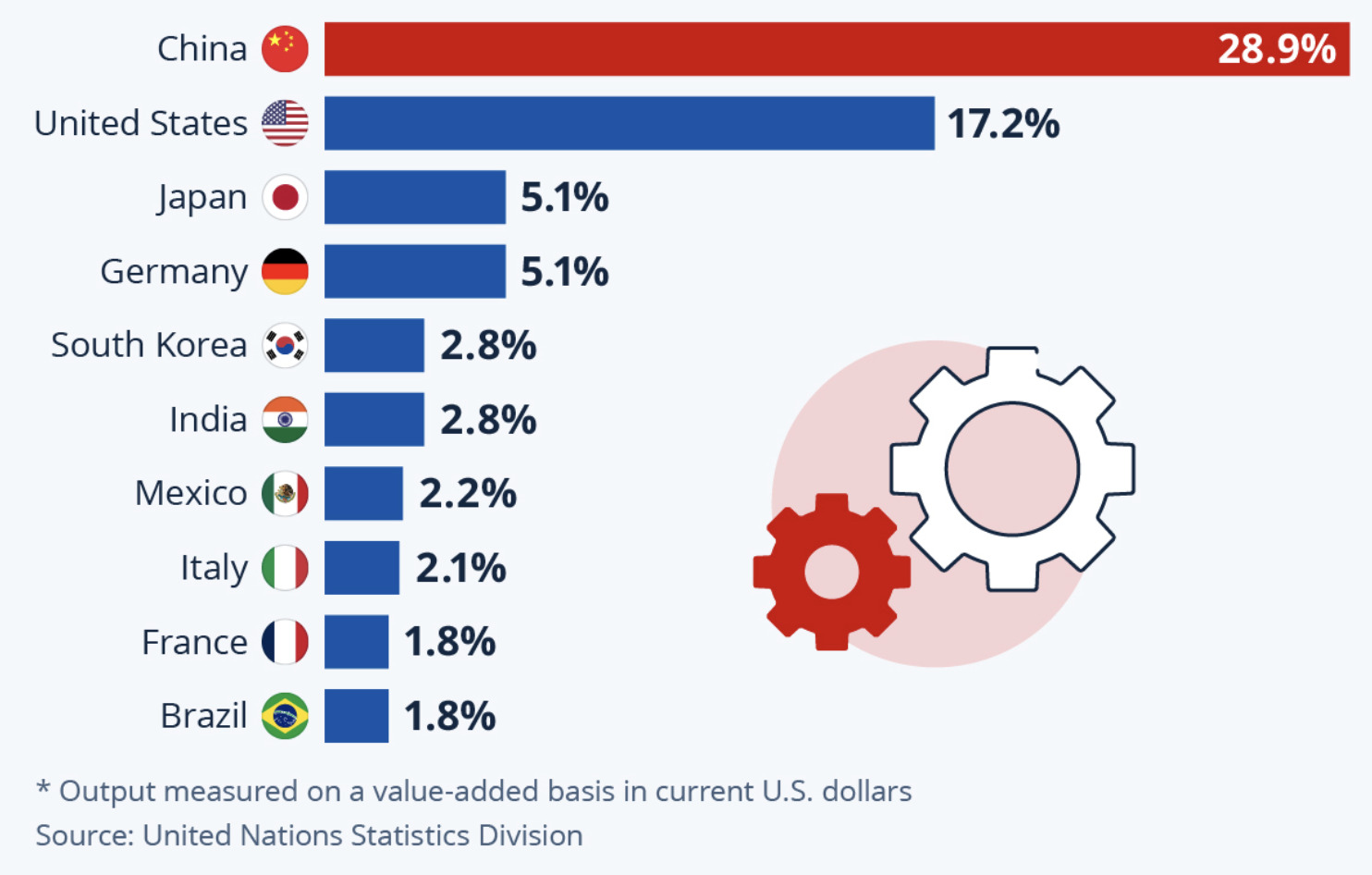
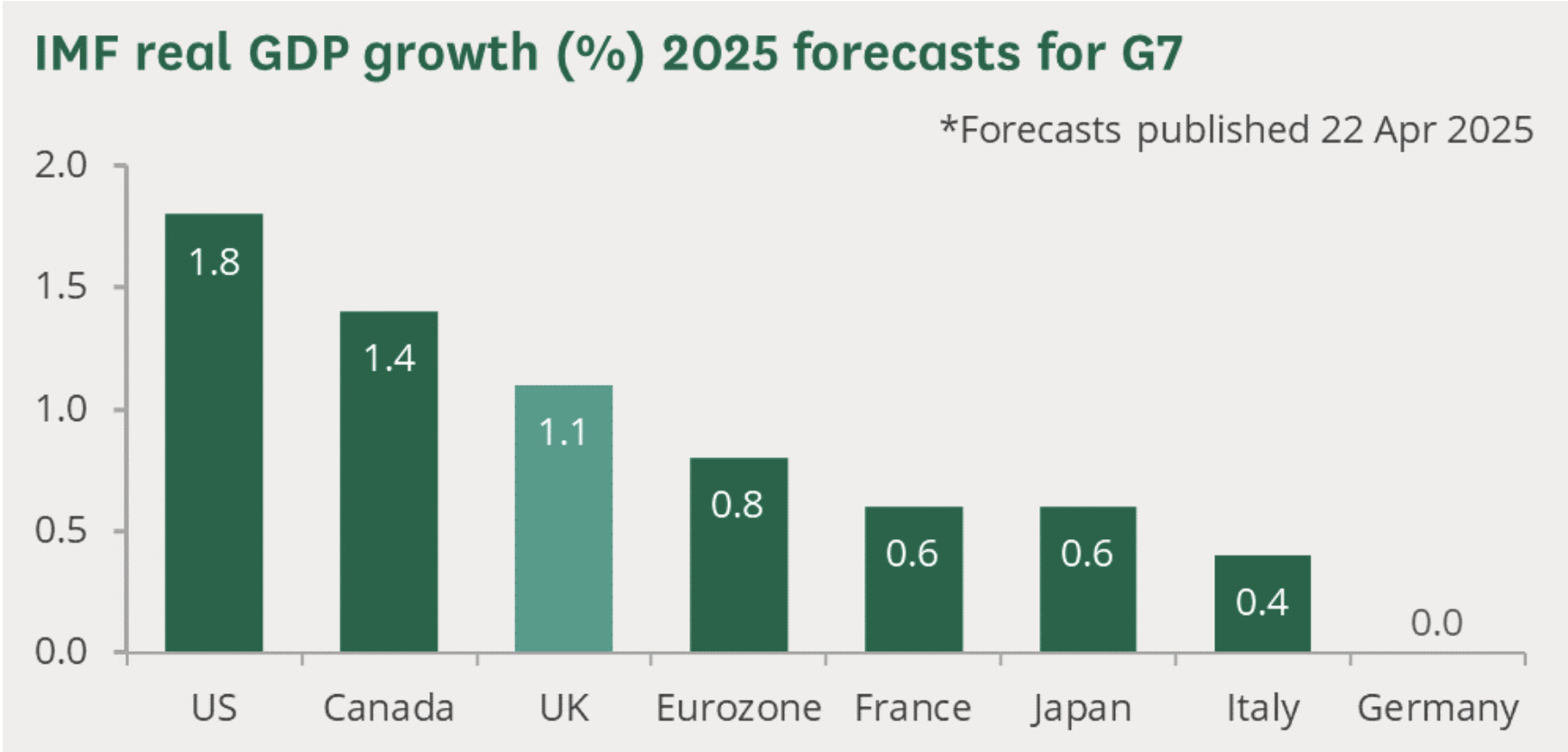
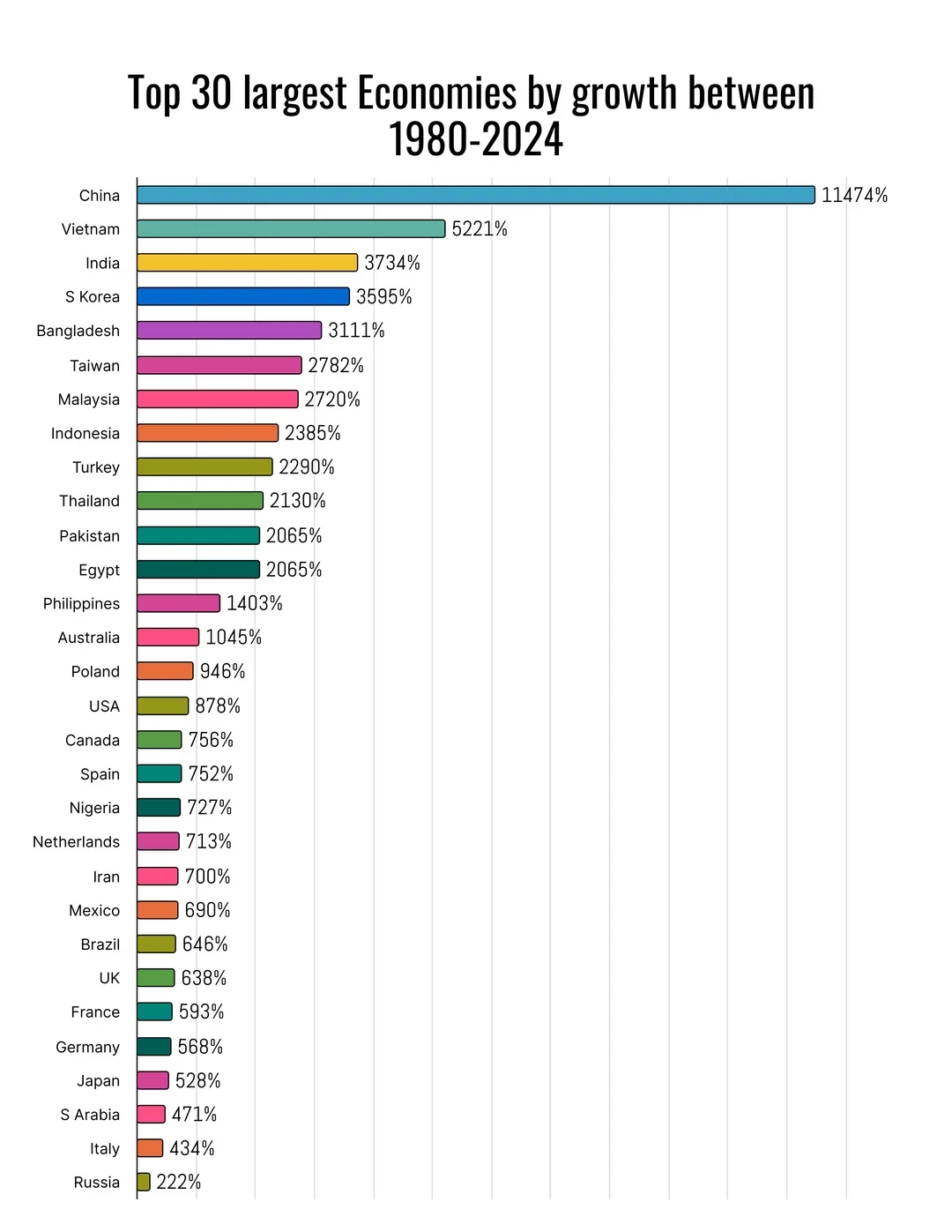
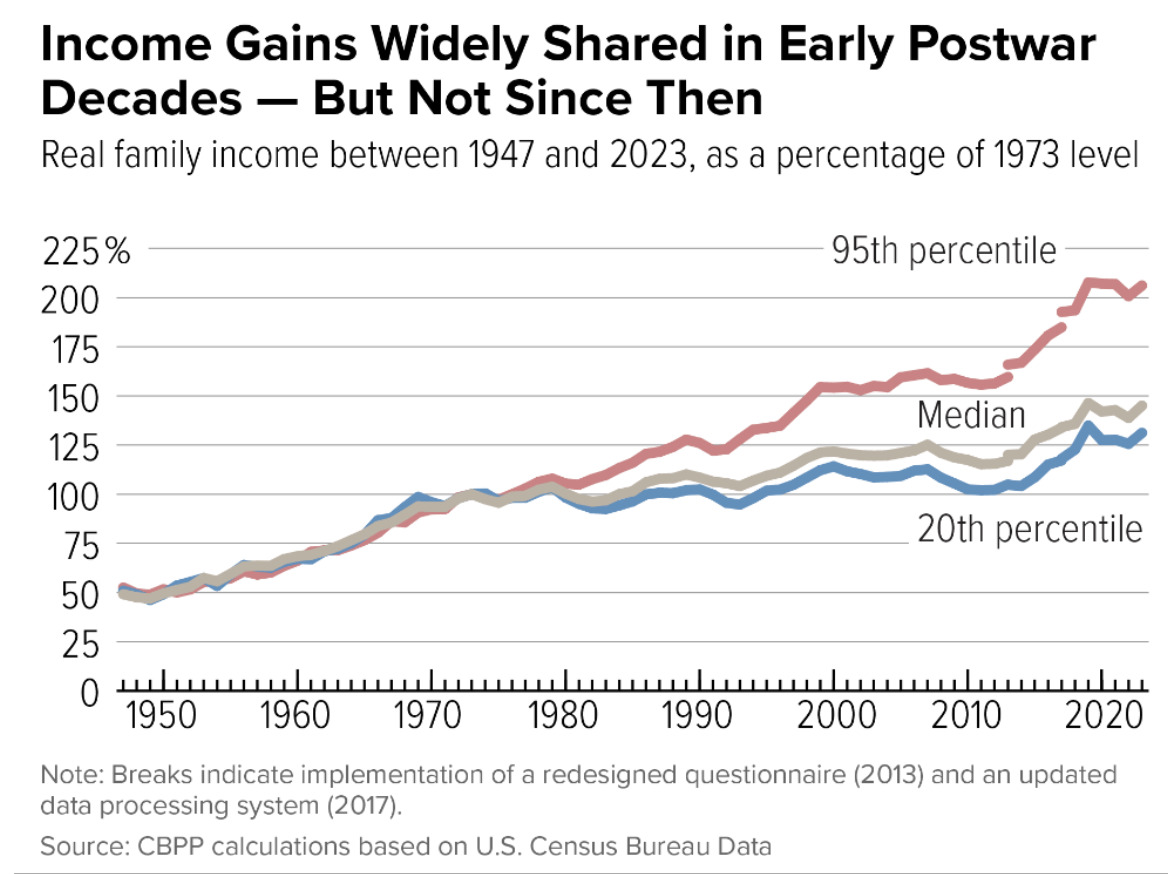
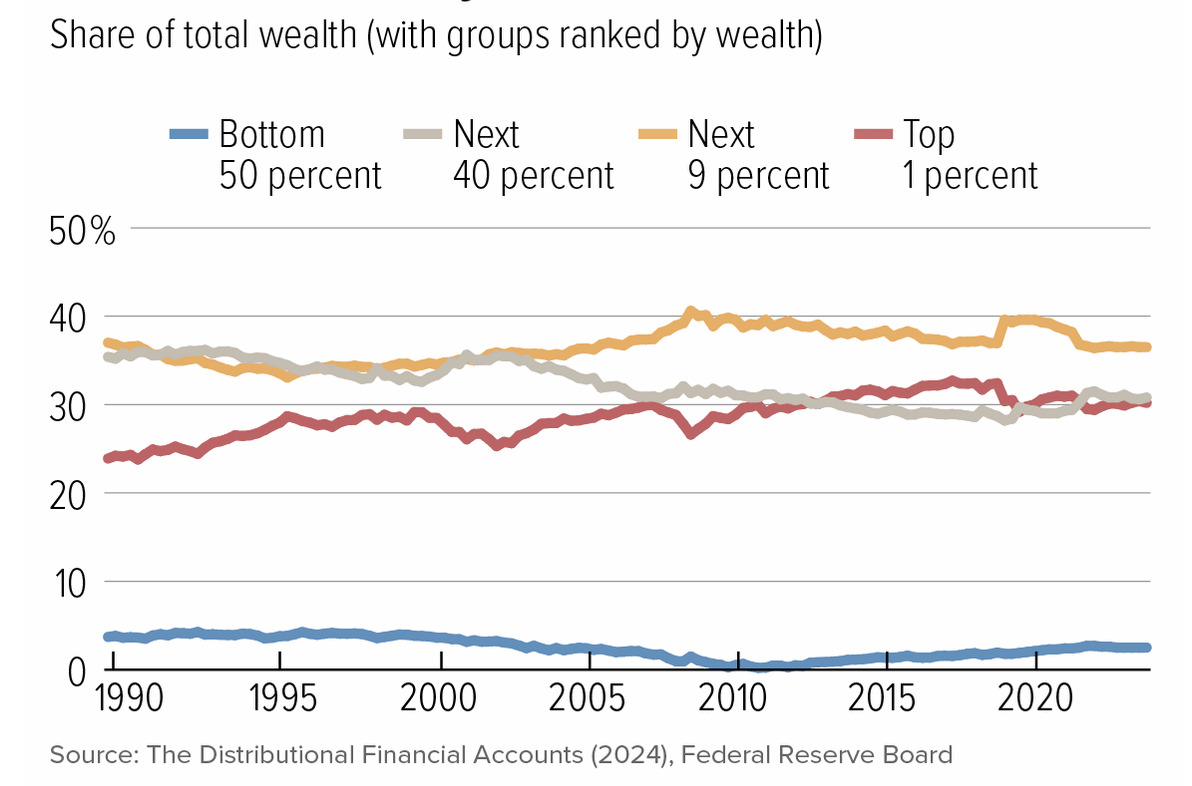
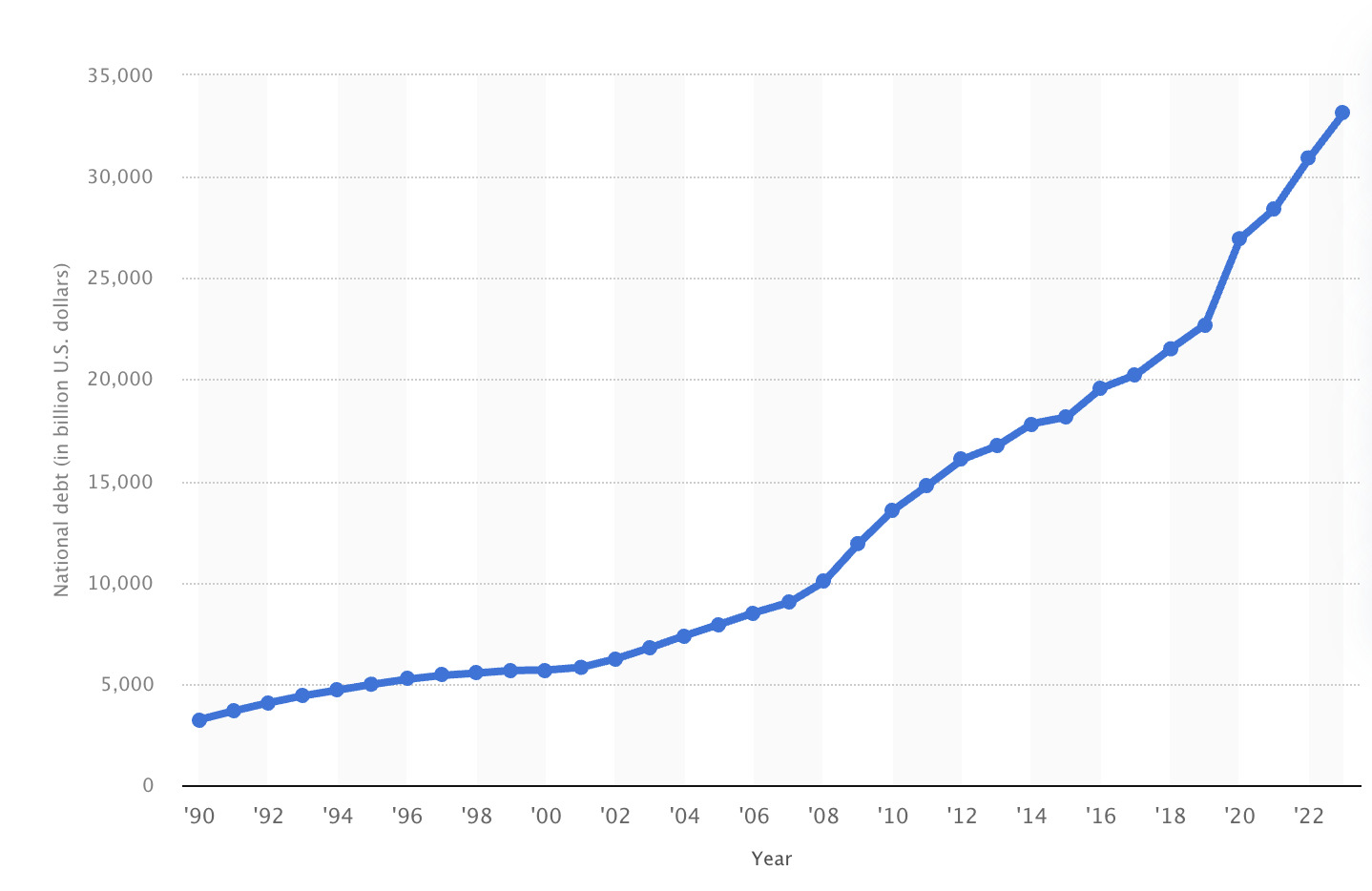
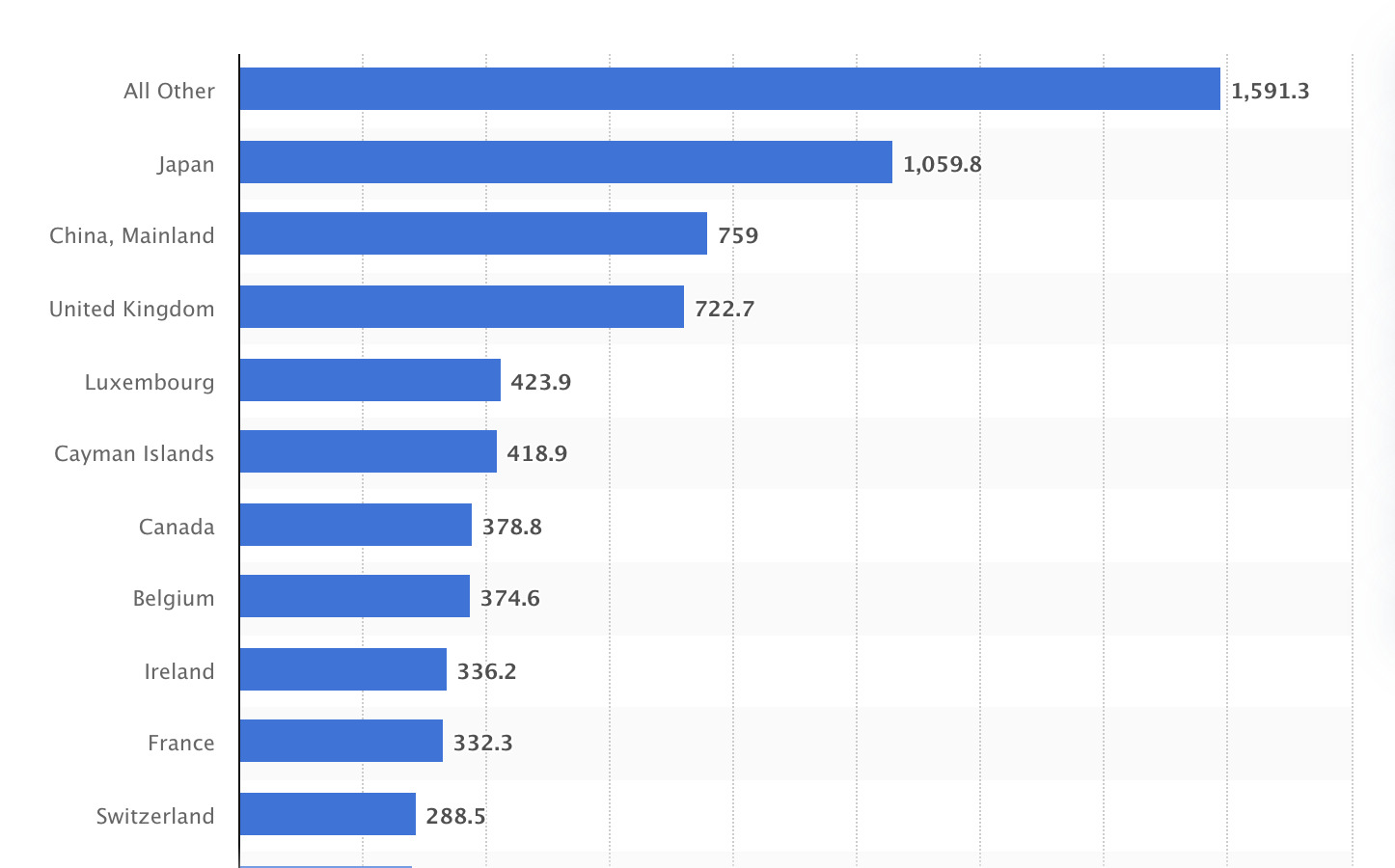
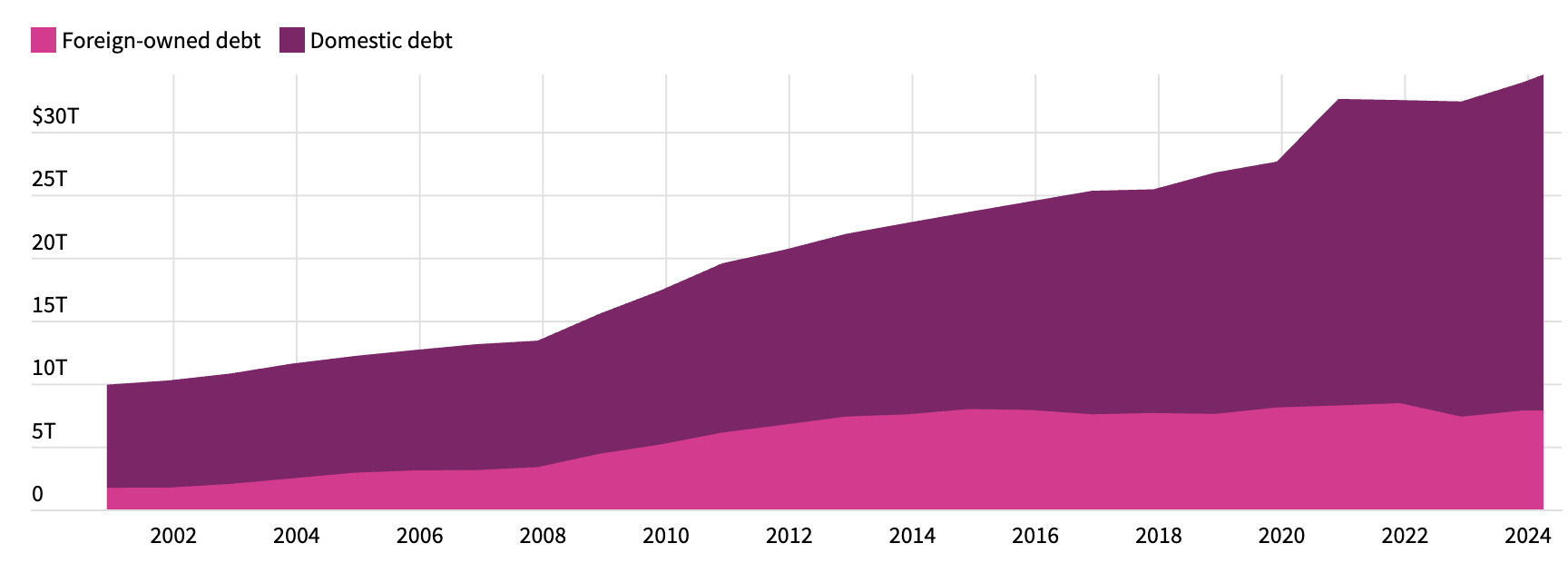
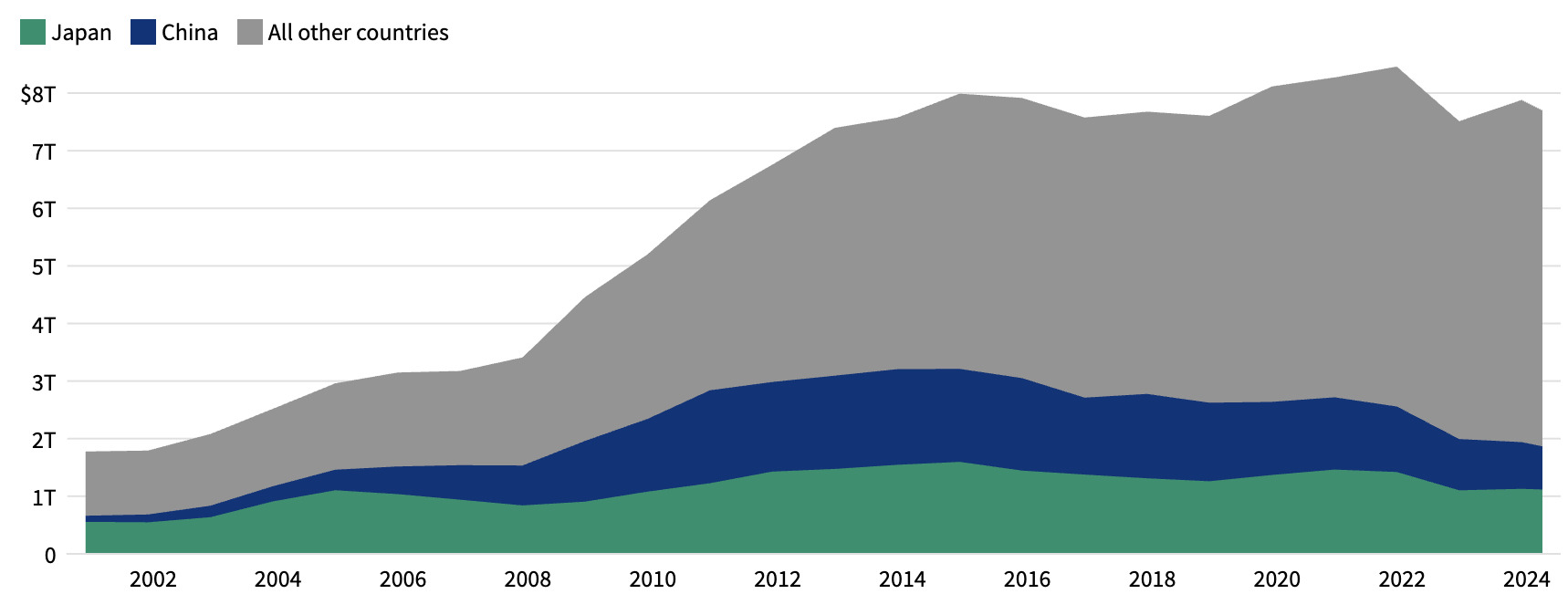
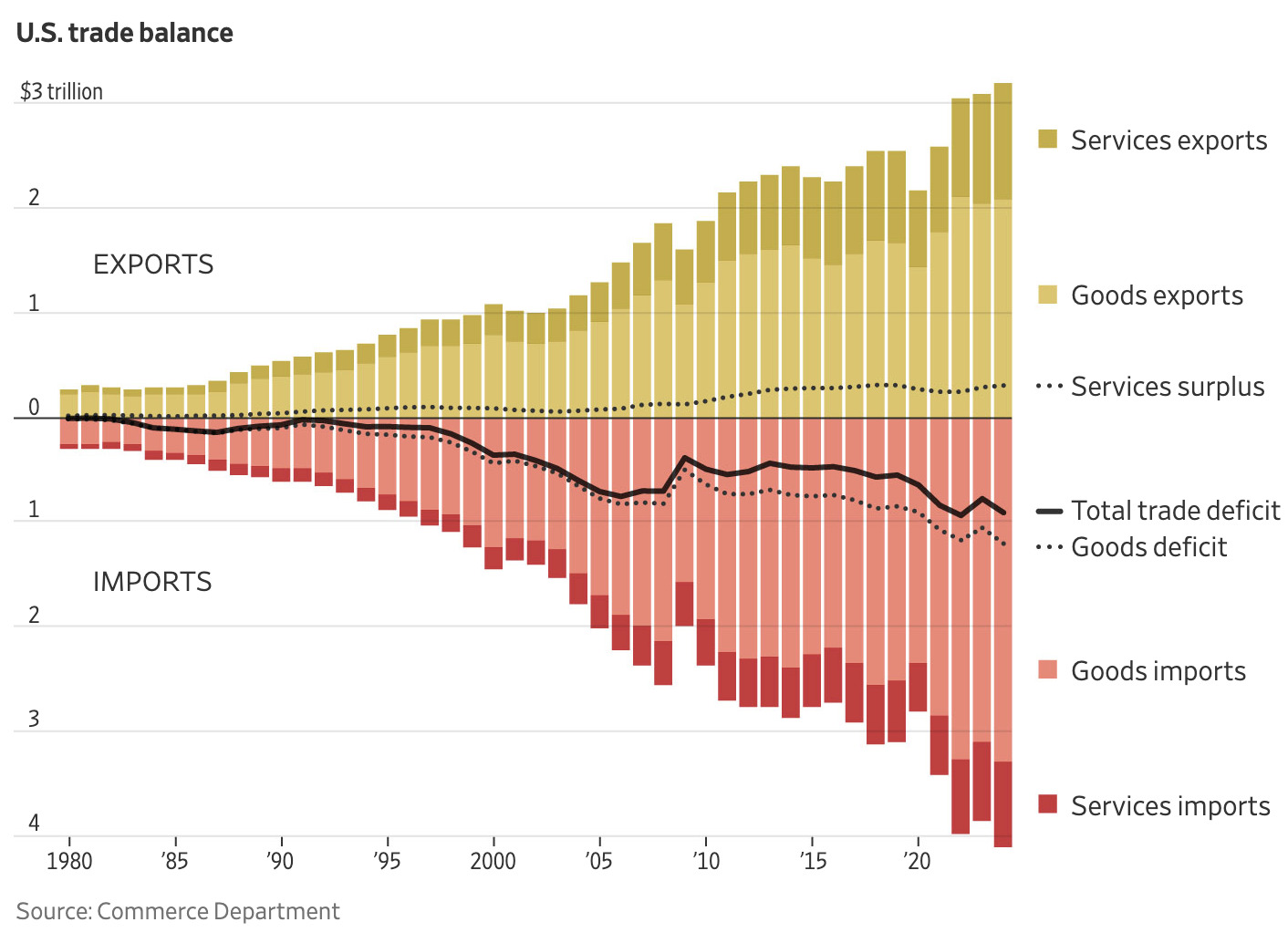
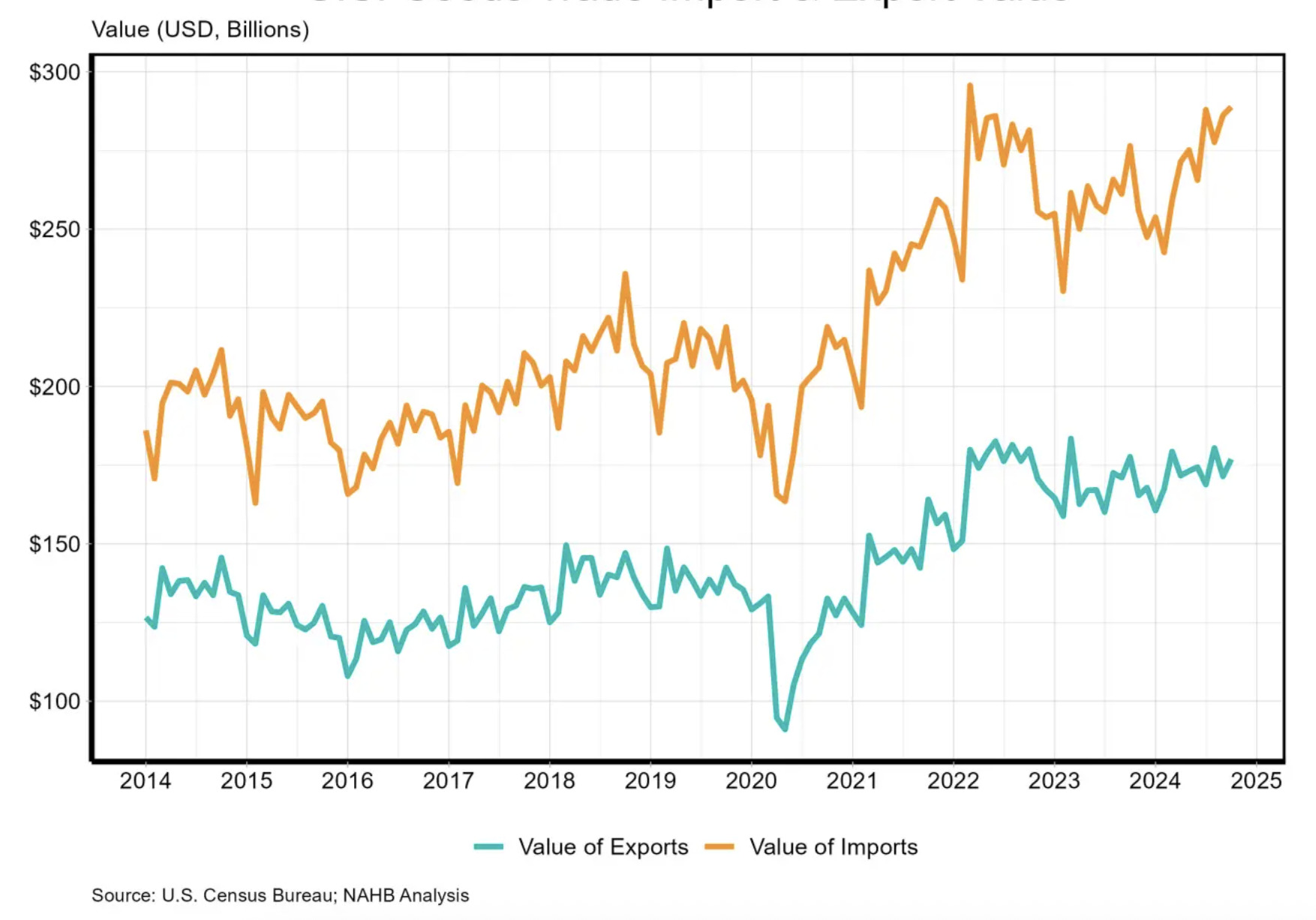
 Dr. Kalim Siddiqui