Finding the right property manager in Dubai can make a big difference in how stress-free and successful your experience is, especially in a busy market. When you pick a manager based in the city, you benefit from local know-how and quick responses to problems that might come up with your rental or investment. Choosing a Dubai-based property manager helps give you peace of mind and saves you valuable time as you look after your property or plan to book short term rentals (Dubai-based).
As the demand for vacation rentals and holiday homes rises, working with someone on the ground can simplify everything from marketing to guest check-ins. If you want a smooth and easy way to book short term rentals (Dubai-based), a local manager can help guide you through the process for stays in this fast-moving city.
Expert knowledge of Dubai’s real estate market and regulations
When you work with a property manager based in Dubai, you get guidance that matches local market needs. They understand how prices shift, what buyers and tenants look for, and how to spot a good deal.
Dubai’s property rules change from time to time. Local managers keep up with these updates and help you follow the latest regulations. This makes it easier to avoid problems and stay compliant.
A manager in Dubai can also explain tricky legal details in a simple way. You save time and avoid confusion, since someone familiar with local laws is handling the details for you.
With a Dubai property manager, you benefit from their experience with all the paperwork and legal documents that are part of the buying or renting process. They make tasks clearer, so you can focus on your goals.
Accurate rental pricing based on current market trends
You want your rental property to stand out, but setting the right price is not always simple. Dubai-based property managers use up-to-date market data to figure out what renters are willing to pay right now.
With access to real-time trends and rental comparisons, they can adjust pricing to match changes in demand or local market shifts. This can help keep your property competitive.
Regular reviews make it easier to spot if your current rent is above or below average for similar properties. If the market shifts, your property manager can quickly respond by updating the price.
Accurate pricing means you avoid long vacancies from pricing too high and don’t miss income from pricing too low. By letting someone who understands the market handle this, you are more likely to attract good tenants and get the most return for your property.
Efficient tenant screening and lease management
With a Dubai-based property manager, you benefit from a clear and structured tenant screening process. They check rental history, financial stability, and background information before approving any tenant.
A careful review helps prevent rental issues from the start. You are less likely to face late payments or property damage, which protects your investment.
Lease management is also handled in a straightforward way. The paperwork, renewals, and notices are dealt with on your behalf, so you do not have to worry about missing important steps.
Fast tenant placement means your property spends less time vacant. By using a system designed for the Dubai market, you enjoy smoother transitions between tenants.
Clear communication and attention to local laws make your experience simpler. This gives you more peace of mind, whether you live in Dubai or outside the country.
Access to trusted local contractors for timely maintenance
When you work with a property manager based in Dubai, you gain quick access to contractors familiar with the area. These contractors understand local building codes and common property issues.
With local connections, your property manager can arrange repairs or maintenance work faster than someone from outside the region. You do not have to deal with long wait times or unclear schedules.
Local contractors are also easier to contact in case of emergencies. Your property manager can coordinate with them directly, making it simple to solve sudden issues.
This network can help you avoid delays and keep problems from getting worse. Tenants will appreciate fast responses and well-kept spaces.
Because they know the community and the environment, local contractors are better prepared to handle the unique challenges that may come up. Their location makes it easier for them to source materials and arrive on time for each job.
Streamlined rent collection and financial management
When you choose a property manager in Dubai, you benefit from smoother rent collection. Payments often move to online systems, which makes the process faster and helps you track transactions from anywhere.
You receive reminders and updates automatically. This reduces late payments and cuts down on paperwork. You spend less time dealing with manual tasks, which frees you up for other activities.
Financial management also becomes simpler. You can view payment histories and rent statements in real time. This helps you see how your property is performing each month.
Accurate records are kept for tax and budgeting needs. You get more peace of mind knowing that your finances are organized and easy to access. This approach helps you stay informed and keep your property business running smoothly.
Handling legal matters, including tenant evictions
When you use a Dubai-based property manager, you get help dealing with eviction processes that follow local laws. These professionals know the proper steps to take if a tenant breaks the rules of the agreement or falls behind on rent.
You do not have to learn complicated legal terms or procedures. Your property manager takes care of serving notices, meeting deadlines, and filling out forms the right way.
If a case goes to court, your property manager can guide you through what to expect. This makes legal matters less confusing, especially if you are not familiar with Dubai’s property regulations.
By letting a property manager handle tenant evictions and paperwork, you save time and avoid common mistakes. Their experience can protect you from making legal errors that could cause delays.
Conclusion
Choosing a Dubai-based property manager gives you more time and less stress in handling your property. You benefit from local experience, market knowledge, and quick responses to issues.
Your property is kept in good shape, and you get help with tenant problems, legal rules, and rent collection.
Working with someone who understands the local market means your investment is better cared for and can keep its value.
President Donald Trump is warning of steeper tariffs on Japanese goods, accusing Tokyo of refusing to purchase American rice despite an apparent domestic shortage.
“They won’t take our RICE, and yet they have a massive rice shortage,” Trump posted Sunday on Truth Social. “We love having them as a Trading Partner, but they’ll be getting a letter.”
His remarks follow weeks of trade tension, with a July 9 deadline looming on his 90-day pause of “reciprocal” tariffs targeting multiple U.S. trading partners. In a recent Fox News interview, Trump singled out Japan and previewed the message: “Dear Mr. Japan… You’re going to pay a 25% tariff on your cars.”
Trade data contradicts Trump’s claim. U.S. Census Bureau figures show Japan imported $298 million worth of American rice in 2023 and $114 million more between January and April this year. However, Tokyo has long maintained a tightly controlled rice import system, which critics say limits real access for foreign producers.
A 2021 report from the U.S. Trade Representative under then-President Biden cited Japan’s “highly regulated and nontransparent” rice import policies as a barrier for American sellers.
White House National Economic Council Director Kevin Hassett said Monday that negotiations with Japanese officials remain active.
“Nothing is over,” Hassett told reporters. “There’ll still be discussions right up till the end.”
It remains unclear whether Japan intends to reduce its purchases of American rice, and Japanese officials have yet to respond publicly to Trump’s latest comments. For now, Japanese exports continue under a reduced 10% tariff, down from the 24% rate briefly imposed before the April pause.
Geopolitics continues to shape patterns of global inequality, reinforcing structural imbalances across nations and regions. Dr. Kalim Siddiqui explores how imperialism, settler colonialism, and financial dominance underpin uneven development under capitalism. He calls for decolonial frameworks that challenge Western hegemony and centre sovereignty, equity, and self-determination in the Global South.
I. Introduction
Geopolitics examines how a country’s geography, location, population, and natural resources influence its political power and global interactions. These spatial factors shape foreign policy, military strategy, and a country’s position within the international system. Consequently, geopolitical dynamics are central to understanding the persistent patterns of global uneven development.
Uneven development is a hallmark of capitalism, arising from the inherently unequal processes that drive economic growth. While mainstream economic theory suggests that disparities—such as income inequality—diminish over time through the “trickle-down” effects of capital diffusion in open markets, empirical evidence contradicts this claim. Historical and contemporary forces—including colonization, war, political instability, and asymmetric global trade—continue to produce and reinforce uneven development across regions (Siddiqui, 2019a).
This article critically reassesses the relationship between geopolitics and uneven development, with a focus on escalating tensions and violent conflicts in the Global South. A stark and morally urgent example is the ongoing humanitarian catastrophe in Gaza, where Israel’s military invasion and occupation—backed by the political, economic and military support of the Global North—have raised profound ethical and legal questions.
Historical parallels emerge with the 2003 US-led invasion of Iraq, where extensive bombing campaigns deliberately targeted civilian infrastructure, including water purification plants, electricity grids, schools, hospitals, and even journalists. At the time, the lack of smartphones and restricted access to independent media allowed for tighter control over public narratives. Today, similar patterns unfold with heightened visibility, amplified by digital technology and social media.
Since the early 2000s, Israel has engaged in recurrent military campaigns in Gaza. However, the 2023 offensive marked a significant escalation, characterized by widespread bombardment of civilian infrastructure—including hospitals, universities, sanitation facilities, water purification, and residential complexes. Civilians were instructed to relocate to southern Gaza under assurances of safety, only to face further attacks in these designated “safe zones.” Israel’s political system functions not as a democracy but as an ethnocracy—a regime structured to ensure the dominance of one ethnic group over others—or, in other terms, an apartheid state.
The United States’ persistent hostility toward Iran reflects a broader imperial strategy aimed at subjugating sovereign states through regime change, sanctions, engineered instability, and the deliberate creation of failed states. This pattern aligns with earlier United States (US) interventions in Somalia, Sudan, Iraq, Lebanon, Libya, and Syria—actions that have resulted in millions of deaths and protracted regional destabilization (Siddiqui, 2025).
Israel’s antagonism towards Iran warrants critical scrutiny. On the pretext of national security, Israel with full support from the West have historically played a destabilizing role in the region, often it has initiated pre-emptive strikes, conducted extraterritorial assassinations, and engaged in covert operations. Its military campaigns—including repeated airstrikes against neighbouring countries under the pretext of security—and assassination of Iranian scientists have only intensified regional tensions. Rather than ensuring stability, these actions perpetuate cycles of violence and reinforce asymmetrical power dynamics, where Israel’s military superiority and Western backing allow it to act with impunity, while regional backlash is framed as unprovoked hostility.
Iran’s pursuit of sovereign policymaking and self-reliant development—exemplified by its rejection of the US-led GPS system in favour of China’s Beidou navigation satellite system—represents a direct challenge to US dominance. This shift to Beidou is not merely a technological upgrade but a strategic realignment with profound military and geopolitical consequences. Beidou is central pillar of China’s Belt and Road initiatives, linking digital with infrastructure sovereignty. Thus, Iran is securing independent precision-strike capabilities while reinforcing digital and infrastructural sovereignty—a move that undermines US influence and reshapes regional power dynamics.
This dynamic raises a pivotal question: Why does the West steadfastly support Israel despite its controversial policies? A central explanation lies in Israel’s instrumental role as a geopolitical asset—a militarized outpost functioning as a de facto “garrison state” that anchors Western influence in the oil- and gas-rich Middle East (Smith, 2021). Far from a passive beneficiary, Israel acts as a strategic proxy, enabling Western powers to project military dominance while destabilizing regional rivals who challenge petrodollar hegemony (Khalidi, 2022).
This alliance is perpetuated by a deliberate narrative apparatus. Western media systematically constructs Israel as a liberal, European-style democracy, obscuring two contradictions: its geographic reality as an Asian state and its ongoing settler-colonial displacement of Indigenous Palestinians (Pappé, 2017). Such framing racializes the conflict, positioning Israel as a “white” civilizational bulwark against a vilified, “non-Western” Arab world (Said, 1978; Siddiqui, 2024a). This dichotomy not only justifies unconditional support but also erases Palestinian agency, reducing their resistance to irrational “terrorism” rather than a struggle against apartheid.
The Global North has consistently opposed states and movements that challenge Western hegemony. Countries such as Cuba, Iran, and Venezuela—along with anti-imperialist movements like Hamas, Hezbollah, and the Houthis—embody forms of defiance that reject neoliberal subordination and Western strategic dominance. While these actors are often vilified as “security threats,” they also represent broader post-colonial struggles for sovereignty and self-determination. Consequently, they face systematic repression through sanctions, political isolation, and military intervention.
The US perceives such resistance as contagious, fearing that successful defiance could inspire broader challenges to its dominance. The same political coalition that justified the 2003 invasion of Iraq—under fabricated pretences—now advocates for confrontation with Iran, another resource-rich country pursuing an independent political and economic path. The US demands for regime change are not merely about geopolitical strategy but reflect a deeper imperative: the enforcement of global submission to Western financial capital, mirroring the post-Soviet expansion of neoliberalism into formerly autonomous states.
Britain and the United States have a long history of intervention and regime change in Iran. The first major intervention occurred in 1907, followed by another in 1953, when Iran’s democratically elected nationalist government, led by Prime Minister Mohammad Mosaddeq, was overthrown in a US and British-backed coup. This operation reinstated the Shah, consolidating the US control over Iran’s political and economic affairs.
After Islamic Revolution in Iran in 1979, as a leading oil and gas producer, Iran has increasingly challenged the US-led petrodollar system by rejecting the US dollar in international trade. Instead, it has pursued transactions with China, Cuba, India, Russia, and other BRICS members in their respective national currencies, positioning itself at the forefront of the de-dollarization movement. This shift represents a significant challenge to the hegemony of the US dollar, particularly in global energy markets.
Historically, in 1974 the US has enforced the petrodollar system, compelling Arab oil and gas exporters to trade exclusively in US dollars. This policy artificially bolstered global demand for the dollar, reinforcing its dominance in international finance. Iran’s defiance of this system undermines a key pillar of US economic power, marking a strategic and economic turning point.
The international economy is undergoing a significant transformation as BRICS and other countries attempt to reduce the use of US dollar in trade, currency reserves and investment, while increasing South-South economic cooperation
The international economy is undergoing a significant transformation as BRICS and other countries attempt to reduce the use of US dollar in trade, currency reserves and investment, while increasing South-South economic cooperation. However, these efforts have been undermined by the policies of Donald Trump, who sought to reinforce US economic hegemony by pressuring countries to limit trade and investment with China, Russia, and other countries pursuing economic autonomy. By compelling countries to comply with US sanctions—particularly against China, Russia, Venezuela, and Iran—Washington has sought to preserve its unipolar dominance. The US perceives China as an existential threat, a perspective that has driven its geopolitical confrontations, including NATO’s proxy war in Ukraine and the US-backed Israeli offensive against Iran. These conflicts are not merely regional disputes but part of a broader struggle to prevent the erosion of dollar hegemony and sustain US global hegemony (Siddiqui, 2022a).
However, for emerging economies, particularly BRICS members, failure to critically examine historical patterns of Western intervention risks rendering them vulnerable to analogous tactics (Siddiqui, 2024b). US antagonism toward autonomous development not only stifles the emergence of a multipolar world order but also exposes a fundamental contradiction: the disparity between its professed adherence to democracy and international law at home and its coercive, often violent, actions abroad. This tension demands urgent scrutiny from Global South striving to safeguard sovereignty and advance a more equitable international economic order.
The US imperialism systematically seeks to dominate developing counties, routinely justifying interventions by framing their political and economic policy as threats to its “strategic interests.” When developing countries pursue independent development pathways—diverging from Western-prescribed models—the US and its allies perceive such efforts as challenges to their geopolitical dominance and global hegemony. The US has opposed any effort of an independent development in the Global South, particularly when such development challenges US strategic or economic hegemony. (Siddiqui, 2023a).
II. Uneven Development as a Feature of Capitalism
Uneven development refers to spatial inequalities in economic conditions, including disparities in levels of employment, industrialisation, income, education, infrastructure, and growth rates. These imbalances stem from asymmetrical sectoral expansion within and between economies.
From a Marxist political economy perspective, uneven development is not an aberration but a structural necessity of capitalism, where prosperity in one region is contingent upon underdevelopment elsewhere. This concept, traceable to classical political economy, remains implicit in mainstream trade and growth theories. Marx observed that capital concentrates in specific regions, creating “cores” of accumulation and “peripheries” of exploitation. These dynamics are cyclical: regions that thrive in one phase of accumulation may decline in another due to capital’s inherent volatility (Siddiqui, 2023b).
David Harvey’s The Limits to Capital (1982) offers a critique of classical political economy by extending Marx’s analysis of capital’s inherent crises. Central to his argument is the claim that space operates not merely as a passive backdrop but as an active barrier to capital accumulation—one that capitalism must perpetually overcome, yet in doing so, generates new contradictions. Harvey demonstrates how the capitalist mode of production systematically produces and exploits geographical inequalities, transforming space itself into a contested terrain of crisis. Through processes such as urbanization, infrastructural development, and globalized labour markets, capital seeks to resolve its internal contradictions (e.g., overaccumulation, declining profit rates) by displacing them spatially—a dynamic Harvey terms “spatial fixes.”
Crucially, Harvey contends that uneven geographical development is not an accidental byproduct but a necessary condition of capitalist survival. By creating and manipulating spatial hierarchies—such as core-periphery dependencies, deindustrialized regions, and speculative urban landscapes—capitalism temporarily stabilizes its crises while deepening long-term instability. This dialectic of spatial expansion and crisis formation aligns with broader Marxist critiques of capital’s tendency toward creative destruction (Schumpeter, 1942) and its reliance on “accumulation by dispossession” (Harvey, 2003).
III. Historical Context and the Global Hierarchy
The modern global order emerged from the international division of labour established during the 18th and 19th centuries, coinciding with European colonial expansion and the transatlantic slave trade. This period was characterized by the ideological construction of racial hierarchies, which positioned white Europeans as “civilized” and superior to non-white populations. These racist doctrines justified imperial conquest, enabling European powers to extract labour and resources from colonized regions—particularly Africa, Asia, and the Americas—to fuel their own economic growth (Siddiqui, 2024c).
A striking illustration of this dynamic is the dismantling of the Ottoman Empire after World War I. Britain and France partitioned the Middle East under the “Mandate System,” a mechanism sanctioned by the League of Nations that institutionalized colonial control over strategic territories and resources under the veneer of “trusteeship.”
Following World War II, former colonial powers suppressed their inter-imperial rivalries and consolidated power through military and economic alliances, including: NATO (1949), ensuring collective Western security dominance, and the G7 (1973), coordinating neoliberal economic policies among advanced capitalist countries. However, despite representing less than 16% of the global population, the Global North accounts for roughly 74% of worldwide military spending in 2023—a stark indicator of enduring asymmetrical power (SIPRI, 2023).
IV. Theoretical Foundations: Marx and the Global Capitalist System
Nineteenth century critiques of capitalism, particularly Karl Marx’s work, remain indispensable for analysing contemporary global inequalities. While today’s world is far more technologically integrated than Marx’s industrial Europe, his analysis of exploitation, accumulation, and class struggle continues to expose the structural logic of global capitalism (Marx, 1976).
Central to this critique is primitive accumulation—Marx’s term for the violent processes that enabled capitalism’s rise: expropriation of land (e.g., enclosures in Britain), displacement of peasants (proletarianization), enslavement of Africans, and colonization of the Global South. Marx described this as a history written “in letters of blood and fire,” underscoring capitalism’s reliance on non-market coercion—a pattern now replicated globally through neocolonial debt, and financial imperialism (Harvey, 2003).
A defining feature of capitalism is the creation of a world market, which entails the destruction or absorption of earlier forms of production and the continual transformation of technology, institutions, and social relations. This process is not smooth or uniform; rather, it unfolds through uneven development, both across regions and within specific localities. Capitalist globalization thus generates complex spatial patterns of inclusion and exclusion, where certain areas are rapidly integrated into global circuits of capital while others are marginalized or subjected to backwardness and poverty.
Marxists such as Luxemburg, Baran, Sweezy, Harvey, Amin and Patnaik have emphasized that the expansion of capitalism has historically depended on its capacity to exploit non-capitalist regions. These external spheres provide both new markets and access to cheap raw materials and labour. However, as global capitalism expands and these non-capitalist areas are increasingly incorporated into its logic, the system faces structural limitations. As Luxemburg argued, this progressive exhaustion of external markets creates crises of overaccumulation and insufficient demand, limiting the system’s ability to reproduce itself.
Samir Amin (1974) commented on Luxemburg’s The Accumulation of Capital: “It was Rosa Luxemburg’s great merit to have seen that relations between the centre and the periphery depend on the mechanisms of primitive accumulation, because what is involved is not the economic mechanisms characteristic of the internal functioning of the capitalist mode of production, but relations between this mode of production and formations that differ from it… To Rosa Luxemburg belongs the credit of having pointed out these present-day mechanisms of primitive accumulation-in the strict sense, plundering of the Third World” (Amin 1974, p.61). Rosa Luxemburg extended Marx’s crisis theory to explain imperialism’s expansionist drive, particularly capital’s cyclical shifts between sectors and the oscillation between overproduction and crisis.
Marx also identified another critical dimension of modern capitalism: the emergence of fictitious capital. This refers to financial instruments—such as stocks, bonds, or derivatives—that represent claims to future value, but are detached from actual material production. This disjunction increases the system’s volatility and the risk of financial crises. The concept of fictitious capital provides a useful lens for understanding the boom-and-bust cycles of contemporary capitalism, particularly in financialized economies. Economists such as Charles Kindleberger (1973), Hyman Minsky (1982), and Jan Kregel (1998) have highlighted how speculative bubbles, excessive credit expansion, and deregulated financial markets contribute to systemic instability and economic and financial crises. These crises are not anomalies but intrinsic to the functioning of capitalism in its financialized phase (Siddiqui, 2022b).
V. Geopolitical Violence and the Structure of Settler Capitalism
Imperialism refers to a system of domination where powerful states extend their political, economic, and military control over other territories, often through colonization, coercive diplomacy, economic control or military intervention. In its classical form, particularly in the 19th and early 20th centuries, imperialism involved European powers occupying and exploiting vast regions of Africa, Asia, and the Americas. The aim was to extract natural resources, access cheap labour, and secure markets for industrial goods. Imperialism is not merely territorial conquest—it also involves the imposition of economic systems, cultural norms, and political structures that serve the interests of the dominant power at the expense of the subordinated population (Siddiqui, 2022b).
Karl Marx underscored the foundational role of violence in capitalist development. He regarded the transatlantic slave trade as the “pedestal” upon which both capital accumulation in the plantation economies of the United States’ southern states and the British cotton industry—central to the Industrial Revolution—rested.
A radical critique of geopolitics emphasizes the centrality of capitalist economic structures and class relations in shaping international relations and global power dynamics. This perspective foregrounds the role of economic forces—particularly capital accumulation and class struggle—in driving state behaviour and international conflict. Paul Baran (1957) identified two major forms of colonialism that were deeply embedded in the logic of capitalist accumulation. The first, prevalent during the 19th century, involved European settler colonies in the North America, Australia, New Zealand, and South Africa. These settler colonies expropriated land and resources, forming a vital foundation for early capitalist accumulation.
The second form of colonialism, according to Baran, encompassed the colonized and semi-colonized regions of India, China, Indonesia, and much of Africa. These regions were integrated into the global capitalist system primarily as sites of resource extraction and cheap labour to serve the industrialization of Europe and North America. In the process, longstanding civilizations and socio-cultural systems were violently disarticulated. As Rosa Luxemburg emphasized, the communal and collective social relations that characterized these societies were necessarily “annihilated” by the advance of capitalism.
Arghiri Emmanuel’s Unequal Exchange: A Study of the Imperialism of Trade (1969) presented an important analysis of settler colonialism. He distinguishes between Britain’s settler colonies—such as North America, Australia, and New Zealand—where genocidal violence was inflicted upon indigenous populations, and South Africa, where the native population was not exterminated but instead forced into ghettos and systematically exploited by a white settler minority. In these white settler colonies, Emmanuel argued, high wages among white workers facilitated rapid capital accumulation. By contrast, in South Africa, where wages for Black workers remained extremely low, capital accumulation followed a different trajectory.
Other Marxist theorists, notably Samir Amin, further developed this analysis. Amin distinguished settler colonialism from what he termed the “Africa of the colonial trade economy,” characterized by monopolistic trade practices, the dominance of colonial import-export firms, and the mobilization of African labour through systems of labour reserves. In his later work, Amin examined settler colonialism in Israel, arguing that it followed a pattern similar to North America’s—marked by the systematic extermination or displacement of the indigenous Palestinian population.
However, Amin (1989) contended that in Israel’s case, this settler colonialism must be understood as part of a broader monopoly capitalist and imperialist project led by the US with aspirations for global dominance. In the postcolonial period, new forms of settler colonialism emerged, notably what has been described as Zionist settler colonialism. This project entailed the violent displacement of the indigenous Palestinian population and the establishment of an ethnically exclusive Jewish settler society.
Thus, the concept of settler colonialism is not merely a historical phenomenon; it is central to understanding the broader evolution of capitalism, imperialism, and geopolitical order. It reveals how the logic of accumulation—whether through displacement, exploitation, or extermination—has consistently shaped the global hierarchy of wealth and power.
VI. Concentration of Capital and Uneven Development
The accumulation of capital not only enhances productivity and transforms economic systems, but it also generates uneven development, both structurally and geographically. A central feature of this process is the centralization of capital, which reflects the inherent antagonism between competing capitals. As Marx explains: “Accumulation, therefore, presents itself as increasing concentration of the means of production, and of the command over labour; on the other, as repulsion of many individual capitals from one another… It is concentration of capitals already formed, destruction of their individual independence, expropriation of capitalist by capitalist, transformation of many small into few large capitals… Capital grows in one place to a huge mass in a single hand, because it has in another place been lost by many” (Marx, 1976, Capital, Vol. I, p. 586).
Marx viewed capitalism as a system in perpetual disequilibrium, primarily due to its tendency toward uneven development. This disequilibrium is not confined to a single sphere of economic life; rather, it permeates all social and economic relations under capitalism. At the heart of this instability is a structural contradiction: the constant expansion of the productive forces on the one hand, and the system’s limited capacity to generate sufficient effective demand on the other. This contradiction gives rise to what Marx referred to as “realisation crises”—moments when commodities cannot be sold at profitable prices despite being produced in abundance.
An essential feature of imperialism and exploitation—particularly in what is now commonly termed the Global North and Global South—is that imperialism does not merely signify a relationship between “advanced” and “underdeveloped” countries. Rather, this division reflects a broader process: the internationalization of capital.
A key insight from Marx’s analysis of capital accumulation is that capitalism develops unevenly. This unevenness initially manifested during the early stages of capitalism, when dynamic capitalist economies emerged in Western Europe and North America, while much of the rest of the world remained non-capitalist (Fine et al., 2024).
As capitalism matures, uneven development becomes more entrenched, driven by competition and technological innovation within countries already undergoing capitalist transformation. This unevenness is not limited to relations between countries; it also characterizes conditions within “advanced” capitalist societies. Internal competition and innovation foster systemic instability, which—alongside the tendency of the rate of profit to fall—contributes to recurring crises. These crises, in turn, intensify uneven development.
In the advanced capitalist economies (i.e. Global North), surplus value is primarily increased through technological innovation. This process reduces the labour time required for workers to produce the equivalent of their wages, thereby expanding the surplus appropriated by capitalists.
Dependency theory offers a key framework for explaining uneven development. It locates the source of global inequality mainly in the sphere of circulation, highlighting how surplus is extracted from one country and transferred to another. In contrast, other approaches emphasize the sphere of production, focusing on the global reproduction of class relations as the underlying cause of inequality.
Dependency theory divides the world into the “core” and the “periphery,” centring its analysis on their structural economic relations. The transfer of surplus from the periphery to the core is regarded as the principal mechanism inhibiting development in peripheral countries. The exploitation in the periphery deprives these regions of the resources and markets necessary for autonomous and sustained development.
The exploitation in the periphery deprives these regions of the resources and markets necessary for autonomous and sustained development.
The roots of global inequality—why some countries remain poor while others accumulate wealth—are better explained through the dynamics of production rather than the circulation of commodities. A persistent net outflow of surplus from a country signals the presence of structural barriers to expanded capital reproduction. If such barriers did not exist in regions like for instance, Latin America and Africa —and if profit rates were higher there than in the core—the flow of surplus would shift toward these economies rather than away from them (Siddiqui, 2019a).
VII. Foreign Capital and UnevenDevelopment
The extraction of value from the Global South—whether through unequal trade or profit repatriation—constitutes a key form of exploitation. Since the imposition of neoliberalism on developing countries following the 1980s debt crisis and the broader crisis in advanced capitalist economies, profound shifts have occurred in the global economic landscape. Neoliberal reforms involved trade and capital liberalization, privatization of public assets, and increased reliance on private investors and market mechanisms. Under this model, development came to be understood as contingent on access to foreign capital and export-oriented growth.
As illustrated in Figure 1, flows of foreign capital—especially in the form of foreign direct investment (FDI)—have risen sharply worldwide since the 1990s, with developing economies receiving a growing share. Under neoliberal globalisation, the FDI is often portrayed as a driver of job creation, technology transfer, and investment inflows (Siddiqui, 2015).
However, an analysis of FDI patterns reveals significant unevenness. A substantial proportion of global FDI remains concentrated within advanced economies, and the majority of the top ten FDI destinations are found in this group (see Figure 2). Among developing regions, East Asia has attracted a disproportionately high share of FDI (Siddiqui, 2010), while Africa continues to receive the lowest levels of foreign capital (see Figure 3) (UNCTAD, 2024).
Figure 1: Foreign Direct Investment by Region and Economy, 1990–2023.
According to the World Investment Report 2024, global foreign direct investment (FDI) declined by 2% to $1.3 trillion in 2023, reflecting the combined impact of a slowing global economy and heightened geopolitical tensions. The report underscores the potential of business facilitation measures and digital government solutions to counter low investment levels by fostering more transparent and efficient regulatory environments. Notably, FDI flows to developing countries fell by 7%, reaching $867 billion in 2024.
Despite growth in FDI targeting global value chain–intensive manufacturing sectors—such as automotive and electronics—in regions with favourable market access, many developing countries remain marginalized. These countries continue to face difficulties in attracting foreign investment and integrating into global production networks (IMF, 2025).
Nonetheless, the share of value added in the global economy by developing countries—particularly in manufacturing—has shown modest growth since 2008, as reported by the UN Statistics Division. For instance, manufacturing value added as a percentage of GDP in the least developed countries rose from 10.26% in 2008 to 12.67% in 2018. However, this increase has been concentrated largely in Asia, indicating the region’s expanding role in global production and trade (UNCTAD, 2024).
Emerging markets in South Asia have demonstrated significant growth potential, with some regions experiencing robust economic expansion. In contrast, East Asia is projected to see a gradual slowdown, with expected growth of approximately 4.5% in 2025 and 4.0% in subsequent years. Sub-Saharan Africa is forecasted to grow from a lower base, with projections of 3.5% in 2025 and 4.1% by 2026–2027 (IMF, 2025)
While global poverty has declined over the past two decades, but inequality within countries has increased markedly. The income gap between the top 10% and the bottom 50% of earners within countries has nearly doubled, rising from a ratio of 8.5 to 15. As a result, despite strong growth and economic convergence in parts of the developing world, global inequality remains deeply entrenched (Chancel, et al. 2024).
Understanding the past is essential for interpreting present inequalities. Historical perspectives allow us to examine critical questions, such as whether inequality levels have ever been lower than today and how different societies have responded to them. From a historical perspective, today’s levels of inequality are comparable to those at the height of Western imperialism in the early 20th century. In fact, the share of global income captured by the poorest half of the world’s population is now roughly half of what it was in 1820—prior to the onset of the “Great Divergence” between Western powers and their colonies (Chancel, et al. 2024).
Between-country inequality continued to rise until around 1980, after which it began to decline, particularly between 1980 and 2020. This shift reflects the narrowing of regional income gaps, most notably due to East Asia’s upward movement—especially China’s rapid growth—within the global income distribution. This convergence marks a significant departure from earlier patterns of divergence (Chancel, et al. 2024).
In the 19th century, Europe’s accumulation of foreign wealth was facilitated by colonial extraction and favourable terms of trade, including low commodity prices. On the eve of World War I, European foreign wealth—measured by net foreign assets held abroad—amounted to roughly 70% of Europe’s GDP, or about 30% of global GDP. During this period, Europe industrialized while its colonies primarily exported raw materials. More than half of global primary commodity output was directed to Europe, creating a structural imbalance: Europe exported manufactured goods such as British textiles, railways and ships, but these surpluses were far outweighed by deficits in primary commodity trade (Chancel, et al. 2024).
Following World War I, the structure of global creditor and debtor countries began to shift. Between 1914 and 1950, Europe’s foreign assets largely disappeared. These were gradually replaced by US holdings between the 1920s and 1970s, followed by a rise in asset accumulation by oil-exporting countries—particularly in the Middle East—and from 1970s onwards by East Asian economies, notably Japan, South Korea, Singapore, Taiwan and China (Siddiqui, 2021).
Globalization has consistently produced both winners and losers. In the 19th century, imperial powers asserted dominance through military force and resource extraction. In contrast, the neoliberal wave of globalization promoted the illusion of self-regulating markets, yet yielded outcomes that were similarly unequal. In an era marked by growing geopolitical tensions driven by global imbalances, there is an urgent need to design collective frameworks for a more equitable international economic order. Serious proposals for reforming the financial, monetary, and trading systems must be brought forward to ensure shared prosperity.
VIII. Conclusion
This study has demonstrated that geopolitics—shaped by a country’s geographical position, labour resources, and access to natural endowments—remains a decisive force in structuring global power relations. These spatial factors fundamentally influence foreign policy, development trajectories, and hierarchical positioning within the world system. While neoliberal globalization has spurred economic growth in parts of East Asia, and China (Siddiqui, 2024d), the Global South at large has faced divergent outcomes, with prosperity gaps widening relative to the Global North. Crucially, geopolitics cannot be analysed in isolation: historical legacies of colonialism, cultural specificities, industrial capacity, education, health, infrastructure, and—above all—the external domination exerted by Global North are indispensable to explaining enduring inequalities (Siddiqui, 2019b).
Uneven development is not incidental but characteristics of global capitalism, arising from the system’s inherent drive to concentrate wealth, productive capital, and political power in core regions while marginalisation and peripheralizing others.
Uneven development is not incidental but characteristics of global capitalism, arising from the system’s inherent drive to concentrate wealth, productive capital, and political power in core regions while marginalisation and peripheralizing others. Contrary to mainstream economic theories—which posit that market liberalization and technological diffusion will eventually reduce disparities, but lacks empirical evidence. These disparities are not merely consequences of internal governance failures in the Global South, as neoliberal orthodoxy suggests, but products of structural global forces: the colonisation, contemporary imperialist interventions, asymmetrical trade regimes, and geopolitical coercion designed to sustain Western hegemony.
While formal colonialism has receded, its logics persist through neocolonial instruments: economic sanctions, regime changes, currency manipulation, and resource extraction. These mechanisms aim to subordinate sovereign states and control strategic assets, as exemplified by: the Middle East’s oil reserves, targeted through perpetual conflict and alignment engineering; Venezuela’s oil wealth, undermined by sanctions and hybrid warfare; West Africa’s mineral riches, exploited by foreign companies and also by financialized extraction. The government change in Iran, for instance, would secure the US dominance over one of the world’s largest oil and gas reserves—fulfilling a longstanding imperial objective to control global energy supplies and undermining independent development models (Siddiqui, 2024e).
Finally, a critical reassessment of uneven development must go beyond surface-level economic indicators to examine the structural dynamics of global power, control over resources, and the political economy of global capitalism. The persistence of uneven development demands renewed attention to the geopolitical and historical roots of inequality. The imperative of alternative paradigms prioritizing sovereignty, equitable redistribution, and ecological sustainability in the Global South. The persistence of these disparities calls for decolonial frameworks that centre historical redress, collective self-determination, and a rupture from the neoliberal world order. Only through such a reckoning can the roots of inequality be dismantled.
Dr. Kalim Siddiquiis an economist specializing in International Political Economy, Development Economics, Trade and Economic Policy. Since 1989, he has been teaching economics at various universities in Norway and the UK. Dr. Siddiqui’s research interests encompass a wide range of topics, including political economy, international trade, and economic history, South Asia, and emerging economies. He has presented papers at international conferences across numerous countries, reflecting his global engagement in the field. His scholarly pursuits span six broad domains: Political Economy, Development Economics, Economic History, Economic Policy, Globalization, and International Trade. Dr. Siddiqui has made significant contributions to research in areas such as trade policy, globalization, and political economy. His work has been published in chapters of edited books and articles published in peer-reviewed journals. For inquiries, Dr. Siddiqui can be reached at: [email protected]
References
Chancel, L., Piketty, T., Saez, E. and Zucman, G. (2024) World Inequality Report, Paris School of Economics.
Fine, B., Mohun, S., and Saad-Filho, A. (Edi) (2024) From Value to Uneven Development: Selected writings, New York: Monthly Review Press.
Harvey, D. (2003) The New Imperialism, Oxford: Oxford University Press.
IMF (2025) World Economic Outlook, Washington DC: IMF
Marx, K. (1976) Capital: A Critique of Political Economy, Volume I. Translated by Ben Fowkes. London: Penguin Books.
Siddiqui, K. (2025) “Decolonisation and Economic Sovereignty: The Bandung Conference and the Making of the Global South, World Financial Review, June.
Siddiqui, K. (2024a) “Palestine, Imperialism and the Settler Colonial Project”, World Financial Review, February-March.
Siddiqui, K. (2024b) “The BRICS Expansion and the End of Western Economic and Geopolitical Dominance”, World Financial Review, November.
Siddiqui, K. (2024c) “Economic Drain from India during the British Rule”, World Financial Review, December.
Siddiqui, K. (2024d) “China’s Growth Miracle and Development Strategy Since the 1980s”, World Financial Review, December.
Siddiqui, K. (2024e) “Neo-colonialism: An analysis of international factors on the development of the Global South” World Financial Review, December-January.
Siddiqui, K. (2023a). “The New Cold War: Struggle for Global Domination” World Financial Review, June & August, (Part I & Part 2).
Siddiqui, K. (2023b) “Marxian Analysis of Capitalism and Crises”, International Critical Thought, 13(4): 525-545.
Siddiqui, K. (2022a) “Ukraine-Russia War and the Impact on the Global Economy” World Financial Review, November-December.
Siddiqui, K. (2022b) “Capitalism, Imperialism, and Crisis”, European Financial Review, June-July.
Siddiqui, K. (2021). “Can the 21st Century be an Asian Century?” Asian Profile, 49(1): 1 – 19, March.
Siddiqui, K. (2019a). “The Political Economy of Global Inequality: An Economic Historical Perspective” Argumenta Oeconomica Cracoviensia, 21(2):11 – 42.
Siddiqui, K. (2019b). “India: Neoliberal Reforms and the Difficulties of Industrialisation” Alternatives Sud (in French) 26(4):119 – 134.
Siddiqui, K. (2015). “Foreign Capital Investment into Developing Countries: Some Economic Policy Issues” Research in World Economy 6(2):14 – 29.
Siddiqui, K. (2010). “The Political Economy of Development in Singapore”, Research in Applied Economics 2(2): 1 – 31.
A sweeping budget measure backed by President Donald Trump is facing growing resistance in the U.S. Senate, as new estimates show it could strip health insurance from nearly 12 million Americans and add $3.3 trillion to the national debt.
The non-partisan Congressional Budget Office released its assessment just as the Senate narrowly advanced the bill in a 51–49 vote late Saturday. Two Republicans, Senators Thom Tillis of North Carolina and Rand Paul of Kentucky, broke ranks to join Democrats in opposition. Tillis, who announced he will not seek reelection, cited deep healthcare cuts as his reason for voting no.
The legislation, officially titled the One Big Beautiful Bill Act, proposes $1 trillion in healthcare spending reductions, including sweeping changes to Medicaid eligibility and funding. It also introduces work requirements for adult beneficiaries and reduces the taxes states can collect from healthcare providers — a key revenue source for many Medicaid programs.
Republicans argue the bill delivers long-promised tax relief, including deductions on Social Security benefits and the elimination of taxes on overtime and tips. The Tax Policy Center estimates over 80% of Americans would receive tax cuts, with the wealthiest households benefiting most.
To cover the cost of those breaks, the bill shifts financial burdens to states beginning in 2028 and enacts limits on federal food assistance. Democrats have strongly opposed the changes, warning they would harm millions of low-income and rural families.
Vice President JD Vance holds the tie-breaking vote, meaning Republicans can afford no more than three defections. With debate time still ongoing and Democrats using procedural tactics to delay a final vote, the bill’s fate remains uncertain.
Trump has called passage before July 4 a top priority, framing it as a loyalty test for lawmakers. The White House warned that failure to advance the measure would be “the ultimate betrayal.”
Today, environmental responsibility and long-term cost savings are no longer optional but essential; forward-thinking businesses are re-evaluating how they consume energy. One solution continues to rise above the rest: solar energy. Once considered a niche investment, solar power has now become a strategic imperative for enterprises across industries.
As industrial hubs expand and energy demands surge, relying solely on conventional power sources is no longer sustainable. Instead, businesses are increasingly opting to deploy solar systems and supporting electrical instruments that enable self-sufficient energy operations. For organisations committed to growth, resilience, and sustainability, the case for incorporating solar energy has never been stronger.
Cost Efficiency and Long-term Savings
One of the key reasons businesses adopt solar energy is to lower their expenses. With rising electricity tariffs, the operational burden on enterprises continues to escalate. Solar installations, though initially capital-intensive, offer remarkable long-term savings. Once installed, solar panels produce energy at virtually zero marginal cost.
Energy Independence and Reliability
Relying solely on grid power often exposes businesses to energy price volatility and unexpected downtime. Employing solar energy systems reduces this dependency by enabling partial or complete off-grid operations. This is particularly advantageous for industrial plants and critical infrastructure where uninterrupted power is vital. With the integration of energy storage devices and smart control instruments, businesses can optimise usage and ensure consistent energy availability.
Sustainability and Brand Perception
Modern consumers are increasingly inclined toward supporting environmentally responsible companies. Using solar energy not only helps companies reduce their carbon footprint but also reflects a true commitment to sustainable practices. This can significantly enhance brand perception and customer loyalty.
Regulatory Compliance and Incentives
Governments globally are strengthening energy regulations and offering a range of incentives to encourage the adoption of renewable energy sources. In India, schemes such as the Accelerated Depreciation Benefit and subsidies through MNRE (Ministry of New and Renewable Energy) encourage businesses to adopt solar energy solutions. These schemes not only make solar systems more accessible but also improve a company’s compliance profile.
Moreover, integrating solar energy aligns with many ESG (Environmental, Social, and Governance) frameworks that are increasingly being used by investors to evaluate corporate performance.
Scalable and Low-maintenance Technology
Modern solar photovoltaic (PV) systems are designed to be modular and can easily be scaled to accommodate different energy demands. Whether a business is small-scale or enterprise-level, it can deploy solar panels and associated electrical equipment in a phased or full-scale manner. Furthermore, solar systems have minimal moving parts, making them highly durable and low on maintenance.
Data-driven Energy Management
Integrating solar energy systems with smart meters, inverters, and monitoring tools allows for the collection and analysis of real-time data. Businesses can now employ advanced analytical tools to track energy consumption, optimise load distribution, and forecast demand patterns. This data-driven approach not only ensures energy efficiency but also enables businesses to detect faults and deploy preventive maintenance measures swiftly.
Why Partnering with a Reputed Electrical Brand Matters?
While the shift to solar energy offers undeniable advantages, the quality of installation and equipment plays a pivotal role in determining long-term success. Collaborating with a reputed electrical brand ensures access to high-grade materials, compliance with international safety standards, and precision in system deployment. Trusted brands also offer after-sales support, periodic maintenance, and advanced diagnostic tools, which are critical for seamless operation.
Moreover, these brands bring years of technical expertise, helping businesses customise solutions that are scalable, future-proof, and tailored to specific industrial needs. By choosing to work with a reputable name, companies significantly reduce the risk of technical failures and regulatory lapses.
The way we work has been fundamentally reshaped, and there’s no turning back the clock. Hybrid work, once a makeshift response to crisis, now stands as a formidable operating model, ready to unleash significant value for those organizations bold enough to embrace it with strategic rigor, according to a new analysis of hybrid work best practices from International Workplace Group (IWG).
Beyond the Hype: The Real, Compelling Case for Hybrid Work
The data compellingly supports the shift to hybrid models. Groundbreakingstudies from institutions like Stanford University and the University of Chicago, alongside research from the US Bureau of Labor Statistics, reveal a powerful narrative: organizations see reduced turnover, uplifted morale, deeper employee engagement, enhanced work-life balance, and remarkably, sustained gains in productivity when their people can work from home for significant periods. What fuels this surge? It’s the confluence of fewer unscheduled interruptions, the liberty for individuals to align demanding tasks with their personal peak-focus hours, and the elimination of soul-crushing commutes that once drained precious energy before the workday even commenced. This isn’t just a perk; it’s a profound enhancement of the human capacity to perform.
Recruitment dynamics have also been irrevocably altered. Employers who embrace hybrid work are no longer tethered to high-cost city centers, allowing them to tap into far broader and more diverse talent pools while keeping compensation competitive. The alternative, clinging to outdated notions that equate physical presence with commitment, is a fast track to a structural talent deficit. Today’s high performers, especially, weigh flexibility heavily, comparing opportunities across diverse sectors, not just within their own. If a banking analyst faces a five-day commute at a legacy firm versus a two-day office rhythm at a fintech, the financial premium required to retain that analyst can quickly become unsustainable. Furthermore, hybrid work dramatically expands an organization’s “idea surface area,” fostering unexpected and rapid innovation as people from different regions connect and trade early concepts in shared digital spaces. Companies that grasp this, treating location flexibility as a potent lever for enduring advantage, will undoubtedly set the competitive pace for the next decade.
Building Your Fortress of Flexibility: Principles and Infrastructure
To transform flexibility from a haphazard arrangement into a disciplined operating system, a robust hybrid strategy must stand on clear principles and be supported by thoughtfully engineered infrastructure. Three core principles form the bedrock: establishing unambiguous company guardrails, reserving genuine autonomy for teams to design their work patterns, and crucially, replacing outdated assumptions with verifiable, performance-based results. This means headquarters defines the non-negotiables—security protocols, regulatory compliance, customer coverage windows, and essential safety limits. Within this robust framework, each team gains the power to choose a cadence that genuinely fits its unique workflow and objectives. Imagine a marketing group converging on Tuesdays and Thursdays for high-energy storyboarding sessions, while a research lab blocks three consecutive days onsite for complex experiments. This local choice fuels ownership and ensures schedules align with real tasks, not archaic traditions.
This employee-centered approach thrives on continuous feedback. Quarterly five-minute pulse surveys can uncover where staff work best, which rituals feel redundant, and what tools would genuinely sharpen their focus. Sharing these anonymized results transparently, perhaps as heat maps and concise action lists on an intranet, demonstrates that leadership is actively listening and responsive. This public data also effectively curbs debates based on mere anecdotes, forcing any argument for a blanket policy to confront company-wide evidence. Performance, not mere presence, becomes the currency of success. Time-in-seat is retired as a proxy for contribution; instead, teams post measurable indicators—like code merged, proposal cycle times, or customer satisfaction deltas—on dynamic, living dashboards. This focus on outcomes is exemplified by companies like Ancestry.com, which empowered individual teams to determine their optimal blend of in-office and remote work based on strategic goals, leading to enhanced team satisfaction and productivity.
The foundational infrastructure for this dynamic model is a fusion of digital tools and intelligently designed physical space. At its heart lies a unified collaboration suite, seamlessly blending persistent chat, asynchronous video messaging, and Kanban-style project boards into a single, searchable workspace. To ensure every meeting, regardless of participant location, is an equitable experience, shared rooms are outfitted with high-definition audio-visual kits, including auto-tracking cameras and beam-forming microphones, all easily launched with a single touch.
Recognizing the home office as a vital extension of corporate real estate, leading organizations provide substantial stipends for ergonomic setups and annual refreshes to maintain comfort and bandwidth. This comprehensive approach, as demonstrated by HP’s commitment to providing consistent, high-quality technology across home and office environments, significantly reduces friction and makes hybrid work both effective and widely accepted. Physical headquarters transform into collaboration hubs, featuring bookable project studios, sound-insulated focus pods, and café-style social zones that catalyze informal brainstorming and relationship building.
Co-working spaces provide a third venue for effective flexibility. Hybrid work succeeds when employees can choose a professional workspace minutes from their front door, with IWG a great example of a service provider in this space. It operates more than 4,000 flexible offices across 120 countries, giving companies an instant, global infrastructure that lets staff work locally without lengthy commutes. Mark Dixon, IWG’s founder and CEO, explains, “Employees want to continue with the reduced commute and increased family time they have experienced, choosing a work base closer to home rather than enduring time‑consuming trips to a central HQ.”
Powering Progress: People, Culture, and Continuous Evolution in the Hybrid Age
A truly successful hybrid model extends beyond physical spaces and digital tools; it requires a sophisticated architecture of people systems, a vibrant culture of collaboration, and an unwavering commitment to continuous evolution. This begins with role-based flexibility tiers that logically tie location expectations to the nature of the work itself, not arbitrary managerial preferences. For instance, lab technicians needing specialized equipment might be primarily onsite, while product designers alternate home and office days to balance focused individual tasks with collaborative ideation. Clear “core hours” ensure availability for essential real-time decision-making, complemented by explicit response-time guidelines for communication outside this window. Designing these policies is a collaborative effort, involving cross-functional working groups, employee surveys, and pilot programs to test and refine approaches before a full rollout. Paychex, for example, actively sought employee input to co-design its hybrid model, fostering buy-in by emphasizing “presence with purpose” and exploring flexible options that respect both company goals and worker well-being.
Nurturing a hybrid culture demands clear, predictable communication norms. Teams should default to concise written updates, reserving meetings strictly for discussion and decisions, capped at sensible lengths to prevent video fatigue. Simple status indicators, like an emoji system for availability, can eliminate disruptive “got a sec?” pings that shatter concentration. Belonging and trust are cultivated through intentional, lightweight rituals: virtual coworking rooms, one-page “user manuals” outlining working preferences, and opt-in social channels that allow personalities to surface organically. Cambia Health Solutions provides an excellent example by encouraging teams to use office time intentionally for activities best done together, like strategic planning, while also promoting inclusive practices to ensure all voices, even quieter ones, are heard. Leadership and management training become paramount, focusing on facilitating mixed-presence meetings as interactive workshops, overcoming proximity bias, and shifting coaching conversations from surveillance to unlocking potential.
Continuous learning and development are woven into the fabric of this evolving ecosystem. Newcomers might be matched with both functional and cross-disciplinary mentors, fostering a 360-degree learning loop. Atlassian, with its “Team Anywhere” strategy, invests in structured in-person “Team Gatherings” to deliberately foster connection and support learning, recognizing that optional office attendance alone isn’t sufficient. Artificial intelligence emerges as a powerful magnifier of every hybrid worker’s reach, automating routine tasks like meeting summaries and action item generation, and personalizing support at scale. This allows strategic decision-makers to leverage AI for scenario planning, simulating the impact of different hybrid configurations on costs, retention, and even emissions. Finally, robust measurement underpins accountability. Key performance indicators such as voluntary turnover, productivity per full-time equivalent, employee Net Promoter Score, collaboration density, and an aggregate wellbeing index provide a clear view of operational health. This data, combined with regular “hybrid experience” microsurveys and a scientific cadence of piloting, analyzing, and scaling changes, ensures the model doesn’t fossilize but continually adapts and improves.
Conclusion
The journey to a high-performing hybrid work model is not a tentative step but a decisive stride towards a more agile, resilient, and talent-rich future. It moves from an abstract aspiration to a disciplined system through distinct phases: discovery grounds decisions in data, strategy design converts insights into actionable policies and metrics, piloting tests assumptions in a controlled manner, scaling spreads proven practices, and sustainment weaves these new norms into the very DNA of the company. By embracing this comprehensive approach, you treat flexibility as an engine of measurable value—unlocking higher retention, accelerating innovation, and optimizing costs. Leaders who adopt this playbook build organizations poised to outperform rivals and offer a work arrangement that masterfully aligns personal autonomy with clear, verifiable accountability, setting the stage for enduring success in the dynamic decade ahead.
It is not a secret that global growth is stalling, geopolitical fragmentation is accelerating, and multilateralism is under strain. In this situation, the role of mid-sized economies – or “middle powers” – in shaping the future of foreign direct investment (FDI) is gaining renewed significance. This dynamic is especially visible in Central Asia, a region increasingly at the crossroads of global trade and energy transition. At the recent meeting of Kazakhstan’s Foreign Investors’ Council (FIC) in Astana, President Kassym-Jomart Tokayev offered a compelling case for how emerging powers can remain attractive to international investors by building trust through structural credibility, legal predictability, and strategic alignment with global trends.
Kazakhstan is far from the only country attempting this. But its model, anchored in institutional reform, geographic leverage, and digital ambition, offers instructive lessons for other emerging markets.
Reform Agenda Tailored to Investor Confidence
Despite rising global uncertainty, developing economies can still demonstrate resilience through intentional reform. Tokayev noted that Kazakhstan’s GDP grew by 6% in the first five months of 2025, led by transport, logistics, construction, trade, and processing industry. He emphasized that this growth is being underpinned not only by natural resource wealth, but by policy choices designed to improve the country’s investment ecosystem.
Among these is the establishment of an “Investment Headquarters,” a rapid-response mechanism that has already resolved issues surrounding 137 projects worth $70 billion, while helping initiate 140 legislative amendments to remove systemic investor barriers. In parallel, the introduction of a “prosecutor’s filter,” which prevents inspections, lawsuits, or penalties on investors without prior approval from the Prosecutor General’s Office, sends a message that legal stability and investor protection are central to the country’s development strategy.
As multilateral investment treaties face political backlash and global FDI becomes more selective, countries like Kazakhstan must compete on institutional predictability. The state must be seen not only as a regulator, but as a partner in investment.
Critical Minerals and Strategic Geography
Yet institutional reform alone is not enough. Kazakhstan’s geographic positioning, as a key junction on the Eurasian landmass and a core component of the emerging Middle Corridor, gives it leverage in the ongoing reconfiguration of global supply chains.
Kazakhstan is also betting big on its role in the critical minerals race. With a rich subsoil resource base, transparent subsoil legislation, and a new tax code designed to incentivize in-country processing, the country is positioning itself as a credible value chain. Tokayev’s remarks highlighted active cooperation with global mining giants such as Rio Tinto, Fortescue, Ivanhoe, First Quantum, and Glencore, whose CEO, Gary Nagle, met with the President on the sidelines to discuss new joint ventures.
Kazakhstan’s massive infrastructure modernisation plan aims to reinforce its role as a strategic transit hub linking Europe and Asia. By 2029, the country plans to reconstruct 11,000 kilometres of existing railways and lay an additional 5,000 kilometres of new highways. This year, 830 kilometres of new railway track will be launched along the Dostyk–Moiynty route, two years ahead of schedule, a move expected to increase corridor capacity fivefold. Other similarly ambitious infrastructure projects are on the way.
In the context of today’s global trade politics, Kazakhstan’s physical infrastructure may become as valuable as its natural one.
Digital Ambition in the Age of Crypto
While much attention has focused on Kazakhstan’s traditional strengths in mining and energy, Tokayev used the FIC meeting to signal that the next frontier lies in digital sovereignty, artificial intelligence, and fintech innovation.
Kazakhstan is currently ranked in the top 30 countries in the UN’s global digitalisation index. The number of fintech companies has quadrupled since 2018, with over 4,000 entities, including crypto exchanges and payment providers, now registered at the Astana International Financial Centre (AIFC). According to Tokayev, more than 89% of transactions in Kazakhstan are already cashless, and mobile banking has grown by 460% in the last four years.
One of the more intriguing proposals presented at the Council was the development of “CryptoCity” – a pilot zone where cryptocurrencies could be used to purchase goods and services. This experiment, if successful, could place Kazakhstan at the forefront of regulated digital finance innovation among emerging markets.
Tokayev also stressed that AI is now seen as a strategic sector. Here, cooperation with global players is critical. Wabtec, for example, is investing $200 million into Kazakhstan’s rolling stock sector with an eye toward next-generation fuel technologies and digital rail systems.
Global Partnerships and Challenges to Watch
Odile Renaud-Basso, President of the European Bank for Reconstruction and Development (EBRD), confirmed that EBRD investments in Kazakhstan tripled in 2024 compared to the previous year, reaching nearly €1 billion. Meanwhile, Citi Bank CEO David Livingstone reiterated the bank’s interest in supporting Kazakhstan’s SME sector, while Philip Morris International’s regional president Marco Mariotti noted the company’s plans to deepen its presence in Kazakhstan’s innovation ecosystem.
These are long-cycle players looking for regulatory trust, infrastructure stability, and alignment with global ESG and digital standards.
That said, Kazakhstan’s reform narrative will only hold if it continues to deliver. Two challenges stand out. First, institutional capacity. While reforms like the prosecutor’s filter and the Investment Headquarters are promising, their long-term effectiveness will depend on implementation at regional and local levels, often the weakest link in emerging economies.
Second, while Kazakhstan has made strides in attracting FDI, the next hurdle is ensuring that capital inflows translate into long-term productivity gains across a broader range of sectors. Moving beyond resource dependency will require stronger SME ecosystems and sustained efforts to build local capacity in high-tech, value-added industries.
Overall, Kazakhstan’s FDI strategy reflects the future of middle power statecraft in an age of fragmentation. Legal reform, supply chain positioning, and digital transformation are being combined into a hybrid investment model that speaks to both current needs and future demands.
For international observers and investors alike, Kazakhstan is an example of how resource-rich states can reimagine their global relevance in the 21st century.
NATO leaders pledged on Wednesday to significantly boost defense spending, handing President Donald Trump a political victory at a carefully choreographed summit in the Netherlands.
The agreement to increase defense budgets to 5 percent of GDP by 2035 marked a sharp escalation from the current 2 percent target. Trump, who has long criticized allies for underfunding the alliance, called the commitment “very big news” and a step toward a “very strong” NATO.
But even as leaders moved to meet his demands, Trump reignited doubts about his stance on the alliance’s collective defense clause. Speaking aboard Air Force One before arriving, the U.S. president wavered when asked about Article 5, saying, “It depends on your definition” and adding that he was “committed to being their friends and helping them.”
His comments fueled unease among European allies already wary of Trump’s transactional approach to international partnerships.
The summit’s host, NATO Secretary General Mark Rutte, sought to downplay the friction. “There is absolute clarity that the United States is totally committed to NATO,” he said. Still, the meeting was visibly shaped around keeping Trump engaged — from an abbreviated agenda to a shortened final communiqué stripped of language that might provoke him.
Trump met briefly with Ukrainian President Volodymyr Zelensky, though Ukraine’s war with Russia was notably de-emphasized. Rutte, who has known Trump since his days as Dutch prime minister, privately credited him with pushing Europe to invest more in defense. Trump later shared Rutte’s note on social media.
While some leaders privately expressed discomfort with the flattery, few openly challenged the tone. In public, Rutte leaned into the theatrics, backing Trump’s remarks comparing Iran and Israel to brawling children by saying, “Then daddy has to use strong language.”
Despite ongoing skepticism over Trump’s long-term commitment, NATO’s show of unity — however curated — marked a rare moment of alignment between the alliance and a president who once called it “obsolete.”
The Israel/US Iran offensive is not about nuclear weapons. It is about Iran’s abundant oil and gas reserves. It is a joint effort to overthrow Iranian leaders to restore pre-1979 rule.
After just a month in the office, it was abundantly clear that the Trump administration was seeking expansion in North America, Hemispheric defense across the Americas and spheres-of-influence domination in critical world regions. Funded by America’s ultra-rich financiers, Trump’s cabinet was transactional, yet constrained by interventionist neoconservative ideologues.
At the time, I predicted that “miscalculations could re-inflame Gaza and spark regional escalation via Iran.” That’s where we are now.
President’s Trump’s Iran strikes do mark a turning point in US foreign policy under his leadership. Far from fulfilling his “America First” peace agenda, his administration has now purposely reignited tensions in the region, in its misguided effort at escalation dominance. It is a regime change effort, and Trump has indicated as much.
The deception campaigns
Not so long ago, President Trump reiterated that Iran will never have nuclear weapons. Yet, according to US intelligence, Iran was up to three years away from being able to produce and deliver a nuclear weapon. So, while Israel built its case for war, the US didn’t buy it. The problem is that Trump did. Hence, his public rebuke of Tulsi Gabbard, his director of national intelligence. In the process, a misguided concept of Israel’s national security morphed into an even more twisted view of US national security.
Not so long ago, the Iran-US negotiations still proceeded promisingly. Yet, expectations were revised overnight on Thursday June 12, when the International Atomic Energy Agency (IAEA) claimed Iran wasn’t complying with its nuclear obligations. That triggered a slate of efforts – but mainly diplomatic measures – to restore the UN sanctions on Tehran later this year. Whether intended or not, the phrasing of IAEA’s chief Rafael Grossi was now seized by regime-change afficionados as an excuse for massive military intervention.
Through the process, U.S. diplomacy, including Special Envoy Witkoff’s talks and President Trump’s personal reassurances, served as a bilateral ploy, basically to cover for the Israeli surprise attack. And so it was that on Friday June 13 Israel began a major military operation against Iran.
Building on disinformation, these deception campaigns have reaped extraordinary short-term, but mainly military and tactical benefits.
A second deception campaign ensued on last Thursday, when President Trump said that he will decide whether the US will take military action in the growing Israel-Iran conflict “within two weeks.” Once again, diplomatic efforts served as a ruse for Israel’s military attack in which the US would intervene when necessary.
Building on disinformation, these deception campaigns have reaped extraordinary short-term, but mainly military and tactical benefits. By the same token, they are likely to undermine US’s international credibility for years to come.
Militarized Objectives
There’s a pattern here. In 2012, Karl W. Eikenberry, ex-US ambassador to and commanding general of Afghanistan, warned of “the erosion of appropriate levels of executive, congressional, and media oversight of the American armed forces.” The conclusion of the 35-year army veteran? In the past 50 years, US foreign policy has become “excessively reliant on military power.”
In my book, The Fall of Israel (2025), I show that these trends have got far worse in the past decade. With 800 military bases in almost 90 countries, plus hundreds of such bases within the U.S., America has the biggest collection of military bases occupying foreign lands in history. The military presence abroad seems to correlate with U.S. forces engaging in military conflicts, which lead to more bases, which foster more conflicts.
Stunningly, supported by this global web, the U.S. has been in war, engaged in combat, or has otherwise employed its forces in foreign countries in all but 11 years of its existence. Today the powerful State Department serves effectively as a cover for the Pentagon, ridden by revolving doors with the mighty big defense contractors – the only ones benefiting from these misguided wars.
As former US defense secretary Robert Gates once put it, the US military has more musicians in its marching bands than the State Department has diplomats. The quip is valid. By the early 2020s, the total number of foreign service members from all foreign service agencies was about 15,600. By contrast, the US Department of Defense has over 1.3 million active-duty service members. Adding the reserve military, the figure increases to 2.1 million; and the employees of the US Homeland Security and intelligence community, another 360,000.
Personnel resources of U.S. Military and Diplomacy Source: Steinbock (2025) The Fall of Israel
In the past, military action was the last resort of American diplomacy. Now diplomacy is just a thinly-veiled cover for US military force.
Fragment Iran, restore Shah-like rule, exploit energy reserves
The ongoing offensive against Iran is a joint US-Israeli effort. Israel’s task has been to “soften” the military targets and initiate regime change operations by “taking down” Iran’s critical infrastructure, nuclear facilities, military and political elites and scientific leaders. The US has fostered these goals by deceptive diplomacy, intelligence, arms transfers and financing.
The ultimate objective is the obliteration of the Iran-led Axis of Resistance in the region. Hence, the Biden and Trump administrations’ tacit acceptance of Israel’s obliteration of Gaza, the destruction of Hezbollah’s footholds in Southern Lebanon, the efforts to rule-and-divide goals in Syria and Iraq, and the bombing of the Houthis in Yemen.
To neoconservative hawks, Iran is the ultimate prize, but a fragmented and balkanized Iran. It is Iraq 2003 déjà vu all over again, as a misrepresentation of weapons of mass destruction (WMDs) is portrayed as a raison d’être for a misguided military action against a sovereign state.
The disintegration of Iranian state seeks to undermine all opposition, while paving way to pro-US forces, including the exiled but well-funded Mojahedin-e-Khalq (MEK), which was long on the US terrorist list but is today the neocons’ darling, and Reza Pahlavi, the self-proclaimed Crown Prince of Iran touting the overthrow of the Islamic Republic to restore the pre-1979 status quo ante. In due time, these will be replaced by US proconsuls and compadre rulers.
It is these lucrative resources that have paced the West’s external interventions in the country for a century.
In the White House, regime change in Iran has huge regional economic and geopolitical importance. The Strait of Hormuz, is one of the world’s most important oil chokepoints. Iran is also the OPEC’s fourth-largest crude oil producer and the world’s third-largest dry natural gas producer. Most importantly, it holds some of the world’s largest deposits of proved oil and natural gas reserves. It is these lucrative resources that have paced the West’s external interventions in the country for a century.
End of America as a “neutral broker”
As President Trump recently posted on social media, “if the current Iranian Regime is unable to MAKE IRAN GREAT AGAIN, why wouldn’t there be a Regime change??? MIGA!!!”
In the past, military action was the last resort of American diplomacy. Now diplomacy is just a thinly-veiled cover for US military force.
The gloves are off.
In the short term, the Trump administration’s double-game can bring great tactical military benefits. In the long-run, it is undermining US international credibility.
The fantasy of America as a “neutral broker” is now in ashes.
The original version – “Trump’s bunker-busters are just a small part of Israel-US Proxy War for Regime Change in Iran” – was published by TRT Global on June 23, 2025 https://trt.global/world/article/b8452418f65c
The author of The Fall of Israel (2025),Dr. Dan Steinbockis an internationally-renowned visionary of the multipolar world and the founder of Difference Group. He has served at the India, China and America Institute (USA), Shanghai Institutes for International Studies (China) and the EU Center (Singapore). For more, see https://www.differencegroup.net
At the epicenter of a rapidly transforming work landscape, Upwork has been leading an ambitious integration of generative AI into the heart of its marketplace. Dave Bottoms, GM Marketplace and SVP of Product at Upwork, described in an interview with me the organization’s journey as a decisive response to the disruptive emergence of ChatGPT at the end of 2022. Rather than approaching Gen AI as merely a tactical addition, Upwork saw it as a fundamental driver reshaping both talent productivity and the structure of work itself.
Developers embraced AI tools as productivity enhancers rather than job threats, transforming check-in rates, deployment velocity, and overall cycle times.
The company quickly established Upwork Labs, a dedicated experimental group tasked with identifying and implementing AI across its platform. A key early initiative was an AI-driven job post generator, a tool that automatically crafted optimized job postings using machine learning models. This innovation dramatically accelerated the hiring process by simplifying job post creation and enhancing discoverability, reflecting Upwork’s broader philosophy: use AI to eliminate friction without undermining the human element.
Internally, the Upwork engineering teams piloted GitHub Copilot to boost productivity, initially focusing on zero-to-one projects with minimal interdependencies. Over eighteen months, this cautious experimentation blossomed into adoption across nearly all teams. Developers embraced AI tools as productivity enhancers rather than job threats, transforming check-in rates, deployment velocity, and overall cycle times. Daily deployments, once an aspiration, became the new standard, improving scalability, reliability, and bug rates across the board.
Designers Step Into Production with Gen AI
Perhaps the most surprising development, Bottoms noted, is that designers—not just engineers—have begun producing production-level code through Gen AI tools. Upwork’s design teams, rooted in platforms like Figma, are now leveraging emerging features such as Dev Mode to export high-fidelity prototypes directly into code ready for deployment. This leap represents a fundamental shift: designers are no longer merely suggesting user experiences; they are building them.
The rise of this capability signals a profound evolution in the role of design. Traditionally, wireframes and mockups were translated into specifications that engineers would interpret. Now, designers can rapidly test, validate, and implement ideas without the intermediary step, dramatically accelerating product iteration cycles. The impact on productivity and creative agility is striking, with designers engaging in a level of technical execution previously reserved for engineers.
Alongside designers, product managers at Upwork are also experimenting with Gen AI to prototype and validate concepts faster than ever. The tools available today allow product thinkers to move from an idea to a functional demonstration in record time, setting a new tempo for innovation across the organization.
Balancing Productivity Gains with Workforce Anxiety
Despite the clear productivity advantages, Upwork acknowledges the anxiety that Gen AI adoption stirs among both internal teams and freelance talent on its platform. Developers initially worried about displacement are now largely reassured given Upwork’s focus on AI as a companion, not a competitor. True value remains rooted in understanding customer pain points, system architecture, and the nuanced application of technology—skills that no AI has yet mastered independently.
Among Upwork freelancers, similar shifts are underway. Categories like writing and translation have seen changes in human demand, as AI tools have automated many basic tasks. However, new opportunities have risen for those willing to adapt. Instead of straightforward translation, the platform now sees demand for local language experts who can fine-tune AI outputs to ensure cultural and linguistic authenticity. In writing, the emphasis is shifting toward editorial oversight, quality assurance, and SEO refinement rather than original content creation alone.
True value remains rooted in understanding customer pain points, system architecture, and the nuanced application of technology—skills that no AI has yet mastered independently.
Bottoms emphasized that freelancers who master AI-enhanced workflows are not just surviving; they are thriving. They move up the value chain by increasing their project volume and ensuring higher-quality outcomes. In a sense, AI has expanded the definition of expertise itself, rewarding those who can both collaborate with machines and provide human judgment where it still matters most.
Charting a Future of Humans Plus AI
Looking ahead, Upwork’s vision is clear: the next three to five years will be defined by a powerful synergy between humans and AI. Upwork’s mindful AI, Uma, already powers smarter client-freelancer matching. But the ambitions go further. Bottoms envisions a future where not just humans, but agentic AI entities operate within the marketplace, acting on behalf of clients and freelancers alike.
Clients might one day deploy AI agents to search for talent, review freelancer proposals, and even collaborate on project management. Freelancers could have AI assistants finding jobs, preparing applications, and managing client communications. Upwork’s two-sided marketplace is poised to evolve into a richer, more complex ecosystem that remains deeply human but vastly more efficient.
Through it all, Upwork’s commitment to responsible AI use remains paramount. Rather than replacing humans, the company is empowering individuals to become more capable, more productive, and more valuable. As designers push into coding, as engineers deploy daily, and as product teams innovate faster than ever, one truth is emerging unmistakably: Gen AI is not just enhancing work at Upwork; it is fundamentally redefining it.
By Danny Leipziger
China cannot continue to rely on exports to drive its growth, but what are the alternatives?
China ran a $1.2 trillion trade surplus last year, and despite admonitions from the IMF to rely...
The World Financial Review uses cookies to improve site functionality, provide you with a better browsing experience, and to enable our partners to advertise to you. Detailed information on the use of cookies on this Site, and how you can decline them, is provided in our Privacy Policy and Terms and Conditions. By clicking on the accept button and using this Site, you consent to our Privacy Policy and Terms and Conditions. ACCEPT
Privacy & Cookies Policy
Privacy Overview
This website uses cookies to improve your experience while you navigate through the website. Out of these cookies, the cookies that are categorized as necessary are stored on your browser as they are essential for the working of basic functionalities of the website. We also use third-party cookies that help us analyze and understand how you use this website. These cookies will be stored in your browser only with your consent. You also have the option to opt-out of these cookies. But opting out of some of these cookies may have an effect on your browsing experience.
Necessary cookies are absolutely essential for the website to function properly. This category only includes cookies that ensures basic functionalities and security features of the website. These cookies do not store any personal information.
Any cookies that may not be particularly necessary for the website to function and is used specifically to collect user personal data via analytics, ads, other embedded contents are termed as non-necessary cookies. It is mandatory to procure user consent prior to running these cookies on your website.





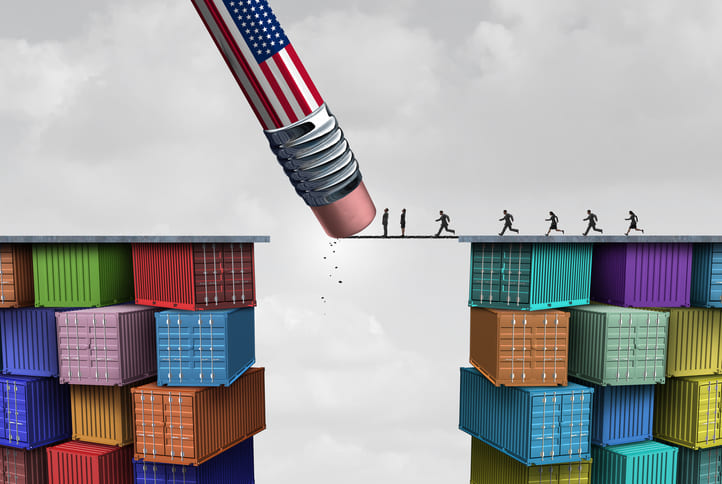



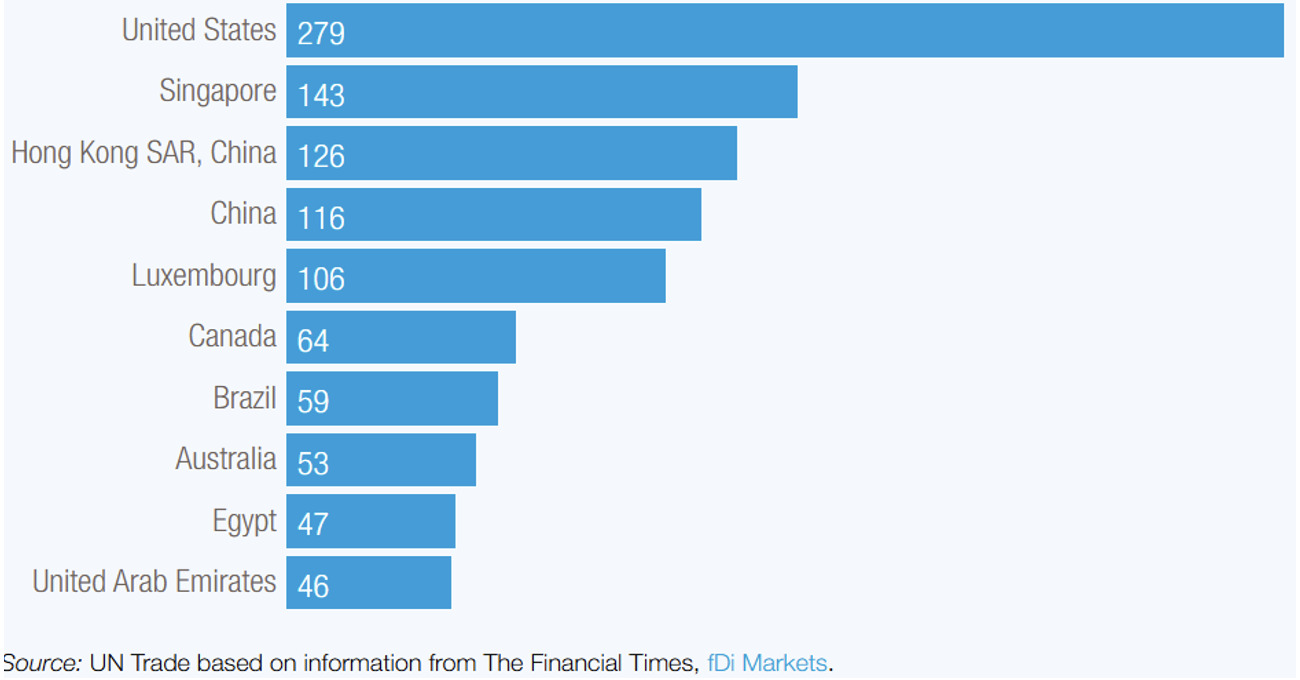

 Dr. Kalim Siddiqui





 Dr. Gleb Tsipursky