High performance in leadership comes at a cost: prolonged pressure. Executives must make critical decisions against tight deadlines whilst maintaining the highest level of strategic thinking.
How to safeguard mental sharpness within this setting has been one of the key concerns of leaders as they look forward to staying sharp. A quieter solution is gaining traction. It doesn’t involve productivity apps or hacks.
Leisure in a formal home office is becoming another method that high-level executives are resorting to, as a way of realigning themselves between strategic decisions. It is within this context that companies like Home Games Room are finding their products naturally placed in discussions around executive home office design.
The introduction of well-crafted pool tables is proving more effective than expected as a remedy for decision fatigue and overall performance enhancement. Modern home office design is no longer simply about creating picturesque and practical workspaces. It has become a more holistic approach that includes consideration for cognitive wellbeing.
Workplace consultants say that leaders who grant themselves space in their day to engage in analogue leisure activities are better able to reset, sharpen their choices, and avoid burnout. This approach aligns with the broader movement towards executive wellness strategies that balance performance with mental recovery.
The Cognitive Cost of Decision Fatigue
Decision fatigue is a well-documented phenomenon that affects leaders across every industry. It emerges from the relentless demands of high-stakes decision making, often resulting in diminished concentration, increased risk-taking, and reduced creative thinking capacity.
These mental lapses can prove costly in complex finance, technology, and international business sectors. A single oversight or rushed decision may have significant ripple effects. Leaders are expected to maintain clarity and consistency across a wide range of responsibilities, which only compounds the strain. Over time, the accumulation of choices erodes mental stamina, leaving even the most experienced professionals vulnerable to error or indecision.
Research in psychology has consistently demonstrated that strategic downtime is essential in combating this cognitive drain. It’s not just about rest, it’s about recalibrating the brain’s executive functions.
Even unstructured breaks can rejuvenate and enhance problem-solving ability, particularly when the mind is allowed to wander. Executives use those findings in their work environment now, where not only are their home offices being set up to accommodate deep work, but also their purposeful mental resets.
Pool tables are proving especially valuable in this regard. They demand just enough concentration to quiet immediate concerns whilst remaining engaging enough to provide genuine respite without adding pressure. The tactile, physical nature of the game allows for a complete cognitive shift that doesn’t depend on screens or stimulation overload. While digital games often contribute to screen fatigue rather than alleviating it, the same cannot be said of pool.
Pool as a Quiet, Focused Tool
Pool tables offer a unique rhythm that complements the demands of high-stakes work for many leaders. They introduce a calm environment that allows for mental reorganisation without the constant interruption of notifications or meetings.
Even a 10-minute session can help an executive step back from a challenging problem or unlock a fresh perspective. A game of pool can be incorporated into short breaks when more physical activities may require too much time or effort. These micro-moments of disengagement have a cumulative benefit, especially when embedded into daily routines.
It only needs one or two participants and can therefore be used during a single reset block or even an informal discussion. The physical experience of lining up a shot, calculating angles, and focusing on precision encourages the brain to shift toward spatial thinking. This small but active engagement offers a break from cognitive overload and improves the brain’s ability to switch modes.
This shift away from verbal and analytical processing supports mental flexibility, reduces stress, and encourages renewed engagement with subsequent tasks. Such transitions have been shown to enhance creativity and insight. In many ways, the act of playing becomes a deliberate strategy for recovery and readiness.
Pool has become part of this shift, gaining popularity as leaders seek new ways to reset and refocus in demanding roles where innovative thinking is a key determinant of success.
Designing the Executive Home Office
Research on the increasing popularity of leisure-integrated workspaces has impacted how executive home offices are being designed. There is growing demand for layouts that combine efficient workstations with zones dedicated to recovery and focus.
High-quality leisure elements like pool tables are now viewed as investments in cognitive performance. Achieving this balance requires thoughtful design. For example, a pool table should enhance the office environment rather than overpower it.
Executives working with limited space may opt for convertible tables that also function as meeting surfaces when not used for play. Placement matters as well. The table should be positioned so that it allows free movement without disrupting the workspace flow.
Many executives are choosing well-crafted pool tables that double as statement pieces. All these designs bring together sleek lines and high-quality materials with the toughness needed for everyday use every day. In the home office setting, the pool table becomes more than an activity, it is a key structural element of the powerfully thought-out surrounding environment set up for the highest mental clarity.
The Psychology of Play-Based Breaks
The concept of integrating leisure into executive home offices is not just about relaxation. It is about forming a habit of stepping back. Play interrupts the decision-making mode and provides the mind with much-needed relief.
Occupational psychology research shows that activities requiring moderate concentration and allowing personal expression are particularly effective in restoring mental energy. These tasks act as a buffer against cognitive overload, allowing executives to return to work with sharper focus.
Unlike digital games, which can lead to further screen fatigue, analogue games like pool engage the senses through touch and movement. They trigger different neural pathways than those used during meetings or planning sessions, stimulating the brain in refreshing and non-linear ways.
This mental switch enables the brain to reorganise information in subtle ways, often leading to creative insights or new perspectives. Pool can be played alone or with a colleague, making it ideal for short breaks or informal conversations. It creates opportunities for spontaneous problem-solving and fosters deeper social interaction without the pressure of a formal setting.
Leaders who make space for intentional downtime often find the benefits extend beyond personal performance. By visibly prioritising recovery, they model behaviour that encourages teams to manage energy more effectively rather than simply working longer hours. This helps reduce burnout and supports a more sustainable culture of achievement.
Executives also report that these structured breaks lead to clearer strategic thinking. Problems that once felt pressing can often be tackled with greater perspective and calm. Over time, these habits contribute to better decision-making and stronger leadership resilience.
A Lifestyle Shift in Leadership
The use of pool tables in executive offices reflects a broader cultural shift in leadership. Many executives are beginning to realise that constant effort does not automatically lead to better results.
Research shows that taking better breaks at work can boost performance by enhancing focus, decision‑making, and creativity, aligning with the growing emphasis on purposeful downtime in leadership routines.
Many business strategists say their best ideas often arise during unstructured moments. A financial services CEO recently shared that he now plays pool before board meetings at his home office. He sees it as a grounding ritual that helps him think on a broader scale and approach decisions with renewed clarity.
This mirrors the recovery practices in elite sports, where structured rest complements high effort. Athletes rely on these intervals to maintain peak performance, a principle now gaining traction in executive circles. For leaders managing complex organisations, pool tables offer a practical and enjoyable way to embrace this rhythm while fostering both focus and flexibility.
Bringing It All Together
Adding pool tables to executive home offices is more than a design statement. It represents a growing understanding in business about how high performers sustain their edge over time.
The balance between intentional work and analogue leisure allows executives to combat decision fatigue, stay creative, and maintain mental sharpness. These restorative moments are increasingly seen as strategic assets rather than indulgent breaks.
In a high-pressure environment, the ability to reset effectively is not a luxury, it is a necessity. The pool table has emerged as a useful and often surprising addition to this performance toolkit.
It plays a role in the broader trend of executive wellness, where the workspace is designed not just for output, but also for sustained clarity and resilience. As the lines between home and work blur, tools supporting mental recovery are becoming essential features of modern leadership spaces.
With leadership culture continuing to evolve, more home offices will feature these subtle yet powerful instruments of recovery and reflection. Executives are discovering that time spent at the pool table is anything but idle. It is a smart pause, one that clears the mind, sharpens focus, supports collaboration, and enhances decisions in a world that demands more each day.
What began as a planned meeting between U.S. President Donald Trump and Ukrainian President Volodymyr Zelensky has expanded into a high-stakes summit, with leaders from the UK, France, Germany, Italy, Finland, the EU and NATO joining at the White House for urgent discussions on how to end the war in Ukraine.
The rare gathering underscores growing European unease that Washington’s stance on the conflict has shifted in a direction less favorable to Kyiv. The talks follow Trump’s meeting with Russian President Vladimir Putin in Alaska on Friday, after which Trump dropped criticism of Moscow and signaled he now expects Ukraine to concede significant ground.
On Sunday night, Trump warned Zelensky he must abandon aspirations for NATO membership and accept the loss of Crimea, annexed by Russia in 2014. U.S. envoy Steve Witkoff said Washington would offer Europe security guarantees to deter further Russian aggression, though the scope of those promises remains uncertain. Until now, the U.S. has resisted European demands for firm commitments to Ukraine’s defense.
Zelensky faces enormous pressure. Any agreement requiring Kyiv to surrender Donetsk and Luhansk would be politically and militarily devastating, given that thousands of Ukrainian soldiers have died defending those territories since 2022. Conceding land could also embolden Moscow to launch new offensives in the future. Without strong security assurances, it will be nearly impossible for Zelensky to accept such terms.
Trump, however, appears increasingly impatient, pushing for a comprehensive peace deal rather than a ceasefire. European leaders worry this shift could leave Ukraine vulnerable to continued Russian strikes while negotiations drag on. They are expected to press Trump to clarify what U.S. security guarantees would actually entail.
For Europeans, the stakes extend beyond Ukraine. Many fear that forcing Kyiv to give up land would set a dangerous precedent on the continent, allowing borders to be redrawn by force. That concern explains the extraordinary decision by so many leaders to cross the Atlantic at short notice.
Russia, though absent from the White House, may have already shaped the agenda. Putin has secured from Trump a clear statement that Ukraine will not join NATO, and Moscow is pressing for control over the rest of the Donbas. Analysts note that Russia’s strategy could be to push Zelensky into refusing any territorial concessions, hoping the impasse will drive Trump to abandon negotiations altogether.
As the summit begins, both allies and adversaries are watching to see whether Washington will commit to defending Ukraine or whether Kyiv will be left to negotiate under mounting pressure from Moscow and a restless White House.
B2B lead generation is evolving at a speed that calls for a new approach. Buyers have more control, competition is tighter, and digital noise makes it harder to stand out. Sticking with outdated tactics no longer works.
Modern strategies like outsourced B2B lead generation and demand generation services are now central to success. The focus is on building trust and creating meaningful relationships with decision-makers, while also understanding buyer intent and delivering value at every stage.
In this post, we will explore the strategies, tools, and approaches shaping the future of B2B lead generation and how you can adapt to stay ahead.
From Cold Outreach to Warm Conversations
Cold emails and scripted calls are becoming less effective because decision-makers expect relevance. Warm conversations—those that begin with trust—are the future.
These often start in curated environments such as invite-only executive dinners, targeted industry summits, and small expert roundtables. In these settings, the pressure to sell disappears and the focus shifts to shared challenges and mutual goals. This approach builds credibility and makes it easier to guide prospects through the buying process.
Executive Events as a Core Growth Driver
Executive events have evolved from simple networking opportunities to strategic lead generation tools. In-person gatherings, such as private roundtables or C-level dinners, allow for genuine, face-to-face connections.
Virtual formats, when done right, can deliver the same level of engagement. These features encourage interaction and keep the conversation meaningful:
Polls
Breakout rooms
Live Q&A sessions
The future is about quality over quantity. A focused group of 15 relevant decision-makers can be far more impactful than an audience of hundreds with no clear alignment.
Data and Insights for Precision Targeting
Guesswork is no longer a viable approach in competitive B2B markets. The most successful companies are leaning into account-based marketing (ABM) strategies and targeted surveys to gather actionable insights. Instead of chasing every lead, they focus on accounts with the highest potential for conversion and long-term value.
For example, a SaaS provider might learn through surveys that compliance matters more to target accounts than cost. They can then tailor messaging and events to address that need directly.
ABM helps you:
Identify and prioritize high-value accounts.
Understand buying intent, pain points, and budget priorities.
Personalize outreach for maximum relevance.
When you know exactly who to target and what they care about, every interaction feels timely and valuable, resulting in stronger engagement and shorter sales cycles.
Multi-Touch Journeys That Keep Prospects Engaged
Single touchpoints no longer work. The most effective strategies create multi-touch, multi-channel journeys that maintain momentum.
For example, a lead might join a virtual roundtable, receive an email follow-up with a key takeaway report, see a related LinkedIn article, and later connect for a one-on-one discussion. Each interaction builds familiarity and trust, making the decision to move forward feel natural.
Content That Builds Relationships
Your content goes beyond attracting new prospects. It plays a key role in building and strengthening relationships. Insights from events can be turned into articles, industry reports, or short videos. Each format helps reinforce your expertise and keeps your brand visible to decision-makers.
For instance, a discussion on emerging compliance challenges could become a detailed whitepaper distributed to attendees and shared with target accounts. This keeps your brand present in the decision-maker’s mind even before they are ready to buy.
Measuring ROI with the Right Metrics
In the next era of B2B lead generation, success will be defined by the impact on revenue rather than surface-level activity. Vanity metrics such as email opens or event registrations can give a false sense of progress. What matters is the quality of engagement, the strength of relationships, and the direct influence on the sales pipeline. The shift from traditional metrics to outcome-focused indicators can be seen in the comparison below.
Focus Area
Old Metrics
Future Metrics
Engagement
Opens and clicks
Meeting requests and demos
Reach
Event registrations
Decision-maker participation
ROI
Cost per lead
Revenue per relationship
Key Challenges and How to Overcome Them
The future of B2B lead generation brings new opportunities, but it also presents complex challenges. Rapid changes in technology, buyer expectations, and regulations mean strategies must adapt quickly. These three main challenges dominate this landscape:
Over-automation can strip away the personal touch that buyers value. It is essential to balance tech with human connection.
Content overload makes it harder to stand out. The key is to stay relevant and share the right message with the right audience at the right time.
Data privacy compliance is tightening. Staying ahead of regulations protects trust while maintaining targeting precision.
The Adatha Group Advantage
Adatha Group combines curated executive events, strategic surveys, and ABM campaigns to deliver measurable results. Their approach focuses on quality interactions over mass outreach, helping clients build strong C-level relationships, speed up deal cycles, and develop predictable pipelines. By blending human connection with data-driven targeting, they consistently produce high-value opportunities.
Final Words
B2B lead generation is moving toward deeper relationships, smarter targeting, and measurable results. The methods are here. The strategies are proven. The next step is to take action and connect with the right people in the right way.
If you are ready to strengthen your pipeline, Adatha Group can help with B2B demand generation services designed to engage decision-makers and create meaningful business opportunities.
This article analyses the decline of United States hegemony through the prism of militarism, empire, and contradictions in capitalist accumulation. Dr Kalim Siddiqui contends that the post-9/11 era-marked by endless wars and the 2008 financial crisis-exposed systemic vulnerabilities, eroding the material and ideological bases of US dominance. The Trump administration’s nationalist turn, characterized by trade wars and institutional decay, sought to resolve through coercive protectionism and Cold War revivalism. Yet these measures worsened structural crises: soaring public debt (now exceeding 125% of GDP), fiscal insolvency, and a shrinking US share of global output. By tracing the dialectic between militarized imperialism and capital’s declining returns, the study demonstrates how accumulation crises accelerate hegemonic decline—and the destabilization of the liberal world order.
I. Introduction
The United States (US) emerged from the Cold War as the world’s sole superpower, yet rather than demilitarizing, it entrenched a system of global militarism unprecedented in scale and ambition. Despite the absence of a peer competitor after the Soviet collapse, US military expenditures persisted, fuelling interventions that reshaped the post-2001 world order. By 2024, global military spending surged to a record $2.7 trillion, with the US accounting for 37% of this total despite representing only 4% of the world’s population. This militarization is not merely a security strategy but an economic imperative: a form of externalized military Keynesianism, where arms production and exports absorb surplus capital while displacing the costs of waste and instability onto peripheral economies (Cypher, 2007).
By 2024, global military spending had reached an unprecedented $2.7 trillion, with the US alone accounting for 37% of this total despite comprising just 4% of the world’s population. Such disproportionate militarization reflects more than strategic calculations: it constitutes a form of externalized military Keynesianism – a mechanism through which arms production, defence contracting, and overseas bases function as a sink for surplus capital. In this arrangement, the destructive consumption of military goods sustains domestic accumulation while displacing the social, environmental, and economic costs onto subordinate economies in the global periphery.
The US retains decisive influence within the International Monetary Fund—holding 17% of total voting rights—and is the largest shareholder in the World Bank.
The US hegemony operates through a dual architecture: the coercive capacities of military force and the institutional scaffolding of global economic governance. Since 1945, the US has dominated key multilateral forums, from NATO and other security alliances to the financial institutions born of the 1944 Bretton Woods settlement. The latter institutionalized the dollar’s centrality and advanced US trade liberalization agendas through the General Agreement on Tariffs and Trade (GATT), later superseded by the World Trade Organization (WTO). The US retains decisive influence within the International Monetary Fund—holding 17% of total voting rights—and is the largest shareholder in the World Bank.
In the post-Cold War era, this hegemonic order has been sustained not by the promise of mutual prosperity, but by the fusion of militarism and financial governance—a synthesis that both manages and reproduces the contradictions of late capitalism. Yet this fusion is increasingly unstable, as the very mechanisms designed to stabilize accumulation generate crises of legitimacy, overextension, and geopolitical backlash.
The Trump administration marked a decisive rupture with the liberal internationalist project, replacing it with a nationalist–populist agenda that accelerated the erosion of US hegemony. Trump’s policies—steep tariff hikes, assaults on democratic institutions, and the escalation of a “New Cold War” with China—were framed as an attempt to reconcile domestic economic decay with the persistence of imperial ambition. Yet the underlying contradictions only deepened. Federal debt has climbed beyond 125% of GDP, with interest payments now surpassing even military expenditures.
This paper contends that contemporary US militarism functions simultaneously as a symptom and an accelerant of systemic crisis. Drawing on Marxist theories of underconsumption (Luxemburg, 1913) and military Keynesianism (Kalecki, 1972), it argues that arms spending temporarily mitigates stagnation by absorbing surplus capital, yet in doing so, it heightens geopolitical instability and accelerates structural decline (Wolff, 2024). The “Trump Doctrine”—a fusion of MAGA-style revanchism with entrenched monopoly-capitalist interests—has not reversed the trajectory of decline. Instead, it has sharpened the contradictions: deindustrialization, inflationary pressures, and a spiralling debt burden erode domestic stability, even as the US intensifies confrontation abroad (Siddiqui, 2025a).
The US, once the unchallenged hegemony of the post-Cold War era, now faces a deepening economic and geopolitical crisis reminiscent of the British Empire’s decline (Siddiqui, 2023a) Over the past thirty-five years, the US maintained its dominance through economic liberalism and globalized trade. However, recent shifts toward protectionism—epitomized by the Trump administration’s tariffs—signal not a revival of US power but an acceleration of its decline.
Trump imposition of tariffs on US imports, contrary to the stated goal of reducing trade deficits, tariffs have triggered retaliatory measures, harming US export markets and employment. Basic economic principles demonstrate that tariffs function as regressive taxes, raising consumer prices, exacerbating inflation, and suppressing domestic demand—a combination that risks recession (Siddiqui, 2025b).
The US is adopting this isolationist posture at a moment of relative weakness. While the G7 economies collectively account for just 28% of global GDP, China and the BRICS nations now represent 35%, underscoring the decline of Western economic dominance (Siddiqui, 2024a). The US economy, plagued by chronic trade deficits, soaring public debt, deindustrialization, and crumbling infrastructure, has seen its share of global output shrink steadily since the 2008 financial crisis (Siddiqui, 2024b).
This retreat from multilateralism is not merely a policy shift but a symptom of systemic decay. By antagonizing the EU, BRICS, and emerging economies, the US is accelerating the fragmentation of the liberal international order it once led. What emerges is a hegemonic power in disarray—one that increasingly relies on militarism. The erosion of liberal norms is not an aberration but a manifestation of the structural crises within late-stage US capitalism.
II. The Trump Doctrine: Economic Nationalism, and the Crisis of US Hegemony
On April 2, 2025, Donald Trump issued what he termed a “declaration of economic independence,” invoking national emergency powers to impose a 10% baseline tariff on all trading partners, with elevated rates targeting approximately 60 countries and economic blocs. Notably, these measures included a 34% tariff hike on China (compounding prior duties to reach 54%), a 46% levy on Vietnam, and a 20% surcharge on the EU. When China retaliated with counter-tariffs, Trump escalated the cumulative duty on Chinese imports to 104%, and subsequently to an unprecedented 145%.
Trump’s second-term policies—characterized by erratic protectionism, mass federal workforce purges, draconian anti-immigrant campaigns under the guise of deportation drives, and assaults on academic institutions—reflect a broader pattern of norm erosion and legal disregard. His administration has systematically concentrated executive power by undermining judicial autonomy, restricting press freedoms, and curtailing civil liberties—pillars of liberal democracy.
Despite superficially robust GDP growth, the US economy exhibits systemic fragility: manufacturing decline, deteriorating infrastructure, dwindling business investment, stagnant real wages, and weakening consumer demand. The erosion of heavy industry has particularly devastated sectors like shipbuilding, impairing both production and export capacity (Kennedy, 1989).
Trump’s rhetoric—floating the annexation of Greenland, threats against Canadian sovereignty, and demands for control over the Panama Canal—evokes a revival of the 19th-century Monroe Doctrine, wherein the US unilaterally asserted hemispheric dominance while excluding EU. His agenda of industrial revitalization faces profound contradictions: tariff-driven trade deficits and reshoring efforts clash with the realities of global supply chains. Export-dependent economies can no longer rely on US market access, while American consumers bear the brunt of inflationary pressures. China’s defiance of Trump’s tariff demands underscores the asymmetry in bilateral relations—the US remains more dependent on Chinese manufacturing than China is on US consumption.
The Trump presidency has precipitated a radical reorientation of US imperialism, marked by the repudiation of the post-WWII liberal order, the stalling of NATO expansion, and the de-escalation of proxy conflict in Ukraine. By unilaterally imposing aggressive tariffs and recalibrating military priorities, the US has alienated traditional allies even as it accelerates a New Cold War against China and the Global South (Siddiqui, 2023b)
The “Trump Doctrine” merges economic nationalism with authoritarian populism, rejecting multilateralism while emboldening right-wing movements worldwide. His “Make America Great Again” (MAGA) platform promotes a chauvinist vision of US primacy, necessitating escalating domestic repression to sustain its reactionary governance. The durability of this regime hinges on the scale of opposition it provokes, both domestically and internationally.
Trump’s imperial strategy transcends mere protectionism. His first term saw historic military budget increases and the reckless use of force abroad; his second term has doubled down on Pentagon spending and intensified confrontation with China. This reflects a coherent, if destabilizing, effort to reverse US hegemonic decline through a fusion of economic warfare and military brinkmanship (Siddiqui, 2022)
This agenda enjoys fervent support within the MAGA base and among factions of monopoly capital—particularly in tech, private equity, and energy—that profit from Trump’s antagonism toward China and deregulatory fervour. The result is a paradoxical imperialism: one that dismantles the very institutions of US global leadership while pursuing domination through chaos.
III. The US Geoeconomic Gamble: Replicating the Plaza Accord in a Multipolar World
The Trump administration’s geoeconomic strategy draws direct inspiration from the 1985 Plaza Accord, in which the US, Japan, and Europe coordinated to devalue the dollar, artificially inflating the yen and crippling Japan’s export-driven economy—ushering in decades of stagnation. Yet in 2025, the US occupies a far weaker global position than in 1985, while key holders of dollar-denominated reserves—notably China ($3 trillion in forex reserves) and the EU—are acutely aware of Japan’s fate and refuse to acquiesce to a similar arrangement.
To force compliance, the Trump administration has adopted a dual coercive approach: Pressuring the EU to shoulder greater costs for the US-led security umbrella, leveraging NATO dependence as a bargaining chip. Imposing punitive tariffs to destabilize trading partners, theoretically aiming to trigger dollar appreciation (as occurred during Trump’s first term). However, initial 2025 measures have backfired, with tariffs paradoxically driving dollar depreciation—contrary to the administration’s macroeconomic projections.
Trump’s nationalist-imperial policy—a volatile mix of trade and currency warfare—risks accelerating the very decline it seeks to avert. By destabilizing global finance, it incentivizes the BRICS+ bloc (Brazil, Russia, India, China, South Africa, and expanding allies) to fast-track de-dollarization, undermining the dollar’s reserve currency status. As economist Michael Hudson observes: “Trump’s strategy assumes the US economy functions as a ‘cosmic black hole’—sucking in global capital and surplus value through sheer gravitational force. His ‘America First’ doctrine is, in essence, a declaration of economic war on the world, premised on the delusion that chaos inherently benefits the hegemon.”
This gamble is structurally doomed: unlike 1985, the US lacks the unilateral leverage to impose a Plaza Accord-style shock. The result will likely be a disorderly unravelling of dollar dominance, eroding the foundation of US global power.
IV. US Hegemonic Strategy in the Middle East
Retired US General Wesley Clark once outlined a revealing blueprint for American dominance in the Middle East, identifying Iran as the “capstone” in a sequence of seven nations—Iraq, Syria, Lebanon, Libya, Somalia, and Sudan—that the US sought to control. This strategy reflects a broader imperial logic: securing hegemony over the region’s energy resources and geopolitical corridors has long been central to sustaining US global power.
Since the early 20th century, US economic supremacy has been underpinned by its dominance over Middle Eastern oil. By transforming oil-producing states into compliant client regimes—often authoritarian monarchies or oligarchies—the US ensured a dual advantage: directing the flow of oil to stabilize global markets on terms favorable to American interests. Enforcing the petrodollar system, wherein OPEC states like Saudi Arabia reinvest oil revenues into US Treasury securities and Wall Street assets, buttressing the dollar’s reserve currency status.
The post-Gulf War order cemented this control. Iraq’s deliberate weakening, the proliferation of US military bases, and deepened alliances with Arab autocracies exemplified a deliberate strategy: as a few centralized ruling families are easier to manipulate. This ensured cheap oil, lucrative arms sales, and suppression of regional challenges to US primacy.
The US maintains a military dominance unparalleled in modern history—surpassing even 19th-century Britain at the zenith of its empire (Kennedy, 1989). This power is deployed in service of a global agenda that enforces a singular economic paradigm, one that readily employs force to protect perceived strategic interests. The Middle East remains the epicentre of this contest due to three intersecting factors: the region holds nearly 48% of global oil reserves, making it indispensable to US economic and strategic calculations. US support for Israel, military bases in Iraq, and interventions in Syria collide with China’s BRI-driven infrastructure diplomacy and Russia’s regional alliances. The erosion of the post-1945 order has turned the Middle East into a battleground for competing visions of governance—liberal hegemony versus multipolar sovereignty.
V. China: An Existential Threat to the US led Unipolar Order
From the perspective of US strategists, China’s ascent represents a systemic threat precisely because it challenges both pillars of American hegemony. China’s industrial and trade dominance now rivals—and in several key sectors, surpasses—that of the US, thereby undermining US control over global markets. Moreover, China’s model of state-directed development presents a compelling alternative to the neoliberal “free market” orthodoxy traditionally promoted by the US
Over the past two decades, China’s rapid industrialization has fundamentally reshaped the structure of the global economy. One of its most consequential geopolitical effects has been the reconfiguration of the Middle East’s oil trade and infrastructure networks—a shift greatly accelerated by China’s ‘Belt and Road Initiative’ (BRI) across Asia and Africa. As Global South nations increasingly emulate China’s synthesis of state planning and strategic economic integration, the US finds its ability to dictate terms of trade and investment significantly diminished (Siddiqui, 2024c).
The strategic relevance of the Strait of Hormuz—a narrow maritime chokepoint between Oman and Iran through which approximately 40% of the world’s crude oil passes—underscores this transformation. Between January and October 2023, roughly 70% of oil shipped through the strait was destined for Asian markets, reflecting the region’s deepening economic ties with China. The persistent failure to subjugate Iran—despite decades of sanctions and hybrid warfare—further highlights the limitations of US coercive power. As historian Gabriel Kolko warned, “Empires often mistake control for strength”—a lesson the US may soon be forced to reckon with.
Indeed, the very instruments used to sustain US hegemony—militarism, dollar seigniorage, and clientelist alliances—are now fuelling global resistance. From the BRICS+ push for de-dollarization to the growing assertiveness of regional powers, the foundations of unipolarity are visibly eroding. The question is no longer whether the unipolar order will fracture, but how violently.
The structural contradictions of US capitalism have deepened as its dominance in global manufacturing has eroded. Between 2000 and 2024, the US’ share of manufacturing value-added among Global North economies fell dramatically from 78% to 49%, while the share held by developing economies rose from 22% to 50% (World Bank, 2025). This tectonic shift is most clearly exemplified by China’s ascent: its share of global manufacturing value-added surged from 9% in 2004 to 29% in 2024, while the US share declined from 25% to 16% over the same period.
As its economic competitiveness declines, the US has become increasingly reliant on military and political instruments to sustain its global dominance. The expansion of NATO into Eastern Europe and the revitalization of the US–Japan–South Korea trilateral alliance exemplifies US strategy of geopolitical containment. Currently, the US maintains over 700 overseas military bases—used not only to deter adversaries but also to discipline allies—highlighting the coercive dimensions of its hegemonic apparatus. This militarized posture stands in stark contrast to China’s BRI, which emphasizes infrastructure, trade, and development. The US approach reveals a fundamental paradox: the persistence of unipolar military supremacy amid the steady erosion of economic primacy.
VI. China’s Unprecedented Ascent
China asserts its ambition to become the world’s leading manufacturing power, emphasizing high domestic content and robust industrial innovation capacity.
China asserts its ambition to become the world’s leading manufacturing power, emphasizing high domestic content and robust industrial innovation capacity.
China’s economic ascent diverges qualitatively from the Soviet Union’s Cold War position in three fundamental ways. First, unlike the Soviet Union, which at its peak accounted for only 3.4% of global GDP, China is deeply integrated into the global economy, contributing approximately 18% of world GDP and serving as a central hub in critical supply chains. Second, China has established alternative global financial institutions—the Asian Infrastructure Investment Bank (AIIB), with $100 billion in capital, and the New Development Bank—that directly challenge the dominance of the IMF and World Bank. This is to reduce dependency on IMF/World Bank. Third, China has achieved technological parity with the US in key sectors of the Fourth Industrial Revolution, including artificial intelligence, 5G telecommunications, and green technologies.
This emergent order resists Cold War analogies. Where the Soviet Union relied heavily on ideological patronage, China offers pragmatic development partnerships. Since 2010, the China Development Bank has issued over $4 trillion in global loans. Unlike IMF-led structural adjustment programs, China’s BRI projects typically impose no political conditions. Technologically, China is achieving increasing autonomy; Huawei’s portfolio of over 140,000 global 5G patents exemplifies the country’s growing capacity to “stand up” as an independent innovator. This shift toward multipolarity represents more than just a diffusion of power—it constitutes the first credible challenge to the West’s post-1945 monopoly over financial and technological systems.
China’s industrial upgrading has also created significant opportunities for developing economies. Between 2000 and 2023, China provided at least $240 billion in rescue lending to twenty countries. This support took multiple forms: approximately $200 billion was disbursed through the People’s Bank of China’s global swap line network, $70 billion through bridge loans for balance-of-payments support, and additional funding was extended via commodity repayment facilities involving Chinese state-owned enterprises in the oil and gas sectors. These bailout mechanisms have played a critical role in assisting financially vulnerable states—particularly those with low reserve buffers and poor credit ratings—in navigating liquidity crises and avoiding sovereign defaults.
Notably, Egypt, which joined the BRICS bloc in 2024, has utilized renminbi swap line rollovers to support its reserve position amid ongoing IMF lending. Similarly, Turkey—a NATO member—applied to join BRICS the same year and drew on China’s swap lines to shore up its depleted foreign reserves during efforts to stabilize the lira. These developments underscore the growing appeal and utility of Chinese-led financial alternatives, which increasingly rival the Western-dominated IMF and World Bank system.
China’s industrial upgrading has further accelerated this shift, creating new avenues of development for the Global South and altering long-standing patterns of global economic dependence. This profound transformation has eroded the structural underpinnings of US unipolarity, weakening US ability to command the global economic and financial architecture.
This structural realignment undermines the foundations of the unipolar system and severely limits the US’ ability to exercise uncontested control over the global economy and financial architecture. As economic leverage wanes, the US is increasingly compelled to rely on extra-economic forms of coercion to sustain its global position. As its economic leverage diminishes, the US has increasingly resorted to extra-economic forms of coercion—ranging from financial sanctions and secondary boycotts to military pressure—in an effort to sustain its hegemonic position. Yet, these measures may prove insufficient in the face of an emerging multipolar order anchored by China’s expanding economic and financial reach.
VII. The Inherent Bellicosity of Late Imperialism
The tools that once enforced US economic hegemony—SWIFT exclusions, dollar liquidity weaponization, IMF conditionality—are losing potency. As economist Zongyuan Zoe Liu (2023) observes: “China’s rescue lending doesn’t just provide liquidity—it reconfigures the very plumbing of global finance. When Ankara chooses RMB swaps over Fed lines, or Cairo treats BRICS membership as an IMF counterweight, they’re voting with their central bank balance sheets against the postwar order.”
Despite Ukraine’s steady territorial losses, the Western sanctions regime against Russia—designed to collapse the rubble—has proven strategically counterproductive. After an initial depreciation, the rubble not only recovered but strengthened beyond pre-war levels against the dollar, exposing the diminishing returns of financial coercion. The US threat to penalize de-dollarizing states through punitive tariffs constitutes raw financial imperialism—a violation of the very “rules-based order” US claims to uphold. Such coercion reveals the desperation of a hegemon losing its structural leverage.
Parallel to economic coercion, the Trump administration is escalating military spending—expanding the Pentagon budget while strong-arming allies into rearmament. This “big stick” approach risks: lowering thresholds for great-power war, particularly vis-à-vis China. exacerbating tensions within the historic capitalist core, as EU-US rivalries intensify over trade, security burden-sharing, and energy markets.
The convergence of protectionist brinkmanship, dollar instability, and militarization marks a dangerous departure from postwar US statecraft—one that may precipitate not hegemonic renewal, but systemic collapse.
This escalation follows the historical logic of capitalism’s conflictual nature. As French socialist Jean Jaurès presciently warned: “Capitalism carries war within it, just as clouds carry rain.” The US today does not pursue peace but seeks the violent restoration of its declining hegemony. The irony is stark: the so-called “rules-based order” increasingly depends on the unilateral abandonment of those very rules whenever its supremacy is challenged.
By 2024, the US federal debt had reached an unprecedented $34.5 trillion—amounting to 125% of GDP—with annual interest payments exceeding $1 trillion, surpassing even the Pentagon’s military expenditures (Treasury Department, 2024). This deepening debt crisis reflects three structural contradictions at the heart of US imperialism (Siddiqui, 2019a). First, chronic trade imbalances—averaging 3–5% of GDP since 1975—stem from the “exorbitant privilege” of the dollar, enabling the US to import goods in exchange for liabilities rather than productive output. Second, the imperatives of finance capital demand fiscal austerity in the form of reduced social spending, while corporate tax rates remain historically low (21%, down from 35% pre-2017), exacerbating inequality and eroding domestic productive capacity. Third, the effort to externalize these contradictions through coercive trade measures has generated blowback.
Under the Trump administration, this has taken the form of blanket tariffs ranging from 10% to 145% on key trading partners—most notably China and the EU—forcing these economies to pursue alternative trade and settlement systems, including expanded renminbi reserves. As Marxist economist Samir Amin (2010) observed, “Late imperialism militarizes not because it is strong, but because its financialized core is rotting.”
Historically, the US gained tremendously from the devastation of World War II, which crippled its main competitors—Europe, the Soviet Union, China, and Japan. In the war’s aftermath, the US emerged uniquely positioned to impose economic leadership: it held over half of global industrial production and dominated sectors critical to the technological expansion of the late 20th century. Moreover, it stood alone as the sole possessor of nuclear weapons, the ultimate symbol of military supremacy.
However, the long-term trajectory of US trade has been one of persistent and widening deficits. From $100 billion in 1989 to over $500 billion by 2002, this imbalance now spans nearly all sectors of the economy. Even in high-technology goods—a domain once dominated by US innovation—the surplus of $35 billion in 1990 has since deteriorated into a deficit. Today, the US faces intensifying competition from not only Europe and Japan but also emerging industrial powers such as China, South Korea, and others (Siddiqui, 2025c).
The reintegration of the global market—set in motion by neoliberal reforms in the 1980s and accelerated by the collapse of the Soviet Union—now appears increasingly unstable. Its longevity remains uncertain. It is important to distinguish internationalization from the unification of the global economic system under unregulated market liberalization. Historically, such liberalization has reflected the interests of dominant capital, rather than a true global consensus. The “free trade” model promoted by the leading industrial power of the 19th century—Great Britain—proved durable for only two decades (1860–1880). What followed was nearly a century (1880–1980) marked by imperial rivalries, systemic crises, and the detachment of the Soviet bloc and postcolonial states from the capitalist world system.
Table 1: World’s top 20 Countries by Military Spending in 2024.
Source: SIPRI, 2025.
The US continues to dominate global military expenditure, allocating nearly $1 trillion in 2024—equivalent to 3.4% of its GDP. This figure represents 36.7% of total global military spending, highlighting a striking asymmetry: despite comprising only 4% of the world’s population, the US is responsible for more than one-third of global defence outlays (see Table 1). The US and China remain the world’s two largest military spenders, together accounting for nearly half of global military expenditure in 2024 (see Figure 1).
Collectively, the top 15 military spenders accounted for approximately 80% of total global defence spending, which reached $2.185 trillion in 2024. At $997 billion, US military expenditure was 5.7% higher than in 2023 (see Figure 1) and 19% higher than in 2015. The US remained by far the largest spender globally, investing 3.2 times more than the second-largest spender, China. This persistent and disproportionate level of military spending underscores the central role of military power in sustaining US global hegemony amid relative economic decline.
Figure 1: World’s Military Spending in 2023 (billion US$)
Global military expenditure has nearly doubled since the early 1988, especially in the US and Asia (see Figure 2). In 2024 alone, total military spending reached an estimated $2,718 billion—marking a 37% increase compared to 2015 levels. The largest defence spenders were the US ($916 billion or 37% of the global total), China ($296 billion or 12%), Russia ($109 billion or 4.5%), India ($83.6 billion or 3.4%), and Saudi Arabia ($75.8 billion or 3.1%). The military expenditure of world’s top three spender countries such as US, China and Russia has risen steadily (See Figure 3).
According to data from the Stockholm International Peace Research Institute (SIPRI), the world’s leading arms exporters between 2019 and 2023 were the US, France, Russia, China, and Germany (see Figure 4). The US dominated the global arms market, accounting for 43% of total exports. France followed with 9.6%, while Russia, China, and Germany contributed 7.8%, 5.9%, and 5.6%, respectively (SIPRI, 2025).
Figure 2: World’s Military Expenditure by Region, 1988-2024 (billion US$).
Increased military expenditure during World War II played a pivotal role in revitalizing the US economy. As war erupted in Europe, both demand and investment surged, driving rapid economic expansion. Unlike Europe, which suffered immense devastation during both World Wars, the US emerged economically strengthened. US exports—spanning consumer, military, and industrial goods—rose dramatically. Military spending soared, increasing by 600% between June 1940 and June 1941, and eventually reaching a peak of 42% of GDP by 1943-1944.
The rise in military expenditure had far-reaching effects on employment, consumption, investment, and GDP—demonstrating the so-called Keynesian multiplier effect in action. The term military Keynesianism refers to economic policies in which large-scale government spending on the military is used as a tool to stimulate economic growth. While not always employed as the primary mechanism for regulating the business cycle, military Keynesianism has often operated as a de facto economic strategy (Cypher, 2007).
Notably, the theoretical roots of military Keynesianism predate Keynes’s own widespread influence. In 1935, Polish economist Michał Kalecki observed that Nazi Germany had effectively combined deficit spending with rapid militarization, thereby constructing an “armament economy.” After Keynes’s ideas gained traction among Western governments, the term military Keynesianism came to be associated primarily with US economic policy—particularly during and after World War II—where military spending served as a central driver of industrial expansion and full employment.
VIII. Productive versus Unproductive Investments: Concept of the Multiplier
John M. Keynes observed that deficit financing—stimulating demand through state borrowing—has often resulted in what he termed “wasteful forms of loan expenditure.” However, Keynes deliberately refrained from developing a comprehensive theory regarding the consequences of unproductive state investments. A useful distinction can be made in the state’s application of the multiplier effect between military and civilian investment programs. Civilian investments typically include infrastructure projects such as roads and railways, while military investments encompass all defence-related spending within a government’s annual budget. In both cases, multiplier effects occur, as government purchases or public investments stimulate further economic activity (Kalecki, 1972).
Public investment can be an effective means of overcoming periodic economic crises and generating additional aggregate demand, particularly in the short term. However, some countries rely disproportionately on military expenditure to stimulate demand. Military Keynesianism refers specifically to situations where state arms purchases and other defence allocations serve as the primary drivers of the business cycle. In contrast, a secondary form of military Keynesianism exists when the economy is primarily propelled by private investments in civilian sectors or by civilian public spending programs.
The significant role of military spending in today’s global economy is undeniable. A key point in this distinction is that capitalist economies do not operate as closed systems; they depend on foreign trade and exports to absorb a portion of their surplus production. This externalization is especially important in the context of military Keynesianism, as the wasteful aspects of arms production are exported through arms sales. While multiplier effects are generated within the manufacturing economy, the financial burdens of military spending are effectively offloaded onto other core or peripheral countries in the world economy.
In response to severe recessions, many powerful governments have implemented stimulus programs aimed at boosting aggregate demand. For instance, the United Kingdom—the country that spearheaded the neoliberal revolution some thirty years ago by rejecting deficit spending—has more recently accepted the necessity of deficit financing to counter economic downturns.
Critical perspectives rooted in Marxist theory have further illuminated this issue. Rosa Luxemburg, in particular, developed a theory of underconsumption, positing that military expenditure provides a mechanism to invest surplus capital without expanding productive capacities. Later on, it was analysed by Baran and Sweezy (1966), who emphasized the monopoly characteristics of the postwar capitalist system. They argued that military spending plays a crucial role in averting realization crises by absorbing surplus capital without driving up wages or productive capacity—something other forms of government expenditure fail to achieve. While Baran and Sweezy’s analysis was cautious, it laid important groundwork for later theories of effective demand and underconsumption.
Keynes emphasized to economic policymakers that the consumption levels of a society’s working population are not merely incidental but play a crucial role in sustaining corporate profits. He developed a formula expressing how consumption evolves as incomes increase, focusing on the average propensity to consume—the proportion of an additional income that consumers, primarily workers, are likely to spend on further consumption.
Keynes distinguished between two types of multipliers: the investment multiplier and the employment multiplier. The investment multiplier referred to the effect that increased commodity sales have on the behaviour of capital owners, while the employment multiplier highlighted the impact on workers through job creation resulting from additional capital investments by entrepreneurs.
He understood that a balanced expansion of societal production could not be sustained without acknowledging these interconnections.
Like Karl Marx before him, Keynes recognized the interconnectedness between additional investments and the expansion of production across different sectors of a capitalist economy (Marx, 1967). He understood that a balanced expansion of societal production could not be sustained without acknowledging these interconnections. Although the economic aggregates identified by Keynes differed from those of Marx, it is evident that Keynes’s understanding of capitalism was at least partially informed by Marxist analysis. Both thinkers saw their theories as practical tools, offering societal actors means to influence the evolution of capitalist economies.
Keynes’s multiplier theory was primarily aimed at advising the governments of advanced capitalist economies. He argued that governments could intervene to ensure smoother economic functioning by making public investments that sustain aggregate demand. Developed in response to the unresolved crisis of the 1930s, Keynes’s theory provided a framework for overcoming inevitable downturns in the business cycle (Siddiqui, 2019b). By implementing large-scale investment programs—such as infrastructure projects—and measures that support both consumption and employment opportunities among the working population, governments could mitigate the adverse effects of economic fluctuations.
IX. Conclusion
The US emerged from the Cold War as the world’s sole superpower, yet rather than demilitarizing, it entrenched a system of global militarism unmatched in scale. Despite the absence of a peer competitor, US military expenditures ballooned—reaching 37% of the world’s $2.7 trillion in defence spending by 2024—while its population constitutes just 4% of humanity. This reflects not just strategy but military Keynesianism: a reliance on arms production and overseas interventions to absorb surplus capital amid stagnating domestic productivity.
In short, Trump marked a decisive rupture with liberal internationalism, replacing it with a nationalist-populist agenda that exacerbated, rather than resolved, the contradictions of US hegemony. Tariffs, institutional erosion, and a manufactured Cold War with China failed to reverse economic decay. Instead, federal debt surged past 125% of GDP, with interest payments now exceedingly even defence spending.
At present, the US pursues isolationism from a position of weakness. The G7’s share of global GDP (28%) now trails China and BRICS (35%), underscoring the West’s waning dominance. Chronic trade deficits, deindustrialization, and crumbling infrastructure further illustrate this decline. This retreat from multilateralism signals not a tactical shift but systemic unravelling. By alienating the EU and Global South, the US hastens the fragmentation of the order it once led. The result is a hegemonic power in crisis—one substituting militarism and zero-sum economics for sustainable leadership, as the erosion of liberal norms reveals capitalism’s deepening structural failures.
Dr. Kalim Siddiquiis an economist specializing in International Political Economy, Development Economics, Trade and Economic Policy. Since 1989, he has been teaching economics at various universities in Norway and the UK. Dr. Siddiqui’s research interests encompass a wide range of topics, including political economy, international trade, and economic history, South Asia, and emerging economies. He has presented papers at international conferences across numerous countries, reflecting his global engagement in the field. His scholarly pursuits span six broad domains: Political Economy, Development Economics, Economic History, Economic Policy, Globalization, and International Trade. Dr. Siddiqui has made significant contributions to research in areas such as trade policy, globalization, and political economy. His work has been published in chapters of edited books and articles published in peer-reviewed journals. For inquiries, Dr. Siddiqui can be reached at: [email protected]
Imagine a bustling conference room, where employees are not just listening to lectures but actively experimenting with cutting-edge tools, tackling real-world challenges, and discovering new ways to revolutionize their workflows. That’s the transformative power of workshops focused on generative AI (Gen AI). These sessions are more than just training—they are engines of innovation, equipping professionals with the skills and confidence to harness the paradigm shift that unlocks Gen AI’s vast potential.
In the fast-paced world of business, where efficiency and adaptability define success, workshops provide an engaging, hands-on approach to learning that bridges the gap between theory and practical application. For organizations striving to remain competitive in the digital era, workshops are no longer optional—they are essential.
Why Gen AI Workshops Beat Traditional Training
When employees interact with Gen AI during workshops, they move beyond abstract concepts.
Traditional classroom training might work for basic skill-building, but it often lacks the dynamic engagement needed for mastering complex technologies like Gen AI. In contrast, workshops emphasize active participation. Employees dive directly into Gen AI tools, exploring their functionalities and testing their capabilities in real-time scenarios. This approach not only demystifies the technology but also demonstrates its relevance to day-to-day tasks, while managing risks.
When employees interact with Gen AI during workshops, they move beyond abstract concepts. They learn by doing—automating routine tasks, enhancing decision-making processes, and even reimagining customer engagement strategies. This immersion cultivates confidence and competence, transforming hesitation into enthusiasm.
Crafting Gen AI Workshops That Deliver Results
The success of Gen AI workshops lies in meticulous planning and execution. They must be interactive, relevant, and tailored to the participants’ needs. Leading these sessions are often a mix of internal experts familiar with company-specific challenges and external consultants who bring fresh perspectives and cutting-edge expertise.
Workshops can range from half-day crash courses to multi-day deep dives. For instance, an introductory session might provide a foundational understanding of Gen AI, while follow-up sessions delve into specialized topics such as automating workflows or leveraging AI for customer insights. The design must prioritize real-life applications, ensuring that participants leave not just with knowledge, but with actionable skills.
A Client Case Study in Transformation
Consider the case of a regional insurance company aiming to integrate Gen AI into claims processing, risk assessment, and customer service. Recognizing that theoretical knowledge wouldn’t suffice, the company hired me to organize a series of immersive workshops. These sessions empowered employees to apply Gen AI solutions directly to their roles, fostering both understanding and ownership.
The insurance company’s journey offers a blueprint for organizations looking to maximize the impact of Gen AI. The program began with an overview session introducing the fundamentals of Gen AI and its applications within the insurance industry. This session set the stage for more targeted workshops addressing specific business challenges.
In one session focused on claims processing, employees worked in small teams to automate parts of the claims review process. They used Gen AI tools to identify patterns in data, streamline workflows, and enhance accuracy. With immediate feedback from me as the instructor, participants refined their solutions, gaining confidence in their ability to implement these tools in their daily work.
Workshops also tackled customer service, where employees explored how AI-driven insights could personalize interactions and improve satisfaction. By analyzing customer data, participants identified trends and developed strategies to proactively address client needs. These insights translated into tangible improvements in service delivery.
Workshops also tackled customer service, where employees explored how AI-driven insights could personalize interactions and improve satisfaction.
The company didn’t stop at conducting workshops. To ensure sustainable success, they adopted a robust follow-up strategy. After each session, employees were tasked with applying their newfound skills to real-world scenarios. Periodic review meetings allowed teams to share successes, troubleshoot challenges, and refine their approaches.
This iterative process reinforced learning and fostered a culture of continuous improvement. Over nine months, the company saw measurable outcomes: claims processing times dropped by 20%, and customer satisfaction scores rose by 17%. Beyond the metrics, employees reported a renewed sense of confidence and creativity, essential ingredients for driving innovation.
The workshops did more than just upskill employees—they transformed the organization’s culture. By actively involving staff in the learning process and demonstrating trust in their ability to innovate, the company cultivated a culture of empowerment. Employees began collaborating across departments, sharing insights and strategies for leveraging Gen AI in novel ways.
This cultural shift didn’t go unnoticed. The success of the workshops spurred interest from other departments, eager to replicate the results. Gen AI became a unifying force, breaking down silos and aligning teams around shared goals.
The Future of Learning in a Gen AI World
As businesses increasingly turn to Gen AI to gain a competitive edge, the demand for effective, engaging learning models will only grow. Workshops represent the future of professional development, combining the best of experiential learning and practical application.
By investing in these immersive training experiences, organizations equip their workforce not only with the tools to succeed today but also with the mindset to adapt and thrive in the ever-evolving landscape of tomorrow. The regional insurance company’s journey underscores a universal truth: success with Gen AI isn’t just about adopting technology—it’s about empowering people. Thoughtfully designed, hands-on workshops inspire confidence, ignite creativity, and deliver results. In the race to stay ahead, workshops offer a winning formula—one that turns knowledge into action and potential into performance.
The second part of Dr Steinbock’s highly topical new book, The Obliteration Doctrine, examines the West’s long struggle against genocide prevention which has set the stage for mass atrocities.
In the second part of The Obliteration Doctrine, Dr Steinbock examines the pioneering activities of Raphael Lemkin, the founder of the Genocide Convention, and genocide politics amid the Cold War. In particular, he highlights the inadequate enforcement of the Convention, the failure of genocide prevention and the long path to the Obliteration Doctrine.
Question (Q): Was this catastrophe inevitable?
Dr. Dan Steinbock (DS): Absolutely not.
Gaza catastrophe as a policy choice
Q: Could the Gaza catastrophe have been stopped?
DS: Of course. It could have been stopped in the past 22 months; and it could be halted today; overnight.
Q: How?
DS: Right after October 7, 2023, President Biden, during his visit in Israel, warned the Netanyahu cabinet about US “mistakes” following September 11, 2001. If the Biden administration had ceased the arms flow to Israel soon after the Israeli Defense Force (IDF) first initiated the massive bombardment of Gaza, the Strip would still be habitable. More than 65,000 Palestinians would still be alive. Up to 155,000 would not have been injured or maimed. And hundreds of thousands of indirect deaths could have been avoided – these deaths and debilitating health conditions will ensure that the nightmares of Gaza will prevail for decades to come.
Q: So, it all takes us back to the question why this all happened –
Every step has been a result of a choice.very day the carnage prevails is another vote for genocide.
DS: Or why it wasallowed to happen… Passive tense blurs complicity and hides responsibility. There is nothing automatic about Gaza’s obliteration. Every step has been a result of a choice. Every day the carnage prevails is another vote for genocide.
Q: Will the Netanyahu cabinet’s looming “new Gaza war” change the equation?
DS: Yes, for the worse. It is set to compound the devastation, multiply deaths and accelerate the involuntary transfer of surviving Palestinians – the not-so-secret objective of the Netanyahu cabinet since its ground assault in late fall 2023.
Compromise and complicity
Q: The Prologue of The Obliteration Doctrine outlines South Africa’s genocide case against Israel and shows how the case was thoroughly diluted by the International Criminal Court (ICC) even before the onset of the judicial process. Was it censorship?
DS: It was exclusion, dilution and erosion of South Africa’s original genocide case. A prelude for things to come.
Q: South Africa’s case focuses on Israel, but you analyze others, too.
DS: Yes, starting with the Palestine et al. v. Biden et al. in the U.S. District Court. Eventually, it was rejected on the basis of the “political question doctrine,” which goes back to a Supreme Court case in 1803. According to the doctrine, legal questions are deemed justiciable, while political questions are nonjusticiable.
Q: One could say that it is a convenient doctrine to courts that seek to insulate themselves from the real world.
DS: In general, yes. Except that, in the Palestine case, the judge did not reject the genocide argument, which opened the Pandora’s Box for new legal initiatives in the future. Moreover, there have been other cases challenging political leaderships whose action or inaction led to the Gaza catastrophe, including DAWN v. Biden et al. in the ICC, GIPRI v. European Commission President Ursula von der Leyen, Nicaragua v. Germany, and so on.
Q: Against the Biden cabinet and European political leaders?
DS: From the standpoint of international law, perpetrators are perpetrators, on both sides of the Atlantic.
Follow the money
Q: Who are the beneficiaries of the genocide in Gaza?
DS: The US accounts for two thirds for arms transfers to Israel, but Europe – Germany and Italy, the UK and many smaller players – supply the rest. Israel depends on US for arms and Europe for trade. In Gaza, Israel pulls the trigger, but the supply of bullets and arms, financing and intelligence comes from US-led West.
Q: Has war profiteering overridden the humanitarian catastrophe?
With the Trump cabinet and its oligarchic base, these linkages are even more prominent.
DS: In the post-9/11 wars world, the stock prices of the major US defense contractors have soared. With the Ukraine War and the Gaza catastrophe, these prices have multiplied. Worse, revolving doors prevail between the US administration, the Pentagon and the Big Defense, and their preferred think-tanks, such as the Center for a New American Security (CNAS) in the Biden era. These generate huge moral hazards and conflicts of interests. With the Trump cabinet and its oligarchic base, these linkages are even more prominent.
Q: You also look at the money chains.
DS: In the long view, ex-President Biden has a special place in the fund flows of the Israel lobby to U.S. senators since the early ‘90s. Coupling Biden’s Senate data from 1990 and his presidential campaigns since 1988, his total amounts to $11.2 million. He is followed by ex-Democrat Robert Menendez, convicted for corruption, and ex-Secretary of State Hillary Clinton.
Q: … based on data by?
DS: Reputable NGOs, OpenSecrets and bipartisan research organizations. Different messengers, but the same message.
Obliteration first tested two decades ago
Q: The Obliteration Doctrine has a long history, yet it differs from precedent military doctrines. How?
DS: In historical view, the Obliteration Doctrine combines lethal forms of warfare — particularly scorched earth destruction, collective punishment and civilian victimization — with massive and indiscriminate area bombing and counterinsurgency operations. What’s new is the chilling mix of artificial intelligence (AI) in genocidal atrocities violating all humanitarian principles related to the conduct of war. What happened in Gaza won’t stay in Gaza.
Q: You show that the Obliteration Doctrine was known well before it was deployed in Gaza, starting in late fall 2023.
DS: There’s wide consensus on these matters among military analysts. Though building on ancient military tactics and modern bombardment canons, the Obliteration Doctrine was largely perfected nearly two decades before October 7, 2023. It was first piloted by the Israeli Defense Force (IDF) in Dahiya, a predominantly Shia Muslim neighborhood in Beirut.
Q: No proactive intervention by the international community, despite the looming nightmare?
DS: There was no effective intervention in the subsequent time period by the international community. There was no major effort to preempt the impending execution of the lethal doctrine, even as its Israeli proponents pledged that they’d deploy it in their “next war.”
Instead of prevention, recording genocides
Q: One of the most intriguing aspects of your book is the argument that, in contrast to Raphael Lemkin’s wishes, the Genocide Convention has been deployed in a way that enables rather than preempts genocides.
DS: The Genocide Convention was shrewdly diluted and tailored by the Western powers to erode measures of genocide prevention. It is what broke Lemkin’s heart as it undermined his quest for a comprehensive Genocide Convention.
Q: So, this all goes back to the early days of the Cold War…
DS: … when Truman buried the Rooseveltian legacy of an effective United Nations. Instead, Lemkin’s quest for genocide prevention was initially supported mainly by the developing countries of the Global South, not by the Western countries whose delegates sought to undermine it.
Q: Why?
DS: Motives differed, but colonial legacies were the common denominator. London had little interest in genocide investigations in the British Empire. Washington was concerned about international attention being directed to its racial segregation, the many lynchings of African Americans, and the genocidal massacres of Native Americans. Such concerns were also typical to other former colonial states, including France, the Netherlands, Canada and Sweden, and the defeated Germany, Italy and Japan.
Q: What about Lemkin’s goal of preemption?
today instead of preempting new mass atrocities, the goal is to name, condemn and record genocides but only after they have taken place.
DS: Lemkin was originally focused on “preparatory attacks” and early warning signals, to preempt mass atrocities before they could take place. Yet, today instead of preempting new mass atrocities, the goal is to name, condemn and record genocides but only after they have taken place. So, it follows that a genocide is required to trigger a mechanism to prevent, belatedly.
Toward new “final solutions”
Q: You are uncomfortable with the term “Gaza war.”
DS: Usually, war is a battle of armies or various non-state actors. In Gaza, up to 70 percent of the killed and wounded – more than 100,000 – are women and children who have nothing to do with hostilities. Many have been targeted by Israeli snipers. That’s not war. That is mass butchery.
Q: What’s the way out?
DS: Effective genocide prosecution will ensue only when Genocide Convention can deliver its ultimate purpose: To prevent and punish the crime of genocide.
Q: You call this the shift from “victors’ justice” to “victims’ justice.”
DS: Yes. But it won’t be viable until and unless the countries of the Global South will have an adequate voice and representation in genocide prevention in particular and in global governance in general.
Q: .. and without such effective countervailing forces?
DS: … the Obliteration Doctrine is setting an atrocious precedent and provides a brutal blueprint for far, far worse to come.
Ukraine and its European allies scrambled on Sunday to respond to President Donald Trump’s apparent pivot toward Russian President Vladimir Putin’s stance following their Alaska summit.
Trump signaled Saturday that he was stepping back from his earlier push for a ceasefire, instead pursuing a permanent peace deal that aligns the United States closer to Moscow’s position than Kyiv’s. The shift alarmed European capitals, prompting a coordinated move to meet Ukrainian President Volodymyr Zelenskyy in Washington on Monday.
NATO Secretary General Mark Rutte, European Commission President Ursula von der Leyen, Finnish President Alexander Stubb, and German Chancellor Friedrich Merz announced they would join Zelenskyy for talks. “The trip will serve as an exchange of information,” Merz’s office said. “The talks will address, among other things, security guarantees, territorial issues, and continued support for Ukraine in its defense against Russian aggression.”
The meetings come ahead of a virtual gathering of the so-called “coalition of the willing,” a group of more than 30 nations backing Ukraine.
Despite alarm over Trump’s reversal on ceasefire conditions, he appeared to move closer to Kyiv and Europe on another front. According to U.S. officials and sources familiar with the matter, Trump spoke with Zelenskyy and European leaders Saturday morning about possible NATO-style security guarantees for Ukraine as part of a deal with Russia.
“European and American security guarantees were discussed,” one source said, adding that “U.S. troops on the ground was not discussed or entertained by [Trump].” The plan would reportedly provide protection in case of another Russian invasion but stop short of granting Ukraine NATO membership — a point European leaders had pressed in a joint statement over the weekend.
Still, the Alaska summit left Ukraine uneasy. Zelenskyy accused Russia of stalling progress by refusing to halt its assault. “Russia rebuffs numerous calls for a ceasefire and has not yet determined when it will stop the killing. This complicates the situation,” he wrote on X.
On the ground, frustration mounted over the optics of Trump hosting Putin. “I was hoping that the U.S. wouldn’t roll out the red carpet to the enemy,” said Kyiv resident Natalya Lypei. “How can you welcome a tyrant like this?”
While negotiations continue, the war rages on, leaving Ukraine caught between relentless Russian attacks and shifting geopolitical maneuvering.
The entertainment and leisure sector has emerged as one of the most compelling alternative investment opportunities in today’s diversified portfolio landscape. As the E&M industry grows to US$3.5 trillion by 2029, new modes of value creation and technology will shape the future, creating unprecedented opportunities for sophisticated investors seeking exposure beyond traditional asset classes.
The Entertainment Industry Consolidation Wave
The entertainment sector is experiencing a significant consolidation phase that’s reshaping the investment landscape. Examples include Chinese gaming giant Tencent’s US$1.3 billion investment in Ubisoft; Italian TV group MFE-Mediaset’s full takeover offer for Germany’s ProSiebenSat; Bertelsmann seeking another shot at the US$4.1 billion merger between French broadcasters M6 and TF1. This consolidation trend presents unique opportunities for investors to capitalize on economies of scale and market dominance.
Major entertainment conglomerates are pursuing vertical integration strategies, combining content creation, distribution, and technology platforms under single corporate umbrellas. This approach not only reduces costs but also creates valuable synergies that translate into enhanced shareholder returns. In 2024, investment in generative AI businesses reached over US$56bn, as major players seek to harness its speed, scale, and creative potential.
The streaming revolution has accelerated this consolidation, with the US OTT market projected to grow at 5.9% CAGR from US$61.9bn in 2024 to US$112.7bn in 2029. This growth trajectory creates compelling investment opportunities in both established players and emerging disruptors.
REIT Opportunities in Casino and Resort Properties
Gaming Real Estate Investment Trusts represent one of the most stable and income-generating segments within the entertainment investment universe. Gaming REITs specialize in owning and leasing properties specifically used for gaming and entertainment purposes, such as casinos and related venues, offering investors a unique blend of real estate stability and entertainment sector growth.
In 2023, gaming REITs generated $3.5 billion in funds from operations and paid $2.5 billion in dividends, demonstrating their robust cash-generating capabilities. The sector’s resilience stems from several factors: long-term lease agreements with established operators, geographic diversification across multiple gaming markets, and the specialized nature of casino properties that creates natural barriers to entry.
As of July 31, the dividend yield of gaming REITs was 5.7%, compared to 4.0% for the FTSE Nareit All Equity REITs Index, making them particularly attractive for income-focused investors. The two dominant players in this space, VICI Properties and Gaming and Leisure Properties, have proven their business models through various economic cycles.
VICI has a strong balance with investment-grade ratings from Fitch, Moody’s, and S&P, giving it strong access to capital markets. Since listing on the New York Stock Exchange, VICI has raised its dividend every year and maintained a 7% compound annual growth rate since 2018.
The gaming industry has matured into a sophisticated investment sector with publicly traded companies offering diverse exposure strategies. Casino stocks have underperformed the market over the past 10 years, but there have been big winners, including Caesars and online gaming stocks, such as DraftKings. With the expansion of online gambling in the U.S., the next 10 years will likely be much different from the past decade.
Traditional casino operators like MGM Resorts International and Las Vegas Sands have demonstrated remarkable resilience and adaptability. MGM has one of the most impressive collections of properties in the casino industry. It owns many of the most familiar casino resorts on the Las Vegas Strip, including the Bellagio, MGM Grand, Luxor, and New York-New York. These established players benefit from substantial barriers to entry, prime real estate locations, and diversified revenue streams beyond gaming.
The expansion of legal online gaming across multiple jurisdictions has created new investment categories. There were 492 commercial casino locations across 27 states at the end of 2024, according to the American Gaming Association’s State of the States 2025 report, indicating continued geographic expansion opportunities.
The Digital Gaming and Online Casino Revolution
The digital transformation of the gaming industry represents perhaps the most significant growth opportunity within the entertainment investment sphere. Online gaming platforms have revolutionized how consumers access entertainment, creating scalable business models with global reach potential.
The regulatory landscape continues to evolve favorably for online gaming operators. As jurisdictions worldwide recognize the economic benefits of regulated online gaming, new markets consistently emerge, providing expansion opportunities for established operators. The technological infrastructure supporting these platforms has matured significantly, enabling sophisticated user experiences that rival traditional land-based offerings.
The consumer behavior patterns driving this digital transformation are evident across multiple touchpoints. Canadian consumers, for instance, increasingly engage with online gaming platforms such as Spinbet and similar operators, demonstrating the robust demand that underpins investment opportunities in the digital gaming space. This consumer engagement translates directly into revenue growth for publicly traded gaming companies and creates compelling fundamentals for sector investments.
The integration of artificial intelligence and blockchain technologies is creating new revenue streams and operational efficiencies. These technological advances enable personalized gaming experiences, improved fraud detection, and innovative payment solutions that enhance both user engagement and operator profitability.
Location-Based Entertainment: The Next Frontier
The global location-based entertainment market size was estimated at USD 5.63 billion in 2024 and is projected to reach USD 25.90 billion by 2030, growing at a CAGR of 28.5% from 2025 to 2030. This explosive growth represents one of the most compelling investment opportunities in the entertainment sector.
Virtual reality gaming centers, immersive experience venues, and hybrid entertainment complexes are redefining consumer expectations. Virtual reality (VR) is expected to be the fastest-growing segment of the entertainment market in the years ahead, with projected annual growth of 27.5% through 2030.
Investment Strategy Considerations
Successful entertainment sector investing requires understanding the unique dynamics that drive this industry. Consumer discretionary spending patterns, technological adoption cycles, and regulatory environments all influence investment returns. The sector’s cyclical nature means timing and diversification across sub-sectors become crucial strategic considerations.
U.S. recreation spending is projected to grow 9.9% annually through 2026, providing a supportive macroeconomic backdrop for entertainment investments. However, investors must balance growth potential against inherent volatility and regulatory risks.
The entertainment and leisure sector offers compelling alternative investment opportunities across multiple vehicles, from traditional REITs to emerging digital platforms. As consumer preferences continue evolving toward experiential spending and technological innovation reshapes industry structures, sophisticated investors can find attractive risk-adjusted returns in this dynamic sector. The key lies in understanding the unique characteristics of each sub-sector and maintaining appropriate diversification across the entertainment investment spectrum.
In this article, Prof Shameen Prashantham explores how South-South business engagement, particularly between Chinese and African firms, can catalyze transformative entrepreneurship. Drawing on firsthand observations from Africa, the piece highlights three key advantages of such partnerships: addressing institutional gaps, fostering skills transfer for job creation, and scaling affordable, sustainable solutions.
During my last pre-Covid visit to Africa in October 2019, signs of China’s growing presence on the continent were impossible to miss. Just a few steps from Lagos airport, a giant billboard proclaimed “China Civil, Building Your Vision!” In Nairobi, media sought my thoughts on the recent opening of a $1.5 billion Chinese-built railway connecting Nairobi to Naivasha. After a half-decade away due to Covid, I returned to Africa to find China’s influence seemingly even stronger. In Accra, a colleague showed me the Jamestown Fishing Harbour, a British-era landmark with a prominent red-and-white lighthouse. But closer inspection revealed a telling detail — the logo read “China Aid.” The scene took on deeper significance when I met a highly qualified Ghanaian pharmacist recently unemployed following the cessation of US Aid funds.
Being based at a leading Chinese business school uniquely with a campus in Africa (in Ghana), I have an intriguing perspective on the China–Africa business corridor. Clearly, both are large and varied regions: Africa, as a vast continent, has multiple national contexts, and China, as an enormous national economy, is remarkably diverse. Even so, a few broad observations can be made about the potential benefits for African businesses engaging with China. This is not a repudiation of the value of engaging with businesses from elsewhere. Quite the contrary: African businesses would do well to build a portfolio of relationships with a varied set of companies, including those from Africa itself as well as from the West. For instance, the South African telecommunications giant MTN exemplifies how successful African businesses embrace complexity. And Western companies like Nestlé have been an important source of sound managerial practices and training. But in addition, foreign emerging markets offer the potential for mutually beneficial engagement. African businesses, while maintaining valuable partnerships with Western and regional firms, stand to gain unique advantages by also engaging with emerging market companies, notably from China. These advantages manifest in three main areas.
Navigating institutional voids
As an international business professor with a focus on emerging markets, one foundational concept I have long been intrigued by is institutional voids—the idea that the rules of the game might be different and not always upheld, partly due to acute information asymmetries and a lack of transparency. These voids often manifest as weak infrastructure, regulatory complexity, and limited trust in business transactions—still a defining feature in many African contexts. While these can be daunting, they also provide opportunities for creative entrepreneurial responses. A recent visit to Alibaba with women entrepreneurs from the CEIBS Africa campus made this tangible. The group was struck by the early challenges Jack Ma faced – challenges that strongly echoed their own – including issues around payments, logistics, and digital infrastructure. What stood out was that Alibaba’s transformation didn’t emerge from Silicon Valley privilege, but from grappling with comparable gaps in China two decades ago. For African entrepreneurs, such stories are far more relatable – and instructive – than tales of innovation from already-advanced contexts.
Unlocking employment through skills transfer
In the opposite direction – from China to Africa – my recent conversations with Chinese and international executives whom I taught on a “doing business in Africa” course revealed how private Chinese enterprises (in contrast to the state-owned giants behind the sort of large infrastructure projects mentioned at the start of this article) can be important sources of industrial know-how, job creation, and skill-building. A case in point is Bright Industrial Park in Ghana, where a Chinese-owned apparel factory producing for the US market was proudly using “Made in Ghana” labels. Some firms, I learned, had preemptively relocated in response to shifting global trade dynamics even before the Trump era. Inside the factory, young women workers appeared genuinely appreciative of their stable employment and dormitory housing. Despite relying on mobile apps to bridge language barriers with Chinese supervisors, many felt they were acquiring valuable skills. Though concerns about neo-colonialism are valid and must be taken seriously as noted by the executives on my course, a local tribal chief who is also a businessman suggested that as long as such ventures are legal and bring benefits like employment and skill transfer, they should be welcomed. The Bright Industrial Park itself stands as an example of locally responsive investment: quickly set up, addressing real needs, and lowering barriers for Ghana’s missing middle of manufacturers – all while enabling skills development in what appeared to be a relatively stable and safe environment.
Delivering affordable, SDG-relevant solutions
“Affordable solutions” – both words matter. Too often, innovations from advanced markets prove unaffordable, while low-cost products from developing countries fall short on durability or effectiveness. True societal impact requires both: affordability and efficacy. One of the most striking examples I’ve come across in this regard is Shenzhen Power Solutions (SPS), whose founder Susan Li was honored with the Schwab Foundation Social Entrepreneur Award at the 2024 World Economic Forum in Davos. Raised in rural Heilongjiang by a single mother without stable electricity, Susan understood energy poverty firsthand. After a career in international trade and a transformative trip to India’s slums in 2007, she launched SPS to explore off-grid solar solutions. From its base in Shenzhen – which is referred to as China’s “Silicon Valley” – SPS leveraged the city’s solar manufacturing strengths to create durable and affordable innovations. Its $5 solar lamp, the “Candle Killer,” has replaced kerosene in thousands of African homes, offering brighter, cleaner, and longer-lasting light. SPS didn’t stop there: it scaled through PAYGO models, local partnerships, and NGO alliances, delivering not just energy but education and health access. Collaborations with multinational corporations like TotalEnergies have helped amplify its reach. SPS’s story highlights that frugal innovation and local embedding represent a replicable template for mission-driven ventures tackling global challenges from the Global South.
Conclusion: Unlocking Inclusive Growth Through China–Africa Partnerships
African businesses today face an unprecedented opportunity to leapfrog traditional development trajectories by embracing affordable, innovative technologies, many of which originate from or are inspired by China’s own development experience. Just as China bypassed outdated systems to accelerate progress in sectors like e-commerce, logistics, and renewable energy, so too can African entrepreneurs harness similar solutions to address persistent gaps in digital connectivity, clean energy, and local manufacturing. This leapfrogging is not merely about technology adoption but about deploying context-appropriate innovations that provide access to essential services—such as mobile payments, solar-powered devices, and digitally enabled supply chains—that are often out of reach through conventional models.
A key insight from Chinese-African business engagements is the value of strategic flexibility and operational improvisation. Success often hinges not on rigid adherence to plans but on a willingness to adapt by navigating infrastructure deficits, shifting regulations, and informal market dynamics with agility and creativity. Firms that localize quickly, build trust, and deliver reliable, affordable products stand a better chance of embedding meaningfully within African ecosystems. This adaptive mindset – common among many Chinese private-sector players – has proven critical for addressing institutional voids and turning local challenges into scalable opportunities.
Taken together, these examples show that South-South partnerships, including those blending Chinese and African entrepreneurship, can generate multidimensional development outcomes. Whether through the frugal ingenuity of social ventures like Shenzhen Power Solutions or the industrial pragmatism of Chinese firms operating manufacturing parks, African businesses can potentially discover new pathways to inclusive growth through models that resonate with their own realities. Importantly, such collaborations could advance the Sustainable Development Goals (SDGs) while rooted in a mutual understanding of shared constraints.
Shameen Prashanthamis Professor of International Business and Strategy and Associate Dean (Africa) at CEIBS, Shanghai. His research connects global strategy and entrepreneurship, focusing on partnerships between multinationals and startups—also the topic of his acclaimed book, Gorillas Can Dance: Lessons from Microsoft and Other Corporations on Partnering with Startups.
As we hit the middle of 2025, markets feel more unpredictable than ever. Stocks and bonds still hold their ground, but throwing in alternative assets can smooth out the ride and chase better returns. Rebalancing is not just tweaking numbers. It is about lining up your investments with fresh risks like inflation or tech shifts.
This article walks through why alternative assets matter now, which ones stand out, and how to weave them in without overhauling everything. Backed by current trends and data, it aims to give you actionable steps for a sturdier portfolio.
What Are Alternative Assets Anyway
Alternative assets go beyond the usual stocks, bonds, or cash. Think real estate, commodities, crypto, private equity, or even art. They often move differently from traditional markets, offering a buffer when stocks dip. For example, while equities might tank on bad news, gold or real estate could hold steady or climb. In 2025, these assets are gaining traction because low interest rates and AI booms are driving innovation. A recent report highlights how alternatives like private credit or infrastructure can diversify risks in volatile times. The goal is not to ditch your core holdings but to add layers that protect against downturns.
One key perk is their low correlation with mainstream markets. Data shows alternatives can cut portfolio volatility by up to 20 percent when used in the right combination. But they come with quirks like less liquidity or higher fees, so start small if you are new to this.
Why Bother Rebalancing Now
2025 brings a mix of opportunities and headaches. Inflation lingers, geopolitical tensions brew, and AI reshapes industries. Traditional portfolios heavy on tech stocks might feel exposed if rates flip or supply chains snag. Rebalancing with alternatives hedges these bets. For instance, housing shortages in the US are creating ripe spots in real estate funds, while AI’s energy hunger boosts infrastructure plays. Research from mid-2025 points to alternatives as inflation fighters, with commodities and private equity leading the charge.
Think about your goals too. Short-term needs call for stable picks like bonds, but long-haul growth favors alternatives. A study suggests allocating 10 to 20 percent to these can boost returns without spiking risk. With markets up 15 percent year-to-date, now is a solid time to trim winners and shift into underperformers for balance.
Spotlight on Key Alternative Assets
Diving into specifics, several categories shine for 2025. Real estate tops many lists, thanks to ongoing shortages and steady rental yields. Private equity follows, offering access to growth companies outside public markets. Hedge funds provide strategies that zig when markets zag.
Crypto remains a wildcard but with maturing appeal. Bitcoin and Ethereum lead as stores of value, while Solana and Avalanche gain for speed and scalability. When considering the best crypto best commodities to invest in, Bitcoin pairs well with gold for diversification. Commodities like gold, copper, and aluminum stand out as safe havens amid energy transitions. Gold miners ETFs are hot, blending commodity exposure with equity upside. Oil and silver also make sense for inflation plays, with copper riding AI’s data center boom.
Art and collectibles add flair for high-net-worth folks, though they lack liquidity. A 2025 trend report flags private market portfolios as easy entry points via platforms blending real estate, crypto, and equity. For crypto newbies, ETFs like iShares Bitcoin Trust simplify things without direct holding hassles.
Steps to Rebalance Smartly
Rebalancing starts with a checkup. Review your current mix: what percentage is in stocks, bonds, alternatives? Aim for targets like 60 percent equities, 30 percent fixed income, 10 percent alts, adjusting for age and risk tolerance. Tools like robo-advisors automate this, but manual tweaks work too.
Next, sell high and buy low. If stocks ballooned, trim them to fund alternatives. For commodities, ETFs like WisdomTree Gold Strategy offer easy exposure. In crypto, set limits: maybe 5 percent max to cap volatility. Diversify within categories: mix Bitcoin with Ethereum, gold with copper.
Tax implications matter. Use tax-advantaged accounts for frequent trades. Rebalance annually or when allocations drift 5 percent off target. A mid-year outlook suggests focusing on alternatives for mid-2025, like infrastructure amid AI growth. Track performance quarterly to stay nimble.
Insights from Recent Research
Data backs the push toward alternatives. A 2025 asset outlook sees diverse opportunities in private equity, credit, and real estate. Inflation hedges like commodities are key, with gold and copper projected to rise 10 to 15 percent. Crypto forecasts eye Bitcoin at $80,000 to $150,000, driven by adoption. Private equity returns averaged 12 percent historically, outpacing stocks in down years.
Regulations play a role too. Easier access to alternatives via ETFs democratizes them, but watch for volatility spikes. High-net-worth investors allocate 20 percent or more here, per surveys, for resilience. Art investing trends up with digital platforms, though it is niche.
One gem: impact investing in alternatives, like green infrastructure, blends profit with purpose. Overall, research stresses patience: alternatives shine over five-plus years.
Conclusions
Rebalancing with alternative assets in 2025 is about building a portfolio that weathers storms while grabbing upside. From housing plays to crypto dips, the options are rich if approached thoughtfully. In my opinion, starting with 10 percent in commodities and crypto offers a sweet spot for most folks, cushioning against inflation without overwhelming risk.
Lean on ETFs for simplicity, and always align with your horizon. Done right, this shift could turn a bumpy year into steady progress. Stay informed, adjust as needed, and watch your investments grow resilient.
By Danny Leipziger
China cannot continue to rely on exports to drive its growth, but what are the alternatives?
China ran a $1.2 trillion trade surplus last year, and despite admonitions from the IMF to rely...
The World Financial Review uses cookies to improve site functionality, provide you with a better browsing experience, and to enable our partners to advertise to you. Detailed information on the use of cookies on this Site, and how you can decline them, is provided in our Privacy Policy and Terms and Conditions. By clicking on the accept button and using this Site, you consent to our Privacy Policy and Terms and Conditions. ACCEPT
Privacy & Cookies Policy
Privacy Overview
This website uses cookies to improve your experience while you navigate through the website. Out of these cookies, the cookies that are categorized as necessary are stored on your browser as they are essential for the working of basic functionalities of the website. We also use third-party cookies that help us analyze and understand how you use this website. These cookies will be stored in your browser only with your consent. You also have the option to opt-out of these cookies. But opting out of some of these cookies may have an effect on your browsing experience.
Necessary cookies are absolutely essential for the website to function properly. This category only includes cookies that ensures basic functionalities and security features of the website. These cookies do not store any personal information.
Any cookies that may not be particularly necessary for the website to function and is used specifically to collect user personal data via analytics, ads, other embedded contents are termed as non-necessary cookies. It is mandatory to procure user consent prior to running these cookies on your website.




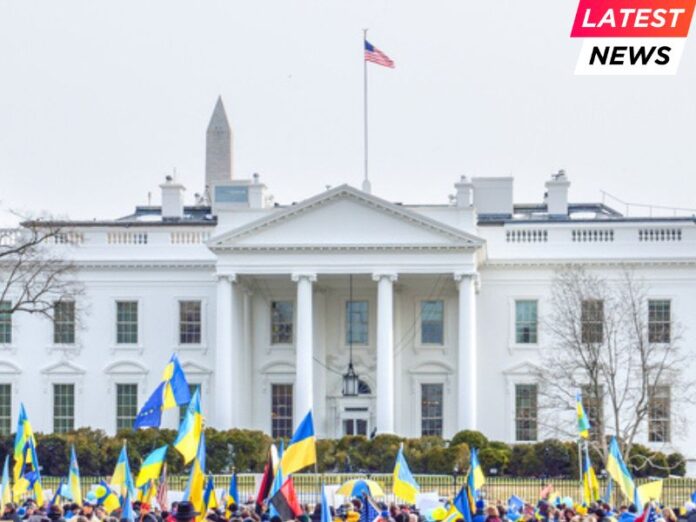





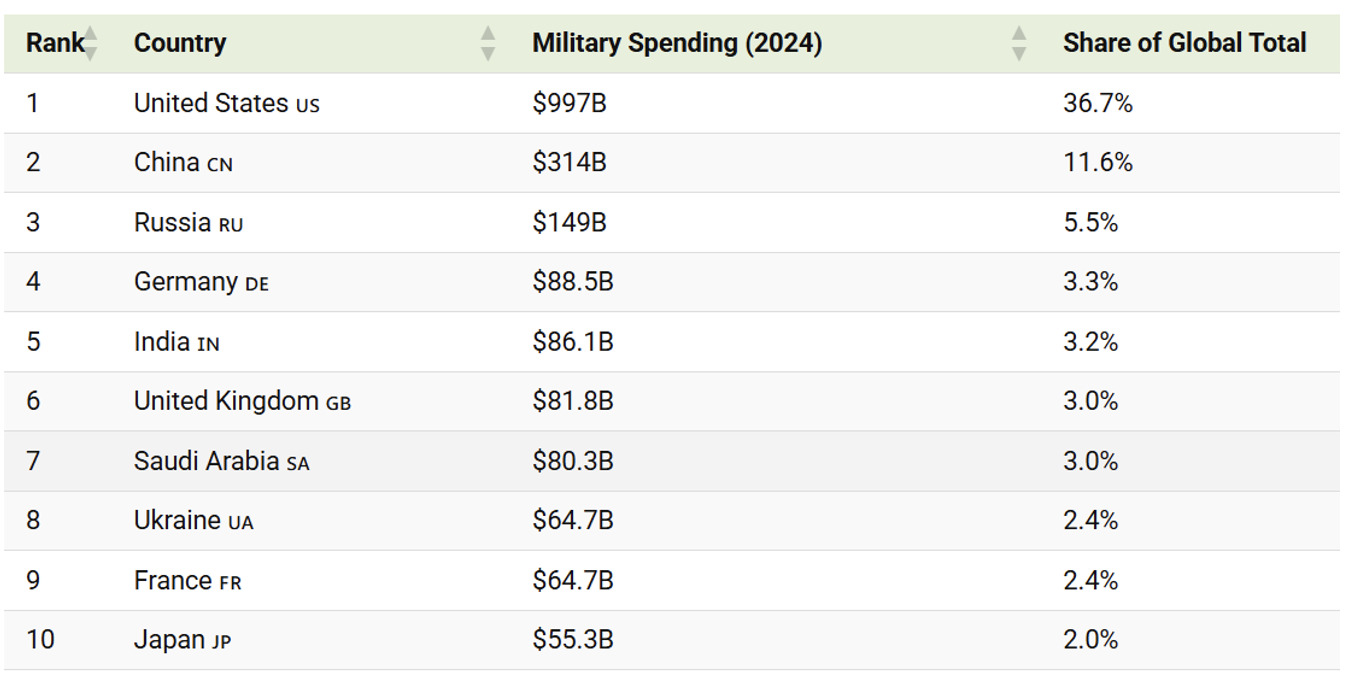
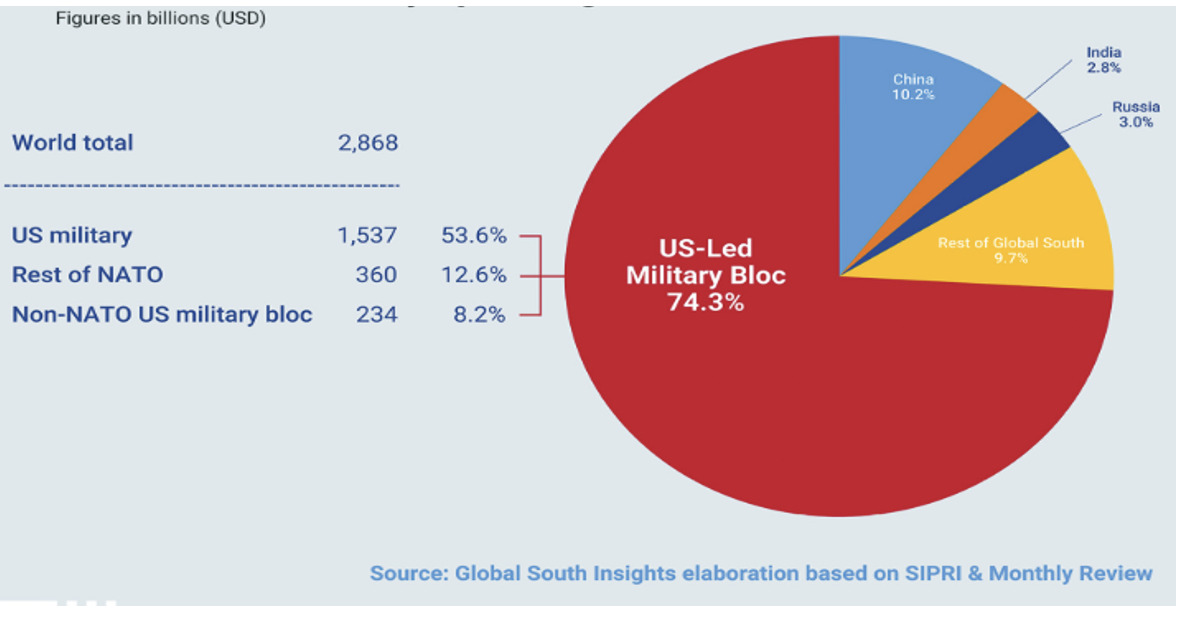
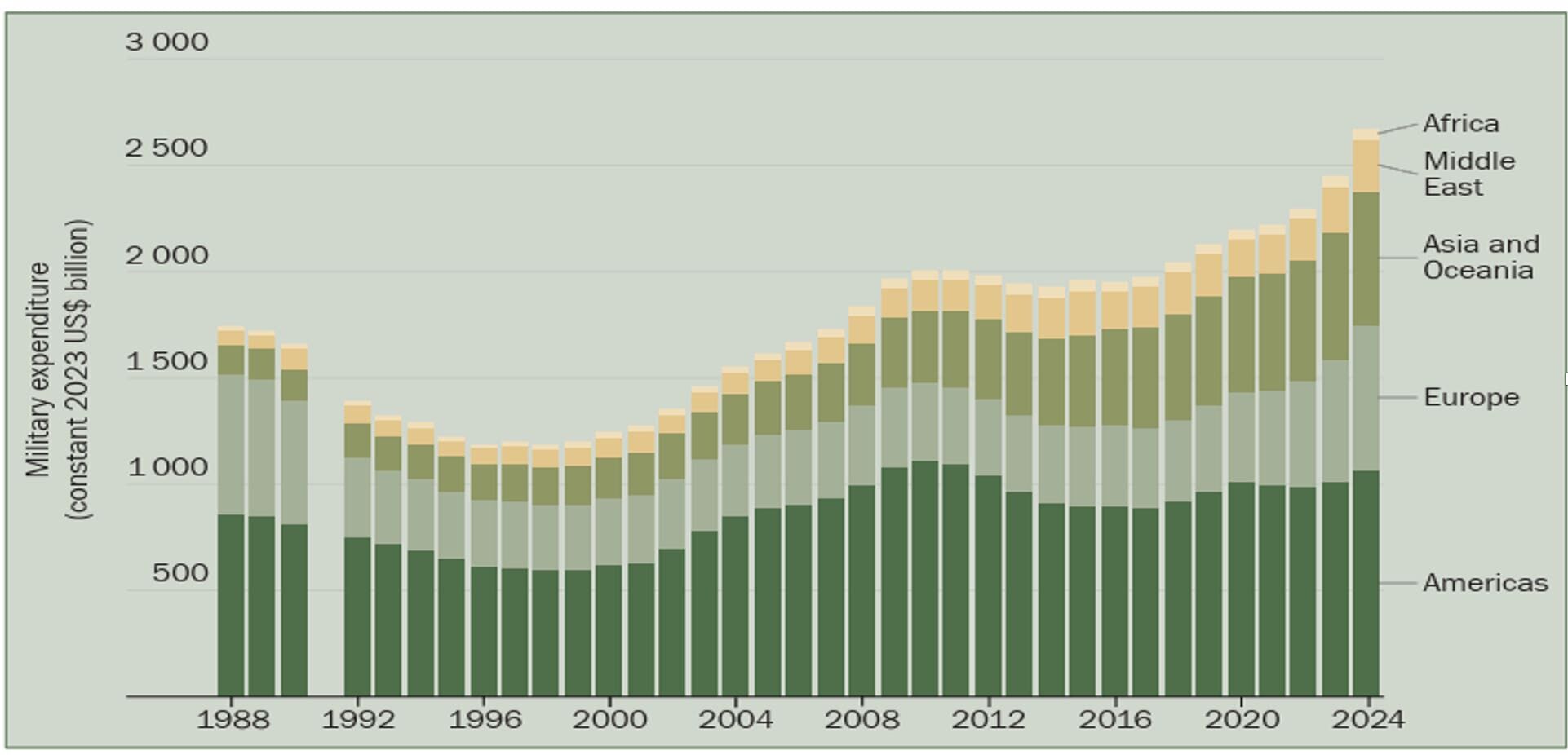
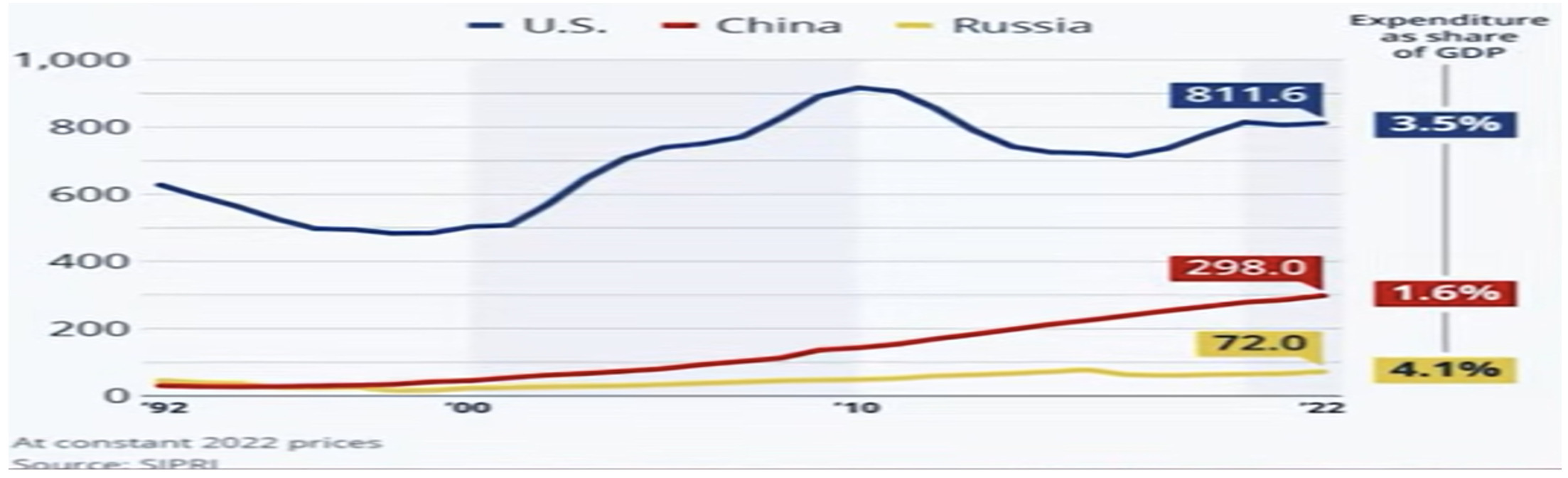
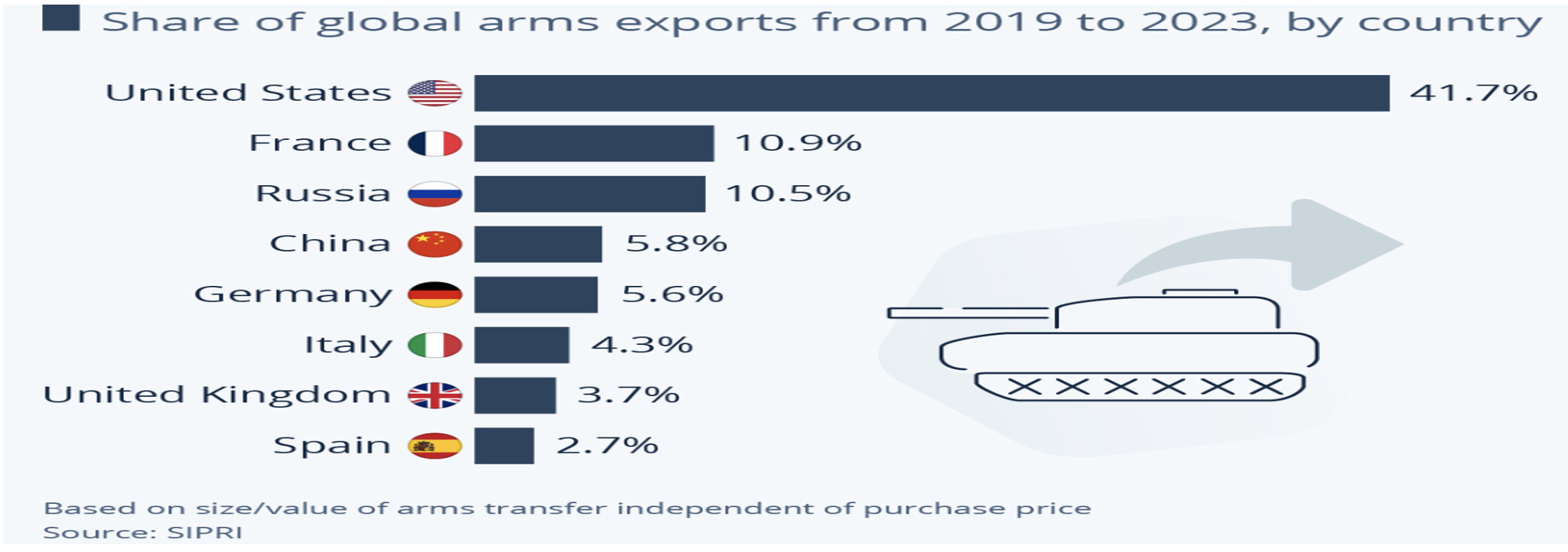
 Dr. Kalim Siddiqui
 Dr. Gleb Tsipursky
 Dr Dan Steinbock



 Shameen Prashantham