Home Blog Page 151

Political Tensions Loom Over 2024 Paris Olympics

2024 Paris Olympics

POLITICS

As the 2024 Summer Olympics unfold in Paris, the event is proving to be one of the most politically charged in decades. The Russian invasion of Ukraine has led to the International Olympic Committee (IOC) barring Russian and Belarusian athletes from competing under their national flags, requiring them to participate as Individual Neutral Athletes. Additionally, the ongoing Israel-Hamas conflict has sparked protests and calls for Israel’s exclusion from the Games, heightening tensions in France, which has significant Jewish and Muslim populations.

Domestically, France is grappling with political instability following snap parliamentary elections that resulted in a hung parliament. This uncertainty, combined with logistical challenges like the River Seine’s contamination, complicates the landscape in which the Paris Olympics are taking place. Despite efforts to focus on athleticism, the interplay of international and local political dynamics ensures

Related Reading:

Political flags of Ukraine and European Union

Wars Of The Future Are Coming

Analysis Paralysis

How Can a Car Accident Attorney in Charlotte Help You Win Your Case?

car accident lawyer

When you’re involved in a car accident in Charlotte, it can be a stressful and overwhelming experience. Dealing with injuries, insurance companies, and legal paperwork is often too much to handle alone. This is where a car accident lawyer near you can make a significant difference. At Rosensteel Fleishman Car Accident & Injury Lawyers, Corey Rosensteel and Matthew Fleishman are dedicated to helping you navigate this challenging time and work towards getting the compensation you deserve.

Understanding the Role of a Car Accident Lawyer

A car accident lawyer’s primary role is to advocate for your rights and interests after an accident. They handle all the legal aspects, so you can focus on your recovery. Here’s how they can help:

  1. Investigating the Accident: A thorough investigation is crucial to building a strong case. Your attorney will gather evidence, speak with witnesses, and reconstruct the accident scene if necessary.
  2. Dealing with Insurance Companies: Insurance adjusters may try to minimize your claim. An experienced attorney knows how to negotiate with them to ensure you get fair compensation.
  3. Filing Legal Documents: There are numerous forms and deadlines in a car accident case. A lawyer ensures all paperwork is correctly filed and on time, preventing any delays or mistakes that could hurt your case.

Why Hire a Car Accident Lawyer Near Me?

Choosing a local attorney offers several advantages. A Charlotte car accident lawyer is familiar with North Carolina laws and understands the local court system, which can be beneficial for your case.

Local Knowledge and Experience

A local lawyer brings invaluable knowledge and experience to your case. They understand the nuances of local traffic laws and have relationships with local courts and other professionals who can support your claim.

Personalized Attention

When you choose a lawyer near you, you benefit from more personalized service. It’s easier to schedule meetings and discuss your case in person, ensuring better communication and a stronger attorney-client relationship.

How Rosensteel Fleishman Car Accident & Injury Lawyers Can Assist You

Rosensteel Fleishman is a top-ranked personal injury law firm in Charlotte, North Carolina, with a focus on car accident cases. Corey Rosensteel and Matthew Fleishman are seasoned attorneys known for their dedication and expertise.

Comprehensive Legal Support

From the moment you engage with Rosensteel Fleishman, you receive comprehensive legal support. They handle everything from initial consultations to courtroom representation. Their goal is to alleviate your burden and guide you through every step of the process.

Successful Track Record

Rosensteel Fleishman has a proven track record of winning significant settlements and verdicts for their clients. Their success is built on thorough preparation, strategic negotiation, and aggressive advocacy in court.

Why You Should Choose Rosensteel Fleishman Car Accident & Injury Lawyers

Choosing Rosensteel Fleishman means opting for a team that is committed to your case’s success. Corey Rosensteel and Matthew Fleishman bring a wealth of experience and a personal touch to every case they handle.

Our Law Firm’s Charlotte Office Location

Rosensteel Fleishman’s client-centered approach ensures that your needs and concerns are always a priority. They take the time to understand your situation, answer your questions, and provide clear, straightforward advice.

Expert Legal Advice

With Rosensteel Fleishman, you get expert legal advice tailored to your unique circumstances. They leverage their extensive knowledge and experience to craft a strategy that aims to achieve the best possible outcome for your case.

Contact Rosensteel Fleishman for Your Car Accident Case

If you or a loved one has been involved in a car accident in Charlotte, don’t hesitate to seek legal help. Contact Rosensteel Fleishman Car Accident & Injury Lawyers at 1-704-714-1450 for a free consultation. They are ready to assist you with compassion and expertise, helping you get the justice and compensation you deserve.

Best Crypto Wallets in India

Virtual currency wallet

Cryptocurrencies are exciting but confusing, and choosing a wallet for your cryptocurrencies is one of the most significant decisions. Due to the emergence of digital currencies in India, many unique crypto wallets exist to fulfil users’ needs.

Knowing your wallet is significant in your trading experience, whether you are a new or professional trader. From enhanced security features to easy navigation, the world’s ideal wallet is just around the corner to protect your investments and make trading as easy as possible. In this article, you will find the best cryptocurrency wallets in India to help you make the right choice.

What Are Crypto Wallets?

A crypto wallet is a software application that holds the user’s money and controls the keys for the user’s public and private addresses. Cryptocurrency is just code on a blockchain, and owning it means having a set of public and private keys. The public key is like an account number where your cryptocurrency is located, but it doesn’t grant you the ability to transact.

The private key, on the other hand, holds and authenticates your identity as the owner and provides you access to the assets. This is why your private key is so important; if you lose it, you lose control of your crypto, and whoever gets a hold of it will have complete control. The phrase “Not your keys, not your coins” clearly emphasises the significance of owning private keys.

5 Best Crypto Wallets in India

Selecting the ideal crypto wallet is crucial for the organisation and security of cryptos. Here are some of the best crypto wallets currently available for users in the Indian market, and each has unique characteristics that set it apart from the others.

1. Coinbase Wallet Web3

Coinbase Wallet Web3 is a hot wallet product provided by Coinbase, one of the best cryptocurrency exchanges. It can accommodate hundreds of thousands of cryptocurrencies and integrates seamlessly with multiple popular decentralised crypto exchanges (DEXs) such as Uniswap, Sushiswap, and 1inch.

Although Coinbase supports Bitcoin only in its mobile app, Coinbase Wallet Web3 is compatible with cold storage through Ledger. Users can store their cryptocurrencies offline together with Coinbase for added security.

2. MetaMask Wallet

MetaMask is a mobile application and browser extension that interacts with the Ethereum blockchain to store, receive, and transfer Ethereum and ERC-20 tokens. Developed in 2016 by Aaron Davis and Dan Finlay, it is an extension of browsers such as Google Chrome that ties them to the Ethereum blockchain.

This wallet allows users to engage with Ethereum-based decentralised service interfaces without necessarily requiring them to download the entire Ethereum blockchain. MetaMask injects a Web3 object into the sites, thus improving the interaction with Ethereum by overlaying it onto the sites without compromising the sites’ structure.

3. Crypto.com DeFi Wallet

Crypto.com DeFi Wallet is explicitly designed for use in the DeFi space. Some cryptocurrencies include Bitcoin, Ethereum, and USD coin, embracing over 800 coins. Users can stake coins such as Cosmos’ Atom and Crypto. That company’s native token is Chronos (CRO).

The wallet has 2-factor Authentication, Password Protection, and Biometric Security features. Although Crypto. Com had a security issue in January 2022 but was not with the DeFi Wallet, so your cryptocurrencies will be safe.

4. Exodus Crypto Wallet

Exodus currently offers over 225 types of cryptocurrencies, and besides the simple and intuitive design of the platform, there are many materials for novices. It also has an in-built decentralised exchange and staking market for trading and staking several cryptocurrencies. With Trezor, one of the most reputable cold storage solutions, Exodus provides secure offline storage for your assets. Being an organisation that significantly values education, Exodus has an extensive library of teaching videos and tools to help users navigate cryptocurrencies and use them properly regardless of their level of expertise.

5. WazirX Crypto Wallet

WazirX is the largest Bitcoin wallet provider in India. It provides a safe and easy-to-use environment for purchasing, selling, and exchanging Bitcoin and other altcoins such as Ethereum, Litecoin, Ripple, etc. As an Indian-based exchange, WazirX supports more than 100 cryptocurrencies and offers a reliable exchange with various layers of protection.

It optimises trading by handling addresses within the blockchain so users can trade using the ledgers. The wallet also confirms ownership and safety by using basic details such as private keys to manage and use the assets, making it popular among traders in India.

How To Choose A Crypto Wallet?

Choosing the right digital wallet ensures your virtual currencies are secure. As for the variety of wallets, several essential aspects must be considered to protect your cryptocurrencies and be able to use them whenever you need them.

Security

The wallet you choose should have strong measures to ensure it cannot be accessed by anyone else. Choose periodically locked wallets with a PIN, face recognition, or fingerprint sensor. These measures protect your property, especially if the device is lost or stolen.

Reputation

The credibility of the wallet provider is crucial. Check the forums and review platforms to gather as much information about the wallet as possible. A wallet with lots of positive feedback is usually safer to use and has fewer chances of having security issues.

Access to Private Keys

Make sure your wallet has an option to view your private key. The private key is significant for governing your digital resources. Without these keys, the shareholder does not own the asset, as custody lies with the custodian.

Backup Features

Select a wallet that can be easily managed and backed up with private keys. A good wallet should also help store and recover keys, which may prove essential when you have several wallets or other assets.

Fee Customization

Choose a wallet that allows you to control the transaction fees you pay. Options like preset fee options or manual fee settings can help you maintain the speed and price of transactions.

Multisig (Shared Wallets)

Reflect on wallets with multi-sig capabilities, where at least two people must sign for the transaction. This increases security by involving many parties during the transaction, thus protecting your goods and services from the wrong hands.

Conclusion

Selecting the proper Crypto Wallet is significant for encrypting your coins and simple usage of Crypto Currencies. Popular and well-known wallets in India include Coinbase Wallet Web 3, Meta Mask, and Crypto. Com DeFi Wallet, Exodus, and WazirX have something unique to offer, including extensive asset type support, security, and other features.

Select the appropriate wallet to meet user needs and improve cryptocurrency storage by analysing factors like protection, reliability, private critical availability, backup tools, fee control, and multi-sig features.

How to Pick a Medicare Supplement Plan

Medicare Supplement Plan

Those reaching retirement age often also find themselves becoming eligible for Medicare. Once you begin learning about your enrollment and options, deciding on how to pick a Supplement Plan (Medigap) soon becomes a topic of discussion.

With the many plans available, you need to compare the different coverage options and costs, which can be overwhelming, to say the least. However, once you have a good understanding of all the factors that go into this and the steps to take, you’ll be able to choose a Medicare supplement policy that meets your healthcare needs and fits your budget.

Before you pick a Medicare Supplement Plan, be sure you understand the basics of Original Medicare and your coverage options. Especially after coming off of employer insurance, the way Medicare works can be a little confusing. Medicare consists of Part A and Part B and comes from the federal government. These two parts provide coverage for inpatient hospital stays, doctor visits, skilled nursing facility care, outpatient surgeries, and other medical services.

While Original Medicare takes the brunt of many of your healthcare expenses, it doesn’t cover everything at 100%. That’s where Medicare Supplement Plans come in.

Take the Time to Learn about each of the Medicare Supplement Plans

Currently, there are 10 standardized Medigap plans on the market. Supplement Plans are standardized insurance policies offered by private insurance companies to fill the gaps in Original Medicare coverage.

The 10 standardized plans available, labeled A through N, each provide you with different levels of coverage. For example, Plan F offers the most comprehensive coverage, while other plans may have lower premiums but cover fewer expenses and require more cost-sharing from your end.

However, Plan F is only available to those who became eligible for Medicare prior to January 1, 2020. This means that after comparing the coverage to the other plans, you’ll find Plan G and N to be next on the list of the most comprehensive plans. Review each plan’s benefits carefully to determine which one best meets your healthcare needs and financial situation.

Evaluate Your Healthcare Concerns and Finances

When choosing a plan, there are multiple factors to consider, such as your current health status, anticipated medical expenses, and your budget. If you suspect you’ll need frequent medical care or have a chronic health condition, you may want to opt for a plan that offers fuller coverage.

On the other hand, if you’re relatively healthy and don’t foresee many healthcare expenses, you might choose to roll the dice to be able to save money by selecting a plan with lower premiums but higher out-of-pocket costs.

Compare Costs

Although Supplement plans are standardized in terms of medical coverage, the cost of your monthly premium can vary significantly from one insurance company to another. It’s important to compare, as there are multiple factors that play into your costs, such as location, age, gender, zip code, and tobacco use.

A Medicare broker can help look at things like competitive pricing, rate increase history, and how the company provides customer service to enrollees.

Research Multiple Insurance Companies

When choosing a Medicare Supplement Plan, look at reputable insurance companies with a solid financial rating and a history of providing excellent customer service. Research insurance companies online, read customer reviews, and consider factors such as the company’s financial stability, claims processing efficiency, and customer satisfaction ratings.

Although one of the more important factors, price is not the only one you want to consider. A reliable insurance company ensures that you’ll receive prompt and dependable assistance when you need it most, which you may find worth it if it comes down between a more reputable company that costs $15 more and a less reputable company offering a lower premium.

Review The Plan Benefits and Coverage

Once you’ve narrowed down your options to a few Medicare Supplement Plans and insurance companies, carefully review each plan’s benefits and coverage details. Pay close attention to what is covered, what is not covered, and any limitations or exclusion.

Additionally, you want to ensure the plan provides coverage for the services and treatments you anticipate needing and that the coverage aligns with your healthcare preferences and priorities.

Consult with a Licensed Insurance Agent

Navigating all the different plan options and companies can be challenging, especially for those unfamiliar with the healthcare system. Consider reaching out to a licensed Medicare broker who specializes in assisting with this.

An experienced agent can help you understand your options, compare plan benefits, answer specific Medicare questions based on your individual situation, and be there to help navigate you throughout the entire enrollment process. They will be able to provide personalized recommendations based on your unique situation.

Getting Started

After evaluating your situation and researching your options, you’ll be able to choose the Medicare Supplement Plan that fits your needs and will be at a price that fits your budget. With the right plan in place, you can enjoy peace of mind knowing that your healthcare plan has been established, and you can focus on all of the more exciting and fun parts of your golden years.

How To Tell If An Online School Is Accredited

College students elearning management abroad academy access

So, you’re one of the people considering pursuing online business degrees? That’s a wise choice in today’s fast-paced, digital world. But before you dive headfirst into the world of online education, there’s one crucial factor you need to consider: accreditation. Accreditation is like the gold standard of education—it ensures that the school or program you’re interested in meets certain academic standards, guaranteeing that your hard-earned degree will be recognized and respected by employers, certification boards, and other institutions. But how can you tell if an online school is accredited? Let’s unravel this mystery together.

Understanding Accreditation: What Does It Mean?

Before we delve into the intricacies of online school accreditation, let’s first understand what accreditation entails. Accreditation is essentially a stamp of approval from an independent accrediting body, signaling that a school or academic program meets specific quality standards. This rigorous process involves evaluating factors such as curriculum quality, faculty credentials, student support services, and educational outcomes. By attending an accredited institution, you can rest assured that you’re receiving a quality education that aligns with industry standards and best practices.

The Importance of Accreditation for Your Future

Now that we’ve established what accreditation is, let’s explore why it’s so crucial for your future. Imagine investing your time, effort, and money into earning a degree, only to discover that it holds little to no value in the eyes of employers or professional organizations. That’s where accreditation comes into play. Accreditation not only ensures the credibility and legitimacy of your degree but also opens doors to various opportunities, including job prospects, further education, and professional licensure. In today’s competitive job market, having a degree from an accredited institution can give you a significant edge and set you up for success.

How to Determine If an Online School Is Accredited

Now that you understand the importance of accreditation let’s discuss how you can determine if an online school is accredited. Fortunately, there are several reliable methods to verify a school’s accreditation status:

Check the School’s Website

The first step is to visit the school’s official website. Most accredited institutions proudly display their accreditation status on their website, along with information about the accrediting agency. Look for accreditation seals or statements confirming the school’s accredited status. If you can’t find this information readily available, proceed with caution—it could be a red flag.

Consult Accreditation Databases

Another useful resource is accreditation databases maintained by reputable organizations such as the U.S. Department of Education or the Council for Higher Education Accreditation (CHEA). These databases allow you to search for accredited institutions and programs based on various criteria, including institution name, location, and accrediting agency. Simply enter the name of the online school you’re interested in, such as the University of Phoenix online MBA program, and verify its accreditation status.

Contact the Accrediting Agency Directly

If you’re still unsure about a school’s accreditation status, don’t hesitate to reach out to the accrediting agency directly. Accrediting bodies are typically transparent and responsive to inquiries from prospective students. You can find contact information for accrediting agencies on their official websites and inquire about the accreditation status of a particular school or program.

Conclusion: Ensuring a Brighter Future

In conclusion, accreditation is the cornerstone of a quality education, especially in the realm of online learning. By verifying that an online school is accredited, you’re not only safeguarding your investment in education but also paving the way for a brighter future filled with opportunities. So, before you embark on your online education journey, take the time to research and ensure that your chosen school is accredited. Your future self will thank you for it.

Political Economy of Liberalisation of Agriculture in India (PART 2)

Agriculture in India

By Dr Kalim Siddiqui

This is the second part of Dr. Kalim Siddiqui’s analysis of India’s agricultural liberalization. This segment delves into the impacts of neoliberal reforms on food security, food sovereignty, and sustainable development, emphasizing the need for public investment and support for small farmers to achieve a resilient and equitable agricultural future. Read the first part here.

Food Security, Food Sovereignty and Sustainable Development 

The issues of food security, food sovereignty, and sustainable development are critically important for a densely populated country like India. The interplay between these factors influences not only the well-being of its population but also its role in the global food system. 

Food security is essential for ensuring that all people have access to sufficient, safe, and nutritious food to meet their dietary needs for an active and healthy life. The FAO defines food security as “the availability at all times of adequate world food supplies of basic foodstuffs to sustain a steady expansion of food consumption and to offset fluctuations in production and prices” (Patel, 2009). In India, food security is compromised by several factors: 

  1. Purchasing Power: The decreasing purchasing power of the poor has led to increased food insecurity. Despite availability, many cannot afford adequate nutrition. 
  2. Public Distribution System (PDS): The effectiveness of the PDS has been compromised by inefficiencies and corruption. The system’s ability to provide affordable food to those in need has been undermined. 
  3. Government Support: The reduction in government spending on rural development, including health, education, and infrastructure, has exacerbated food insecurity. Programs designed to support the poor, such as food-for-work initiatives, have also seen cuts. 
  4. Regional Disparities: Food security varies significantly across India. States with low agricultural growth like Bihar, Madhya Pradesh, and Orissa exhibit low levels of food security. Conversely, higher-growth states like Gujarat and Rajasthan still experience high levels of food insecurity among the rural population. 

Food sovereignty refers to the right of peoples to healthy and culturally appropriate food produced through ecologically sound and sustainable methods. It emphasizes the need for local control over food systems and policies. For India, food sovereignty is crucial for several reasons: 

  1. Global Price Volatility: The global food price crisis, particularly evident between 2007 and 2008, highlighted the vulnerability of countries heavily reliant on food imports. For instance, while world rice prices surged, China’s self-sufficiency shielded it from severe impacts. In contrast, India’s high dependence on rice imports led to significant price increases domestically (Bernstein, 2014). 
  2. Policy Pressure: Food sovereignty protects countries from external pressures that could force them into policy changes detrimental to their own food systems. For example, during crises like the Ukraine war, countries with strong food sovereignty can resist external pressures that might otherwise lead to adverse policy shifts. 
  3. Local Control: Emphasizing food sovereignty helps resist the dominance of large agribusinesses and ensures that local agricultural practices and food systems are preserved. This is crucial for maintaining agricultural diversity and sustainable farming practices. 

Sustainable development in agriculture aims to balance economic growth with environmental and social considerations. In the context of India: 

  1. Environmental Impact: The Green Revolution’s focus on high-yielding varieties and chemical inputs led to soil degradation, reduced soil fertility, and other environmental issues (Walker, 2008). Sustainable agricultural practices are needed to address these concerns and ensure long-term productivity. 
  2. Capital Investment: Public investment in agriculture has stagnated, and private investment has not filled the gap. Historically, public investment in irrigation and other infrastructure supported agricultural growth, but this support has waned (Bernstein, 2014). Reinvesting in such public goods is critical for sustainable development. 
  3. Rural Employment: The failure to create sufficient jobs in rural areas and the shift to capital-intensive crops have led to higher rural unemployment and economic distress. Sustainable development should focus on creating diverse employment opportunities and supporting small and medium farmers. 
  4. Globalization and Local Impact: While globalization offers opportunities, it also presents challenges. The influx of foreign capital and the integration into global markets must be managed carefully to protect local industries and agriculture. 

India’s experience with food security, food sovereignty, and sustainable development underscores the need for a balanced approach. Policymakers must prioritize: 

  • Strengthening Food Security: By improving the efficiency of the PDS, increasing support for rural development, and addressing regional disparities. 
  • Ensuring Food Sovereignty: To safeguard local agricultural systems and resist external pressures. 
  • Promoting Sustainable Development: Through responsible investment, environmental stewardship, and diversified rural employment opportunities. 

Addressing these issues comprehensively will not only improve the well-being of India’s population but also enhance its resilience in the face of global economic fluctuations and environmental challenges. 

In the most populated country like India, it is very important to give greater emphasis on food security because India’s food demands could have a large impact on world food prices. And food sovereignty is also important so that the rich countries do not pressurise for policy change in return for food during the crisis as we have seen more recently during the Ukraine war as indicated in Figure 4. 

For example, the extraordinary world price fluctuations in food commodities increased by around three and a half times between January 2007 and June 2008. However, during this period the price hike in some large economies like India and China had dealt better compared to many Sub-Saharan food-importing countries. The rice prices, for example, increased by 30 % over this period, despite the high world price volatility. Also, China’s food self-sufficiency in food had helped the country to insulate its population from the effects of high world prices in the main food commodity prices. In contrast to this, Indian rice is also staple food, and a large proportion of the population was adversely affected by the increased price of rice in 2008. However, after the fall in global food prices, the retail price of rice in Indian markets was still 60 % higher in May 2009 than in January 2007 (Bernstein, 2014). 

The main Reasons for Food Insecurity in India 

1. Decrease in Purchasing Power: 

    • Impact on Food Access: The decrease in purchasing power among the poor has made it increasingly difficult for them to afford sufficient and nutritious food. This economic strain significantly affects their ability to meet basic food needs. 
    • Income Inequality: Rising income inequality has further exacerbated food insecurity, with the wealth gap preventing equitable access to resources. 

2. Insufficient Functioning of the Targeted Public Distribution System (TPDS): 

    • Implementation Issues: The TPDS, meant to provide subsidized food to the poor, has suffered from inefficiencies, corruption, and poor management. This has undermined its effectiveness in ensuring food access. 
    • Distribution Gaps: Failures in distribution mechanisms have meant that food does not always reach those who need it most. 

3. Decline in Government Support and Public Spending: 

    • Cuts in Essential Services: The reduction in public investment in rural development projects, including health, education, and infrastructure, has diminished the safety nets available to the poor. Programs such as food-for-work schemes have also seen cuts. 
    • Impact on Rural Development: The lack of investment in critical areas has hindered overall development and reduced the effectiveness of poverty alleviation strategies. 

4. Regional Disparities: 

    • Low Agricultural-Growth States: States like Bihar, Madhya Pradesh, and Orissa, with historically low agricultural growth, experience higher levels of food insecurity due to inadequate infrastructure and support. 
    • High Food Insecurity in High-Growth States: Even states with higher agricultural growth, such as Gujarat and Rajasthan, face significant food insecurity among their rural populations, indicating that growth does not always translate into improved food security. 

5. Impact of Neoliberal Reforms: 

    • Reduced Rural Credit: Neoliberal reforms have led to a reduction in institutional credit for agriculture, making it harder for small and medium farmers to invest in and sustain their operations. 
    • Dismantling of Public Systems: The dismantling of the public distribution system and cuts in essential services have compounded the challenges faced by the rural poor. 
    • Trickle-Down Economics: The reliance on a ‘trickle-down’ approach, which assumes that benefits to the wealthy and business sectors will eventually benefit all, has failed to address the needs of the poor effectively. Instead, it has contributed to increased socio-economic inequalities and narrow sectoral growth 

Figure 4: World Food Prices.

Figure 4
Source: FT, 12/7/21. https://www.ft.com/content/f7828907-32e5-4926-a0c7-6f1577c77d3f https://www.ft.com/content/f7828907-32e5-4926-a0c7-6f1577c77d3f Financial Times, 12/7/2021 

Figure 5: Share of Population with Severe Food Insecurity, 2014 to 2020. 

Figure 5
Source: UN FAO, https://ourworldindata.org/hunger-and-undernourishment 

The definition of food sovereignty was elaborated by World Forum for Food Sovereignty in Nyéléni, Mali: “Food sovereignty is the right of peoples to healthy and culturally appropriate food produced through ecologically sound and sustainable methods, and their right to define their own food and agriculture systems. It puts the aspirations and needs of those who produce, distribute, and consume food at the heart of food systems and policies, rather than the demands of markets and corporations. It offers a strategy to resist and dismantle the current corporate and food regime…. It depends on the interests and inclusion of the next generation. Food sovereignty prioritises local and national economies and markets and empowers peasants and family farmer-driven agriculture. It ensures …. the right to use and manage lands….” (Cited in Patel, 2009: 673-4) 

In 1991, in the face, a rising foreign debt crisis and balance of payments India decided to accept the ‘economic liberalisation’ policy and agreed to dismantle the ‘license raj’ system of tight controls and permits placed since the 1950s.  The neoliberal policy took the form of a ‘structural adjustment’ programme imposed by the IMF and World Bank. The neoliberal reforms included deregulation, privatisation, and devaluation of the domestic currency.  Soon after, the inflows of foreign capital rose sharply, but a large proportion went to real estate, financial sector, and services, rather than manufacturing or agriculture. As Bhaduri notes: “the Fiscal and monetary policies of the government need to comply with the interests of financial markets. …. Since the private banks and financial institutions usually take their lead from the IMF and the World Bank, this bestows on these multilateral agencies considerable power over the formulation of government policies. However, the burden of such policies is borne largely by the poor… Inequality and distress grow as the state rolls back public expenditure in social services like basic health, education, and public distribution and neglect the poor, while the ‘discipline’ imposed by the financial markets serves the rich and the corporations” (Cited in Walker, 2008: 562).  

The PDS (public distribution system) was introduced in the mid-1960 to help the poor people, but after the neoliberal reform, the government is under pressure to remove food subsidies. Through the PDS system foodgrains were moved from food surplus states to food deficit states. The decline of cheap credits and privatisation of electricity resulted in a massive increase in electricity prices which were subsidised before. The public funds available for irrigation projects were also cut down, which adversely affected land productivity. 

The World Bank and IMF pressurised India to follow their rules that ‘governments should not sell at prices other than global prices’, in response to this the government targeted PDS food subsidy by dividing the population into two groups – those grouped as lying ‘above’ and ‘below’ poverty line. This policy excluded millions of poor people from the list to receive essential commodities at affordable prices. The data shows that from 1992 to 2010, India experienced declining rates of growth in yields per hectare for both food grains and non-food grains. The output growth of agriculture was only 2.2 % for the same period. This was much lower than in the 1980s when agricultural growth was around 3.4 % per annum. Furthermore, growth rates for cereals were, in fact, negative averaging -0.11 % and -0.31 % respectively. 

Large farmers have diversified their source of income e.g., real estate, trading, urban property etc. On the other hand, small farmers and agriculture workers, who have been forced to migrate under ‘distress’ to towns, are mostly employed in the informal sector on low wages and insecure jobs. Moreover, there is the diversion of farmland real estate and industrial development, which means less land is available for cultivation. Walker (2008: 579) argues: “Although the rural workforce has continued to grow – rising from 191 million in 1993-94 to 257 million in 2004-05 – employment growth in agriculture has fallen to virtually zero since the 1980s… Since the growth rate of agriculture is lower than the growth rates of both workforce in agriculture and rural population., with only limited employment outside agriculture, the clear implication, as the Report of Agriculture puts it, is that ‘per capita income in agriculture is declining’…” 

To achieve sustainable development of the economy, the agriculture sector should play a crucial role. The long-term growth strategy must not ignore the agriculture sector. There is doubt about the feasibility of export-led growth for a country like India. Overall growth could be achieved by a substantial increase in public investment in areas such as irrigation, power, rural infrastructure, and easy access of formal credits. These measures could lead to an increase in agricultural productivity and a rise in farmers’ income and the expansion of domestic demand for industrial goods. 

Most of India’s population continues to depend heavily on the agricultural sector for income. More than two-thirds of the population (nearly 800 million) lives in rural areas and to a large extent their livelihoods depend on the income and performance they produce. Since the 2000s we have seen a decline in rural employment and incomes, which resulted in a lowering of aggregate demands. There are various reasons for the agrarian crisis including changing climate and the uncertainties associated with the monsoons and by July 2001 quantitative restrictions were removed on imports. This means earlier protection through high tariffs on agricultural imports has been taken away and as a result, cheap imports of food from developed countries rose sharply.  

In fact, as the agriculture sector began a downward spiral globally in the late 1990s, most of the developed countries kept subsidising their farmers, which enable them to sell food grain at competitive prices on the global market. However, according to the WTO rule, the Aggregate Measure of Support (AMS) reduction for a country is not commodity specific, which has allowed the developed countries to keep on supporting some commodities, while still meeting WTO’s reduction commitments. Moreover, most commodities are heavily subsidised by developed countries that are also produced and exported by developing countries like India. India produces surplus commodities like wheat, coarse cereals, dairy, beef, and sugar and these products accounted for over 87 % share of the total value of export subsidies for all products.  

Conclusion 

Agriculture’s share in India’s economy has progressively declined, while higher growth rates of the industrial and services sectors did not create enough jobs to make any dent in rural unemployment. The sector’s importance in India’s economic and social fabric goes well beyond this indicator. Nearly three-quarters of India’s families depend on rural incomes and most of India’s poor (some 770 million people or about 70 %) are found in rural areas. And nearly two-thirds of India’s workforce is still dependent on agriculture, the persistence of poverty and food insecurity in rural areas has resulted in a rise in migration and urbanisation, which has joined the “informal sector” in the labour markets. (Siddiqui, 2024) 

In the agriculture sector, since the neoliberal reforms were introduced, government spending had been reduced drastically. The post-reform crisis seems to be not only in terms of declining growth rates in the agriculture sector compared to the pre-reform period, declining per capita food availability, and stagnating investment but also in terms of slowing down productivity and yield. Thus, reducing rural poverty and food sovereignty via agricultural development should be a major concern but seems to have been overlooked by the government. India’s economic liberalisation has had a profound impact on its agricultural sector, driving significant changes in trade policies, subsidies, investment, and technology adoption. However, the transition has been complex, with benefits and challenges unevenly distributed across different segments of the farming community. The political economy of agriculture in India remains a contested space, shaped by the ongoing struggle between the forces of liberalisation and the need to protect the livelihoods of millions of farmers. 

The study finds that Indian agriculture is overburdened in the sense that a very high proportion of the population is dependent on this sector, while it has low productivity and low capital investment. It seems that the agriculture sector a has much greater impact on reducing poverty and improving food security than other sectors of the economy. Therefore, public investment is important as it played a positive role in the pre-reform period. Public investment in land and water management seems to be crucial for improving the agriculture sector in the long-term growth and viability in India.  

The challenge of food security requires an ability to deal with increasing food shortages of ever-expanding population growth in India. The adoption of neoliberal policy resulted in agriculture stagnation, declining food consumption among the rural poor, and a rise in migration to cities.  

The pandemic created food shortages, price rose sharpy and demonstrated the urgency of food security and food sovereignty and also for transition to a more ecologically sustainable and resilient food system. We find that the main determinant of food insecurity in India at present is the shrinking of the agrarian sector and the reduction in policies to combat rural poverty. It is clear now that effective government intervention to support foodgrain price stability requires fiscal intervention, which is not possible under the neoliberal policy framework. This seems to be an important barrier to contain food prices in many developing countries. 

Developing countries need to advocate for fair trade policies and reforms within international trade agreements. Ensuring that global trade rules accommodate the needs of developing countries and reduce the disparity in subsidies is essential for creating a more balanced global market.  

India’s agrarian crisis is a multifaceted issue involving domestic challenges and international trade dynamics. Addressing the crisis requires a comprehensive approach that includes policy reforms, investment in rural infrastructure, and a strategic focus on sustainable agricultural practices. Additionally, engaging in global trade discussions to ensure fair treatment for developing countries will be crucial for creating a more equitable and resilient agricultural sector. 

The study recommends that for successful inclusive growth, agricultural growth is a prerequisite. It is important to implement land reforms, improve institutional credits and increase public investments in rural infrastructure, especially to assist small and marginal farmers and to diversify the rural economy. Until a level playing field is created across the world, otherwise trade liberalisation in agriculture will simply prop up developed countries’ farmers at the expense of farmers in developing countries like India. Addressing the agrarian crisis requires a re-evaluation of both domestic and international policies. Protecting vulnerable sectors, enhancing support for farmers, and ensuring fair trade practices are crucial for mitigating the impact of global trade dynamics. Emphasizing food sovereignty, investing in sustainable agricultural practices, and supporting rural development initiatives can help build resilience in the agricultural sector and improve food security. 

About the Author

Dr. Kalim Siddiqui 

Dr Kalim Siddiqui is an economist specialising in International Political Economy, Development Economics, International Trade, and International Economics. His work, which combines elements of international political economy and development economics, economic policy, economic history and international trade, often challenges prevailing orthodoxy about which policies promote overall development in less-developed countries. Kalim teaches international economics at the Department of Accounting, Finance and Economics, University of Huddersfield, UK. He has taught economics since 1989 at various universities in Norway and the UK. 

References 

  1. Bernstein, H. (2014). “Food Sovereignty via the Peasant Way: A sceptical way”, Journal of Peasant Studies, pp.1-33. 
  2. Datt, G., Ravallion, M. and Murqai, R. (2019) Poverty and Growth in India over Six Decades, American Journal of Agricultural Economics, 102(1): 4-27.  
  3. Dhar, B. (2023). “WTO Agreement on Agriculture: Worsening India’s Agrarian Crisis”, Indian Economic Journal, January. 
  4. https://doi.org/10.1177/00194662221146638 
  5. FAO (Food and Agriculture Organisation). (2022). India at a Glance, Rome: FAO. https://www.fao.org/india/fao-in-india/india-at-a-glance/en/ 
  6. Ghosh, J. (2010) “The Political Economy of Hunger in 21st Century”, Economic and Political Weekly, Vol. XIV (44), October 30, pp. 33-38, Mumbai. 
  7. Government of India, (various issues) Economic Survey, New Delhi: Ministry of Finance, (www.indiastats.com
  8. Patel, R. (2009) “Grassroots Voices: What does food sovereignty look like?” Journal of Peasant Studies, 36(3): 663-706. 
  9. Patnaik, Utsa (2003) “Global Capitalism, Deflation, and Agrarian Crisis in Developing Countries” Journal of Agrarian Change, Vol. 3 (1-2), pp. 33-66. 
  10. Siddiqui, K. (1991) “India’s Green Revolution and Rural Poor”, Bergens Tidende, (in Norwegian) June 11, Bergen, Norway. 
  11. Siddiqui, K. (1998) “The Export of Agricultural Commodities, Poverty and Ecological Crisis: A Case Study of Central American Countries”, Economic and Political Weekly, XXXIII, (39), pp. A128-A137, 26 September. 
  12. Siddiqui, K. (1999) “New Technology and Process of Differentiation: Two Sugarcane Cultivating Villages in UP, India”, Economic and Political Weekly, XXXIV (52), pp. A39-A53, 25 December. 
  13. Siddiqui, K. (2014). “Contradictions in Development: Growth and Crisis in Indian Economy”, Economic and Regional Studies 7(3): 82-98.  
  14. Siddiqui, K. (2015). “Agrarian Crisis and Transformation in India”, Journal of Economics and Political Economy, 2 (1): 3-22. 
  15. Siddiqui, K. (2018a). “The Political Economy of India’s Economic Changes since the Last Century” Argumenta Oeconomica Cracoviensia, 19: 103-132.  
  16. Siddiqui, K. (2018b). “Development Induced Displacement: A Critical Analysis” Turkish Economic Review, 5(2): 226-239. 
  17. Siddiqui, K. (2021). “Agriculture, Sustainable Development, and the Government Policy in the Developing Countries”, World Financial Review, January-February, pp.44-59. 
  18. Siddiqui, K. (2022) “Comparing the Economic Performance of East Asian and Latin American Countries: The Role of Agricultural Reforms in the Economic Transformation” World Financial Review, July-August, pp.7 – 18. 
  19. Siddiqui, K. (2024) “Food Dumping, Rising Food Insecurity, and Hunger in the Developing Countries”. World Financial Review, June-July, pp. 8-20.  
  20. Vasavi, A.R. (2012) Shadow Spaces: Suicides and the Predicaments of Rural India, New Delhi: Collective. 
  21. Walker, K. L.M. (2008). “Neoliberalism on the Ground in Rural India: Predatory Growth, Agrarian Crisis, Internal Colonization, and the Intensification of Class Struggle”, Journal of Peasant Studies, 35(4): 557-620. 
  22. World Bank (2006) India: Inclusive Growth and Service Delivery: Building on India’s Success, Washington DC: The World Bank.  

Why every Small Business needs a Point-of-Sale Machine Today?

Receipt printer prints text big sale. Close-up, side view

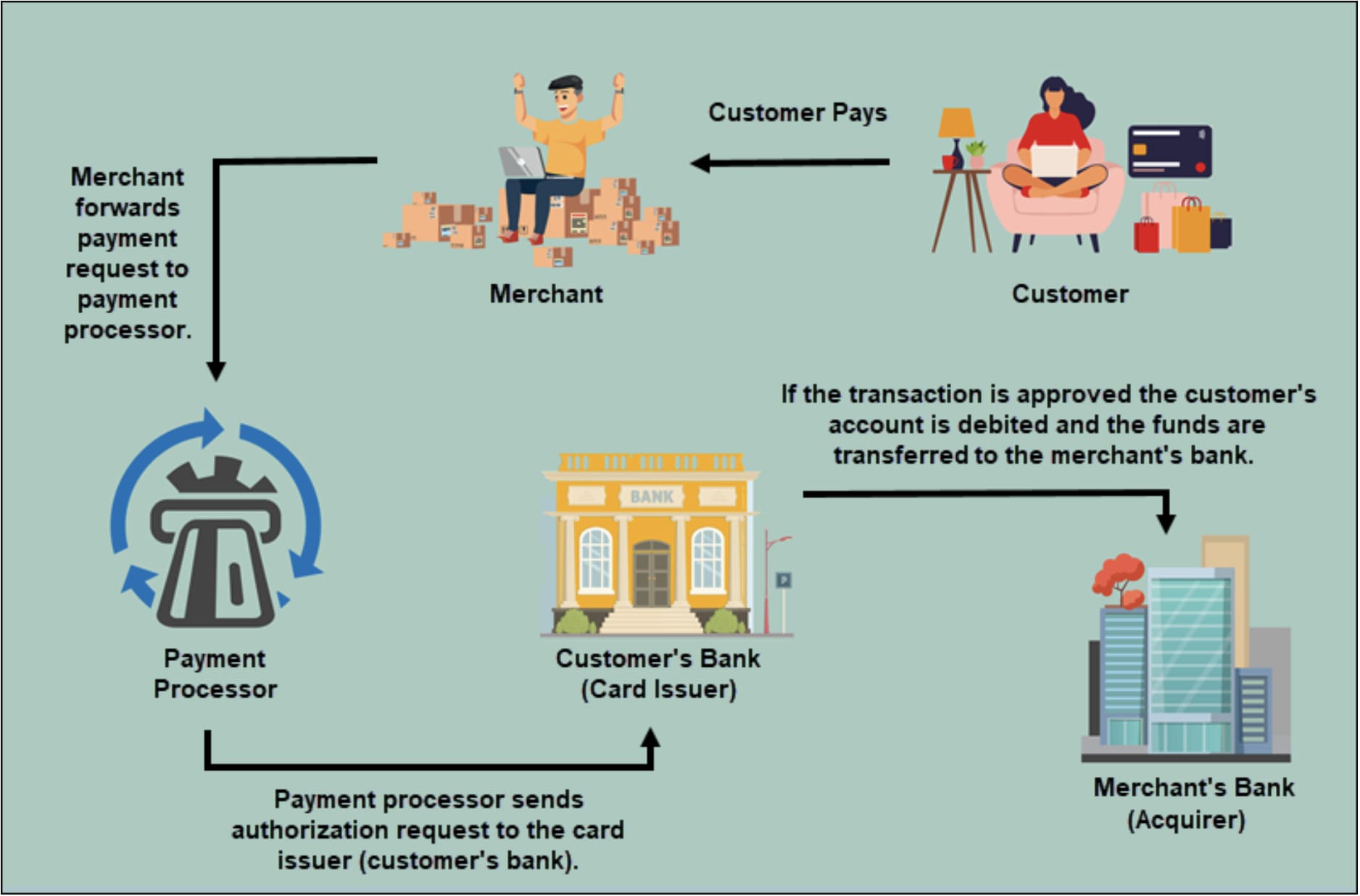
Staying ahead in your business isn’t just about what you sell—it’s also about how smoothly you can serve your customers. That’s where a Point-of-Sale machine becomes your secret weapon. Picture this: You’re a small business owner with a bustling shop. Customers are streaming in, eager to buy. With a PoS machine, every transaction becomes a breeze.

Why should every small business have one? Simply put, Point-of-Sale machines are about efficiency and professionalism. Your customers will like the convenience, and you’ll love how they streamline your operations. Read this blog to learn more about PoS machines, and why it’s high time you got one for your business.

What is a Point-of-Sale machine?

A Point-of-Sale (PoS) machine is like a high-tech cashier—it’s that cool gadget you see at checkout counters in stores and malls. It is the brain of a shop, where all the buying and selling action gets recorded and managed.

It’s super fast and helps businesses keep track of their transactions. But it’s not just for stores. PoS machines also handle orders in restaurants, making sure your food gets to you and your bill gets sorted without any hiccups.

Benefits of having a Point-of-Sale machine for small business owners

PoS machines help small business owners by carrying out crucial tasks efficiently and quickly. This way, it allows them to focus on other important things rather than on their payment processing.

1. Efficient transactions:

  • Facilitates quick and hassle-free card payments, speeding up checkout times
  • Reduces the need for handling cash, enhancing security and accuracy

2. Security and compliance:

  • Ensures secure transactions through EMV chip technology and encryption protocols
  • Complies with Payment Card Industry Data Security Standards (PCI DSS), safeguarding customer data

3. User-friendly interface:

  • Easy-to-use interface reduces training time for staff, promoting operational efficiency
  • Intuitive design minimises errors during transactions and order processing

4. Integration capabilities:

  • Integrates seamlessly with accounting software for streamlined financial management
  • This allows you to keep track of sales easily

5. Cost saving:

  • Reduces operational costs by minimising errors in transactions and staff required
  • Enhances overall efficiency, freeing up resources for other business investments

Key points to consider before getting a Point-of-Sale machine

These are some points that will help you make an informed decision about selecting a PoS machine that suits your small business needs effectively:

  1. Understand your needs: Assess how often you’ll use the PoS machine and what features are essential for your business
  2. Compatibility: Ensure the PoS machine integrates smoothly with your existing systems, including accounting software and payment gateways
  3. Cost analysis: Compare upfront costs, transaction fees, and any hidden charges associated with different PoS providers
  4. Security features: Look for encryption technology and PCI compliance to protect customer payment data
  5. Customer support: Inspect the availability and responsiveness of customer support services, especially during peak business hours
  6. Mobility options: Consider whether you need a portable PoS device for on-the-go transactions or if a stationary setup suffices
  7. User-friendliness: Opt for a PoS system with an intuitive interface that your staff can quickly learn to use, minimising training time
  8. Reputation and reviews: Research customer reviews and testimonials to gauge reliability, performance, and customer satisfaction with the PoS provider

Picking the right Point-of-Sale machine for your business

Selecting the perfect Point-of-Sale machine can revolutionise the way your small business operates. These devices play a crucial role in modern commerce by facilitating seamless transactions. A dependable PoS system should offer swift transaction processing, ensuring that customers experience minimal wait times at checkout. Look for user-friendly interfaces that are easy to use, simplifying training for your staff and reducing potential errors.

Security is paramount; prioritise systems equipped with robust encryption and compliance with payment industry standards to safeguard sensitive customer information. By investing in the right PoS machine tailored to your business needs, you’re not just enhancing transaction efficiency but also fostering customer satisfaction and loyalty.

If you are looking for a dependable card swipe machine, check out Qwerty by Pine Labs. It is very simple to use and processes transactions swiftly. It also integrates with your billing system and helps you keep track of the transactions. Plus, it is available in countertop and portable versions, helping you provide a positive in-store experience for your customers.

The Evolution of Sustainability Reporting: What You Need to Know

Fiona Donnelly CA

Interview with Fiona Donnelly CA of Chartered Accountants of Scotland (ICAS)

As sustainability reporting undergoes significant evolution in 2023, businesses face both challenges and opportunities with new global and regional standards. In an exclusive interview with Fiona Donnelly, CA of the Institute of Chartered Accountants of Scotland (ICAS), explore how these developments are reshaping reporting practices and what companies need to know to stay ahead in a rapidly changing landscape. 

Can you elaborate on the current state of sustainability reporting frameworks, particularly focusing on the challenges and opportunities presented by standards like CSDDD (Corporate Sustainability Due Diligence Directive) across different regions? 

2023 was a significant year for sustainability reporting, with changes coming through at global, national and regional levels. We saw the release of two new global standards focusing on sustainability-related financial disclosures and climate from the International Sustainability Standards Board (ISSB). At the same time, the EU published 12 new mandatory standards covering various environmental, social and governance matters. We’re in limbo in the UK, with the government currently considering if and how it will embrace the ISSB standards to inform the creation of the first two UK Sustainability Reporting Standards.

The Corporate Sustainability Due Diligence Directive (CSDDD) is another element of this broader sustainability ecosystem. Adopted on 24 April, the directive aligns with and supports the European Union’s comprehensive Green Deal – a legally binding target that aims to make Europe climate-neutral by 2050.

The goal of the CSDDD is to ensure that in-scope businesses conduct environmental and human rights due diligence in their own operations and across their supply chain. It then requires them to take steps to prevent, mitigate, and remediate their actual and potential adverse impacts. The directive also places emphasis on transparency, requiring businesses to produce an annual statement to show how they are integrating better environmental and human rights behaviours into their corporate strategy.

The goal of the CSDDD is to ensure that in-scope businesses conduct environmental and human rights due diligence in their own operations and across their supply chain.

Although the CSDDD is driven by a desire to encourage more responsible business, there is concern that the final version is watered down. For example, thresholds have reduced from original plans, so that (per some sources) only about .05% of the total number of businesses operating in the EU are required to comply. There are also worries that its wide-reaching requirements place a burden on smaller and unlisted businesses that supply to or are supplied by in-scope businesses.

From your perspective, what are some key lessons that businesses in Europe have learned from navigating the sustainability reporting landscape, and how might these insights inform the anticipated adoption of ISSB S1 and S2 standards in the UK?

Europe set out a very ambitious plan in terms of the adoption of 12 new standards with very little lead time before they became effective. These standards adopt a double materiality approach, which means businesses need to consider their impact on the planet and society, while also considering the planet and society’s impact on their business. While this comprehensive approach is one that ICAS favours, certainly in the long term, such all-inclusive thinking and reporting requires significant effort. Specifically, the measurement of 176 datapoints for all in-scope reporters, possibly over 600 more depending on the results of a materiality assessment, plus another 300 voluntary datapoints.

A representative from Accountancy Europe, a membership body for accountancy professionals in the EU, spoke at ICAS’ Sustainability Summit in April about the urgency for businesses to get started early rather than waiting for perfect data. We are, afterall, on this learning journey together, so businesses should do the best they can, disclose things transparently and with appropriate disclaimers if needed.

Standard issuing bodies are also developing mapping tables and guidance to show how the different standards are interoperable. So if a business already reports to the GRI standards, then tools like the GRI-ESRS Interoperability Index will show how that same business already meets some requirements of the European reporting system. 

With the ISSB’s global standards covering only a fraction of the topics included by Europe, as well as focusing solely on financial matters, it will be interesting to see what learnings can be taken. There are however common principles, like governance, so tracking reports issued per EU requirements will be valuable when reporting on S1 and S2. 

With the increasing emphasis on sustainability reporting, what trends are you observing in terms of the readiness of businesses to meet these reporting demands, particularly in the UK, Europe, and globally?

Large businesses with established reporting teams are stepping up and tackling the new requirements, either in anticipation of what will be introduced or because parts of their business already need to comply with certain jurisdiction’s new requirements. Depending on the complexity of the business, including the size of its supply chains, this can be a sizable task. 

The demands on small and medium businesses are potentially huge, which is one of the reasons why ICAS continue to push for proportionate, mandatory reporting, so that SMEs aren’t overburdened. 

That being said, even if SMEs have tolerable reporting requirements directly imposed, they will also be burdened by reporting to their supply chain partners on key figures like carbon footprints. We strongly encourage all businesses to start reporting on this early. ICAS have collaborated with Chartered Accountants Worldwide to develop tools to help with the process, including a Carbon Footprint Guide.

The demands on small and medium businesses are potentially huge, which is one of the reasons why ICAS continue to push for proportionate, mandatory reporting, so that SMEs aren’t overburdened. 

With the sustainability landscape moving at pace, there are also real concerns in the markets as to whether businesses have sufficient skilled and experienced talent to meet the requirements. We’re pleased to be contributing to a solution: ICAS launched our new syllabus in March 2024 to ensure that Chartered Accountants (CAs) starting their training now will have sustainability embedded throughout the various modules of their CA training, plus an option to study an elective specialising in sustainability.

Could you discuss any notable challenges or common pitfalls that organizations encounter when embarking on their sustainability reporting journey, and what practical advice would you offer to mitigate these challenges?

There are two key challenges or pitfalls that businesses face when they embark on their sustainability reporting journey:

The first concerns the materiality assessment. It’s important that businesses take time to engage with stakeholders and undertake a systematic assessment of what sustainability topics matter most, and then concentrate activities and reporting around these areas. Focusing invariably limited time and effort on what matters most, as determined by a robust analysis, is key.

The second is ensuring there is appropriate collaboration within the organisation, from the board and across functions, as well as working smartly with external providers and customers. Building these key relationships, understanding and communications is key to aligning sustainability efforts.

In your view, what are the main drivers behind the growing complexity of sustainability reporting, and how can businesses effectively navigate this complexity while ensuring transparency and accountability? 

There are many drivers for the different sustainability reporting frameworks and standards that are being introduced. Europe is motivated by a need to have reporting that captures its progress towards being a carbon-neutral economy by 2050, as well as addressing the concerns of investors. The global standards are, however, written for investors only and are mostly concerned with matters that impact a business’s prospects. This means that sustainability reports prepared per these two sets of standards will be very different and have very different contents. Readers need to understand what type of sustainability report they are reading carefully. 

Currently, there is a mix of mandatory reporting for some businesses/countries and voluntary reporting for others due to either choice, pressure from stakeholders, or otherwise. Businesses need to consider the stakeholders they are trying to communicate with and the purpose of these reports. In addition, if you keep in mind core principles like a faithful representation of progress and plans, then you can’t go too far wrong.

Businesses should view reporting as a communications tool, not a compliance exercise. It’s for communicating internally, and externally, to key stakeholders so that they can make informed business decisions based on a comprehensive set of data.

As sustainability reporting becomes more standardized, how do you anticipate it impacting various stakeholders, including investors, regulators, and the wider community?

It’s key that sustainability reporting becomes both standardised and mandatory. This is necessary since a useful, honest, and complete sustainability report is likely to contain items that a business would prefer not to disclose. Without comprehensive regulations, it’s very easy for sustainability reporting to become arbitrary sharing of good news stories only. 

Disclosure per a recognised framework ensures comparability and consistency, across countries and sectors. We know sustainability matters present both huge risks and opportunities to a business, so they deserve extensive reporting. We saw this with the PG&E fires of 2019, which were billed as the world’s first climate change bankruptcy.

The ultimate aim has to be for sustainability information to be on par with and presented in an integrated way alongside financial reporting so that readers get a more rounded sense of results and progress, including the impacts of a business to society and the environment.

Looking ahead, what do you envision as the next frontier in sustainability reporting, and how can organizations prepare themselves to stay ahead of evolving reporting standards and expectations? 

The next frontier in sustainability reporting will likely involve technology, whether that is artificial intelligence helping to measure and analyse sustainability data or even automate data collection and reporting. Adoption of such technology would also facilitate easier collaboration with supply chain partners.

And while we will continue to advocate for the importance of sound sustainability reporting, we do have to remember that good reporting is not going to save the world. It is action, improving impacts and revising business models that will make the real difference. Good sustainability data and reporting should inform these choices.

Executive Profile

Fiona Donnelly CA

Fiona Donnelly CA is the Director of Sustainability at the Institute of Chartered Accountants of Scotland (ICAS). She drives sustainability efforts within the organisation, produces resources for members and represents ICAS on various advocacy groups. Fiona’s career began in Scotland as a Big 4 consultancy-trained Chartered Accountant, before transitioning into broader strategy and engagement roles in Hong Kong. Her interest in sustainability started in 2007, and since then she has worked for clients in sustainability consulting, cleantech, sustainable finance and carbon innovation. 

The Case for Workcations: Why Leaders Should Get Onboard  

business man having remote video conference call with his business team at the beach during vacation

By Lesley Cooper   

As our understanding of work and leisure evolves, the concept of ‘workcations’ – the idea of combining remote work with a holiday – has gained popularity among professionals around the globe. In the search for new ways to balance life and work, modern leaders will find that workcations offer the perfect opportunity to achieve this. 

While working from a new location may come with challenges, the advantages often surpass these hurdles. Sparking innovative ideas and a fresh perspective are obvious benefits to taking on a workcation, however, an improved work-life balance, a stronger team dynamic, a boost in productivity and attracting and retaining talent are also on the list, all of which help to reinvigorate both professional and personal growth.  

In this article, I will delve into four key benefits of workcations and discuss why leaders should consider implementing this practice into their business as well as life.  

Improves Work-Life Balance 

In today’s increasingly fast-paced and complex world, maintaining a good work-life balance is tough, especially for first-time CEO’s. With enhanced responsibilities and high levels of decision-making, they are prone to developing burnout and stress at a much faster rate.  

This is why workcations are a brilliant strategy for those wanting to avoid these feelings. Providing flexibility, blending remote work with a holiday allows individuals to tailor their work schedules around personal interests and activities. With this freedom, leaders can integrate work and leisure seamlessly, reducing the monotony of the typical office routine and alleviating stress and burnout.  

This integration of promoting a healthier balance between work responsibilities and personal enjoyment can encourage a more positive and balanced outlook on work and life.  

Strengthens Team Dynamics 

By stimulating closer relationships and improving collaboration, the relaxed and informal setting allows team members to interact more naturally with their manager. This environment helps break down communication barriers and encourages open discussions, which are vital for effective teamwork.  

In addition, when workcations are an annual occasion for the team, the time away from the pressures of daily work tasks can be the perfect opportunity to make meaningful connections, build stronger bonds and reinforce trust. As a manager, observing team interactions in such a setting provides valuable insights into team dynamics and individual strengths, enabling more effective leadership and support.  

Helps Attract and Retain Talent   

In addition to helping build a stronger team and improving work-life balance, workcations can be a powerful tool for leaders wanting to attract and retain talent. Offering this unique benefit is increasingly important to modern employees, and can emphasise the leader’s commitment to work-life balance.   

By incorporating workcations, the company can build a different culture around job satisfaction, providing a refreshing change from traditional office settings to allow employees to feel more relaxed and productive. Representing over 30% of the global population, Gen Z particularly appeals to this hybrid way of work and prioritises well-being in their career choices.  

Leaders can create a compelling employer brand that attracts high-calibre talent and retains dedicated employees, ultimately driving long-term success and stability for the organisation. 

Growth in creativity   

For some modern leaders, the traditional setup with its rigid routine and predictable environments can be challenging. While maintaining the same routine daily can reduce anxiety and provide a sense of control, it can also stifle creative thinking and innovation. The lack of variety can lead to mental stagnation, making it difficult to generate fresh ideas and innovative solutions.   


Stepping away from the usual work environment can inspire fresh ideas and enable leaders to approach tasks with renewed energy and a different perspective. In addition, working in a popular travel destination leaders can connect with local entrepreneurs, and attend industry events, allowing them to step outside of their comfort zones and bounce ideas off other individuals in the industry.  

Ultimately, workcations are an excellent strategy at both personal and business levels due to their numerous benefits, including growth in creativity, helping to attract and retain talent, stronger team dynamics and improvements in work-life balance. Despite the challenges they may pose, workcations offer a form of escapism, allowing individuals to step away from their usual work environment and see things from a fresh perspective, and with renewed energy.

About the Author

Lesley CooperLesley Cooper is a management consultant with over 25 years of experience in the design and delivery of all elements of employee well-being management programmes. In 1997 Lesley founded WorkingWell, an award-winning specialist consultancy that helps companies manage workplace pressure in a way that facilitates growth and development. She is also the co-author of Brave New Leader: How to Transform Workplace Pressure into Sustainable Performance and Growth 

First Steps in Business: How to Navigate Your New Job Successfully   

Smiling young Asian business woman standing on escalator using phone

By Ashley Nielsen

Starting a new job is both exciting and intimidating. It represents new opportunities for career growth, improved income, and new challenges, but it also means adjusting to a new workplace, new people, and unwritten rules of conduct. In order for you to get what you want out of the job, you need to integrate with your new workplace and coworkers without ruffling feathers. 

It’s not always easy to read the room and figure out how to become an effective part of the organization. The following steps will help you navigate your new job and be someone that your new coworkers will like and trust. 

Have a good attitude 

Your personal work ethic and standards are what make an impression on your new coworkers and managers. Starting a new job with a good attitude goes to ingratiate yourself with the people you’ll be working with. They get the feeling that you’re approachable, willing to learn and that you’re not coming in with preconceived notions about the company culture. 

You’re also more likely to get cooperation from team members and people who you don’t work with directly. People tend to respond positively to someone easygoing who doesn’t get upset when asked a question about something they’re unfamiliar with and is receptive to suggestions and light criticism. This also helps you get into the flow of the company quickly as you can pick up on the general mood of the company culture. 

Set personal boundaries 

Never be afraid to say no when someone asks you to go above and beyond your limits. It’s one thing to take the occasional extra work to help someone out, but you don’t want to be the “go-to” person that everyone comes to when they need to leave early for one reason or another. Telling someone that you can’t help them at the current time serves to set a boundary that they’re less likely to test the next time they need help. 

The main reason to set boundaries is to prevent people from taking advantage of your good nature and willingness to help. You can use the phrase “if I can, I will” when asked, as that informs the coworker that you’ll at least try to help them out. The phrase also gives you an out in that if you can’t, you’ve already set the expectation of possibly being unavailable. 

Be a team player 

Don’t let your newness hold you back when it comes to engaging with your coworkers. You may not be fully integrated into the office yet, but you do have skills that you can use to help others. Offer them up when you learn about someone struggling with a skill that you have proficiency with. Open-mindedness is another way that shows your coworkers that you’re willing to consider different ways of thinking as to how to get things done. 

Try to stay out of office politics as much as possible, especially when you’re new. You don’t want to find yourself unconsciously picking sides, or aligning yourself with people who aren’t who they seem to be. Support coworkers regardless of how you feel about them, and praise them when they’re successful. People are far more willing to provide support when they know that they’re helping someone who will return the favor without strings attached. 

Ask questions and seek guidance 

Your coworkers are going to expect you to ask questions and look for mentors as you get settled into the job. It’s not a weakness to not know everything, and asking questions helps you understand how things get done in the way the company expects. Take notes, make sure you have clarity on the processes you need to perform, information on the employee guidebook surrounding things like break schedule and employment tax documents, and also don’t hesitate to ask more questions when you find that you have gaps in your knowledge. It takes time to learn a process, and your coworkers want to make sure you’re doing it right so your work doesn’t mess theirs up. 

Seeking guidance in the form of a mentor gives you access to someone willing to share their knowledge in-depth with you. A mentor is someone who works to make you feel comfortable with your role while giving you the information you need to be effective. They’ll share their insights, observations, and experiences with you to help you get the full picture. A mentor is someone who’s usually available when you need them to answer your questions and give you their guidance. 

Create alliances with coworkers 

The purpose of creating alliances isn’t about picking a team so much as it’s about bonding with your coworkers. When your coworkers understand more about who you are as a person, they’re more likely to trust you and feel that they can rely on your support. In turn, they’re more likely to advocate for you to other coworkers and return the support when it’s needed. 

The key to creating alliances is to be your true self. People don’t like being manipulated or lied to, especially when there’s something valuable to be gained through an alliance. Honesty is key to being a likable person, and you’ll find that it builds a stronger bond with your coworkers. It also makes it more likely that good things will come your way as you settle into your new job. 

Dress for success 

Showing up to your new job looking neat and clean in your business attire shows that you put in the effort to look good and perform at your best. Wearing a suit may not be mandatory, but it can impress people if it’s appropriate for the office setting. Make sure to pick a suit that’s got the right tailoring for the office setting. Selecting a highly tailored suit at an office that encourages business casual can make you look like you’re more uptight than you really are. It’s all about perceptions, and you want to present an image that you’re going to dress to fit the part instead of overdoing it. 

Always be willing as a new employee 

After the stress of passing the interviews and background checks, starting a new job will always bring with it a sense of uncertainty no matter how many jobs you’ve held prior. You’re working with people you’ve never met before, learning new processes, and figuring out how to apply your skills to the role. Don’t hesitate to ask questions, find out who’s the best mentor, and be ready to step up when asked. You’ll find that your coworkers respond by being supportive in various ways and are willing to help you find success in your new role.

About the Author

Ashley Nielsen earned a B.S. degree in Business Administration Marketing at Point Loma Nazarene University. She is a freelance writer who loves to share knowledge about general business, marketing, lifestyle, wellness, and financial tips. During her free time, she enjoys being outside, staying active, reading a book, or diving deep into her favorite music. 

EDITOR'S PICK OF THE WEEK

CFO's new mandate. CFO explaining the presentation

The Performance and Transformation Orchestrator: The CFO’s New Mandate in the Age of AI

By Terence Tse CFOs are evolving into AI-driven transformation orchestrators, balancing finance, technology, and strategy while upskilling teams, managing risks, and driving measurable business value. A key insight from this year’s AI for CFOs event, organized...

WISE DECISION MAKER GUIDE

POWER INFLUENCERS

Emerging Trends

The Future of Global Trade